
10 Legendary Actors Fired During Their Most Vulnerable Moments
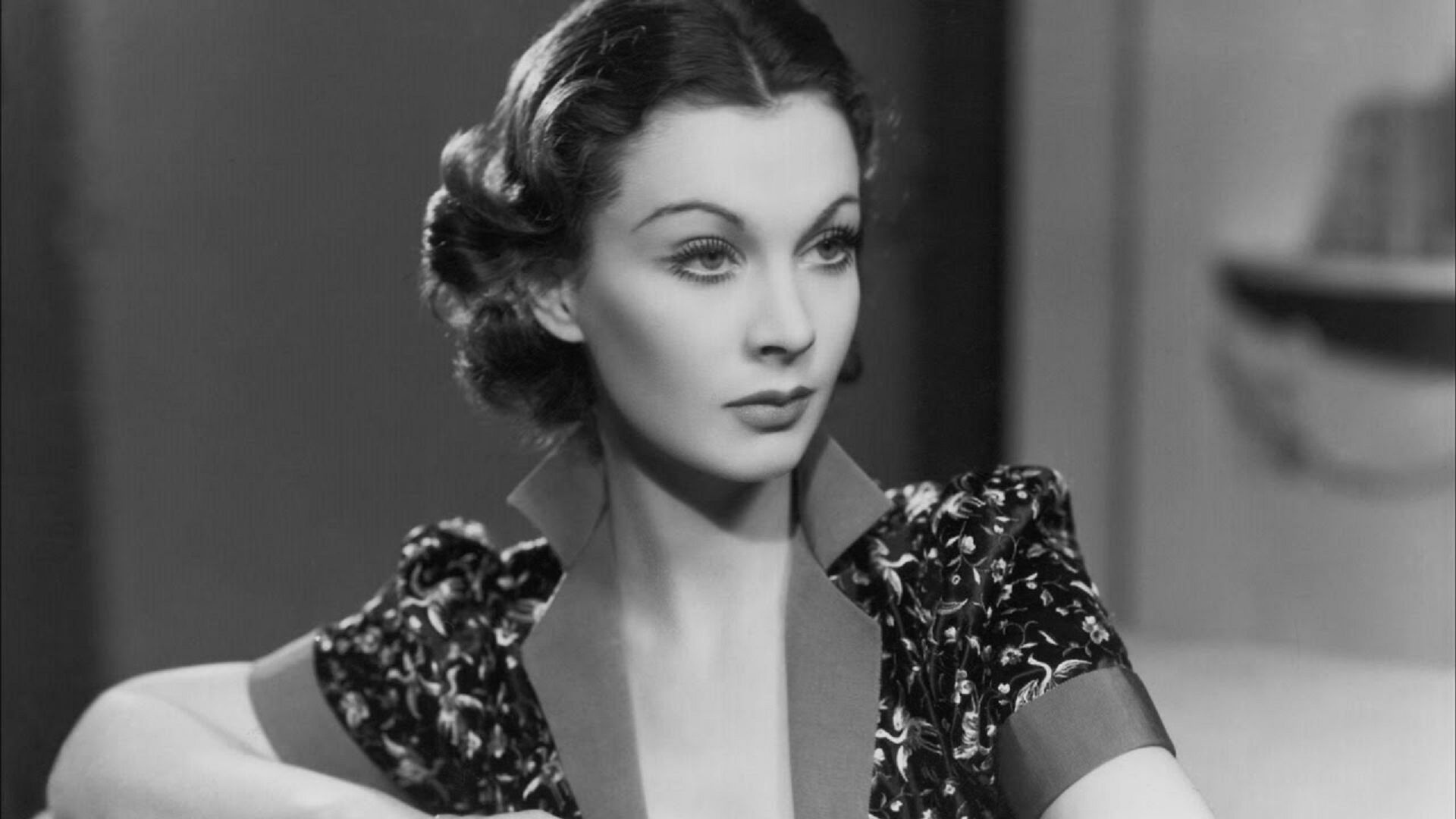
Vivien Leigh
Vivien Leigh is famous for playing Scarlett O’Hara, but she was fired from the movie Elephant Walk in 1954 because of her bipolar disorder. Back then, there were no modern drugs to help her. Leigh's manic episodes and deep depressions caused breakdowns on set, and she would scream and swear at people. The producers had her sedated against her will and replaced her with Elizabeth Taylor. Without proper treatment, her mental illness wrecked her career and her personal life.
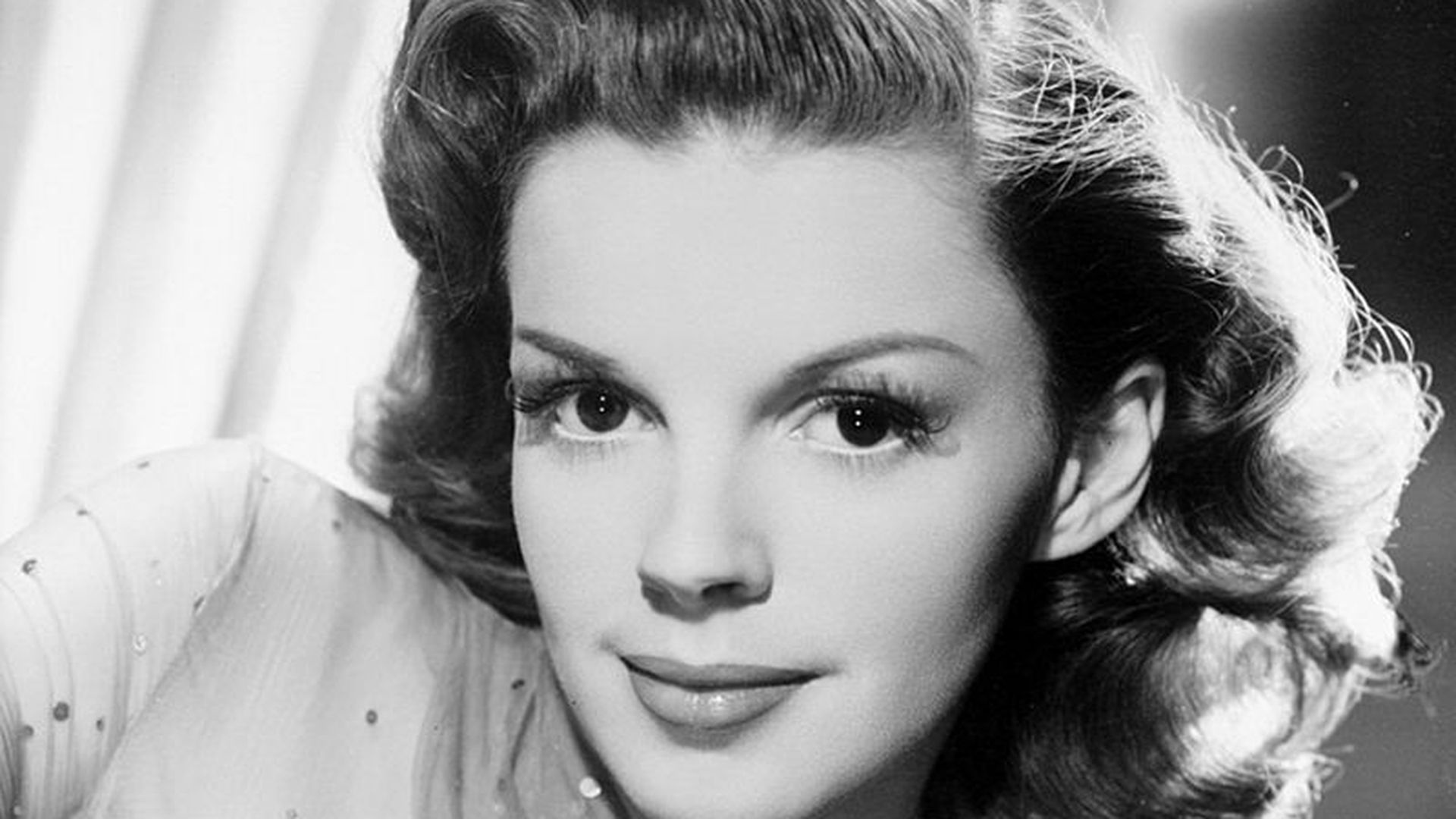
Judy Garland
Judy Garland was fired by MGM from the movie Annie Get Your Gun in 1950. She had been unreliable for months because of her addiction to pills the studio gave her and her ongoing mental health problems. She often showed up late, sometimes drunk, and looked completely worn out. The pressures of being a child star and working too hard had broken her down. Losing this role was another painful blow in her sad decline.
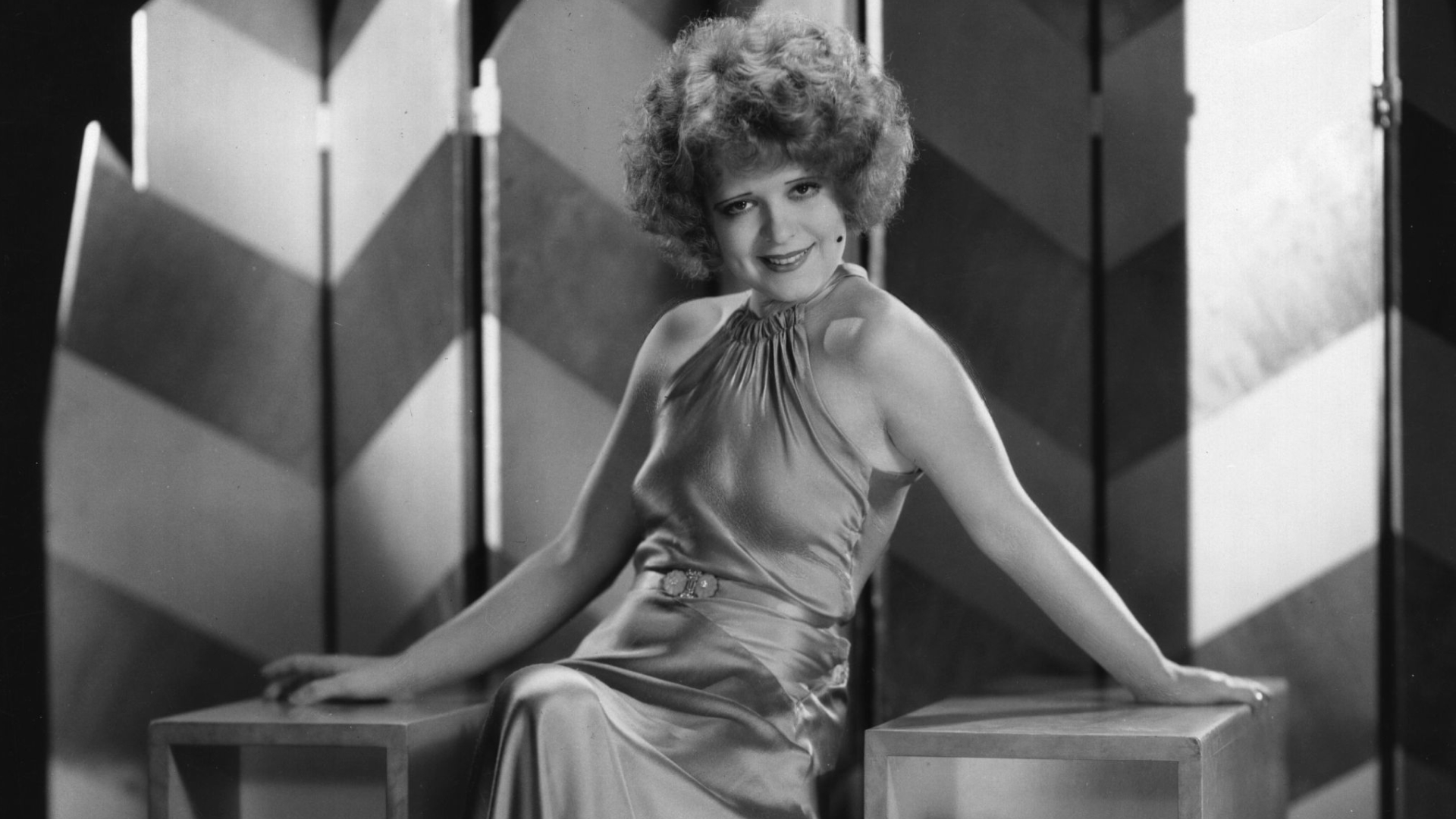
Clara Bow
Clara Bow was the It Girl of the 1920s. She asked to be fired from the movie City Streets after a messy court trial. Her secretary had stolen from her and embezzled money, and the trial exposed Bow’s private life. All the public shame caused her to have a nervous breakdown. She had to stay in a sanatorium and Paramount agreed to let her go. The emotional damage ended her stardom far too soon.
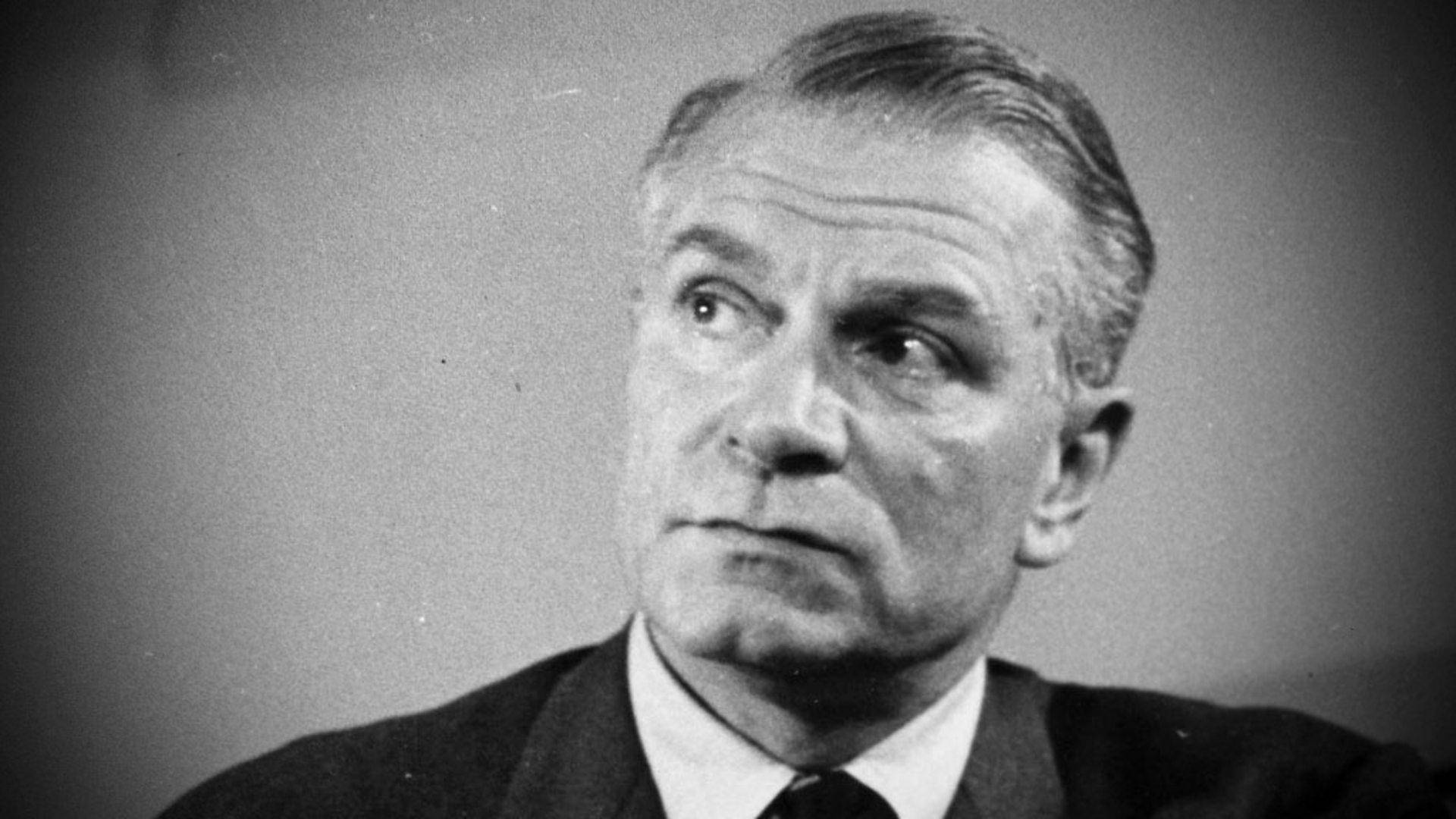
Laurence Olivier
Early in his film career, Laurence Olivier was fired from the movie Queen Christina in 1933. Greta Garbo let him go because she thought he was not good enough to play her love interest after they filmed a scene together. Olivier was already a famous stage actor, but he felt he didn't measure up. It was a crushing rejection early on, long before his later successes.
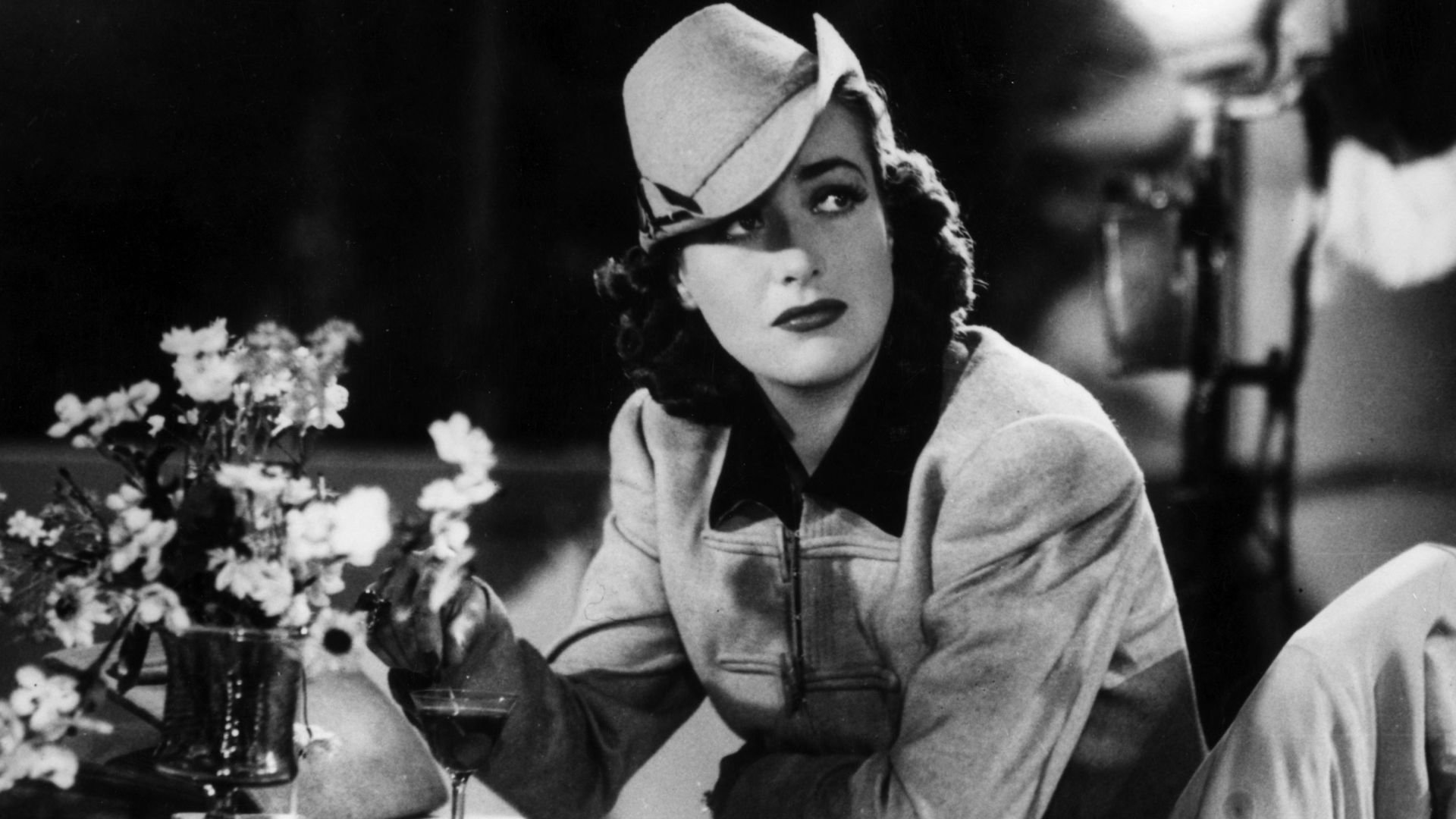
Joan Crawford
Joan Crawford was fired from the movie Hush... Hush, Sweet Charlotte in 1964. Bette Davis had bullied her nonstop on set, which made Crawford physically sick. She ended up in the hospital with a fever from all the stress. While she was there, a gossip columnist called to tell her she had been replaced by Olivia de Havilland. The whole feud was cruel and showed how toxic rivalries could get between aging stars trying to hold onto their careers.
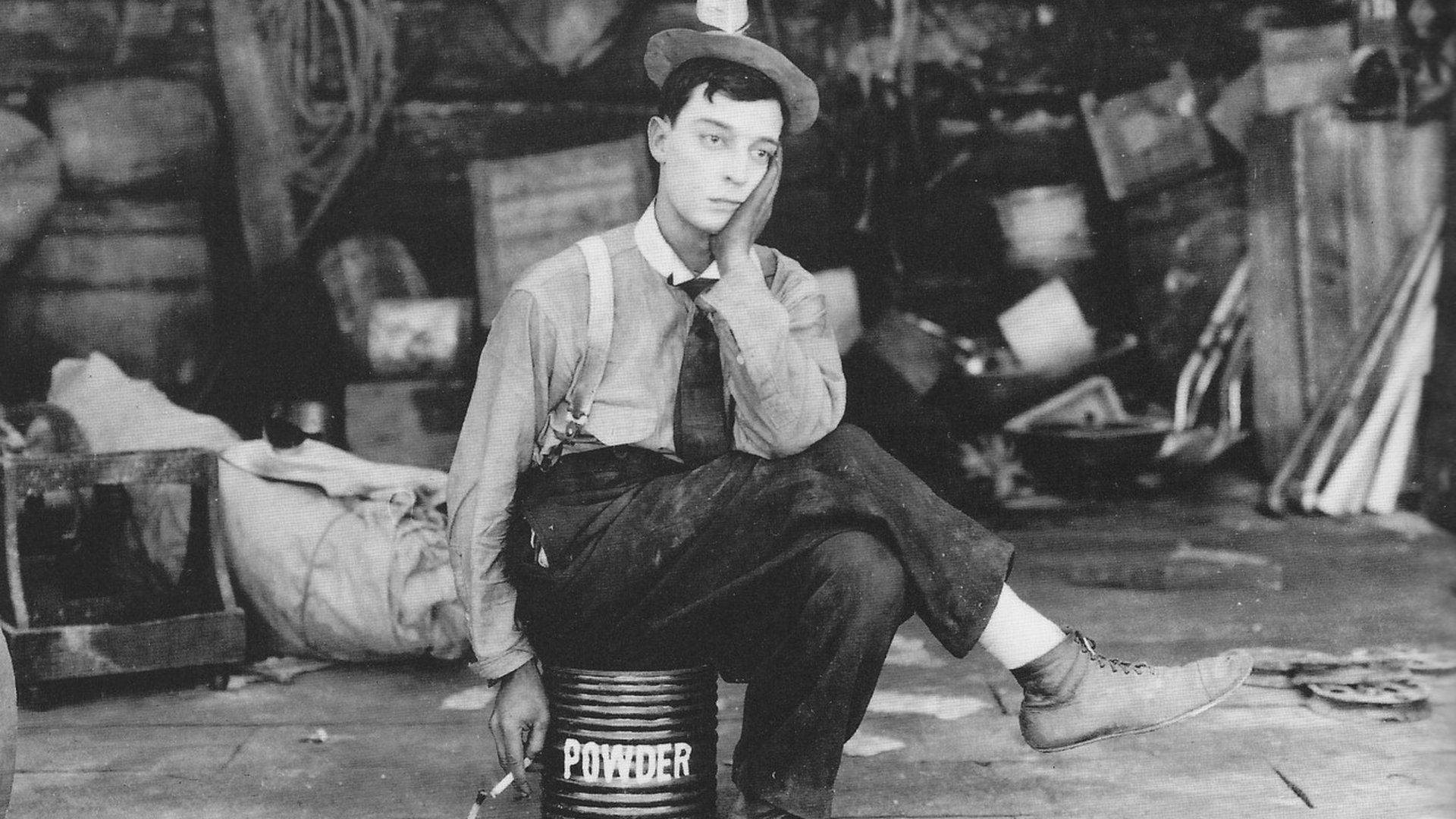
Buster Keaton
MGM fired Buster Keaton after years of holding him back with their factory like system. He was a genius of silent comedy and used to having full control over his work. But he clashed with the studio executives, drank too much on set, and skipped public events. His unhappiness grew, and when he was demoted from star to a small supporting player, it broke his spirit.
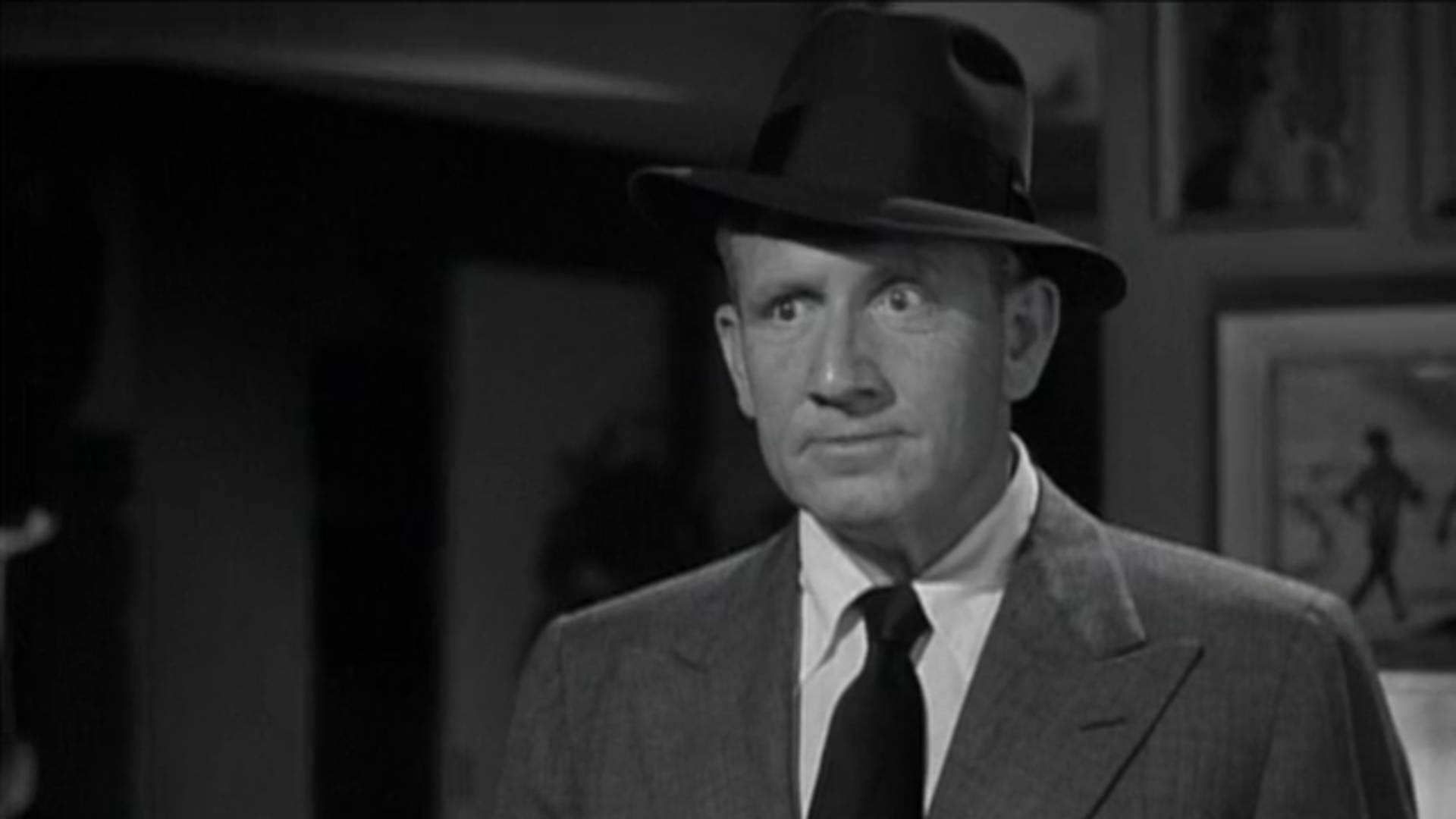
Spencer Tracy
Fox fired Spencer Tracy after he got drunk, got into a fight with the director, and destroyed props on the set of Dante's Inferno in 1935. Later, while drunk again, he confronted the studio executives. This all happened before his big Oscar wins. His self destructive behavior nearly ruined what had been a very promising career under contract.
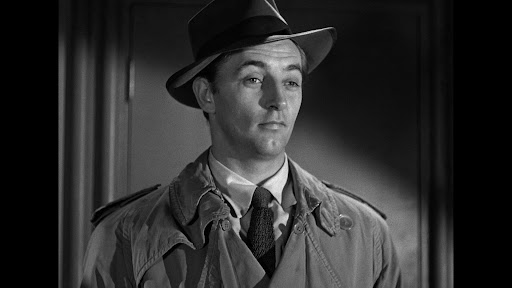
Robert Mitchum
Robert Mitchum was fired from the movie Blood Alley in 1955. He got into a physical fight on set, which he said was because he was standing up for the crew's rights. The fight held up production. Mitchum was already known for playing tough characters, and this incident along with rumors about drugs hurt his reputation. Back then, studios expected actors to follow the rules without question.
Gene Kelly
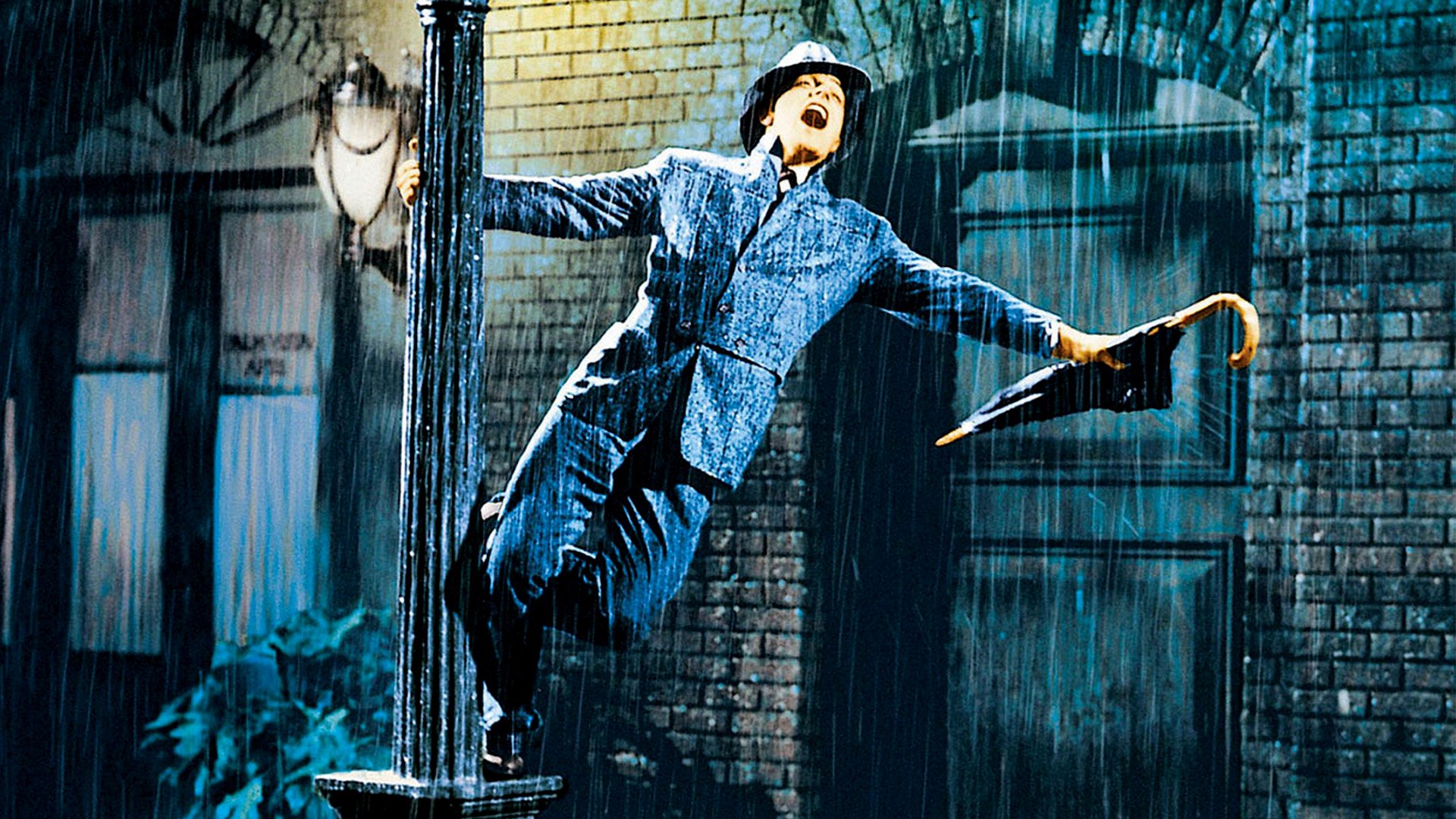
Gene Kelly asked to be taken off the movie Easter Parade in 1948. He broke his ankle in a moment of anger during a volleyball game, not during dance practice as people later claimed. Because he was such a perfectionist, the injury was a huge setback. MGM had to replace him with Fred Astaire, which was a real professional embarrassment for Kelly.
Clint Eastwood
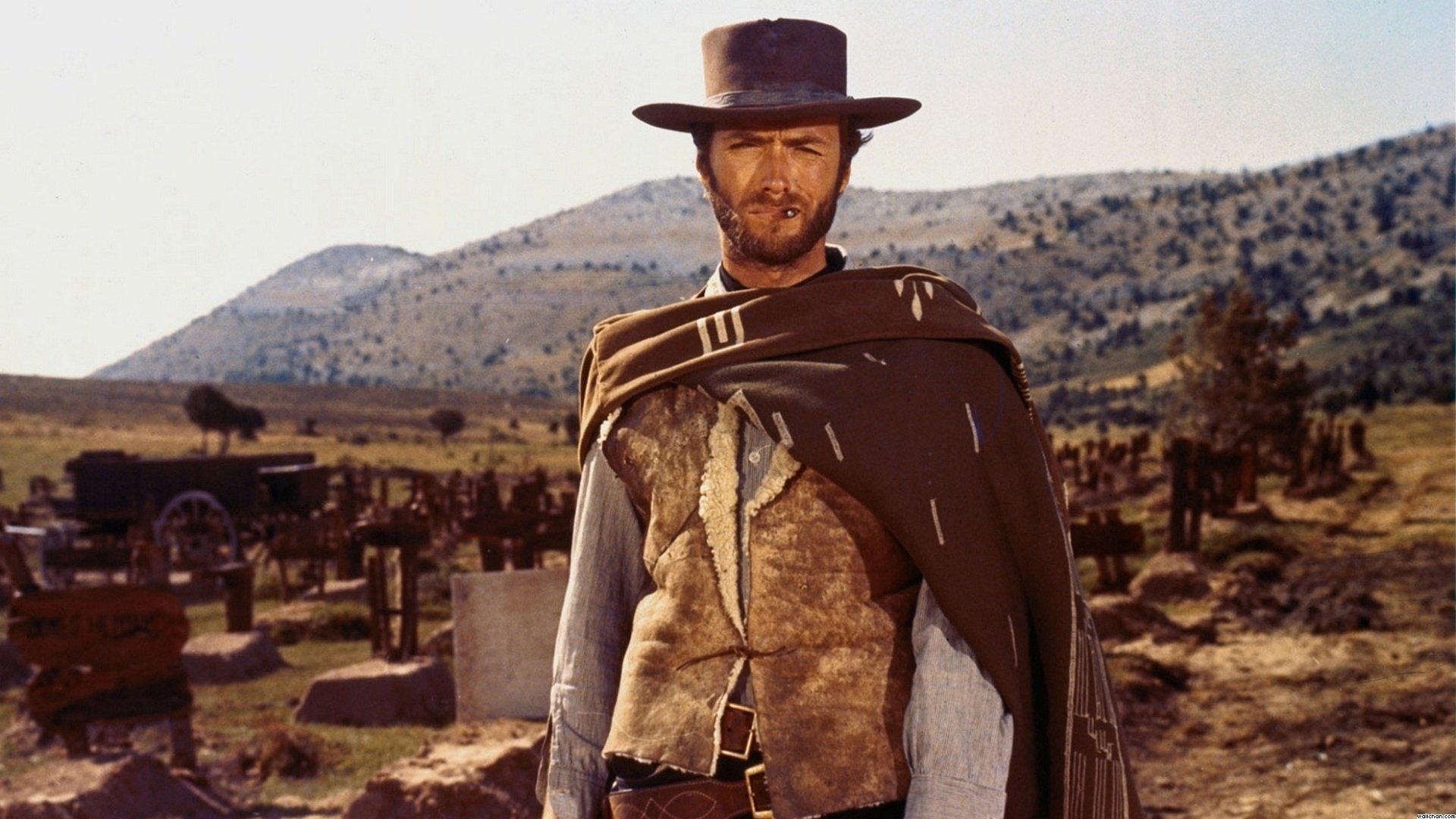
Universal fired a young Clint Eastwood in the late 1950s. The studio said it was because of his unusual looks, his protruding Adam's apple, his slow way of speaking, and a chipped tooth. This was long before he became famous in spaghetti westerns. The rejection showed how brutally Hollywood cared about conventional good looks when casting actors during the Golden Era.