
10 Little-Known Facts About ‘Jaws’
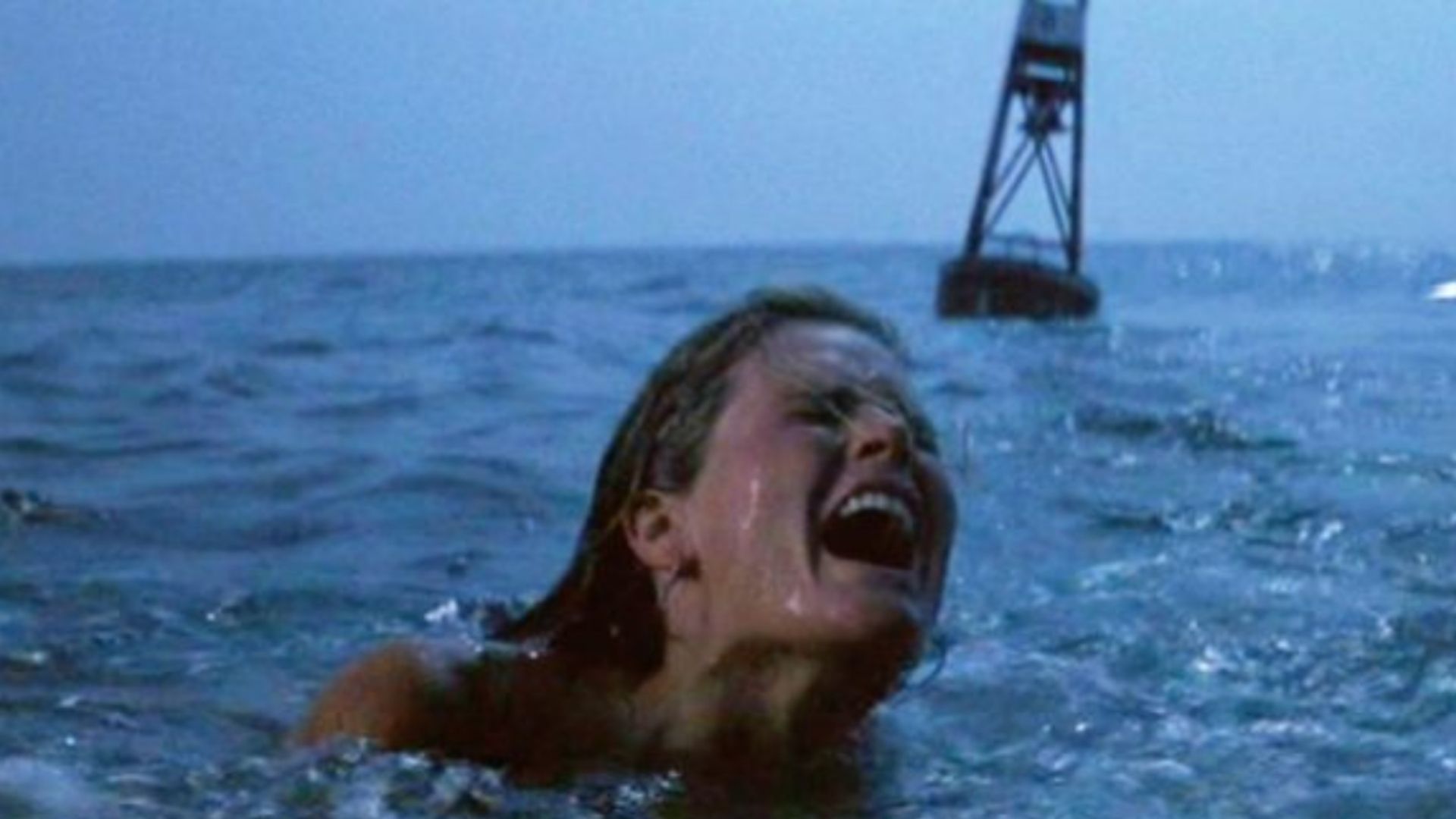
1. The opening attack scene used a real stunt technique
Susan Backlinie, a former model playing Chrissie, was strapped into a harness with cables. Crew members yanked her back and forth without warning to make her truly terrified. Later in post production, they made her screams more intense by pouring water down her throat so she would sound like she was choking.
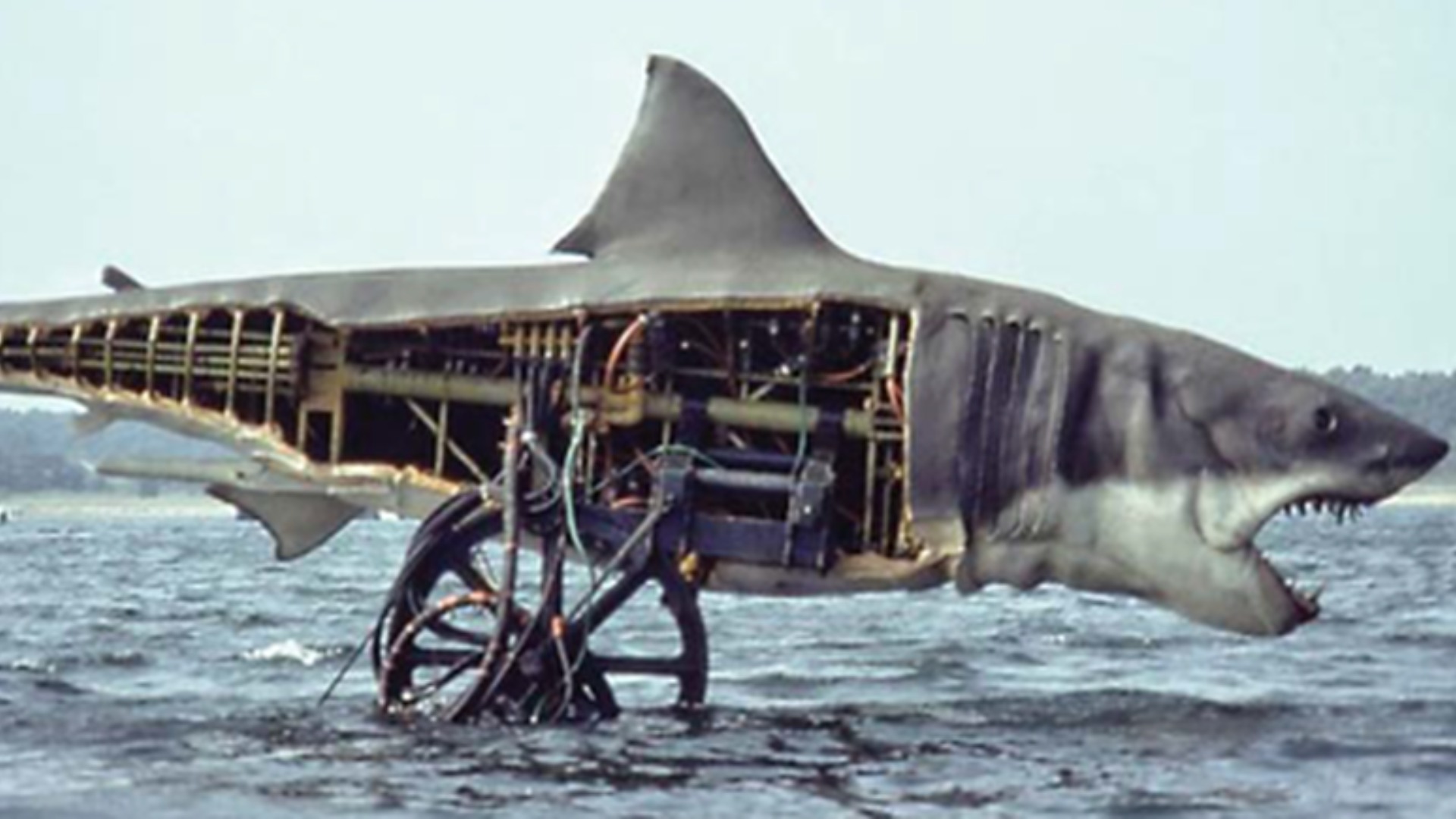
2. The mechanical shark was a nightmare that improved the movie
Three massive mechanical sharks, nicknamed "Bruce" after Spielberg's lawyer, were built at a cost of about $250,000 each. Saltwater constantly corroded and malfunctioned them, turning the 55-day shoot into 159 days and ballooning the budget. Spielberg cleverly showed the shark sparingly, relying on John Williams' score and barrels for suspense, which made the film far more terrifying.
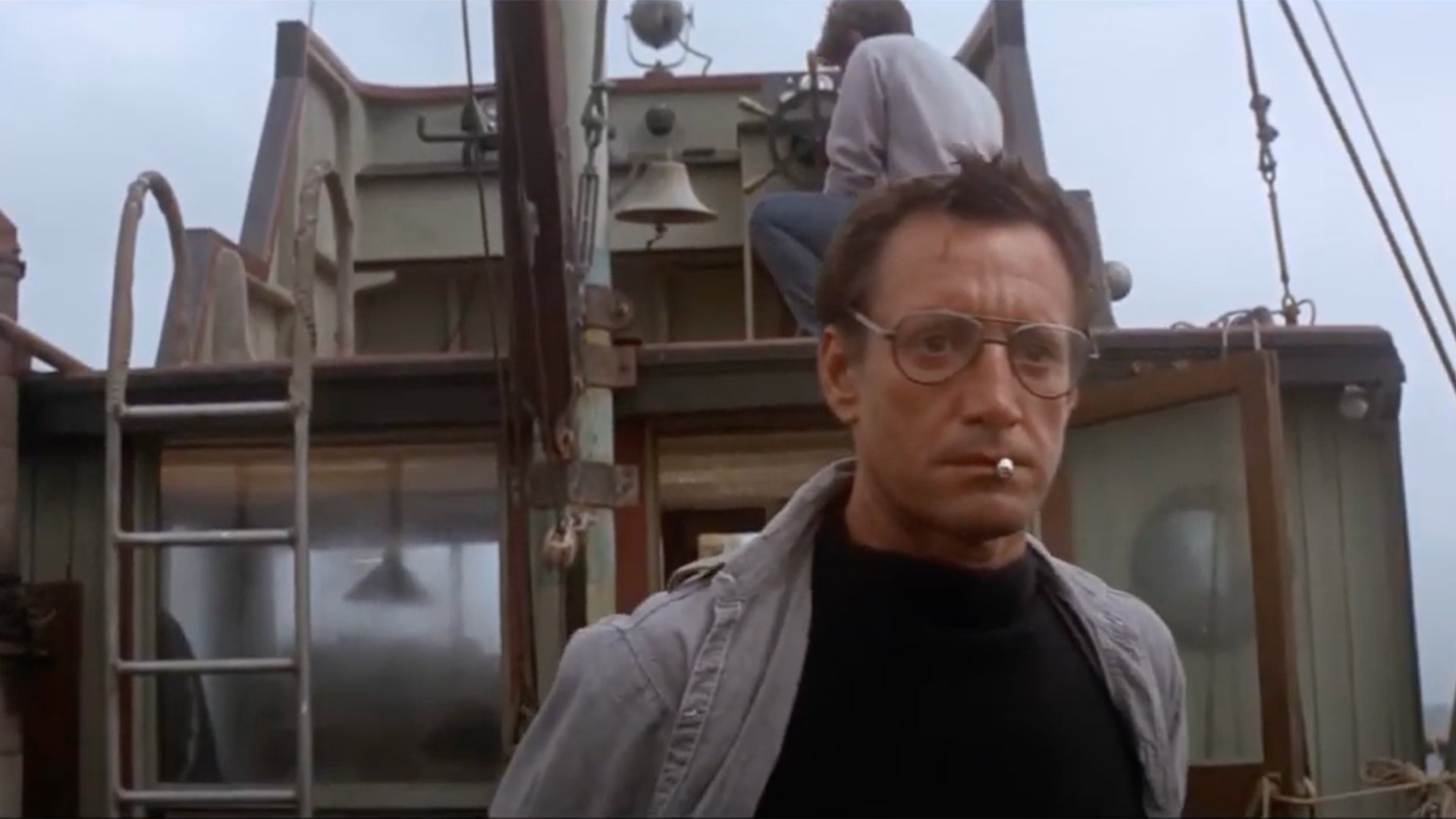
3. "You're gonna need a bigger boat" was improvised
Roy Scheider made up that famous line on the spot. It came from a joke between the crew during filming. The moment really showed the growing horror on the characters' faces when they first see how huge the shark really is.
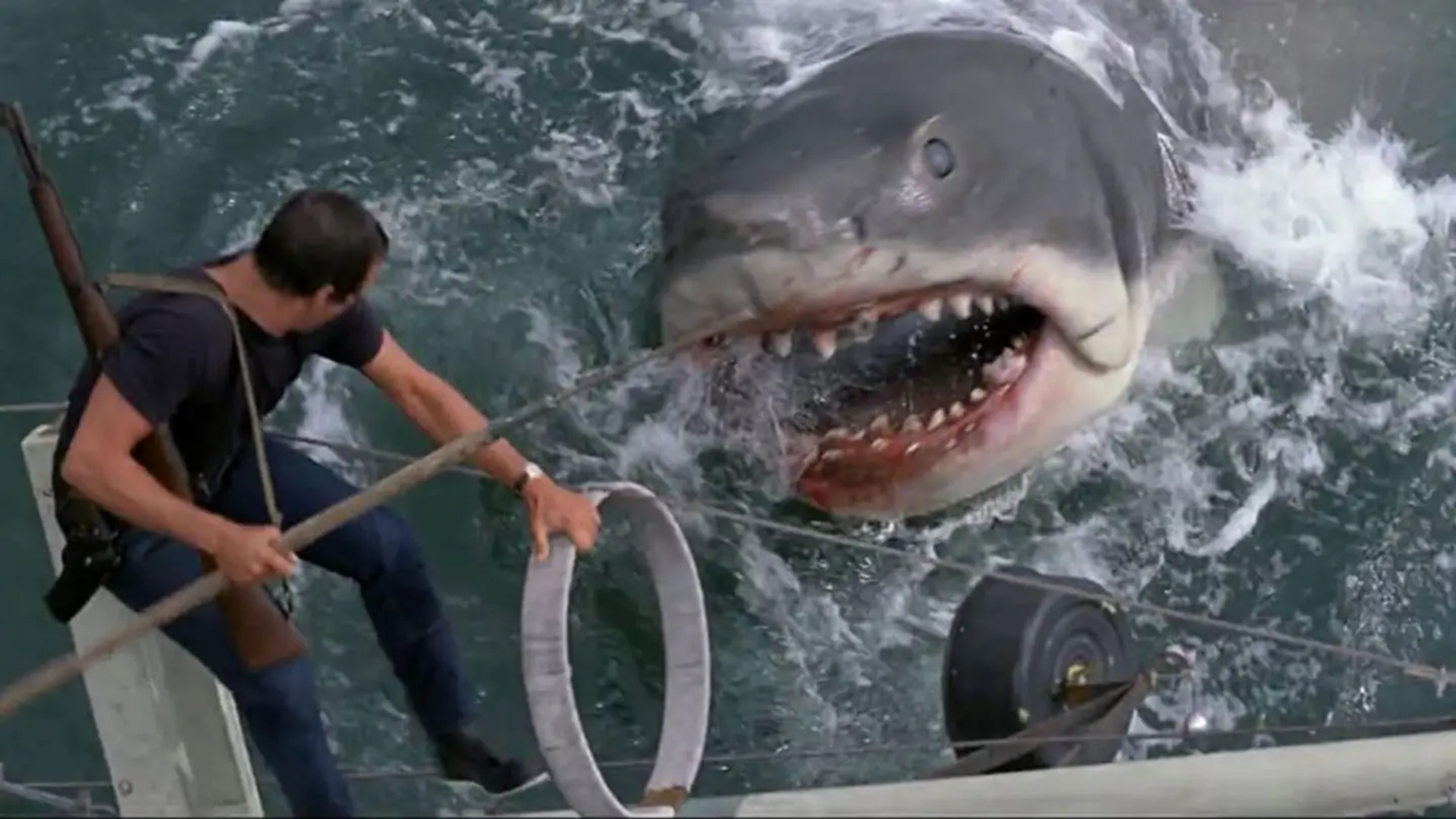
4. Real shark footage changed the script
Spielberg brought in Australian divers Ron and Valerie Taylor to film real great white sharks. During one take, an actual shark attacked the cage, bending the bars and snapping the wires. At first, Hooper was supposed to die, but Spielberg loved the footage so much he changed the ending to let Hooper live.
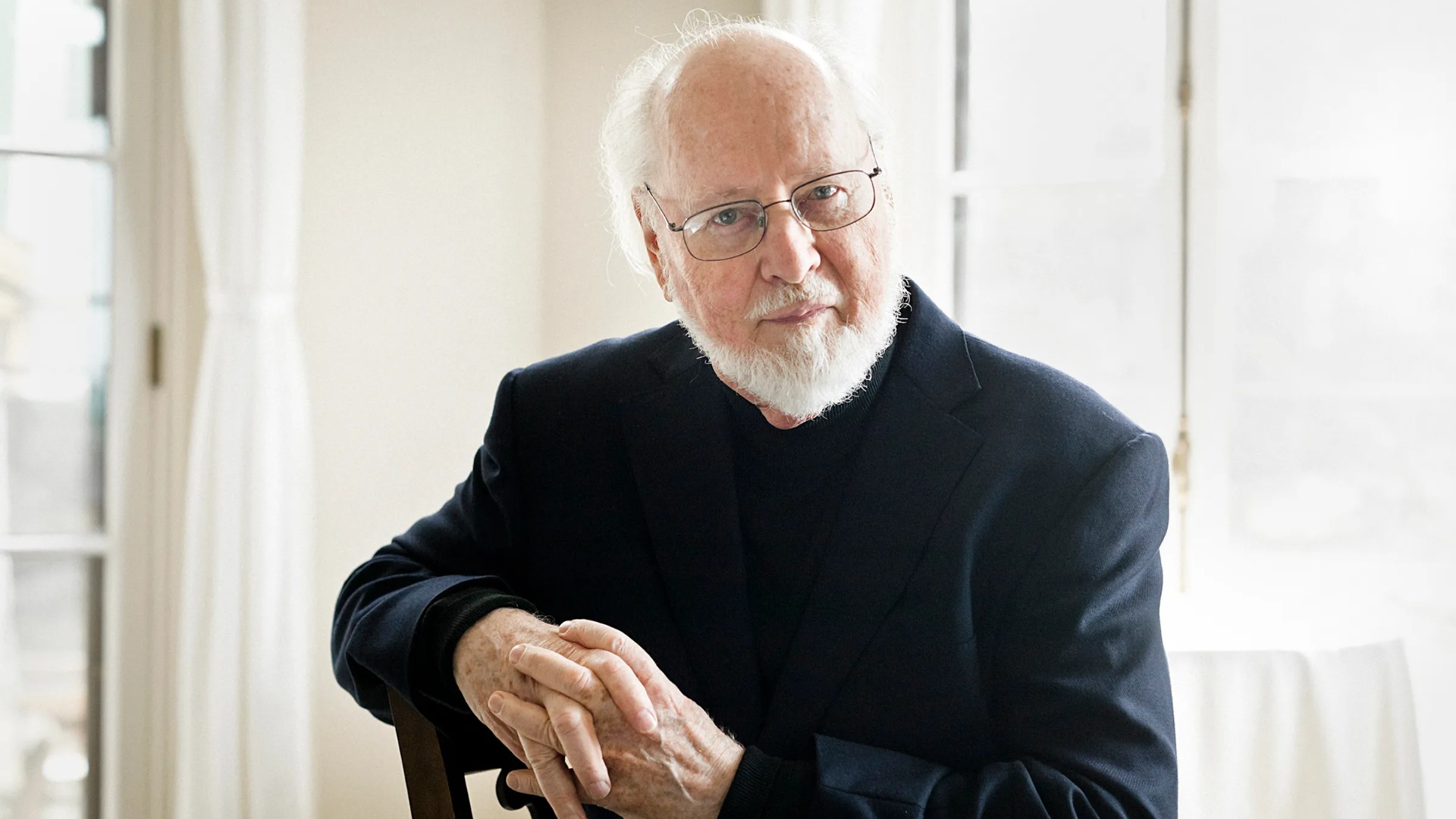
5. John Williams' iconic theme was initially laughed at
When Williams first played the simple "dun-dun" motif for Spielberg, the director thought it was a joke. Spielberg later credited the score with 50% of the film's success, saying it was Williams' greatest contribution to any of his movies. The minimalist theme became one of cinema's most recognizable pieces of music.
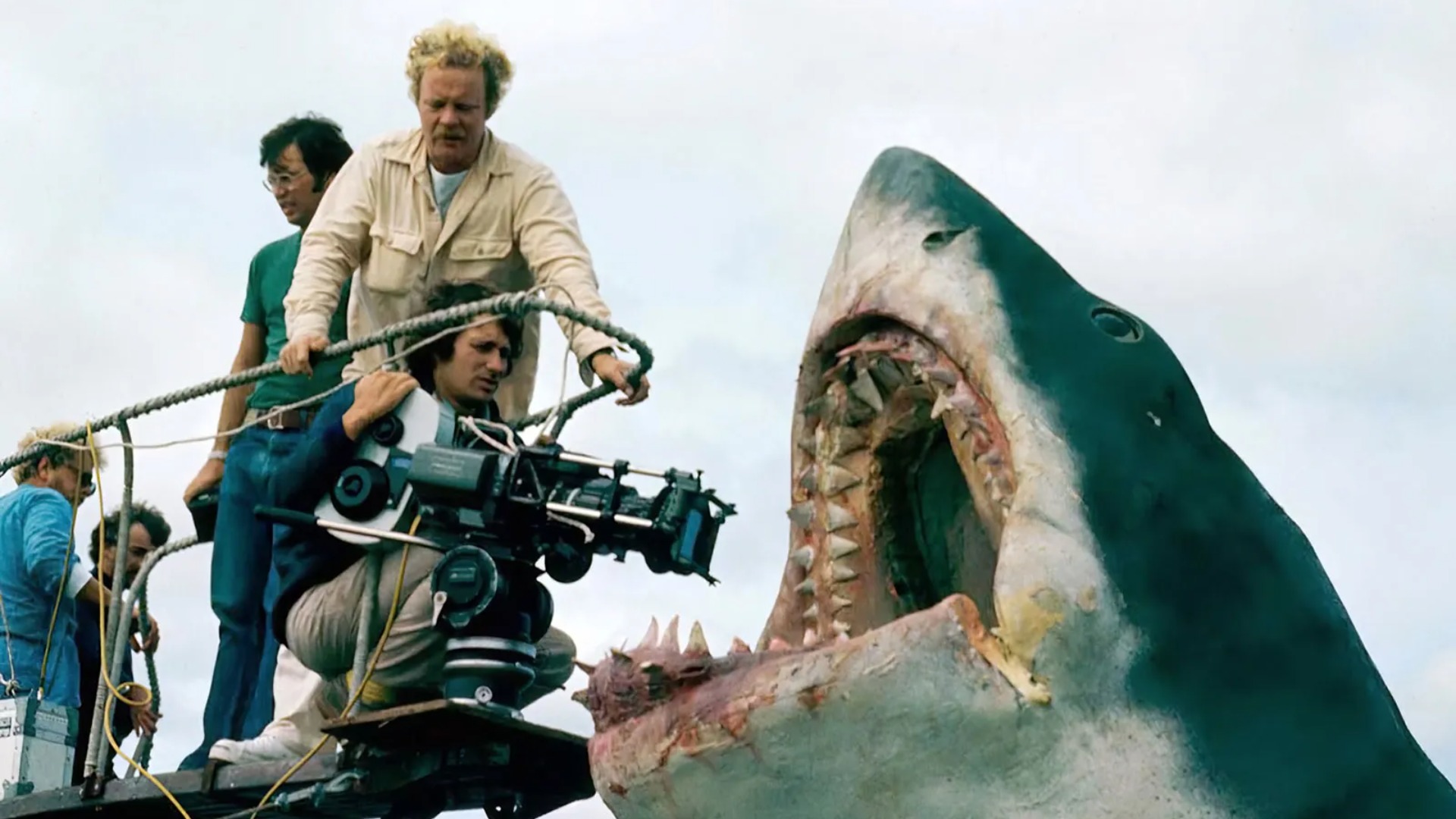
6. Filmed on location in Martha's Vineyard
Jaws was the first big movie shot mostly out on the open ocean. Amity Island was really Martha's Vineyard, picked partly because the shallow water let the mechanical shark work. The filming disrupted the island, but it also gave the movie a real feeling of chaos out at sea.
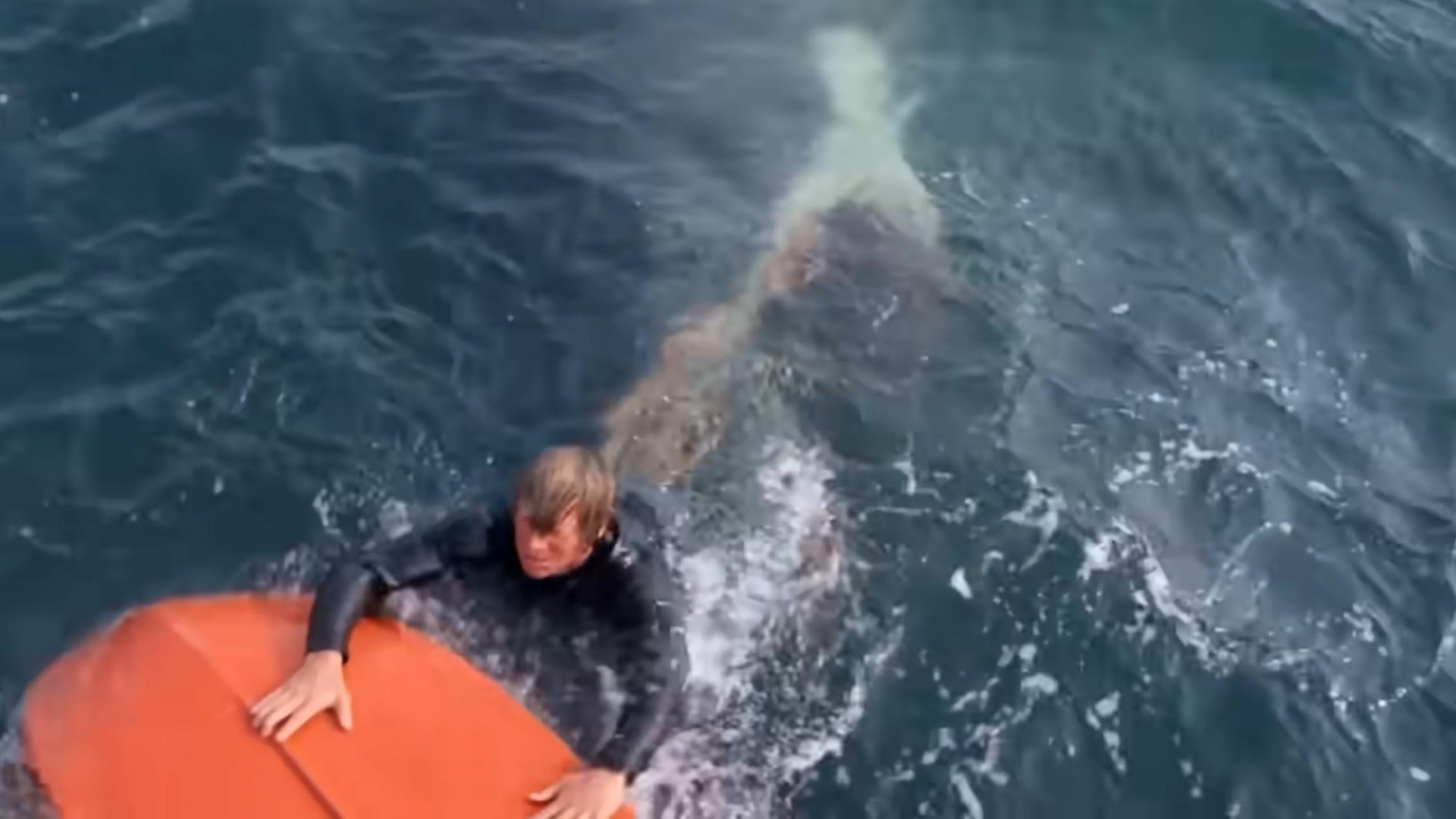
7. The shark appears for only about four minutes
Because Bruce kept breaking down, the great white shark is hardly ever seen on screen. Spielberg used shark's eye views, floating barrels, and Williams' music to build fear. It proved that less can be more in horror, and it made the audience's imagination run wild.
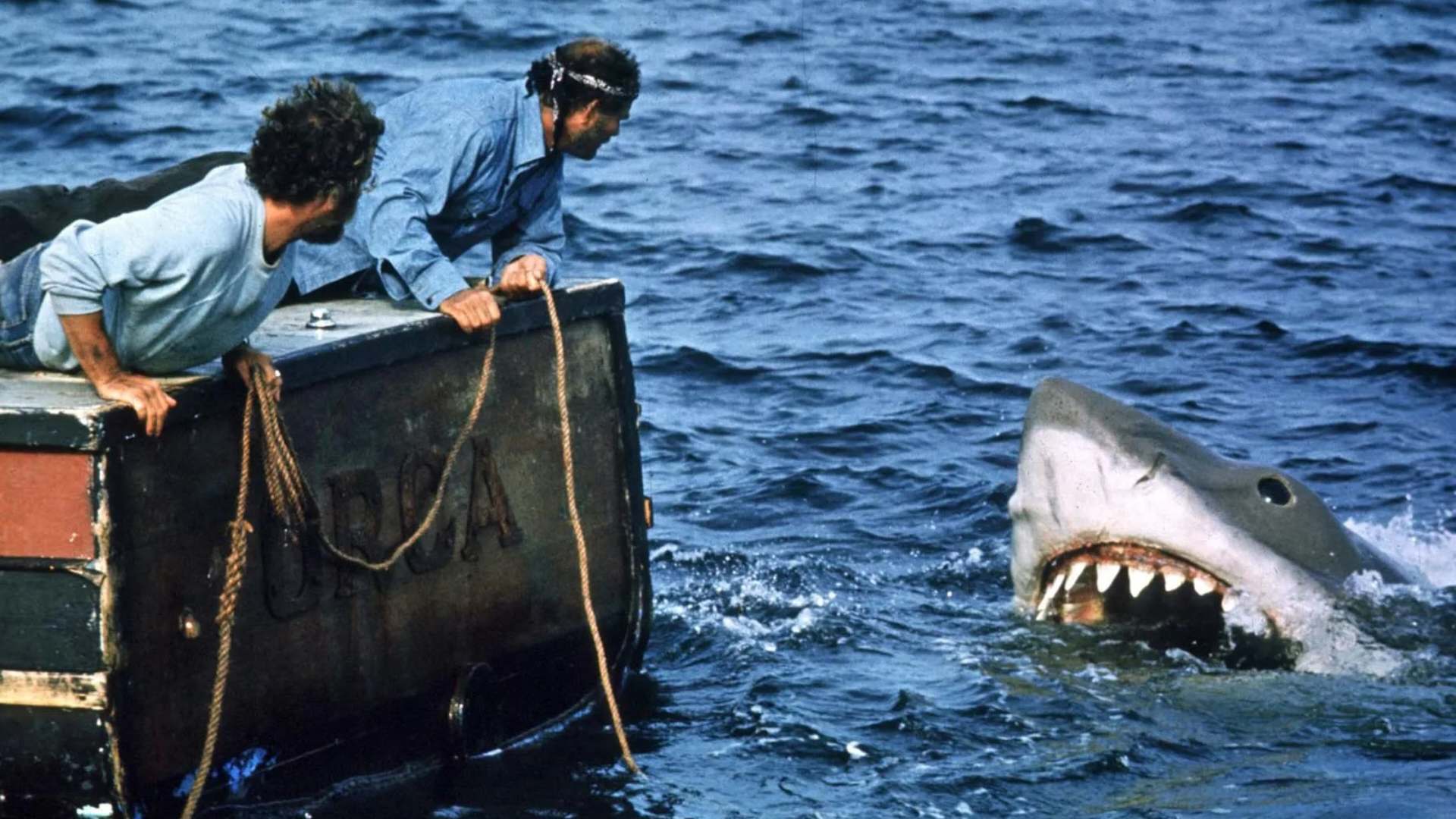
8. It launched the summer blockbuster era
Jaws grossed over $470 million worldwide on a $9 million budget (equivalent to billions today), shattering records. It was the first film to break $100 million domestically and pioneered wide simultaneous releases and heavy marketing, changing Hollywood forever.
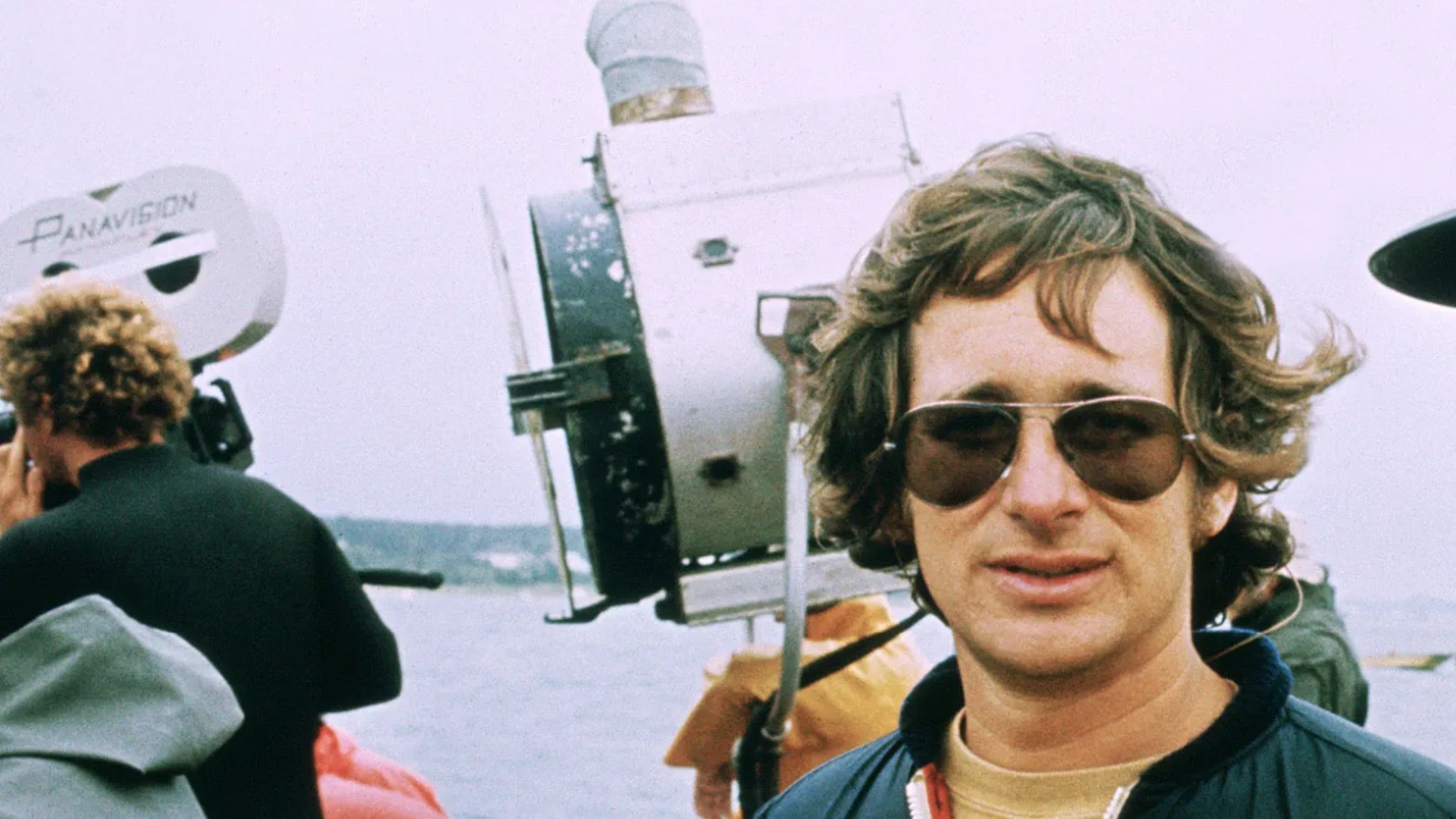
9. Spielberg was young and overwhelmed
Only 27-28 during production, Spielberg called it the hardest shoot of his career, plagued by nightmares afterward. He initially rooted for the shark while reading the book because the humans seemed unlikable. The experience nearly broke him but cemented his reputation.
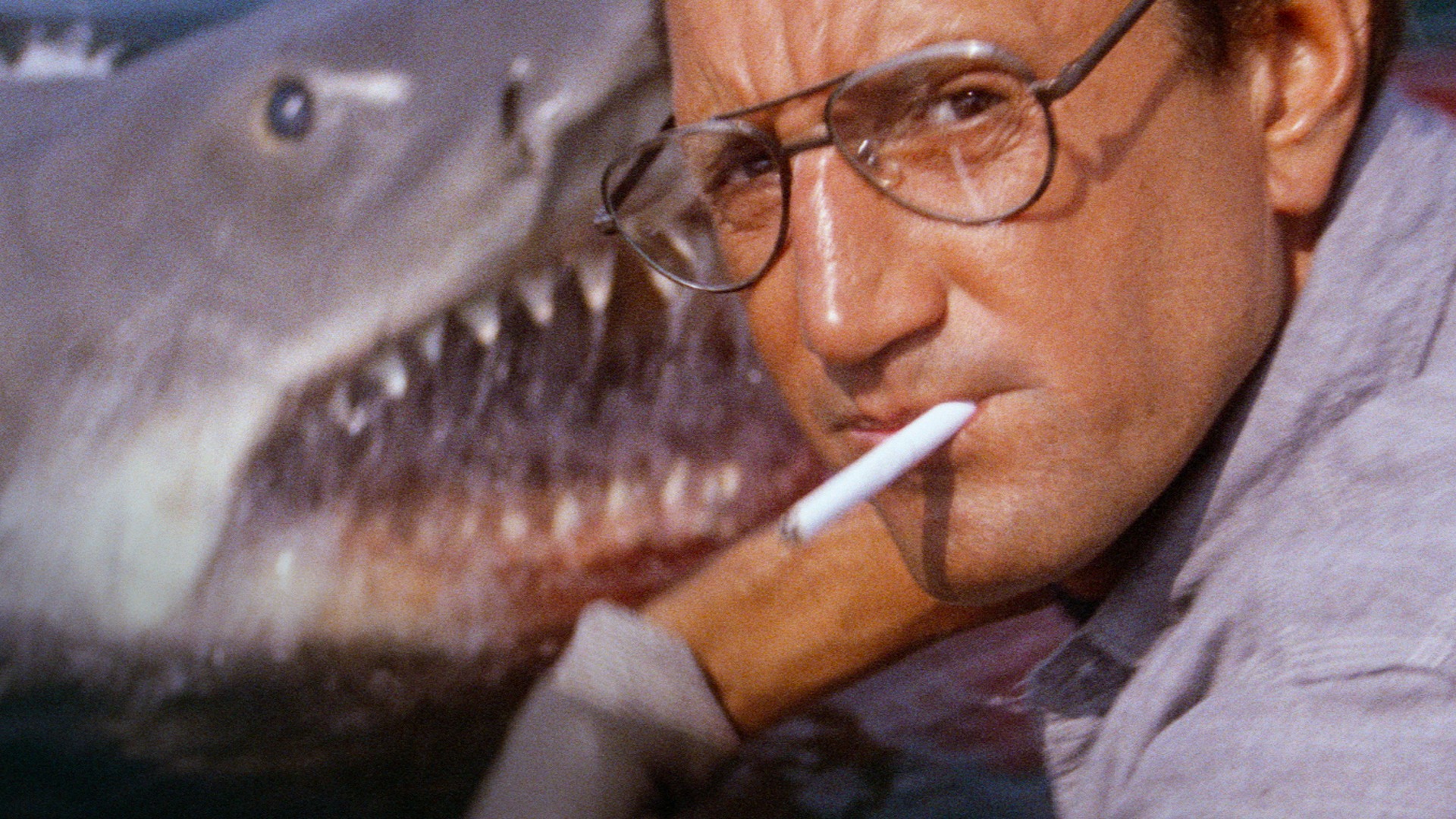
10. Iconic details from real life and improvisation
Peter Benchley, the author, showed up as a reporter in a quick cameo. In the scene where the arm is found, they used a real arm from a buried crew member because the fake prop looked too phony. The moment at the dinner table where Brody mimics his son came from an unscripted bit between Scheider and the boy actor.