
10 Major Lord of the Rings Book Storylines the Movies Left Out
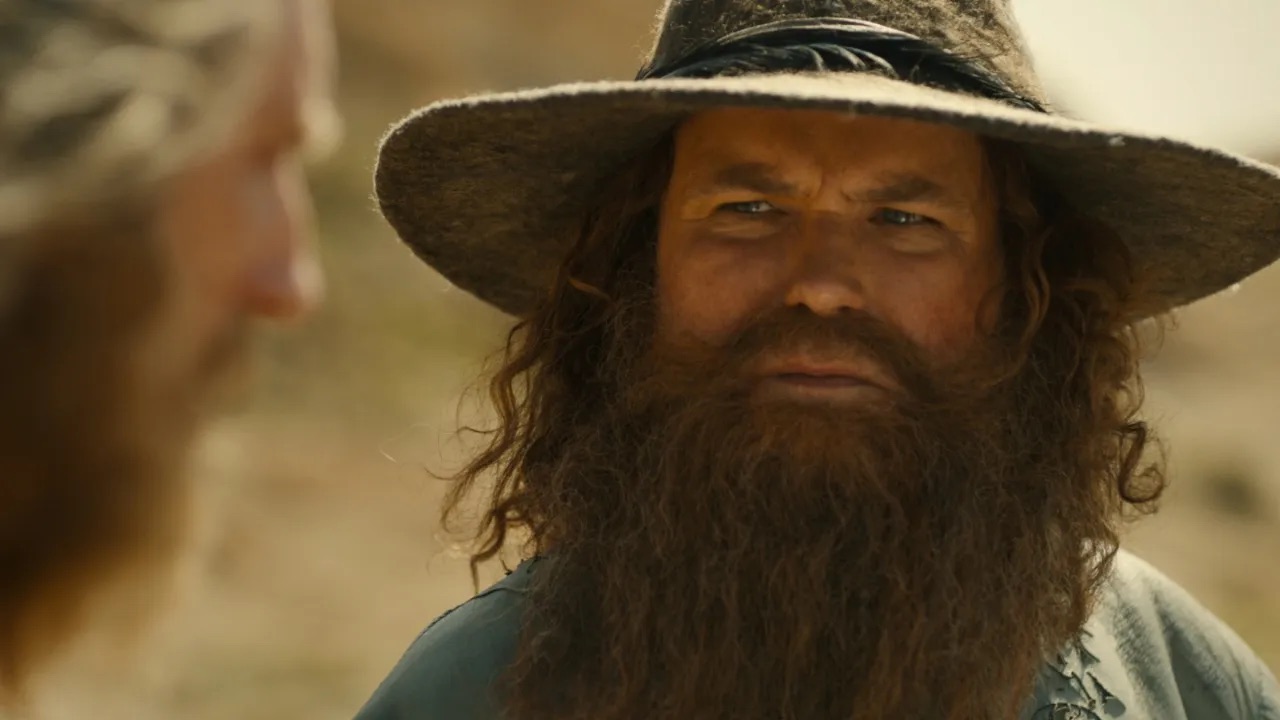
1. The Barrow-downs Encounter
After leaving the Shire and the Old Forest, the four Hobbits are trapped in the ancient, cursed Barrow-downs and nearly killed by a powerful evil spirit known as a Barrow-wight. They are only saved by the timely arrival of Tom Bombadil (whose existence was also omitted). This encounter establishes the ancient, lurking evil of Middle-earth outside of Sauron and serves as a major moment of horror and self-reliance for the Hobbits early in the journey.
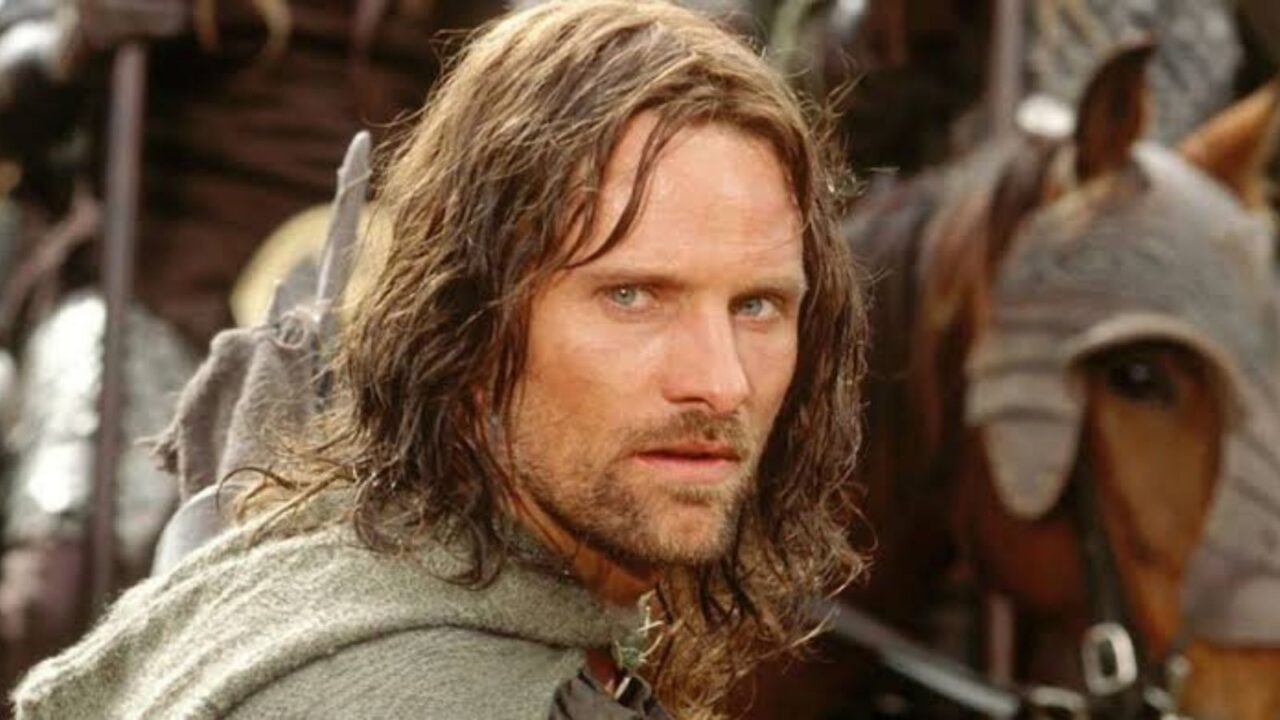
2. The Nature of the Grey Company
In the books, the reinforcements that Aragorn calls upon are not just the Army of the Dead. He is joined by the Grey Company, a large group of his people, the Rangers of the North, who are the last descendants of the Númenórean Kings. This omission simplifies the story. In the books, the Rangers' arrival is a vital display of faith and loyalty to their chieftain, providing a much-needed, tangible force to aid Aragorn.
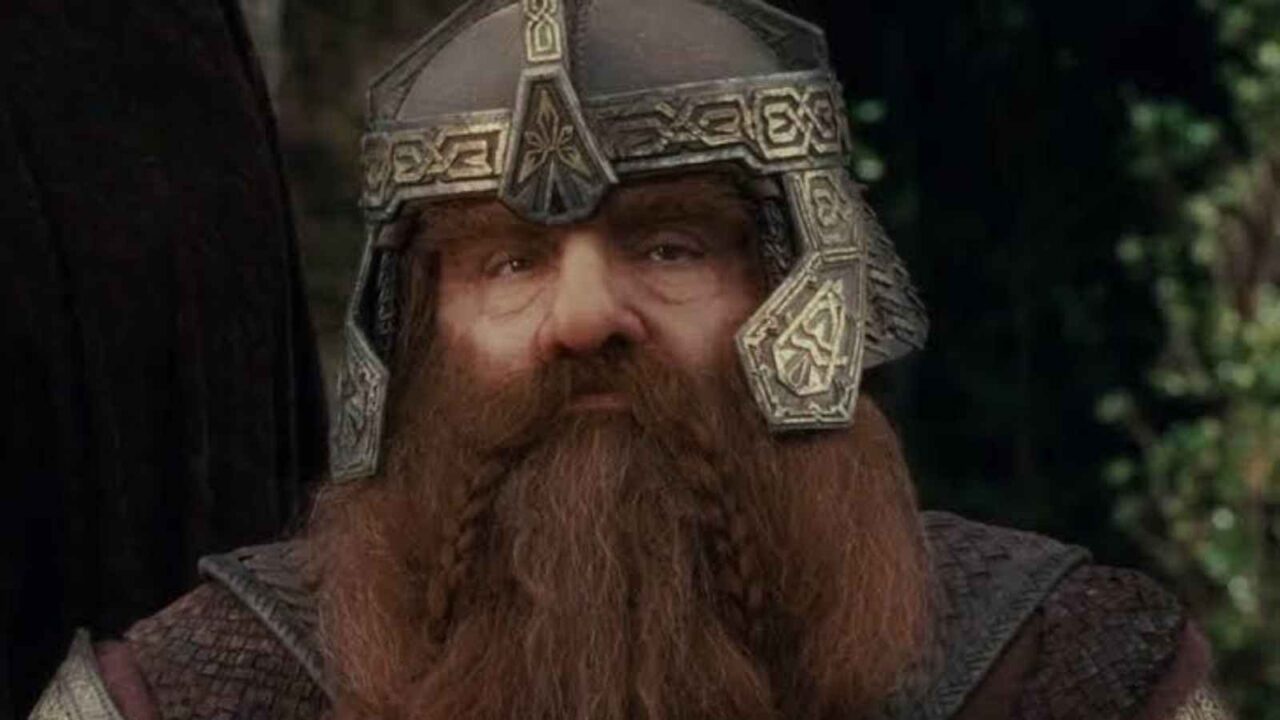
3. Gimli’s Request from Galadriel
When the Fellowship leaves Lothlórien, Lady Galadriel asks each member what gift they desire. Gimli does not ask for gold or weaponry, but for a single strand of Galadriel’s hair. She gives him three. This exchange is a pivotal, tender moment that publicly breaks the centuries-old feud between Elves and Dwarves, marking the profound depth of Gimli’s burgeoning friendship with the Elves.
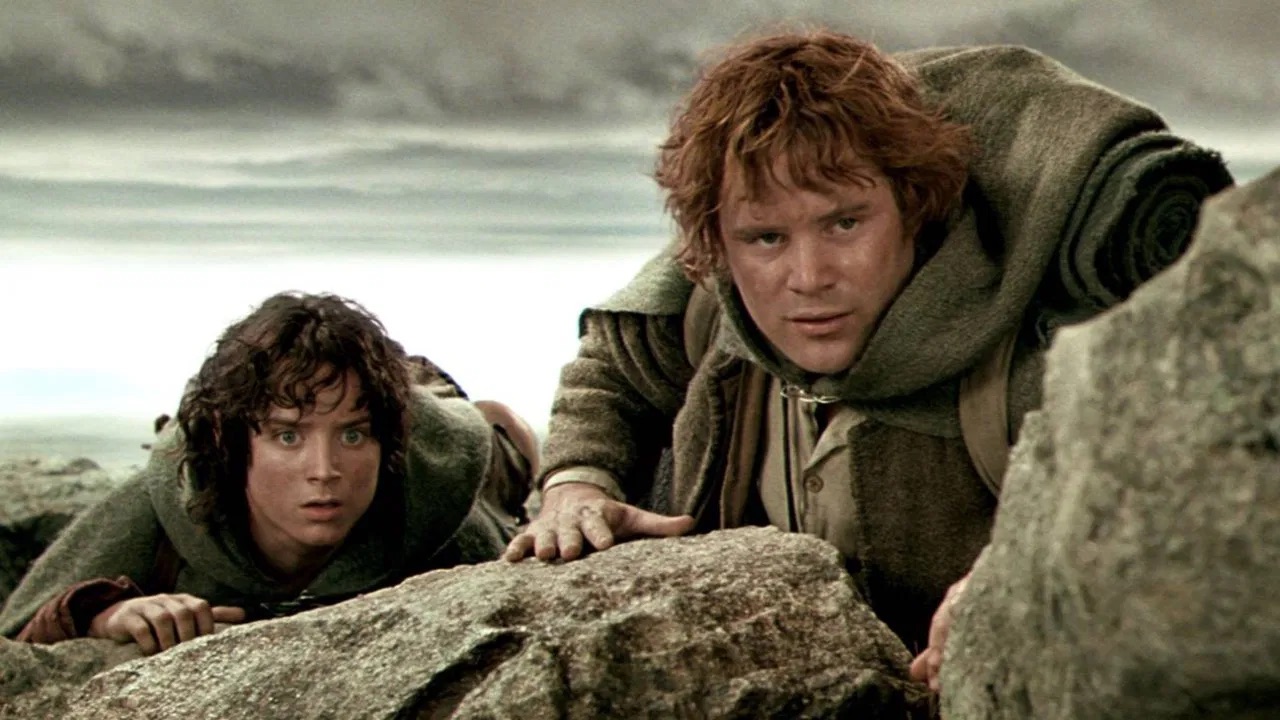
4. Samwise's Time as Ring-Bearer
When Shelob stings Frodo near the Tower of Cirith Ungol, Sam believes his master is dead. To continue the quest, Samwise briefly takes the One Ring, wearing it and feeling its insidious power, before resolving to rescue Frodo. This short period of time with the Ring strengthens Sam’s immunity and resolves his character arc as a true hero, proving his simple heart is uncorruptible even by the greatest evil.
5. The Houses of Healing Subplot
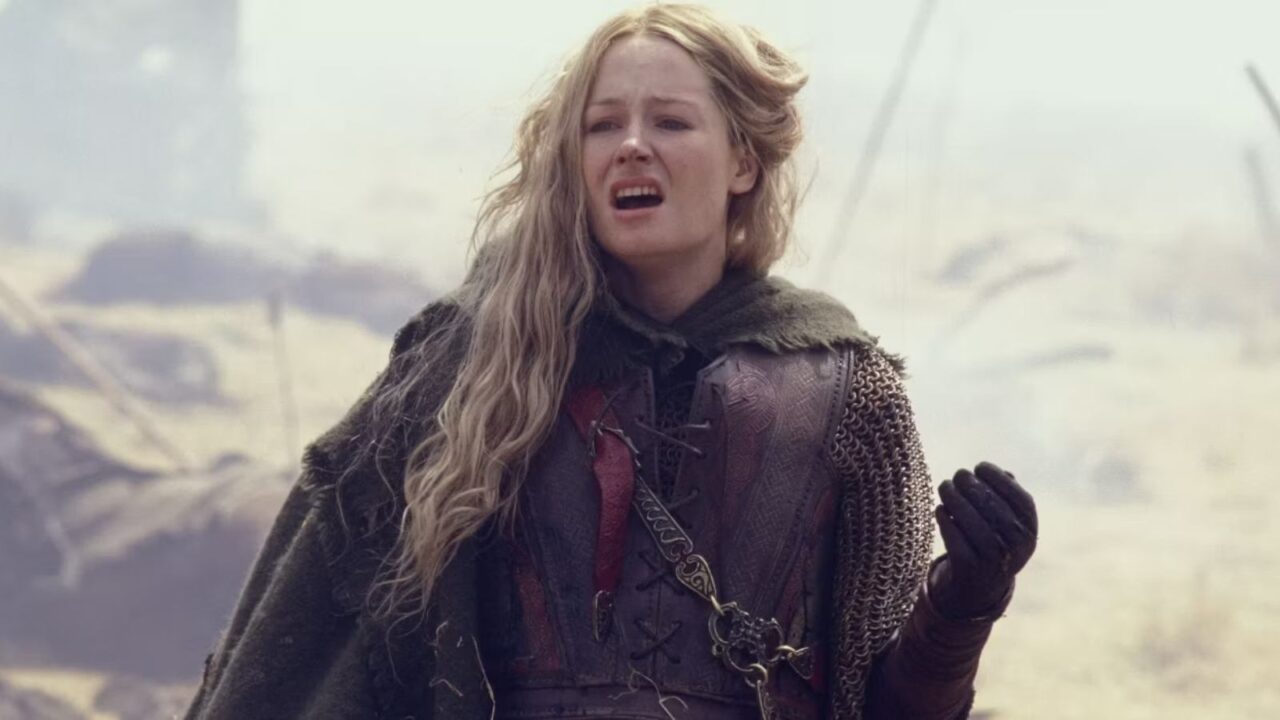
After the Battle of the Pelennor Fields, Merry and Éowyn are gravely wounded. Aragorn enters the Houses of Healing in Minas Tirith and uses his ancient healing power to save them. This subplot, which is skipped in the movie, confirms Aragorn’s lineage and right to the throne, fulfilling the prophecy: “The hands of the King are the hands of a healer, and so shall the rightful King be known.”
6. The Fate of Saruman (In Orthanc)
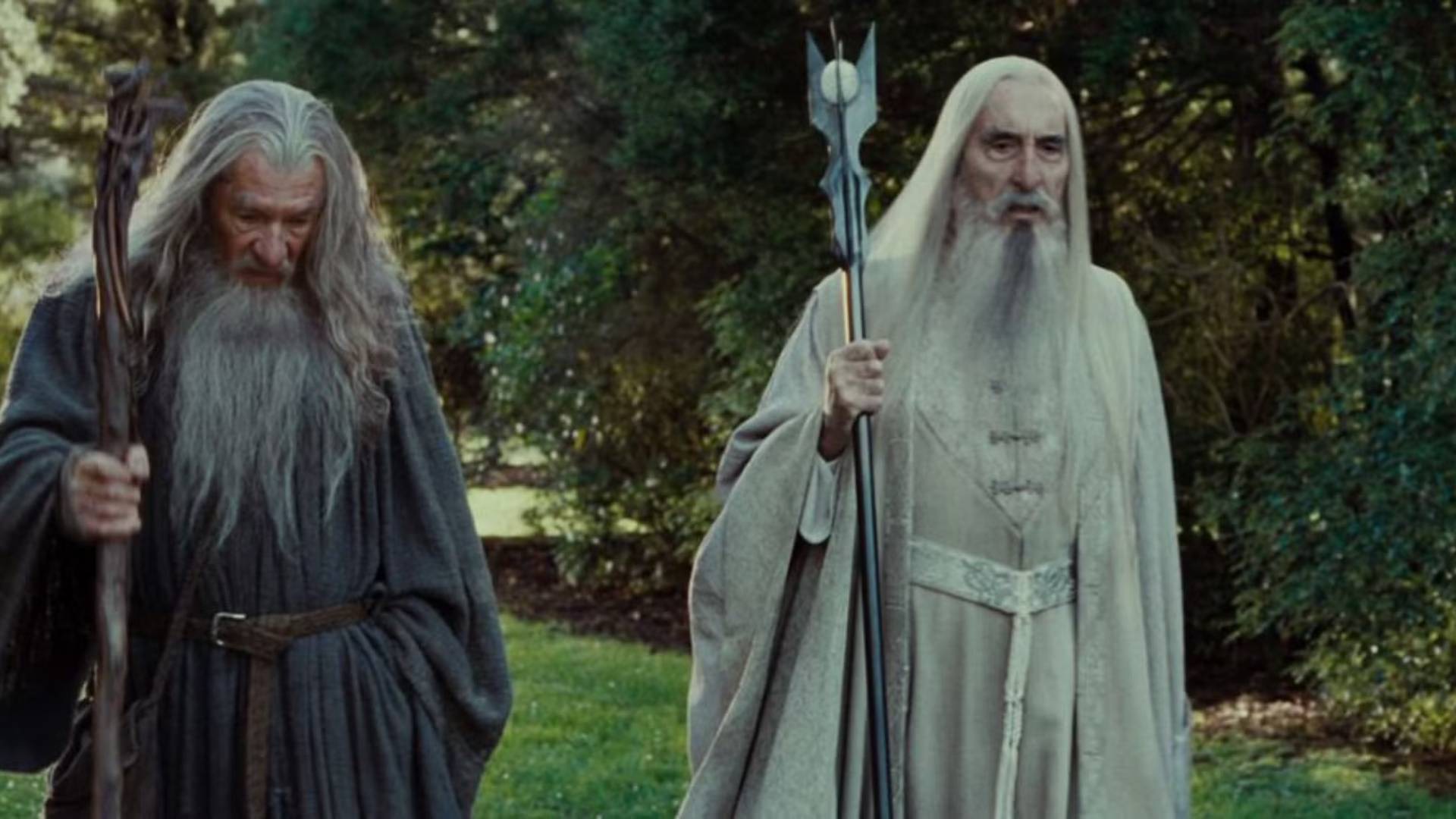
In the theatrical films, Saruman's death is shown during the siege of Isengard. In the books, Saruman and Gríma Wormtongue are imprisoned in the tower of Orthanc by the Ents. The films omit the crucial moment when Saruman is finally killed by Gríma Wormtongue during the Scouring of the Shire subplot, changing the timing and location of his demise to streamline the narrative.
7. The History of the Black Riders (Nazgûl)
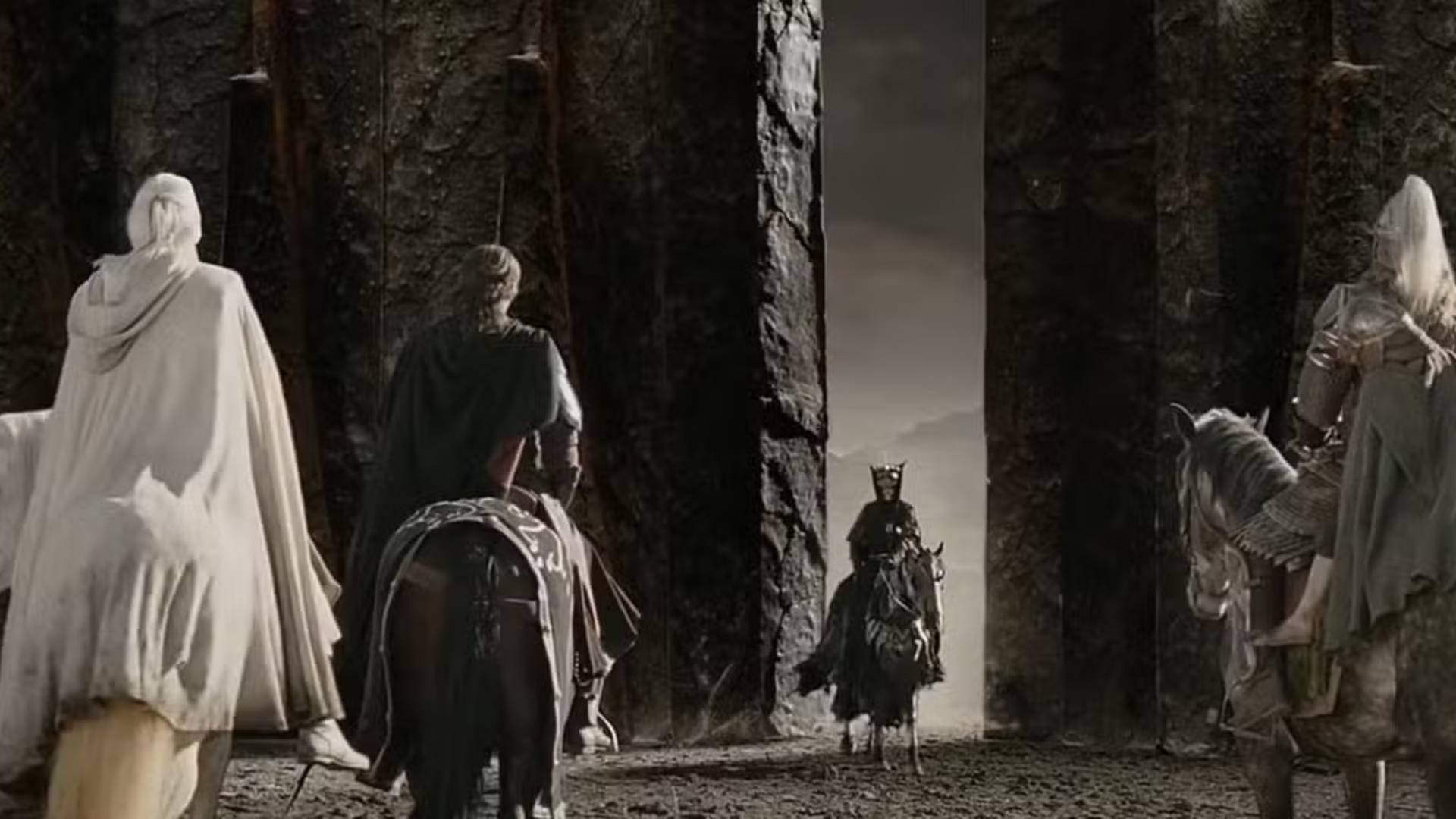
While the movies establish the Nazgûl as terrifying servants of Sauron, they omit their human backstory. The nine Black Riders were once nine great kings of men who were given rings of power by Sauron and slowly corrupted into wraiths. This deep lore omission deprives the audience of the tragic background of the Nazgûl, underscoring the insidious, soul-destroying power of the rings and Sauron's methods of conquest.
8. Frodo's Long-Term Trauma and Sickness
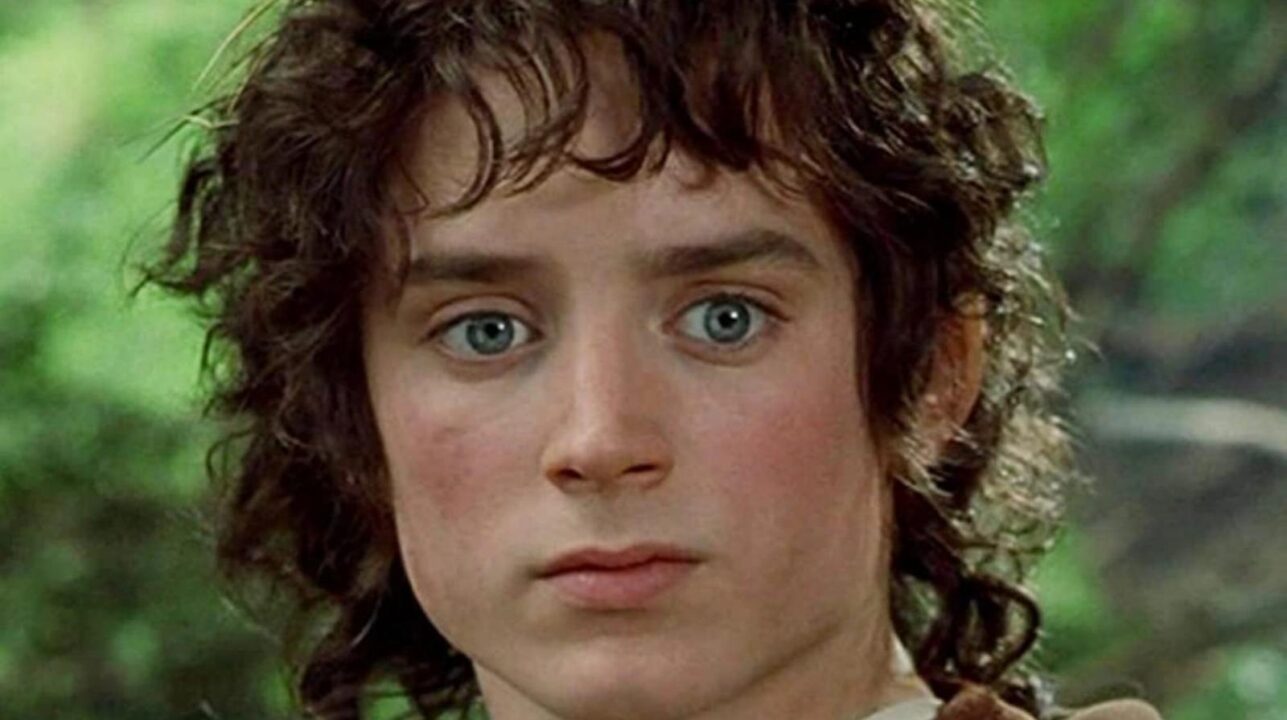
After the Ring's destruction, Frodo does not fully recover. He suffers from lingering physical and psychological trauma from his wounds (including the Morgul-knife stab and Shelob's sting) and the corruption of the Ring. The movies omit the depth of this trauma, which is the key reason Frodo is ultimately granted passage to the Undying Lands—the final, long journey is not just a reward, but a necessity for his healing.
9. The Feast in Lothlórien
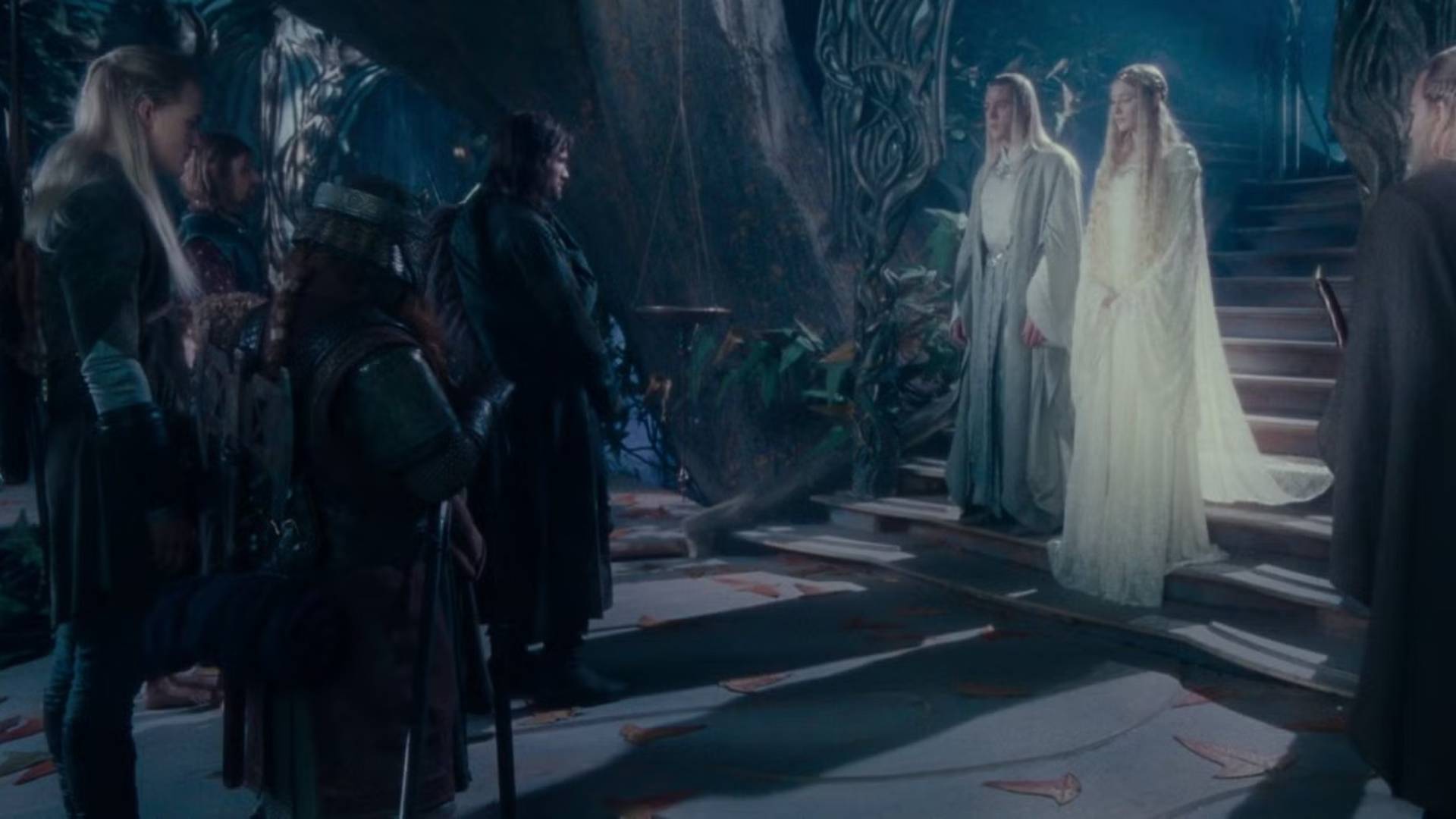
The films show the Fellowship's arrival in Lothlórien, but they omit the extensive feast and period of rest the Fellowship enjoys there, which restores their spirits and gives them vital information. In the books, this time is crucial for the heroes' emotional and physical recovery, establishing Lothlórien as a true Elven sanctuary and giving the reader a deeper appreciation for the Elves' timeless magic.
10. The Deep Ancestry of Legolas and Gimli’s Peoples
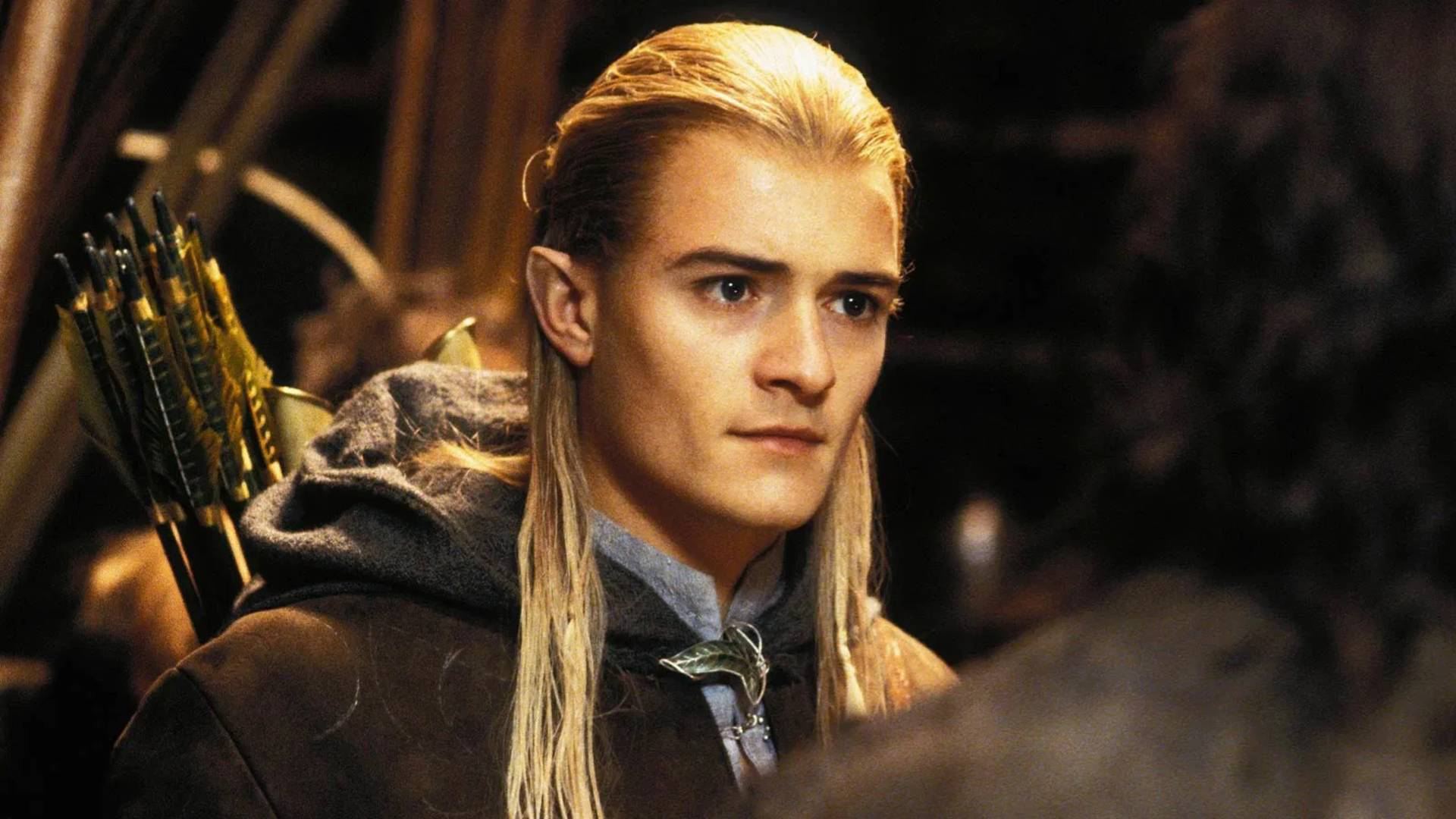
The deep, ingrained mutual hostility between Legolas and Gimli's peoples has a long history, stemming from ancient slights, including the Dwarves' destruction of Doriath and the murder of the Elven King Thingol, which is essential to understanding the profound nature of their eventual friendship. While the films show their initial hatred, they omit the extensive, violent history that makes their final, inseparable bond—Legolas inviting Gimli to the Undying Lands—one of the most powerful thematic triumphs.