
10 Modern Movie Openings That Hooked Us From The First Frame
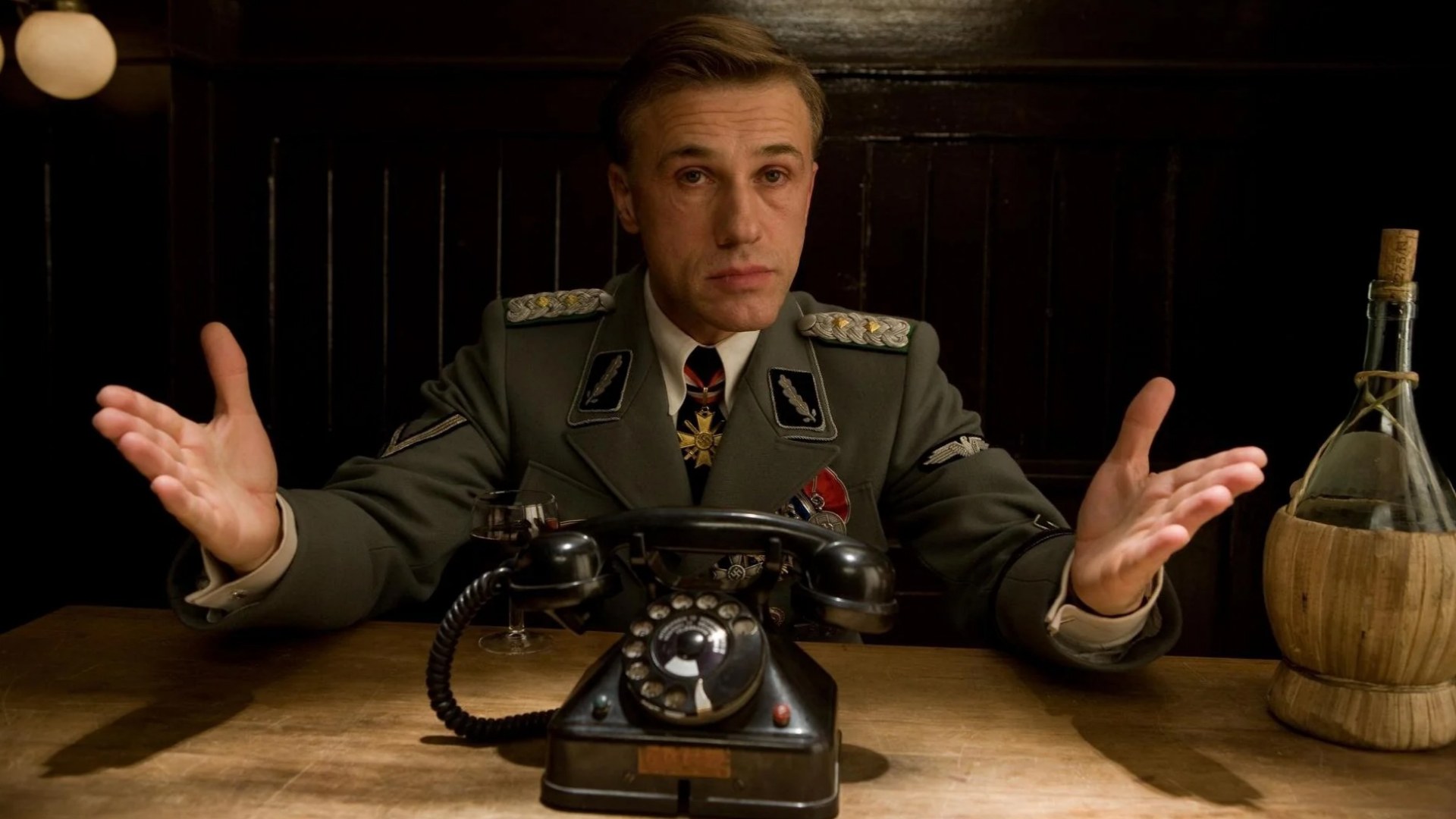
Inglourious Basterds (2009)
S.S. Colonel Hans Landa arrives at a French dairy farm to calmly interrogate a farmer suspected of hiding Jewish refugees. This scene is a masterclass in tension, patience, and dialogue. The 20-minute sequence, built entirely on polite, chilling conversation, turns Hans Landa into an instant cinematic villain and proves that sustained verbal tension can be far more terrifying than any gunfight.

No Country for Old Men (2007)
The Coen Brothers use this scene to introduce Chigurh as a relentless, almost supernatural force of evil. The brutal, sudden violence sets the theme of inescapable fate and establishes the minimalist, terrifying tone of the modern Western. The film opens with a slow, ominous voice-over from Sheriff Bell, followed by the chilling introduction of Anton Chigurh, who violently murders a deputy and then uses a captive bolt pistol to kill a man in a truck.
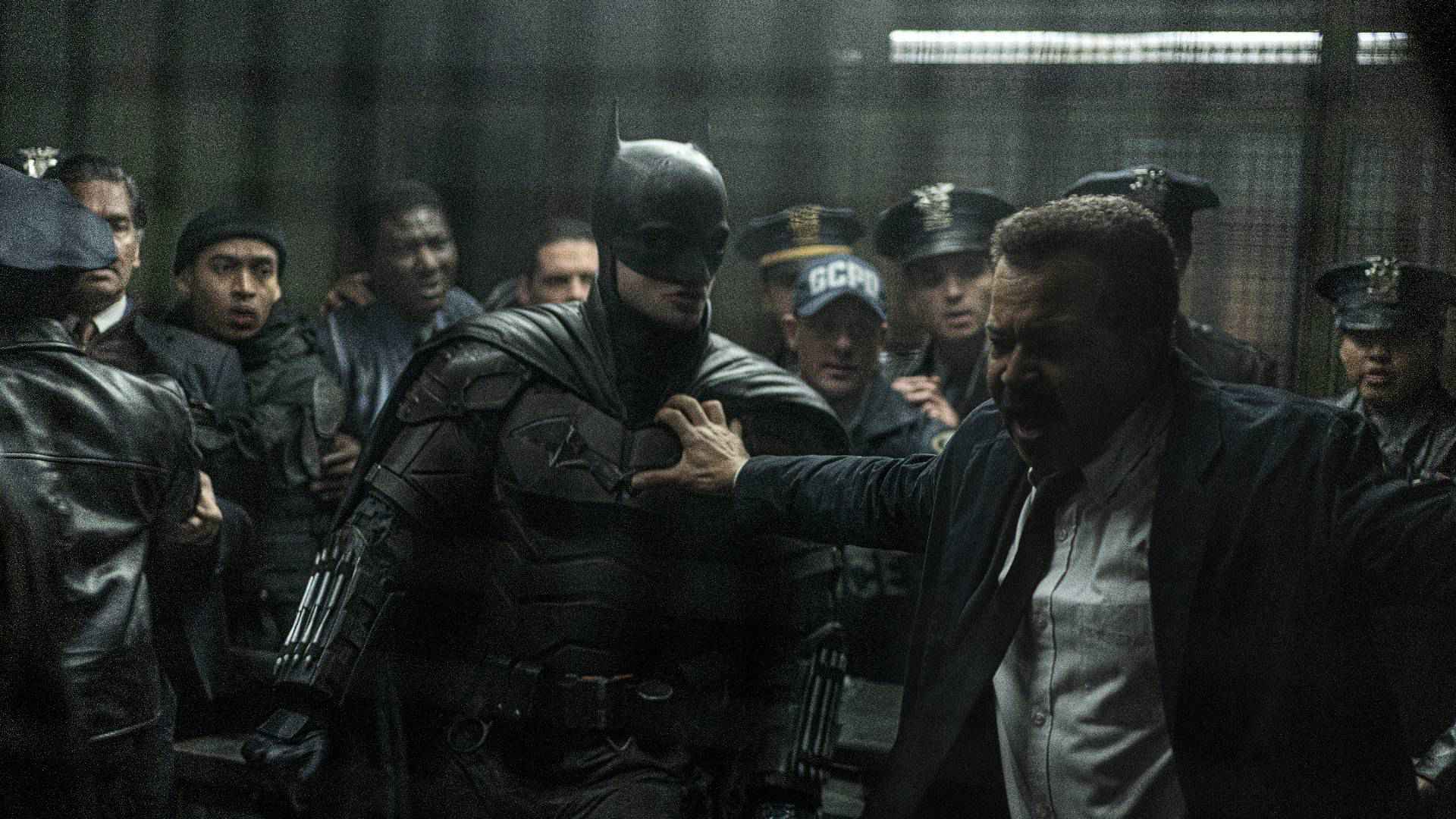
The Batman (2022)
The shot re-establishes the "terror" aspect of the Batman mythos. The opening isn't about action; it’s about mood, fear, and establishing Batman not as a hero, but as a silent, terrifying force of vengeance that exists in the atmosphere of Gotham. The opening establishes the sheer terror and mystery surrounding the figure of The Batman (Robert Pattinson), narrated by Bruce Wayne, as he stalks criminals from the shadows. It is also rather poetic in its introduction of the fear Batman has over criminals.
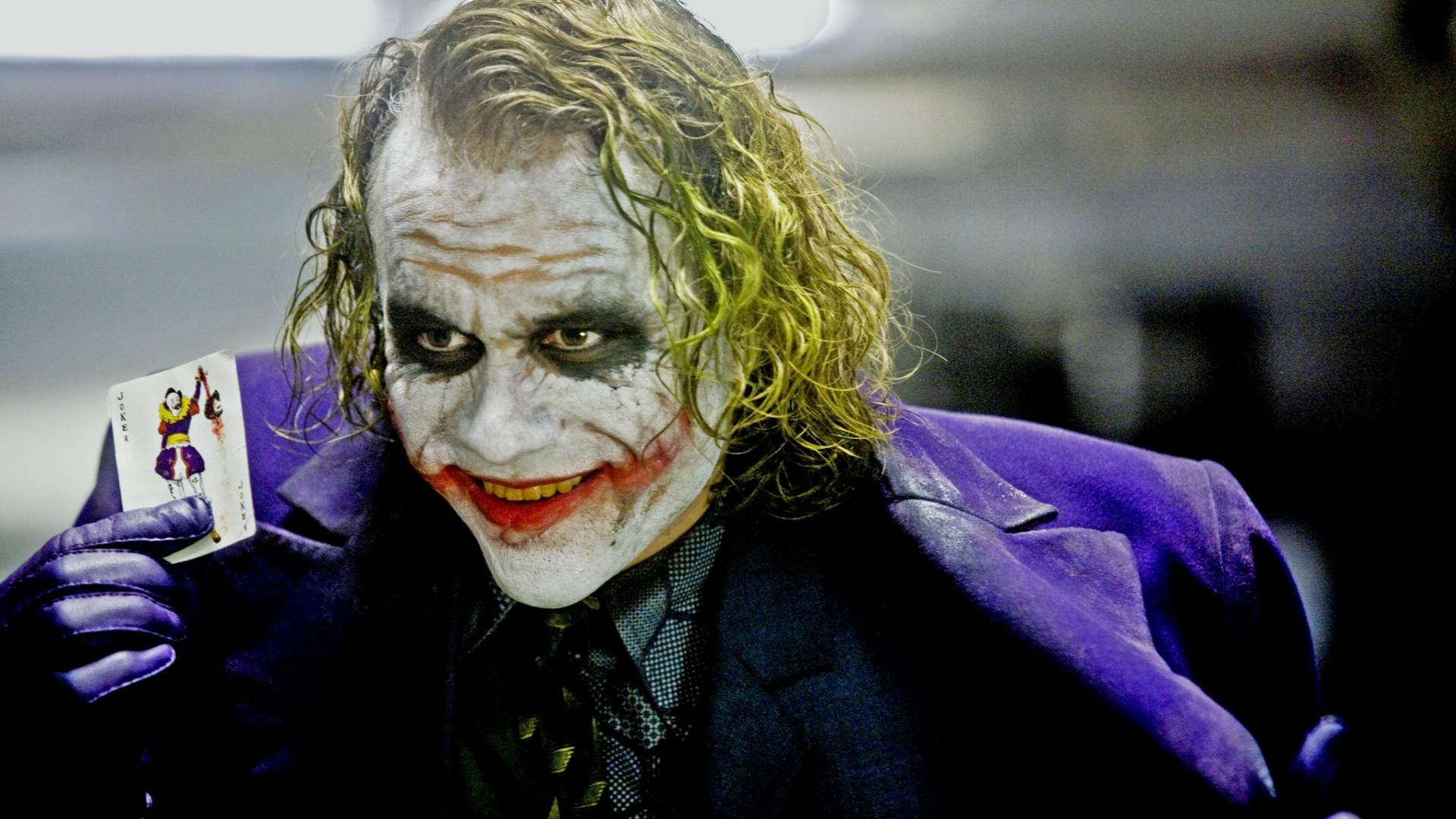
The Dark Knight (2008)
A high-stakes, meticulously choreographed bank robbery where the Joker systematically murders his accomplices one by one until he is the last man standing. This opening scene is cinema at its most effective. It fully reveals the Joker's twisted mind and philosophical commitment to chaos, simultaneously showcasing Christopher Nolan’s mastery of large-scale action and instantly establishing the chaotic new threat that will drive the entire film.
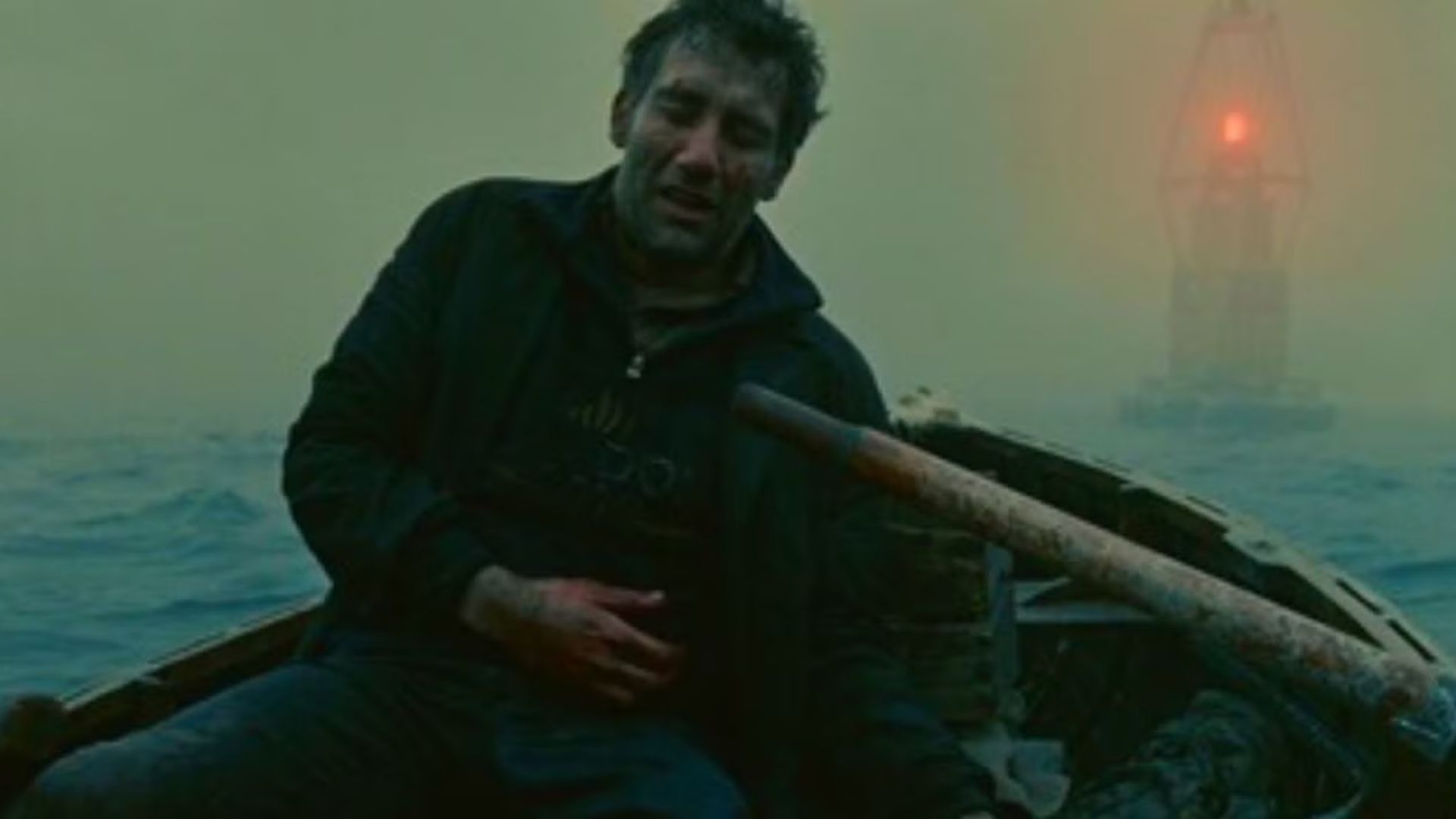
Children of Men (2006)
A long, uninterrupted single-take shot of the protagonist, Theo, grabbing a coffee only for the café to explode seconds later after he leaves. The lack of cuts forces the audience into the lived, terrifying reality of this bleak, dystopian world where global catastrophe is just a fact of daily life. It immediately establishes the film's hyper-realistic, visceral style and the constant threat of violence. The same themes are carried over and make the central conflict in the plot even more resounding.
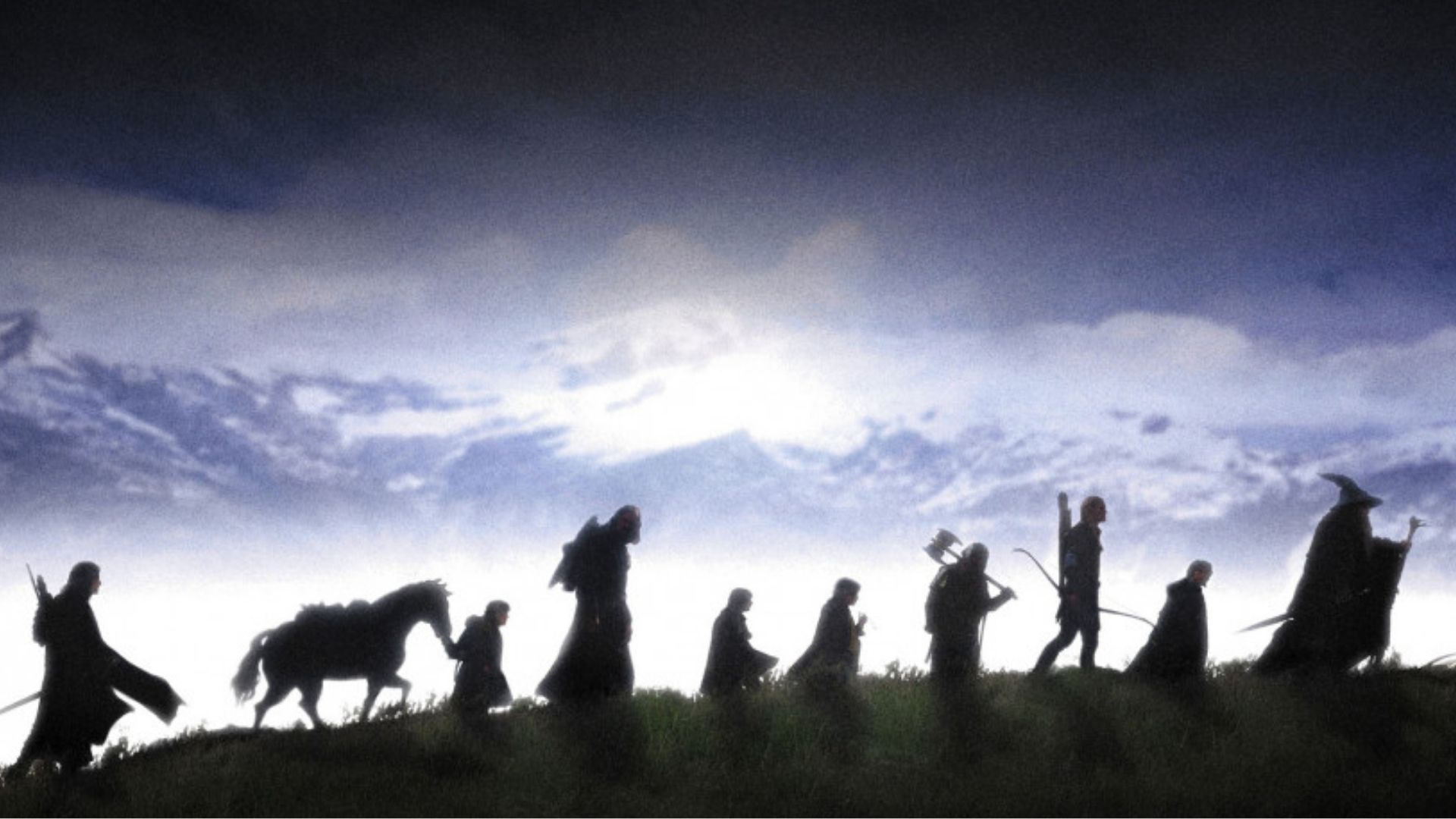
The Lord of the Rings: The Fellowship of the Ring (2001)
A sweeping, narrated prologue that covers the history of Middle-earth, the forging of the rings of power, the defeat of Sauron, and the eventual loss of the One Ring by Isildur. Peter Jackson faced a monumental task, but this opening solves it by providing a necessary history lesson that immediately immerses the audience in the scale, mythology, and epic, ancient stakes of the trilogy. The Lord of the Rings deserved such an opening as it completely establishes mystical lore of the rings trilogy.
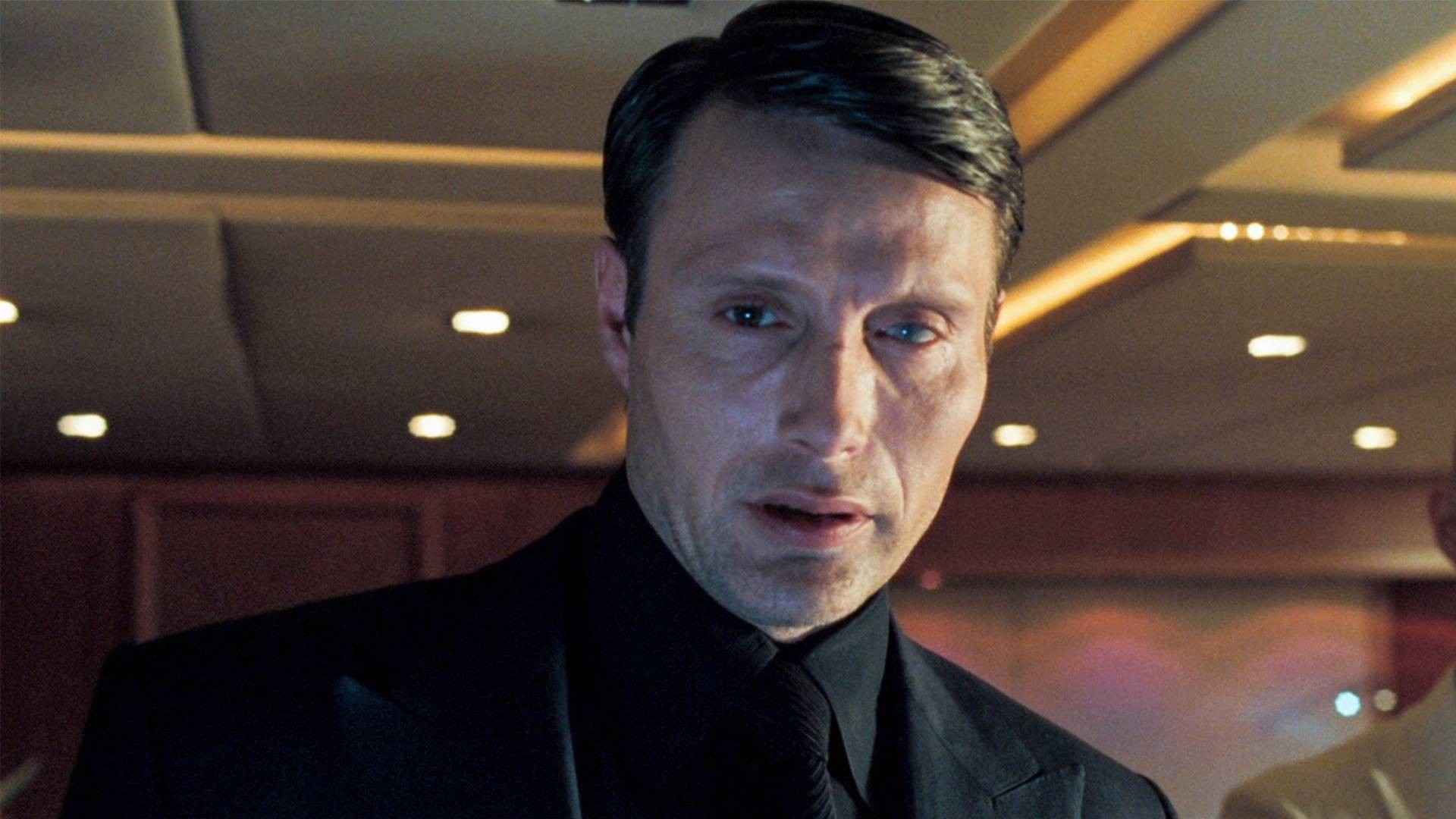
Casino Royale (2006)
This one is a classic. James Bond is shown completing his two requisite kills to earn his Double-0 status in a high-contrast black and white sequence. This sequence is a ruthless declaration that the old Bond is dead. It’s a lean, brutal, and psychologically focused introduction that redefined the franchise, establishing this 007 as a colder, harder, and more grounded killer. From then on, the established trope about this new Bond goes on to become the central theme in the movie.
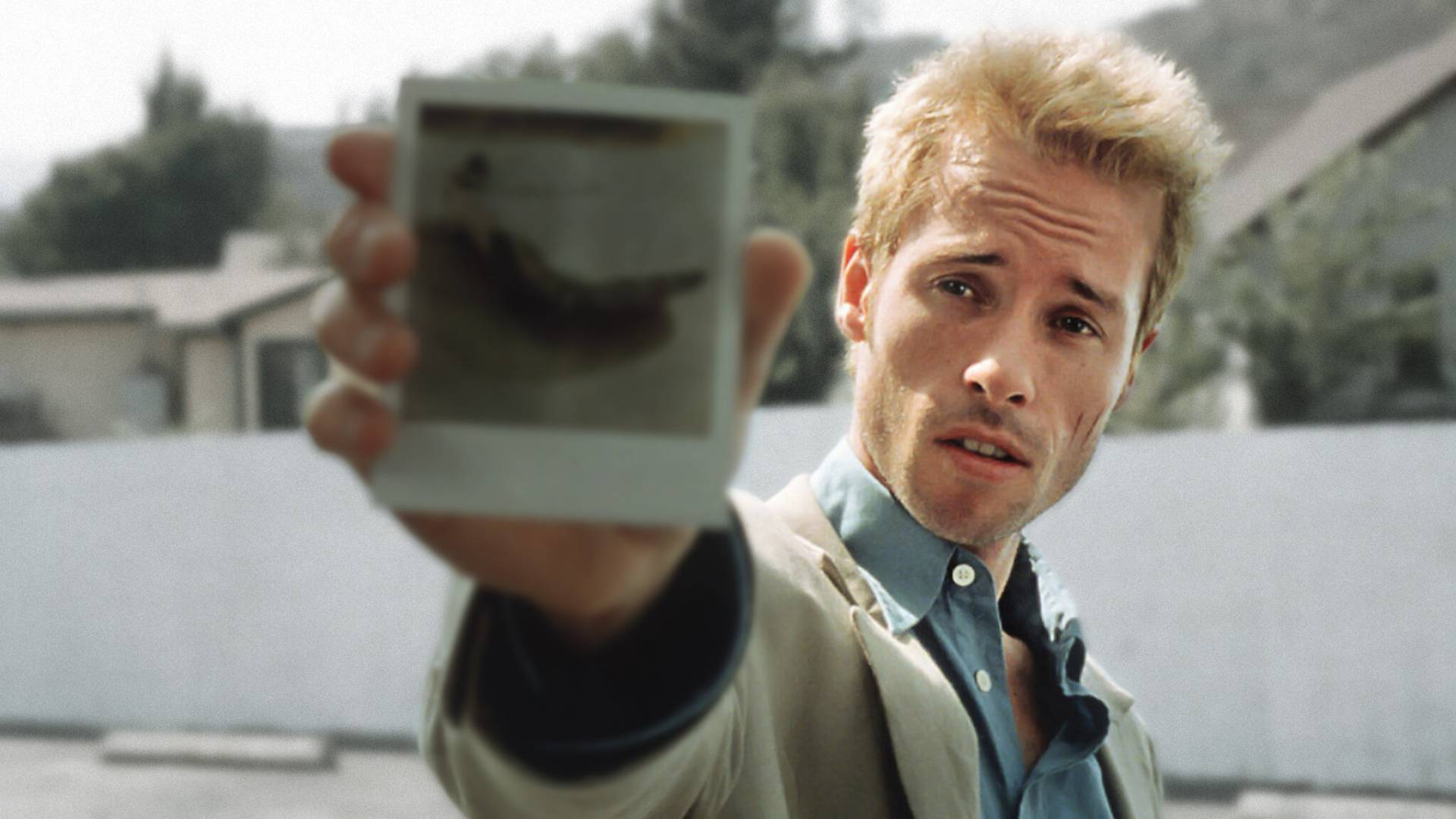
Memento (2000)
Starting with a polaroid photo of a dead body, the movie seemingly runs in reverse as the photo un-develops and the victim comes to life showing the trajectory of the bullet and what was happening to the victim before their death. This radical opening immediately defines the film's unique, fragmented, reverse-chronological structure, forcing the audience into the same confused, memory-loss state as the protagonist, Leonard Shelby.
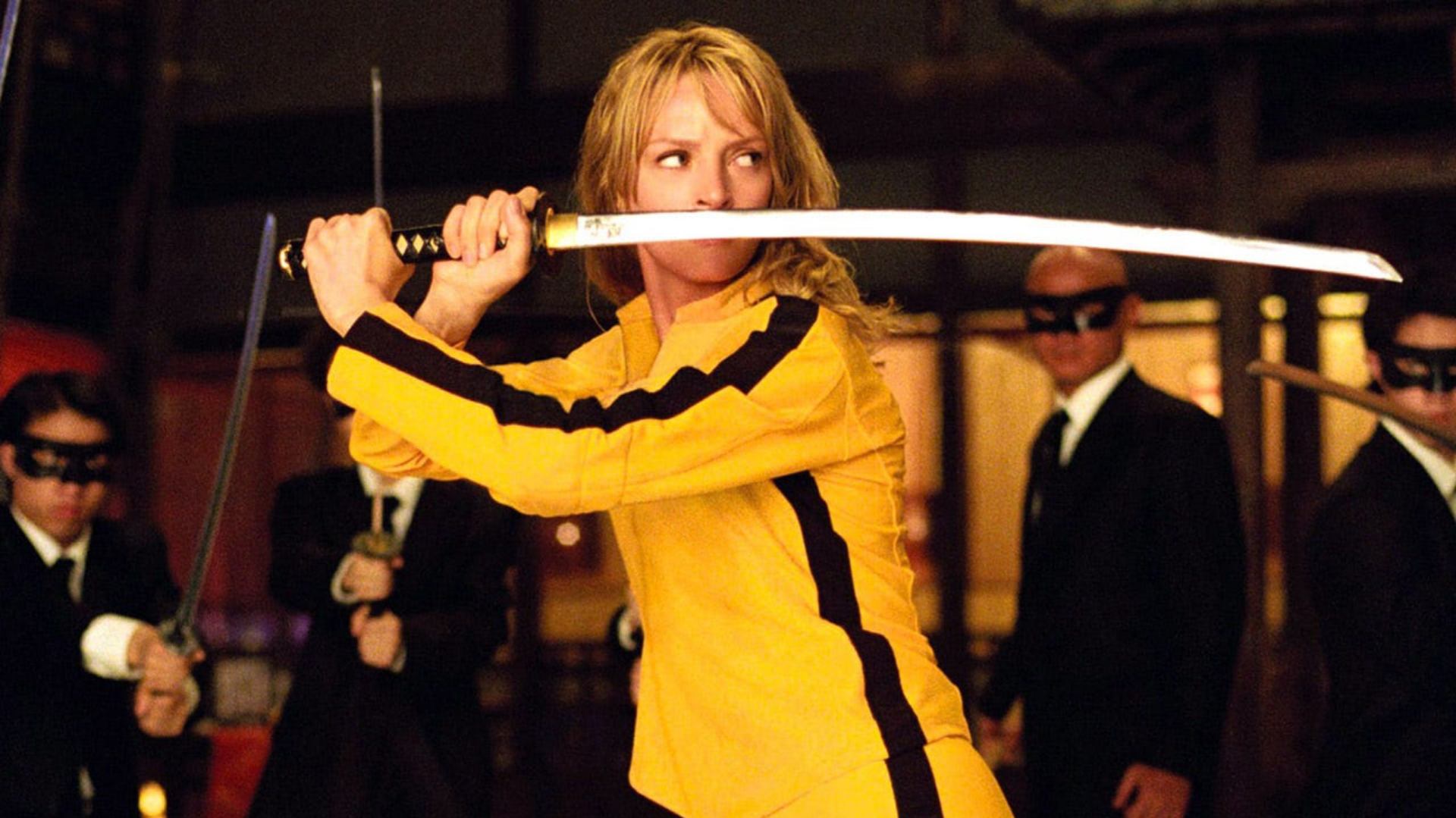
Kill Bill: Volume 1 (2003)
The audience are immediately greeted with a black and white closeup of the bloodies face of Bride who is shot by Bill in the head with the words, "Do you find me sadistic?" Quentin Tarantino took no time in introducing the central conflict of the story to the audience in his first movie and gave them a taste of the rivalry that would goon to define the plot. The two-part epic relishes on the depth of the betrayal, and the stylish, blood-soaked commitment.
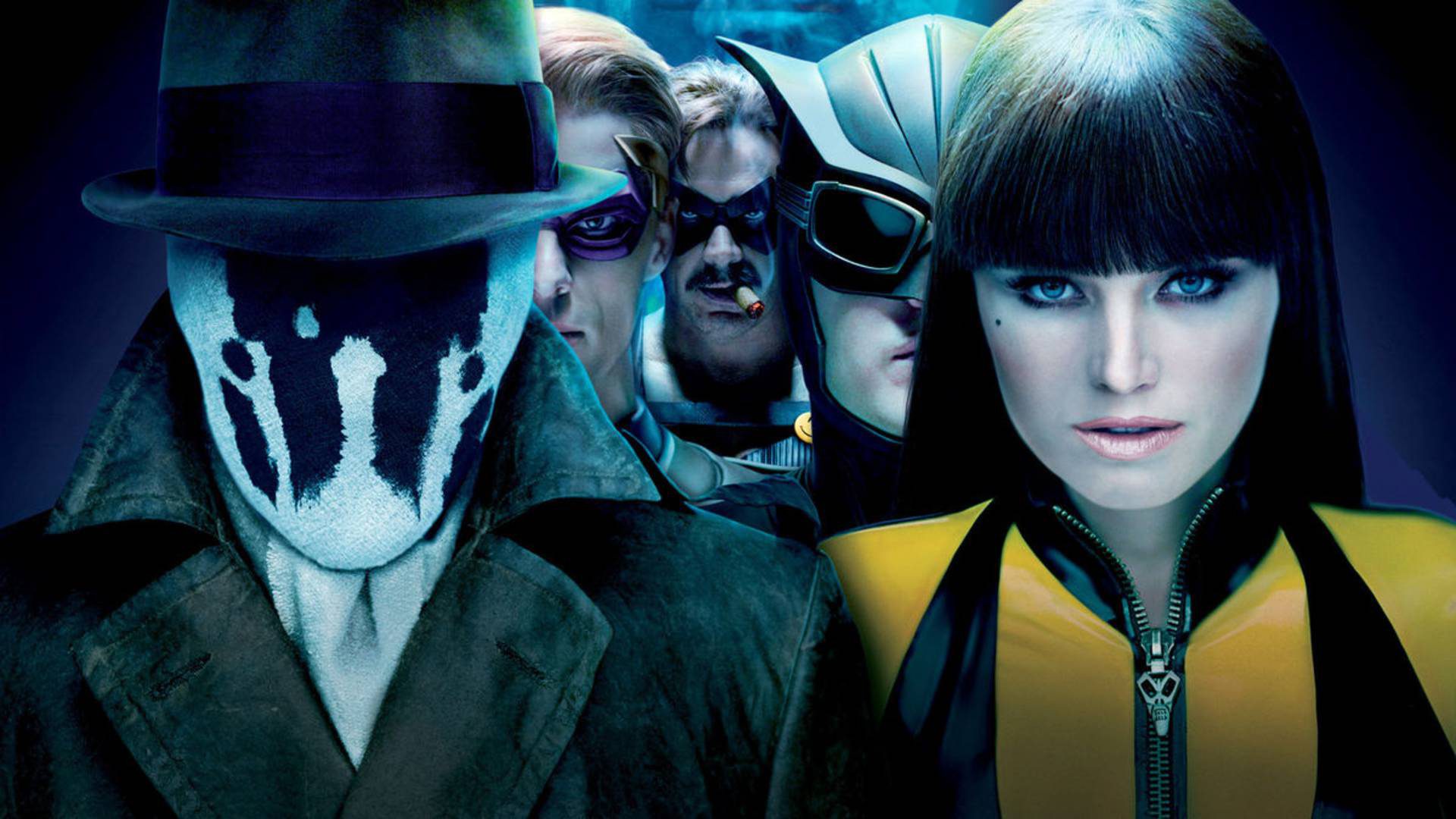
Watchmen (2009)
An extensive, slow-motion credit sequence montage detailing the alternate history of the world where superheroes were real, set to Bob Dylan’s "The Times They Are a-Changin'." This was extremely necessary for the audience to catch up with the sprawling comic-book action regarding the story of the Watchmen. The entire lore is too big to adapt in a simple movie so a quick run was essentially the audience's best shot at understanding what the movie was going to be about.