
10 most controversial rule changes in F1 history
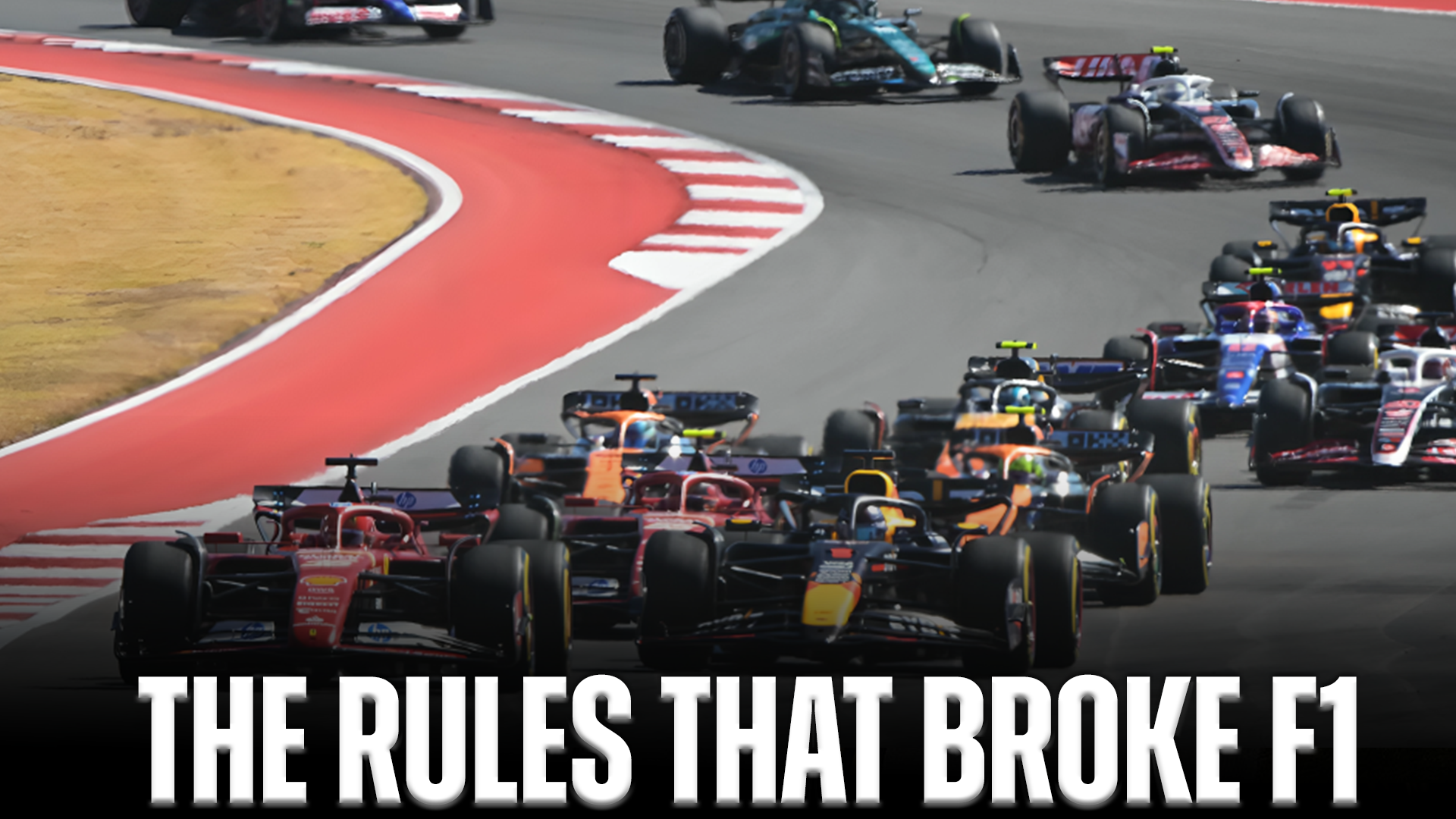
Most controversial rule changes in Formula 1 history
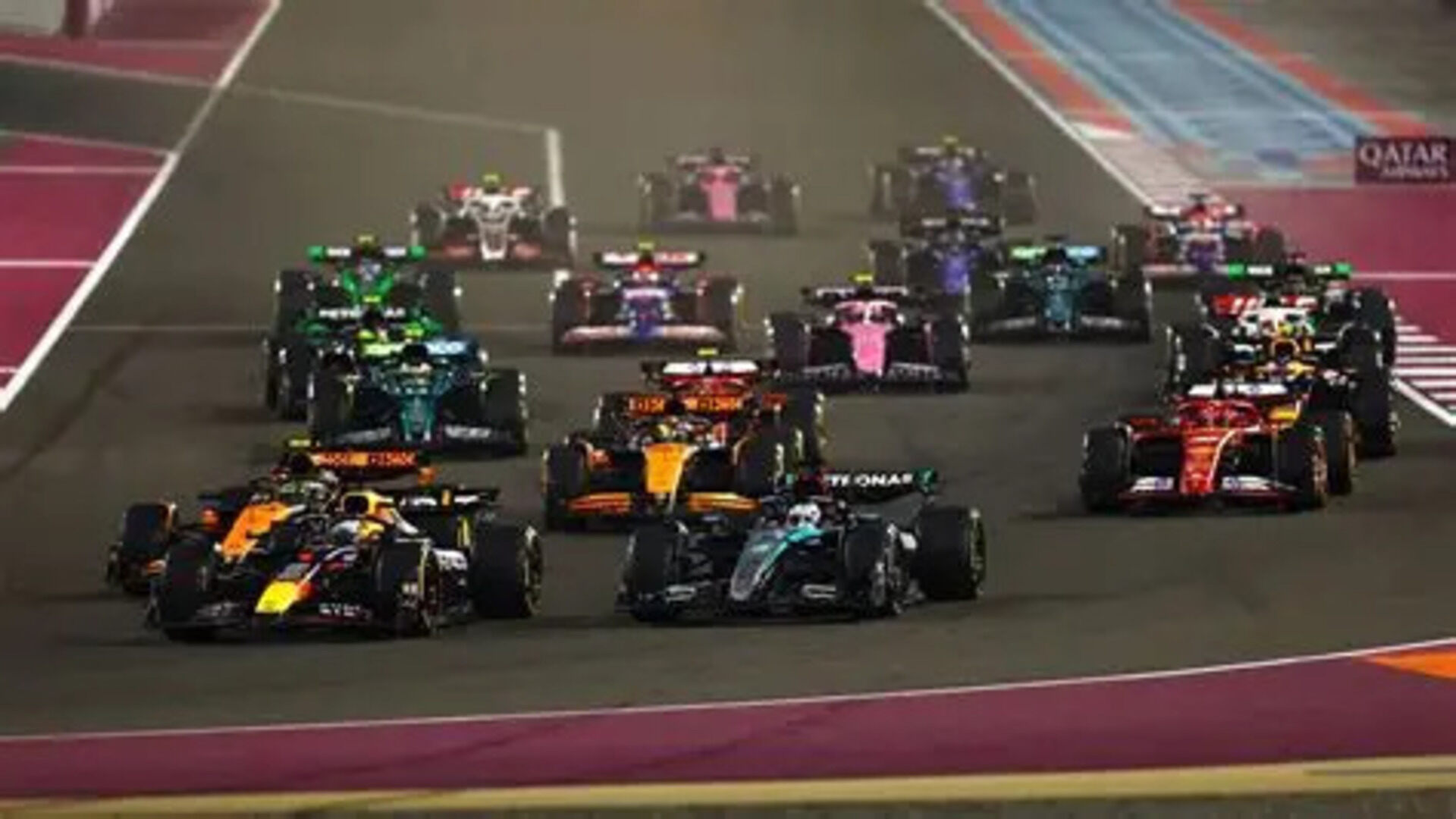
10. Sprint Races (2021–Present)
Meant to add excitement, sprint weekends have split fans. Some love the extra action, others say it ruins the drama of Sunday’s race and devalues pole position.
9. The Halo (2018)
Initially slammed by fans and drivers as “ugly” and “unnecessary,” the Halo later proved its worth by saving multiple lives — but its debut caused major backlash.
8. Engine Token System (2014–2016)
F1 tried to freeze engine development to control costs, but it trapped manufacturers like Renault and Honda far behind Mercedes, creating years of domination and frustration.
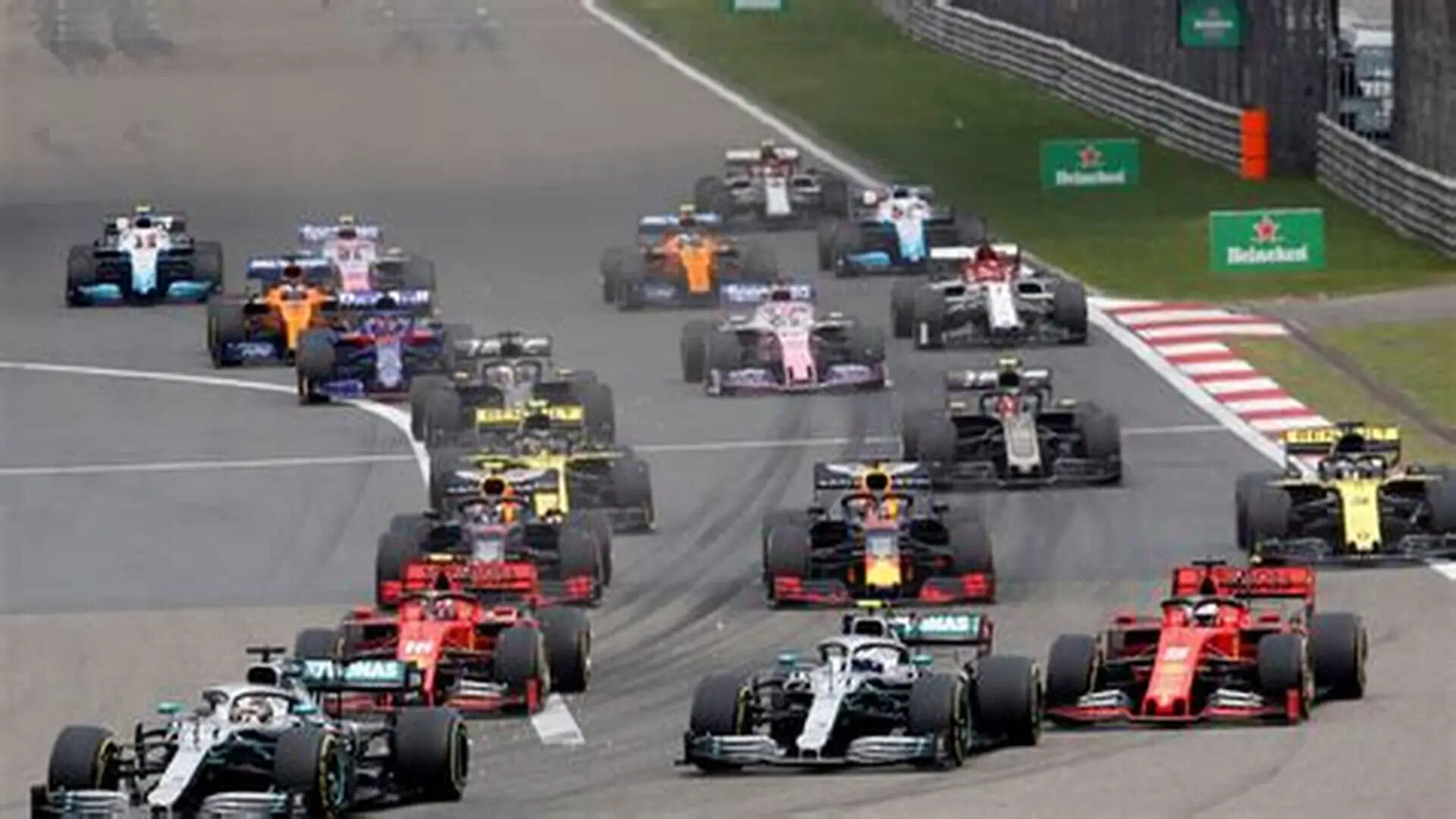
7. Elimination Qualifying (2016)
This short-lived experiment was a disaster. Drivers were eliminated every 90 seconds, leaving empty tracks and angry fans. It was scrapped after just two races.
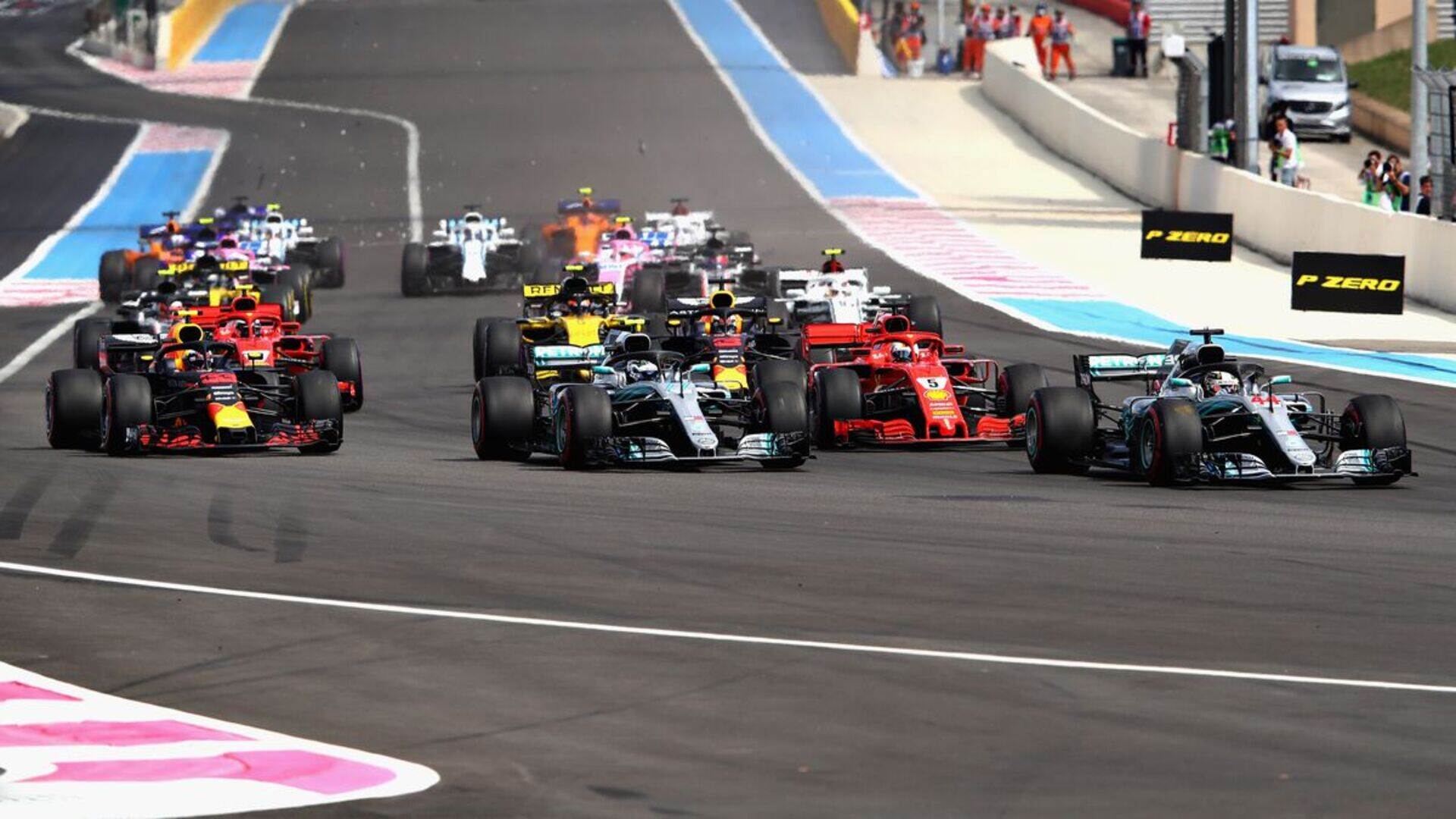
6. Double Points Finale (2014)
F1 tried to make the title fight more dramatic by awarding double points in the final race — fans called it gimmicky, and it never returned.
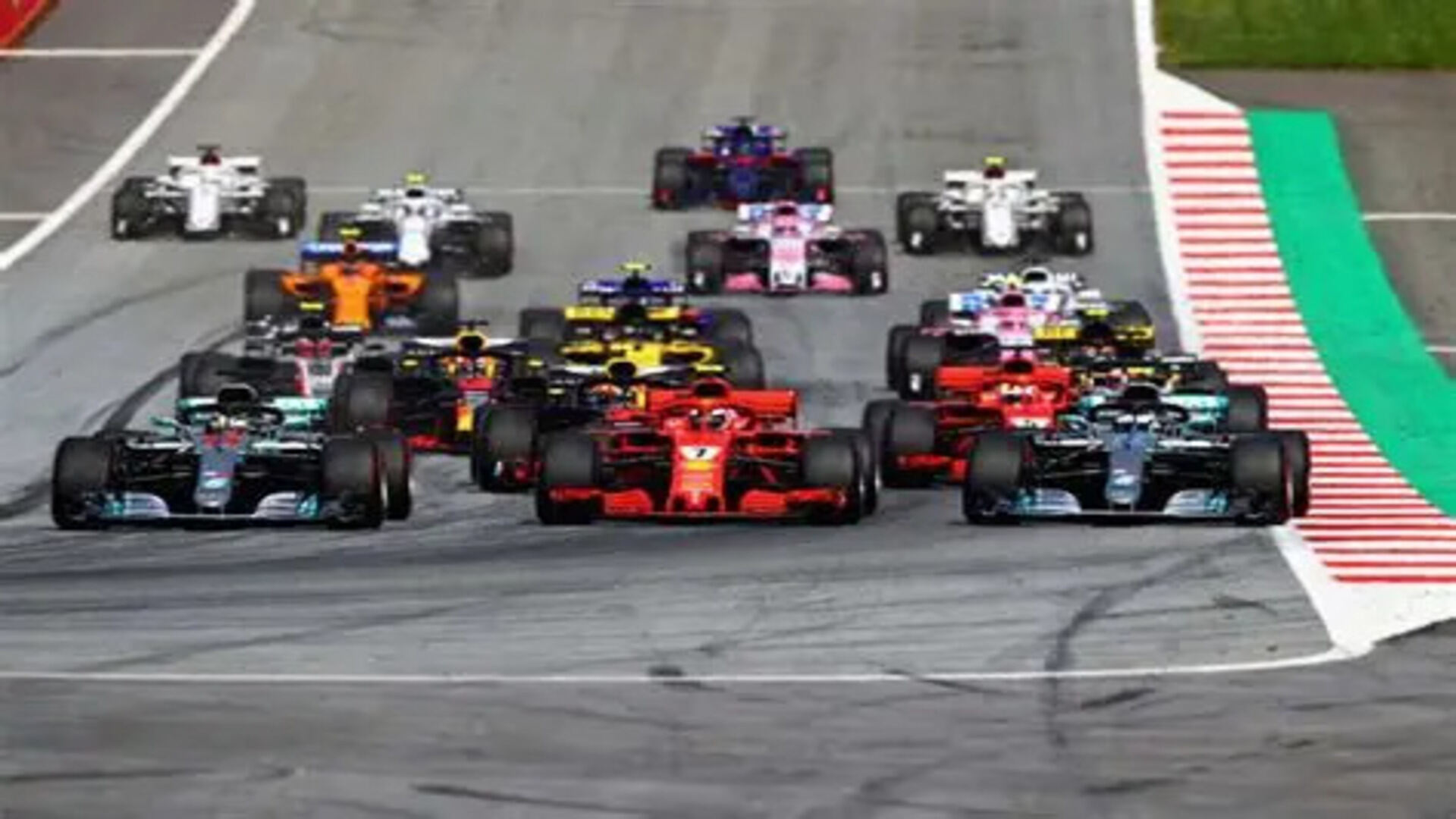
5. Refueling Ban (2010)
Reintroduced in 1994, then banned again in 2010, removing refueling changed race strategies completely. Some loved the simplicity; others said it made races duller.
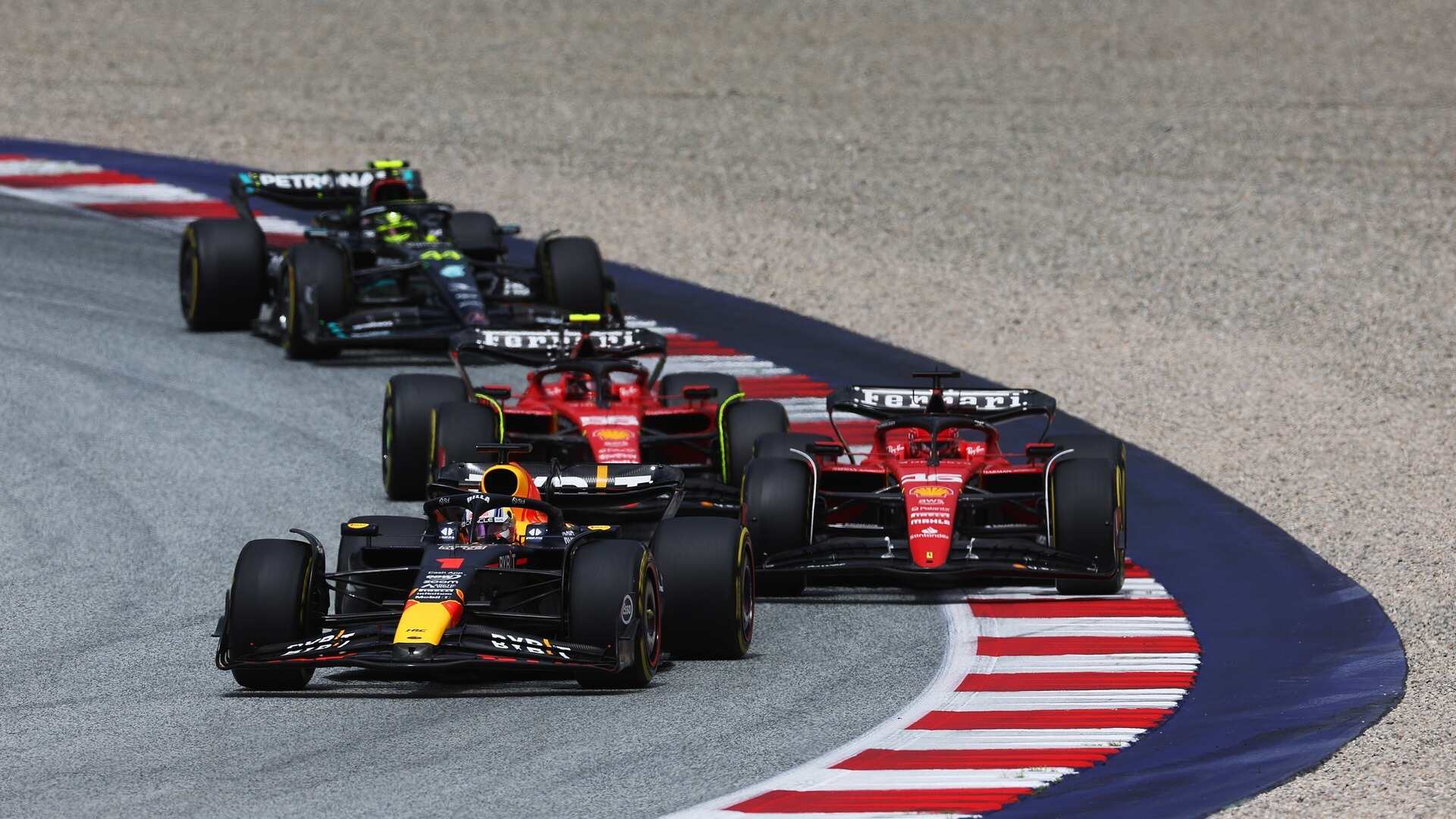
4. Blue Flag Enforcement (1990s–Present)
Tightening blue flag rules stopped lapped cars from racing leaders — but critics say it removed one of F1’s purest tests: fighting through traffic.
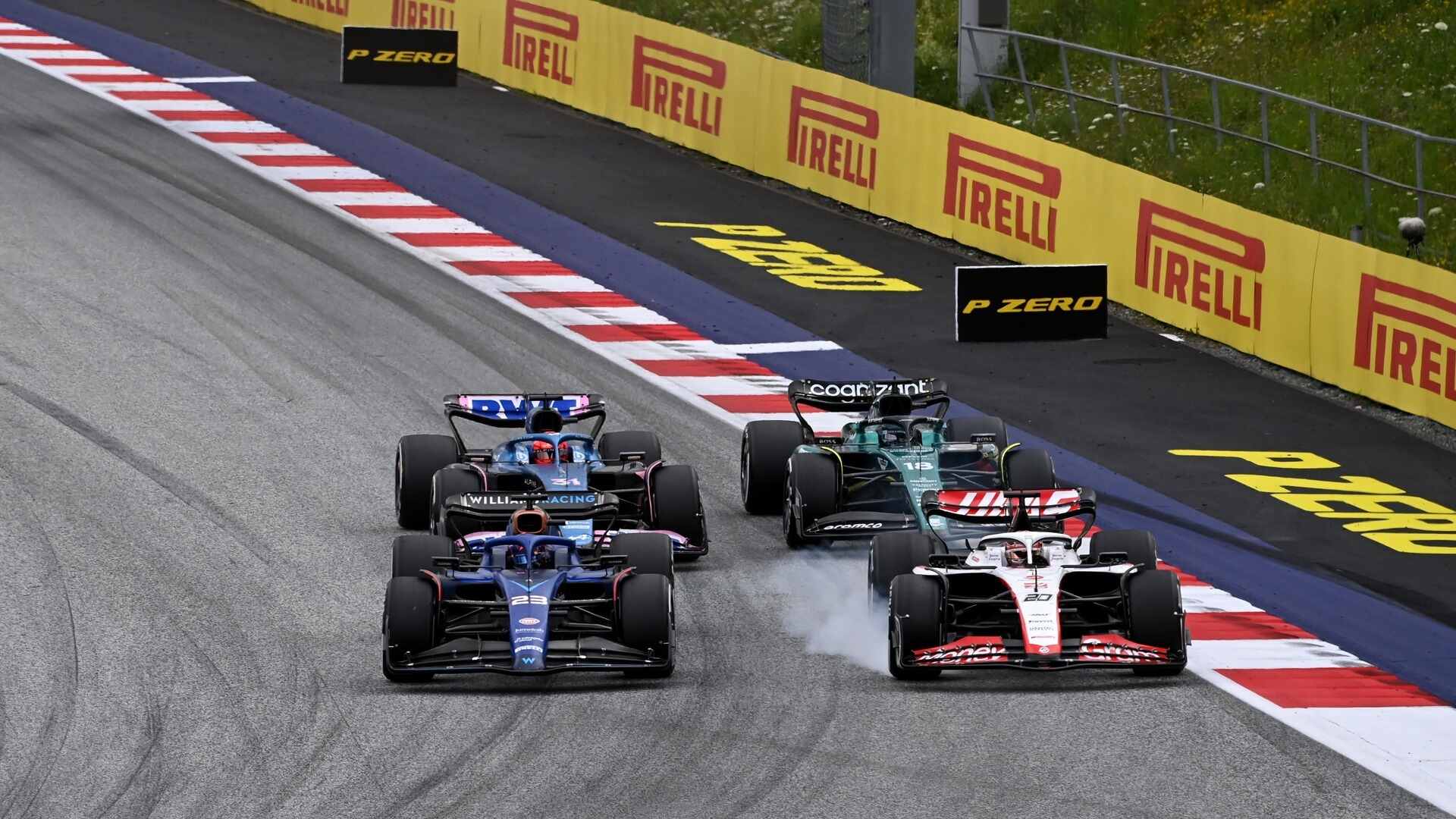
3. Track Limits & Penalty Inconsistency (2010s–Present)
Still a hot topic today. Constant rule tweaks and inconsistent penalties have angered drivers and fans alike — with some races decided by inches of asphalt.
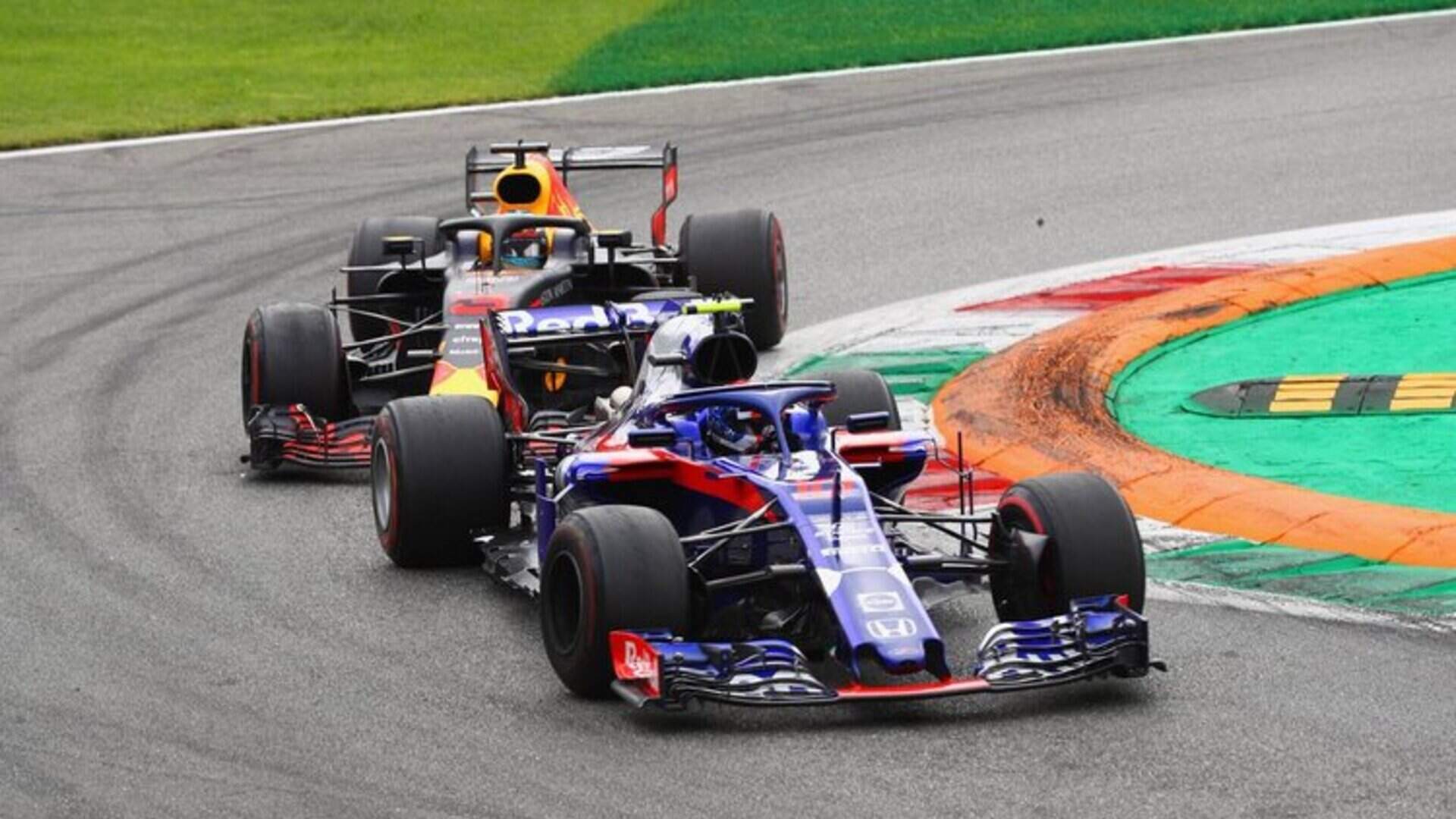
2. Cost Cap (2021–Present)
Aimed at fairness, the budget cap sparked outrage after Red Bull’s 2021 breach. Fans argued penalties were too soft, damaging F1’s credibility.
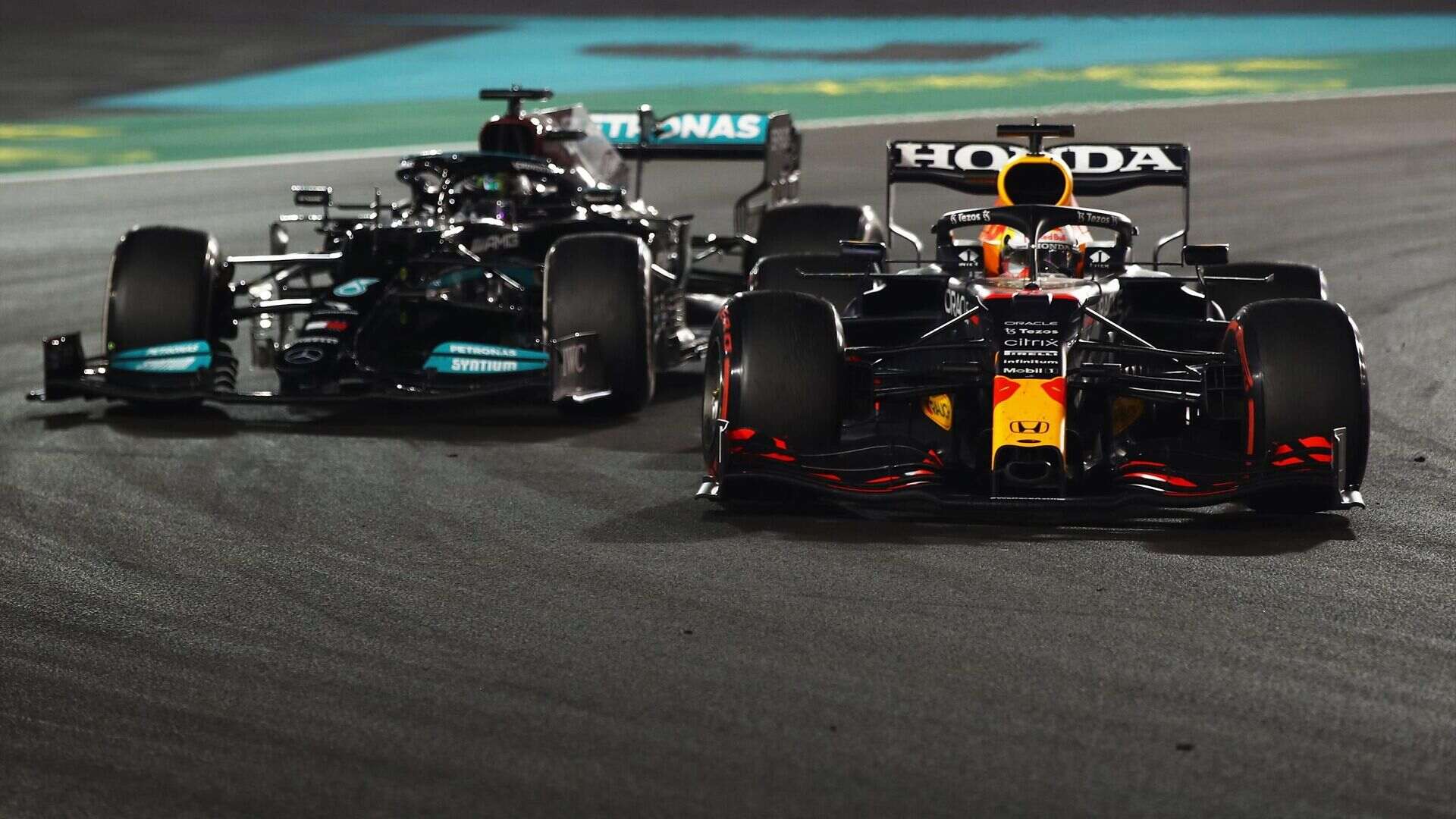
1. 2021 Abu Dhabi Finale / Safety Car Decision
The most controversial moment in modern F1. Race control broke procedure in the title-deciding race, handing Max Verstappen the championship over Lewis Hamilton — and changing F1 forever.