
10 Spy Thrillers That Fueled America’s Red Scare Frenzy
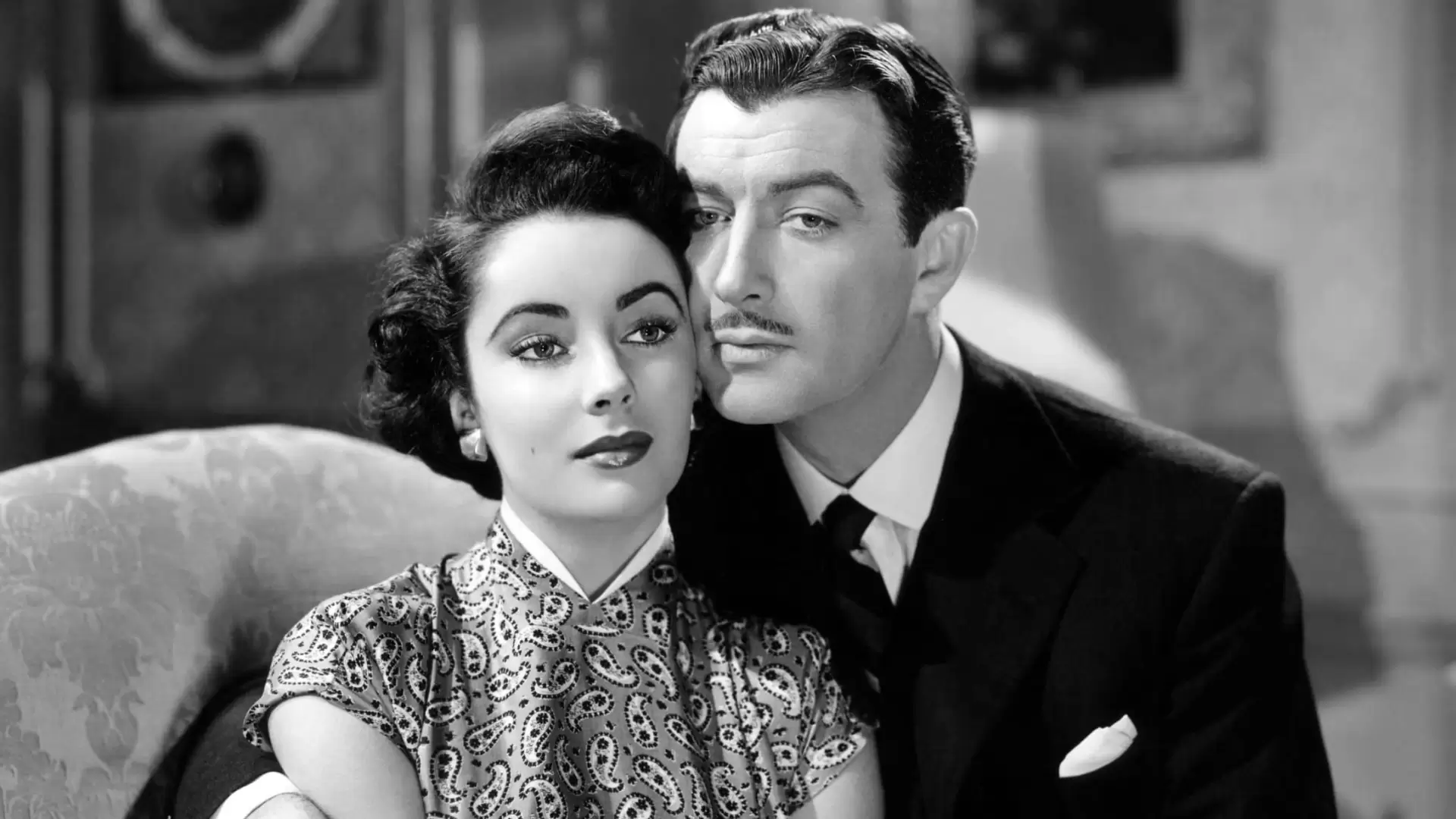
Conspirator (1949)
This film noir stars Robert Taylor as a British officer secretly working for the Soviets, with Elizabeth Taylor as his American wife who slowly uncovers the truth. The story reflects early Cold War fears about hidden spies living ordinary lives. It mixes romance with betrayal, creating a tense and emotional espionage drama set within a marriage.
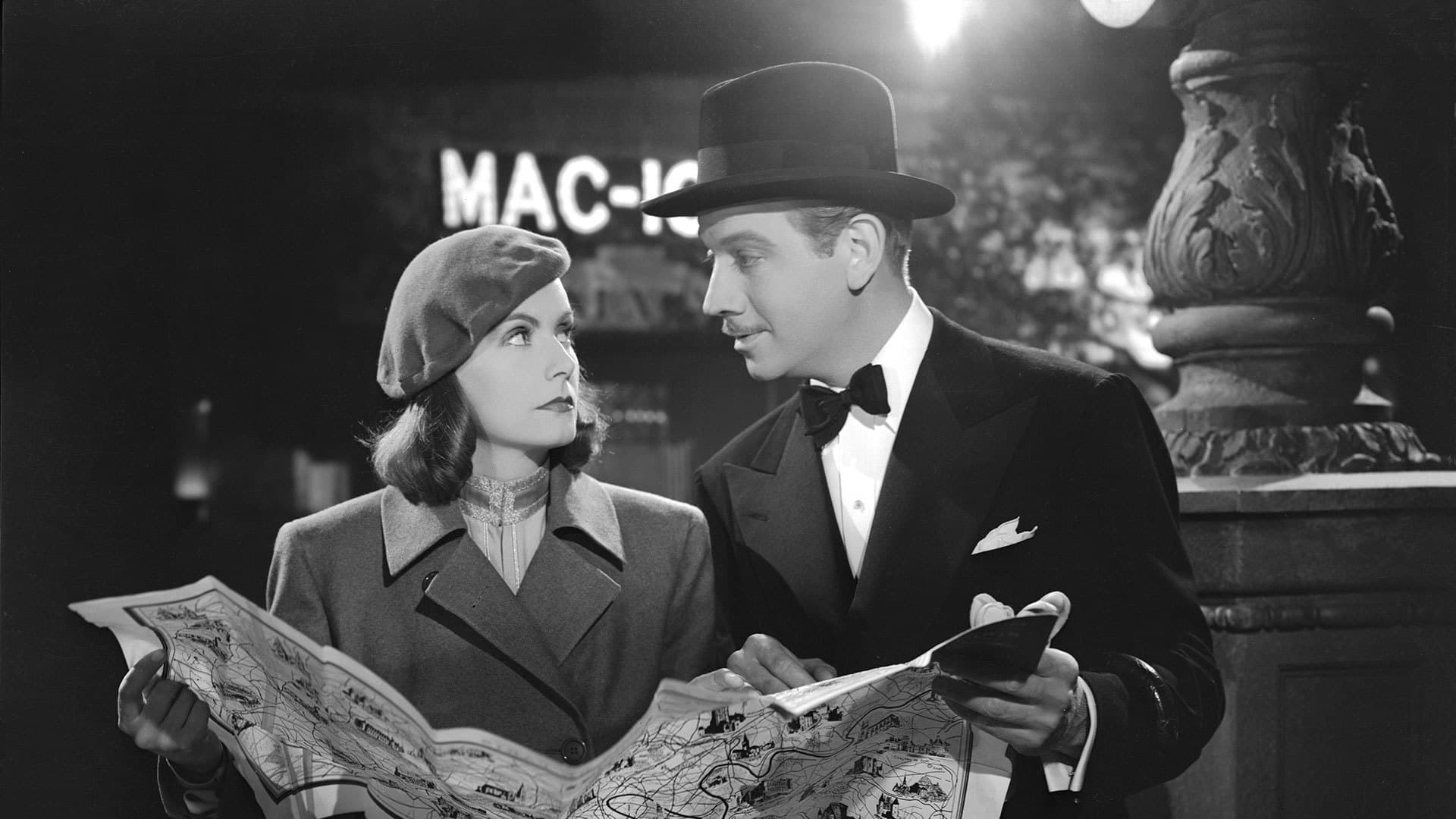
Ninotchka (1939)
Greta Garbo stars as a strict Soviet envoy who softens after experiencing the charm of Paris, luxury, and romance. The film gently makes fun of rigid ideology by showing her gradual change. Though it came before the Red Scare, its popularity and light satire of Soviet seriousness made it widely seen as a critique of that system. Blending romance and comedy, it suggests how personal experience and emotion can challenge strict beliefs.
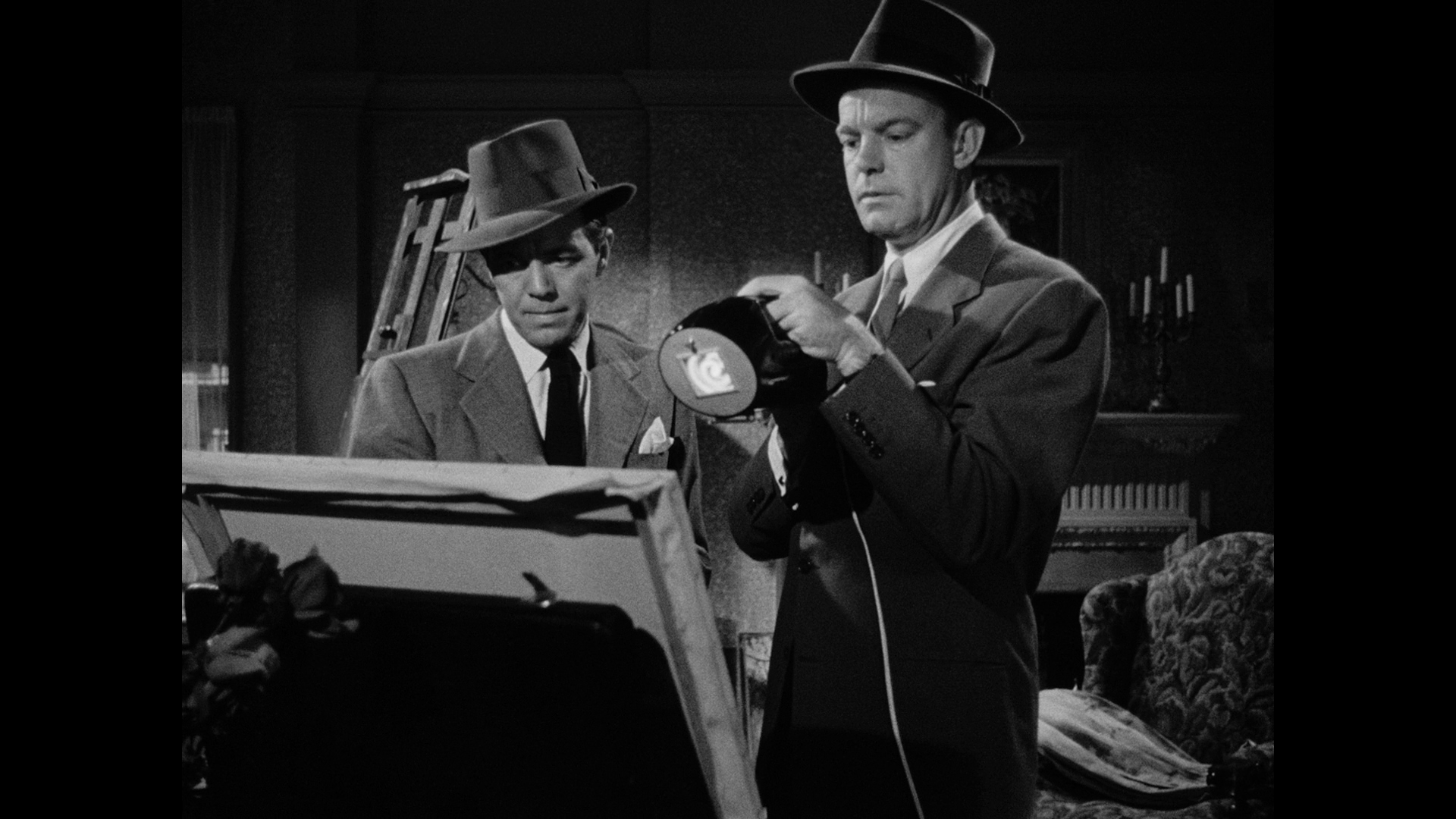
Walk a Crooked Mile (1948)
This film follows FBI agents as they track a Soviet spy ring stealing atomic secrets, told in a semi documentary style. It reflects the strong postwar fear of espionage and nuclear threats. The story builds tension by showing a careful investigation into hidden networks working in secret. It presents a world of suspicion and danger, where scientific knowledge becomes a powerful tool in the struggle between nations.
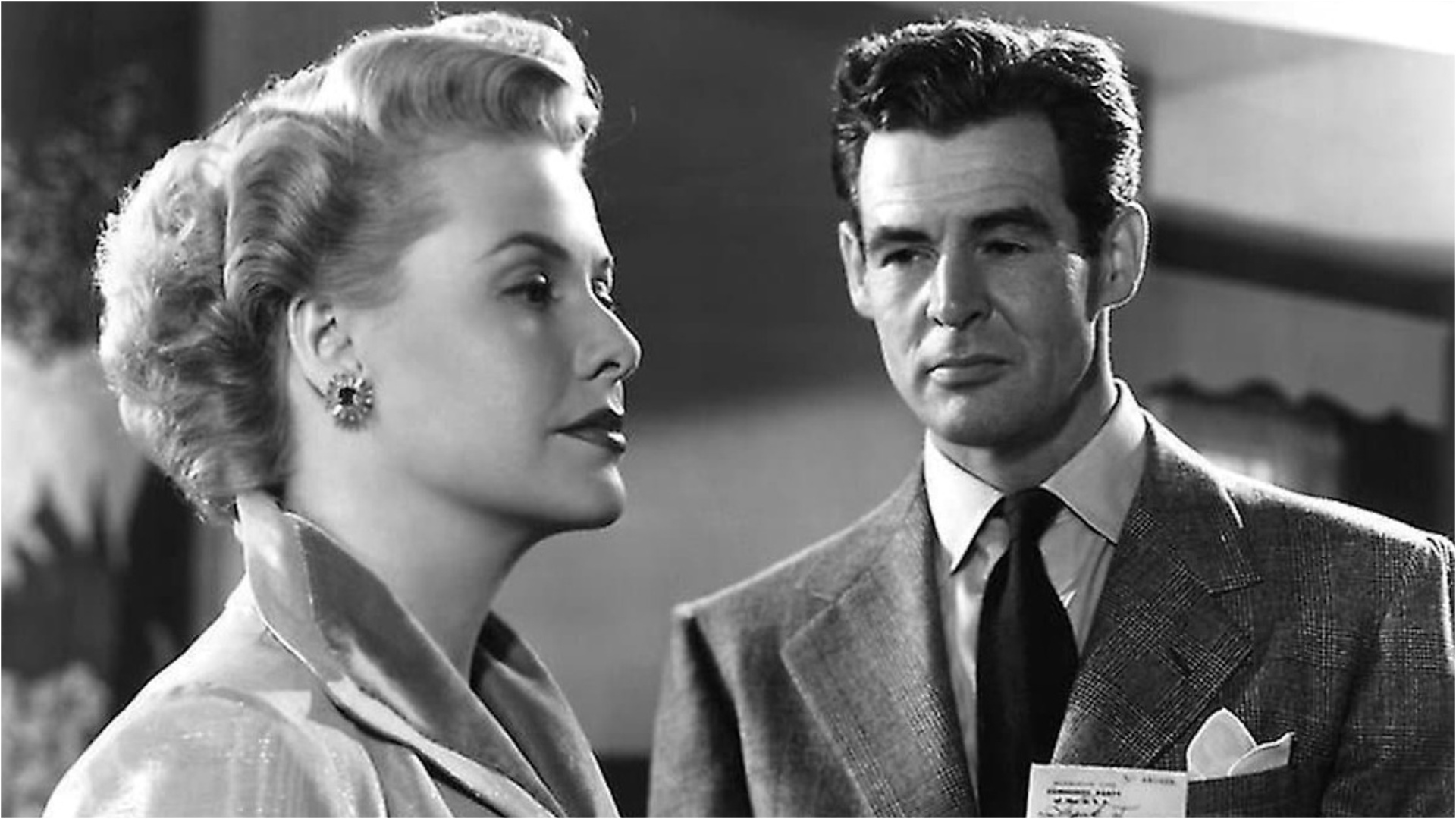
The Woman on Pier 13 (1949)
Robert Ryan stars as a dockworker trying to escape his past ties to the Communist Party. However, party agents blackmail him into carrying out acts of sabotage. The story reflects Cold War fears of hidden political influence in labor unions and everyday life. It presents a tense situation where manipulation and fear begin to destroy both families and livelihoods.
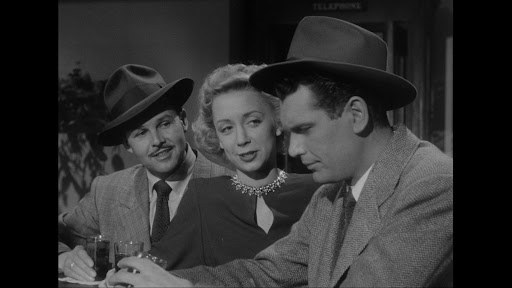
The Red Menace (1949)
This is a B movie noir that follows disillusioned war veterans who are drawn into the Communist Party, only to find themselves trapped in a dangerous world of violence and fear. As they try to escape, they face threats, betrayal, and even murder. The film reflects strong Cold War anxieties, showing how vulnerable people can be manipulated and pulled into situations they cannot easily leave. It stands as a tense, low budget example of the era’s political fears.
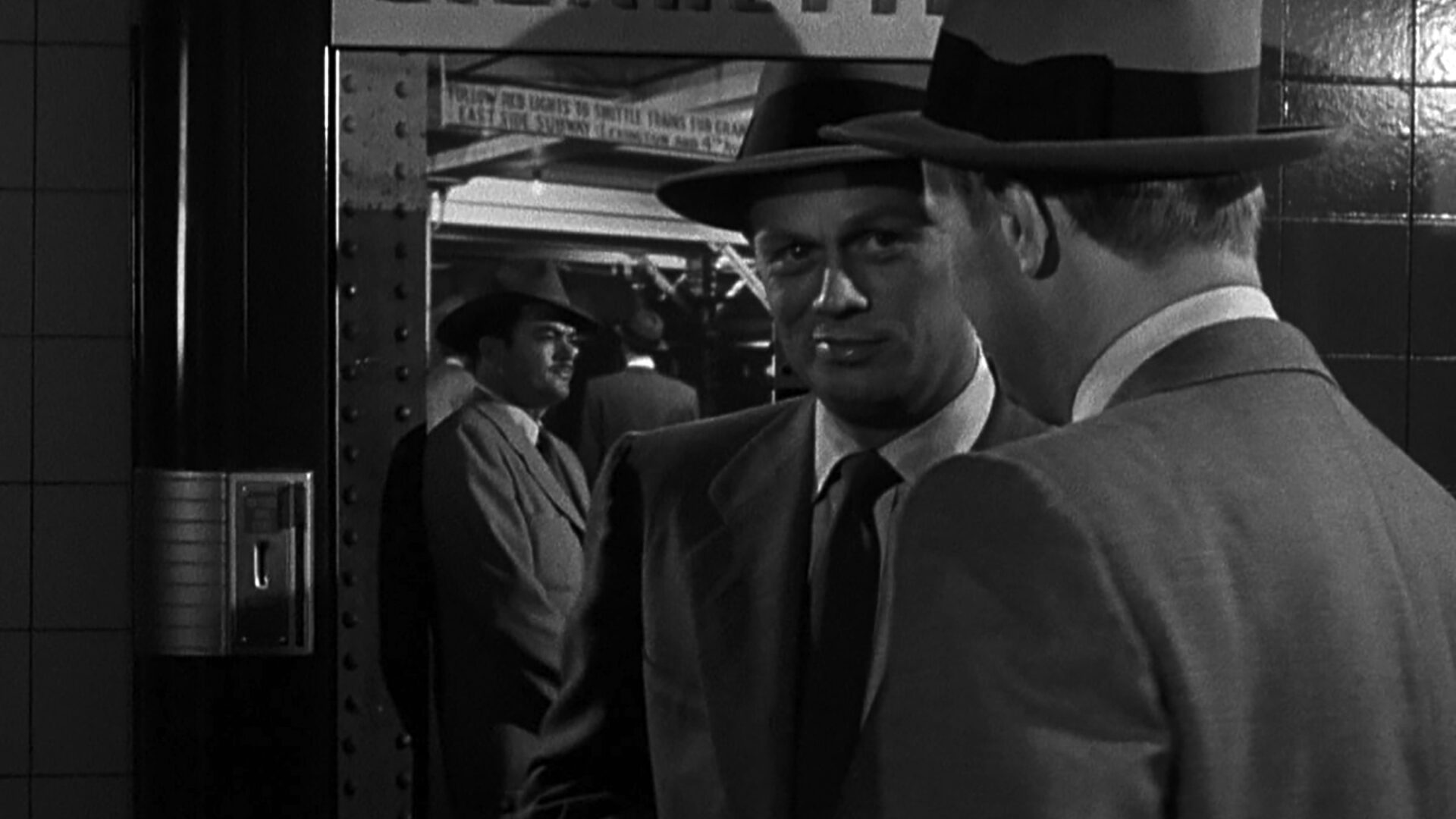
Pickup on South Street (1953)
Pickpocket Richard Widmark unwittingly steals microfilm containing secret documents from communist spies. Directed by Samuel Fuller, this gritty noir shows ruthless agents using violence and seduction to achieve their goals. The film blends crime thriller tension with strong anti communist themes, reflecting the fear and paranoia of the HUAC era.
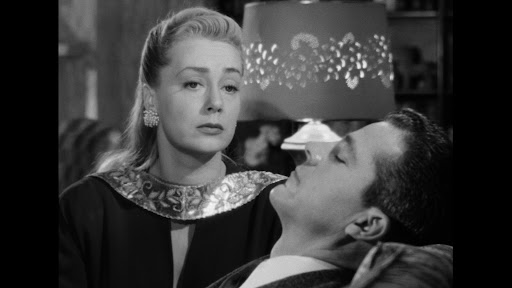
The Iron Curtain (1948)
Based on the real story of Igor Gouzenko, The Iron Curtain follows a Soviet cipher clerk who exposes a spy network in Canada. Told in a semi documentary style, it feels more grounded than many films of its time. The story highlights real concerns about espionage in the early Cold War, showing how secret networks operated quietly within Western countries.
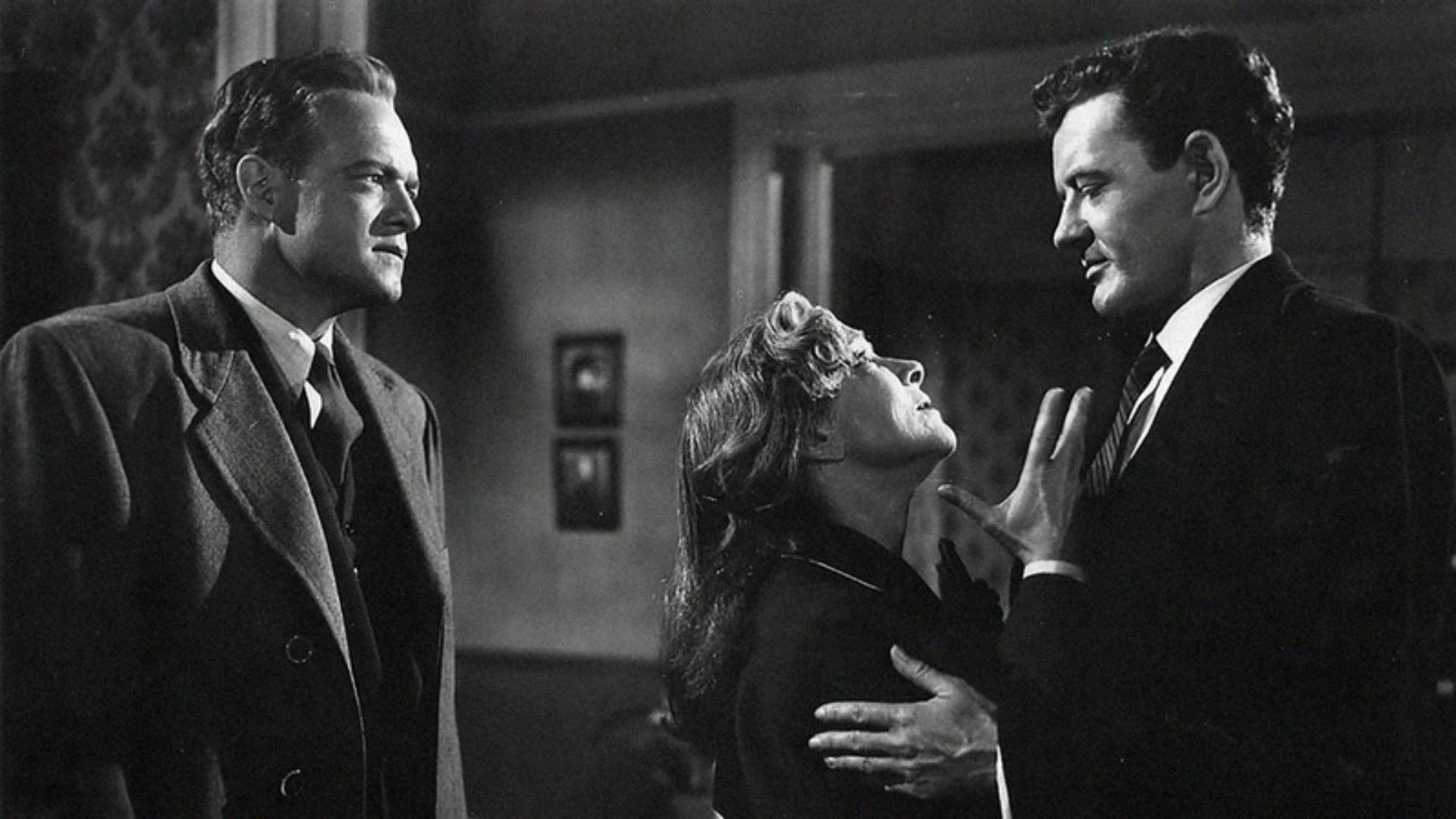
My Son John (1952)
Directed by Leo McCarey, My Son John stars Helen Hayes as a patriotic mother who discovers that her son is secretly a communist spy. The story reflects the intense paranoia of the McCarthy era, focusing on fear within families. It uses emotional drama to show how trust breaks down when hidden loyalties come to light, creating a tense and unsettling portrait of suspicion at home.
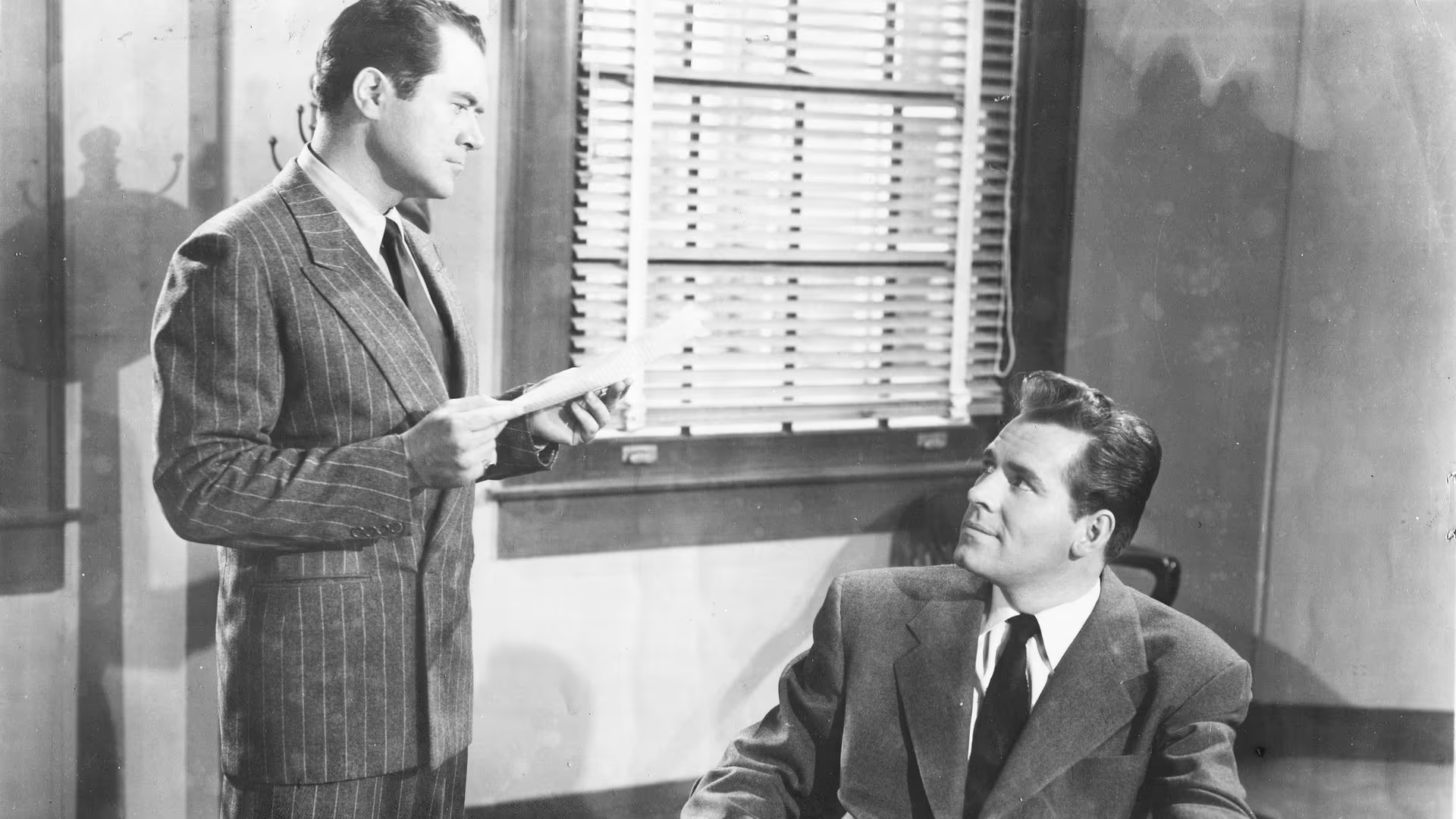
I Was a Communist for the FBI (1951)
Frank Lovejoy stars as an undercover agent who infiltrates the Communist Party, uncovering its “hellbrew of hate” and secret plots. The film sensationalizes communist brutality, their tactics of racial division, and efforts at subversion. It stands as a peak example of Red Scare propaganda, emphasizing the need for vigilance and the role of the FBI in protecting against internal threats.
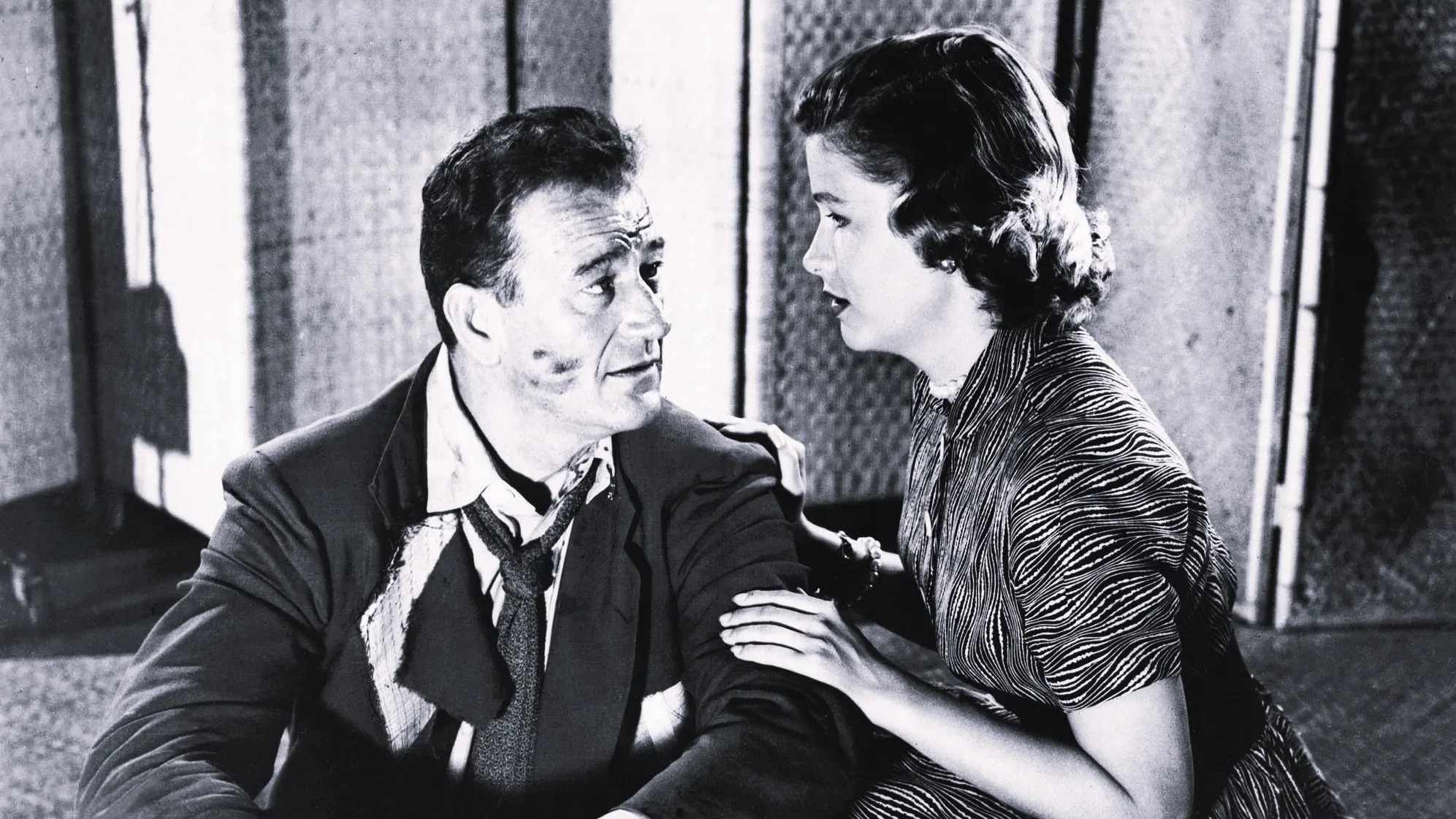
Big Jim McLain (1952)
John Wayne stars as a HUAC investigator hunting communists in Hawaii. The film is overt propaganda, showcasing Wayne’s tough-guy patriotism. It glorifies exposing “subversives” and rooting out communist influence in unions and society, reflecting the fears and attitudes of peak McCarthyism.