
10 Must-Watch Shows If You Can’t Get Over ‘The Handmaid’s Tale’

Unorthodox
Unorthodox tells a powerful story about escaping control. The series follows a young woman who leaves her ultra-Orthodox community to start a new life abroad. Like The Handmaid’s Tale, it focuses on strict rules governing women’s behavior, marriage, and identity. There are no guards or uniforms here, but the pressure to conform is just as intense.

Alias Grace
Alias Grace is about a woman whose story keeps being told by others instead of herself. Set in 19th-century Canada, the series follows Grace Marks, an Irish immigrant convicted of murder, whose past is reexamined by a psychiatrist. As Grace speaks, it becomes clear how little power women had over their own narratives. Much like The Handmaid’s Tale, the show explores control, silence, and how women are judged within rigid systems.

I May Destroy You
Unlike traditional dystopian dramas, I May Destroy You is set in the real world, but its themes are just as unsettling. The series focuses on consent, trauma, and how personal freedom can be quietly violated without clear lines being crossed. Similar to The Handmaid’s Tale, it centers on a woman reclaiming her voice after losing control over her own body and story. Instead of political regimes, the danger here lies in social norms and blurred boundaries.

Mrs. America
Mrs. America shows how battles over women’s rights don’t always come from obvious villains. Set during the fight to pass the Equal Rights Amendment, the series follows conservative activist Phyllis Schlafly as she leads a movement against gender equality. Fans of The Handmaid’s Tale will notice familiar ideas; traditional roles, fear of change, and women enforcing systems that limit other women.

The Plot Against America
This series imagines a version of America where democracy slowly slips away rather than collapsing overnight. The Plot Against America follows a Jewish family as fascism rises after Charles Lindbergh becomes president. Like The Handmaid’s Tale, the fear comes from how normal life continues even as rights disappear. There are no sudden explosions, just changes that grow dangerous over time.
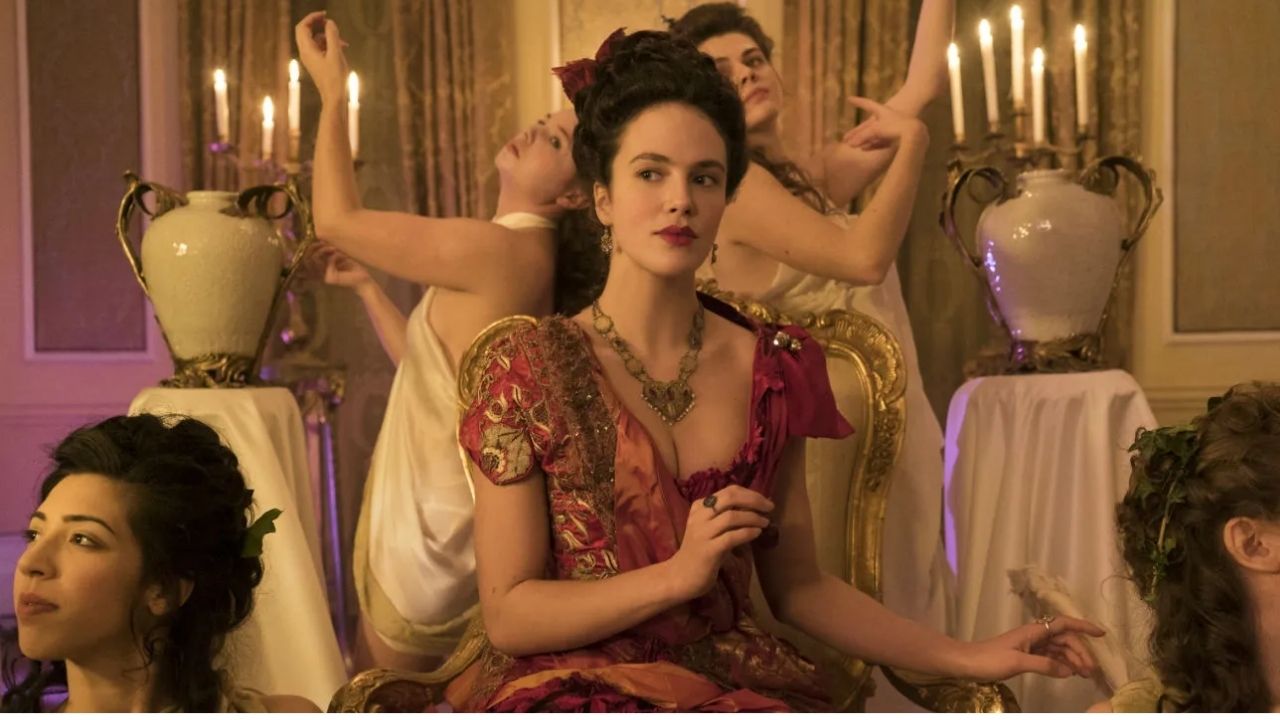
Harlots
Set in 18th-century London, Harlots presents a world where women have few choices and even fewer protections. The series follows Margaret Wells, a brothel owner trying to survive while raising her daughters. Much like The Handmaid’s Tale, the show focuses on women navigating systems built to control their bodies and labor.

The Leftovers
The Leftovers may seem very different from The Handmaid’s Tale, but both shows explore what happens when the world stops making sense. After a mysterious global disappearance, the series focuses on grief, belief, and loss of control. Like Gilead, this world leaves people searching for meaning and structure. Authority, faith, and identity all changes under pressure.

Motherland: Fort Salem
In Motherland: Fort Salem, women are bound to serve the state from birth. The series follows witches trained as soldiers under a government agreement that removes personal choice. Fans of The Handmaid’s Tale will recognize the familiar idea of bodies being owned by authority. While the show leans into fantasy, its core message is about duty, control, and resistance.

3%
3% presents a future where society pretends to be fair while remaining deeply unequal. Every year, people compete for a chance at a better life, but only a small few succeed. Like The Handmaid’s Tale, the series exposes how systems create hope while quietly enforcing control. Choice is offered, but never truly equal. As characters begin to question whether the process is just, the show digs into themes of manipulation, sacrifice, and rebellion.

The Man in the High Castle
This alternate-history drama shows a world where freedom has already been lost. In The Man in the High Castle, America is ruled by Nazi Germany and Imperial Japan, and resistance exists only in whispers. Like The Handmaid’s Tale, the show focuses on life under total control; surveillance, fear, and carefully monitored behavior.