
10 Pro Wrestling Moves WWE Once Banned From the Ring
Seth Rollins
10. Piledriver
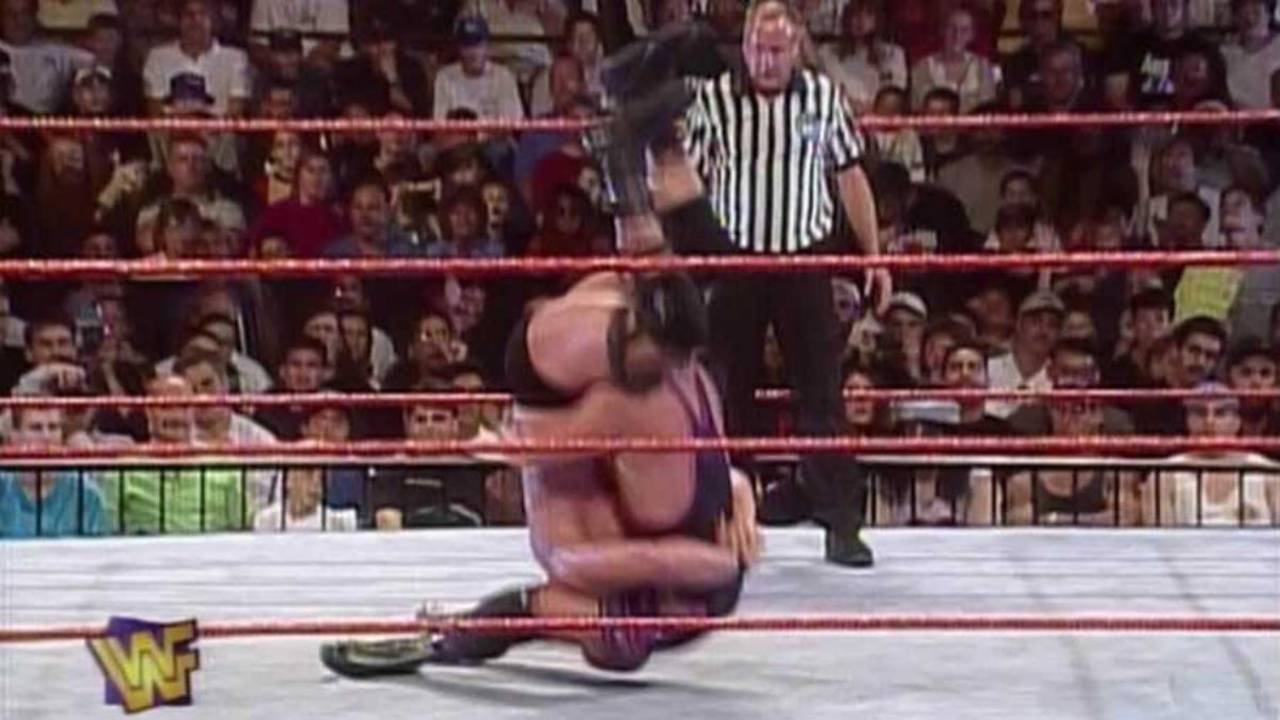
The piledriver has always carried a reputation as one of wrestling’s most dangerous techniques. While it appears simple, even the slightest mistake can result in severe injury. That danger became reality at SummerSlam 1997 when Owen Hart’s sit out tombstone piledriver left Stone Cold Steve Austin with a broken neck. By the late 1990s, WWE was dealing with a growing list of neck injuries and spinal surgeries across the roster. This prompted management to effectively outlaw piledrivers and their variations. Only a small group of veterans including The Undertaker, Kane, and Shawn Michaels were trusted to use them. Several wrestlers learned the rule the hard way. Ken Kennedy later recalled being reprimanded by Vince McMahon after performing a piledriver at The Undertaker’s request. CM Punk also faced backlash for hitting John Cena with the move on an episode of Raw in 2013. The message was clear. Unless explicitly approved, piledrivers were off limits.
9. German Suplex
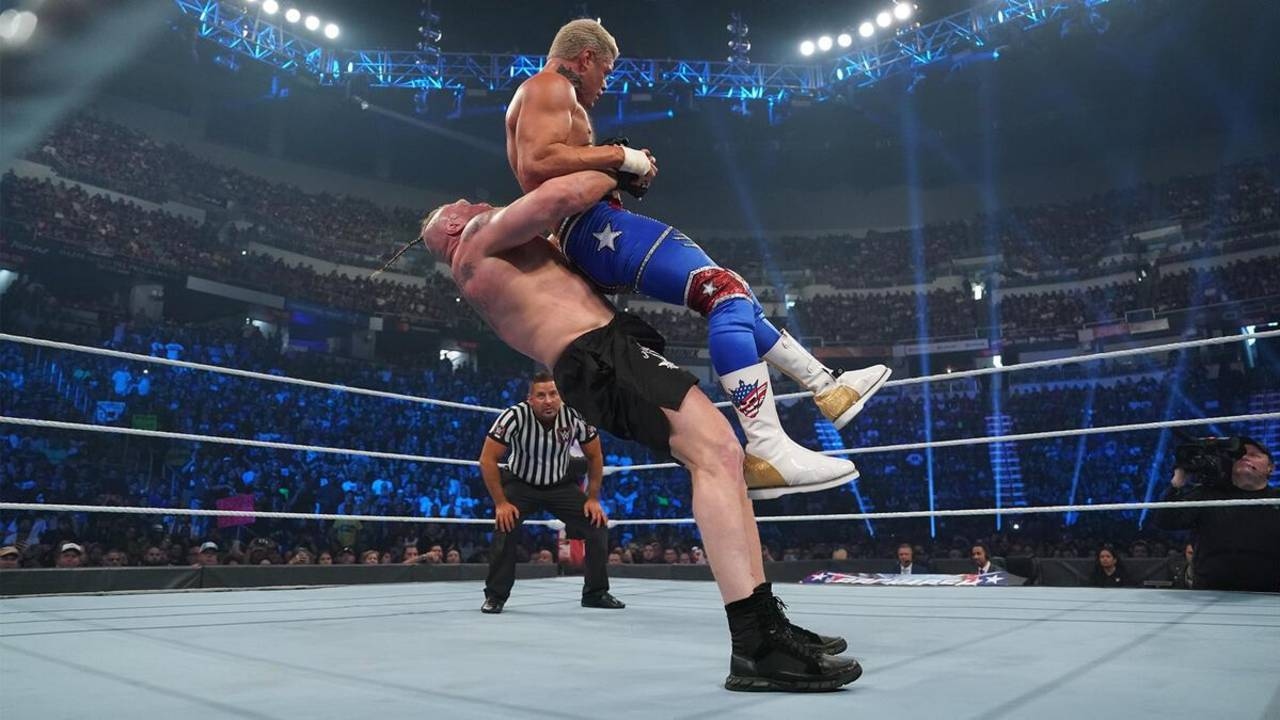
During the early 2000s, WWE began limiting high impact suplexes, especially the German suplex and overhead belly to belly variations. The decision followed multiple neck injuries and a handful of near disasters caused by awkward landings. Despite the restriction, a few elite performers were granted exceptions. Kurt Angle, Chris Benoit, and Brock Lesnar continued using Germans due to their technical precision and proven safety. Angle later admitted he was relieved, as suplexes formed a major part of his offense. In more recent years, Mick Foley has publicly argued that repeated German suplexes shorten careers and negatively affect wrestlers’ long term health, reinforcing why WWE once tried to reduce their use.
8. Shooting Star Press and 450 Splash
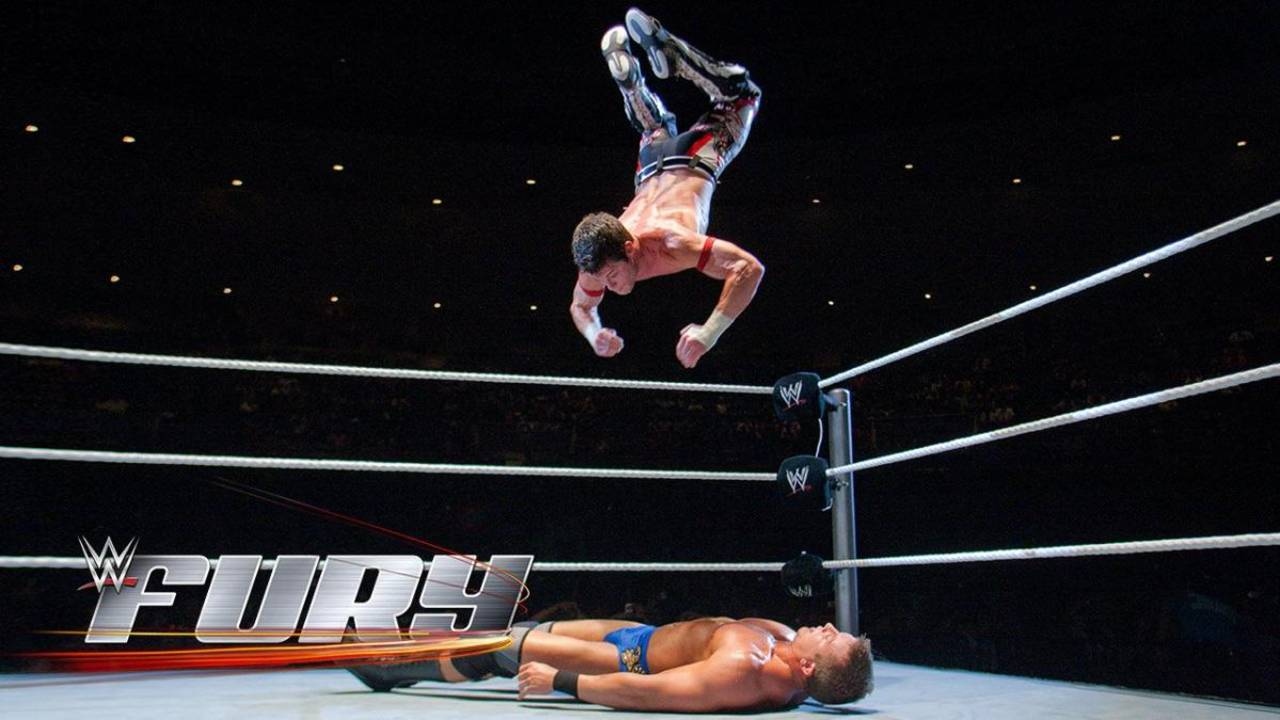
High flying moves like the shooting star press and 450 splash were once staples of WWE’s cruiserweight style. That changed after several frightening incidents. Brock Lesnar famously crashed hard while attempting a shooting star press at WrestleMania XIX, narrowly avoiding serious injury. Billy Kidman also caused concern in 2004 when his knee knocked Chavo Guerrero unconscious during a televised match. The final straw came in 2005 when Juventud Guerrera botched a 450 splash on Paul London. After that incident, Vince McMahon banned both aerial maneuvers outright. London reportedly argued that he had safely performed them for years, but the decision stood and he was even punished creatively for pushing back. Years later, WWE gradually relaxed the ban, allowing performers like Evan Bourne and Justin Gabriel to reintroduce the moves under controlled conditions.
7. Chops
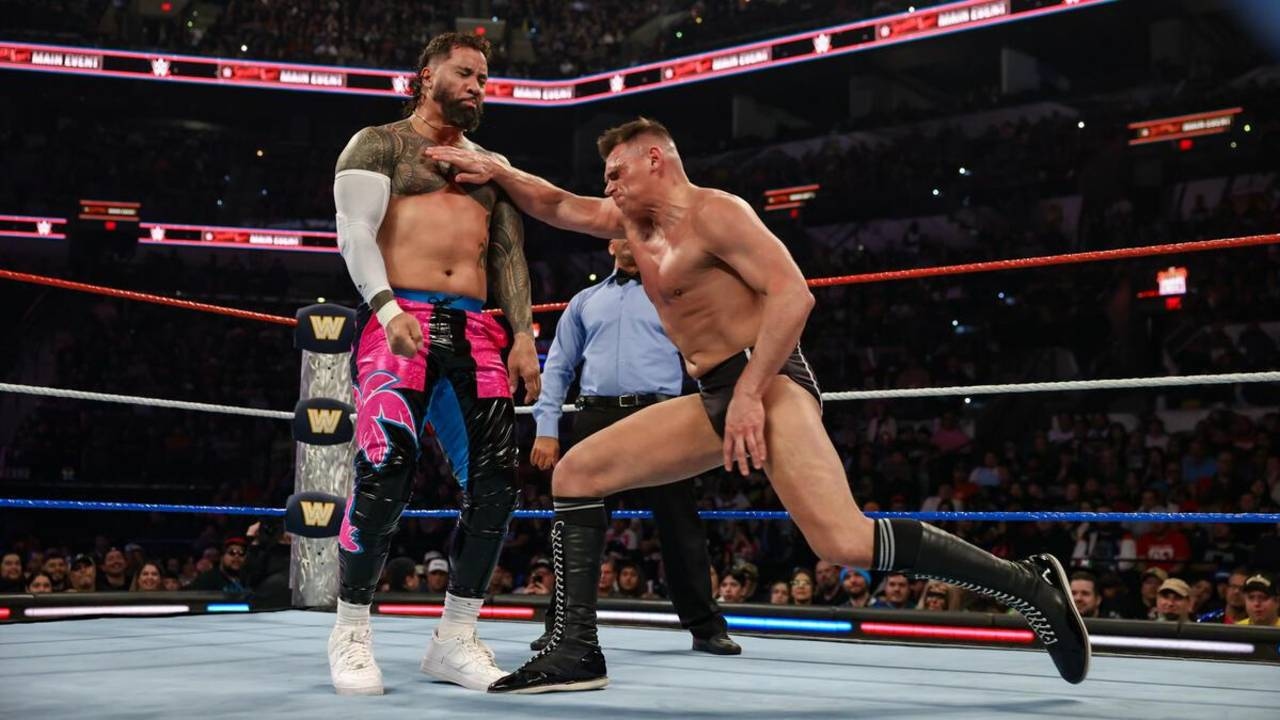
Unlike many banned moves, knife edge chops were not restricted due to injury concerns. Despite leaving red welts across the chest, chops were largely safe. Their removal from WWE matches in the late 2000s stemmed from presentation choices rather than physical risk. Reports later revealed that chops had quietly been discouraged for years, with only Ric Flair and Shawn Michaels allowed to use them. Former referee Jimmy Korderas recalled signs backstage reminding wrestlers not to chop. Colin Delaney later confirmed that management explicitly banned them around 2008, with Michaels remaining the lone exception. As with many WWE policies, the rule eventually faded and chops returned without formal explanation.
6. The Vertebreaker
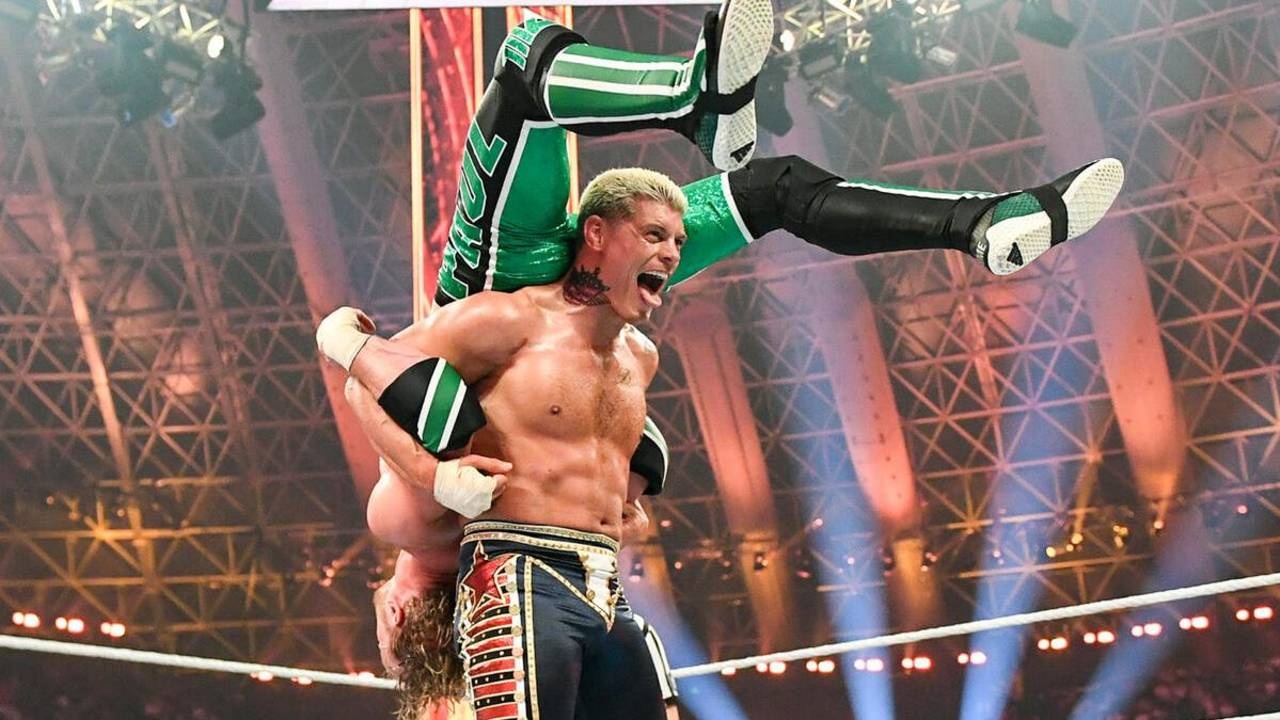
Shane Helms rose to prominence in WCW using the Vertebreaker, a visually brutal double underhook piledriver. When he joined WWE, Helms knew the move’s days were numbered. Although he performed it a few times, he was soon instructed to stop. The ban came directly from Vince McMahon during a period when WWE was removing most piledriver style maneuvers from matches. Helms accepted the decision without resistance, especially since the move required lifting opponents who were often much larger than him. He transitioned fully to other offense, including the Eye of the Hurricane, a move he created himself, and continued his success without the Vertebreaker.
5. The Wings of Love
Michelle McCool’s in ring style drew influence from TNA Wrestling, including the Wings of Love, a double underhook sit out facebuster. WWE management ultimately decided the move was too dominant for the women’s division at the time and instructed McCool to stop using it. The reasoning frustrated her, but she adapted by focusing on the Faithbreaker instead. Years later, the same move resurfaced when Mandy Rose adopted it as her finisher under the name Bed of Roses, highlighting how WWE’s standards often evolve with time.
4. The Muscle Buster
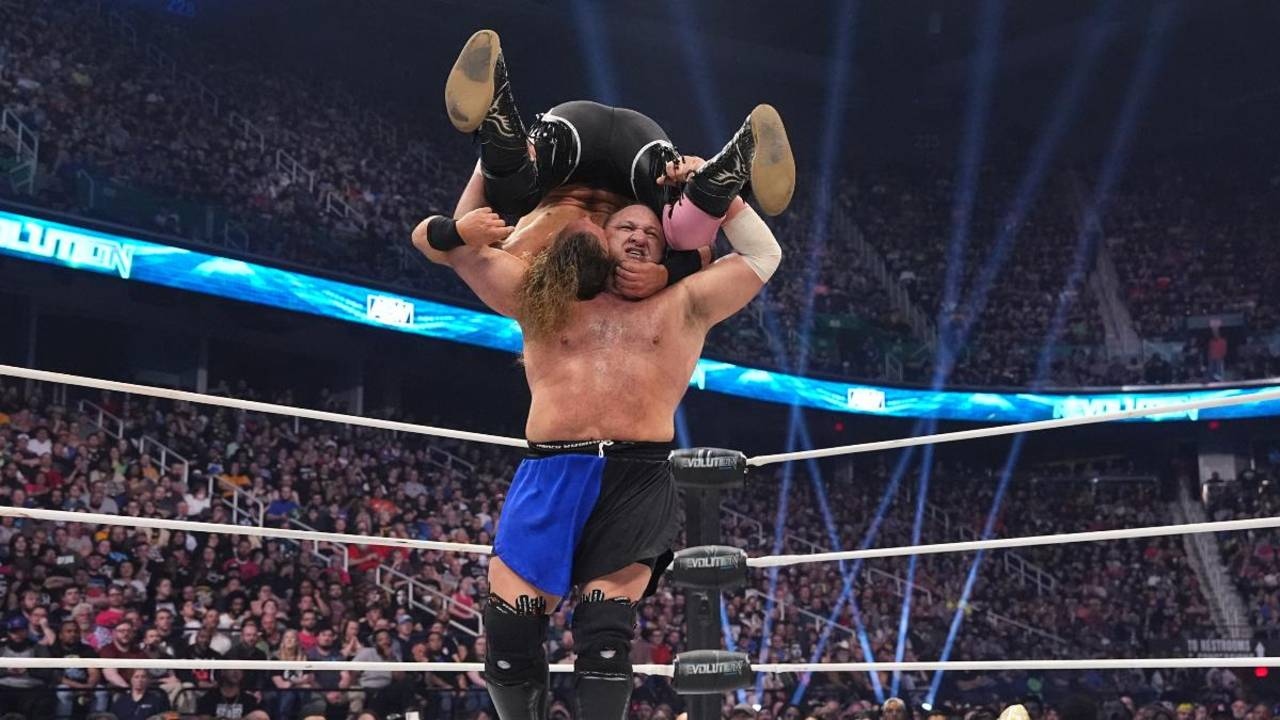
Before joining WWE, Samoa Joe built his reputation around the Muscle Buster, a devastating lift and drop that blended suplex and piledriver elements. Joe had used the move safely for years until a dark match against Tyson Kidd changed everything. After Joe won the match with the Muscle Buster, it became clear that Kidd had suffered catastrophic neck and spinal injuries. Though Kidd survived and later transitioned into a backstage role, his in ring career ended that night. In response, WWE immediately removed the Muscle Buster from Joe’s arsenal. He relied solely on the Coquina Clutch for years before the move eventually made a limited return.
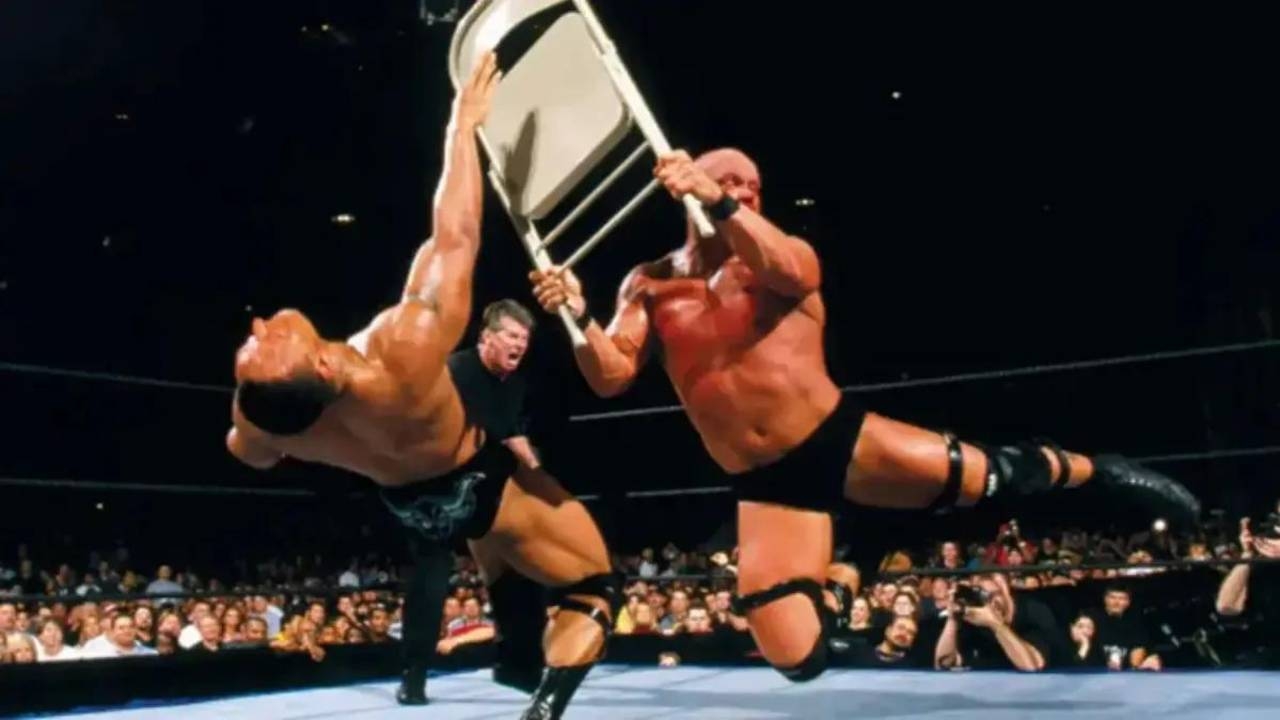
3. Steel Chair Shots to the Head
For decades, unprotected chair shots to the head were routine in WWE. Wrestlers often viewed them as a badge of toughness. That mindset shifted dramatically following increased awareness of concussions, brain trauma, and chronic traumatic encephalopathy. WWE officially banned head shots with chairs, prioritizing long term health over short term reactions. Even top veterans were not exempt. The Undertaker and Triple H were fined after ignoring the rule at WrestleMania XXVII back in 2011. Today, chair shots are restricted to safer areas like the back or midsection, a change that has significantly reduced risk even if it sacrifices shock value.
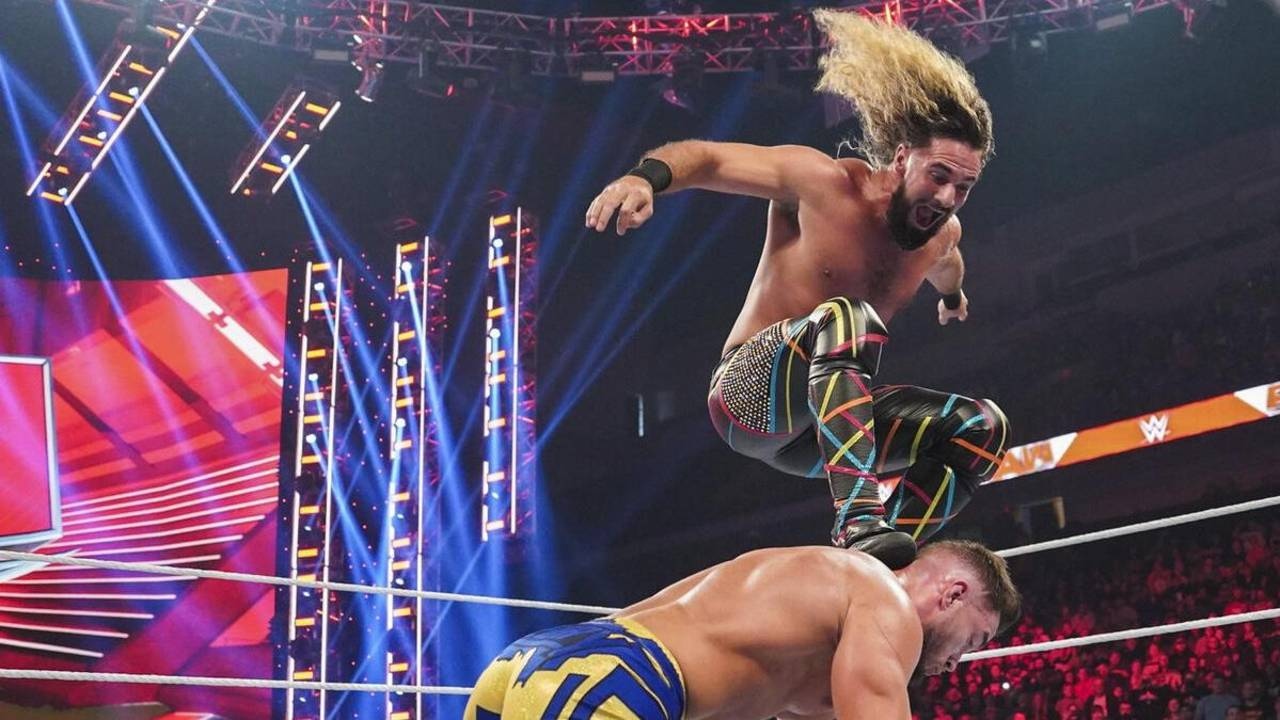
2. The Curb Stomp
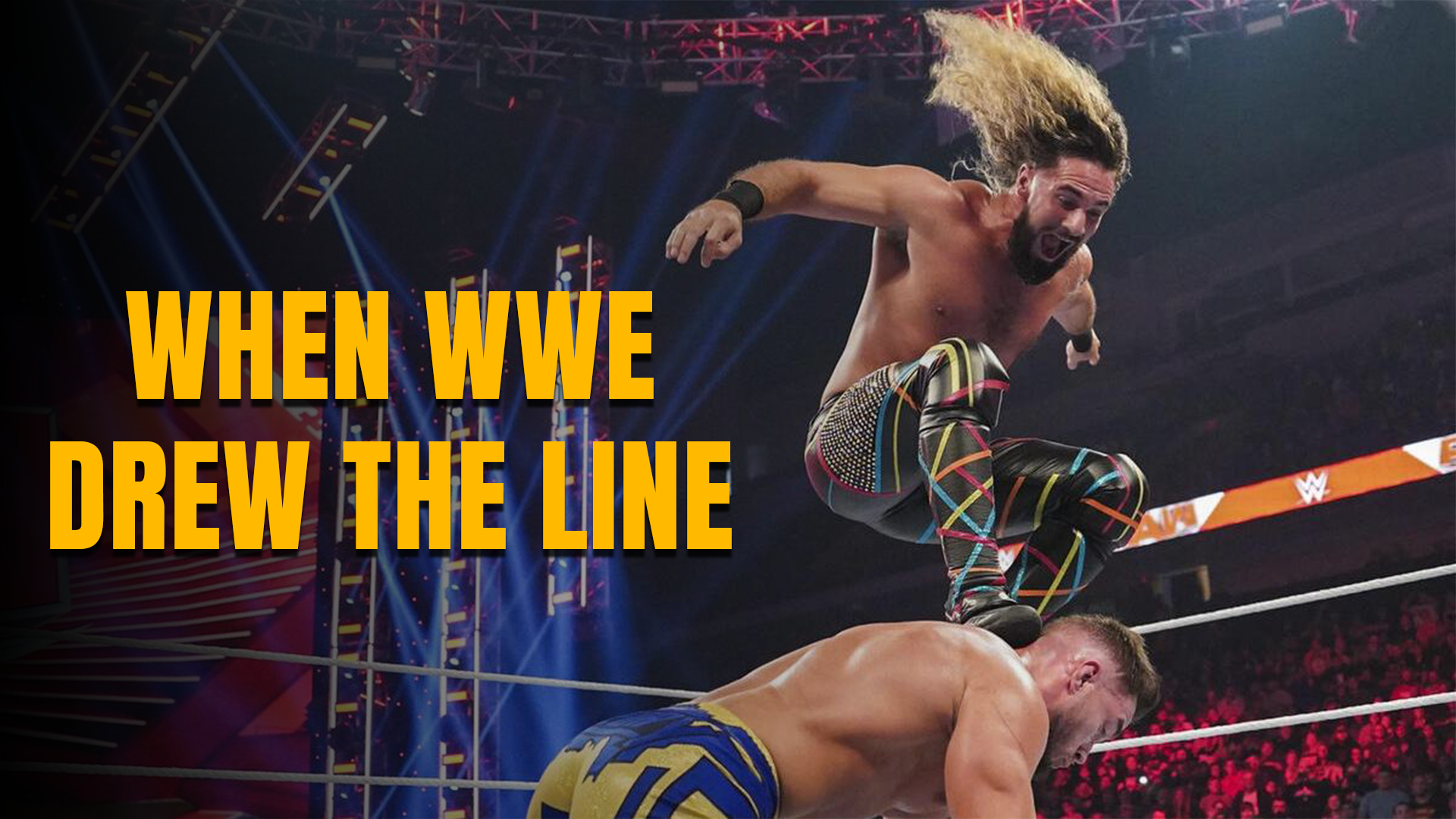
Seth Rollins introduced the curb stomp as a finisher that looked vicious while remaining easy to execute. Despite its effectiveness, WWE leadership grew uncomfortable with how violent it appeared, particularly once Rollins became world champion. Vince McMahon reportedly worried about children imitating the move after seeing it replayed in media coverage. Rollins disagreed with the logic but ultimately complied, replacing the move with the Pedigree during his run with The Authority. The curb stomp later returned under the shortened name “the stomp,” allowing Rollins to reclaim his signature move under revised presentation.
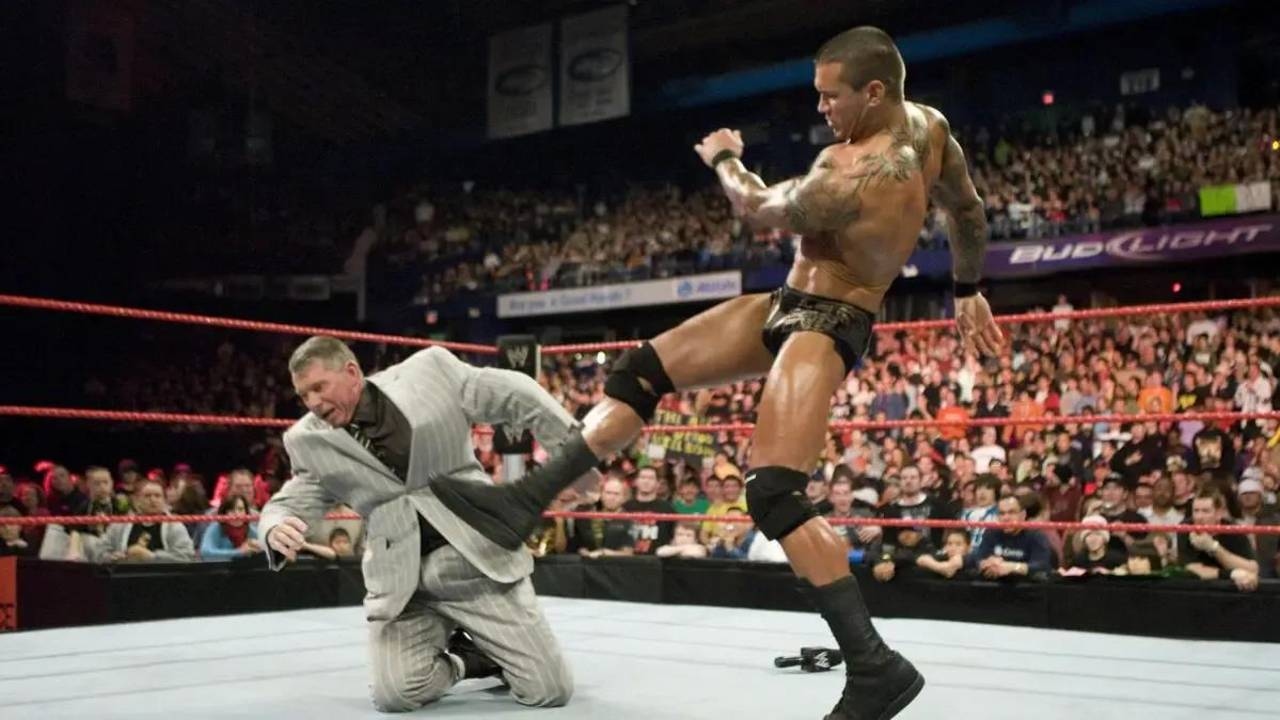
1. The Punt
Randy Orton’s punt kick became one of WWE’s most feared finishers during his late 2000s heel run. Although it was carefully worked, Orton was often encouraged to make it look as realistic as possible. That realism backfired when Orton delivered the punt to Vince McMahon himself, resulting in a concussion for the company chairman. After experiencing the impact firsthand, McMahon removed the move from television. The punt remained shelved for over a decade before being reinstated in 2020 as part of Orton’s renewed Legend Killer persona.