
10 Sci-Fi Movies That Took Their Craziest Ideas From Real Life
Altered States
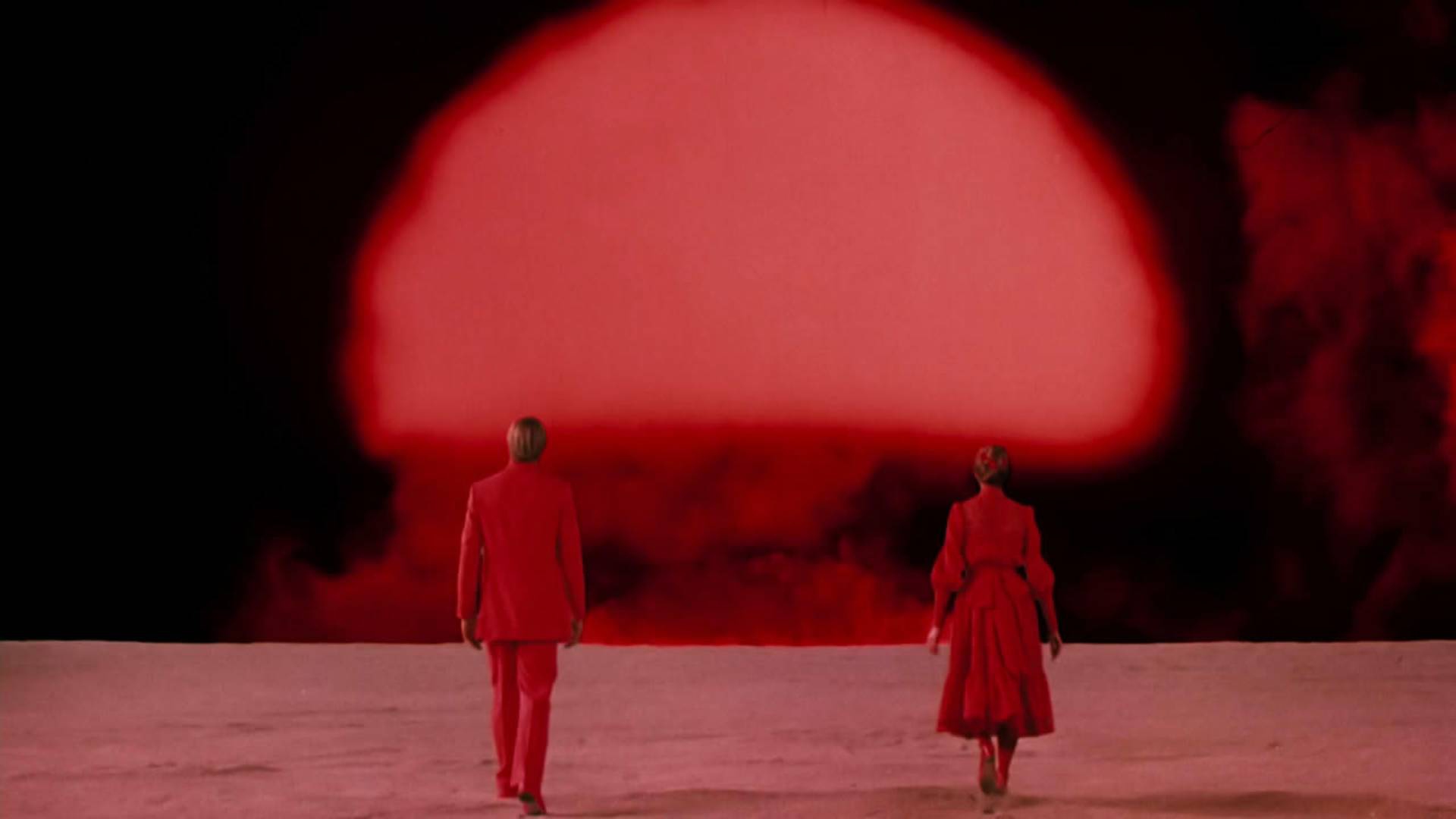
Altered States follows scientist Edward Jessup as he pushes the limits of consciousness using isolation tanks and psychedelic substances, convinced reality extends beyond ordinary perception. His experiments spiral into physical regression, blurring psychology and biology. While the extreme transformations are fictional, the premise stems from real research by neuroscientist and psychonaut John C. Lilly, who explored sensory deprivation and mind-altering chemicals like LSD and ketamine to study consciousness.
District 9
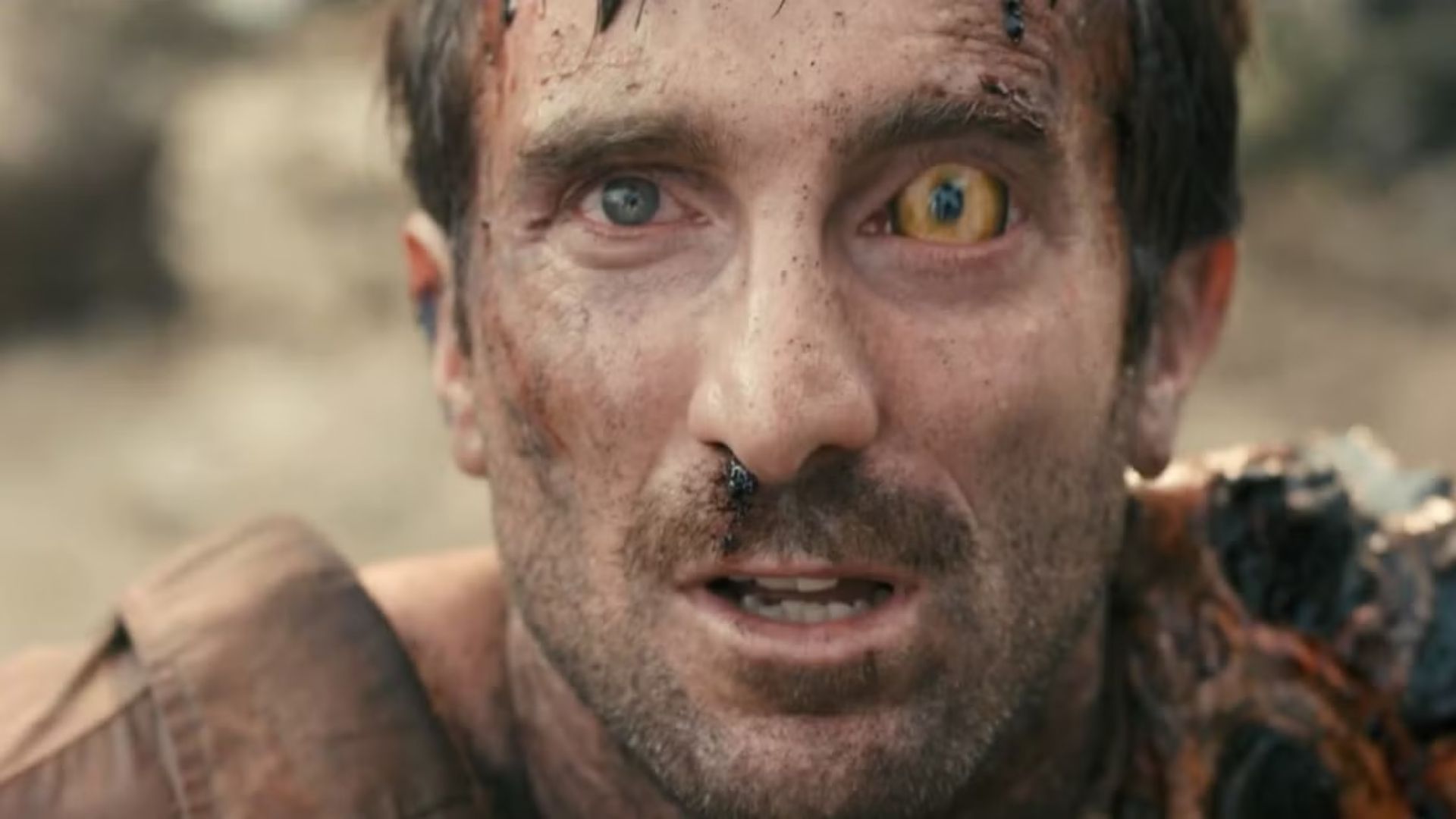
Neill Blomkamp’s District 9 uses aliens as a thin veil over a very real human history. Set in Johannesburg, the film imagines extraterrestrial refugees confined to slums under military supervision, until a bureaucrat infected with alien biology begins to experience their suffering firsthand. The story draws direct inspiration from apartheid-era South Africa, especially the forced removals of over 60,000 residents from Cape Town’s District Six after it was declared a whites-only area in 1966.
The Blob
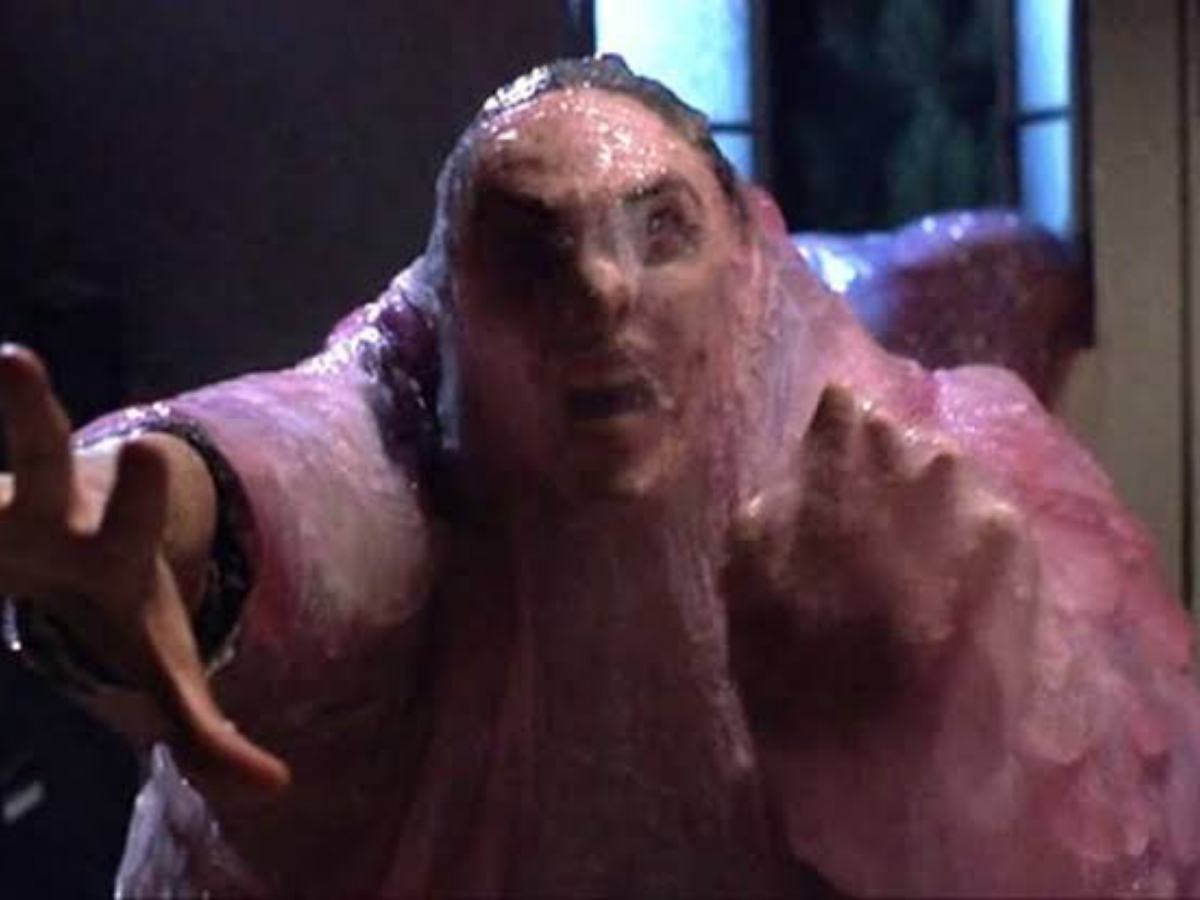
In The Blob, a meteorite releases a gelatinous organism that devours everything in a Pennsylvania town, eventually frozen in the Arctic as humanity’s desperate solution. Surprisingly, the idea originated from a real 1950 incident in which police officers reported a falling object that dissolved into sticky residue when touched. Though later explained as natural organic material, the mysterious event sparked public imagination during the flying-saucer craze.

Close Encounters of the Third Kind
Steven Spielberg’s Close Encounters of the Third Kind follows an ordinary man obsessed after seeing a UFO while scientists investigate strange global sightings. The movie was inspired by real UFO reports from around the world. Spielberg even worked with astronomer Dr. J. Allen Hynek, who created a classification system for alien encounters. Instead of portraying aliens as enemies, the film treats them as mysterious visitors.

Overlord
Overlord takes place just before D-Day, where soldiers discover Nazi experiments creating nearly unstoppable fighters. The zombie-like elements are fictional, but the history behind them is real. During World War II, Nazi scientists conducted cruel medical experiments on prisoners and tested drugs meant to increase stamina and remove fear. One drug, called D-IX, was designed to push soldiers beyond normal human limits.

Phoenix Forgotten
Phoenix Forgotten tells the story of teenagers who disappear while investigating strange lights in the Arizona sky. The film is based on the real 1997 Phoenix Lights event, when thousands of people saw huge glowing shapes silently moving overhead. Some lights were explained as military flares, but the large triangular formation seen traveling across states remains unexplained.
The Entity
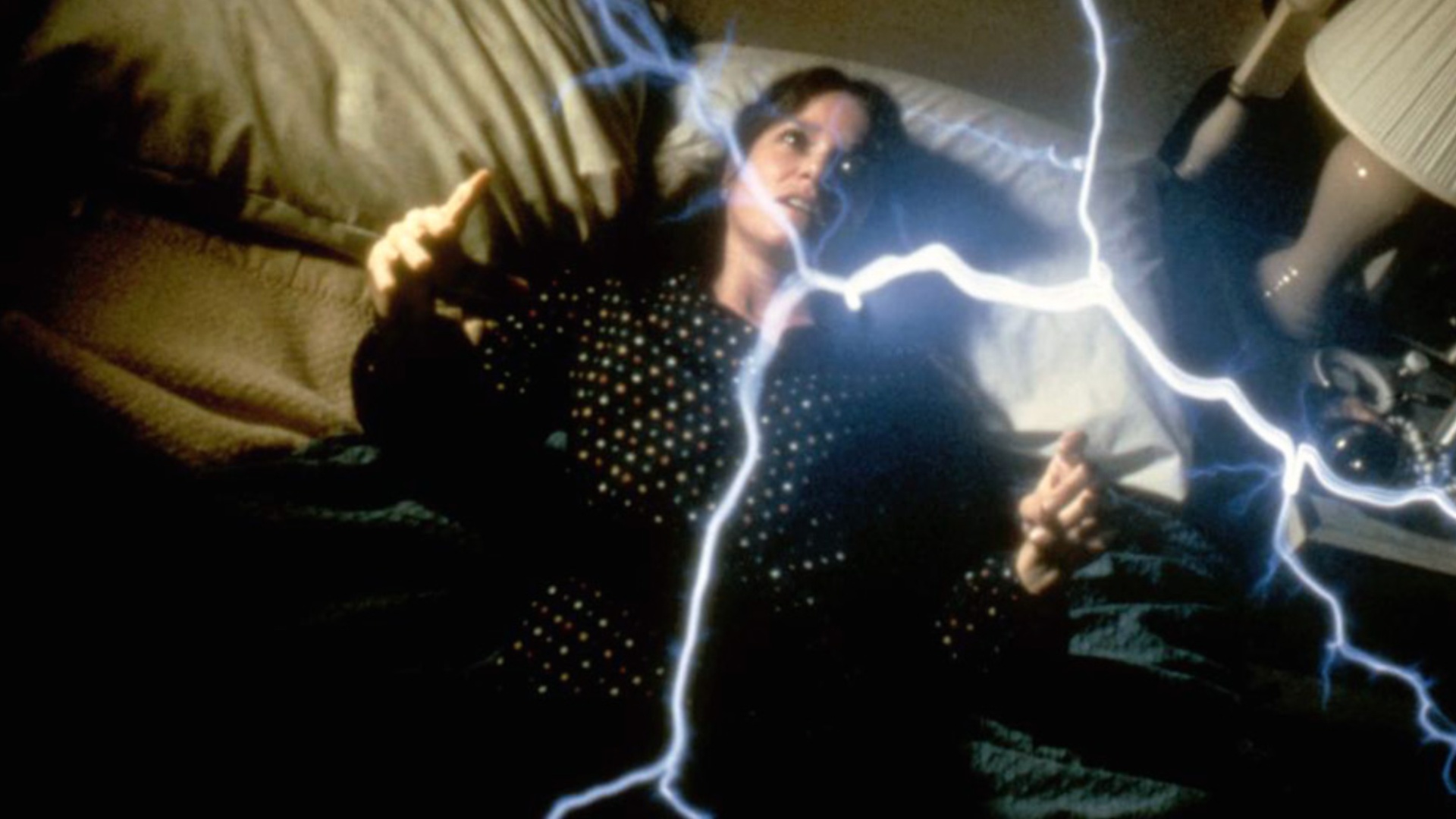
The Entity is based on the case of Doris Bither, a woman who claimed invisible forces attacked her in her home. Paranormal researchers investigated and captured photos showing strange glowing energy around her. The film closely follows her story, presenting the events as terrifying and physical rather than psychological. Whether supernatural or not, the real case remains unsolved. That uncertainty makes the movie unsettling.
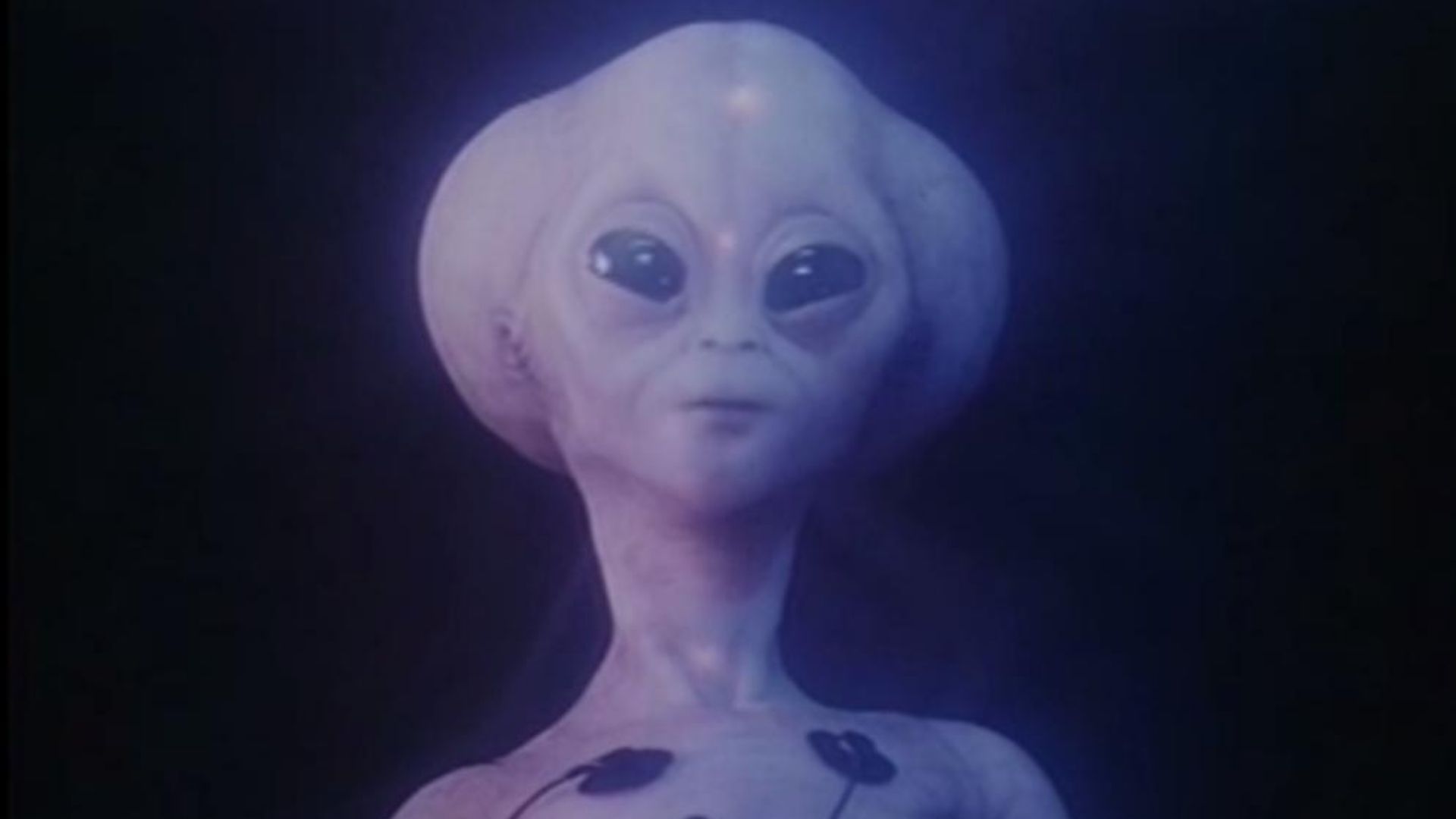
Roswell
The 1994 movie Roswell is based on the famous 1947 incident in New Mexico. The U.S. military first announced it recovered a “flying disc,” then quickly changed the story to a weather balloon. This contradiction created decades of conspiracy theories suggesting an alien spacecraft and bodies were secretly captured. The film explores that idea directly, showing a cover-up rather than an accident.
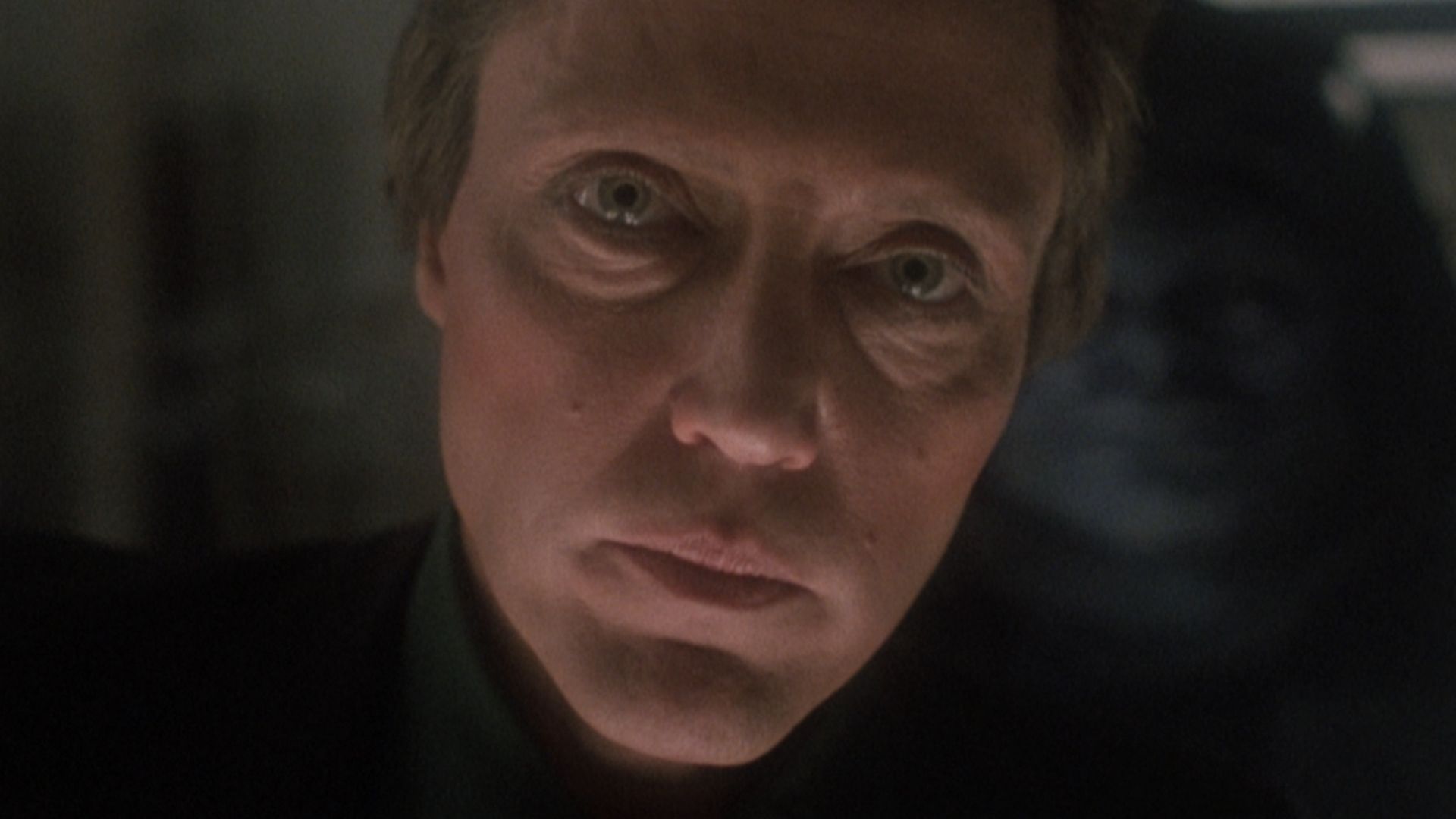
Communion
Communion follows author Whitley Strieber, who claimed he was repeatedly abducted by aliens. The movie is based on his own book describing strange nighttime encounters and memories recovered through therapy. Whether real or psychological, Strieber insisted the experiences truly happened. The film focuses less on aliens attacking and more on how the events affected his mind and family life.
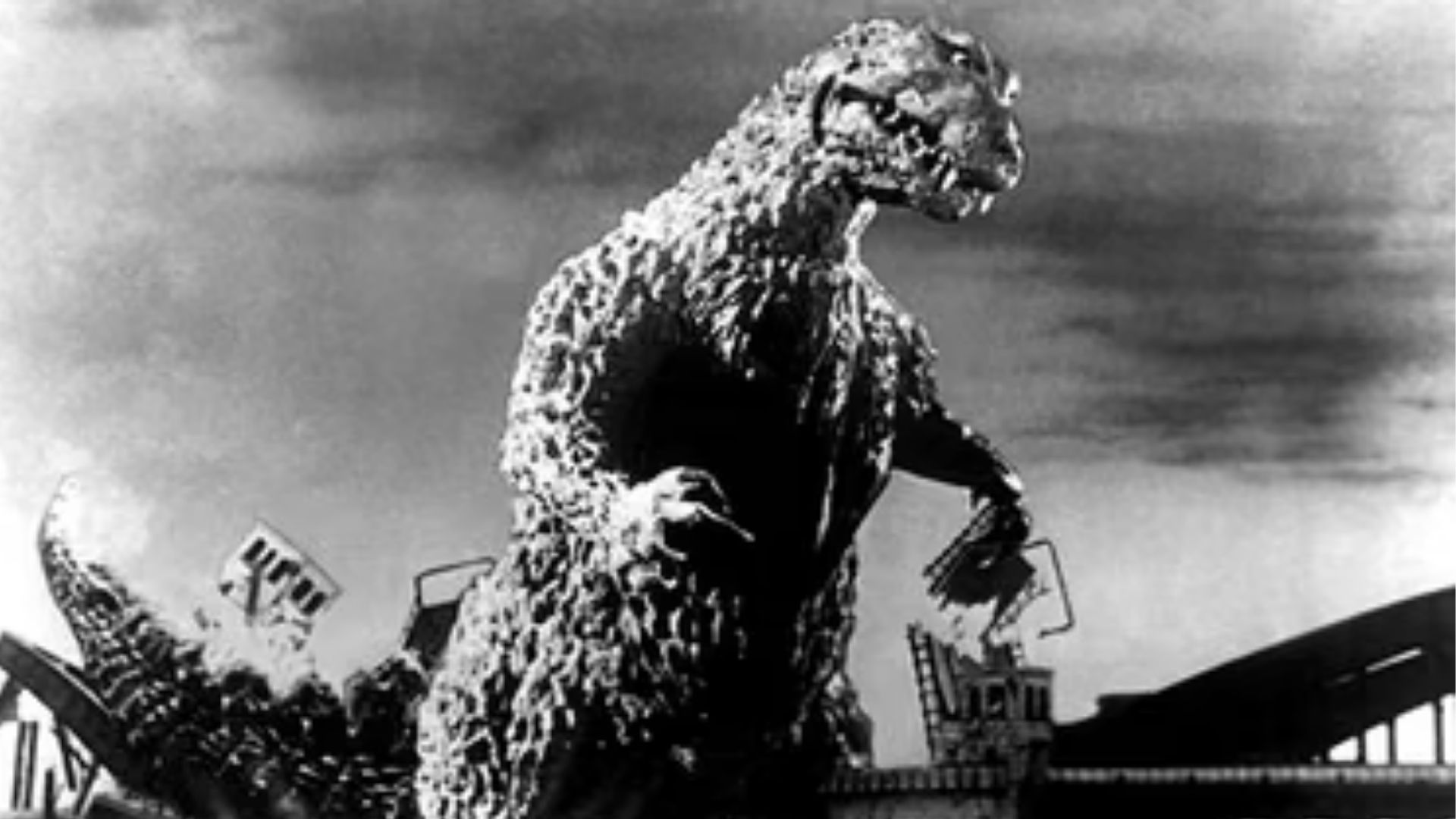
Godzilla
The original Godzilla was created shortly after World War II and reflects Japan’s trauma from the atomic bombings of Hiroshima and Nagasaki. In the film, nuclear radiation awakens a giant monster that destroys cities. Godzilla represents the fear of nuclear weapons and uncontrollable scientific power. Instead of just a creature feature, the movie works as a warning about human technology causing disaster.