
10 Sci-Fi Shows That Started Great But Sadly Lost Their Way
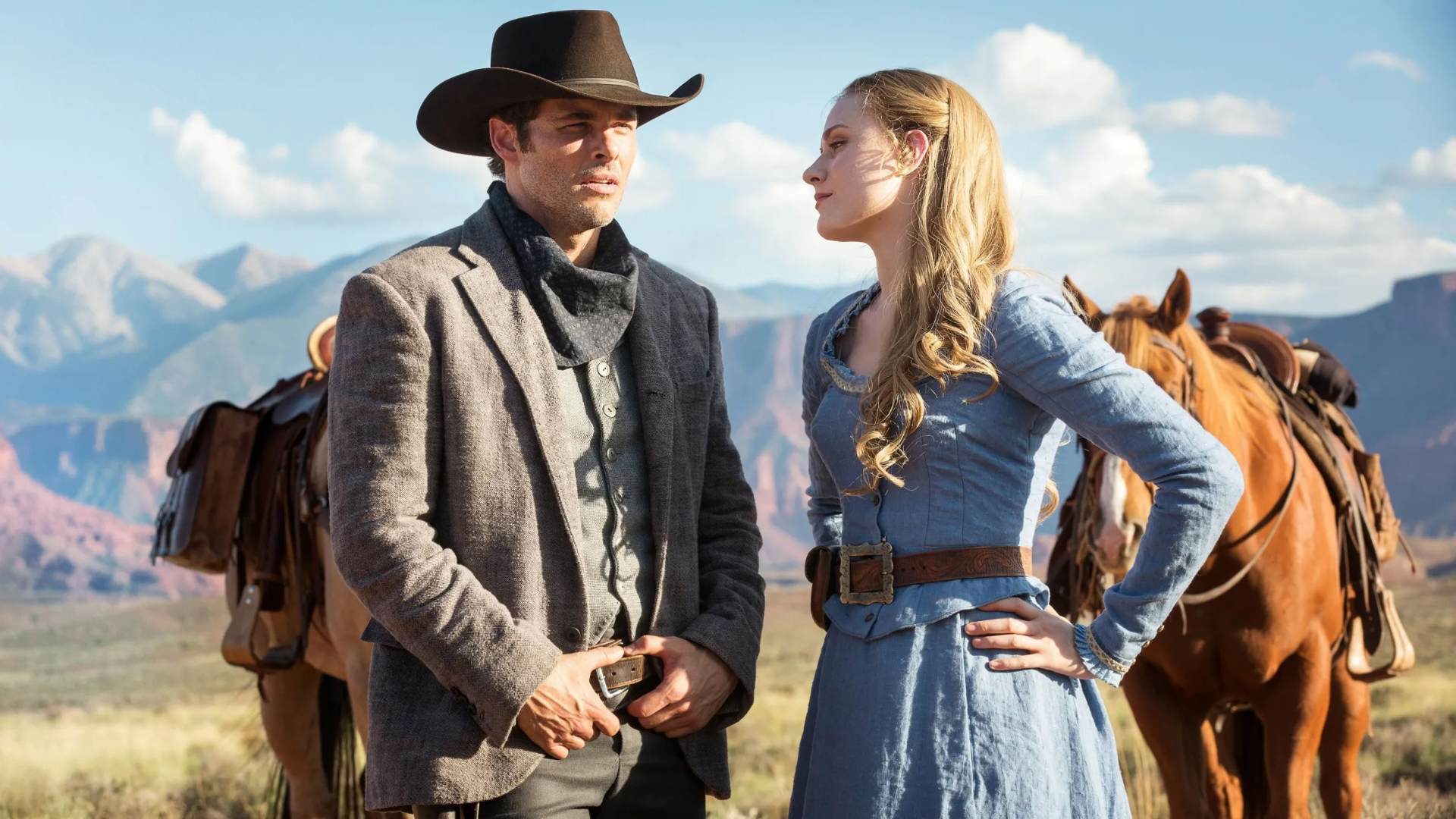
Westworld
Westworld started off like a sci-fi dream. The first season pulled viewers into a Wild West theme park where the “hosts” felt more human than the guests. It asked big questions about identity, memory, and consciousness, but it never forgot to keep the story emotional and gripping. Then the show got bigger and more complicated. The later seasons moved outside the park and leaned into heavy futuristic ideas and layered timelines.
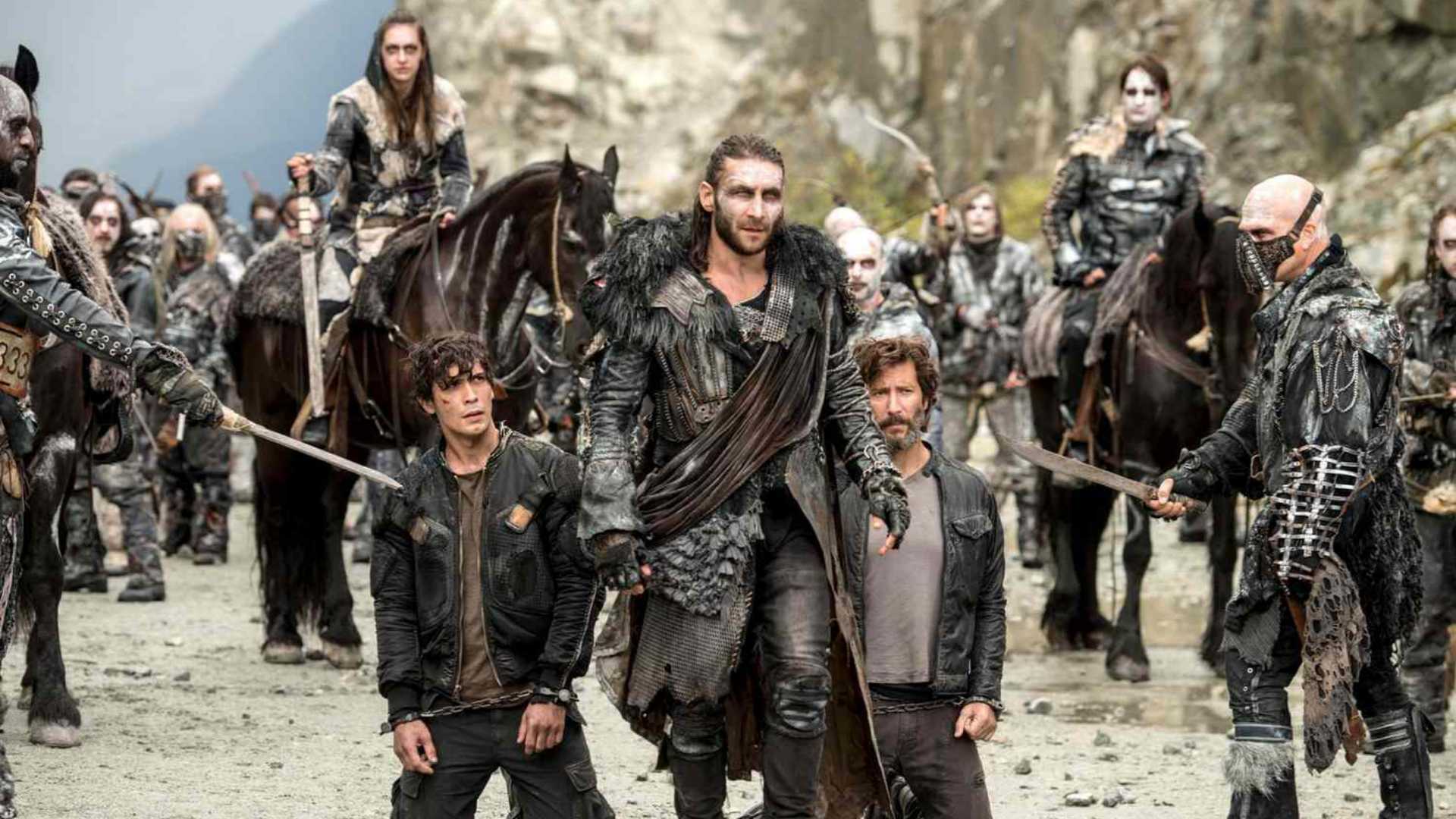
The 100
The 100 began as a rough, intense survival story where teens were sent back to Earth after a nuclear disaster. It didn’t take long for it to get dark, and that’s what made it work. The danger felt real, the choices were brutal, and the characters had to grow up fast. Early seasons kept things grounded in survival, leadership, and moral compromises. Later, the series leaned deeper into sci-fi mythology, adding mind transfers, strange cult-like groups, and bigger threats every season.
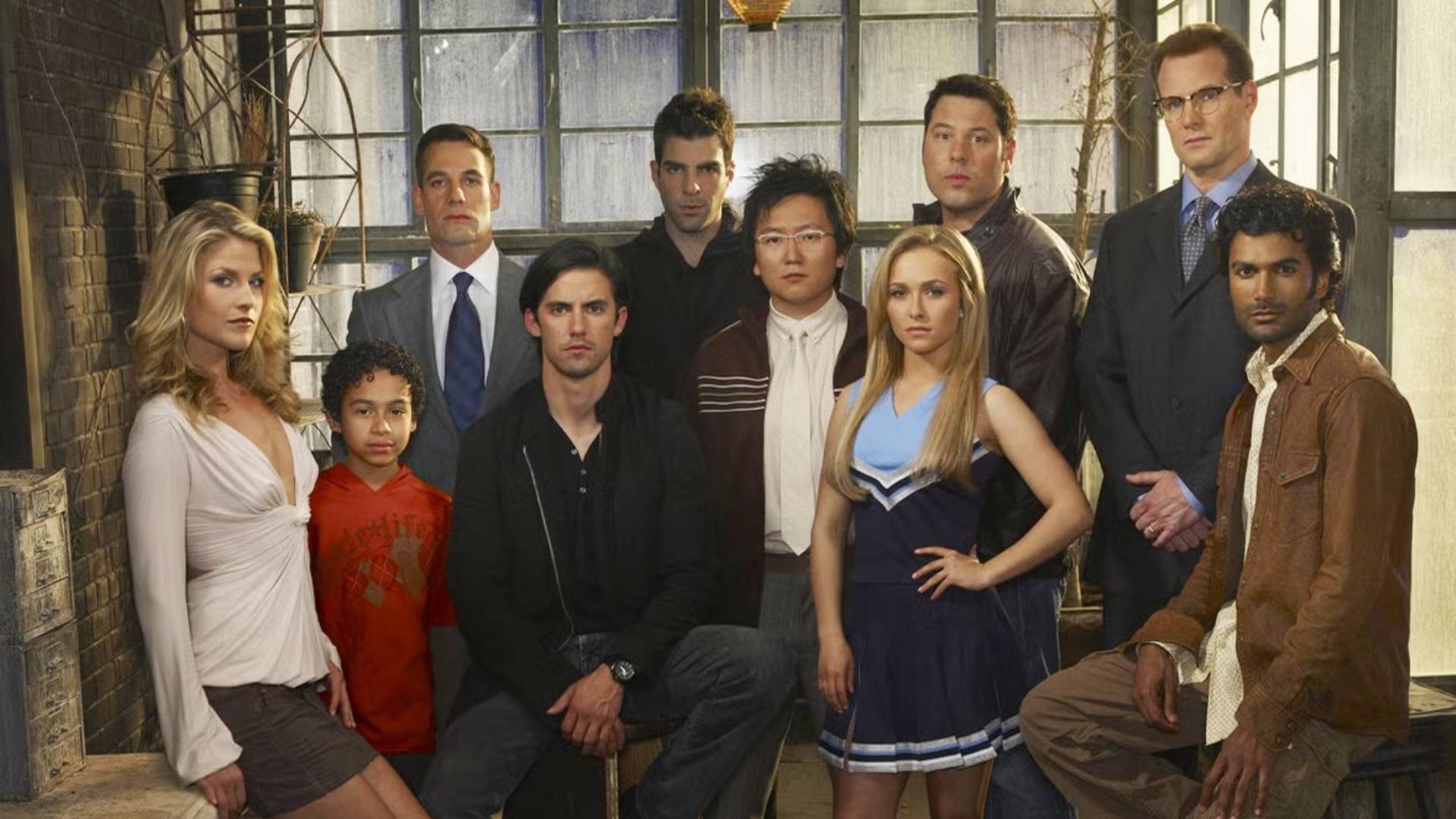
Heroes
Season 1 introduced regular people discovering powers in a way that felt exciting but still believable. The characters were easy to care about, and the stakes kept rising without losing the emotional thread. “Save the cheerleader, save the world” became a pop culture moment for a reason. Sadly, the show couldn’t keep that momentum. After the writers’ strike, the storylines started getting messy, and the same conflicts kept repeating.
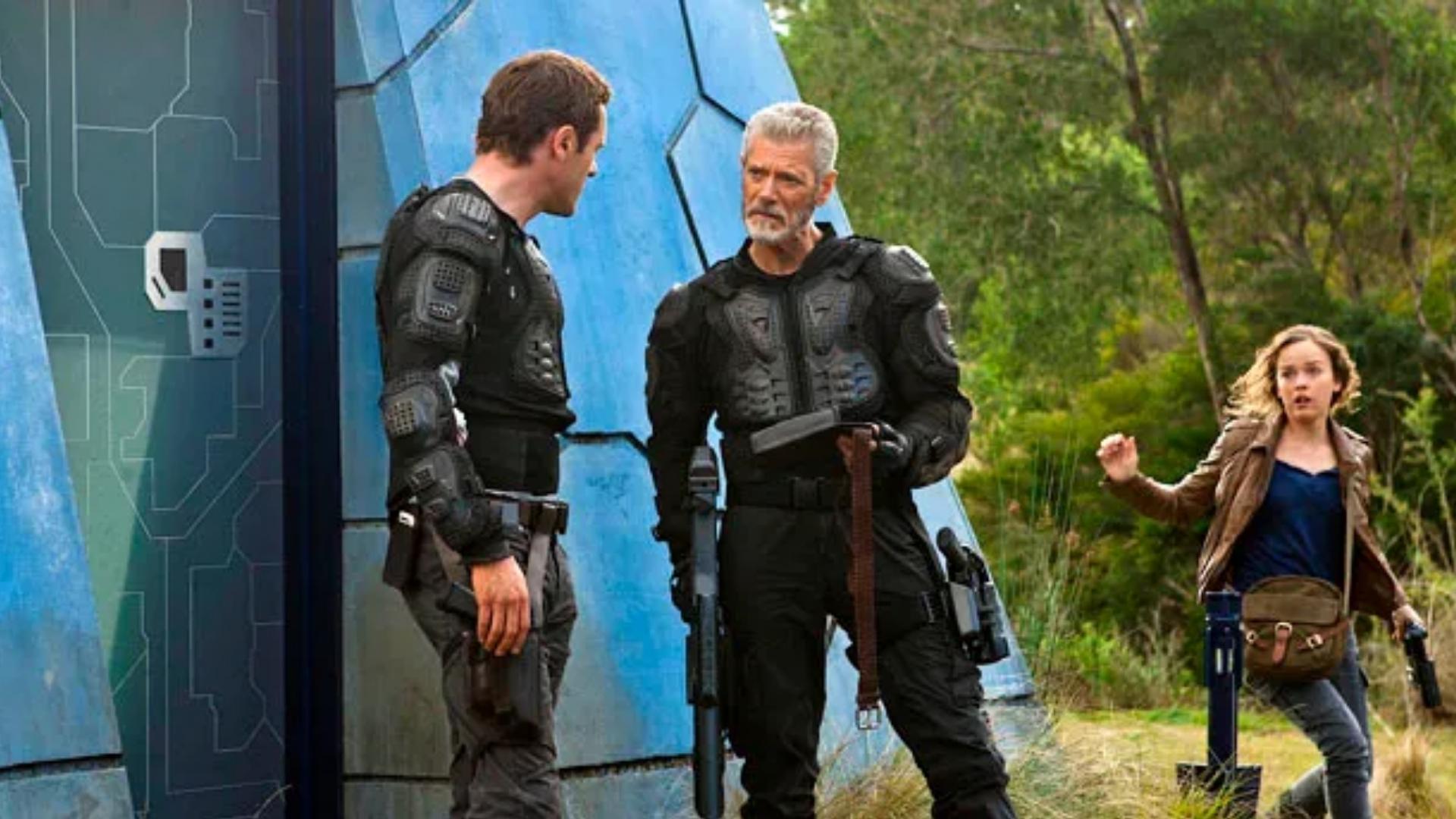
Terra Nova
Terra Nova had everything it needed to be a huge sci-fi hit. Humans escaping a dying future and rebuilding life in the age of dinosaurs is the kind of idea that grabs attention instantly. The early episodes promised danger, mystery, and a massive world full of surprises. The visuals were impressive, and the setup felt like it could lead to something big. But the show quickly settled into familiar patterns, leaning more on family drama and routine storylines.
Terminator: The Sarah Connor Chronicles
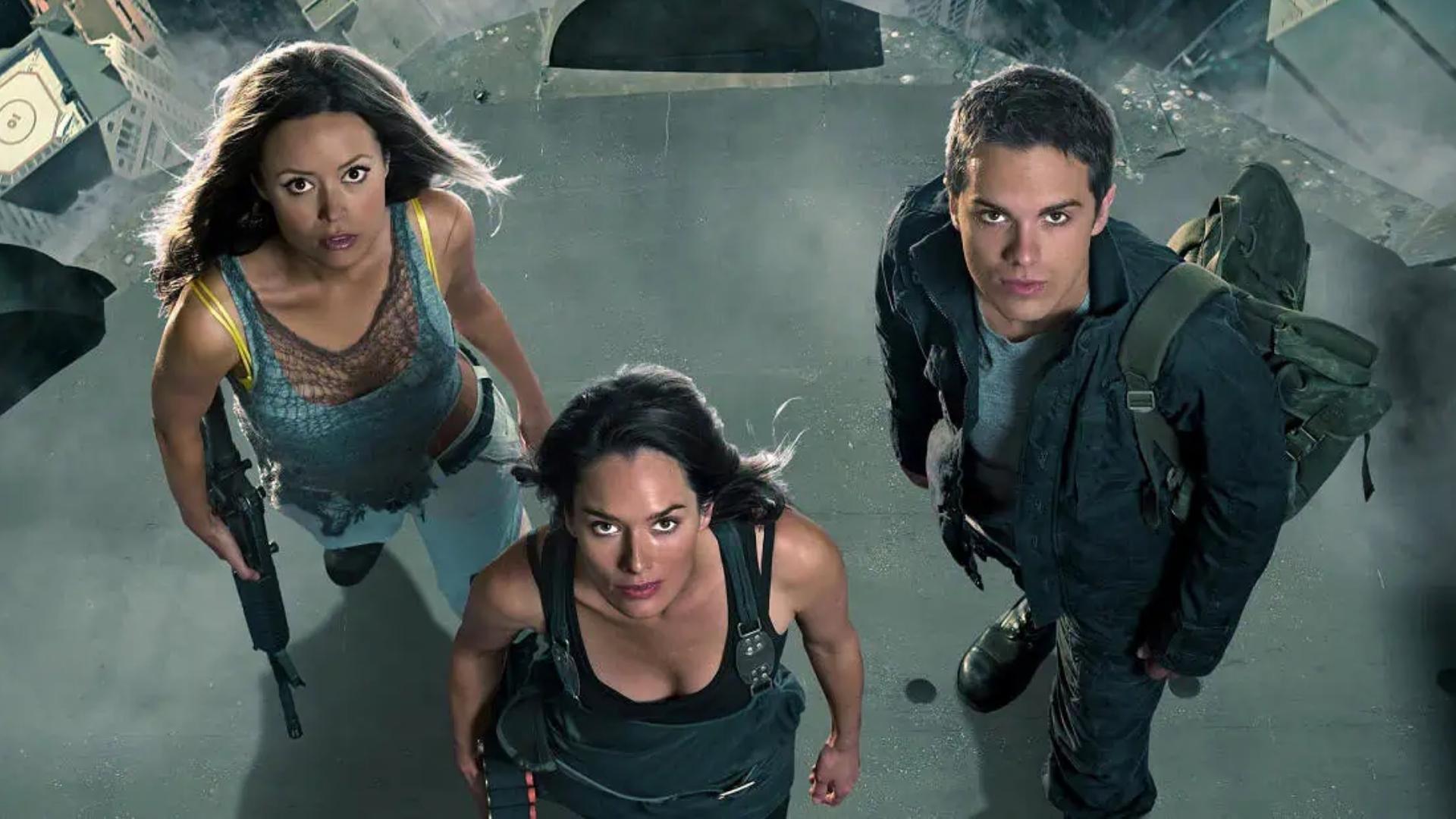
Terminator: The Sarah Connor Chronicles surprised a lot of people by being genuinely good. It built tension, explored the fear of the future, and gave Sarah Connor real emotional depth. John’s story also felt more personal here, showing what it would actually be like to grow up knowing the world might end. The show added new characters and ideas without ruining what fans loved about the franchise. The biggest problem wasn’t the writing, it was timing.
Lost
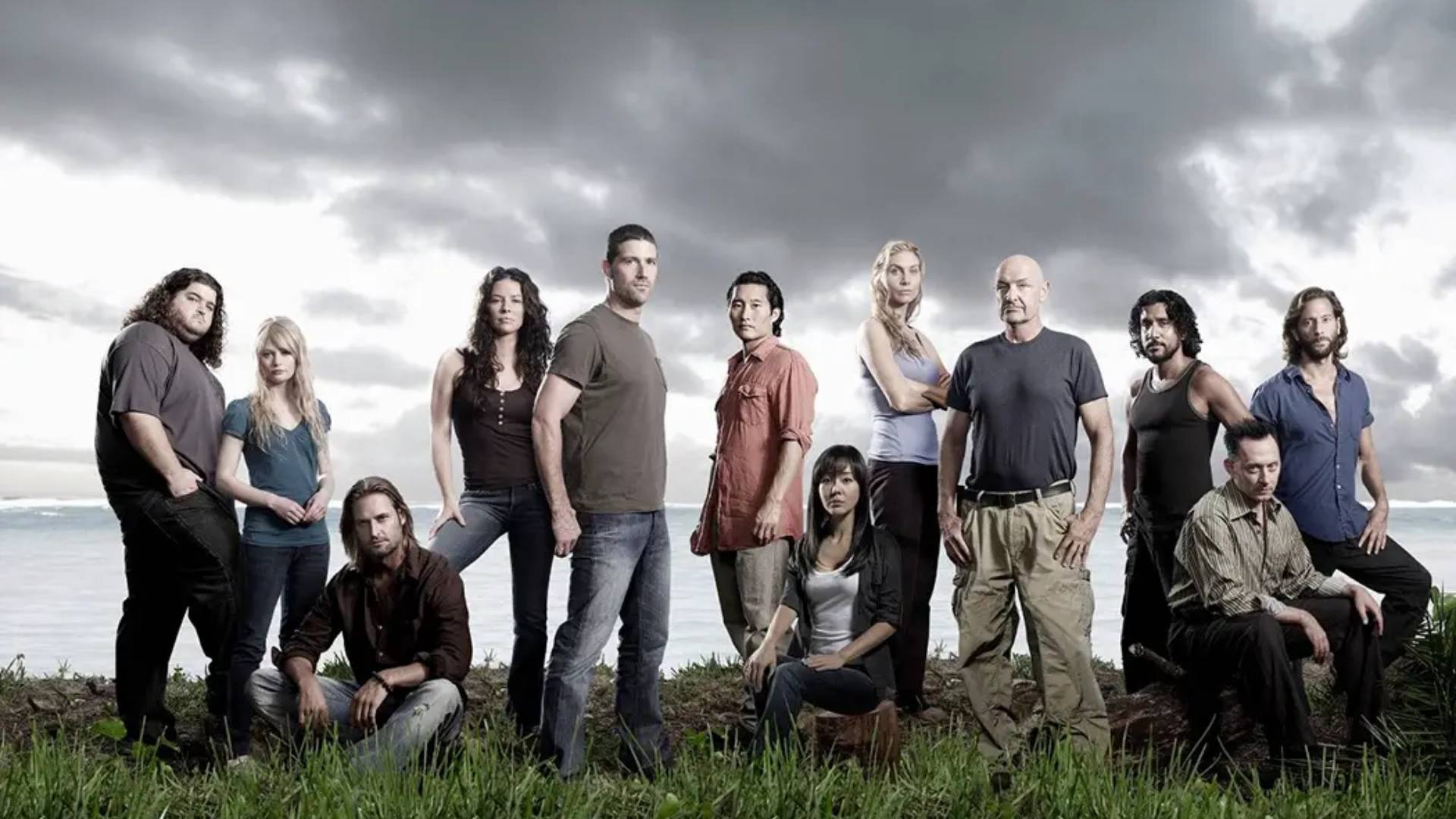
The plane crash, the island, the mystery in Lost; all felt huge right away. But the real strength was the characters. Every episode made viewers care more about the people and what they were hiding. The early seasons balanced survival drama and strange island secrets perfectly. Later, the story got more complicated, bringing in time travel, new rules, and deeper mythology. Some fans loved that, but others felt the show was adding mysteries faster than it could answer them.
Under the Dome
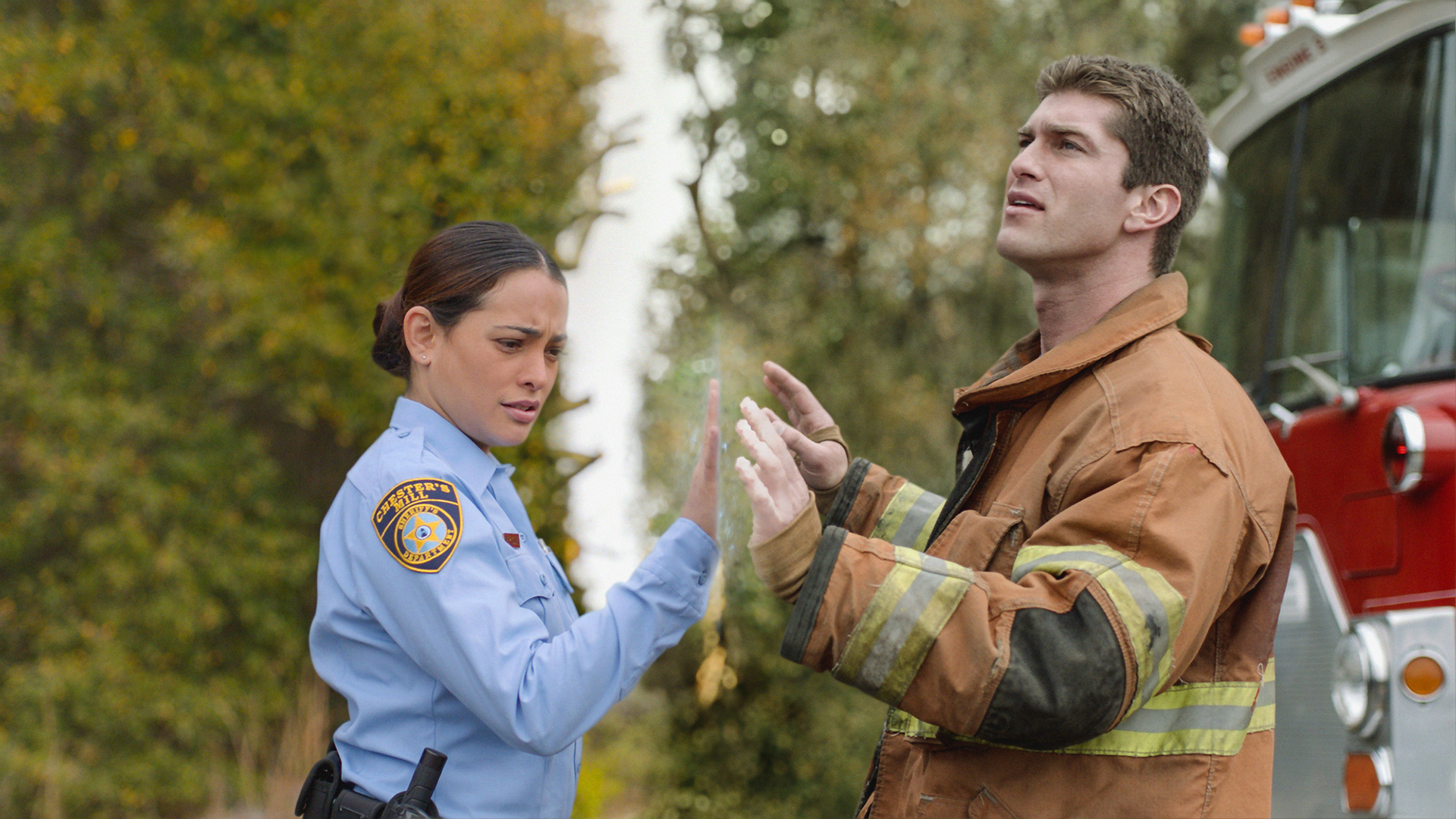
Under the Dome started with a brilliant idea: a small town suddenly trapped under a giant invisible barrier with no way out. The first few episodes were tense and exciting because everything felt unpredictable. People panicked, resources ran low, and secrets started spilling out fast. It had the kind of setup that could’ve stayed gripping for seasons. But the story went off the rails quickly.
Falling Skies
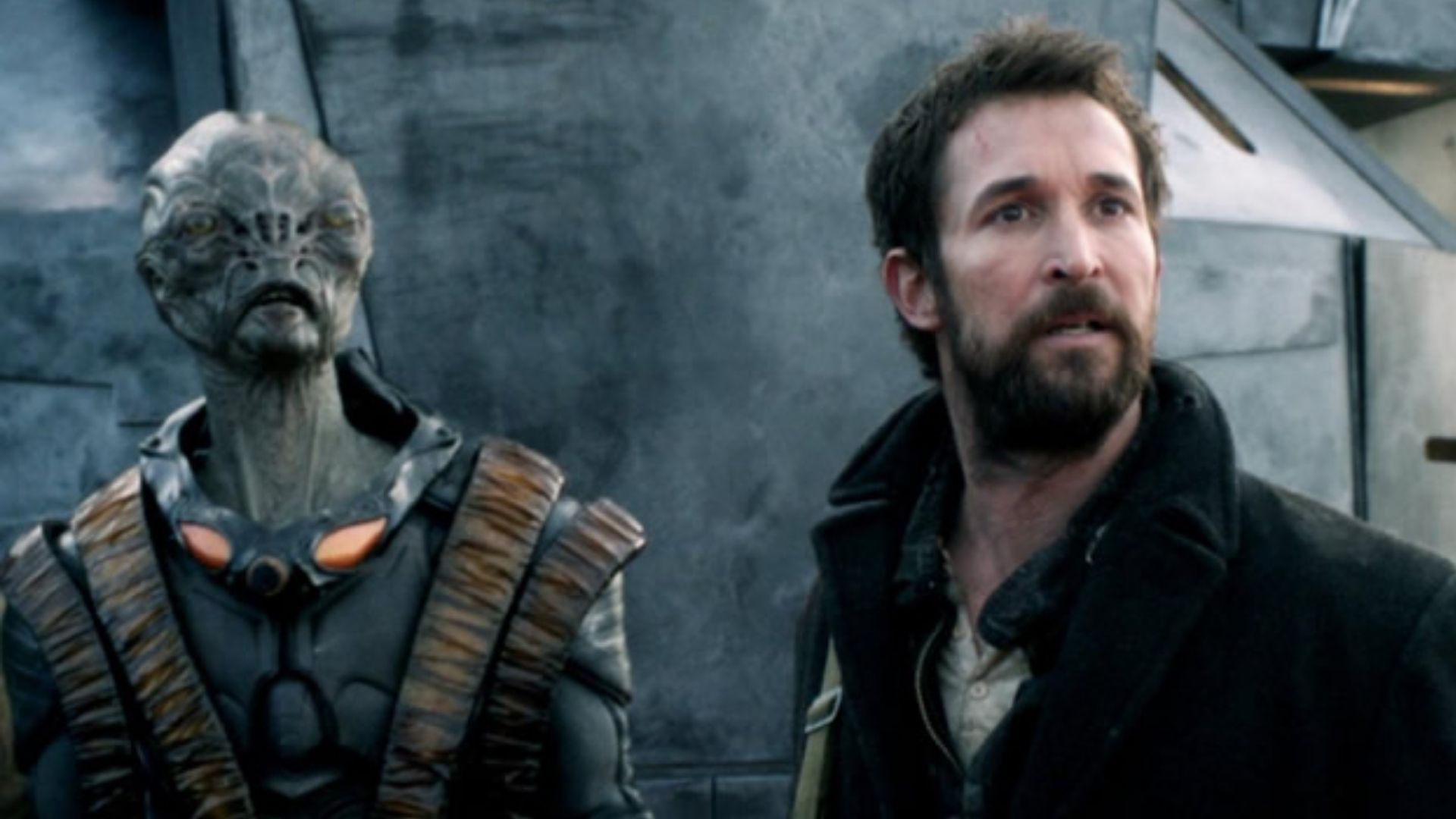
Falling Skies came out strong as a serious alien invasion drama where humans were barely surviving. The early episodes had real tension, showing broken cities, scattered families, and people trying to fight back with almost nothing. The show worked best when it stayed personal; parents protecting kids, survivors learning to trust each other, and small victories that mattered. Over time, though, the story started feeling repetitive. New alien groups and bigger plotlines kept getting added, and it became harder to stay emotionally invested.
Revolution
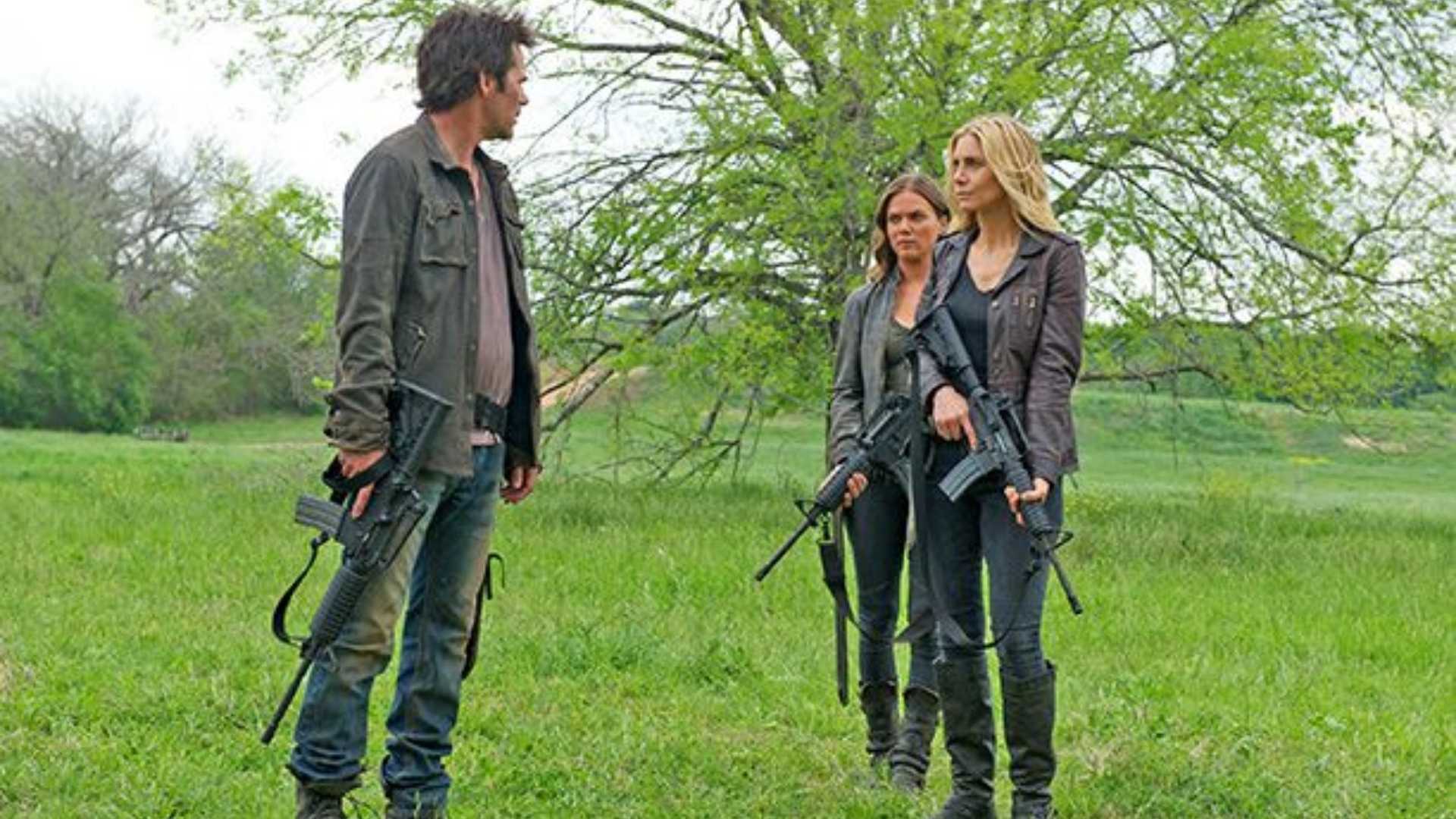
Revolution had one of the coolest concepts in sci-fi TV: electricity stops working, and the world falls apart. The early episodes showed a dangerous new America where people had to survive without modern life, and the mystery behind the blackout kept viewers curious. It felt like the show had endless possibilities. But after the strong beginning, the story got tangled up in complicated power struggles and twists that didn’t always land.
The OA
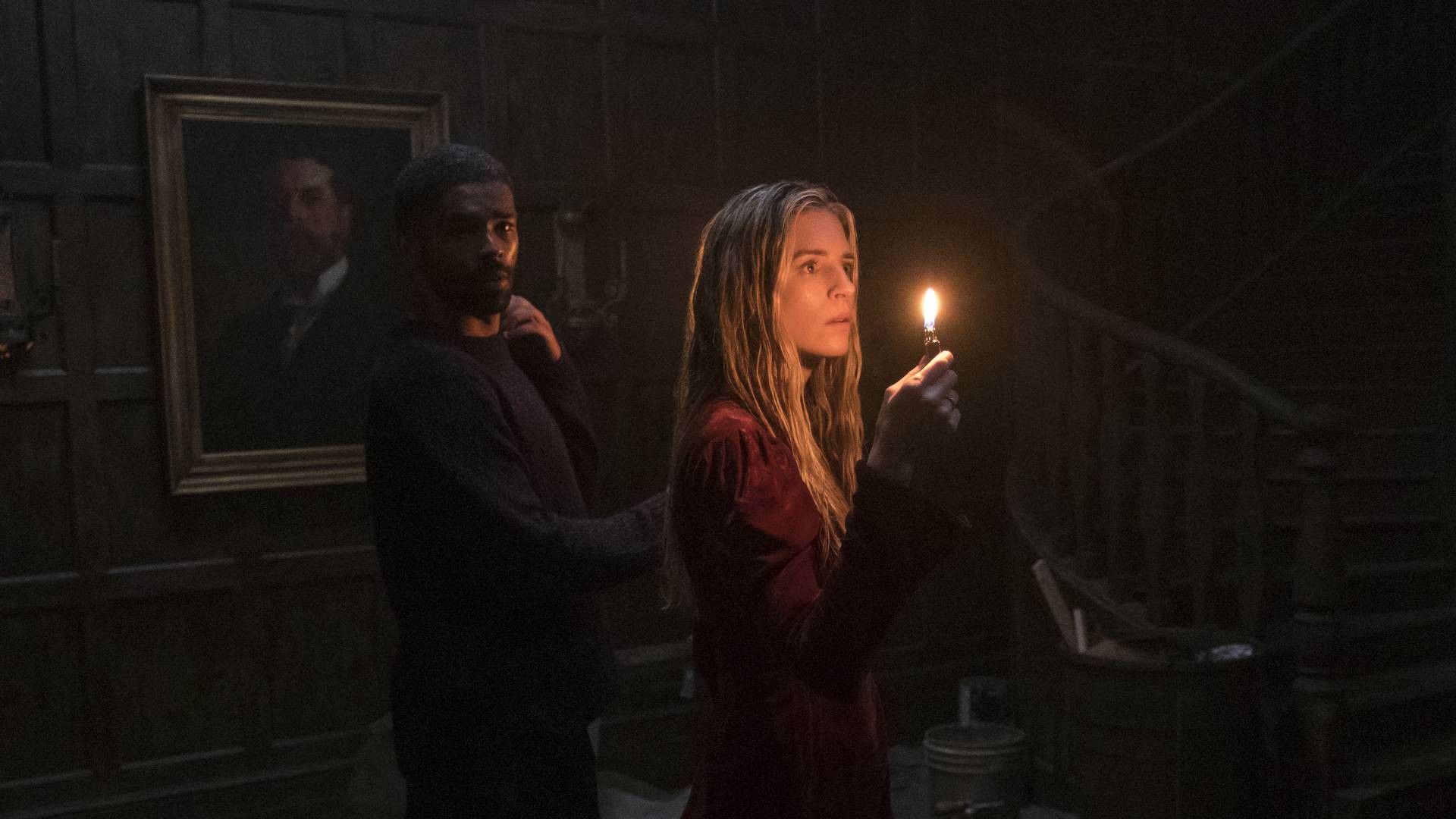
The OA started as one of Netflix’s most unique sci-fi shows. Prairie returning after seven years, no longer blind, was instantly fascinating, and the story felt mysterious in a way that pulled people in fast. Season 1 had a strong emotional core, and it built its world slowly, letting the mystery grow naturally. Season 2 went even deeper into strange and experimental ideas, and not everyone stayed on board. The long gap between seasons also made it harder to keep the buzz alive.