
10 Times A Movie’s Lead Actor Was Replaced Halfway In
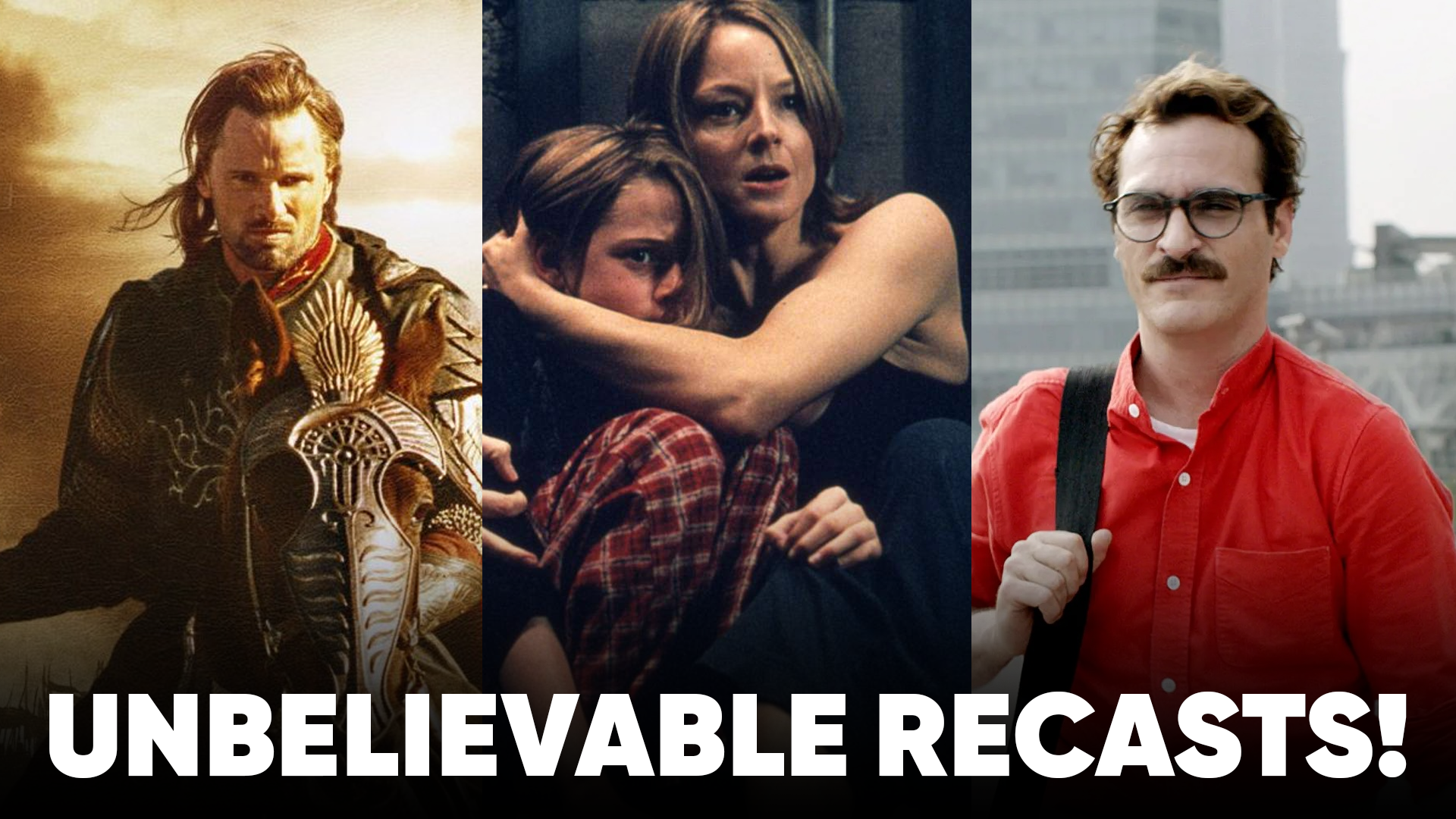
From 11th Hour Recasts to Complete Turnarounds
Usually, when movies are directed, the lead characters remain the same throughout, and they become the defining image for their respective roles. However, there are multiple instances of actors getting fired or replaced midway, or leaving of their own accord, leading to a complete recast of their character. Here are some examples of the same.
Aliens (1986)
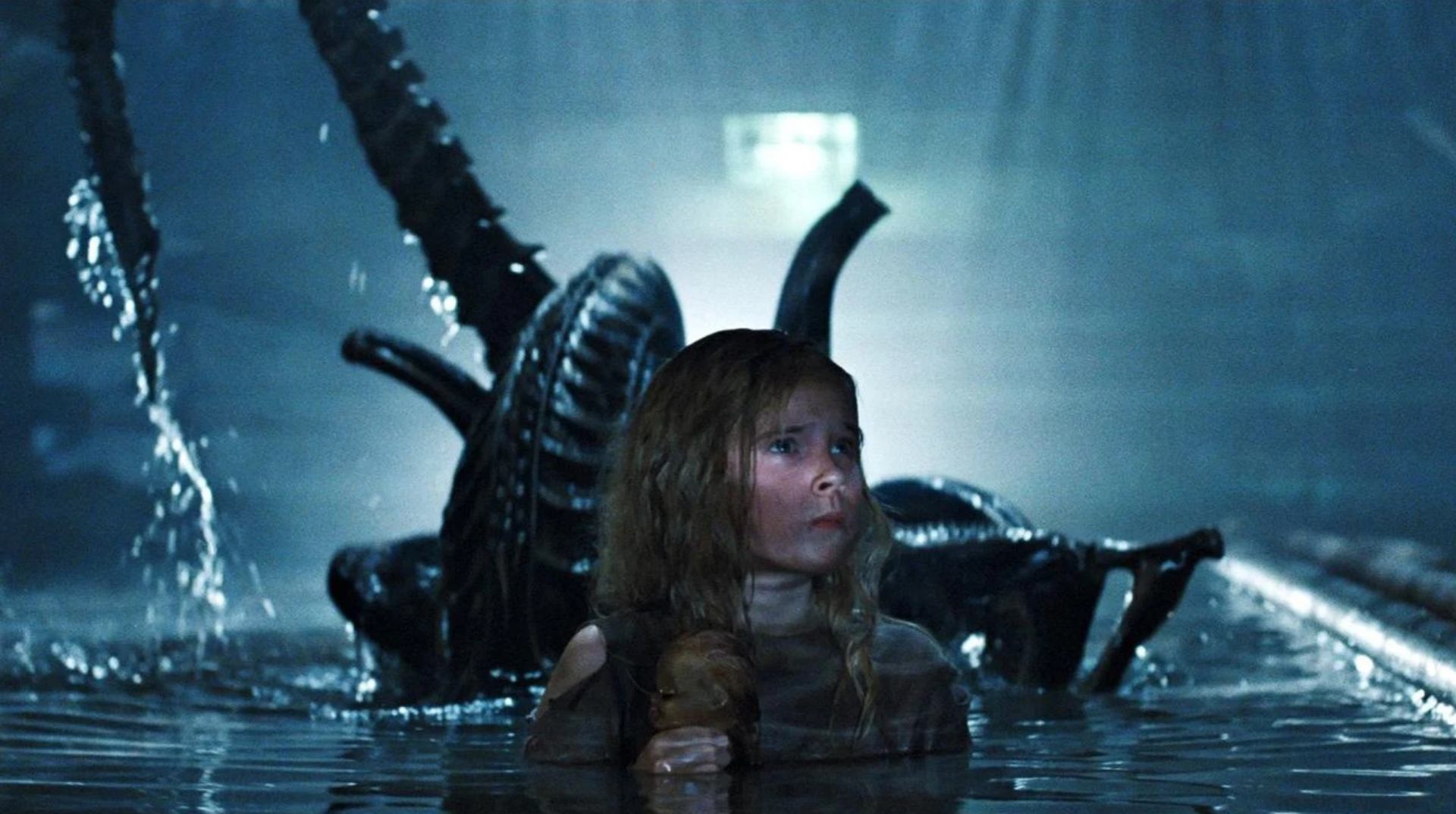
James Remar (The Warriors) was originally cast as Corporal Hicks, the male protagonist opposite Sigourney Weaver. He filmed for several weeks, and you can still see him (from the back) in the final film when the Marines first enter the alien nest. However, he was abruptly fired after being arrested for drug possession. James Cameron quickly called his Terminator star, Michael Biehn, who flew to England and stepped into the role almost immediately.
V for Vendetta (2005)
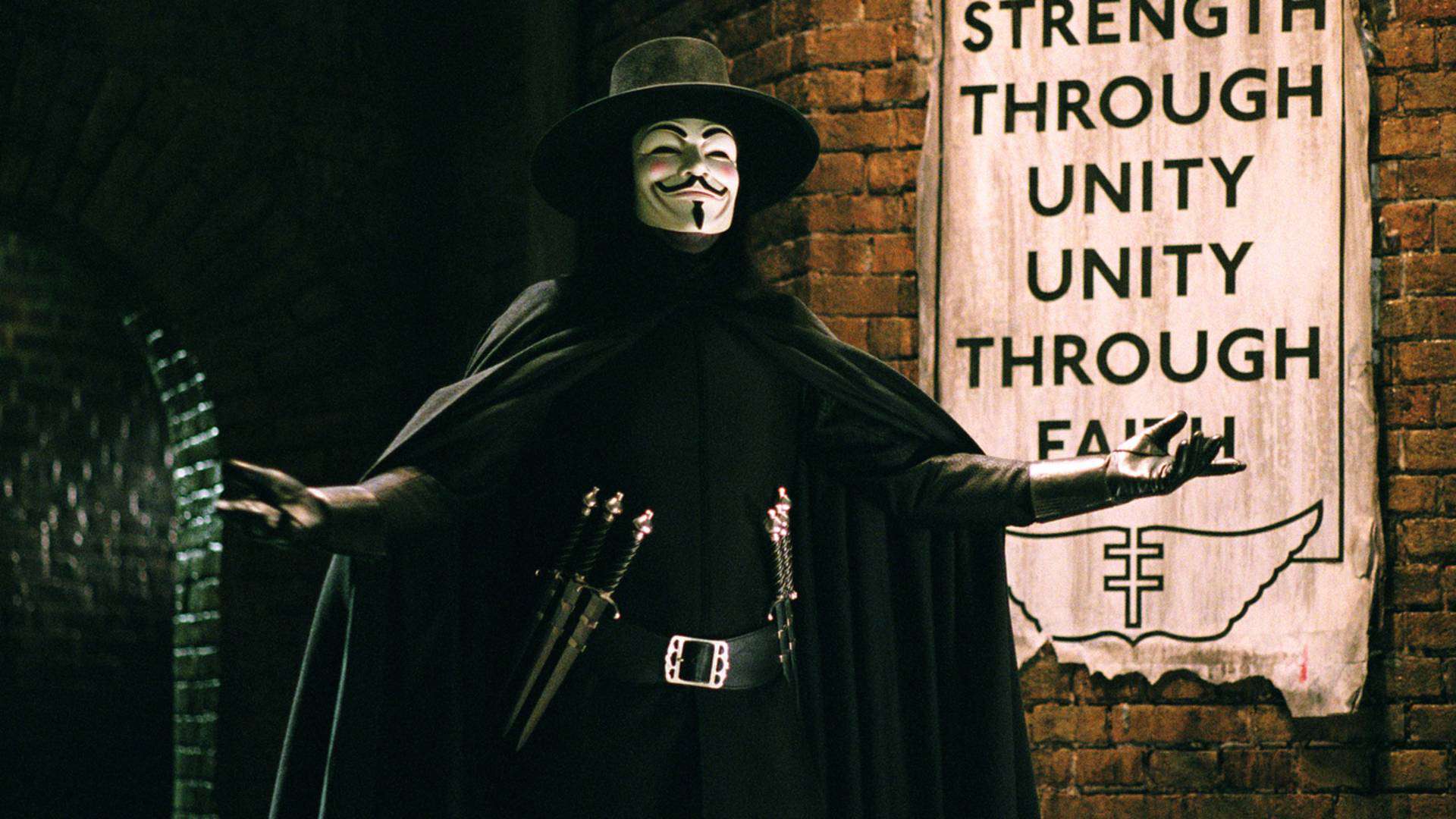
This change happened about six weeks into filming. James Purefoy had been cast as the masked protagonist, V. The problem? He just couldn't stand acting from behind the stiff, expressionless Guy Fawkes mask. He felt "claustrophobic" and found it impossible to give a full performance. He quit the film, and the producers brought in Hugo Weaving, who had famously done a full performance as the masked Agent Smith in The Matrix (and who dubbed his voice over some of Purefoy's already-shot scenes).
Her (2013)
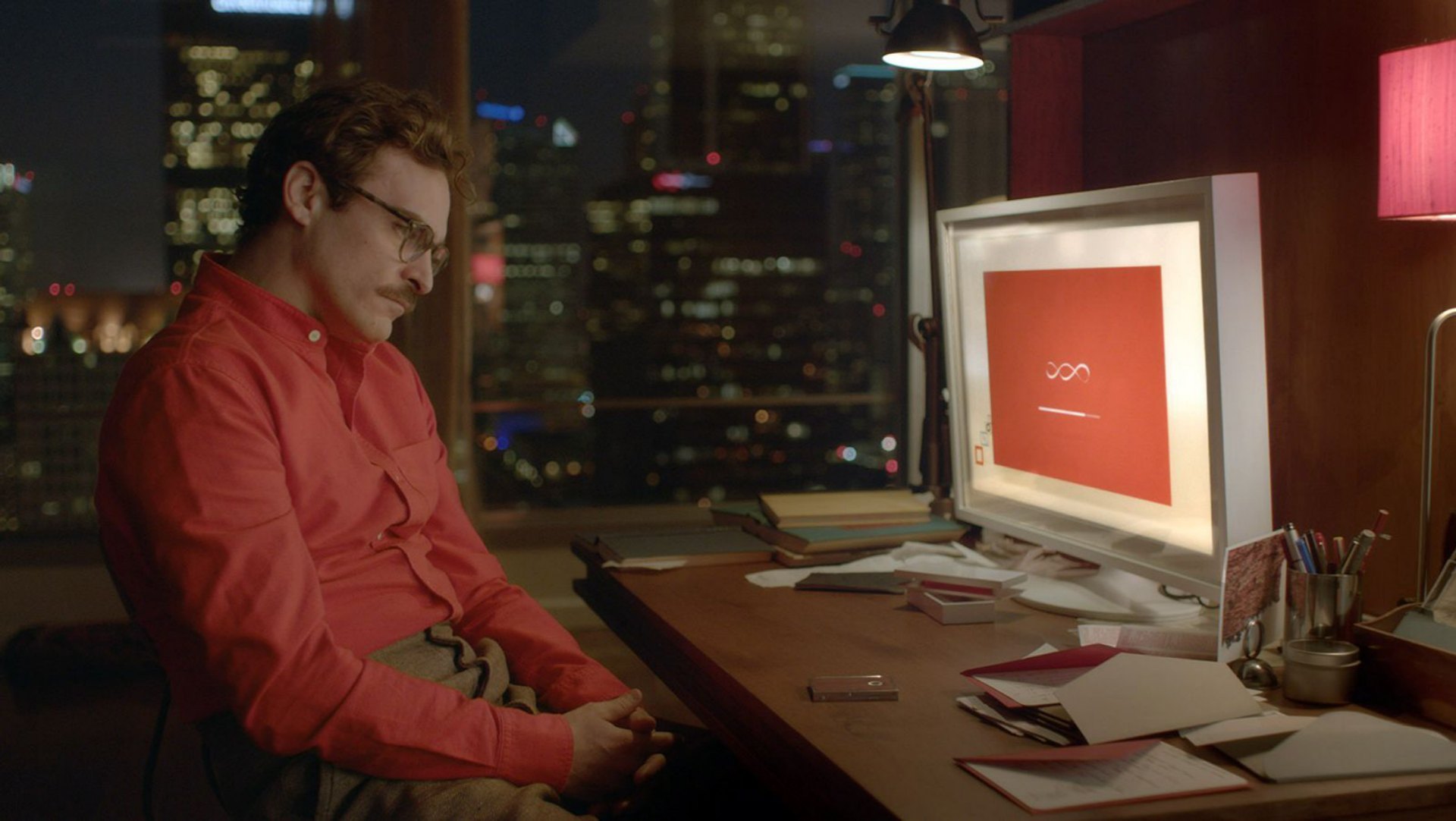
This is a unique and fascinating case. Director Spike Jonze cast Samantha Morton as the voice of the AI, Samantha. She was on set every day, performing the entire role opposite Joaquin Phoenix to build their chemistry. After the film was fully shot and edited, Jonze felt something was "missing." In post-production, he made the difficult decision to recast the voice, bringing in Scarlett Johansson to re-record the entire performance, which ultimately earned her several acting awards.
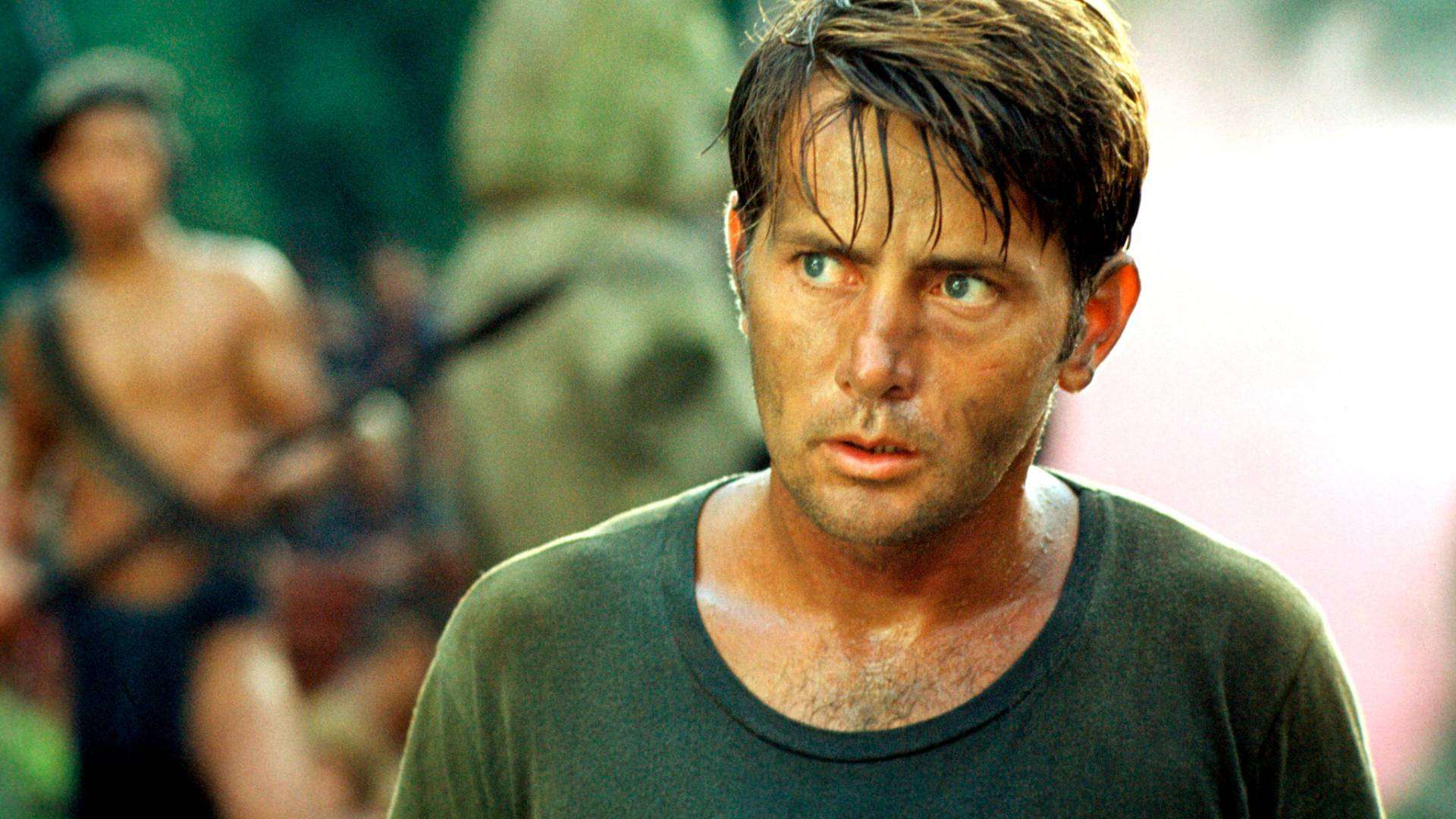
Apocalypse Now (1979)
Francis Ford Coppola began his notoriously troubled shoot in the Philippines with Harvey Keitel as the lead, Captain Willard. After just two weeks, Coppola fired him. He felt Keitel's performance was too "active" and that he "wasn't a passive onlooker," which is what he wanted for the character who serves as the audience's eyes. Keitel was sent home, and Martin Sheen was flown in, a switch that led to Sheen suffering a near-fatal heart attack midway through the hellish production.
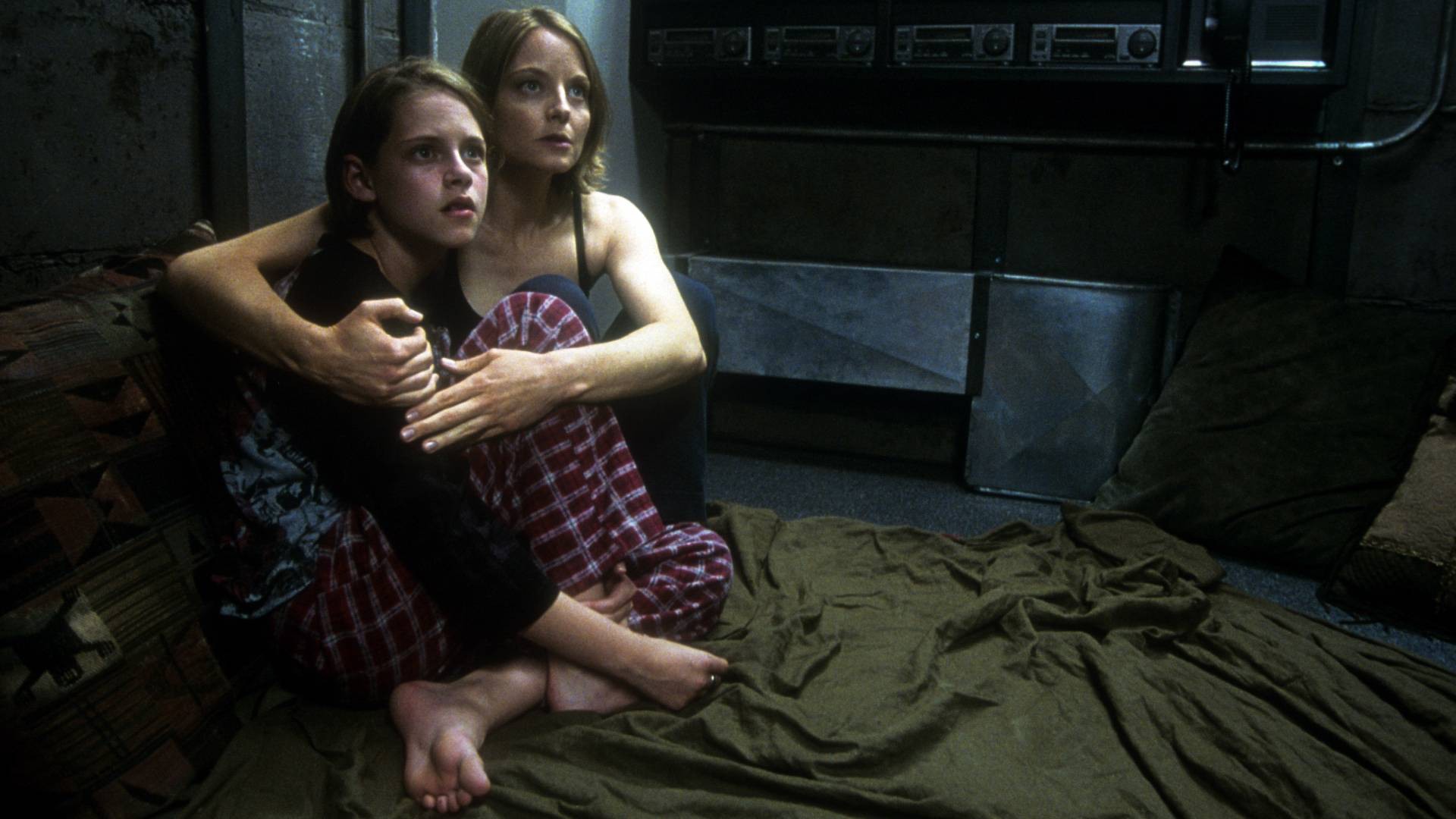
Panic Room (2002)
This was a change forced by injury. Kidman was cast as the lead, Meg Altman, and had already been filming for nearly three weeks. However, a pre-existing knee injury, which she had sustained during Moulin Rouge!, flared up again. The physically demanding role was too much, and she was forced to drop out. Director David Fincher managed to secure Jodie Foster as her replacement, who was just coming off another project.
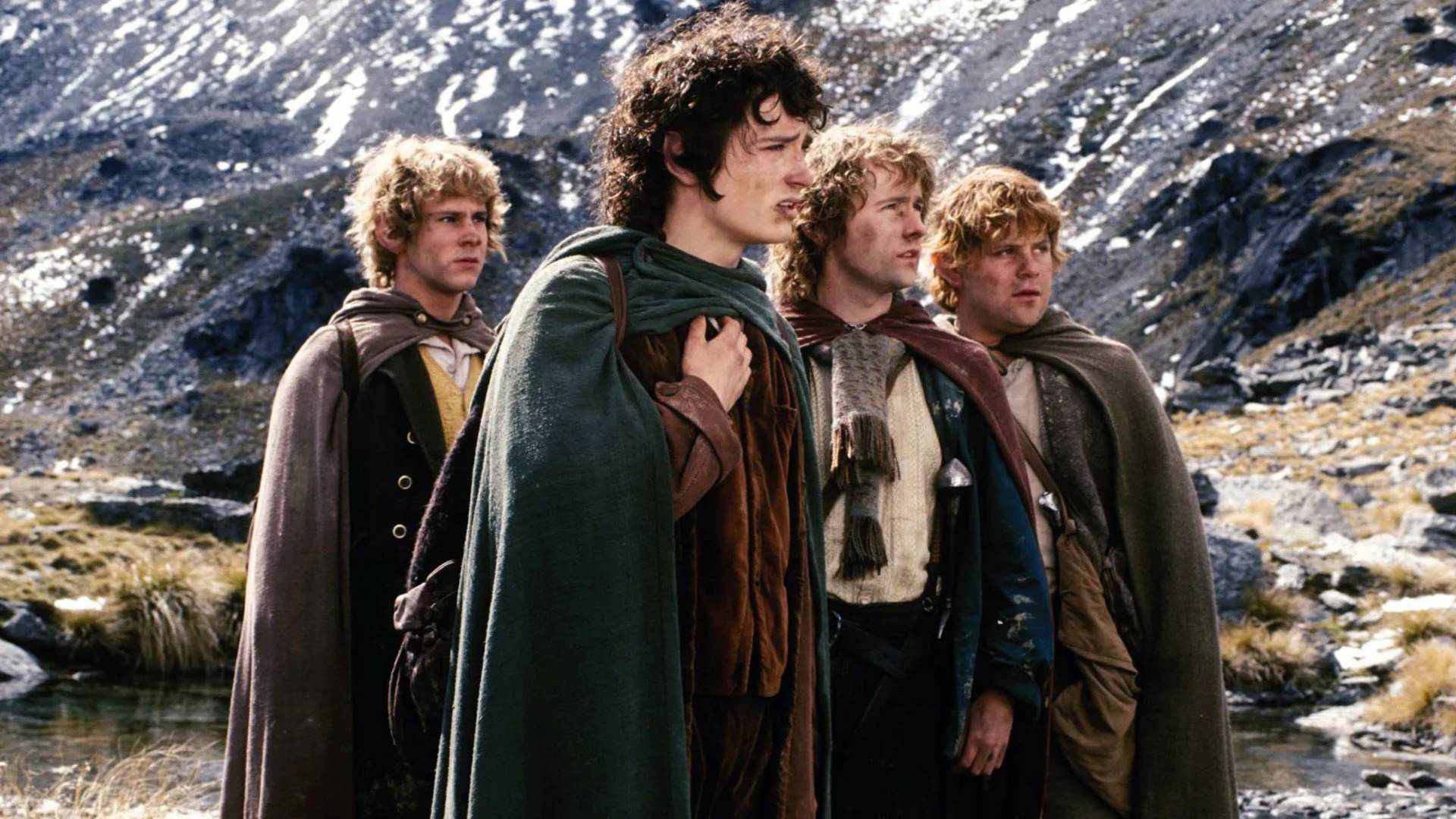
The Lord of the Rings: The Fellowship of the Ring (2001)
This is one of the most last-second recasts ever. Stuart Townsend had been cast as Aragorn, had trained for two months, and was ready to go. On the literal day before filming his first scene, director Peter Jackson fired him, having a last-minute realization that the 27-year-old actor was simply "too young" for the grizzled, world-weary ranger. A panicked search led to Viggo Mortensen, who was famously hired, put on a plane to New Zealand, and was filming his iconic sword fight at Weathertop just days later.
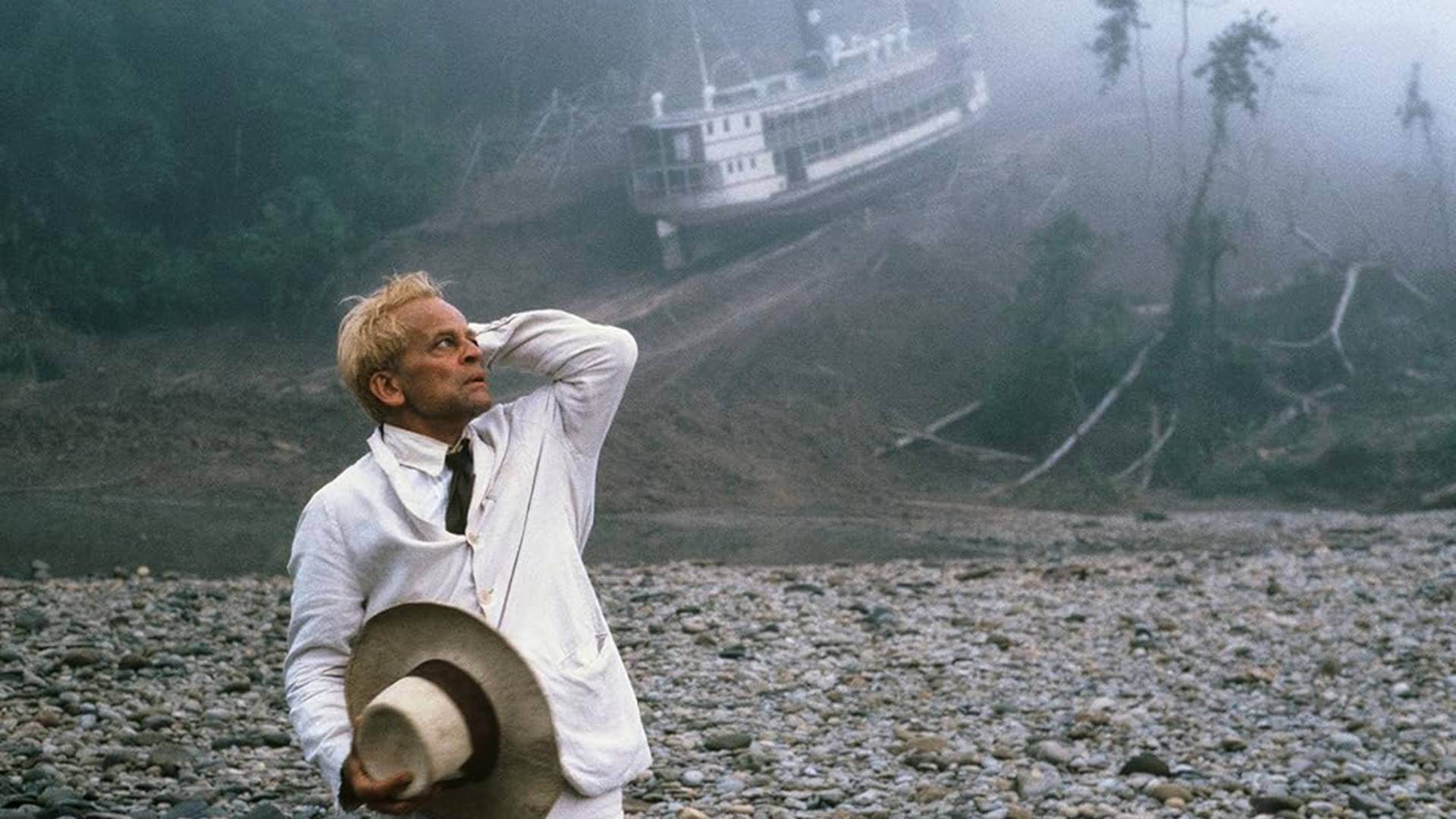
Fitzcarraldo (1982)
This is the most legendarily chaotic production in history. Director Werner Herzog began filming in the Amazon jungle with Jason Robards as the lead and Mick Jagger in a major supporting role. Six weeks in, Robards contracted amoebic dysentery and had to leave. The delay meant Jagger also had to drop out to tour with the Rolling Stones. Herzog scrapped everything and restarted from scratch with his notoriously volatile muse, Klaus Kinski, a process that included actually hauling a 320-ton steamship over a mountain.
Paddington (2014)
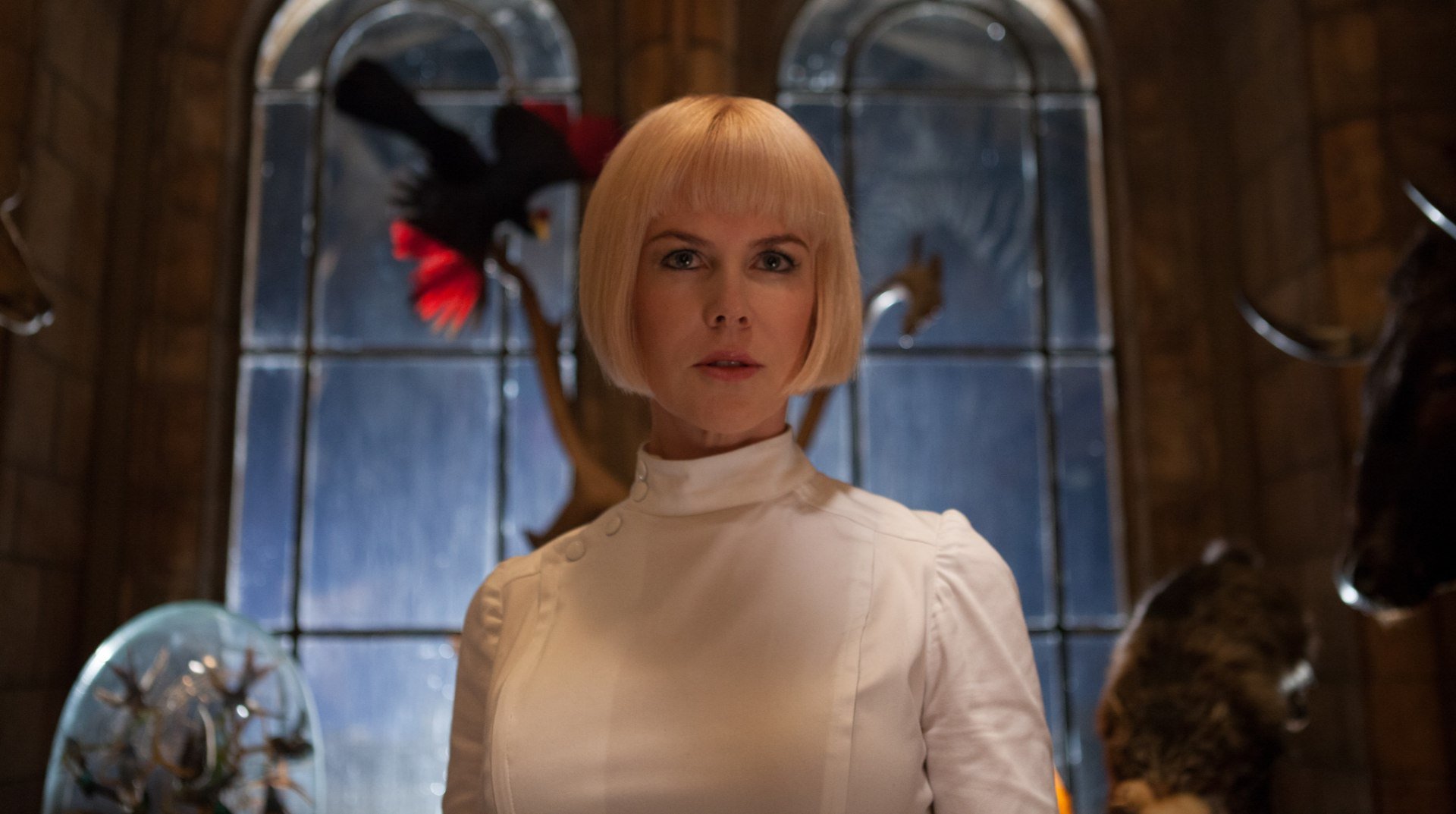
This change happened late in the game. Oscar-winner Colin Firth had recorded all his dialogue as the voice of the titular bear, but during post-production, the filmmakers (and Firth himself) came to a mutual decision. His mature, distinguished voice just didn't fit the innocent, youthful wonder of the character. The team "mutually uncoupled" with Firth and brought in Ben Whishaw, whose softer, younger voice became a perfect fit.
The Lovely Bones (2009)
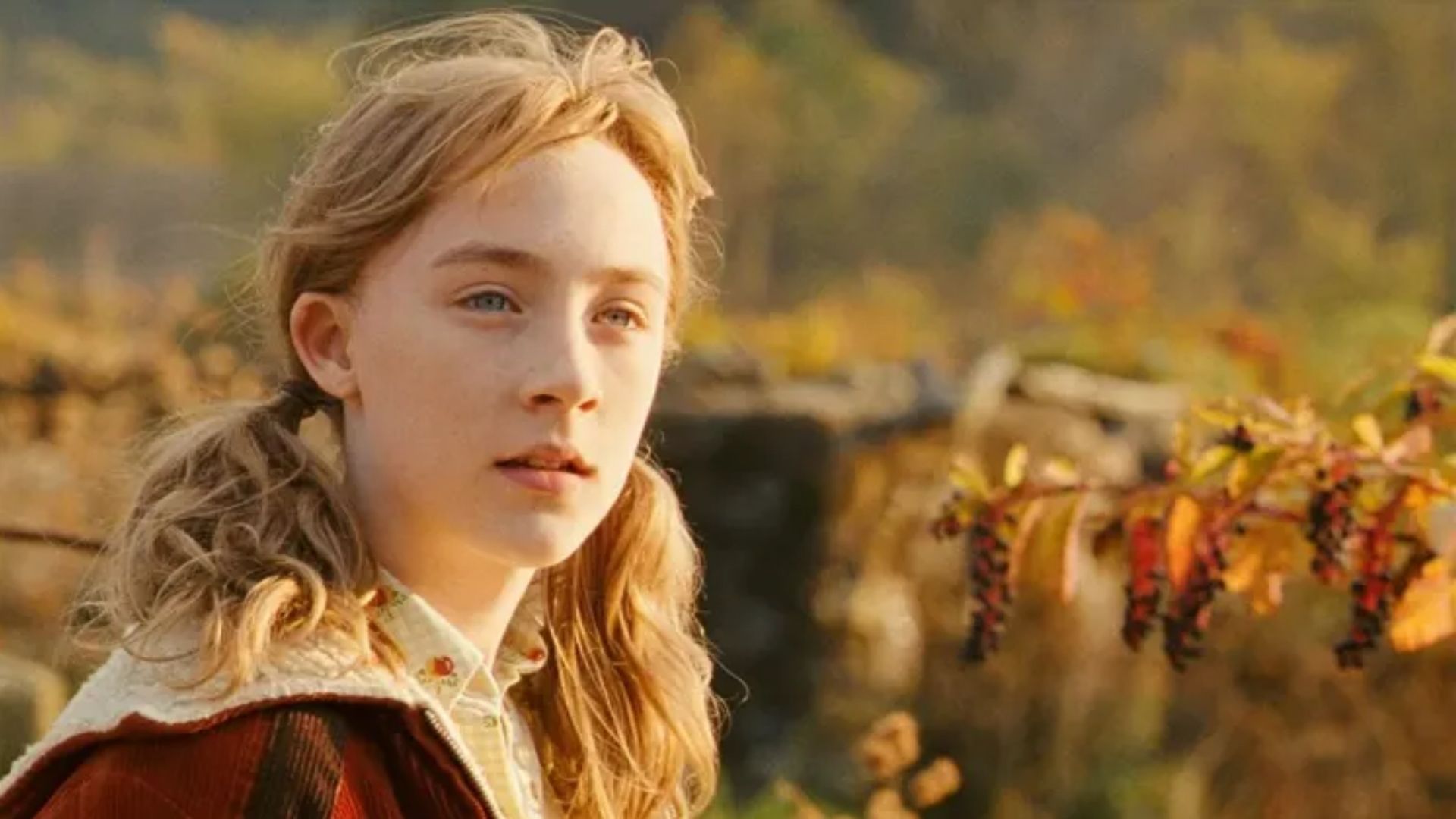
This is one of the most bizarre and famous "creative difference" stories. Gosling was cast as Jack Salmon, the grieving father. In his preparation, he decided the character should be overweight and, on his own initiative, gained 60 pounds by drinking melted Häagen-Dazs. When he showed up to set, director Peter Jackson was horrified, as this was not the vision he had. Gosling was fired on the spot, and Mark Wahlberg was brought in as a last-minute replacement.
Back to the Future (1985)
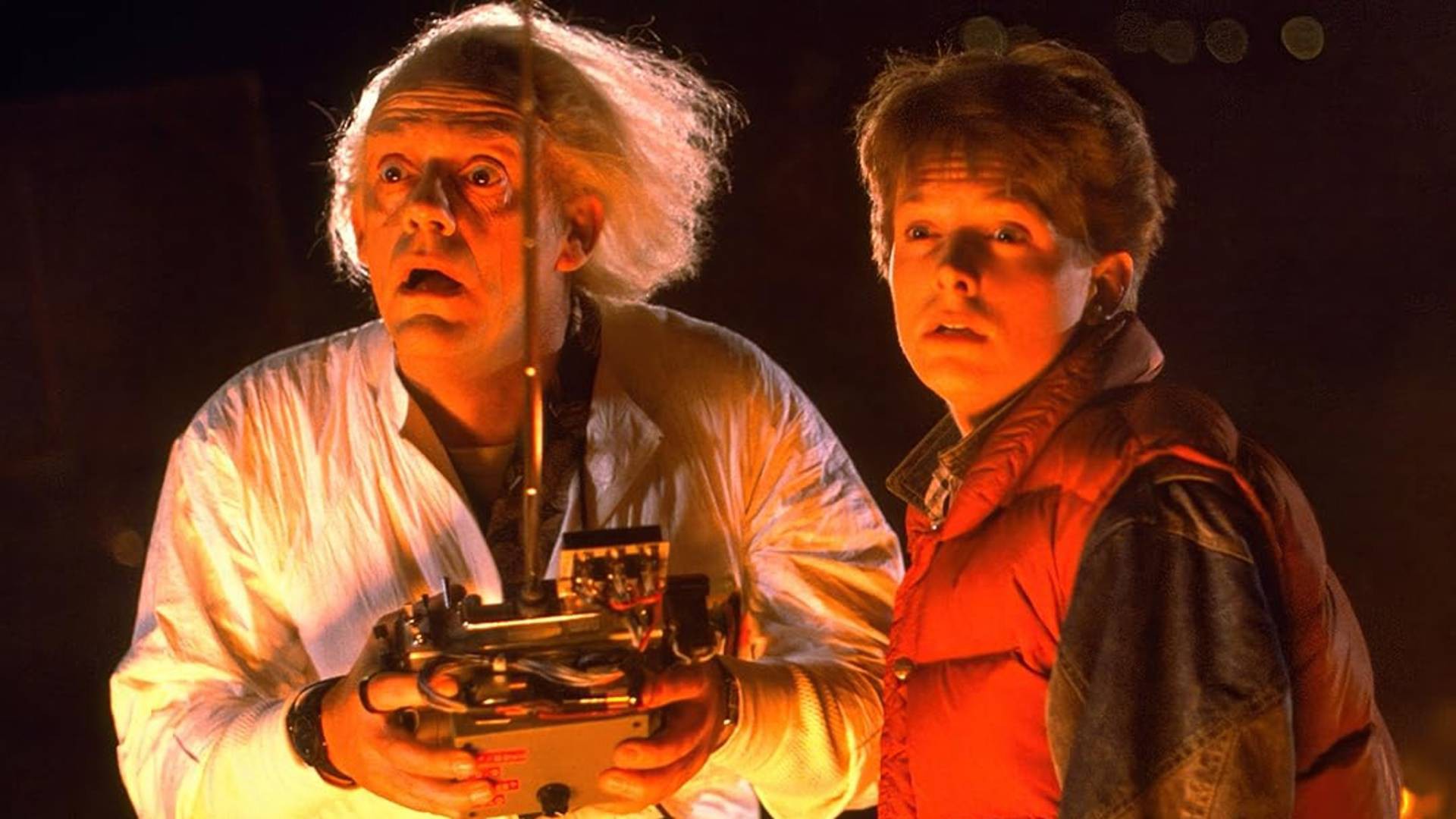
The most famous "what if" in blockbuster history. Eric Stoltz was cast as Marty McFly and filmed for five full weeks. But the filmmakers, including Robert Zemeckis and Steven Spielberg, felt a growing dread: the movie wasn't funny. Stoltz was a brilliant Method actor who played Marty with a dark, brooding intensity. They made the brutal decision to fire him, scrap the $3 million of footage, and hire their original choice, Michael J. Fox (who was now available), completely re-shooting the film from scratch.