
10 Unsettling Disney Secrets You Missed As A Kid
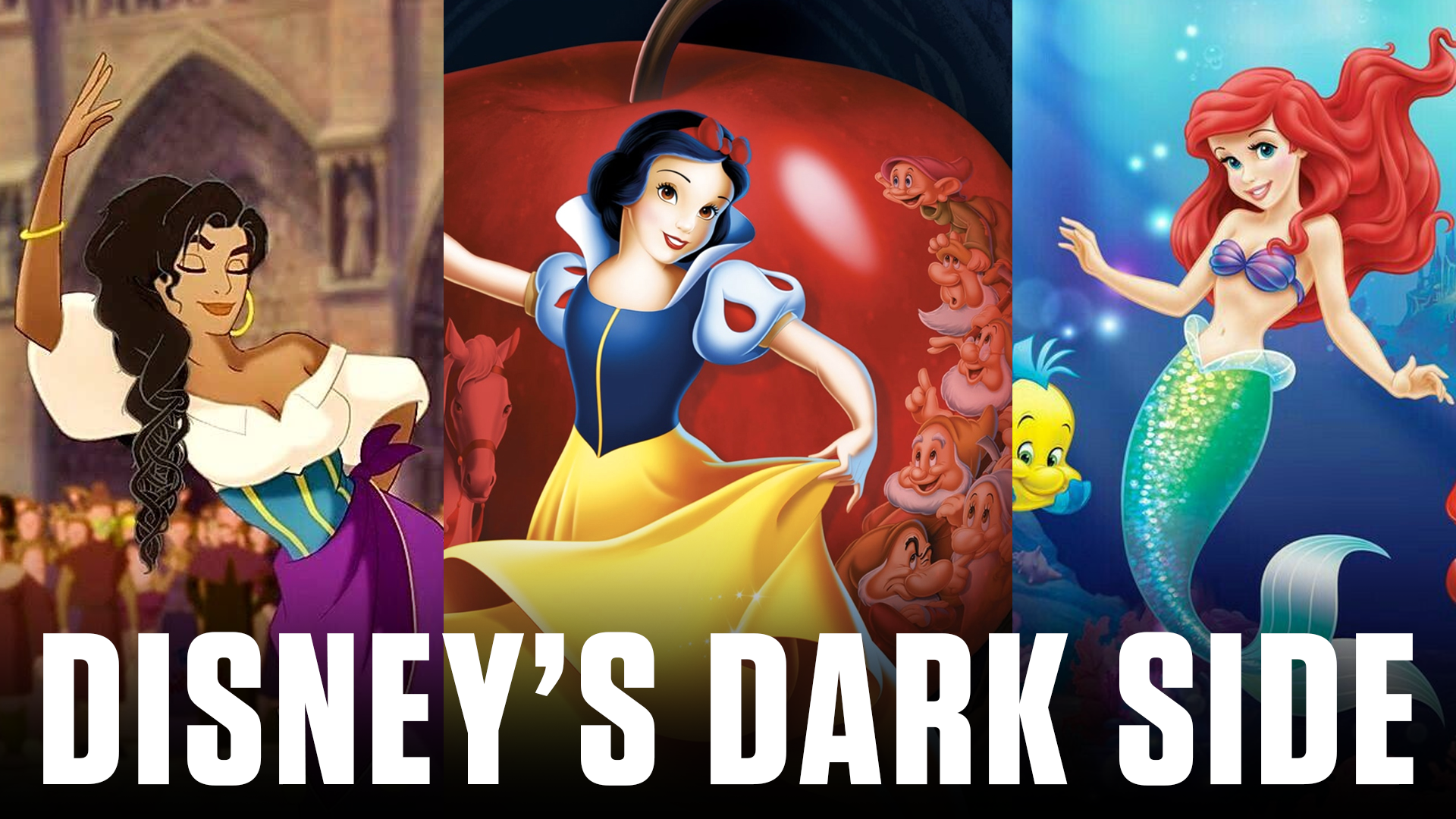
Childhood Delusions Debunked!
Think you know your favorite Disney movies? Think again. This list dives into the unsettling origins, hidden themes, and dark theories behind classic Disney films that once felt magical and innocent.
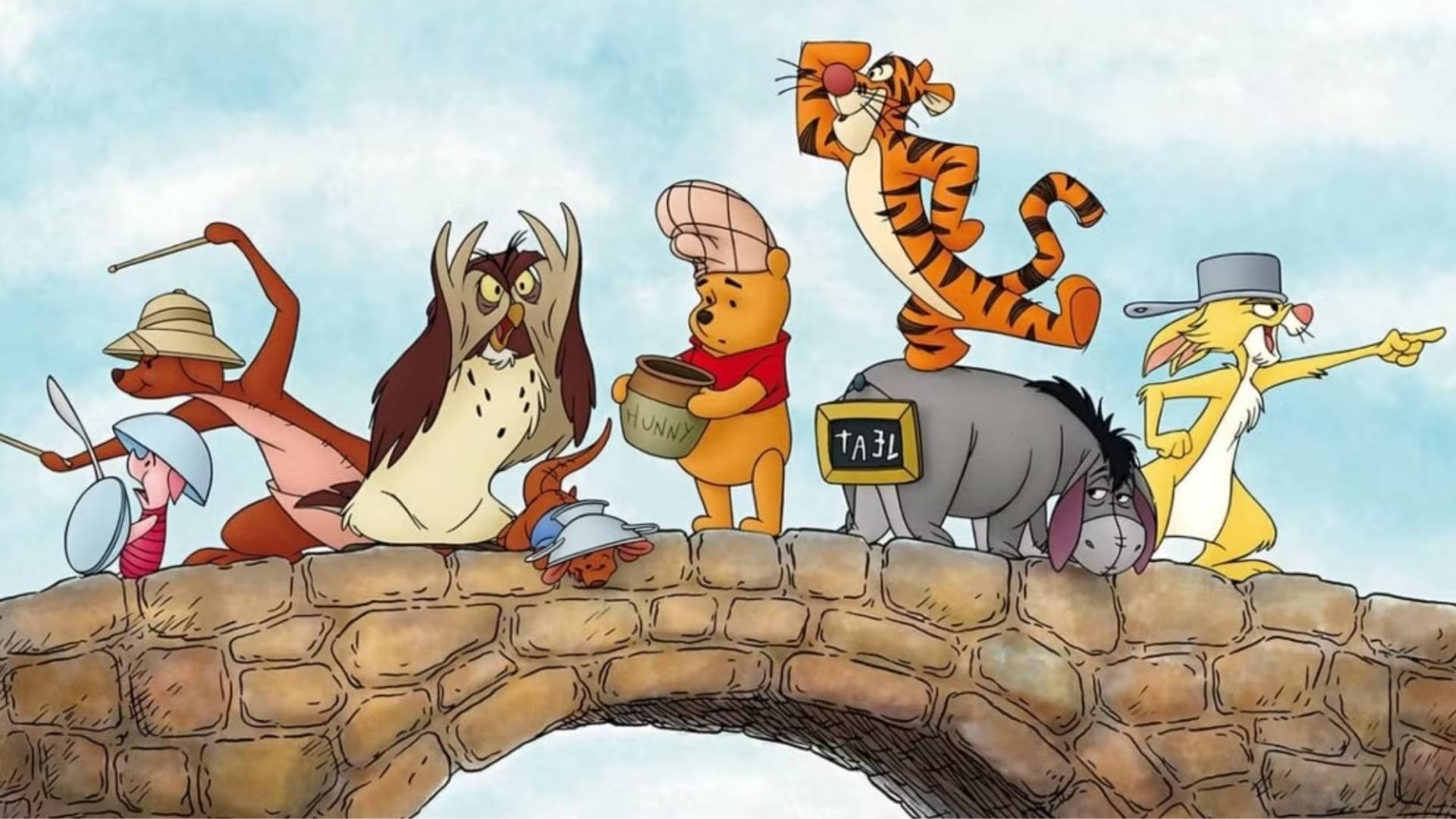
Winnie the Pooh Characters May Represent Mental Disorders
A long-standing fan theory suggests that each character in Winnie the Pooh symbolizes a specific mental health condition, turning a beloved childhood show into something unexpectedly dark. Pooh is linked to compulsive eating, Piglet to anxiety, Tigger to ADHD, and Eeyore to clinical depression. Rabbit displays OCD-like tendencies, Owl reflects narcissistic traits, and Kanga shows symptoms of social anxiety. While Disney never confirmed this, the parallels are hard to ignore.
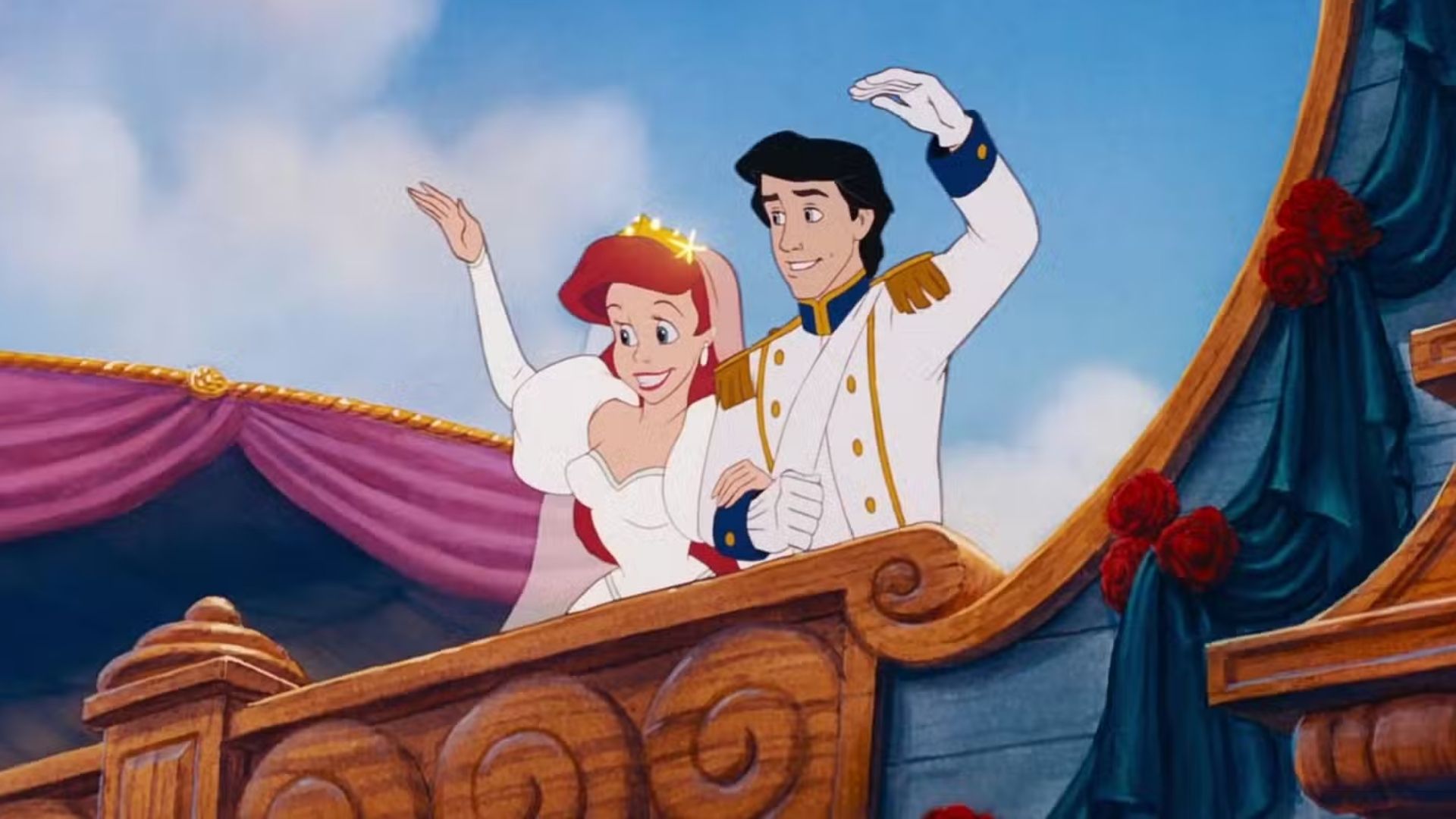
The Little Mermaid Originally Ends With Ariel Dying
In Hans Christian Andersen’s original The Little Mermaid, Ariel does not marry the prince or find happiness on land. Instead, the prince marries someone else, leaving her heartbroken and voiceless. Unable to bear her fate, she throws herself into the sea and dissolves into foam.
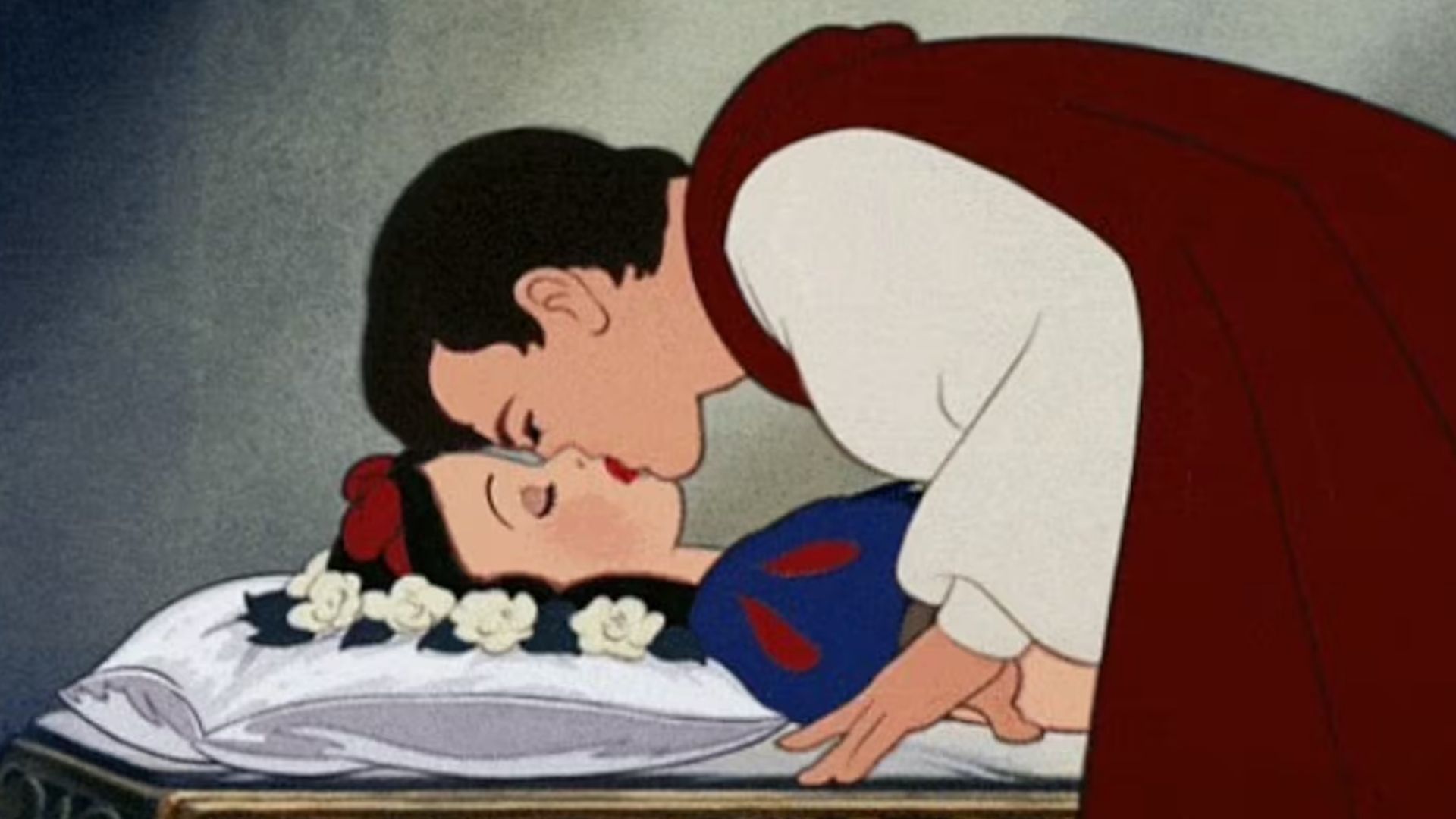
Snow White’s Original Ending Involved Torture and Death
Disney’s Snow White softens a much darker tale from the Brothers Grimm. In the original story, the evil queen doesn’t simply “lose”, she is punished in a horrifying way. She’s forced to wear burning-hot iron shoes and dance on live coals until she collapses and dies. Earlier in the story, she orders the huntsman to kill Snow White and bring back her lungs and liver as proof.
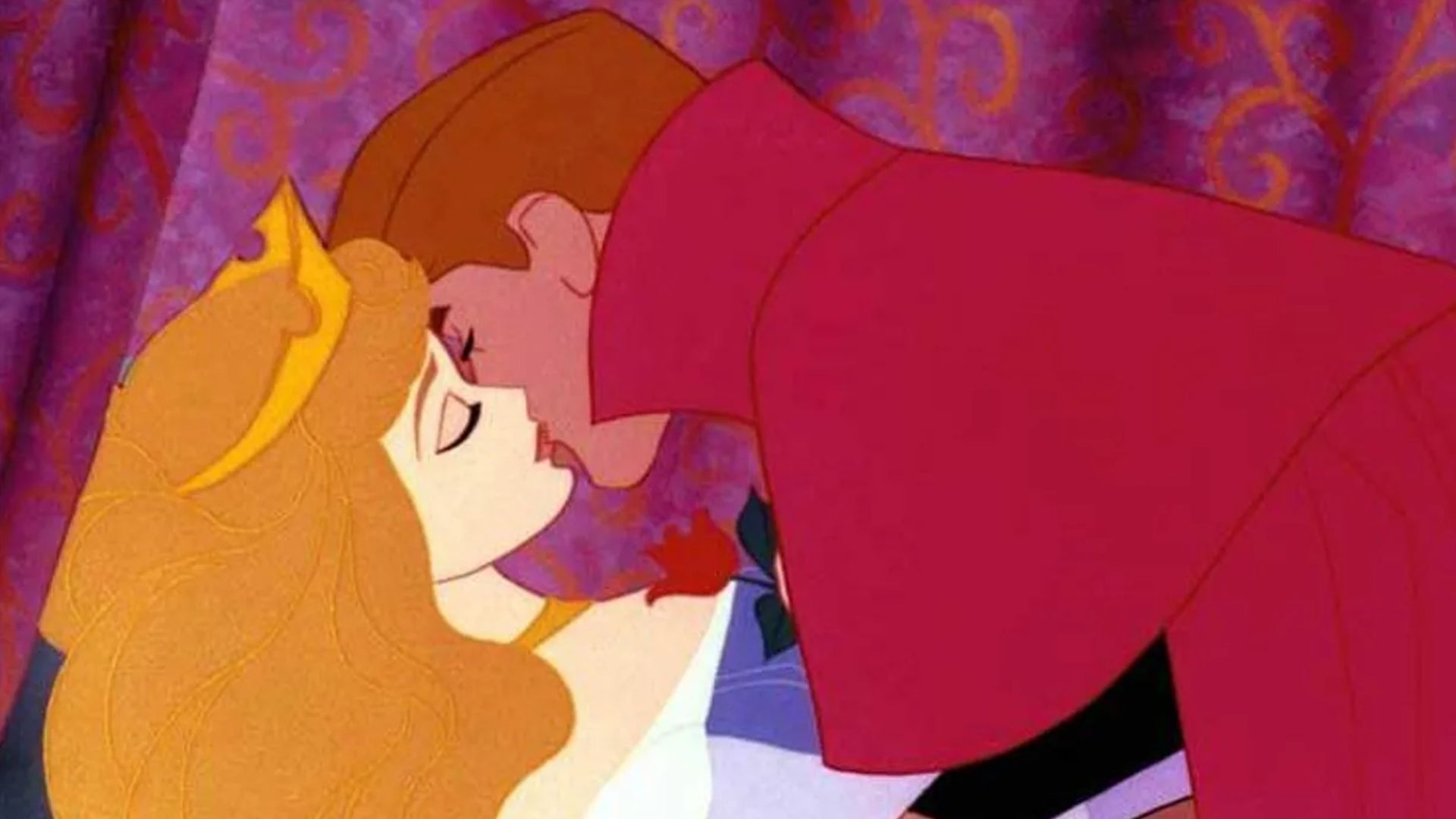
The First Sleeping Beauty Story Involved Assault
The Italian tale Sun, Moon, and Talia, which predates Disney’s Sleeping Beauty, contains one of folklore’s most disturbing plotlines. Instead of waking with a kiss, the sleeping princess is assaulted while unconscious, resulting in a pregnancy and the birth of twins before she ever opens her eyes. Disney erased this horrifying origin entirely.
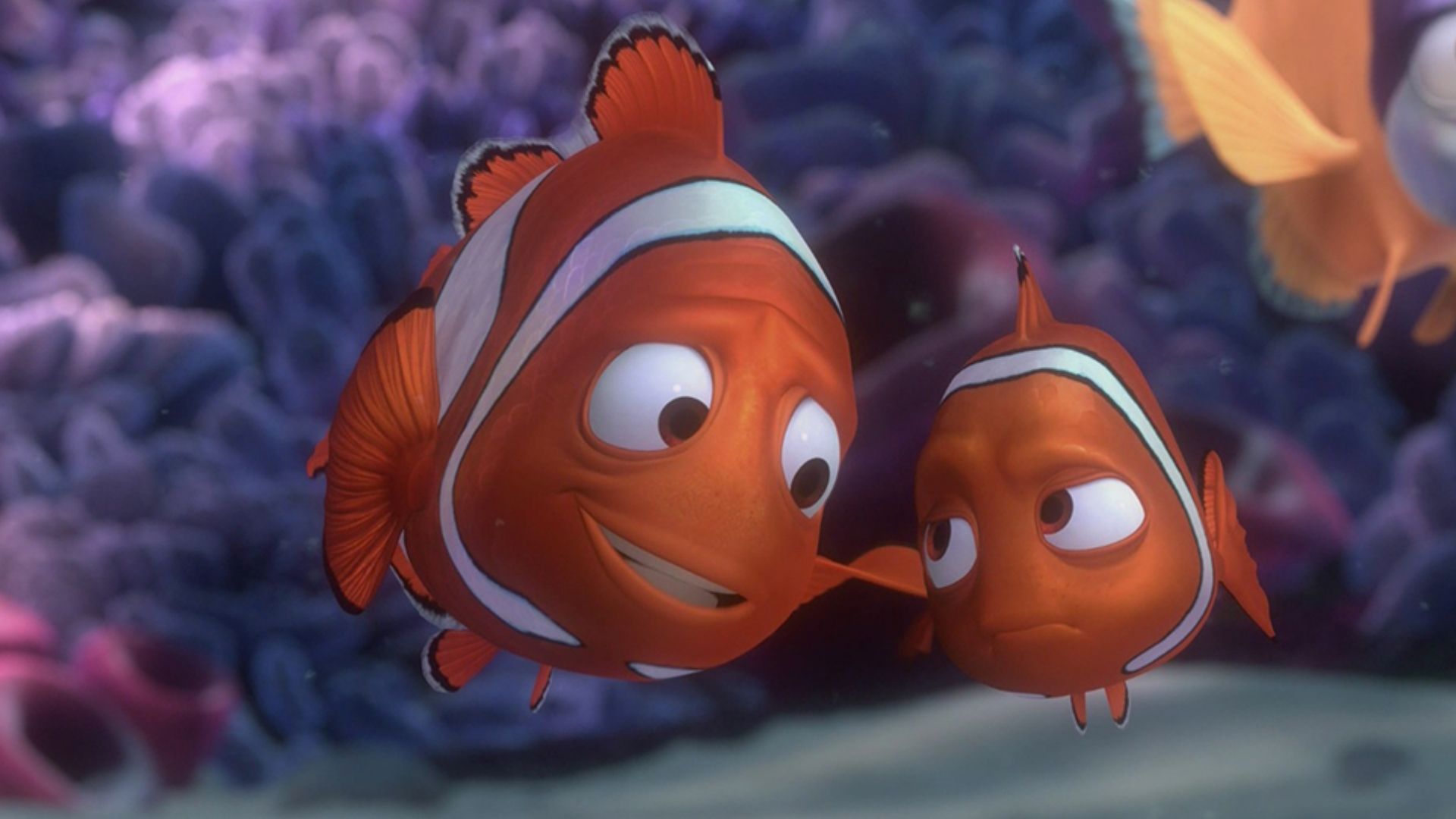
Marlin Lost 399 Children Before Finding Nemo Began
Finding Nemo intensifies when you realize how much Marlin loses in the opening scene. The barracuda attack doesn’t just take his partner, it destroys 399 of their eggs, leaving Nemo as the lone survivor. That means Marlin spends the entire film navigating grief, trauma, and overwhelming fear of losing the last piece of his family.
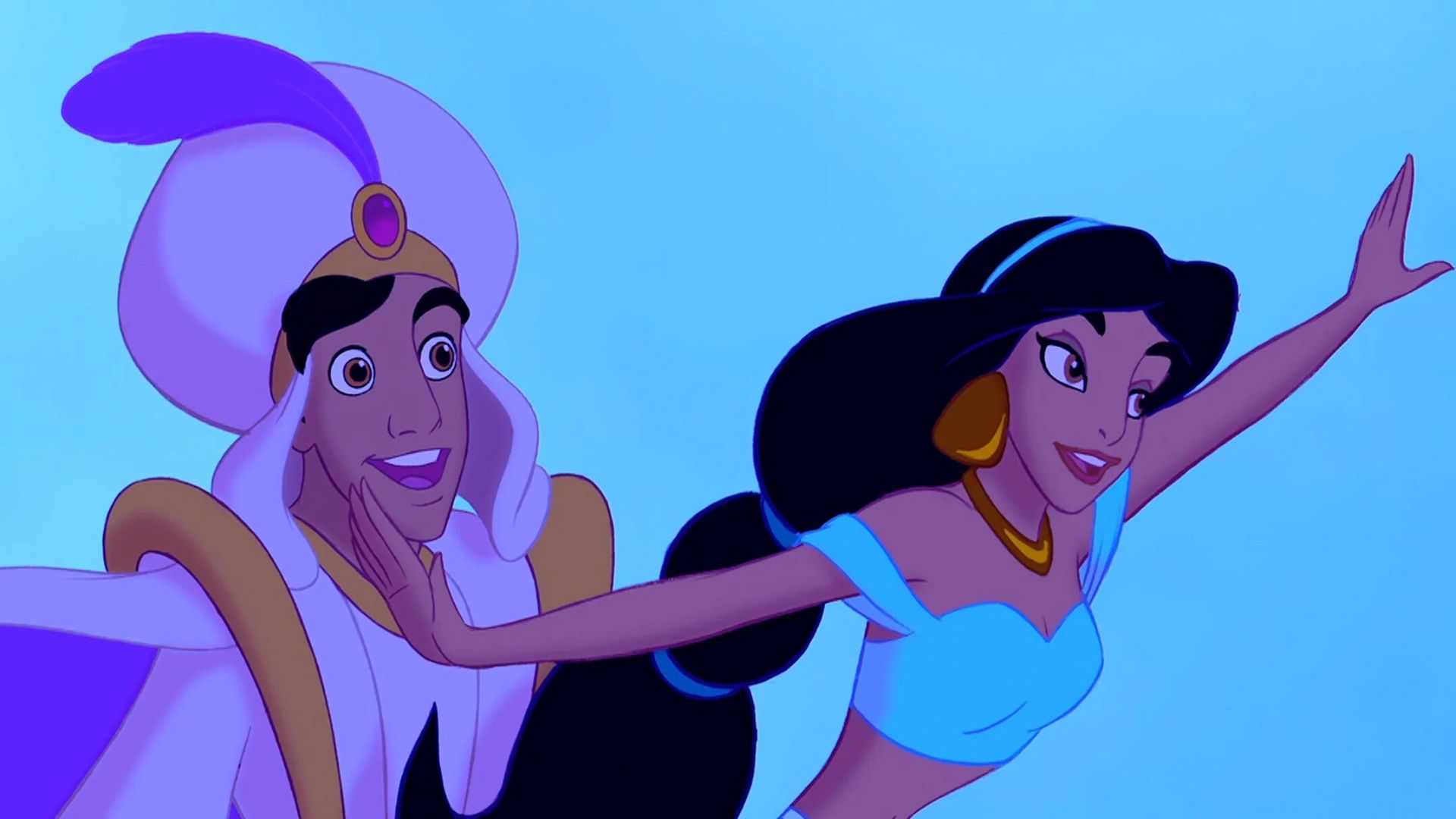
Jasmine Is the Only Disney Princess Not the Main Character
One of Disney’s strangest facts is that Jasmine, one of the franchise’s most iconic heroines, isn’t the lead of her own movie. In Aladdin, the story centers almost exclusively on the male protagonist, leaving Jasmine’s arc secondary despite her strength and popularity. She remains the only Disney Princess who doesn’t headline the movie she appears in.
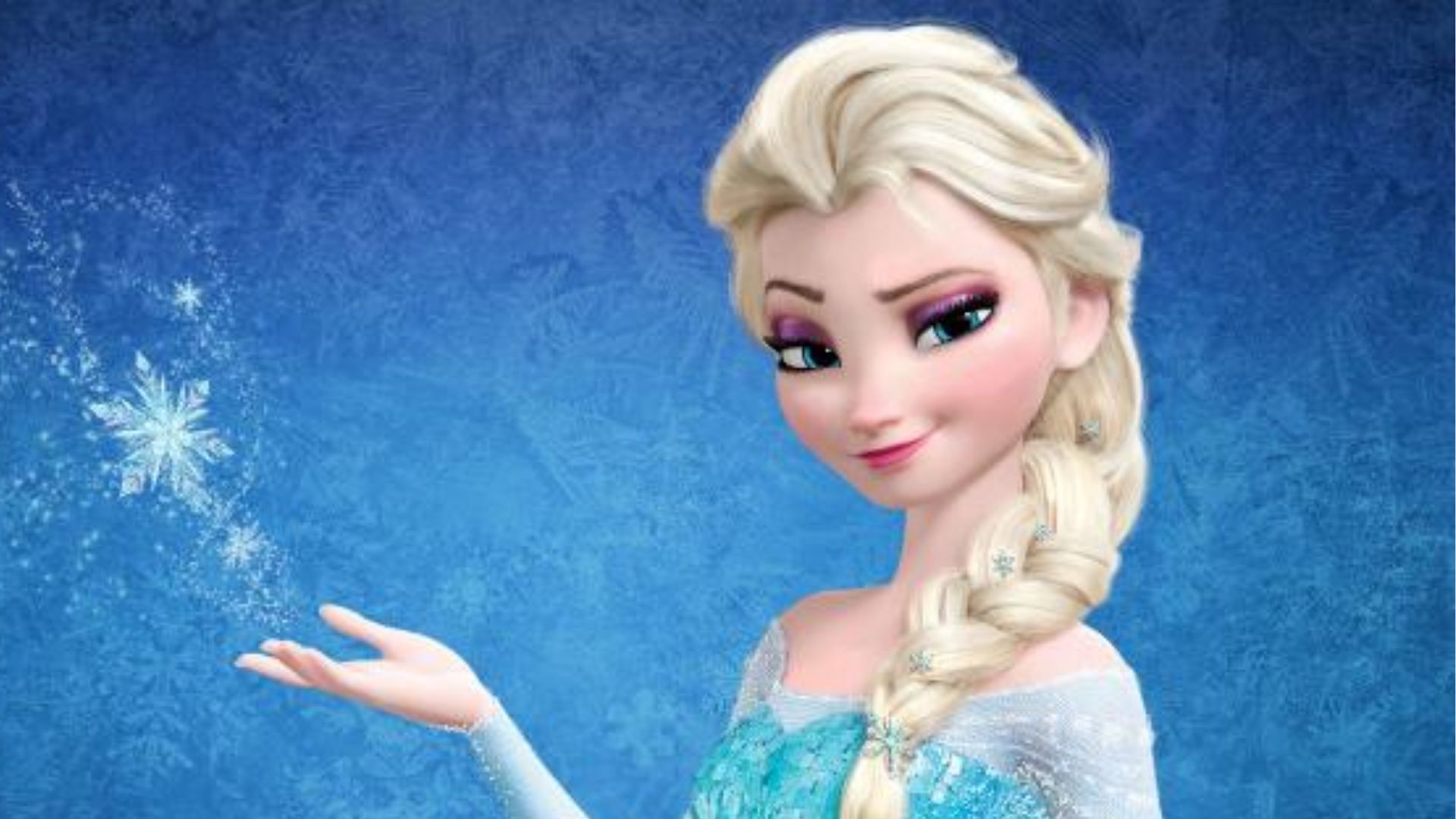
Elsa Was Originally Written as a Full Villain
Before “Let It Go” reshaped her image, Elsa was meant to be a classic Disney villain; cold, dangerous, and vengeful. Early drafts portrayed her powers as a threat rather than a burden, placing her in the same category as characters like Ursula or Cruella de Vil. Everything changed when the songwriting team created “Let It Go,” and prompted writers to rethink Elsa entirely.
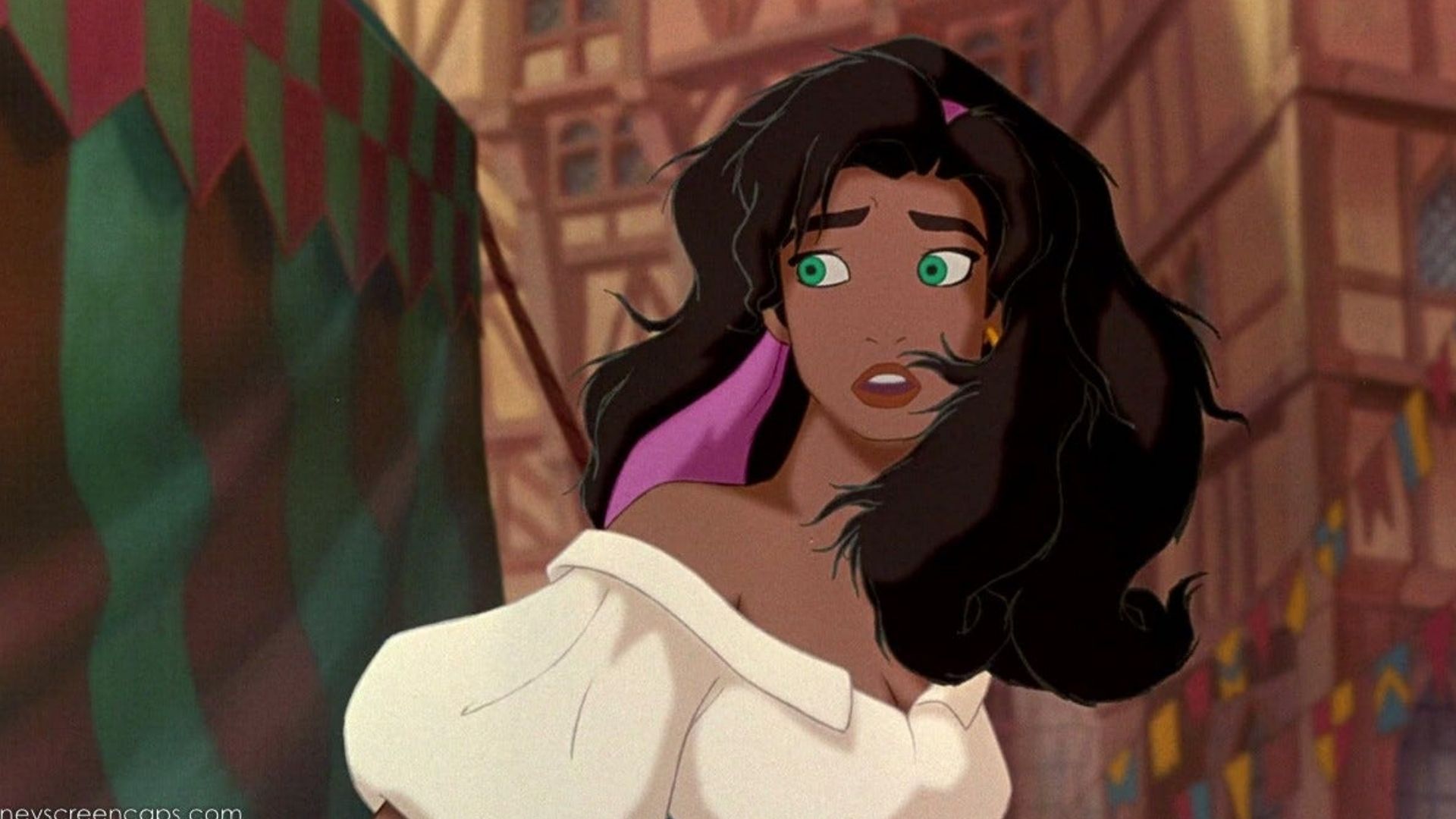
Esmeralda Is Executed in the Original Hunchback Story
Disney’s The Hunchback of Notre Dame is emotional, but Victor Hugo’s novel is downright devastating. In the book, Esmeralda is falsely accused of attempted murder and publicly executed. Quasimodo, heartbroken and helpless, retreats to her gravesite and dies beside her body.
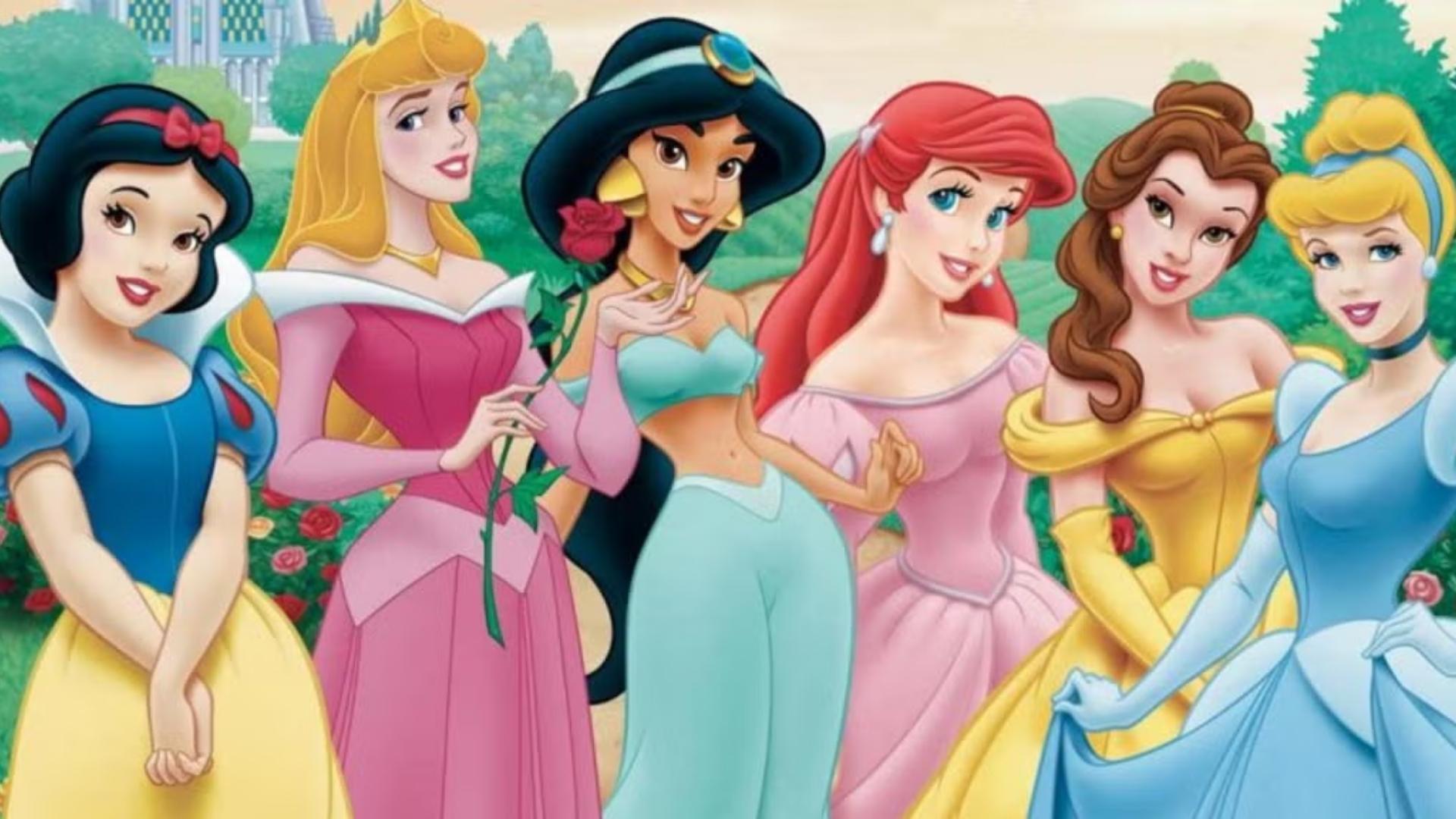
Many Disney Princesses Were Only Teenagers
One of the most unsettling truths about Disney classics is how young many princesses actually are. Jasmine in Aladdin is only 15, Aurora from Sleeping Beauty is 16, and Ariel in The Little Mermaid is also just 16. Even more shocking, Snow White, Disney’s very first princess, is only 14. These characters are children by today’s standards, yet they are placed in serious romantic storylines and, in some cases, marriage plots with much older men.
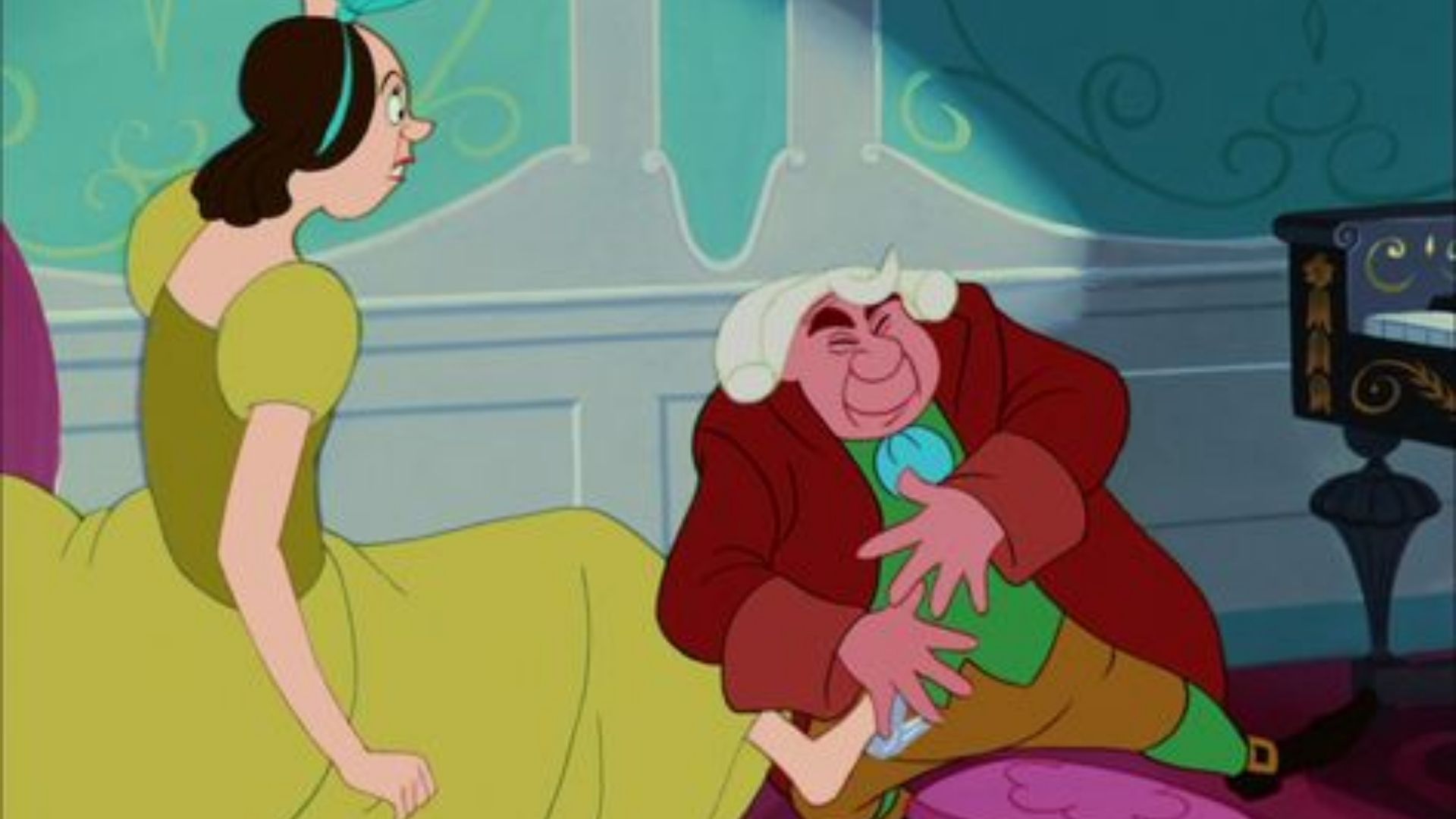
The Cinderella Stepsisters Literally Mutilated Their Feet
The original Grimm version of Cinderella is shockingly violent compared to the dreamy Disney version. In the earlier tale, the stepsisters don’t just try on the slipper; they slice off parts of their heels and toes in a desperate attempt to force their feet inside. Their cruelty doesn’t end there, and neither does their punishment. At Cinderella’s royal wedding, pigeons descend and peck out their eyes.