
10 War Movies That Actually Get History Right
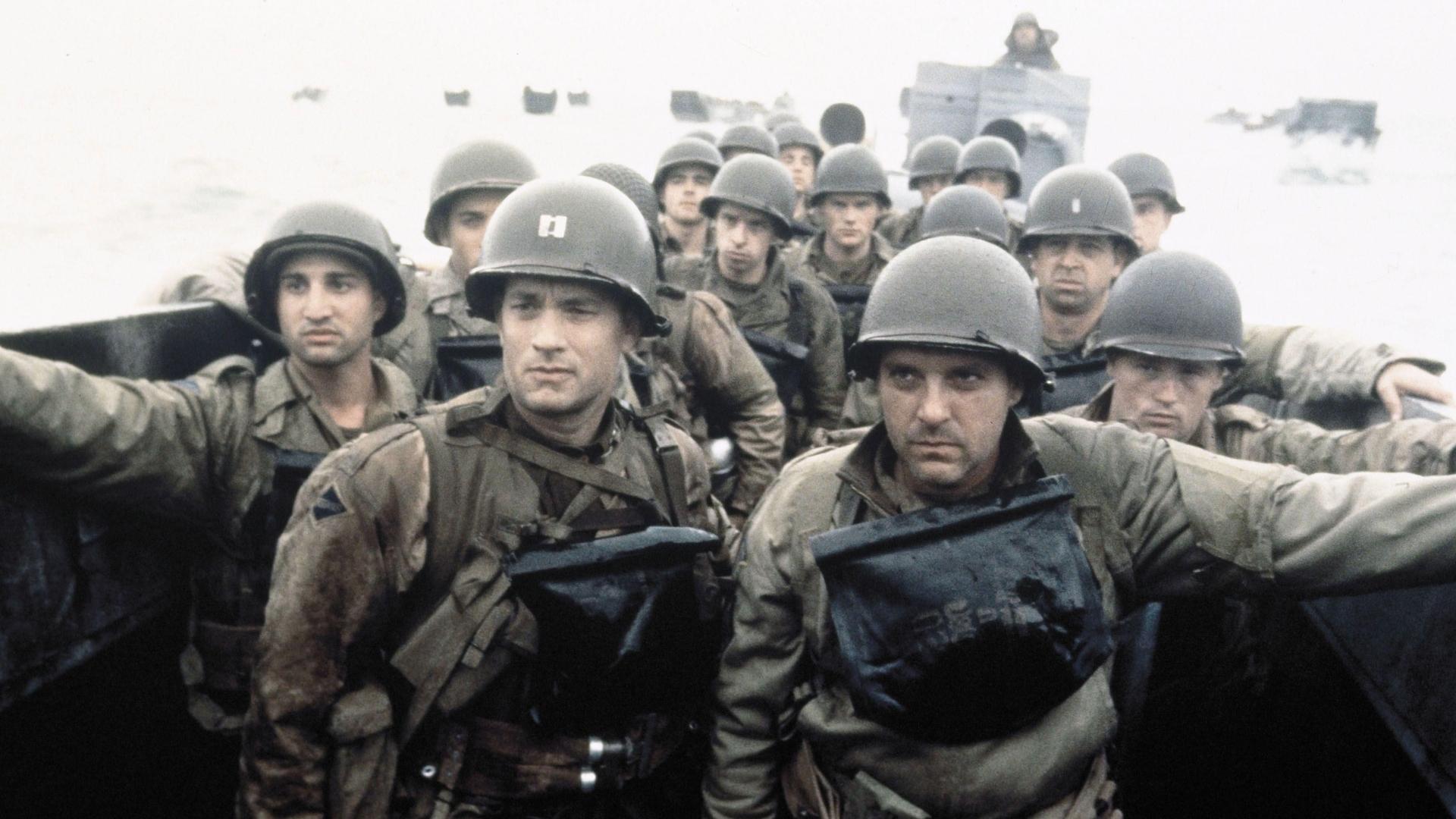
Saving Private Ryan (1998)
The opening 25 minutes depicting the assault on Omaha Beach are widely regarded as the most realistic and visceral depiction of close-quarters combat and landing chaos ever filmed. The sound design, the lack of musical score, and the commitment to showing the disorientation and brutality faced by the soldiers set a new standard for cinematic realism.
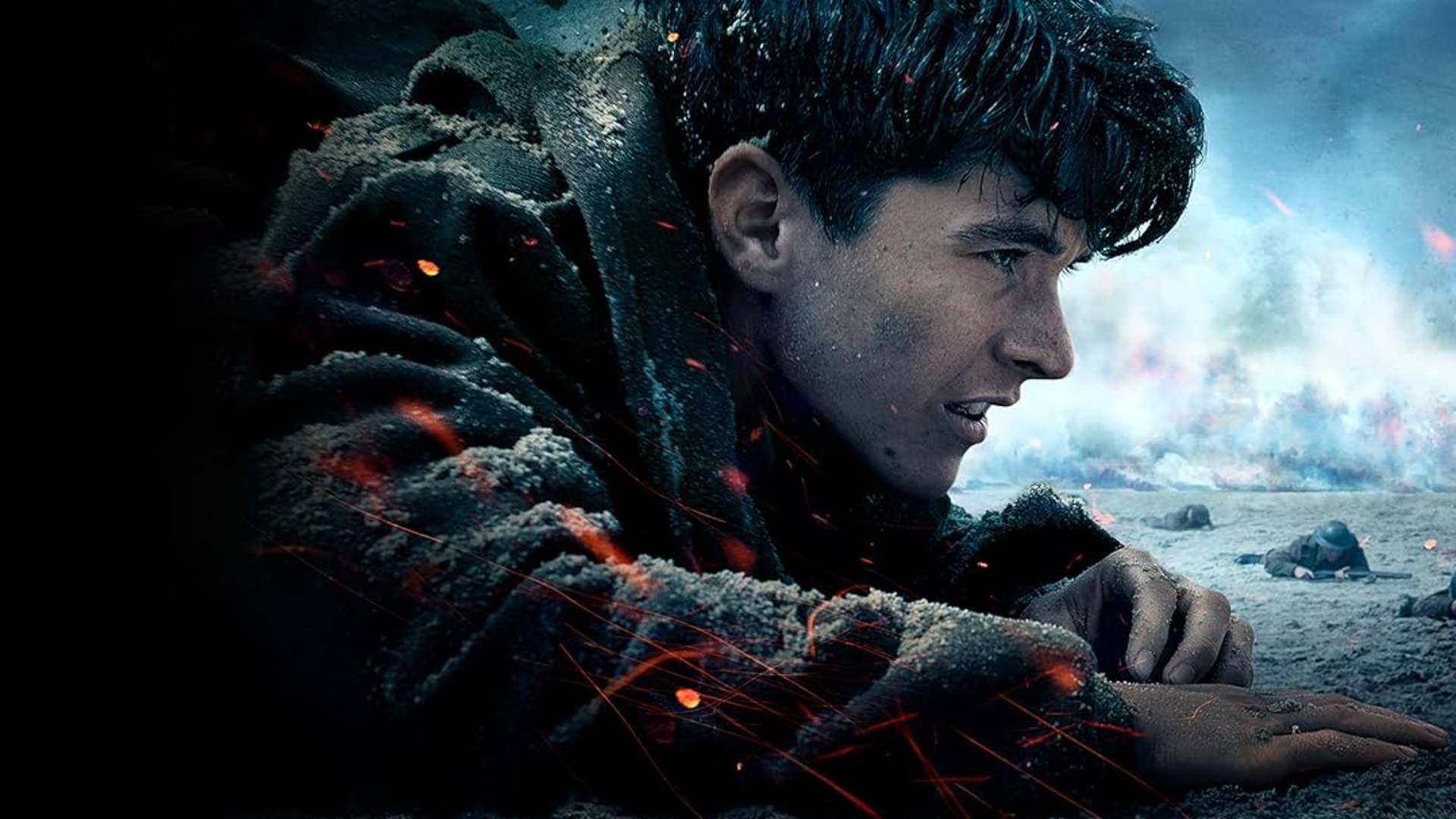
Dunkirk (2017)
Christopher Nolan’s film is praised for its technical and procedural accuracy, focusing on the sheer logistics of the evacuation. Historians noted the meticulous detail paid to the "Little Ships" (civilian boats), the limited fuel capacity of the Spitfire planes (forcing short dogfights), and the complex, panicked atmosphere of the beach without falling into traditional hero clichés.
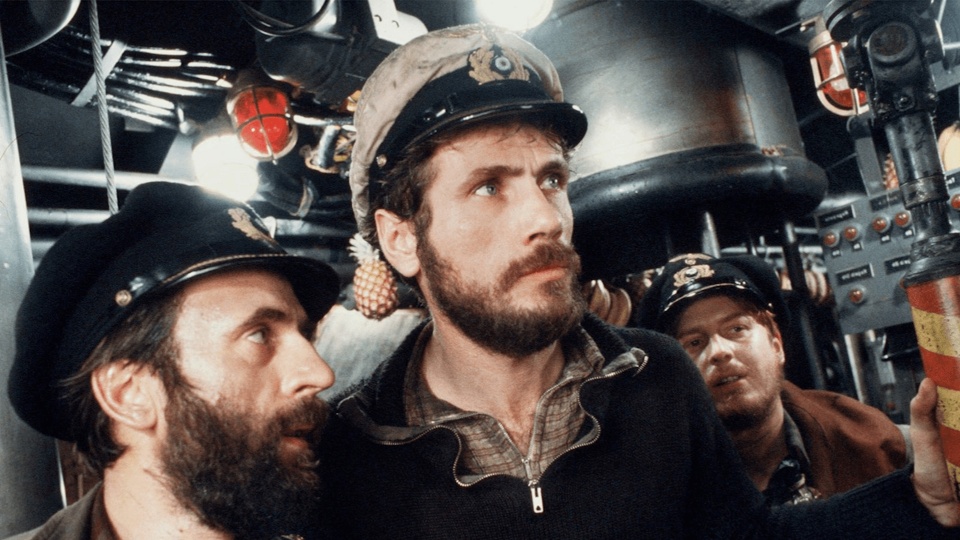
Das Boot (1981)
This German masterpiece is the definitive film on naval warfare, accurately depicting the reality of life aboard a U-boat. It avoids romanticizing the experience, focusing instead on the suffocating claustrophobia, constant mechanical failure, filth, and terror endured by the German submarine crews during the Battle of the Atlantic.
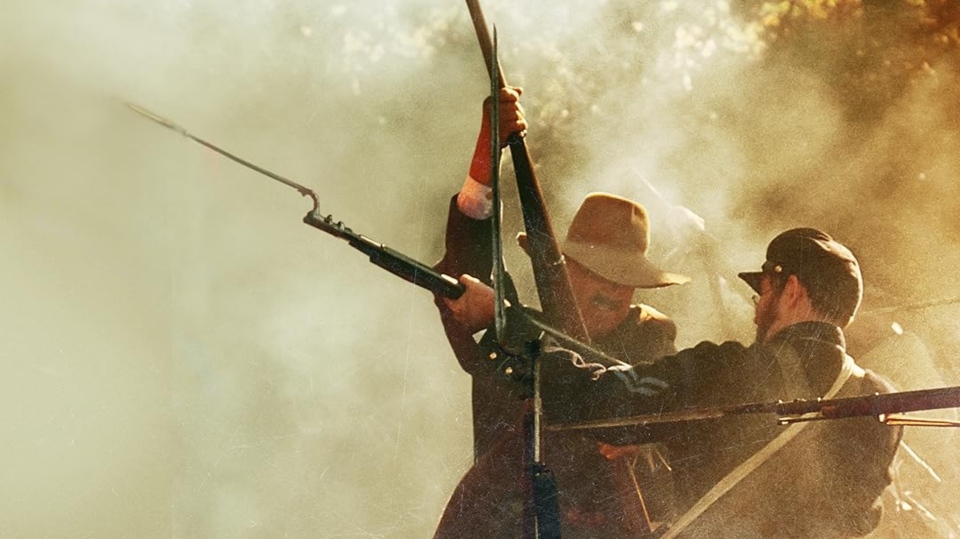
Gettysburg (1993)
This film is a historical document in cinematic form. It is renowned for its painstaking attention to detail regarding period uniforms, weaponry, and tactics. Much of the dialogue is pulled directly from the historical figures’ own letters and speeches, making it an incredibly detailed and authentic recreation of the critical battle.
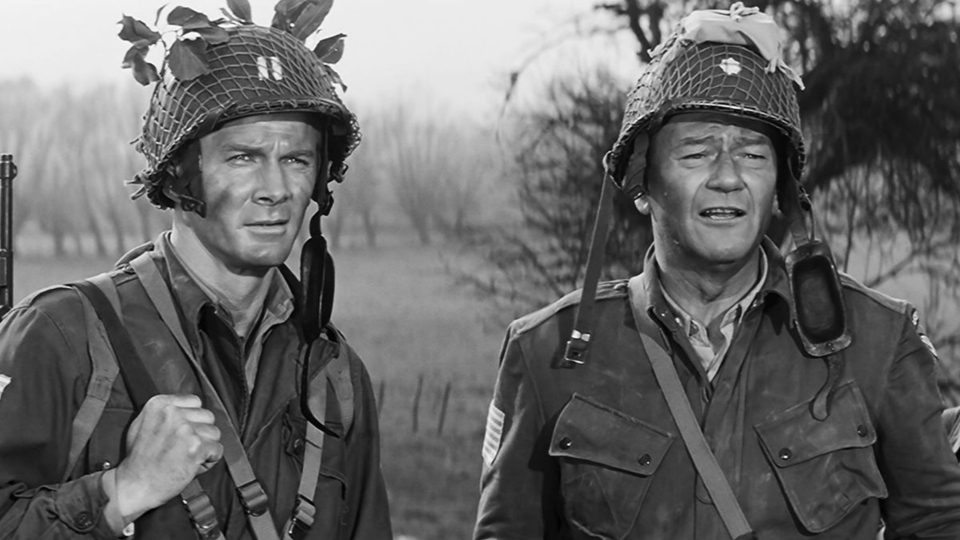
The Longest Day (1962)
Based on Cornelius Ryan’s journalistic account, this film is known for its near-documentary style, multi-director structure, and massive, multi-national cast. The film strove for total authenticity, using thousands of actual troops and closely following the accounts of Allied and German participants to accurately portray the chaotic, multi-front assault.
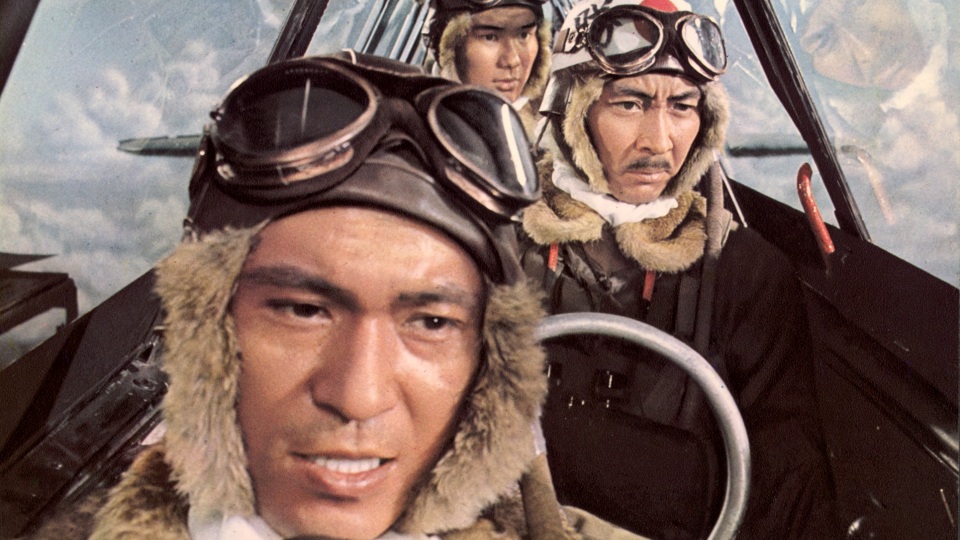
Tora! Tora! Tora! (1970)
This unique film is celebrated for its commitment to presenting a dual perspective (American and Japanese) and its technical precision. The Japanese Zero fighter planes were meticulously recreated and flown for the film, and the attack strategy and ship formations were closely supervised by military advisors to ensure historical fidelity.
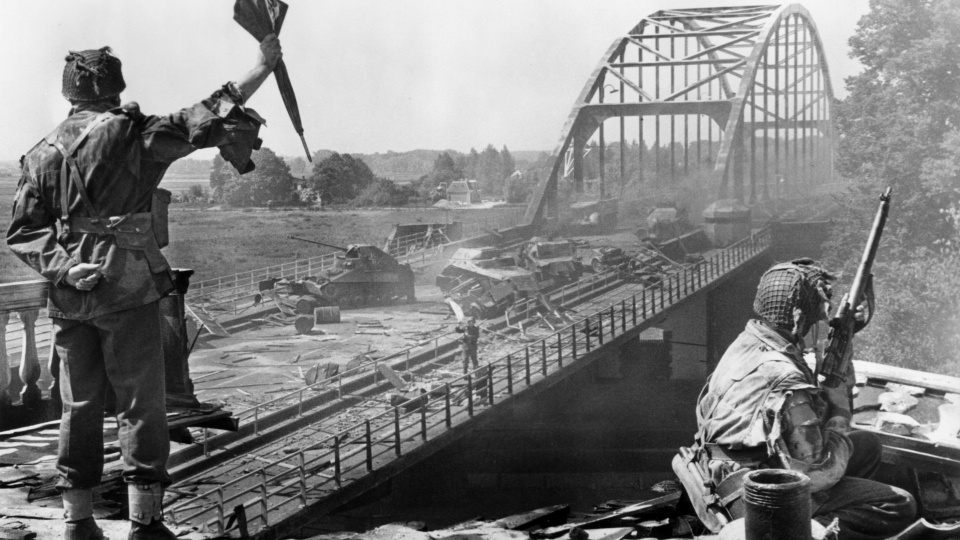
A Bridge Too Far (1977)
Directed by Richard Attenborough, this film chronicled the disastrous Allied plan to secure key bridges in the Netherlands. It's praised for its massive scale, star-studded cast, and its refusal to offer a typical Hollywood ending. The film faithfully depicts the military planning, the tactical failures, and the enormous loss of life inherent in the failed operation.
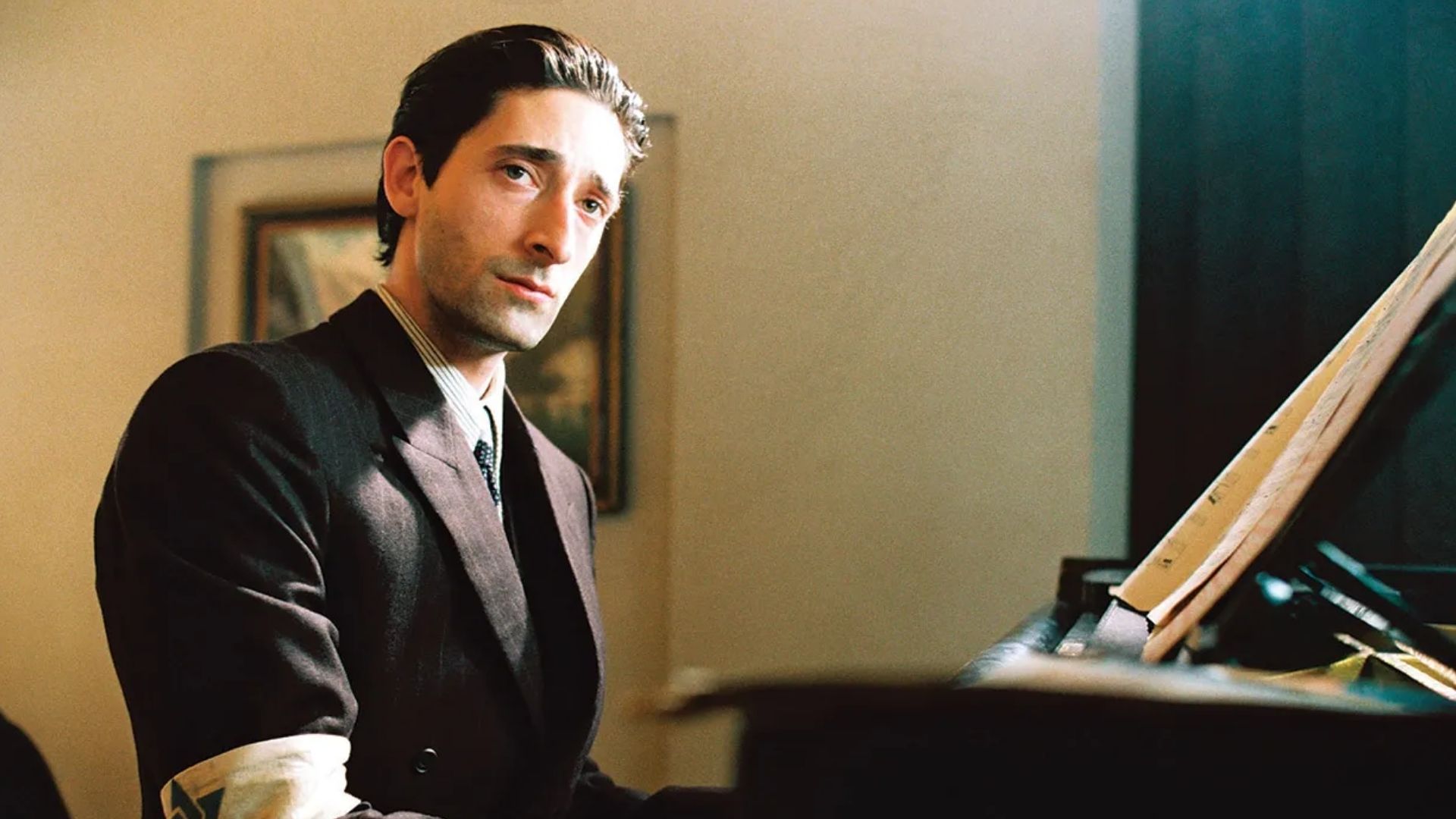
The Pianist (2002)
Roman Polanski's Oscar-winning film is essential for its environmental and experiential realism. It avoids the spectacle of grand battles, instead focusing on the daily, non-sensationalized terror of life under Nazi occupation. The film's recreation of the Warsaw Ghetto, the brutality of the occupation, and the sheer desperation of survival is regarded as a profoundly authentic historical account.
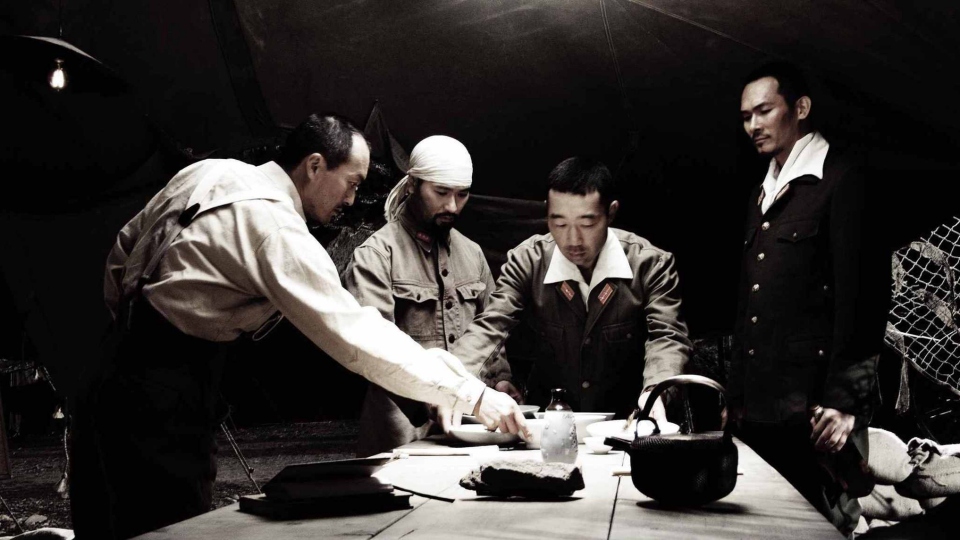
Letters from Iwo Jima (2006)
Clint Eastwood's companion film to Flags of Our Fathers is crucial for its perspective. It is entirely told from the Japanese point of view, using Japanese historical accounts and letters. It is highly praised for its nuanced, non-jingoistic depiction of the Japanese soldier's determination, discipline, and eventual desperation.
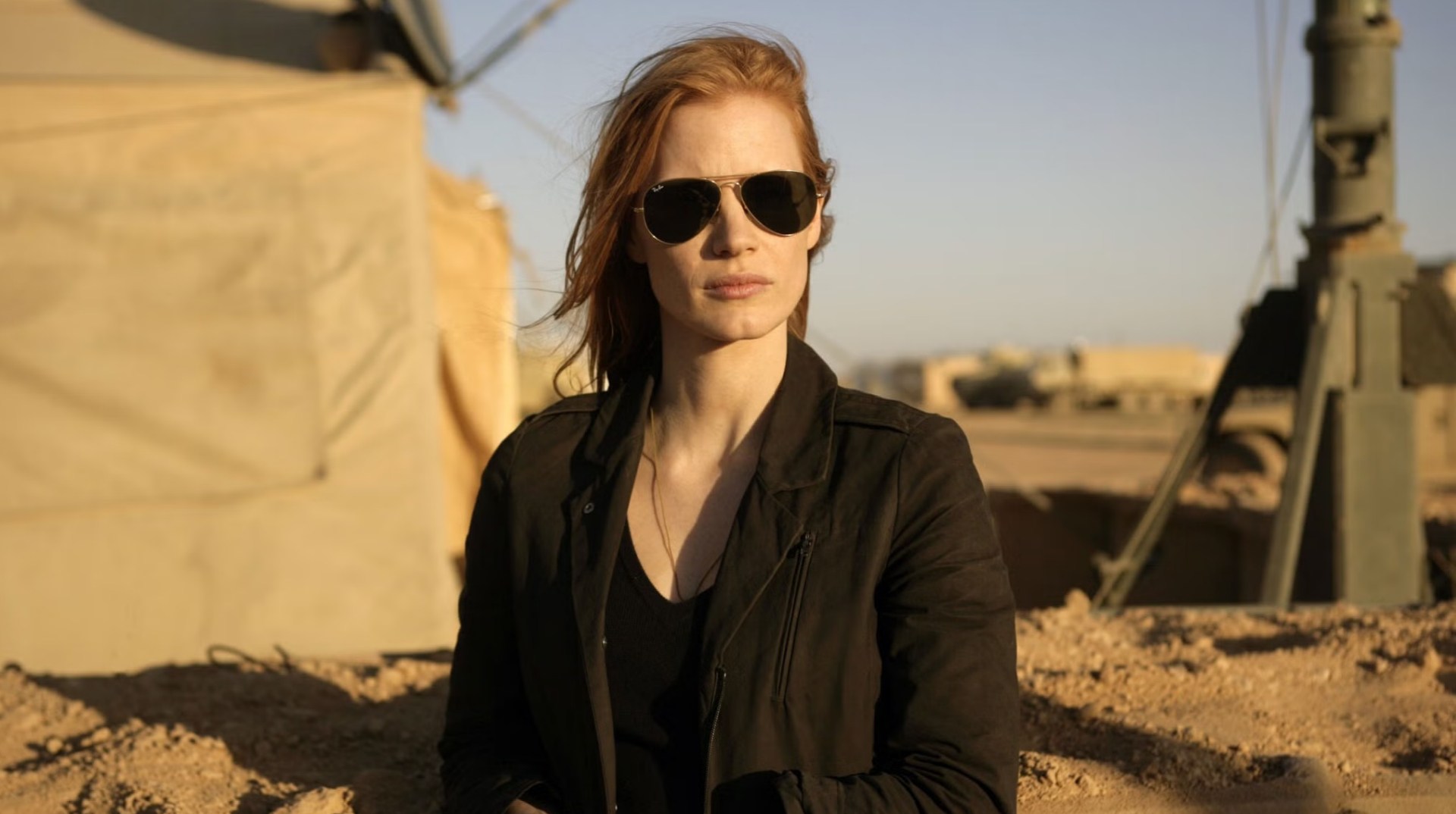
Zero Dark Thirty (2012)
Kathryn Bigelow's procedural thriller is highly acclaimed for its technical accuracy concerning intelligence gathering and special operations tactics. Experts noted the realistic depiction of CIA operations, the "no-frills" nature of the mission, and the use of the military’s real communication and surveillance technologies.