
10 Worst Sci-fi Finales That Enraged Fans
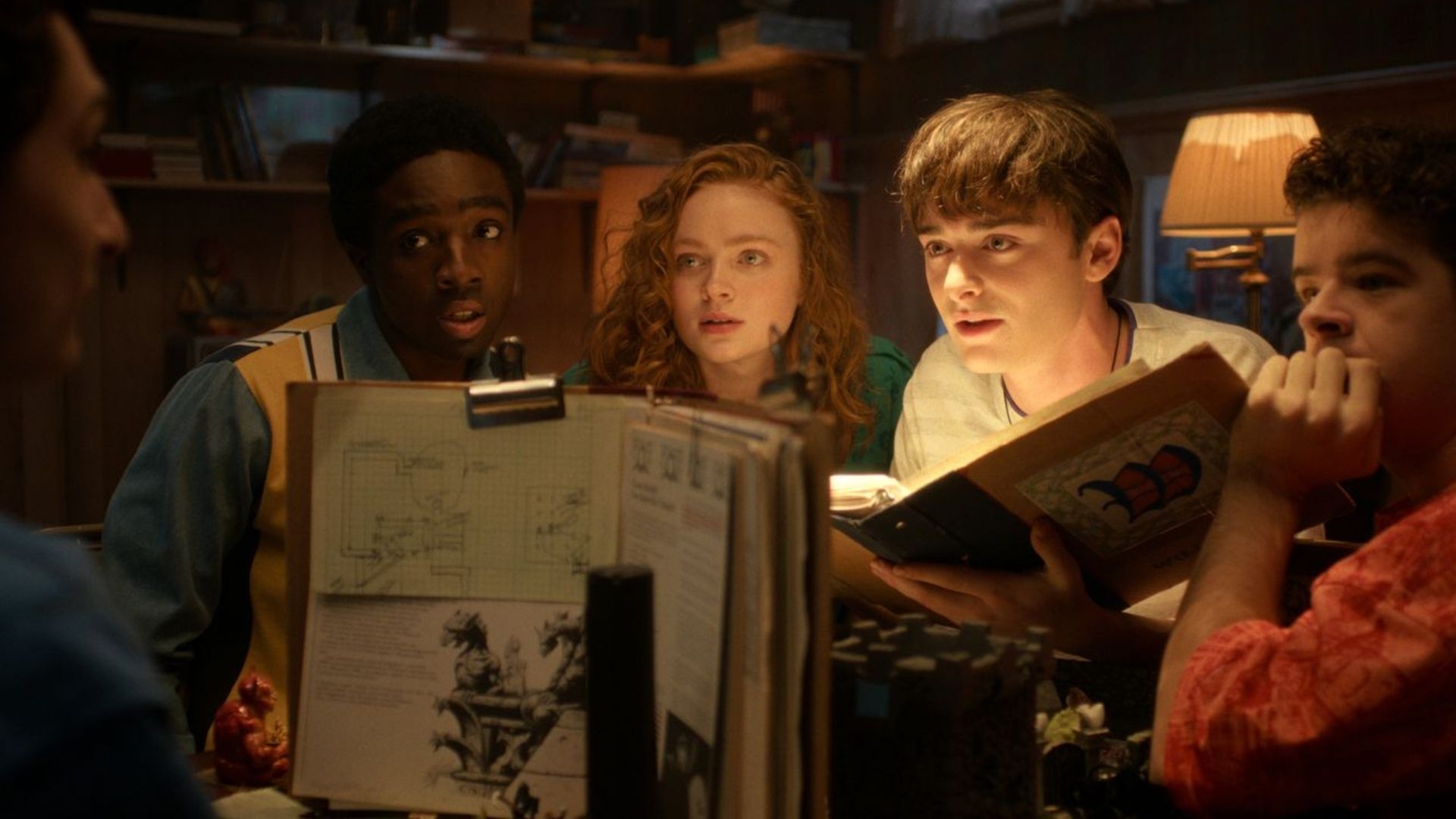
Stranger Things
“Chapter Eight: The Rightside Up” finally ends the war with Vecna and the Upside Down in a long feature-length episode. The group defeats the threat, Hawkins begins healing, and the story moves into a reflective epilogue showing the characters growing up and moving on. The problem is how neatly everything resolves. After seasons of escalating horror and loss, the finale ties conflicts together quickly and shifts into nostalgia instead of consequences.
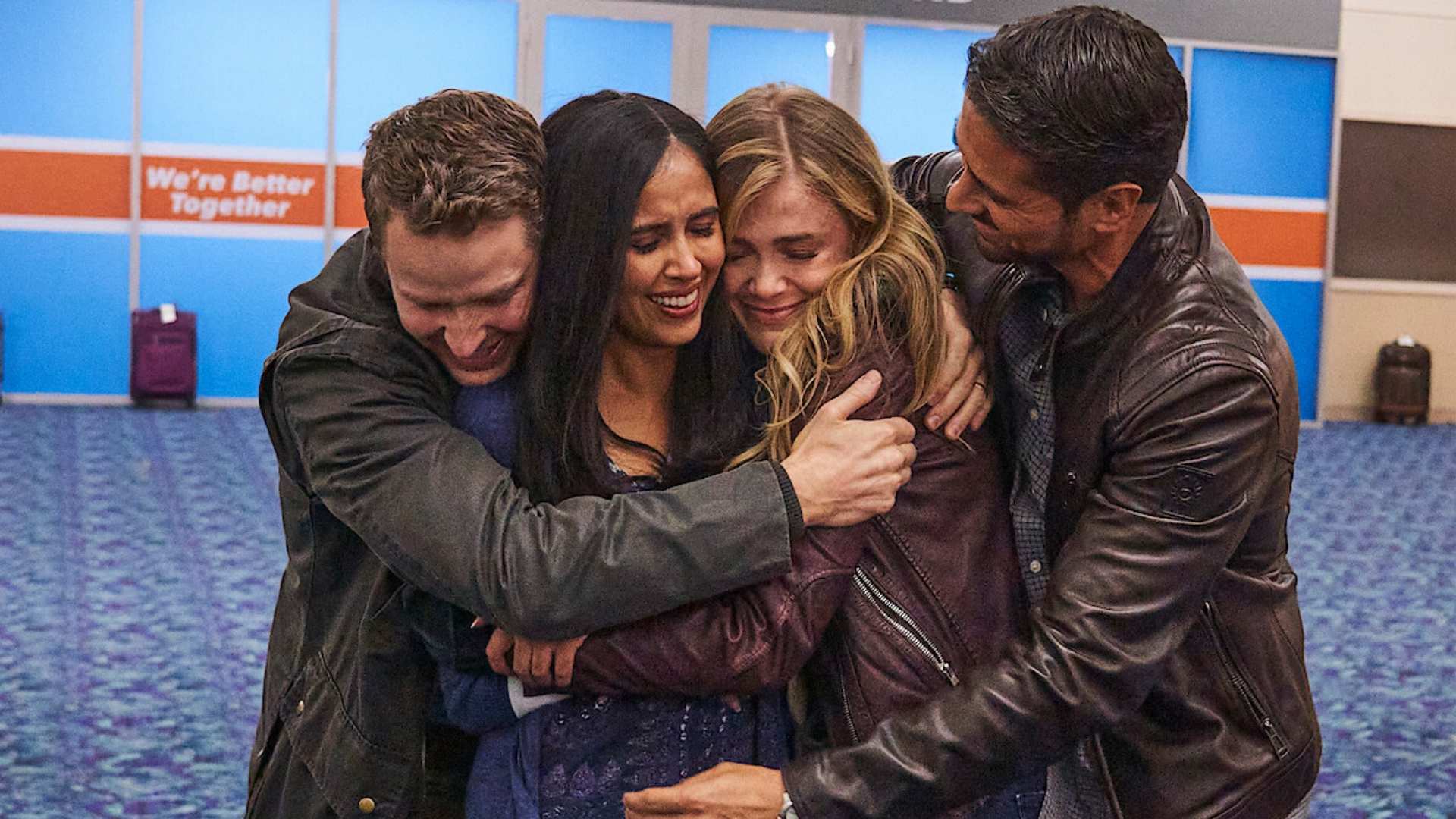
Manifest
The timeline rewinds to the beginning, undoing deaths, trauma, and consequences across the entire series. While characters keep memories, the world erases the journey viewers watched. Emotional investment loses weight because nothing permanently changed. Instead of resolving mysteries, the finale sidesteps them by restoring normalcy.
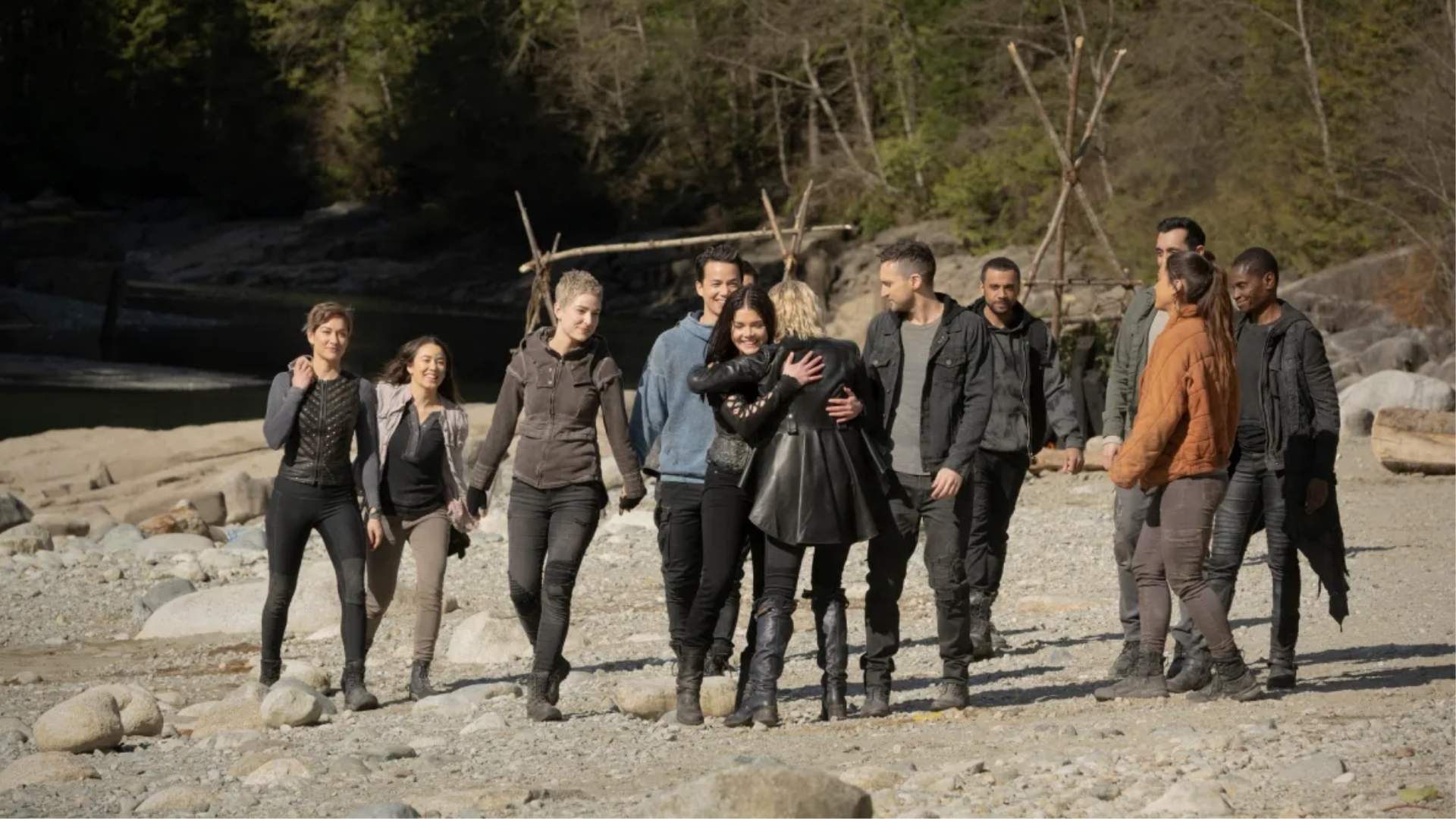
The 100
The series built its identity around survival choices and moral consequences, yet the finale resolves conflict through transcendence into higher beings. War, politics, and sacrifice suddenly become irrelevant because humanity evolves beyond existence. The core premise, how humans live together, is replaced with whether humans should exist at all.
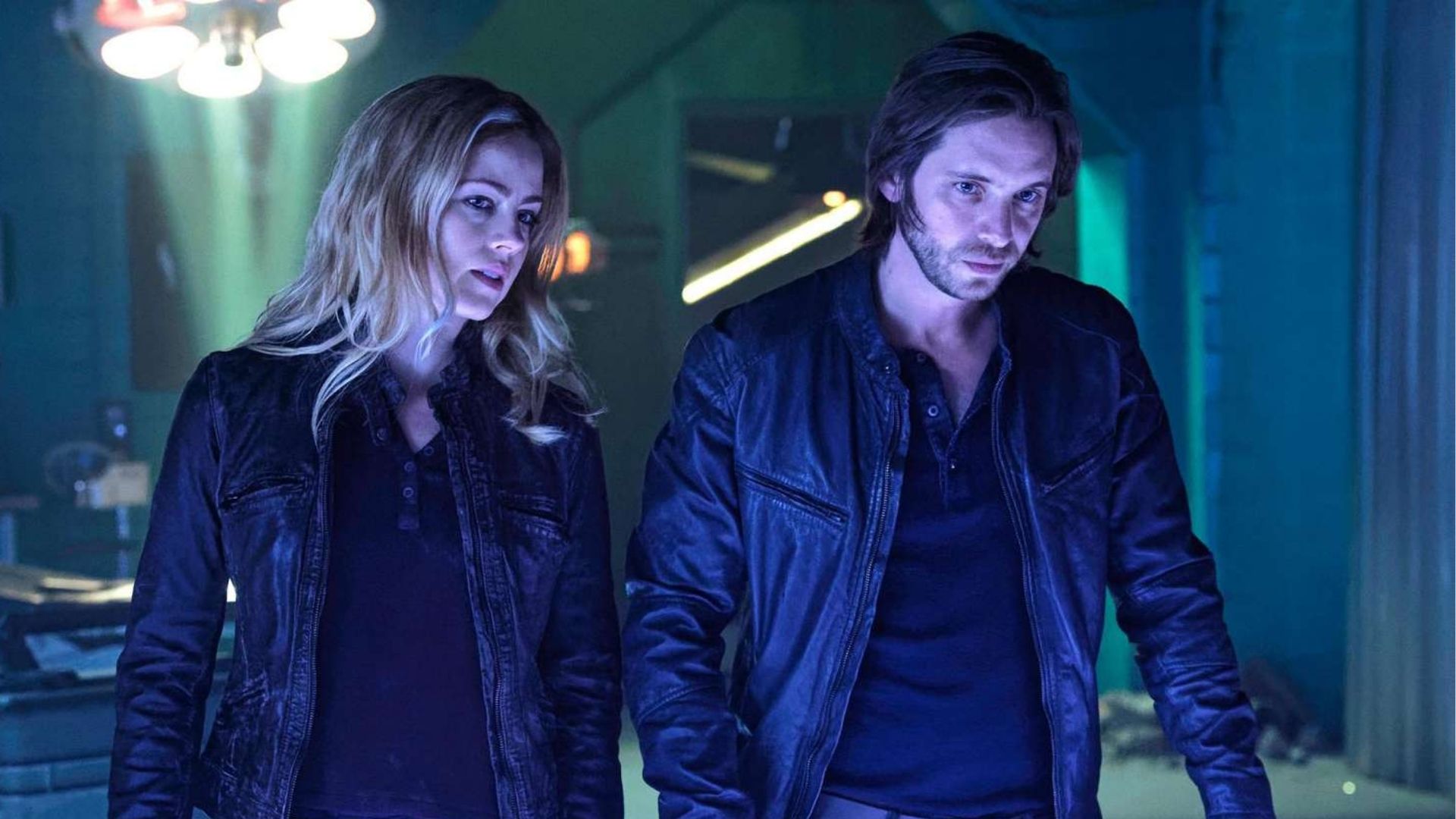
12 Monkeys
The finale presents a heroic sacrifice, then quietly walks it back. Cole erases himself to save time — a powerful conclusion but the final scene shows him alive anyway. The show hints the timeline still isn’t stable, muddying both sacrifice and victory. By trying to deliver tragedy and comfort simultaneously, the ending weakens both. The emotional cost loses permanence, while the rules of time travel become flexible when convenient.
Lost
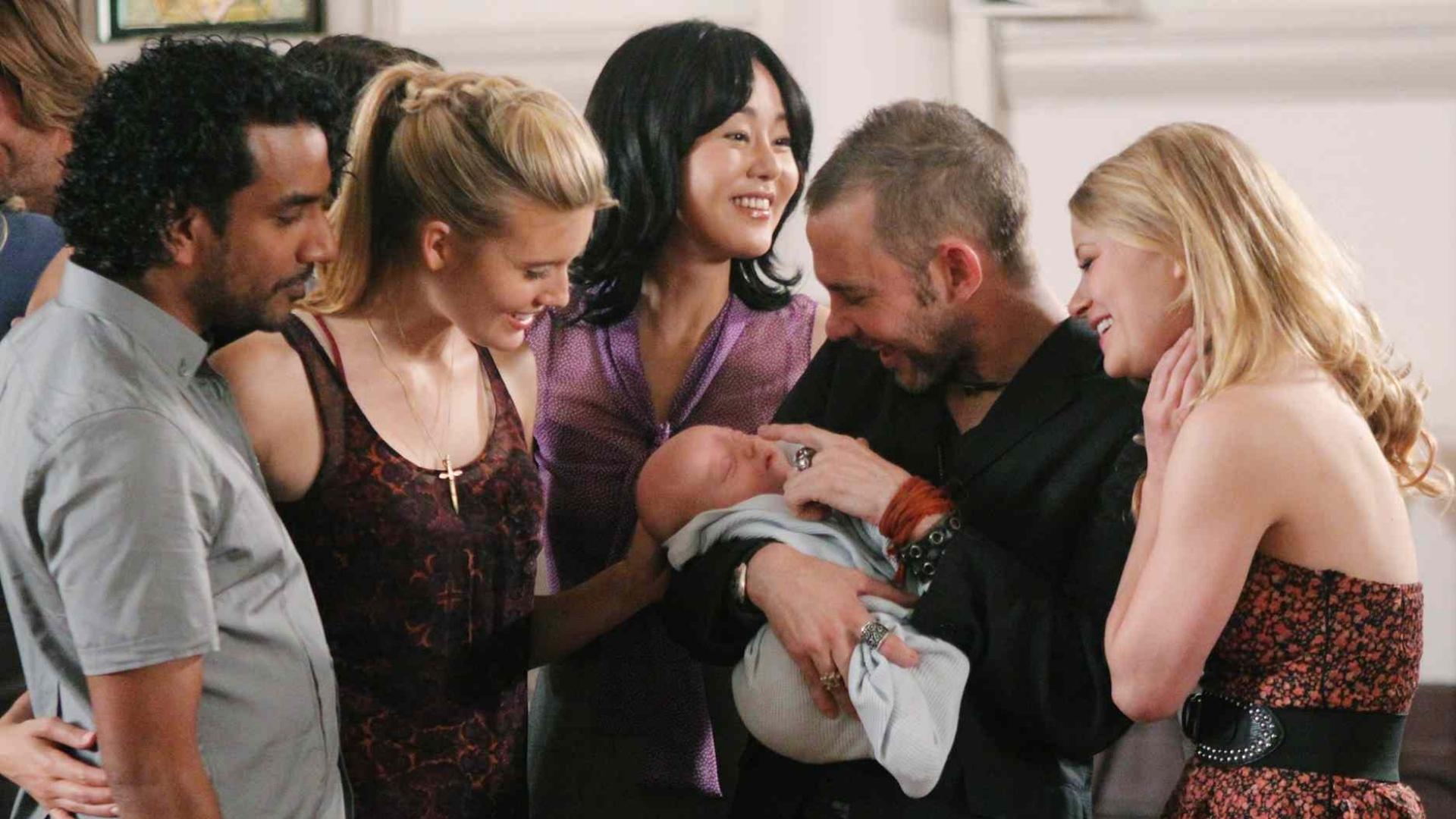
After years of mythology, science fiction rules, and mysteries, the finale reframes everything as spiritual resolution. Major questions, the island’s mechanics, powers, and long-running plot threads, remain unexplained. Rather than solving its narrative puzzles, the show changes genres in its final hour. Viewers expecting payoff receive symbolism instead. The emotional farewell works, but it replaces story logic with interpretation.
Sliders
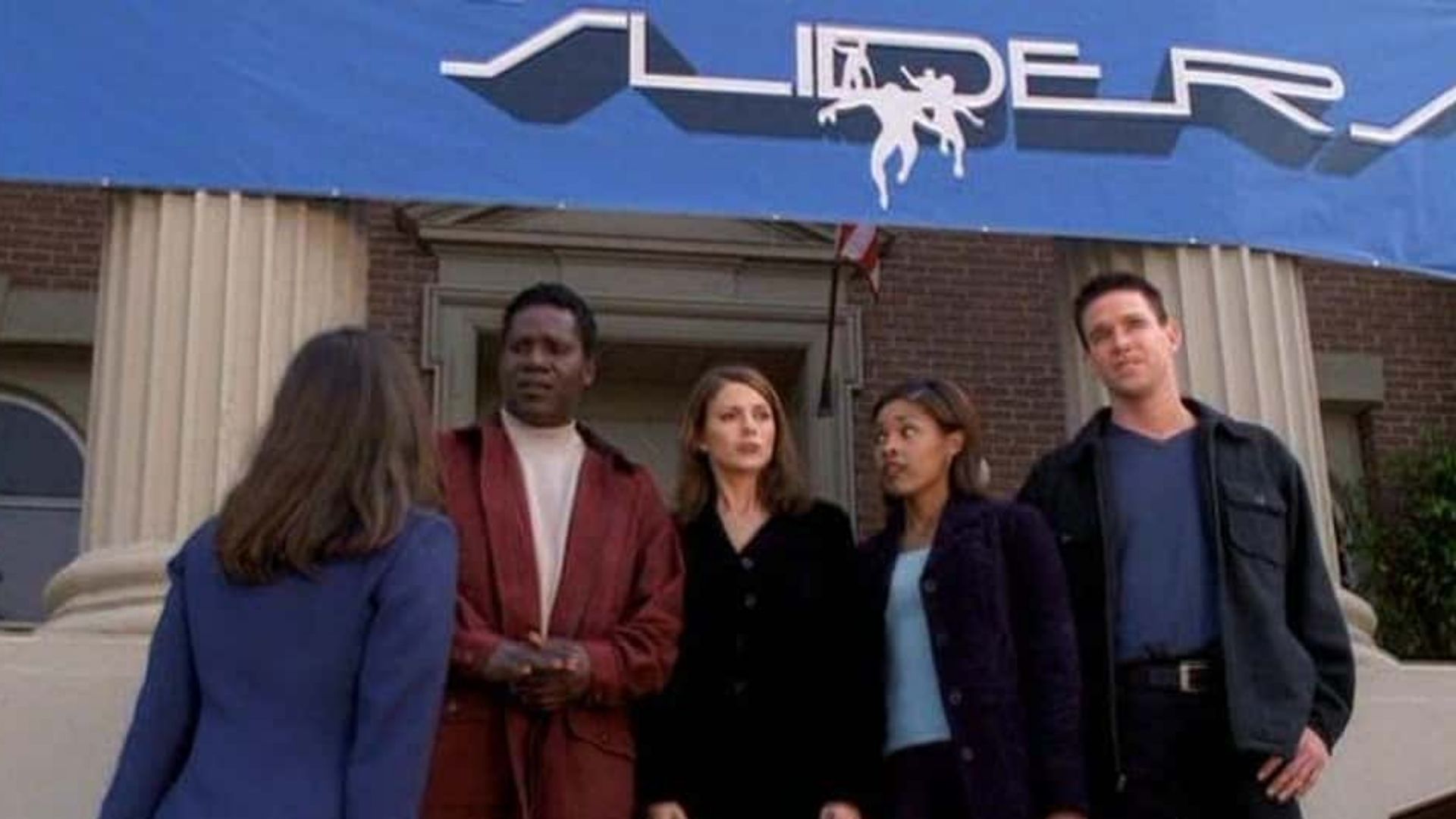
After years of searching for home, the last scene sends Rembrandt into another universe and cuts to black. No reveal, no resolution, not even thematic closure. The show’s central question, will they ever get back, remains unanswered forever. Ambiguous endings can work, but this one provides no narrative conclusion at all.
Heroes
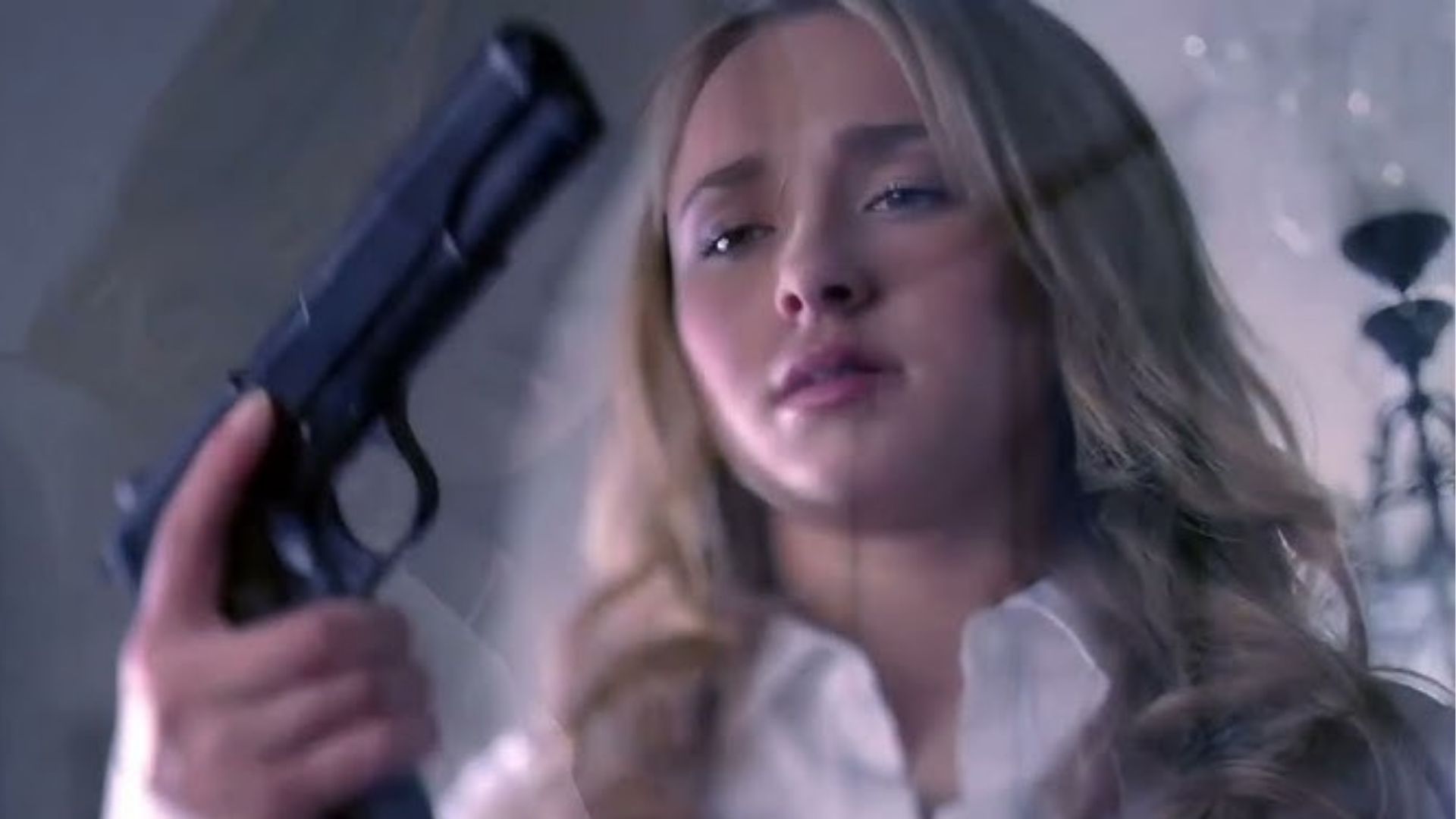
The finale introduces new threats and developments instead of concluding existing arcs because the show expected another season. Cancellation leaves the narrative stuck in transition rather than resolution. Characters don’t complete journeys; they pause them permanently. Unlike a deliberate cliffhanger, this one lacks thematic intent; it’s unfinished storytelling presented as an ending.
Dark
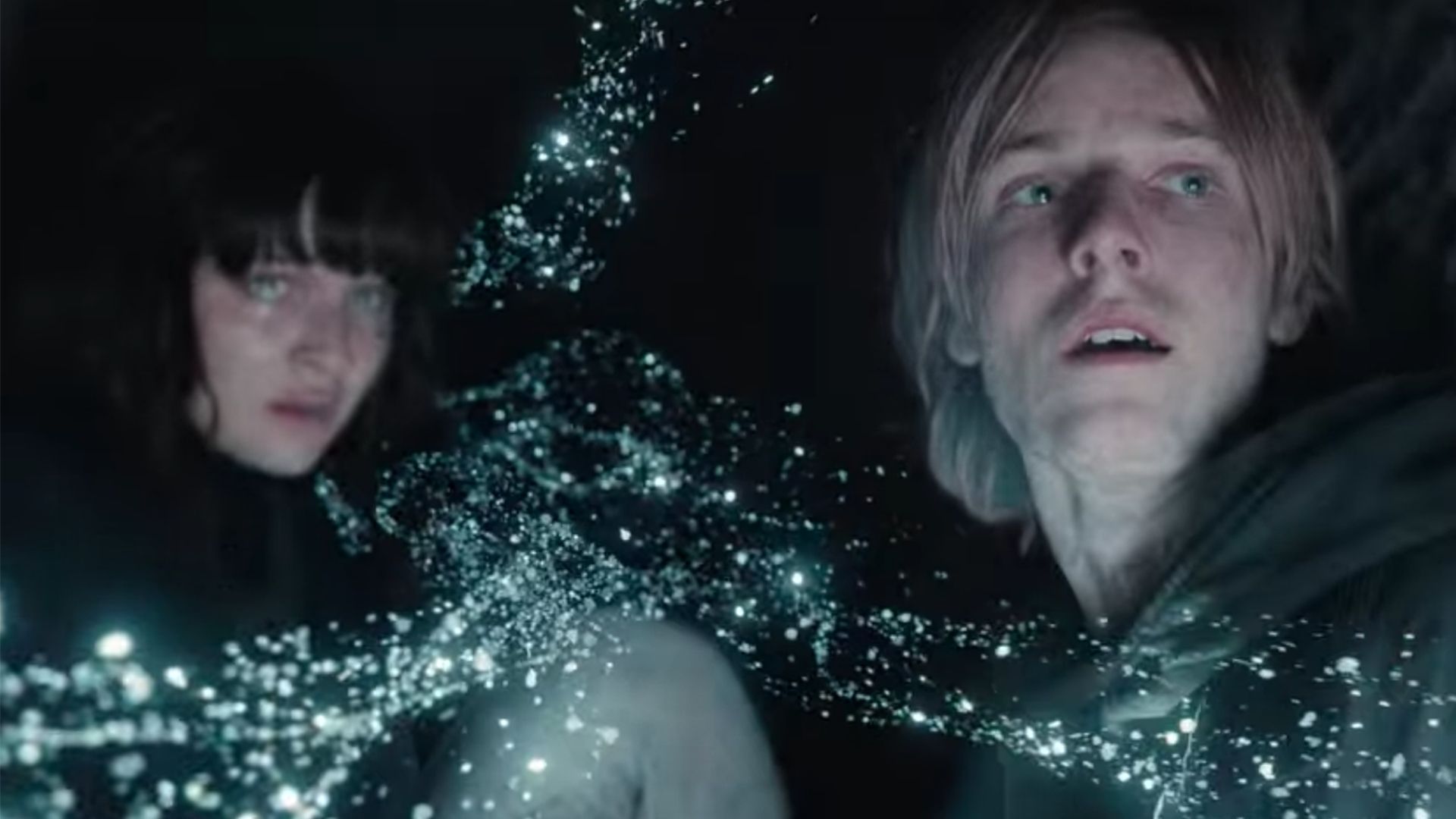
The finale resolves the time loop by eliminating the characters entirely. While thematically consistent, it invalidates the emotional stakes; every relationship, conflict, and sacrifice vanishes because the people involved never existed. The narrative tension dissolves rather than resolves. Instead of escaping fate, the characters prevent their own stories from happening.
Quantum Leap
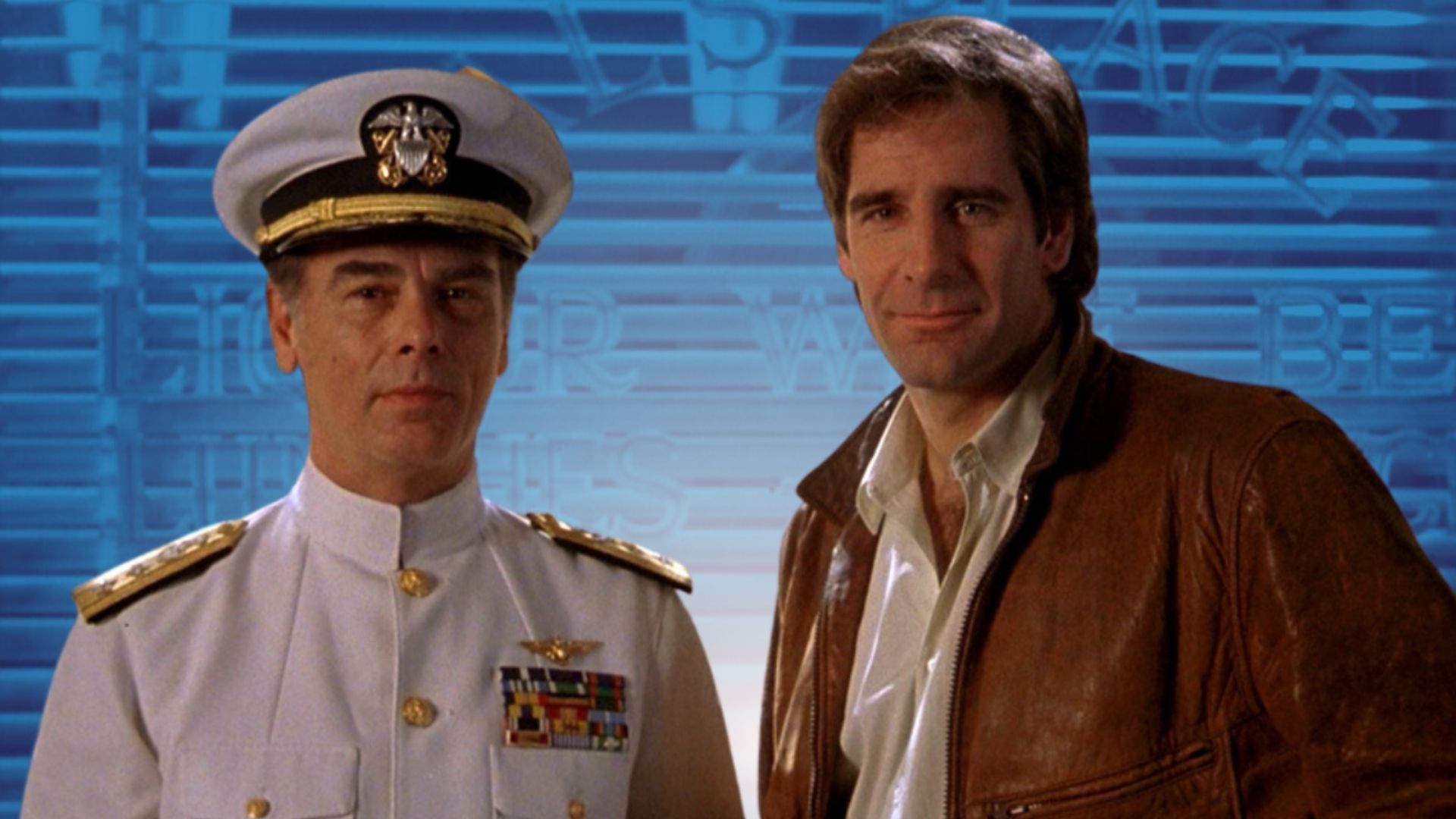
Rather than dramatizing Sam’s fate, the show reveals it in text: he never returned home. After years of emotional investment, the protagonist receives no reunion, explanation, or final moment. The ending skips storytelling entirely and summarizes the character’s destiny externally. The disappointment comes from absence, the finale withholds the scene audiences waited for.
Fringe
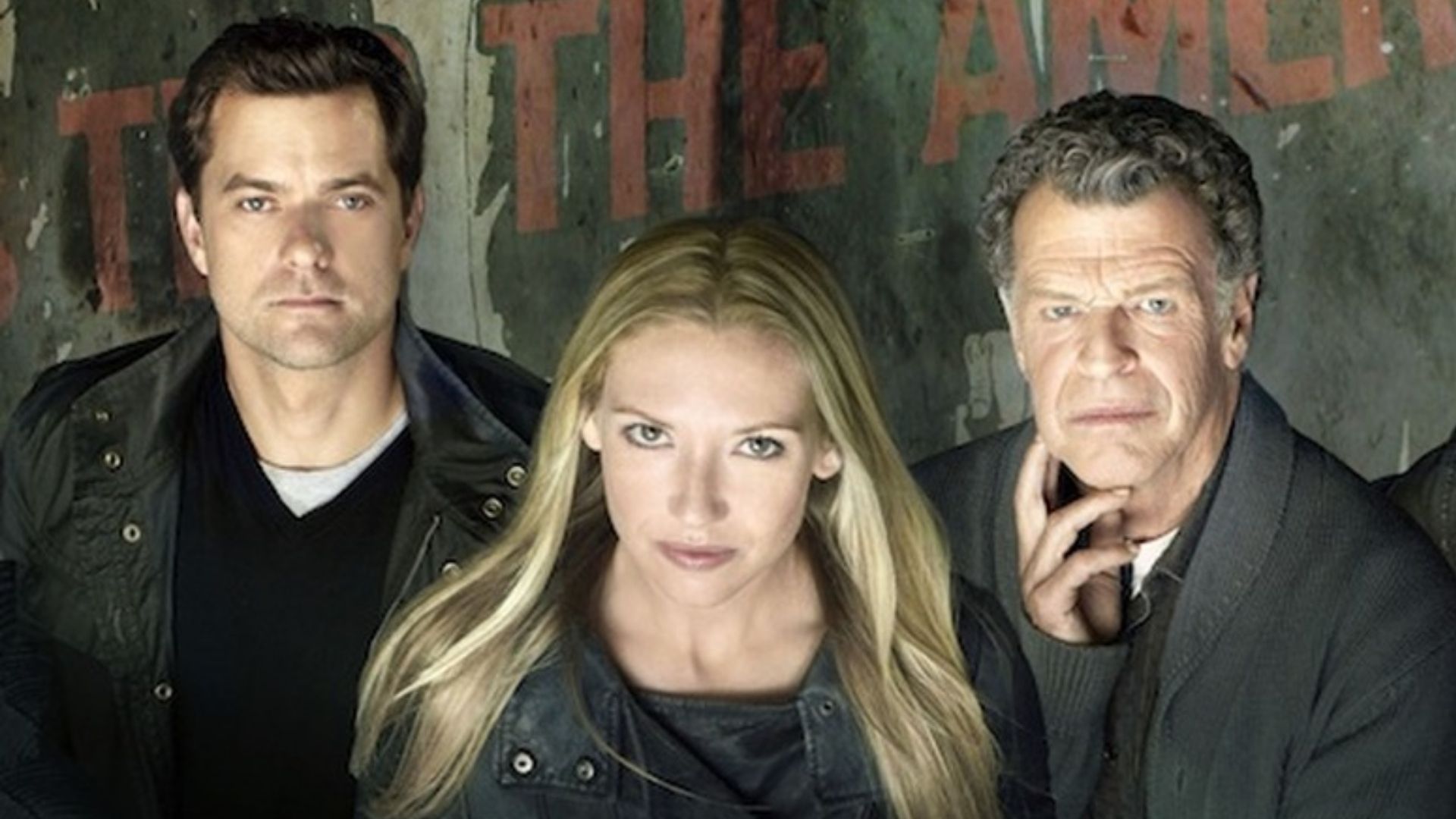
The team saves the world by resetting the timeline, but the cost is extreme: the relationships the audience followed never actually happened. The characters win without experiencing the victory. Walter’s sacrifice erases shared history, meaning emotional development disappears from existence. This makes the ending feel detached from the narrative investment. Instead of tragedy within the story, it becomes tragedy outside it: only the audience remembers the series that was erased.