
10 Wrestling Managers Who Overshadowed Their Own Clients
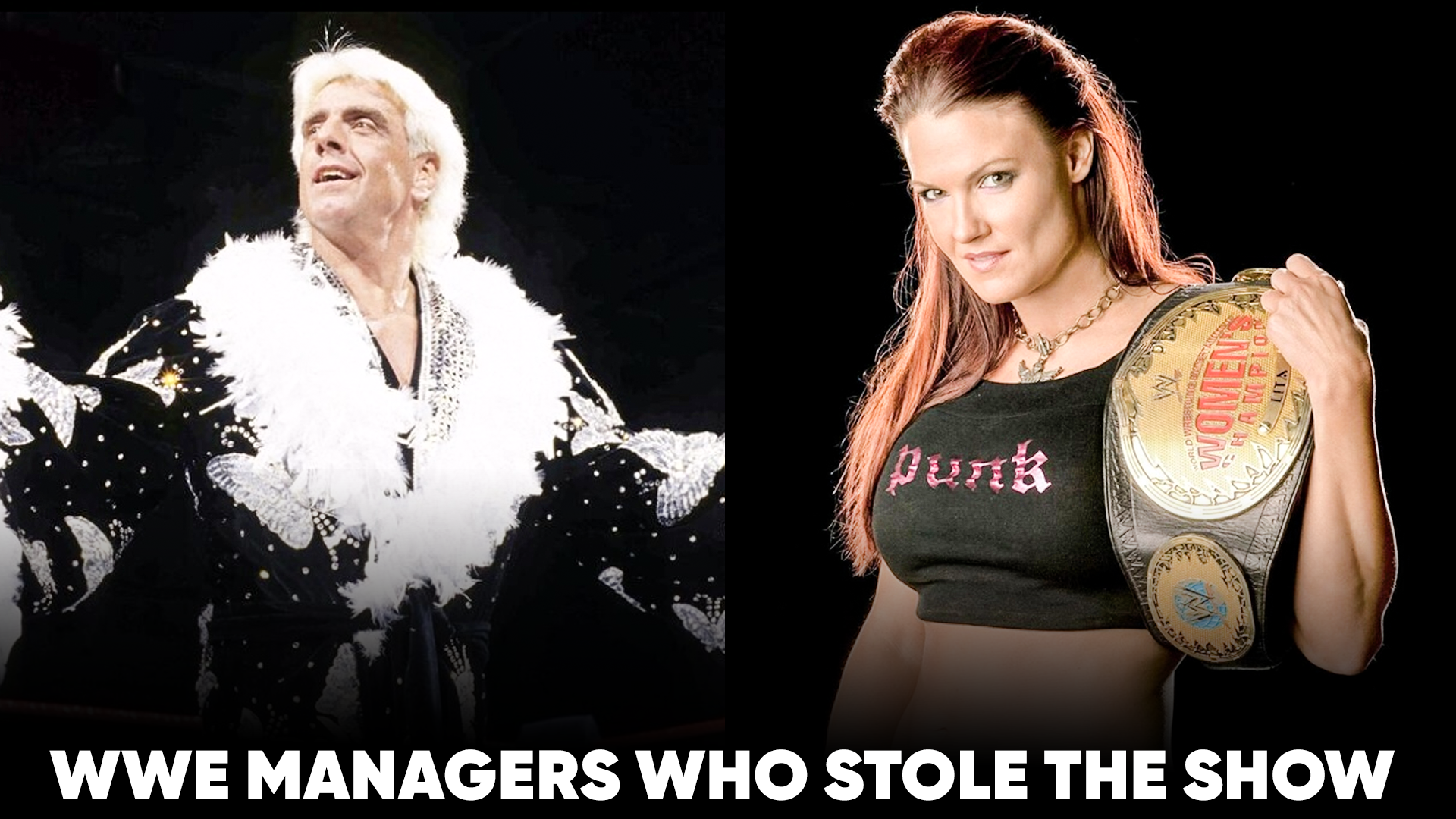
Ric Flair and Lita
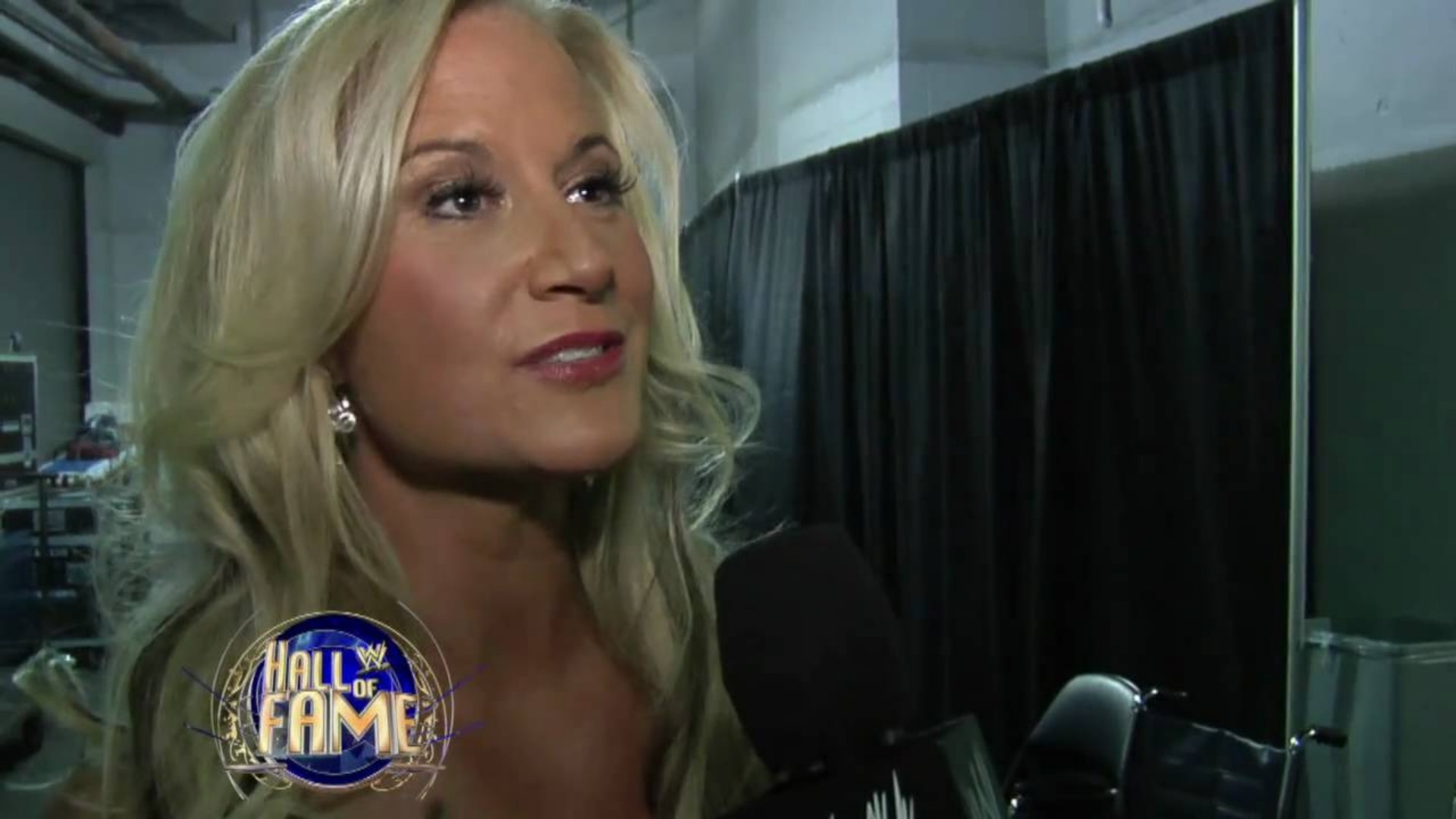
10. Sunny
Sunny debuted in WWE in 1995 and quickly became one of the company’s most recognizable faces during the New Generation Era. As the manager of The Bodydonnas (Skip and Zip), she helped guide them to the WWF Tag Team Championships at WrestleMania XII. However, even during their title reign, crowds were far more invested in Sunny’s presence than the team itself. She later managed The Smoking Gunns (Billy Gunn and Bart Gunn), contributing to their record-setting tag title run in 1996. Despite their success, Sunny remained the focal point of the act, frequently drawing louder reactions than the champions she accompanied. At her peak, she was named Pro Wrestling Illustrated’s “Manager of the Year” in 1996 and became AOL’s most downloaded celebrity—an unheard-of crossover achievement for a wrestling valet at the time.
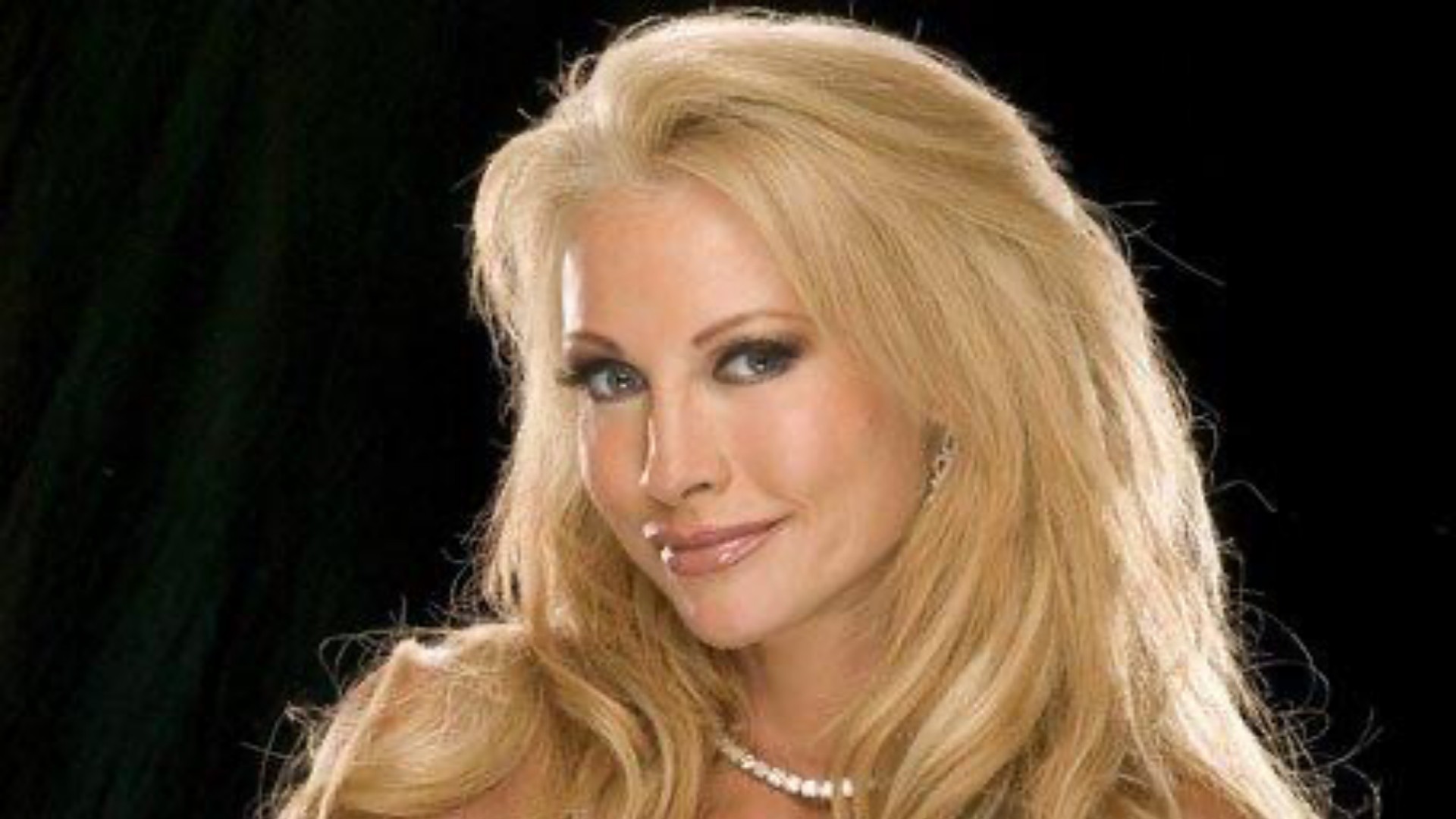
9. Sable
Sable arrived in WWE in 1996 as the valet for Marc Mero following his Wildman persona debut. Initially positioned as a supporting character, Sable’s popularity skyrocketed due to her charisma and strong crowd reactions. By 1998, she had fully eclipsed Mero, culminating in a storyline where she turned babyface after enduring Mero’s on-screen abuse. Sable went on to win the WWF Women’s Championship at Survivor Series 1998 and became one of the biggest stars of the Attitude Era. Her appearances in Playboy (1999 cover) broke sales records, further cementing her mainstream appeal. Meanwhile, Mero’s push diminished significantly, and he exited WWE in 1999 as Sable’s star power continued to rise.
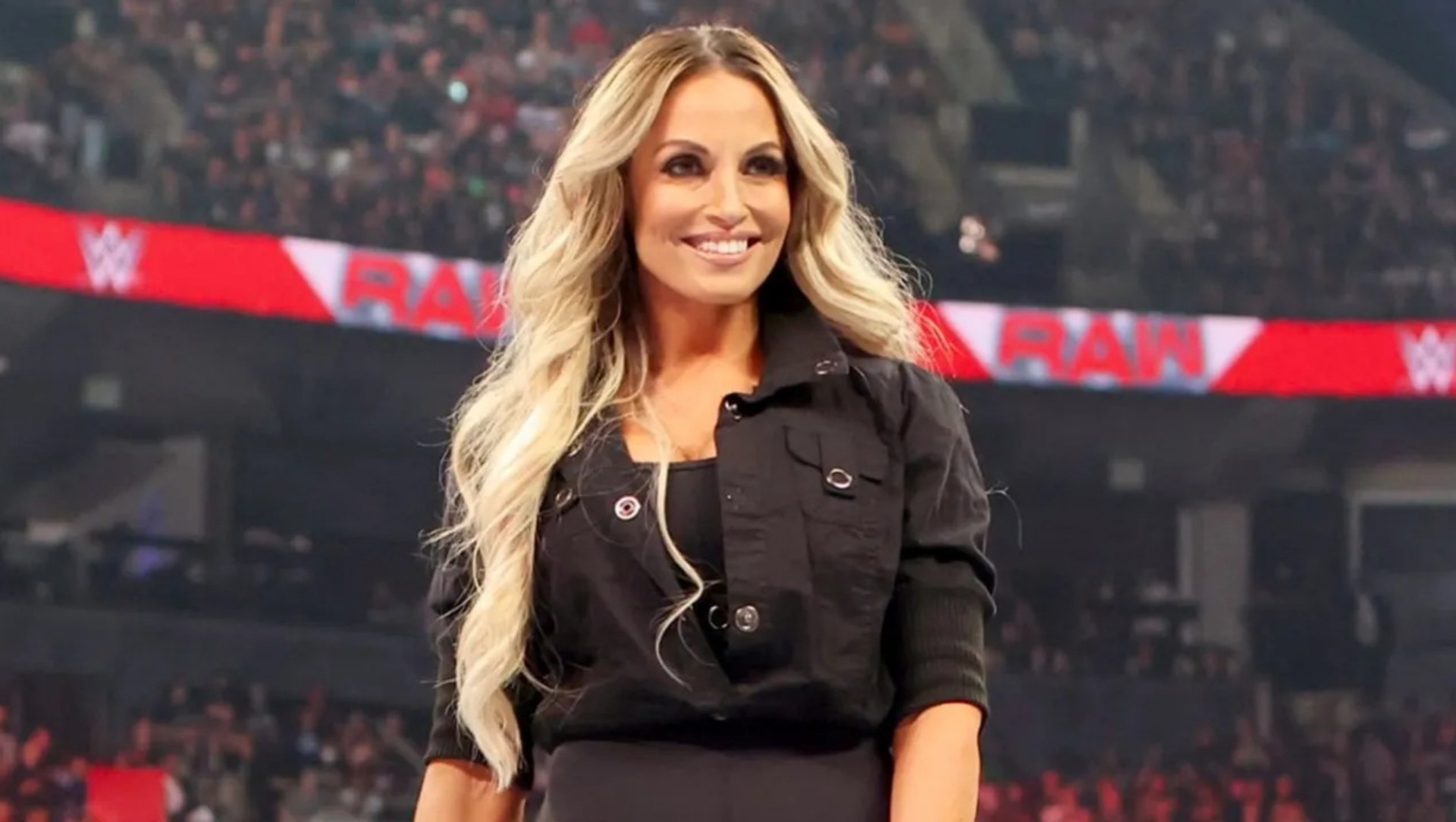
8. Trish Stratus
Trish Stratus debuted in March 2000 as the manager of T&A—Test and Albert—a team aligned with Val Venis. Although T&A were physically dominant and involved in high-profile feuds (including with The Dudley Boyz and The Hardy Boyz), Trish’s charisma, confidence, and crowd connection quickly made her the standout. Within months, WWE pivoted her into an in-ring competitor. By 2001, she was already competing for the Women’s Championship, and over the next few years, she became a seven-time champion and the face of WWE’s women’s division. T&A, meanwhile, quietly disbanded, reinforcing how Trish’s star eclipsed the team she introduced.
7. Lita
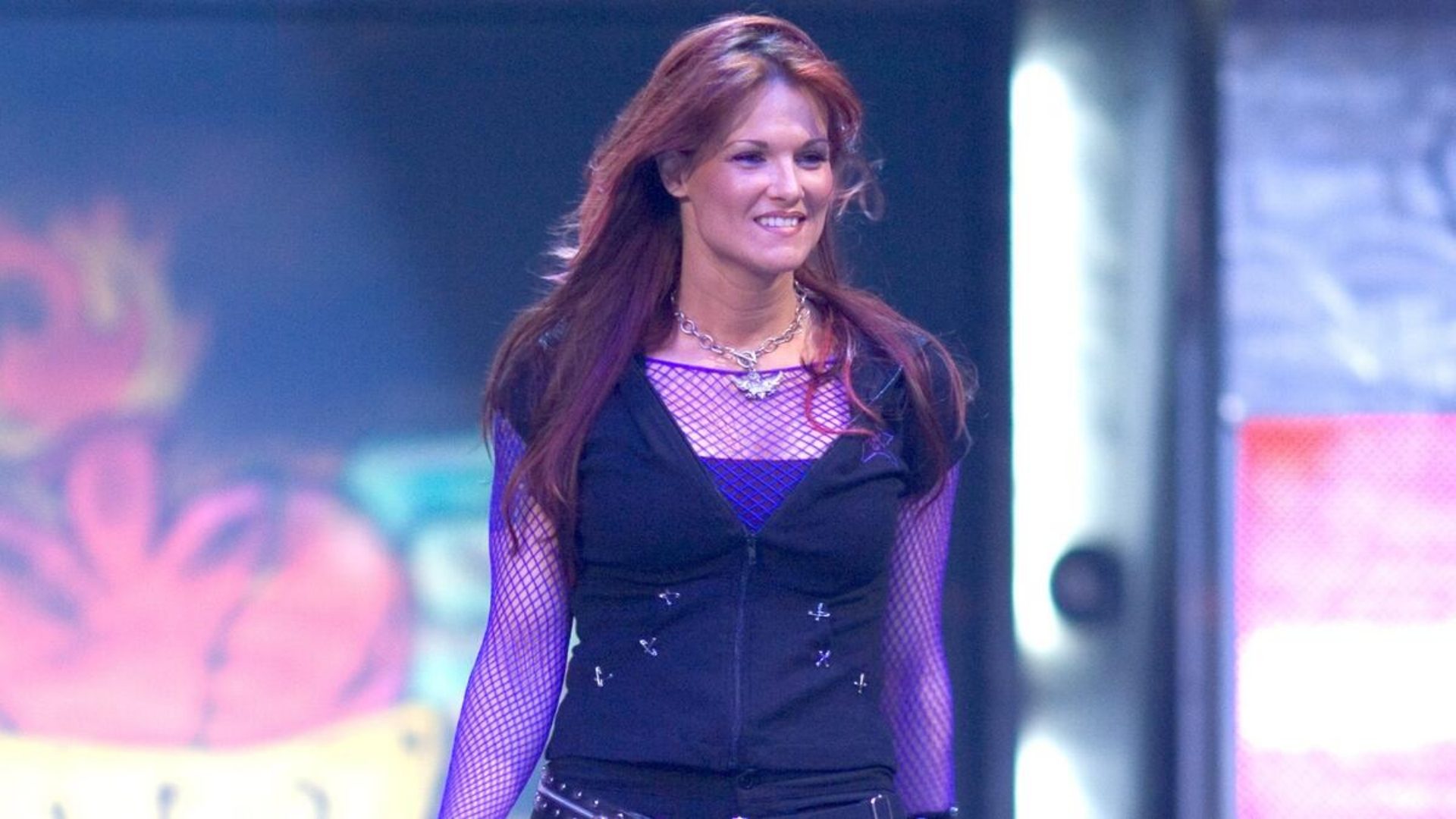
Lita debuted in WWE in 2000 alongside Essa Rios, bringing a lucha libre-inspired high-flying style rarely seen in WWE’s women’s division at the time. While Rios was positioned as the in-ring star, Lita’s moonsaults, hurricanranas, and fearless approach immediately captured fan attention. Within months, she transitioned to align with The Hardy Boyz (Matt Hardy and Jeff Hardy) as part of Team Extreme. This move elevated her into one of the most popular stars of the Attitude Era. She later became a four-time Women’s Champion and a trailblazer for high-risk women’s wrestling, while Rios faded from WWE programming shortly after their split.
6. Kelly Kelly
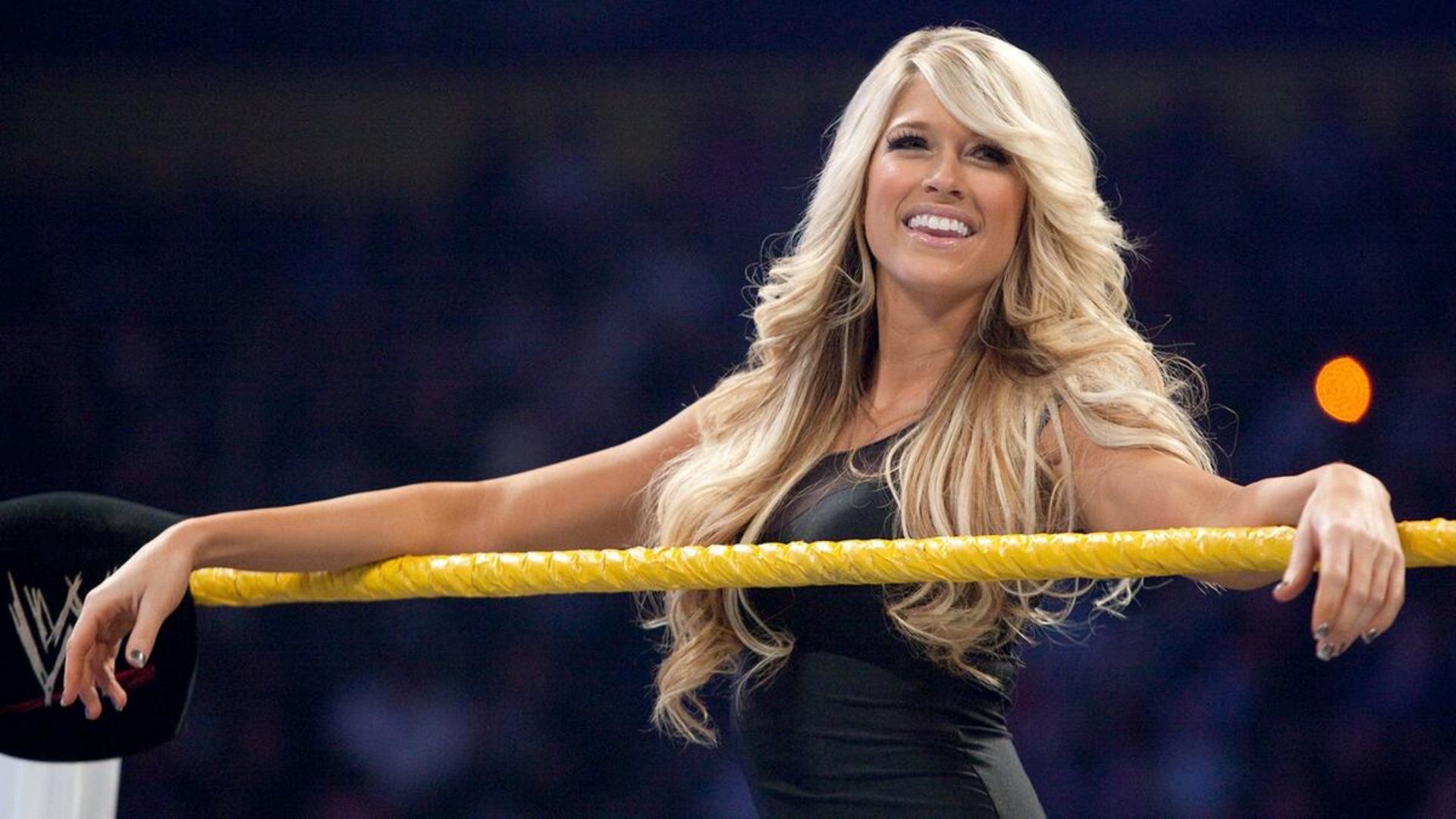
Kelly Kelly debuted in WWE’s ECW brand in 2006 at just 19 years old, becoming the centerpiece of the “Extreme Exposé” segments alongside Mike Knox. Knox was portrayed as a dominant, jealous boyfriend character, often interrupting her performances. Despite WWE’s attempt to establish Knox as a monster heel, audience reactions consistently favored Kelly. Her popularity grew rapidly, leading to her transition into a full-time in-ring competitor. By 2011, she captured the Divas Championship, completing a transformation from valet to champion. Knox, on the other hand, never reached the same level of recognition and was released in 2010.
5. Paul Heyman
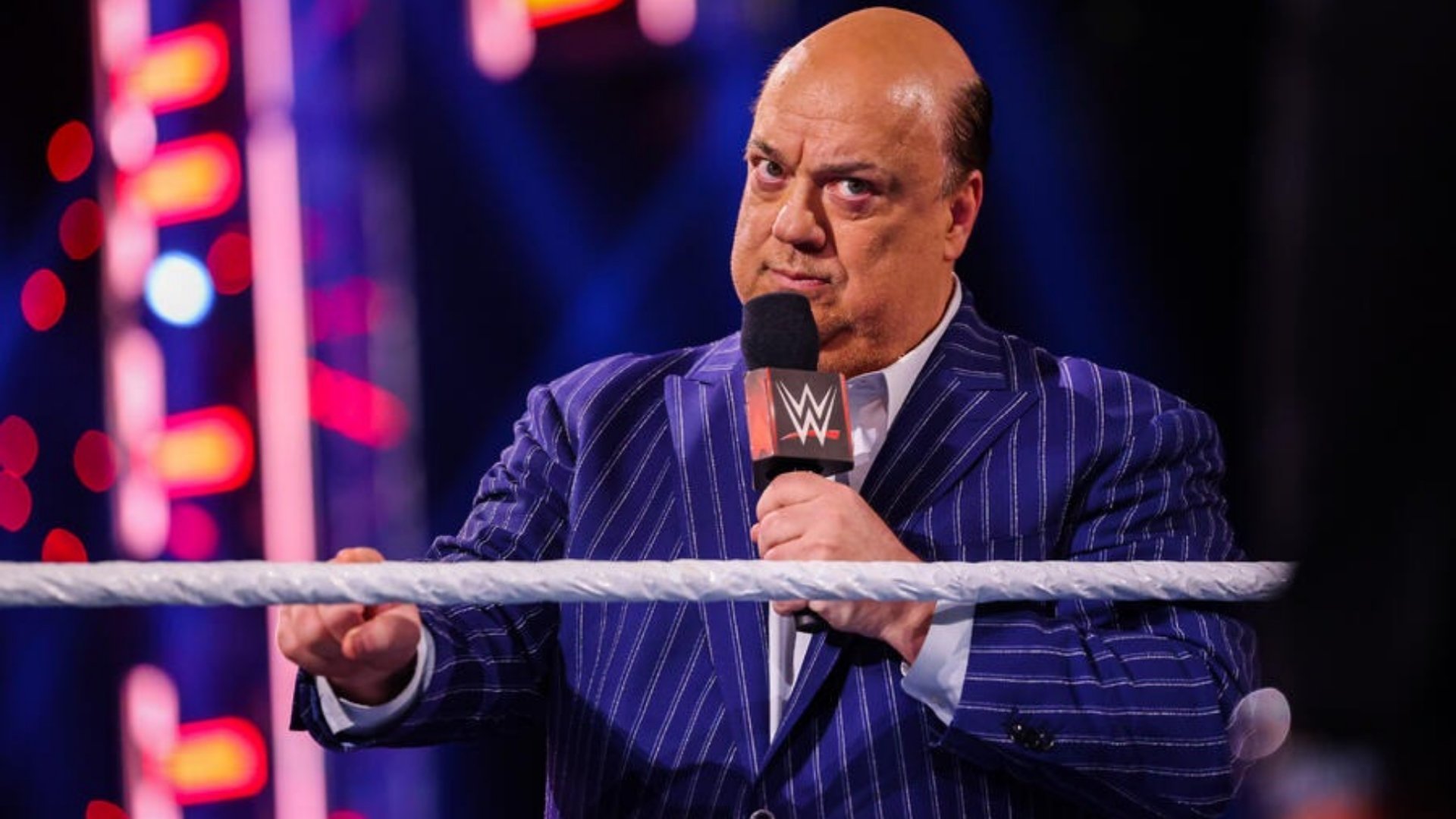
Paul Heyman’s managerial brilliance has elevated legends like Brock Lesnar and CM Punk, but his 2013 alliance with Curtis Axel highlighted the risk of imbalance. Axel, the son of Mr. Perfect, was reintroduced with Heyman as his mouthpiece and quickly won the Intercontinental Championship. Despite this push, Axel struggled to connect with audiences. Heyman’s electrifying promos often drew more attention than Axel’s matches or character development. Even with victories over top names like Triple H (via count-out), Axel’s momentum stalled, and the partnership quietly ended in 2014, underscoring how Heyman’s presence overshadowed his client.

4. Jim Cornette
Jim Cornette brought a unique blend of southern wrestling tradition and loud, antagonistic charisma to WWE in the 1990s. As the manager of Vader and Yokozuna, Cornette’s constant shouting, exaggerated reactions, and signature tennis racket became defining elements of their presentation. During the 1997 NWA invasion angle, Cornette essentially served as the spokesperson for the entire faction, delivering lengthy promos that often overshadowed the wrestlers themselves. His ability to generate heat and command attention sometimes made him the true focal point of segments, even when managing top-tier talent.
3. Bob Backlund
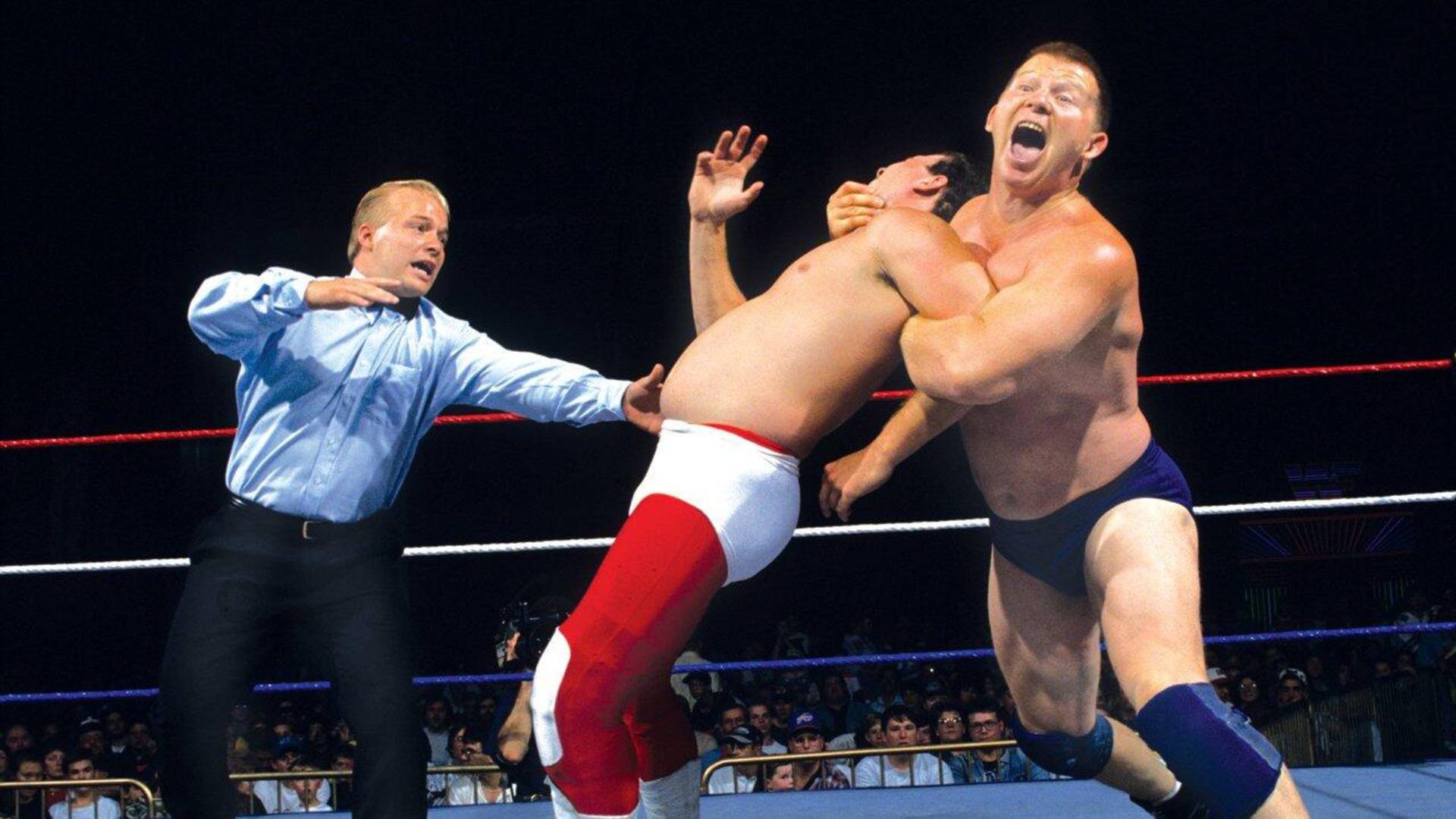
Bob Backlund returned to WWE television in 2016 as the life coach of Darren Young, introducing the slogan “Make Darren Young Great Again.” The gimmick combined motivational speaking with Backlund’s increasingly erratic behavior. Segments often featured Backlund snapping into intense outbursts, placing opponents in the Crossface Chickenwing, or engaging in bizarre ringside antics—including confrontations with commentators and managers. While entertaining, these moments overshadowed Young’s actual in-ring progress. The push never translated into sustained success, and the pairing ended quietly, remembered more for Backlund’s character than Young’s career boost.
2. Ric Flair
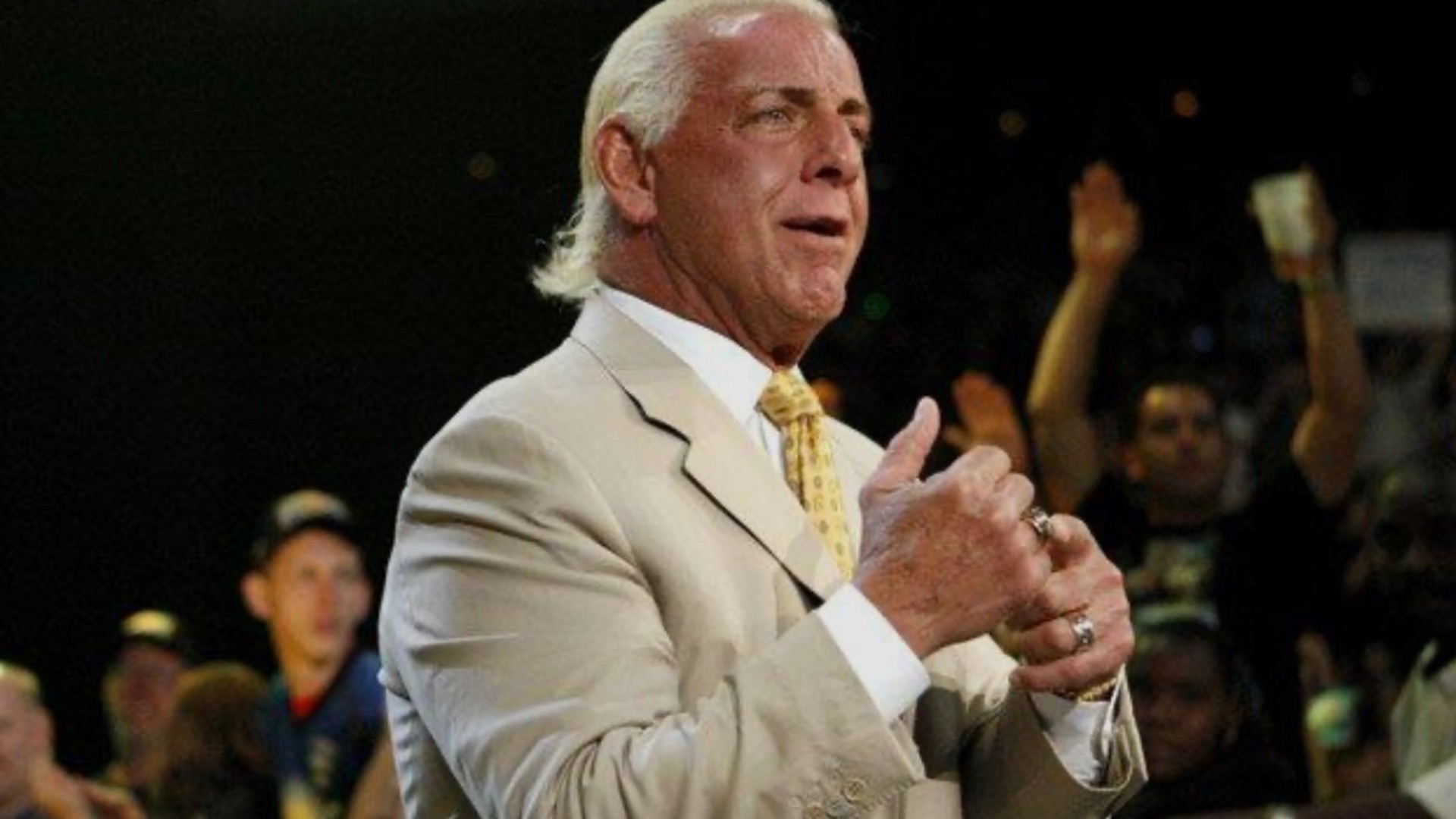
When Charlotte Flair debuted on WWE’s main roster in 2015, Ric Flair accompanied her as her manager to solidify her legacy status. His involvement included frequent interference, distractions, and classic heel antics that helped Charlotte win her first Divas Championship. However, Ric’s legendary aura often dominated segments, with crowds reacting more to “The Nature Boy” than Charlotte’s in-ring performances. Recognizing this, WWE wrote Ric off television in 2016, allowing Charlotte to develop independently. The move proved crucial, as she went on to become one of the most decorated champions in WWE history, proving she could thrive without the shadow of her father.
1. Miss Elizabeth
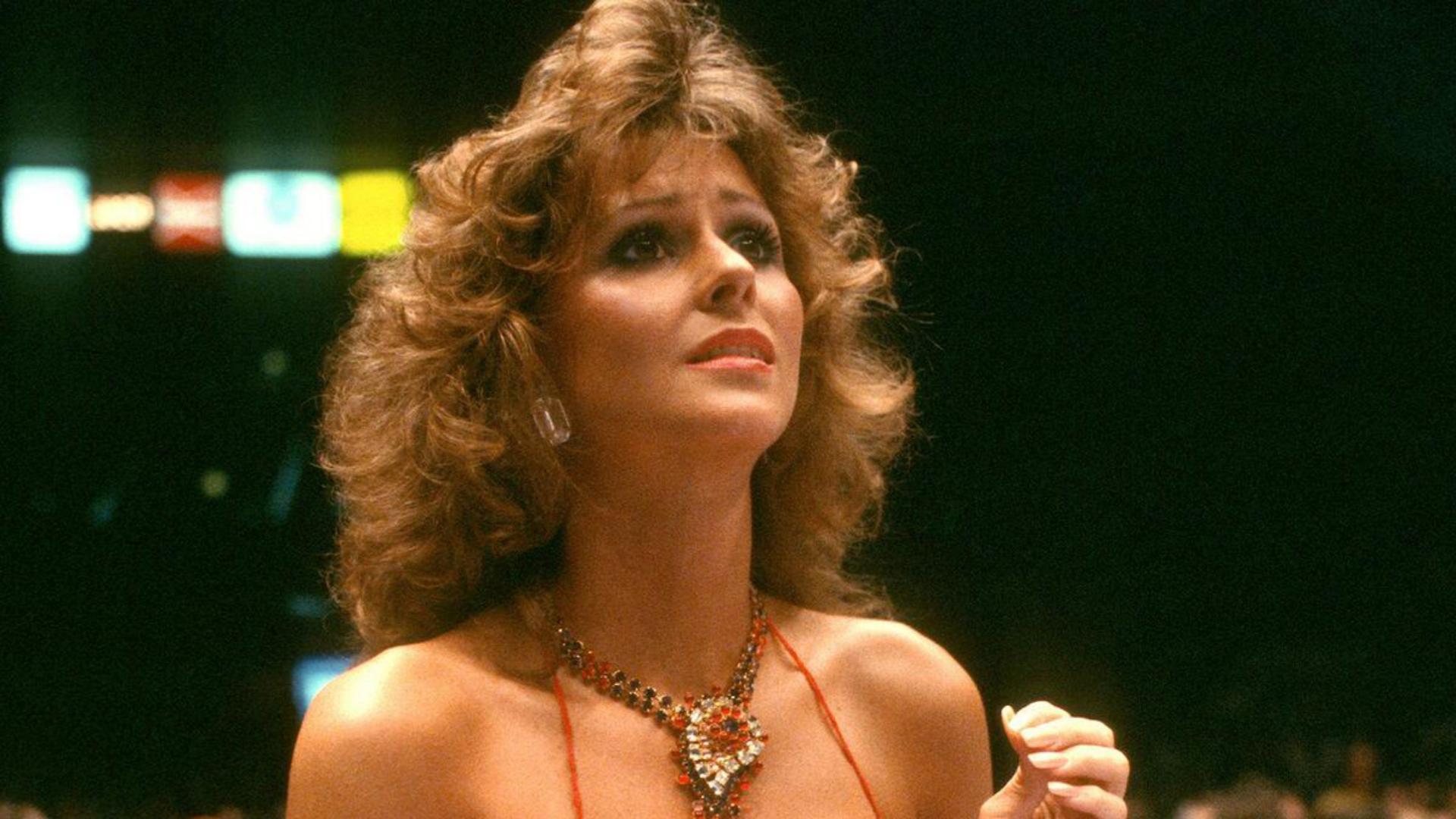
Miss Elizabeth debuted as the manager of Randy Savage in 1985 and quickly became one of the most beloved figures in wrestling. While Savage was already a top-tier talent, Elizabeth’s grace, emotional storytelling, and connection with the audience often became the emotional core of their storylines. The peak came at WrestleMania VII, where her reunion with Savage after his retirement match is still considered one of the most iconic moments in WWE history. In many ways, fans were just as invested—if not more—in Elizabeth than Savage during key story arcs, proving how a manager could emotionally overshadow even a main-event star.