
10 WWE Superstars Whose Signature Moves Were Copied
The Undertaker
10. The Rock
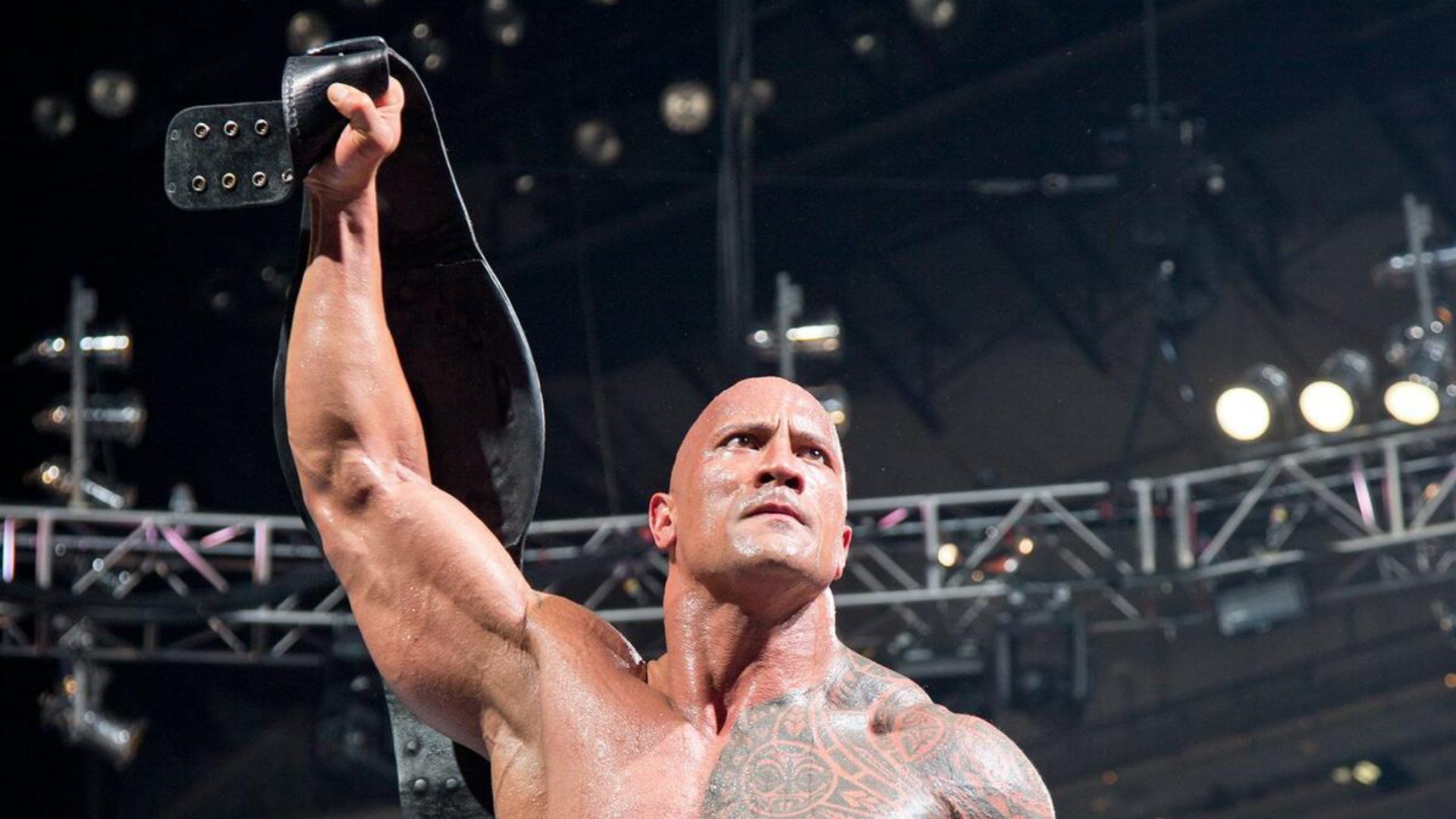
The Rock Bottom became one of the most recognizable finishers of the Attitude Era, but its similarity to Booker T’s Book End sparked quiet debate during their rivalry. The Brahma Bull had been using the move for more than two years before Booker introduced the Book End, and the move itself is believed to have been passed down from The Rock’s cousin, Yokozuna. With The Rock’s star power making the move synonymous with him, Booker T eventually abandoned the Book End after their feud and adopted the Scissors Kick as his primary finisher. Years later, Booker would jokingly claim that The Rock had stolen not only the move but several catchphrases as well.
9. Cody Rhodes
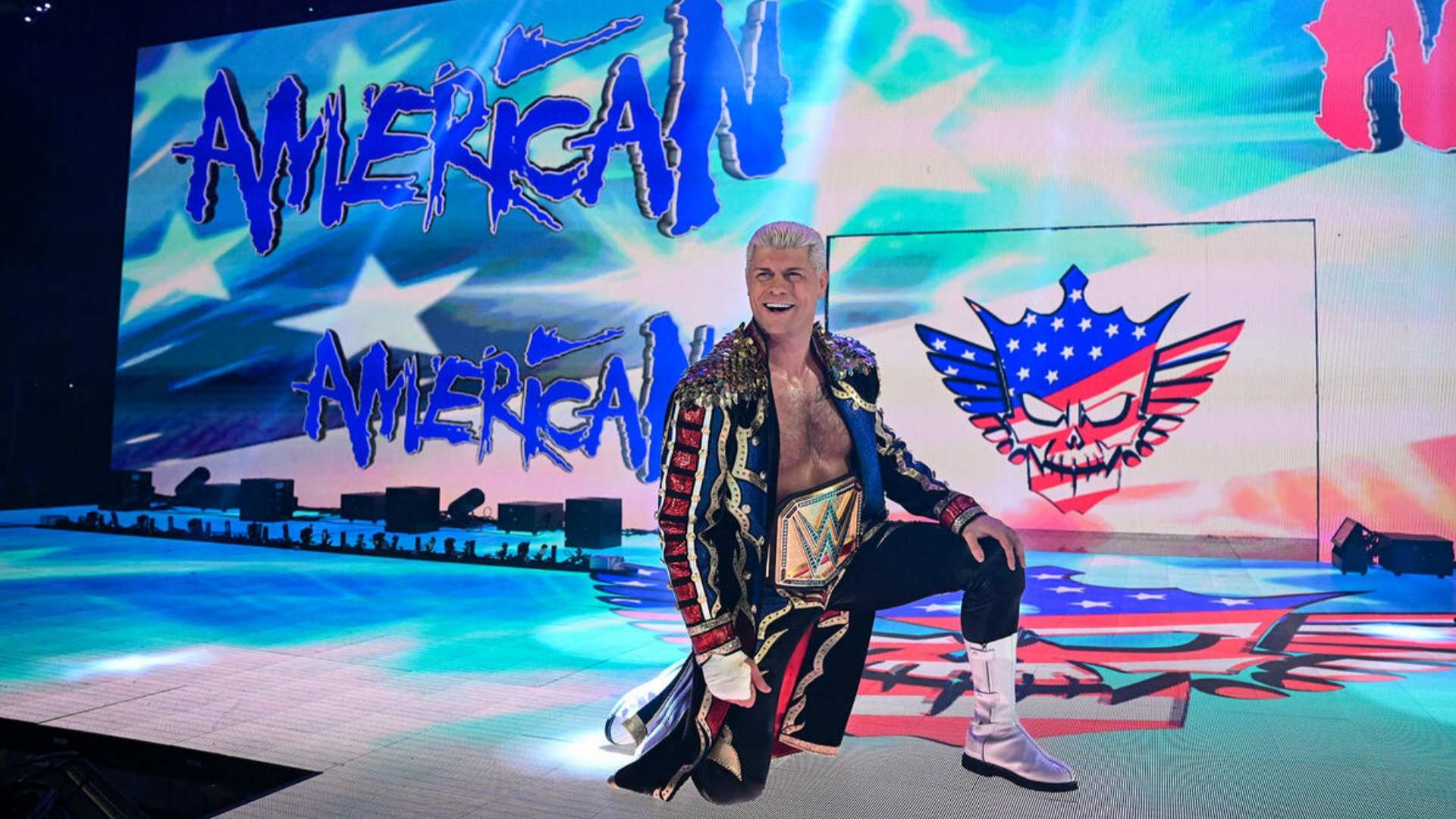
Cody Rhodes has been unusually transparent about borrowing moves, framing it as respect rather than theft. He has stated that wrestling someone multiple times earns him the right to incorporate their offense. His most obvious homage is the Bionic Elbow, honoring his father Dusty Rhodes. The Cody Cutter draws from Diamond Dallas Page’s Diamond Cutter, with direct permission granted by Randy Orton upon Cody’s WWE return in 2022. The setup itself borrows from Will Ospreay’s OsCutter, while smaller details of Cody’s offense trace back to Booker T and Hardcore Holly. Even then, the Alabama Slam he uses predates both, having been performed earlier by Chris Kanyon.
8. Chris Kanyon
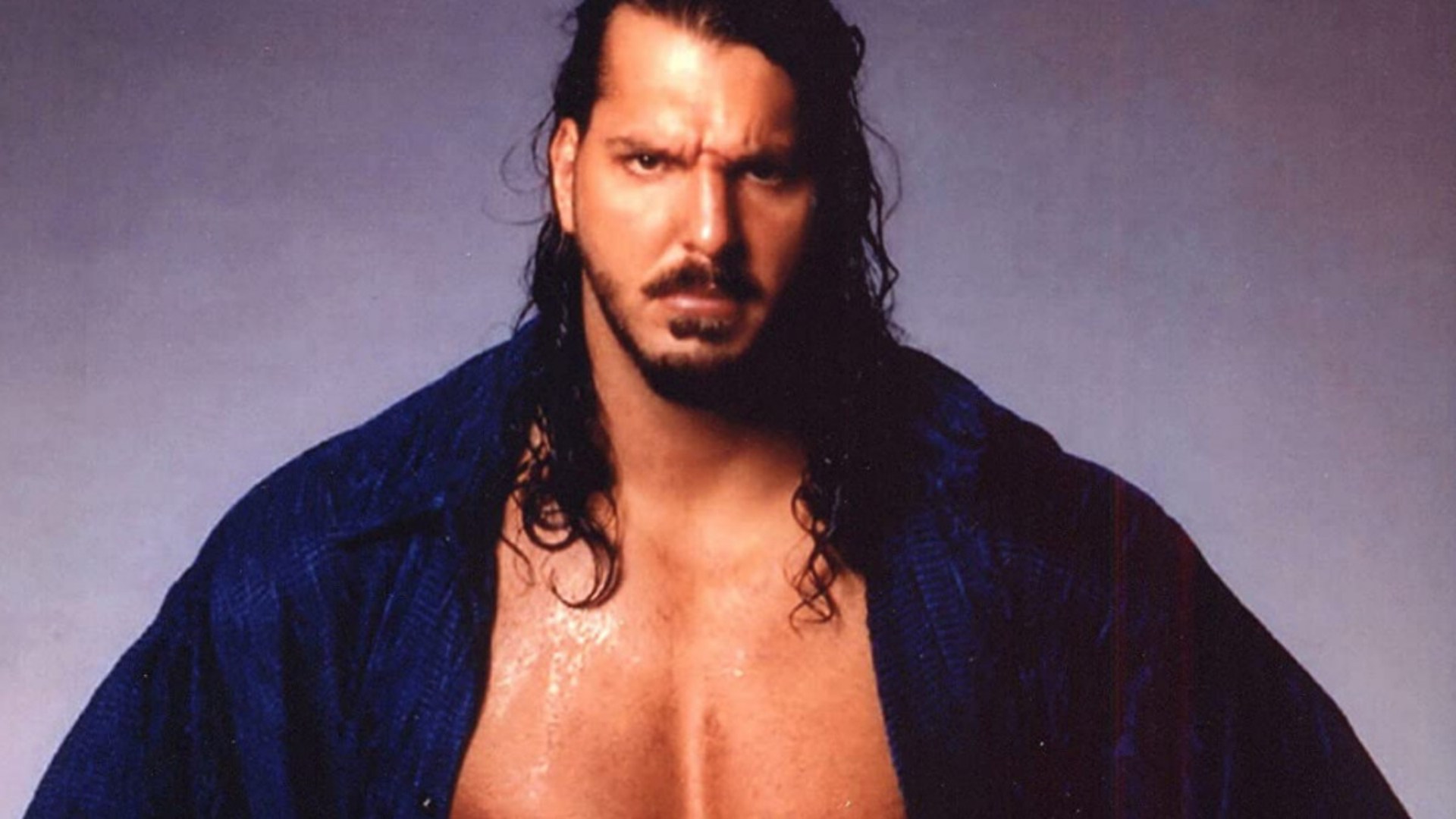
Chris Kanyon’s reputation as an innovator of offense was earned through influence rather than recognition. His Flatliner became one of the most replicated finishers in modern wrestling, adapted across promotions and generations. Even moves popular today, like Hangman Adam Page’s Bug Shot, were performed by Kanyon years earlier during his WCW run as Mortis. Many of his ideas outlived his push, spreading quietly throughout the industry.
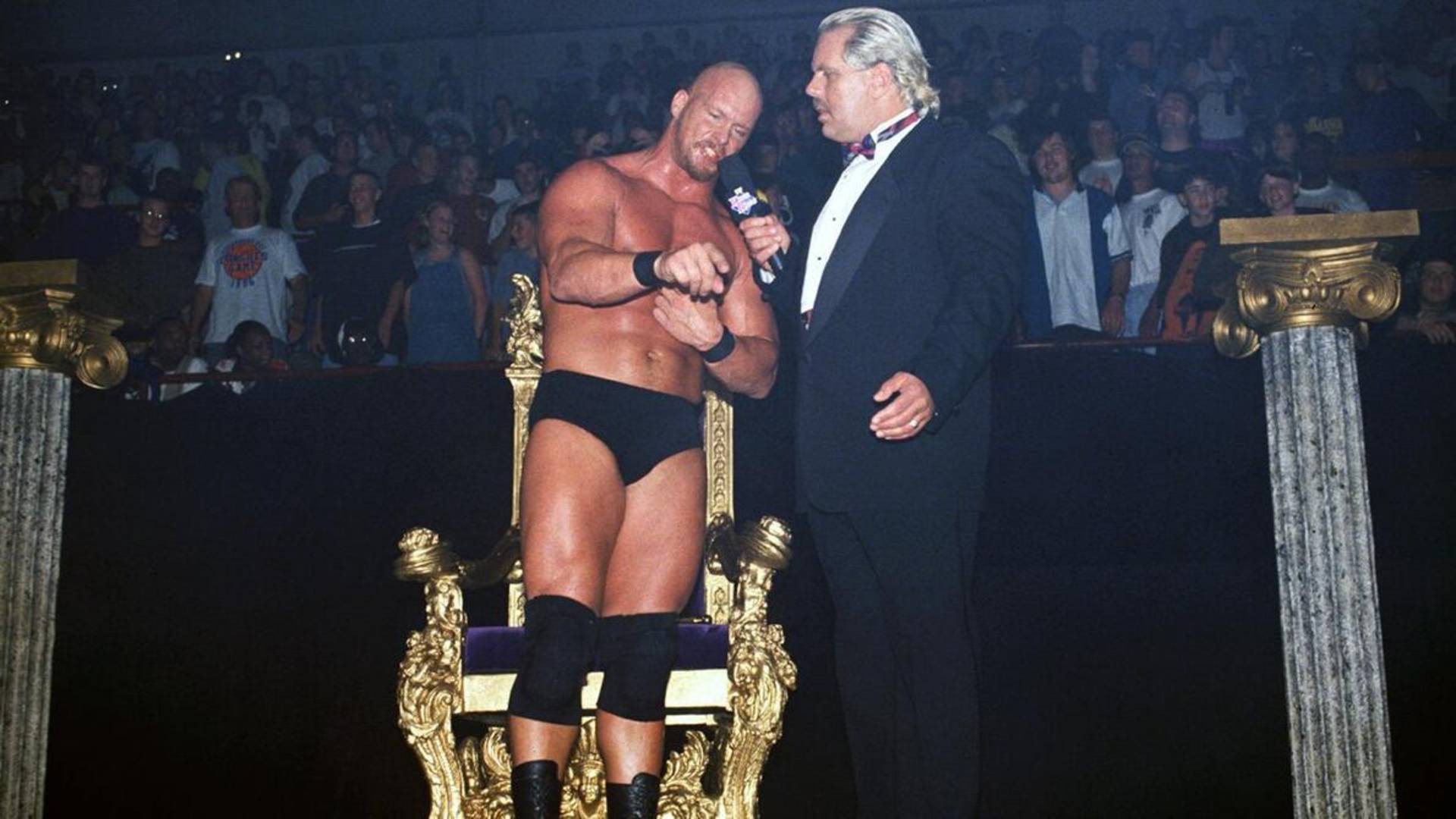
7. Stone Cold Steve Austin
The Stunner’s legacy became complicated years after Steve Austin retired. When John Cena introduced a Springboard Stunner in 2015, Austin openly criticized the execution and the frequent kick-outs, calling it a wasted move. In contrast, Austin later gave Kevin Owens his full blessing to use the Stunner as a finisher. Owens personally asked for permission, and Austin even coached him on technique, stressing body positioning and the importance of cutting off an opponent’s breathing to make the move believable.
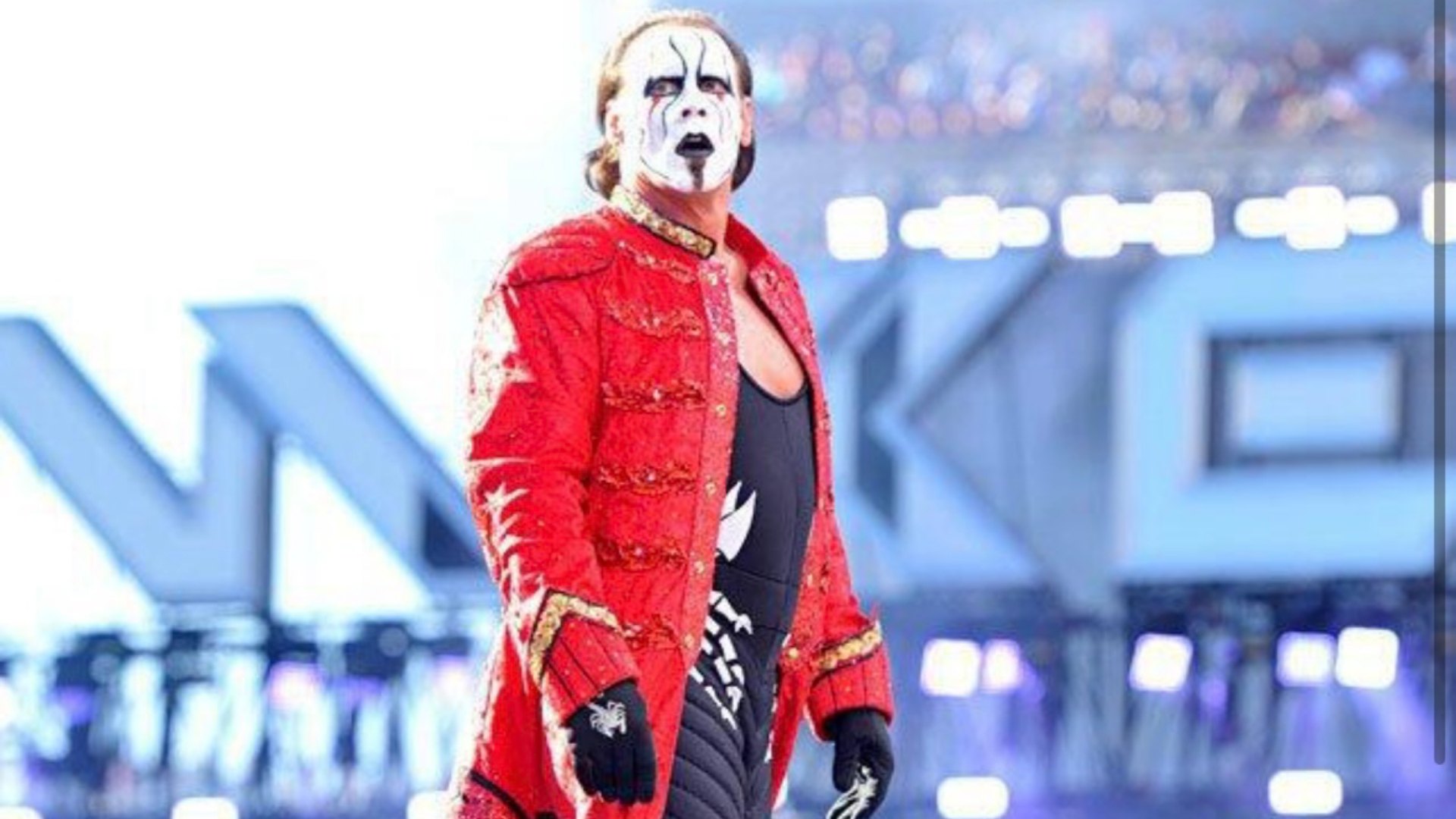
6. Sting
Although Bret Hart is most closely associated with the Sharpshooter, Sting was using the Scorpion Death Lock earlier. Bret later admitted that Sting’s hold inspired his own version, though Konnan had to teach him the proper application. Sting has acknowledged the similarity and stated he never took issue with it, emphasizing that the names and slight mechanics differentiate the two. The move itself predates both men, having been used in Japan by Ricky Choshu, reinforcing how wrestling techniques often travel long before they become famous.
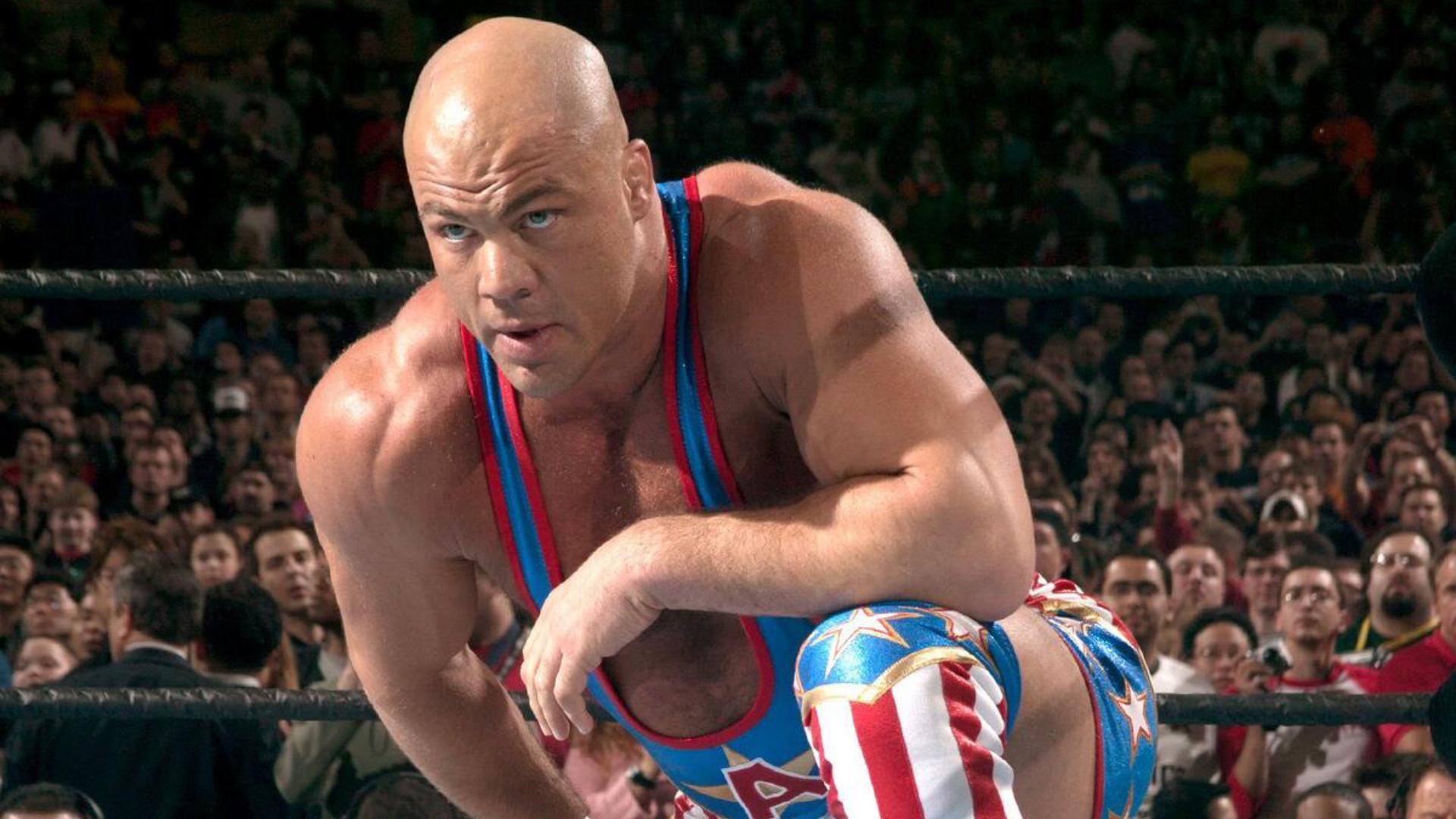
5. Kurt Angle
Kurt Angle was vocal when others adopted elements of his offense. In 2011, he reacted publicly when Randy Orton used the Angle Slam, later claiming his account had been hacked. He also criticized Jack Swagger for using the Ankle Lock, pointing out that he waited until Ken Shamrock retired before adopting it himself. Angle eventually turned the situation around by hitting Orton’s RKO in a TNA match, later admitting Orton’s use of his move was a compliment. Ironically, Angle’s own presentation borrowed elements from Jerry “The King” Lawler, including the strap-pulling gesture and possibly the Angle Slam itself.
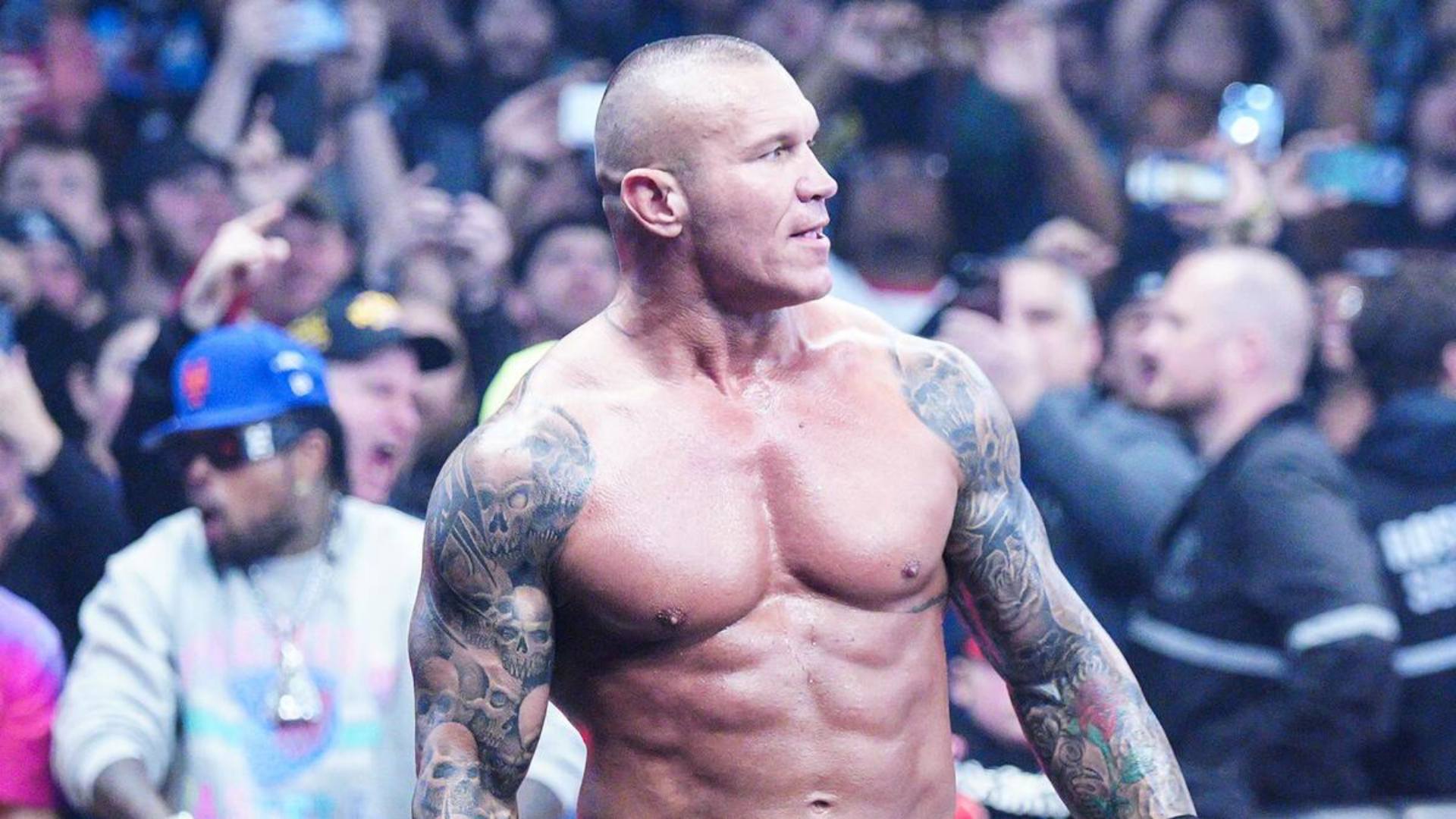
4. Randy Orton
The RKO was never entirely original in concept. The move was suggested to Orton by Johnny Ace, who previously performed it as the Ace Crusher. Diamond Dallas Page, who popularized the Diamond Cutter, also gave Orton his full support. Orton named the move using his initials and successfully pitched it to Vince McMahon. While many wrestlers later adopted cutter variations without acknowledgment, Orton has stated that Austin Theory directly asked for permission, which he immediately granted.
3. Eddie Guerrero
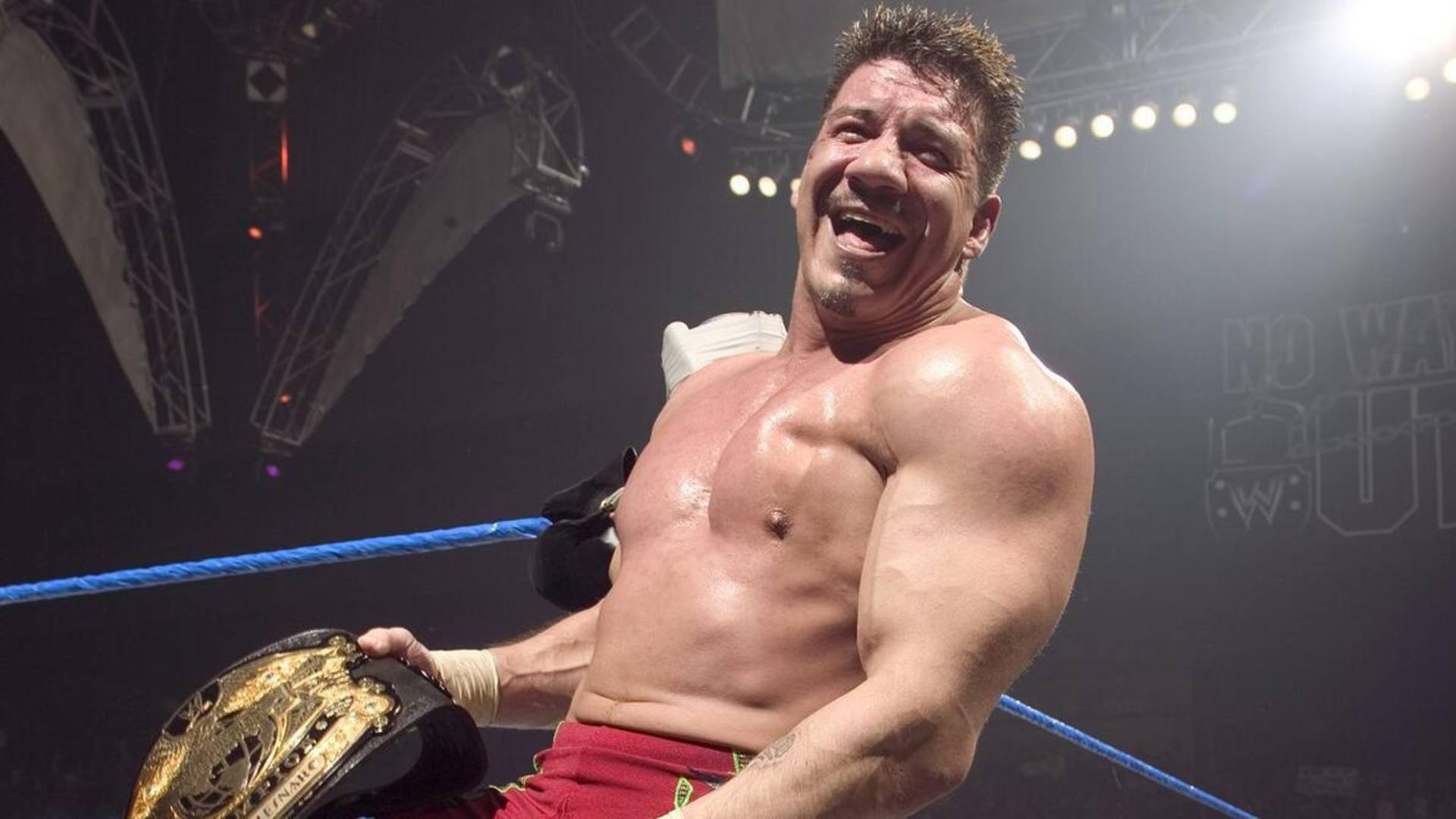
The Camel Clutch controversy involving Muhammad Hassan highlighted how wrestling history can be forgotten even inside the locker room. Hassan used the hold as his finisher without knowing it was created by Gory Guerrero, Eddie Guerrero’s father. Eddie occasionally used the move to honor his father, though it was never his main finisher. After receiving advice from Kurt Angle, Hassan asked Eddie to stop using the hold. Hassan later admitted he was wrong and ignorant of the move’s history, praising Eddie for handling the situation respectfully. The issue escalated backstage, leading to wrestler’s court and a reported $2,000 bar tab paid by Hassan as an apology.
2. The Undertaker
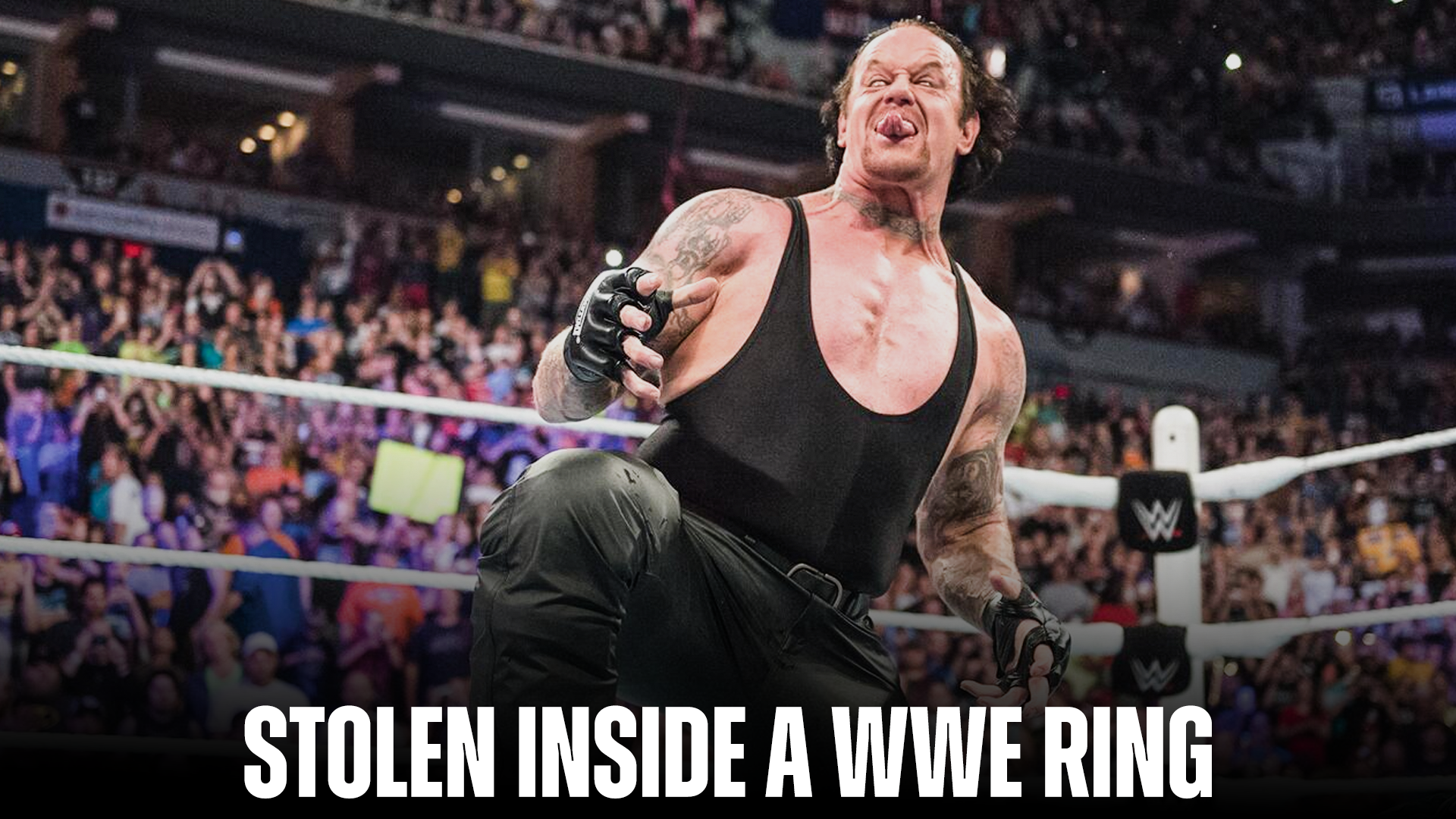
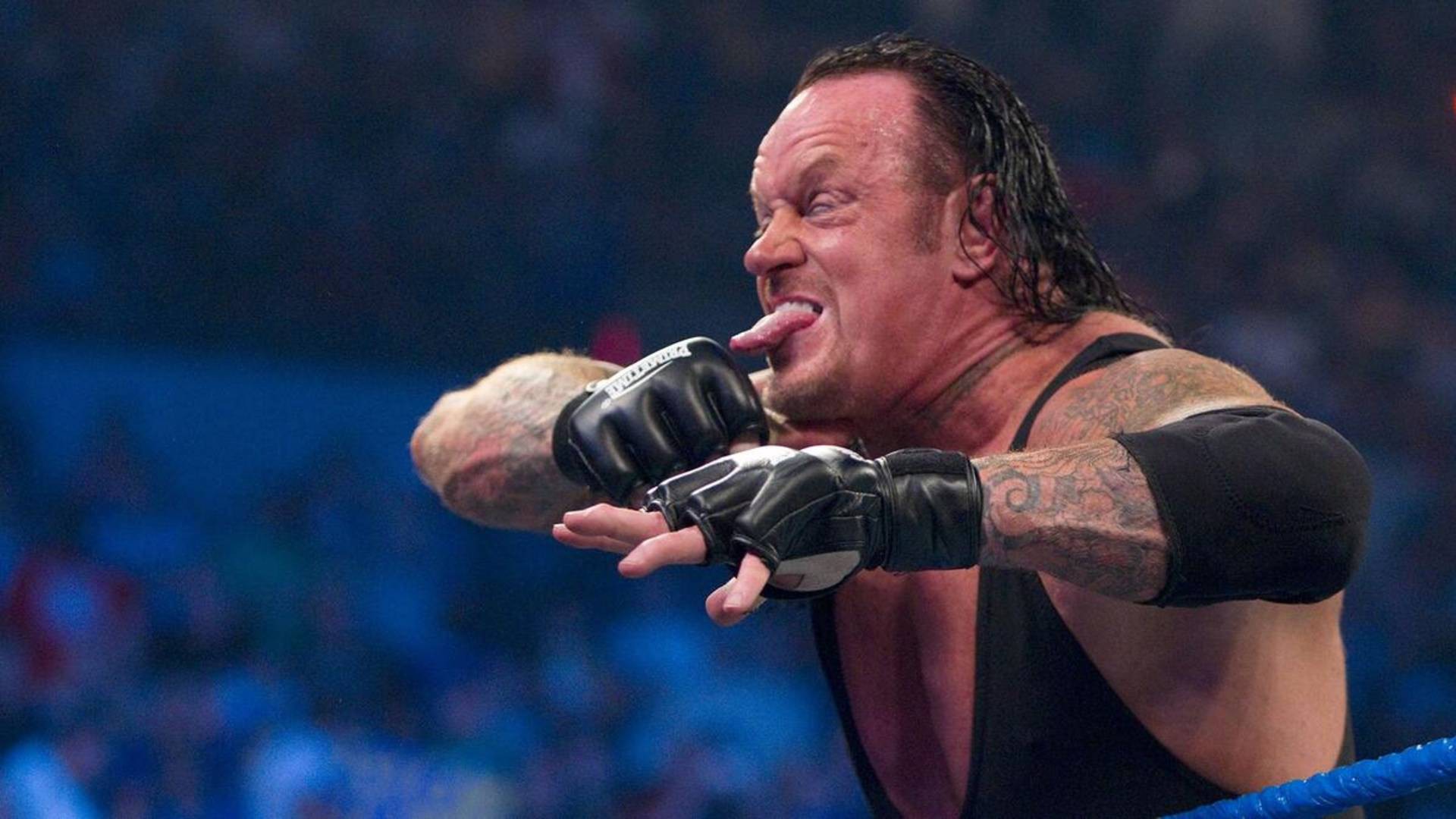
Old School became one of The Undertaker’s most iconic trademarks, though it originated with Don Jardine, known as The Spoiler. Undertaker adopted the move early in his career and transformed it into a signature moment. Wrestlers like Elias later used it as a tribute. Before Old School, Undertaker used the Rope Walk Elbow Drop, a precursor that has since evolved into modern variations such as Xavier Woods’ Limit Break Elbow.

1. Rob Van Dam
Rob Van Dam’s Van Terminator remains one of the most inventive moves of its era. The maneuver was later replicated by Shane McMahon as the Coast to Coast, a version designed to accommodate Shane’s limited wrestling ability and often assisted by a trash can. RVD has recalled promoters referring to his move by Shane’s name, something he repeatedly corrected. Despite that, the move’s influence endured, with wrestlers like Ilja Dragunov adapting their own versions without weapons, proving how RVD’s innovation quietly reshaped modern offense.