
15 Female TV Characters So Chaotic Fans Rejected Them
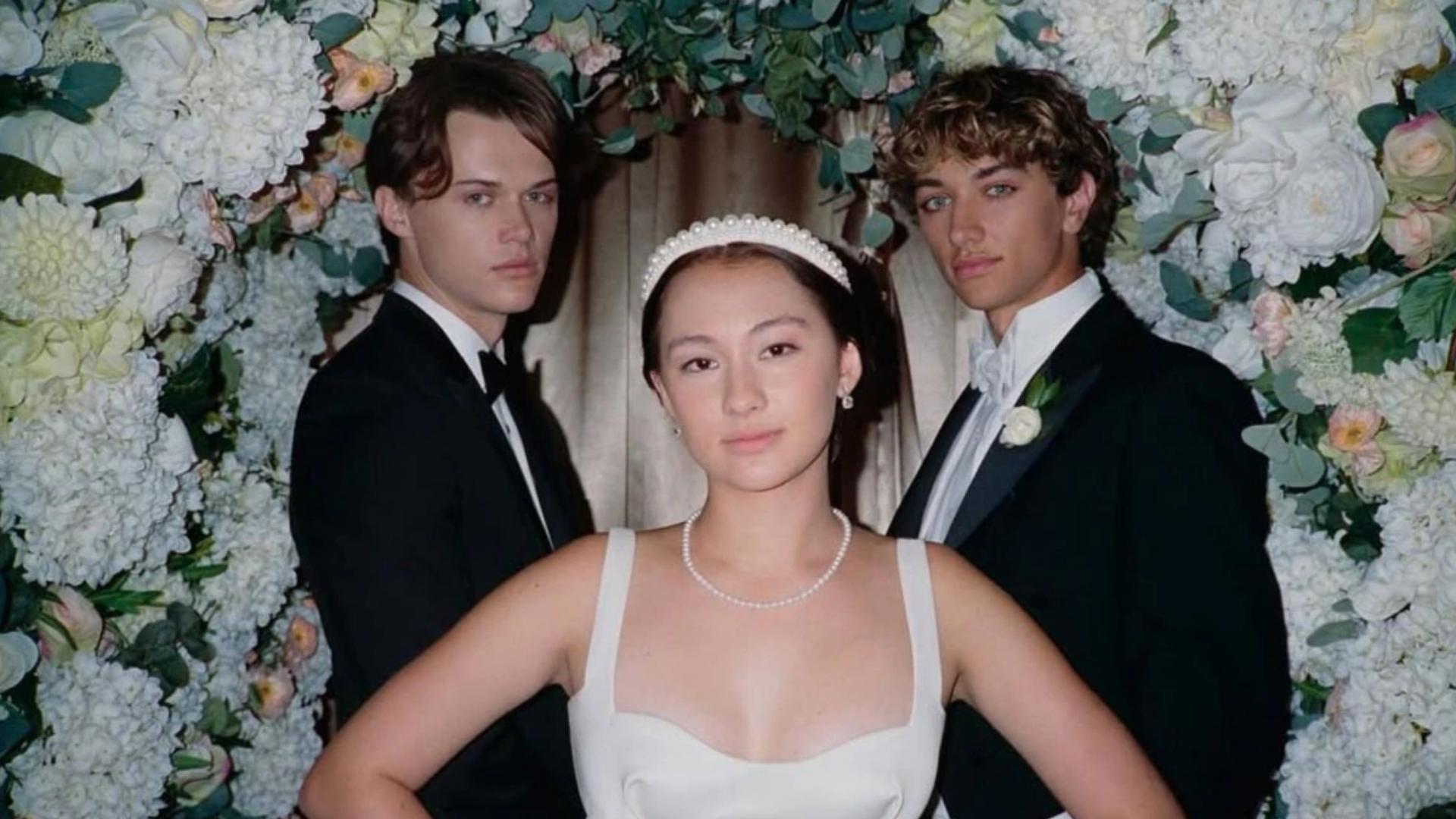
Belly – The Summer I Turned Pretty
Belly was meant to be a messy teen heroine, but viewers found her too exhausting. Torn between the Fisher brothers, driven by impulse, and convinced every emotion was destiny, Belly often felt selfish rather than sincere. Her constant indecision made us all less sympathetic, and more frustrated…especially as the love triangle dragged on and on.
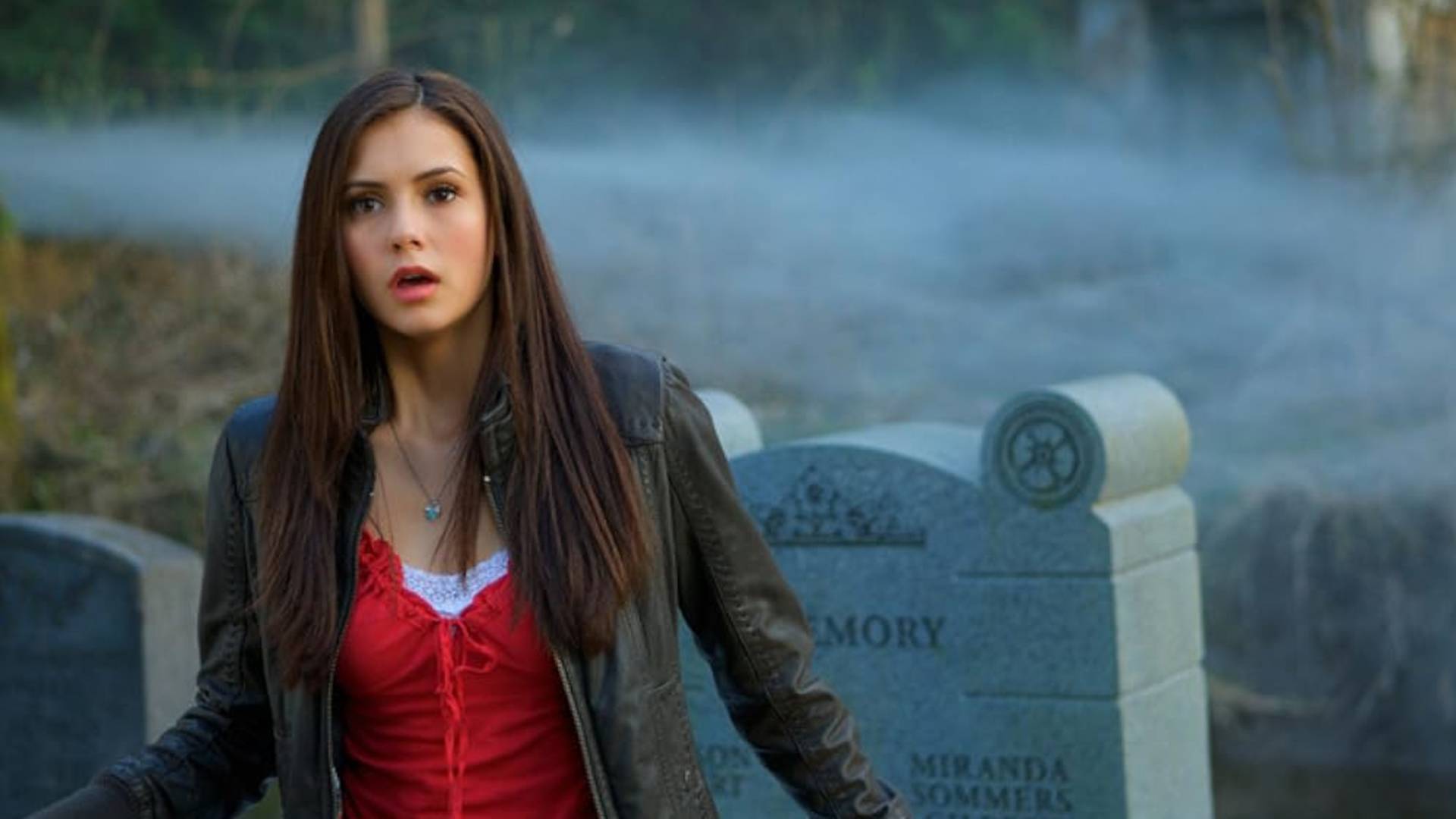
Elena Gilbert – The Vampire Diaries
Elena started as the emotional anchor of the fantasy series but gradually became its most divisive presence. Her constant martyrdom, shifting loyalties, and centrality to every plot drained our patience. As the show expanded its world, viewers questioned why everything and everyone still revolved around Elena’s feelings.
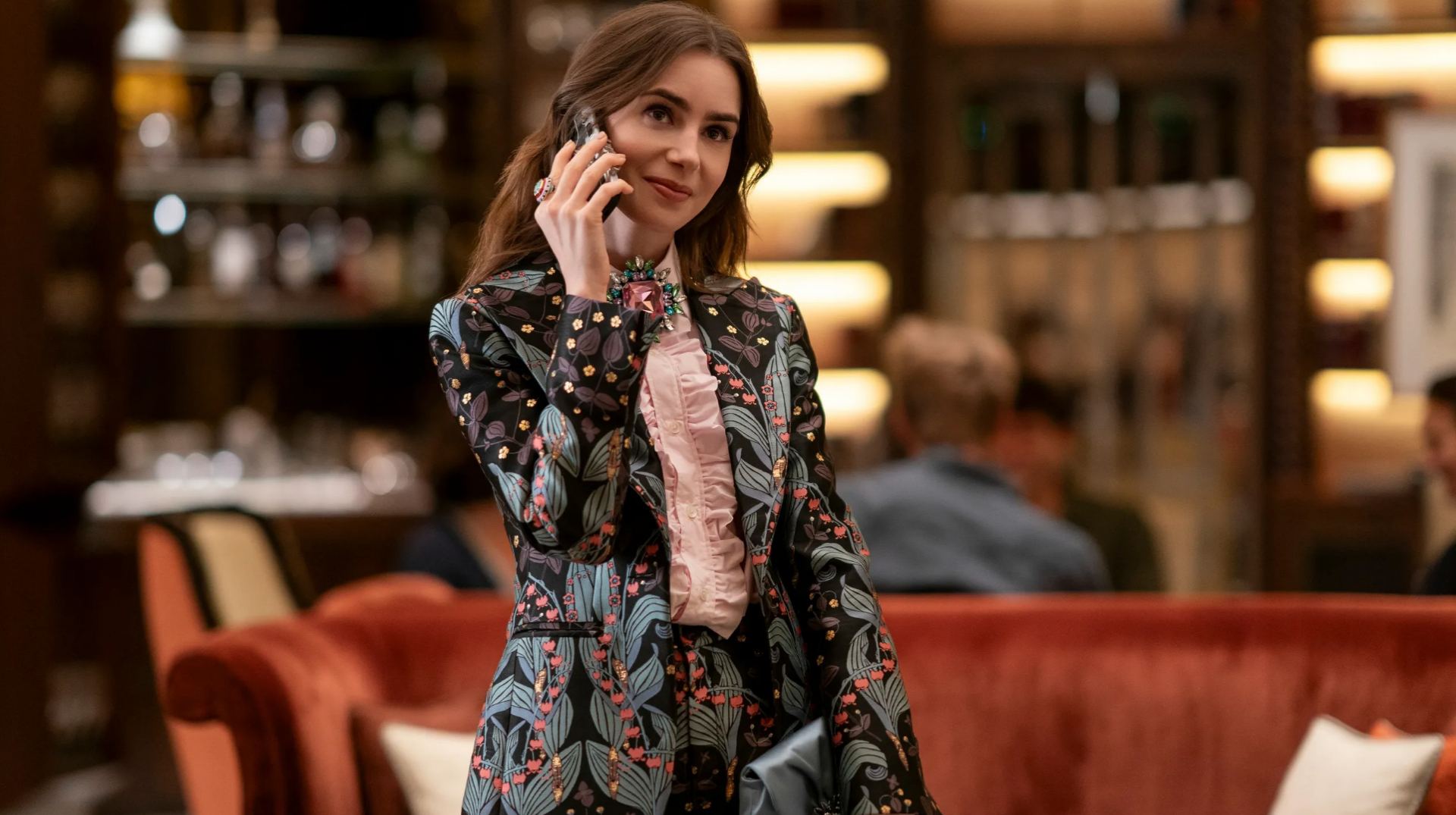
Emily Cooper – Emily in Paris
Emily’s relentless optimism became part of the backlash. Her refusal to read the room—whether culturally, professionally, or emotionally—often turned genuine conflicts into quirky punchlines. Viewers grew tired of how her missteps were consistently rewarded, making her feel less like a flawed outsider learning from mistakes and more like a fantasy of American exceptionalism dressed in couture.
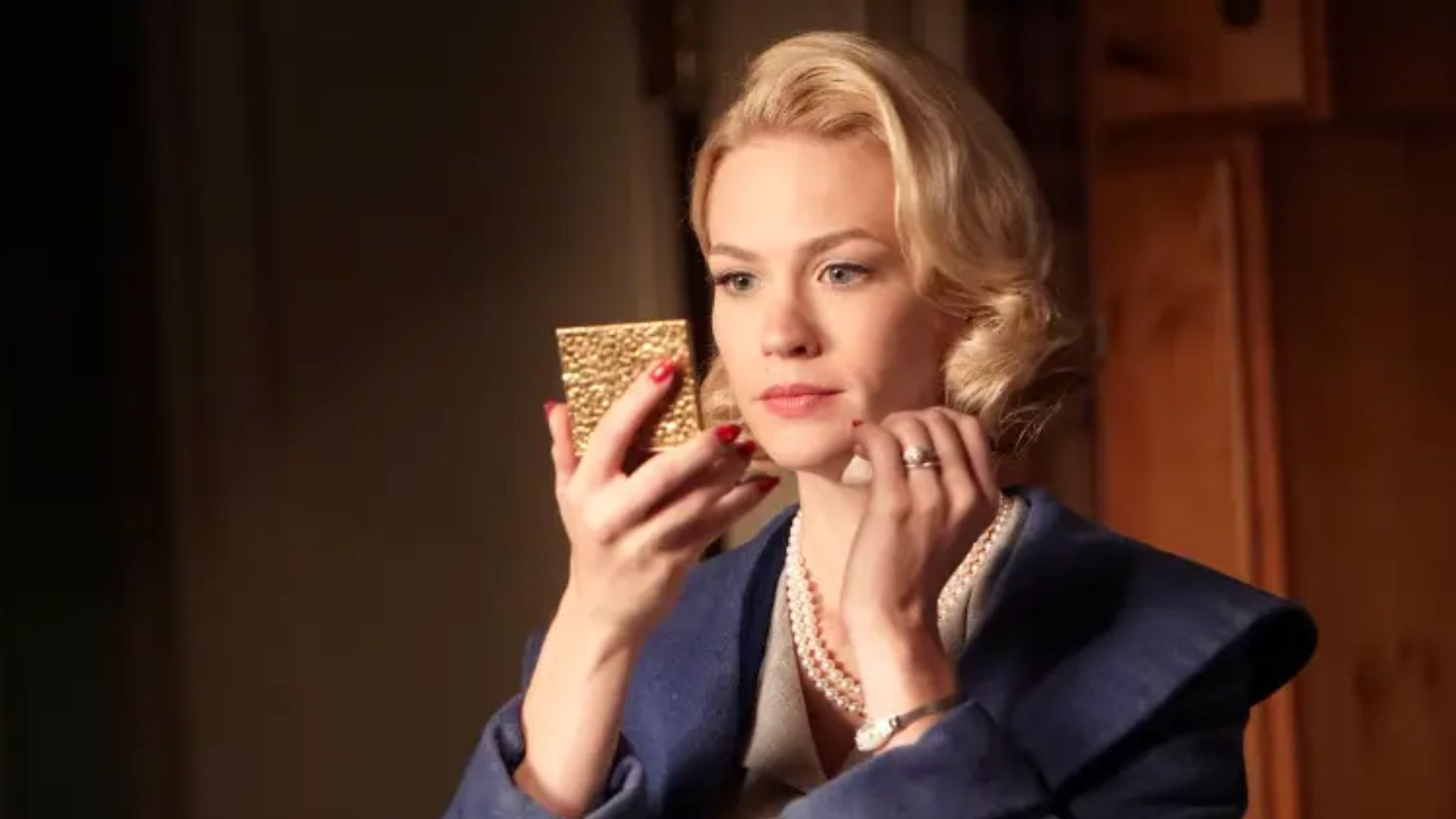
Betty Draper – Mad Men
Betty’s coldness made her easy to dislike, but harder to dismiss. Trapped in a suffocating era and marriage, her cruelty often masked desperation and depression. Audiences judged her harshly, overlooking how limited her choices were, especially compared to the men whose bad behavior was more easily forgiven.
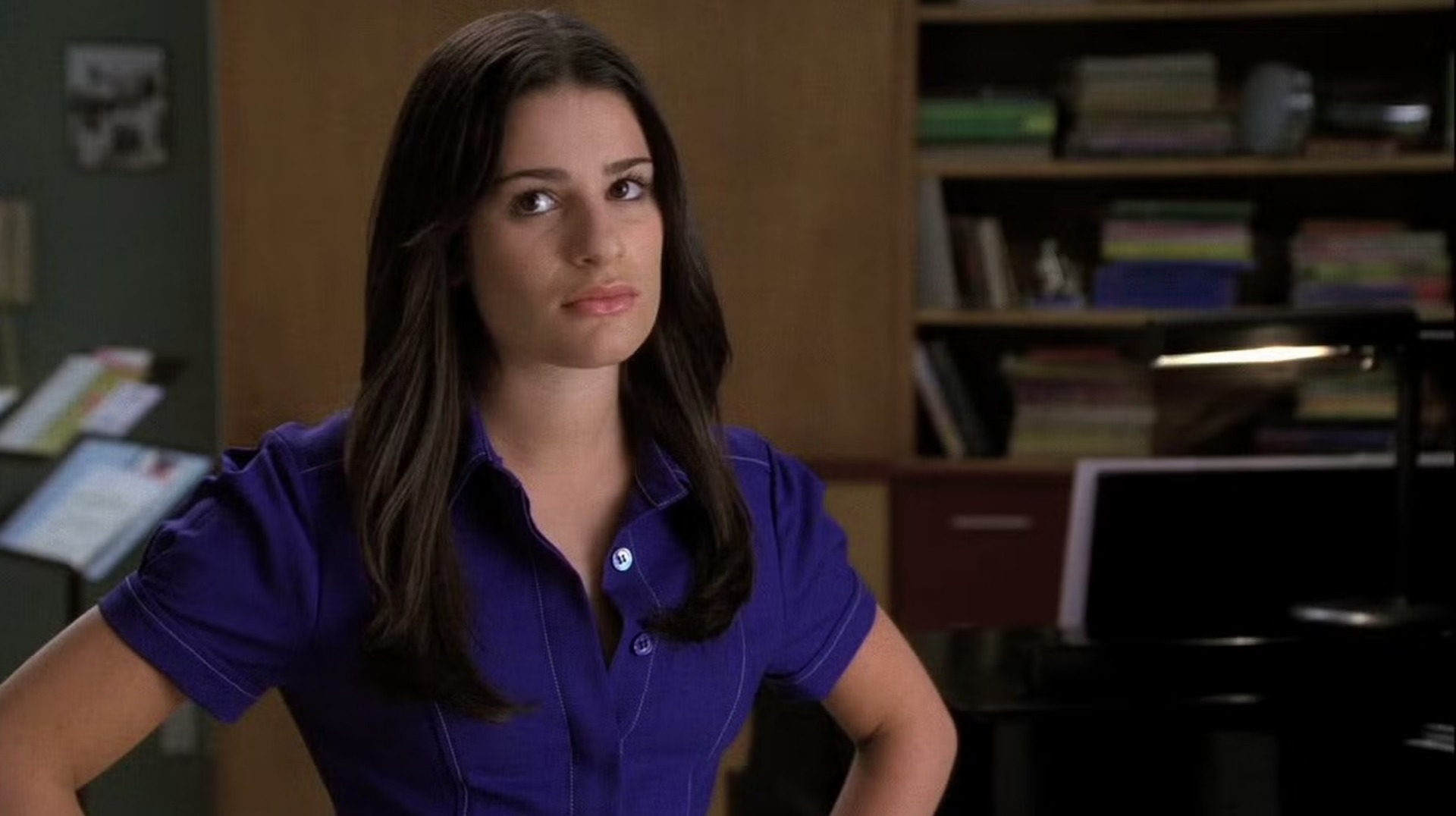
Rachel Berry – Glee
Rachel’s talent was undeniable; her personality was another story. Ruthlessly ambitious and allergic to sharing the spotlight, she treated friendships like stepping stones. While the show often rewarded her behavior, audiences didn’t. Over time, her relentless self-focus turned admiration into exhaustion, even for fans of her powerhouse voice.
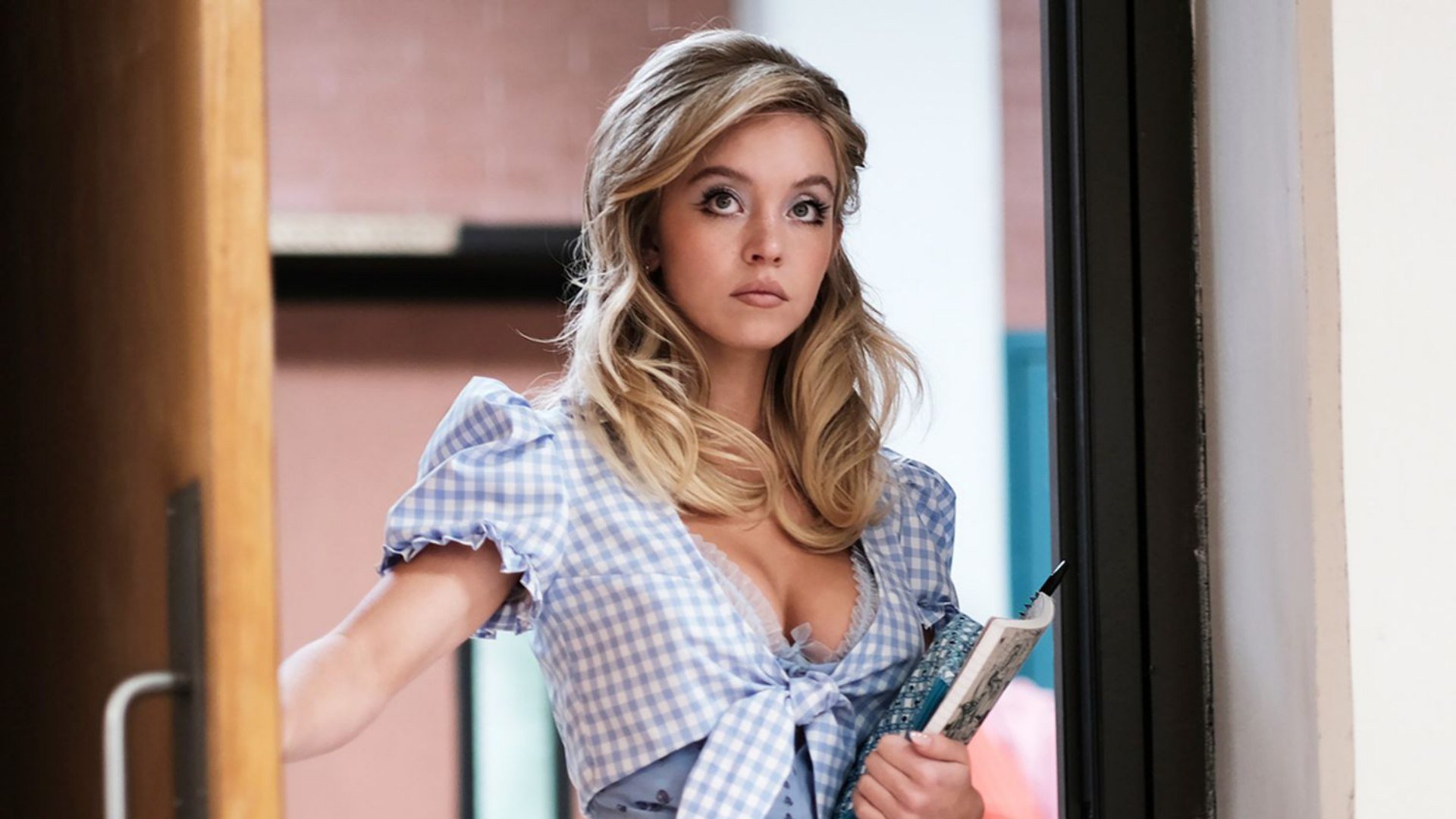
Cassie Howard – Euphoria
Cassie’s spiral on Euphoria was raw, uncomfortable, and deeply polarizing. Her obsession with being loved pushed her toward betrayal, self-destruction, and denial. The audiences recoiled at her choices, but that discomfort was the point—Cassie wasn’t written to be likable, only heartbreakingly real in her need for validation.

Jackie Howard – My Life With The Walter Boys
Jackie’s grief-fueled rigidity clashed with the show’s warm, chaotic family dynamic. Her emotional walls and judgmental streak made it hard for viewers to root for her early on. While understandable, her inability to adapt or communicate turned sympathy into irritation, especially as others bent over backward for her comfort even when she came between two brothers.

Jenny Humphrey – Gossip Girl
Jenny’s crime wasn’t ambition, it was refusing to stay small. As she clawed her way into Manhattan’s elite, her desperation and moral shortcuts rubbed viewers the wrong way. Of course, no character was safe from scandal or questionable choices, yet fans labeled Jenny as annoying and entitled. Let’s remember that Gossip Girl thrives on exactly that kind of chaos when it’s coming from others.
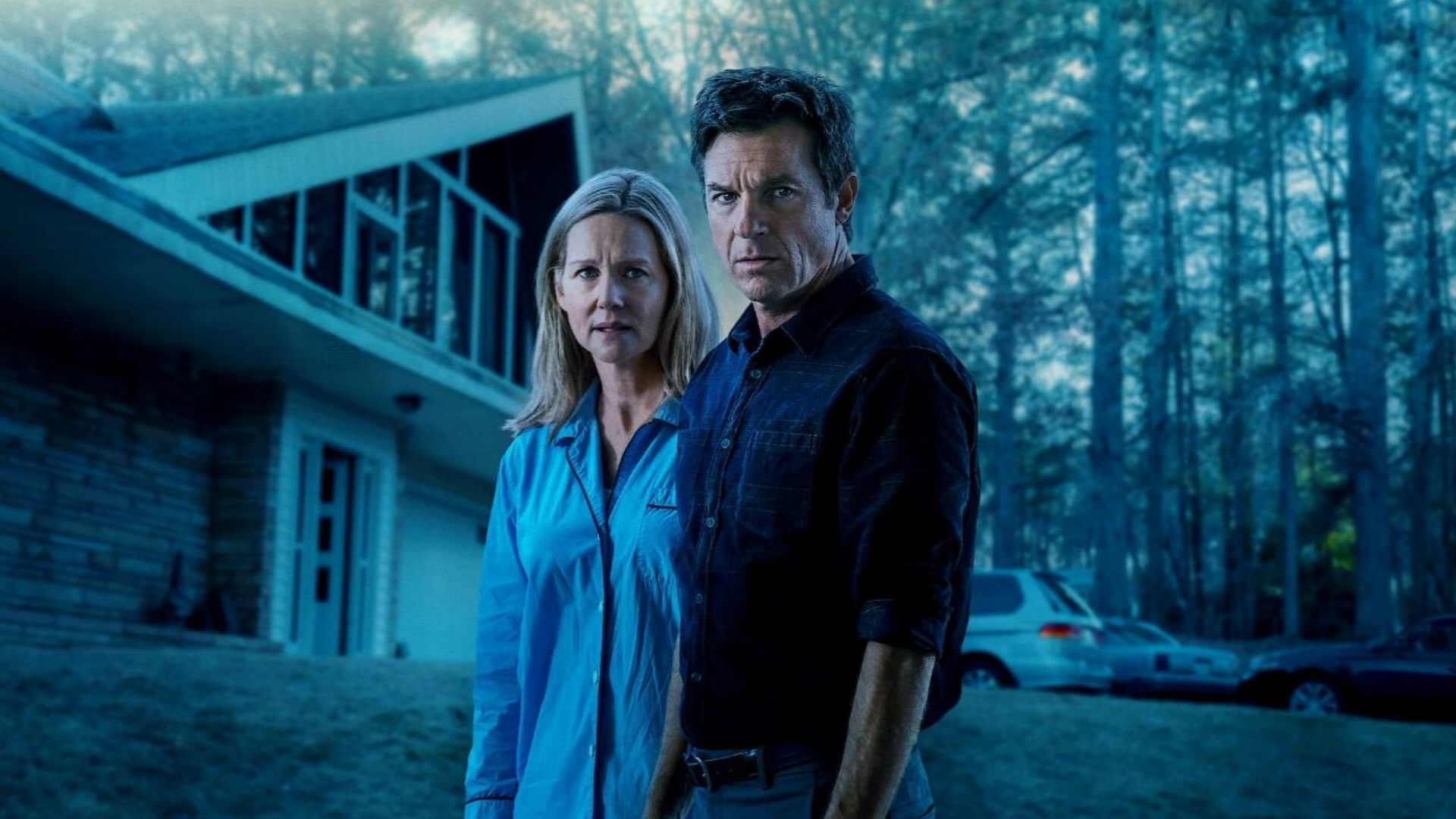
Wendy Byrde – Ozark
Wendy’s transformation into a ruthless power player unsettled the Ozark tribe. Unlike male antiheroes, her hunger for control was judged more harshly. As she outmaneuvered enemies and her own family, viewers recoiled, labeling her monstrous, even though the show deliberately framed her as Walt-tier dangerous.
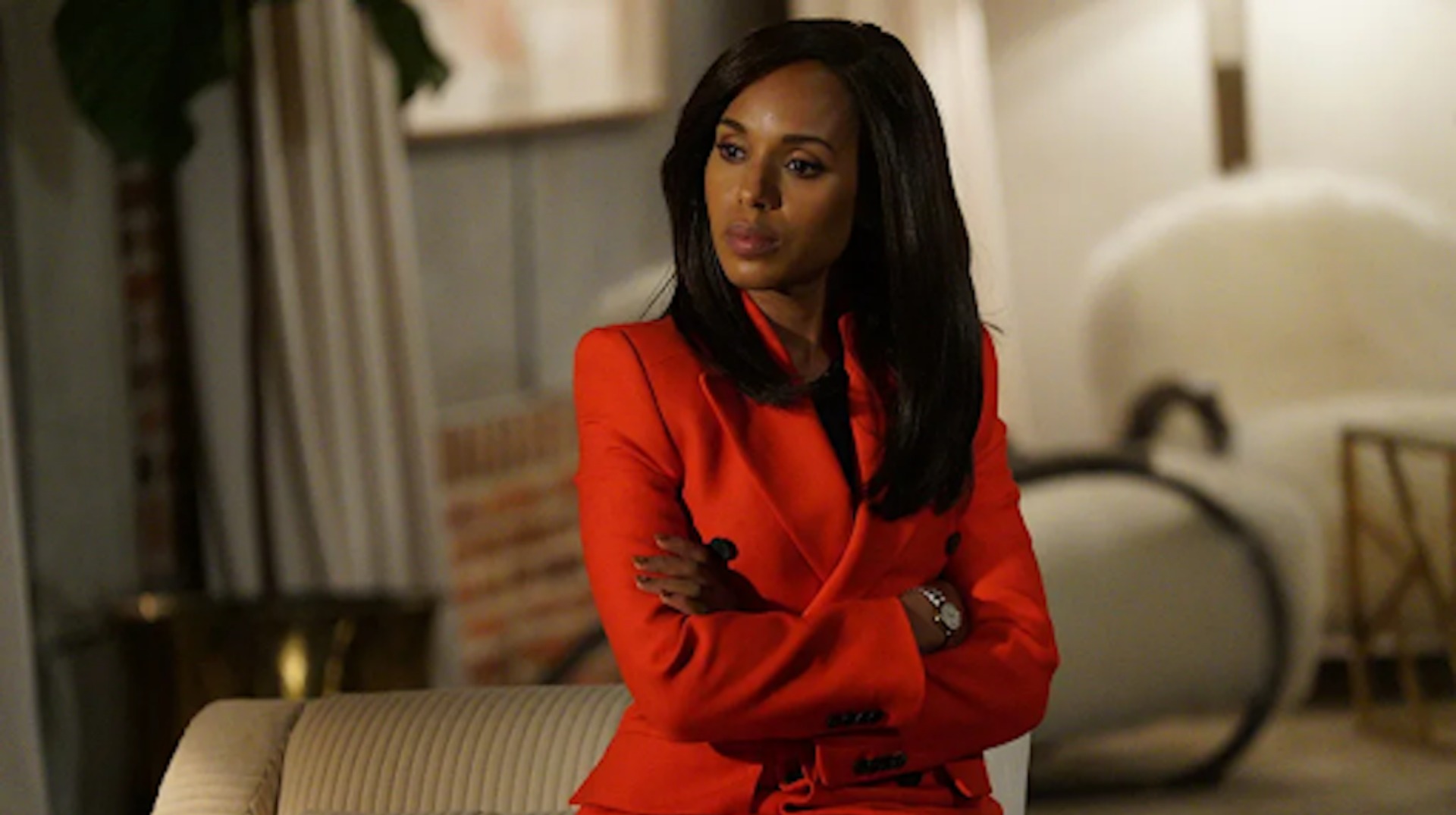
Olivia Pope – Scandal
Once a symbol of power and control, Olivia Pope slowly lost audience goodwill. Her moral hypocrisy—fixing the world while breaking everyone close to her—became impossible to ignore. As the seasons progressed, fans grew tired of her god complex, especially when accountability never seemed to follow her actions.

Iris West – The Flash
Iris suffered from being written as both emotional center and narrative roadblock. Her importance was constantly stated rather than shown, which viewers found pointless. When storylines bent around her significance, fans pushed back—not against Iris herself, but against how the show insisted on elevating her without earning it.
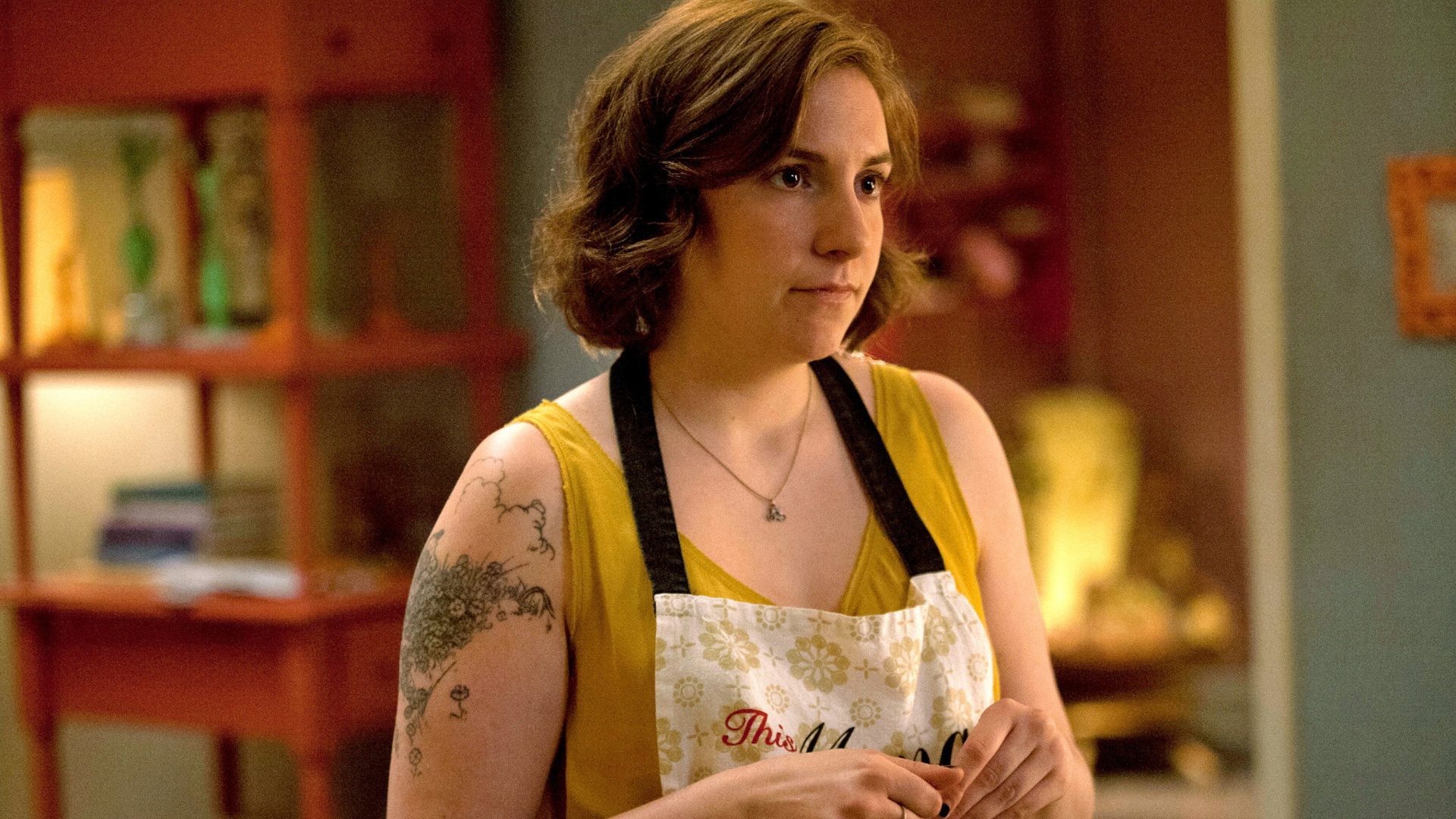
Hannah Horvath – Girls
Hannah was never designed to be aspirational, but many viewers still rejected her outright. Self-absorbed, entitled, and painfully unaware, she embodied millennial flaws without softening them. The discomfort came from recognition. Hannah forced audiences to confront traits they didn’t want mirrored back at them.

Yennefer – The Witcher
Yennefer’s ambition, rage, and vulnerability made her compelling, but not universally loved. Her hunger for power and control alienated some viewers, especially when paired with emotional volatility. Yet that chaos defines her strength. Rejection often came from discomfort with a woman who refuses softness unless she chooses it.
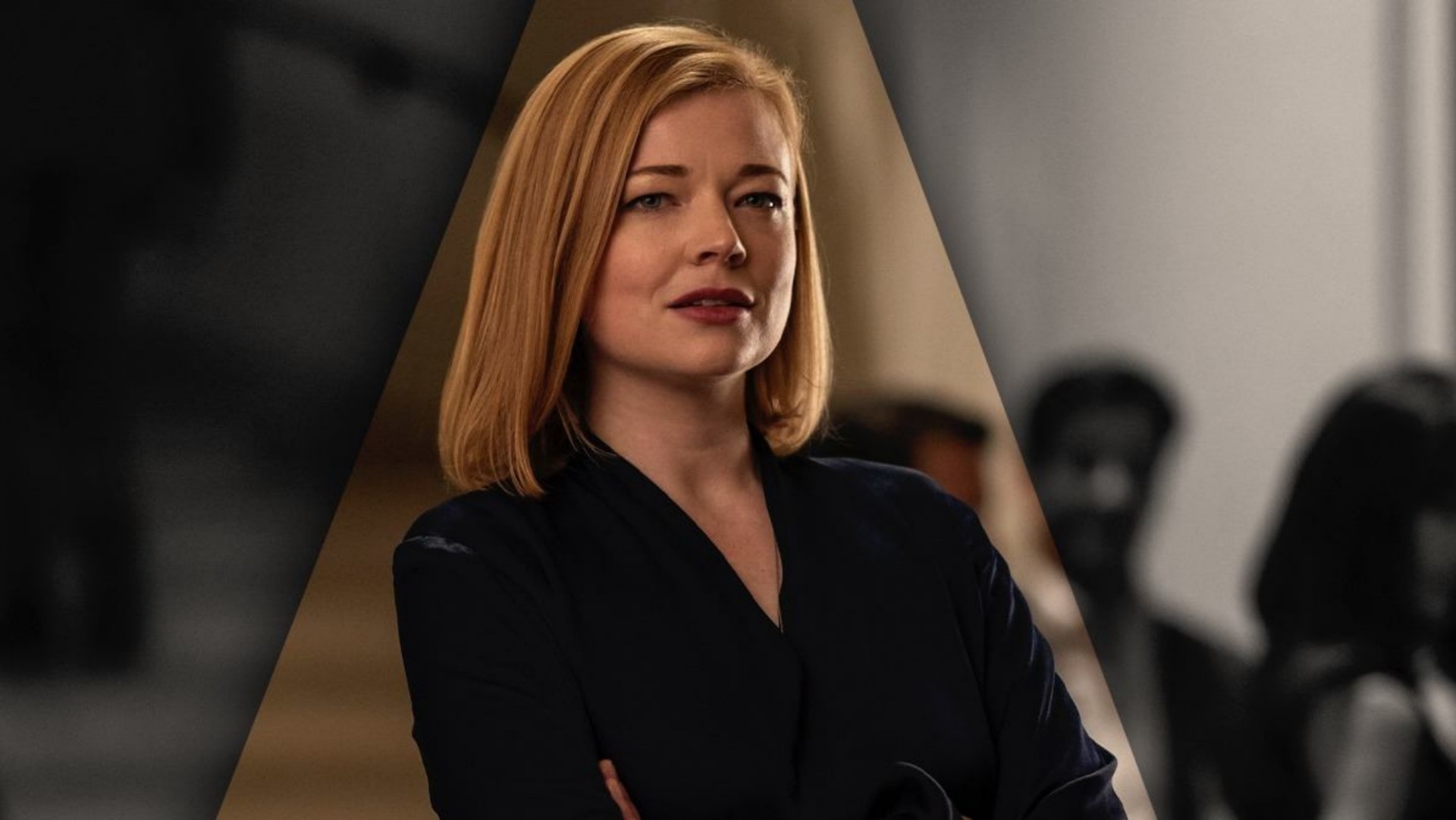
Shiv Roy – Succession
Shiv’s intelligence and ambition were undeniable, yet Succession fans often turned on her. Her hypocrisy, emotional detachment, and corporate maneuvering felt especially cutting because she claimed moral superiority. In a show full of monsters, Shiv’s refusal to own her cruelty made audiences bristle, even when her brothers were just as bad.
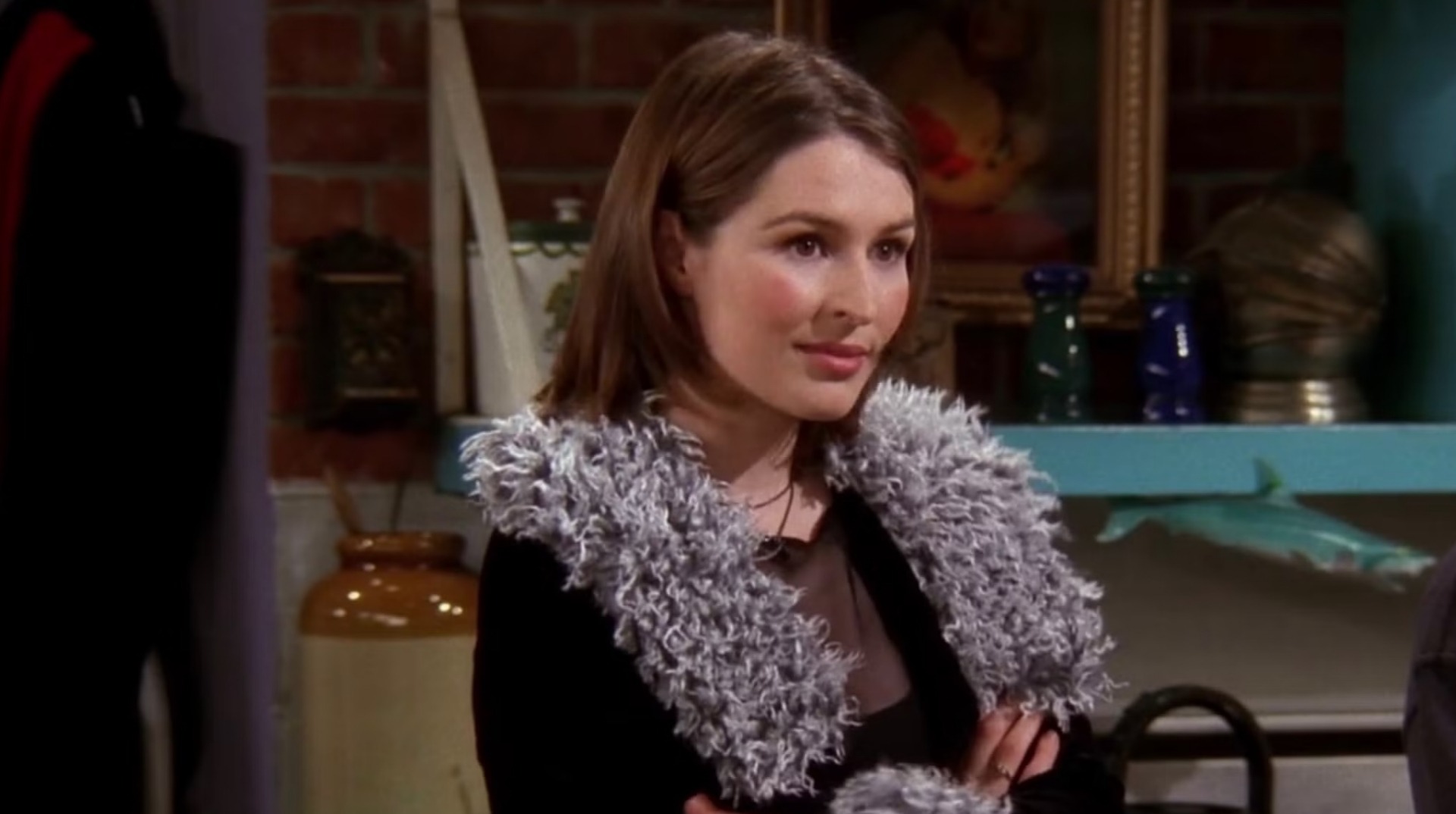
Emily Waltham – Friends
Emily never stood a chance among the Friends group. Introduced as Ross’s serious love interest, she became the “villain” simply for reacting realistically to humiliation. Asking Ross to stop seeing Rachel wasn’t unhinged after the wedding vows debacle, it was actually human. Still, the show framed her as controlling, and fans quickly rejected her as an obstacle to endgame romance.