
15 Nonlinear Films That Rewrote The Rules Of Time
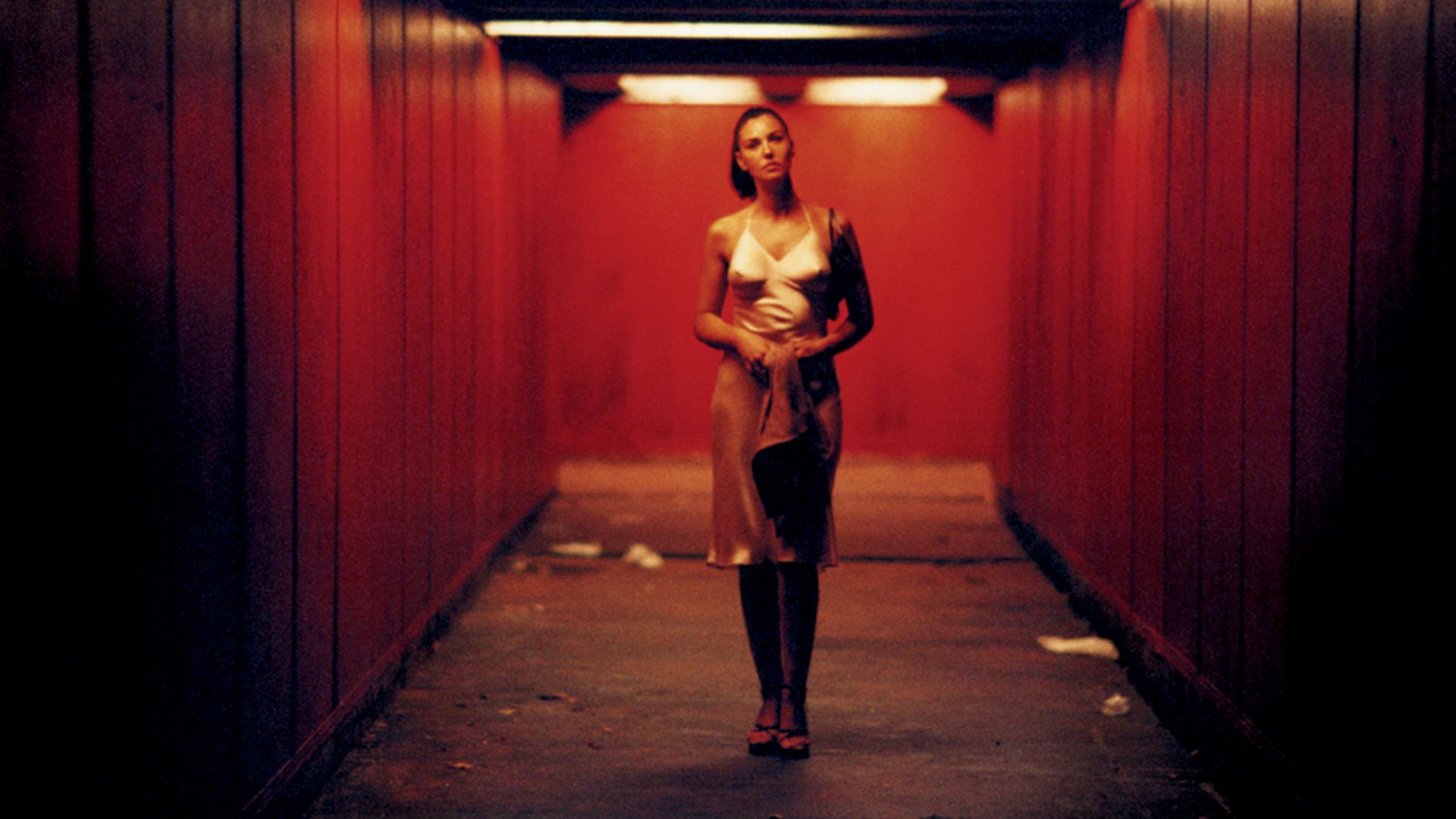
15. Irreversible
Director Gaspar Noé turned conventional storytelling upside down with 'Irreversible.' The film unfolds entirely in reverse order, beginning with the aftermath of a tragedy and gradually revealing the events that led to it. By working backward through time, the story strips away any sense of triumph or justice and replaces it with a growing feeling of dread. Every scene gains new meaning as viewers move closer to the beginning.
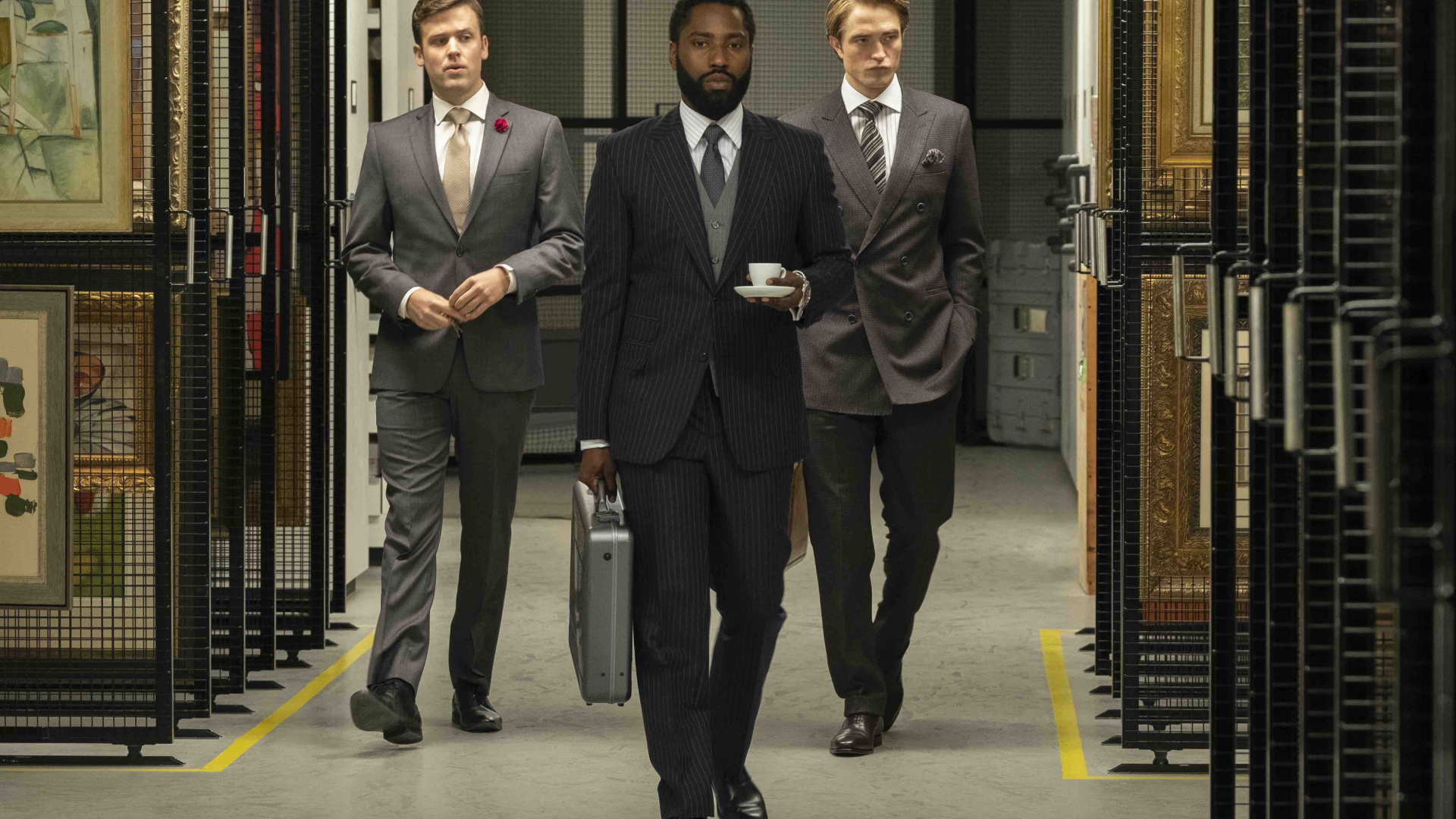
14. Tenet
Christopher Nolan created 'Tenet' around temporal inversion, a concept that allows people and objects to move backward through time. The result is a spy thriller where cause and effect constantly overlap. Characters experience events from opposite temporal directions, creating action sequences unlike anything seen before. The film challenges viewers to rethink how time functions within a blockbuster narrative.
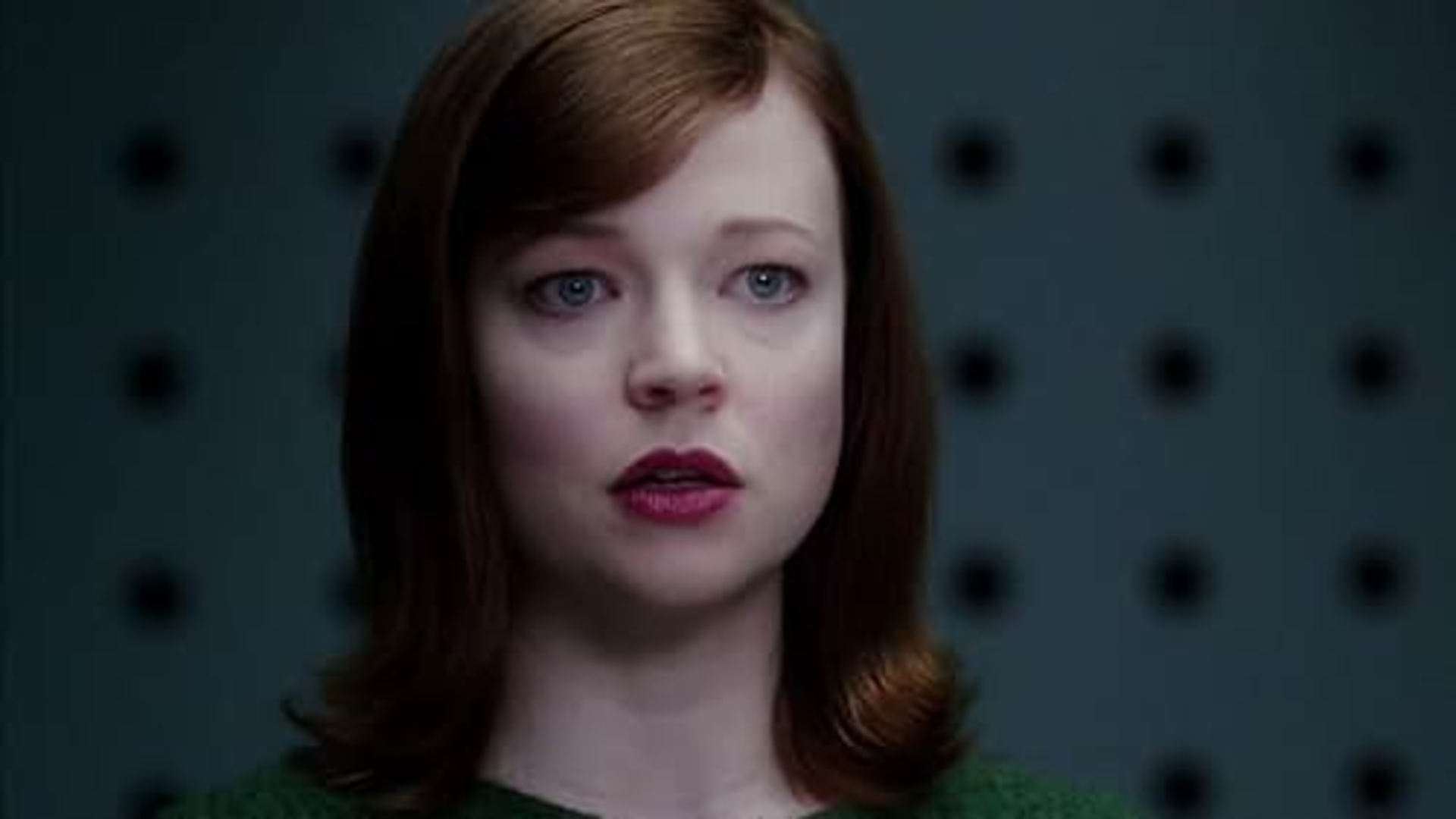
13. Predestination
Directed by Michael Spierig and Peter Spierig, 'Predestination' follows a time-travel agent attempting to stop a notorious criminal. What begins as a standard science-fiction mystery evolves into a maze of paradoxes and identity twists. Every revelation changes the audience's understanding of previous events, leading to a finale that remains one of the genre's most discussed endings.
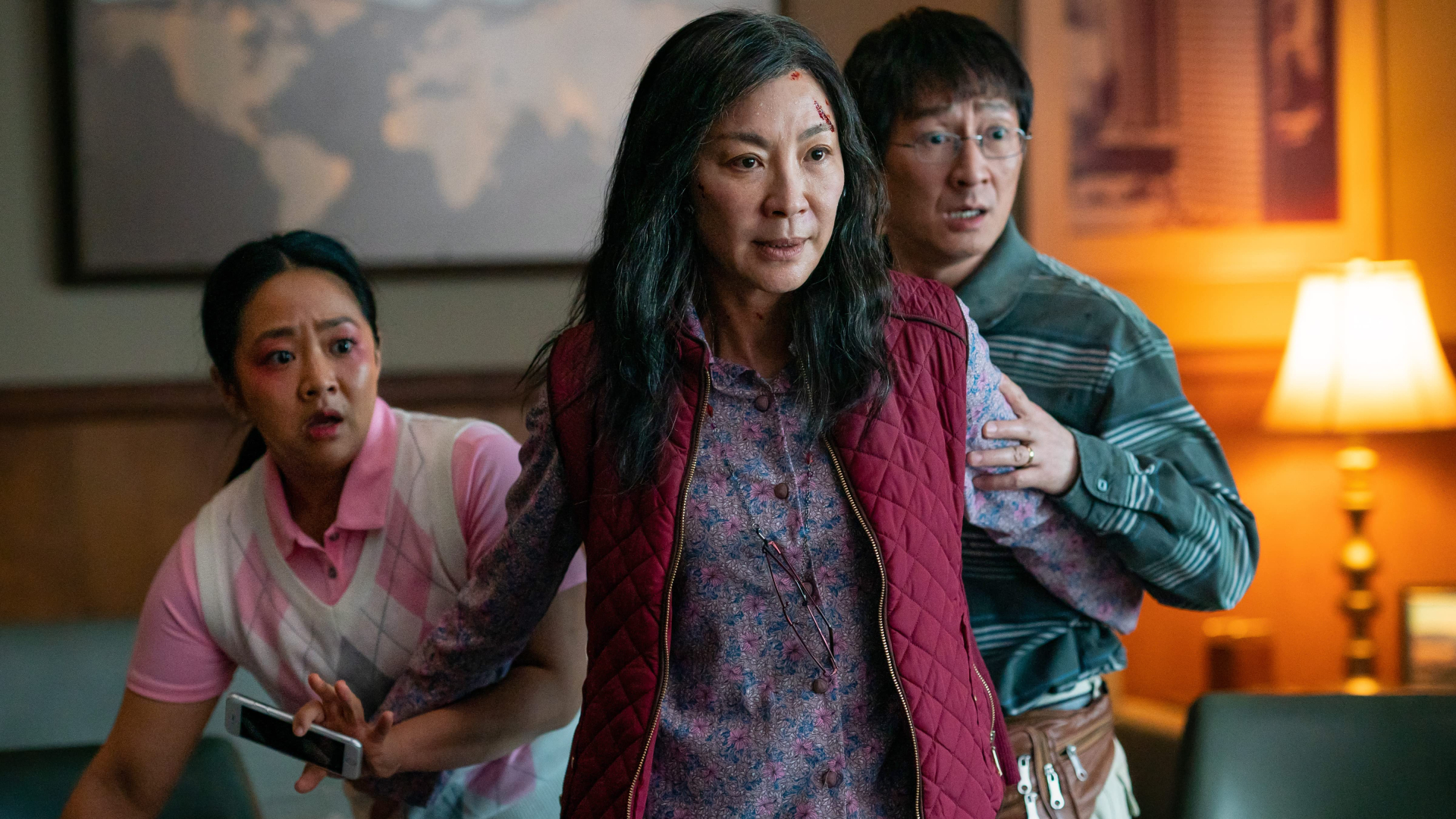
12. Everything Everywhere All at Once
Directors Daniel Kwan and Daniel Scheinert abandoned traditional narrative boundaries in this multiverse adventure. The story of 'Everything Everywhere All at Once' jumps across countless realities while following a struggling laundromat owner trying to save existence itself. Despite its chaotic structure, the film maintains an emotional core centered on family, regret, and personal choice.
11. Dunkirk
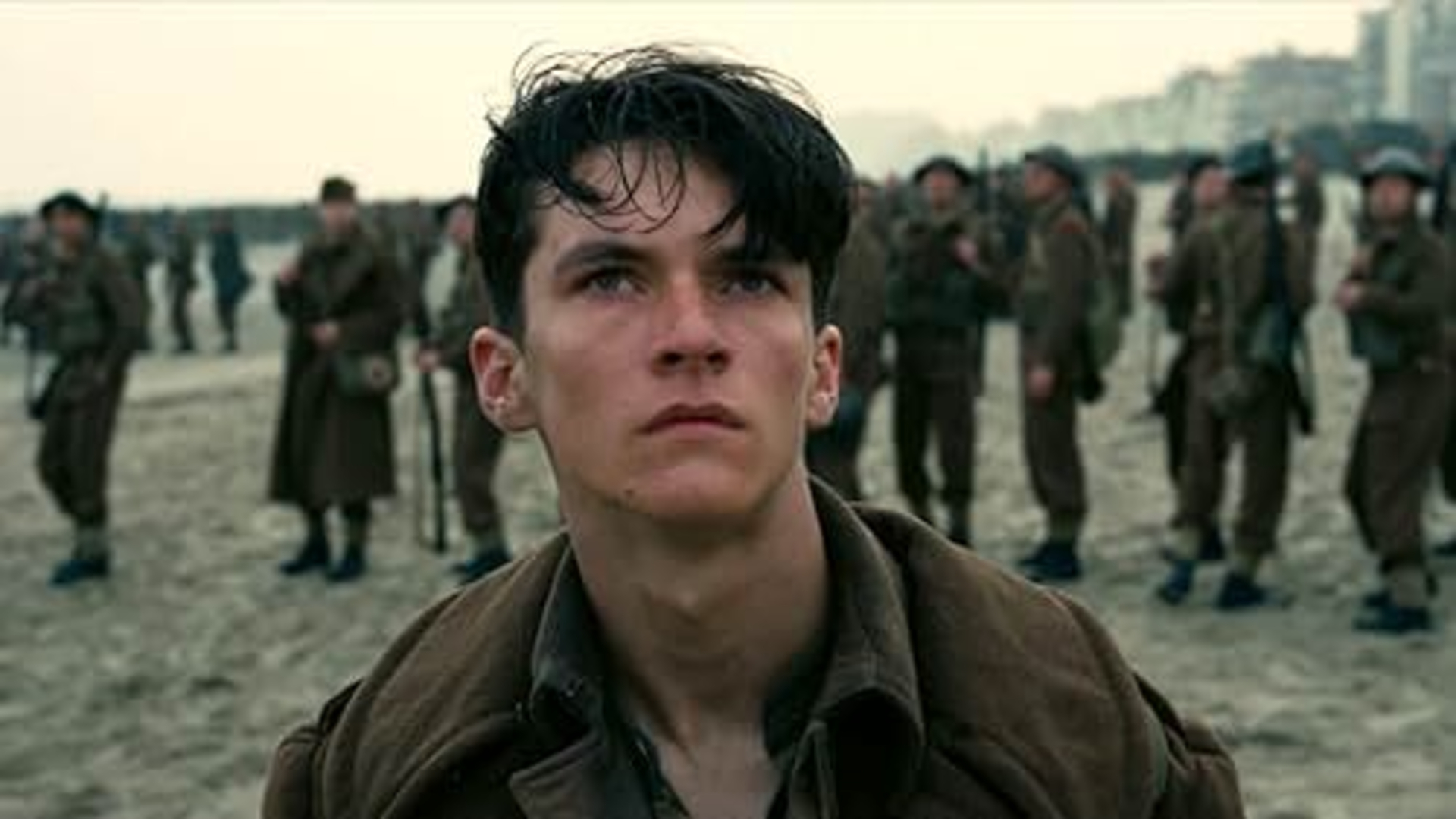
Rather than tell a war story in chronological order, Christopher Nolan divided 'Dunkirk' into three separate timelines. One follows soldiers stranded on the beach over a week, another tracks civilians crossing the sea over a day, and the third follows a pilot over a single hour. These storylines gradually converge, creating tension through editing rather than exposition.
10. Donnie Darko
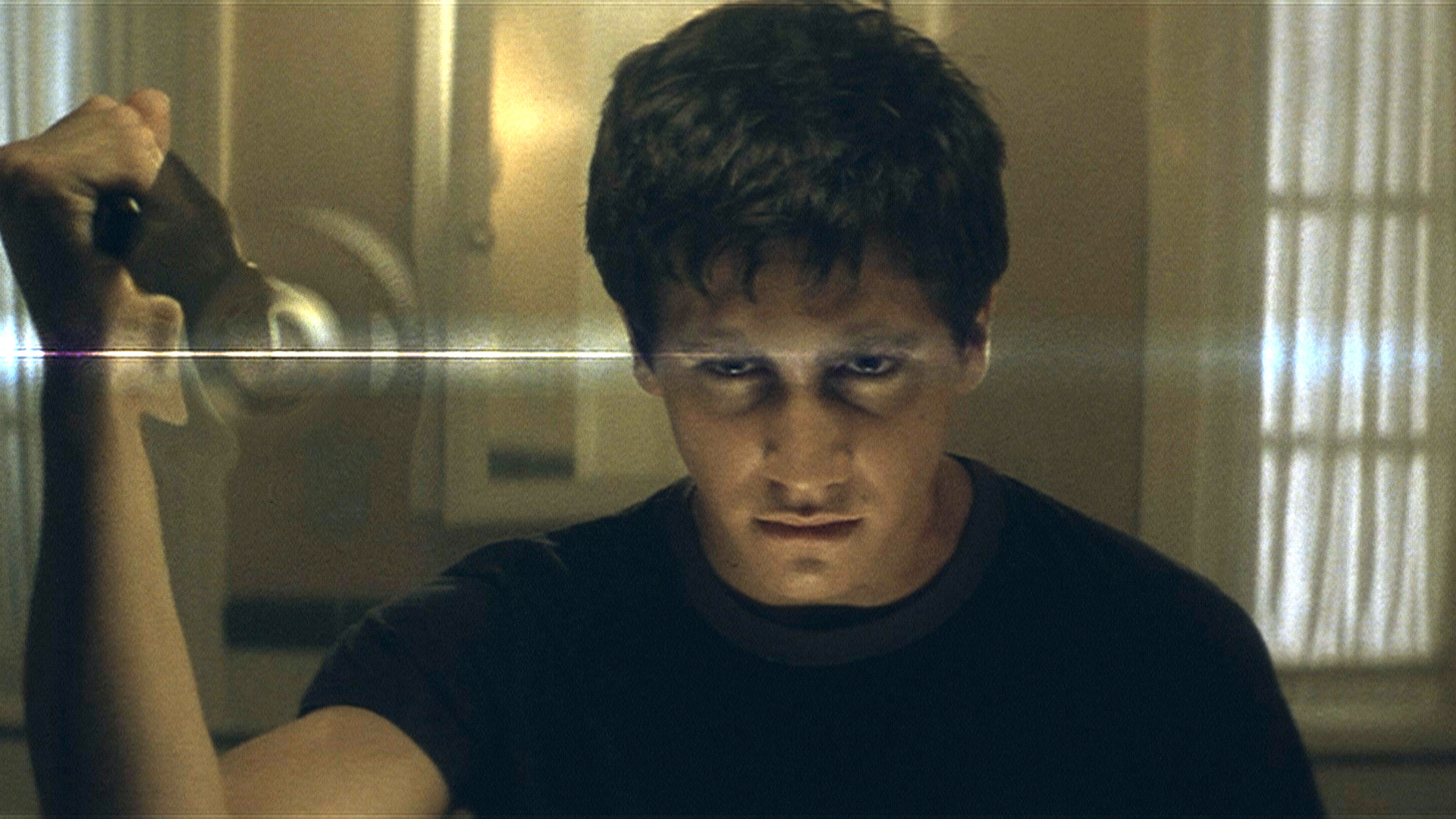
Directed by Richard Kelly, 'Donnie Darko' combines teenage drama with science fiction and psychological mystery. After surviving a bizarre accident, Donnie begins receiving warnings from a mysterious figure in a rabbit costume. The film explores alternate timelines, fate, and sacrifice through a dreamlike structure that continues to inspire debate years after its release.
9. Cloud Atlas
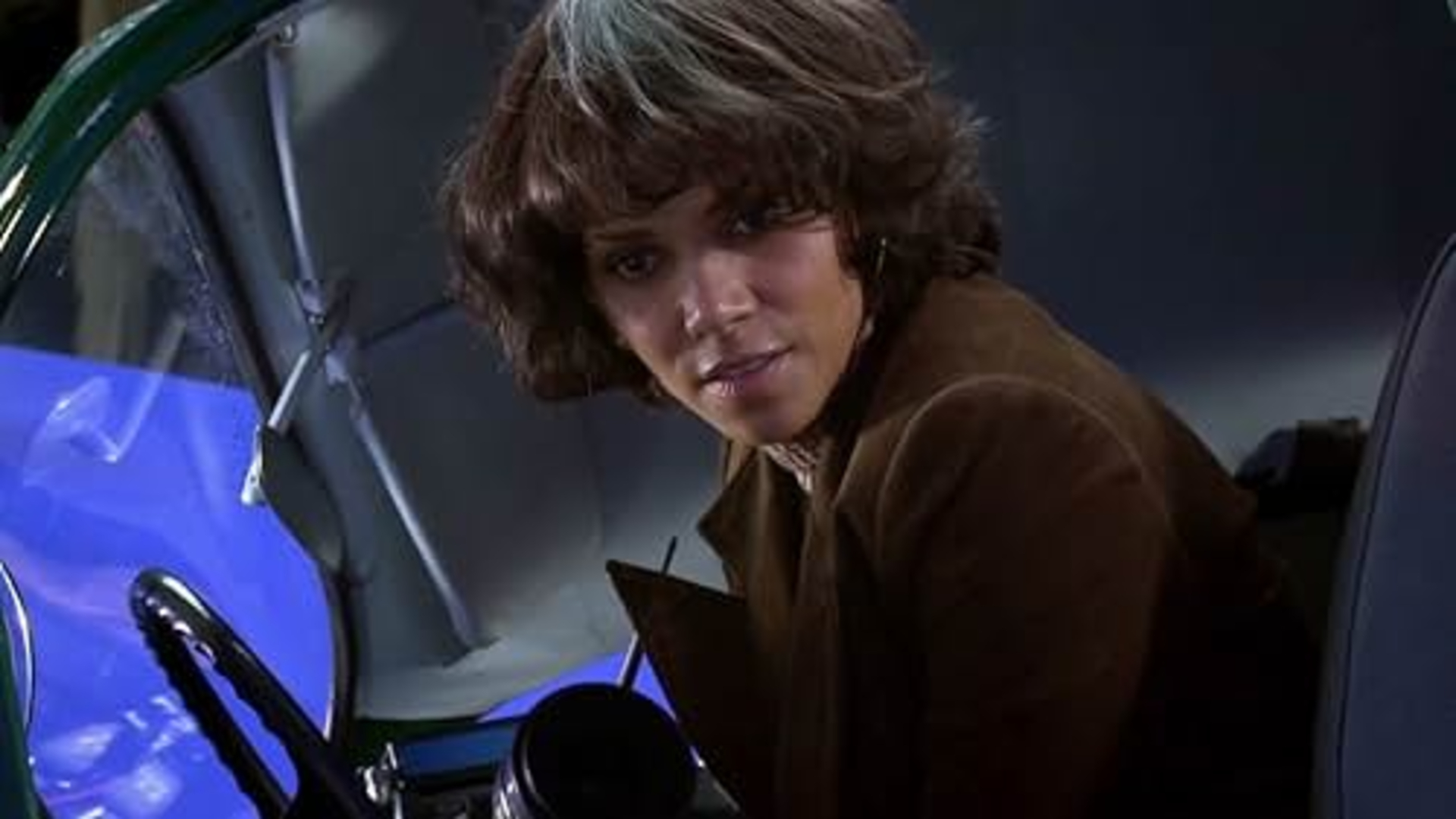
The directing team of Lana Wachowski, Lilly Wachowski, and Tom Tykwer crafted a story spanning centuries. 'Cloud Atlas' constantly shifts between six timelines, linking characters and events across generations. The same actors appear in multiple roles, reinforcing the film's central idea that actions can echo far beyond a single lifetime.
8. Primer
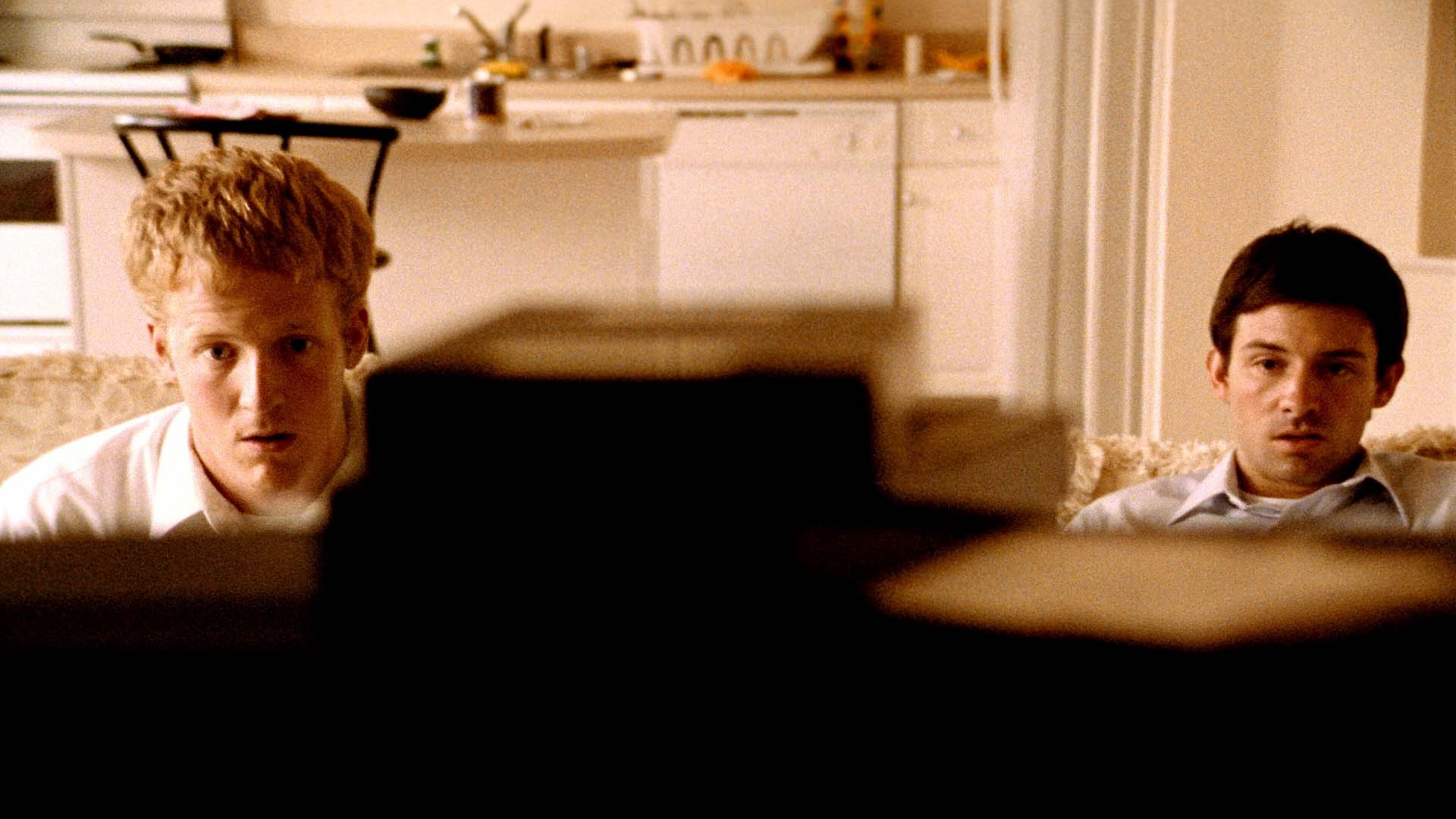
Few films demand as much attention as 'Primer.' Written and directed by Shane Carruth, the story follows two engineers who accidentally invent time travel. Instead of simplifying its concepts, the film embraces complexity, presenting overlapping timelines and paradoxes with little explanation. Its reputation as one of the most challenging time-travel movies remains intact.
7. 21 Grams
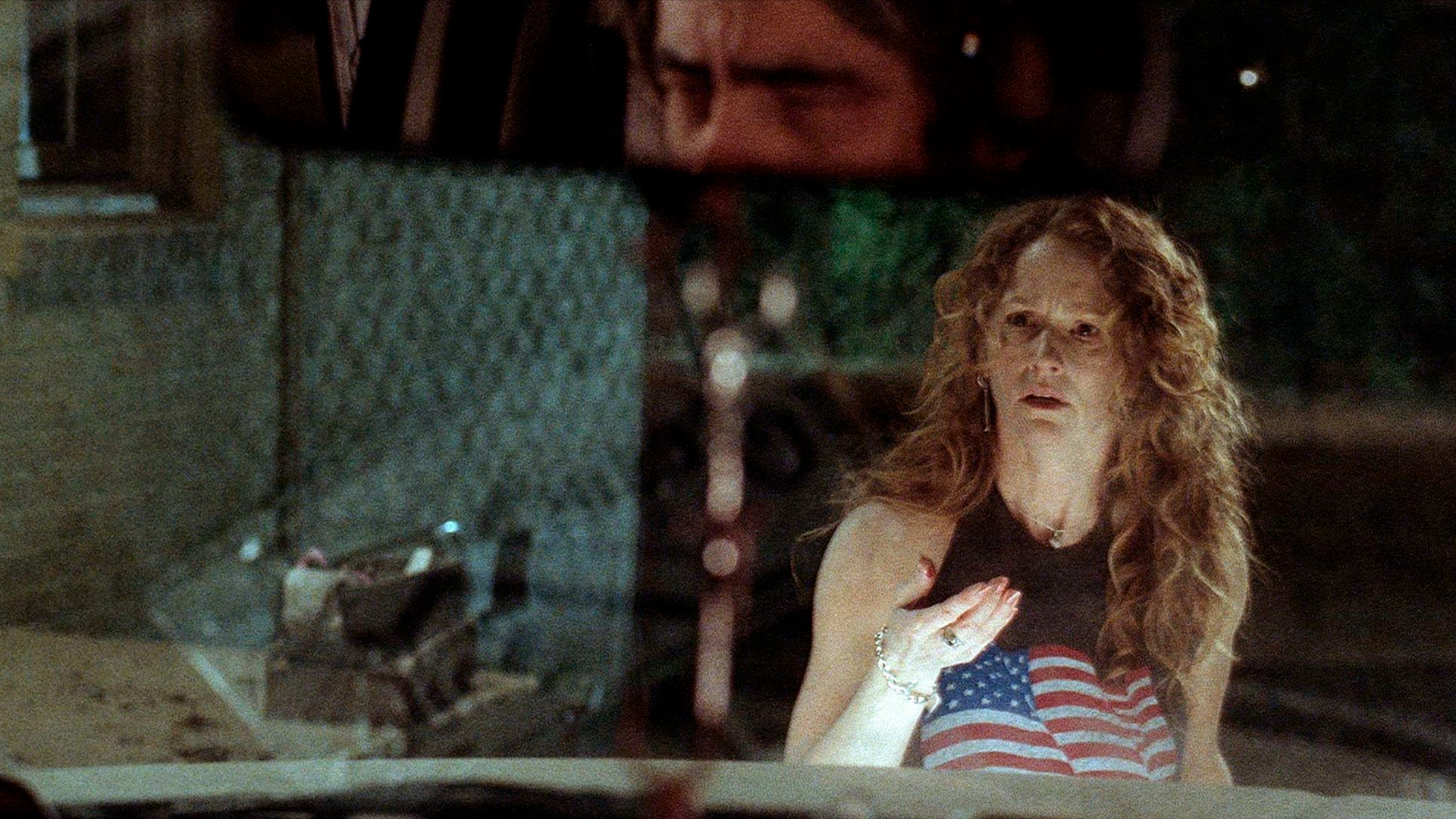
Director Alejandro González Iñárritu fragments the lives of three strangers affected by a fatal accident. The film jumps between different points in time, gradually revealing how their stories connect. Rather than focusing on chronology, '21 Grams' prioritizes emotional impact, placing viewers inside the characters' grief and confusion.
6. The Prestige
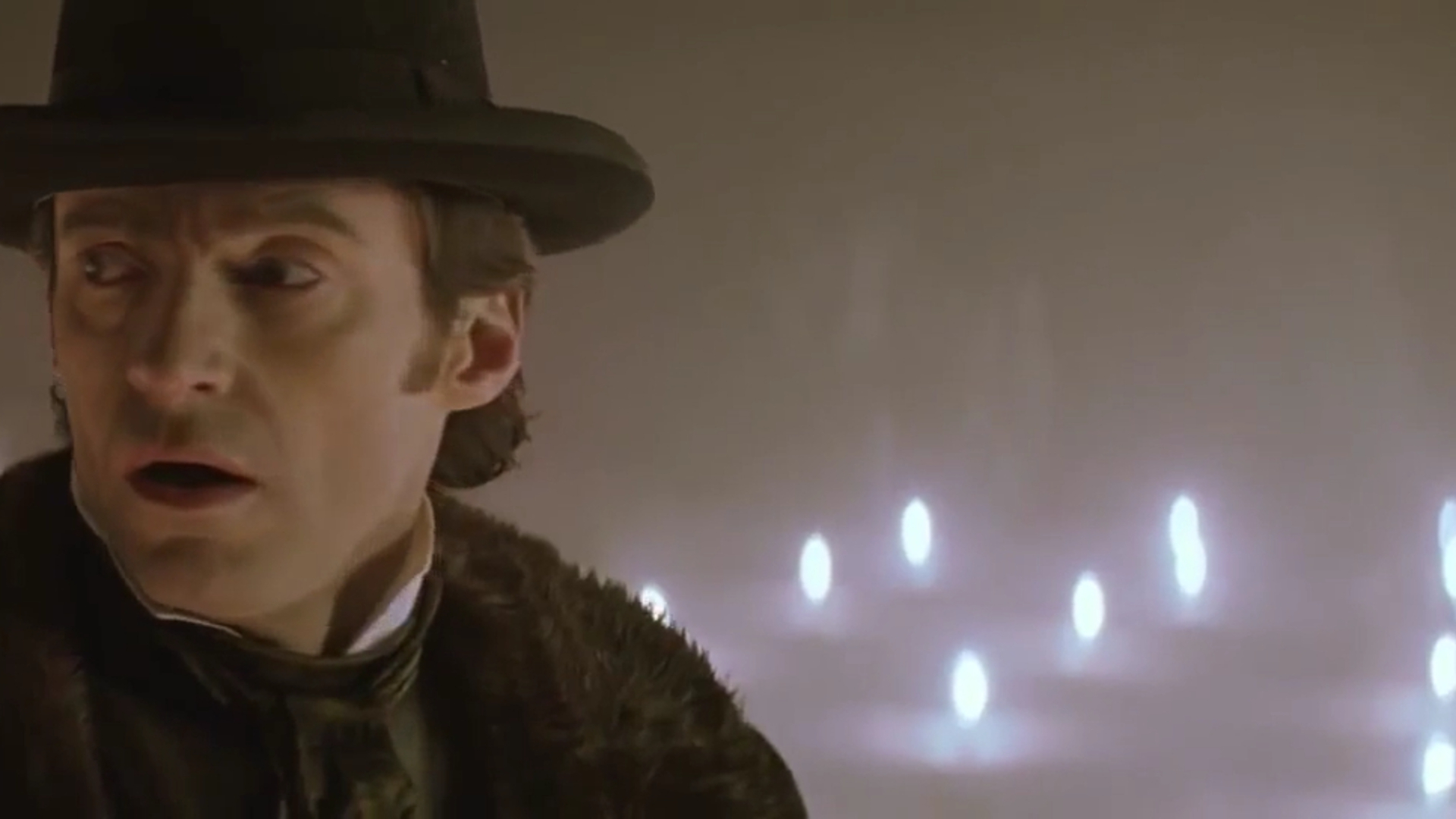
Christopher Nolan's tale of rival magicians uses diaries, flashbacks, and shifting perspectives to hide its secrets. Every scene in 'The Prestige' functions like part of a magic trick, guiding viewers toward one conclusion while concealing another. By the time the final revelation arrives, the film has quietly redefined everything that came before.
5. Arrival
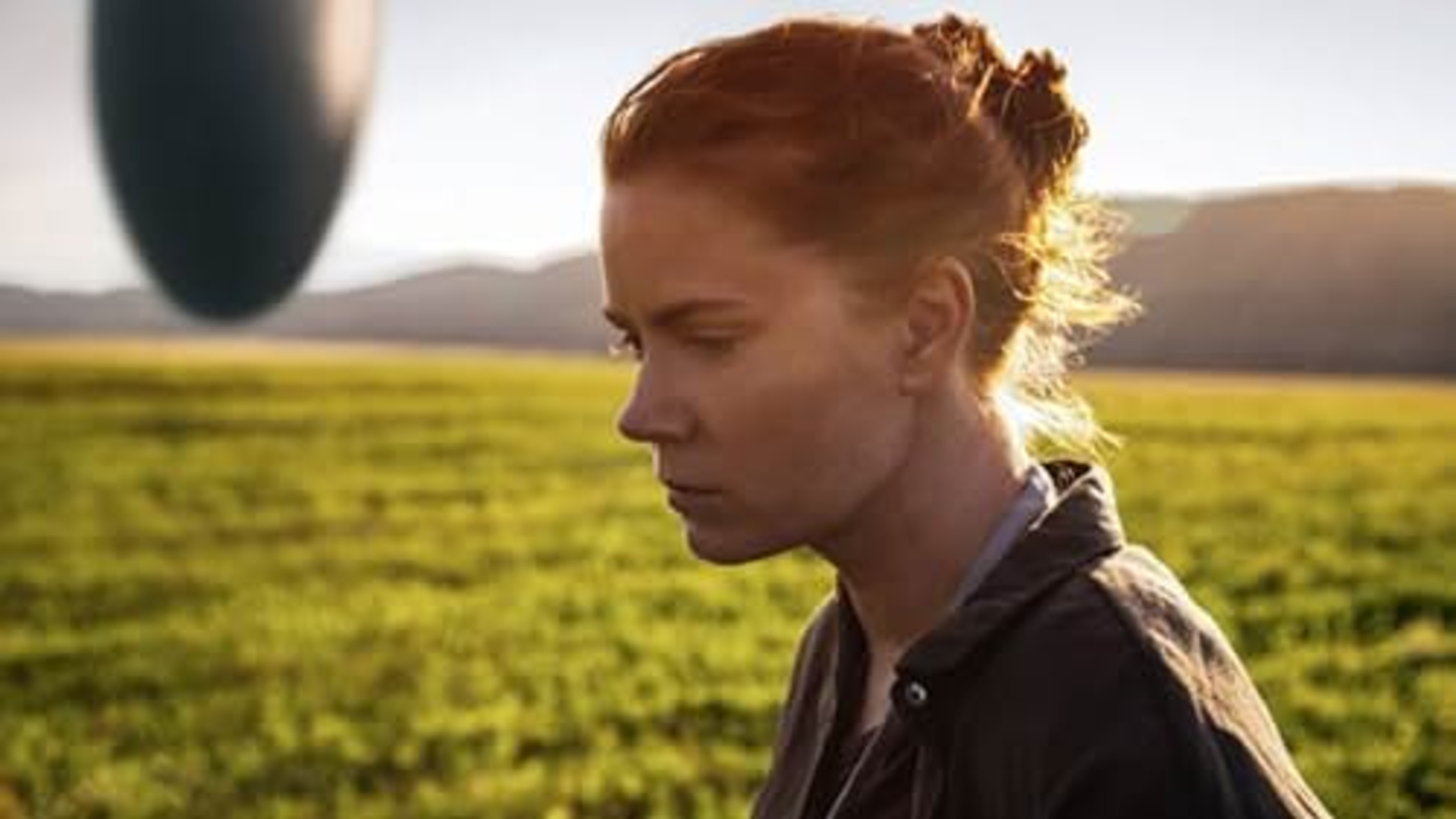
Directed by Denis Villeneuve, 'Arrival' transforms language into a tool that changes the perception of time itself. As a linguist learns to communicate with extraterrestrials, her understanding of reality begins to shift. The film's structure mirrors that transformation, leading to a revelation that completely reframes earlier scenes.
4. Eternal Sunshine of the Spotless Mind
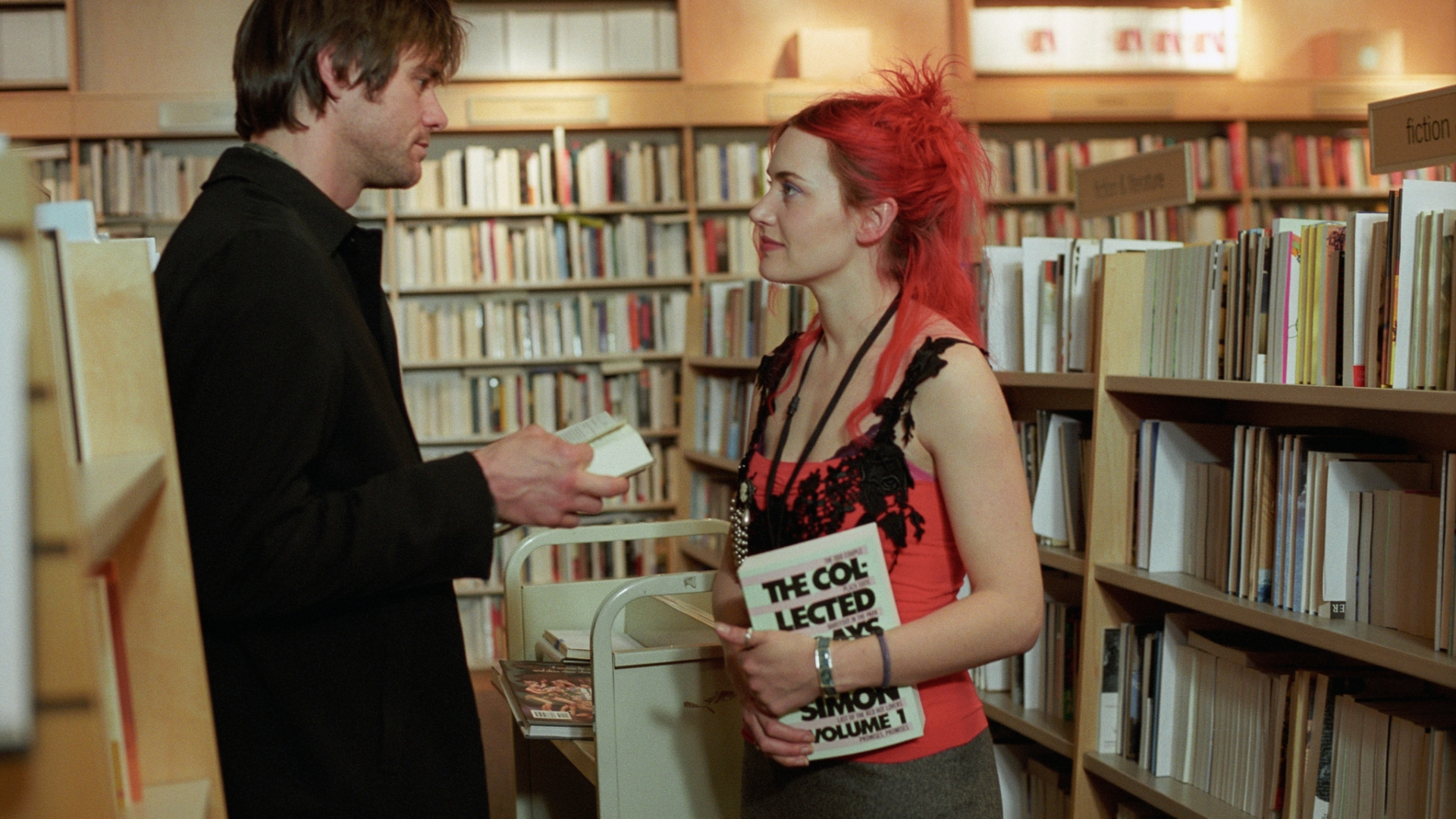
Director Michel Gondry tells a love story through collapsing memories demonstrated as authentically as possible in 'Eternal Sunshine of the Spotless Mind.' As Joel undergoes a procedure to erase his former relationship, the audience moves backward through the fragments of that romance. The result is a nonlinear exploration of heartbreak, memory, and the experiences people desperately try to hold onto.
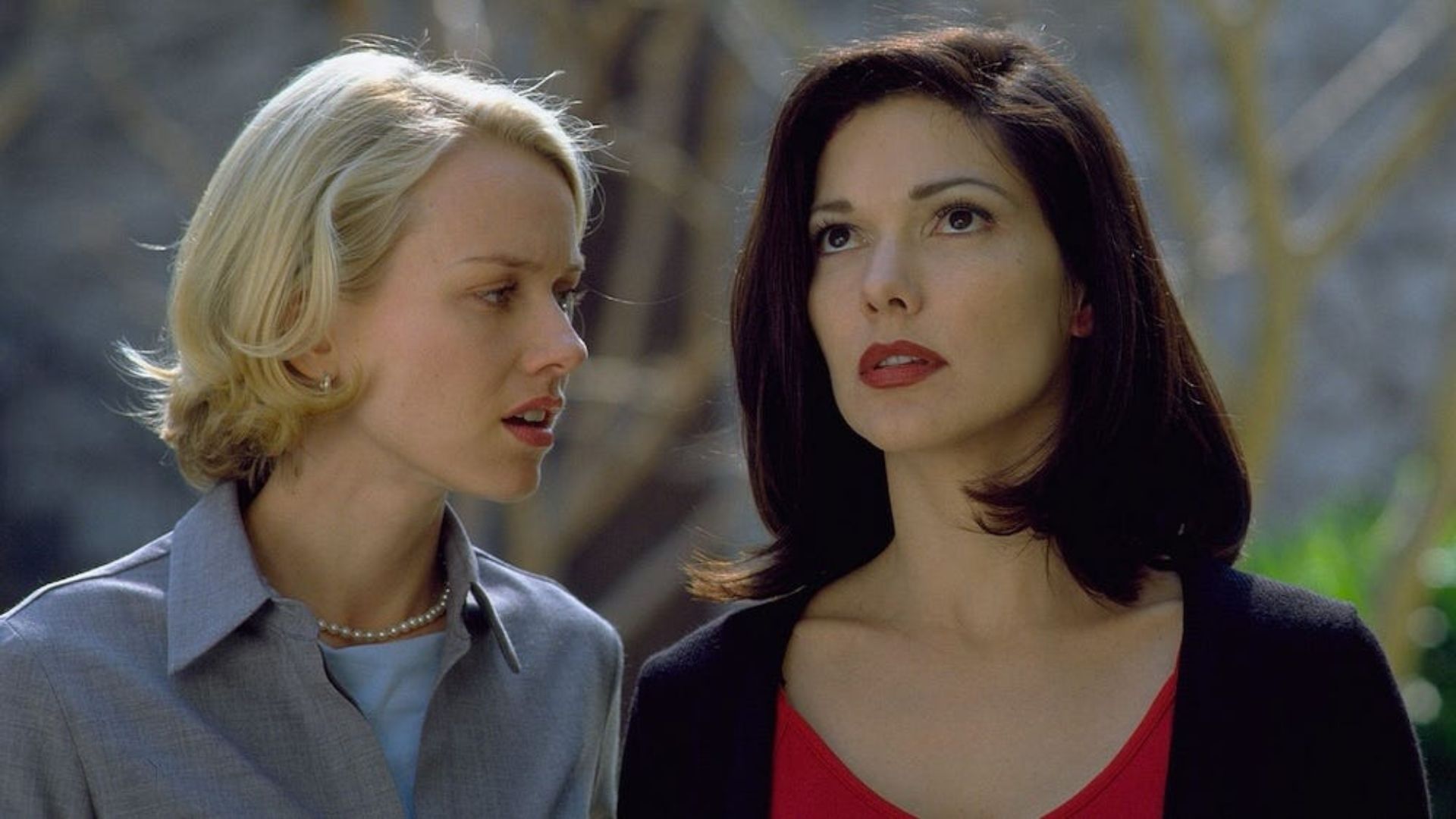
3. Mulholland Drive
There are only a few films challenge narrative conventions as boldly as 'Mulholland Drive.' Directed by David Lynch, the story begins as a Hollywood mystery before gradually abandoning traditional logic. Dreams, memories, and reality become impossible to separate, creating a puzzle that has fascinated audiences for decades.
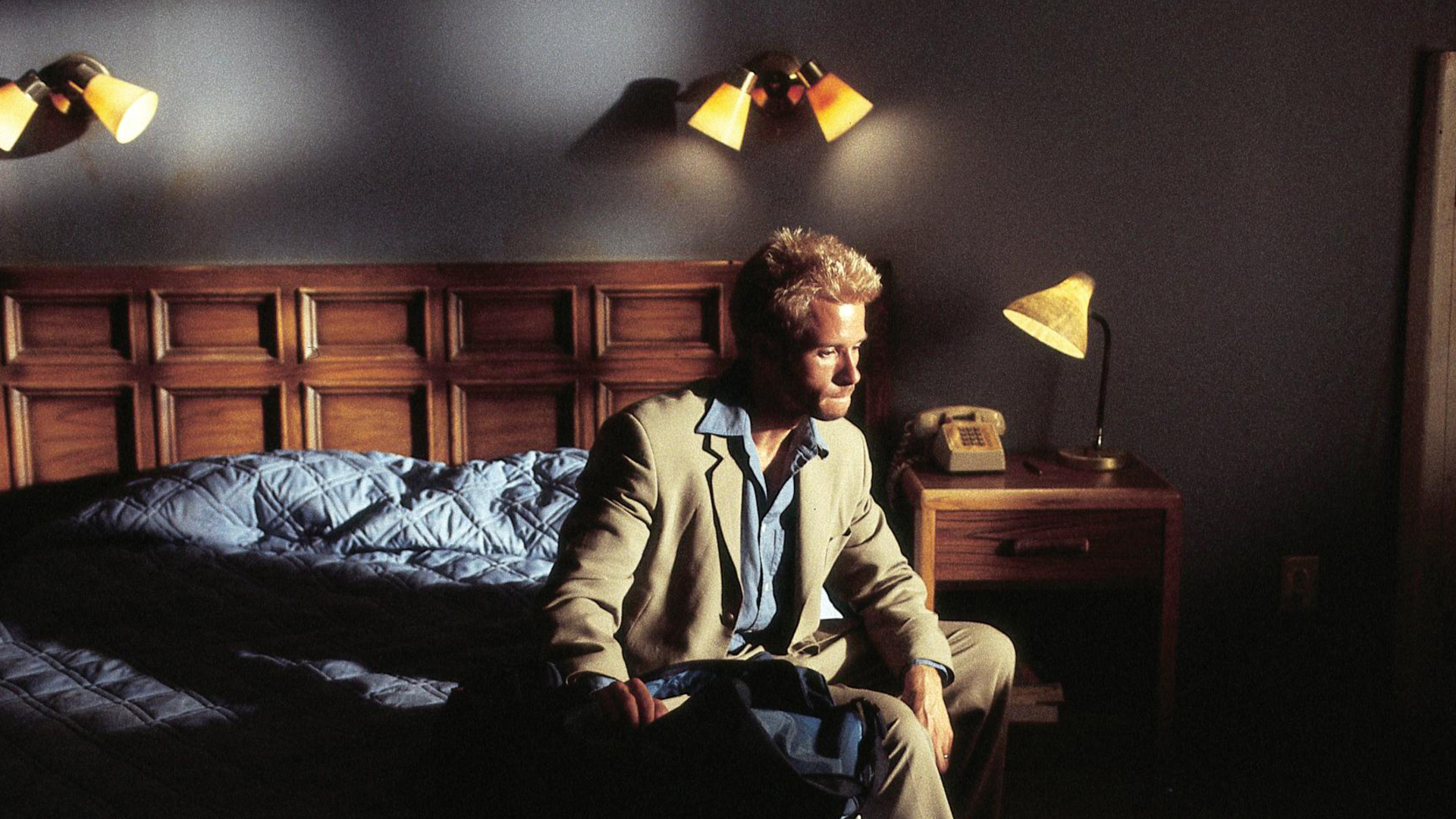
2. Memento
'Memento' remains one of the defining examples of nonlinear storytelling. Christopher Nolan structures the film around a protagonist who cannot form new memories, telling half the story backward and half forward. The audience learns information at the same pace as the character, creating a rare level of immersion and confusion that serves the narrative perfectly.
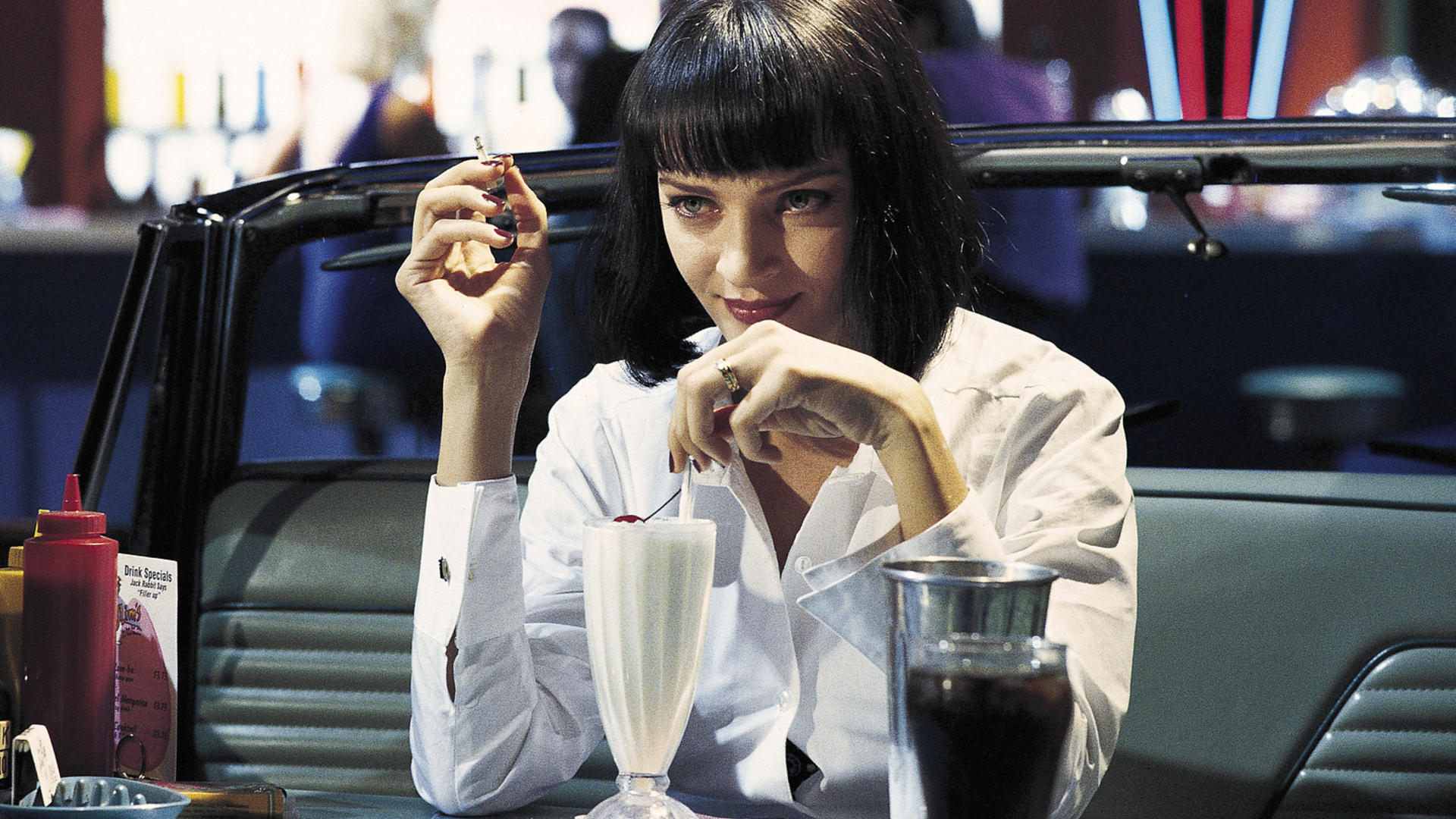
1. Pulp Fiction
When Quentin Tarantino released 'Pulp Fiction,' it changed how many filmmakers approached narrative structure. The film weaves together multiple criminal stories while ignoring chronological order. Characters disappear and reappear at different points in the timeline, encouraging viewers to assemble the pieces themselves. Decades later, it remains one of the most influential examples of nonlinear storytelling in modern cinema.