
15 Times Real Actors’ Deaths Were Written Into TV Shows
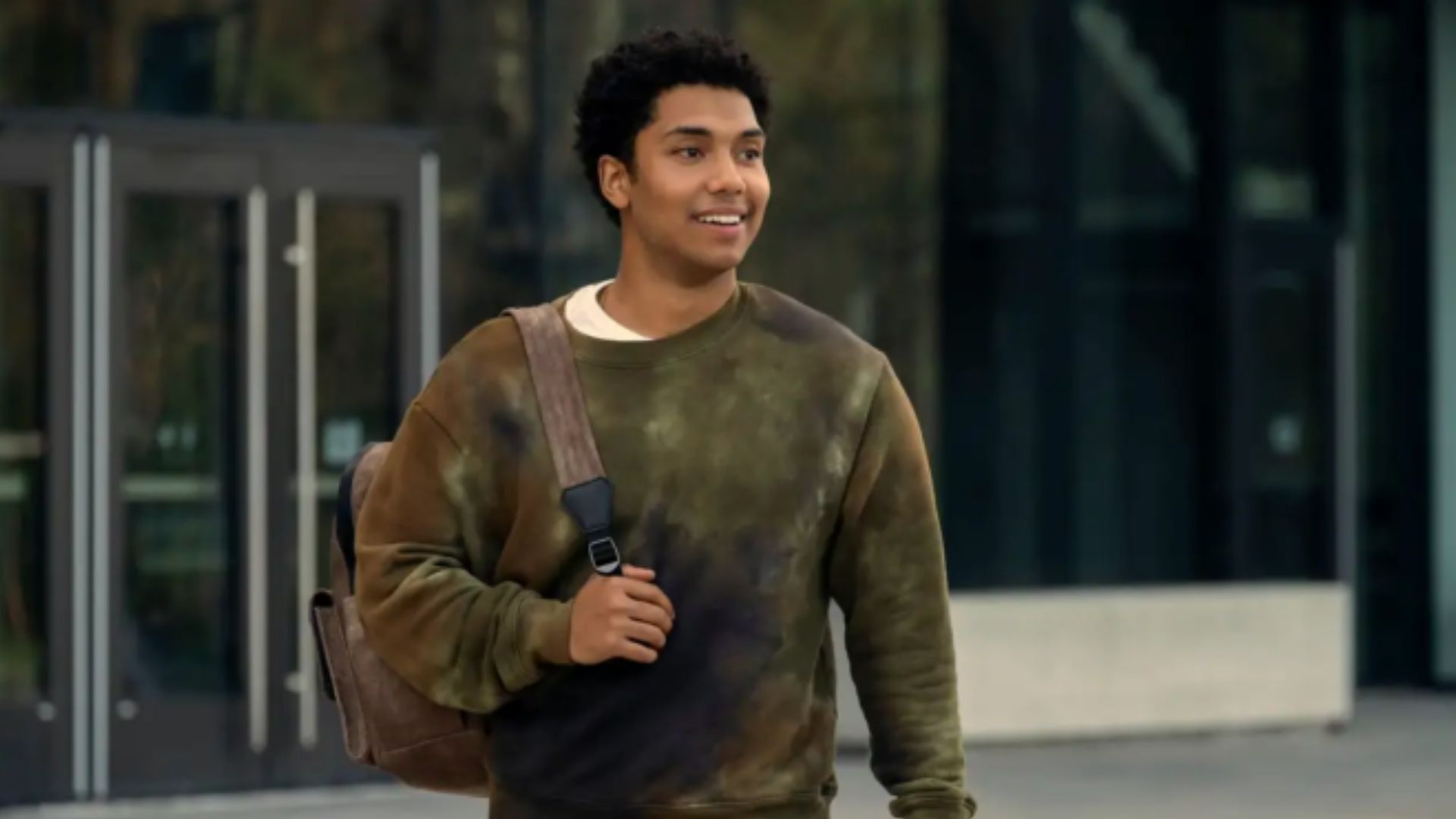
Chance Perdomo - Gen V
Chance Perdomo, who played Andre Anderson in Gen V, died tragically in a motorcycle accident in 2024, leaving fans and the production team devastated. Perdomo's character was central to the storyline, and his sudden death forced the show’s creators to rethink the direction of season 2. Instead of recasting, the producers paid homage to him by writing him out.
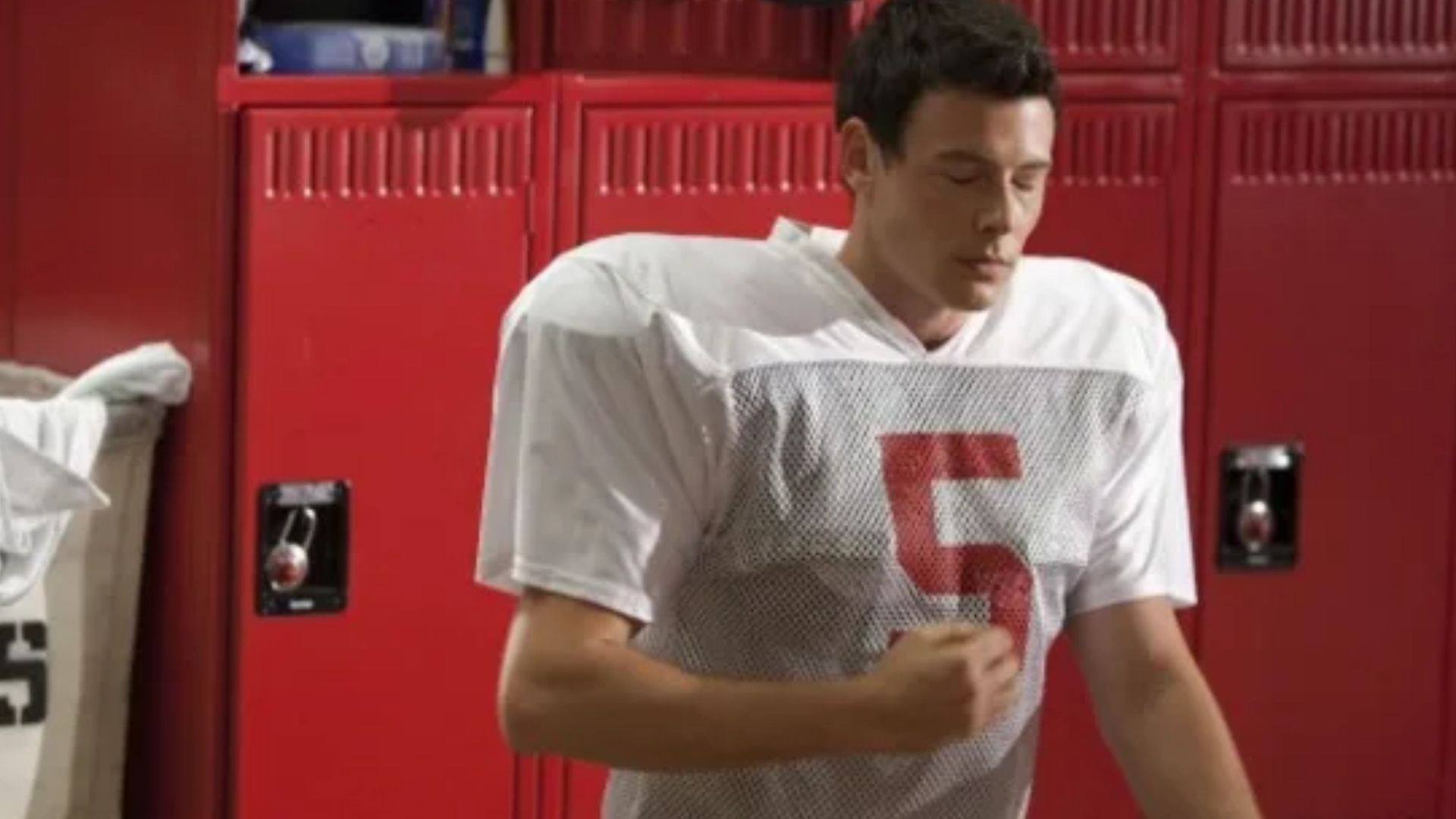
Cory Monteith - Glee
Cory Monteith’s tragic death deeply changed the direction of Glee. After he passed away from a drug overdose, the show chose not to explain how his character, Finn Hudson, died. Instead, the writers created an emotional tribute episode titled “The Quarterback,” focusing entirely on honoring Monteith rather than offering storyline details. The episode allowed fans and cast members to grieve both the fictional loss and the real-life tragedy.
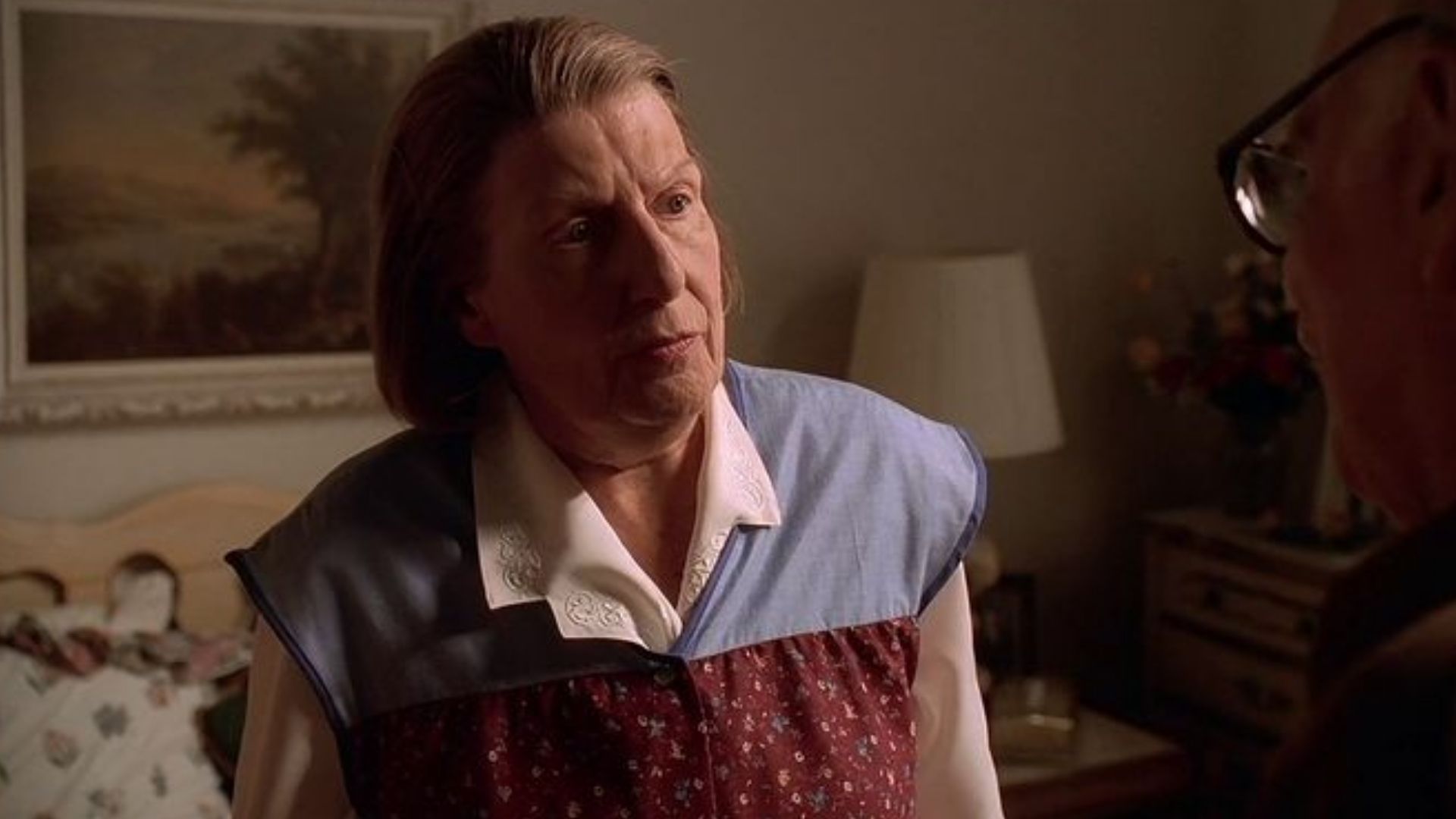
Nancy Marchand - The Sopranos
Death was always present in The Sopranos, but the passing of Nancy Marchand, who played Tony’s mother Livia, carried a special emotional weight. Marchand died of lung cancer, and because she passed away during production, the show used CGI to create one final scene between Tony and his mother. After that moment, the character’s death was written into the series.
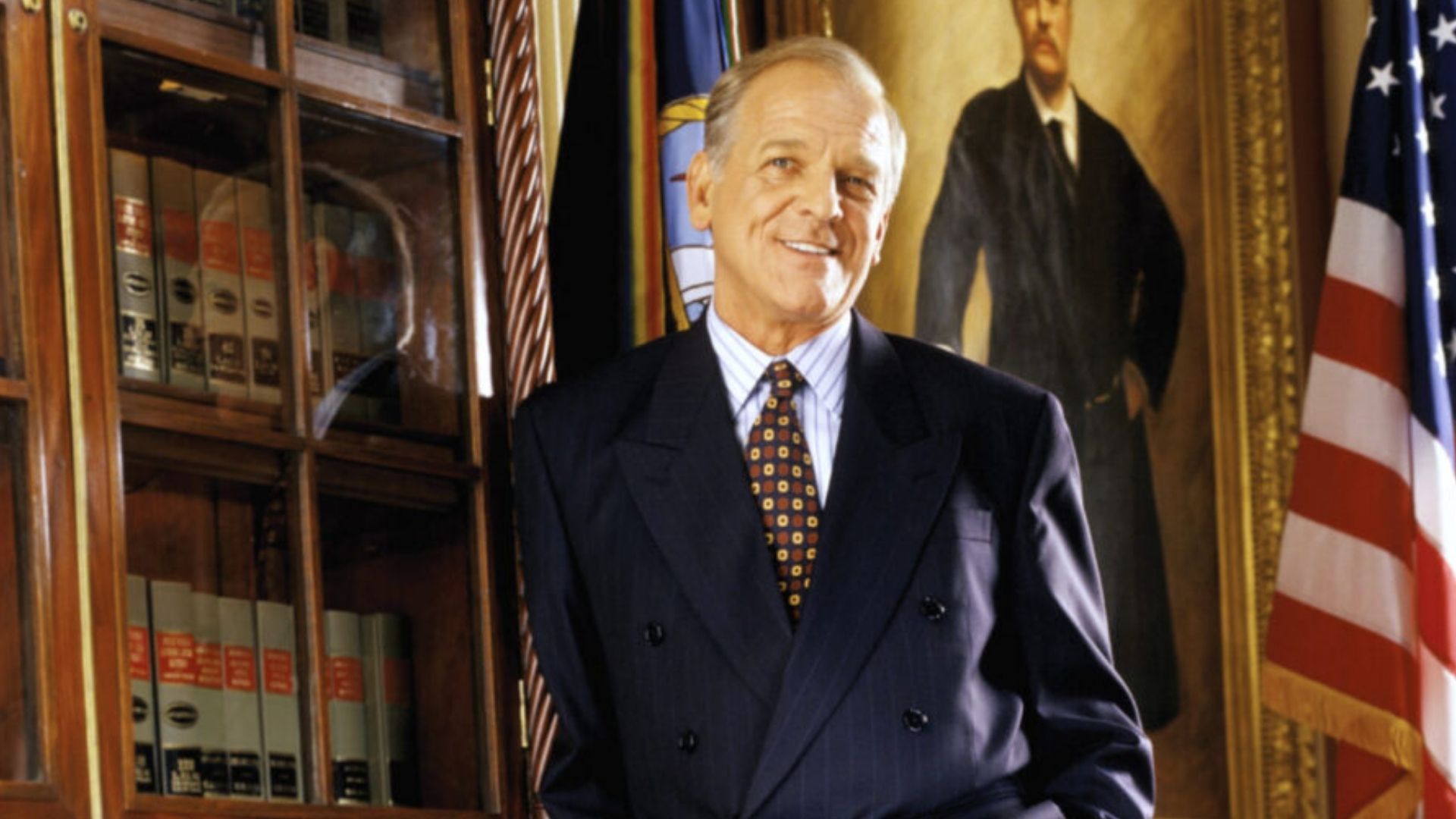
John Spencer - The West Wing
Fans of The West Wing were stunned when John Spencer, who portrayed Leo McGarry, died of a heart attack during the show’s run. His character was a major part of the political drama and was even in the midst of a vice-presidential campaign on the show. The writers chose to incorporate Spencer’s real-life passing by having Leo die during the election storyline. It created an emotional moment for viewers, as the fictional political world was forced to confront a loss that reflected the real-life grief of the cast and fans.
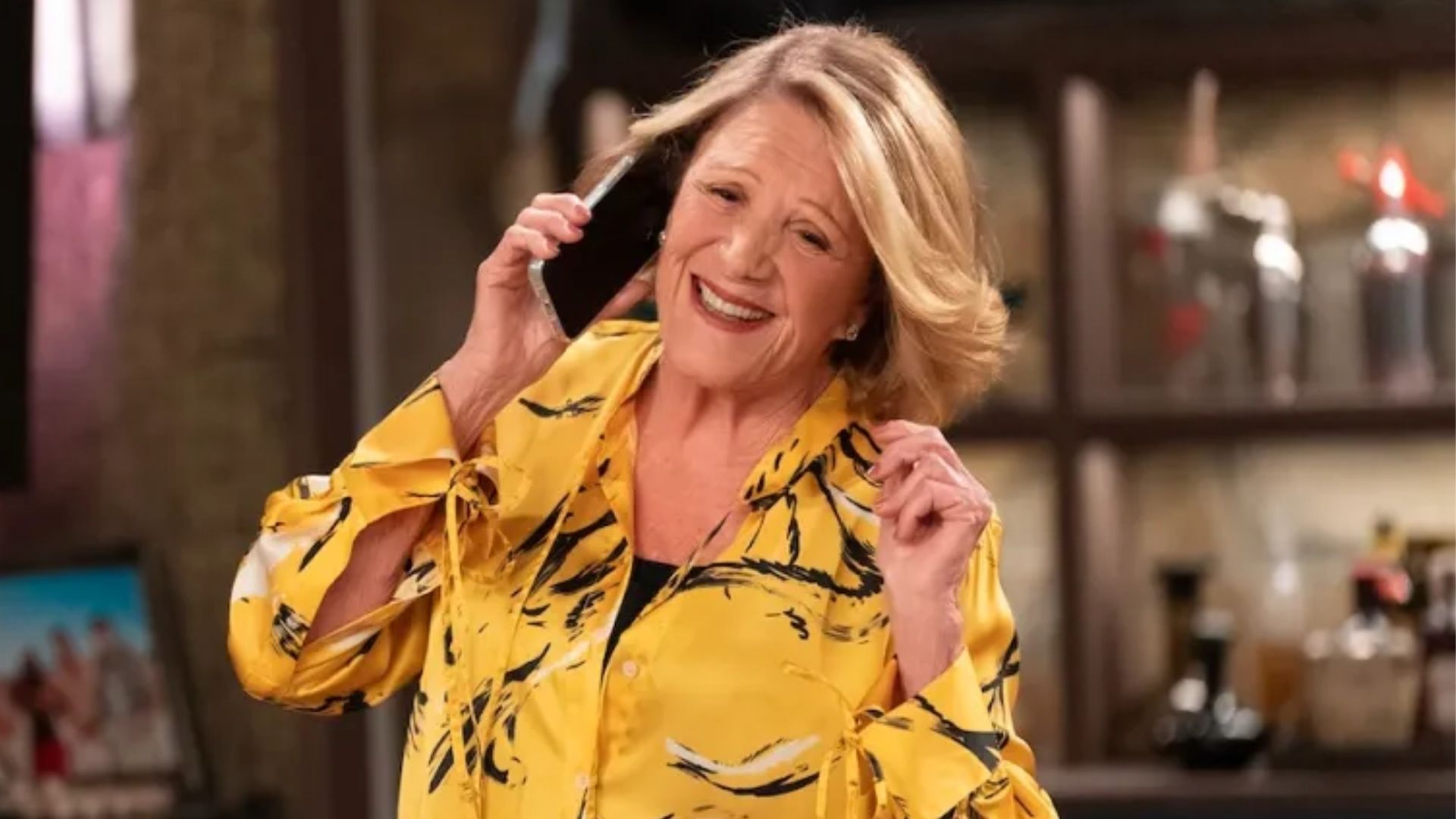
Linda Lavin - Mid-Century Modern
Linda Lavin, who was cast in Mid-Century Modern, died in 2024 at the age of 87. Although the sitcom had not yet aired, her death required the production to address her absence before the show premiered. Lavin’s character will not be recast, as the creators plan to honor her legacy within the series itself.
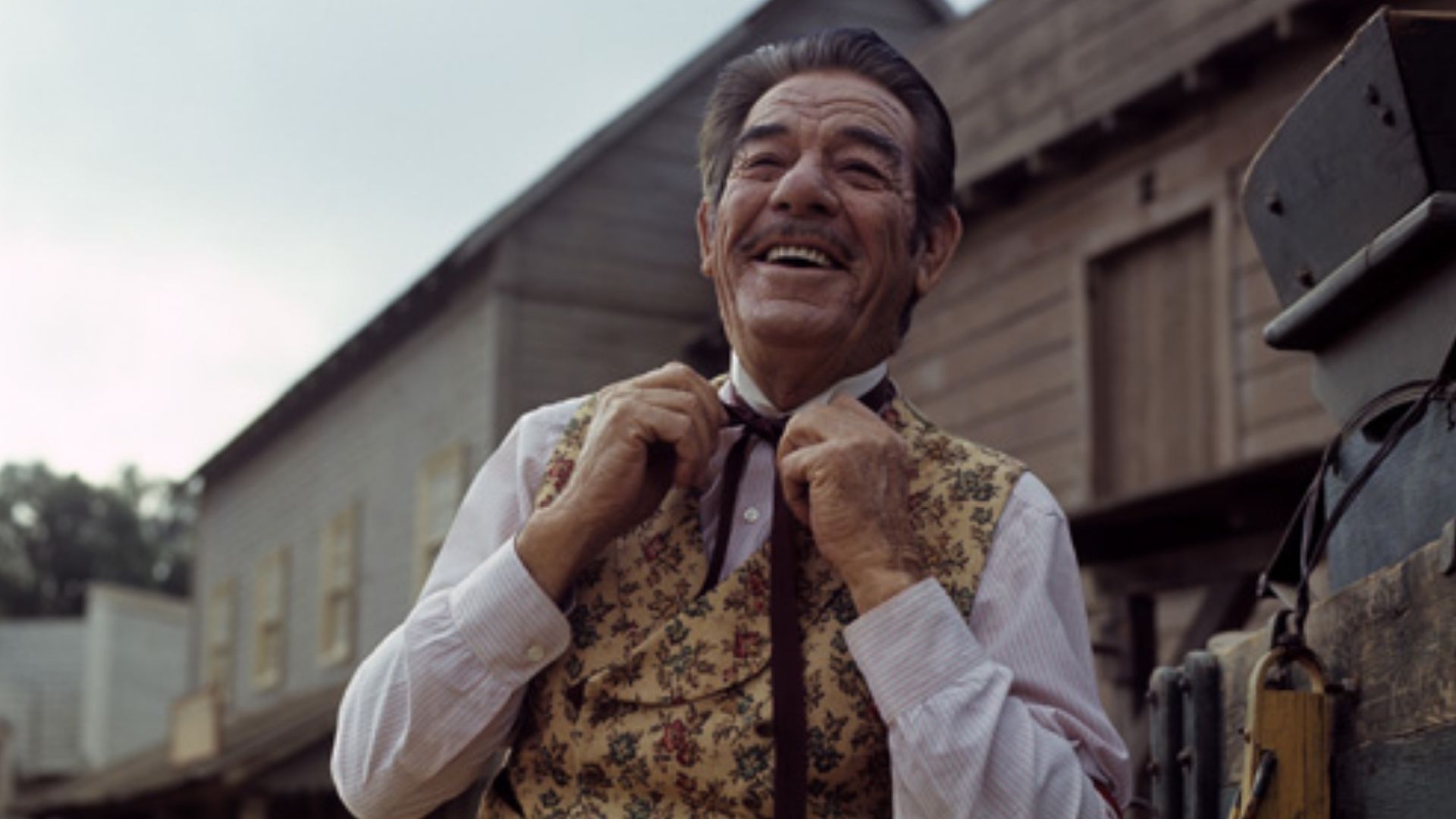
Glenn Strange - Gunsmoke
Glenn Strange joined Gunsmoke later than many of the main cast members, but he quickly became a familiar presence. While on the show, Strange battled lung cancer, which ultimately led to his death. Initially, the series did not directly address the loss of his character. However, it was later revealed in the storyline that his character had also passed away.
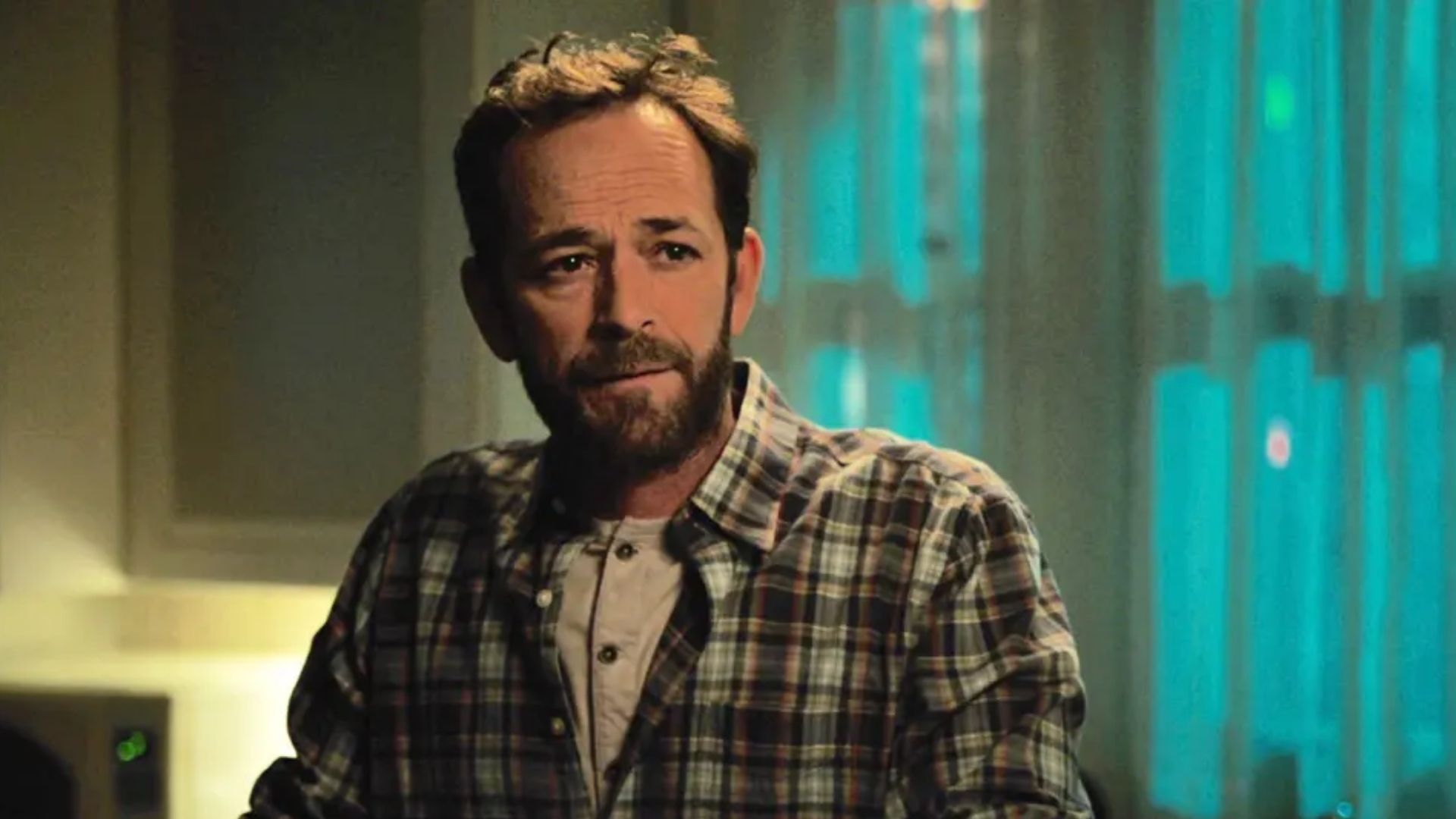
Luke Perry - Riverdale
Luke Perry’s sudden death from a stroke deeply affected Riverdale. His character, Fred Andrews, was written out in the season 4 premiere, where he dies in a car accident. The rest of the episode focuses on the characters processing their grief and reflecting on Fred’s impact on the town. The storyline created space to honor Perry’s legacy, making the tribute emotional.
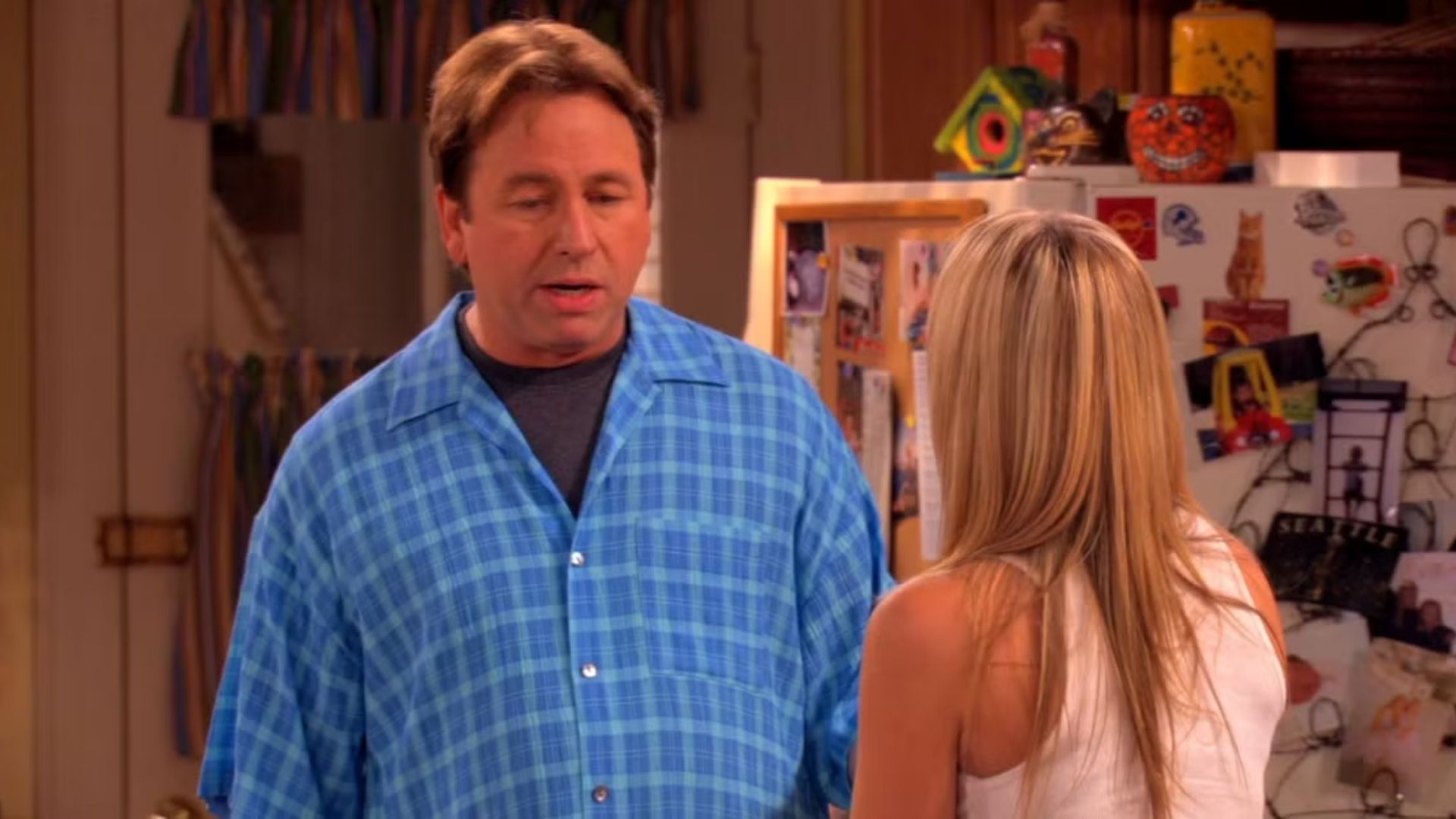
John Ritter - 8 Simple Rules
John Ritter was working on two TV shows when he suddenly passed away. His death brought one show, Clifford, to an end, but 8 Simple Rules continued and chose to write his death into the storyline. The series created a two-part episode that both explained the loss of Ritter’s character and honored the actor himself. These episodes offered a heartfelt farewell, allowing the cast and audience to grieve together.
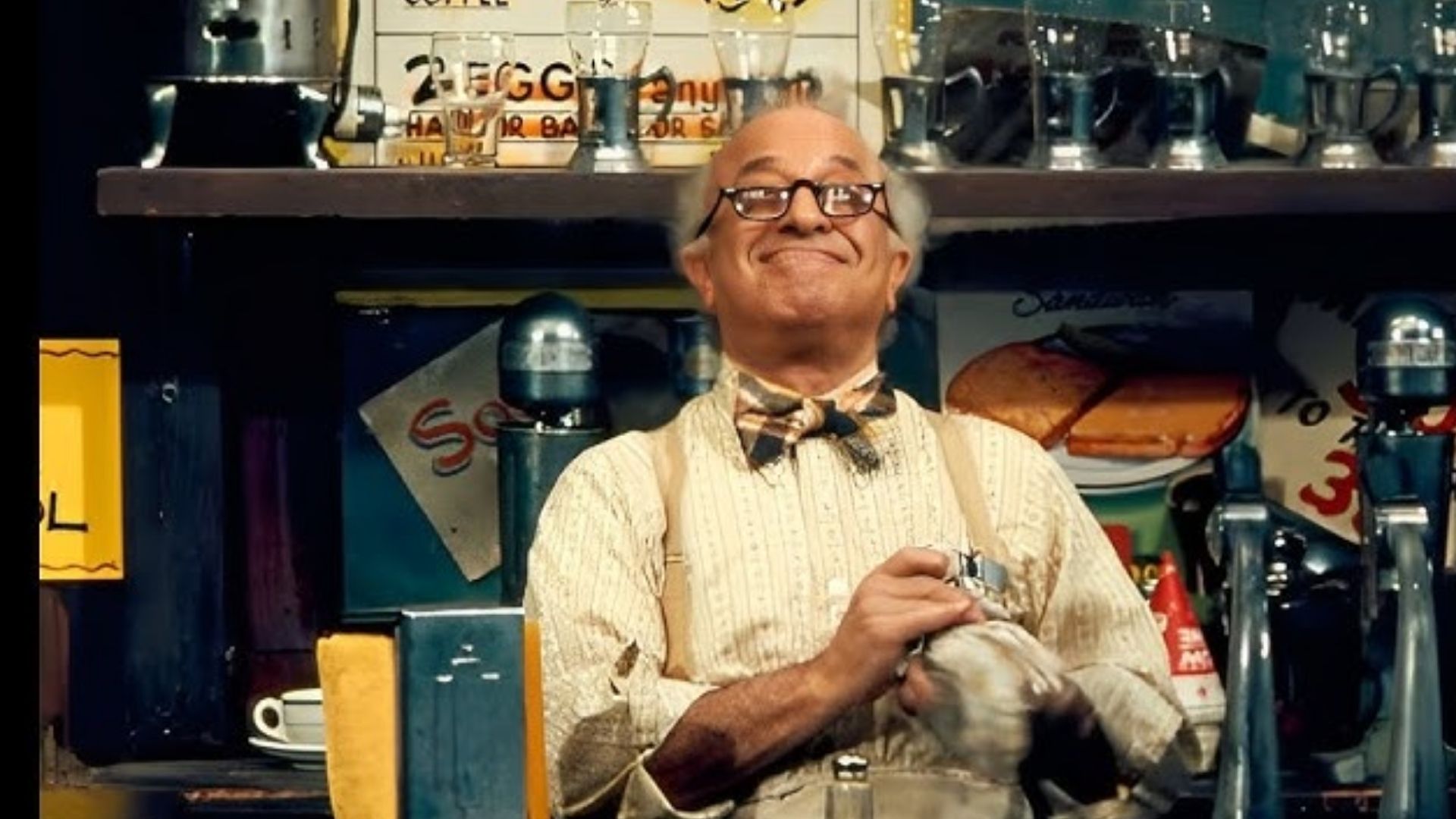
Will Lee - Sesame Street
Will Lee, known for bringing Mr. Hooper to life on Sesame Street, died from a heart attack in 1982. The show first aired several episodes without him, but then used the opportunity to teach children about death in a compassionate and memorable way. In a groundbreaking episode, the characters explain Mr. Hooper’s passing in honest, age-appropriate terms.
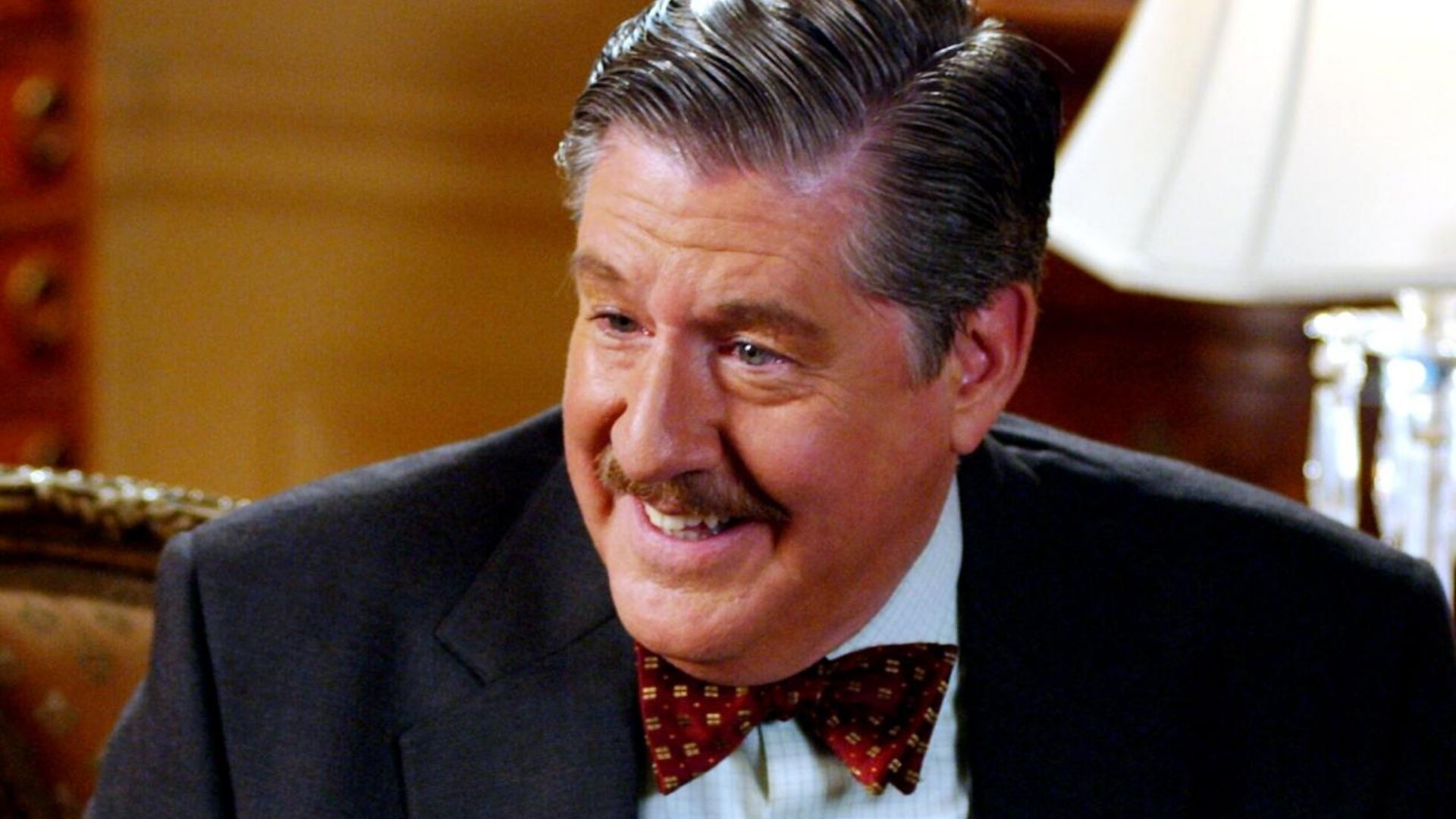
Edward Herrmann in Gilmore Girls
Edward Herrmann, beloved for playing Richard Gilmore, died in 2014 from brain cancer. When Gilmore Girls: A Year in the Life returned years later, the revival incorporated Richard’s death into the storyline. Much of the Netflix series’ emotional weight centered on the family navigating life without him, especially Emily and Lorelai.
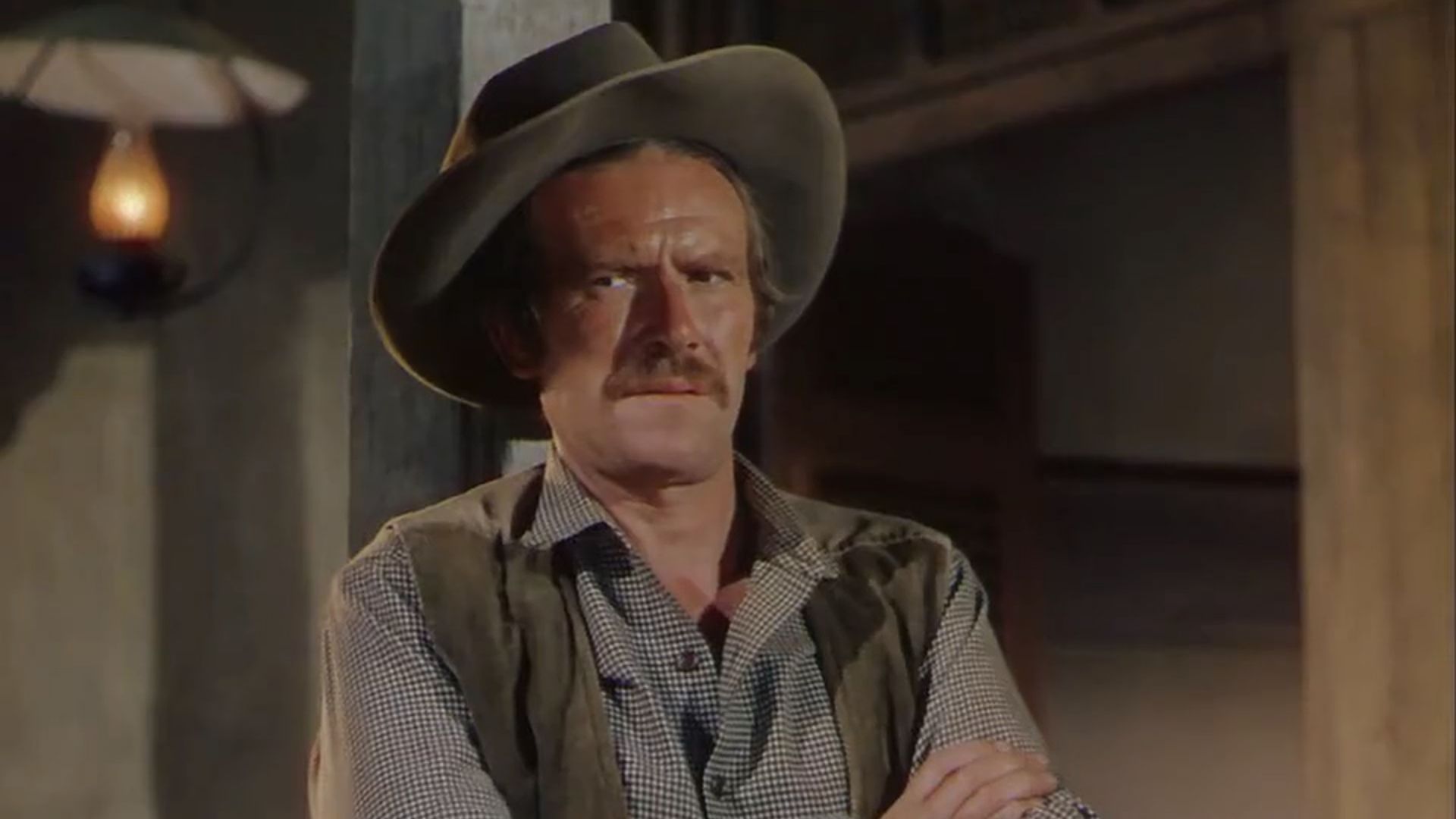
Will Geer - The Waltons
Will Geer, who played Grandpa Zebulon Walton, was a cherished part of The Waltons. When he died from respiratory failure in the late 1970s, the show chose to reflect his passing within the story. In the season 7 premiere, the characters say their goodbyes to Grandpa Zebulon in a heartfelt tribute. The episode allowed the series to honor Geer’s impact.
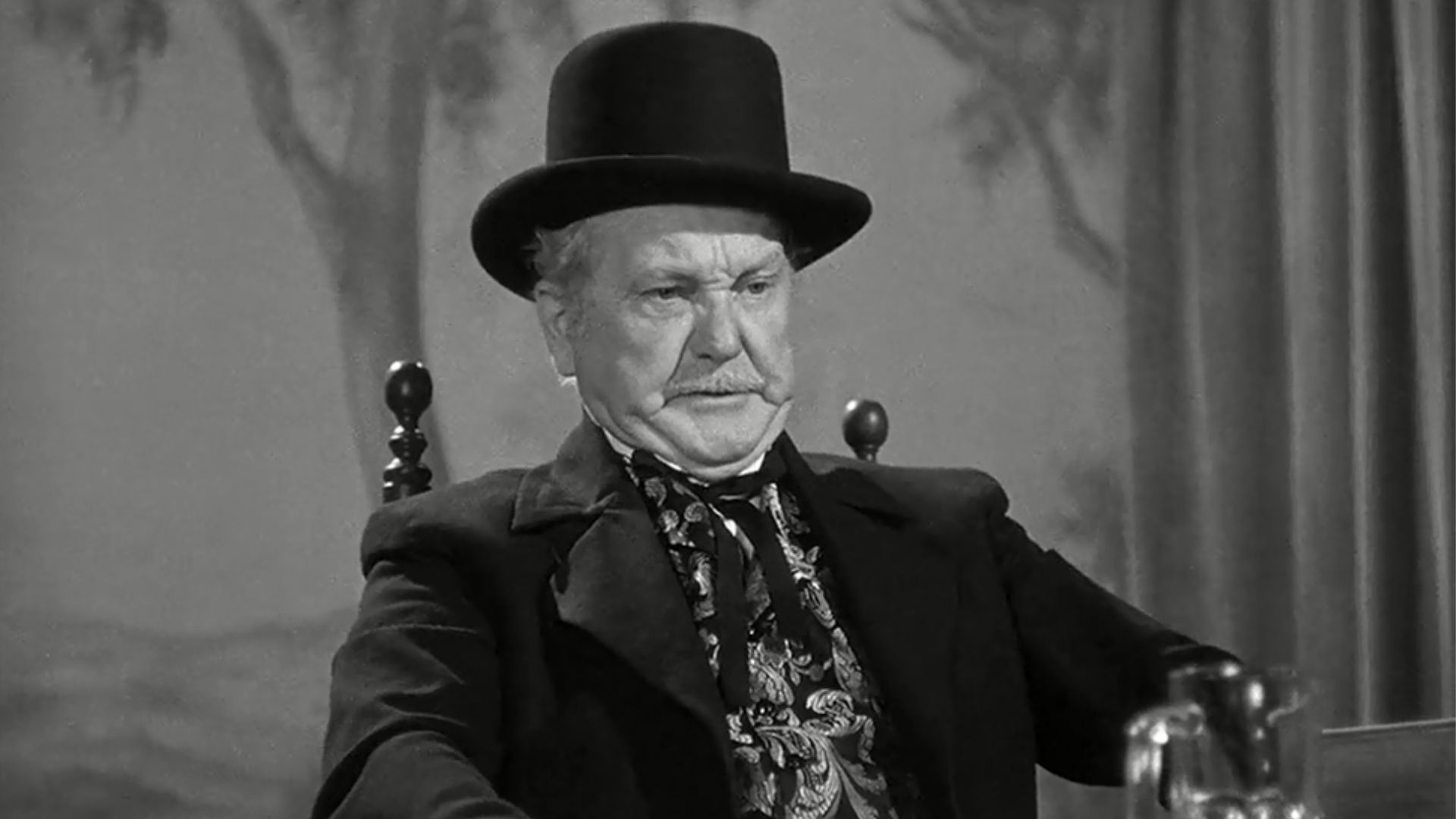
George Cleveland - Lassie
During the early years of Lassie, George Cleveland, who played the beloved Gramps, died suddenly from a heart attack in 1957. The show responded by writing his character’s death into the story, allowing viewers and cast to say goodbye within the narrative. Lassie honored both Cleveland and Gramps in a special funeral episode, giving an emotional farewell to a character who had become important to audiences during the show’s early seasons.
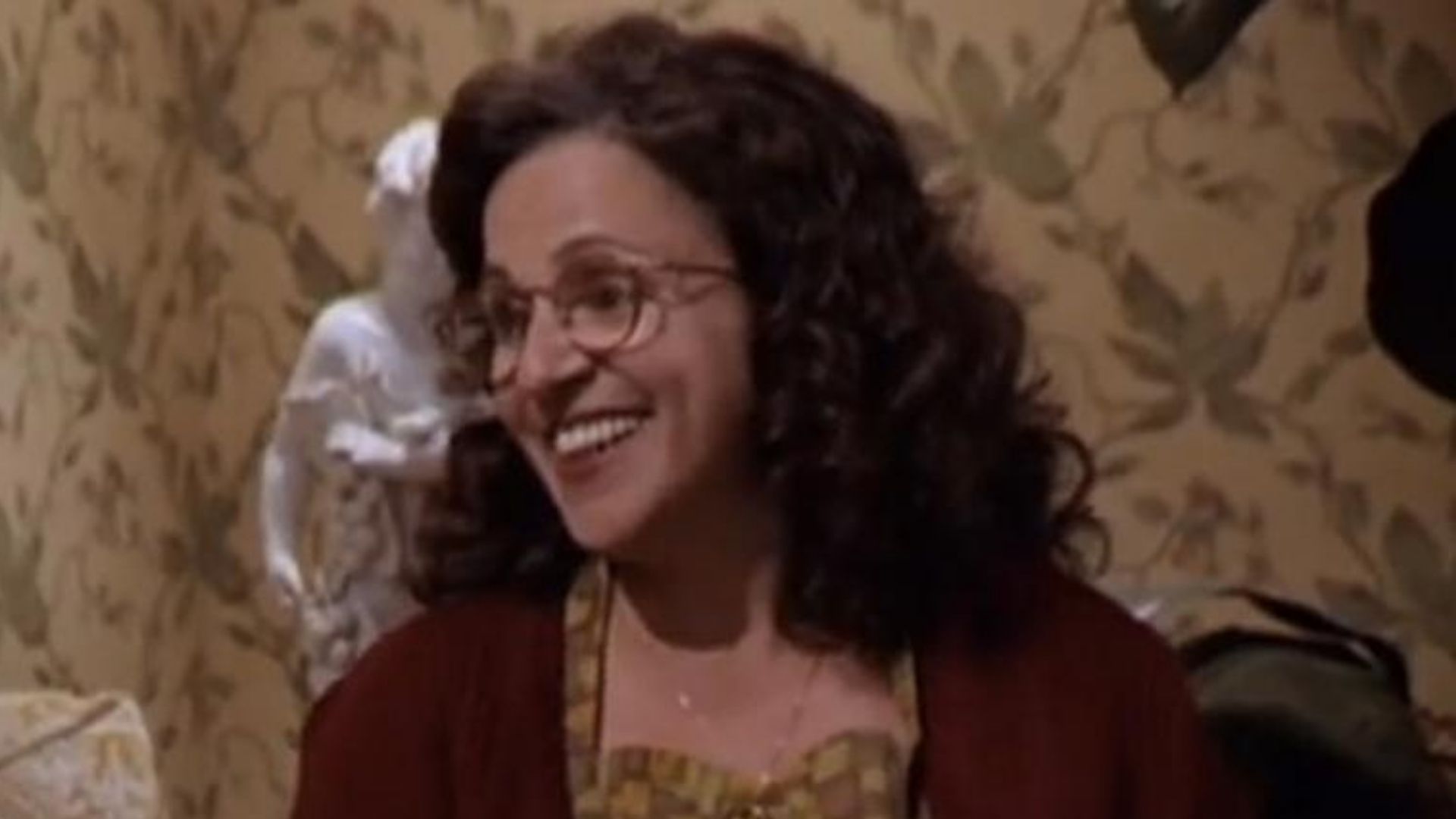
Carol Ann Susi - The Big Bang Theory
Carol Ann Susi, the unforgettable voice behind Debbie Wolowitz, died in 2014 from cancer. Since Debbie was never shown on screen, her absence was explained through a storyline in which she dies peacefully in her sleep. The show dedicated an episode to honoring her memory and explored Howard’s grief as he faced life without his mother’s loud and loving presence.
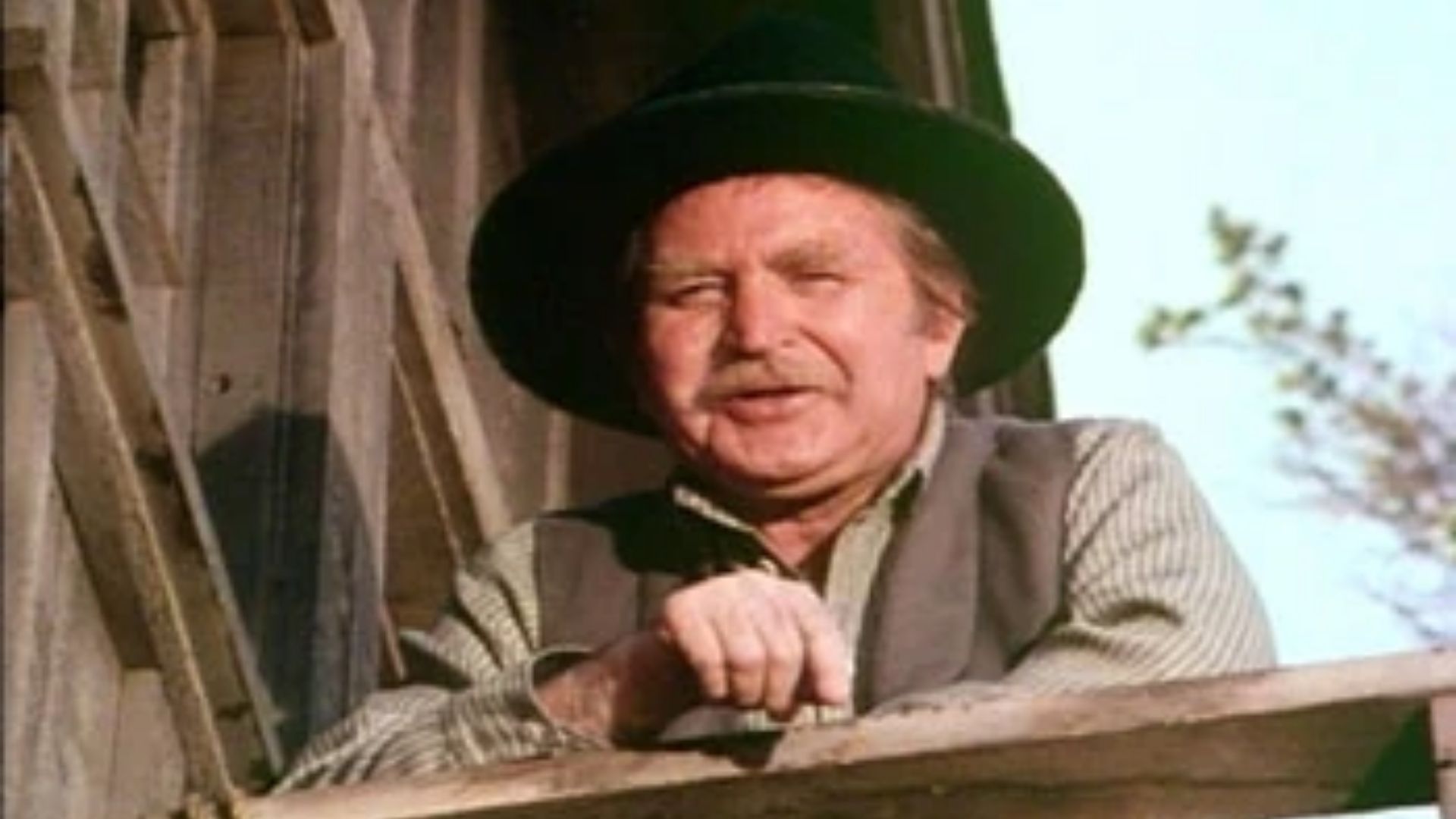
Karl Swenson - Little House on the Prairie
Karl Swenson, known for portraying Lars Hanson on Little House on the Prairie, died from a heart attack while filming the series. The show wrote his character’s death as the result of illness, which fit naturally with its historical setting where minor sicknesses often became fatal. Swenson had been planning to retire soon, so his character’s exit aligned with what might have happened anyway.
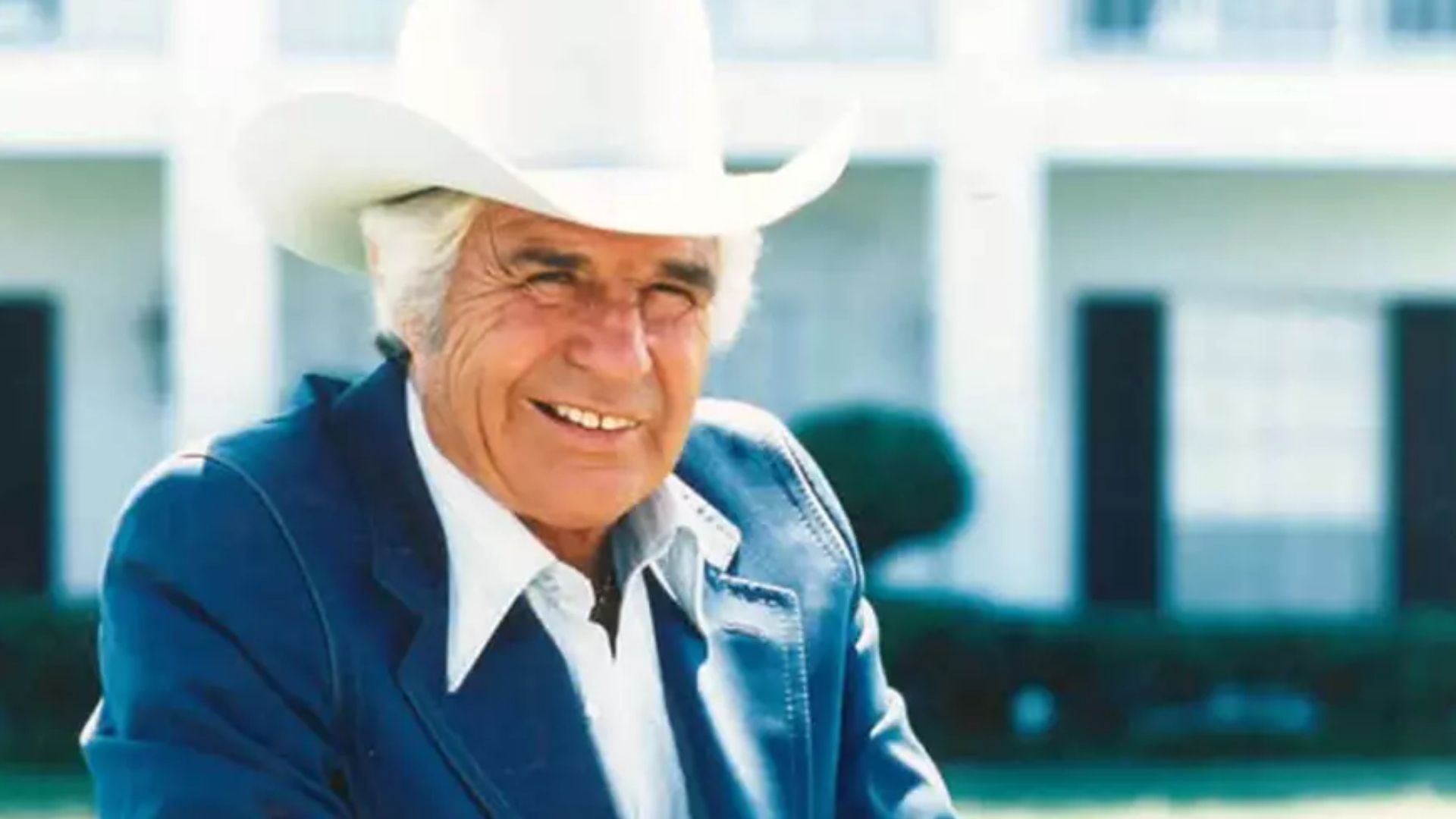
Jim Davis - Dallas
Jim Davis, who played the influential Jock Ewing in Dallas, died from cancer in 1981. For a time, the show kept his character off-screen, offering explanations for Jock’s absence. Eventually, the writers chose to address the situation directly by having Jock die in a dramatic helicopter crash. This storyline allowed the show to move forward while honoring Davis’s important role in shaping the early years of Dallas.