
15 War TV Shows You Won’t Be Able to Stop Watching
Masters of the Air
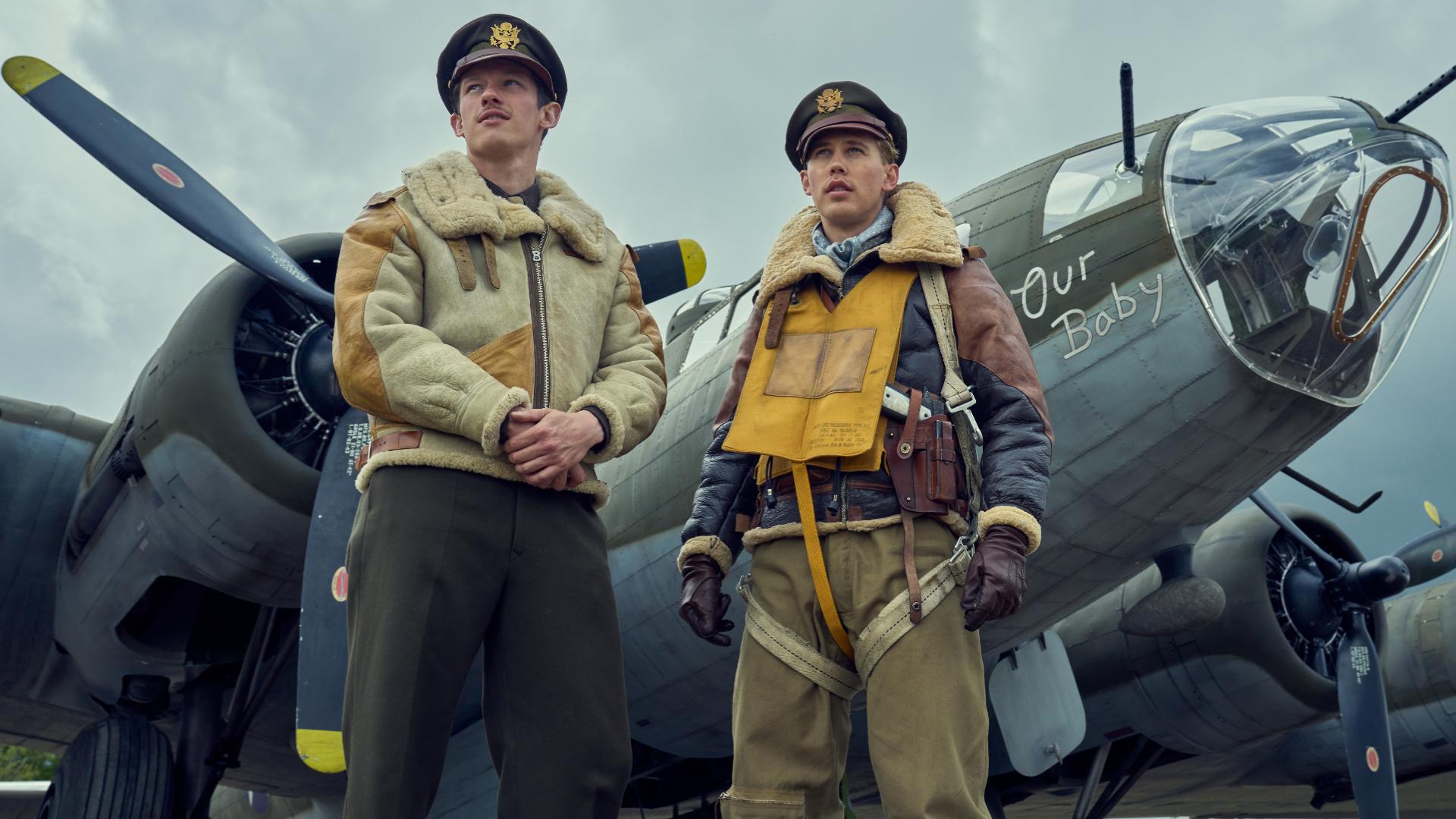
Masters of the Air focuses on American airmen flying dangerous bombing missions over Nazi Europe during World War II. The series follows the 100th Bomb Group as they fly B-17 planes high above enemy territory. Every mission risks death from enemy fire, mechanical failure, or extreme cold. Beyond the action, the show highlights fear, friendship, and loss among young men facing constant danger. It shows how air warfare was both physically and mentally exhausting.
All The Light We Cannot See
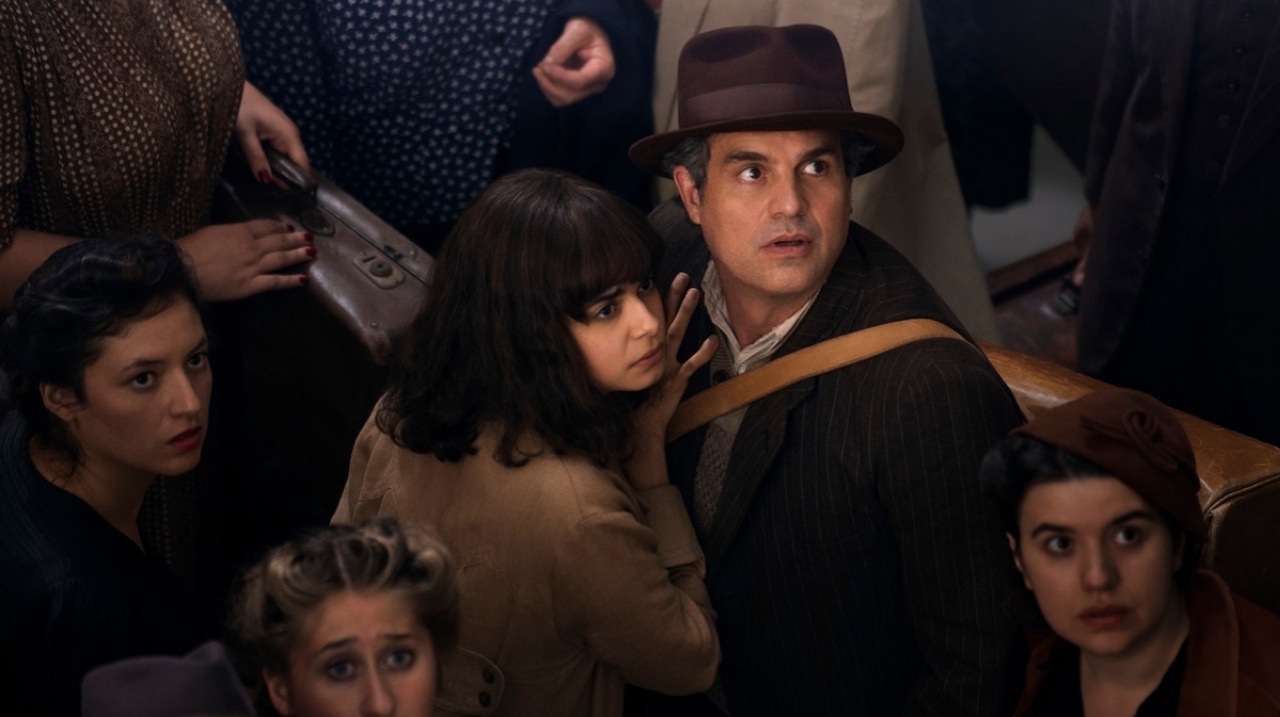
Set during World War II, All the Light We Cannot See follows two young people on opposite sides of the conflict. Marie-Laure is a blind French girl hiding in occupied France, while Werner is a German soldier forced to use his radio skills to track resistance fighters. Their stories unfold separately before slowly crossing paths. The series focuses on survival, fear, and moral struggle rather than combat. It shows how war pushes people into difficult choices and how small acts of kindness can still exist during violent and uncertain times.
We Were the Lucky Ones
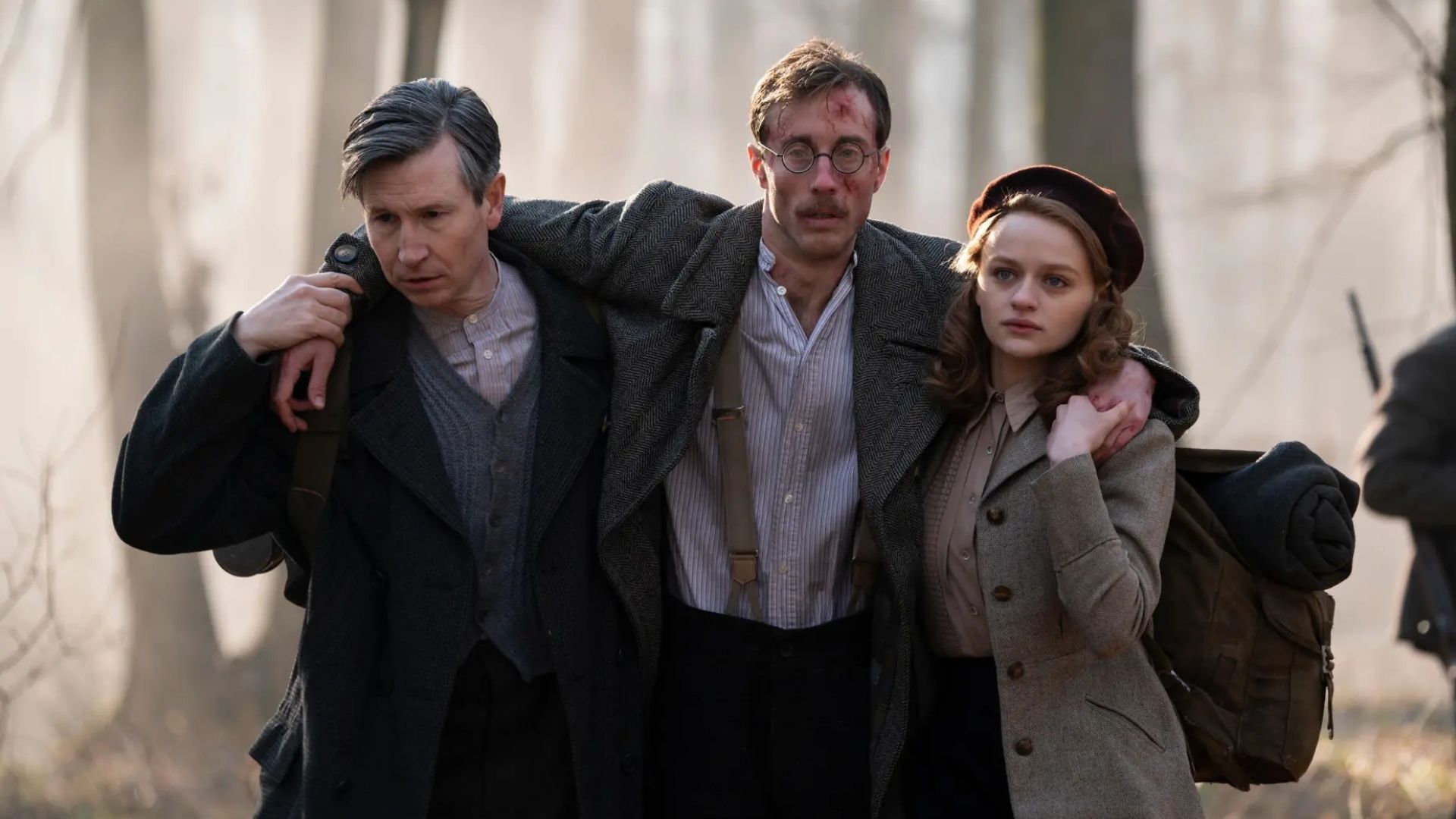
We Were the Lucky Ones tells the story of the Kurc family, a Jewish family separated during World War II. In 1938, they live normal lives in Poland, unaware of how quickly everything will change. As Nazi rule spreads, each family member is forced onto a different path; some flee, some hide, and others struggle to survive in ghettos and factories. The series focuses on survival, family bonds, and hope during unimaginable hardship.
Band of Brothers
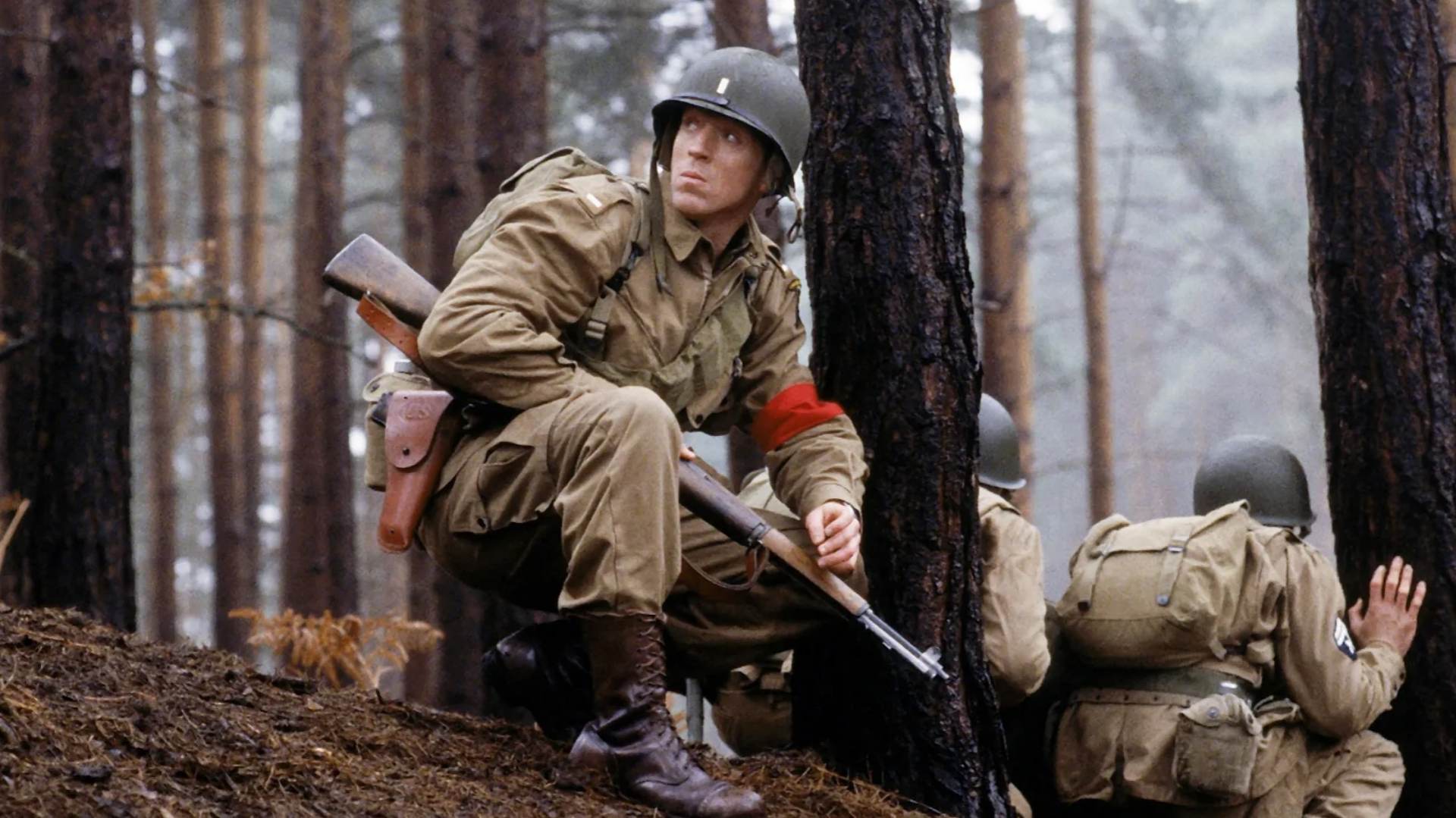
Widely regarded as one of the greatest war series ever made, Band of Brothers follows Easy Company of the 101st Airborne Division from D-Day through the end of World War II. The series emphasizes realism, focusing on camaraderie, fear, leadership, and the psychological toll of prolonged combat. Each episode blends tactical detail with personal stories, showing how war shapes and scars those who fight it. Rather than glorifying battle, it honors shared sacrifice and brotherhood.
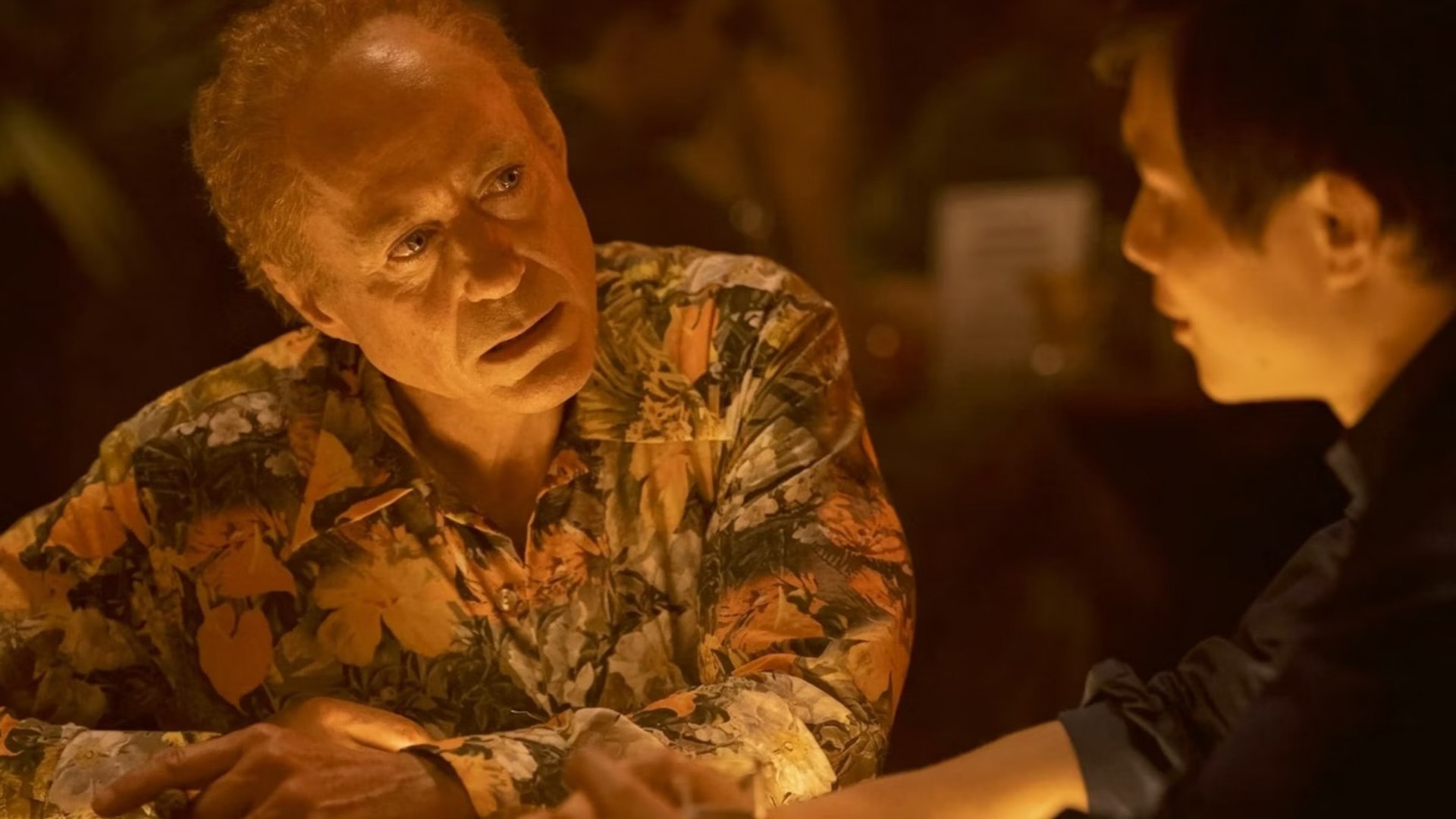
The Sympathizer
The Sympathizer is set at the end of the Vietnam War and follows a spy secretly working for the Viet Cong. After fleeing to the United States, he lives among Vietnamese refugees while continuing to report back in secret. Although much of the story happens away from battlefields, the war’s impact is always present. The series explores identity, loyalty, and betrayal, showing how war follows people long after they escape it.
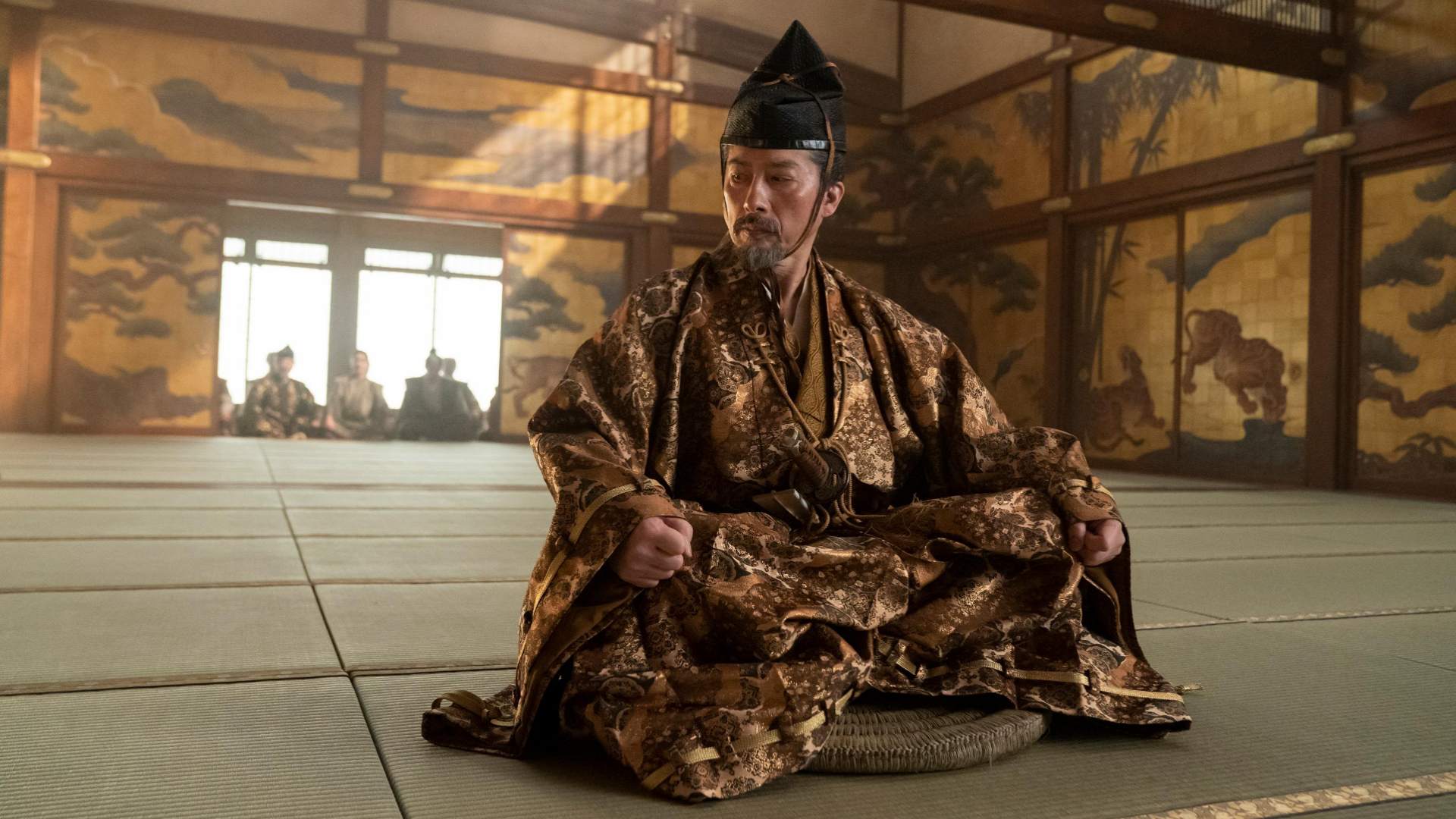
Shōgun
Shōgun is set in early 17th-century Japan during a time of political tension and looming war. When a mysterious European ship washes ashore in a fishing village, powerful lord Yoshii Toranaga realizes the foreigner aboard may change the balance of power. As rival warlords plot against him, Toranaga uses strategy, patience, and manipulation to survive. Through diplomacy and betrayal, Shōgun shows how war can be fought through minds and alliances as much as swords.
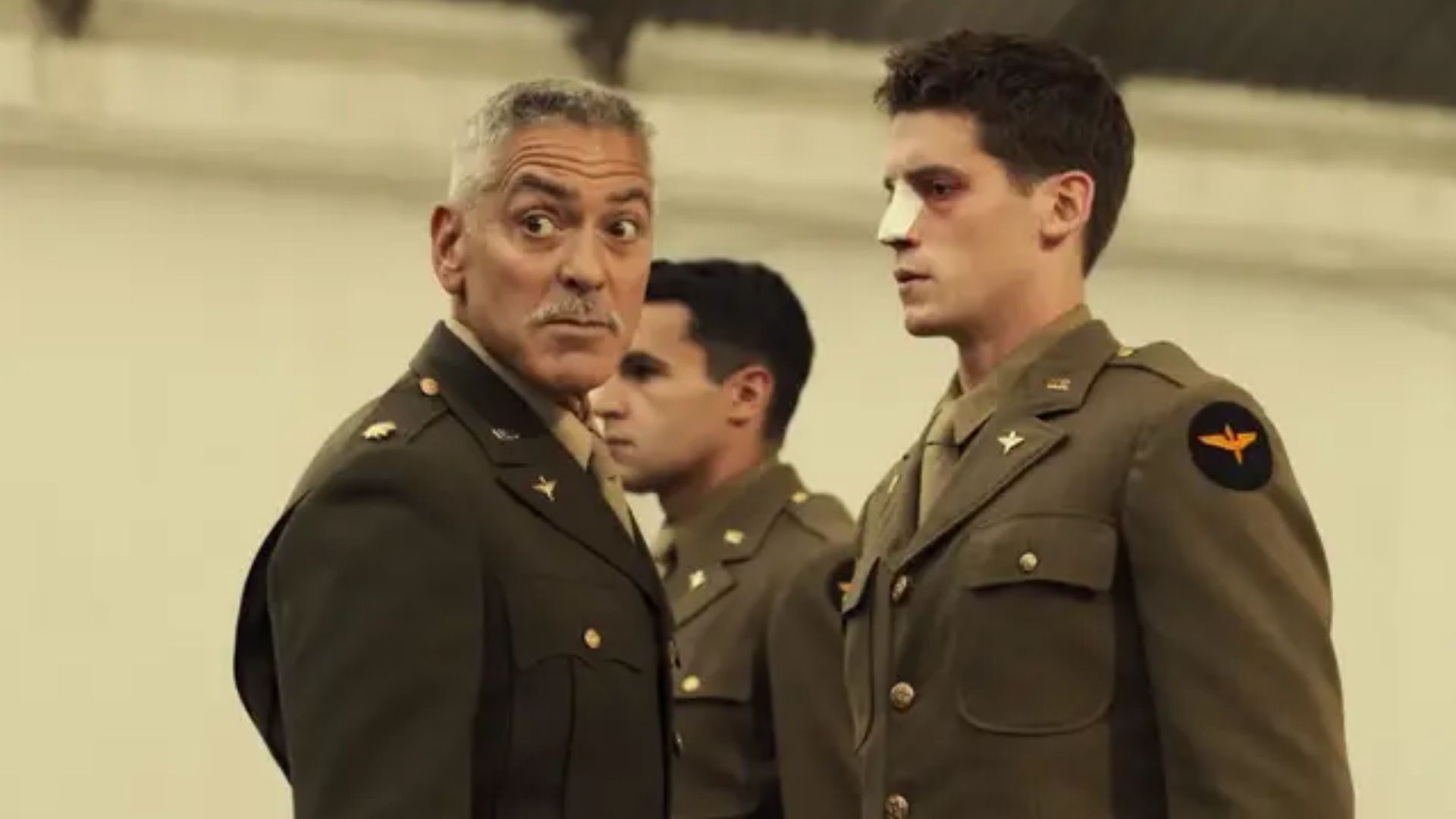
Catch-22
Catch-22 follows Captain John Yossarian, a World War II bomber pilot who wants nothing more than to stay alive. Stationed on a small island, he tries to escape flying dangerous missions by claiming illness. However, army rules trap him in a cruel loop; anyone sane enough to fear combat must keep flying. The series uses dark humor to show how war can feel illogical and unfair.
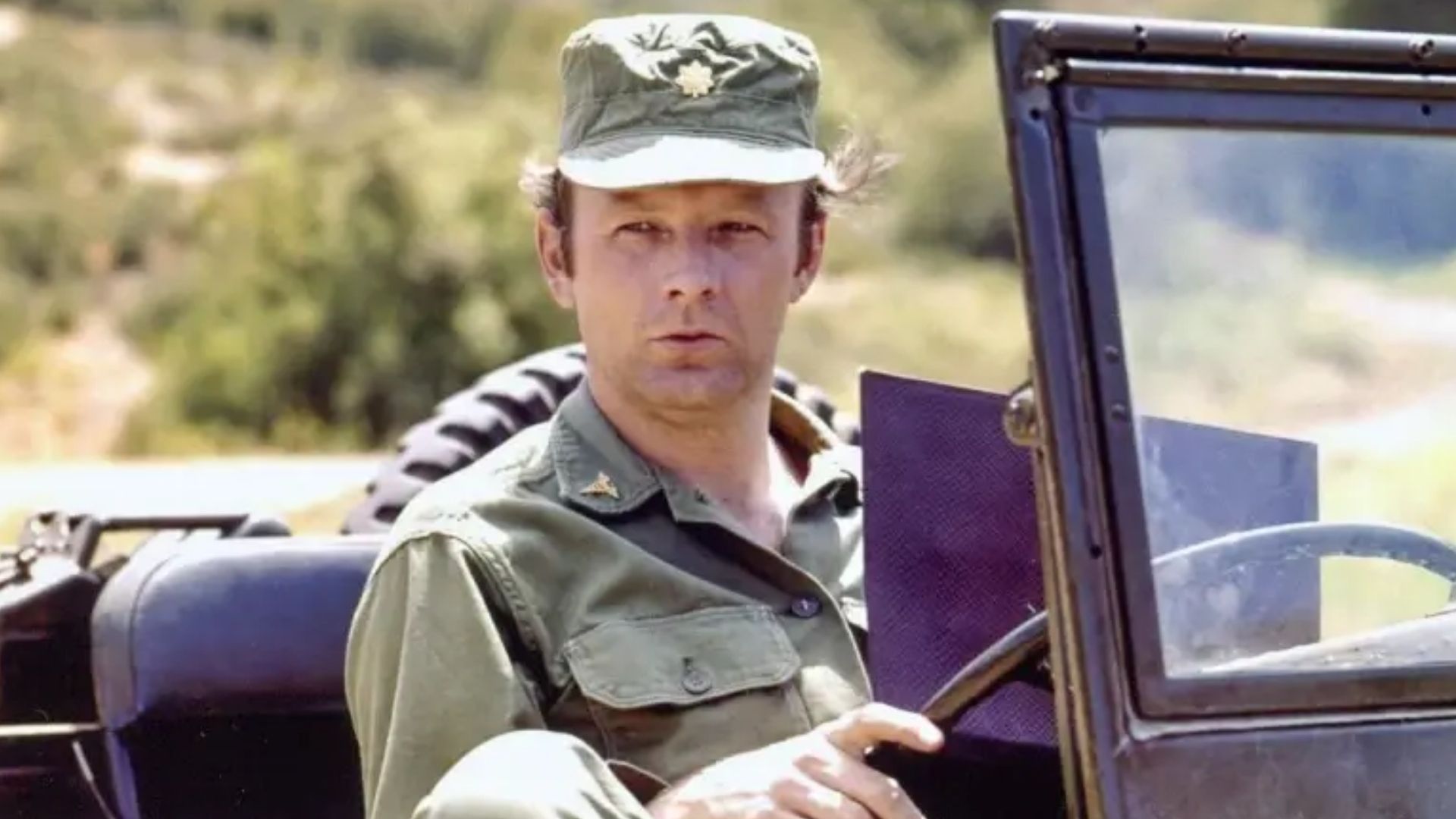
M*A*S*H
Set during the Korean War, M*A*S*H follows doctors and nurses working at a mobile army hospital close to the front lines. To cope with constant injuries and death, they rely on humor, pranks, and friendship. While often funny, the show never forgets the seriousness of war. Beneath the jokes, it highlights exhaustion, emotional pain, and the cost of endless fighting. By focusing on medical staff instead of soldiers, the series offers a different view of war.
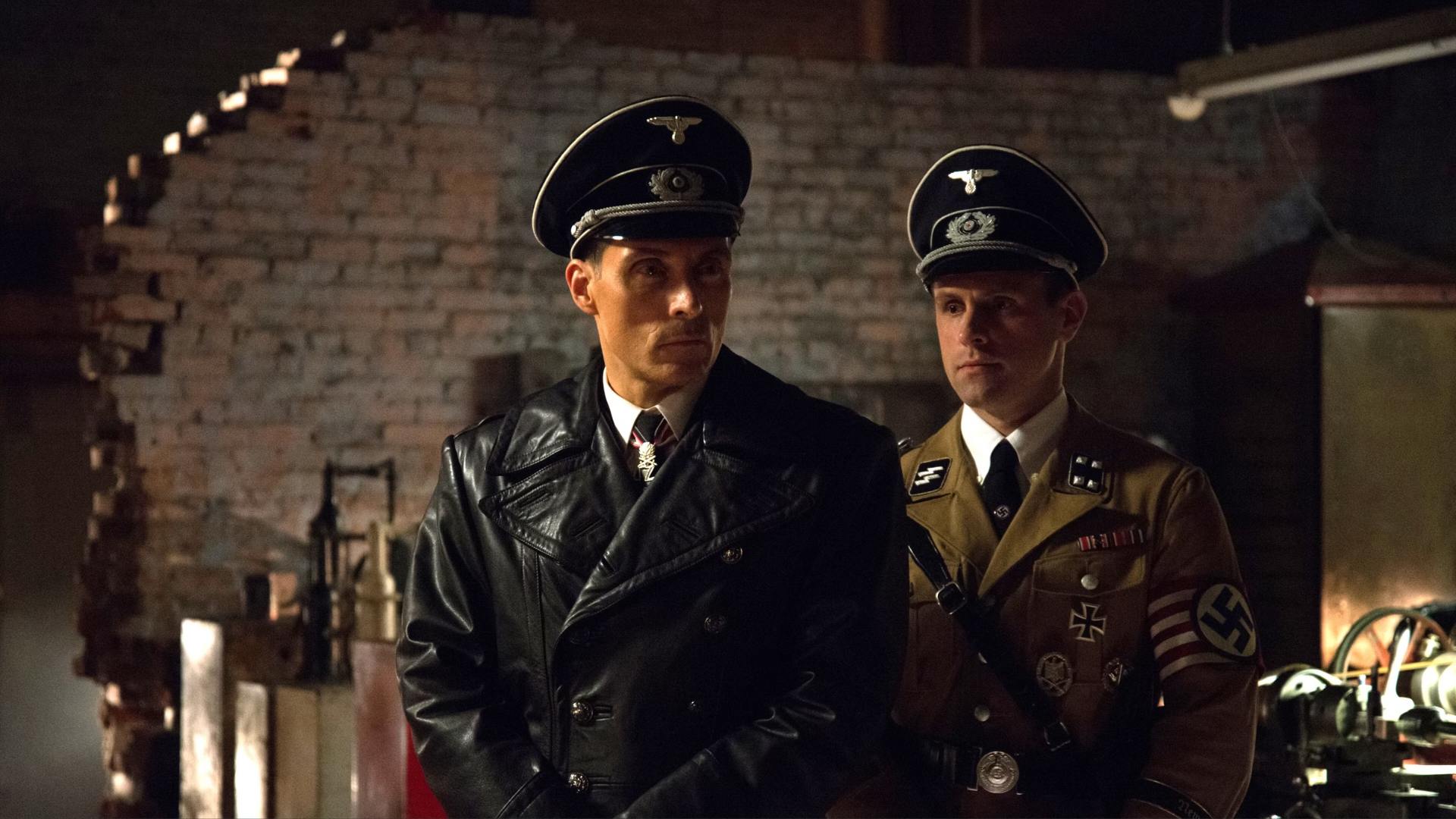
The Man in the High Castle
The Man in the High Castle imagines a world where Nazi Germany and Imperial Japan won World War II and now rule America. The country is divided, watched, and controlled by harsh regimes. The story follows people living under occupation as they discover mysterious films that suggest another reality exists. While fictional, the series explores real war themes like resistance, fear, and loss of freedom. It shows how life continues under total control and how hope survives even in dark times.
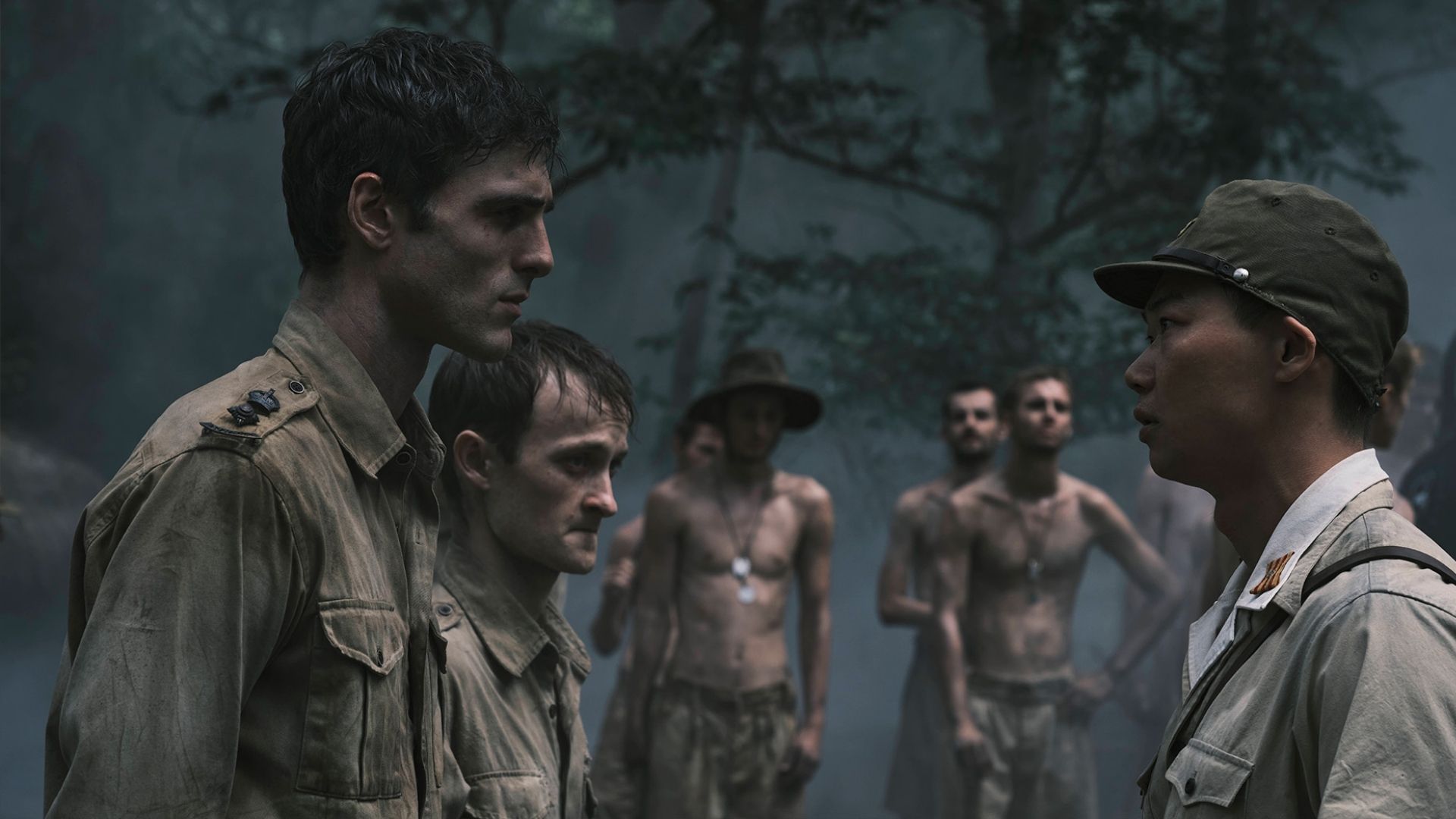
The Narrow Road To The Deep North
The Narrow Road to the Deep North is set during World War II and follows an Australian doctor captured by Japanese forces. Forced to work on the Burma Railway, he and other prisoners endure hunger, disease, and brutal treatment. The series focuses on survival under extreme conditions rather than combat. Through memories and reflections, it also explores love, trauma, and the lasting impact of war.
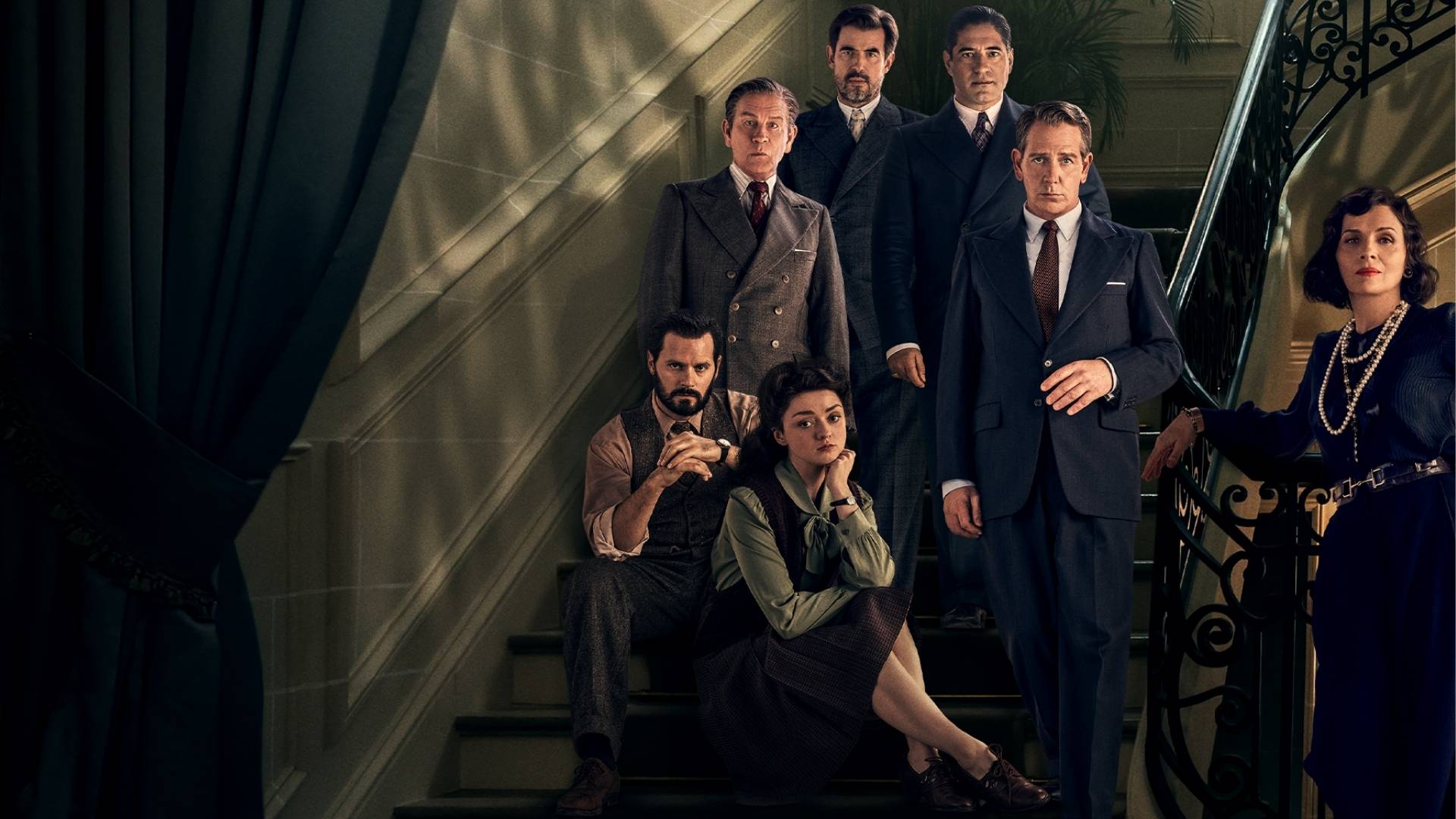
The New Look
Set in Nazi-occupied Paris during World War II, The New Look explores how war affects life beyond the battlefield. The story follows designers and artists trying to survive under strict German control. While fashion is central, the real focus is fear, resistance, and moral choices during occupation. Characters must decide when to stay silent, when to cooperate, and when to risk everything. The show highlights how war reaches into culture, creativity, and personal identity.
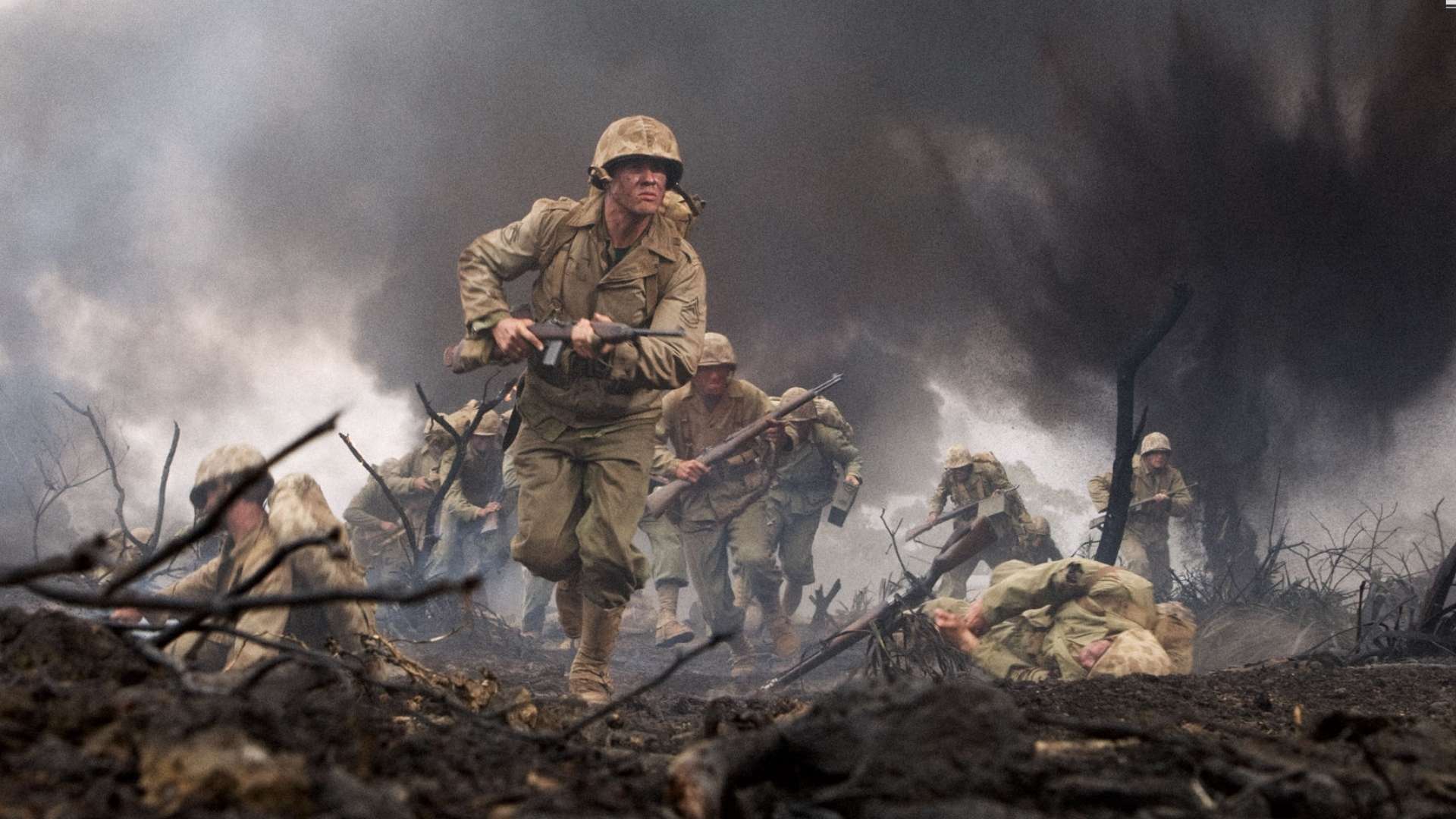
The Pacific
The Pacific follows U.S. Marines fighting against Japanese forces during World War II. Set across brutal island battles, the series shows how harsh conditions and constant violence wear soldiers down. Unlike traditional war stories, it focuses closely on fear, trauma, and mental strain. It also explores what happens when soldiers return home and struggle to adjust to civilian life. While it includes intense combat scenes, the heart of the series lies in its focus on brotherhood and survival.
The Liberator
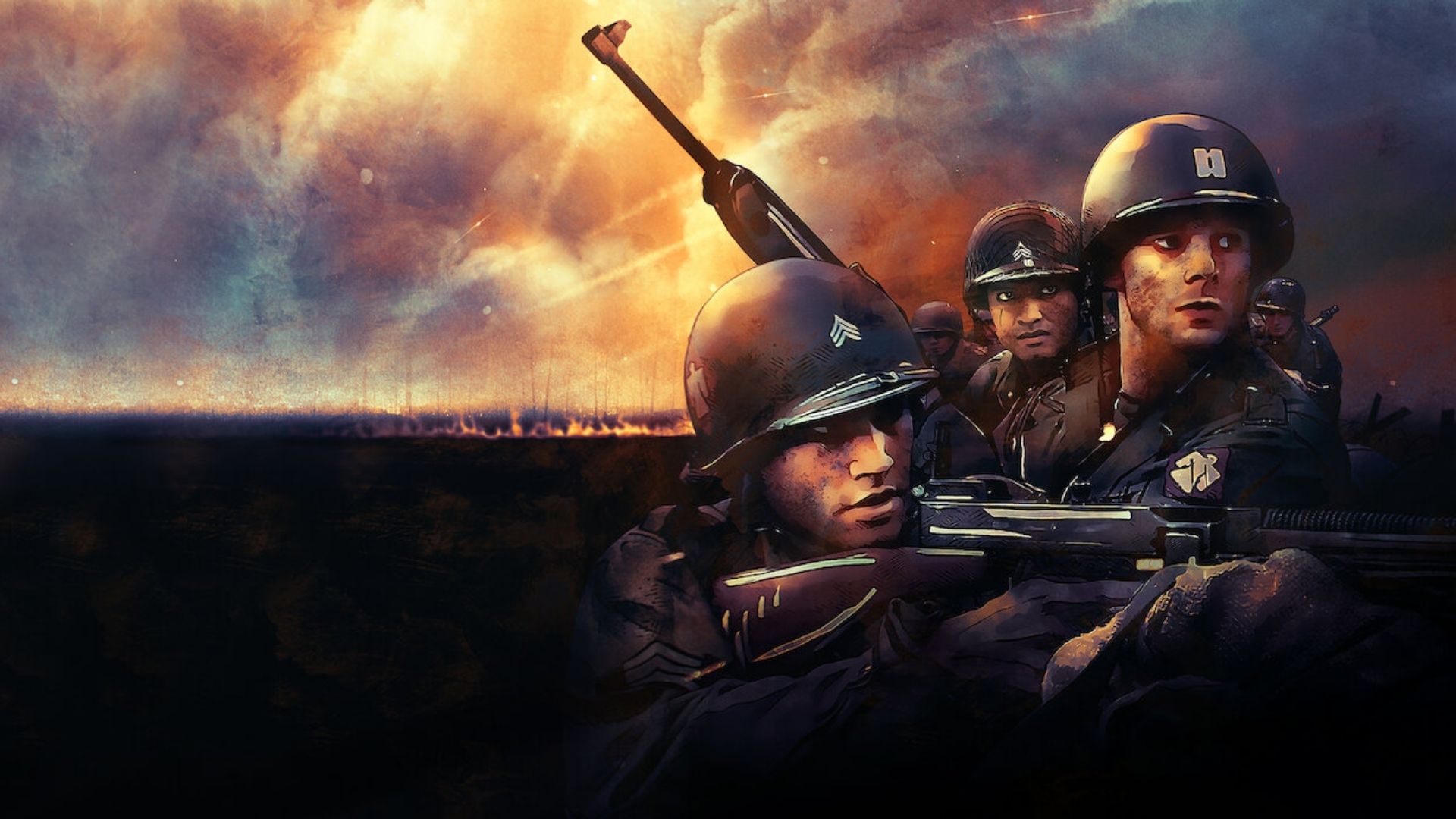
The Liberator tells the true story of the 157th Infantry Regiment during World War II. The unit includes Native Americans, Mexican Americans, and working-class soldiers who faced discrimination back home. Their journey begins in Sicily and continues through a long and dangerous march across Europe. The series highlights endurance, teamwork, and sacrifice over 500 days of fighting. Using a unique animated style, it brings attention to a largely forgotten group of soldiers.
Generation Kill
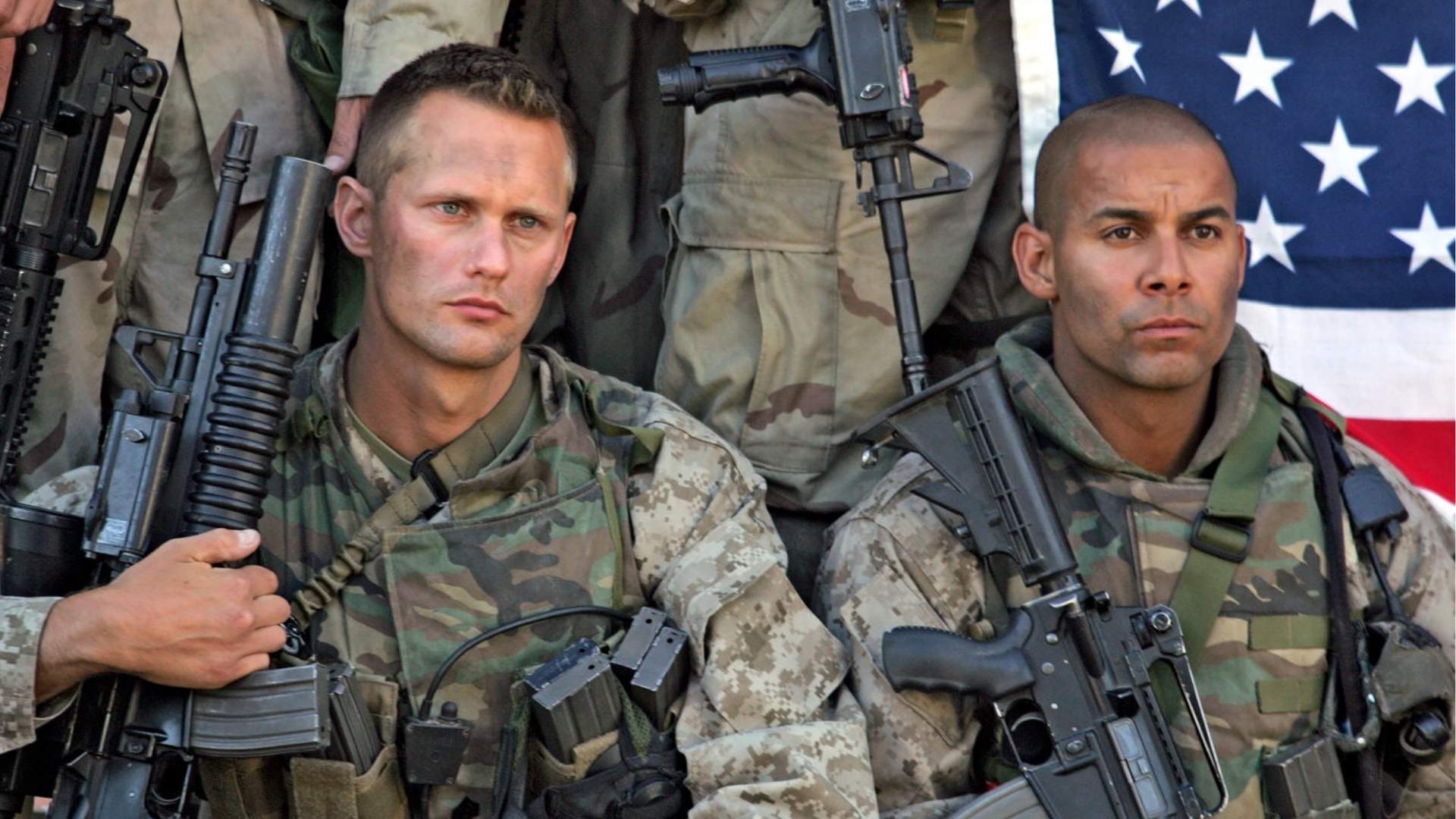
Generation Kill follows U.S. Marines during the 2003 invasion of Iraq. Based on real reporting, the series shows modern warfare as confusing, frustrating, and often poorly organized. Soldiers deal with unclear orders, flawed leadership, long waits, and sudden violence. Dark humor mixes with moments of fear and anger. Instead of heroic speeches, the show focuses on everyday reality; boredom, tension, and survival.
Holocaust
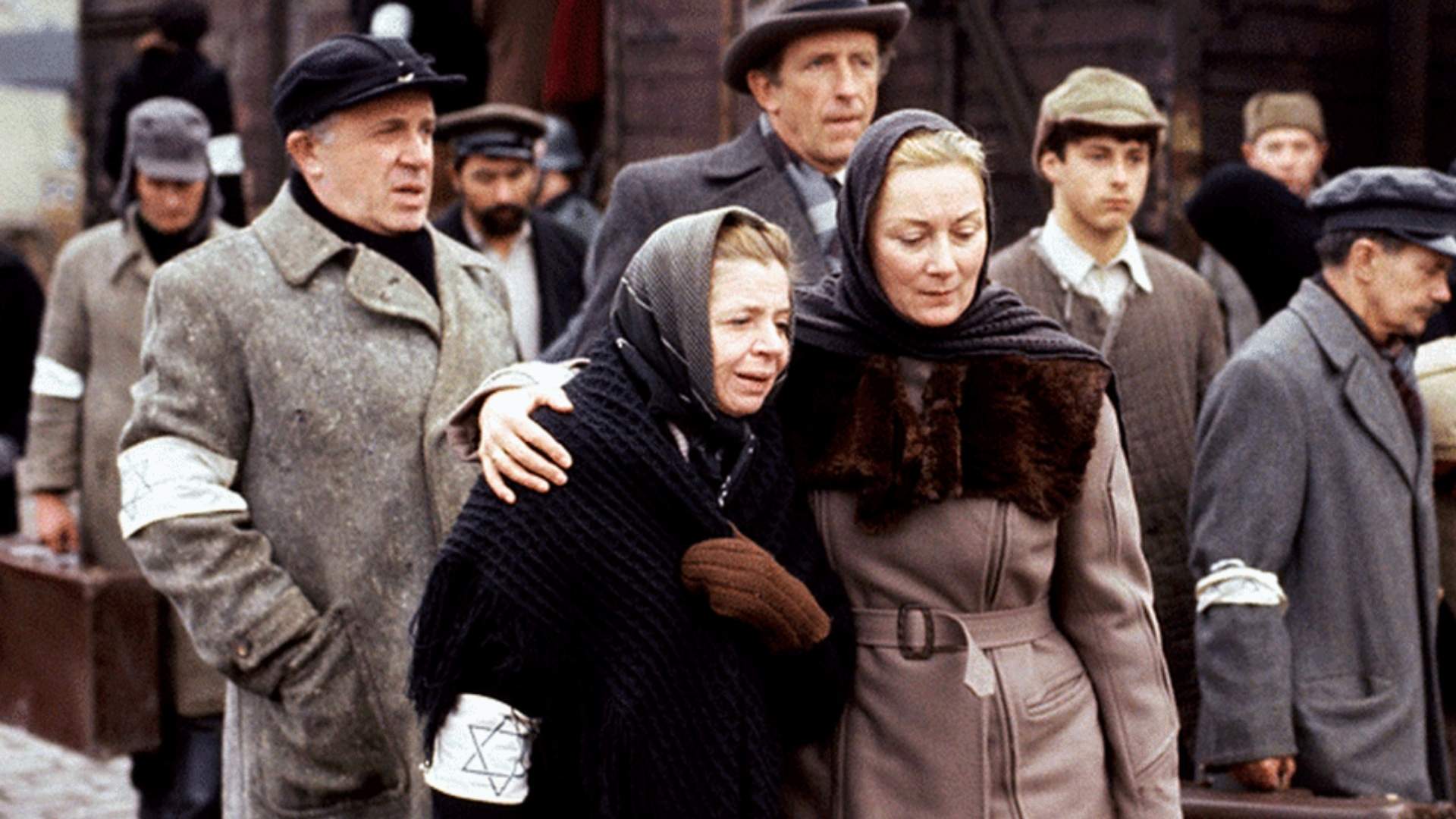
Holocaust follows the Weiss family, a Jewish family living in Germany as the Nazi regime rises to power. Over the course of World War II, each family member faces discrimination, violence, and eventual destruction under anti-Semitic laws. The series also follows a German lawyer whose involvement with the SS slowly turns him into a willing participant in mass murder. By focusing on individual lives, the show makes the scale of genocide deeply personal.