
1950s Films That Set the Gold Standard for Movies
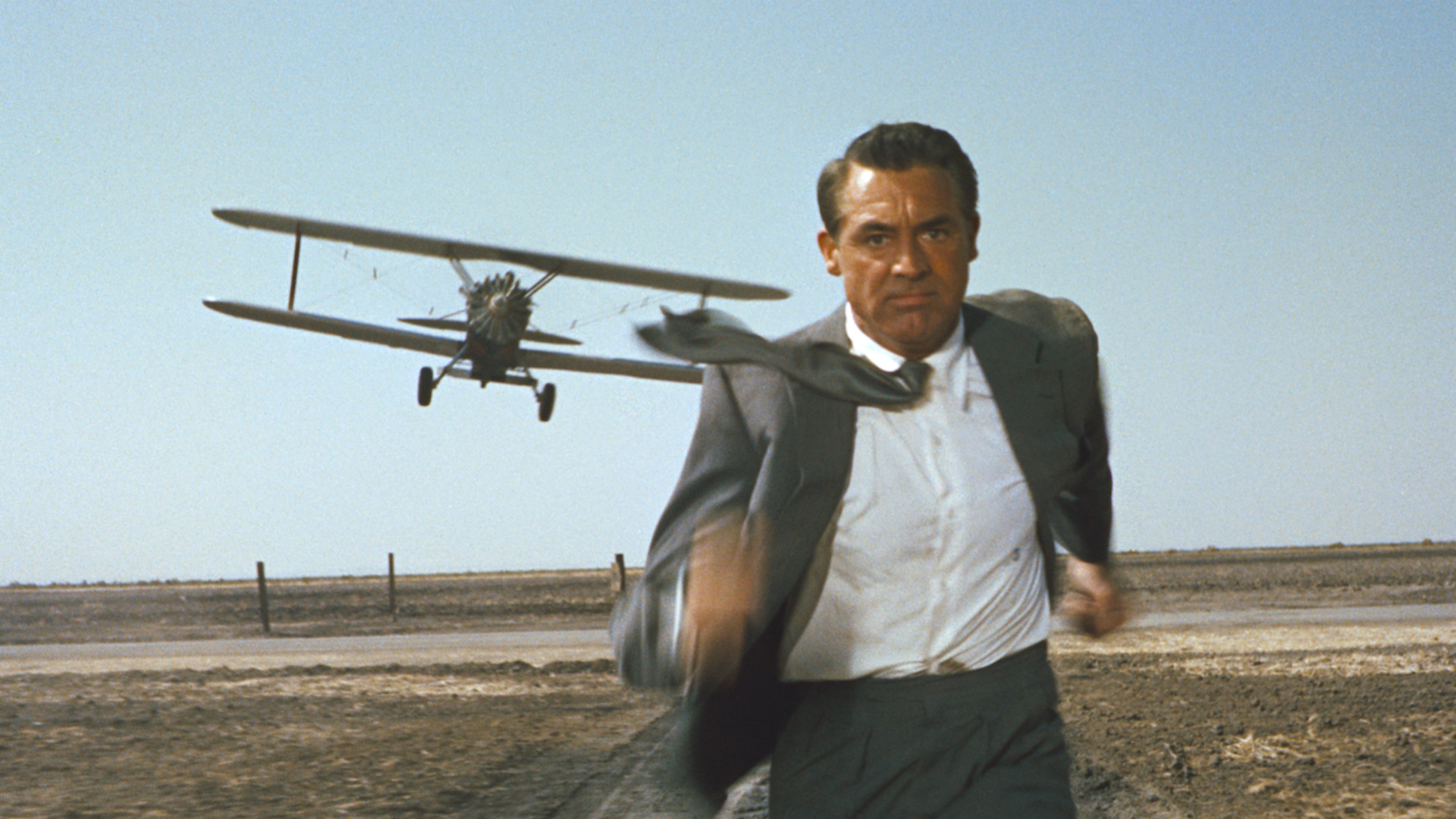
North by Northwest (1959)
Cary Grant stars in the thrilling adventure North by Northwest, directed by Alfred Hitchcock. The film follows a man mistaken for someone else, leading him into danger, romance, and a fast-moving spy story. It features famous scenes like the crop duster chase and the Mount Rushmore climax. With its clever script, exciting pace, and stylish visuals, it helped define the modern action-thriller.
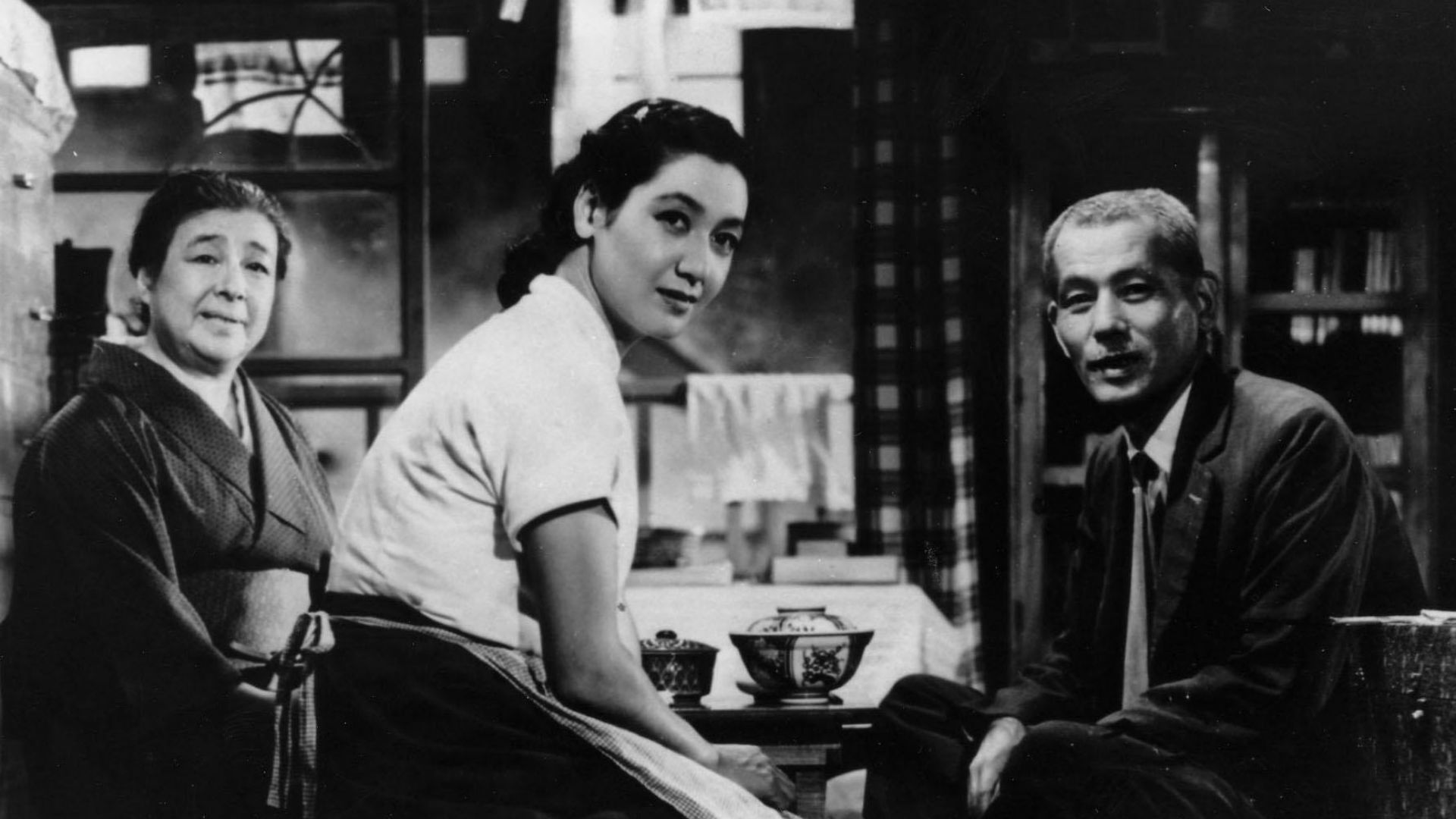
Tokyo Story (1953)
Yasujirō Ozu’s gentle and deeply moving film Tokyo Story tells the story of aging parents visiting their busy children. With a quiet and simple style, the film shows the distance between generations and the sadness that can come with it. Its calm storytelling, deep empathy, and universal themes of family and change make it one of the most respected films in world cinema.
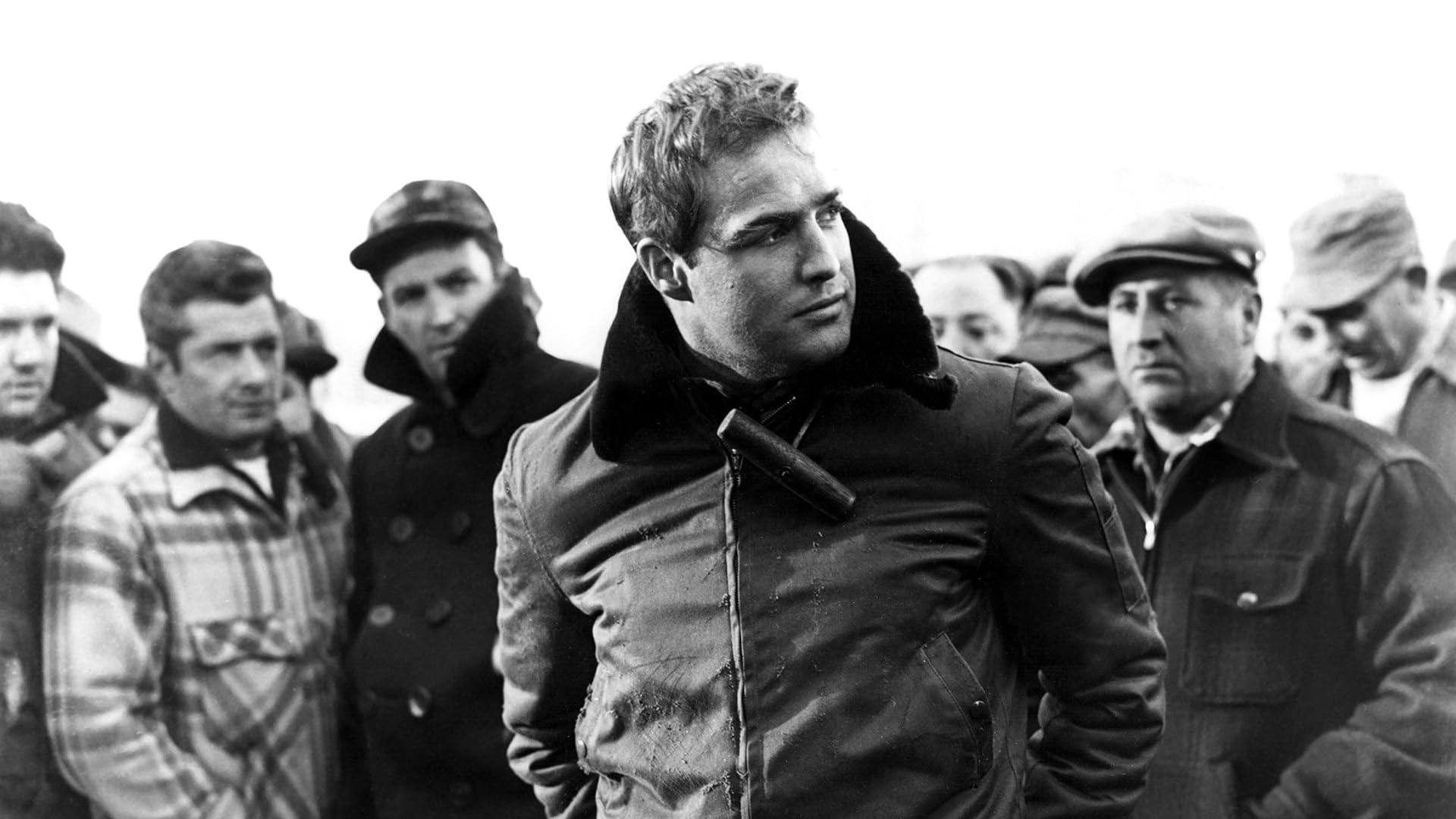
On the Waterfront (1954)
Elia Kazan’s powerful drama On the Waterfront stars Marlon Brando in an Oscar-winning role as a dockworker who takes a stand against corruption. The film is known for its raw emotion and realism, especially in the famous “I coulda been a contender” scene. It explores themes of guilt, courage, and redemption, and helped shape modern acting with its natural, deeply personal performances.
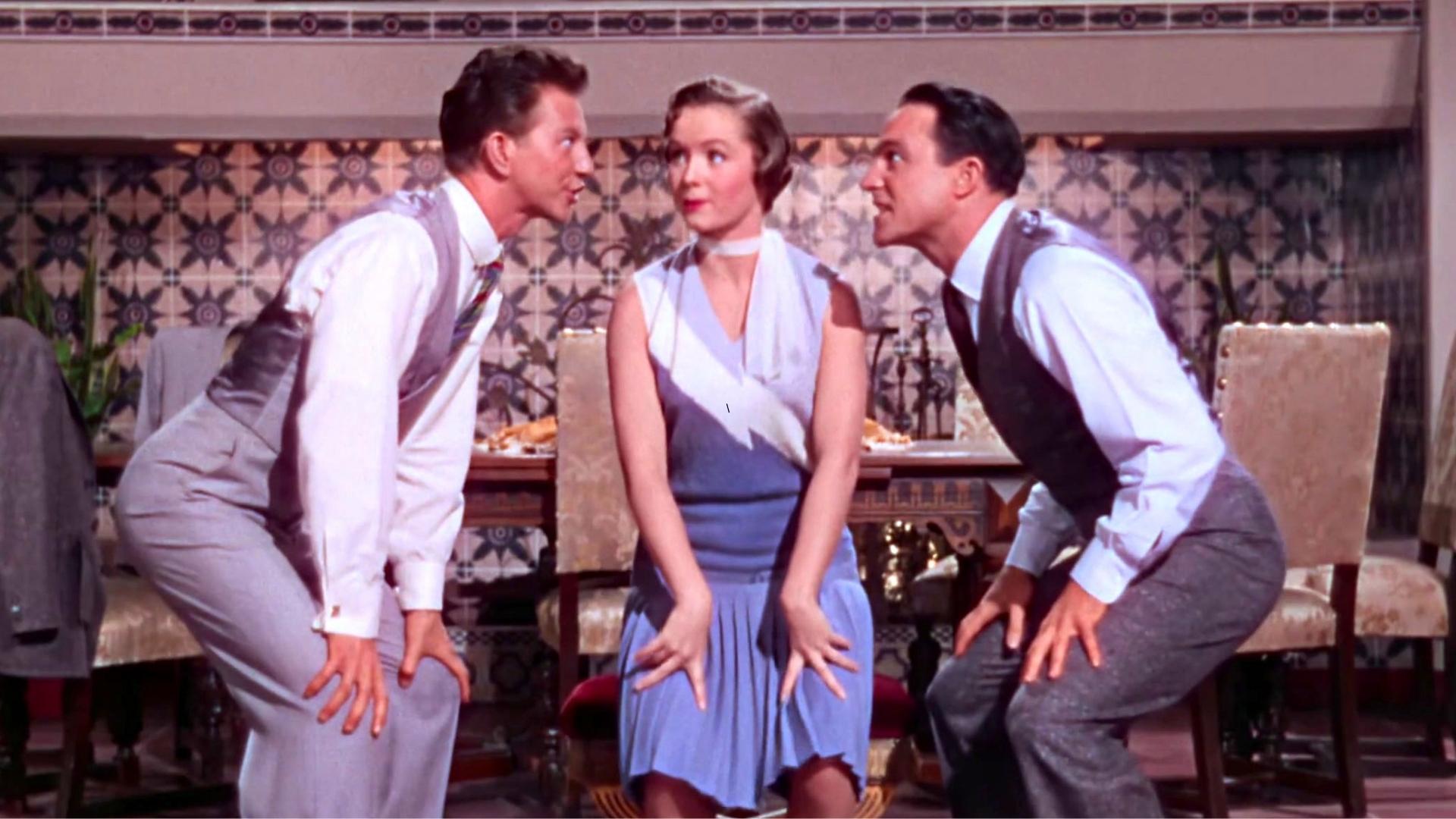
Singin' in the Rain (1952)
The joyful musical Singin' in the Rain stars Gene Kelly and celebrates the change from silent films to talking movies. It is full of lively songs, amazing dance scenes, and humor that gently makes fun of early Hollywood. The famous rain dance scene is one of the most iconic moments in film history. Its fun energy, creativity, and charm make it one of the most loved and famous musicals ever made.
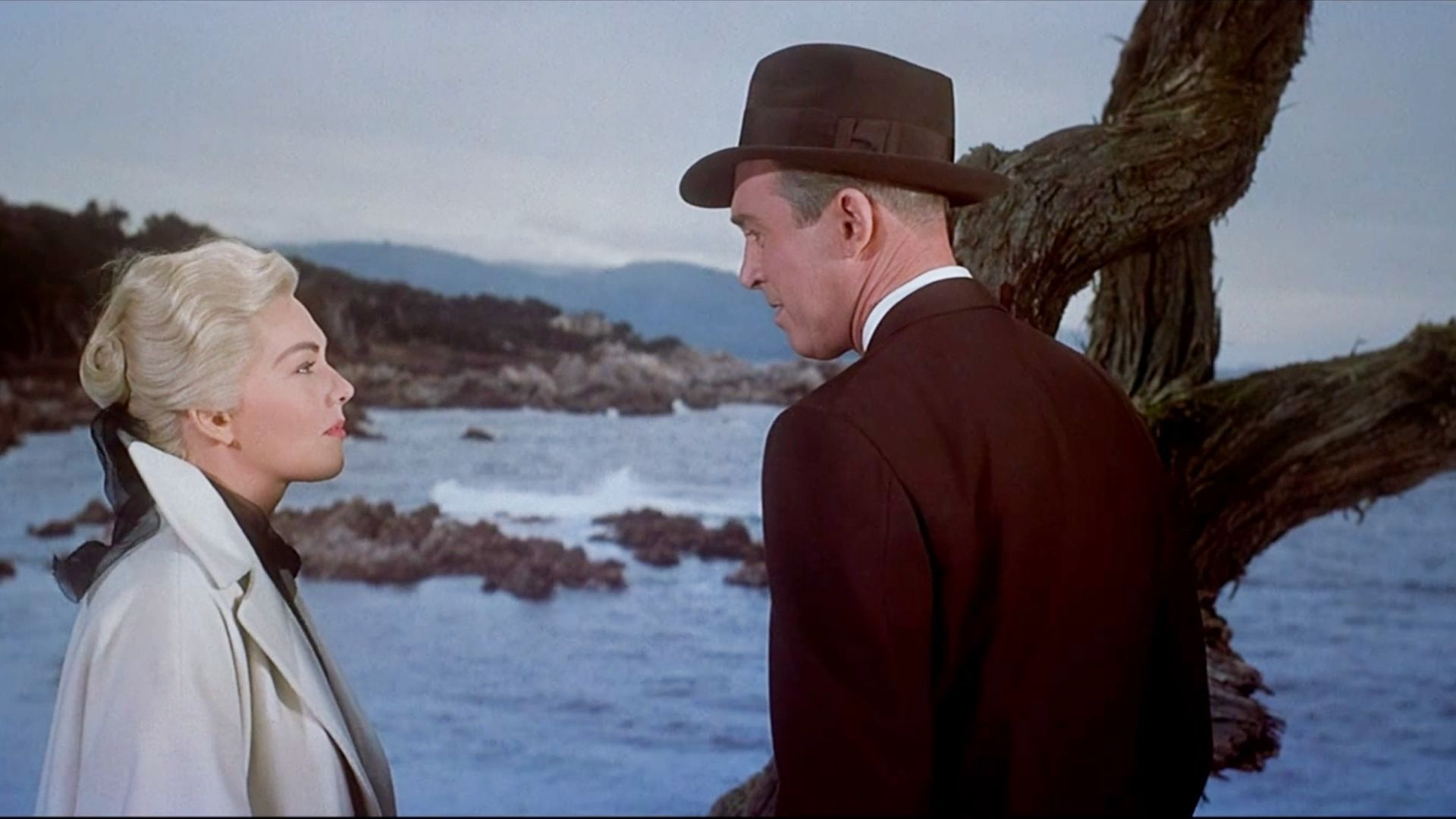
Vertigo (1958)
Alfred Hitchcock’s psychological thriller Vertigo stars James Stewart. The film tells a haunting story of obsession and identity, with stunning visuals and a memorable musical score. Once seen as controversial, it is now considered one of the greatest films ever made. Its dreamlike style and deep look at illusion and control make it especially powerful and unique.
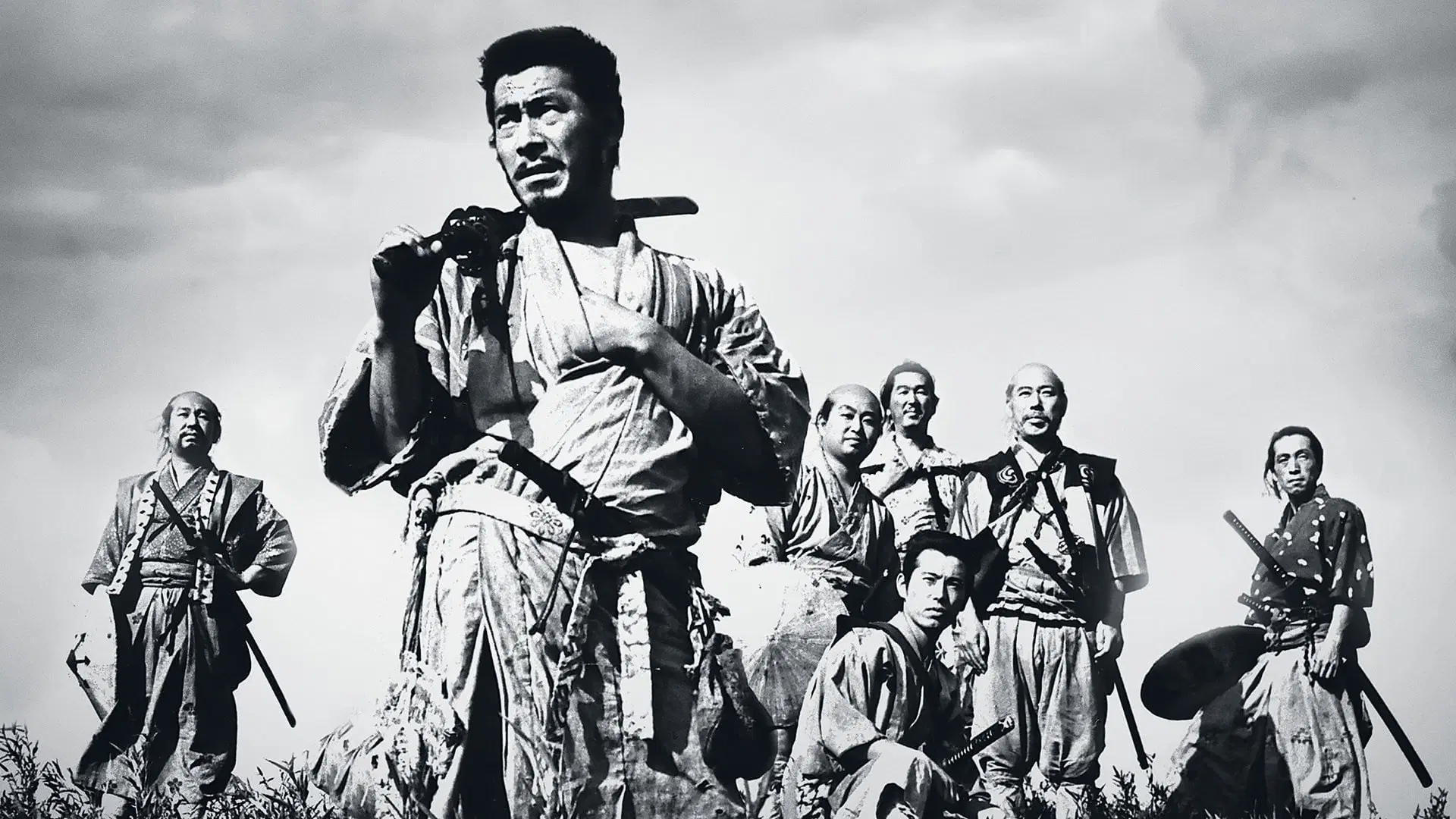
Seven Samurai (1954)
The epic film Seven Samurai, directed by Akira Kurosawa, tells the story of villagers who hire samurai to protect them from bandits. The movie is known for its exciting action scenes, strong group of characters, and emotional story. It explores themes like honor, teamwork, and sacrifice. Its style influenced many films, including The Magnificent Seven, and it remains one of the greatest movies ever made.
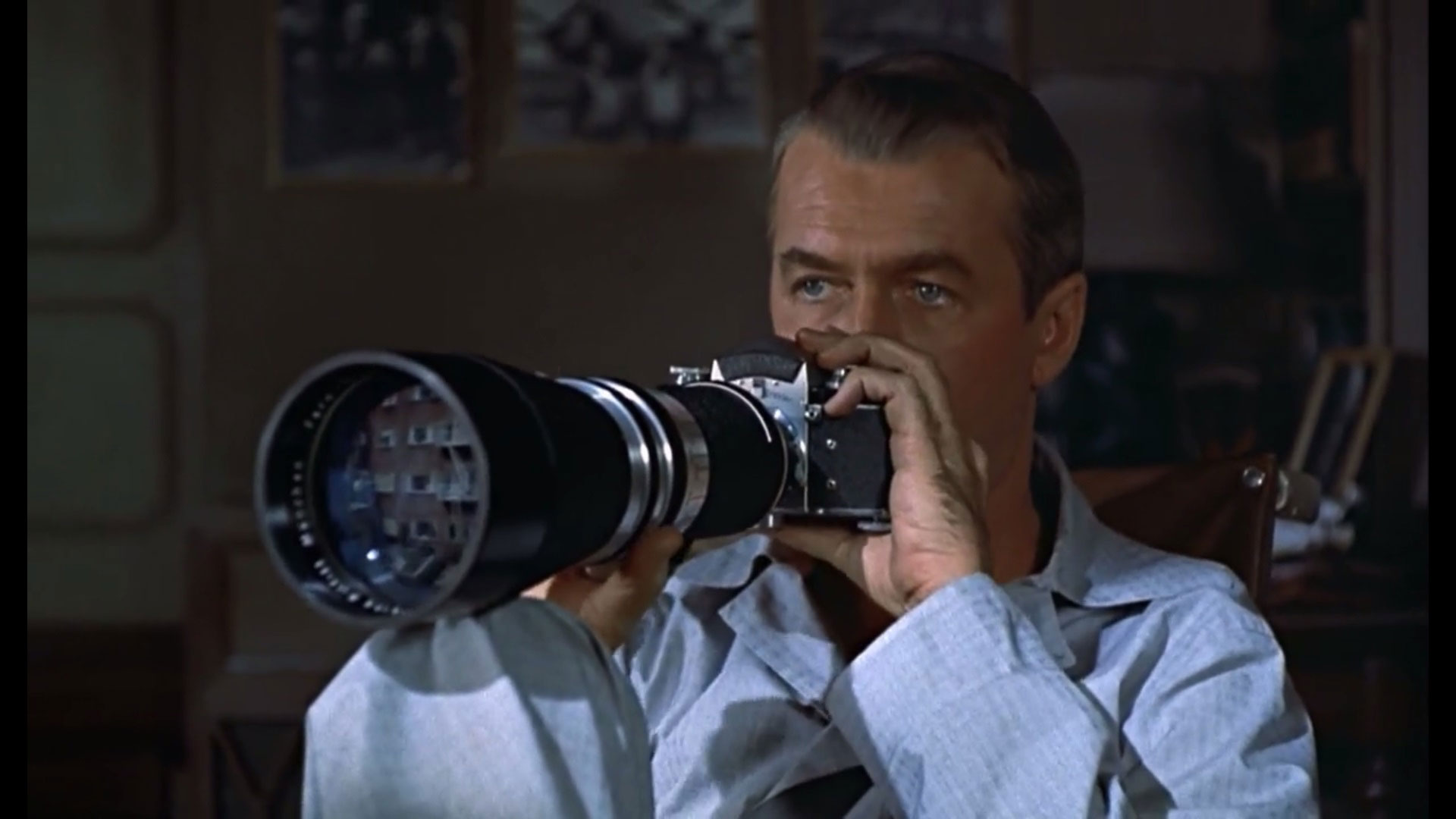
Rear Window (1954)
The suspenseful thriller Rear Window, directed by Alfred Hitchcock, stars James Stewart as a photographer stuck in a wheelchair. From his apartment, he watches his neighbors and begins to suspect that a crime has taken place. The film builds tension using just this one setting, exploring ideas of privacy, curiosity, and obsession. It is a perfect example of Hitchcock’s skill in creating suspense through visuals and storytelling.
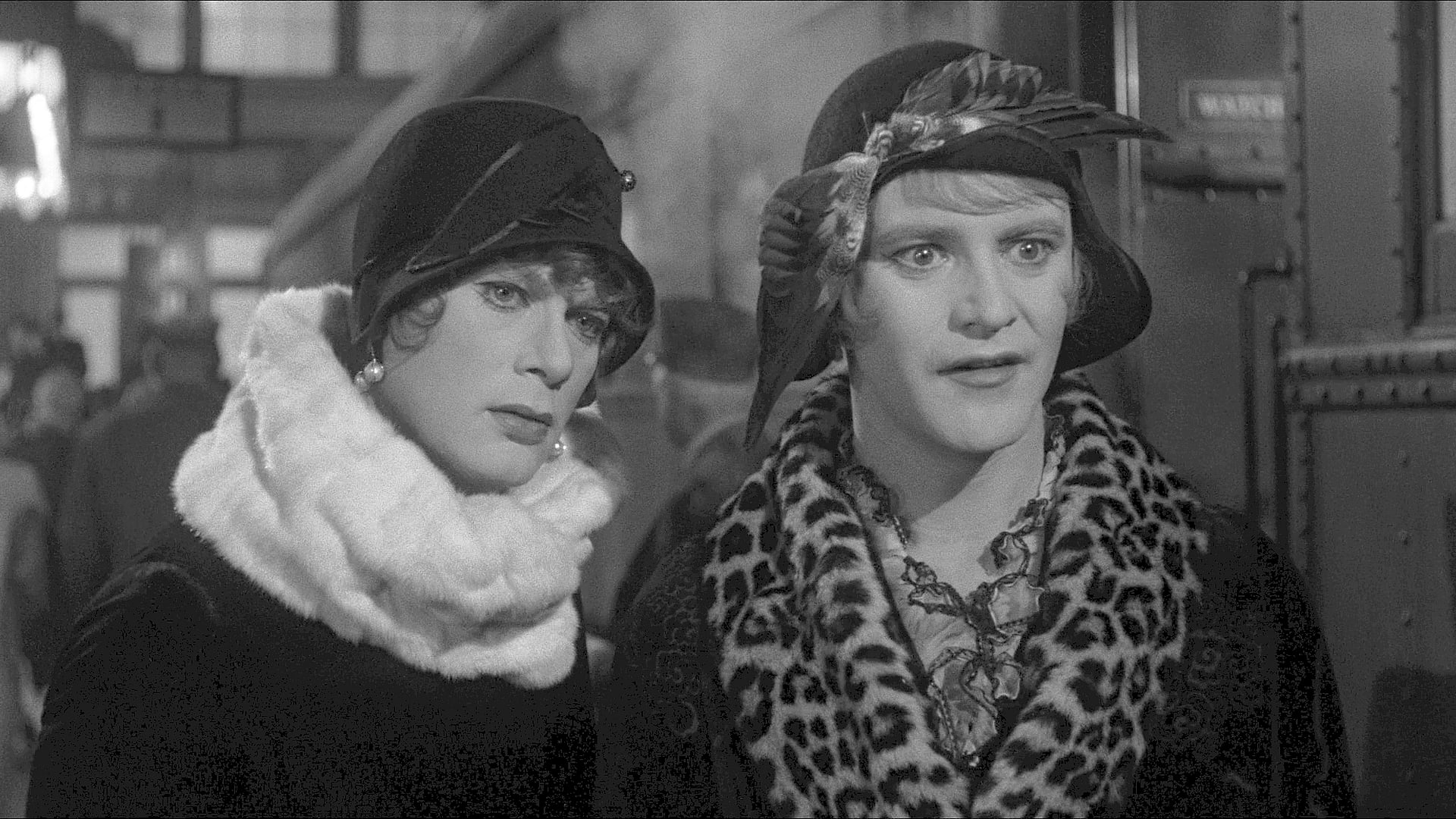
Some Like It Hot (1959)
Billy Wilder’s comedy Some Like It Hot stars Marilyn Monroe, Tony Curtis, and Jack Lemmon. The film follows two men who disguise themselves as women to escape danger, leading to many funny and chaotic situations. Known for its fast jokes, bold cross-dressing story, and the famous line “Nobody’s perfect,” it was ahead of its time and remains one of the funniest films ever made.
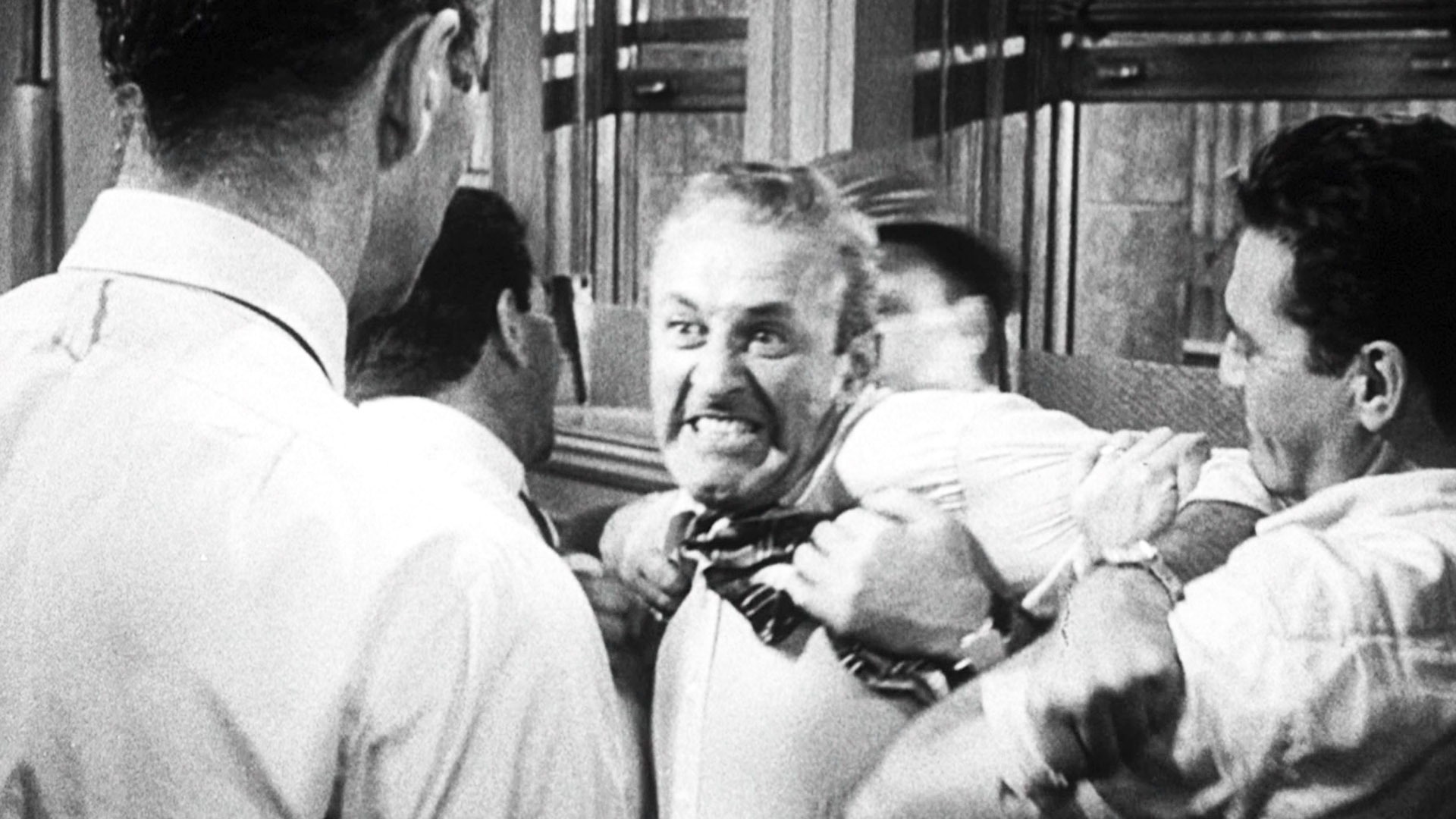
12 Angry Men (1957)
Henry Fonda stars in the gripping courtroom drama 12 Angry Men. Set almost entirely in one jury room, the film follows twelve men deciding the fate of a young boy. Through intense discussions, it explores justice, prejudice, and reasonable doubt. Its powerful dialogue and real-time tension make it a timeless look at democracy and human behavior.
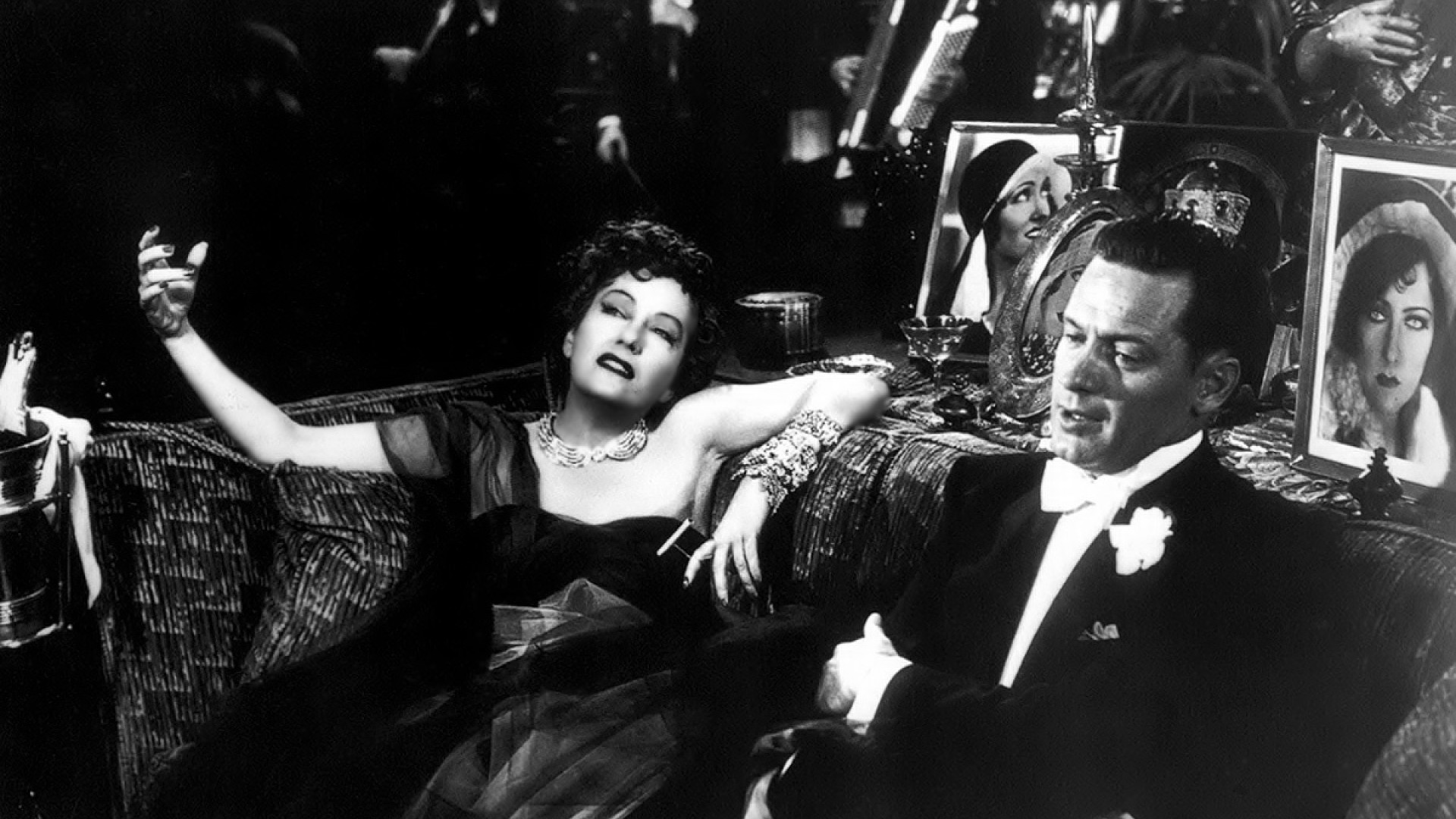
Sunset Boulevard (1950)
The dark Hollywood satire Sunset Boulevard, directed by Billy Wilder, stars Gloria Swanson as the faded film star Norma Desmond. The movie shows the sad and lonely life of a once-famous actress who cannot accept that her glory days are over. It explores themes of fame, aging, and the harsh reality of Hollywood. Famous for the line “I’m ready for my close-up,” the film remains a powerful and lasting critique of the film industry.