
Classic Hollywood Stars Who Said No To Marriage
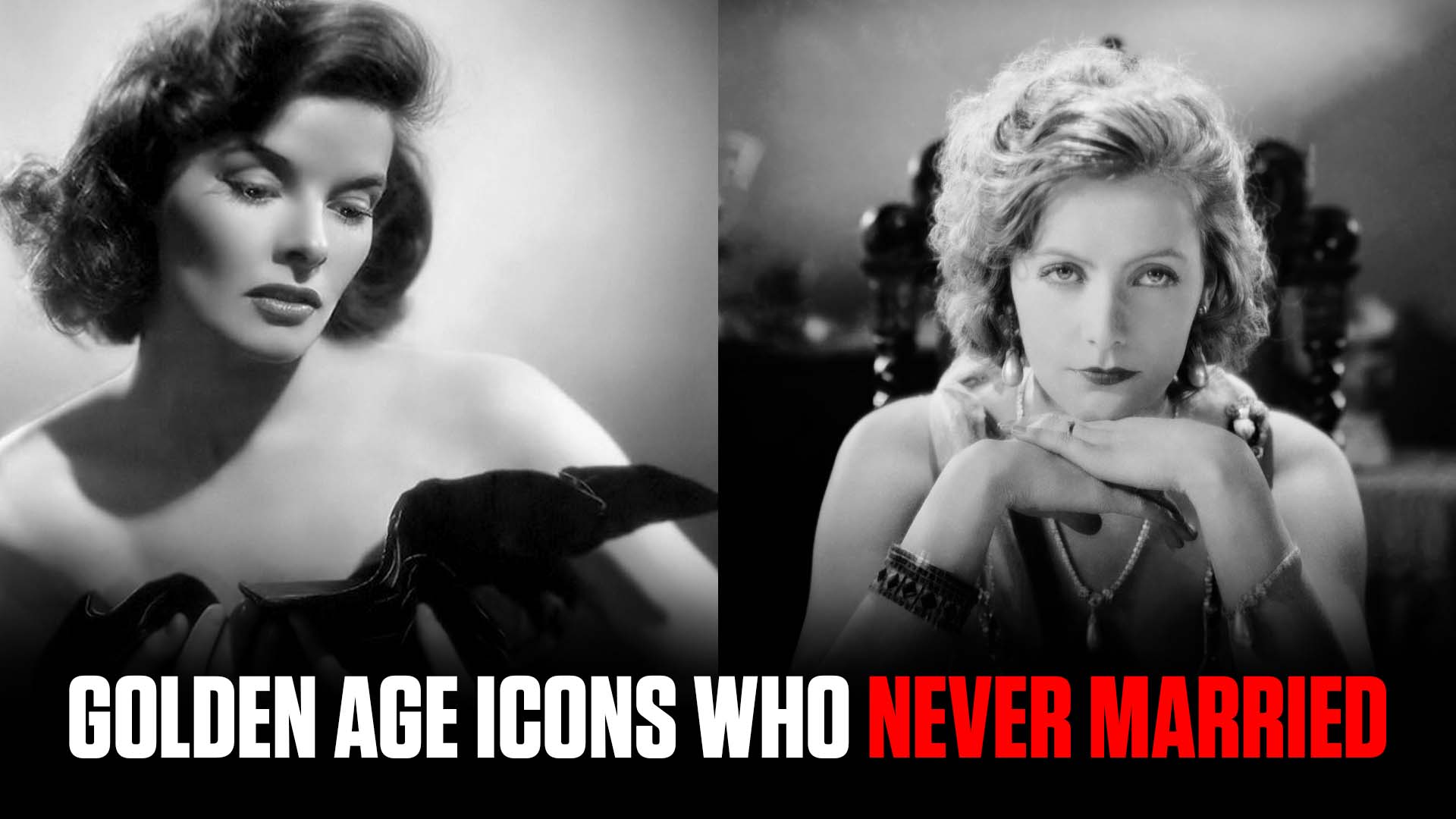
Retro Hollywood's Reasons For Refusing To Wed
Hollywood in its Golden Age adored weddings; on-screen and off. But for a select few, marriage simply didn’t fit the picture. They were rebels, romantics, and recluses who refused to be defined by convention. Check out these icons who lived and loved on their own terms!
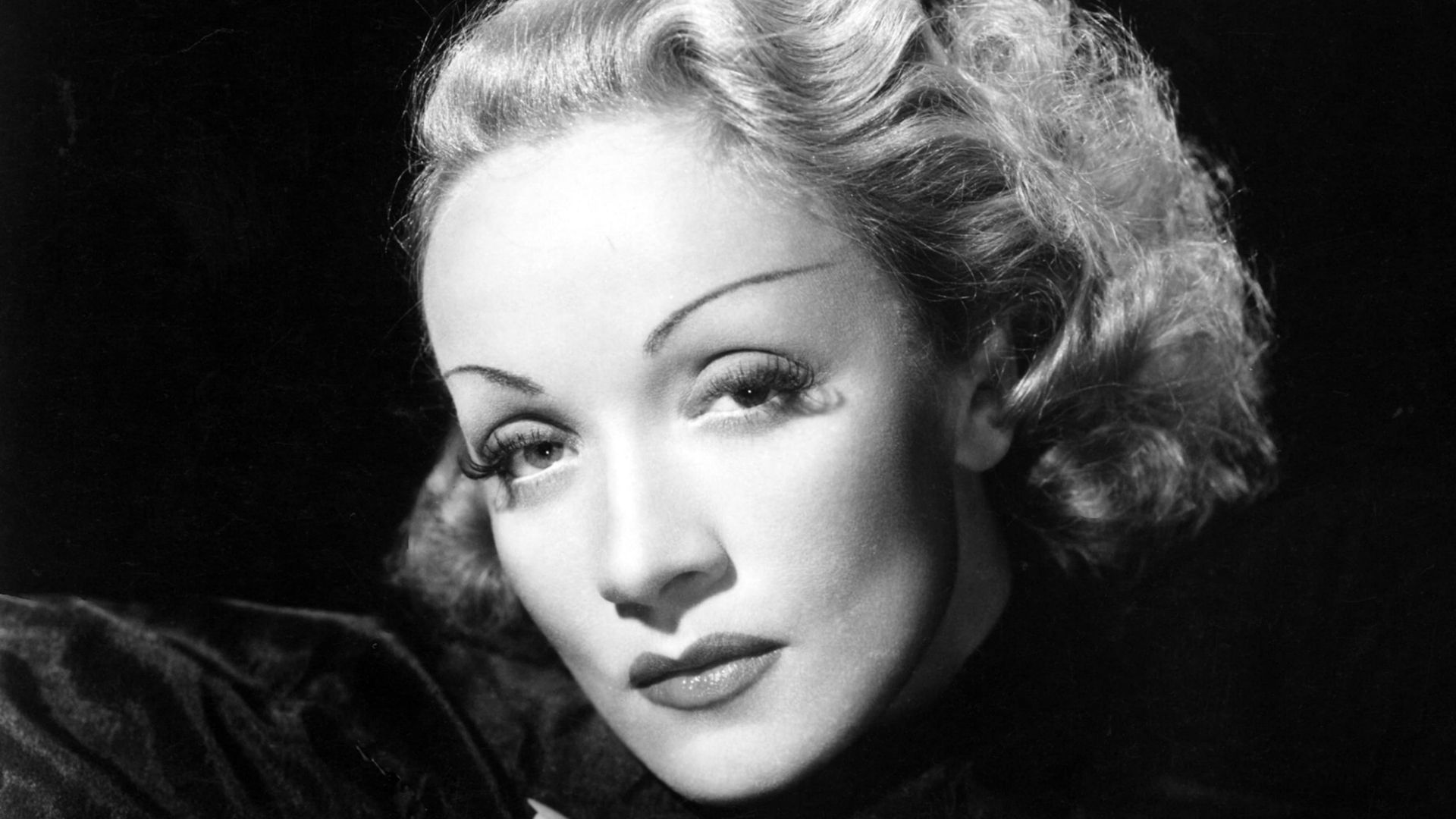
Marlene Dietrich
Marlene Dietrich already had a spouse herself. She wore tuxedos, teased presidents, and, during World War II, performed for Allied troops while smuggling anti-Nazi leaflets in her underwear. Lovers spanned genders and continents; romance, she scoffed, was “for amateurs.” Marriage would have narrowed the canvas; fewer nights, fewer freedoms, fewer cigarettes smoked in bed while holding court by telephone.
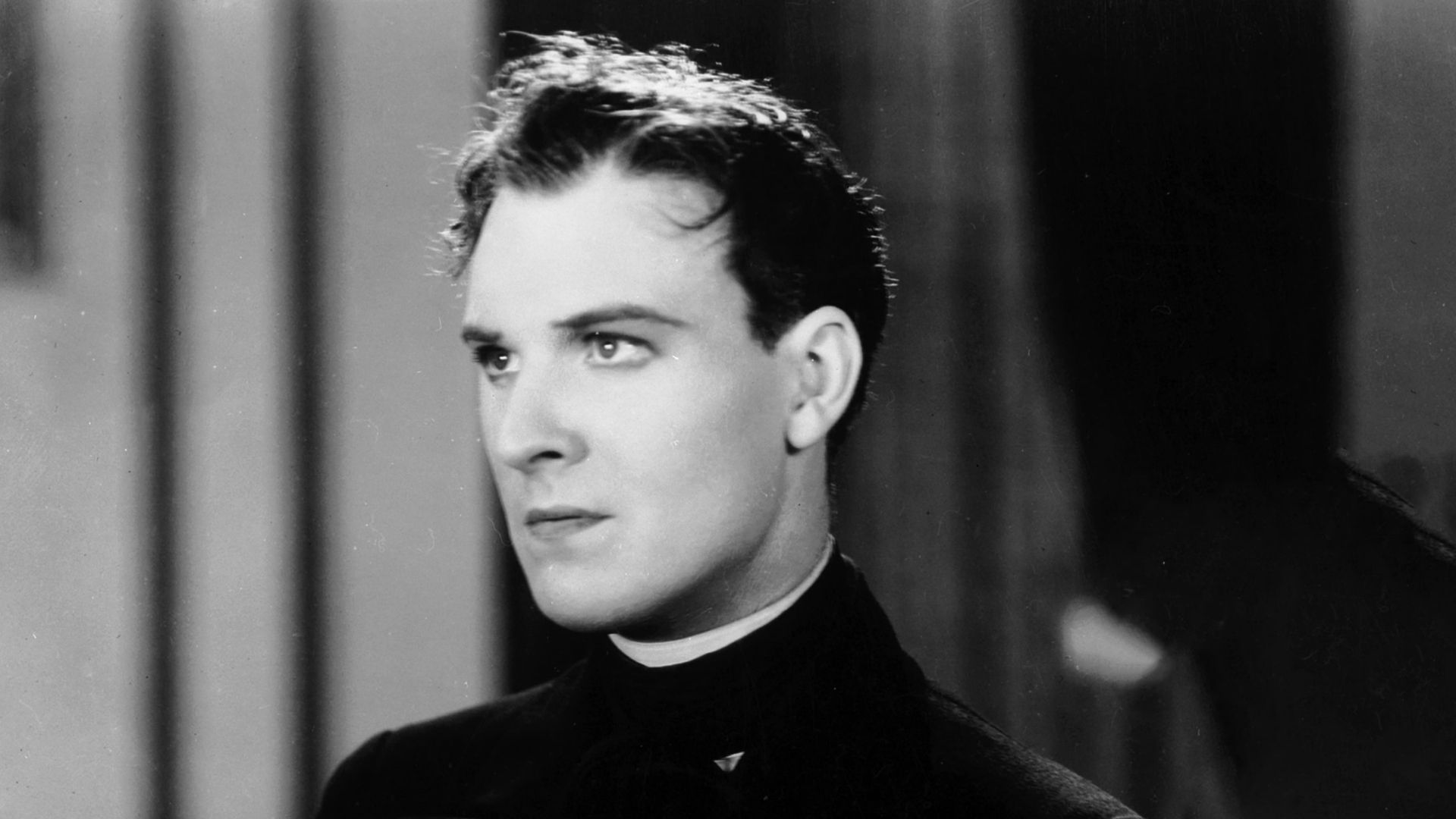
Edward Everett Horton
Edward Everett Horton, Hollywood’s maestro of fluttering panic, turned his home into a refuge where matrimony held no sway. He appeared in more than a hundred films, but his real legacy was hosting Beverly Hills pool parties where closeted stars could exhale. His long partnership with actor Gavin Gordon was an “open secret.”
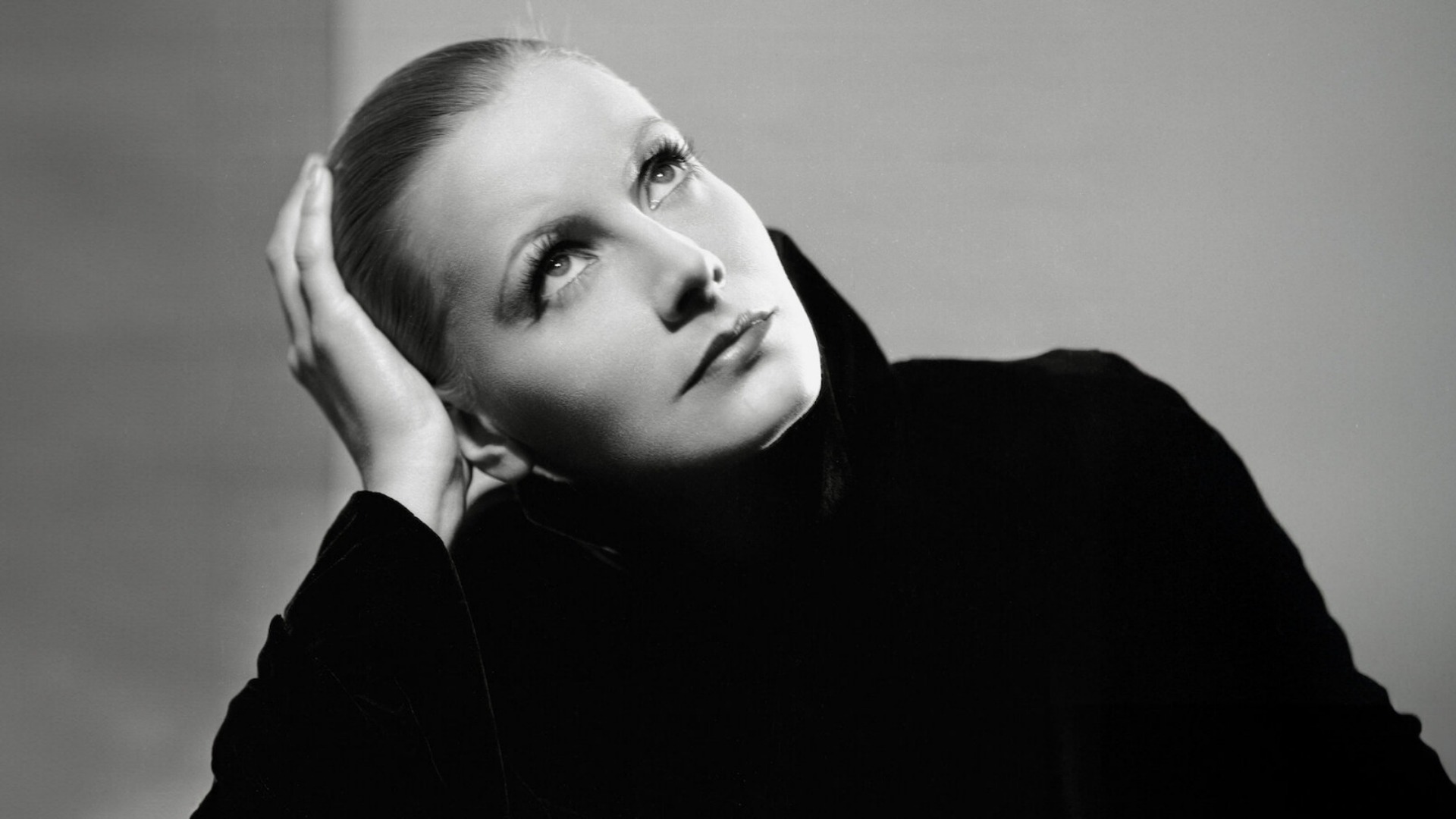
Greta Garbo
Greta Garbo treated romance like a trap door beneath the stage. Sweden’s most mysterious export could melt a room with those eyes, yet offscreen she refused the script that ended in vows. Her most-quoted line, “I want to be alone,” she corrected to “I want to be let alone”, the difference was everything. She dodged proposals, including a dramatic ultimatum from Flesh and the Devil co-star John Gilbert, even hiding in a bathroom to avoid him.
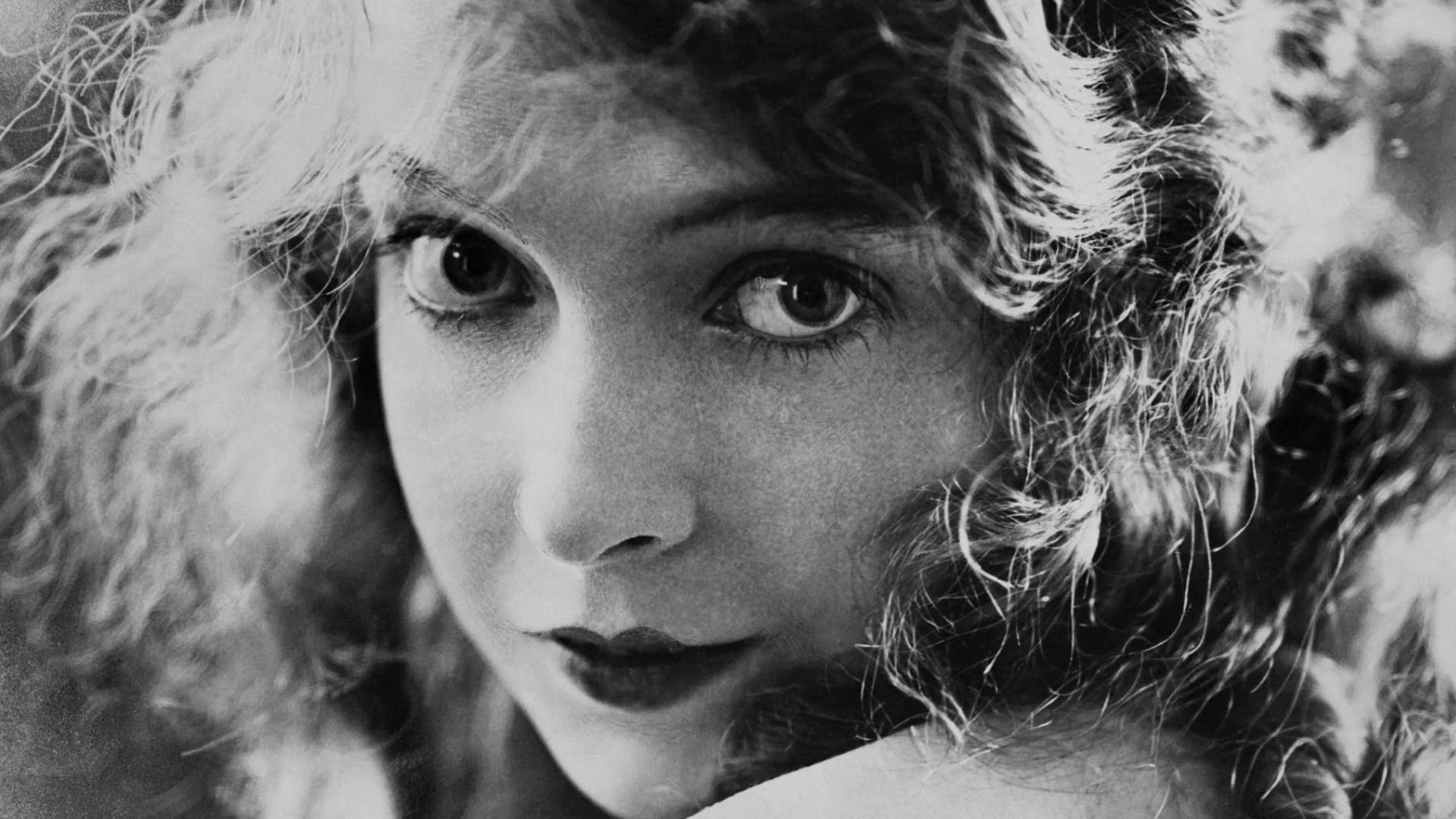
Lilian Gish
Lillian Gish, one of the silent era’s most revered actresses, chose never to marry; not out of lack of love, but out of clarity. She believed that marriage and a successful acting career could not coexist, as both demanded total devotion. To Gish, being a wife was a full-time role, just like acting, and she refused to do either halfway.
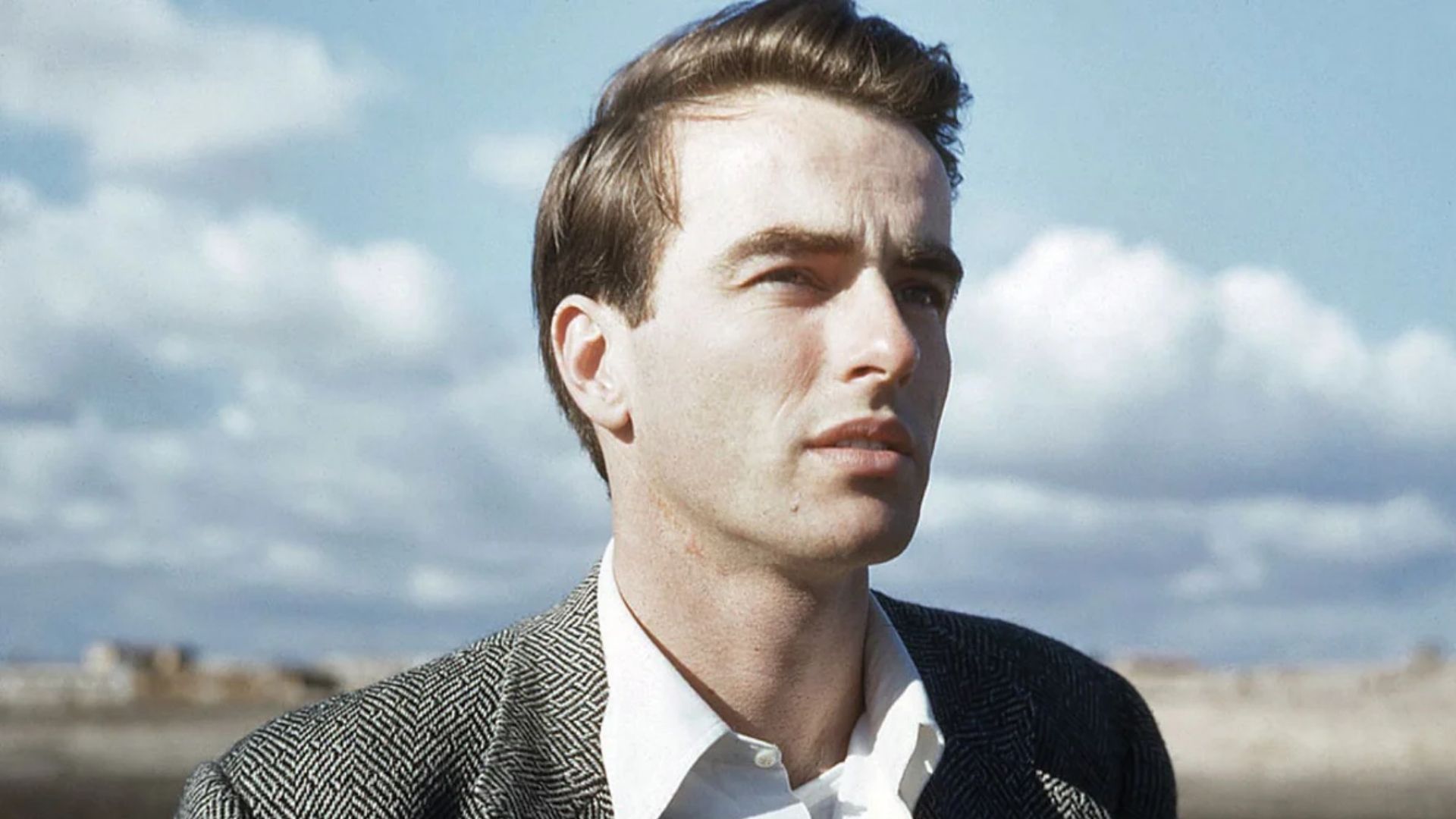
Montgomery Clift
Montgomery Clift didn’t flee marriage; he orbited it. Bisexual and self-warring, a catastrophic car crash shattered his face and became the metaphor for everything else. He dosed the pain with pills and alcohol, calling himself “a walking Freudian slip.” His bond with Elizabeth Taylor burned and broke; she later said he “loved men and women but mostly hated himself.”
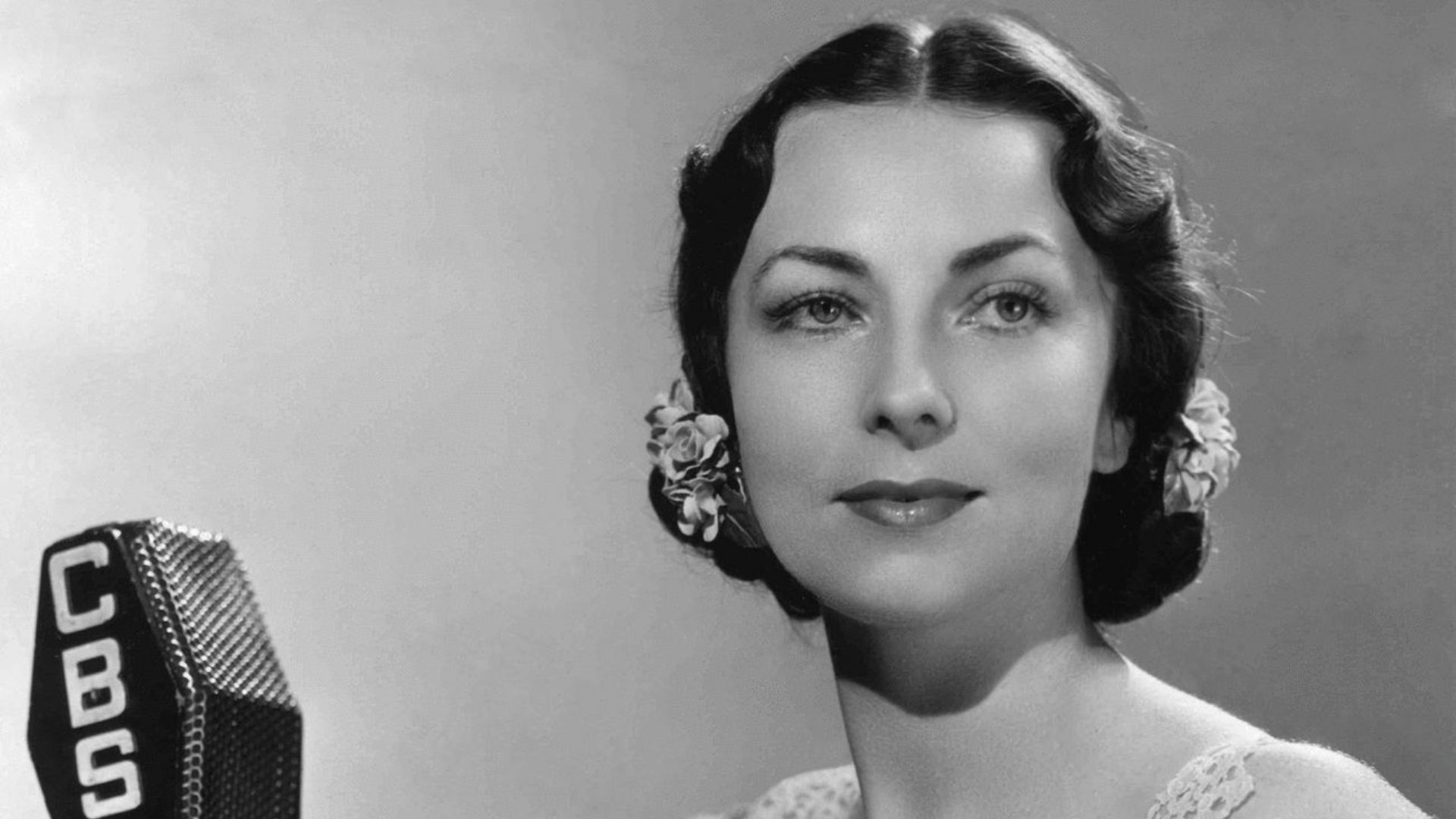
Agnes Moorehead
Agnes Moorehead, four-time Oscar nominee and later the witchy matriarch of Bewitched; sidestepped matrimony by building a life that didn’t need it. She shared a California estate for decades with Eleanor Scott, her secretary-turned-constant companion; they adopted a son, hosted glamorous parties, and traveled the world while tabloids labeled them “roommates.”
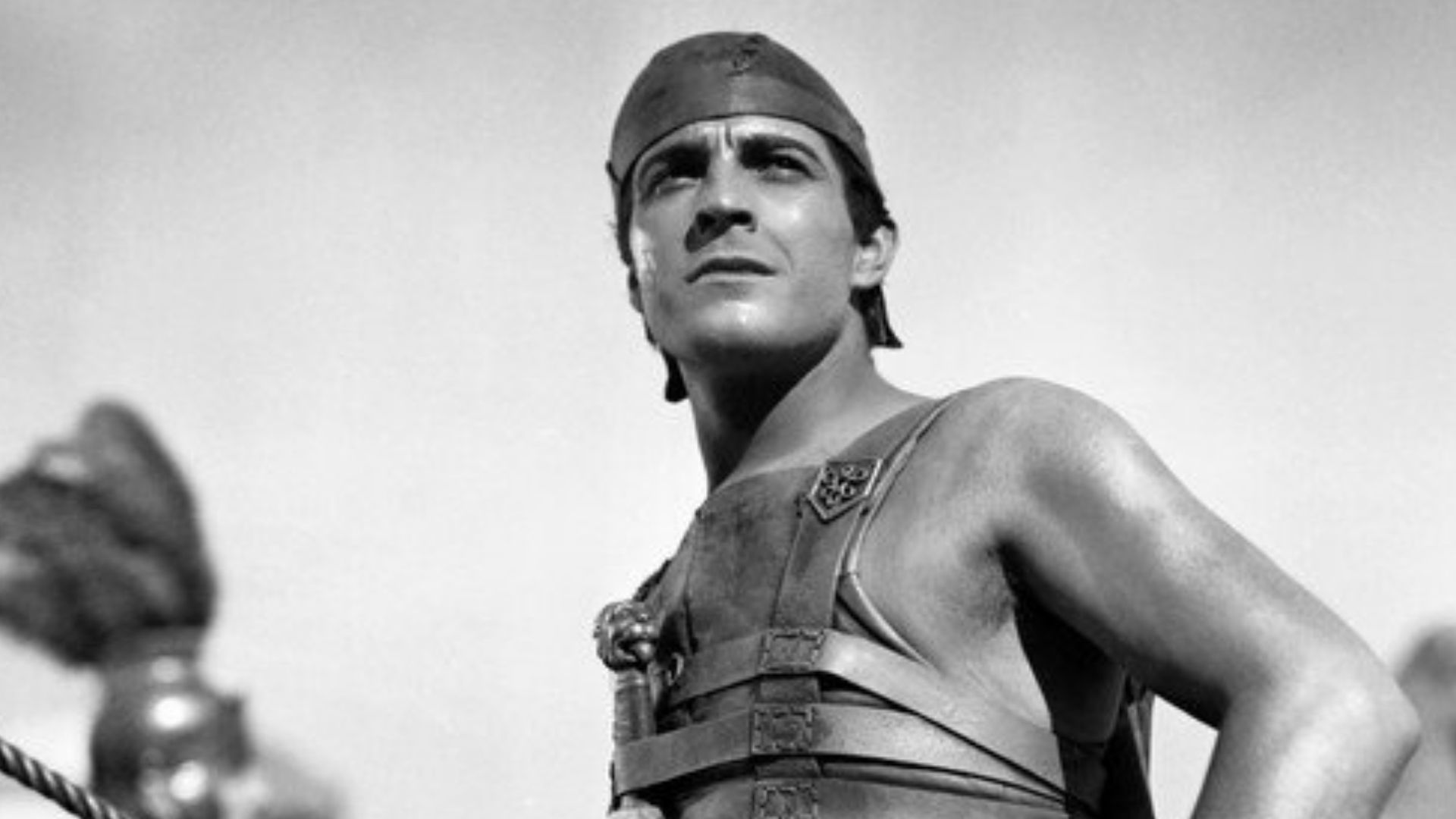
Ramon Novarro
Ramon Novarro, the smoldering heartthrob of Ben-Hur, was trapped between faith, studio myth, and desire. A devout Mexican Catholic, he confessed himself a “sinner” while quietly loving men; relationships shadowed by guilt and a public Latin-lover façade. Studios pushed magazine romances and dodged tabloids as talkies rose and his confidence ebbed.
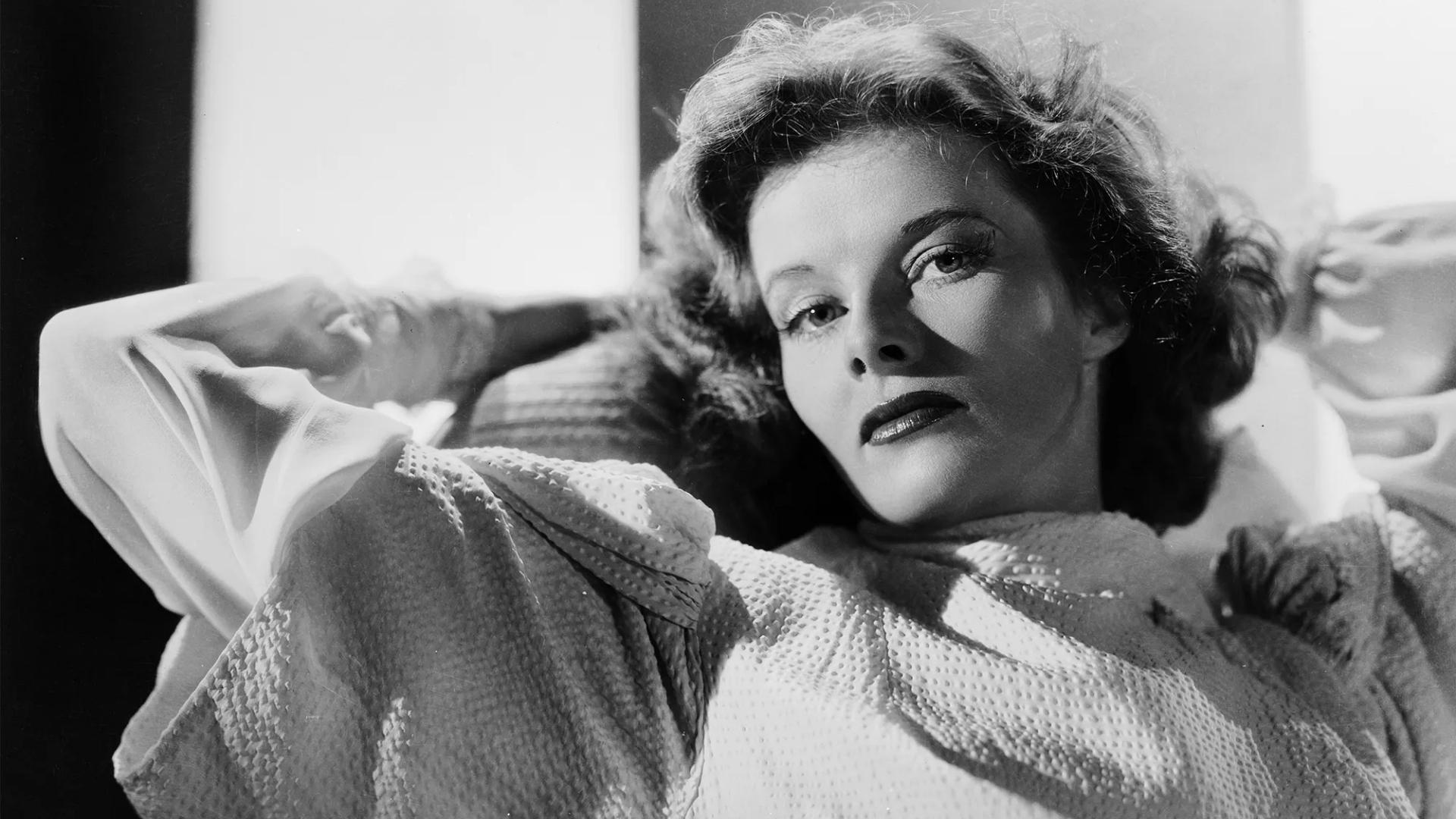
Katharine Hepburn
Katharine Hepburn’s four Oscars were proof she didn’t need matrimony to validate devotion. She wore pants, refused makeup, and sustained a 26-year, no-pledges bond with Spencer Tracy while insisting, “I’ll never be a housewife.” She told a director, “If you want me to cry, pay me more”; policy as personality. Marriage threatened her non-negotiables: work first, privacy sealed, independence sacred.
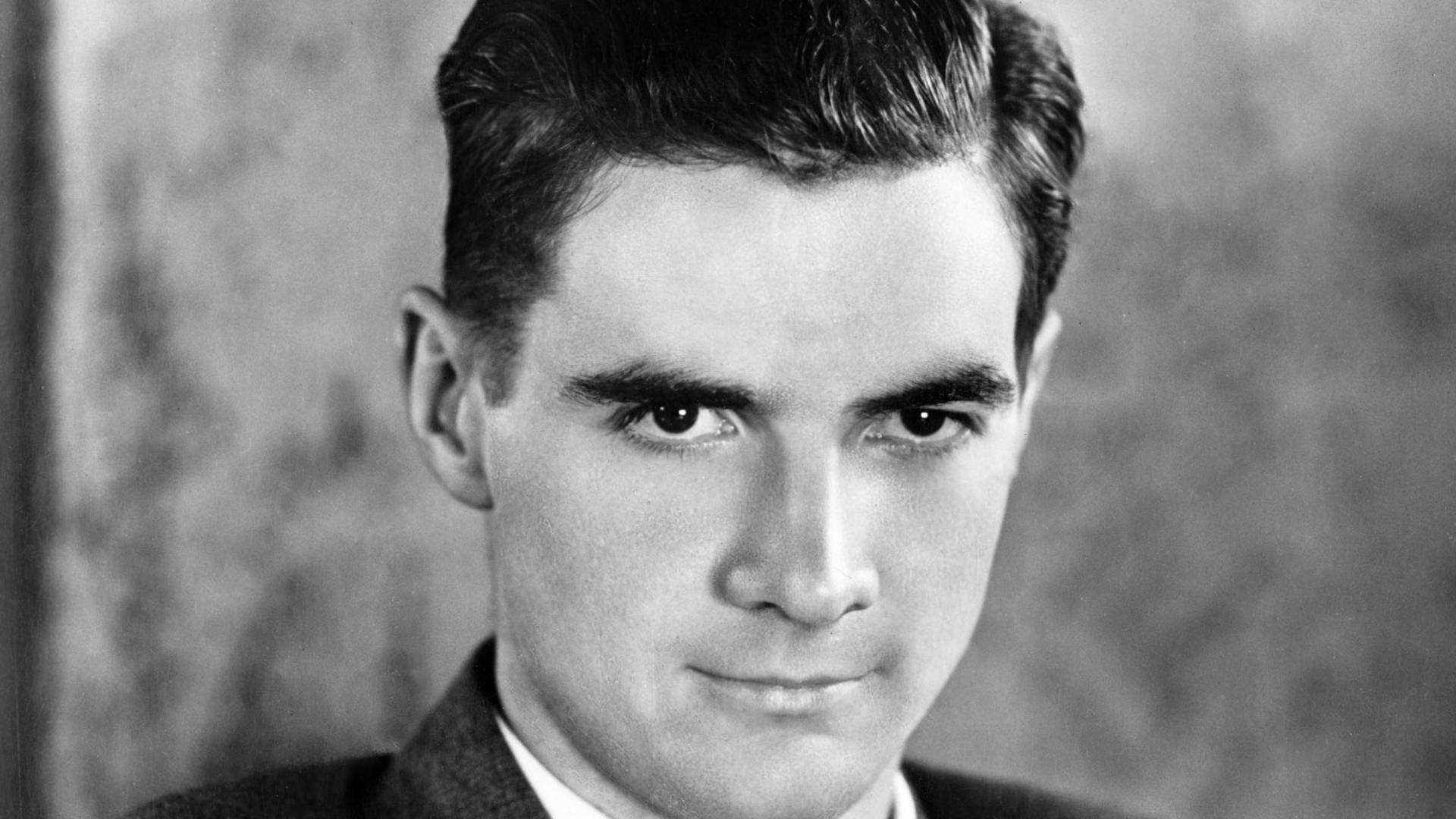
Howard Hughes
Howard Hughes avoided marriage the way test pilots avoid thunderstorms: with calculation, bravado, and a hairpin turn at the last second. The oil-heir-turned-mogul romanced legends, tailored bras for The Outlaw, and crashed planes he insisted on flying himself. But vows would have grounded him.
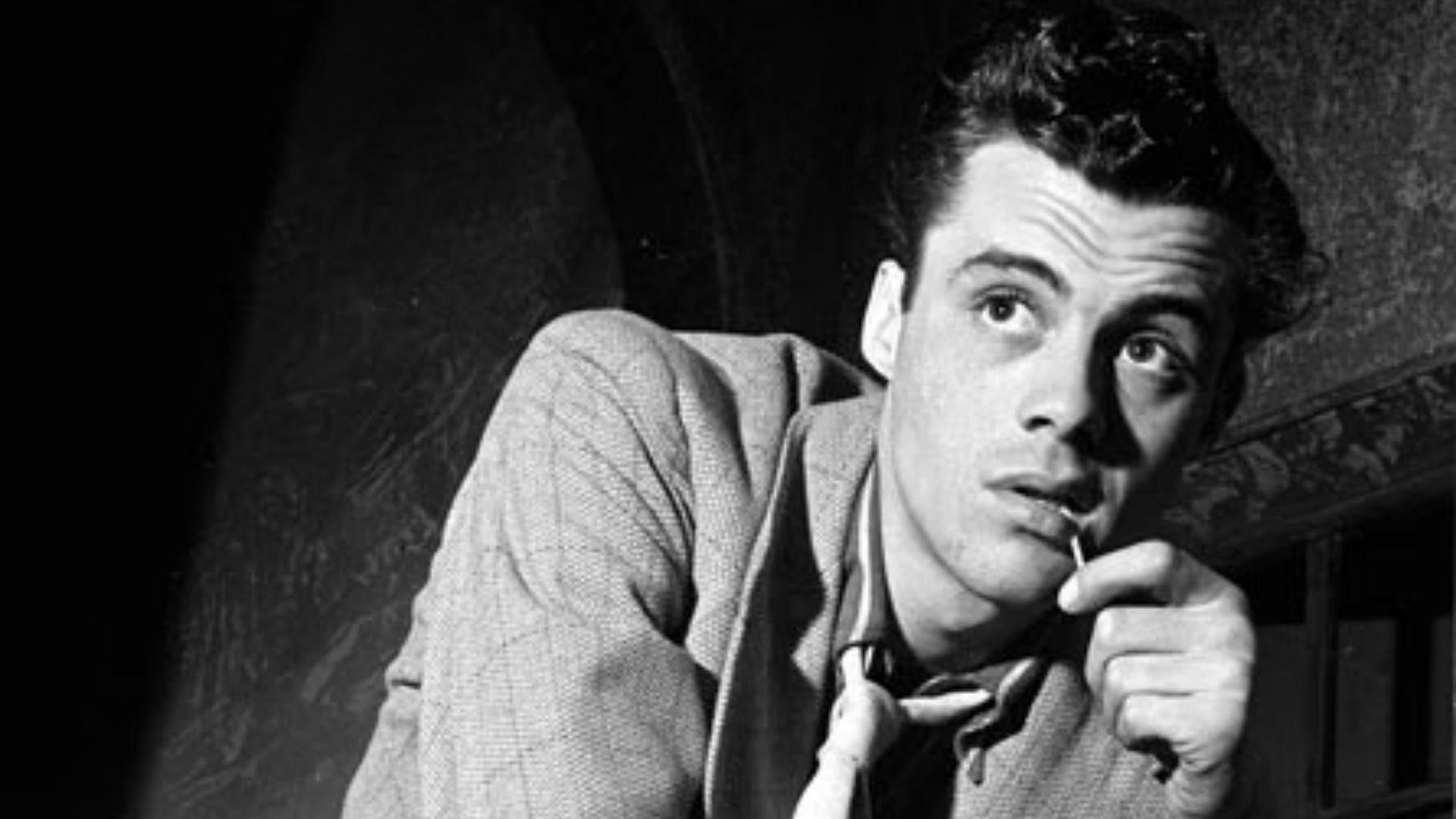
Dirk Bogarde
Dirk Bogarde declined marriage by building a life that made disclosure optional and impact undeniable. Early fluff roles gave way to Victim, where he played a gay lawyer in a film that helped shift British law. Offscreen, he shared forty years with Anthony Forwood, “two bachelors sharing a greenhouse,” he joked.
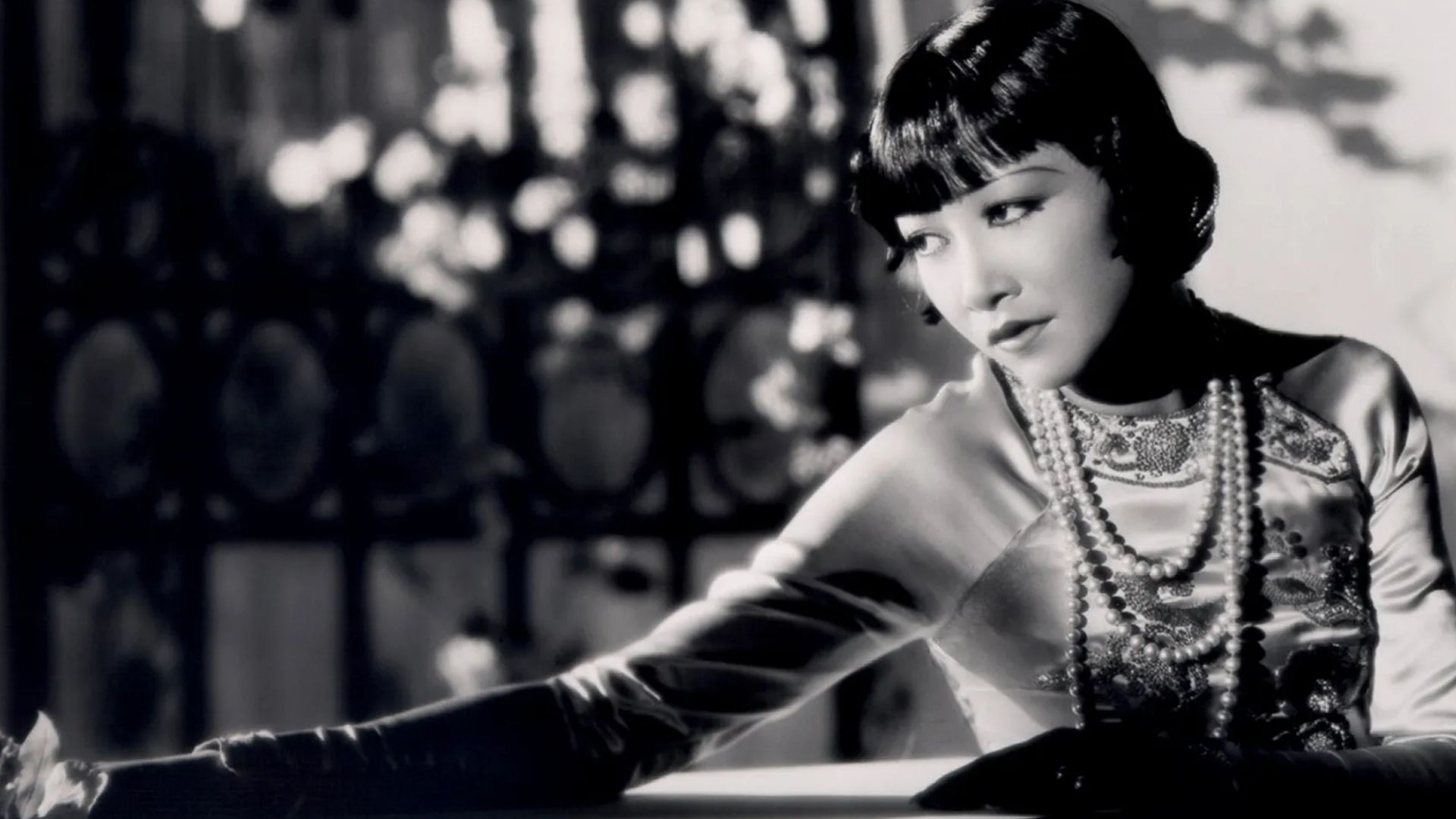
Anna May Wong
Anna May Wong refused to script another half-truth at home while Hollywood wrote them for her on screen. Typecast as “exotic,” barred from kissing white leads, and denied The Good Earth because a white actor would need to kiss her, she fled to Europe and built a persona fashion adored. Rumors swirled regarding Dietrich, a director but she kept her heart guarded.
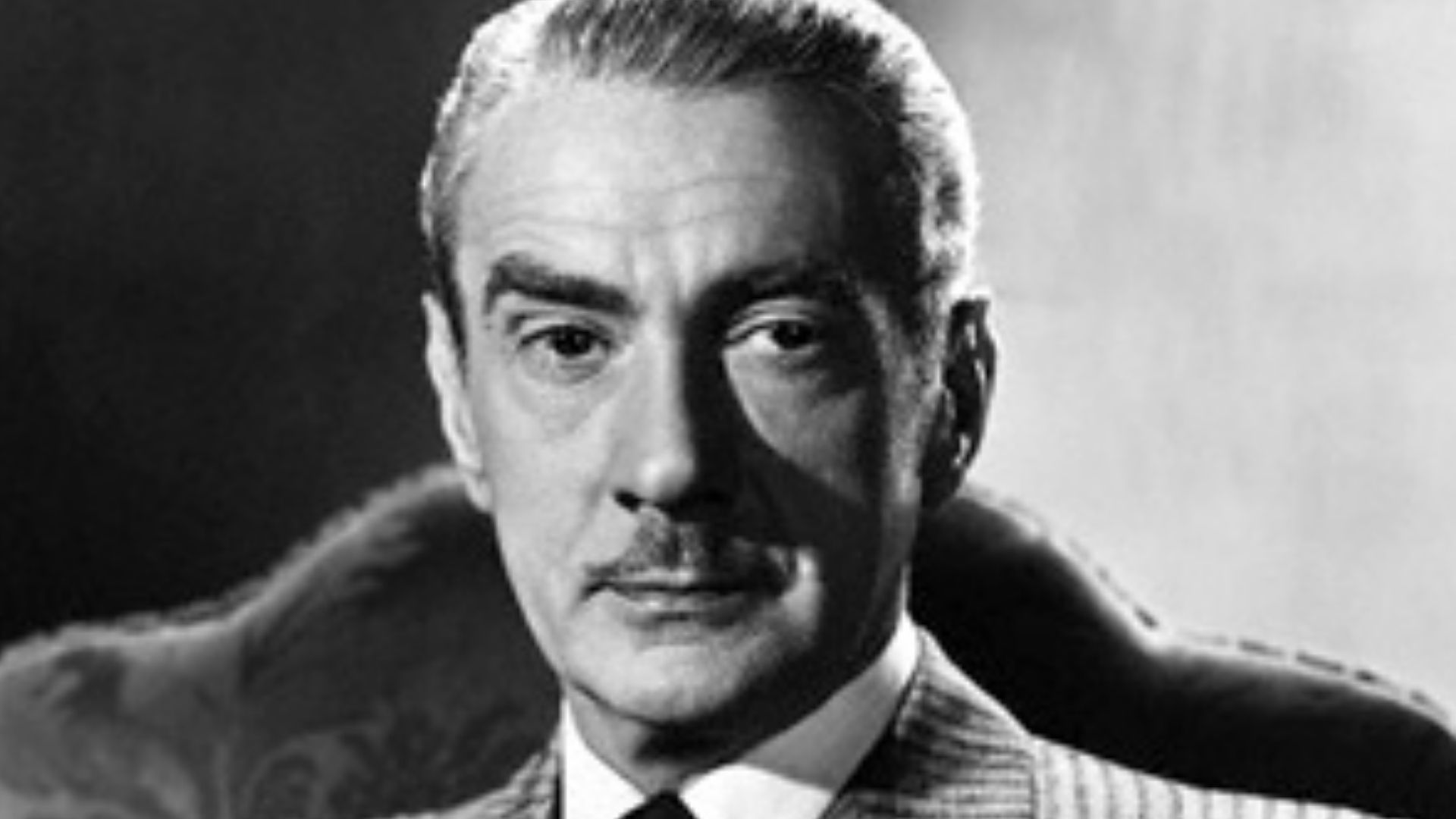
Clifton Webb
Clifton Webb wore cynicism like a boutonnière and marriage like a bad joke. Hollywood’s silver-tongued snob in Laura lived with his mother, Maybelle, all his life, deflecting questions with “Mother irons my socks.” Behind the quips, he was a gay man in an era that demanded silence. Why didn’t he marry? Because the role would have been a lie and because Maybelle filled the space society reserved for a spouse.
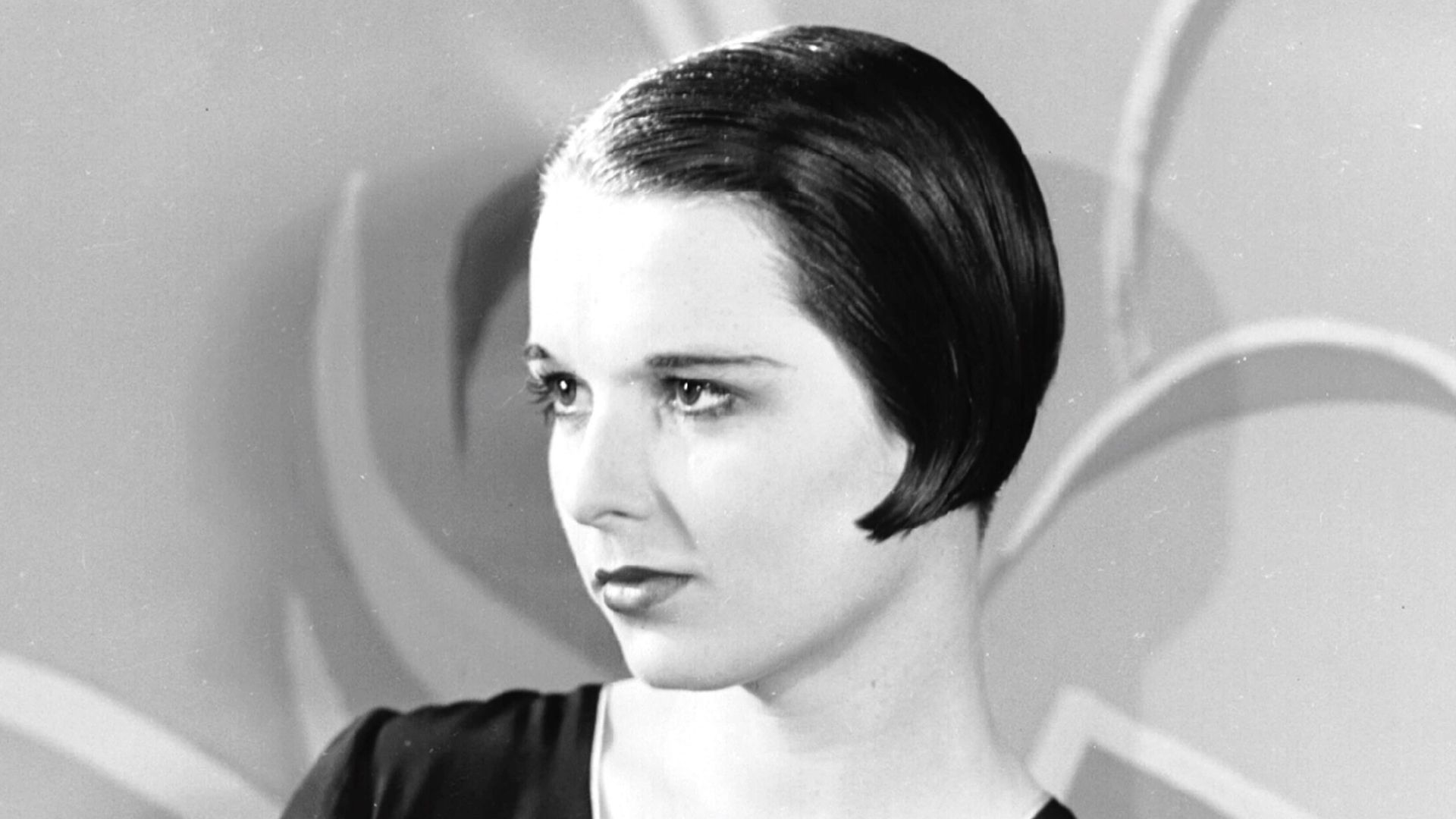
Louise Brooks
Louise Brooks avoided marriage for the same reason she avoided Hollywood’s rules. After Pandora’s Box, she refused to “fix” her bob or her mouth, telling studios she’d “rather shave my head than play nice.” She quit the business, worked where she had to, and wrote scalpel-sharp essays that gutted the studio system.
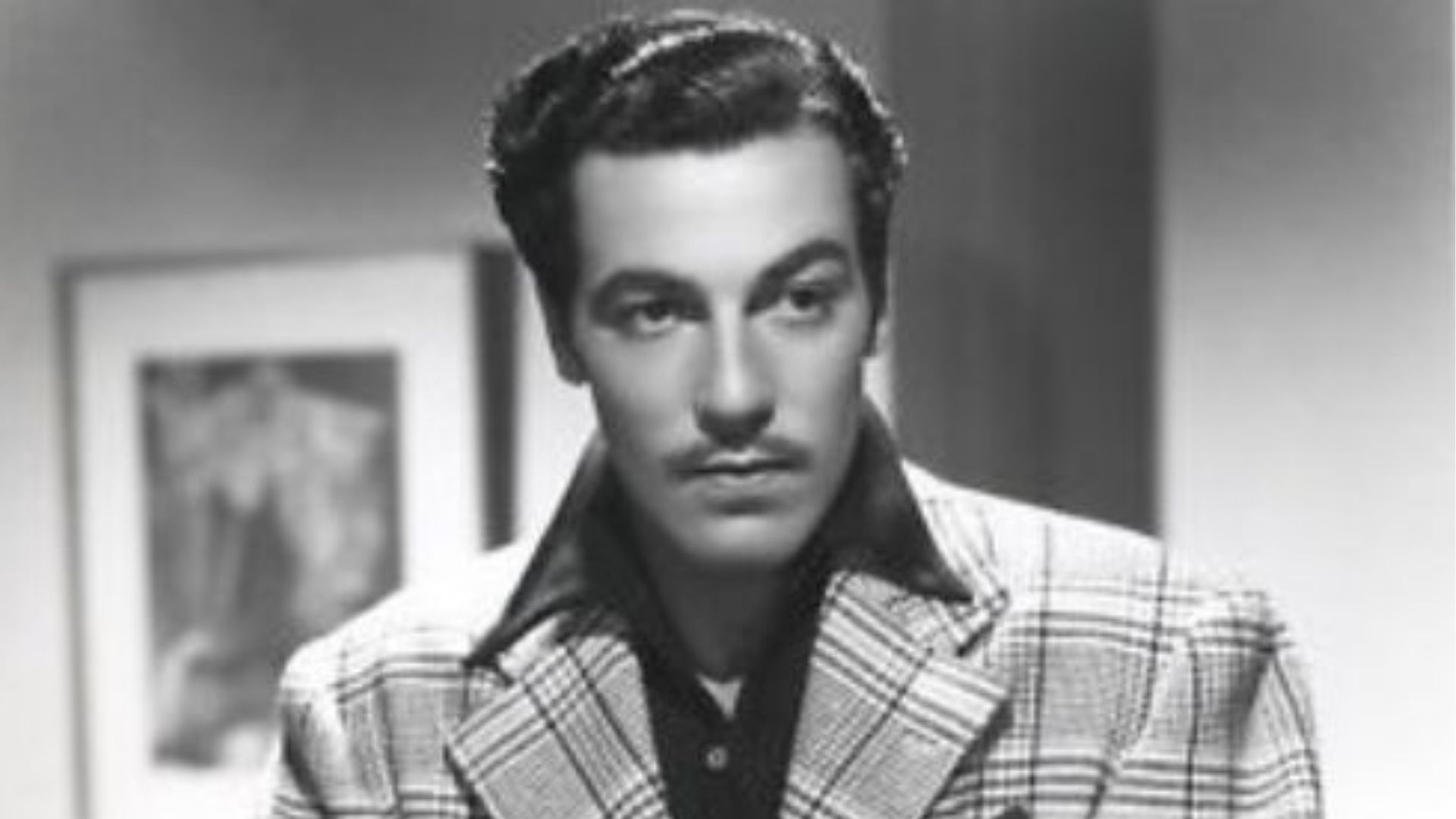
Cesar Romero
Cesar Romero, the velvet-jacketed charmer who later cackled as TV’s Joker, kept matrimony at arm’s length with a grin. “I’m allergic to marriage,” he’d say, gliding through MGM parties and Rat Pack nights. Descended from Cuban aristocracy, he romanced starlets, roomed for years with Tyrone Power Jr., and danced fast enough that labels never stuck.
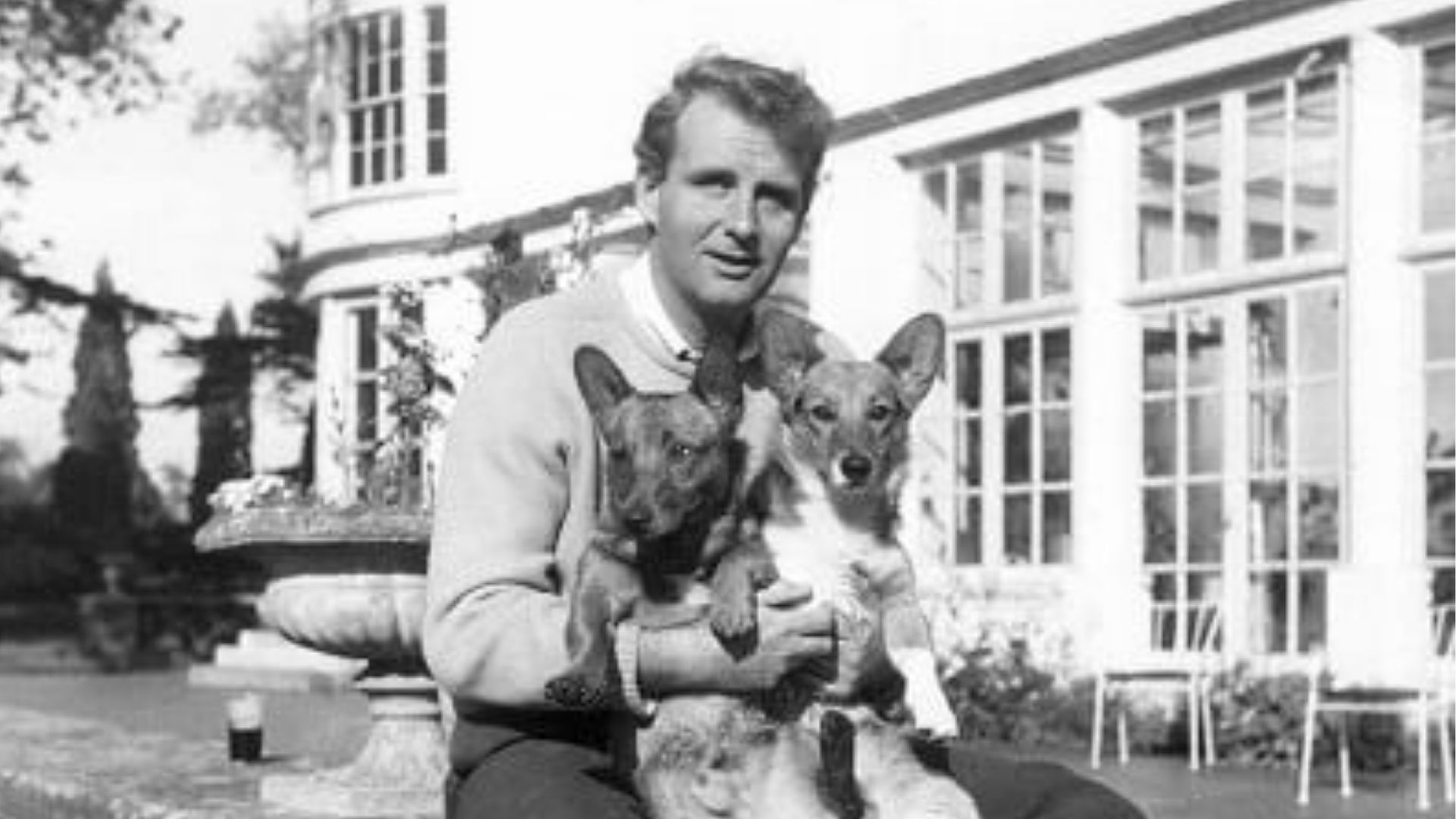
Anthony Forwood
Anthony Forwood appears here only as your notes describe him: Dirk Bogarde’s manager and companion for more than forty years. Together they “dodged tabloids,” gardened in France, restored a crumbling farmhouse, and cultivated a domesticity the era wouldn’t permit in public. Bogarde called them “two bachelors sharing a greenhouse,” and his diaries hinted at deeper truths.
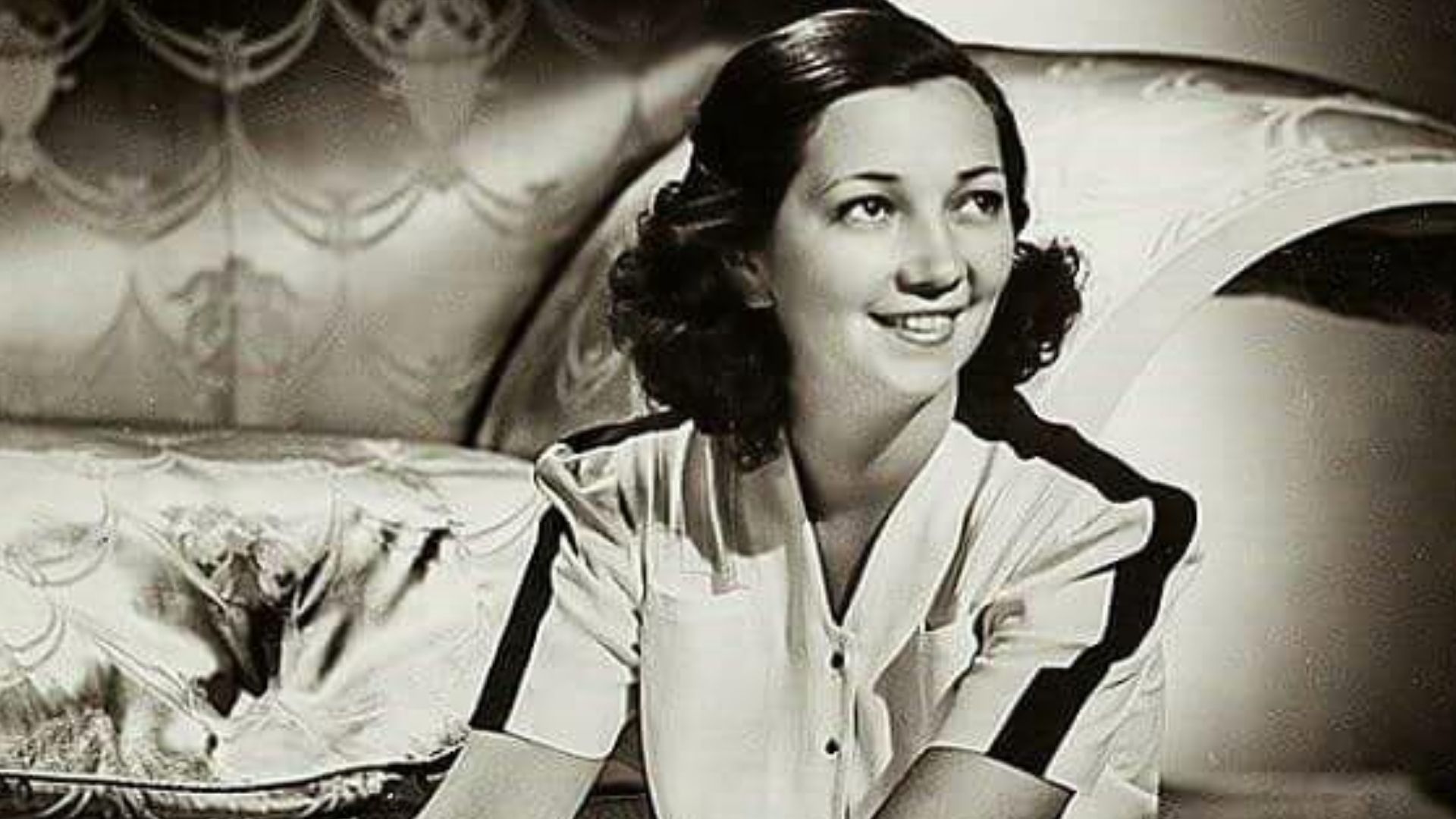
Patsy Kelly
Patsy Kelly refused to launder her life in euphemism. Brash, hilarious, and unapologetic, she lived openly with dancer Wilma Cox for over forty years, hosting raucous parties where legends slipped through the back door. When gossip hinted, she shot back, “I’d rather be interesting than innocent.” The Hays Code punished candor; studios sidelined her. So she took the energy to Broadway, where a Tony waited.
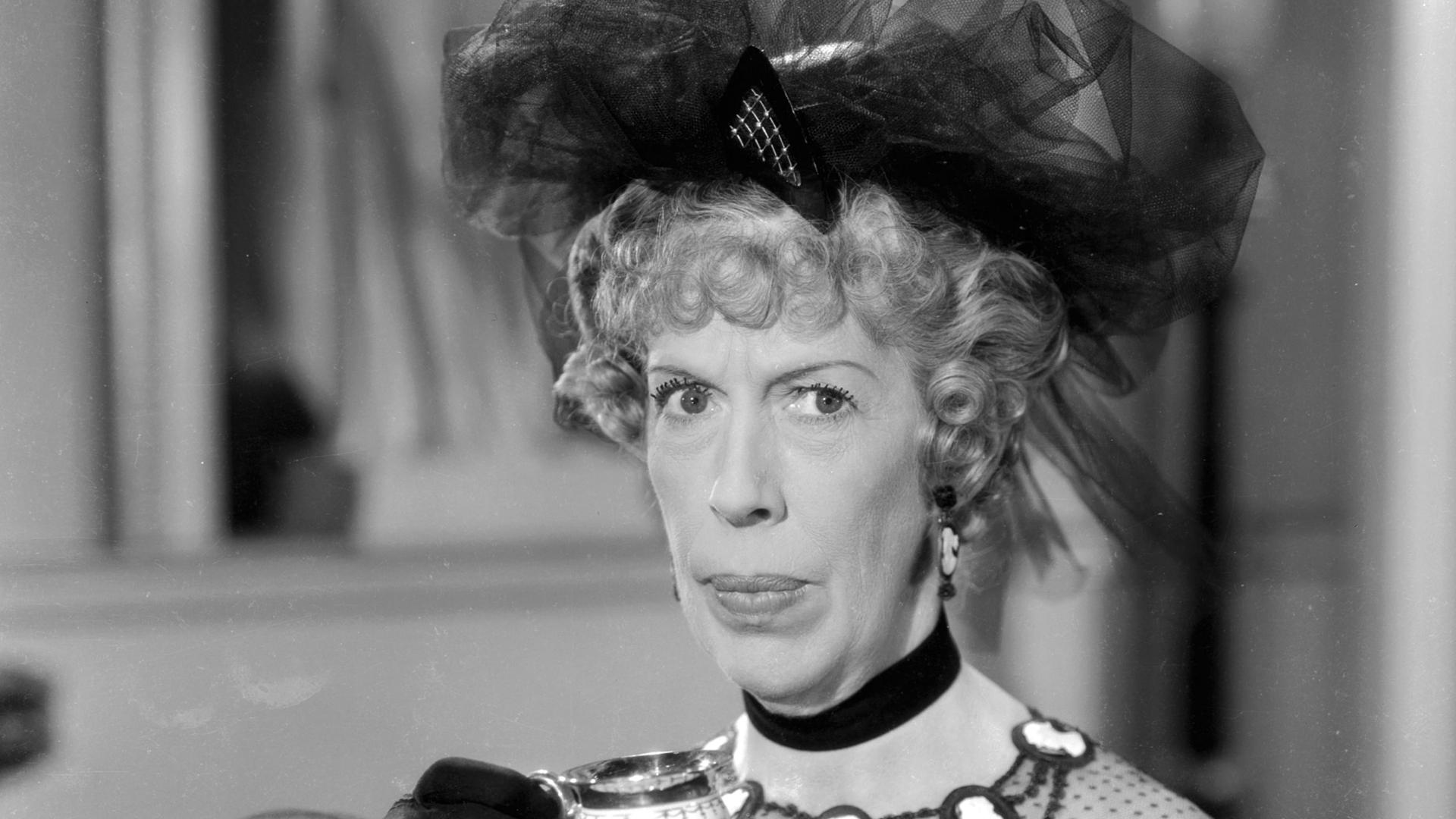
Edna May Oliver
Edna May Oliver turned spinsterhood into brand identity. After a brief early marriage, she settled into a lifelong companionship with her secretary, Gladys Cooper. They traveled, collected antiques, and hosted parties where Oliver roasted guests with withering charm. “Men are like bad stockings,” she cackled.
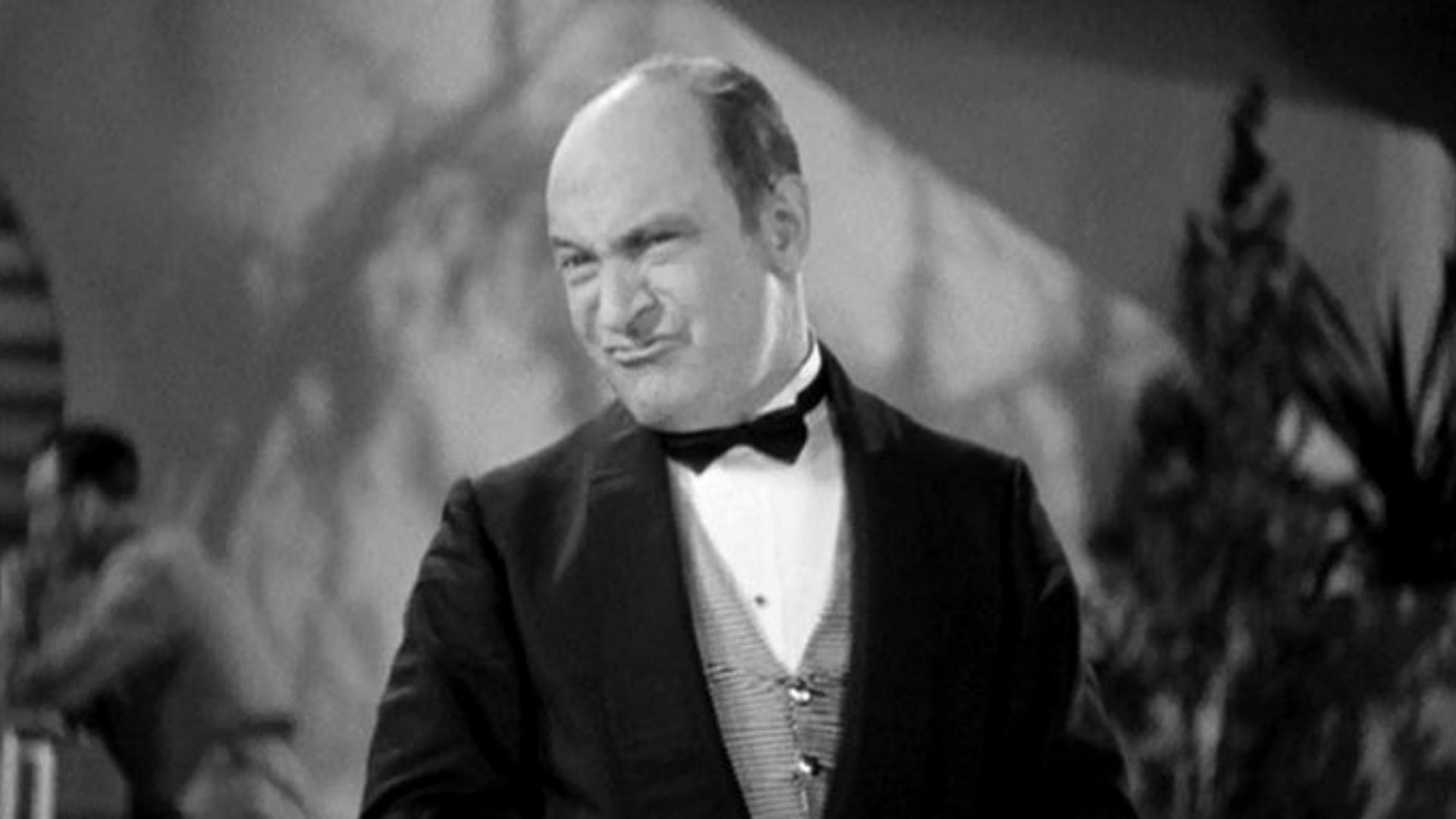
Eric Blore
Eric Blore perfected the prissy butler on screen and a quieter rebellion off it. A closeted man in a punishing era, he lived for decades with actor Clyde Cook, hosting discreet teas where gossip and gin flowed safely. He never publicly addressed his sexuality; instead, he fenced with wit. Asked why he played so many servants, he sniffed, “Because Americans can’t tell the difference between a servant and a knight.”
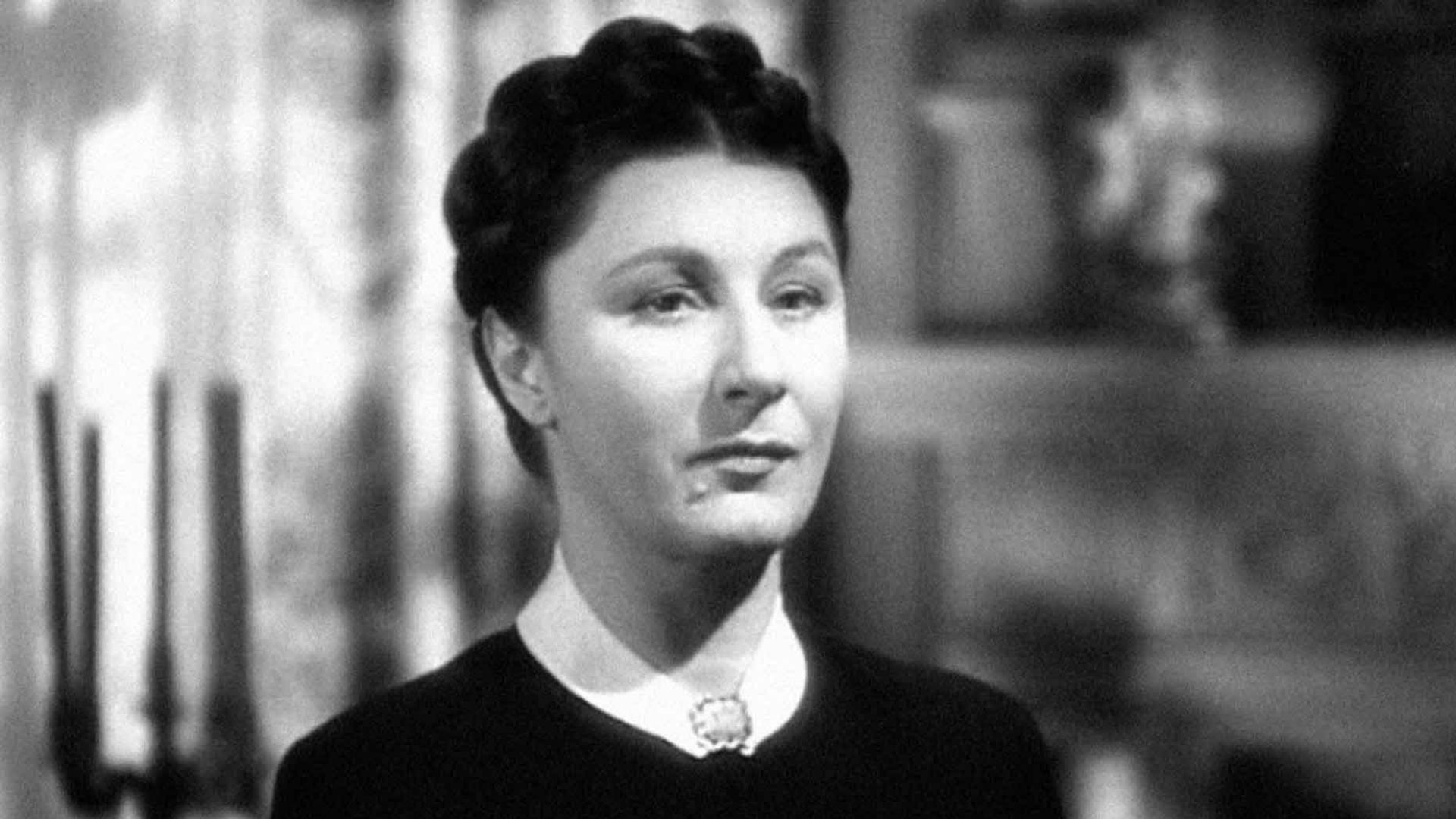
Judith Anderson
Judith Anderson’s glare could curdle milk, Mrs. Danvers was merely the calling card. Offstage, she preferred mastery to matrimony. Fiercely private, she lived for years with actress Beatrice Hume in what papers called a “Boston marriage.” “I wed my craft,” she said; two Tonys, an Oscar nod, and, in her seventies, a swaggering Hamlet to prove it.