
20 Horror Movies Audiences Thought Were Real
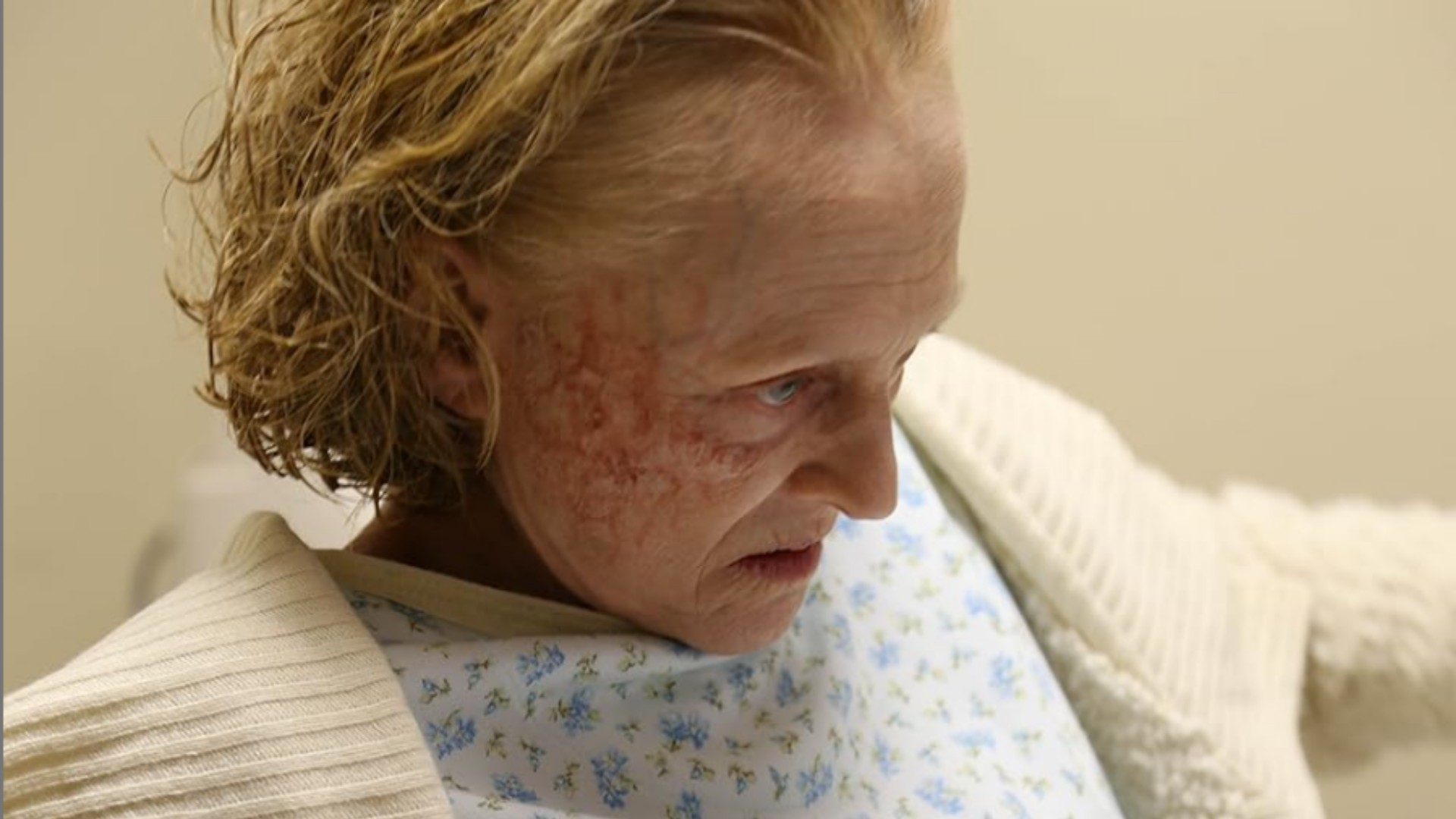
'The Taking of Deborah Logan' (2014)
The Taking of Deborah Logan begins like a documentary about Alzheimer’s disease before slowly transforming into full supernatural horror. The story centers on filmmakers documenting an elderly woman’s mental decline, only to uncover terrifying paranormal events. The realistic interviews and emotionally grounded performances give the opening half a chilling sense of authenticity, leaving many viewers wondering whether the story had been inspired by real events.
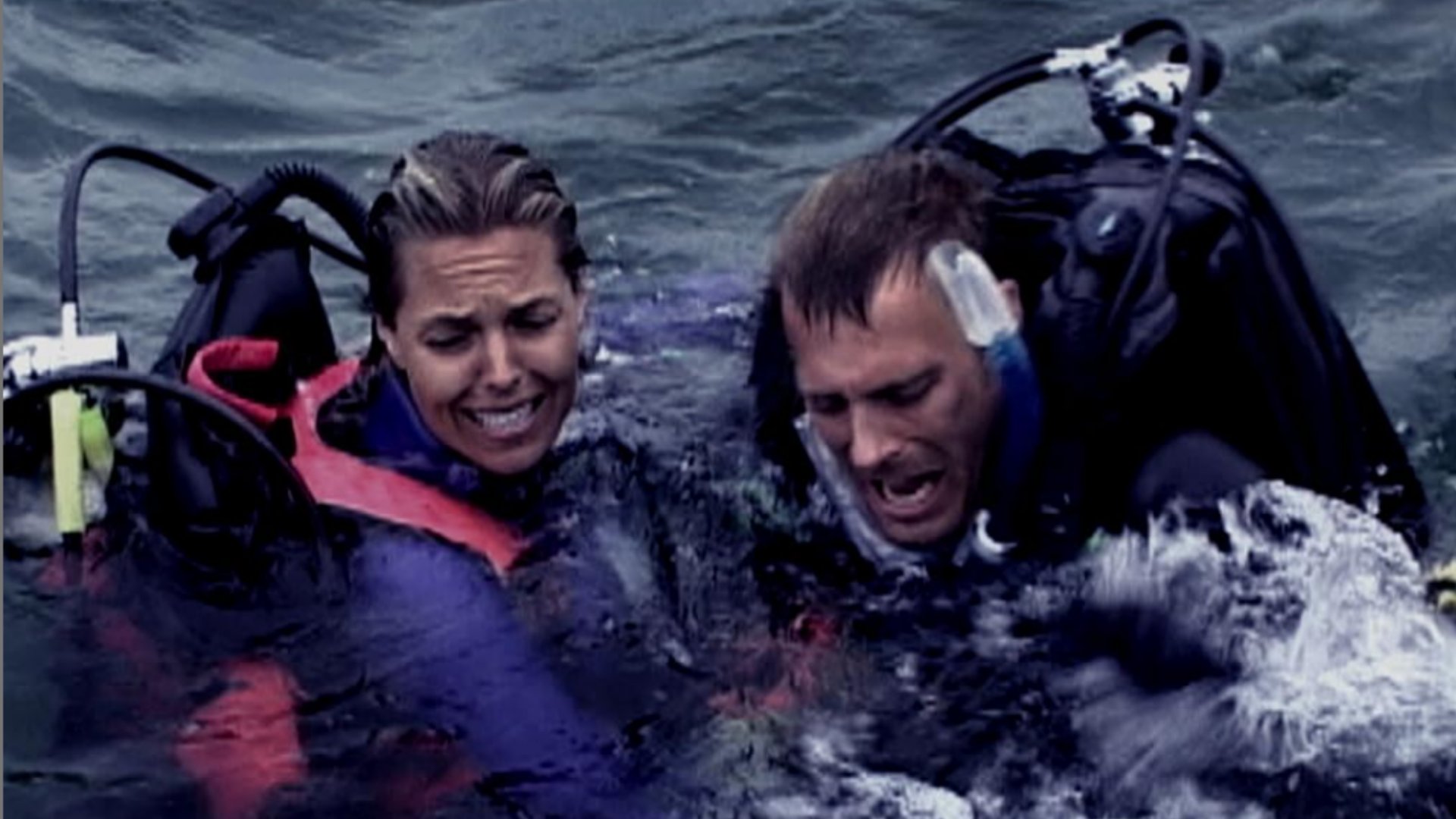
'Open Water' (2003)
Unlike many other films on this list, Open Water was inspired by a true story. The movie follows a couple stranded in shark-infested waters after being accidentally left behind during a diving trip. It was loosely based on the real-life disappearance of Tom and Eileen Lonergan. What terrified audiences was how believable everything felt, especially since much of the movie was filmed in real open waters alongside actual sharks.
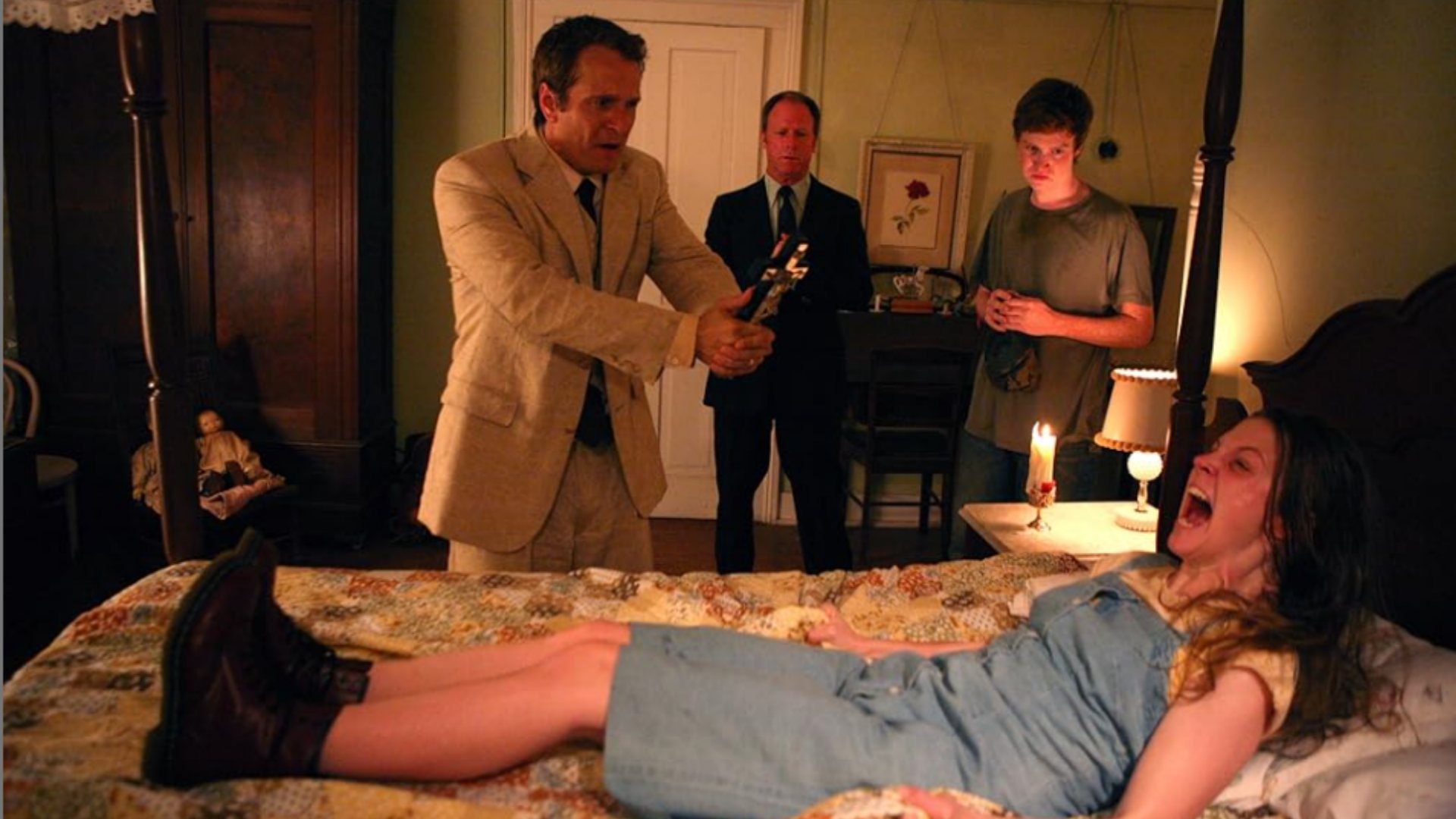
'The Last Exorcism' (2010)
The Last Exorcism initially presents itself as a documentary following a preacher attempting to expose exorcisms as frauds. However, the story gradually shifts into supernatural horror as disturbing events begin unfolding around a possessed girl. With its grounded religious themes and documentary-style cinematography, the film convinced many viewers that it was inspired by a real investigation.
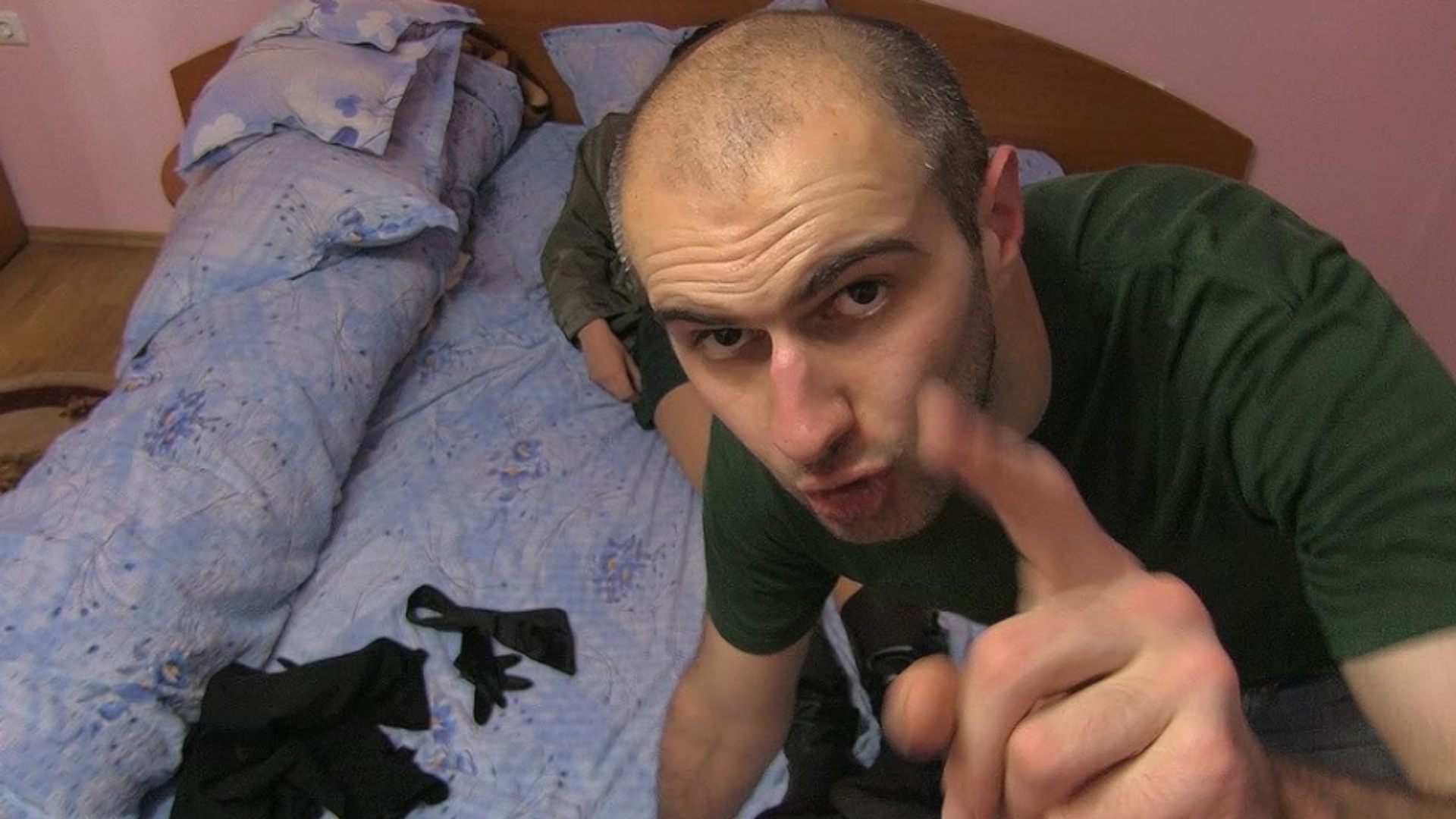
'Be My Cat: A Film for Anne' (2015)
Written, directed, and starring Adrian Țofei, Be My Cat: A Film for Anne is a Romanian psychological horror movie that unsettled viewers with its disturbingly natural performances. The film follows an obsessed fan attempting to make a movie for Anne Hathaway. Its improvised dialogue, intimate camerawork, and documentary-style presentation create an unsettling illusion where it becomes difficult to separate fiction from reality.
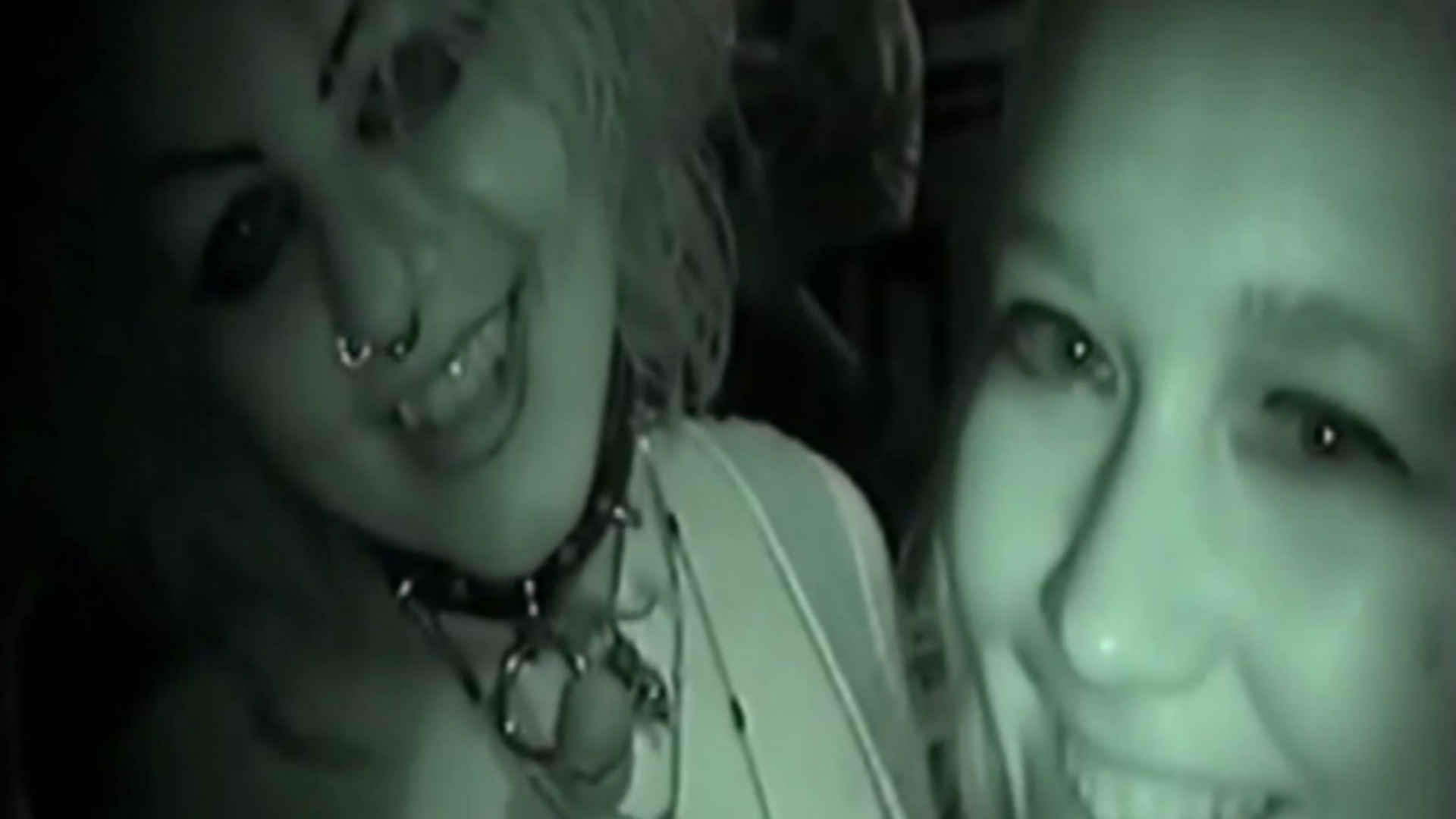
'August Underground' (2001)
August Underground became infamous for looking disturbingly authentic. Designed to resemble real recordings made by serial killers, the film uses grainy footage, improvised acting, and an intentionally raw presentation to blur the line between fiction and reality. Unlike traditional horror movies, it barely follows a plot and instead presents shocking violence in a cold, detached manner. In some countries, customs officers reportedly confiscated copies because they believed the footage was real.
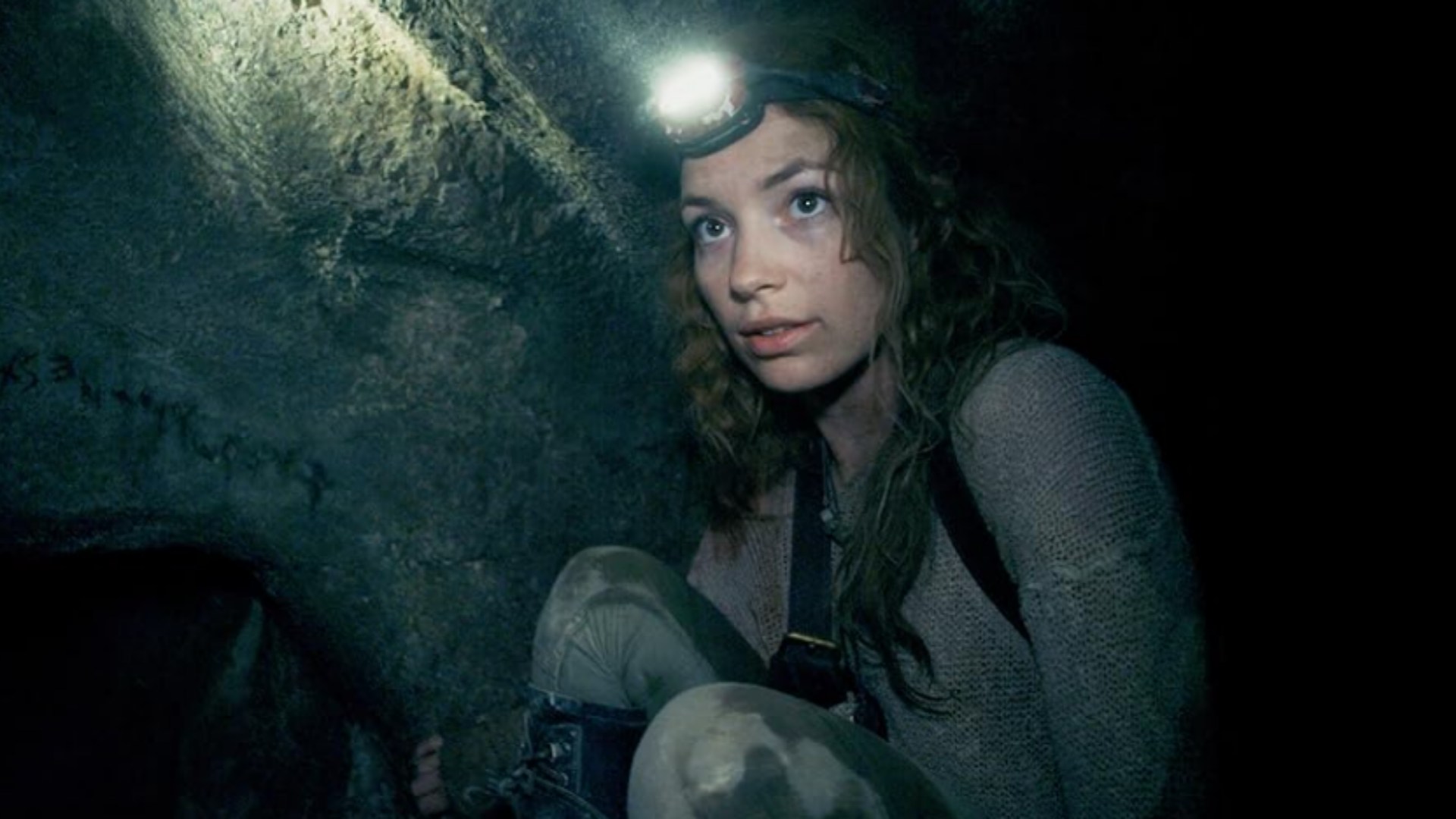
'As Above, So Below' (2014)
Filmed inside the real Paris Catacombs, As Above, So Below used found-footage filmmaking to create a suffocating sense of realism. The story follows a group of explorers venturing deep beneath Paris in search of hidden secrets, only to become trapped in increasingly terrifying tunnels. By using handheld cameras and actual underground locations, the film made viewers feel as though they were watching a real expedition spiral into madness.
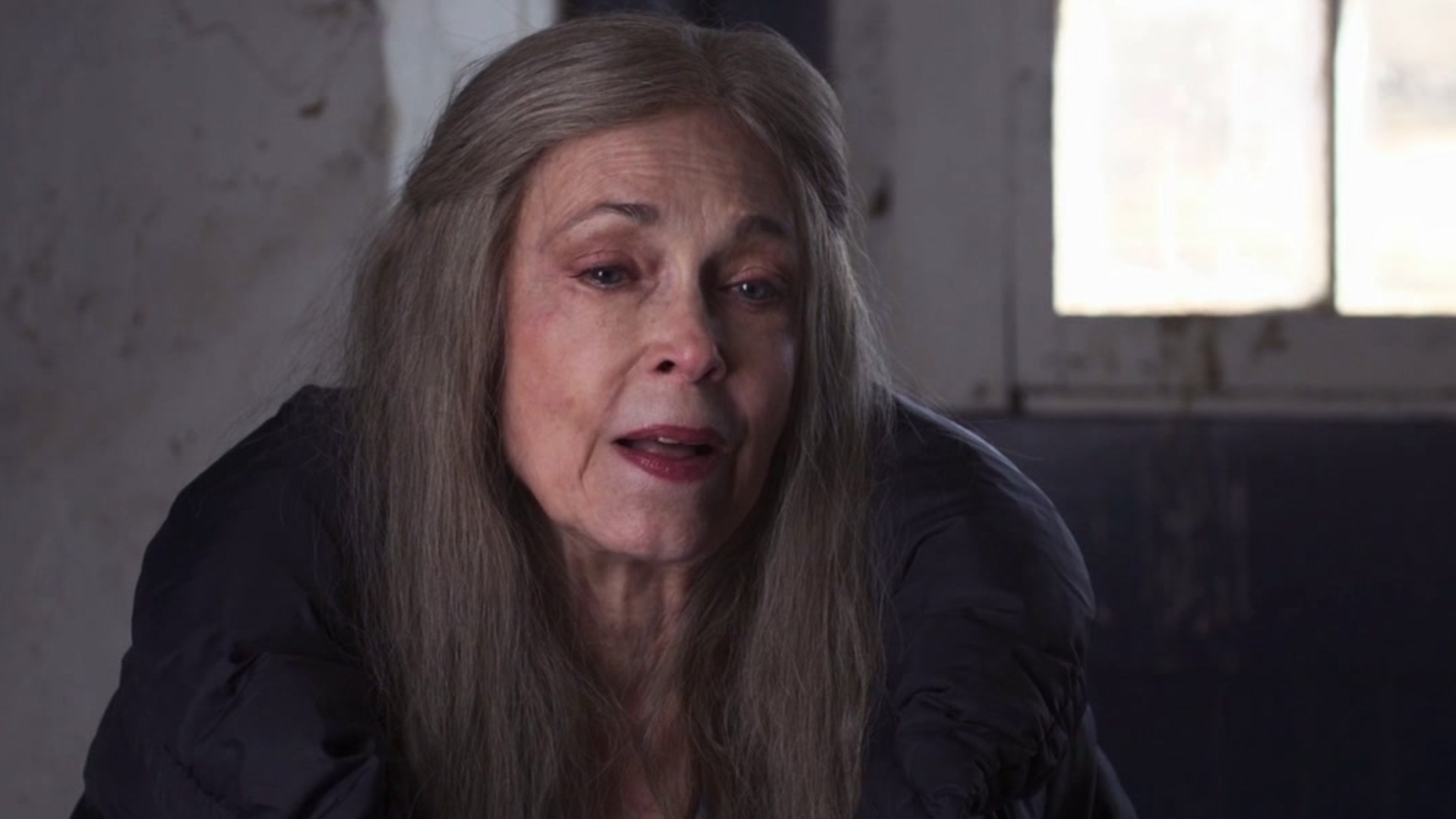
'The Visit' (2015)
Directed by M. Night Shyamalan, The Visit revived the found-footage horror trend by mixing family drama with grounded psychological terror. The movie follows two siblings visiting their grandparents, whose behavior becomes increasingly disturbing as the trip progresses. Because the children film everything themselves using handheld cameras, the horror feels unusually believable and uncomfortably close to reality.
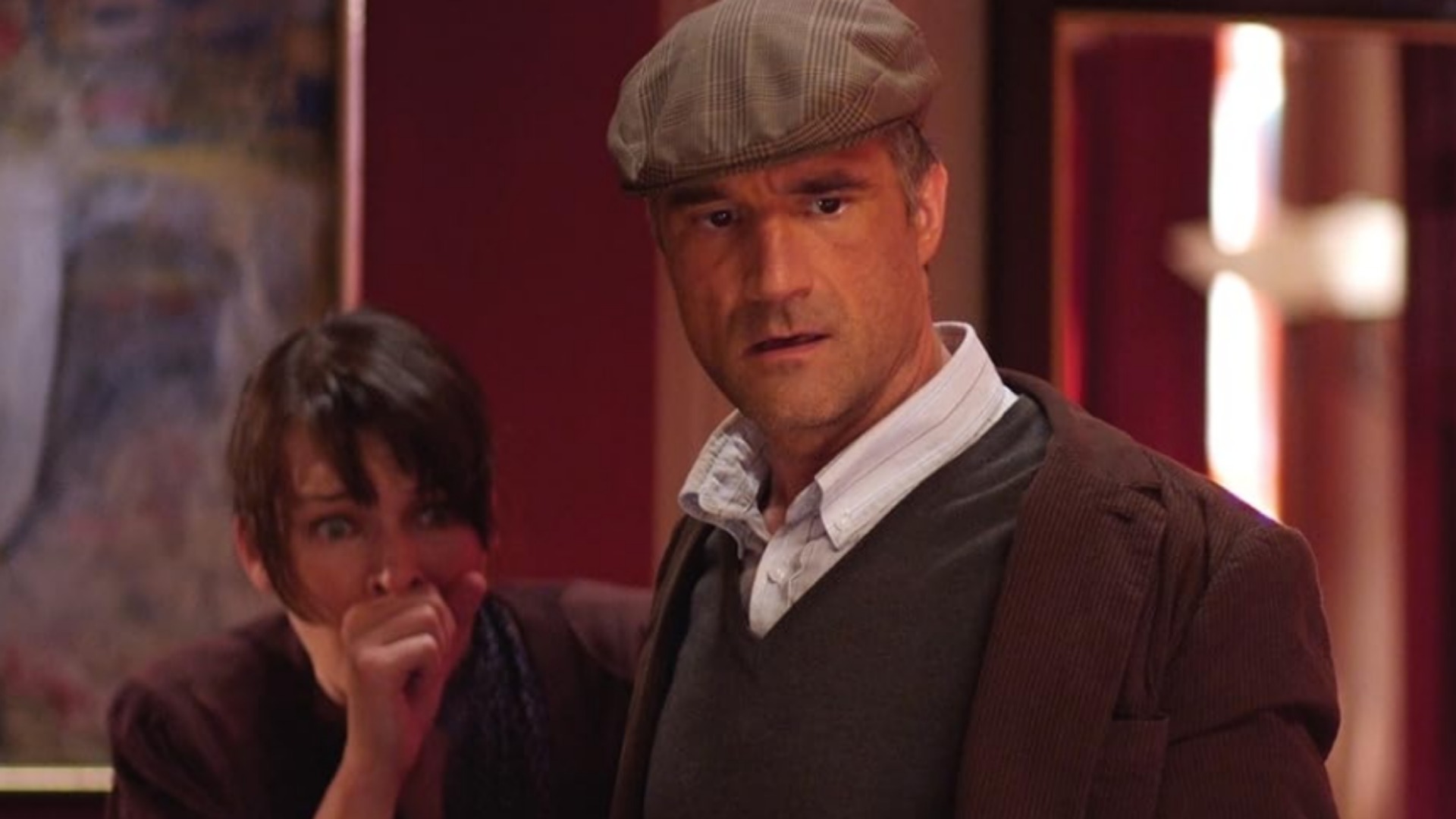
'The Fourth Kind' (2009)
The Fourth Kind deliberately blurred the line between fiction and reality by mixing reenactments with staged “archival footage” supposedly documenting alien abductions in Nome. Starring Milla Jovovich as a psychologist investigating mysterious cases, the film repeatedly insisted that parts of what audiences were seeing were real. Thanks to its convincing presentation and aggressive marketing, many viewers initially believed its claims.
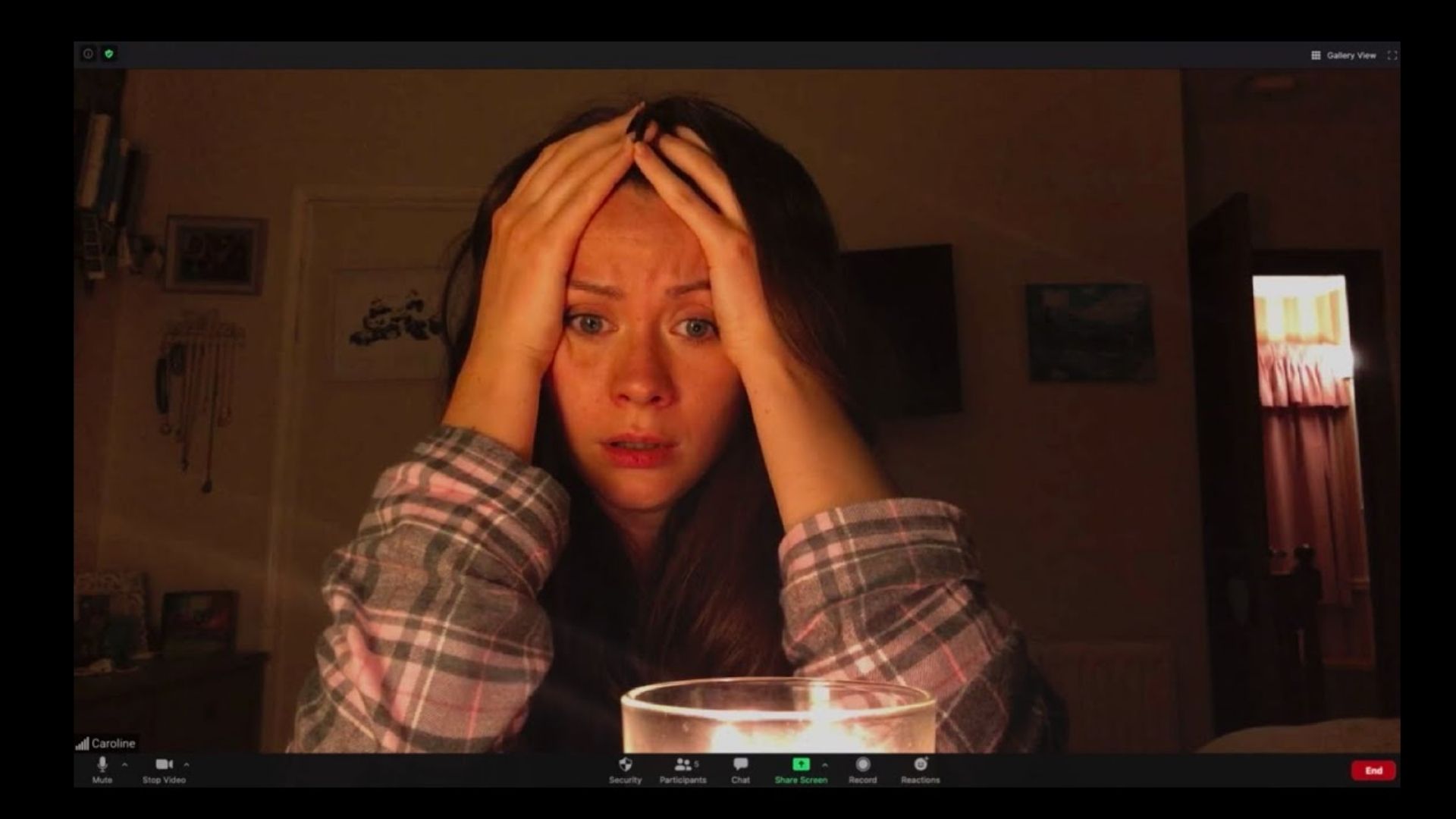
'Host' (2020)
Shot entirely over Zoom during the COVID-19 lockdowns, Host felt frighteningly real to audiences stuck at home during the pandemic. The film follows a group of friends whose virtual séance spirals out of control. Because the actors filmed themselves inside their own homes and improvised much of their dialogue, their reactions felt natural and authentic. Its screenlife format mirrored the exact technology audiences were using every day, making the horror hit even harder.
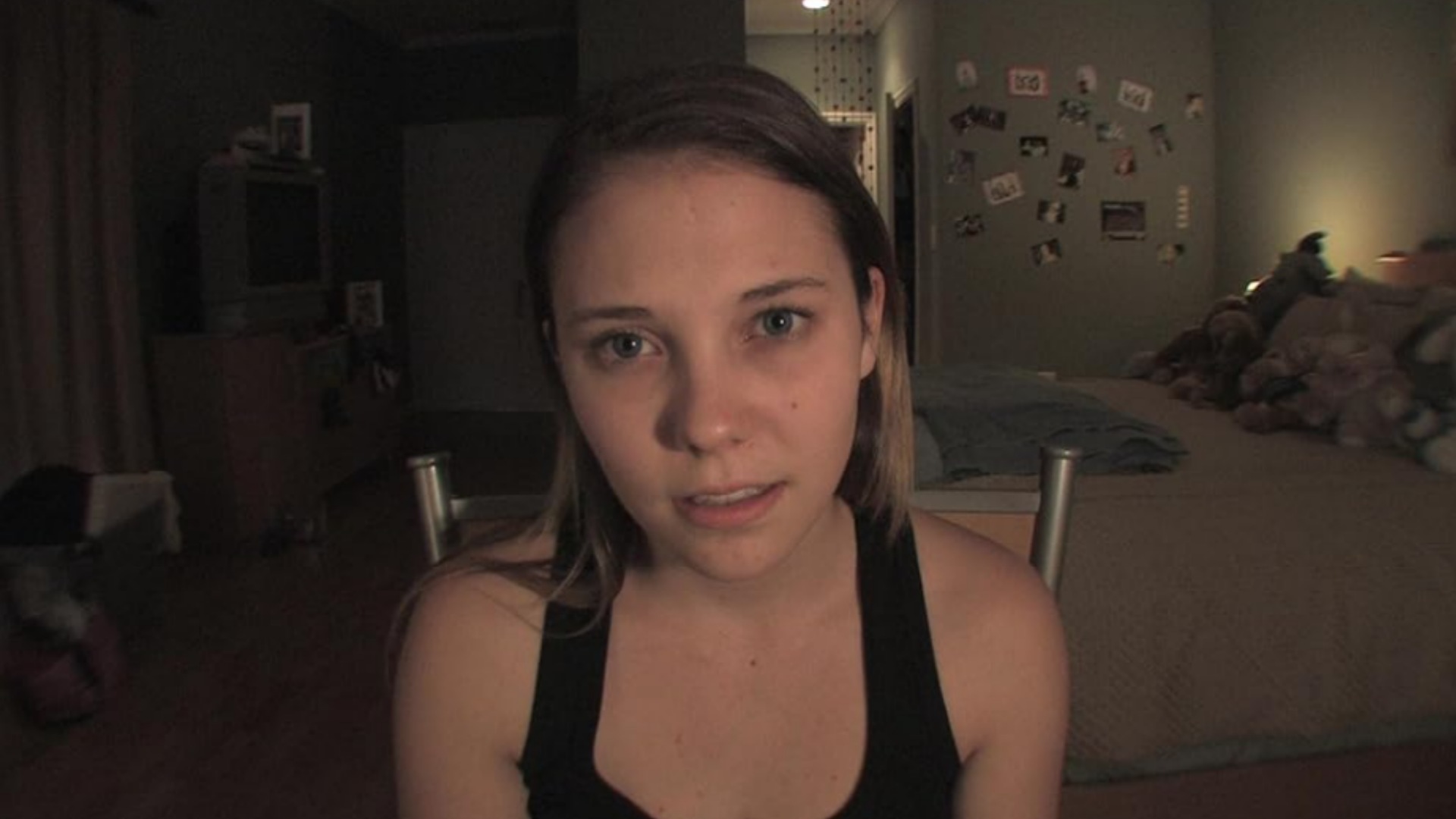
'Megan Is Missing' (2011)
Years after its release, Megan Is Missing exploded online because many viewers believed its disturbing final scenes were actual recovered footage. Inspired by real child abduction cases, the film follows two teenage girls whose online interactions lead to horrifying consequences. Its webcam-style presentation, raw performances, and cautionary “educational” tone blurred the line between fiction and reality for many viewers.

'Noroi: The Curse' (2005)
Directed by Kōji Shiraishi, Noroi: The Curse is one of the most convincing found-footage horror films ever made. The story follows paranormal journalist Masafumi Kobayashi as he investigates strange supernatural events tied to an ancient demon named Kagutaba. Presented as recovered documentary footage, the movie combines interviews, television clips, and handheld recordings so naturally that it feels disturbingly authentic.
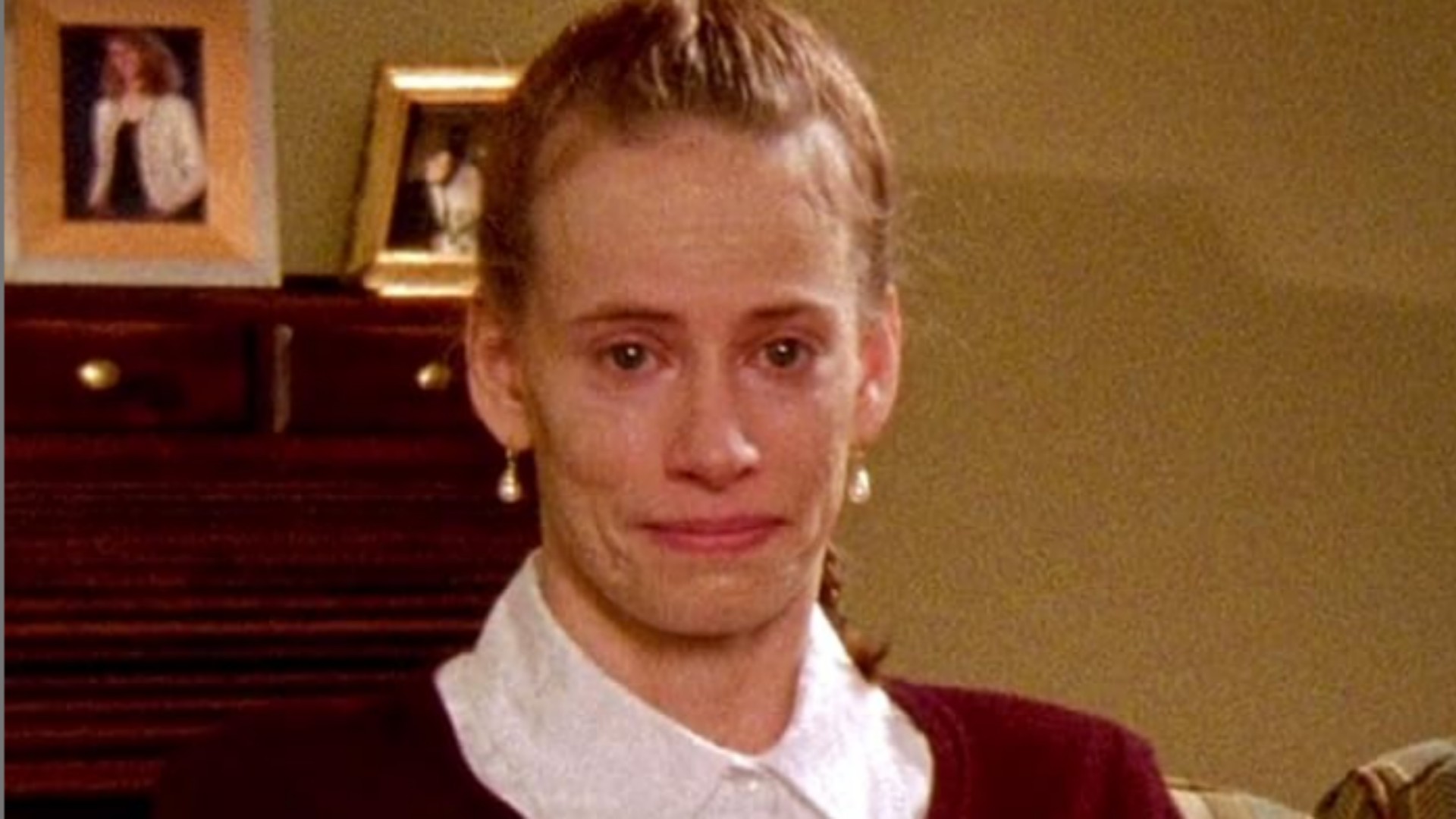
'The Poughkeepsie Tapes' (2007)
The Poughkeepsie Tapes terrified audiences with its documentary-style portrayal of a serial killer who records his crimes over several years. Framed as a police investigation uncovering hundreds of videotapes, the film mixes interviews with disturbing footage that feels unsettlingly believable. Its raw presentation and psychological horror led many viewers to question whether parts of it were inspired by real crimes.
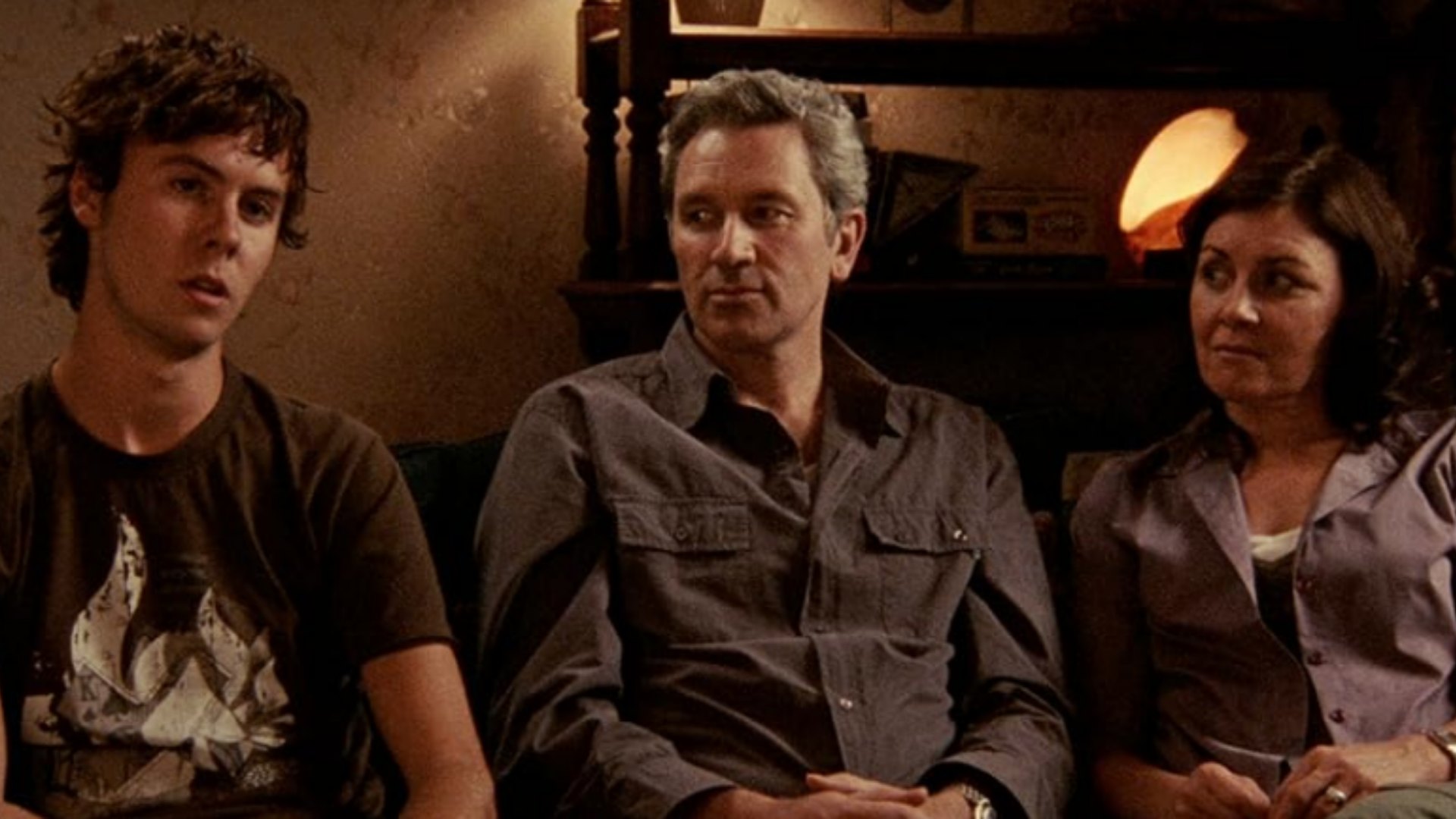
'Lake Mungo' (2008)
Lake Mungo remains one of the most emotionally realistic horror films ever made. Structured like a true-crime documentary, it follows a grieving family experiencing strange events after the death of their daughter. Through interviews, photographs, and subtle supernatural details, the film creates an eerie sense of authenticity that left many viewers questioning what was real.
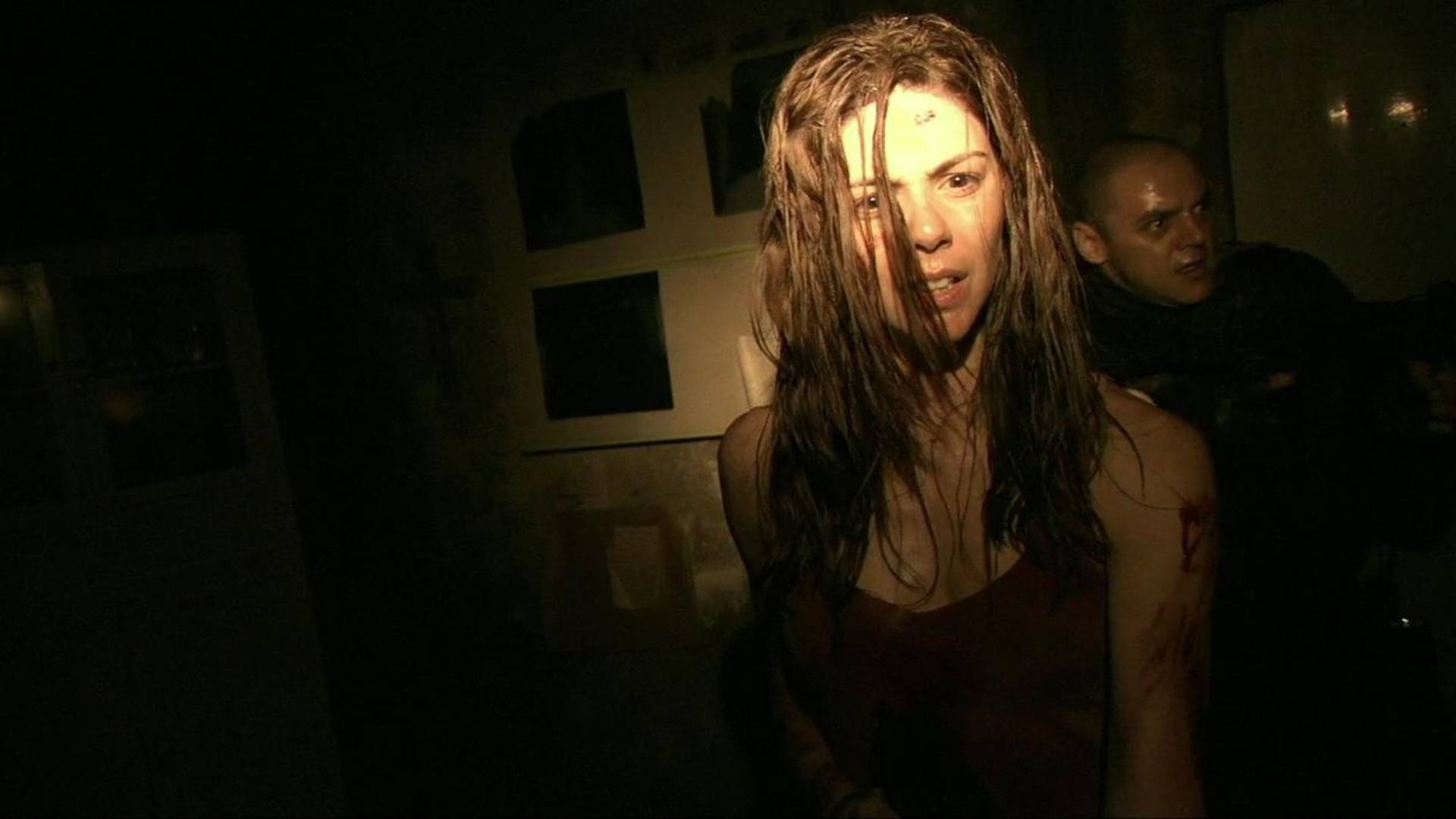
'REC' (2007)
Spanish horror classic REC created terrifying realism through frantic handheld camerawork and its claustrophobic apartment-building setting. Told entirely from the perspective of a television reporter covering a quarantine outbreak, the movie unfolds in real time and rarely gives viewers a chance to breathe. The actors reportedly knew very little about certain scenes beforehand, helping their reactions feel genuinely panicked.
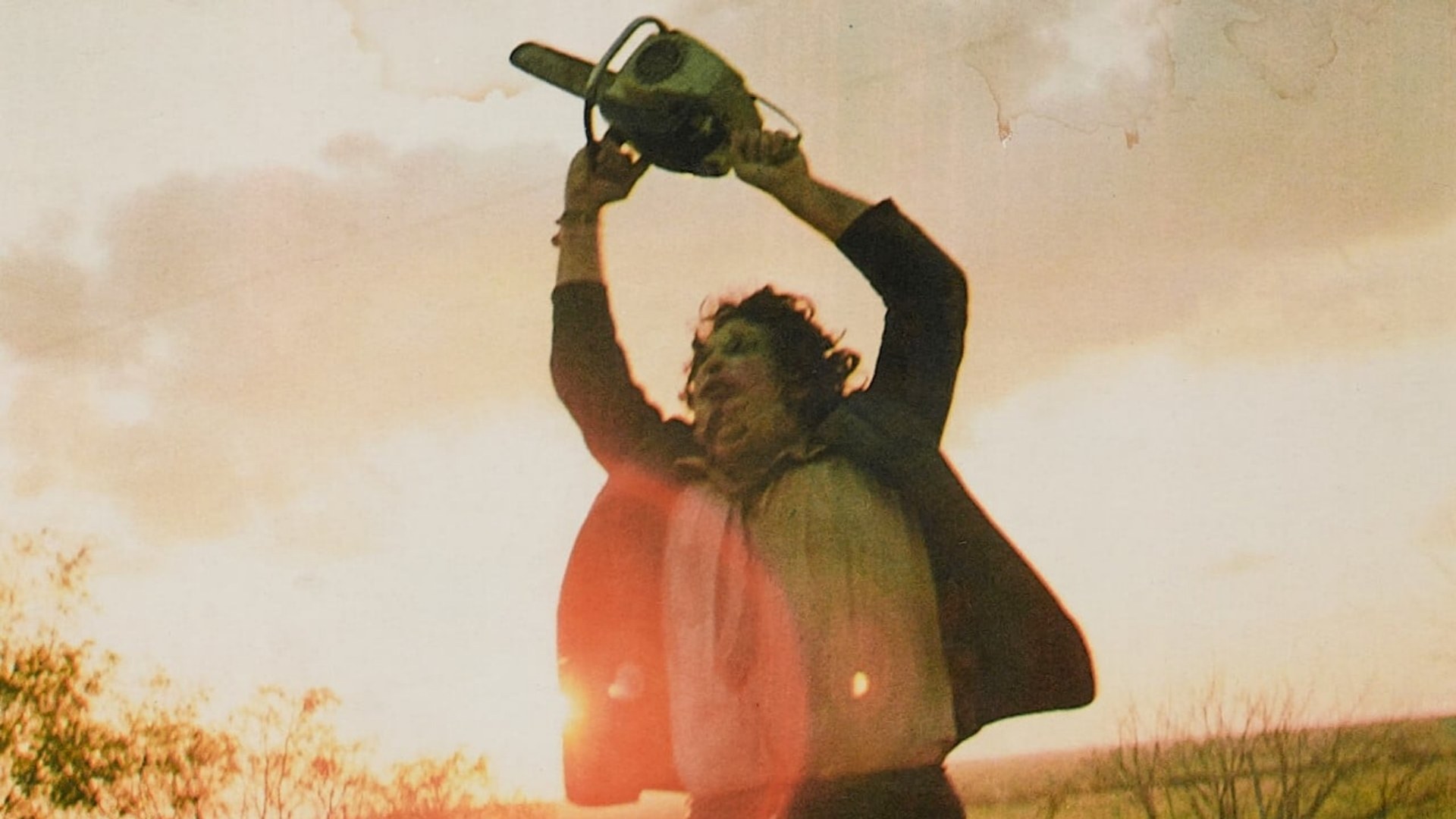
'The Texas Chain Saw Massacre' (1974)
Though largely fictional, The Texas Chain Saw Massacre famously claimed to be based on true events, which deeply unsettled audiences at the time. Inspired partly by real-life killer Ed Gein, the film used gritty visuals, documentary-style narration, and brutal realism to create the feeling of watching something forbidden and horrifyingly real.
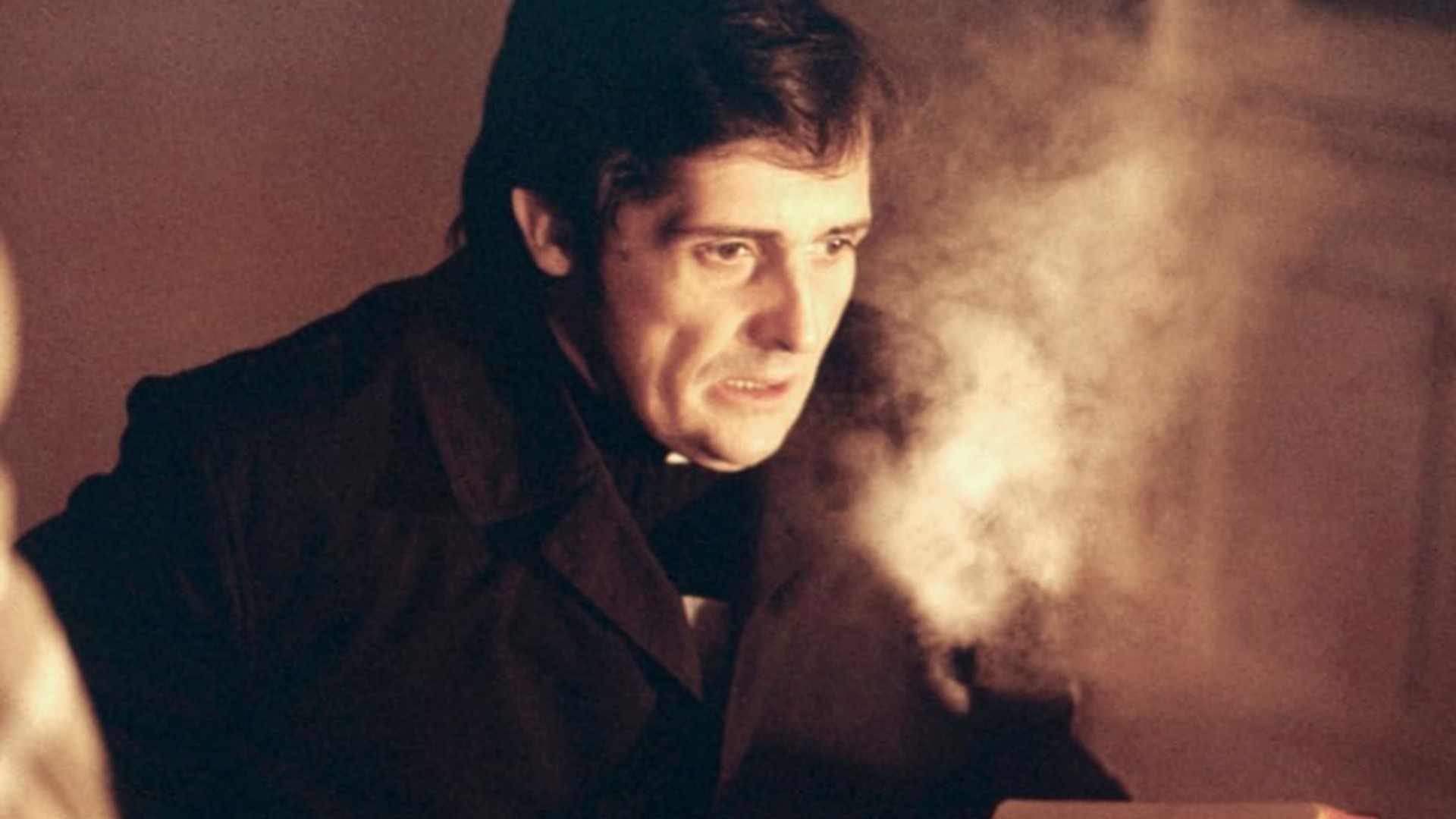
'The Exorcist' (1973)
Inspired by the alleged 1949 exorcism of a boy known as Roland Doe, The Exorcist blurred the line between supernatural horror and real religious fear. Reports of audience members fainting, vomiting, and fleeing theaters only added to the film’s terrifying reputation. Its grounded performances and clinical approach to demonic possession made the horror feel disturbingly believable.
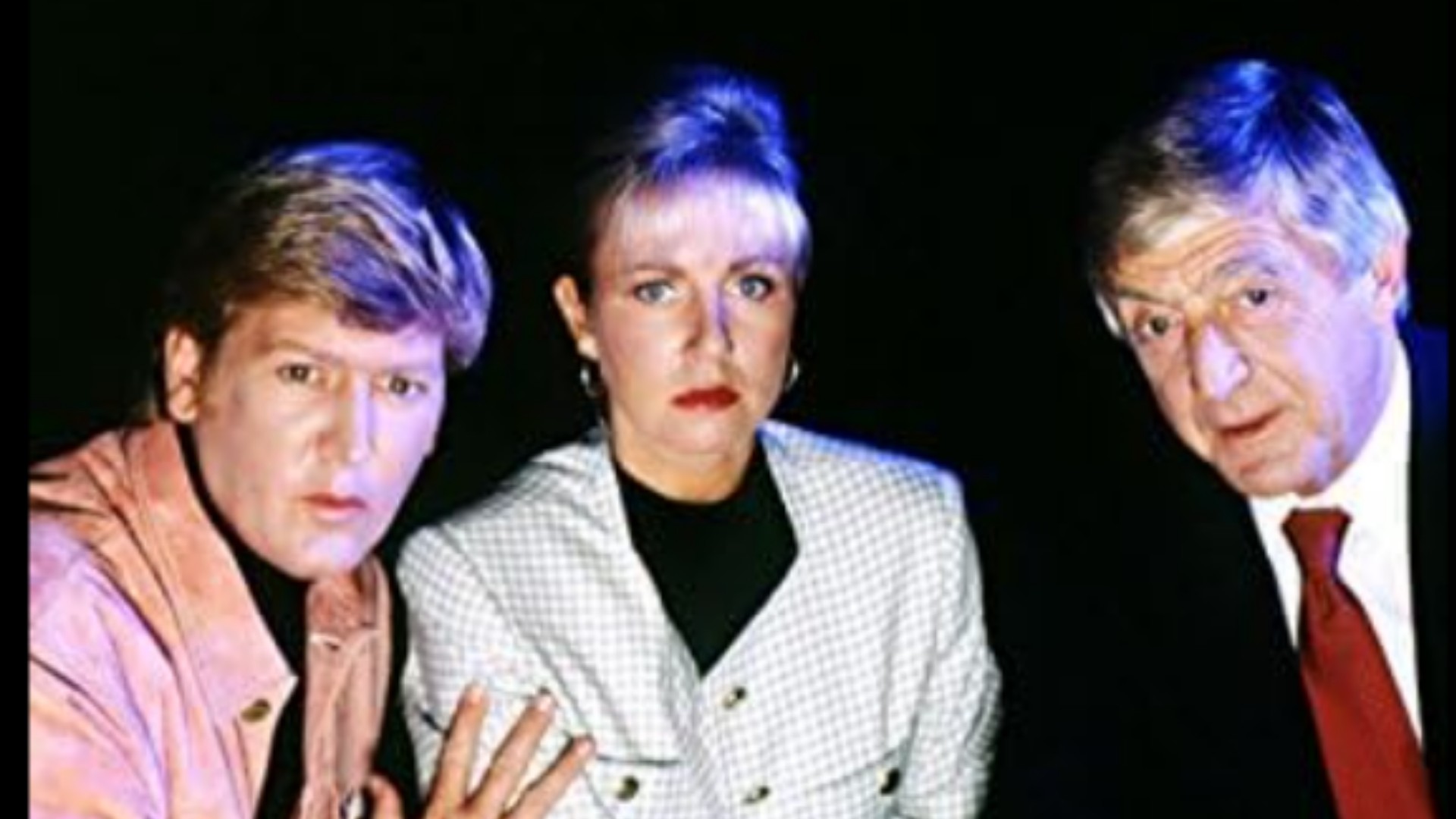
'Ghostwatch' (1992)
Broadcast on BBC during Halloween night, Ghostwatch convinced many viewers they were watching a real live paranormal investigation unravel on television. Featuring well-known TV presenters playing themselves, the mockumentary perfectly recreated the style of an authentic BBC broadcast. The backlash was so intense that many viewers complained after realizing it was fictional.
'Cannibal Holocaust' (1980)
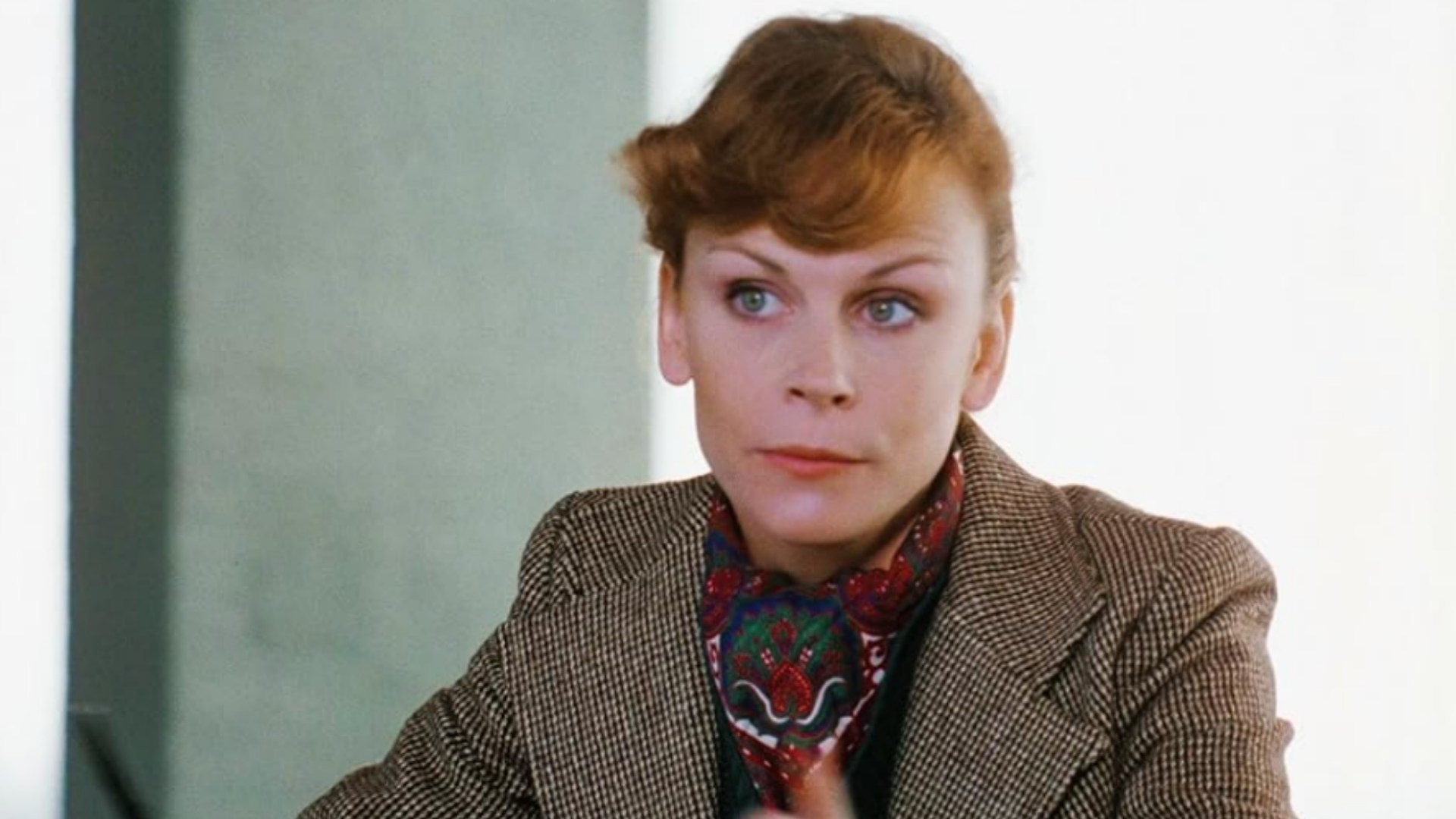
Few horror films caused as much controversy as Cannibal Holocaust. Presented as recovered footage from missing filmmakers exploring the Amazon rainforest, the movie looked so convincing that director Ruggero Deodato had to appear in court and prove his actors were alive. Its graphic violence and documentary-style filmmaking made many audiences believe parts of the film were real.
'Paranormal Activity' (2007)
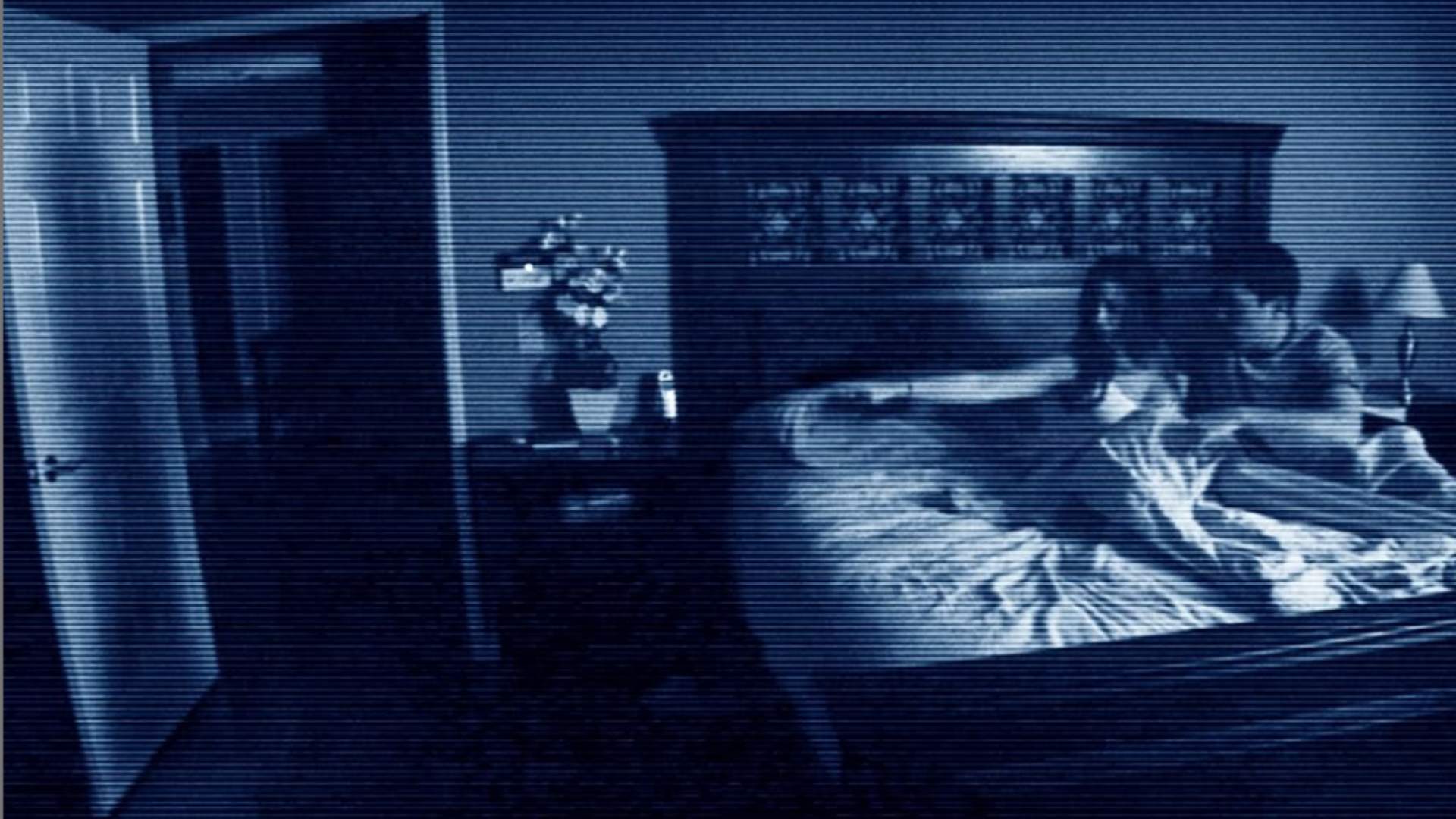
Paranormal Activity made supernatural horror feel terrifyingly plausible through its minimalist setup. Using static cameras, security-style footage, and natural performances, the film follows a couple documenting strange events inside their home. Because so little is shown directly, viewers felt like they were watching genuine footage of paranormal activity unfold in real time.
'The Blair Witch Project' (1999)
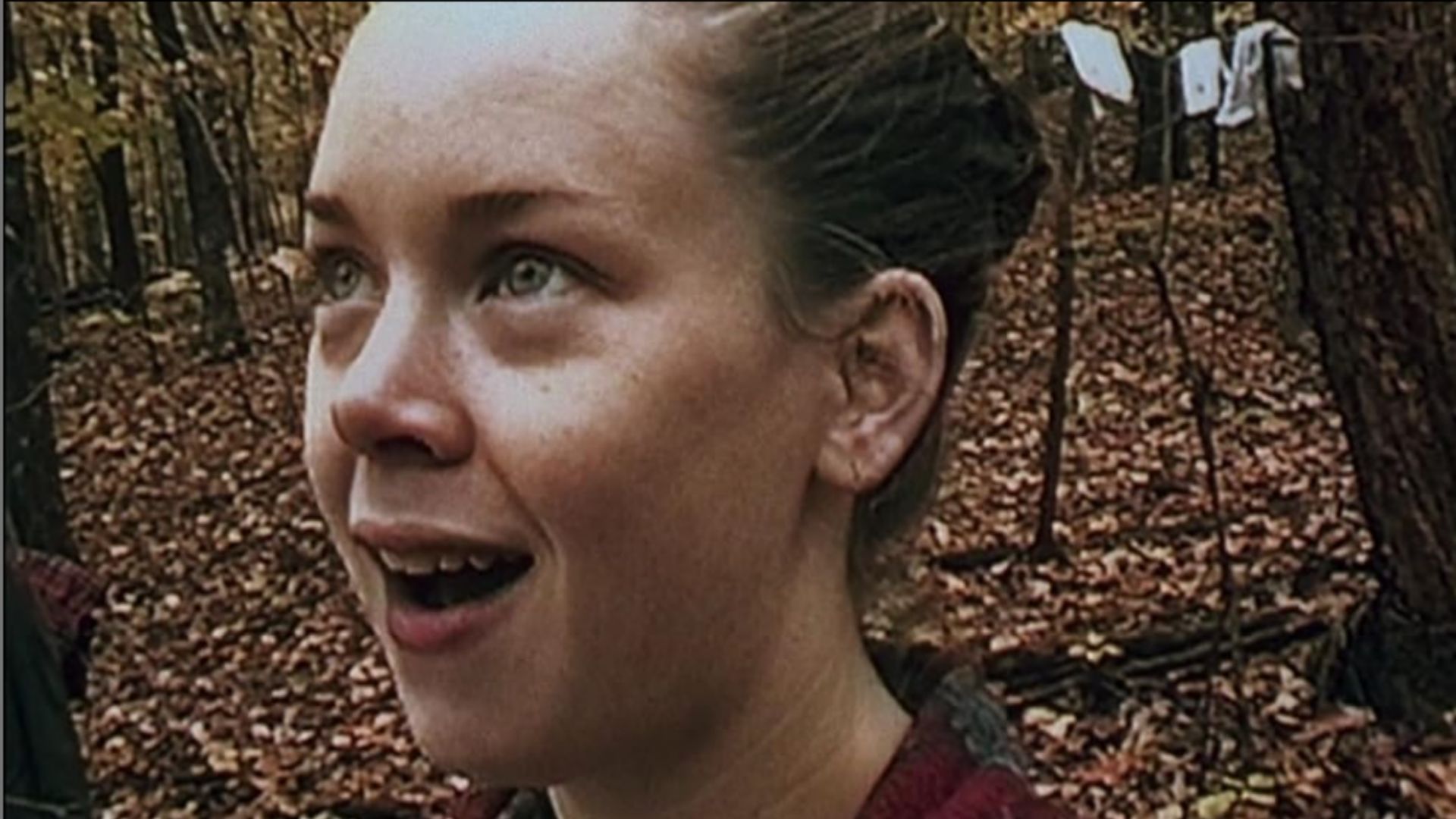
Few films changed horror cinema like The Blair Witch Project. Made on a tiny budget and marketed as genuine recovered footage from missing student filmmakers, the movie became a cultural phenomenon. Its shaky camerawork, improvised dialogue, and groundbreaking internet marketing campaign convinced many viewers that the story might actually be real.