
20 Neo-Noir Films That Turn Crime Into Art
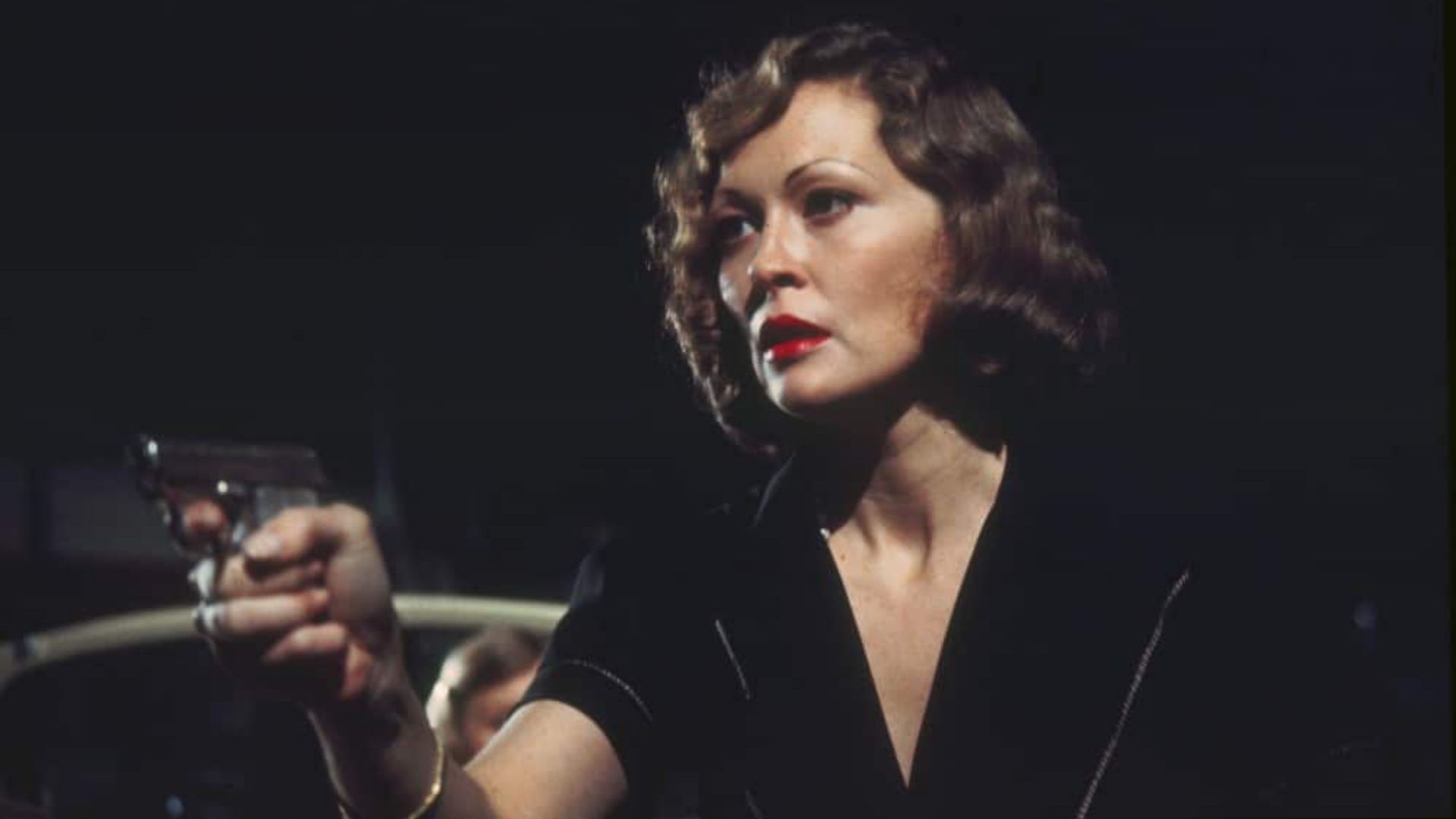
Chinatown (1974)
Chinatown is neo-noir at its smartest because it shows corruption as something built into the system. Jake Gittes thinks he’s solving a simple case, but every clue pulls him into something bigger and uglier. The mystery is layered, and the danger doesn’t come from street criminals; it comes from powerful people who control the city. Neo-noir often shows that truth doesn’t lead to justice, it leads to pain.
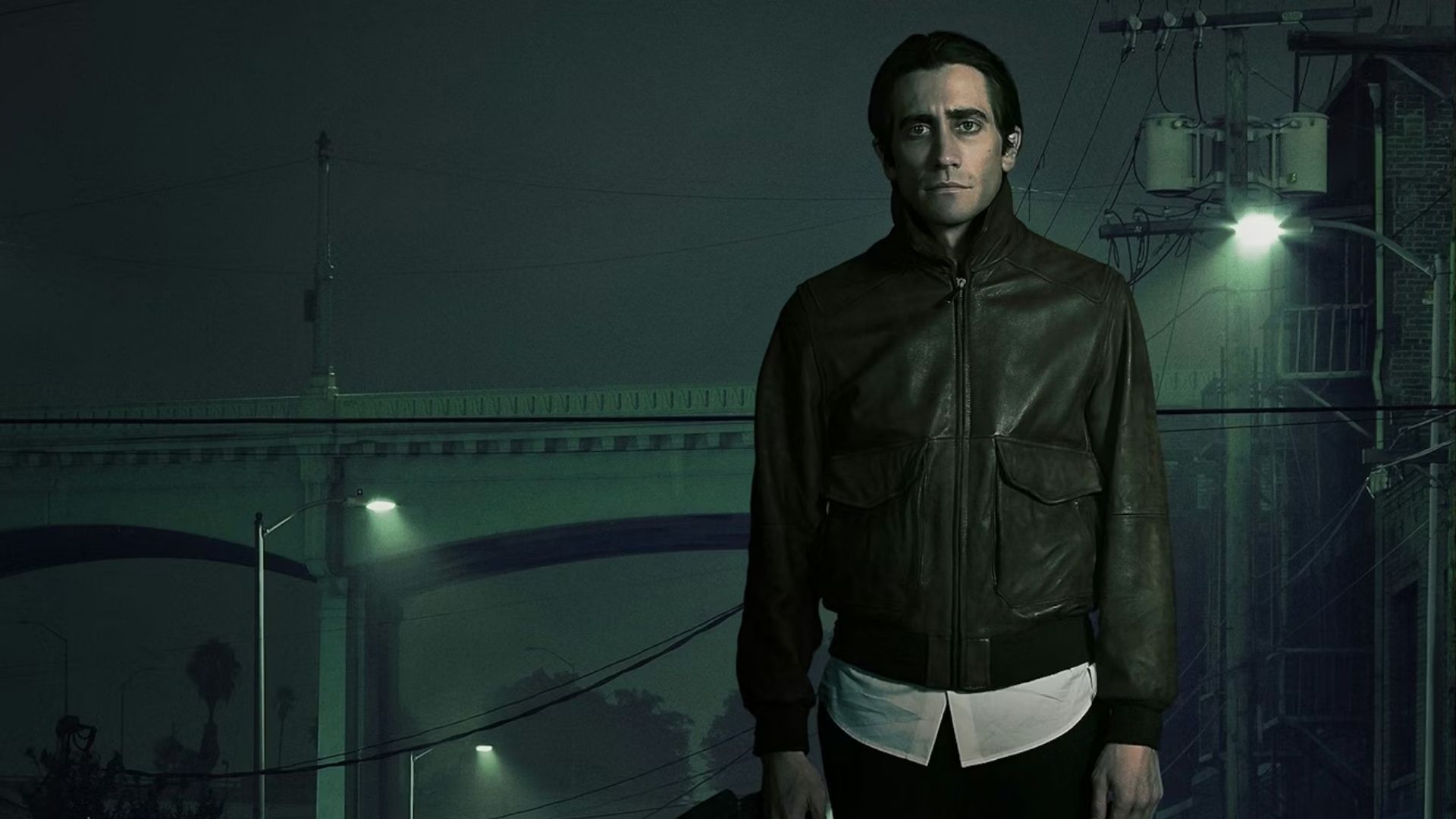
Nightcrawler (2014)
Nightcrawler shows neo-noir through modern greed instead of old-school gangsters. Lou Bloom isn’t chasing justice; he’s chasing money and attention. That makes him a perfect neo-noir lead: driven, cold, and morally empty. Los Angeles at night becomes his hunting ground, and the film turns crime into a business where human suffering has a price tag. The story works as neo-noir because it’s built on corruption, manipulation, and a character who keeps getting worse.
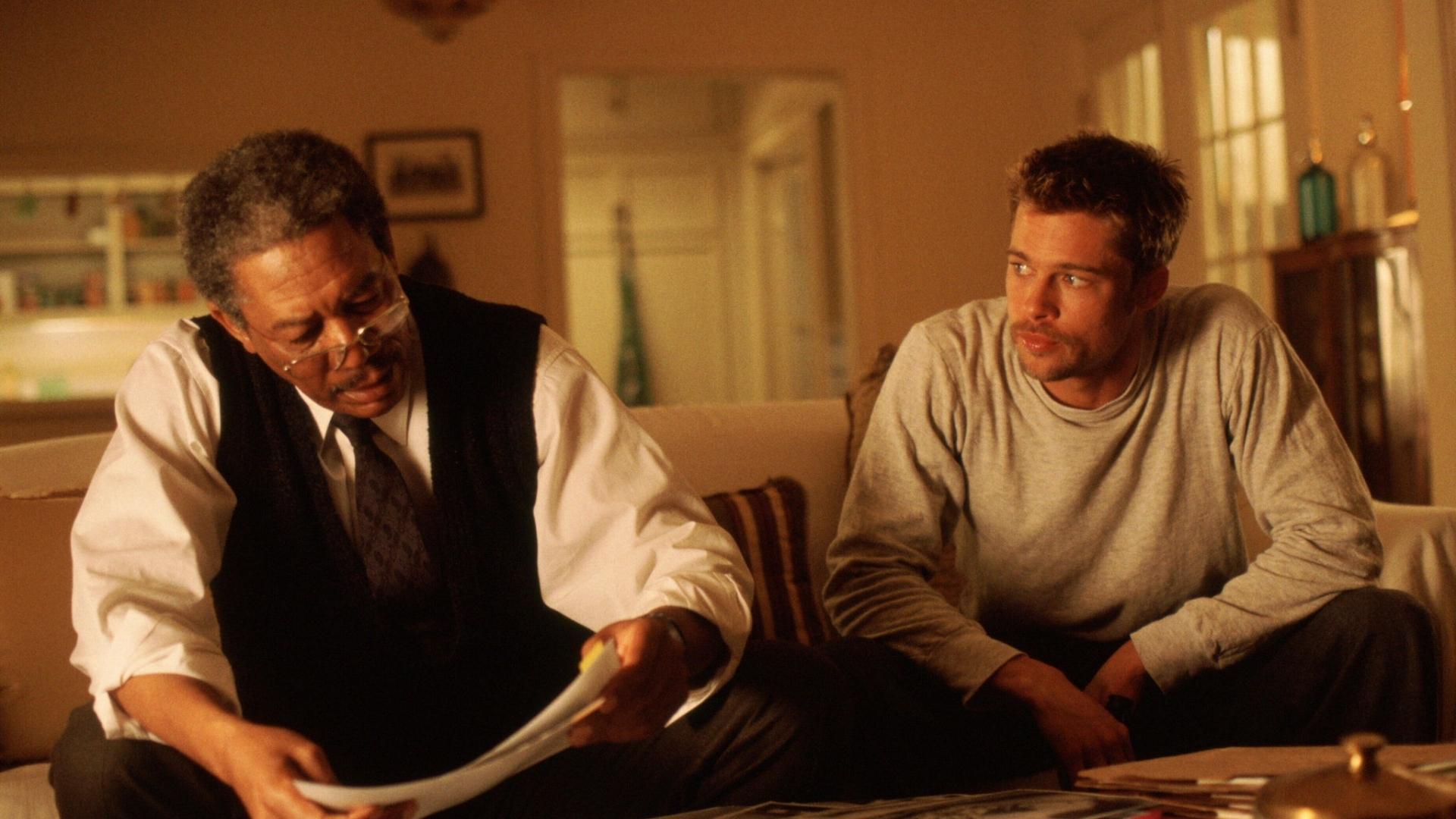
Se7en (1995)
Se7en is neo-noir at its bleakest. It takes the detective format and drags it into a world that feels beyond saving. The killer isn’t just violent he’s making a point, and that makes the case even more disturbing. The city feels like it’s rotting, and the detectives feel trapped inside it. Neo-noir often lives in moral grey areas, and this film dives straight into that darkness. Every clue adds dread instead of relief.
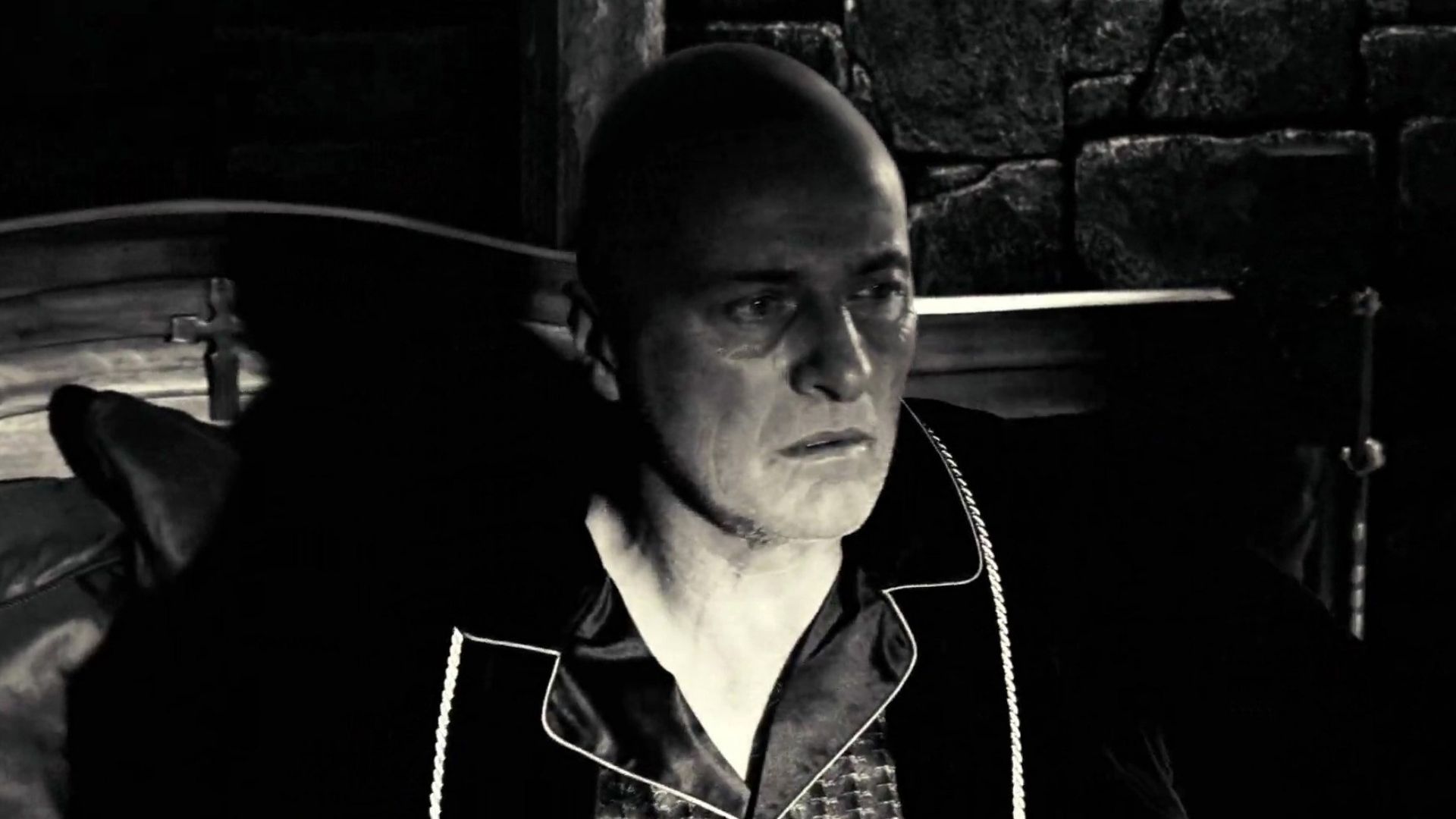
Sin City (2005)
Sin City is neo-noir turned up to full volume. Everything about it screams noir; crooked streets, broken heroes, deadly temptations, and nonstop danger. The film doesn’t try to feel realistic, and that’s exactly why it works. Its black-and-white look, plus those sudden bursts of color, makes the city feel like a violent nightmare you can’t escape. Each storyline plays like a pulp crime tale filled with revenge and betrayal.

Brick (2005)
Brick earns its neo-noir status by doing something clever: it keeps the noir rules but changes the setting. Instead of detectives and smoky bars, you get lockers, hallways, and teenage crime. Brendan plays the classic noir lead—stubborn, sharp, and willing to get hurt for the truth. The mystery moves through secret deals, threats, and hidden power plays, just like a noir story should.
Prisoners (2013)
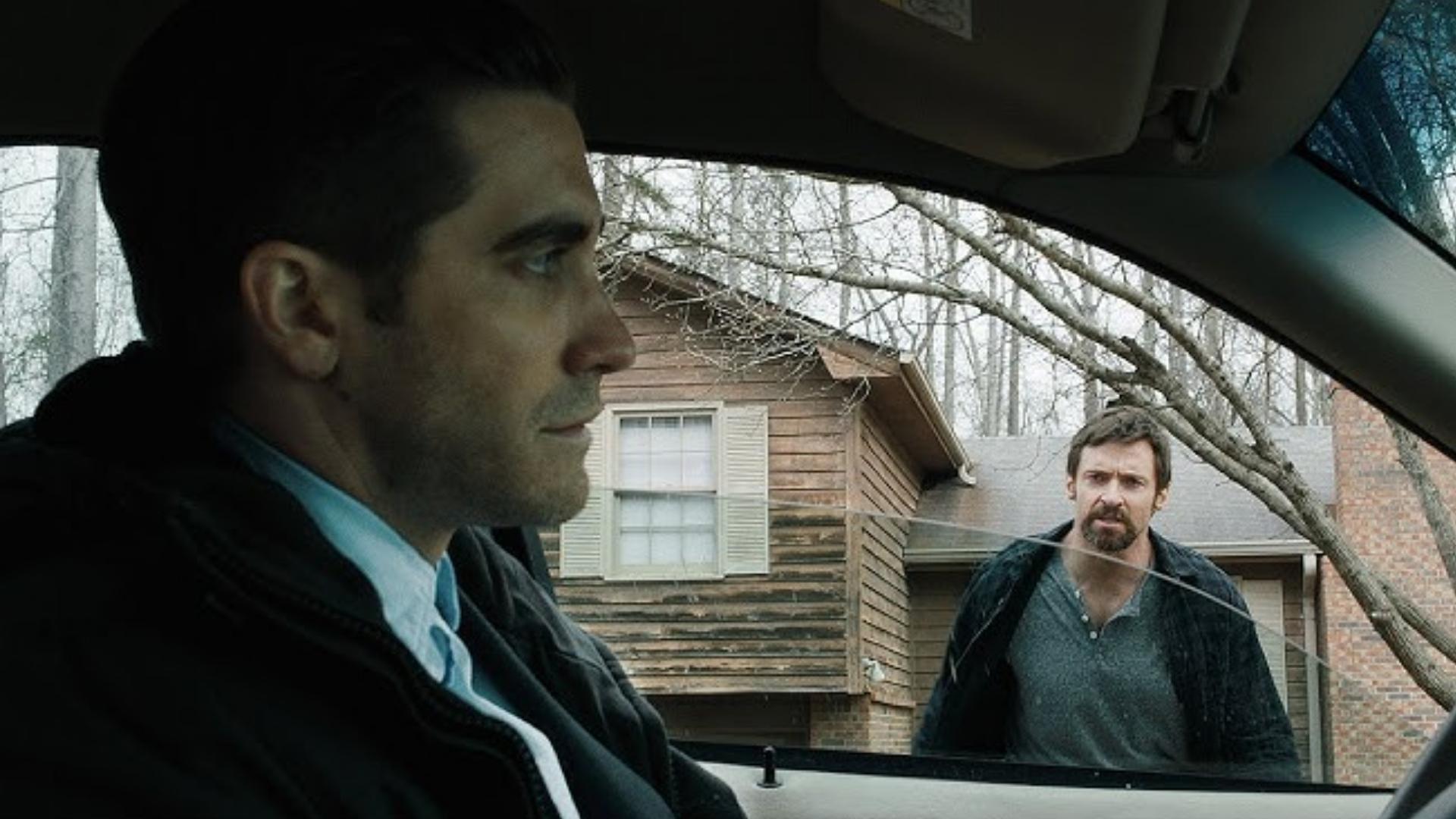
Prisoners fits neo-noir because it turns a crime case into a moral nightmare. The missing children mystery is tense, but the real darkness comes from watching people break under pressure. Keller becomes a man driven by fear, and that fear pushes him into choices that feel impossible to undo. Detective Loki plays the classic noir investigator role, following leads in a world full of lies and dead ends.

Only God Forgives (2013)
Only God Forgives explores the neo-noir idea that crime isn’t just action—it’s punishment. Julian lives inside Bangkok’s criminal world, but he doesn’t feel powerful. He feels trapped. His mother demands revenge, and the story becomes less about winning and more about suffering through consequences. Chang brings a terrifying sense of judgment, like the city itself is delivering justice in the worst way. The film feels like a nightmare lit by neon, where violence is slow and inevitable.
Kiss Kiss Bang Bang (2005)
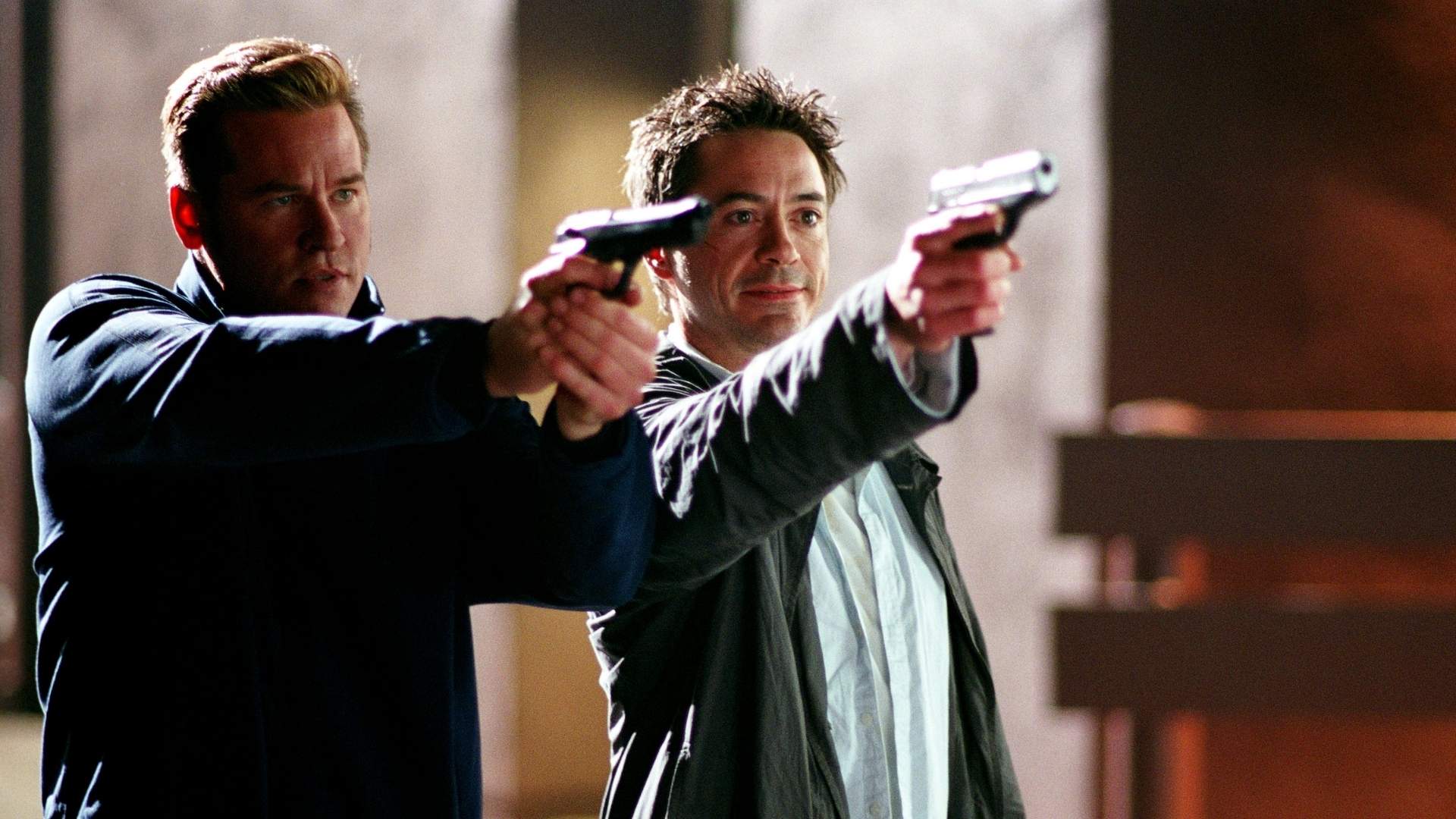
Kiss Kiss Bang Bang proves neo-noir can be clever and funny without losing the crime edge. Under the jokes, it still has everything noir needs: murder, secrets, betrayal, and a lead who’s way in over his head. Hollywood works as the perfect neo-noir backdrop; bright on the outside, shady underneath. The characters talk fast, lie faster, and stumble into danger constantly. The film plays with noir tropes like it’s teasing them, but it still respects the mystery.
Night Moves (1975)
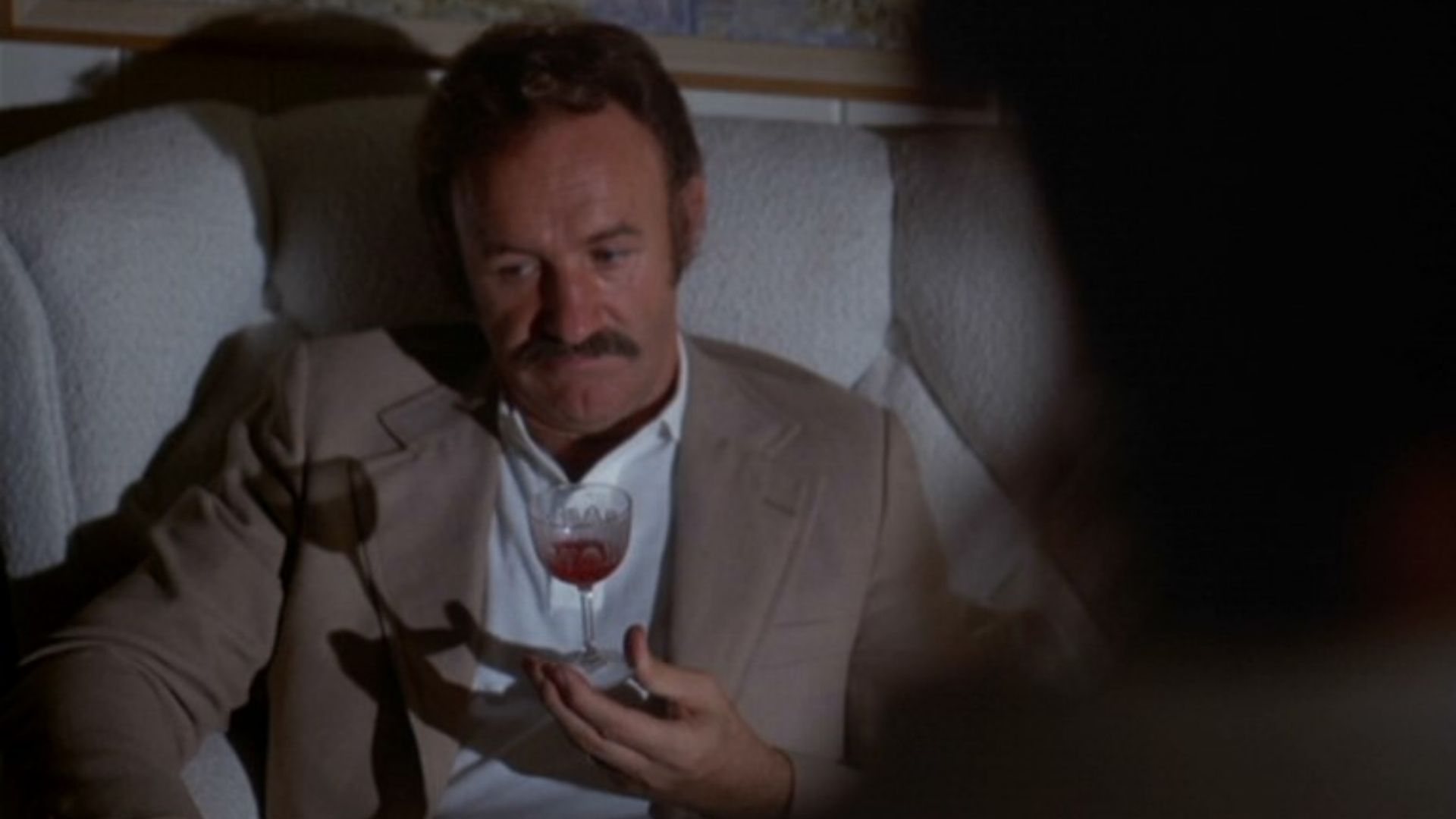
Night Moves follows Harry Moseby, a private detective hired to find a runaway teenage girl. At first, it looks like a normal case. Then Harry starts finding links to darker secrets, Hollywood people, and a murder that doesn’t feel random at all. He keeps digging, even when things get risky. Gene Hackman plays Harry as a man who looks tough but feels tired inside, which fits the story perfectly.

Jackie Brown (1997)
Jackie Brown is neo-noir built on survival, not spectacle. Jackie isn’t a typical crime hero; she’s a woman trying to outthink two dangerous sides at once. The cops want her as an informant, and Ordell wants her gone. That pressure creates pure noir tension, where one wrong move can end everything. The film thrives on suspicion, hidden motives, and quiet planning. Jackie wins by staying smart and reading people better than they read her. That’s classic neo-noir energy: smart choices in a cruel world.
Taxi Driver (1976)
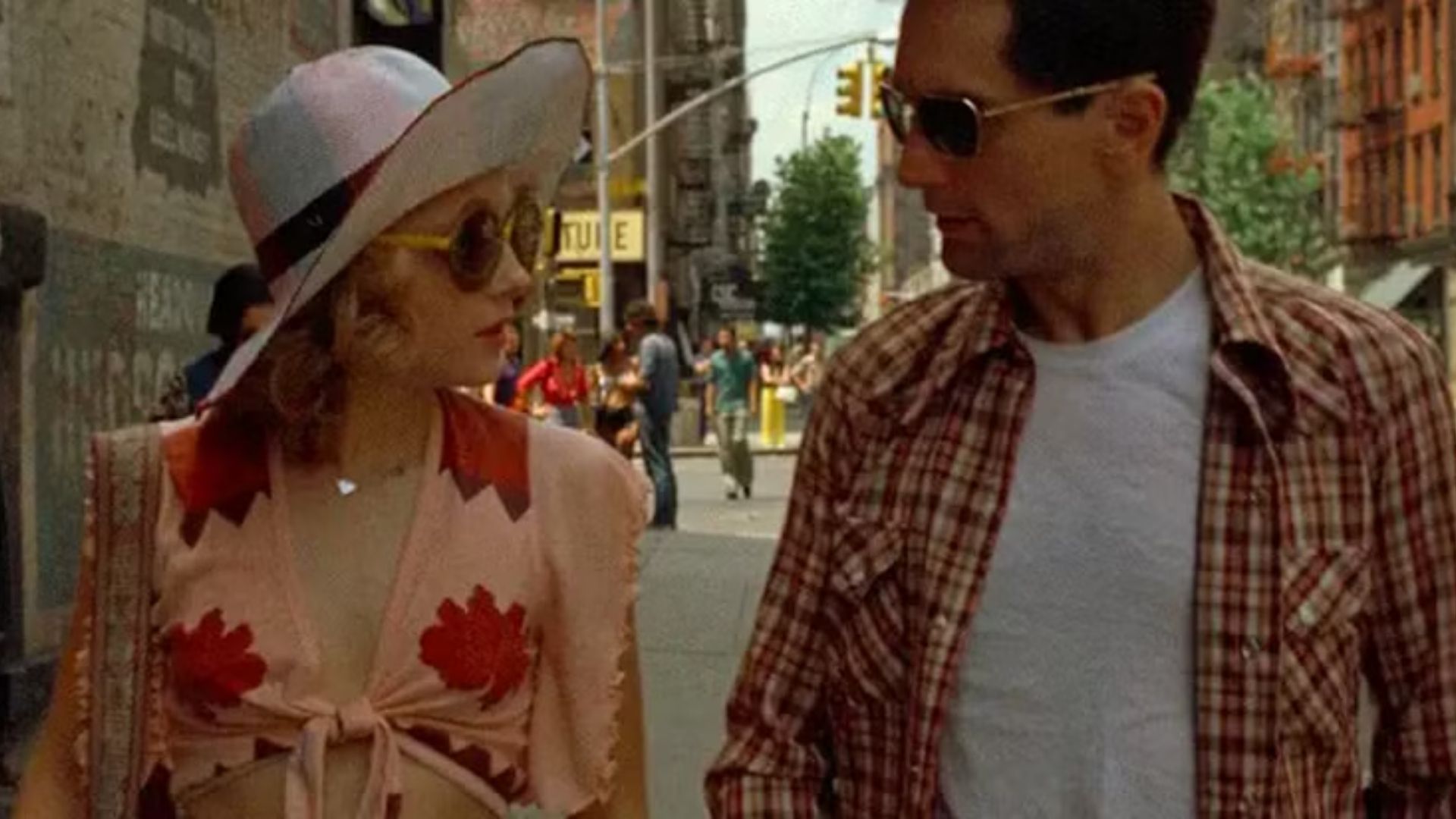
Taxi Driver fits the neo-noir square because it follows a broken man in a broken city, and neither gets better. Travis Bickle isn’t a detective or a gangster; he’s a lonely outsider watching New York rot night after night. That constant exposure turns his anger into obsession. Neo-noir often centers on unstable characters who believe they’re doing the right thing, even when they’re dangerous. Travis is exactly that.

Enter the Void (2010)
Enter the Void works as neo-noir because it shows crime as something that destroys people even after it’s done. Oscar’s death isn’t the end; it’s the beginning of the fallout. Tokyo’s nightlife becomes a dark maze of drugs, trauma, and regret. The film turns the city into a neon nightmare, and it traps you inside the consequences of Oscar’s life.
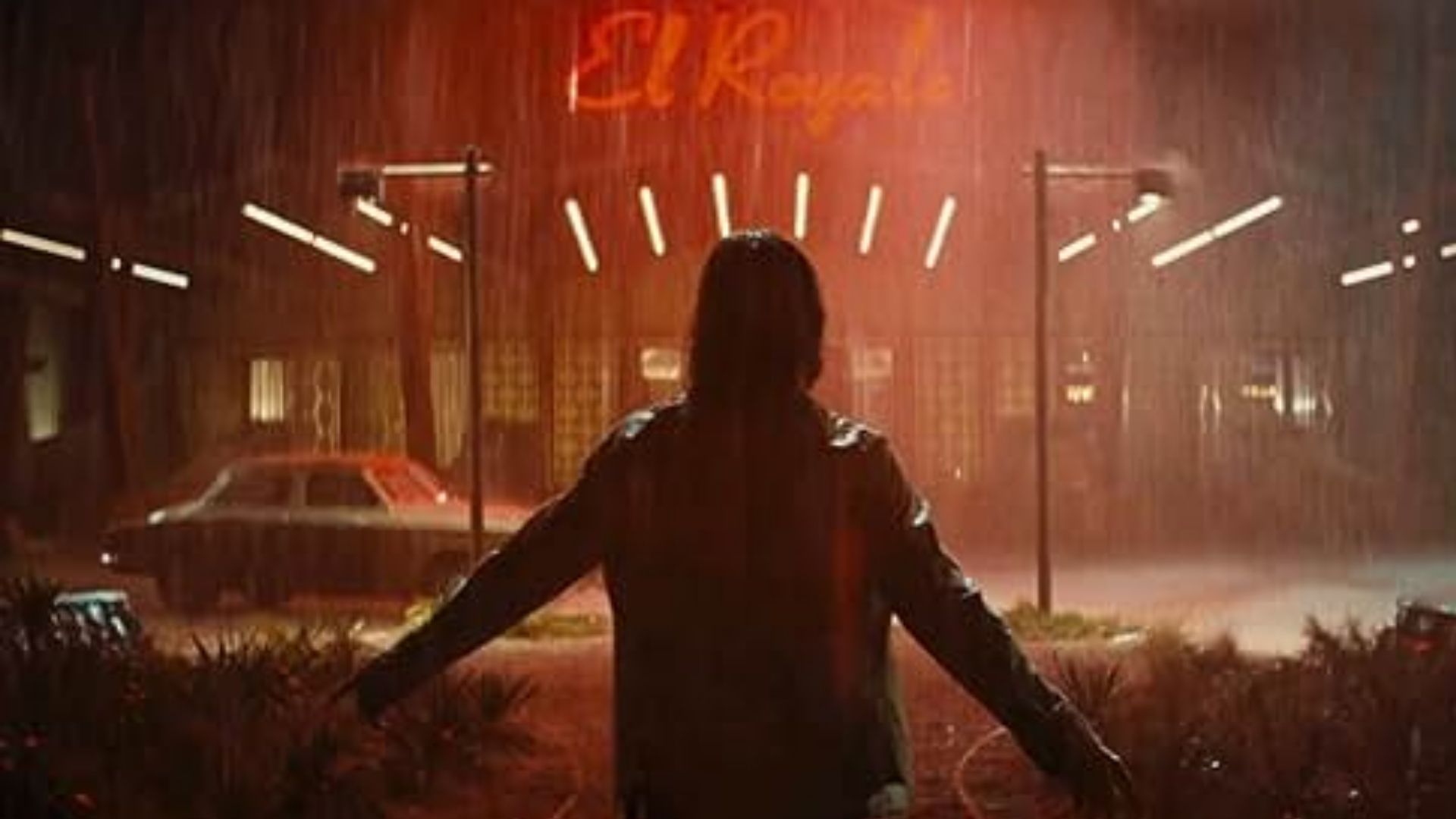
Bad Times at the El Royale (2018)
Bad Times at the El Royale feels like neo-noir because it’s all about secrets in a dangerous place. The hotel setting becomes its own trap, forcing strangers to sit with their lies until everything breaks open. Each character carries guilt or danger, and the story keeps peeling back layers until the truth turns violent. Neo-noir often thrives on distrust, and this film runs on that energy. Nobody feels safe, and nobody feels innocent.

Fargo (1996)
Fargo is neo-noir because it treats crime as messy, stupid, and brutal—not glamorous. Jerry’s plan is simple: stage a kidnapping and get ransom money. Then everything goes wrong in the worst way. The film mixes dark humor with shocking violence, and that contrast makes the story hit harder. The snowy setting adds to the unease because the town looks peaceful while terrible things happen.
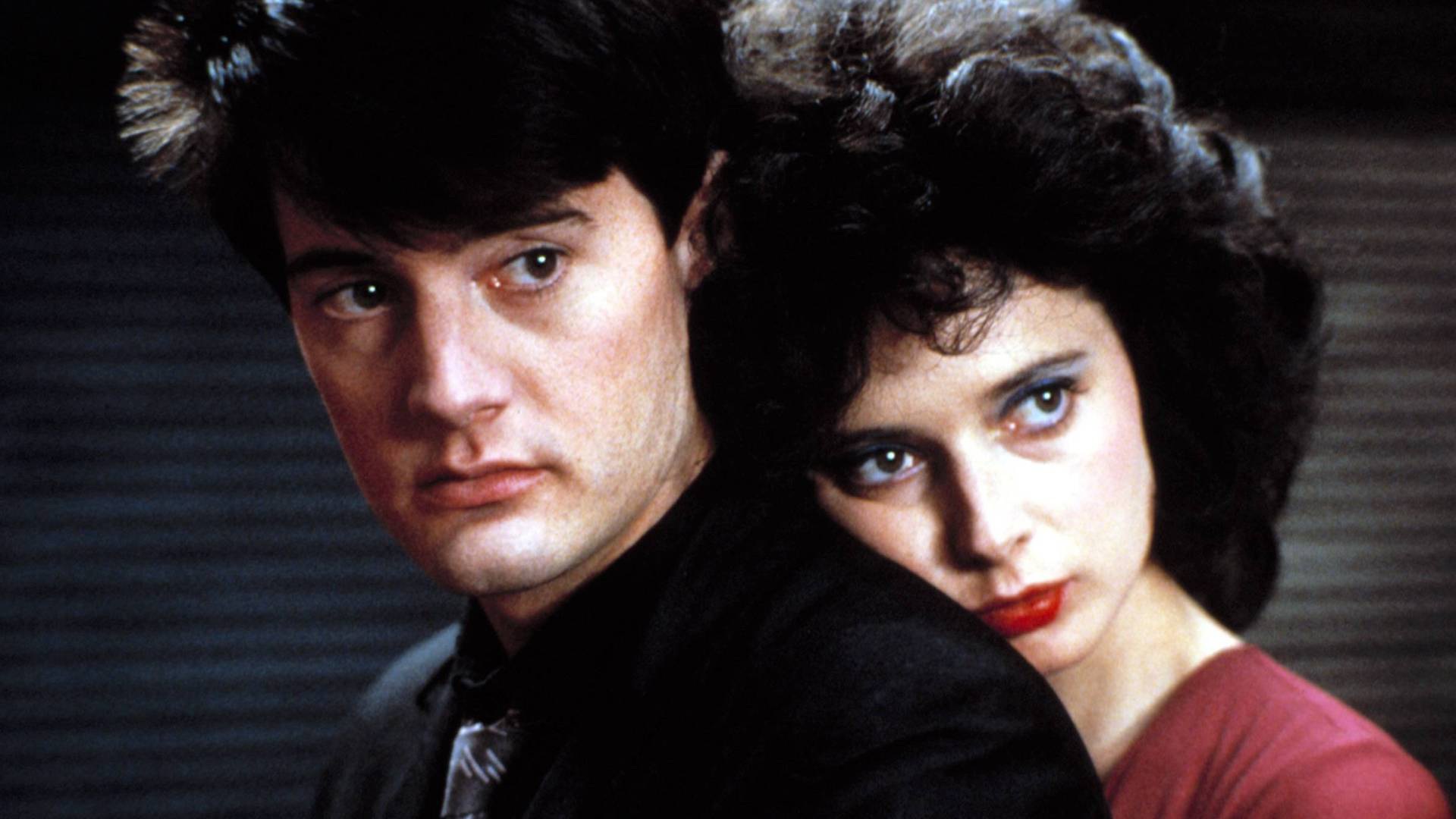
Blue Velvet (1986)
Blue Velvet is neo-noir because it exposes darkness hiding behind normal life. Jeffrey starts out curious and innocent, but once he enters Dorothy’s world, he can’t turn back. The film shows obsession, fear, and violence growing in places that should feel safe. Frank Booth is the nightmare at the center of it all—pure danger, pure chaos. Noir stories often reveal that evil isn’t far away, it’s right next door.
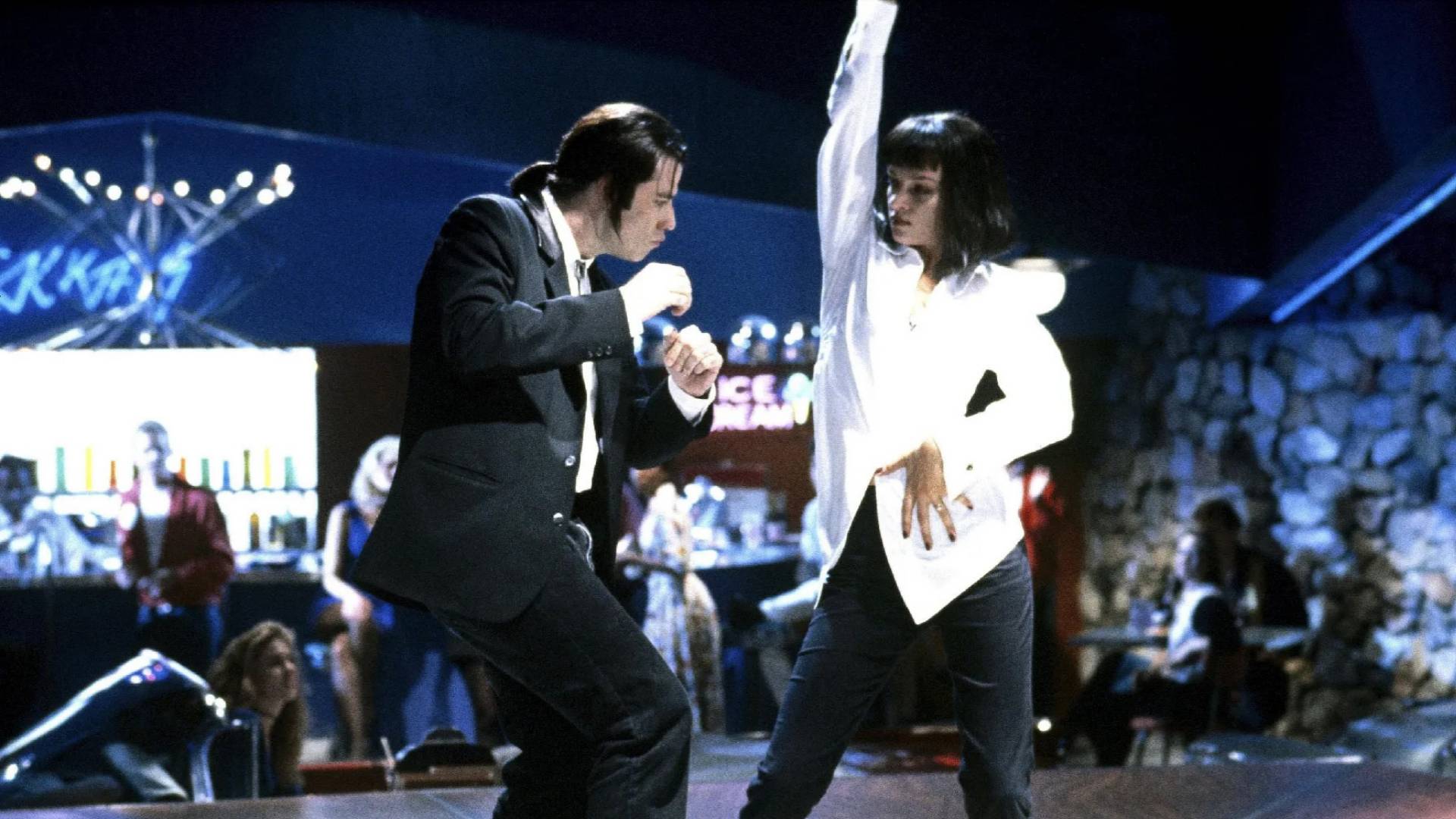
Pulp Fiction (1994)
Pulp Fiction is neo-noir through chaos and crime storytelling. Hitmen, criminals, and desperate people collide in a world where danger shows up in normal conversations. The film has noir themes all over it; violence, betrayal, luck, and people trying to survive their own mistakes. The characters aren’t heroes, but you still get pulled into their choices. Even the humor feels risky, like it could turn deadly at any moment.
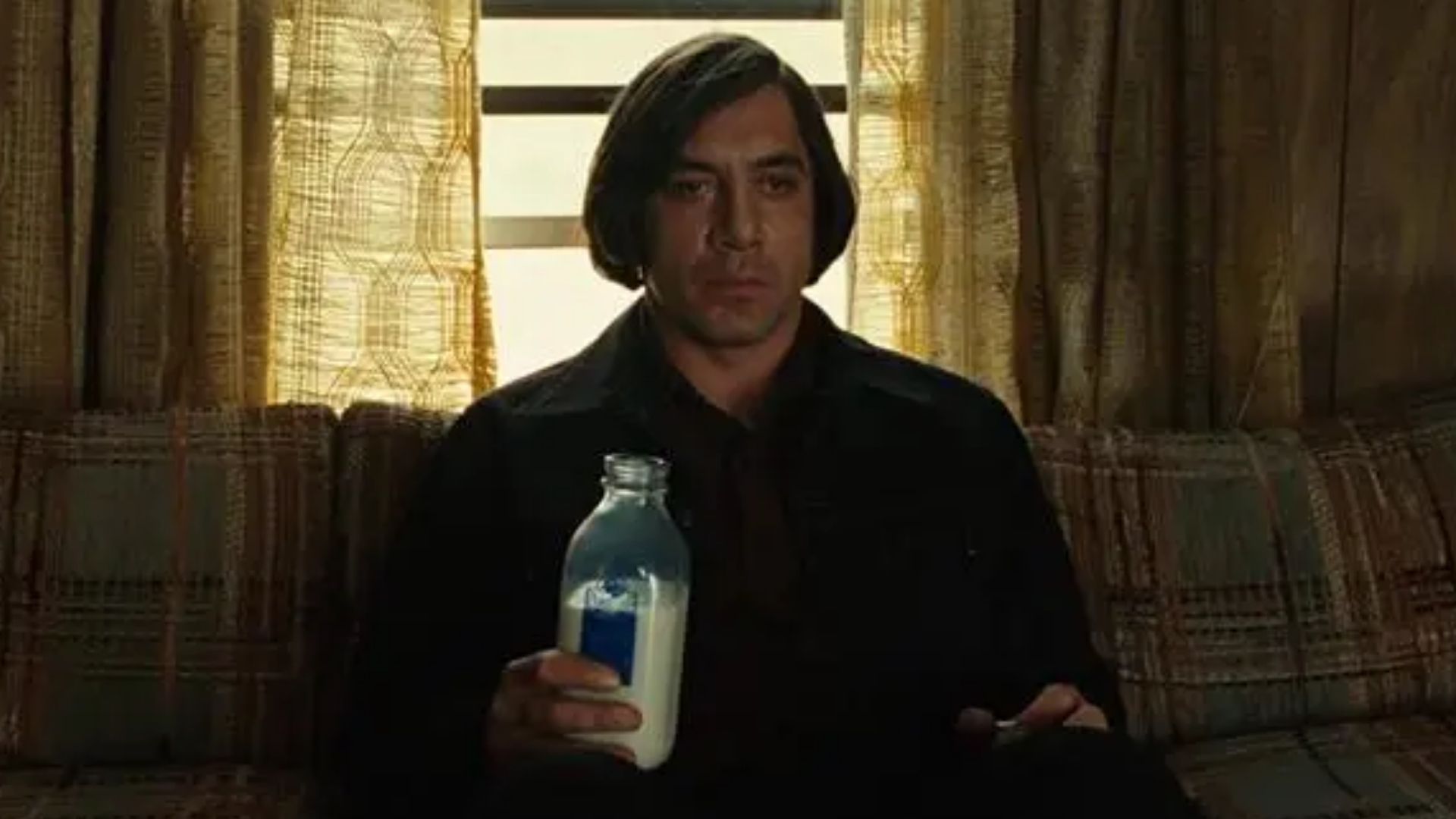
No Country for Old Men (2007)
No Country for Old Men is neo-noir because it treats violence like fate; cold, random, and unstoppable. One bad decision sets everything in motion, and there’s no safe exit. The film doesn’t offer comfort, and it doesn’t give you a clear hero to cling to. Anton Chigurh feels like a walking nightmare, the kind of villain neo-noir loves because he represents something bigger than crime: fear and inevitability. The world here is harsh, and justice doesn’t arrive on time.

Mulholland Drive (2001)
Mulholland Drive is neo-noir that lives inside the mind rent-free. The mystery begins like a typical crime story, an amnesiac woman and a search for answers but it quickly turns into something stranger. Hollywood becomes a dark place filled with broken dreams, hidden identities, and emotional collapse. Neo-noir often explores desire and illusion, and this film turns both into a nightmare. The story refuses to stay clear, and that confusion becomes part of the mood.
The Last Seduction (1994)
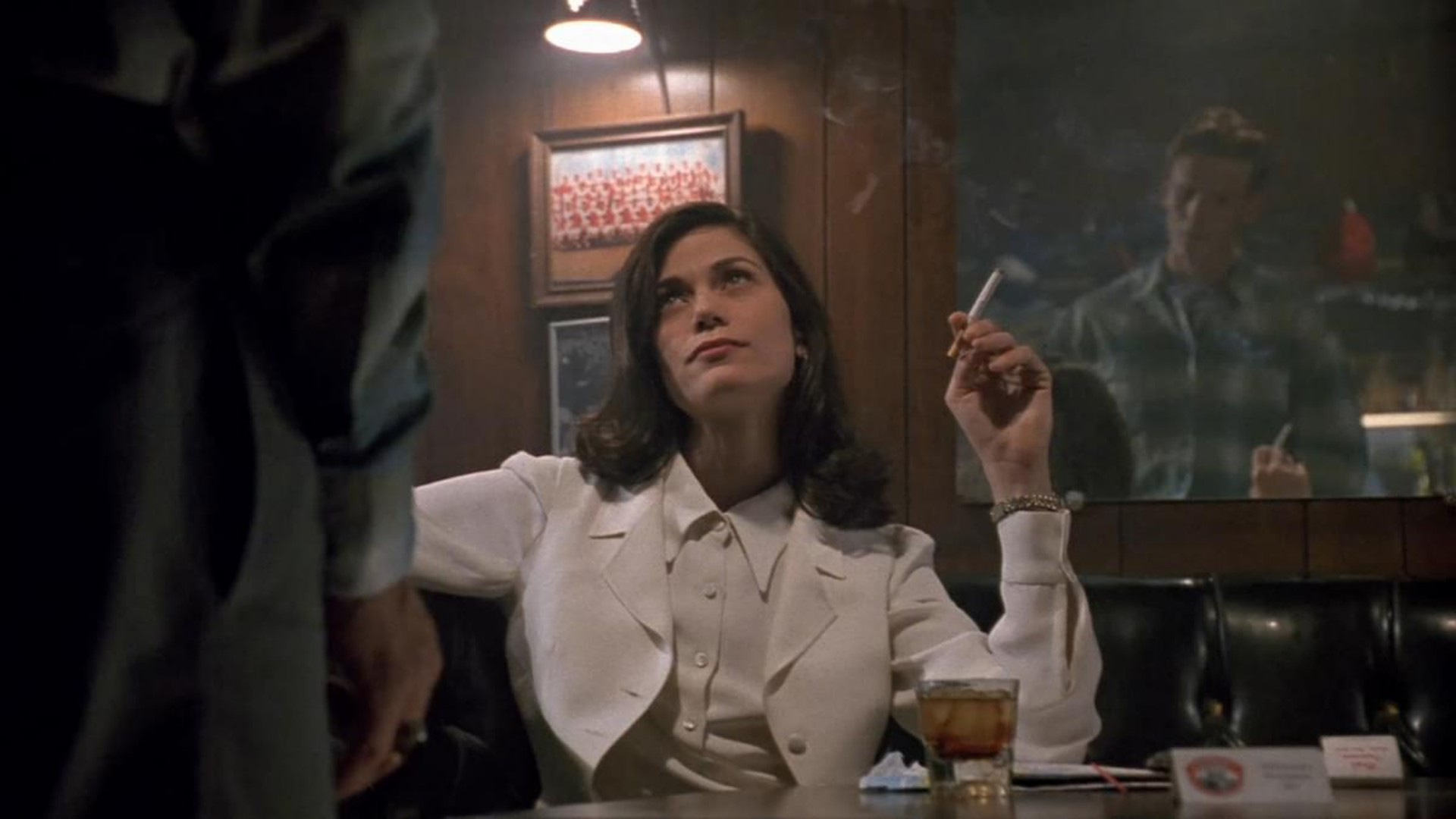
The Last Seduction is neo-noir because it brings back the most dangerous kind of character: someone who wins by using people. Bridget Gregory steals drug money, disappears, and starts building her next plan without hesitation. She lies easily, manipulates everyone around her, and never shows guilt. That makes her a modern femme fatale in the purest noir sense.
Blade Runner
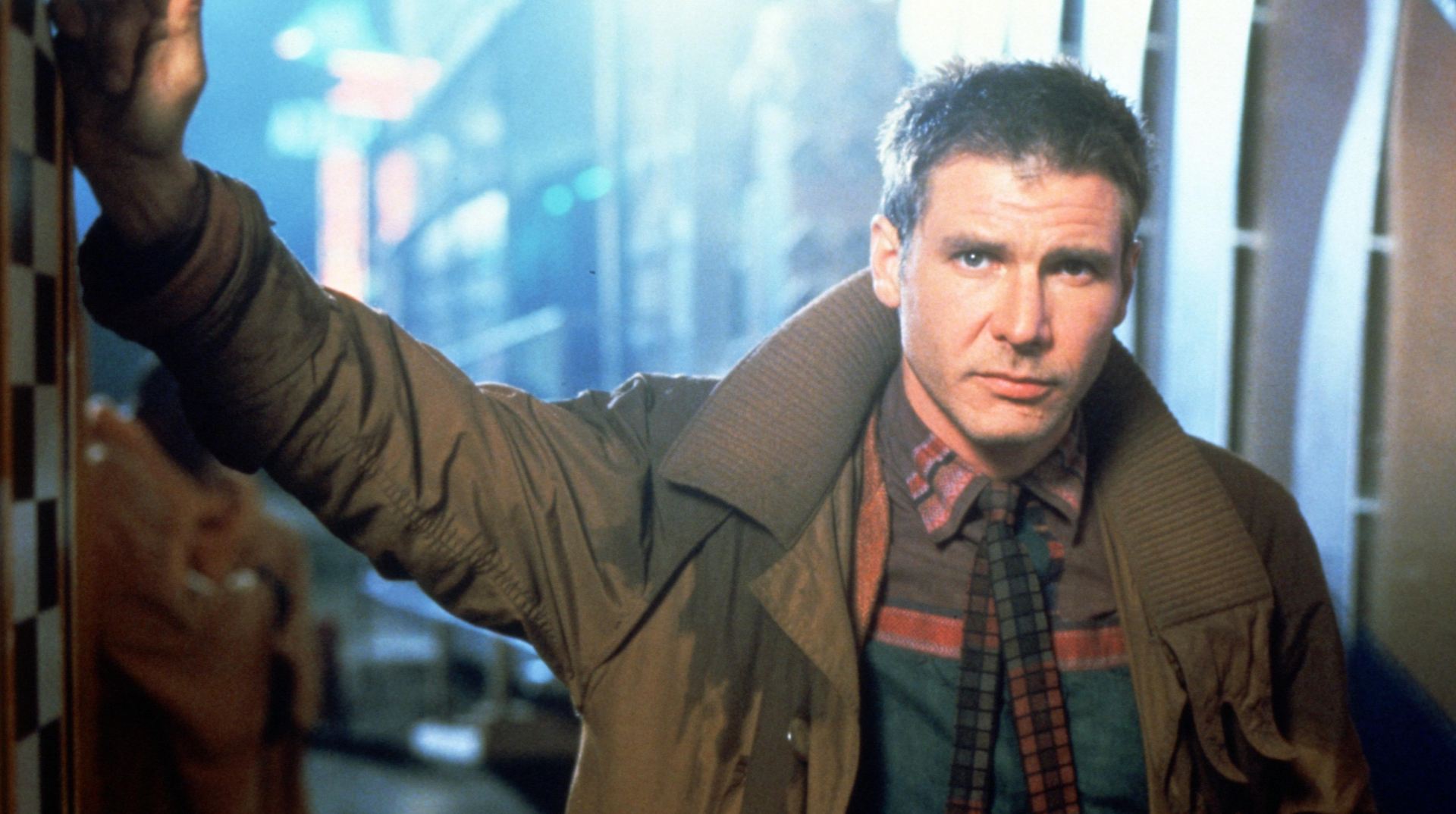
In this gem from the 80s, Ridley Scott crafts a rain-soaked, neon-drenched neo-noir masterpiece set in a decaying futuristic Los Angeles. When weary “blade runner” Rick Deckard is tasked with hunting rogue replicants, the case spirals into an eerie meditation on identity, morality, and what it truly means to be human. Of course, it change cinema forever.