
25 Alternate Endings That Could’ve Changed Popular Films Forever
28 Days Later
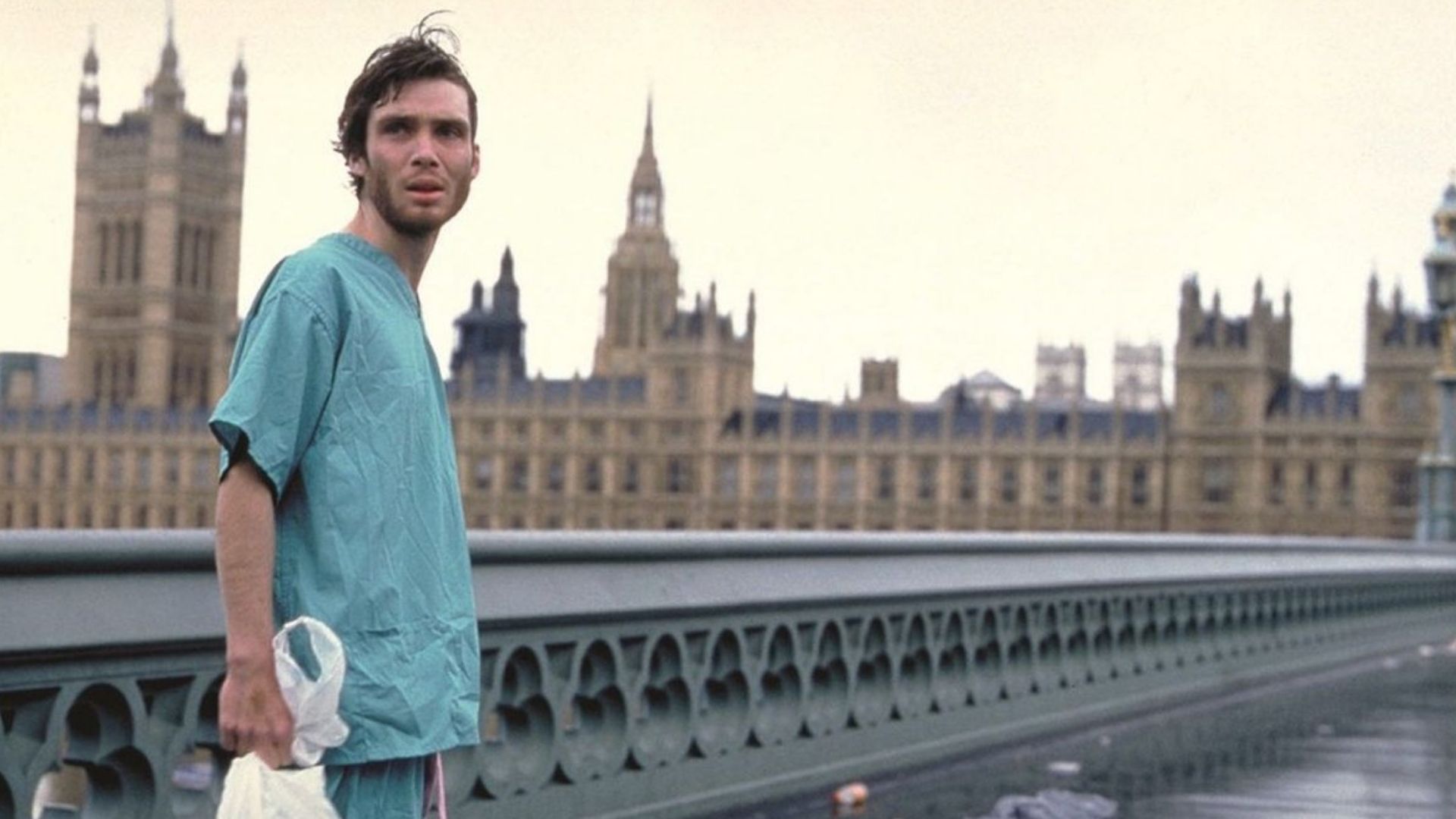
Danny Boyle’s 28 Days Later ends with a bit of hope as Jim, Selena, and Hannah survive the rage virus nightmare. But Boyle actually filmed several alternate endings, and almost all of them kill off Jim. In one, he dies in the hospital after being shot, echoing the film’s opening where he first woke up. In another scenario, Selena and Hannah are rescued, but without Jim, leaving the girls to face the future alone.

Pretty Woman
Pretty Woman is remembered as a sweet fairy-tale romance, but it was almost a very different movie. In the original script, titled $3,000, Edward (Richard Gere) was far colder, and Vivian (Julia Roberts) was written as a struggling, addicted prostitute. The planned ending had Edward kicking Vivian out of the car, throwing $3,000 at her, and driving away. Vivian would then take the money and head to Disneyland, alone. No happy ending, no glass slipper moment.
The Terminator
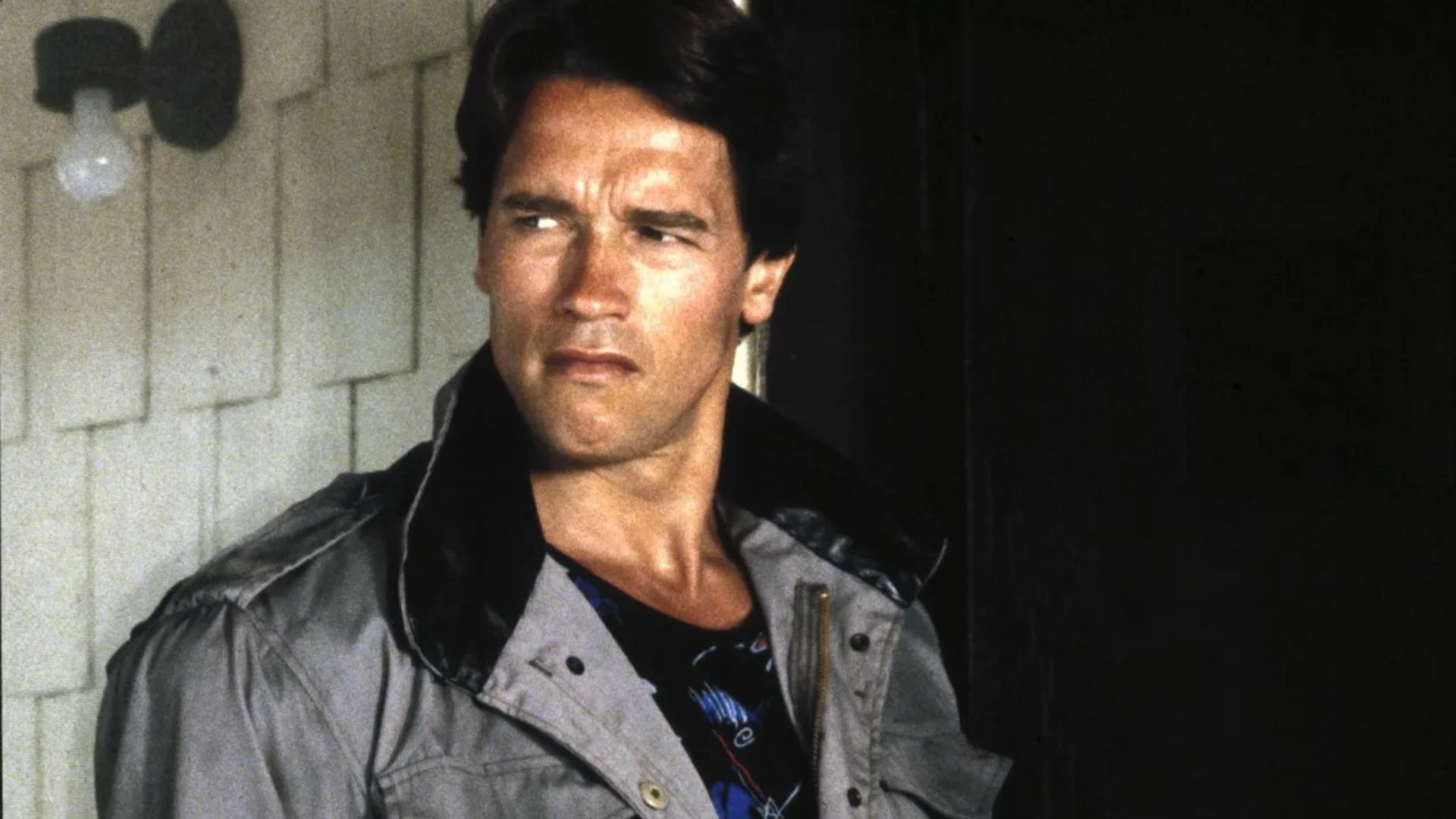
James Cameron’s The Terminator is famous for its bleak but clean ending. Sarah Connor drives into the desert, preparing for the future battle against Skynet. The alternate ending goes in a different direction. During the factory cleanup, company executives secretly take away the remains of the destroyed Terminator. The last shot reveals that the factory belongs to Cyberdyne Systems, the very company that will create Skynet.
Titanic
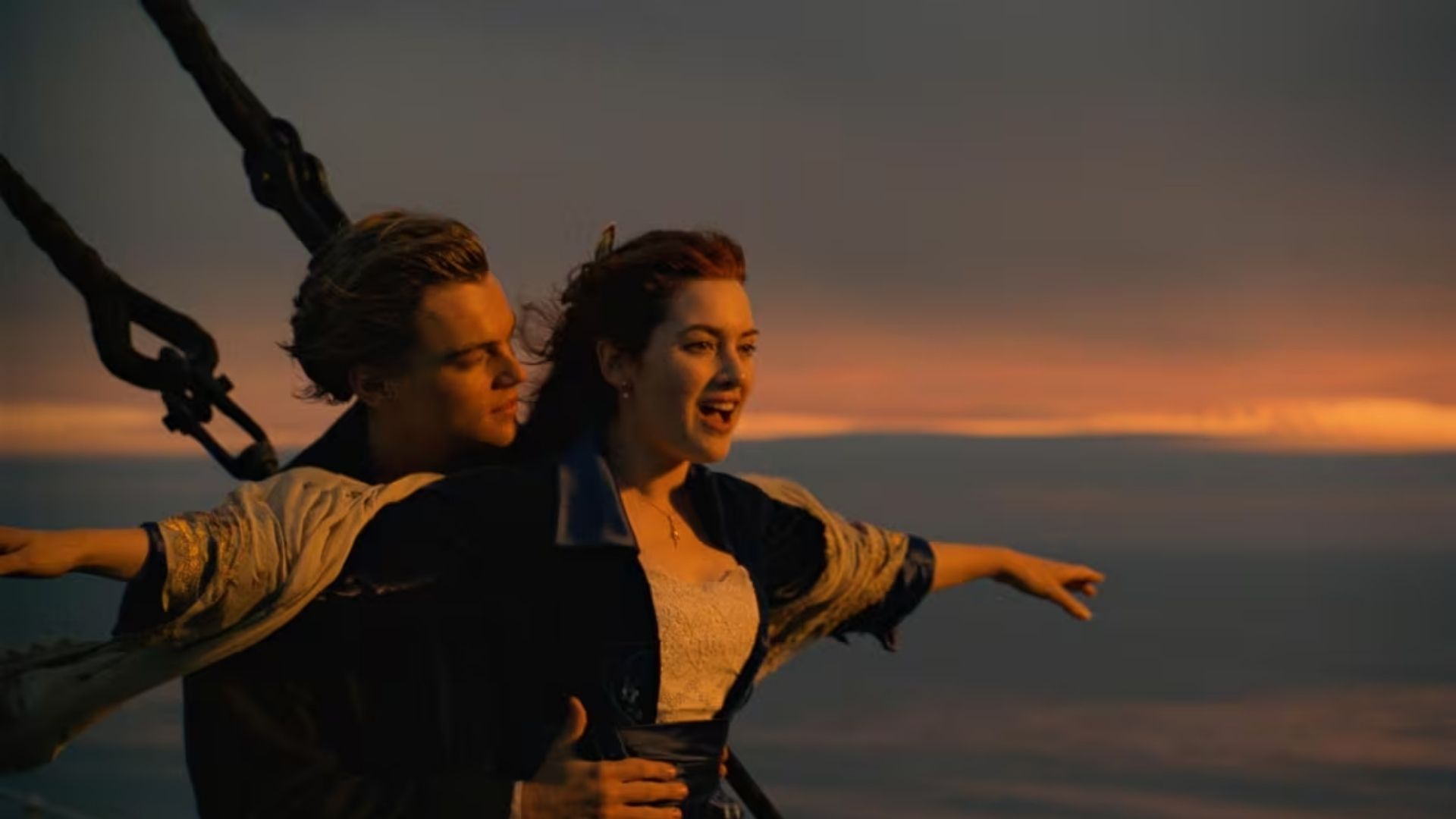
James Cameron’s Titanic already has one of the most famous endings in cinema, as old Rose drops the Heart of the Ocean into the sea and later dies peacefully, reuniting with Jack in the afterlife. But believe it or not, Cameron filmed a bizarre alternate version. In it, Rose climbs the ship’s rails as Bill Paxton and the crew rush to stop her. Instead of jumping, she reveals the diamond and gives a cheesy speech about the value of life. She then throws it overboard while a crewmember yells, “That really sucks, lady!” The whole thing feels like a bad soap opera. Thankfully, Cameron went with the graceful, emotional ending we all remember.
Sweet Home Alabama
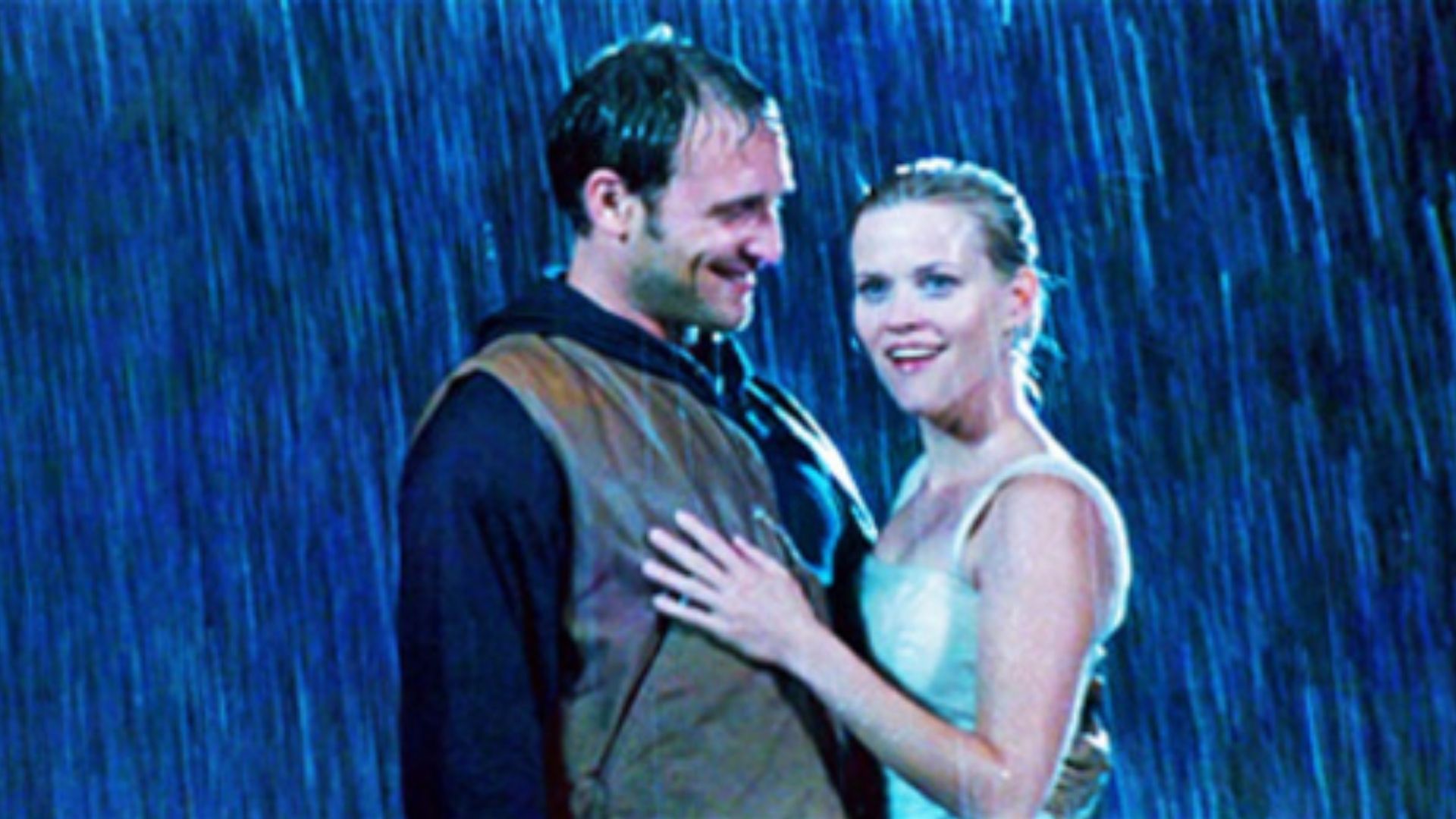
Sweet Home Alabama is a light-hearted rom-com where Reese Witherspoon eventually chooses her hometown sweetheart, Josh Lucas. The official ending is great, where the sheriff interrupts their kiss and brings them back to the wedding crowd for a happy celebration. The alternate ending, though, is almost unbelievable. During the kiss, lightning strikes, and Reese’s character appears dead. Josh carries her back, announces her death, and then it turns out to be a joke.
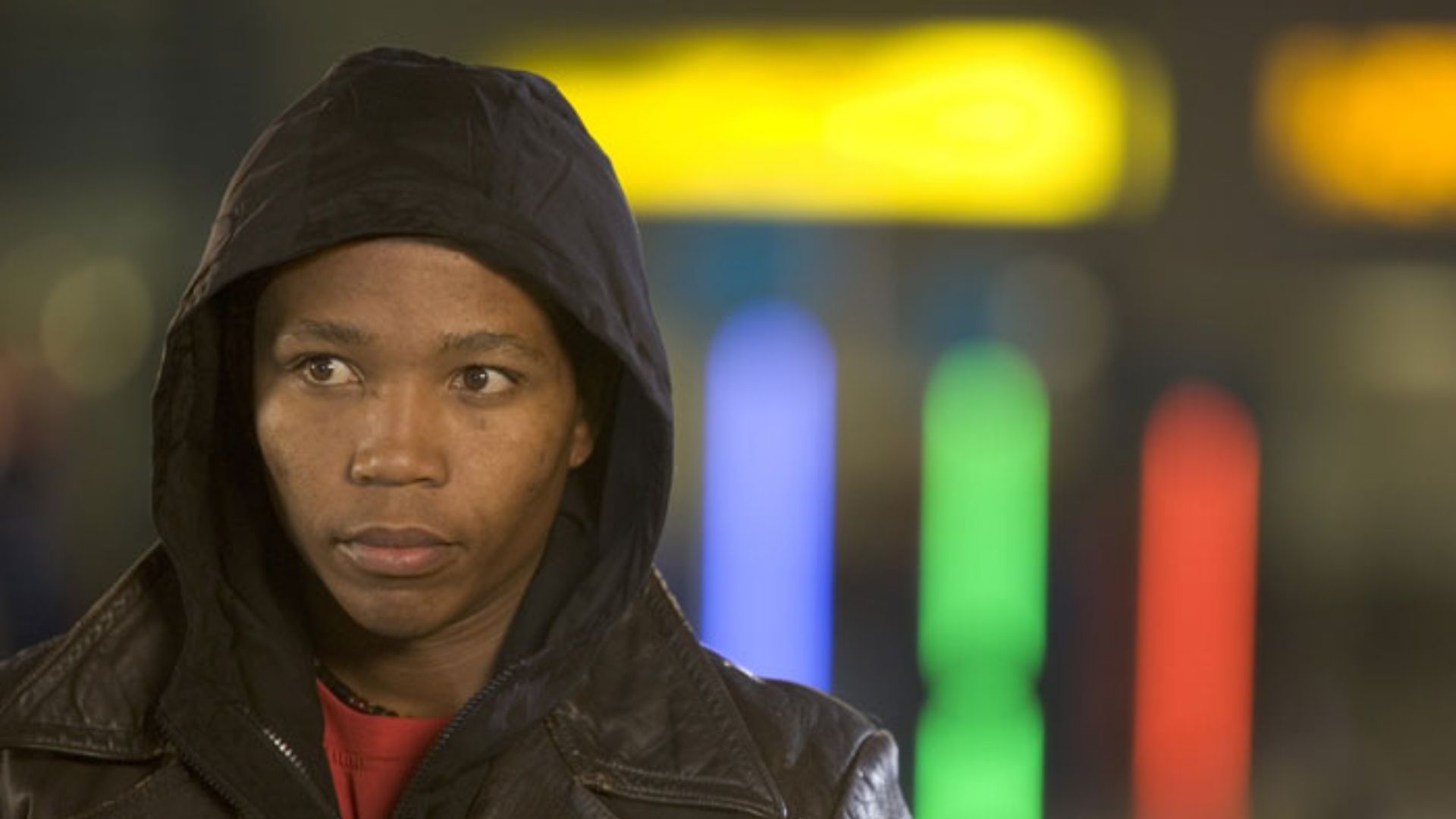
Tsotsi
Gavin Hood’s Tsotsi ends in uncertainty. Tsotsi surrenders the baby, raises his hands, and stands surrounded by police. The audience never finds out if he will be shot, arrested, or given a chance at redemption. That mystery is what makes the film stick. The alternate endings, however, take away that edge. In one, Tsotsi is shot in the shoulder and escapes. In another, he’s killed in front of shocked onlookers. Both versions are clear-cut, but the chosen ending works best.

True Romance
Tony Scott’s True Romance gives Clarence and Alabama a wild but surprisingly hopeful ending. Clarence survives a shootout, and the couple escapes to live happily in Mexico with their son. Quentin Tarantino’s original script had a much darker finish. Clarence would die during the shootout, leaving Alabama heartbroken and alone. The final scene would show her, hitchhiking in Mexico, dreaming of the life they never got to share.

The Descent
Neil Marshall’s The Descent already delivers one of horror’s best gut-punch finales. In the UK version, Sarah escapes the caves, reaches her car, and speeds away, only for it to be revealed as a hallucination. She’s still underground, doomed to die with the creatures. It’s chilling and unforgettable. The American release, however, cut this and went with a “happy” ending, letting Sarah actually escape.
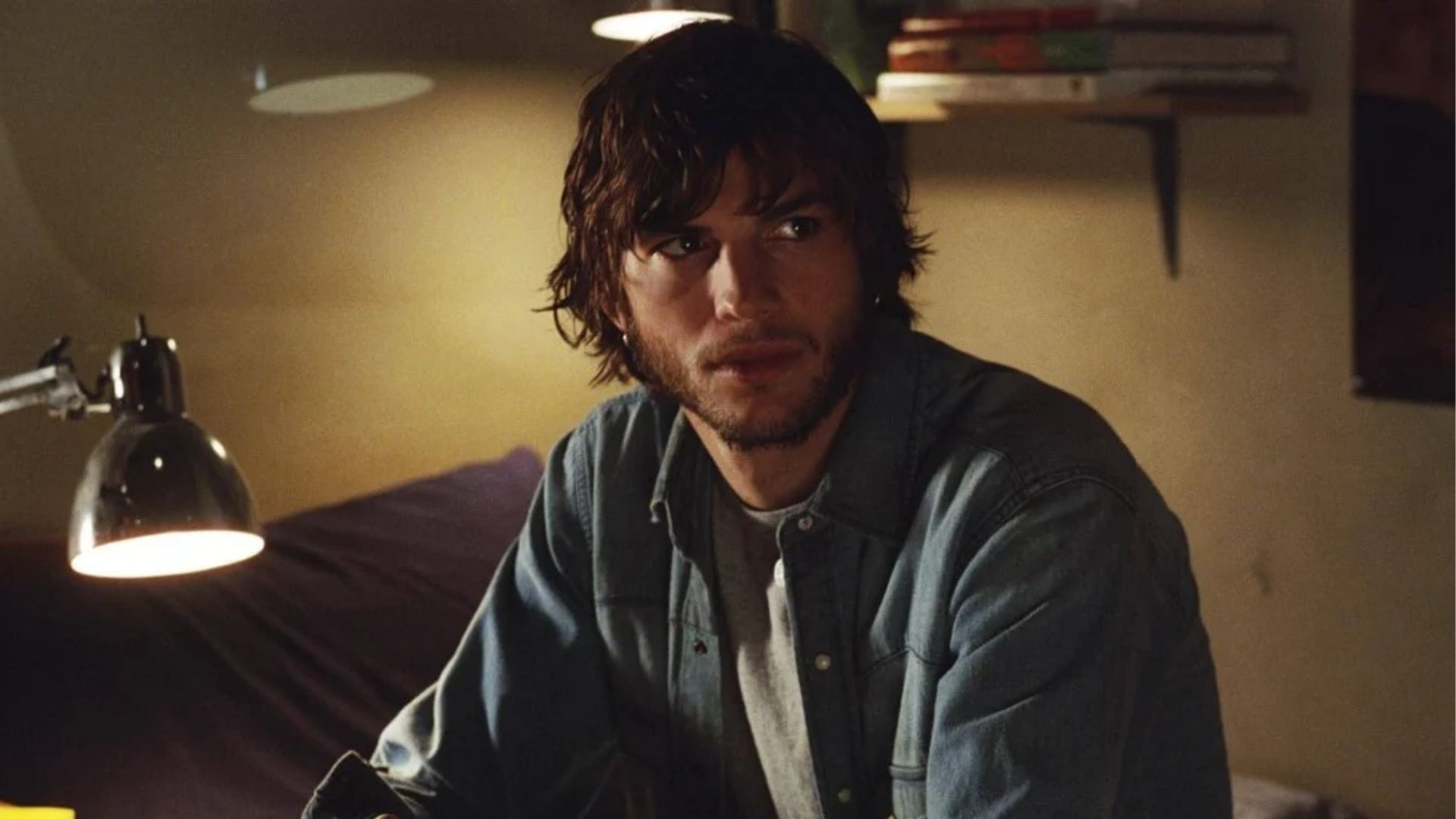
The Butterfly Effect
The Butterfly Effect takes Ashton Kutcher into surprisingly dark territory. The theatrical ending shows him traveling back in time to make sure he never meets the love of his life, sparing her future pain. It’s already tragic, but the director’s cut goes even further. Kutcher’s character travels back into his mother’s womb and strangles himself with his own umbilical cord. It’s disturbing and shocking, with hints that other unborn siblings with the same powers had chosen the same fate.
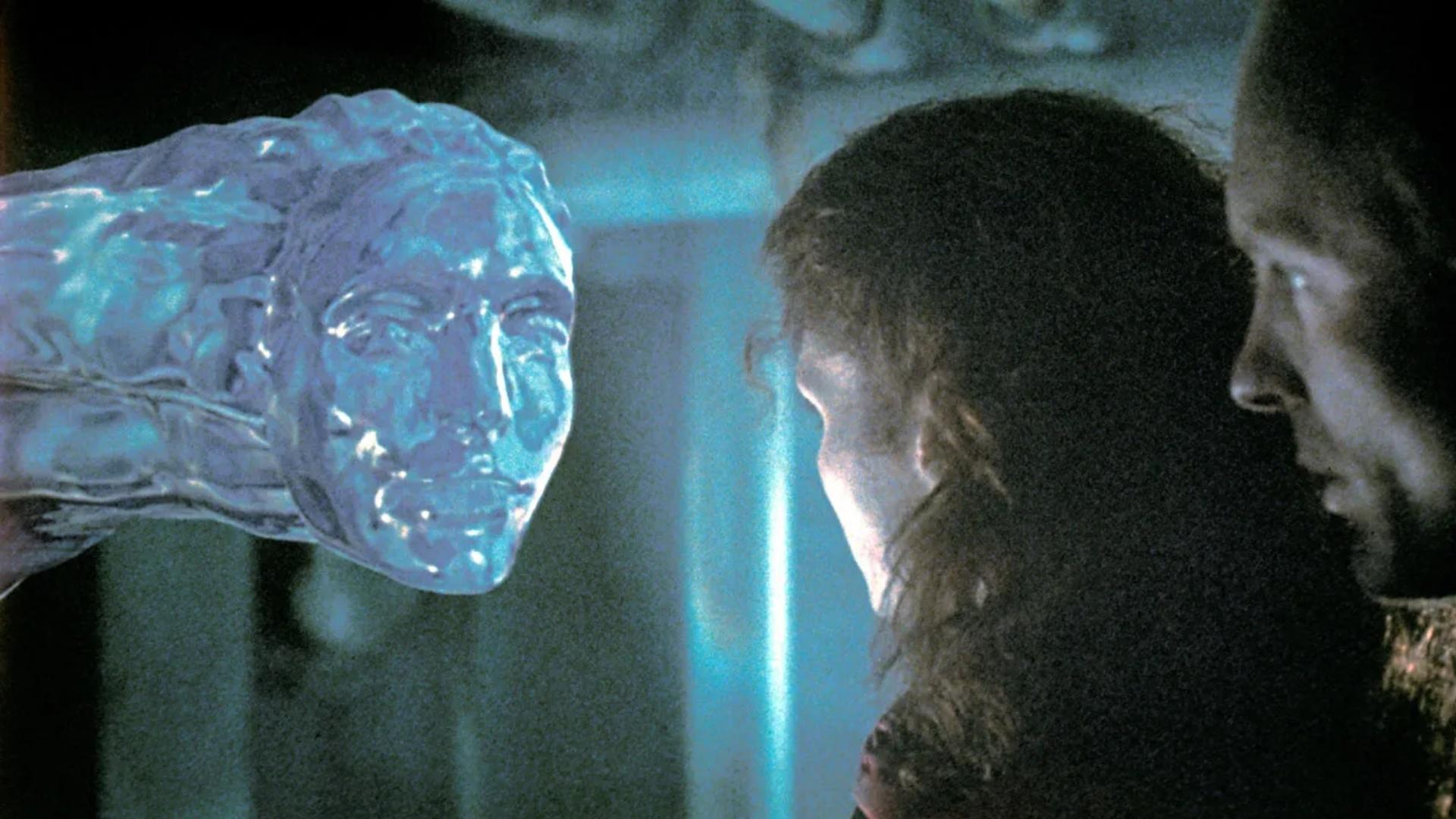
The Abyss
James Cameron’s The Abyss is a sci-fi adventure that shows the perfect mix of human drama with deep-sea aliens. In the theatrical ending, Ed Harris sacrifices himself to stop a nuclear bomb, only to be saved by the aliens, who then return everyone safely to the surface. It’s emotional and uplifting. The alternate ending takes a harsher approach. The aliens confront Harris and show him images of humanity’s violence, threatening to wipe out the world with massive tsunamis.
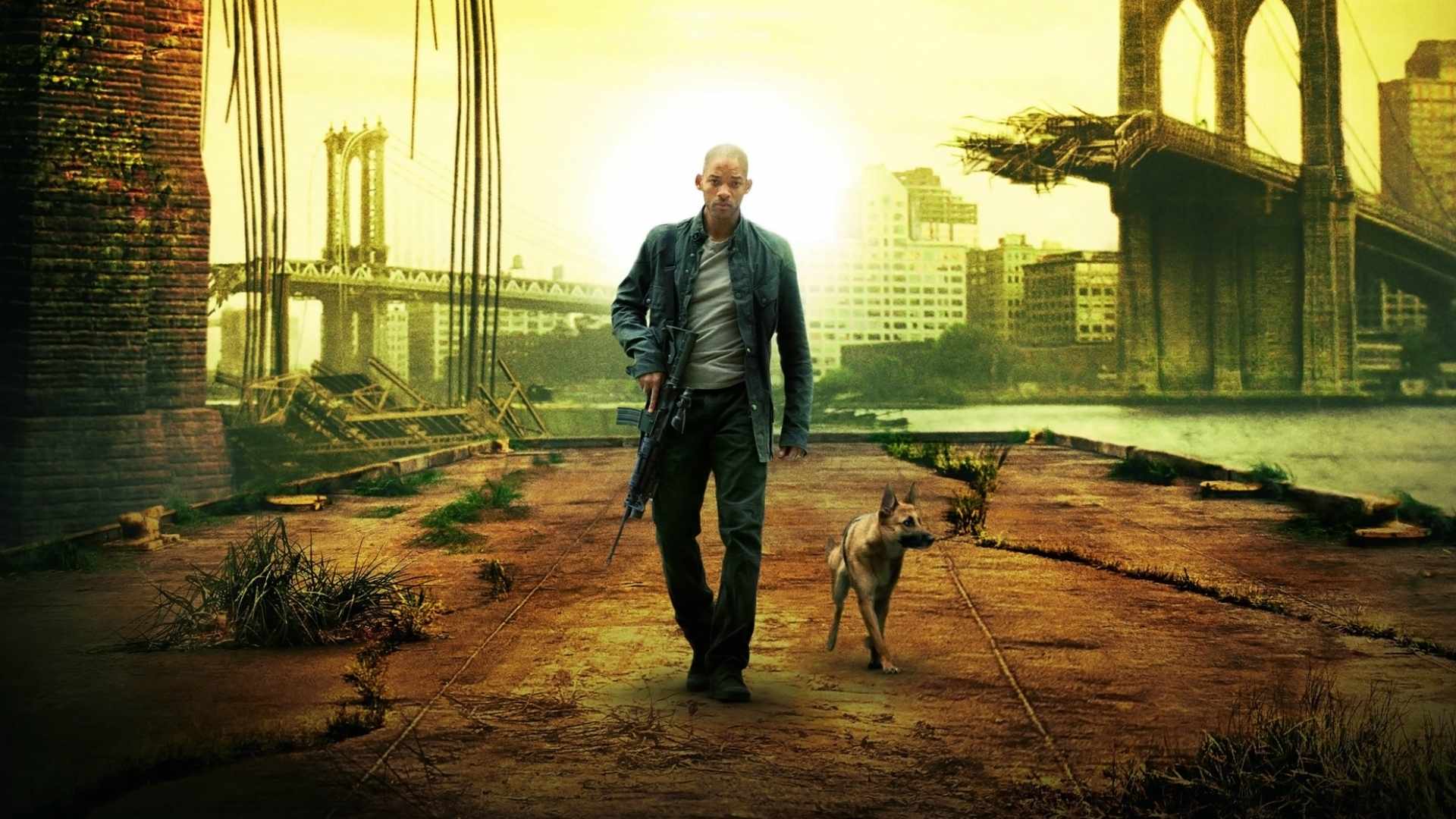
I Am Legend
The theatrical ending of I Am Legend feels very Hollywood. Will Smith’s Dr. Neville blows himself up to destroy the Darkseekers and save humanity. The alternate ending, though, completely flips the story. When the creatures storm his lab, it’s revealed they’re not mindless monsters; they’ve come for one of their own, the female Neville was experimenting on. In that moment, he realizes he’s the real villain in their eyes, a legend for killing so many of them. The film ends with Neville driving away, searching for survivors with a new understanding.
Ronin
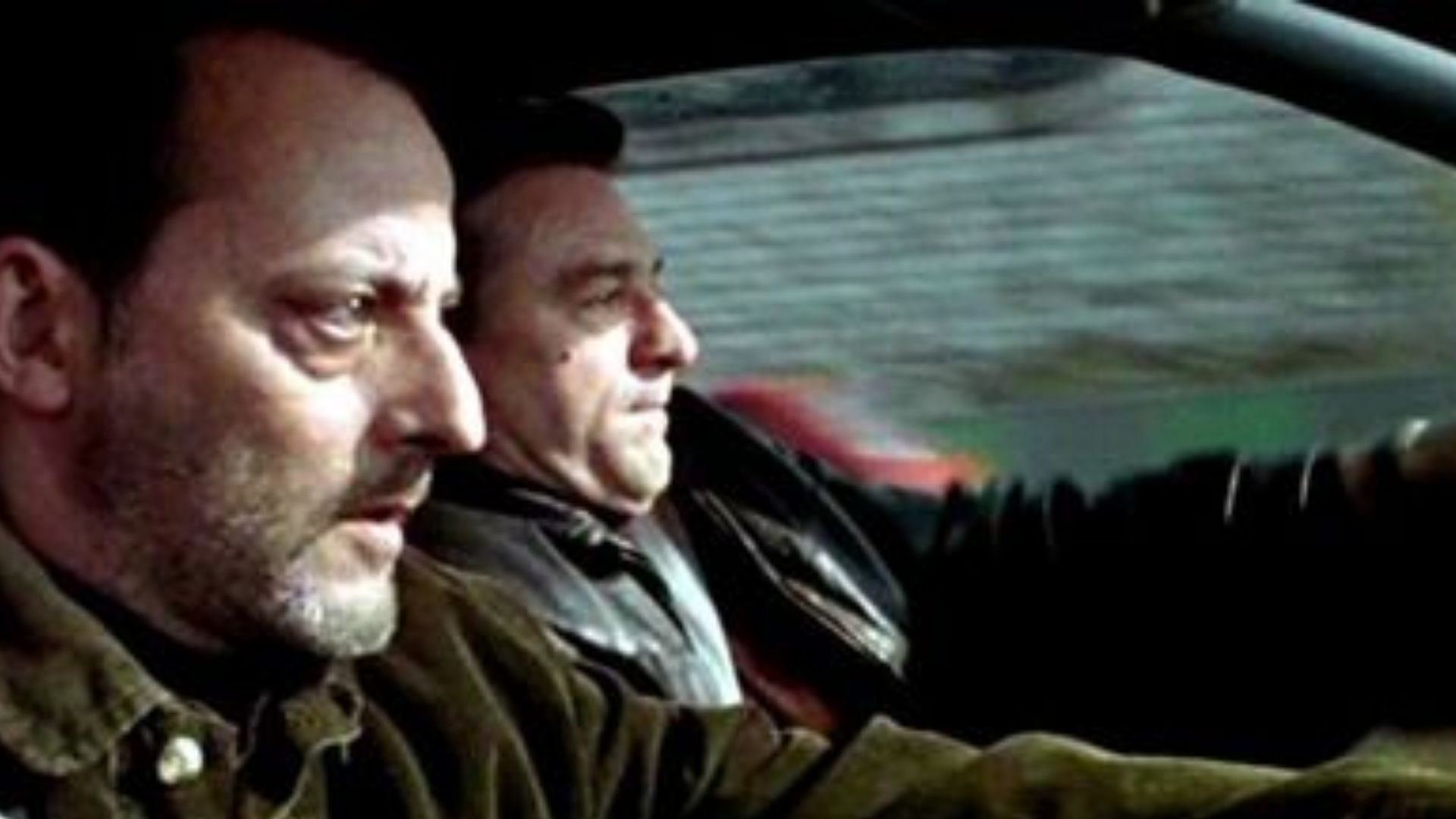
The official ending of Ronin keeps things tense. Sam (Robert De Niro) and Vincent (Jean Reno) sit in a café as the radio talks about peace in Ireland. Deirdre, the woman Sam once cared for, never appears. But the alternate ending changes it completely. Deirdre shows up outside, but before she can enter, a van pulls up and drags her away.
Rocky Balboa
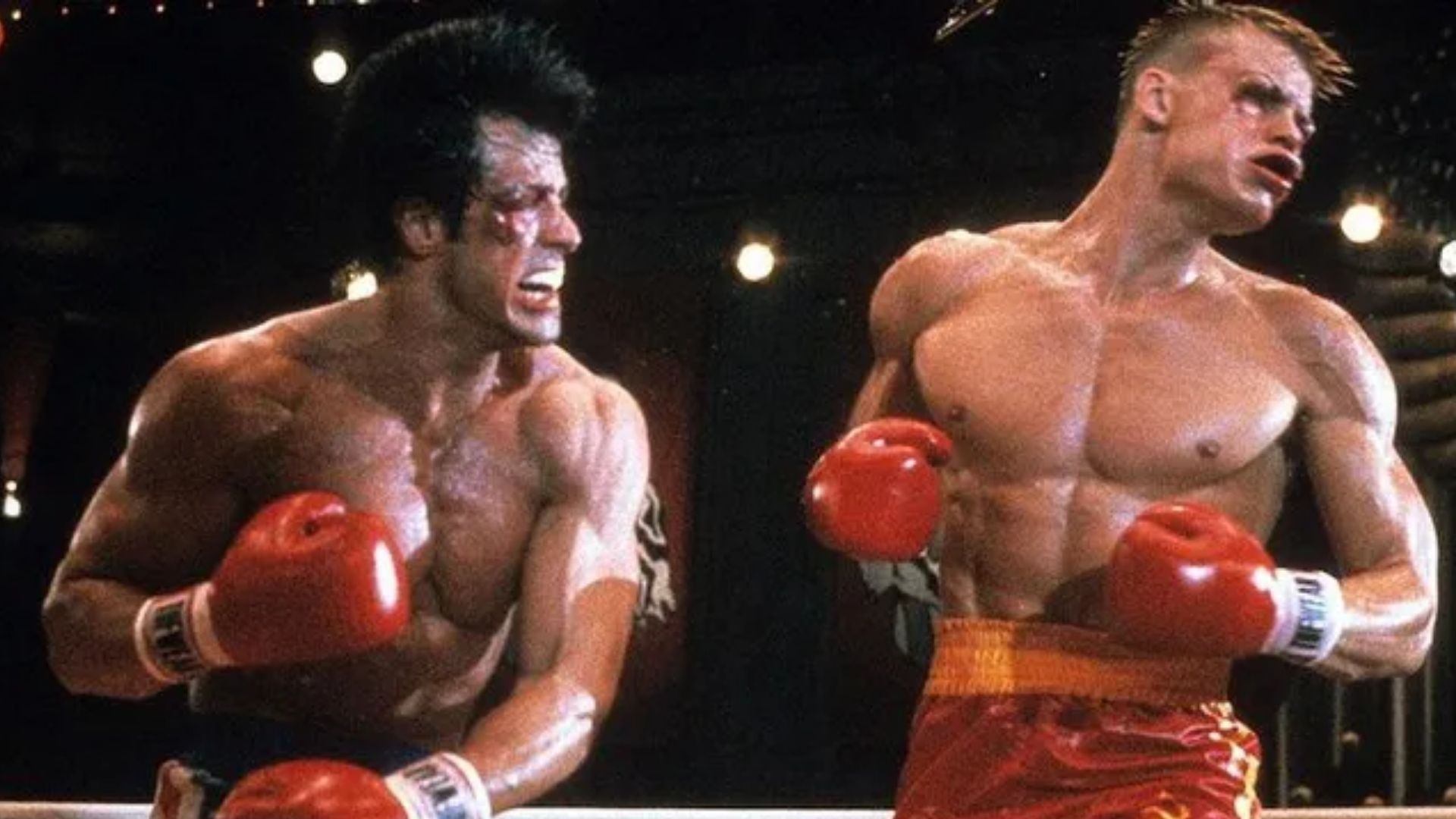
Rocky Balboa gave the franchise a fitting send-off. Rocky comes out of retirement to face Mason Dixon, proving once again that he can still go the distance. He doesn’t win, but that doesn’t matter; the real victory is showing heart and courage one last time. The alternate ending flips that. Rocky beats Dixon and walks away as the champion again.

Paranormal Activity
Most people know Paranormal Activity for its jump-scare ending, added after Steven Spielberg suggested it. Katie kills Micah, then a demon charges the camera, leaving the audience screaming as the screen cuts to black. The alternate endings are far more unsettling. In one, Katie murders Micah and sits in a trance for days before the police arrive and shoot her. In another, she kills Micah, then calmly walks back upstairs, stares into the camera, and cuts her own throat.
Little Shop of Horrors
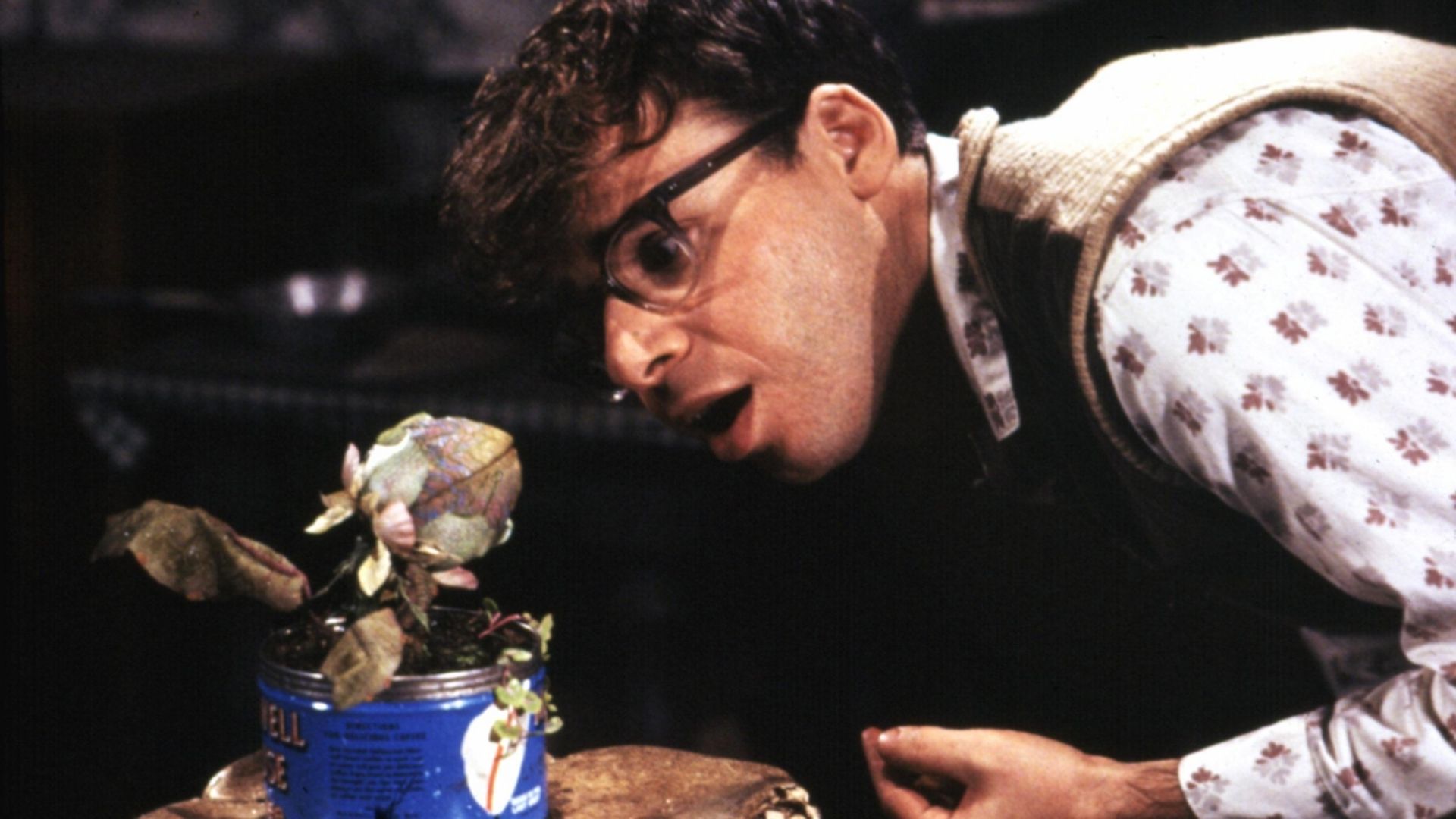
The musical comedy Little Shop of Horrors was never meant to end with Seymour and Audrey living happily ever after. In keeping with the stage version, the film originally had Audrey II killing Audrey and then Seymour, before spreading across the country in full monster invasion mode. Giant killer plants attack New York, battle the U.S. Army, and even climb the Statue of Liberty in a spectacular sequence. It’s big, weird, and gloriously over the top. But test audiences hated seeing the leads die, so director Frank Oz reshot the ending to give them a happy ending instead.
First Blood
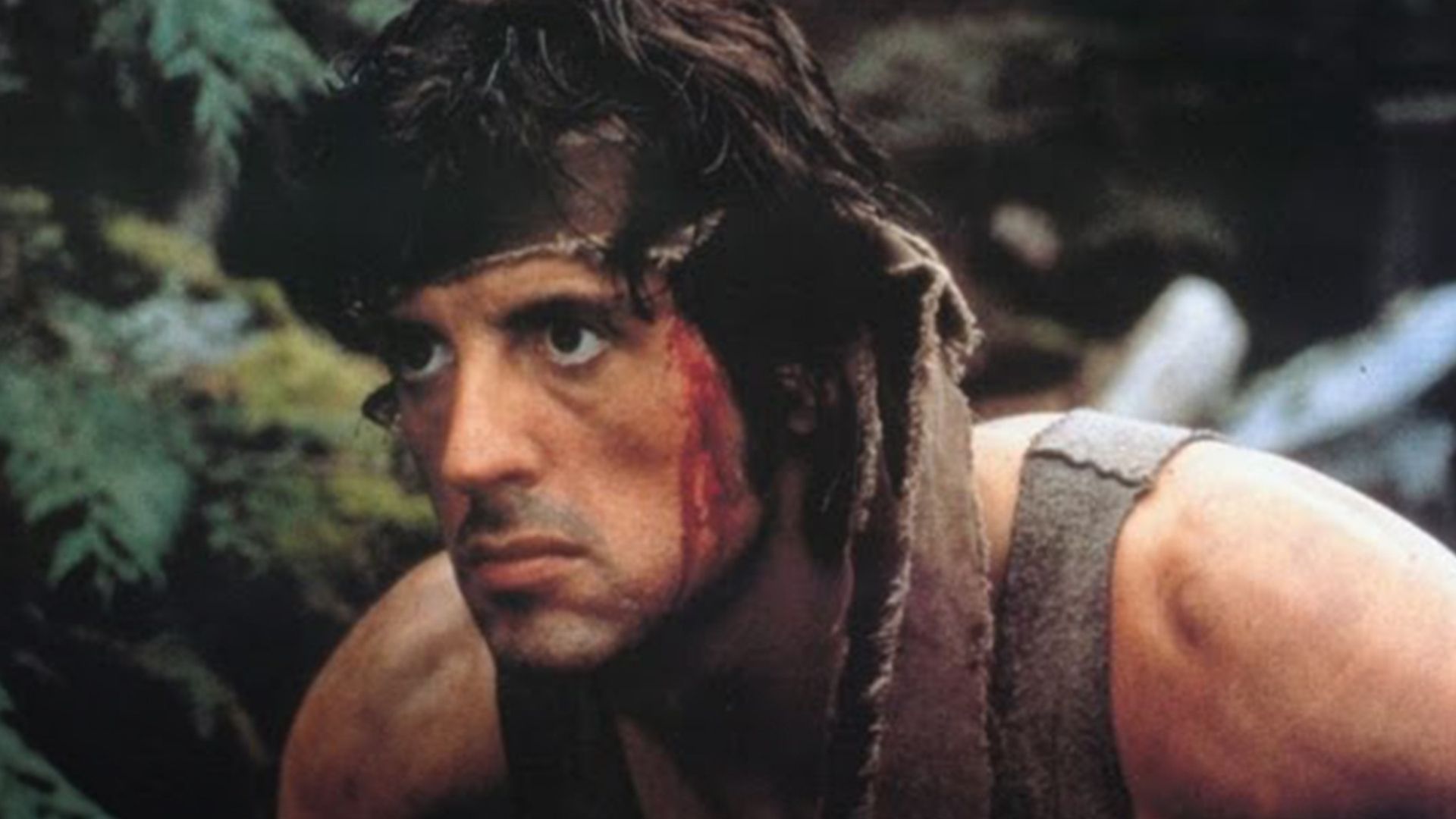
First Blood is a very different film from the bombastic Rambo sequels. The theatrical ending shows Rambo surrendering and walking out with Colonel Trautman, leaving the door open for future movies. But the alternate ending changes everything. Instead of giving up, Rambo asks Trautman to kill him. When Trautman refuses, Rambo takes the gun and ends his own life.
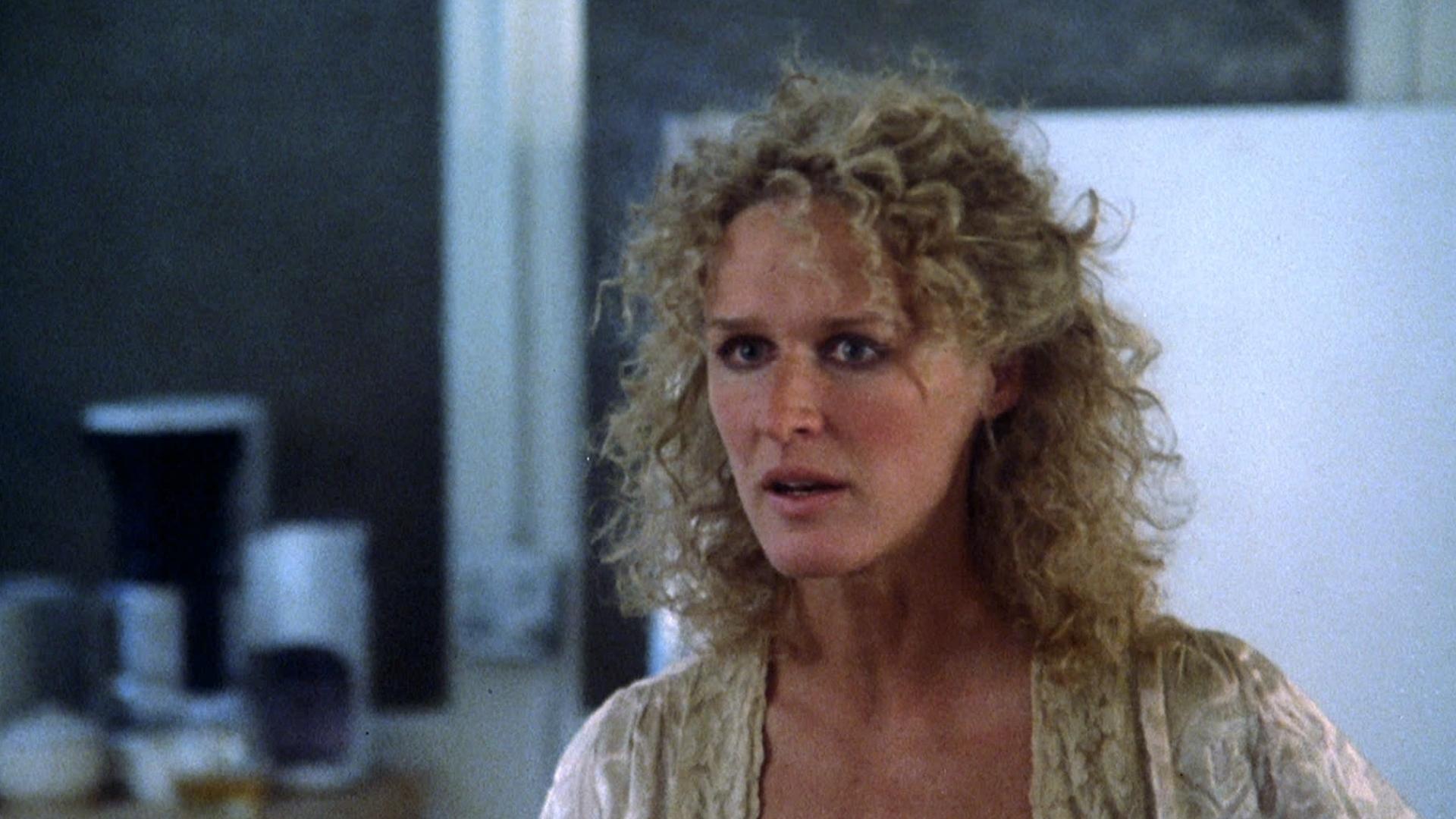
Fatal Attraction
The released version of Fatal Attraction ends with a jolt of Hollywood action. Glenn Close’s Alex Forrest leaps out of the bathtub for one last scare before Michael Douglas’ wife shoots her dead, letting the family reunite. The original ending, though, was much darker. Alex takes her own life and frames Douglas for her murder, leaving him arrested as his wife discovers a tape explaining Alex’s plan. It’s tragic, complex, and puts the story firmly on Alex’s character rather than Douglas’. Test audiences rejected it, but Close has long argued that the original was more true to Alex’s psychology.
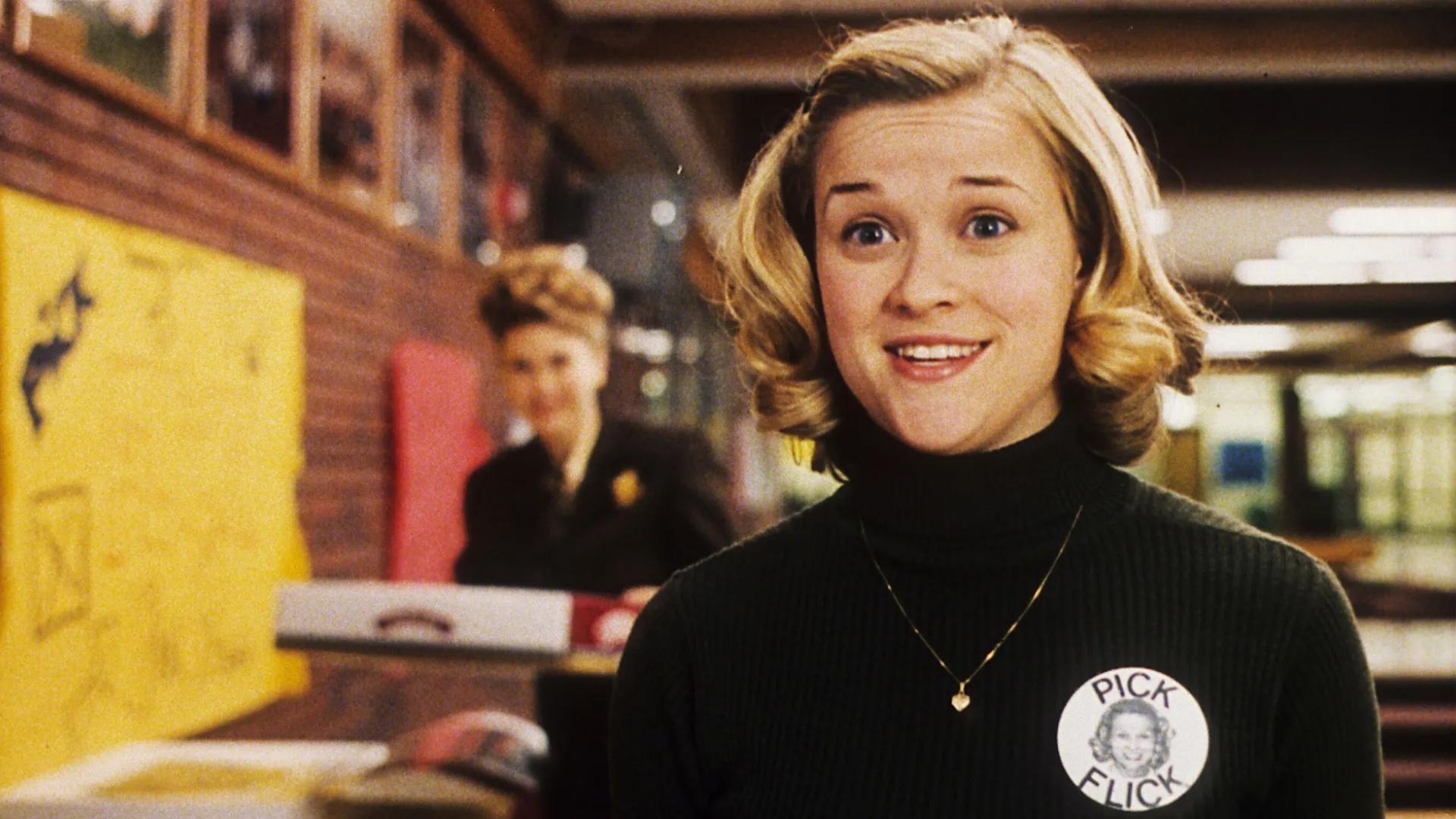
Election
Alexander Payne’s Election is a razor-sharp satire, and its official ending nails it. Tracy Flick leaves Nebraska to chase bigger ambitions, while Jim McAllister (Matthew Broderick) winds up in New York, bitterly guiding museum tours. It’s funny, biting, and keeps Tracy’s rise intact. The alternate ending, however, softens everything. McAllister becomes a car salesman, and Tracy visits him to test drive a vehicle. They exchange apologies, and Tracy even asks him to sign her yearbook.
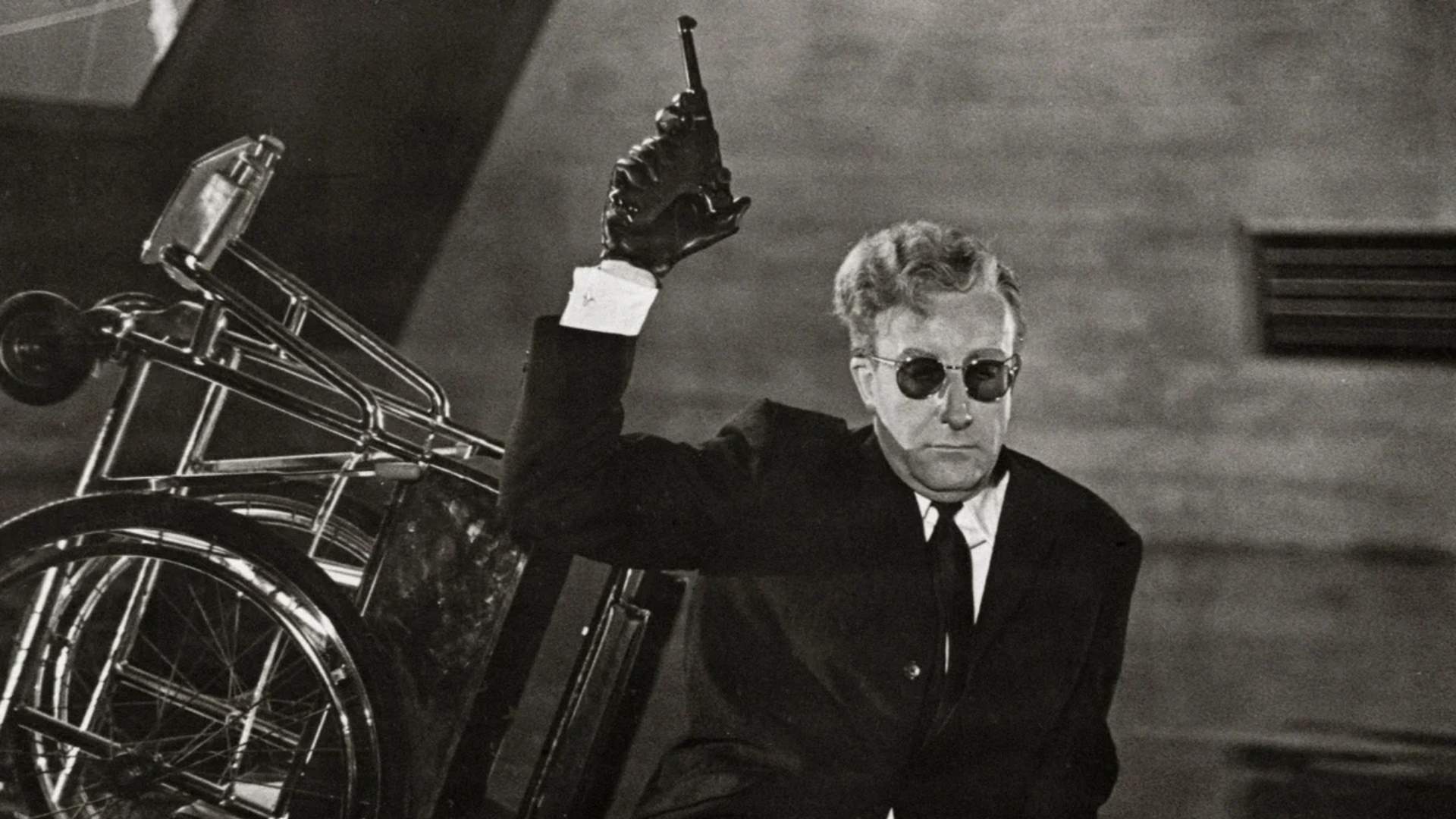
Dr. Strangelove
Stanley Kubrick’s Dr. Strangelove ends with one of cinema’s most iconic images: Slim Pickens riding the bomb as it drops, followed by Vera Lynn’s “We’ll Meet Again” over nuclear explosions. But Kubrick once planned a far stranger finale, a massive pie fight in the War Room. Characters would fling custard pies at each other while the world faced destruction, with Dr. Strangelove writhing on the floor and failing to shoot himself. At one point, the U.S. President and the Russian ambassador were even supposed to stop fighting pies and start building sandcastles together.
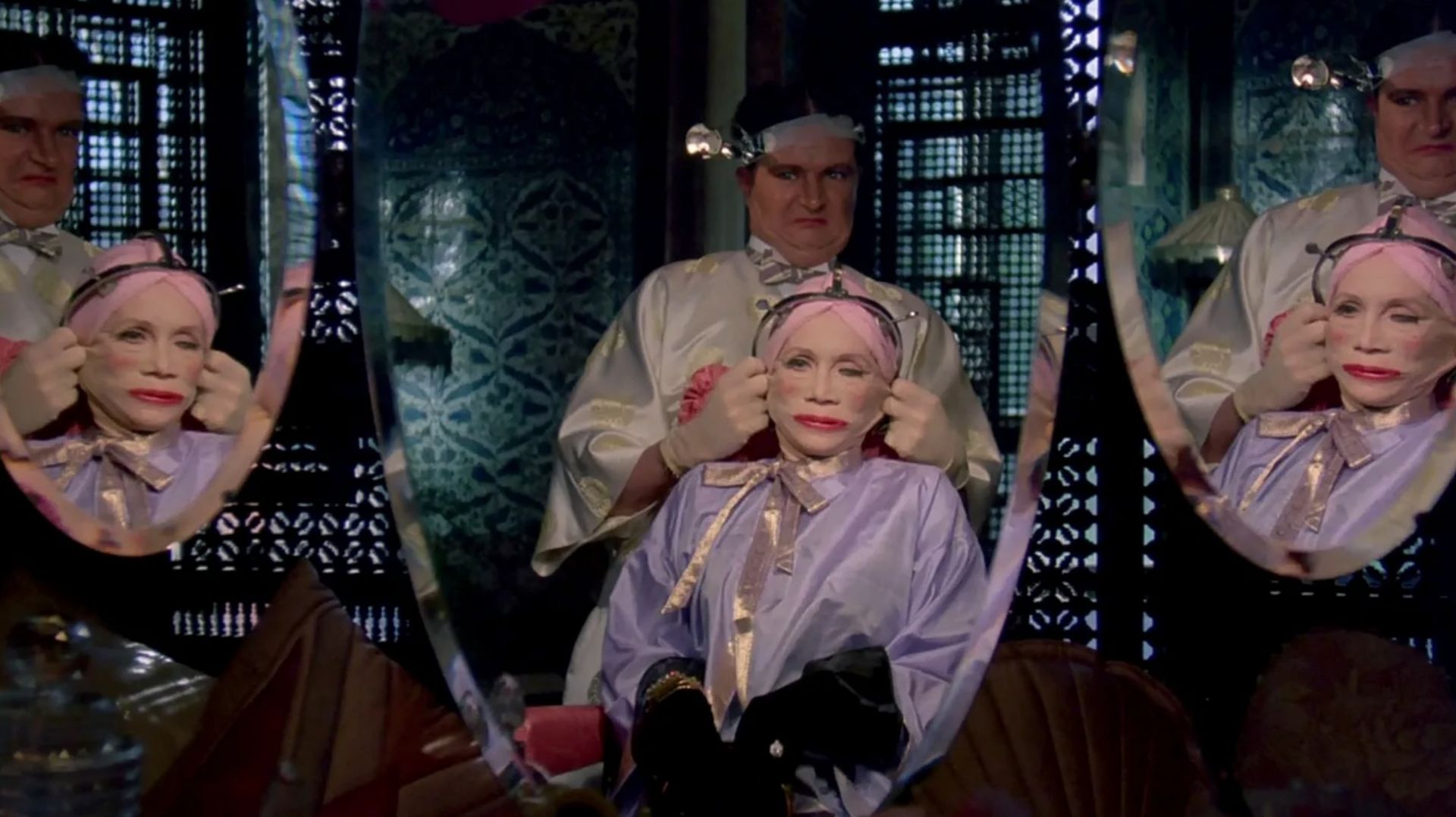
Brazil
Terry Gilliam’s Brazil is a dark, surreal dystopia, and the ending is one of the reasons it’s so unforgettable. In Gilliam’s version, Sam never escapes the oppressive Ministry. Instead, his supposed freedom is revealed to be a fantasy, and he’s left broken, singing to himself as the camera pulls back. The studio, though, wanted something lighter. They pushed for a “happy ending” where Sam’s daydream of escape actually comes true.
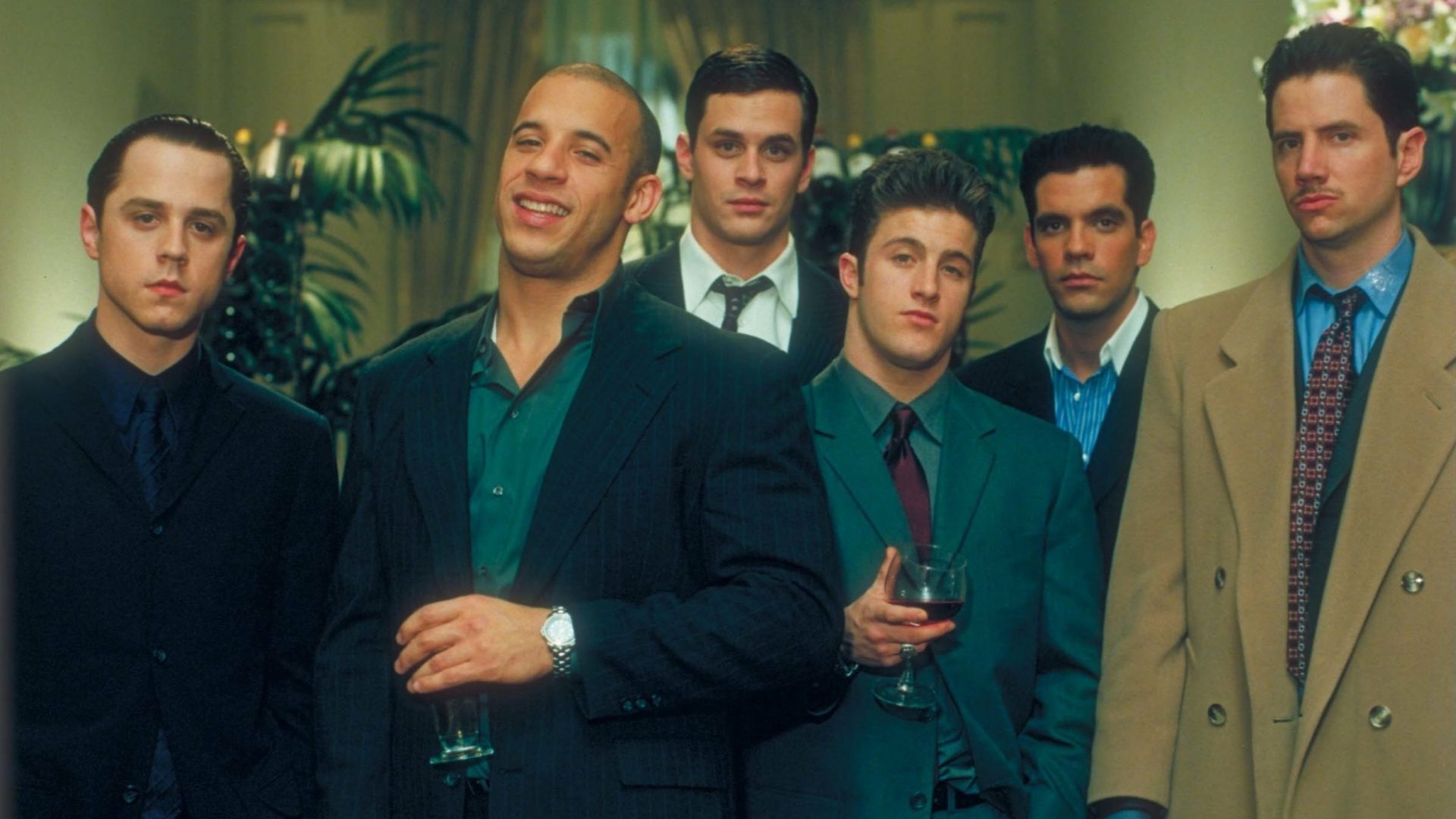
Boiler Room
The theatrical ending of Boiler Room shows Seth (Giovanni Ribisi) trying to clean up his mess. He helps the FBI bring down the firm, saves a client he scammed, and warns his friend Vin Diesel to leave before it’s too late. The alternate ending takes a darker turn. Harry, the man Seth’s firm ripped off, comes to the office with a gun, ready for revenge. On his way inside, he bumps into Seth and drops the weapon. Seth helps him pick up his things and walks away, never realizing how close he came to disaster. Harry heads into the building, leaving the audience to imagine the bloodshed that follows.
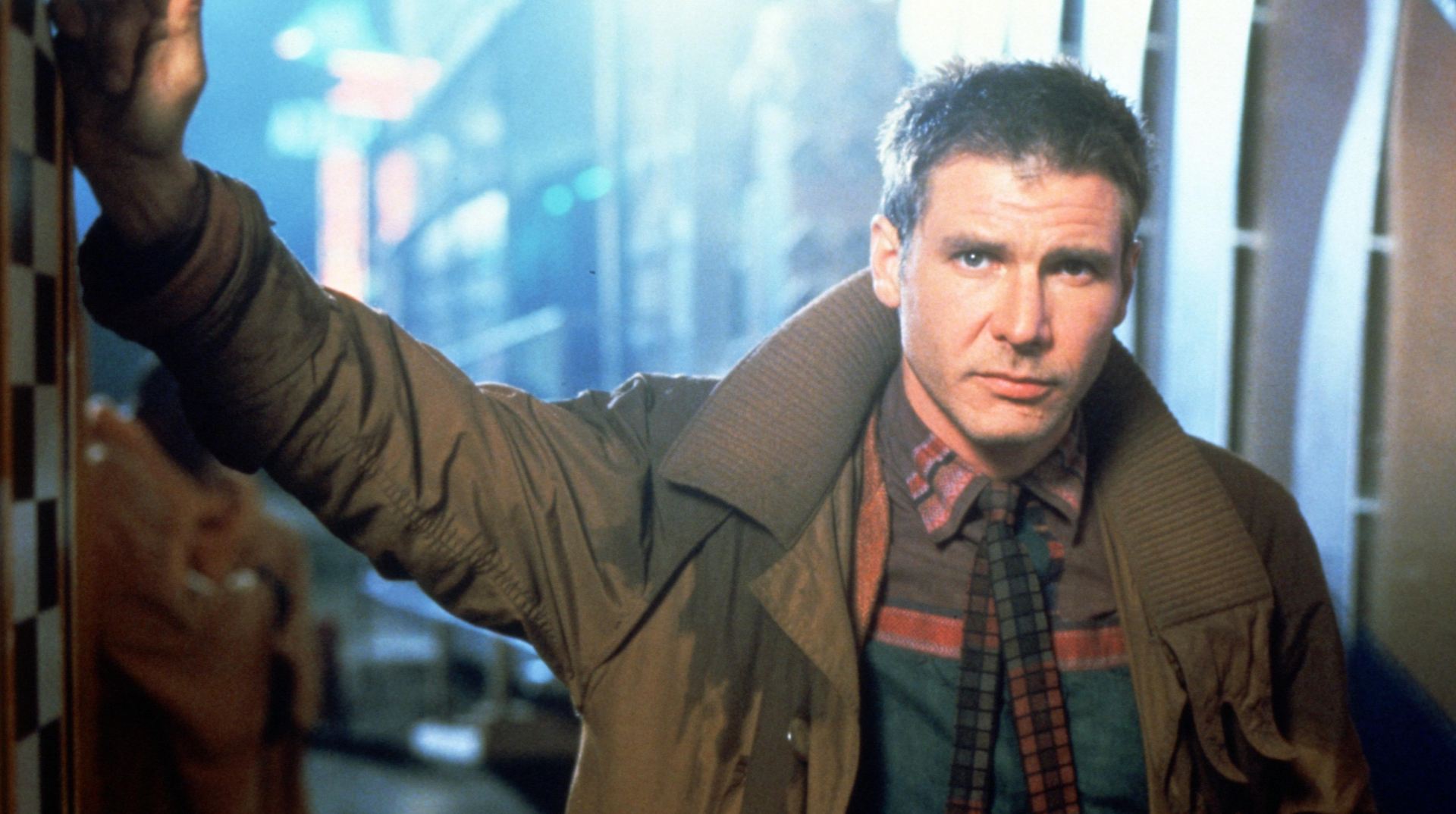
Blade Runner
Ridley Scott’s Blade Runner is legendary for its multiple cuts, but the ending is where the difference shows the most. The original 1982 theatrical version added a happy ending where Deckard and Rachael drive into the countryside, complete with awkward voiceover narration from Harrison Ford and borrowed helicopter footage from The Shining.
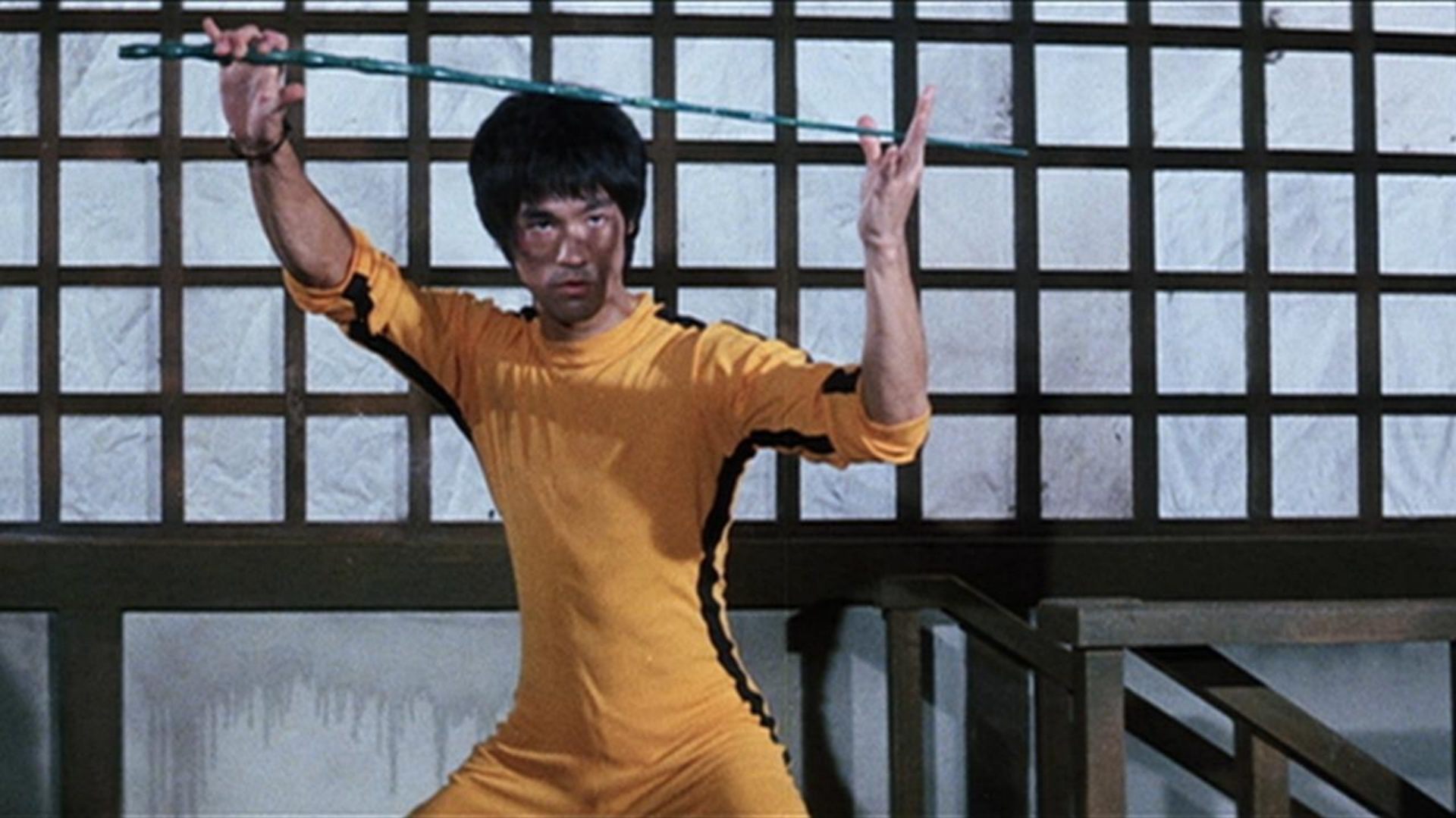
Game of Death
Game of Death is one of Bruce Lee’s most talked-about films, mainly because of its troubled history. The theatrical ending shows Lee defeating Dr. Land and saving Ann, which feels like a standard action movie wrap-up. The alternate endings carry more weight. In one version, the police arrive, arrest Lee, and send Dr. Land away in an ambulance. In another, Lee says goodbye to Ann at the harbor before sailing away, with the last shot showing a boat fading into the distance. This ending feels almost like a farewell to Bruce Lee himself.
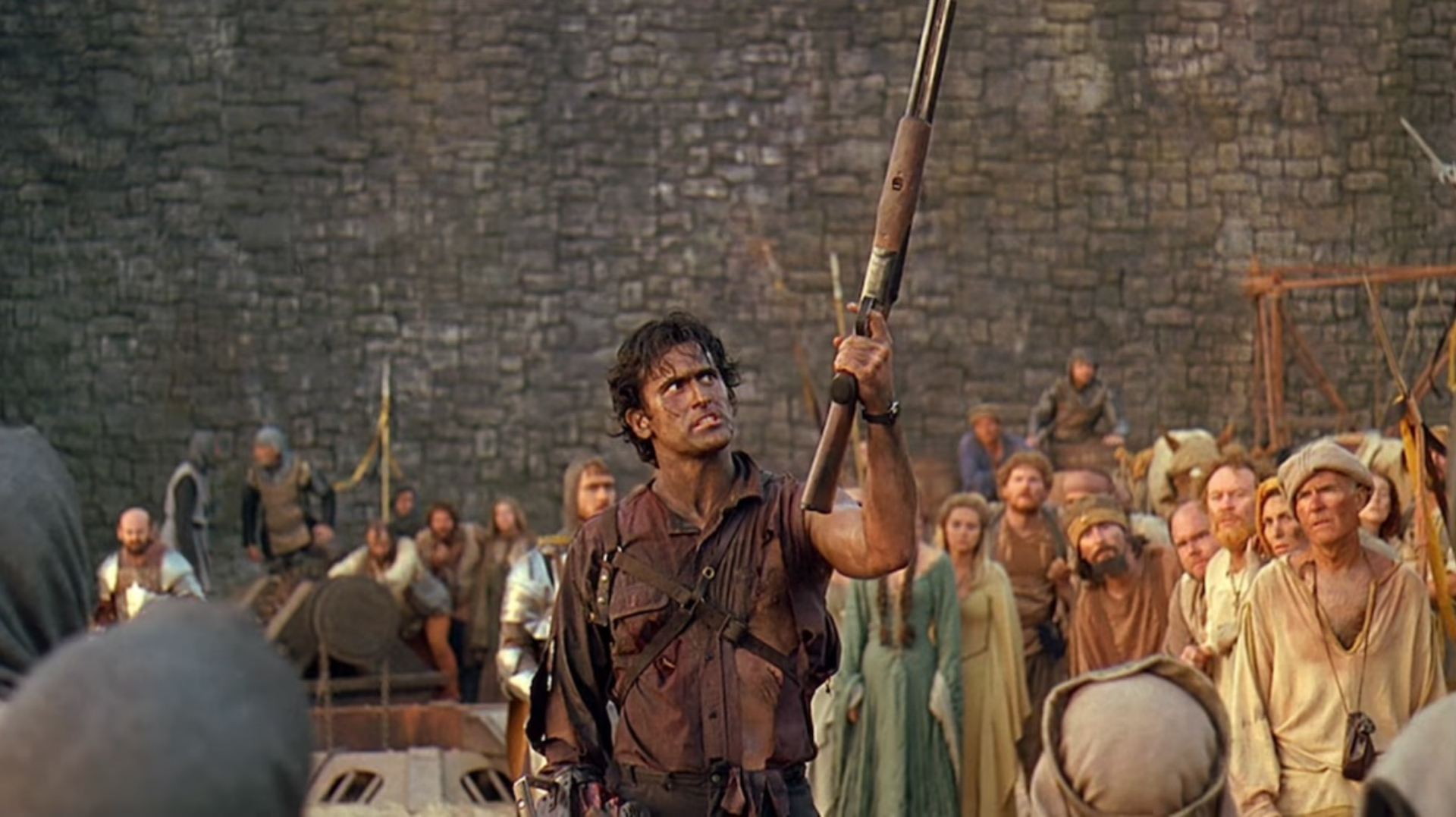
Army Of Darkness
Sam Raimi’s Army of Darkness has two endings, and they couldn’t be more different. The U.S. theatrical cut finishes with Ash back in the present, fighting off a Deadite in an S-Mart with his usual mix of one-liners and shotgun blasts. It’s fun, fast, and fits the campy tone. The international ending, however, goes bleak. Ash drinks a potion to sleep until his own time, but he miscounts the drops and wakes up in a post-apocalyptic wasteland. The movie ends with him screaming in despair.
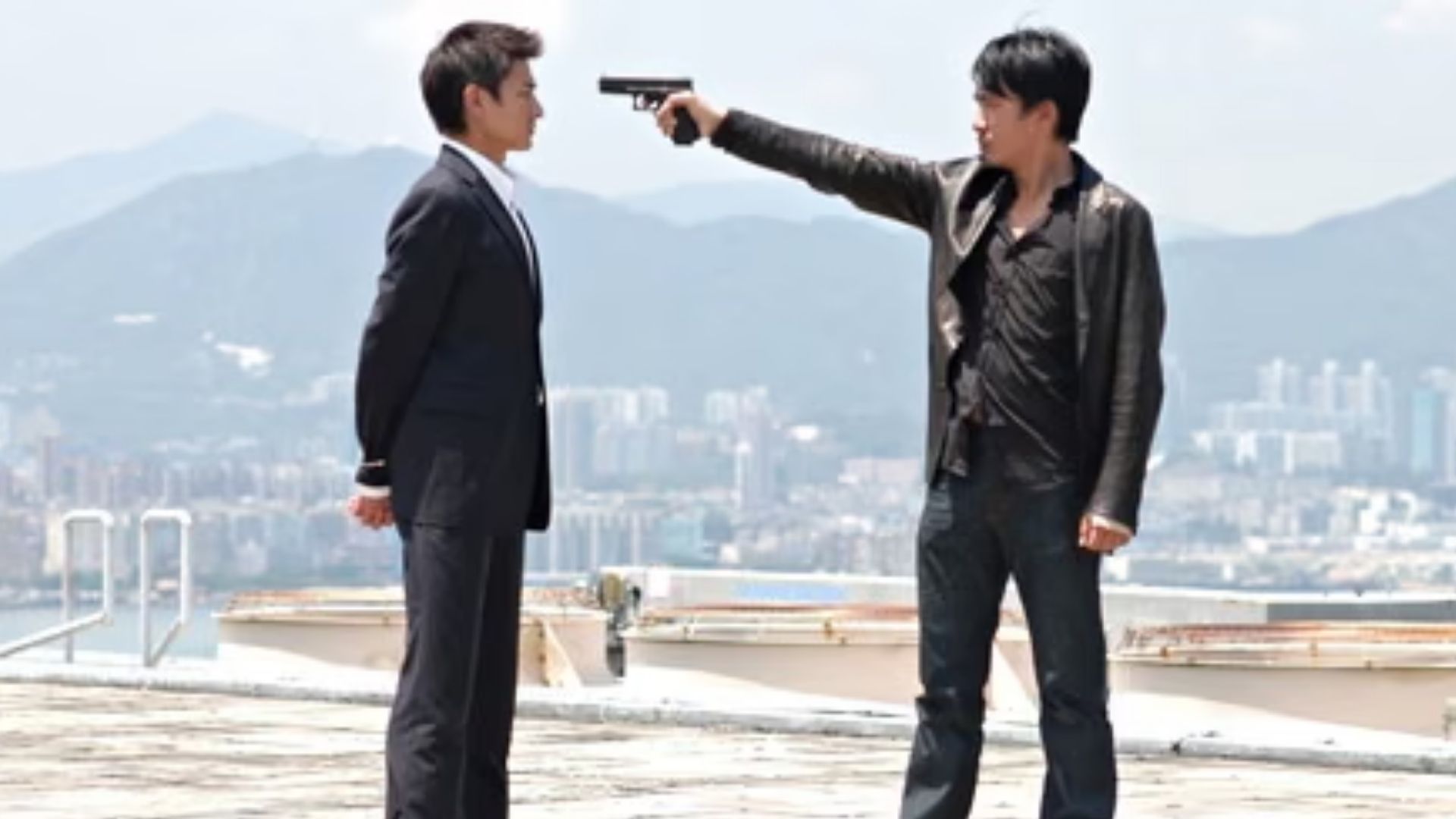
Infernal Affairs
The original Infernal Affairs doesn’t play it safe. Andy Lau’s character, a Triad mole inside the police force, walks away free. He has committed murders, lied his way through the system, and still gets a new life. It’s a bold move that leaves audiences uneasy but also sets up the sequel. The alternate ending, created for Chinese censors, is very different. Here, Lau is caught and arrested, making sure the bad guy pays for his crimes.