
25 Athletes Who Refused White House Visits
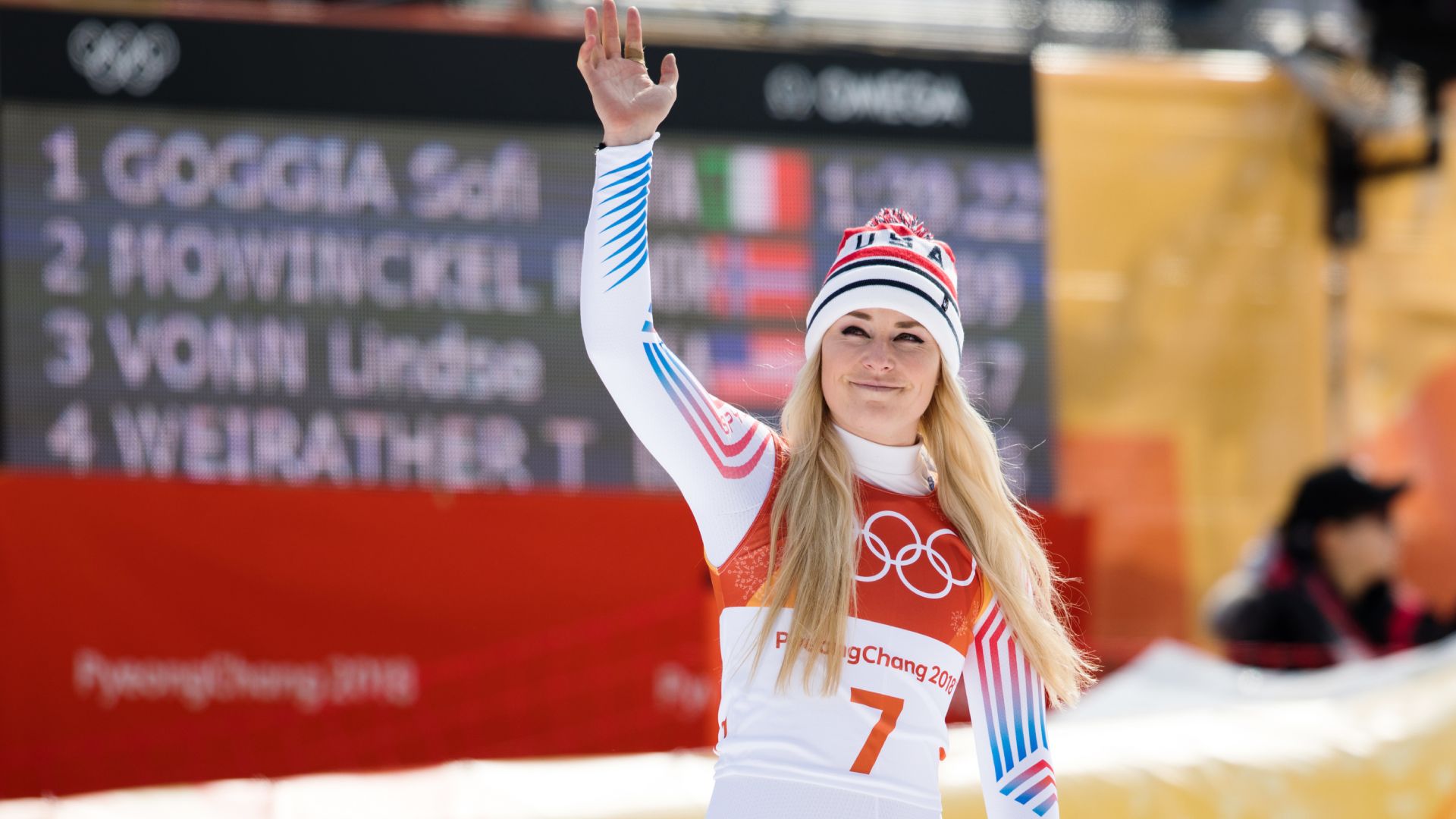
25) Lindsey Vonn - 2018
American skiing legend Lindsey Vonn announced before the 2018 Winter Olympics that she would not attend the White House visit if invited. Her reasoning was simple but cutting: she represented the American people, not the president. Her refusal carried weight because she was one of the most decorated female skiers in history. Vonn’s snub became symbolic of broader athlete resistance to Trump’s presidency.
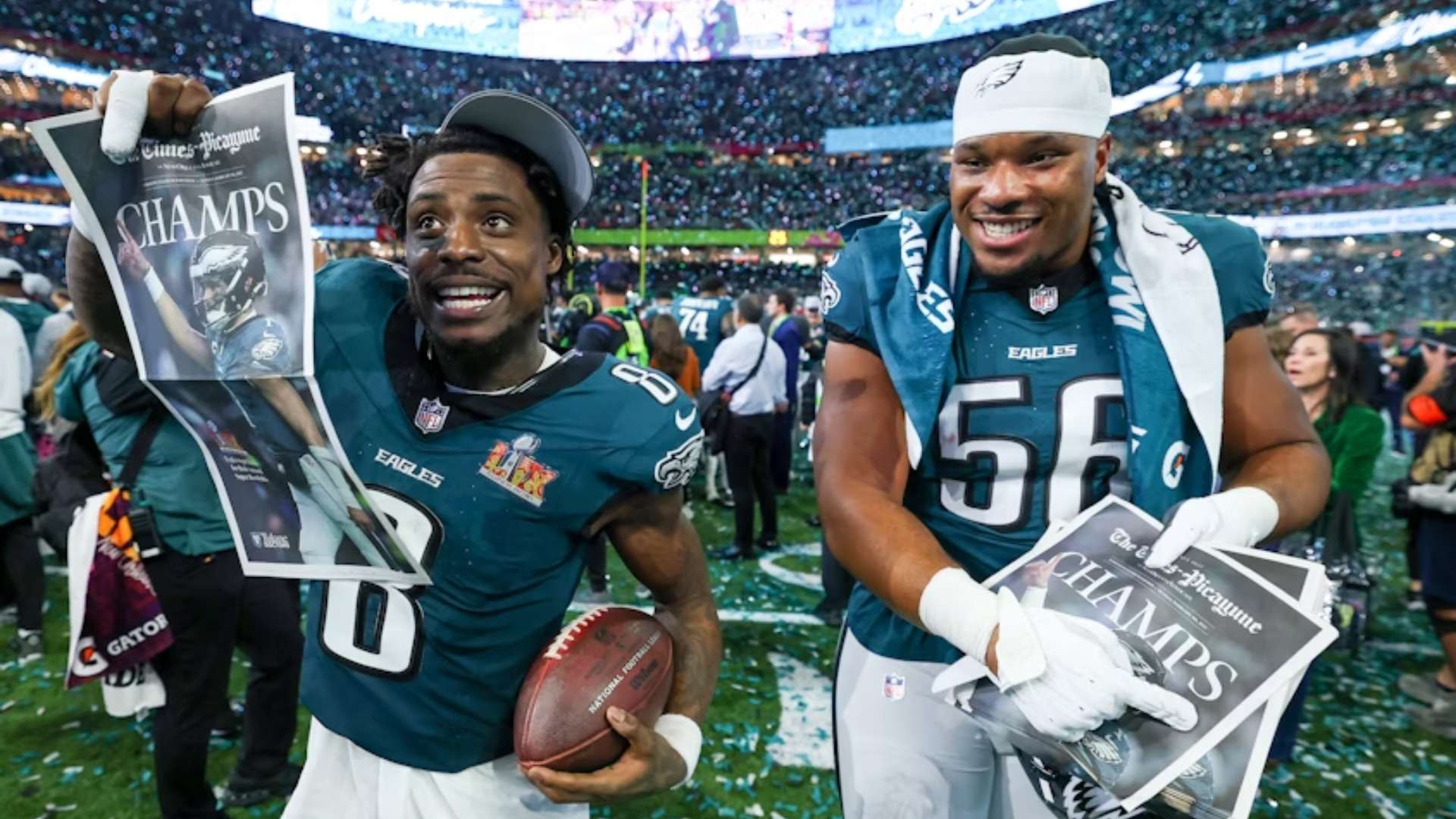
24) Philadelphia Eagles Players - 2025
Most recently, in 2025, a dozen Philadelphia Eagles players - including stars Jalen Hurts and A.J. Brown - skipped the team’s White House visit. While the players cited “scheduling conflicts” and “personal reasons,” the sheer number of absences raised eyebrows. Even though both the team and the White House insisted it wasn’t political, the optics suggested that White House visits have lost their pull. The mass snub showed how far the tradition has fallen from its once-universal prestige.
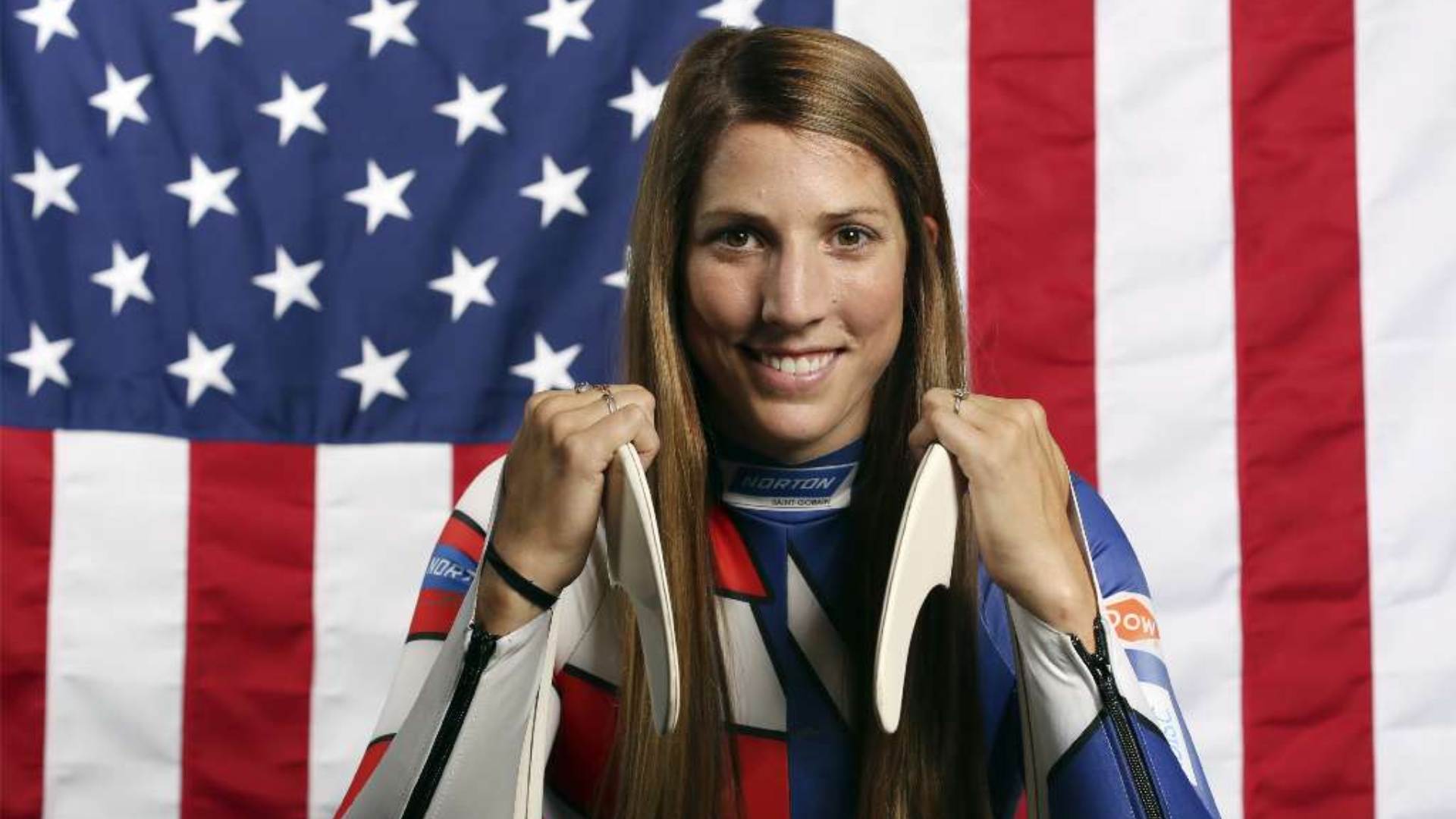
23) Erin Hamlin - 2018
Luger Erin Hamlin, a U.S. Olympic flag bearer, skipped the 2018 White House ceremony and instead spent her time working with children’s programs. While she didn’t make as direct a political statement as some teammates, her absence fit into the larger narrative of athletes choosing alternative ways to celebrate their success rather than honoring the president. It reflected the shifting value of the tradition in modern sports.
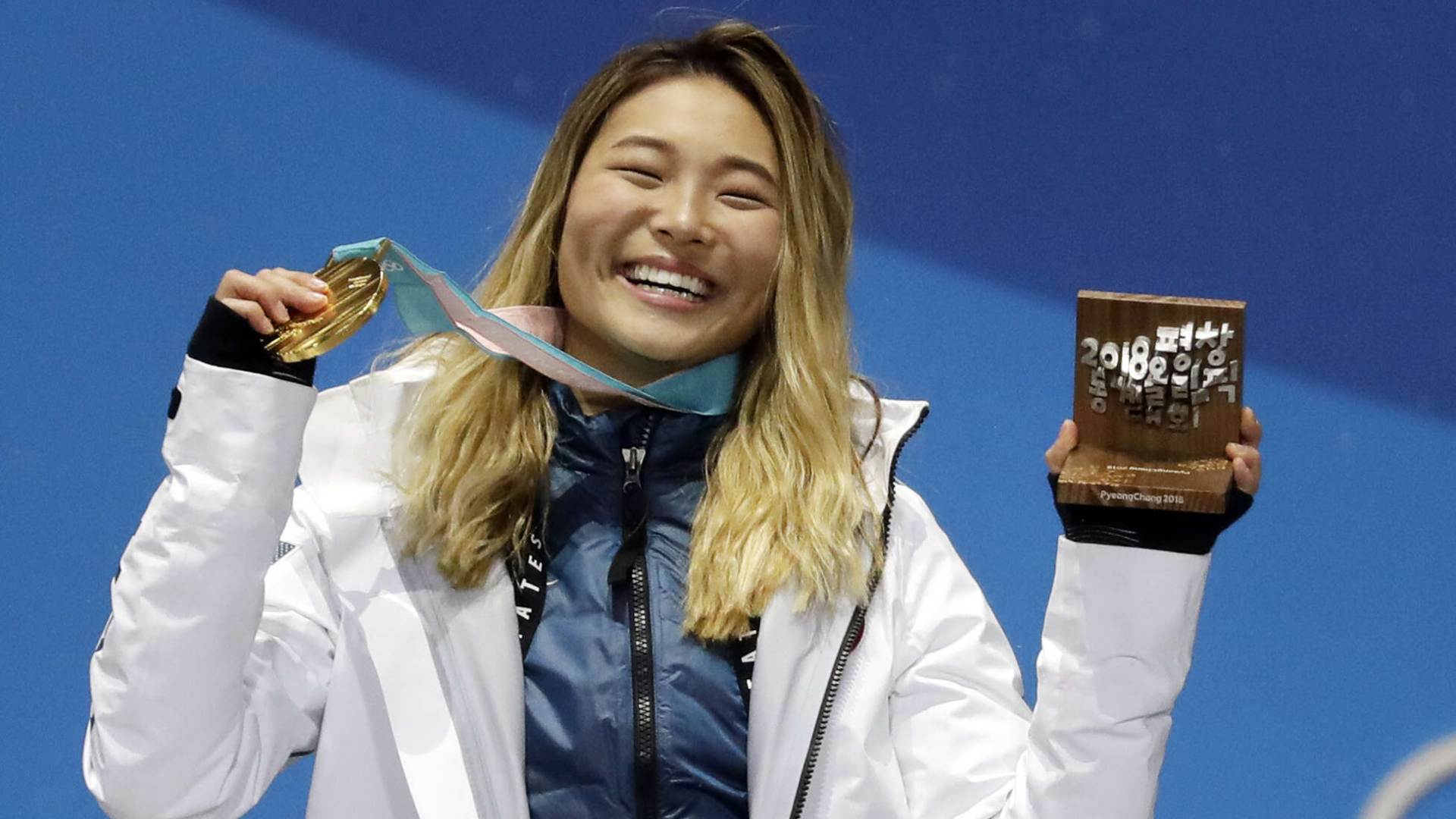
22) Chloe Kim - 2018
Gold medal-winning snowboarder Chloe Kim also opted out of the 2018 Olympians’ White House visit. Unlike others, her reasoning was personal rather than political - she had a family wedding to attend. Still, her absence was lumped in with the larger wave of refusals, symbolizing how the White House visit had lost much of its luster for even young, newly crowned champions.
21) Gus Kenworthy - 2018
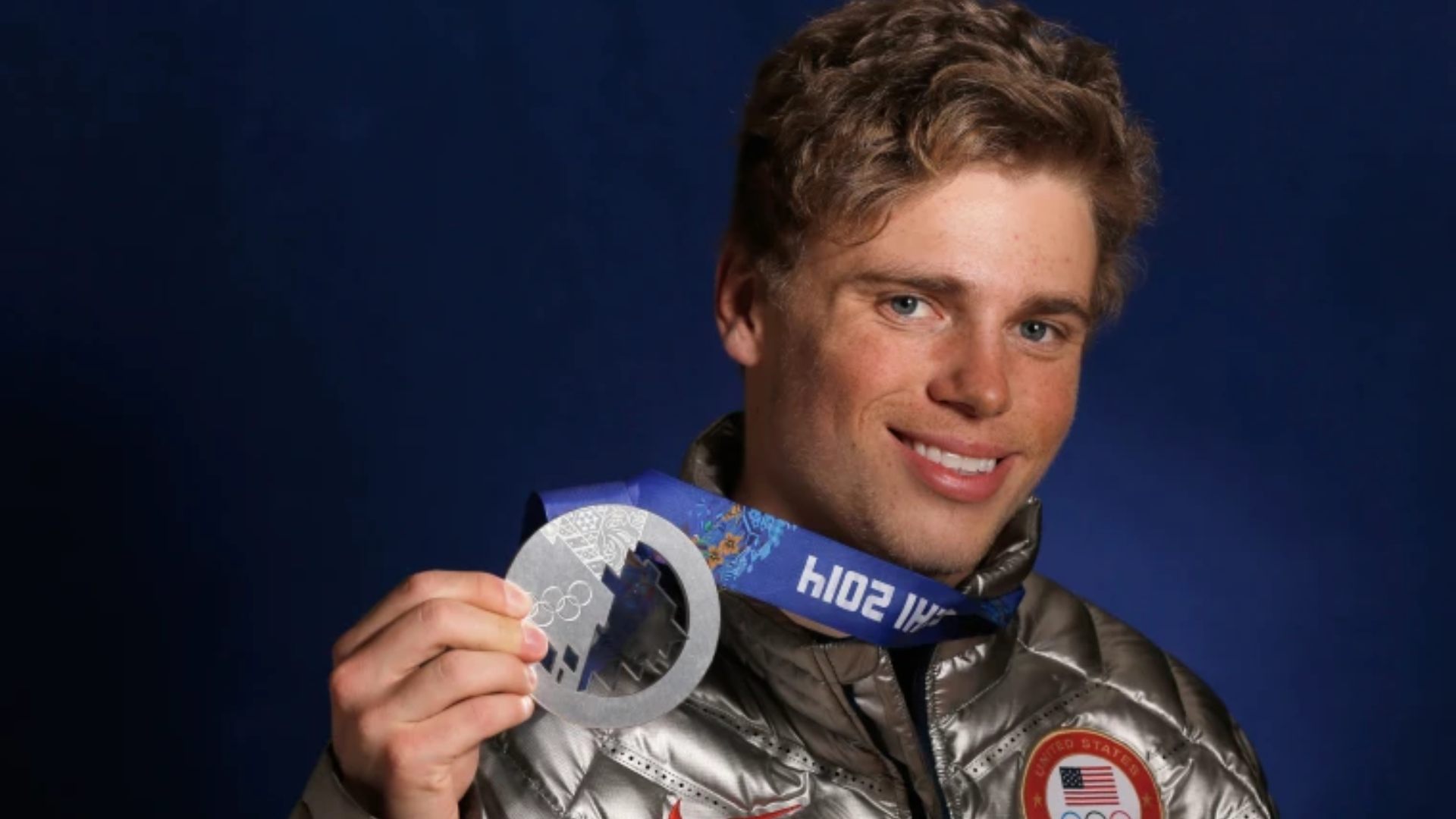
Freestyle skier Gus Kenworthy, another openly gay Olympian, joined Rippon in refusing the White House visit. He tweeted his decision with a sharp message: “The resistance is real.” Kenworthy became one of the loudest voices in opposing Trump from within the U.S. Olympic contingent, using his platform to highlight inequality and injustice. His refusal underscored how athletes could use their rejection of the White House as a public act of protest.
20) Alan Branch - 2017
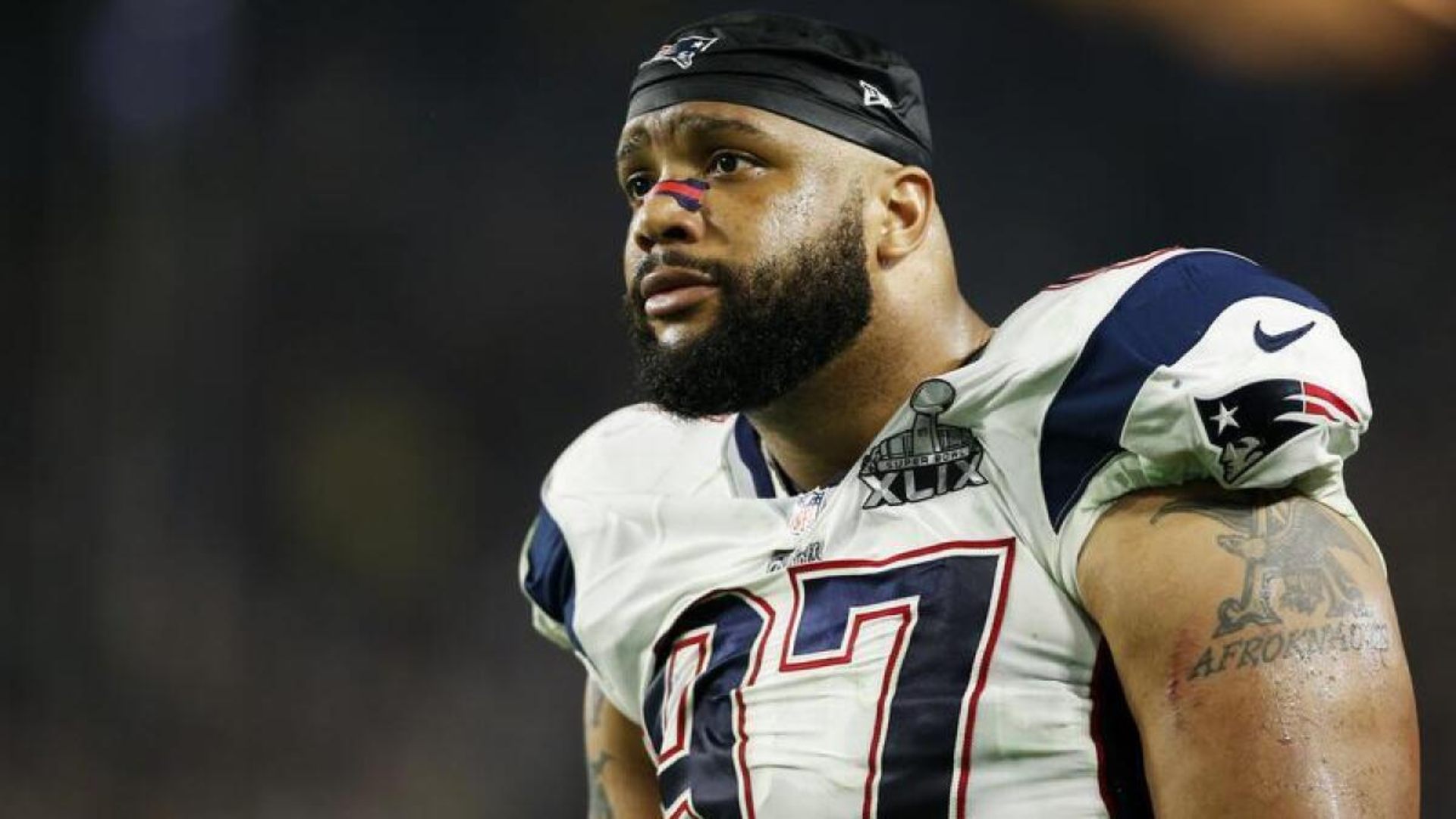
Patriots defensive tackle Alan Branch refused the 2017 White House visit, saying he was “sickened” by Trump’s infamous Access Hollywood remarks. As the father of daughters, Branch said he couldn’t in good conscience stand beside the president. His statement was one of the strongest and most personal rejections in recent memory, elevating him from a role player to a powerful voice in the ongoing debate about politics in sports.
19) Adam Rippon - 2018
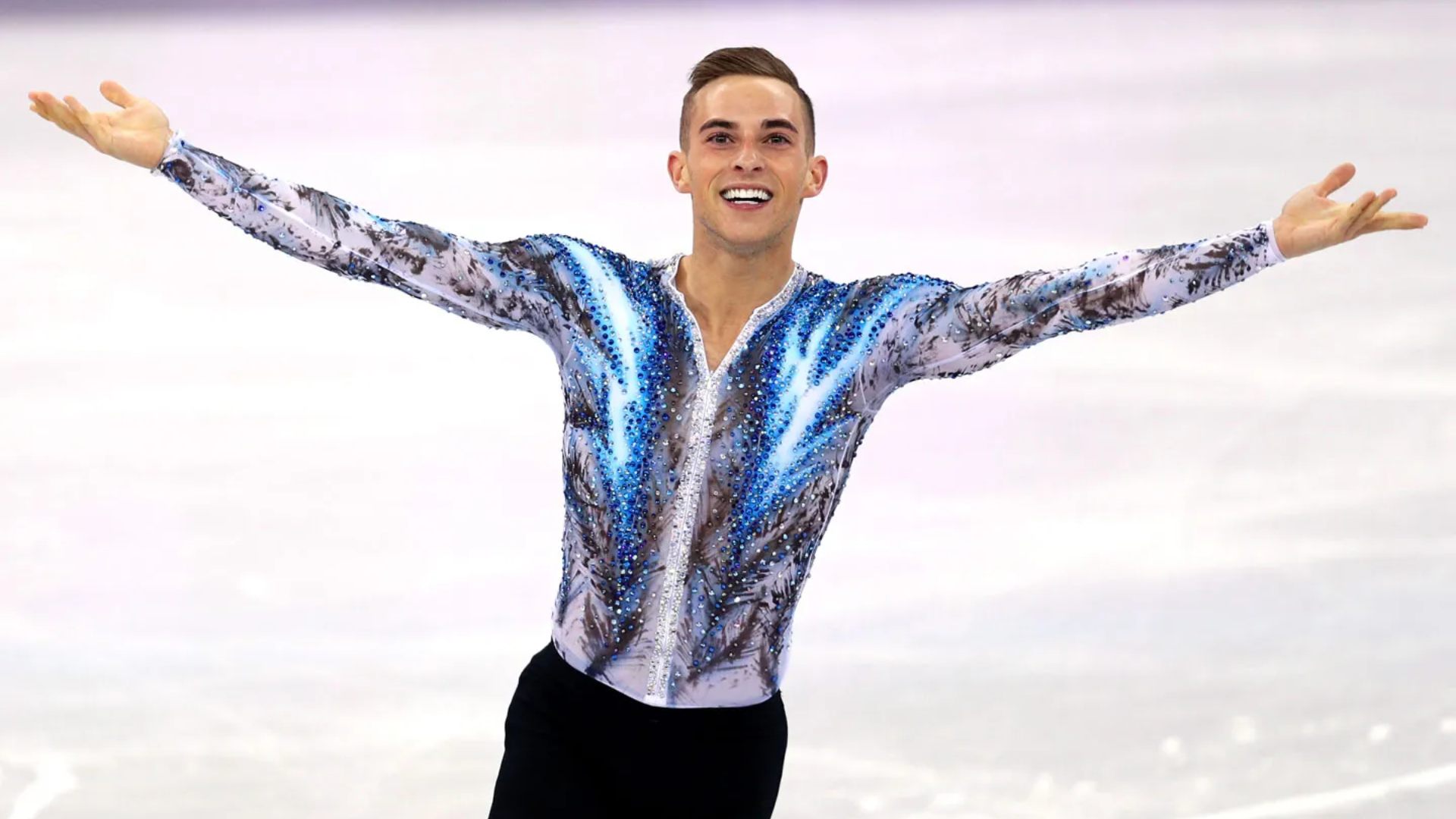
Figure skater Adam Rippon, fresh off his Olympic appearance, refused to attend the White House event for the U.S. Winter Olympians in 2018. He was openly critical of Trump’s administration and said he couldn’t “stand with people who discriminate against those they perceive as different.” Instead of attending, Rippon donated his time to LGBTQ causes, making his refusal both personal and activist-driven. His decision resonated deeply within both sports and social movements.
18) South Carolina Women’s Basketball Team - 2017
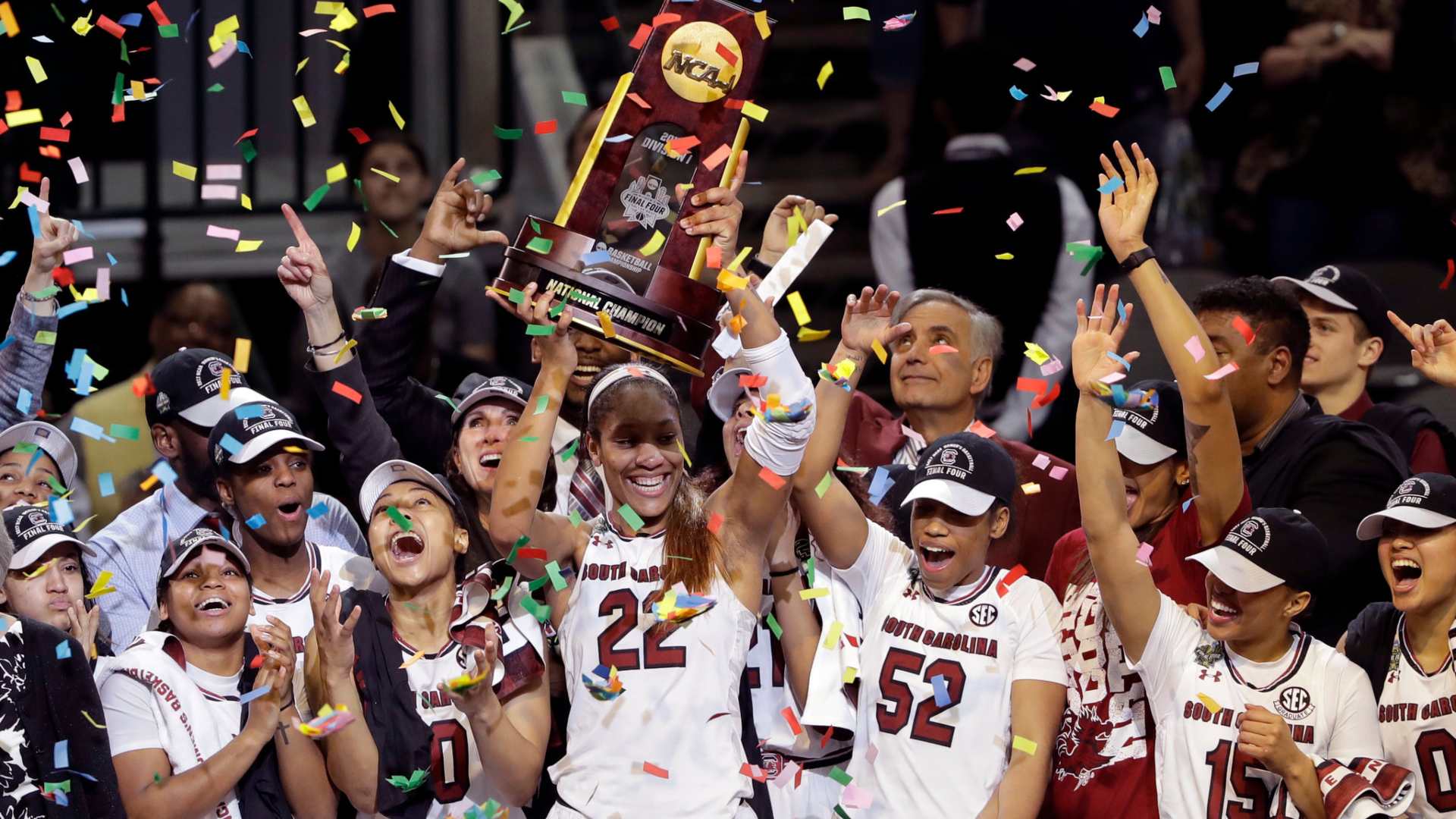
After winning the 2017 NCAA championship, Dawn Staley’s South Carolina women’s basketball team declined the White House invitation from President Trump. Staley explained that the team needed to stay focused on the upcoming season and didn’t want distractions. While couched in sports terms, many saw the decision as a subtle political statement. Their refusal stood out because NCAA women’s teams had historically embraced such invitations, making this a bold choice.
17) Golden State Warriors - 2017-18
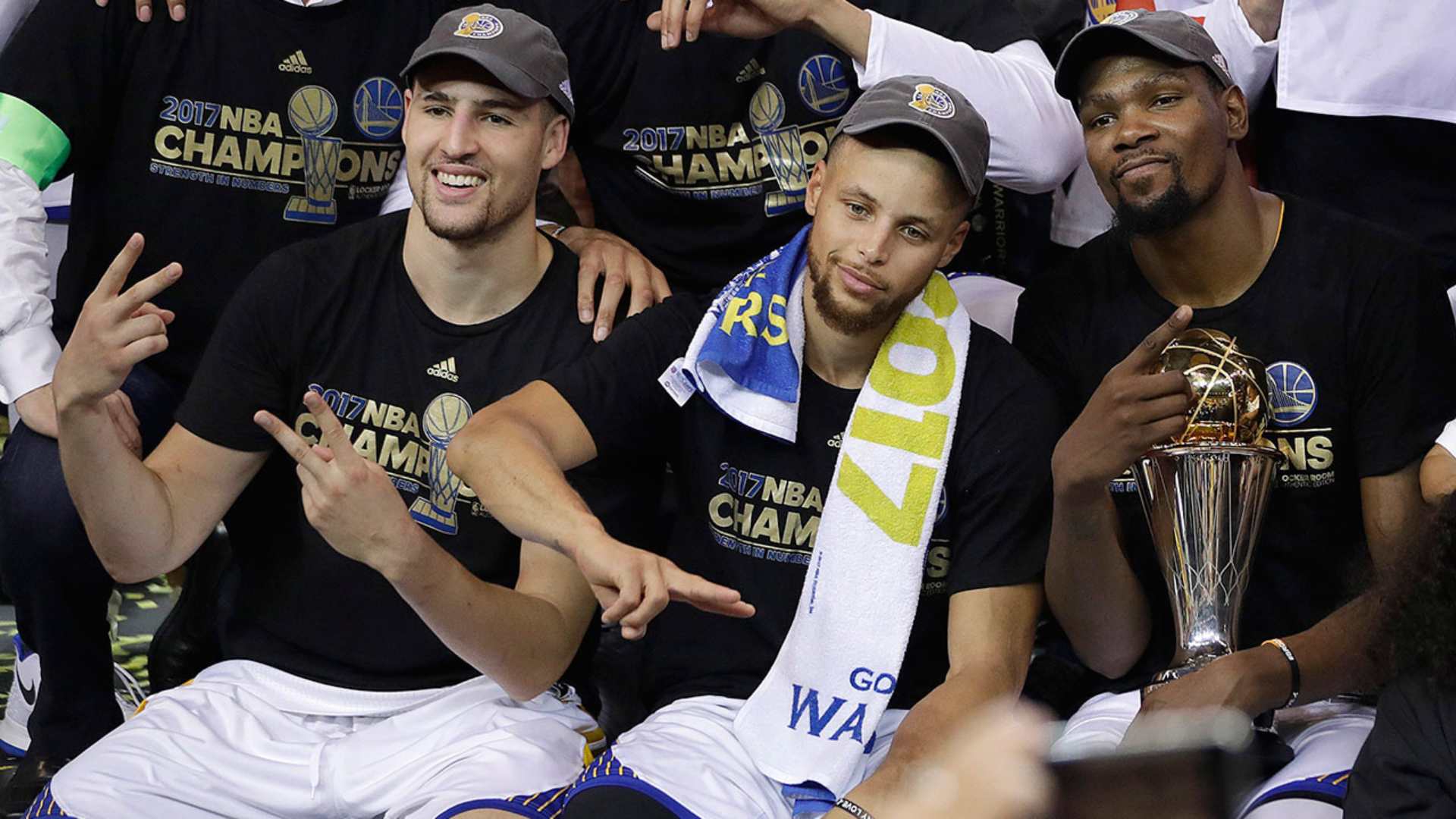
The Golden State Warriors’ dynastic teams of 2017 and 2018 refused to visit President Trump after their championships. The refusal wasn’t just one player but the entire squad, led by vocal critics like Stephen Curry and supported by LeBron James, who tweeted that “neither team wanted to go.” The snub turned into a cultural flashpoint, with Trump eventually rescinding invitations altogether. It marked one of the most public rejections of the tradition in sports history.
16) Jake Arrieta - 2016
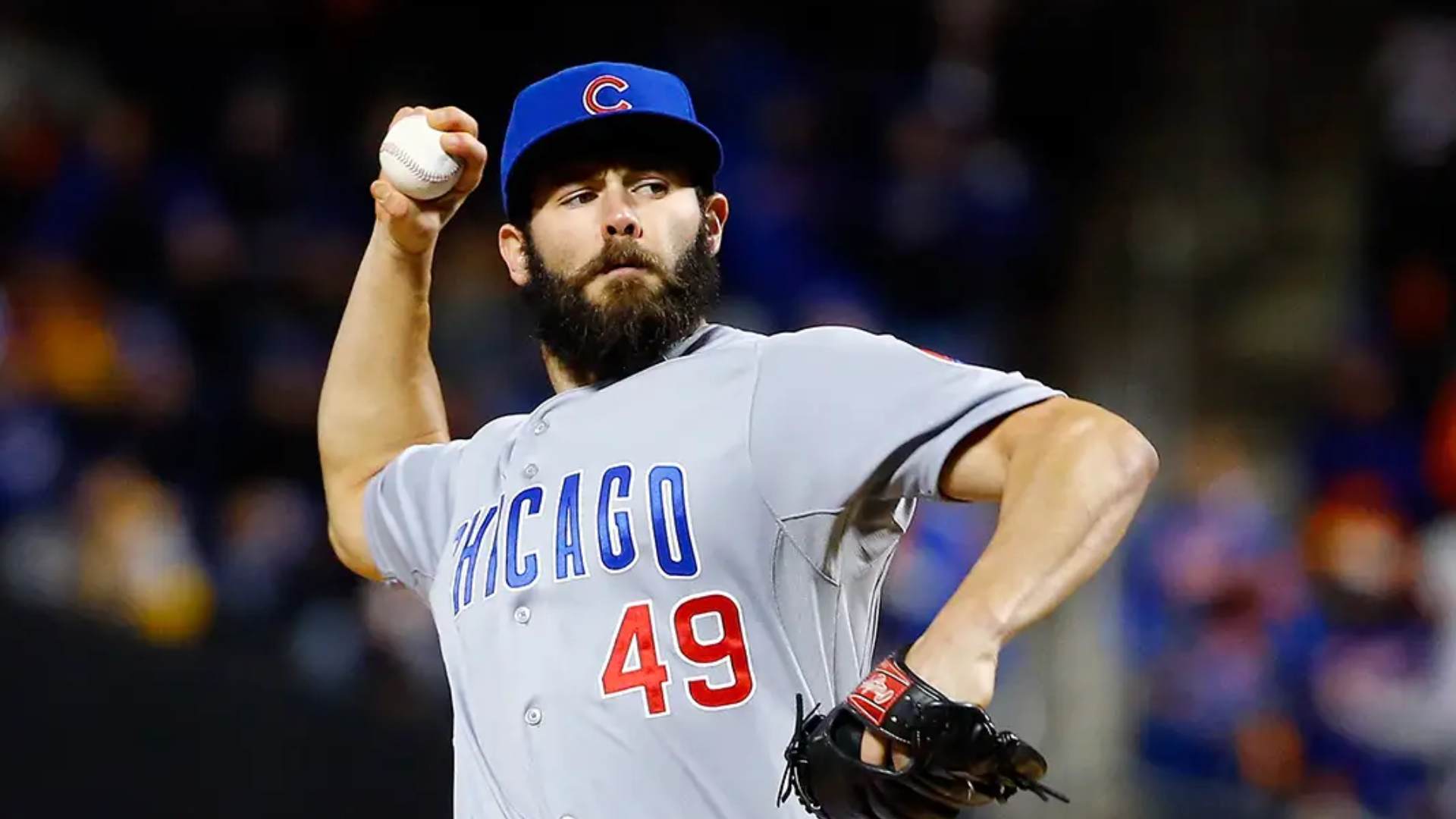
Chicago Cubs pitcher Jake Arrieta raised eyebrows when he opted out of the Cubs’ White House visit in 2016. His reasoning was never officially explained, but his social media activity told the story. Arrieta had tweeted support for Trump’s controversial border wall plan, which clashed with the Obama White House’s stance. His absence was read as a quiet political alignment, showing how athletes’ personal views could spill into national headlines.
15) Brock Osweiler - 2016
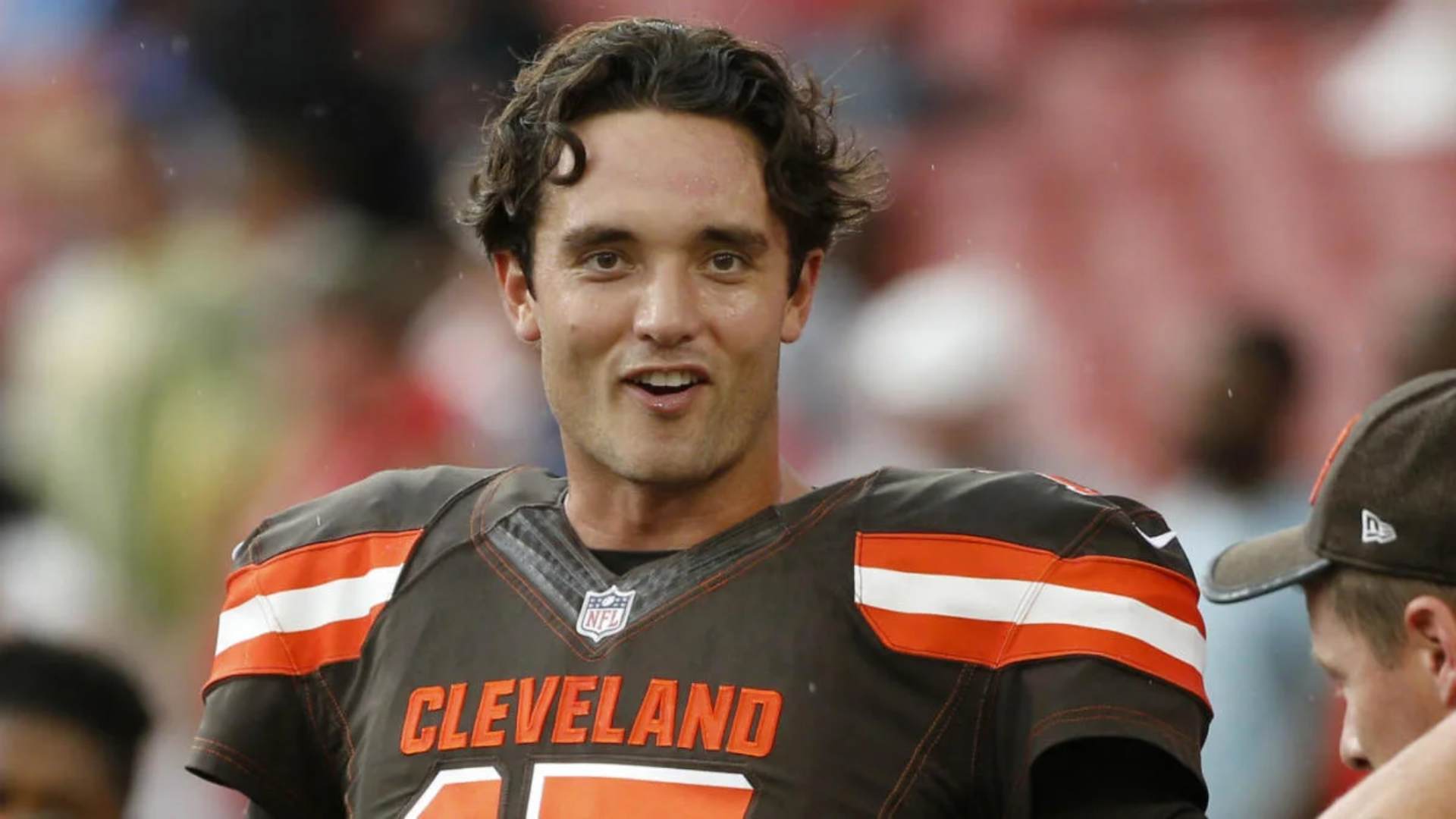
When the Denver Broncos celebrated their 2016 Super Bowl win, quarterback Brock Osweiler chose not to attend the White House ceremony. No specific reason was given, leaving the media to speculate whether it was due to contract negotiations, personal differences, or simple disinterest. Though Osweiler wasn’t the team’s biggest star, his absence added another name to the growing list of players who no longer saw the White House visit as an obligation.
14) Tom Brady - 2015
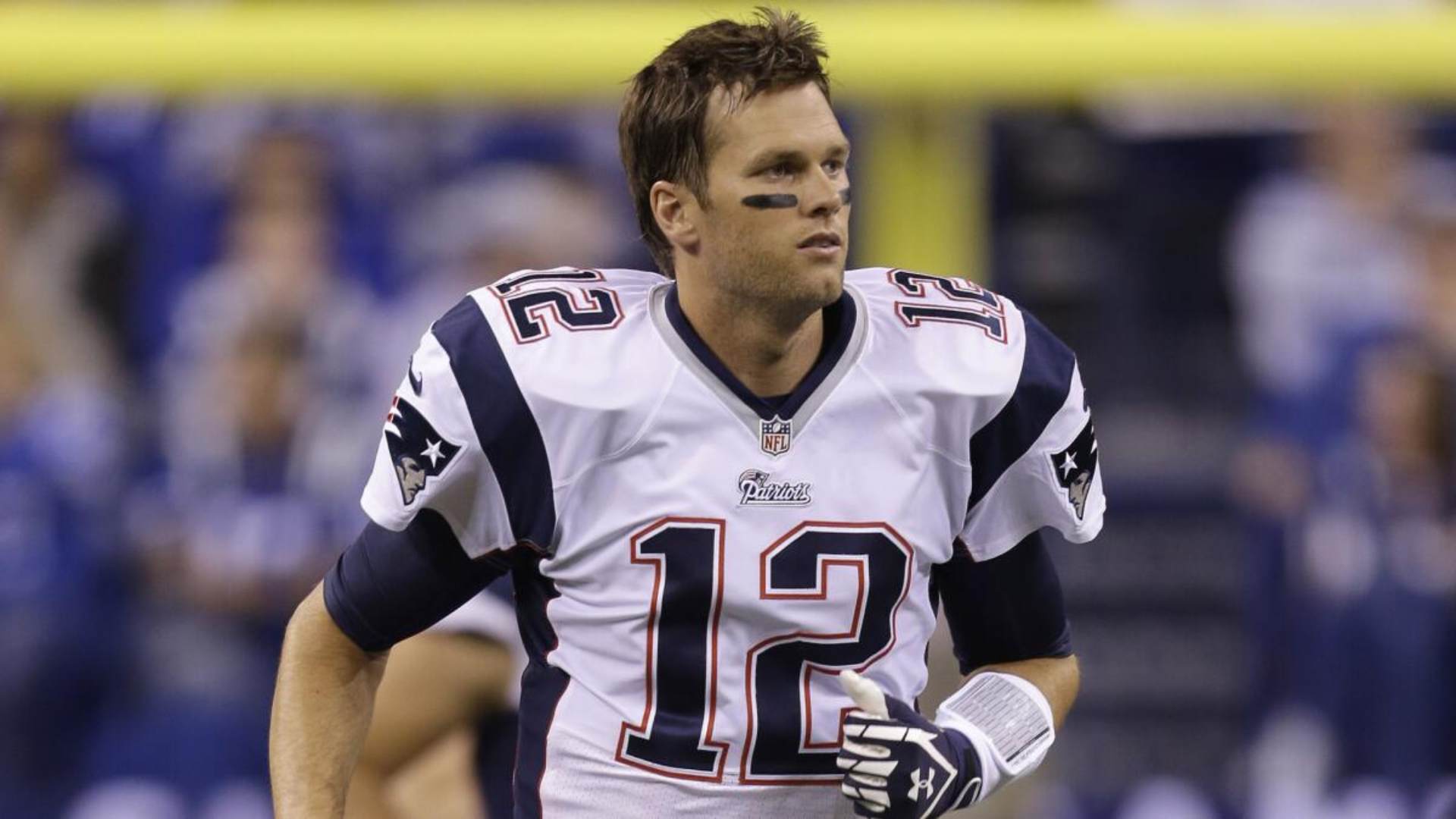
After winning Super Bowl XLIX with the New England Patriots, Tom Brady skipped the White House visit with President Obama, citing a prior “family commitment.” His absence sparked controversy because of rumors surrounding his alleged ties to politics and the then-developing “Deflategate” scandal. Brady downplayed the speculation, but many fans and media figures wondered if there was more to his decision than a simple scheduling conflict.
13) Manny Fernandez - 2013
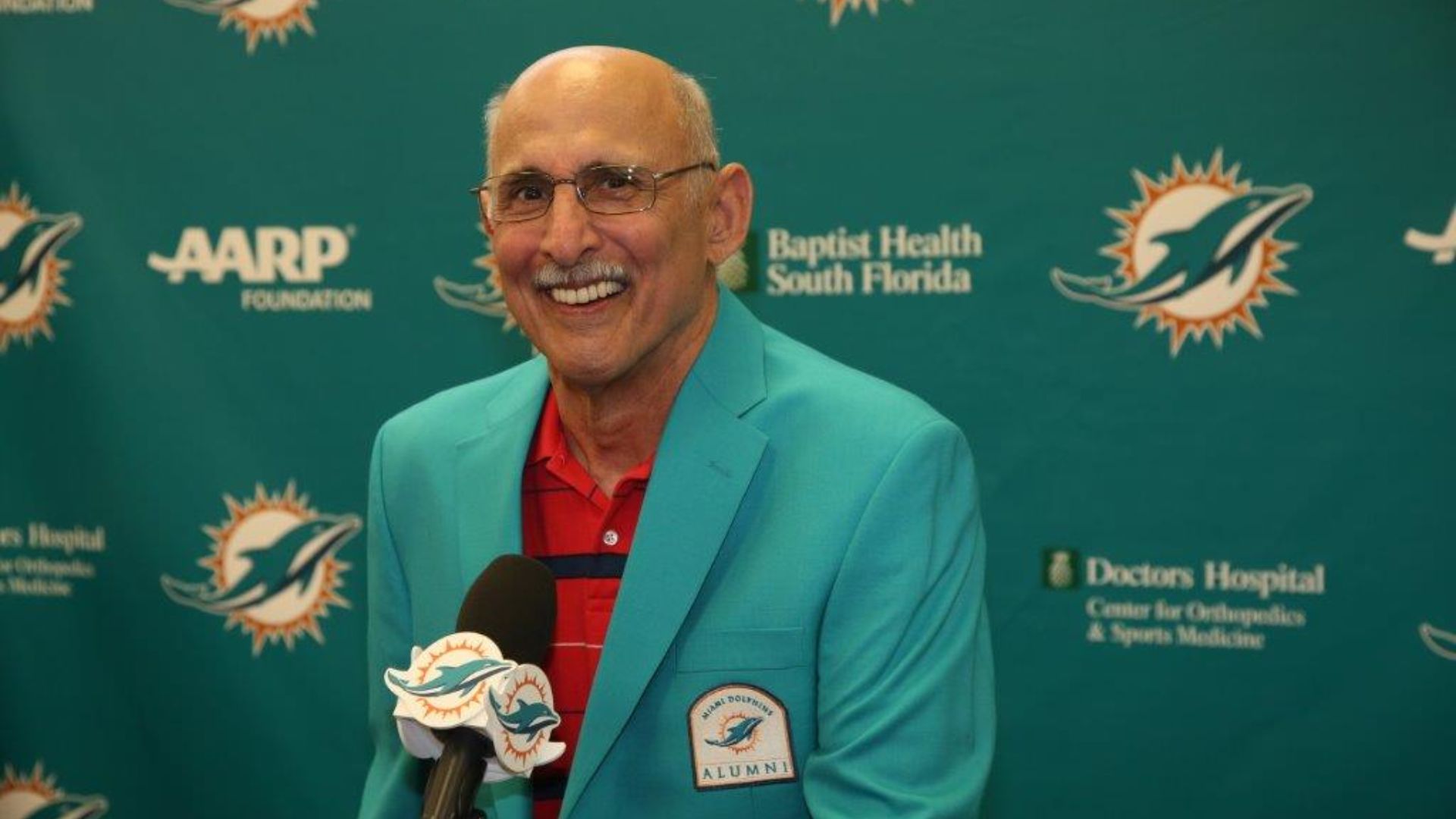
Dolphins defensive standout Manny Fernandez joined Langer and Kuechenberg in refusing the 2013 White House invitation. He didn’t mince words, saying his views were “diametrically opposed to the president’s.” Unlike others who cited family or scheduling conflicts, Fernandez openly made it political, reinforcing that athletes sometimes saw declining the White House not just as a personal choice but as a form of protest.
12) Tom Brady - 2017
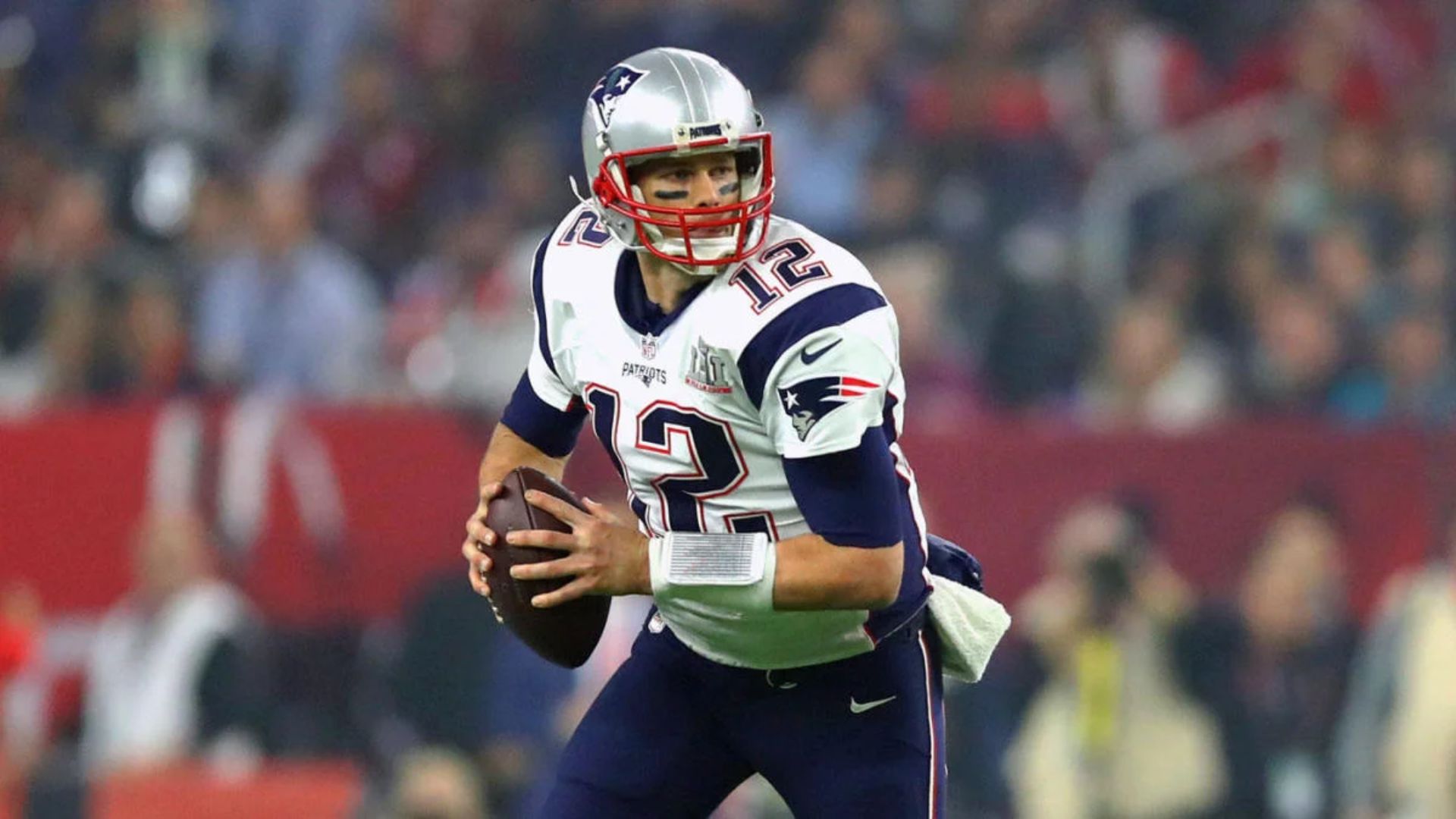
Two years later, Brady again skipped a White House visit—this time with President Trump after the Patriots’ 2017 Super Bowl win. This refusal was more personal: Brady’s mother was battling cancer at the time, and he stayed by her side instead. While his absence wasn’t political, it fueled speculation due to his past friendship with Trump. The media firestorm again showed how much weight the quarterback’s presence - or lack thereof - carried.
11) Bob Kuechenberg - 2013
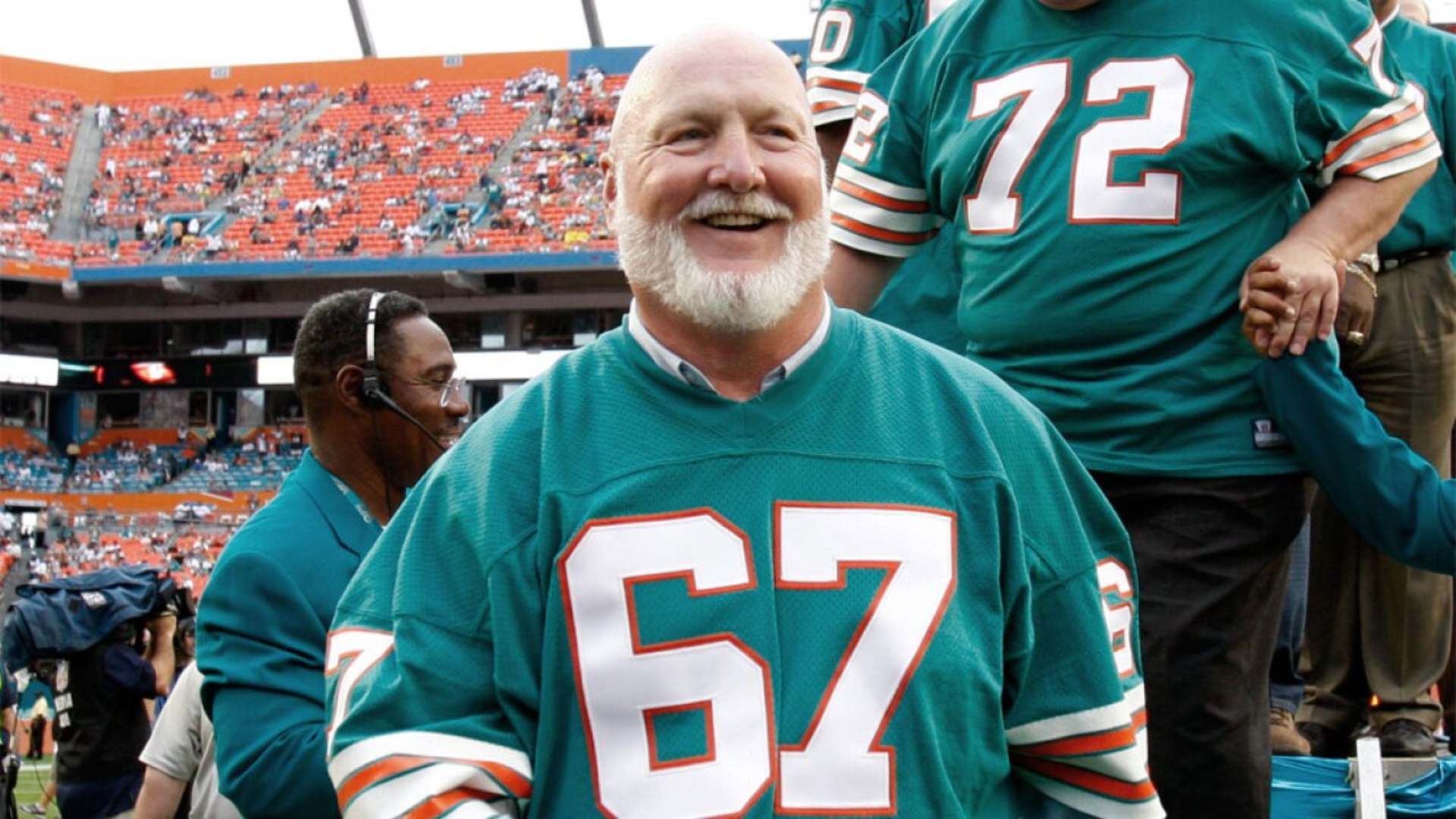
Another member of the 1972 Dolphins, Bob Kuechenberg, also skipped the 2013 White House ceremony. Unlike Langer, Kuechenberg kept his reasoning simple: “If I don’t have anything good to say, I’d rather stay home.” His absence was a quieter protest, but paired with his teammates’ refusals, it underscored a larger political split within sports. The undefeated Dolphins, long celebrated as football royalty, were suddenly part of a heated White House controversy.
10) Jim Langer - 2013
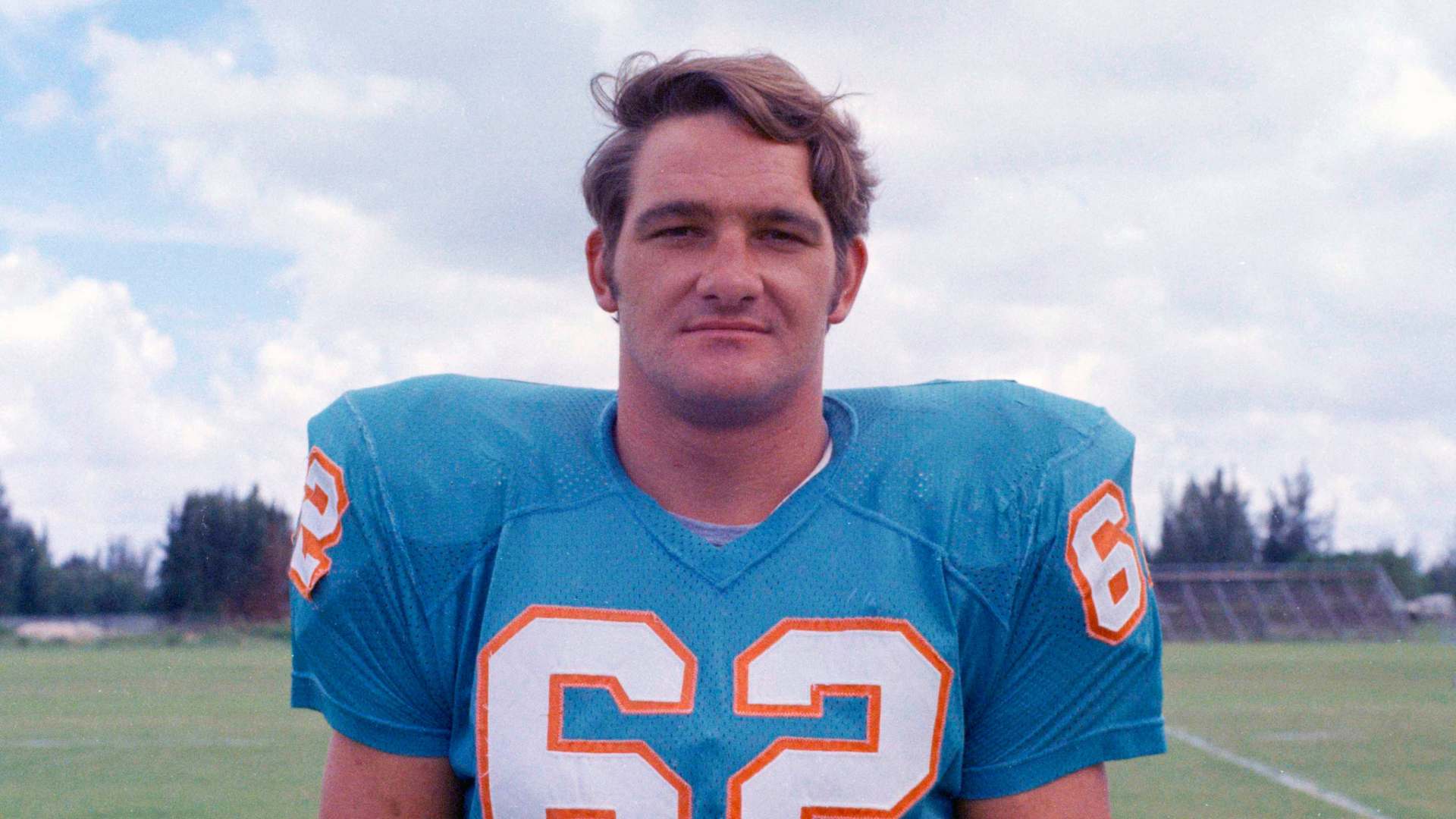
Hall of Famer Jim Langer, part of the legendary undefeated 1972 Miami Dolphins, refused to join his teammates at the White House in 2013. His explanation was direct: he had “real moral compass issues in Washington.” He said he wouldn’t feel right “pretending to have a good time” among politicians he couldn’t stand. Langer’s refusal showed that even decades after their playing days, athletes still felt the weight of political decisions when it came to the White House visit.
9) Matt Birk - 2013
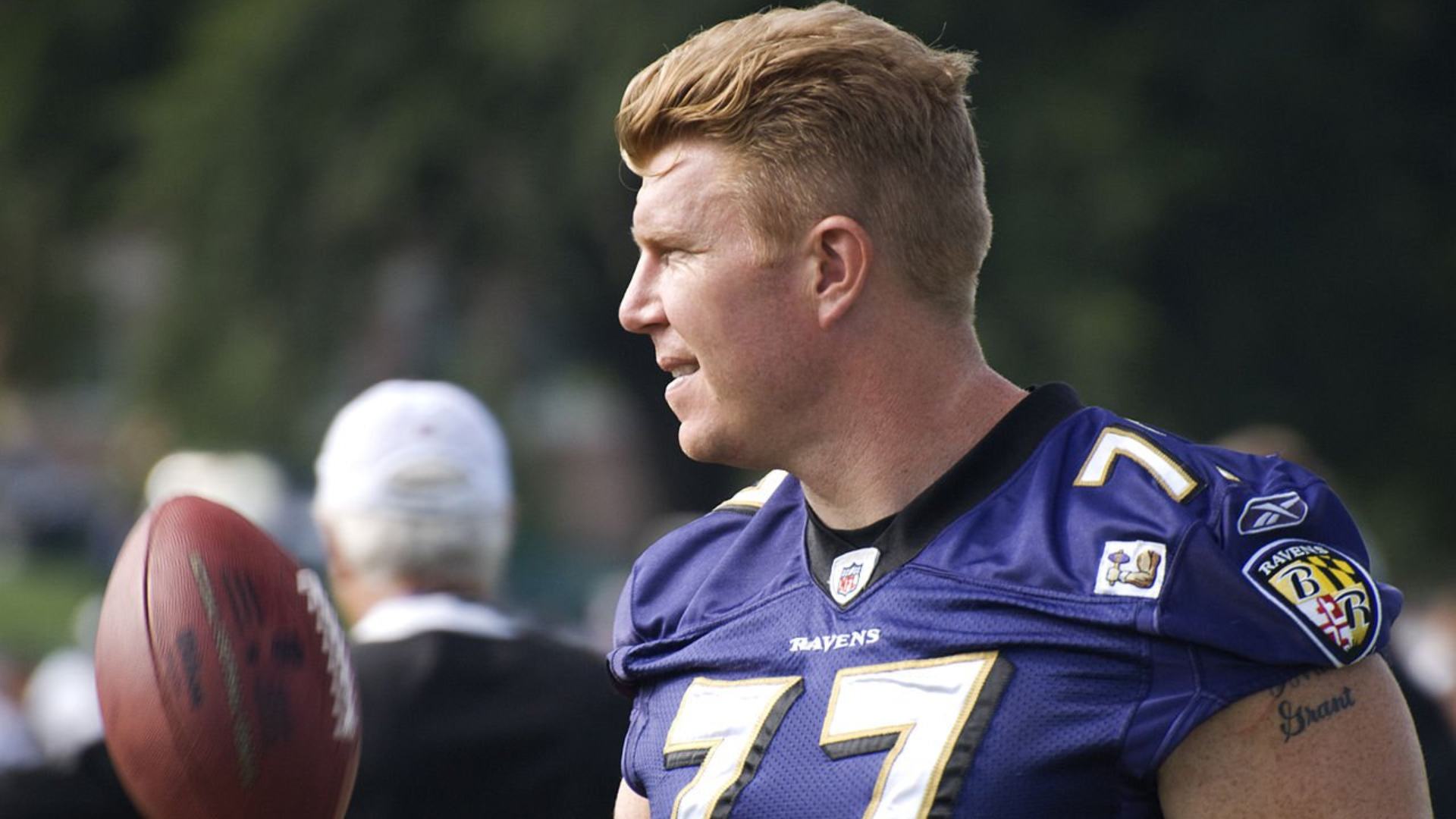
Minnesota Vikings center Matt Birk, a devout Catholic, refused the Ravens’ White House visit in 2013 after their Super Bowl win. His reason was pointed: he opposed President Obama’s support for Planned Parenthood. Birk publicly stated that he couldn’t in good conscience attend because it would signal approval of something that clashed with his personal beliefs. His principled stand made headlines and highlighted how deeply personal politics can intersect with sports traditions.
8) Tim Thomas - 2012
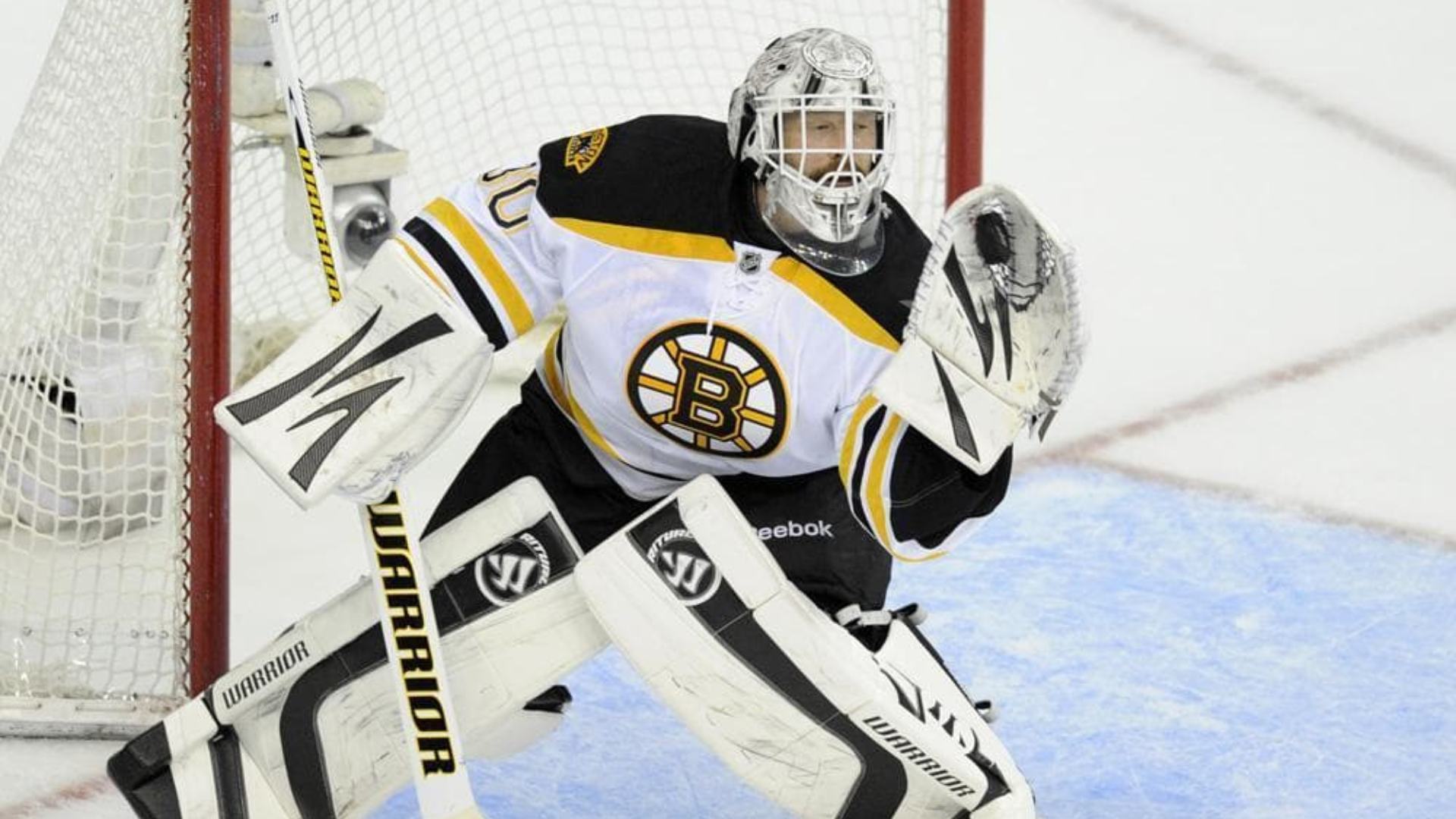
Boston Bruins goalie Tim Thomas made headlines for one of the boldest refusals in White House history. After the Bruins’ Stanley Cup win, Thomas skipped the visit with President Obama, saying he believed the federal government had “grown out of control.” A staunch libertarian, Thomas framed his decision as a matter of principle rather than politics. His absence sparked national debate, dividing fans between those who respected his stand and those who accused him of politicizing a tradition.
7) Tony La Russa - 2012
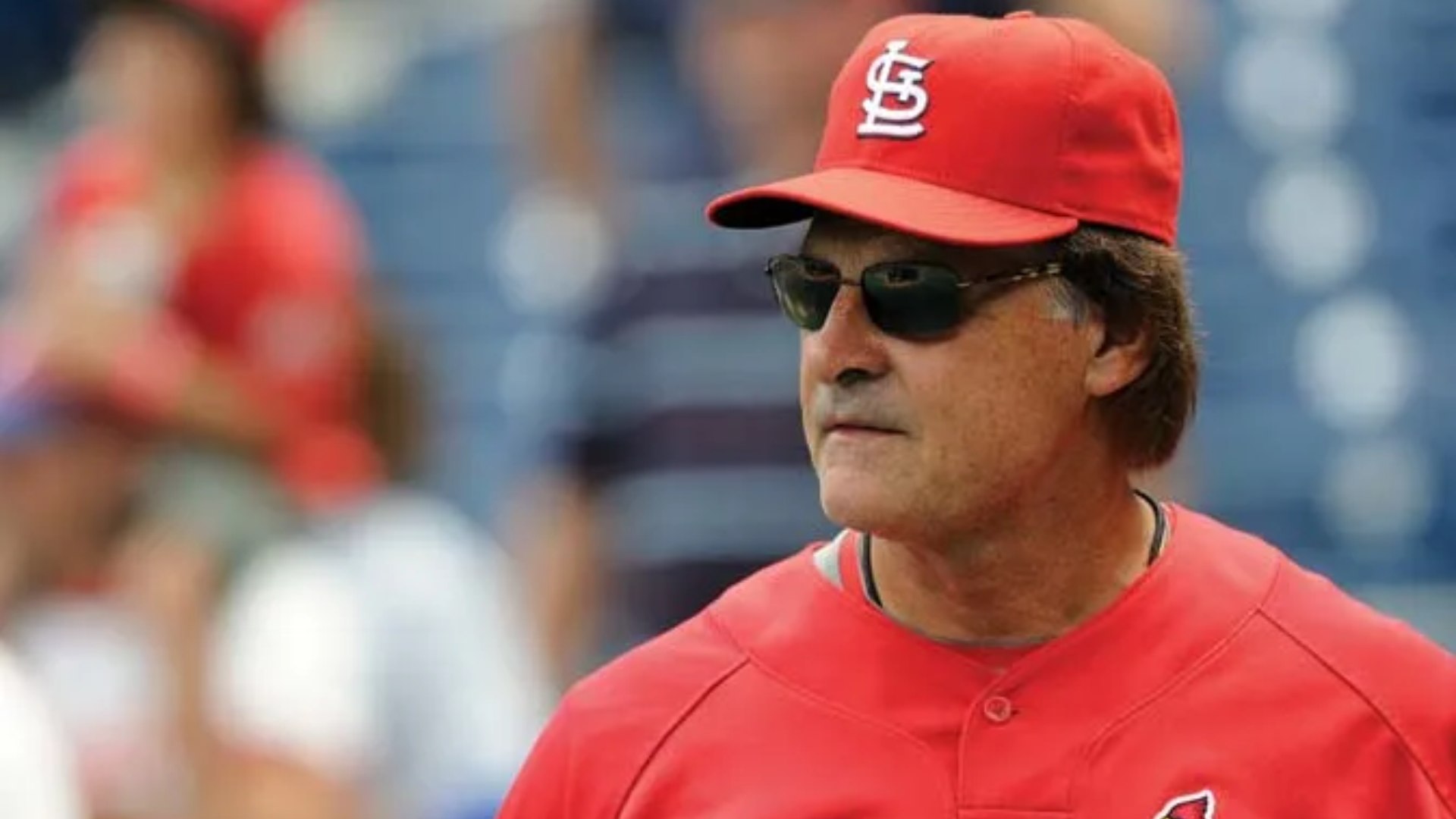
Alongside Pujols, legendary Cardinals manager Tony La Russa also skipped the team’s White House event in 2012. La Russa, who had just retired after winning the World Series, never gave a public explanation, though many assumed he had moved on from baseball entirely and saw no need for the ceremonial recognition. His absence meant that two of the Cardinals’ most defining figures of the championship year were not part of the White House photo op.
6) Albert Pujols - 2012
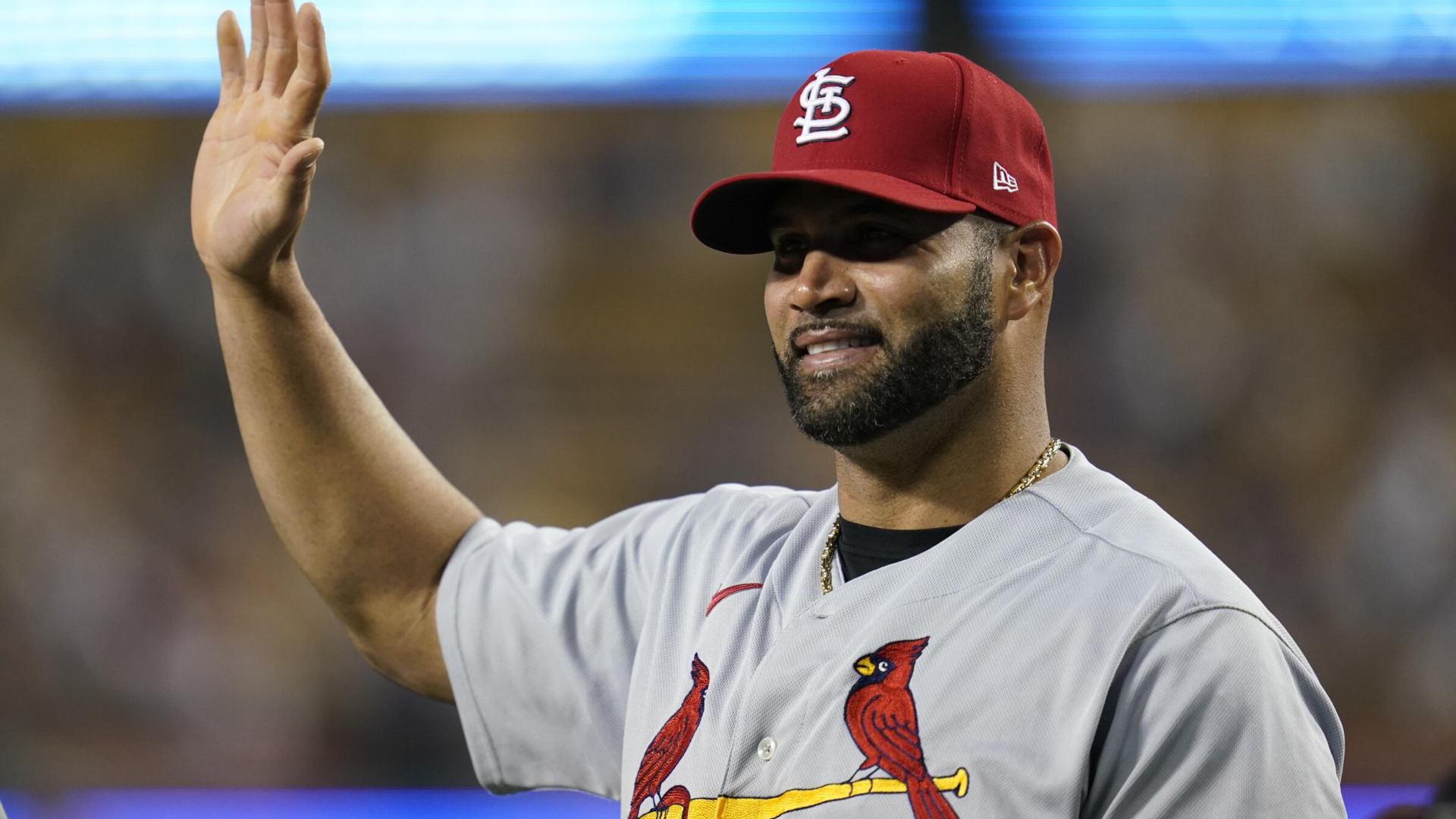
When the St. Louis Cardinals were invited to the White House by President Obama in 2012 following their 2011 World Series win, Albert Pujols - arguably the biggest star of the team - did not attend. No official explanation was given, but speculation tied his absence to his exit from the franchise, having just signed with the Los Angeles Angels. His refusal was subtle, but it stood out: the team’s most important player wasn’t there to celebrate their title on the biggest political stage.
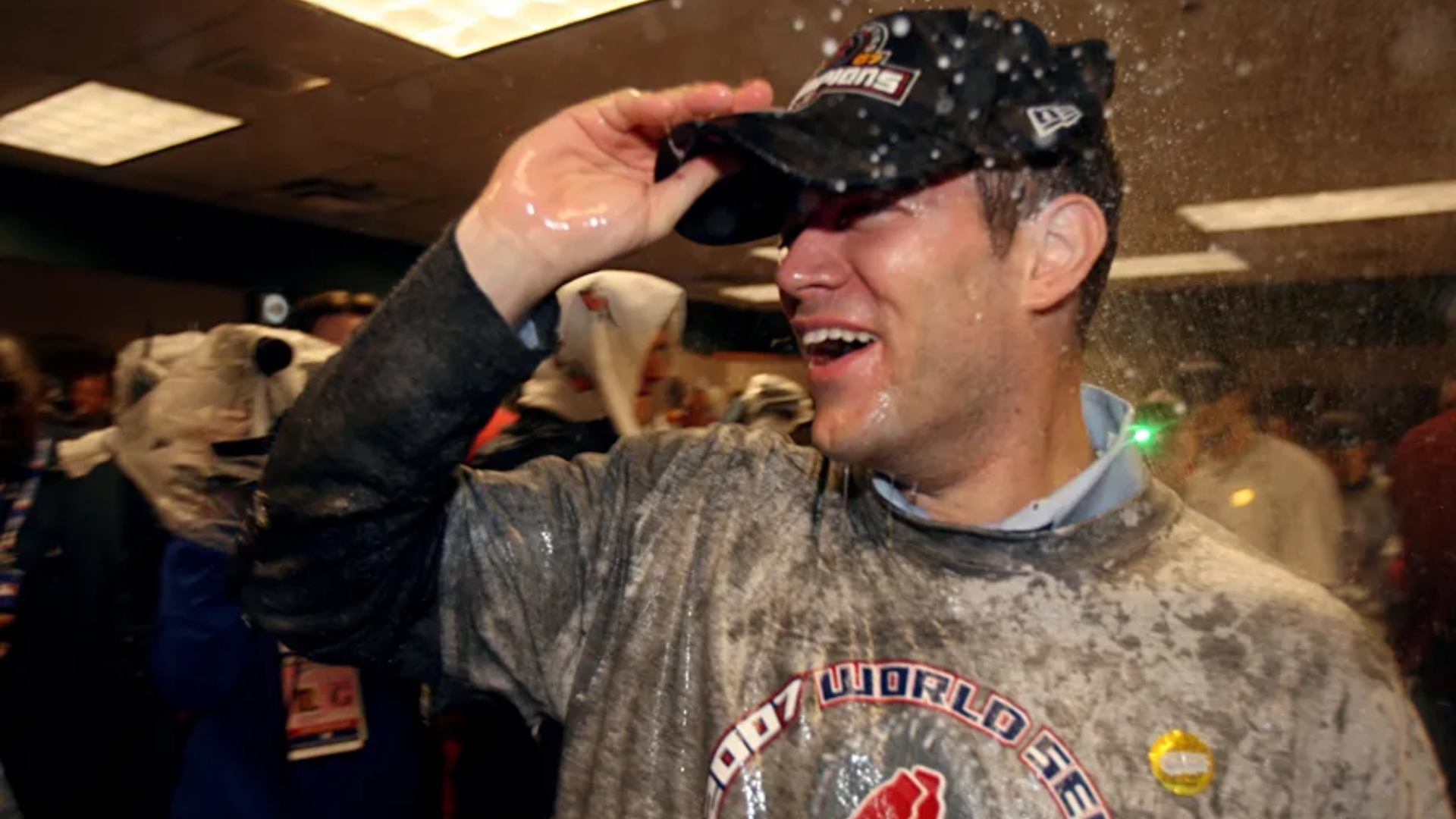
5) Theo Epstein - 2011
Red Sox general manager Theo Epstein also skipped the team’s White House visit in 2007, citing “family reasons.” While far less dramatic than Manny Ramirez’s unexplained absence, Epstein’s decision still raised eyebrows. As the architect behind Boston’s long-awaited championships, Epstein’s presence would have been significant. His choice not to attend was chalked up to personal obligations, but the media still speculated whether politics played a role.
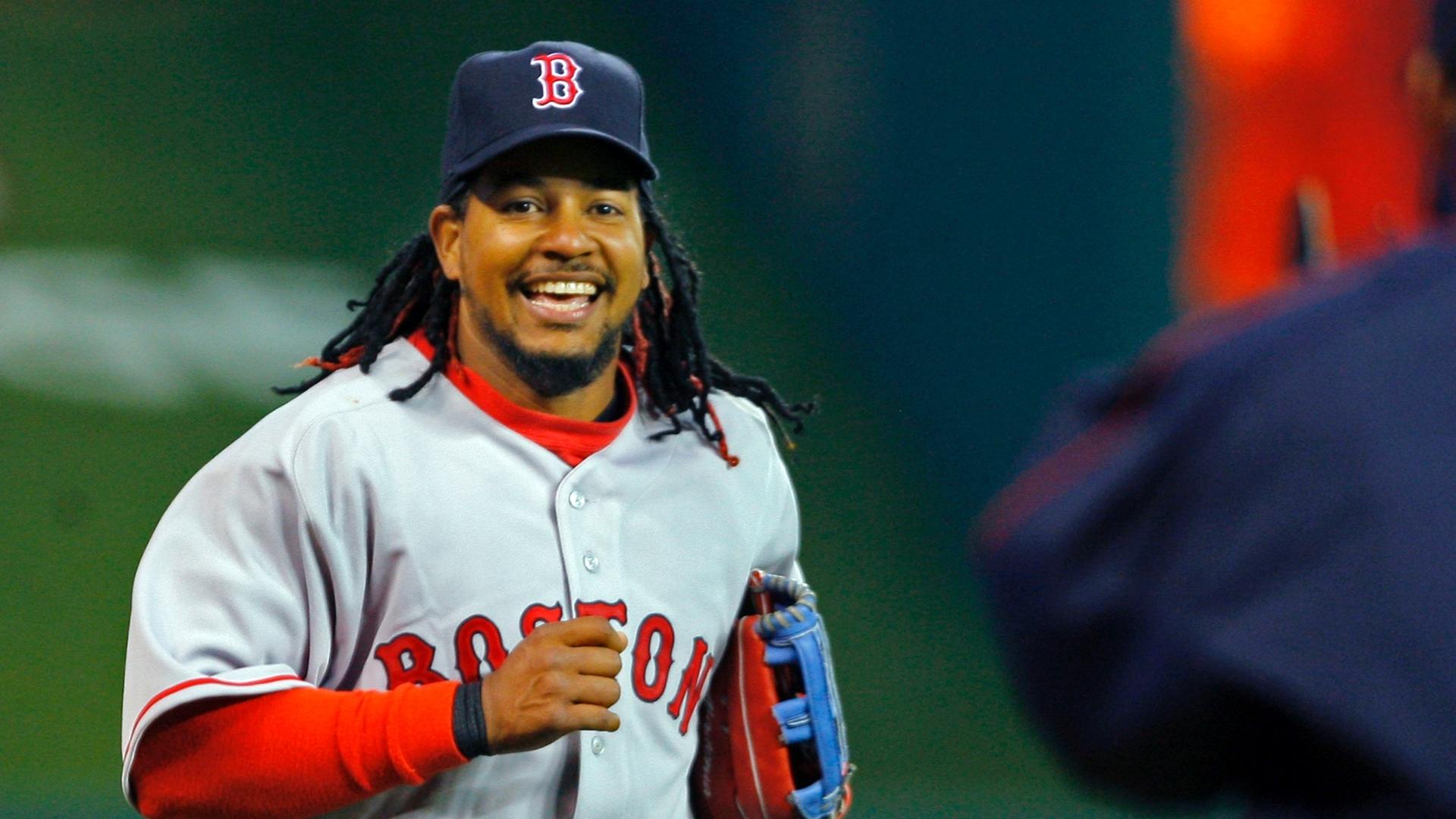
4) Manny Ramirez - 2007
When the Boston Red Sox visited President George W. Bush at the White House in 2007, star slugger Manny Ramirez was nowhere to be seen. No official reason was given, but it fit perfectly with the running joke of “Manny being Manny.” While the rest of the team celebrated in the spotlight, Ramirez’s absence was quietly excused, but it highlighted his unpredictable and rebellious personality. For a player known for eccentricities, skipping the president was just another notch in his unpredictable career.
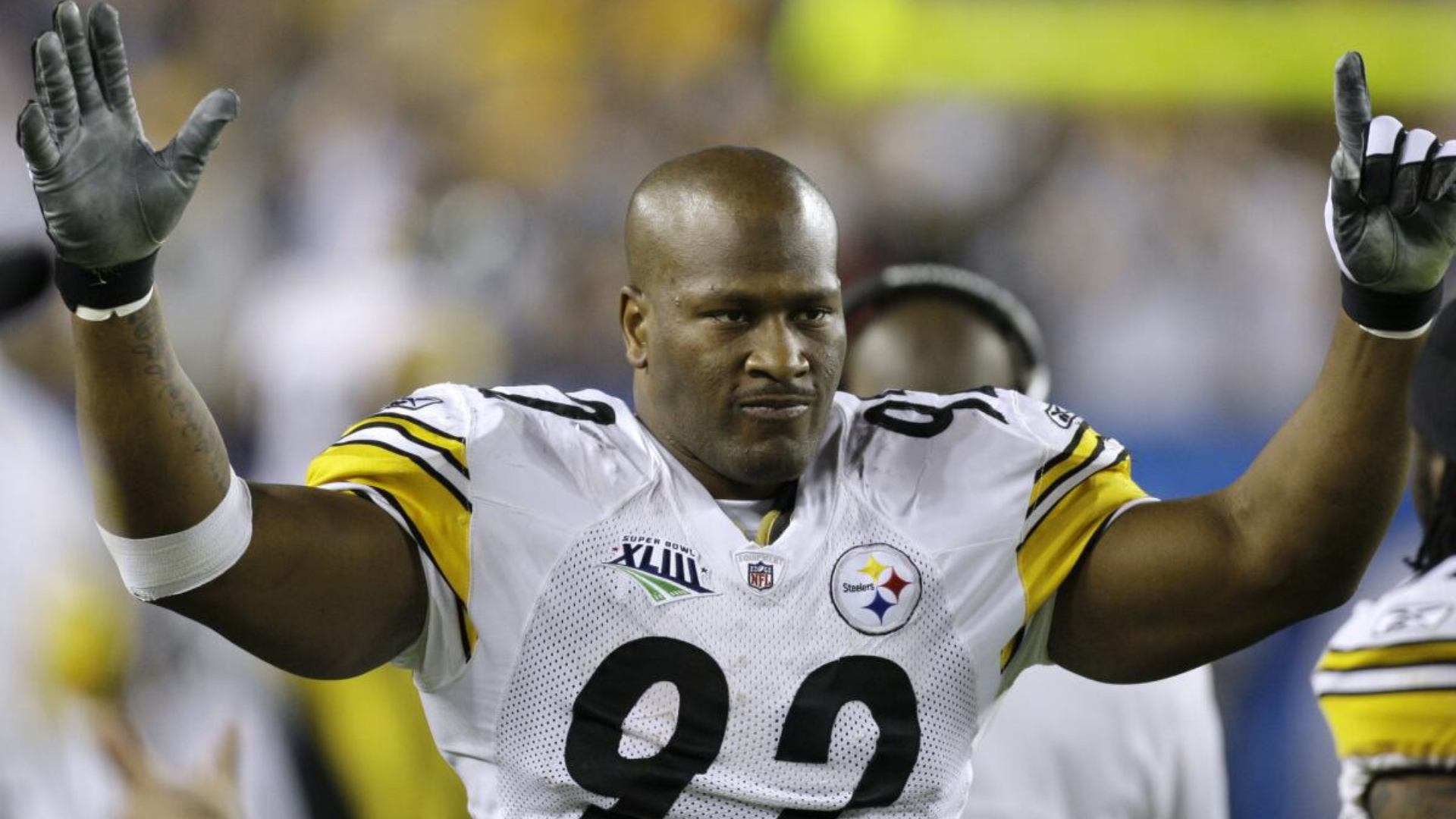
3) James Harrison - 2006 and 2009
Pittsburgh Steelers linebacker James Harrison became infamous for snubbing the White House—twice. After the Steelers’ Super Bowl wins in 2006 and 2009, he refused to join his teammates for the celebratory visit. His reasoning was dismissive: “If you want me to come, then invite me when we lose.” Harrison believed the invitation was about politics, not football glory, and downplayed the tradition entirely. His bluntness ruffled feathers but made him one of the rare players to reject multiple presidential invites without apology.
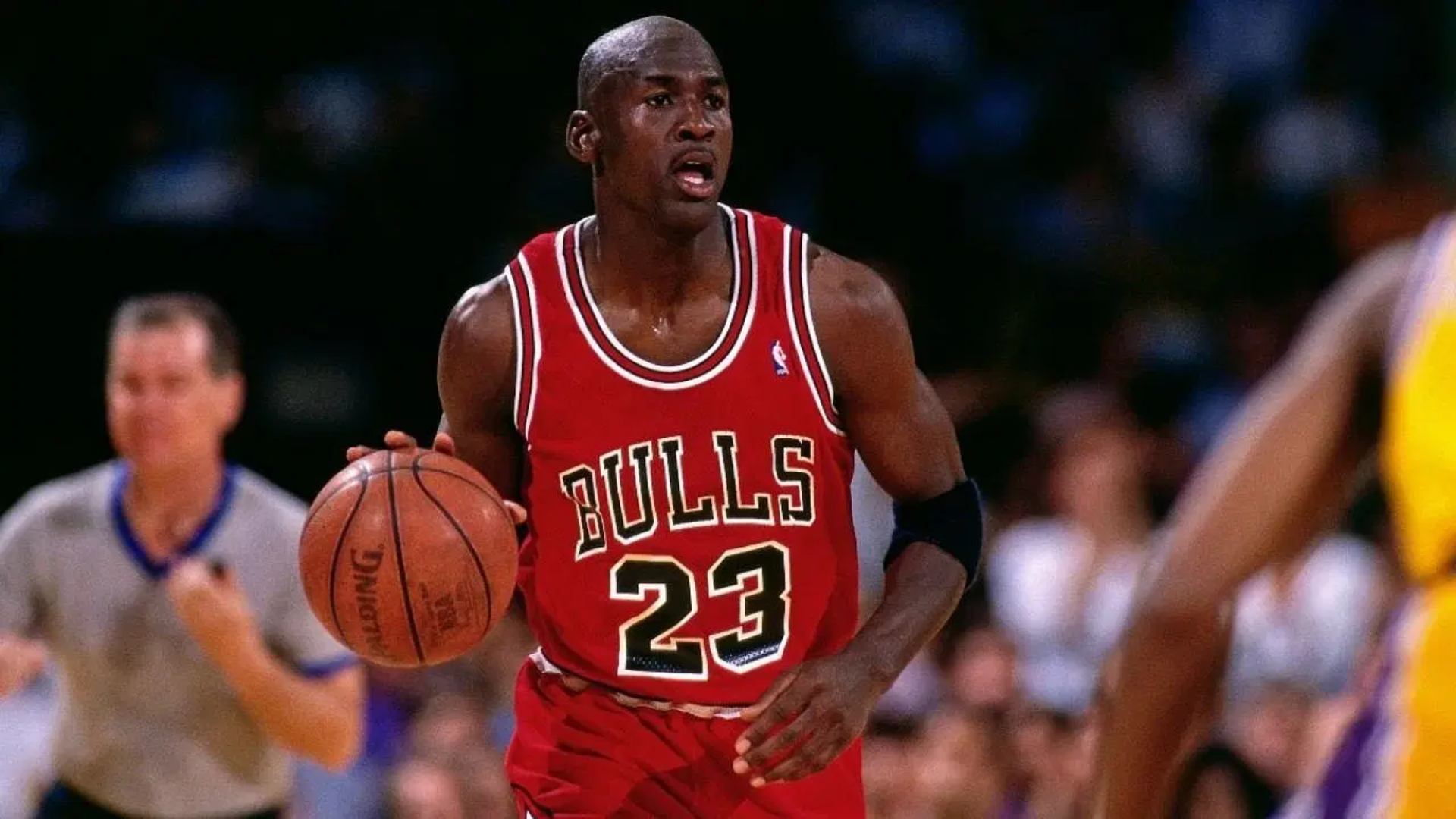
2) Michael Jordan - 1991
In 1991, Michael Jordan and the Chicago Bulls won their first NBA Championship, and the team was invited to the White House by President George H.W. Bush. Jordan, however, skipped the visit, citing that he was on a family vacation. Rumors swirled that he had actually chosen golf—or even gambling trips—over the ceremony. Whatever the truth, his decision set off a storm of media chatter, as Jordan was at the peak of his superstardom. “It’s my prerogative,” he later remarked, showing that even the greatest player in the world didn’t feel bound by tradition.
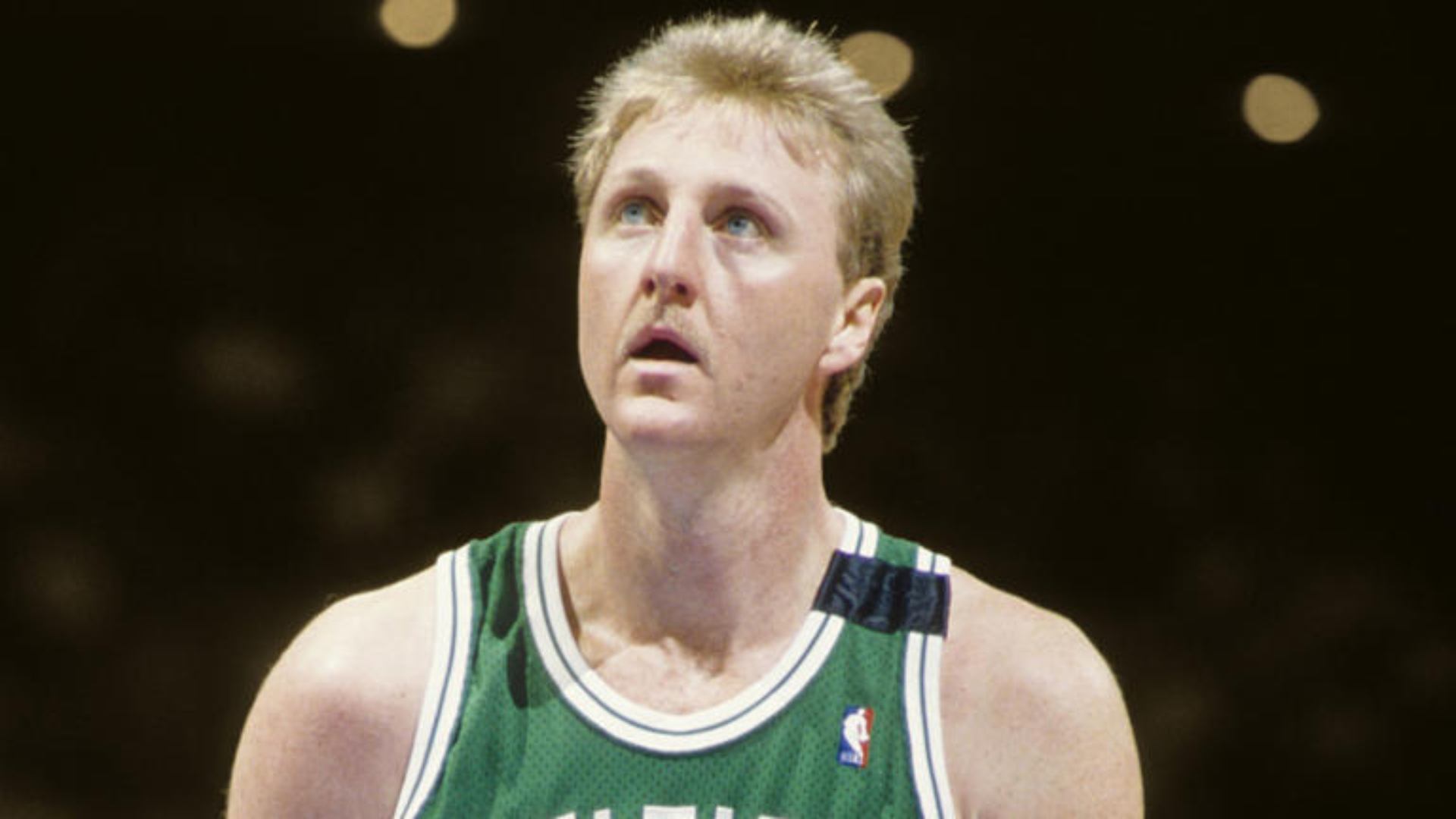
1) Larry Bird - 1984
When the Boston Celtics won the 1984 NBA Championship, the team was invited to the White House to meet President Ronald Reagan. Larry Bird, the face of the Celtics dynasty, refused to attend. His reason was blunt and unforgettable: “If the president wants to see me, he knows where to find me.” Bird wasn’t one for ceremonies or politics, and his dismissal of such a high-profile event cemented his reputation as a no-nonsense superstar who didn’t care for public pageantry. It was one of the earliest instances of a high-profile athlete publicly brushing off the honor.