
25 Greatest Carryjobs In NBA History
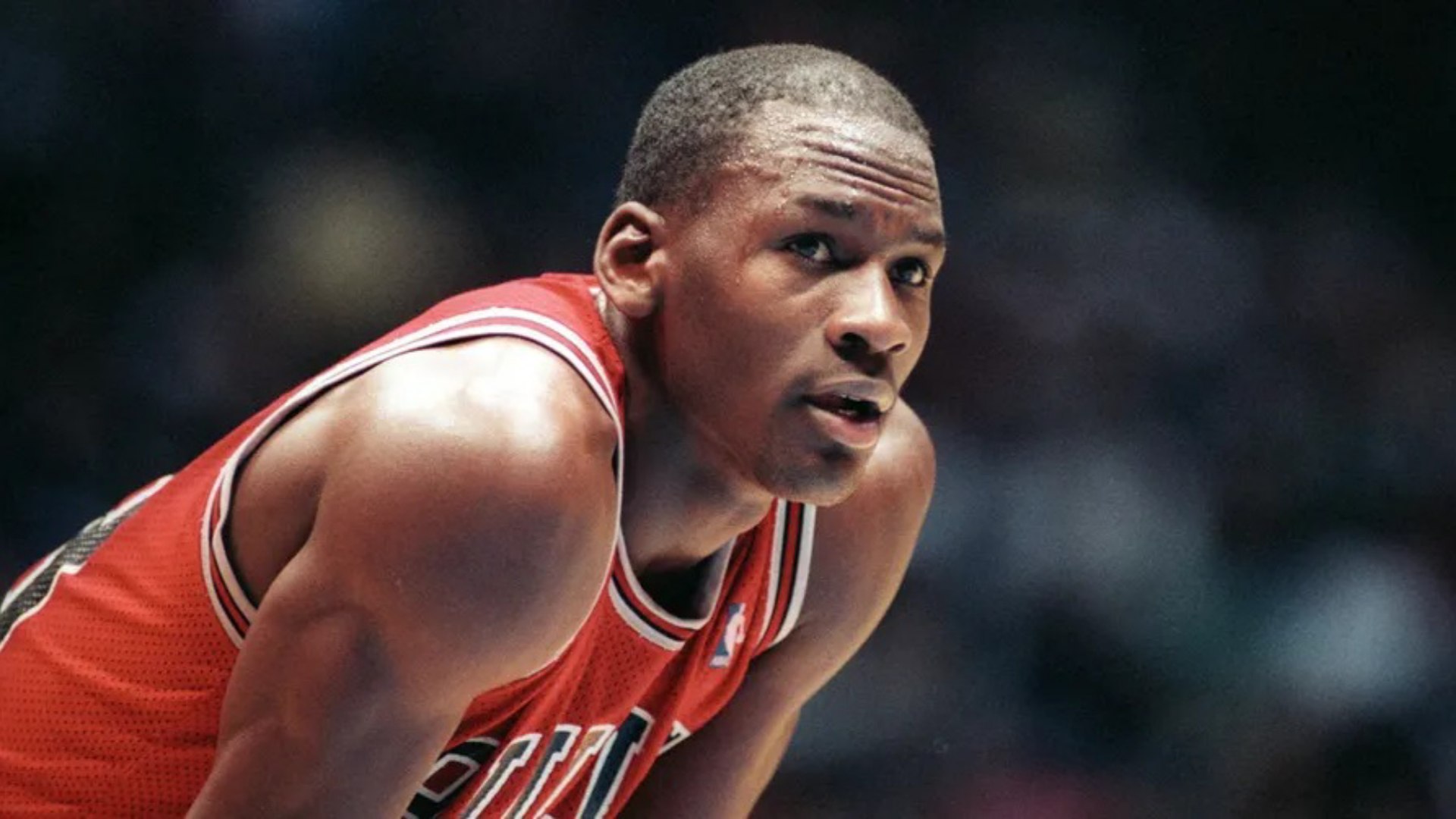
Michael Jordan, 1986
Jordan's legendary 63-point playoff performance came just months after he missed 64 regular-season games with a broken foot. Despite averaging 43.7 points per game against the Boston Celtics, his limited supporting cast was no match for the powerhouse team, and the Bulls were swept in three games.
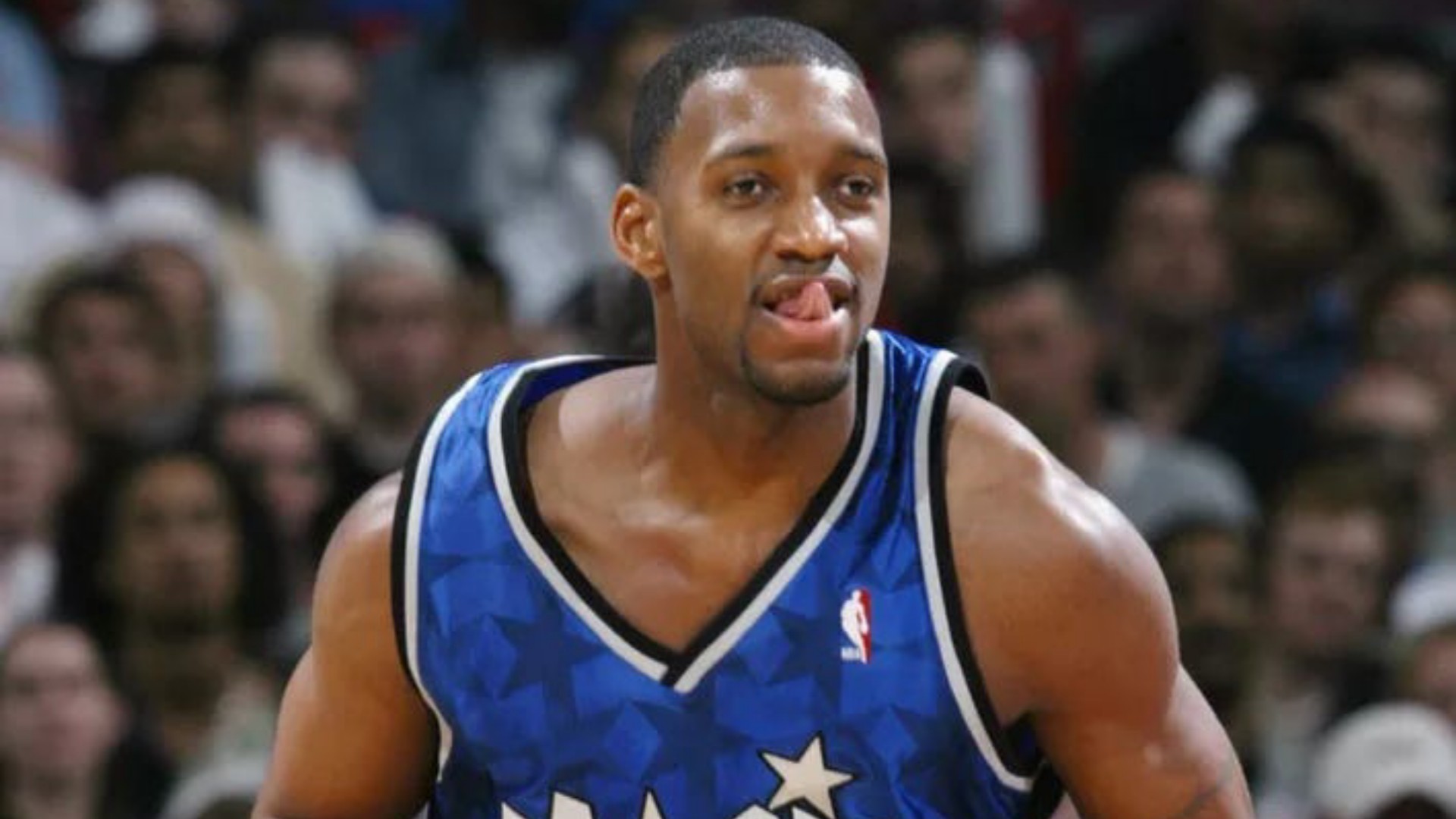
Tracy McGrady, 2003
McGrady won the scoring title and single-handedly led a thin Orlando Magic roster to a 3-1 series lead over the Pistons. Despite his immense playoff averages of 31.7 points, 6.7 rebounds, and 4.7 assists, the lack of a reliable second option led to a seven-game elimination.
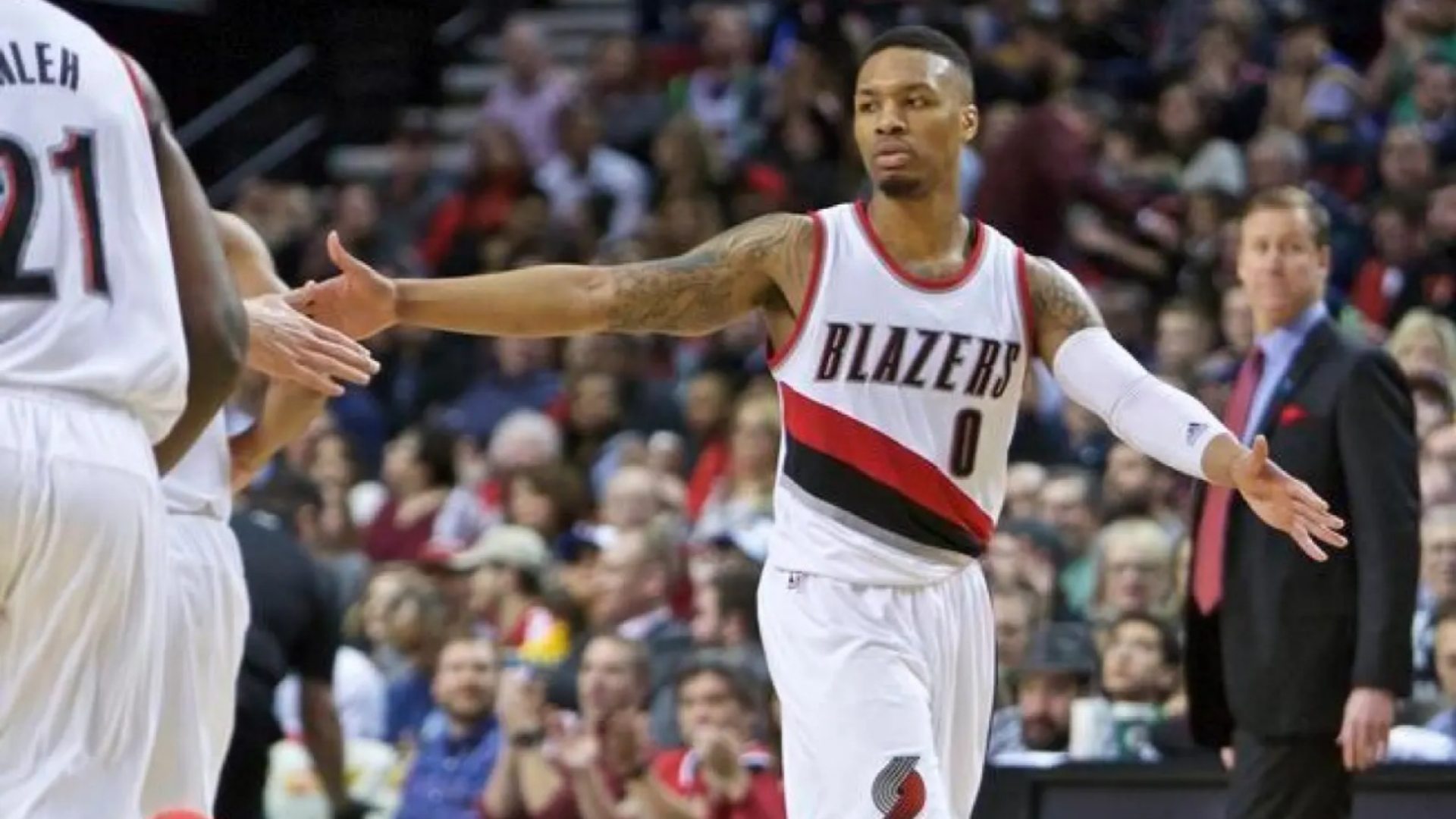
Damian Lillard, 2019
Lillard was the undisputed leader of a solid but not elite Blazers team that he carried to the Western Conference Finals. His iconic series-winning three-pointer from half-court against the Thunder and clutch performances cemented his reputation and highlighted his ability to elevate his team.
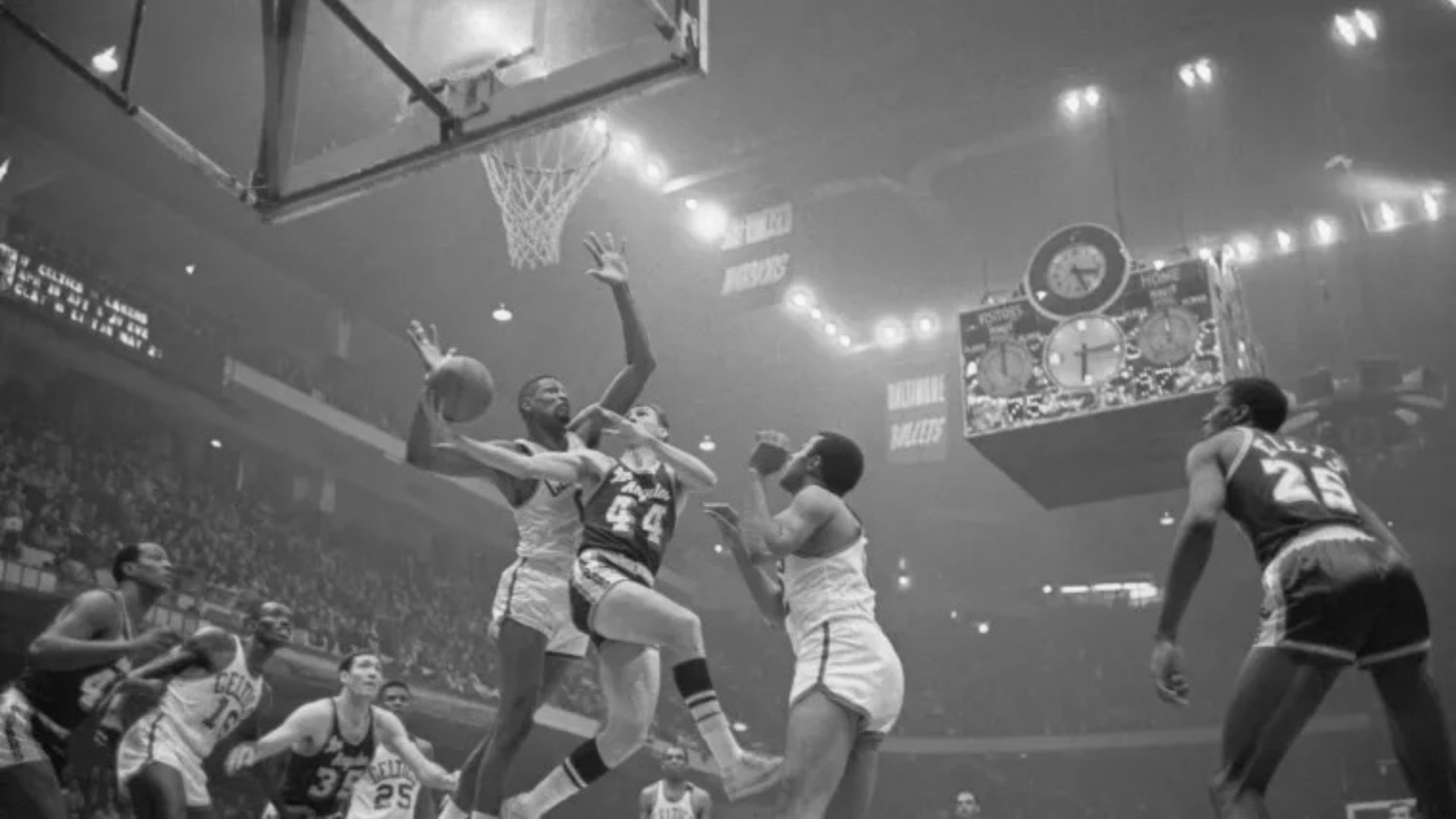
Jerry West, 1969
Despite playing with a hamstring injury, West delivered an otherworldly Finals performance with 37.9 points, 7.4 assists, and 4.7 rebounds per game. He was so dominant that he was named Finals MVP, the only player from a losing team ever to receive the award, as his star teammates underperformed.
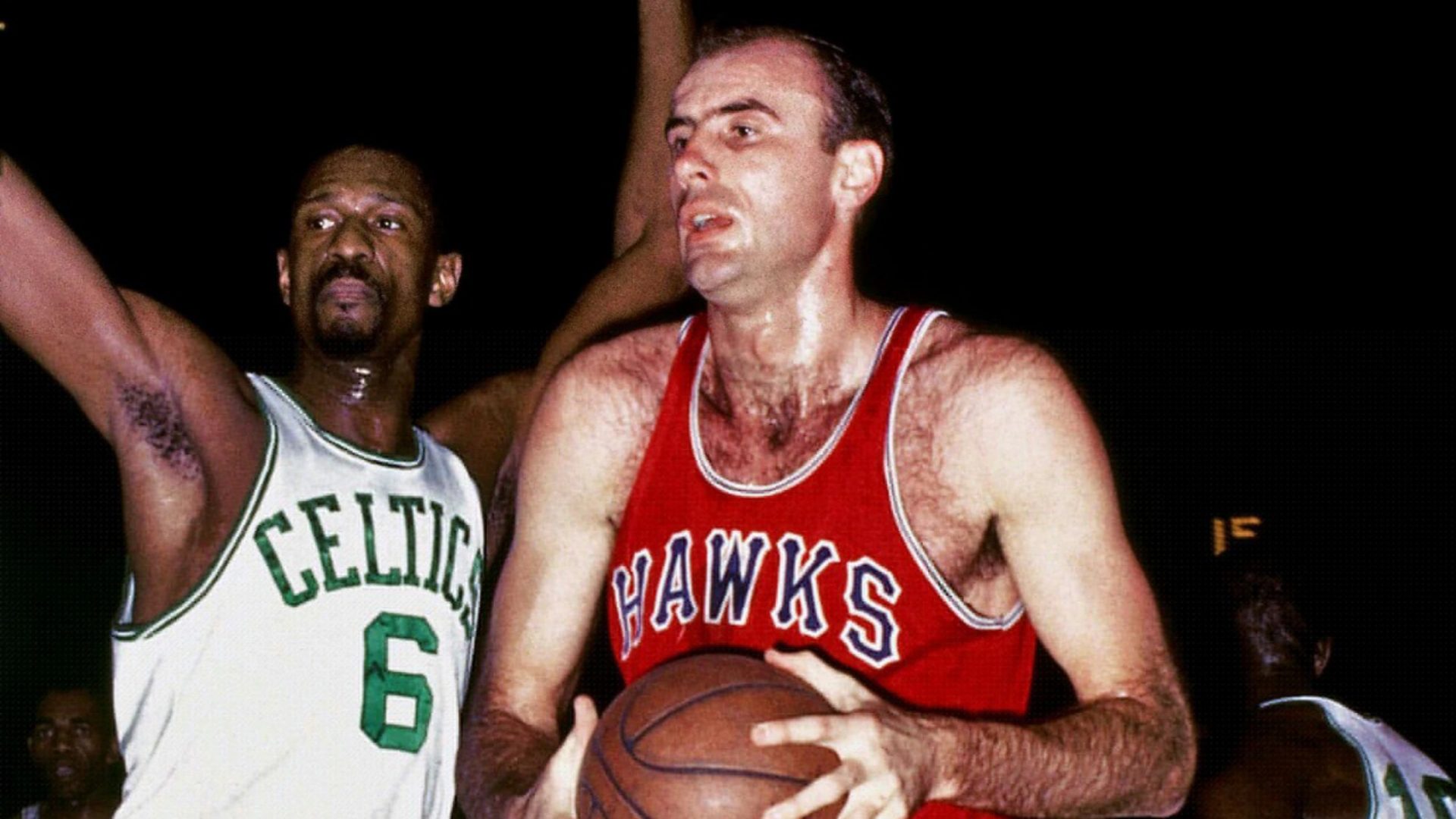
Bob Pettit, 1958
In a decisive Game 6 of the Finals against the Celtics, Pettit scored a historic 50 points and grabbed 19 rebounds to win the championship for the St. Louis Hawks. He scored 19 of his team's last 21 points, showcasing a monumental individual effort in a high-stakes moment .
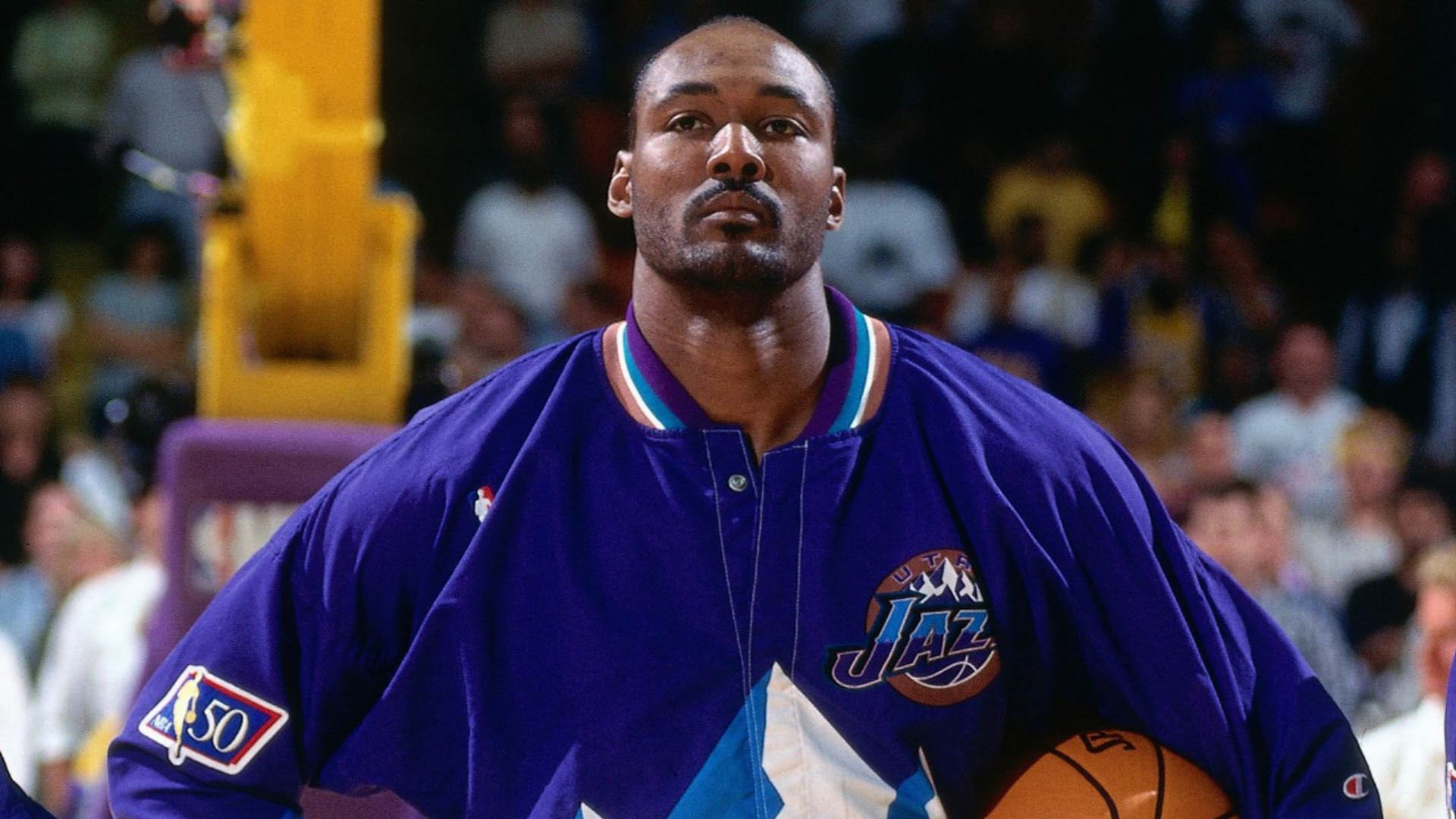
Karl Malone, 1998
As the offensive engine of a perennial contender, Malone led a veteran Jazz team to their second consecutive Finals. His consistent dominance throughout the season and playoffs, where he averaged 25.0 points and 10.5 rebounds, sustained his team’s championship aspirations against Michael Jordan’s Bulls.
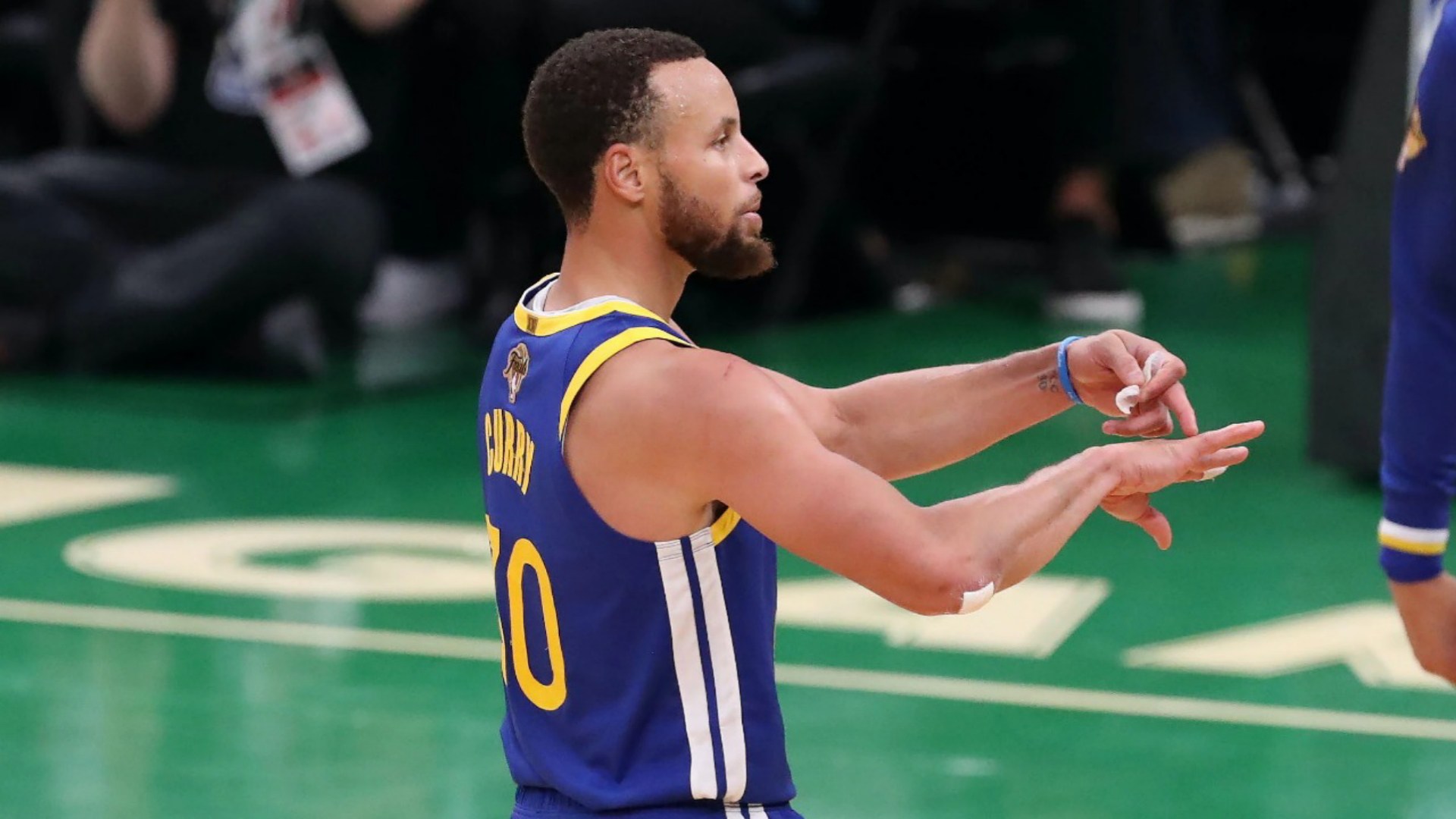
Stephen Curry, 2022
After two seasons of injuries to key players and team struggles, Curry led the Warriors back to championship glory. He averaged 27.4 points, 5.2 rebounds, and 5.9 assists in the playoffs and won his first Finals MVP, proving his ability to lead a team without a superteam roster.
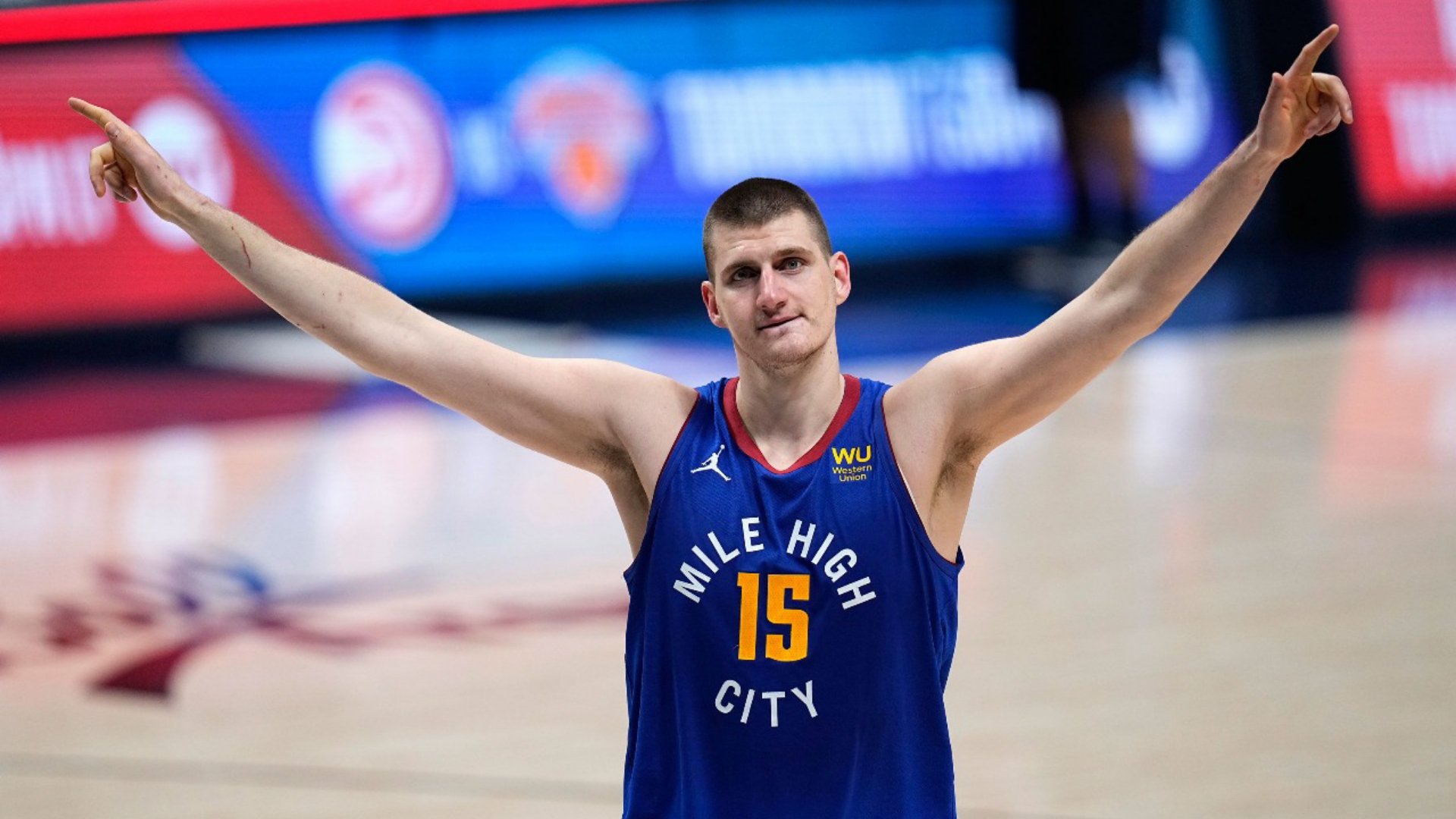
Nikola Jokic, 2021
Jokic had a dominant MVP season, carrying a deeply limited roster to a playoff berth. With his two primary co-stars injured, he was eliminated in the second round, but his immense statistical burden and heroic effort made it a memorable carry job.
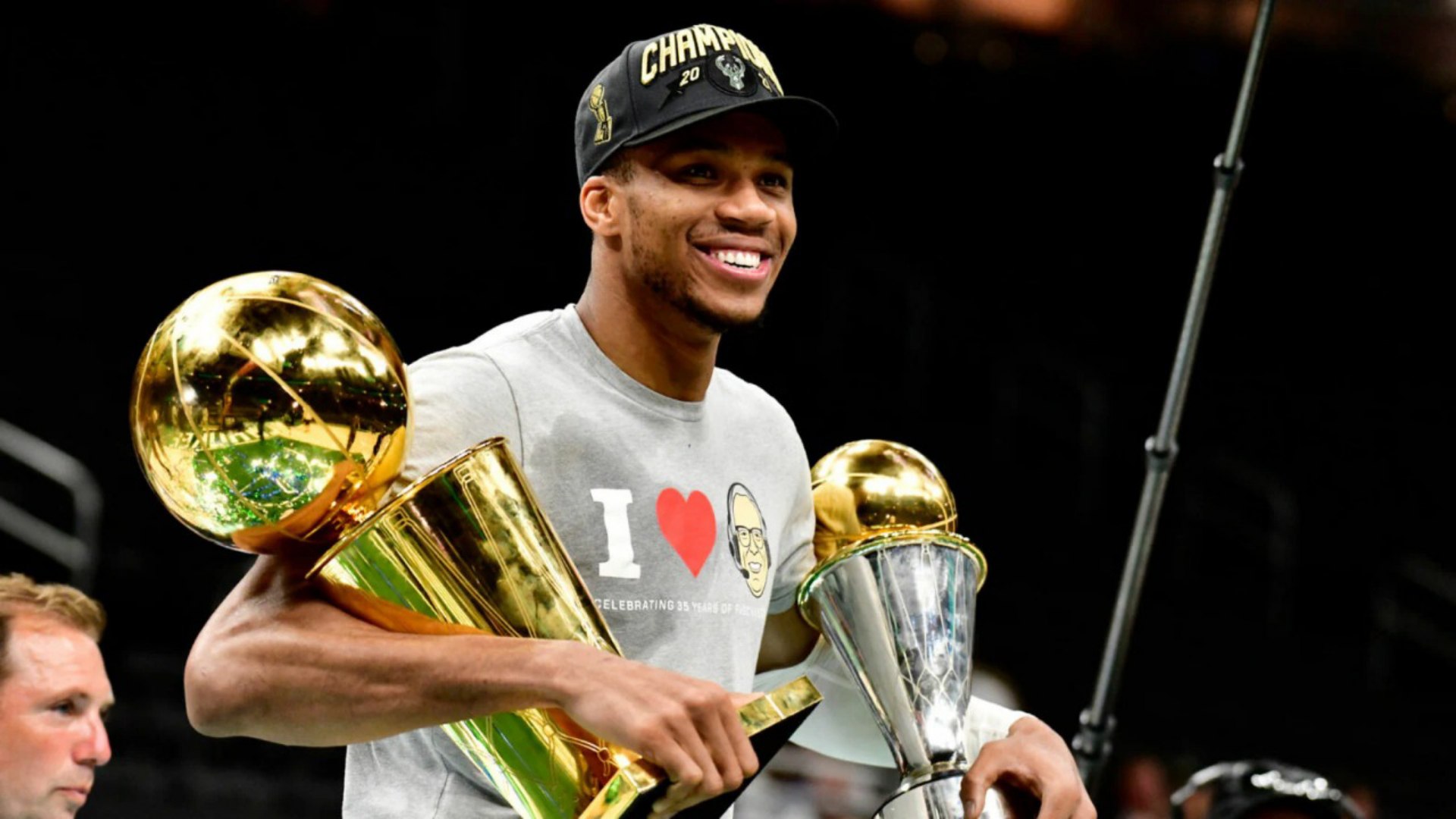
Giannis Antetokounmpo, 2021
While the Bucks had a solid supporting cast, Giannis’ Finals performance was a true carry job, where he single-handedly put the team on his back to win their first championship in 50 years. He delivered a historic 50-point, 14-rebound game in the series clincher.
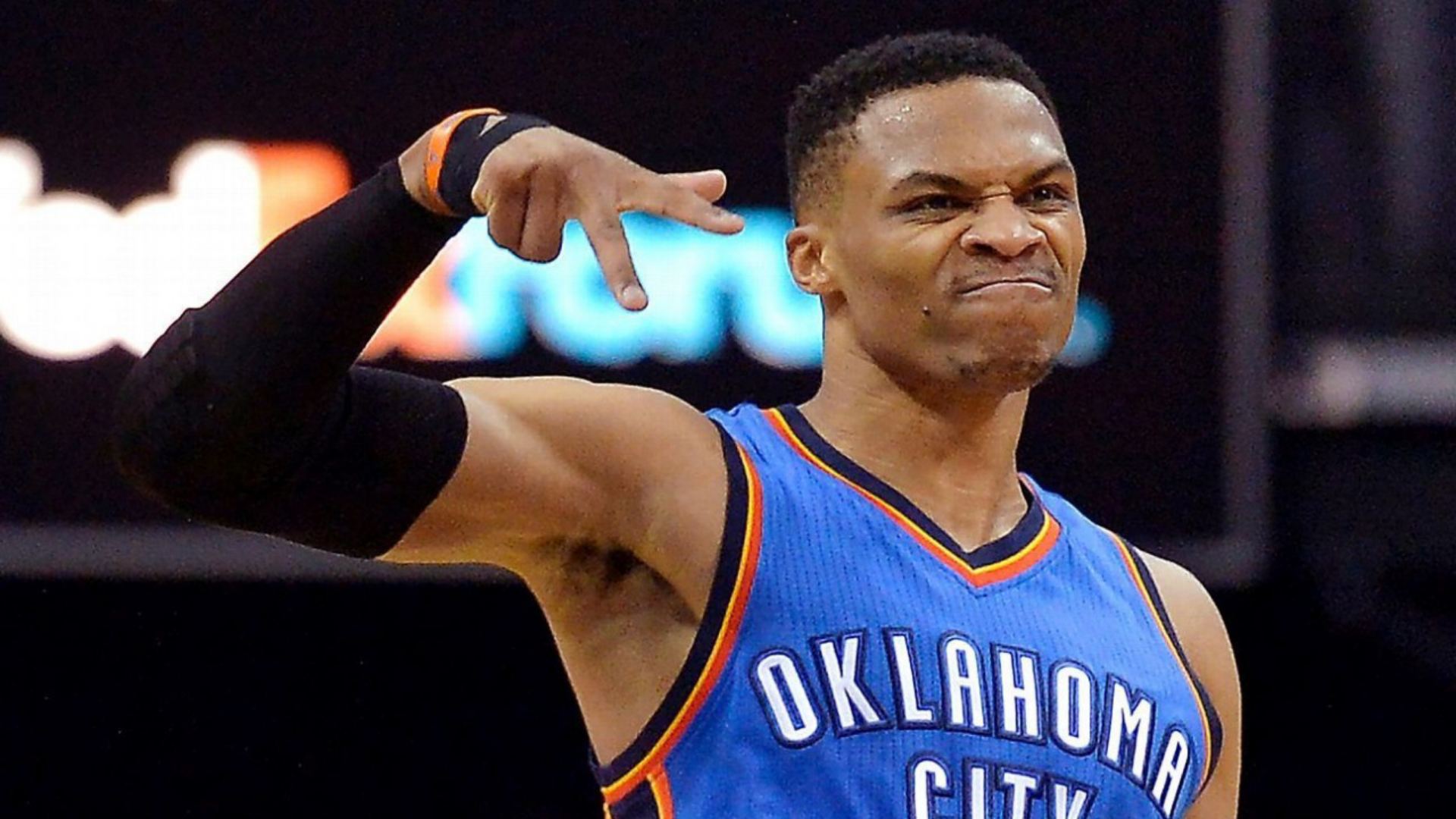
Russell Westbrook, 2017
Following Kevin Durant's departure, Westbrook became the first player in 55 years to average a triple-double for an entire season, leading the Thunder to the playoffs. His MVP season was a historic feat of individual dominance, even if the team's first-round exit highlighted the limitations of a one-man show.
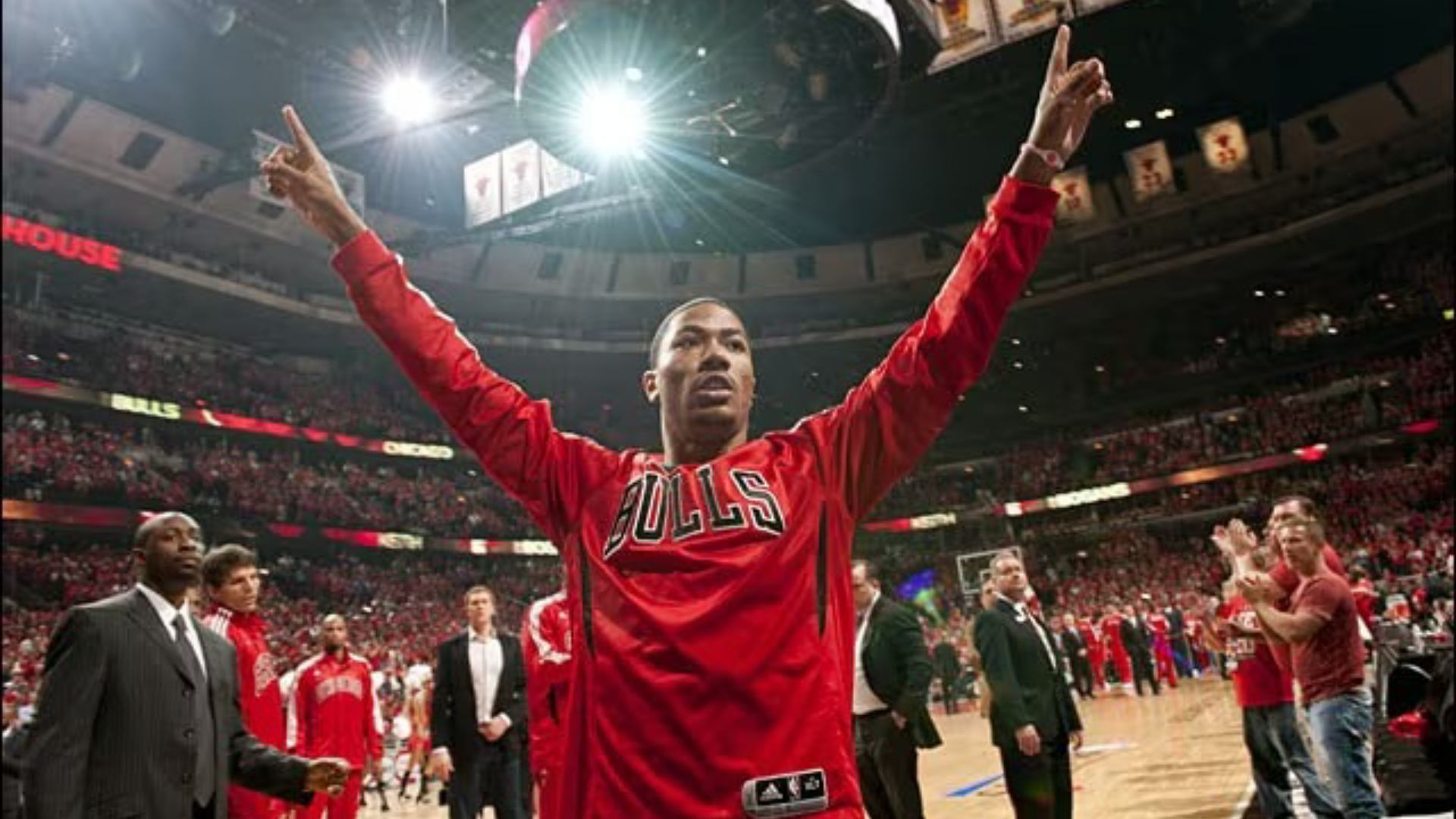
Derrick Rose, 2011
At just 22, Rose became the youngest MVP in league history. He led a Bulls team that had a league-best 62 wins despite his top teammates missing significant time with injuries. His clutch performances and electrifying scoring were the primary drivers of the team's success.
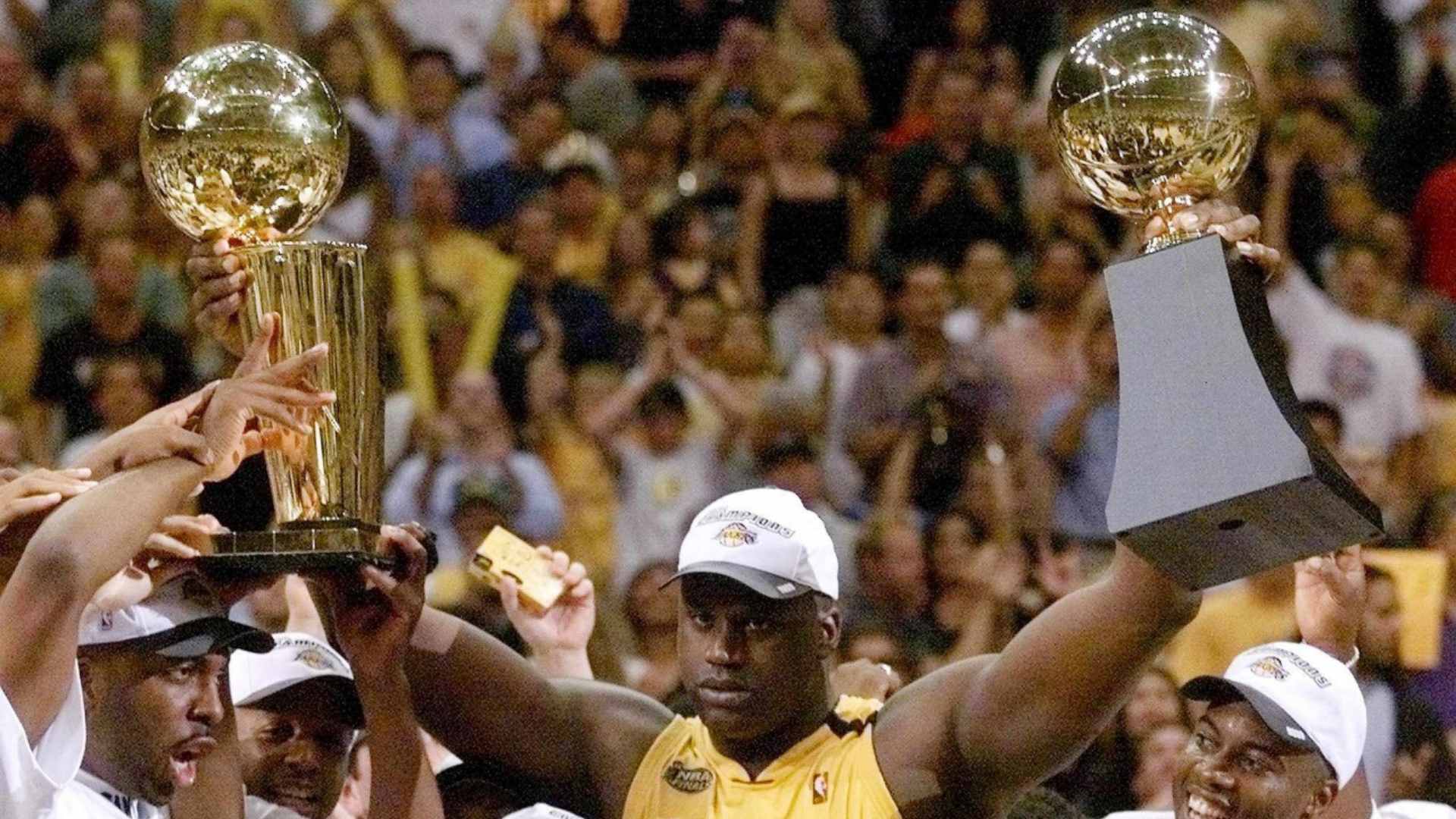
Shaquille O'Neal, 2000
In his MVP season, O'Neal was the undisputed engine of the Lakers' championship run. He put on a legendary Finals performance, averaging 38.0 points, 16.7 rebounds, and 2.7 blocks, showcasing a level of physical dominance that was the foundation of the team’s success.
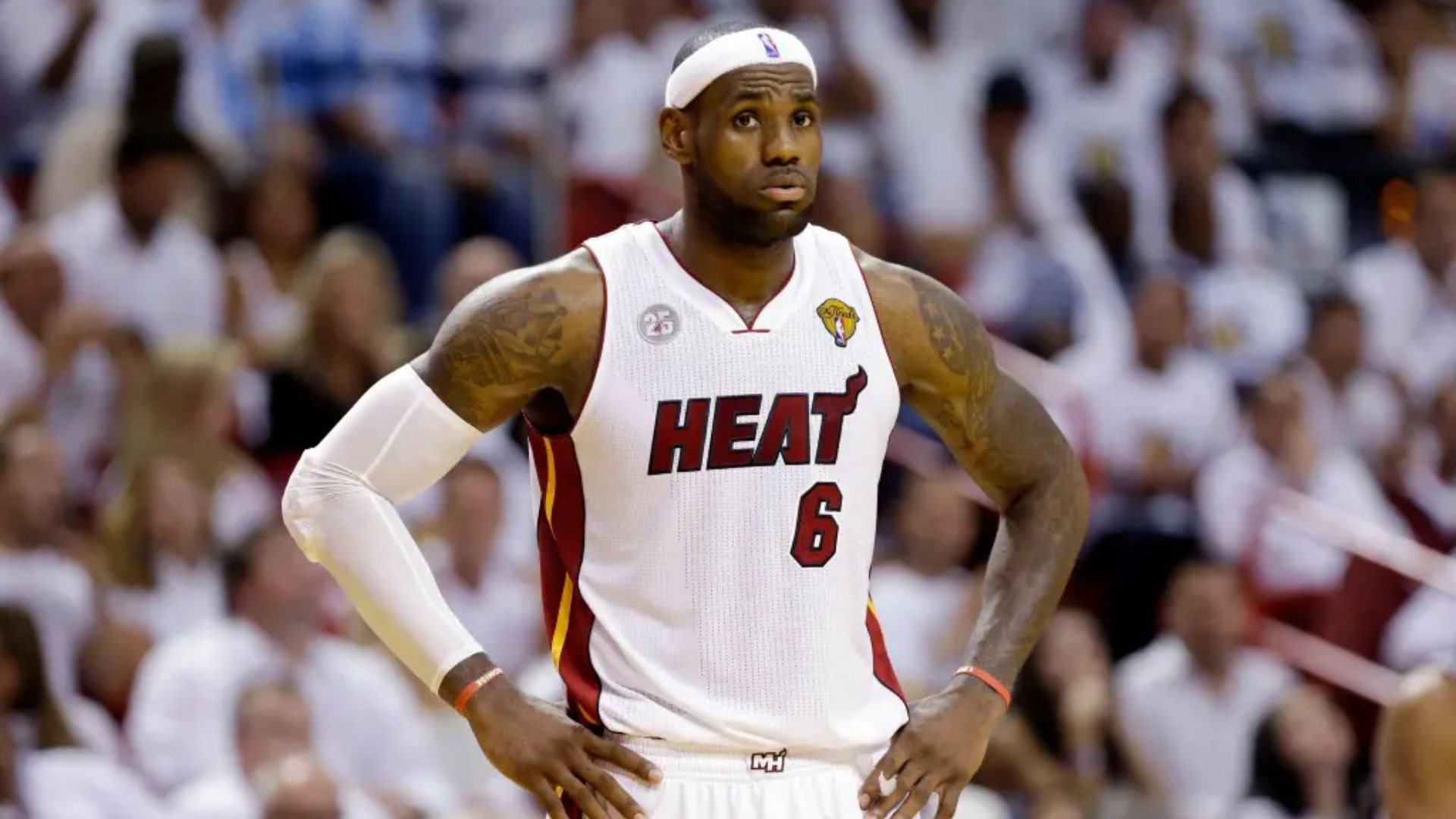
LeBron James, 2013
While playing with Dwyane Wade and Chris Bosh, James was the unquestioned leader of the Heat's back-to-back championship team. He averaged 25.3 points, 10.9 rebounds, and 7.0 assists in the Finals, winning Finals MVP and cementing his status as the best player in the world.
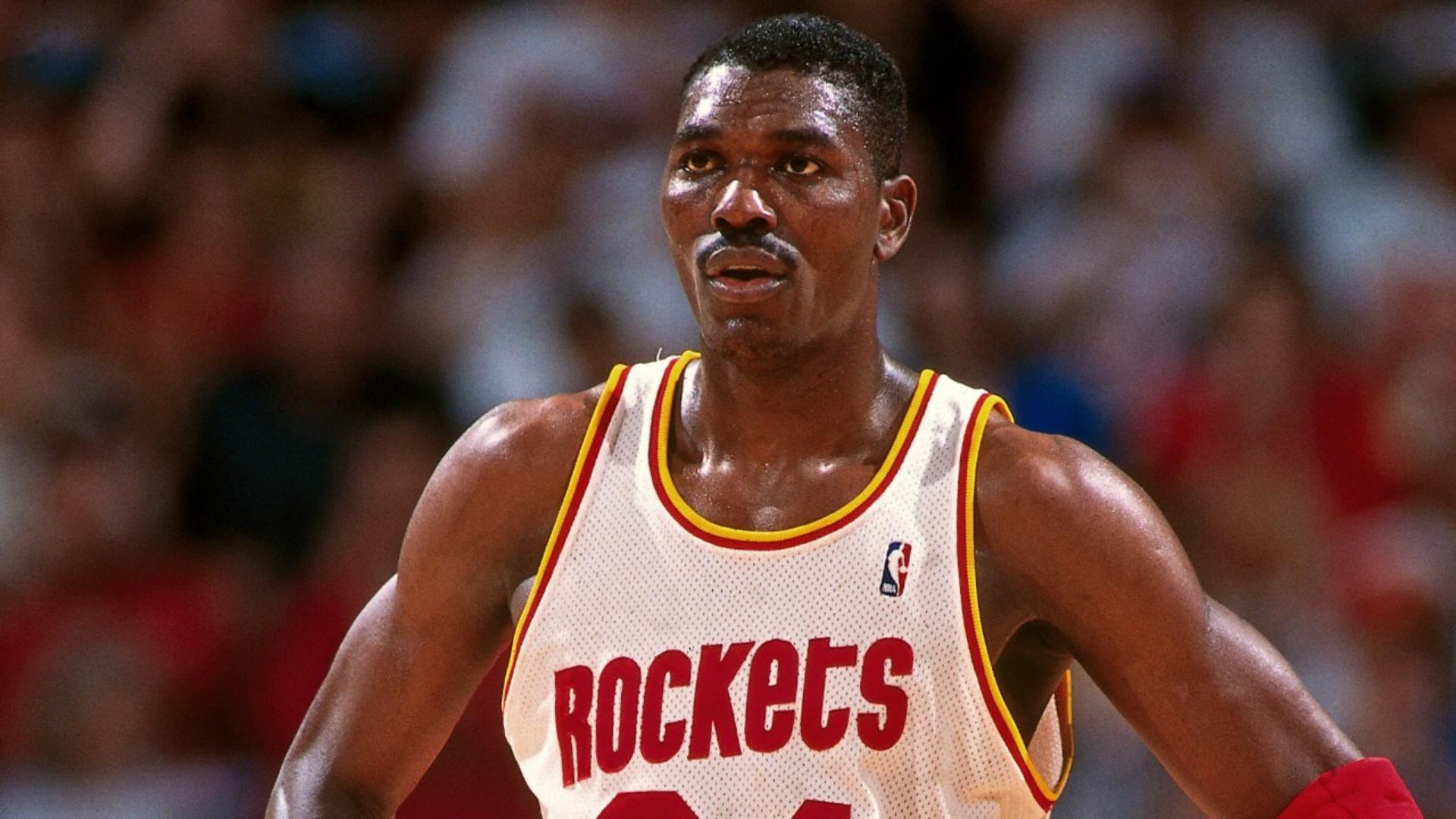
Hakeem Olajuwon, 1994
With Michael Jordan retired, Olajuwon seized the opportunity to dominate the league. He became the first and only player to win MVP, Defensive Player of the Year, and Finals MVP in the same season, carrying a talented but star-less Rockets team to the title.
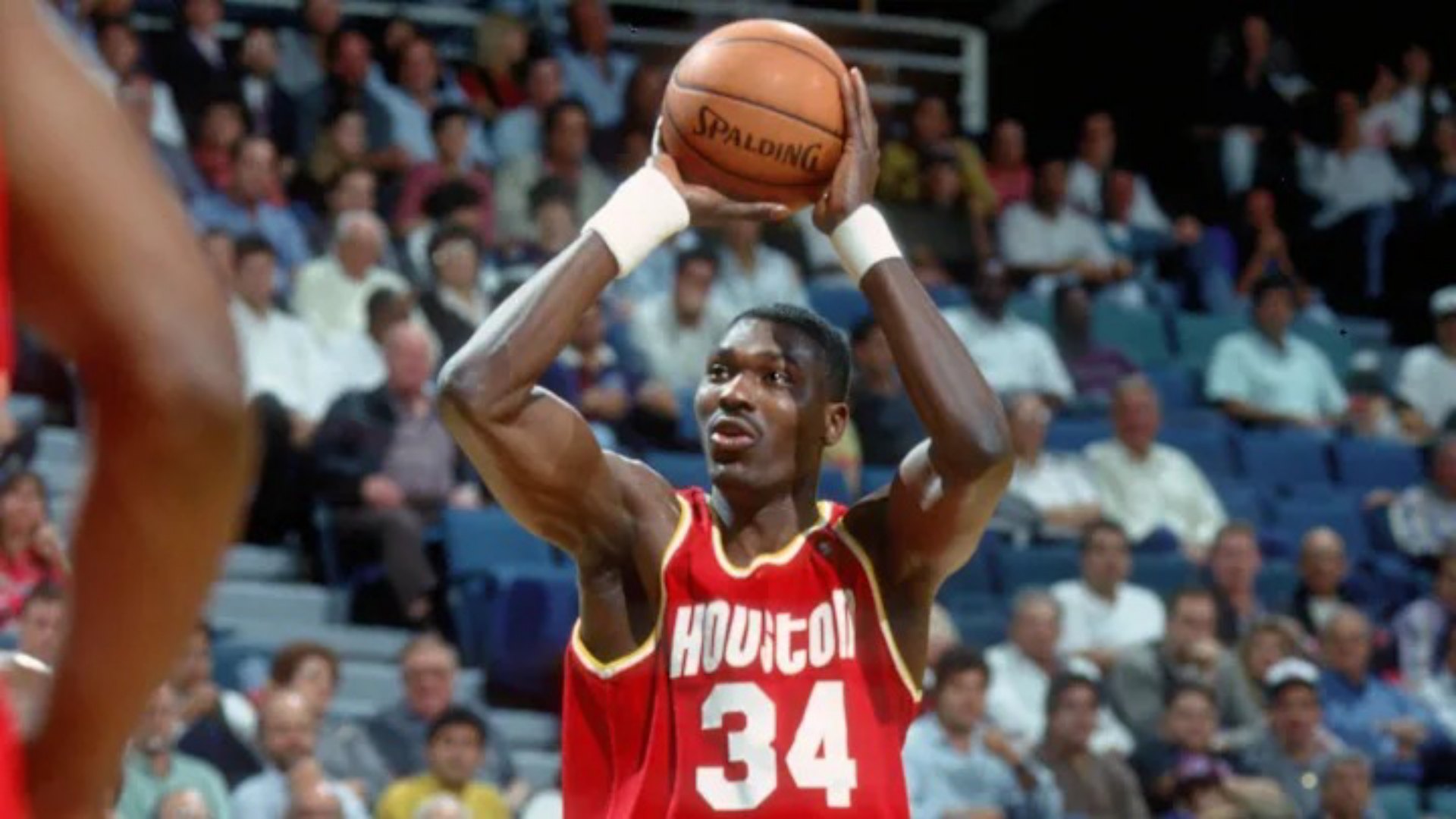
Hakeem Olajuwon, 1995
The Rockets entered the playoffs as the 6th seed, but Olajuwon outplayed four Hall of Fame centers in the postseason, including Shaquille O'Neal in the Finals. His path to the title is considered one of the most difficult in history.
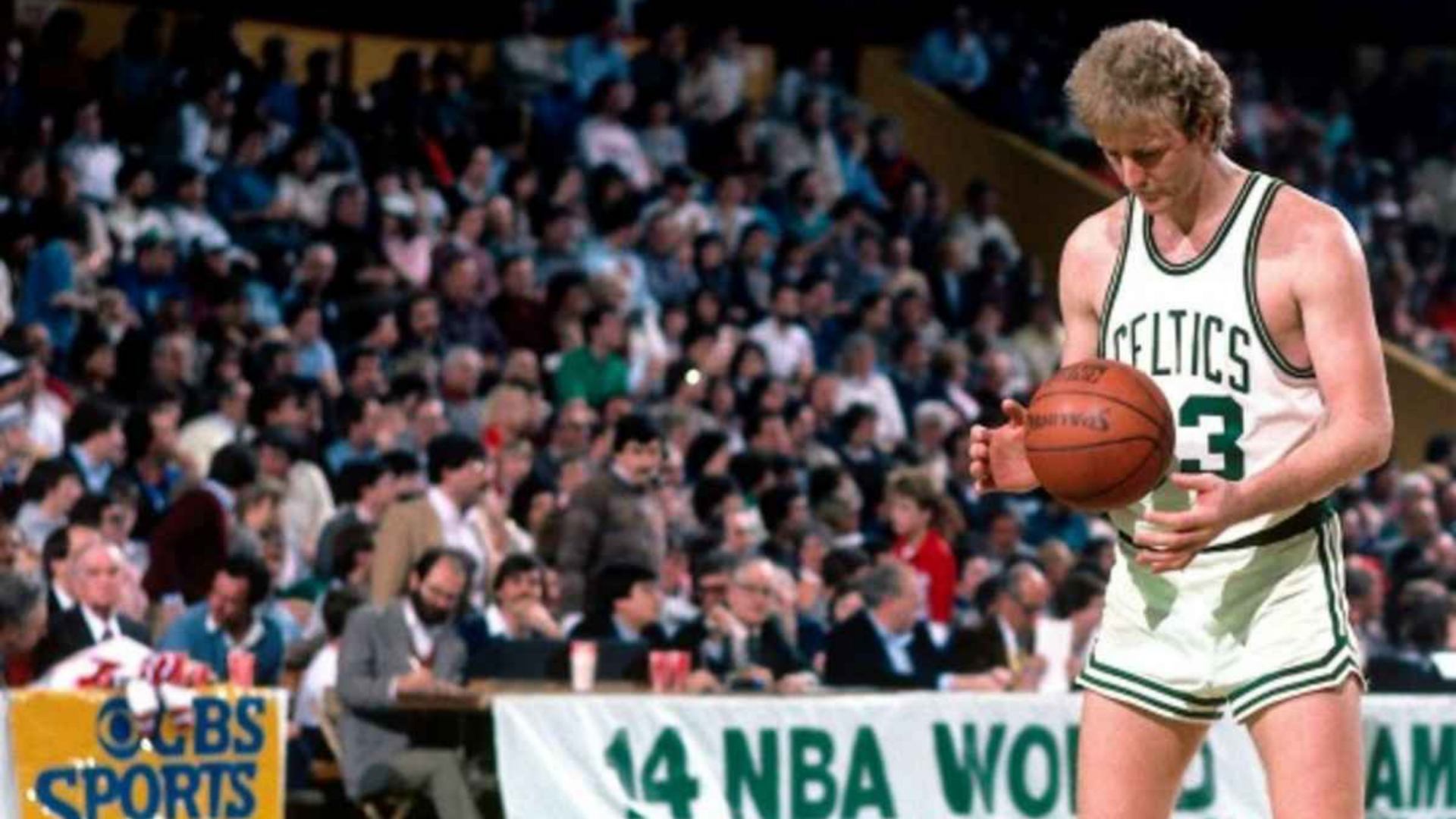
Larry Bird, 1984
Bird won MVP and led the Celtics to a hard-fought championship, delivering a stellar Finals performance where he led both teams in points and rebounds. He averaged 27.4 points and 14.0 rebounds per game in the seven-game series against Magic Johnson and the Lakers.
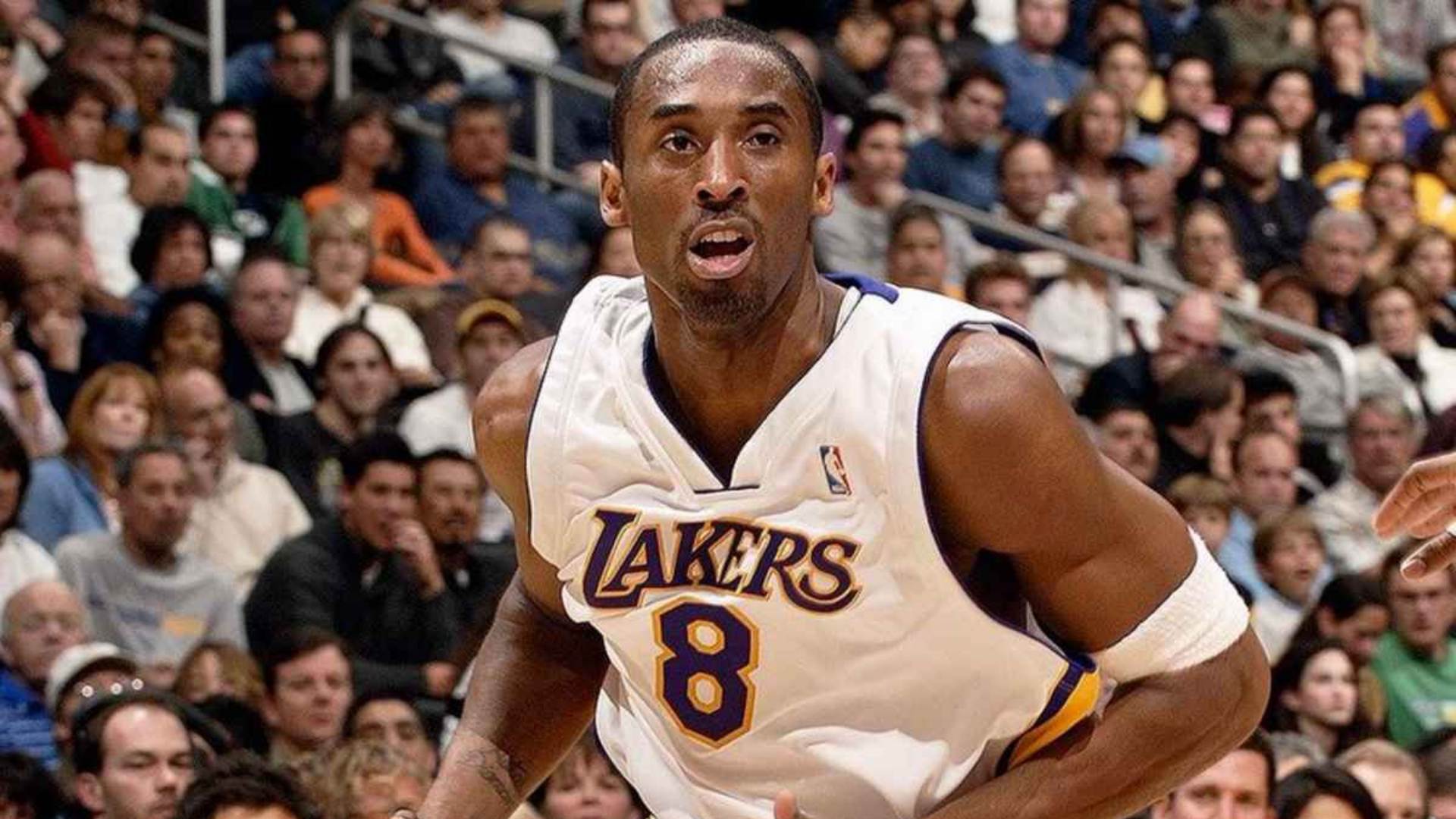
Kobe Bryant, 2006
Following the departure of Shaq, Kobe led a notoriously weak Lakers roster that featured players like Smush Parker and Kwame Brown to the playoffs. He single-handedly willed his team to a 3-1 series lead over a 61-win Suns team before losing in seven games.
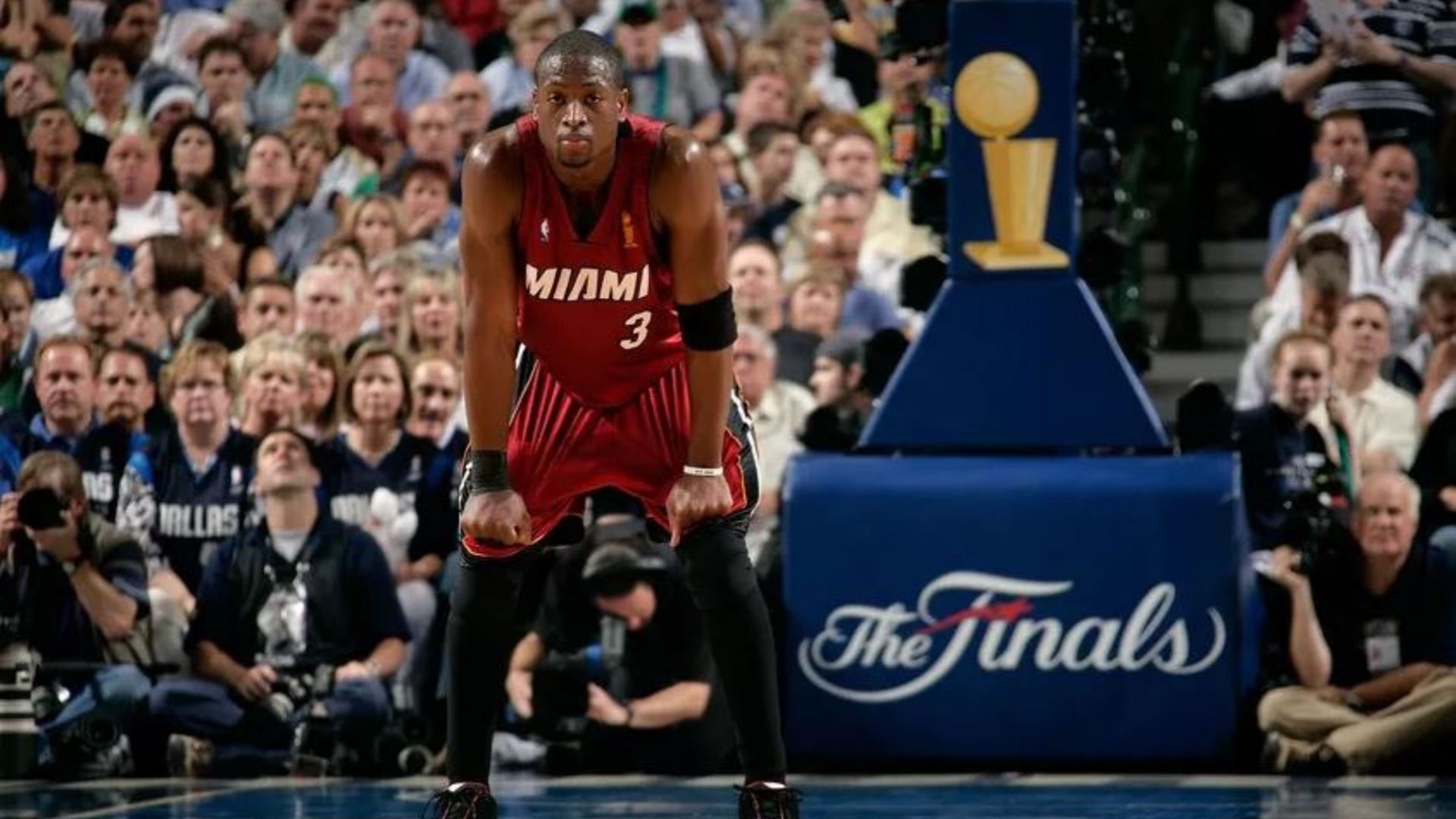
Dwyane Wade, 2006
At just 24, Wade put on an iconic Finals performance, leading the Miami Heat to their first championship. Averaging 34.7 points and 7.8 rebounds per game, he delivered a series of clutch efforts to overcome a 2-0 deficit against the Mavericks and win Finals MVP.
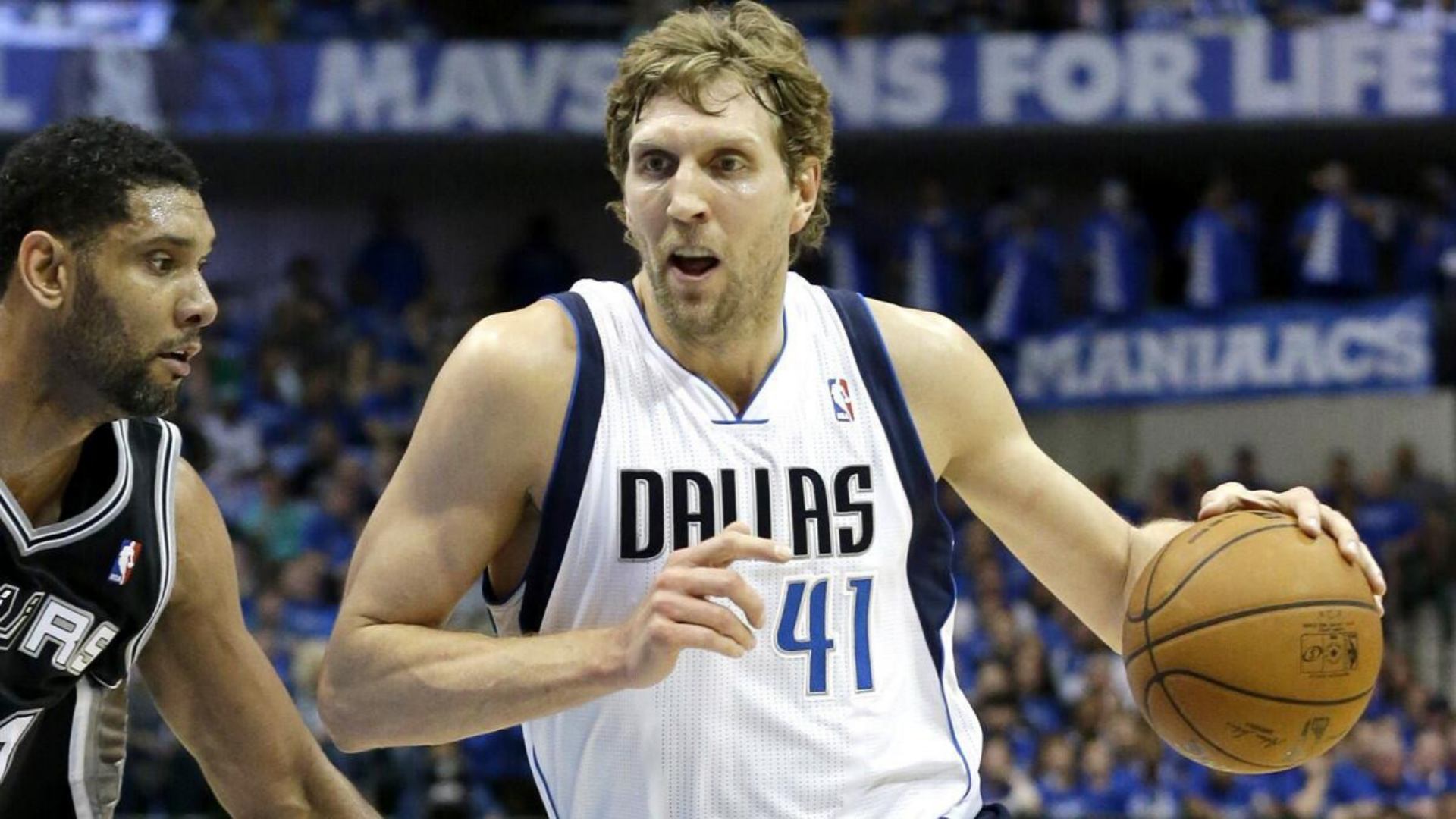
Dirk Nowitzki, 2011
Nowitzki led a Mavericks team of veteran role players on one of the most improbable postseason runs ever. He was incredibly efficient, defeating three formidable opponents with multiple future MVPs to win his first championship and Finals MVP.
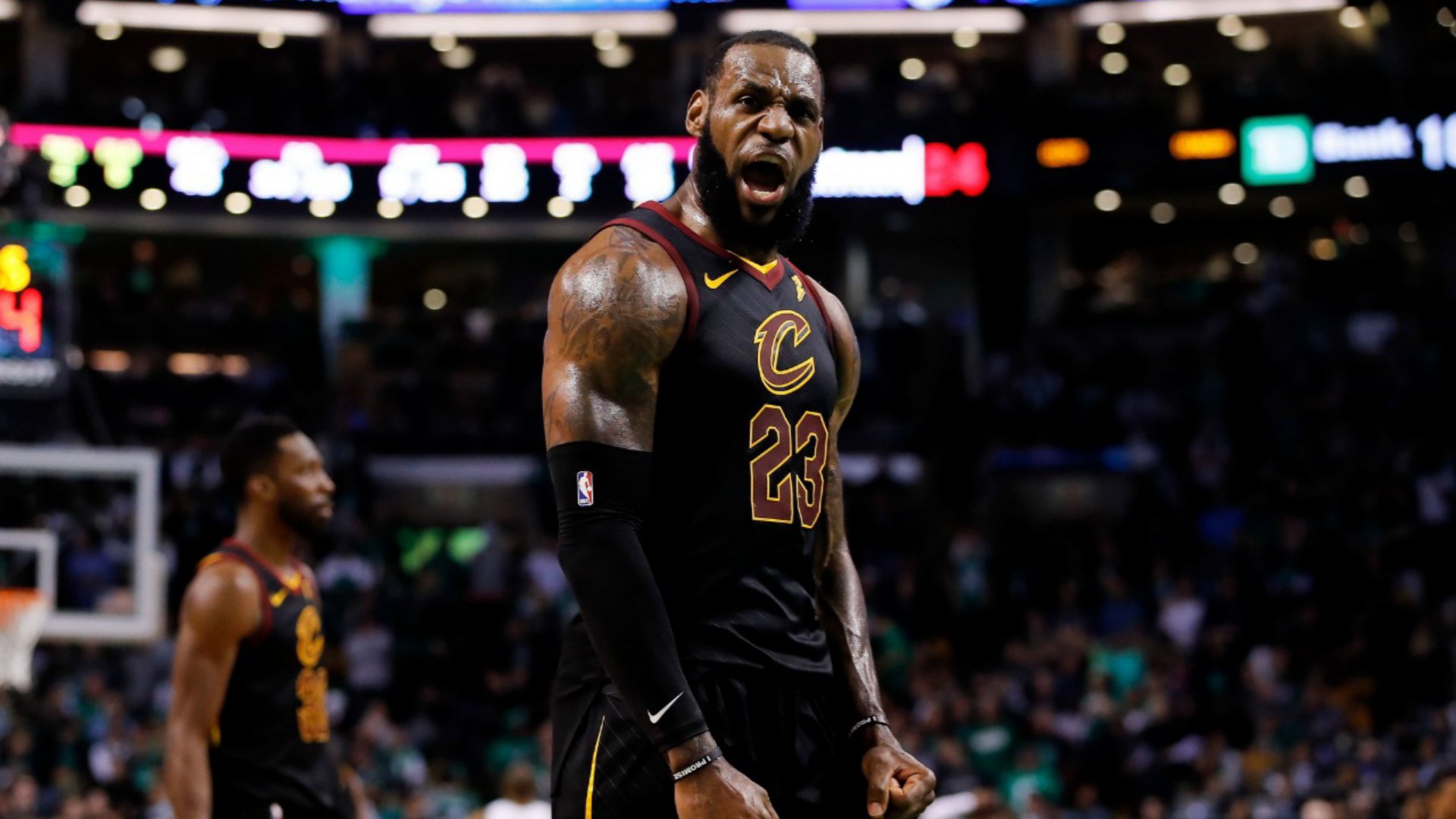
LeBron James, 2018
James put on one of the most heroic playoff runs of all time, dragging a limited, injury-plagued Cavaliers roster to the NBA Finals. His 51-point performance in Game 1 against the Warriors' superteam is widely considered one of the greatest carry jobs in history.
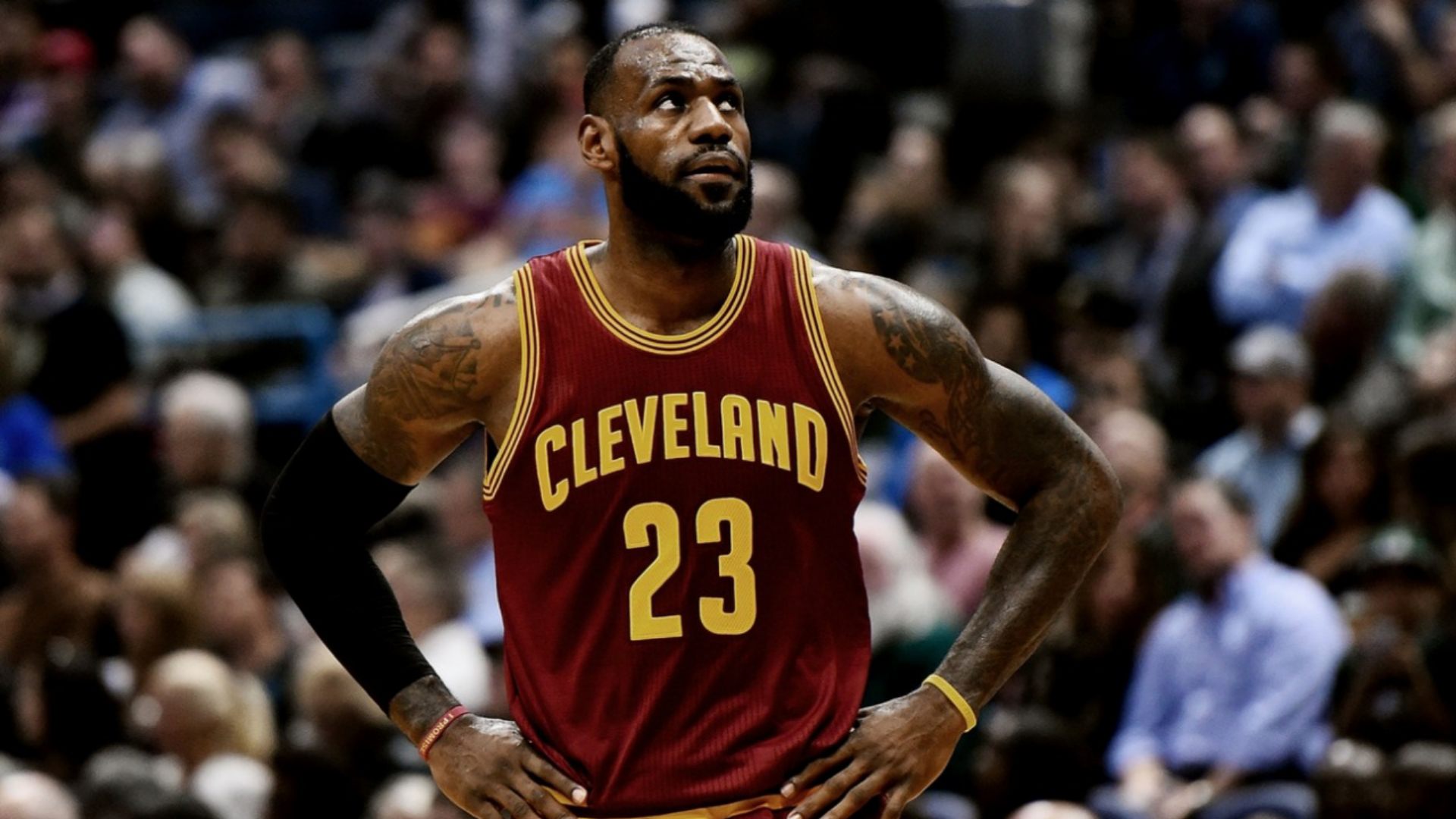
LeBron James, 2016
Trailing 3-1 in the Finals against the 73-win Golden State Warriors, James orchestrated the greatest comeback in NBA history. He led all players in both teams in every major statistical category to bring a championship to Cleveland and cement his legacy as a solo force of nature.
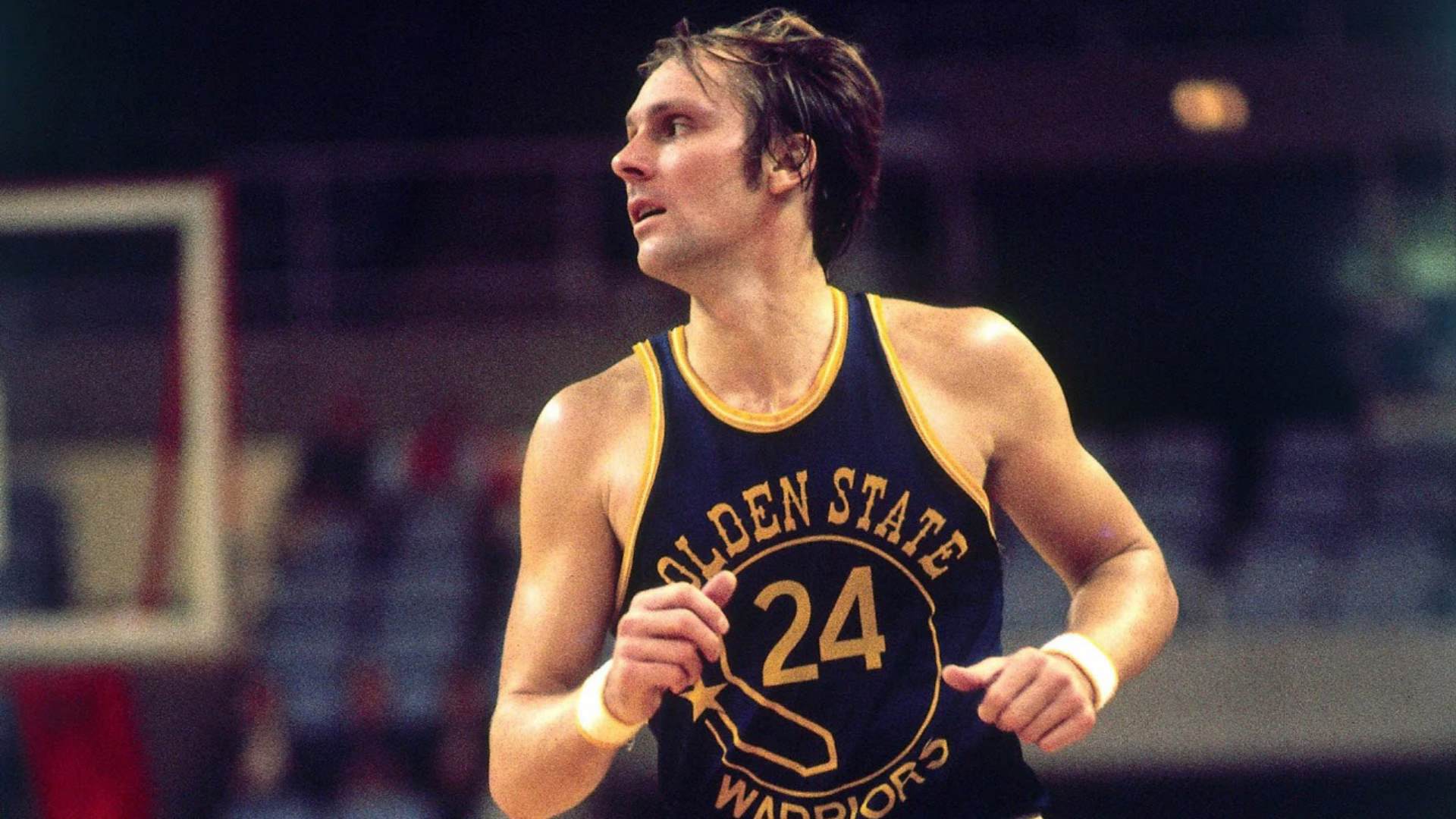
Rick Barry, 1975
Barry was the sole offensive force for a Warriors team with no other All-Stars. His clutch shooting and veteran leadership propelled them to a surprising championship, cementing his legacy and demonstrating the power of an individual to overachieve against the odds.
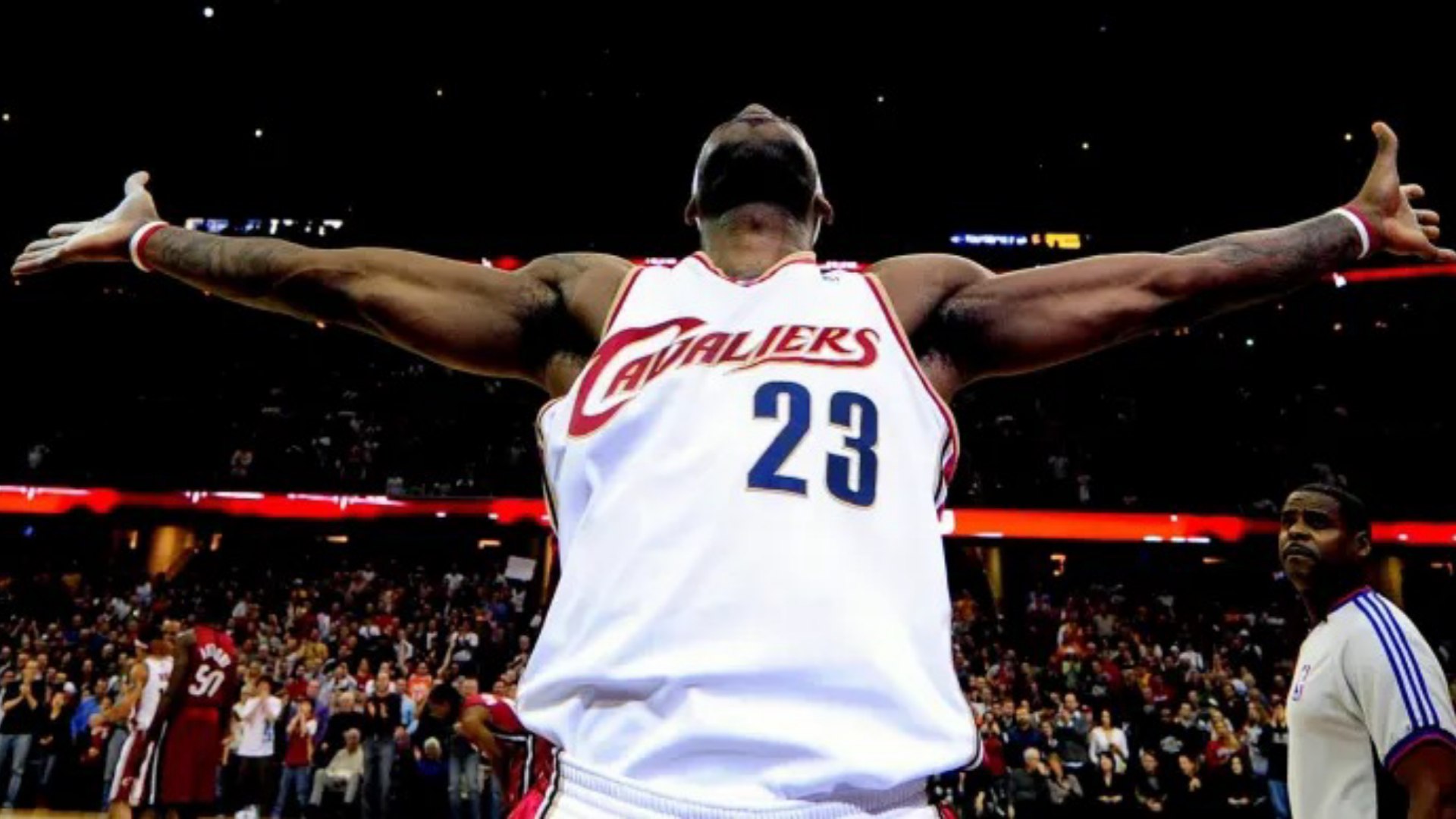
LeBron James, 2007
At just 22 years old, James led a deeply limited Cavaliers roster of journeymen to the NBA Finals. He single-handedly carried the team to a level it had no business reaching, a fact underscored by the team's subsequent record without him.
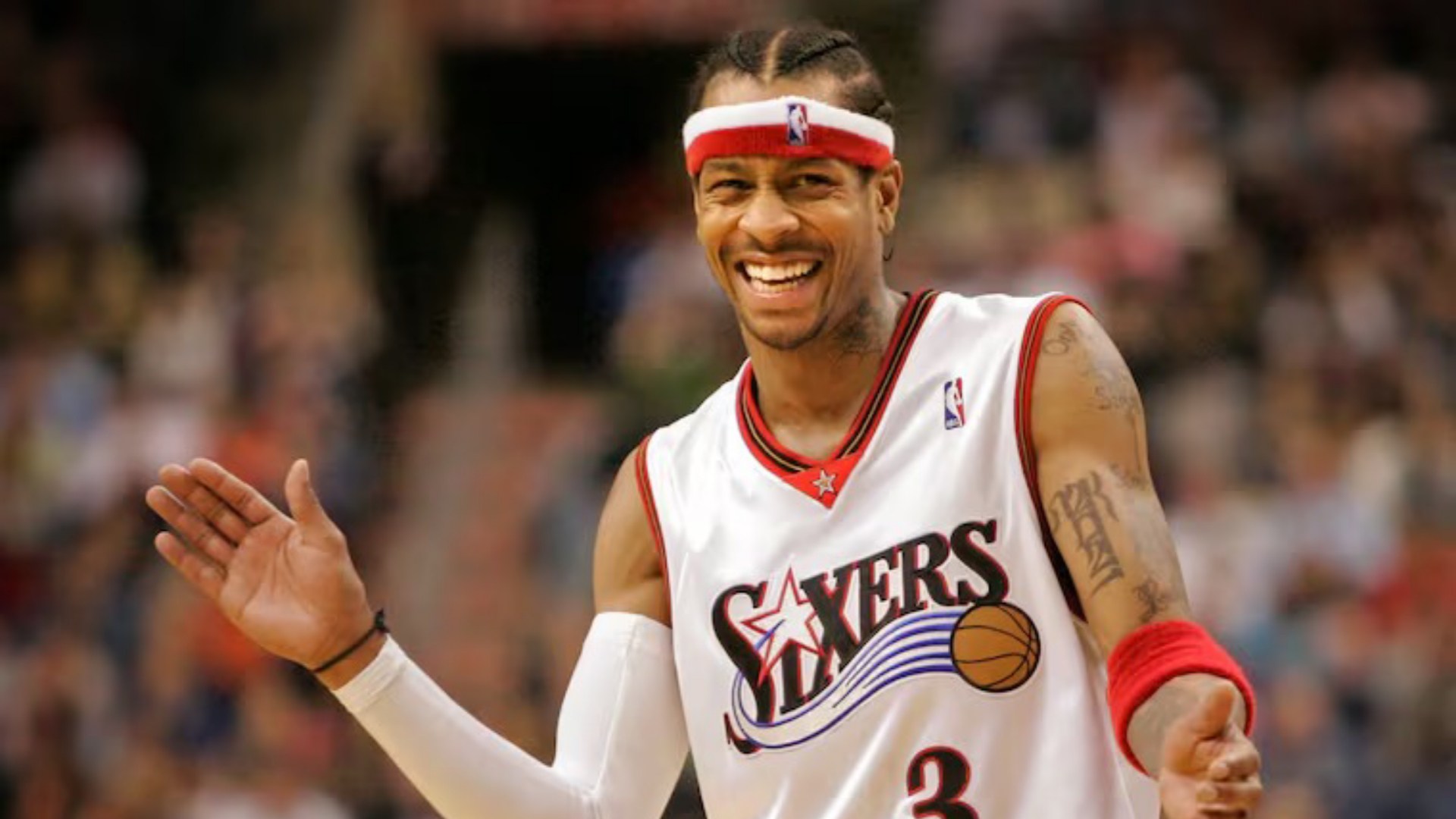
Allen Iverson, 2001
Iverson won MVP and, against all odds, carried a limited 76ers roster to the NBA Finals. He famously stole Game 1 against the Lakers' dynasty with a 48-point performance before his team was ultimately swept by the more talented team.
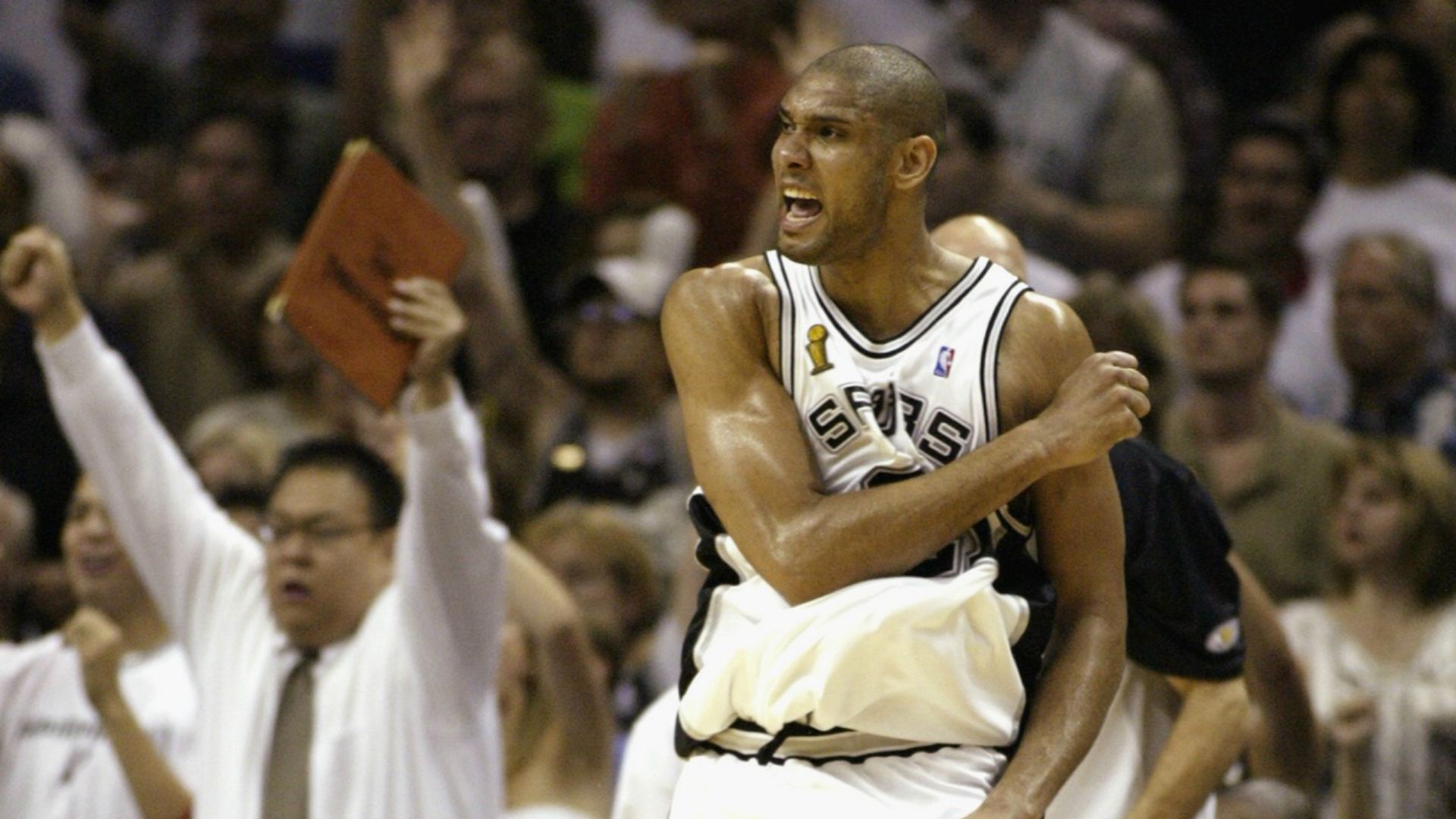
Tim Duncan, 2003
Duncan led a Spurs team with an aging David Robinson and young Tony Parker and Manu Ginobili to a championship. His Finals performance was legendary, including a near-quadruple-double in Game 6, securing the title and earning Finals MVP.