
25 Most Undeserving Contracts in NBA History
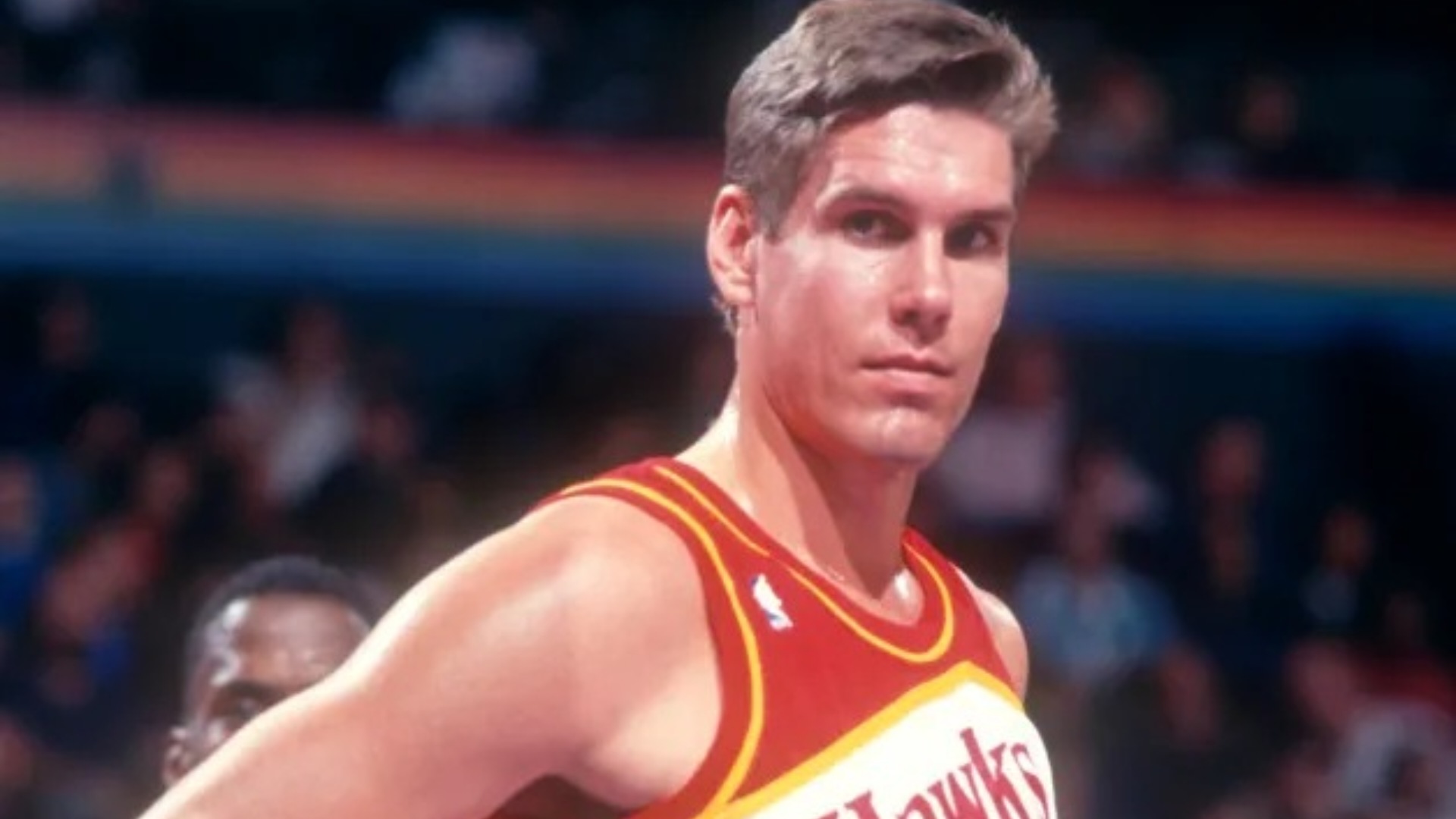
Jon Koncak
In 1989, the Hawks gave Koncak a six-year, $13 million contract. At the time, this was a mind-boggling figure that was more than Michael Jordan's salary. The deal was considered absurd as Koncak had only averaged 4.7 points and 6.1 rebounds the season prior, numbers he would never match again.
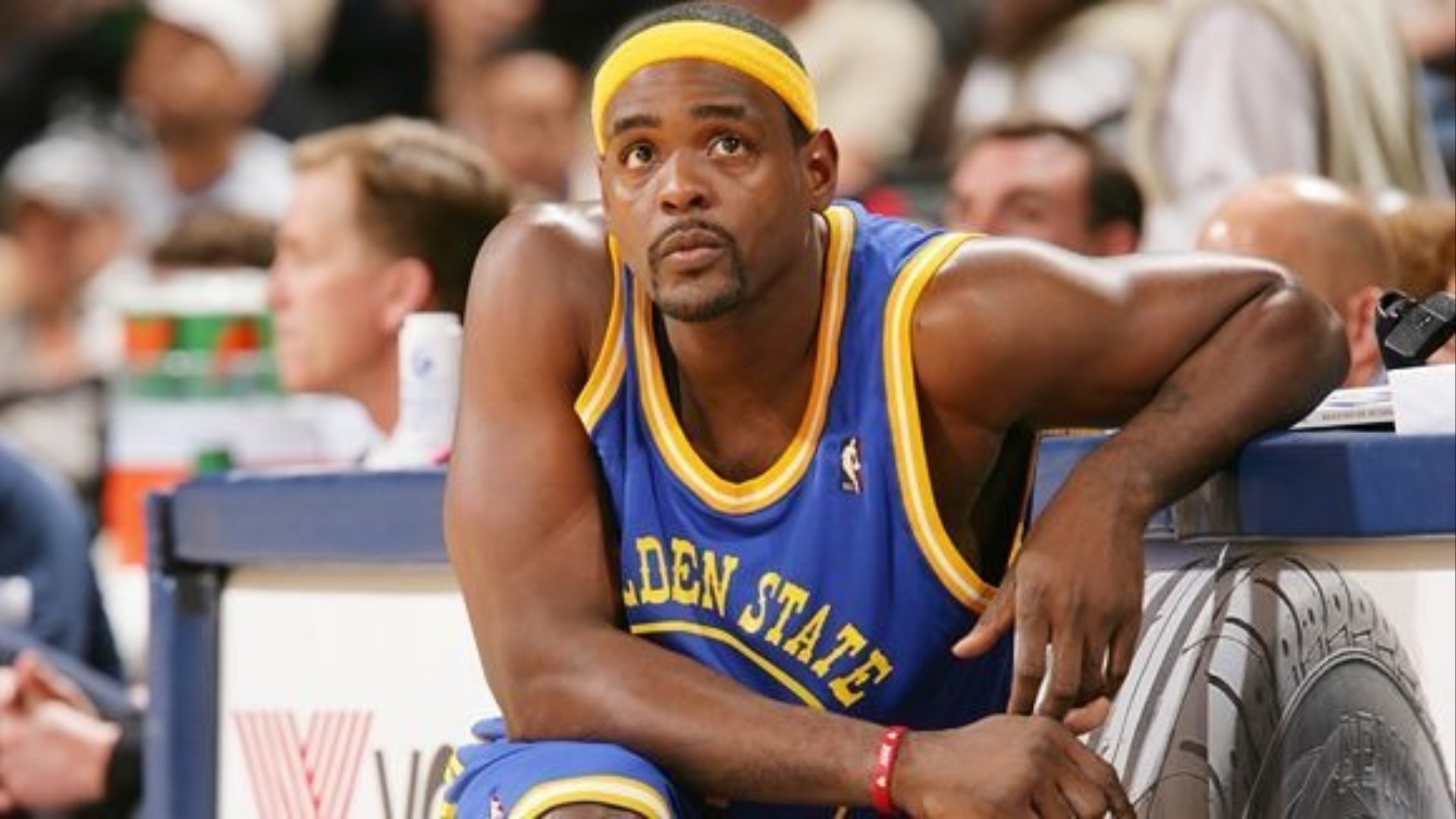
Chris Webber
The Warriors gave the rookie a bizarre 15-year, $74.4 million deal in 1993, with an opt-out clause after his first season. Webber clashed with his coach, used the clause to force a trade to Washington, and the deal ultimately led to the league implementing a rookie salary scale.

Allan Houston
In 2001, the Knicks signed Houston to a six-year, $100 million deal. His first two seasons were productive, but injuries derailed his career, and he retired two years before his contract expired. The deal was so notorious it led to the creation of the "Allan Houston Rule," or the Amnesty Clause.
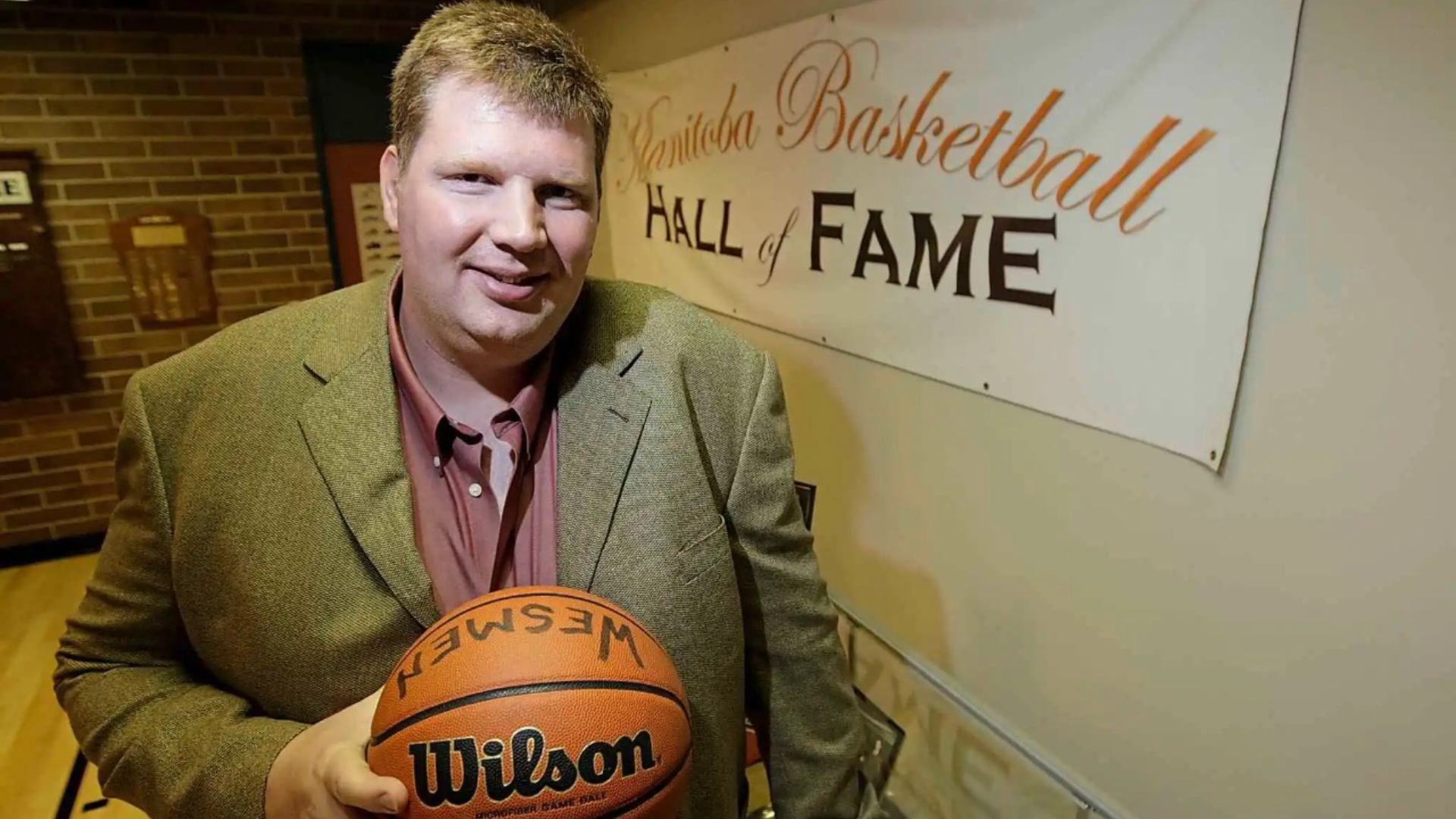
Todd MacCulloch
MacCulloch signed a six-year, $34 million deal with the Nets in 2001. After one solid season, his career was tragically cut short due to a genetic neurological disorder affecting his feet. He played just 96 games under the contract, leaving the team with a large amount of dead salary.
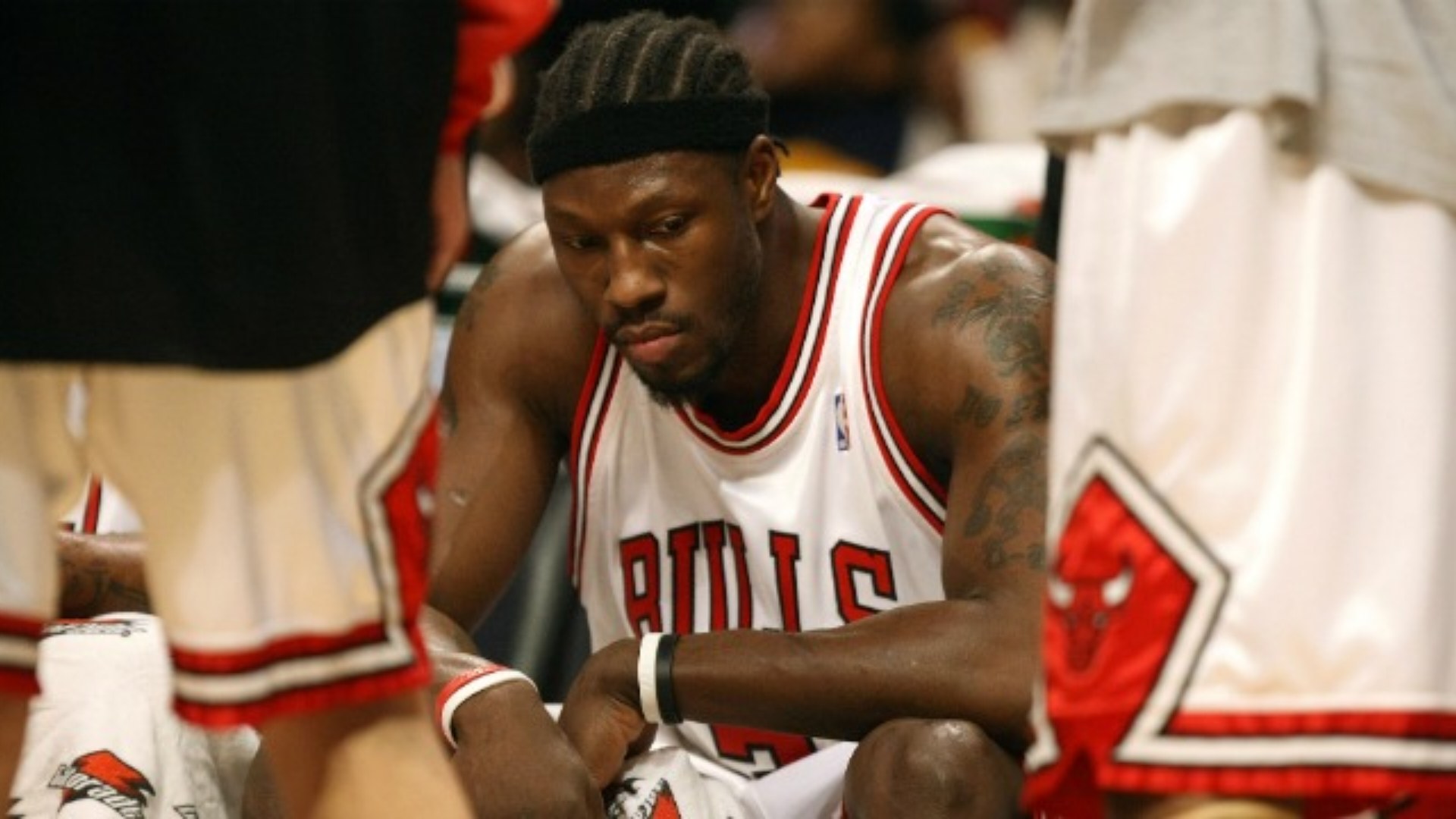
Ben Wallace
The Bulls gave the 31-year-old a four-year, $60 million contract in 2006. Wallace was already in decline and "vastly underwhelm[ed]" in Chicago, where he was traded away after just a season and a half, proving to be a major miscalculation.
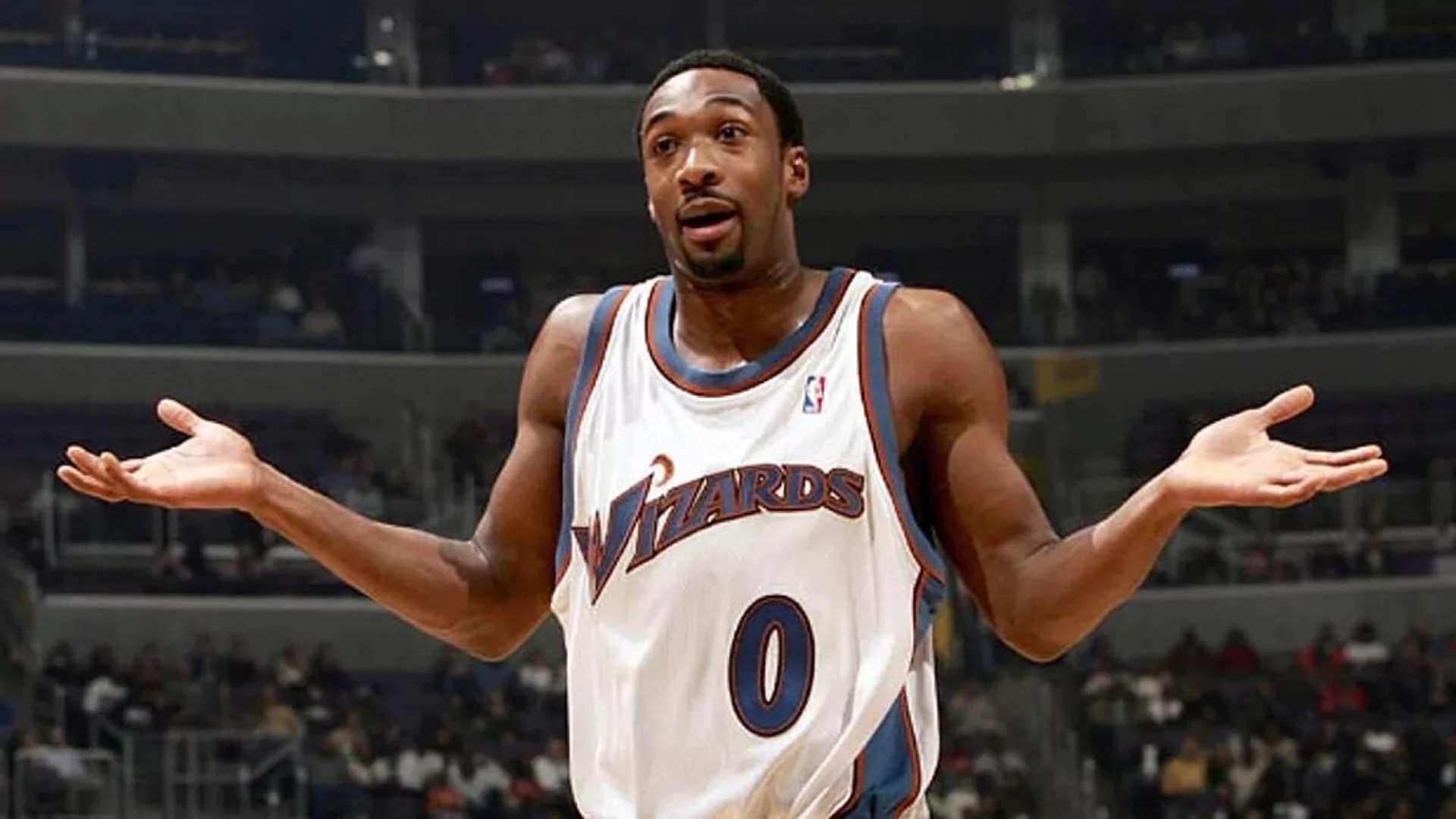
Gilbert Arenas
In 2007, the Wizards gave Arenas a six-year, $111 million contract despite a significant knee injury. The deal became a financial disaster after he was suspended for a locker-room incident in which he and a teammate brandished guns.
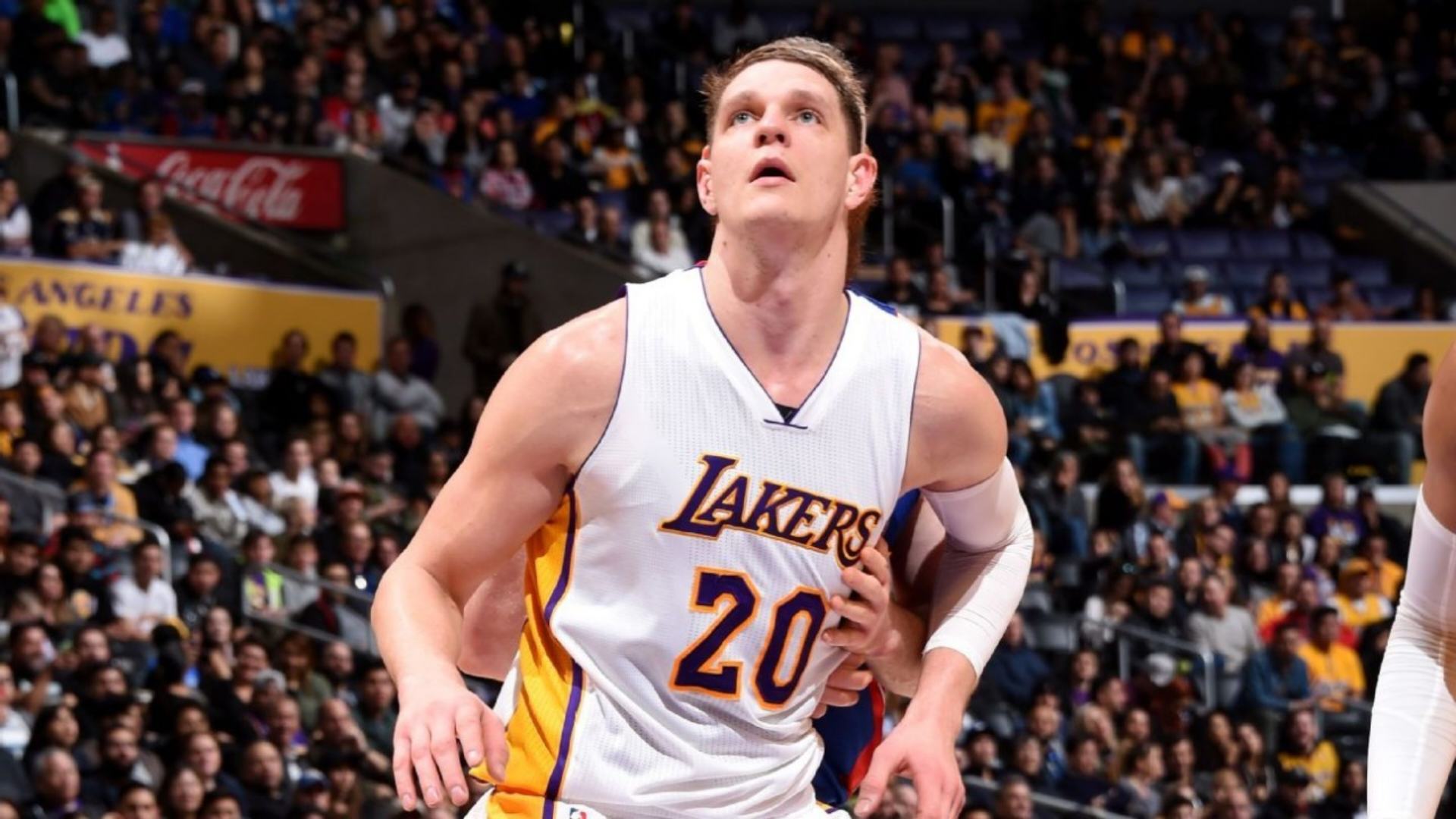
Timofey Mozgov
As part of the 2016 salary cap spike, the Lakers signed the average role player to a four-year, $64 million deal. He was a complete bust, played only one season with the team before being traded, and was considered overpaid for most of his career.
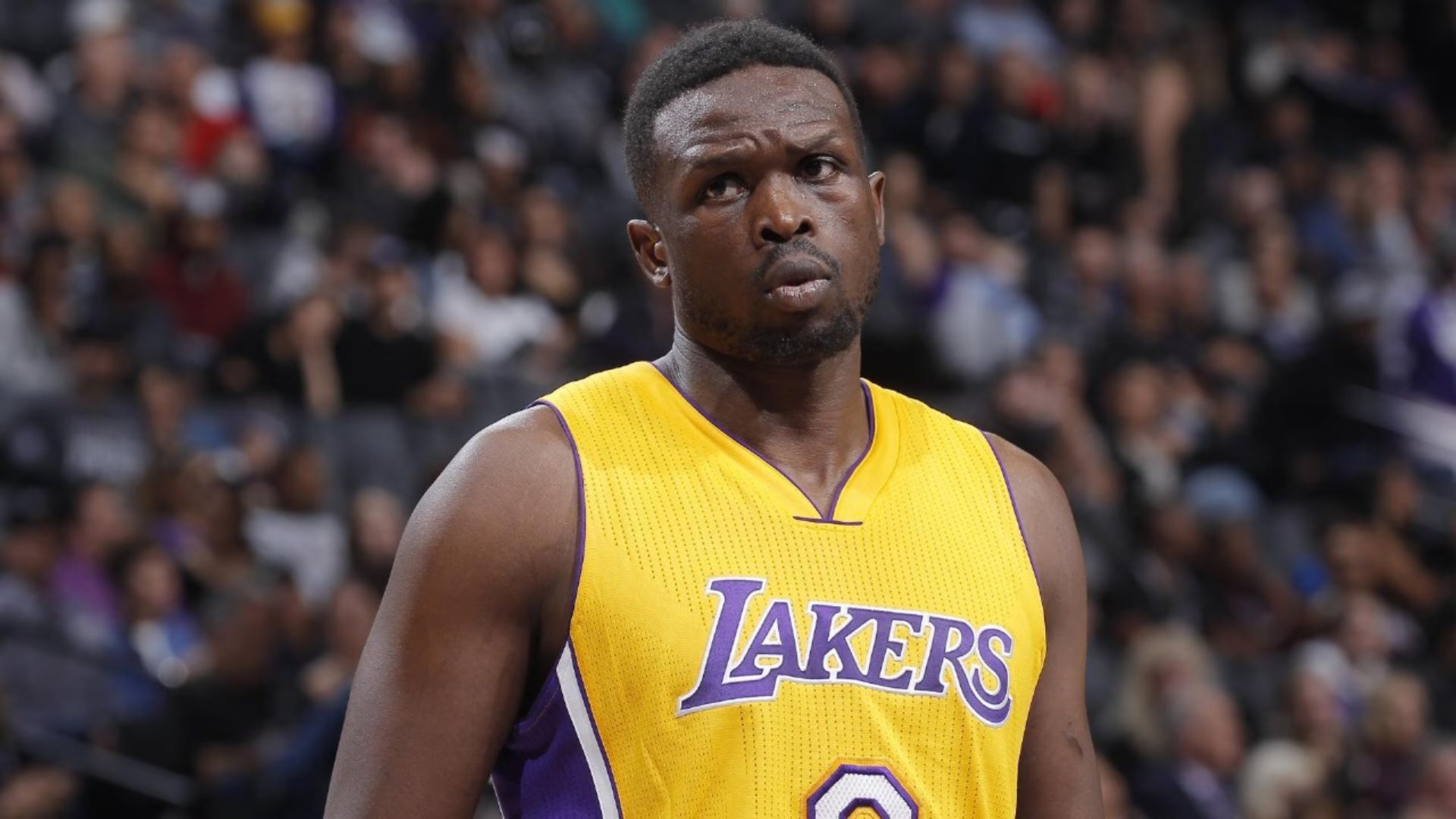
Luol Deng
The Lakers gave Deng a four-year, $72 million contract in 2016. He was 31 and had an injury history, and his production quickly declined. The team was forced to use the stretch provision on his contract after he played only 57 games over two seasons.
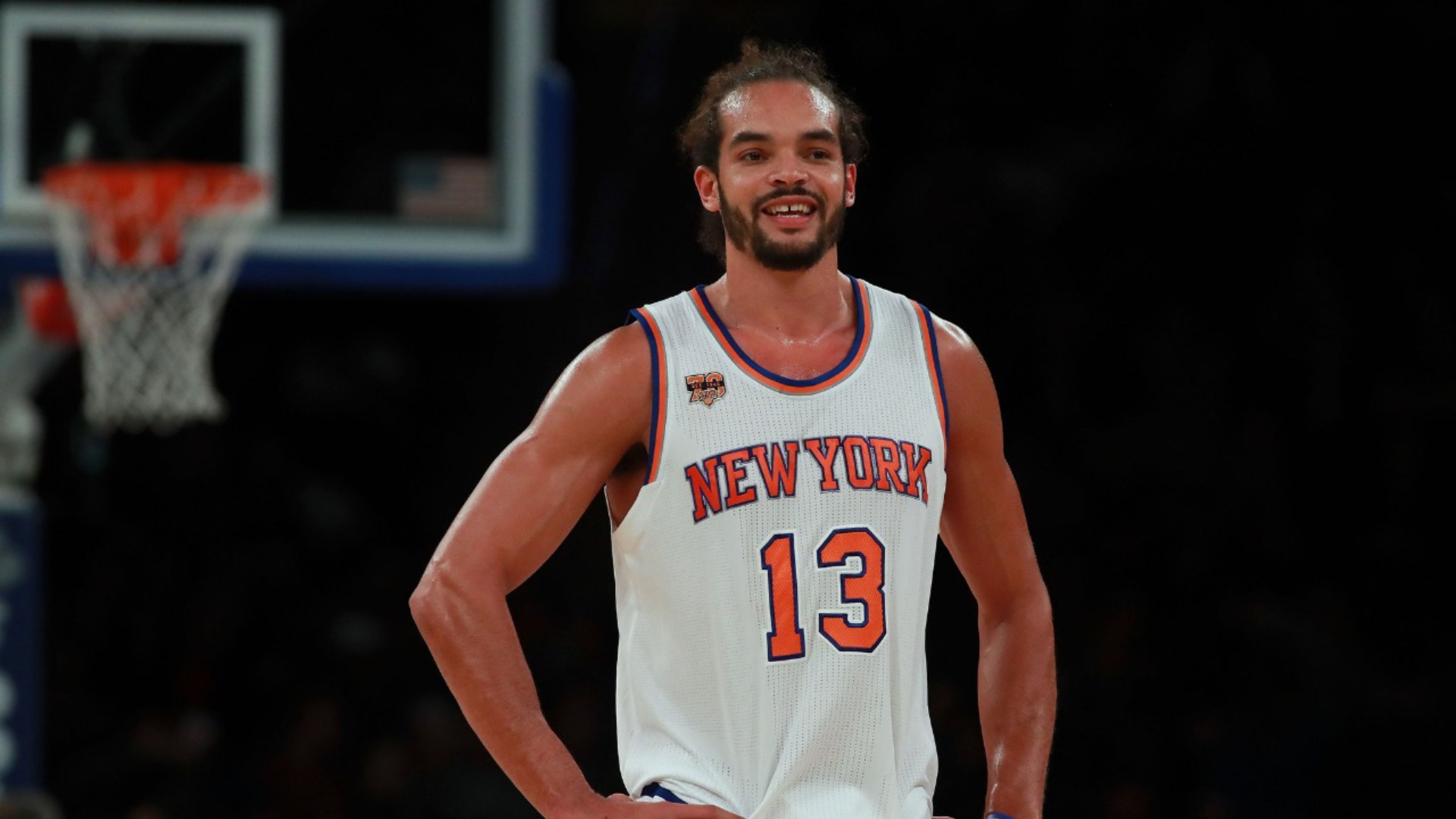
Joakim Noah
The Knicks signed the physically deteriorating center to a four-year, $72.6 million deal in 2016. The contract was a major burden as he played just 53 games in two seasons. Fans considered it one of the worst contracts in franchise history.
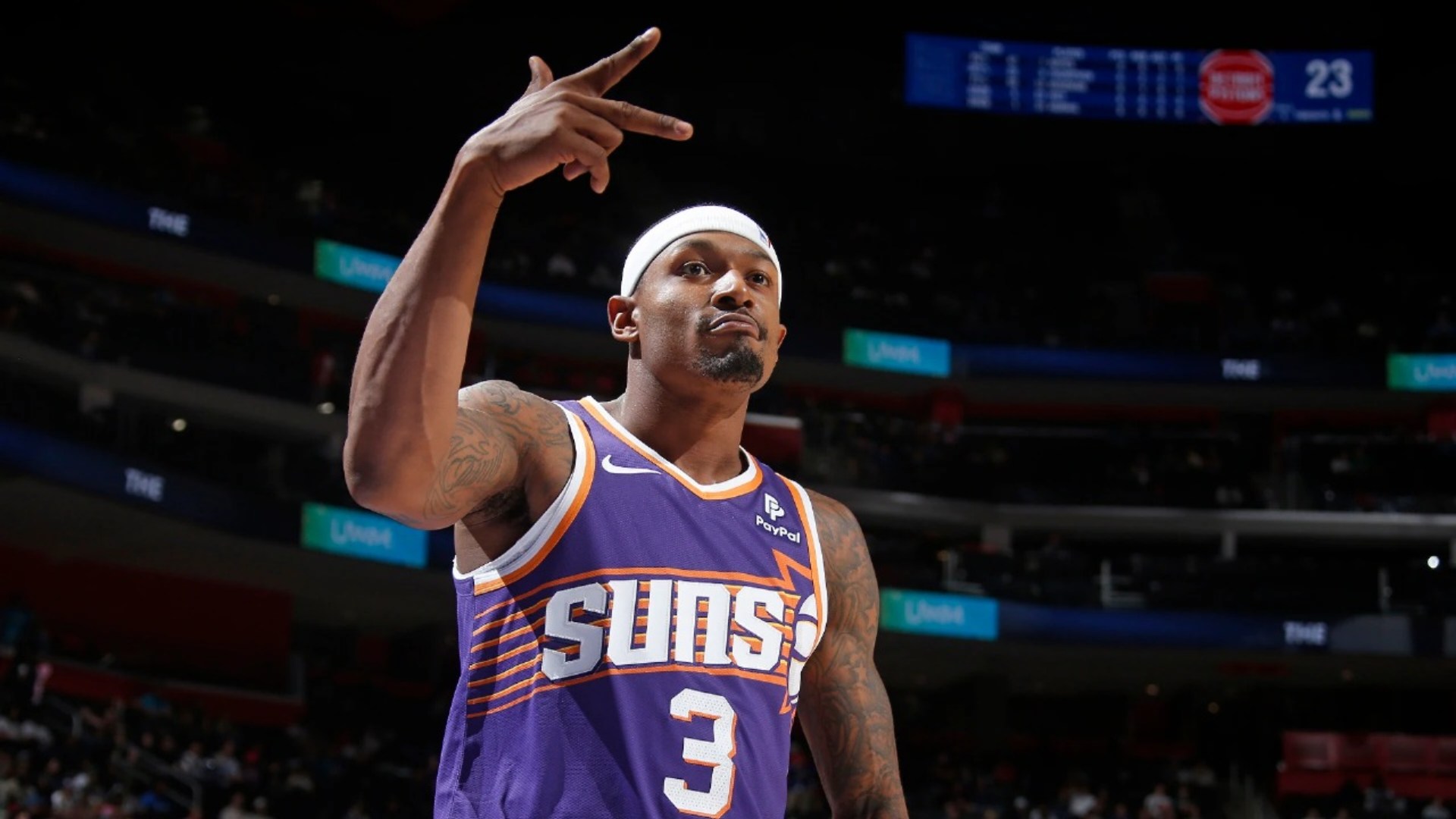
Bradley Beal
The Phoenix Suns took on his five-year, $251+ million supermax deal. He was plagued by "constant injuries," and his on-court performance never justified the immense salary. The deal was so un-tradeable that the team bought him out and stretched his remaining salary.
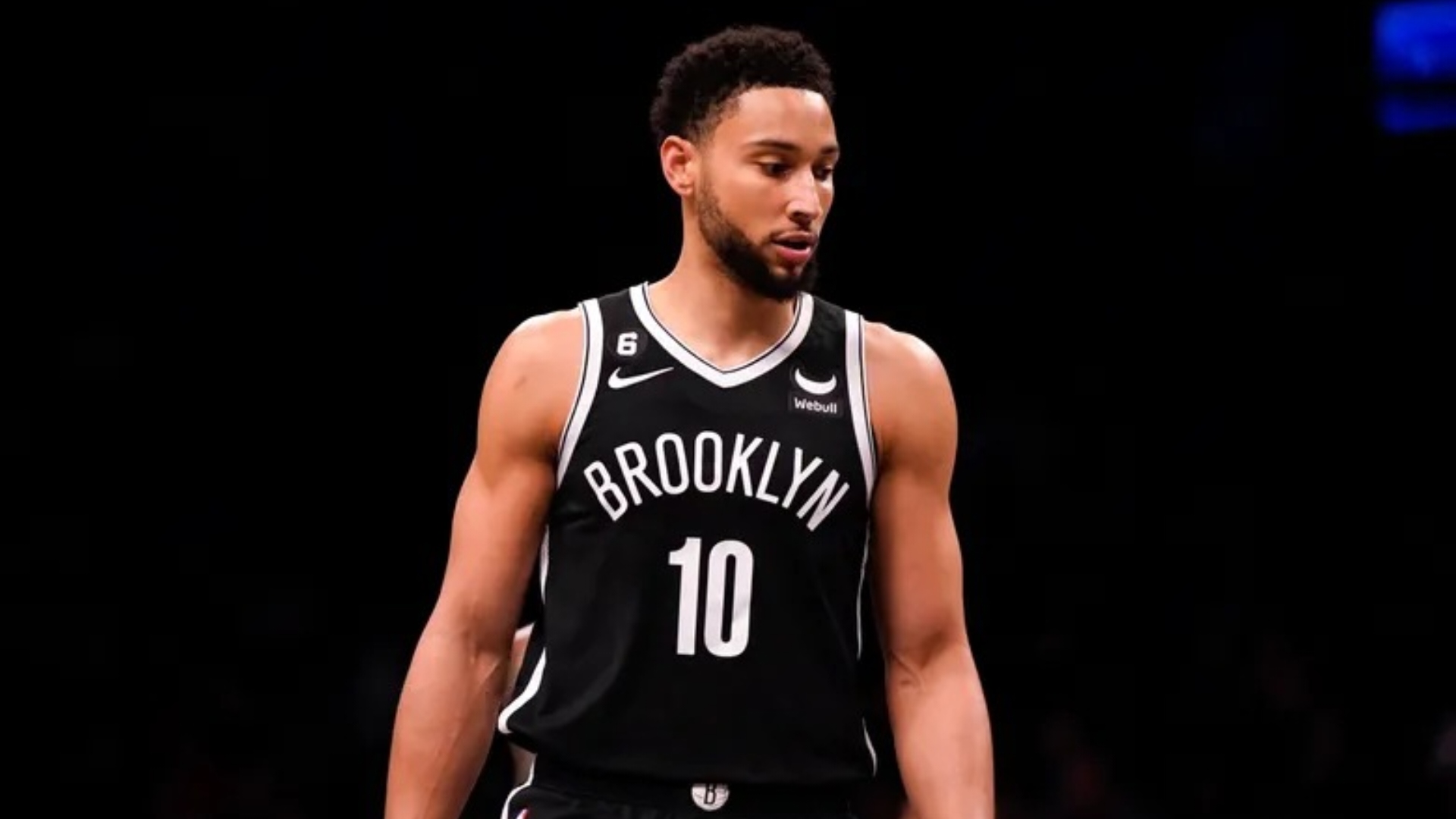
Ben Simmons
After a falling out with the 76ers, Simmons's max contract became a financial catastrophe for the Nets. He played just 90 total games in three seasons, with his stats plummeting to career lows. The team ultimately bought out his contract in February 2025.
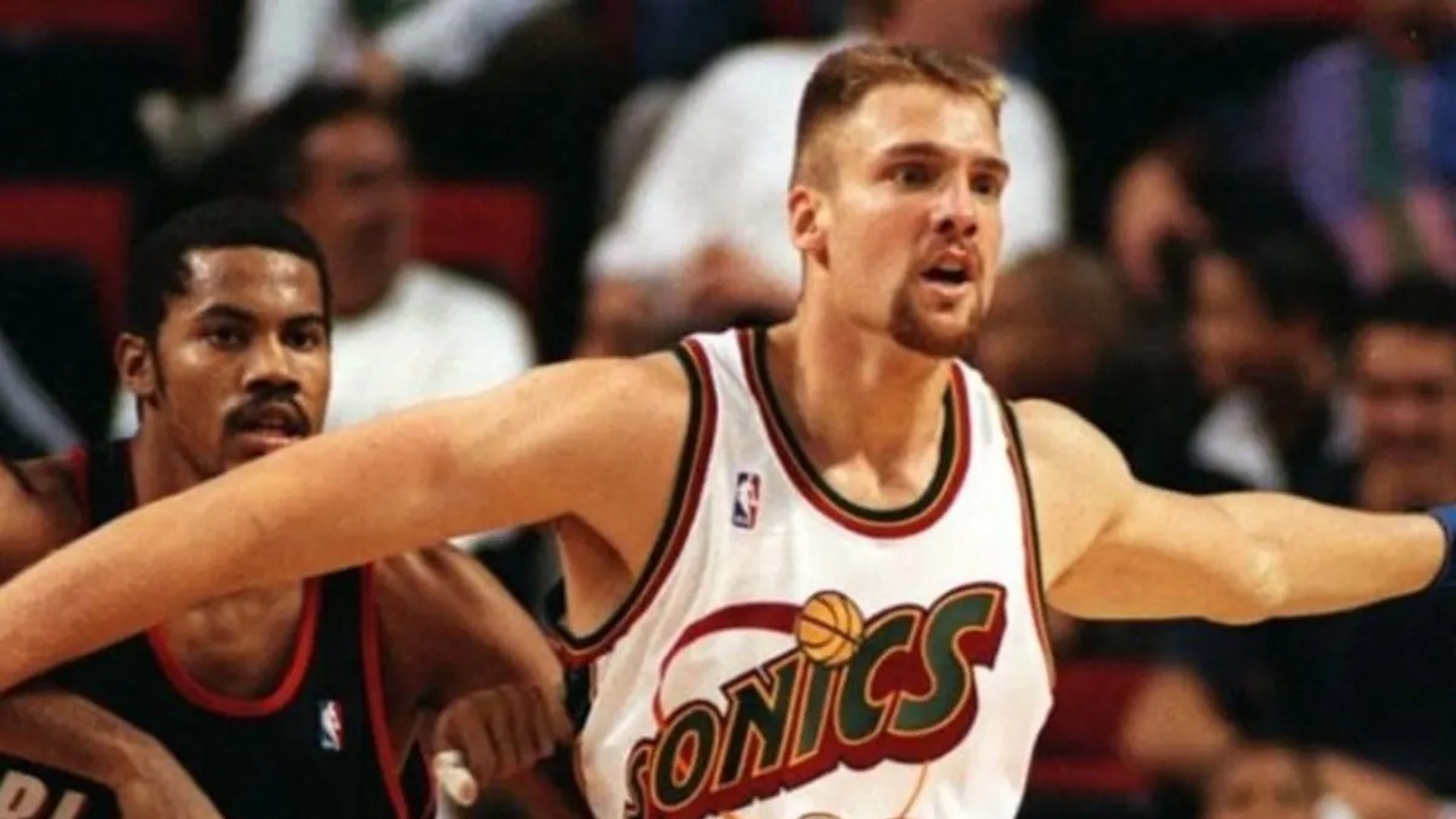
Jim McIlvaine
The Sonics signed McIlvaine to a seven-year, $33.6 million contract in 1996. The overpayment for a backup averaging 2.3 points enraged superstar Shawn Kemp, who was underpaid. The resulting dispute led to Kemp's trade and the end of the Sonics' dynasty.
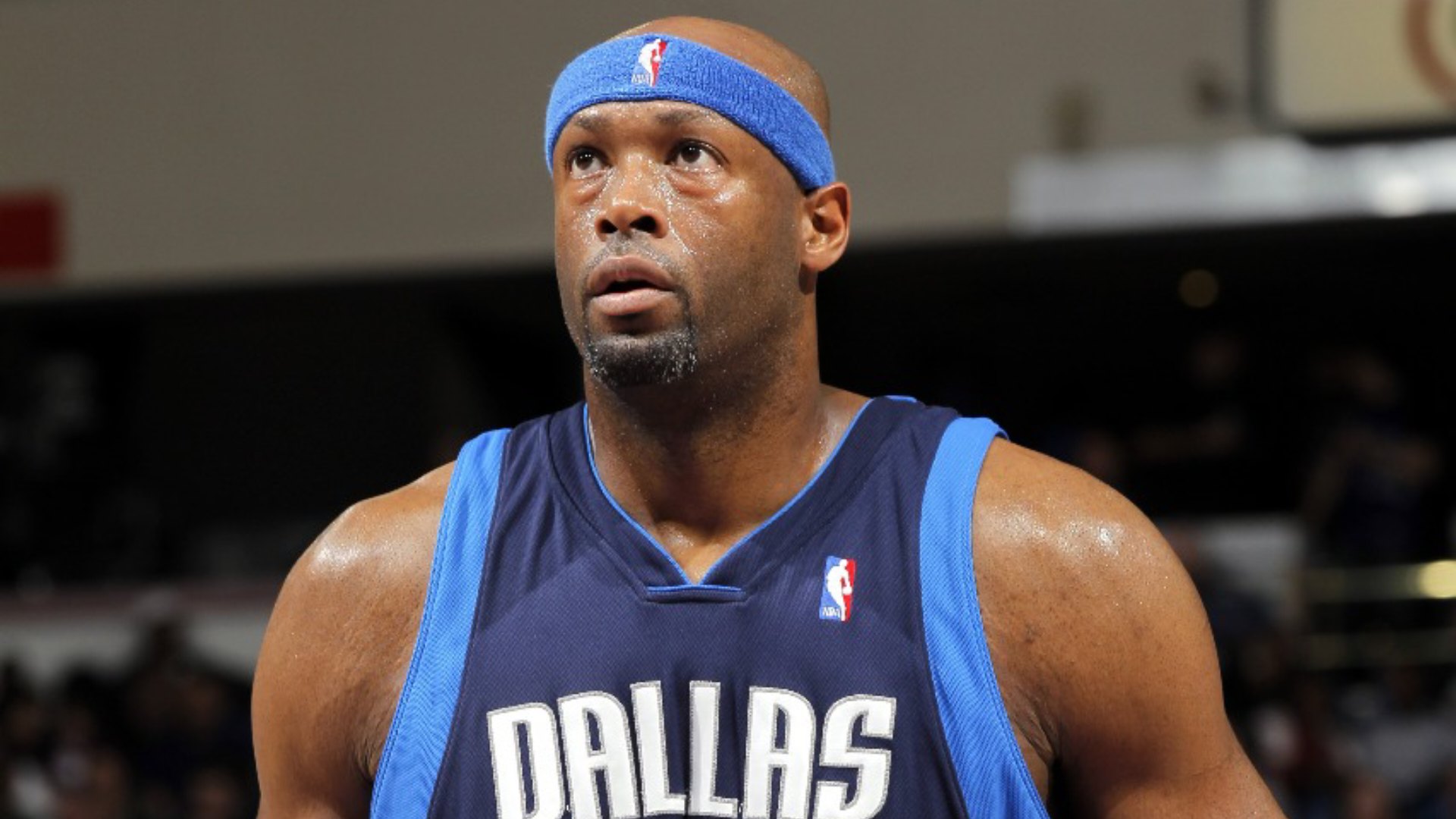
Erick Dampier
In 2004, the Mavericks gave Dampier a seven-year, $73 million contract after a career-best season. He never came close to matching his numbers from that single outlier year, and the contract became a classic example of overpaying for a statistical anomaly.
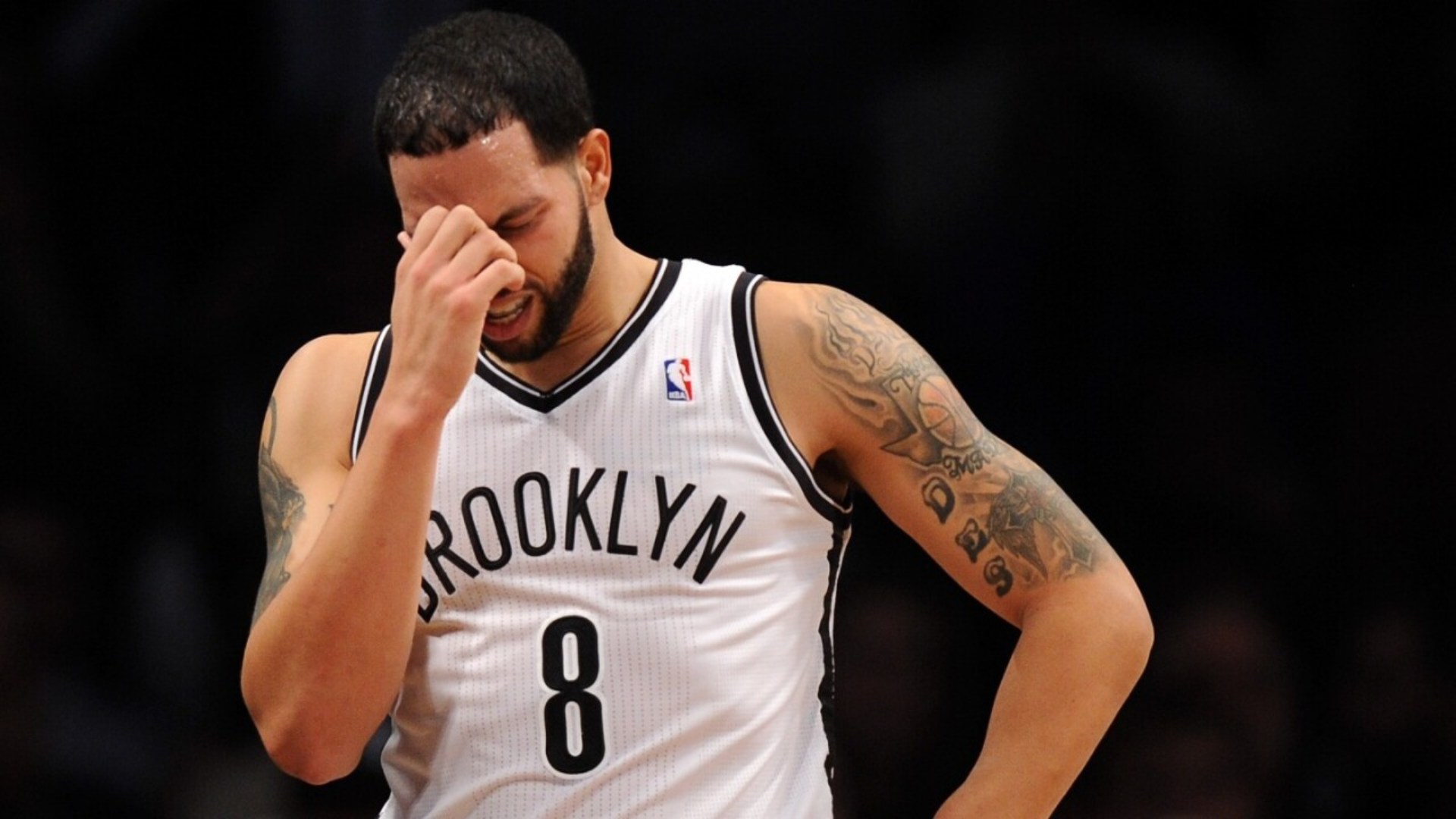
Deron Williams
The Nets signed him to a five-year, $98 million deal after trading for him. His performance steeply declined due to repeated injuries and he never again reached the All-Star level he had with the Jazz, averaging 16.6 points per game with the Nets.
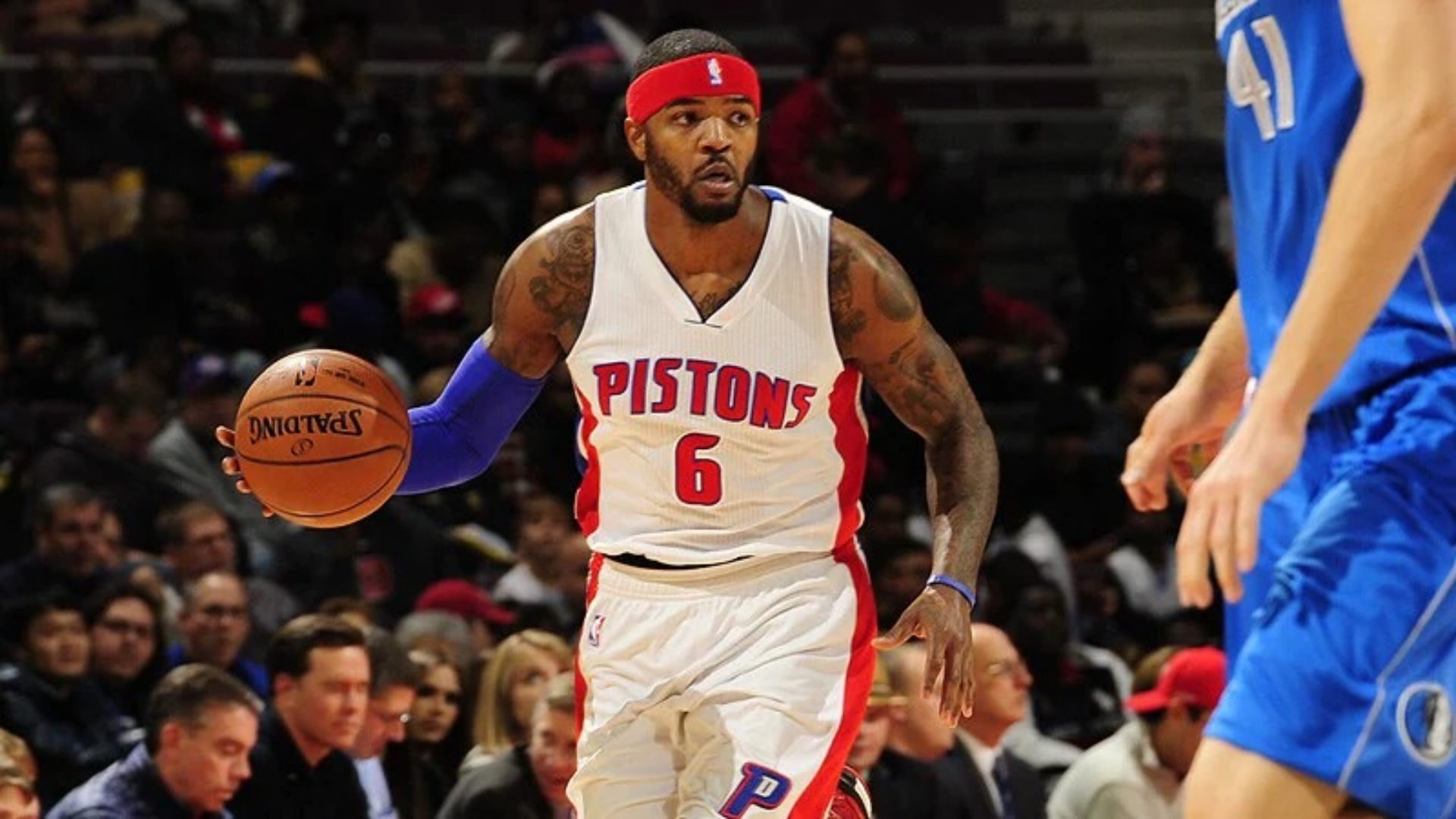
Josh Smith
Smith signed a four-year, $54 million deal with the Pistons in 2013, but proved to be a poor fit. The team considered him such a "cancer" that they waived him with over $26 million and two years left on his contract.
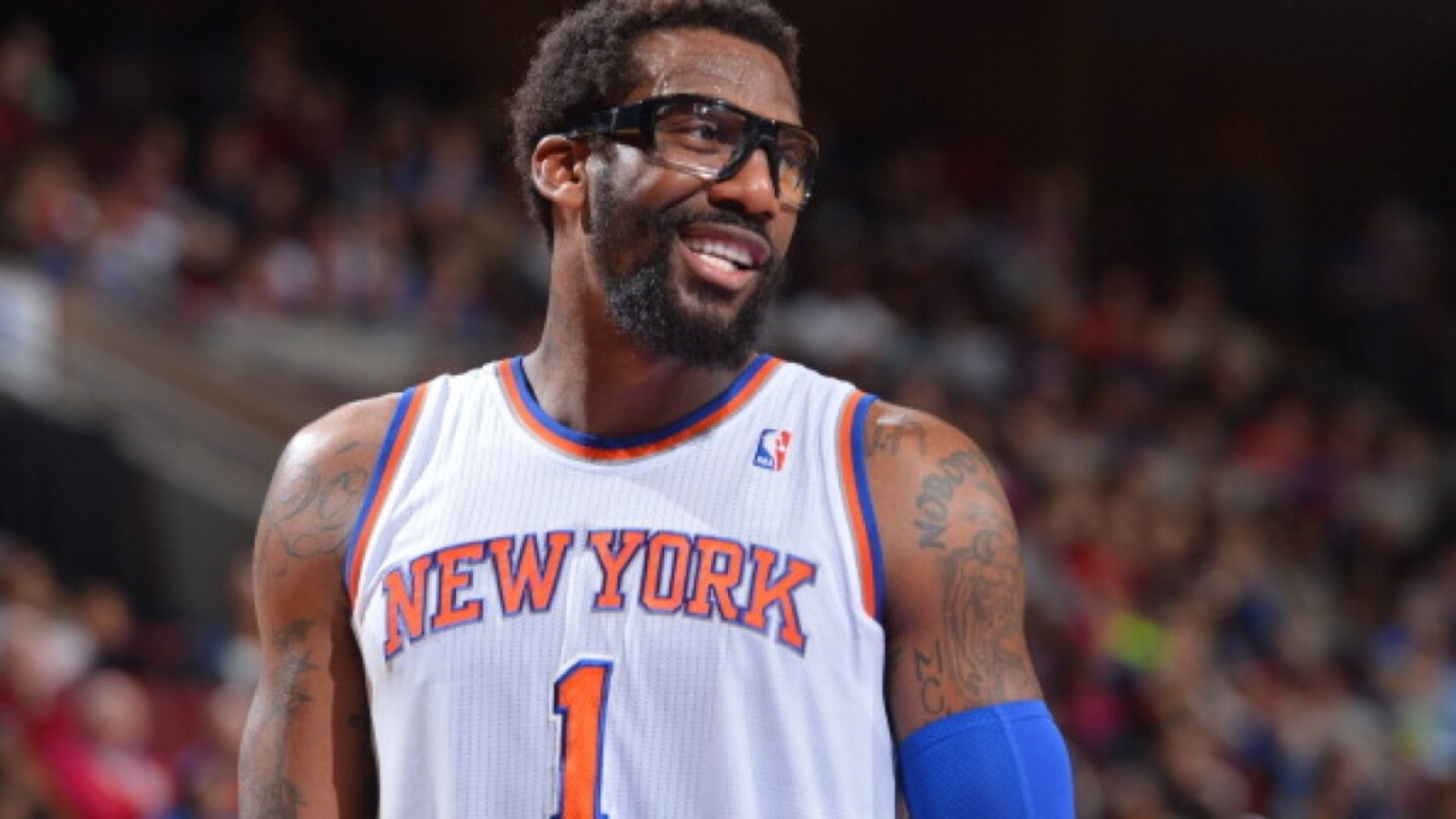
Amar'e Stoudemire
The Knicks signed him to a five-year, $99.7 million deal despite medical warnings about his knees. After an All-Star first season, nagging injuries rendered him ineffective for the remainder of the contract, making it a major financial and on-court mistake.
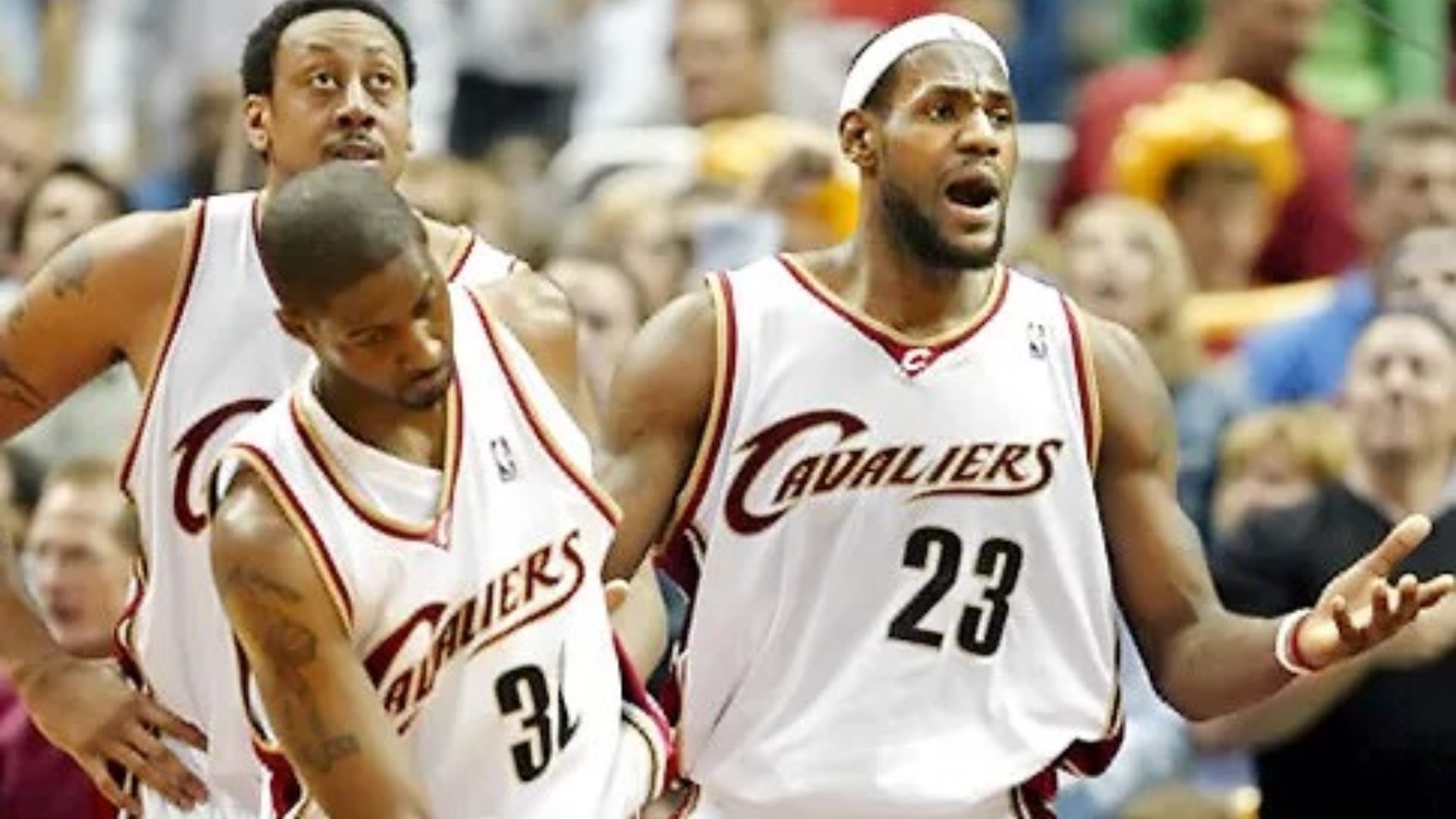
Larry Hughes
In 2005, Hughes signed a five-year, $70 million deal with the Cavaliers to play alongside LeBron James. His scoring and shooting percentages dropped each season with the team due to injuries and poor performance before he was traded away.
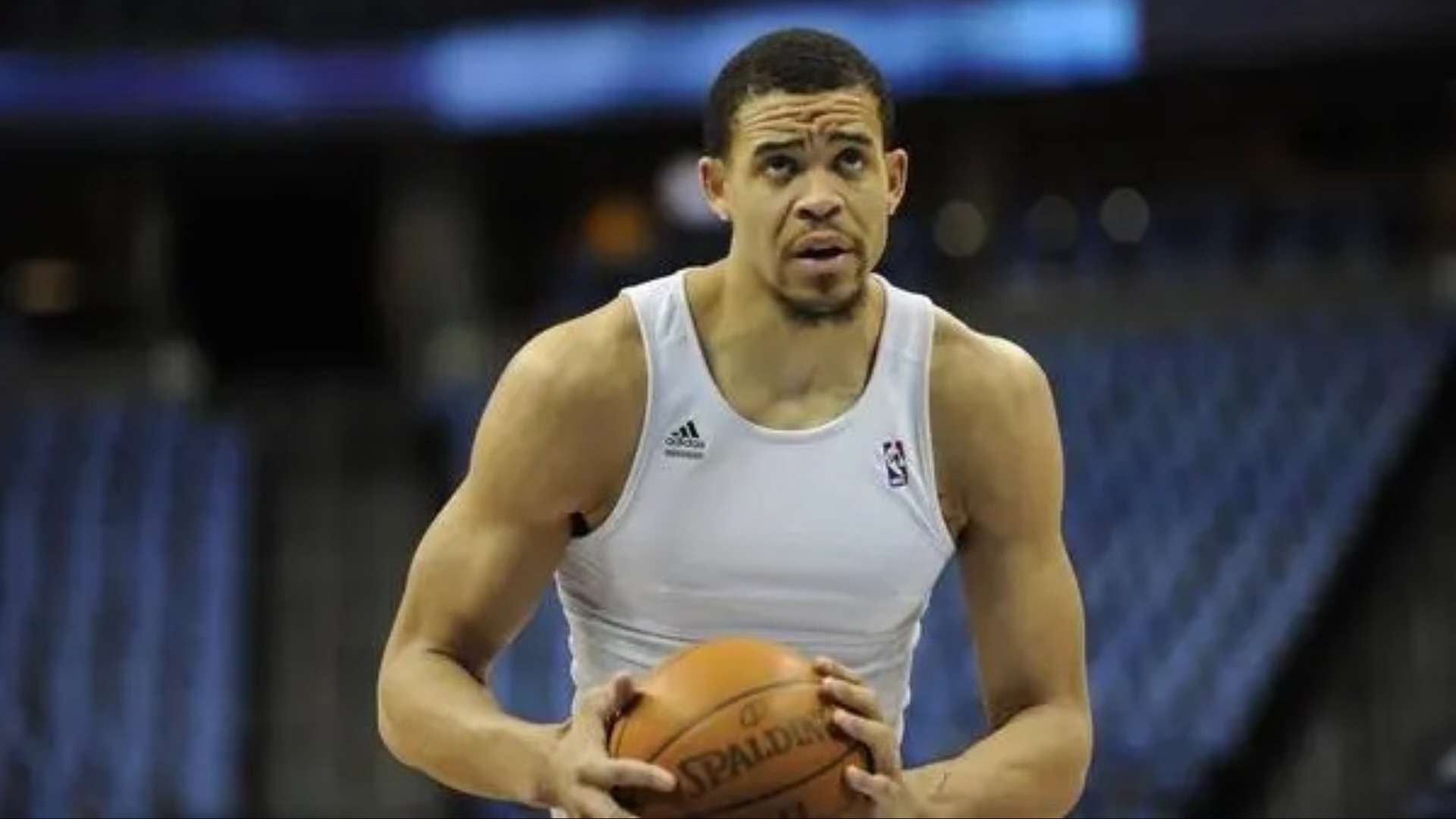
JaVale McGee
He was given a four-year, $44 million contract by the Nuggets, an overpay for a player widely criticized for a low basketball IQ. He played just 28 games in his last two seasons under the contract.
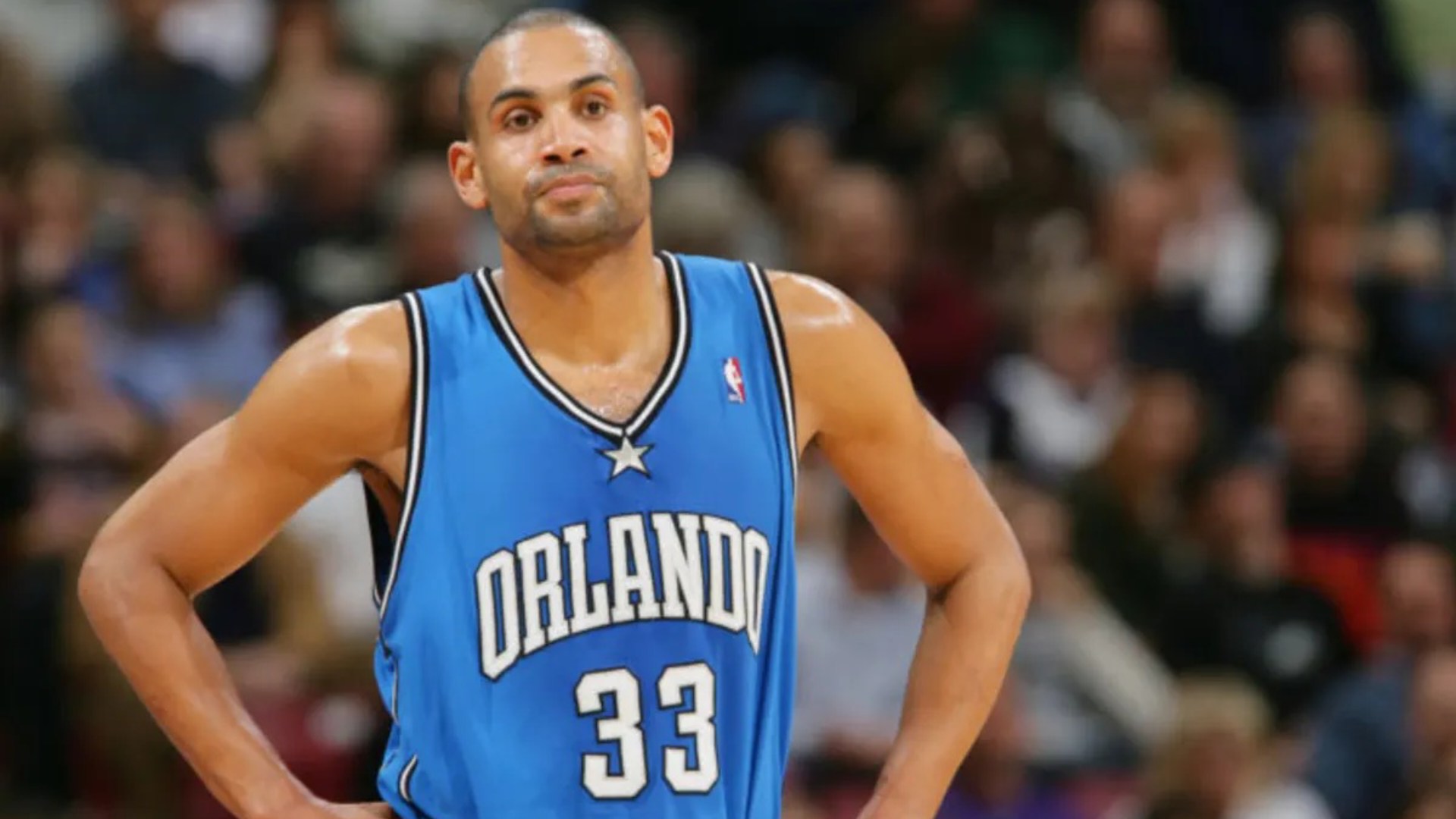
Grant Hill
The Magic signed Hill to a seven-year, $93 million contract in 2000. He was plagued by persistent ankle injuries and played in fewer than 30 games in five of his seven seasons with the team, never living up to the deal.
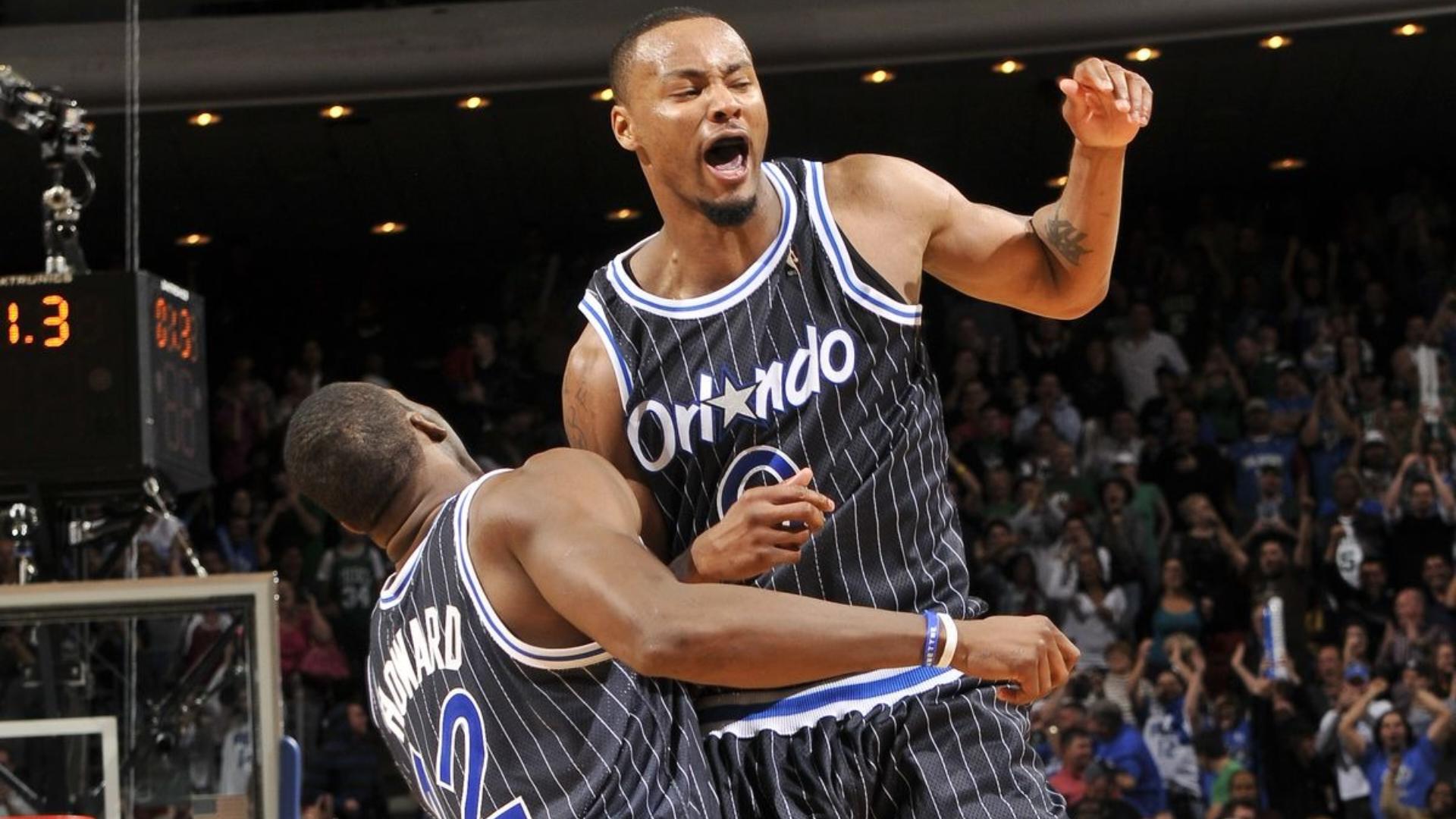
Rashard Lewis
The Magic signed Lewis to a six-year, $118 million deal in 2007. His scoring average declined for five straight seasons and he never lived up to his contract's immense value before being traded to the Wizards in 2010.
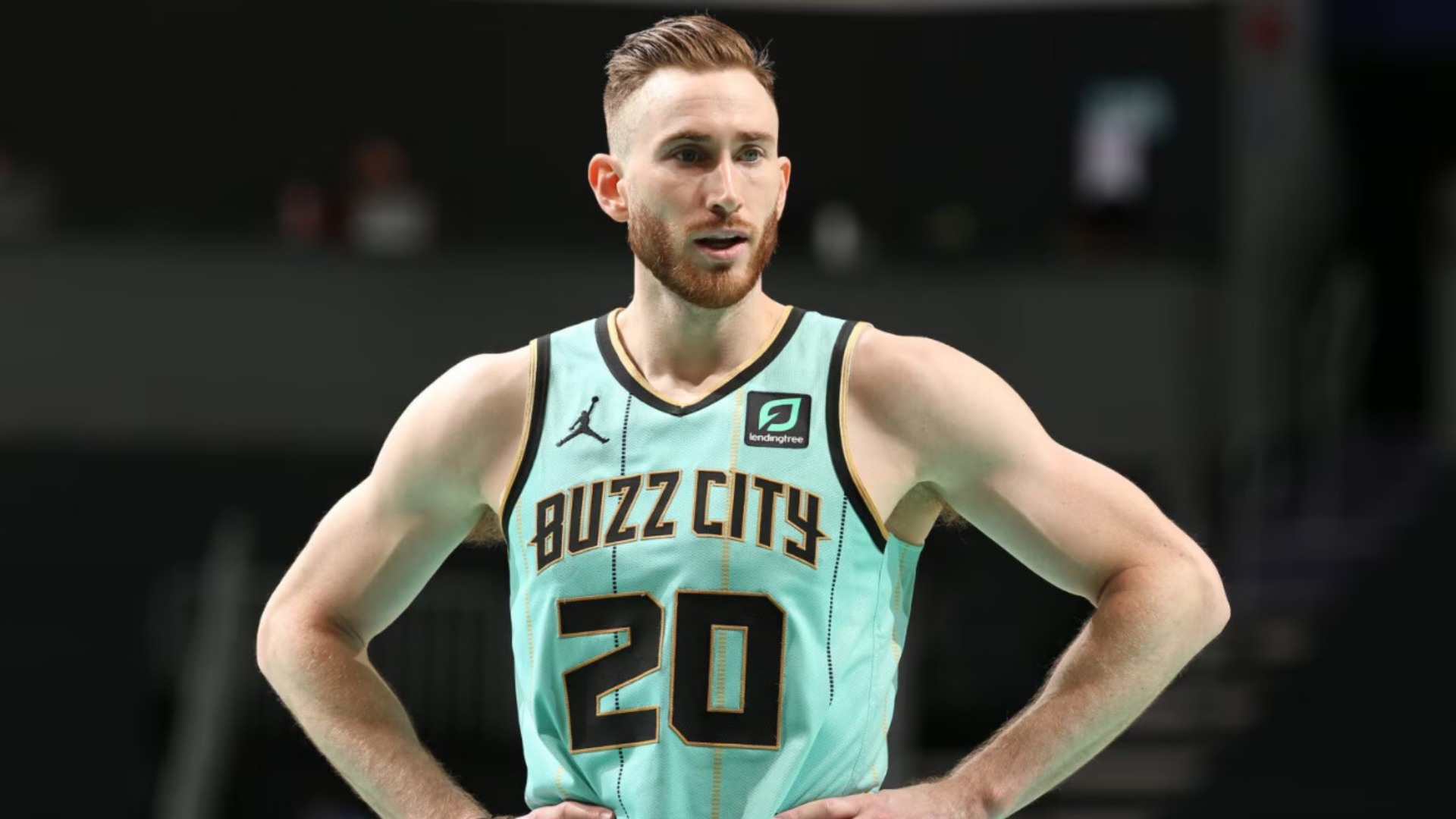
Gordon Hayward
In 2020, the Hornets signed him to a four-year, $120 million contract despite a history of season-ending injuries. He failed to lead the team to the playoffs and never played more than 50 games in any season due to health issues.
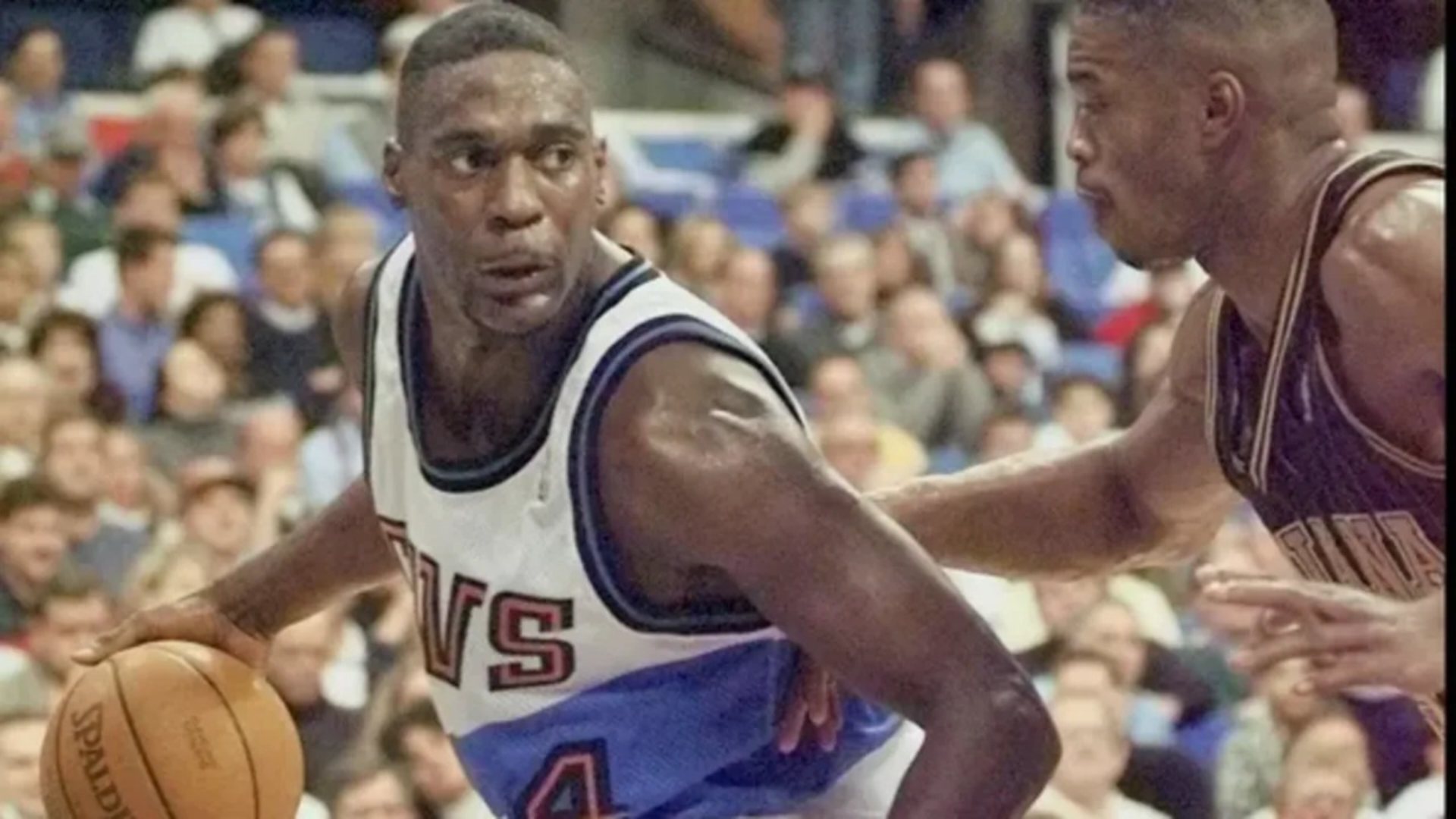
Shawn Kemp
After his contract dispute in Seattle, Kemp signed a seven-year, $107 million deal with the Cavaliers. His performance quickly declined due to conditioning issues, and the contract became a major financial burden for the team.
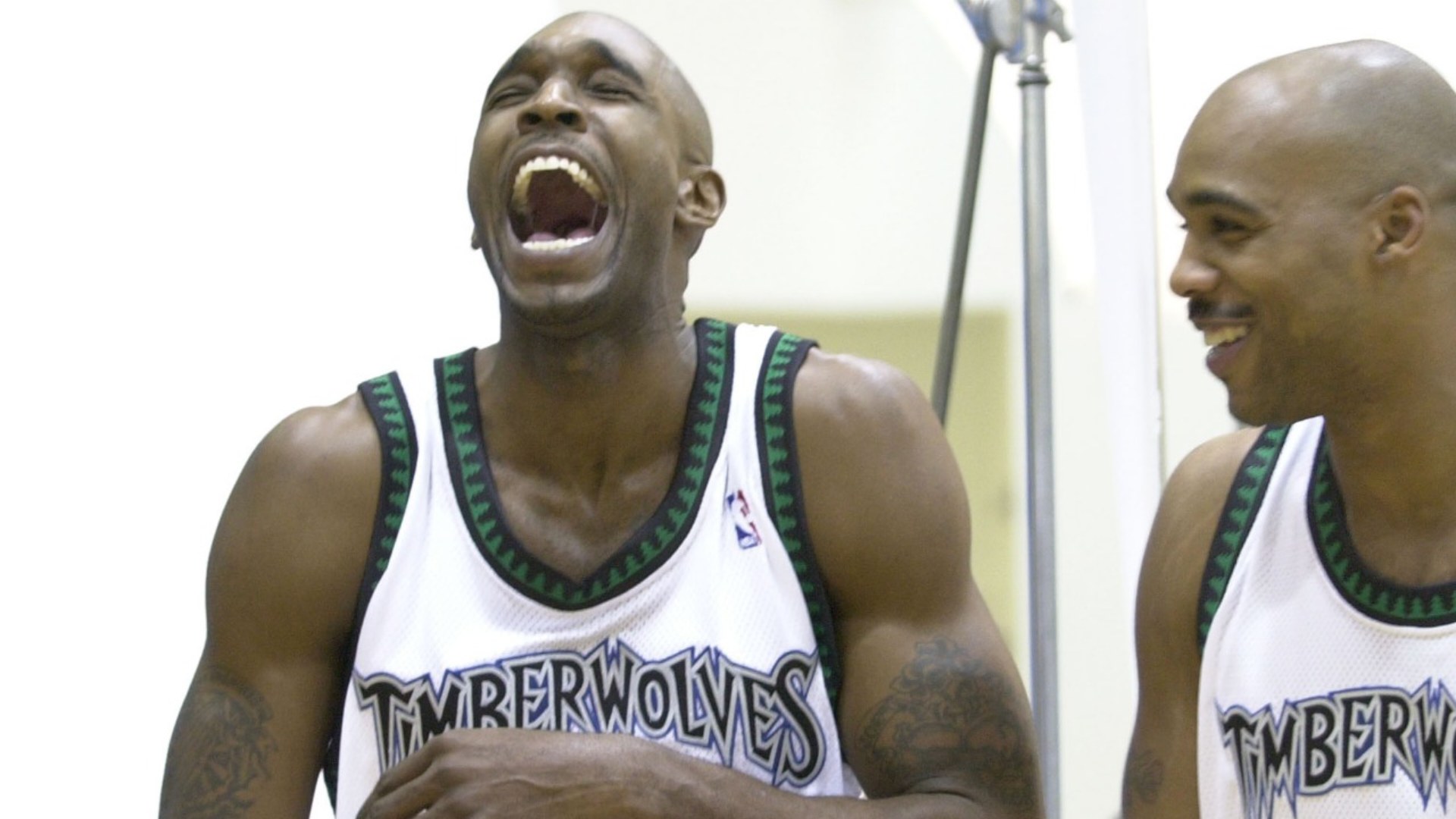
Joe Smith
His secret, illegal seven-year, $86 million contract with the Timberwolves was exposed in 1999. The league voided the deal, fined the team $3.5 million, and stripped them of five first-round draft picks for circumventing the salary cap.
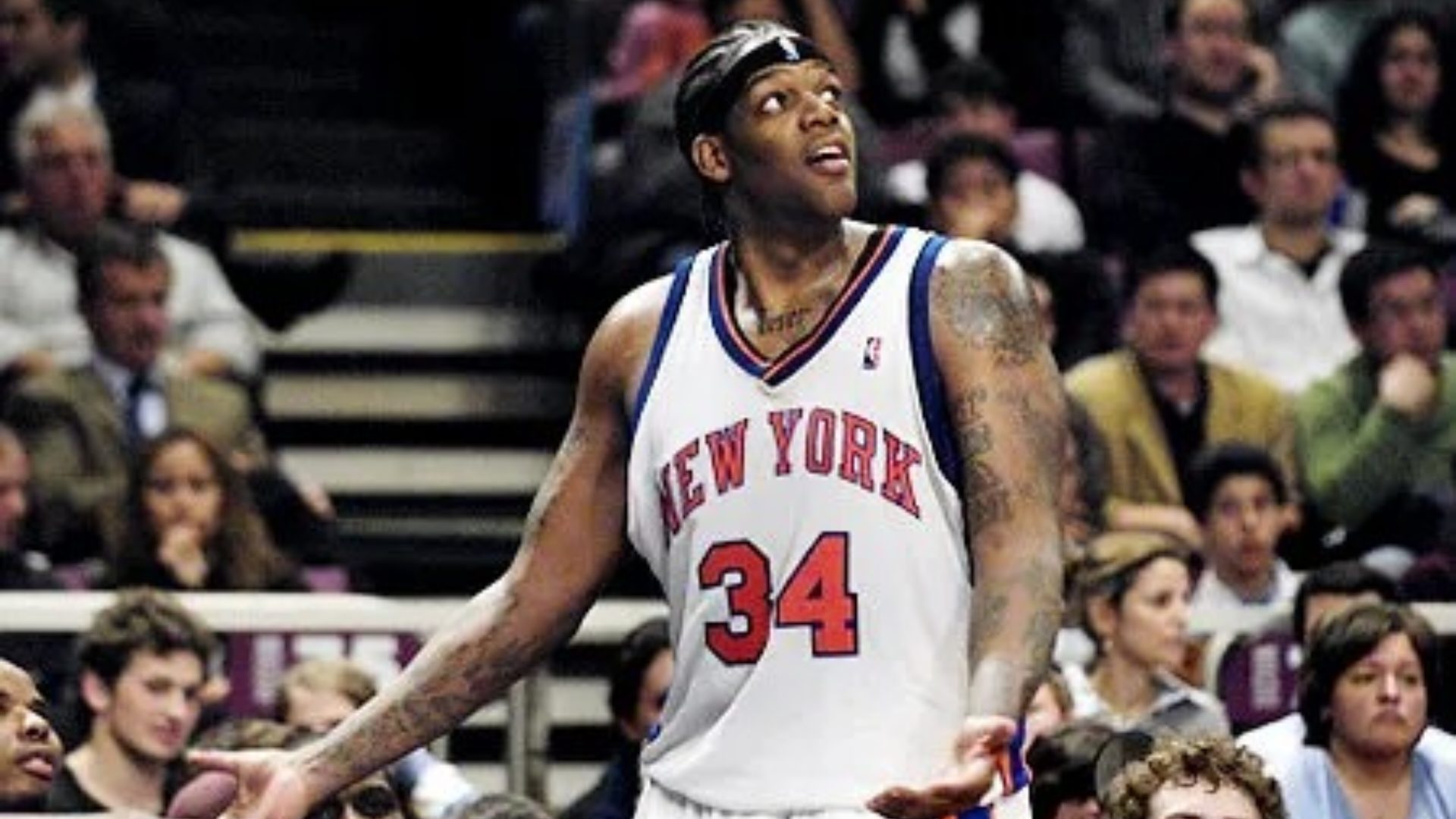
Eddy Curry
The Knicks signed him to a six-year, $60 million deal in 2005. Curry battled weight issues and appeared in a total of only 10 games over the final three seasons of the deal, making the contract a complete bust.
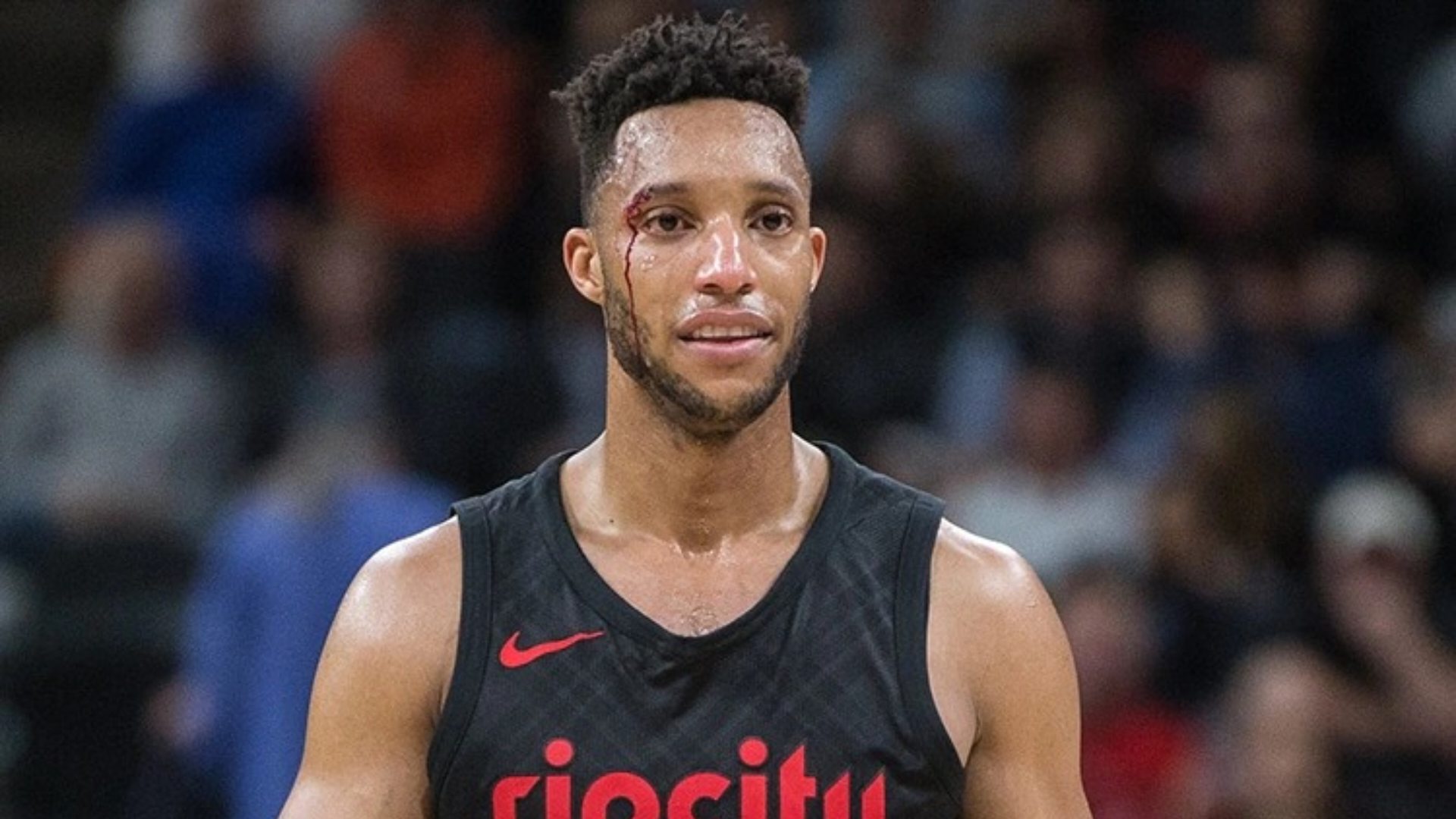
Evan Turner
The Trail Blazers signed Turner to a four-year, $70 million deal in 2016. Paid like a starter, he averaged just 8 points per game with modest stats, and the team traded him away before the contract ended.