
When Actors Ignored The Script And Made Their TV, Movie Characters Better
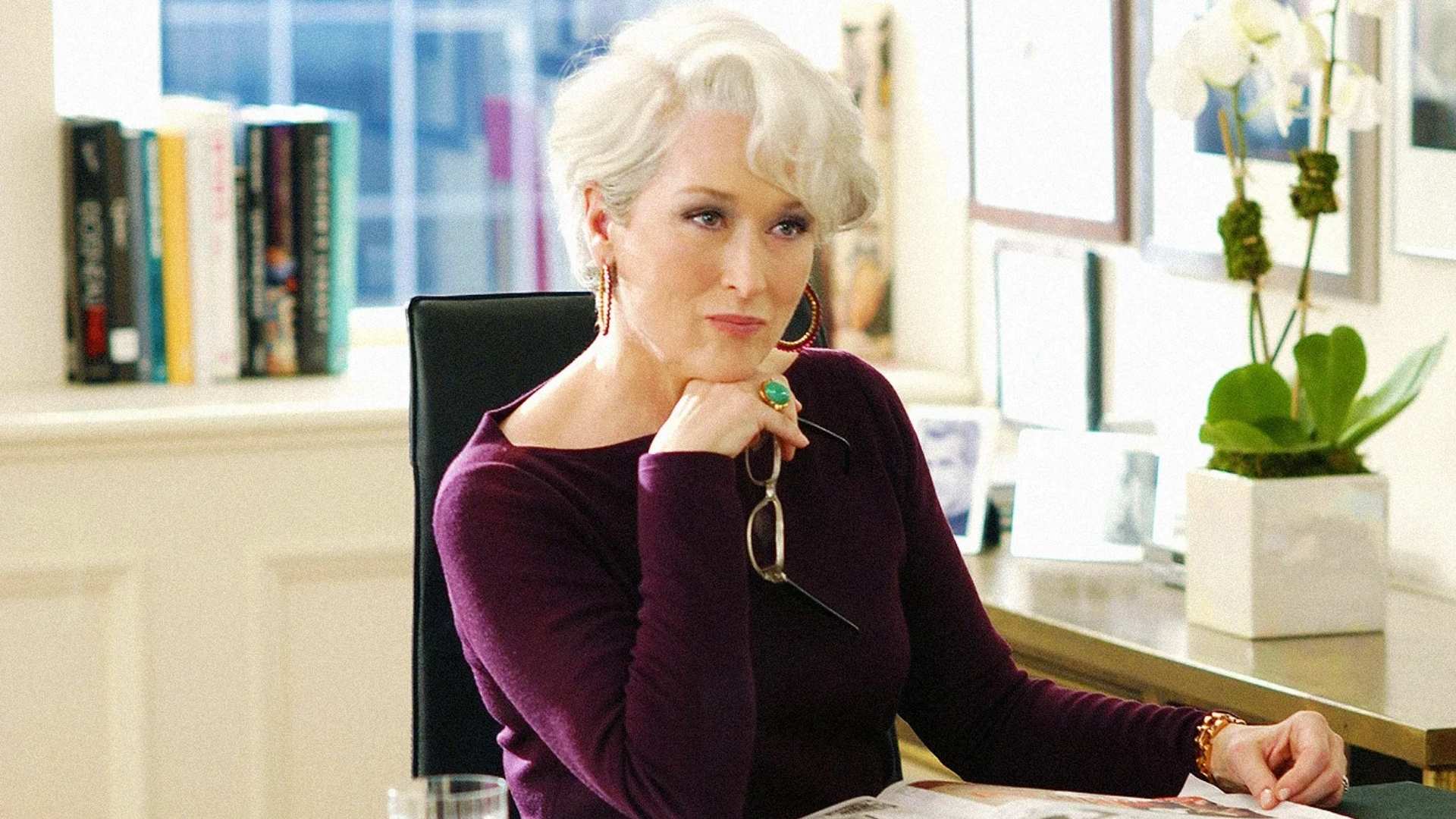
Meryl Streep, The Devil Wears Prada
Meryl was asked to say a line where Miranda Priestly insults another woman’s looks, something like “She’s too fat for couture.” Meryl refused, saying Miranda’s strength came from power, not cruelty. The line was removed, and her calm, cutting performance became even more iconic.
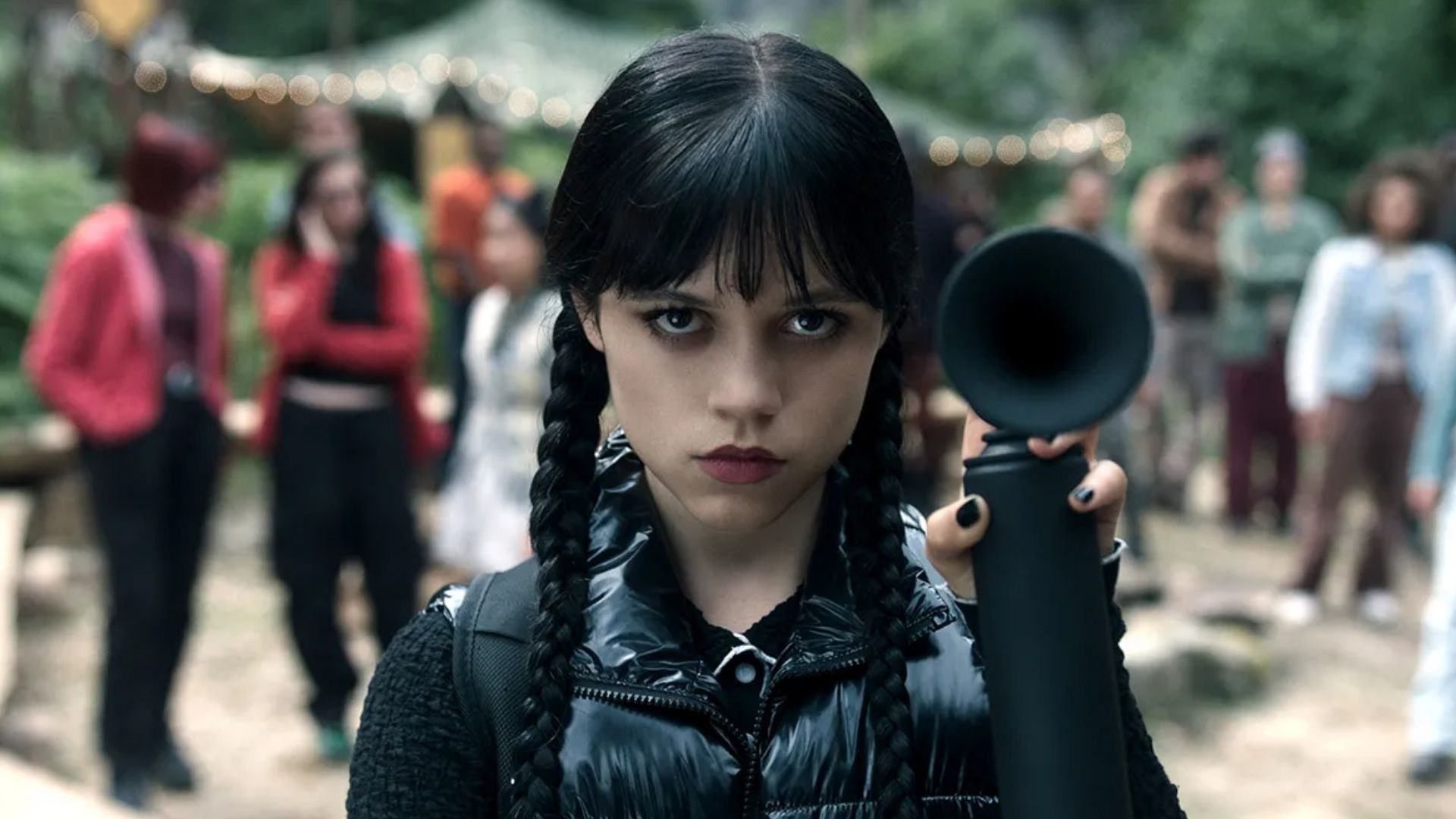
Jenna Ortega, Wednesday
Jenna took control of her character’s voice from the start. In one scene, Wednesday was supposed to say, “OMG, I love this dress!” Ortega immediately pushed back, saying that Wednesday Addams would never sound like a teenager from a high school rom-com. Instead, she rewrote the line into something darker and more fitting, “I do like stabbing in style.”
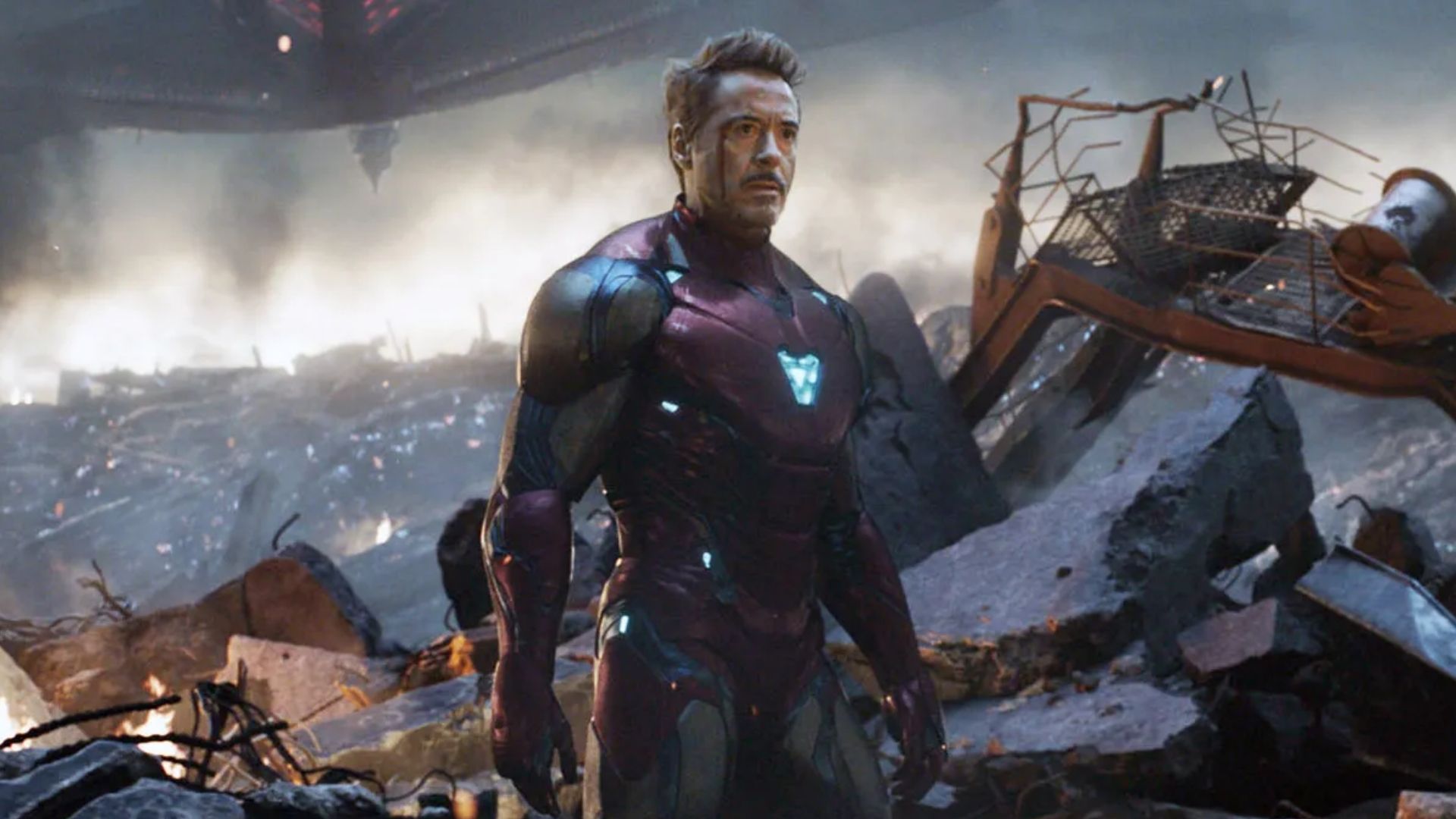
Robert Downey Jr., Avengers: Endgame
Robert Downey Jr., Avengers: Endgame, gave the Marvel universe one of its most emotional moments with a line change. The original script had Tony Stark saying something generic before snapping his fingers to defeat Thanos. Downey felt it needed more weight. He replaced it with the simple, perfect line: “I am Iron Man.” It tied his story back to where it began and became one of the greatest closing lines in movie history.
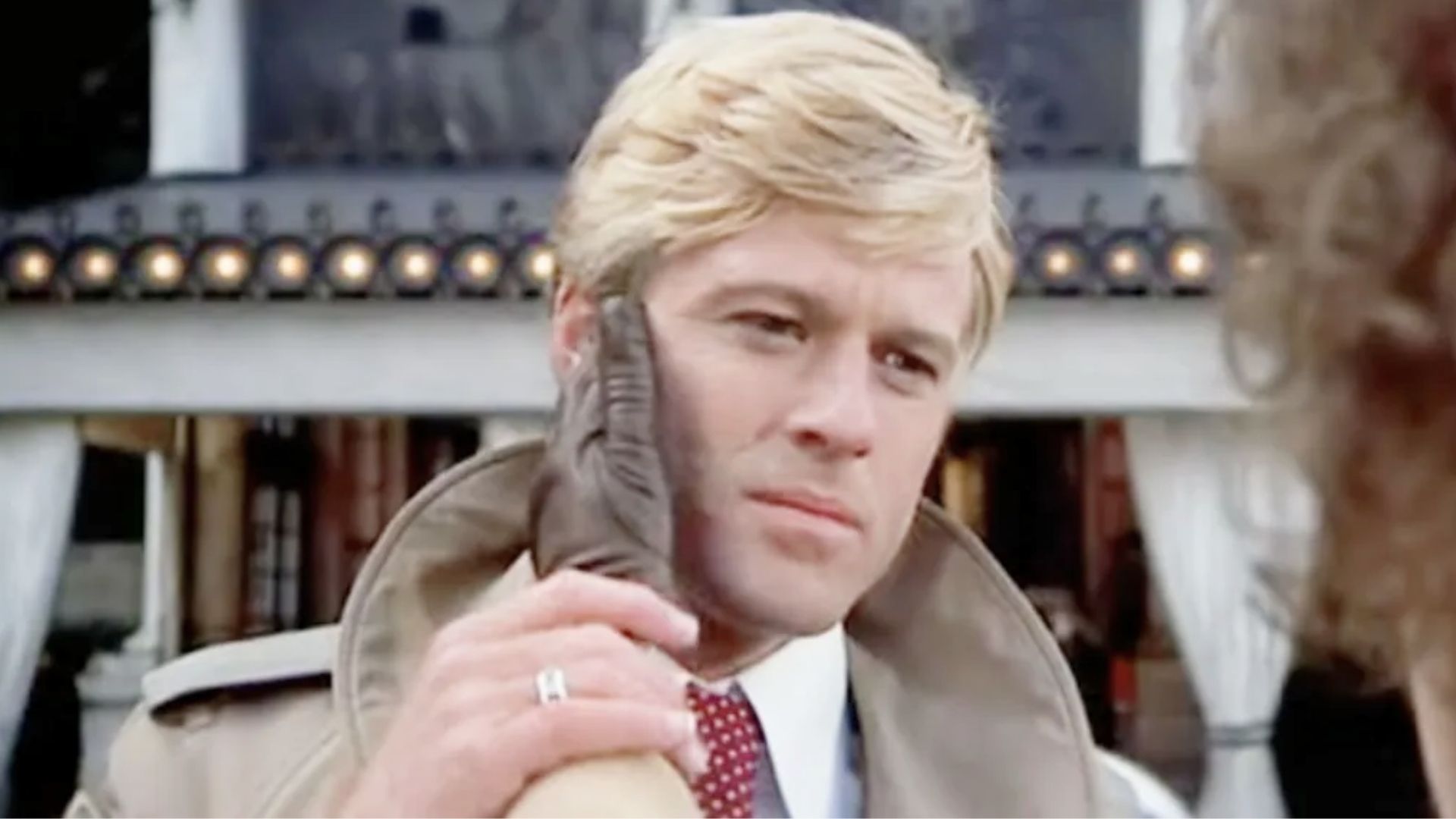
Robert Redford, The Way We Were
Robert Redford, The Way We Were, clashed with parts of the script that painted his character, Hubbell Gardiner, as emotionally weak or unaware. During filming, Redford refused to say certain overly sentimental lines written to make Hubbell appear naïve in love. He felt the character needed more depth and self-awareness, someone who knew what he was losing but couldn’t change it. Redford reportedly told director Sydney Pollack that Hubbell shouldn’t “sound dumb” or “blind to what’s happening.” The two worked together to rewrite several scenes.
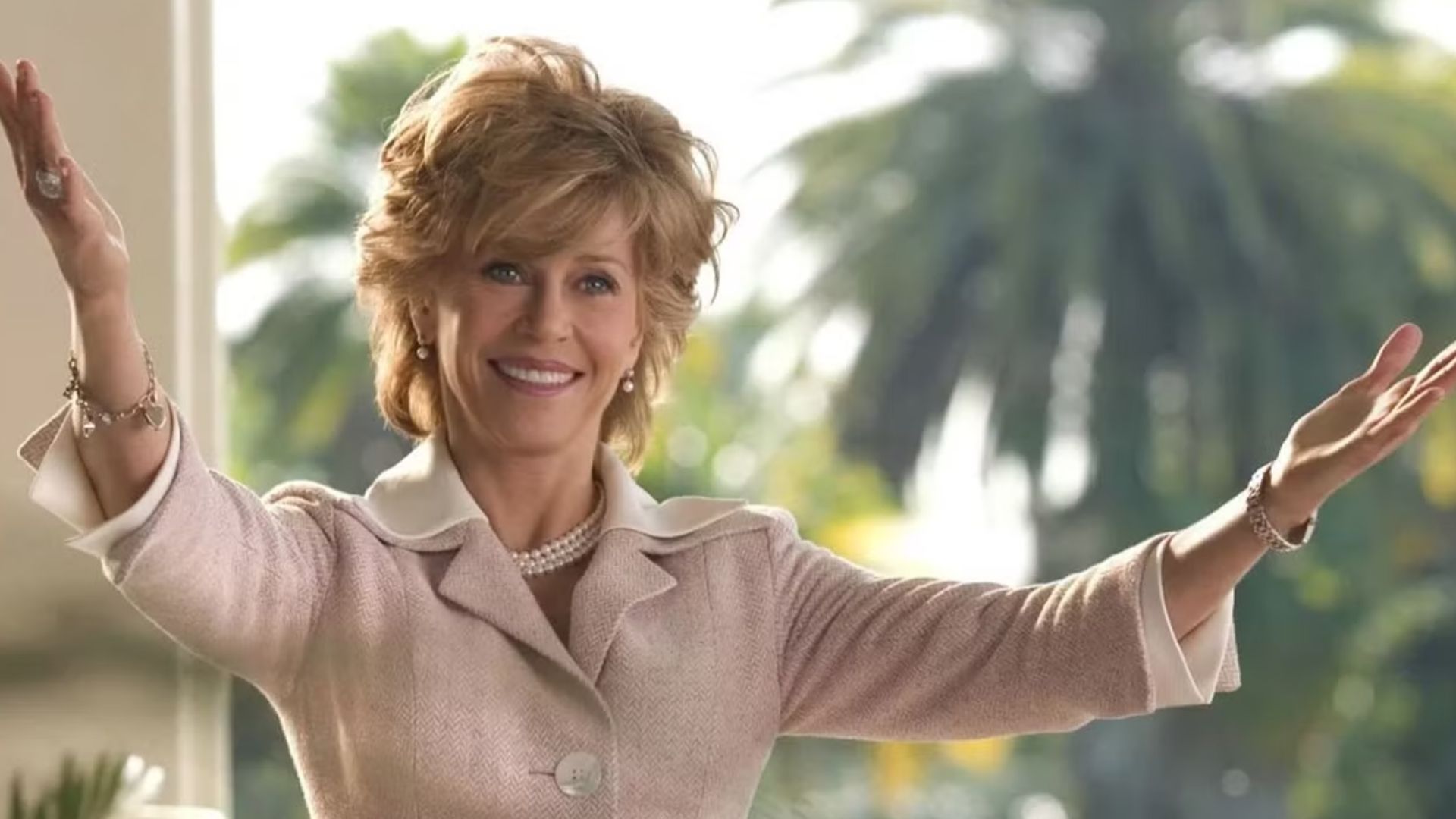
Jane Fonda, Monster-in-Law
Jane Fonda once refused to say a line that insulted older women in Monster-in-Law. She felt it went against the spirit of the movie and made the character seem mean for no reason. Jane’s edit made the moment funnier, and more empowering, without tearing anyone down.
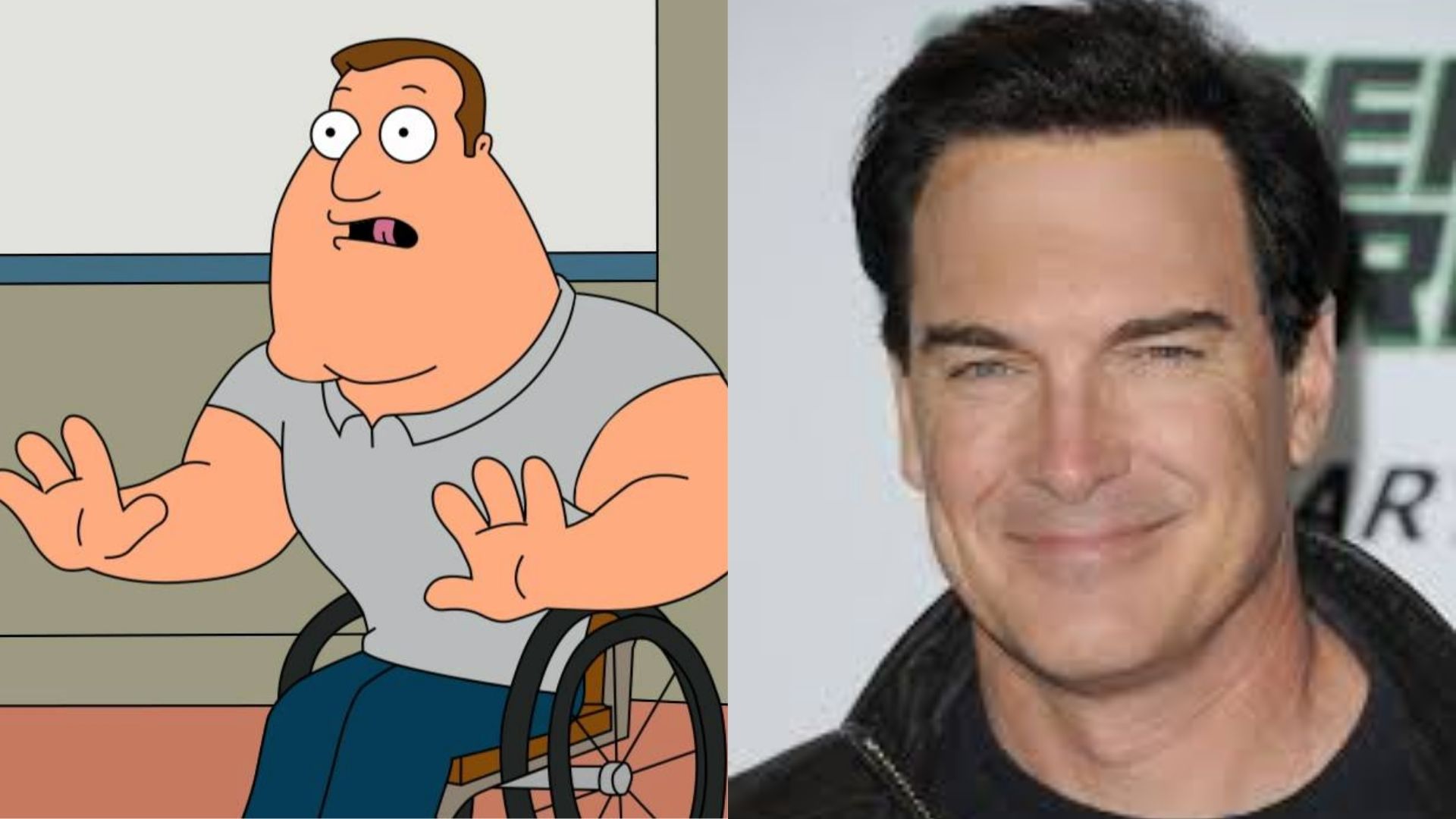
Patrick Warburton, Family Guy
Patrick Warburton, the voice of Joe Swanson on Family Guy, once refused to participate in an episode because of an offensive religious joke. That joke (not even spoken by Joe) referenced Christ on the cross in a way Warburton felt wasn’t funny but cruel. He told producers, “Guys, I can’t participate in this episode if that line is in it,” and the line was removed.
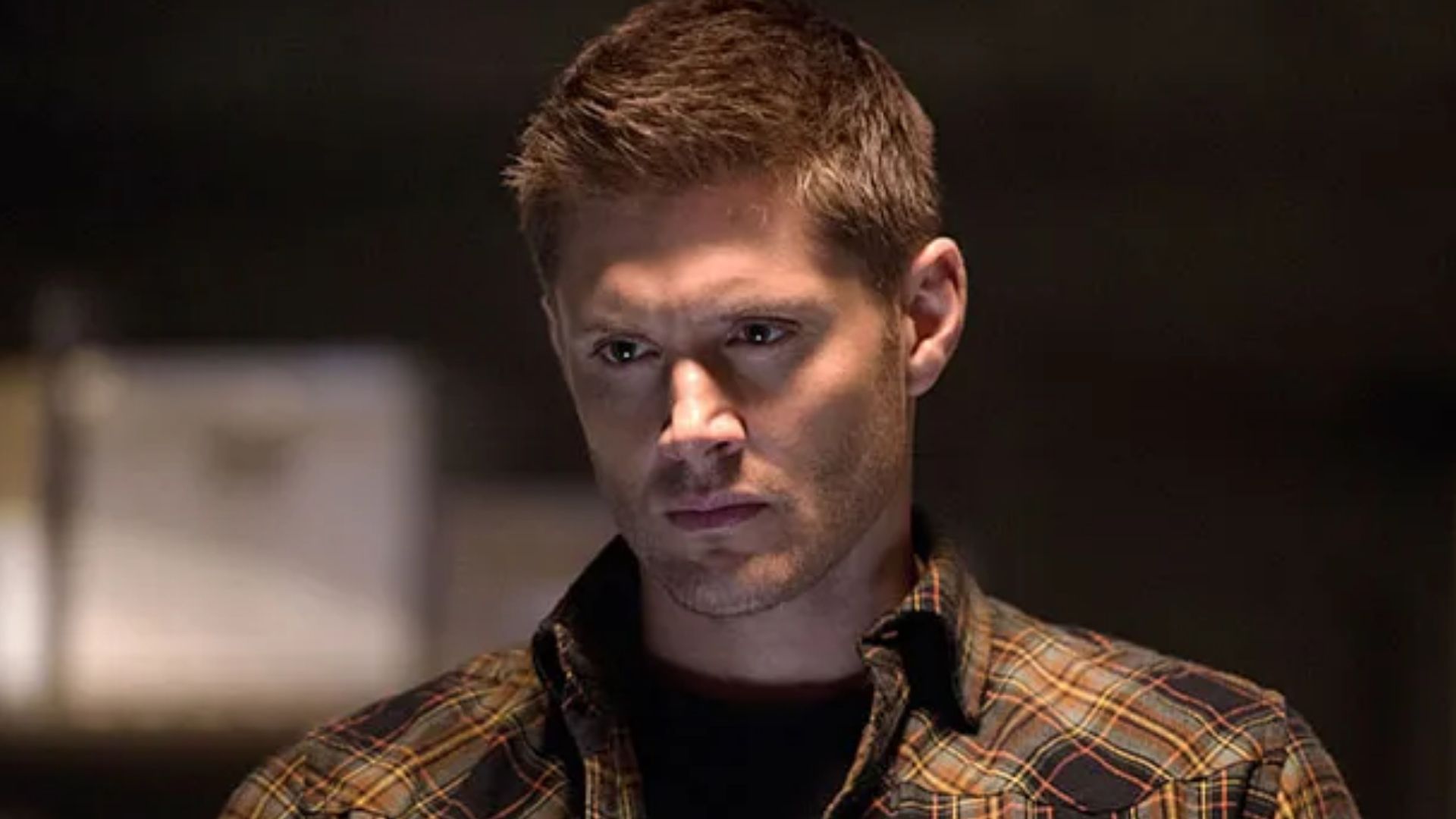
Jensen Ackles, Supernatural
Jensen Ackles once refused to say a line in Supernatural that made Dean Winchester look cowardly. He told the writers it didn’t fit the character’s personality. The team agreed and rewrote the scene, turning it into one of Dean’s strongest moments instead.

Harrison Ford, Star Wars: The Empire Strikes Back
Ford helped create one of the most iconic moments in movie history by not saying the line he was supposed to. When Leia says “I love you,” Han Solo was meant to reply, “I love you too.” Ford thought that didn’t sound like Han at all. On the spot, he changed it to “I know.” The line was kept and instantly became legendary.
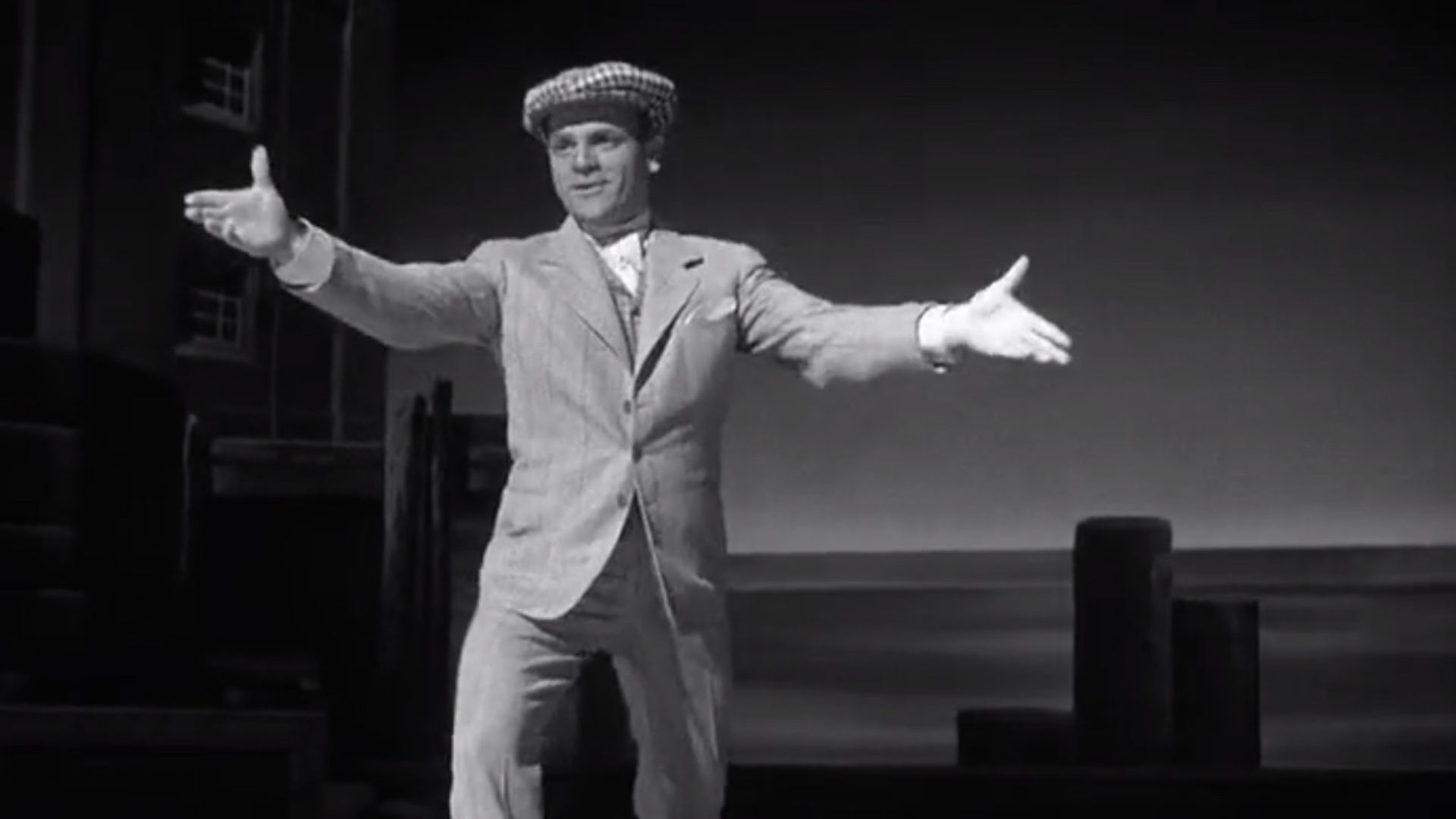
James Cagney, Yankee Doodle Dandy
James Cagney wouldn’t deliver a line that he felt disrespected soldiers during Yankee Doodle Dandy. He told the director he wanted to keep the tone patriotic and sincere. His decision made the film even more heartfelt and won him an Oscar.
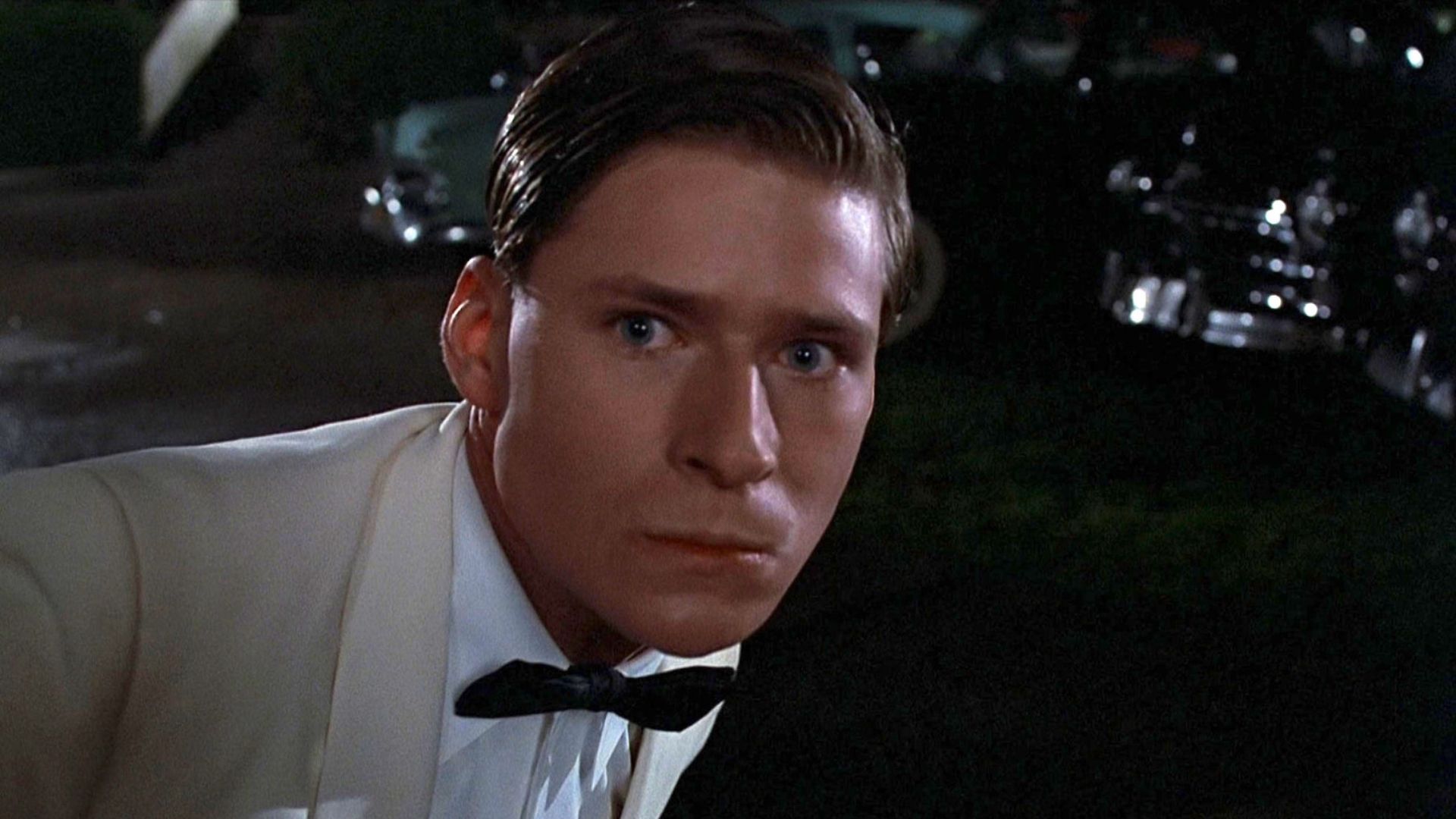
Crispin Glover, Back to the Future
Crispin Glover didn’t like how Back to the Future ended, especially the part where Marty’s family became rich. He thought it sent the wrong message that money equals happiness. Glover spoke up, but the filmmakers kept the scene as it was. The disagreement got so tense that he didn’t return for the sequel.

Christopher Lee, The Hobbit
Christopher Lee once refused to say a line in The Hobbit that he thought cheapened Saruman’s character. A lifelong Tolkien fan, he wanted to stay true to the book. His dedication to authenticity won huge respect from fans around the world.
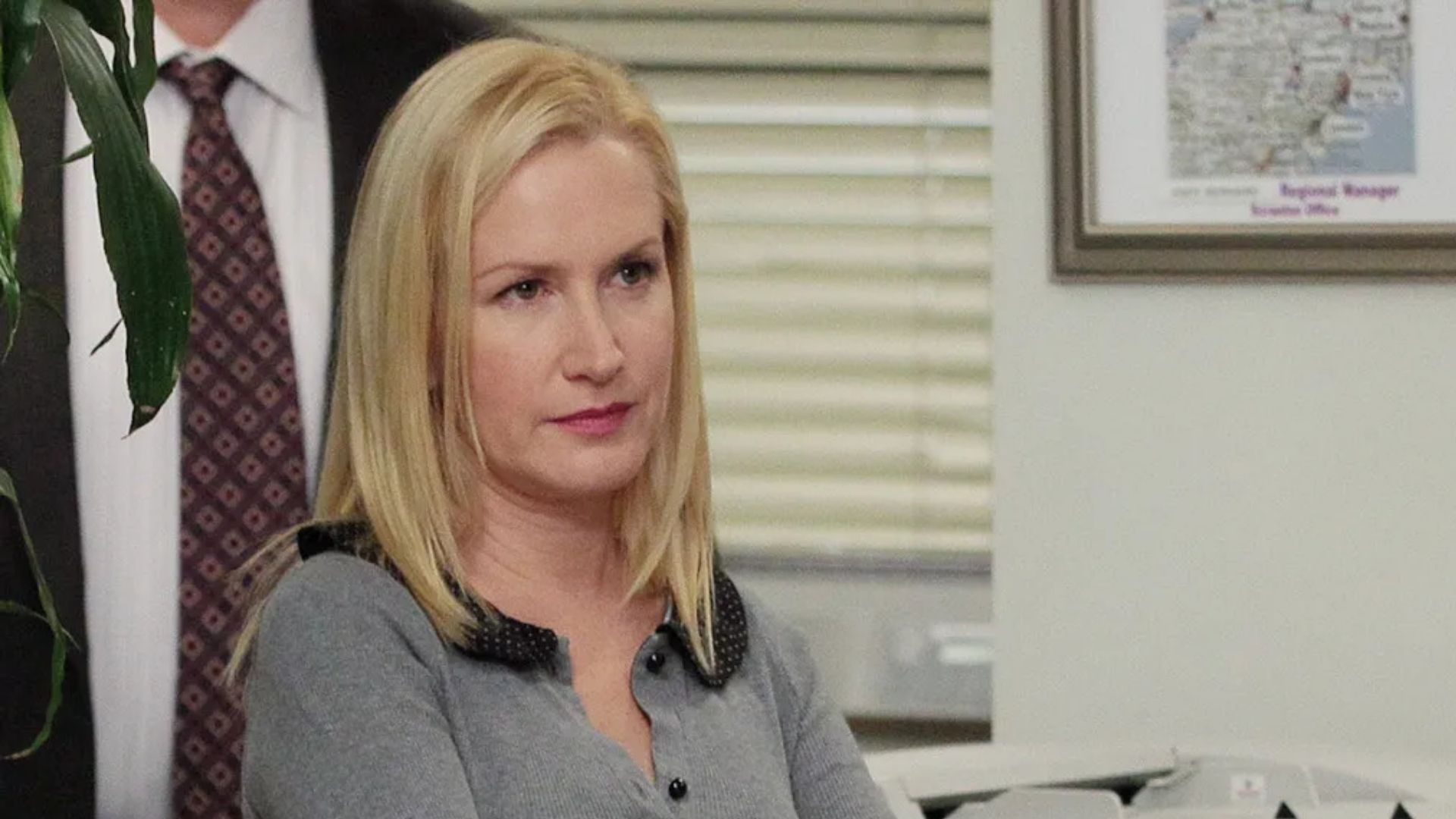
Angela Kinsey, The Office
Angela Kinsey has publicly said she refused to say a “super judge-y” Christian joke in the The Office (specifically the “Gay Witch Hunt” episode). The line would’ve had her invoke Jesus in a way she felt stereotypical and unfair toward Oscar, a gay coworker. She told showrunner Greg Daniels, “I can’t,” explaining, “I don’t feel good about it. I don’t feel like that’s what Jesus represented to me.” Daniels agreed and removed the joke.
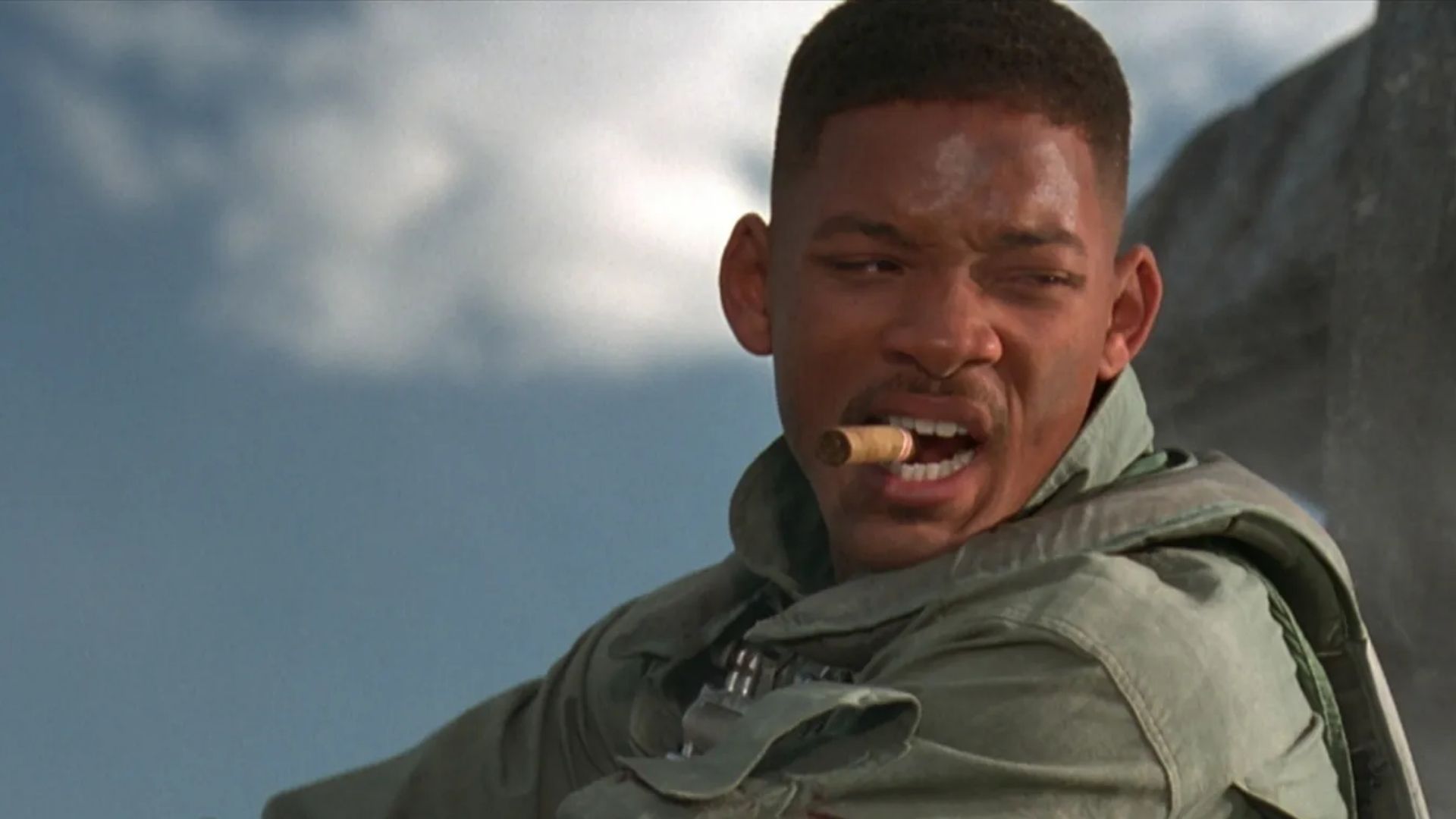
Will Smith, Independence Day
Will Smith didn’t want to say a line that made his Independence Day character sound cocky after killing aliens. He asked for a more grounded reaction and it worked. The moment became heroic instead of arrogant.

Tom Payne, The Walking Dead
Tom Payne played Paul “Jesus” Rovia on The Walking Dead, a character defined by principle and moral integrity. In Season 8, there was a scene where Maggie and Daryl say, “We’ll get revenge on Negan” and Jesus is scripted to affirm, “Yeah, we will.” Payne felt that didn’t sit right: his version of Jesus wouldn’t lie in that moment or pretend to feel more conviction than he actually had. He said he delivered it hesitantly, so the weight wouldn’t be false, but that version was ultimately cut from the final edit.
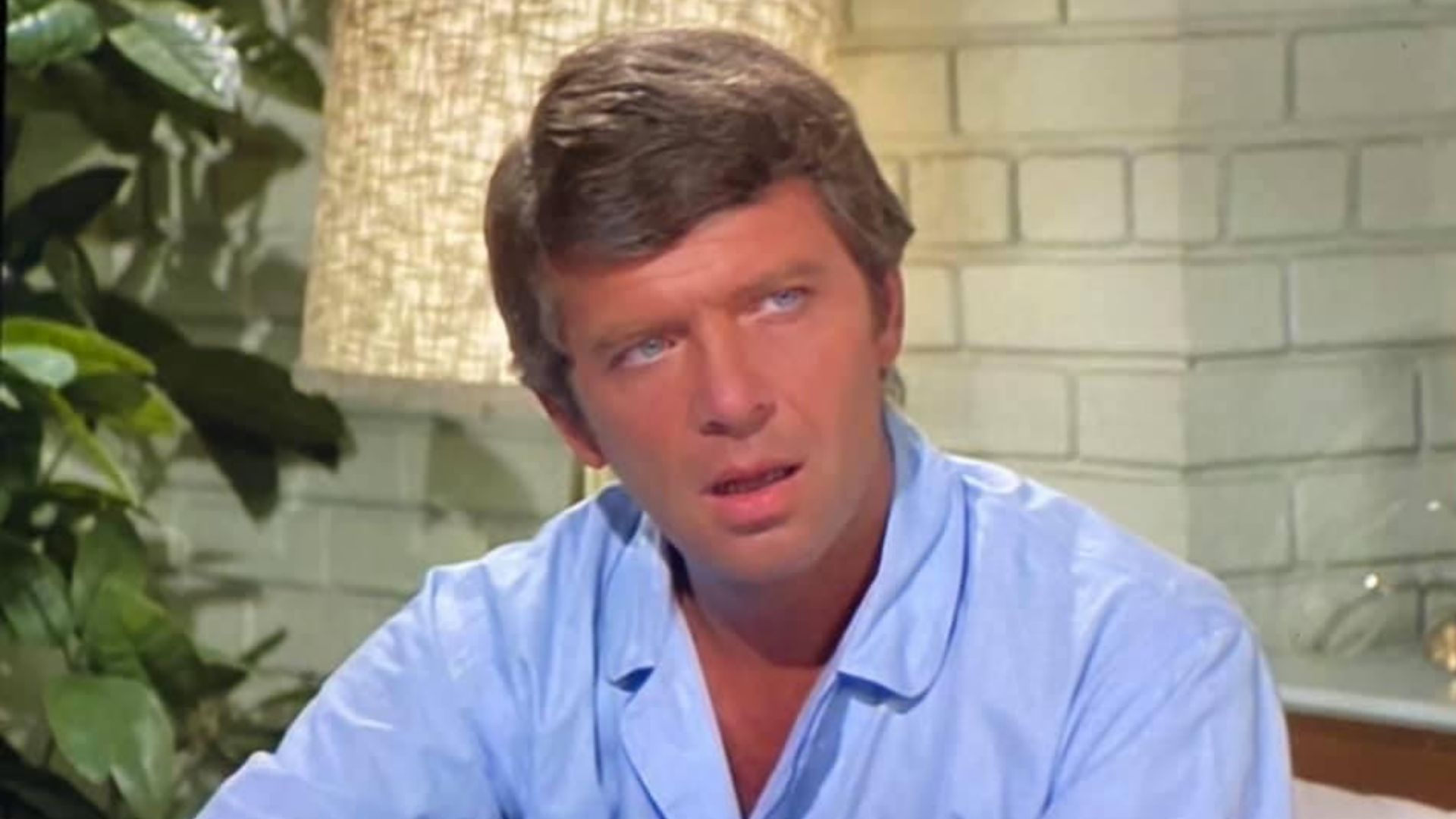
Robert Reed, The Brady Bunch
Mike Brady was supposed to walk in on Alice and say, “It smells like strawberry heaven in here.” Robert Reed, being a stickler for realism and accuracy, challenged the scientific veracity of that line, he believed cooked berries don’t emit a noticeable scent. Sherwood Schwartz even performed a live berry-smelling demo to persuade him. Reed stood firm. The line became “looks like strawberry heaven” instead.
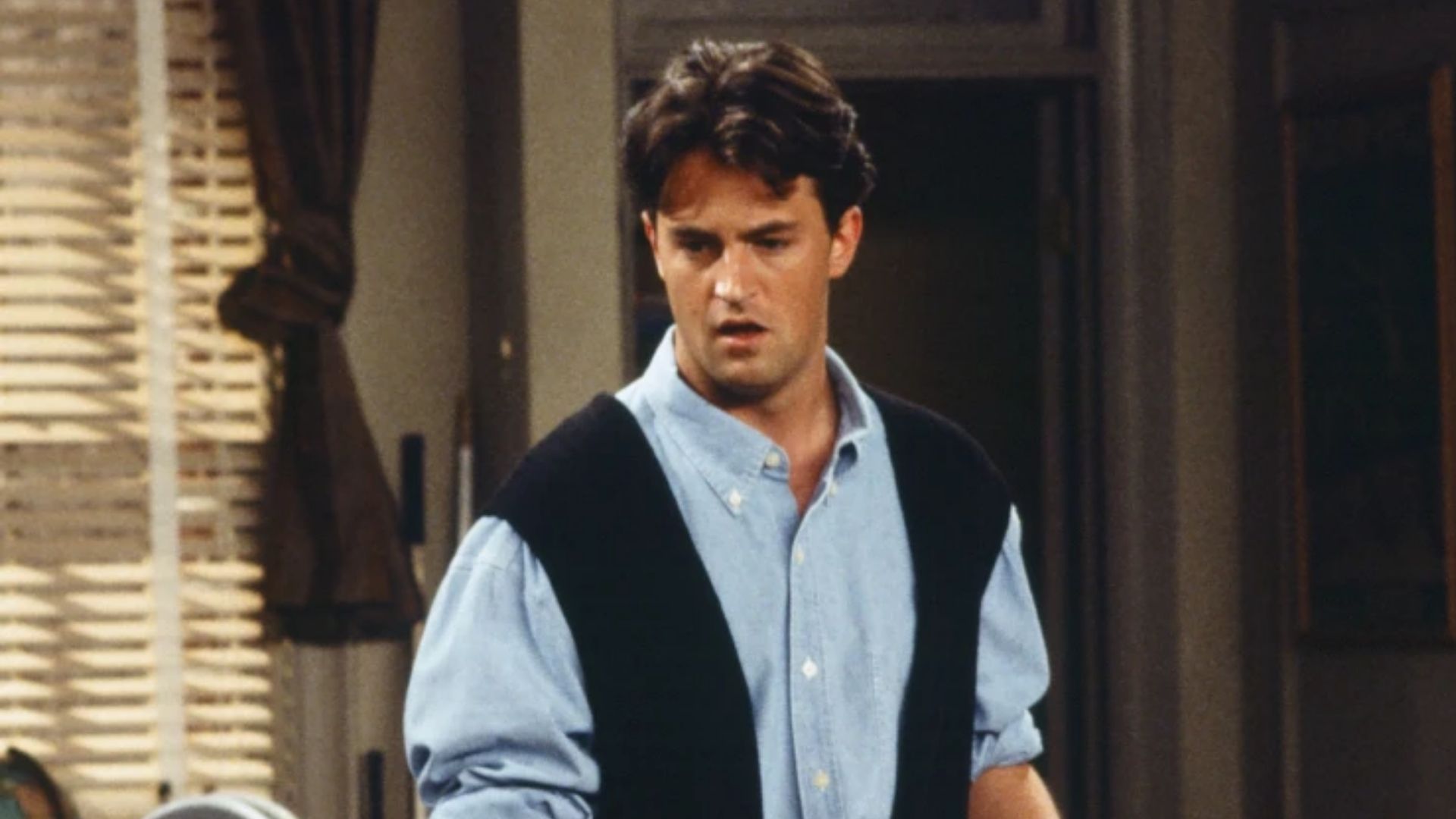
Matthew Perry, Friends
There was a scene where Chandler goes to a male strip club “for the sandwiches.” Perry had exquisite Chandler radar, and he couldn't sign up for going to a strip club for subs. So, he called in a no-go. It felt off for Chandler, and honestly, a little cheap.
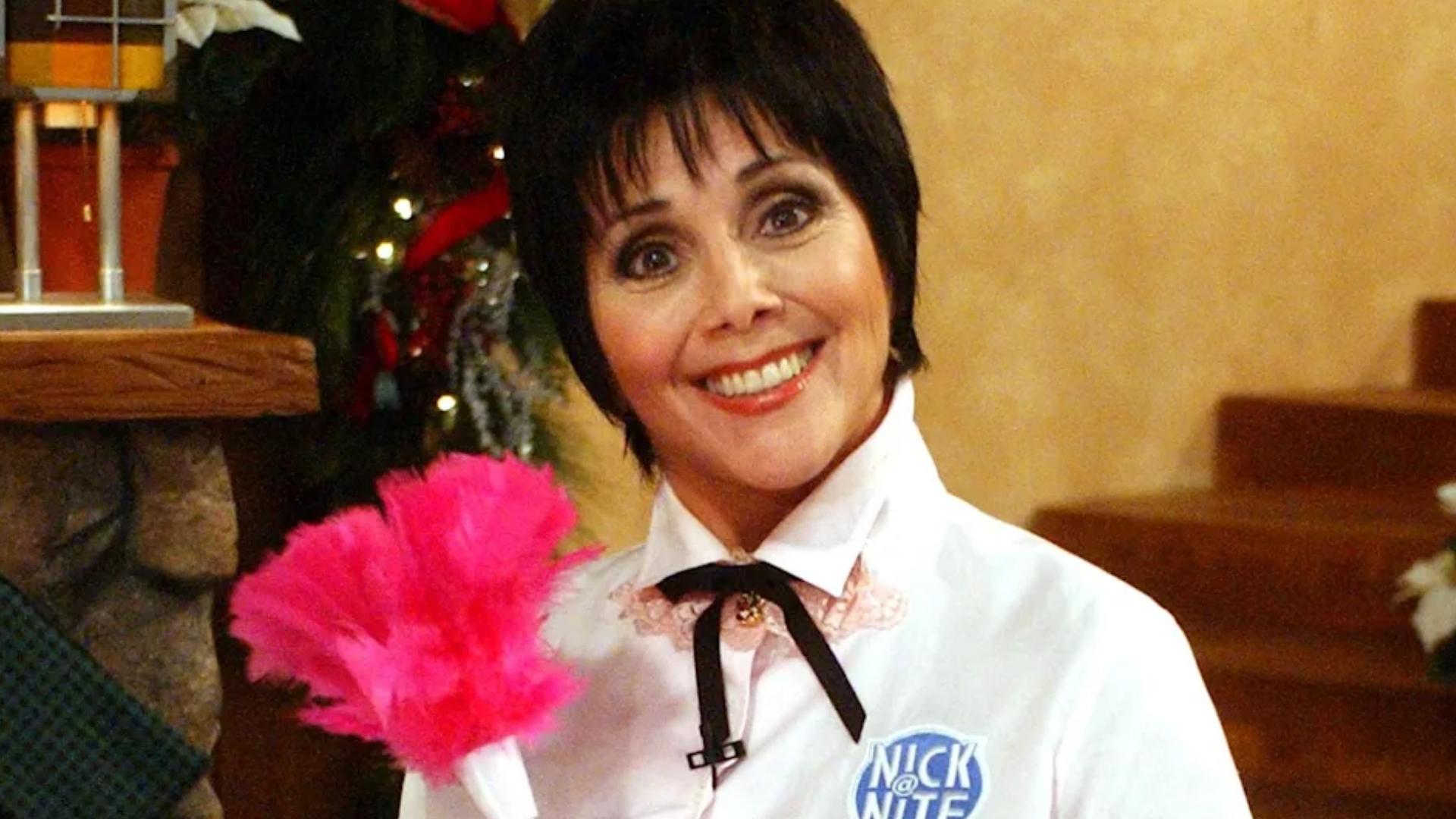
Joyce DeWitt, Three’s Company
Janet was scripted to quip about Chrissy, after a “priceless” setup, “and she’s going to stay that way.” DeWitt refused; it felt judgmental and out of character, especially given the episode’s context around sex work. Line cut, dignity intact.

John Krasinski, The Office
John Krasinski refused to enact a storyline in Season 8 where Jim Halpert would cheat on Pam during a business trip by kissing the office administrator. He believed it would break the integrity and emotional core of their relationship. He told the writers and producers: “I’m not going to shoot it.” The idea was dropped.
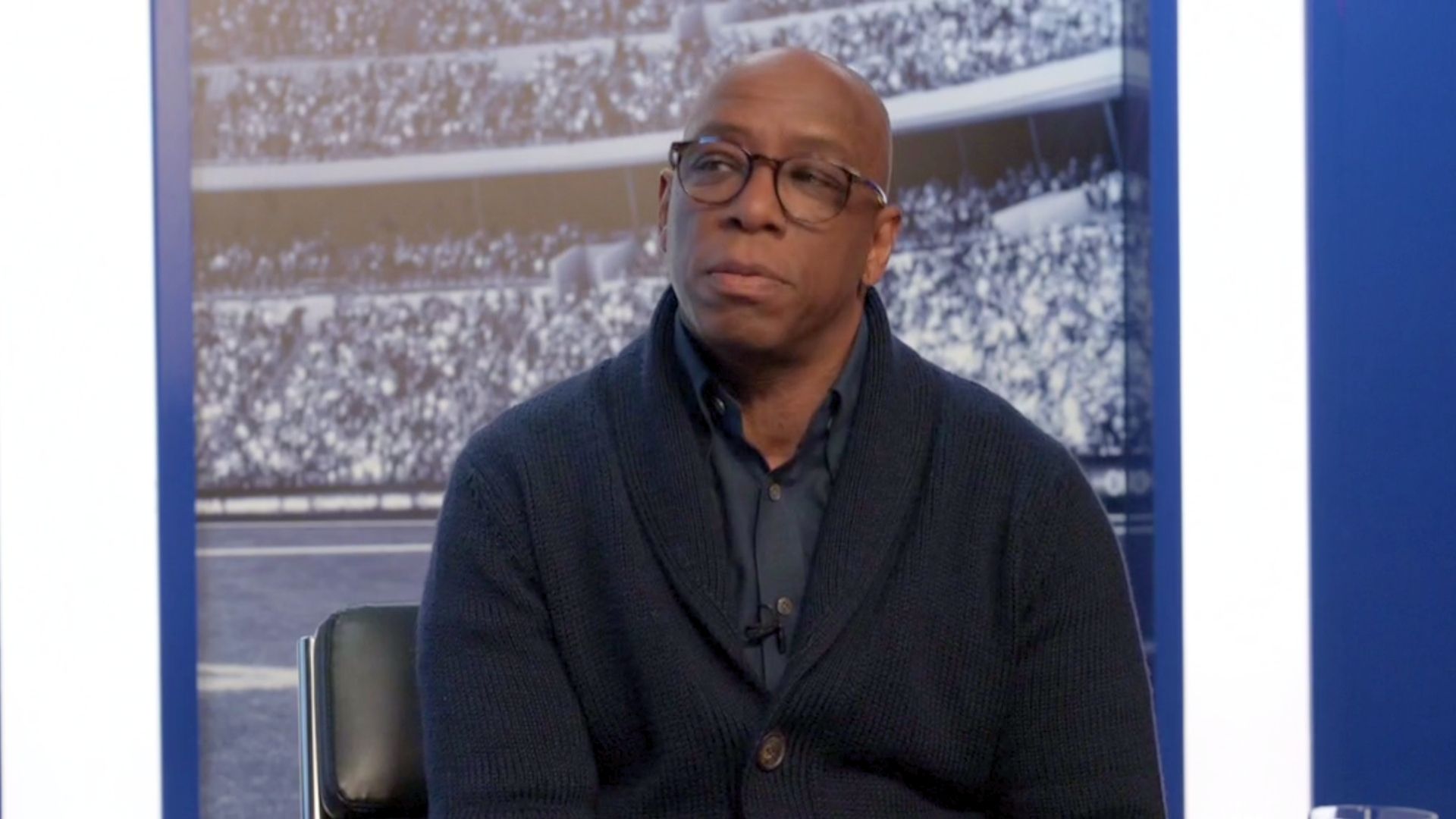
Ian Wright, Ted Lasso
Arsenal legend cameoing on Lasso… only to gas up Spurs? Absolutely not. Phil Dunster revealed Wrighty politely declined a scripted shout-out, “I can’t say it. I can’t go back to north London if I said that.” The writers tweaked it. So, Football loyalties > stronger than fiction.
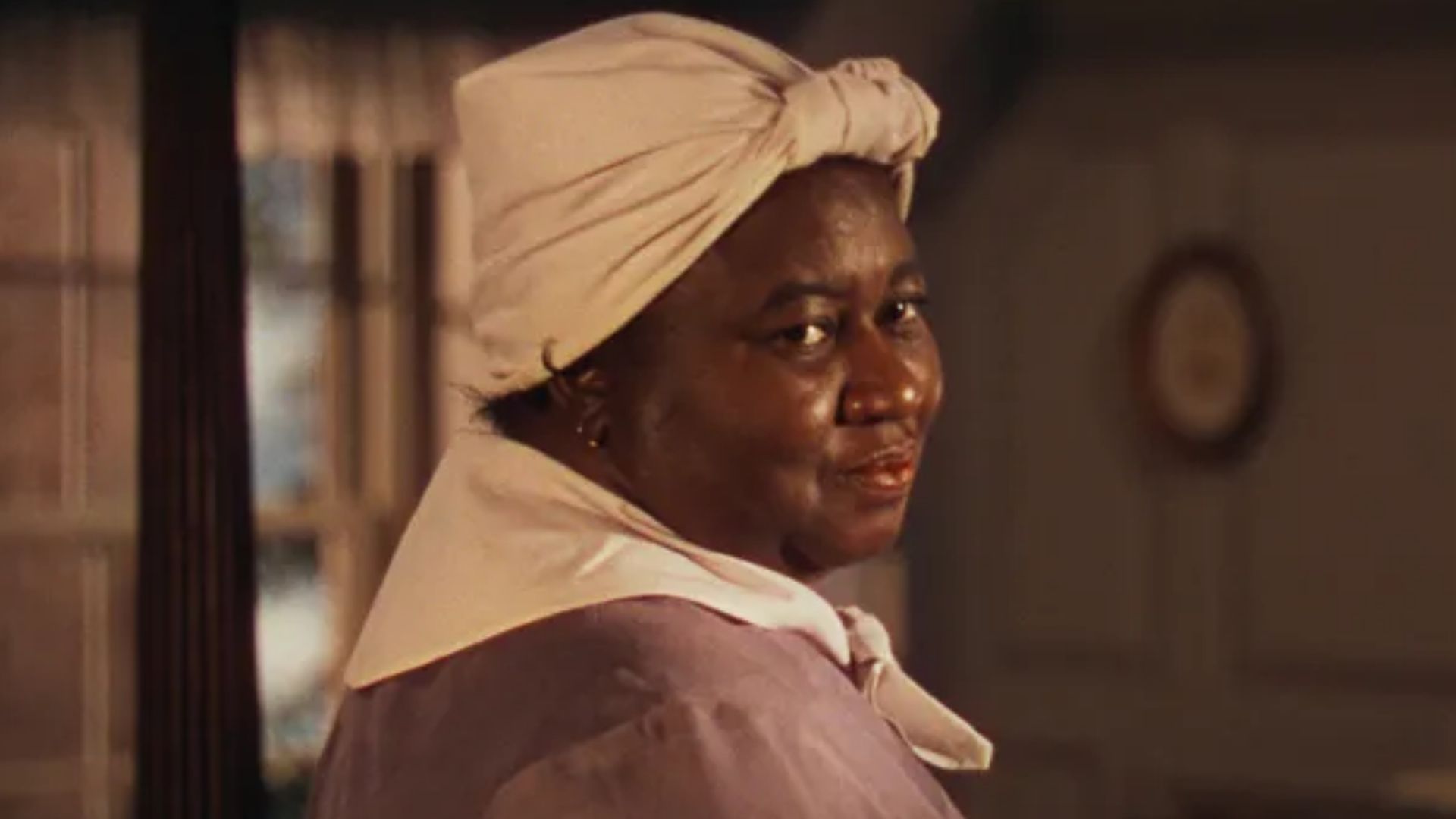
Hattie McDaniel, Gone with the Wind
Inside a film that mythologizes the antebellum South, Hattie McDaniel used what leverage she had: she refused to say, or have directed at her, the N-word, and pushed against demeaning dialect in “modern pictures.” The movie’s legacy is complicated, but her stance mattered.
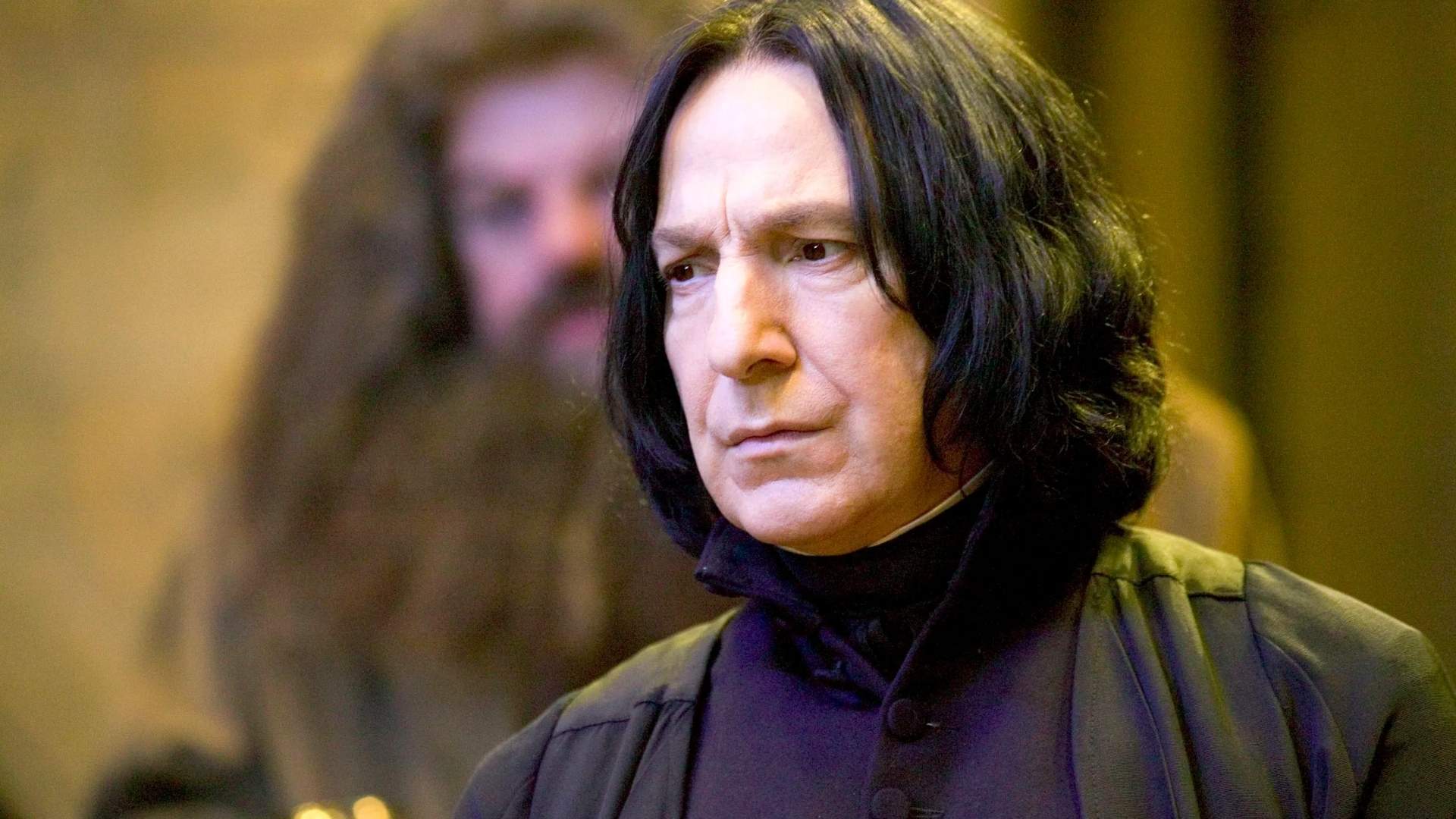
Alan Rickman, Harry Potter and the Goblet of Fire
Alan Rickman once said no to a line that made Snape sound too kind. He felt the character wasn’t ready to reveal his softer side yet. That small choice kept Snape’s mystery alive until the very end.