
Beloved Old Hollywood Movies Hated By Critics
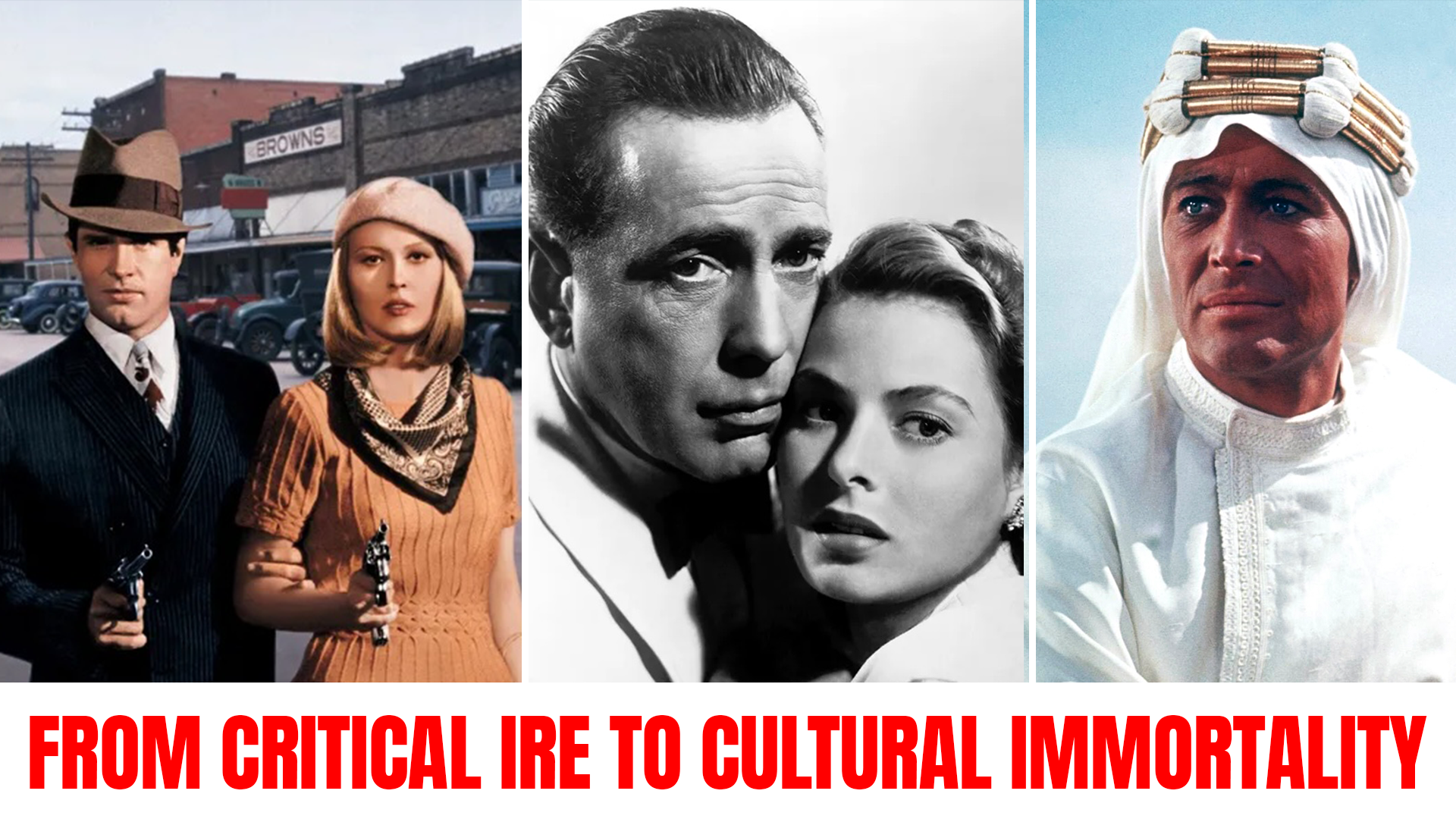
The Lasting Legacy Of Once Panned Films
Not all cinematic classics were always celebrated. In fact, some were met with scathing reviews and widespread scorn. But time has proven the critics wrong. These films not only aged beautifully but also helped shape the future of Hollywood itself.
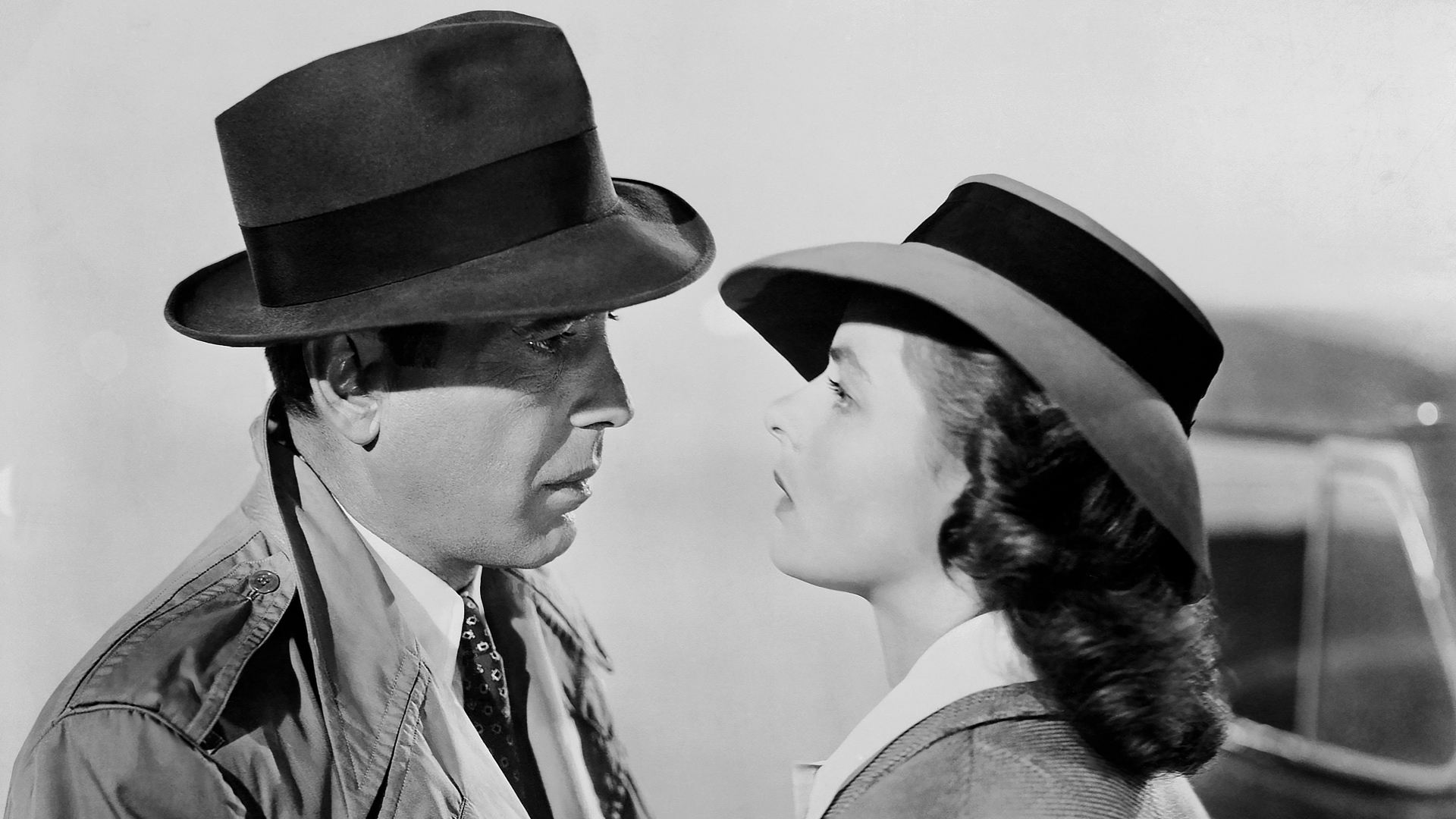
Casablanca (1942)
We’ll always have Casablanca, if not Paris. Set against the smoky allure of World War II–era Morocco, the legendary film follows cynical nightclub owner Rick Blaine, played by Humphrey Bogart. Blaine wrestles between love and duty when his old flame Ilsa (Ingrid Bergman) re-enters his life. It remains one of the most iconic love stories, but not everyone was impressed. The New Statesman called it “horribly wooden” and loaded with “clichés.” Critics may have missed the magic, but audiences didn’t. With unforgettable lines like “Here’s looking at you, kid,” Casablanca became a timeless symbol of love and sacrifice.
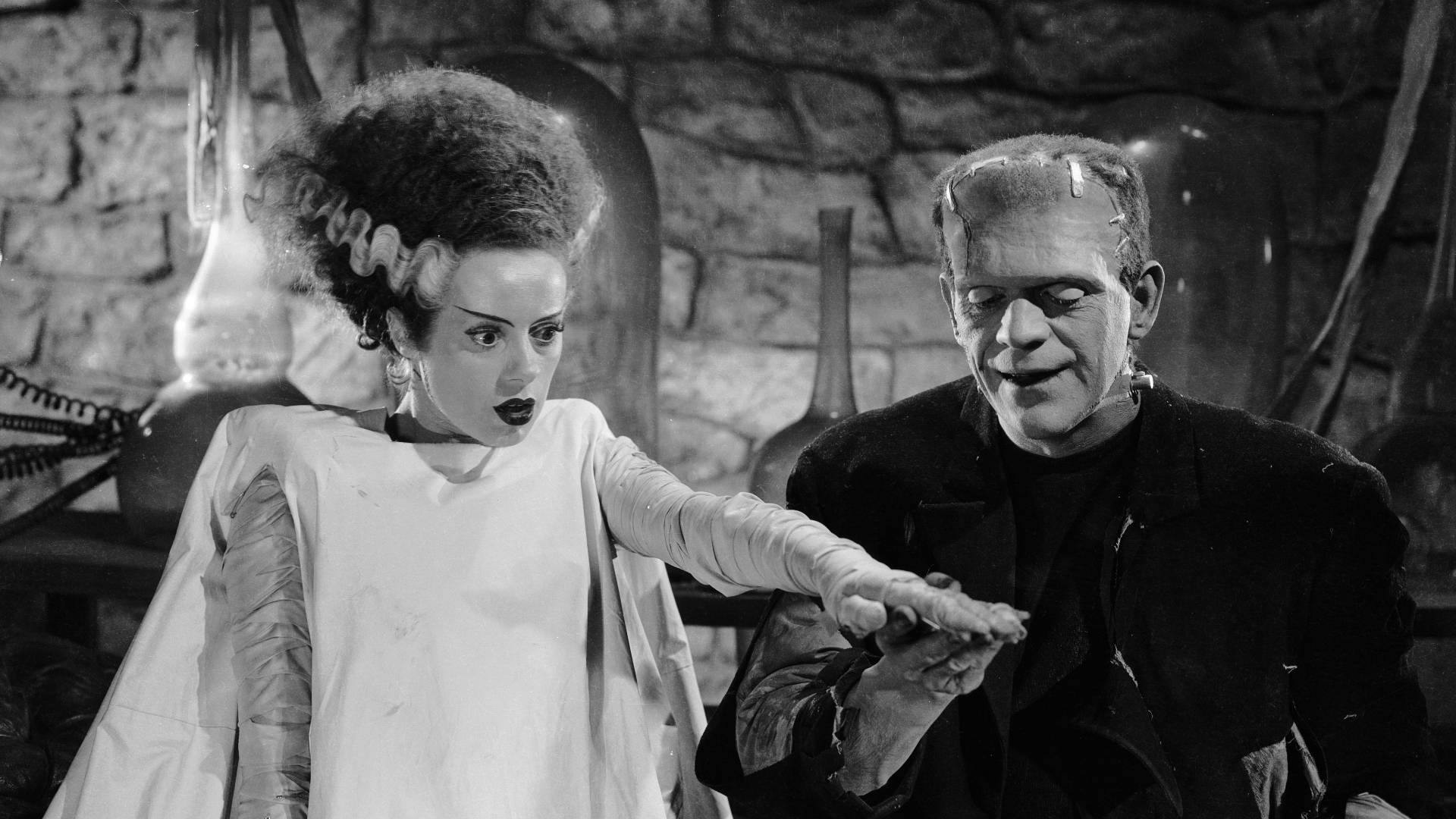
The Bride of Frankenstein (1935)
A sequel that dared to outdo its monstrous predecessor based on Mary Shelley’s works, The Bride of Frankenstein mixed horror with dark humor and unexpected emotion. Yet, The Spectator’s Graham Greene sneered at it as “pompous” and “badly acted.” Over time, though, fans came to see its brillianc—the eerie beauty of Elsa Lanchester’s Bride, the gothic atmosphere, and its tragic undertones. It’s now considered one of the most influential horror films ever made. Remember, even monsters deserve a little love.
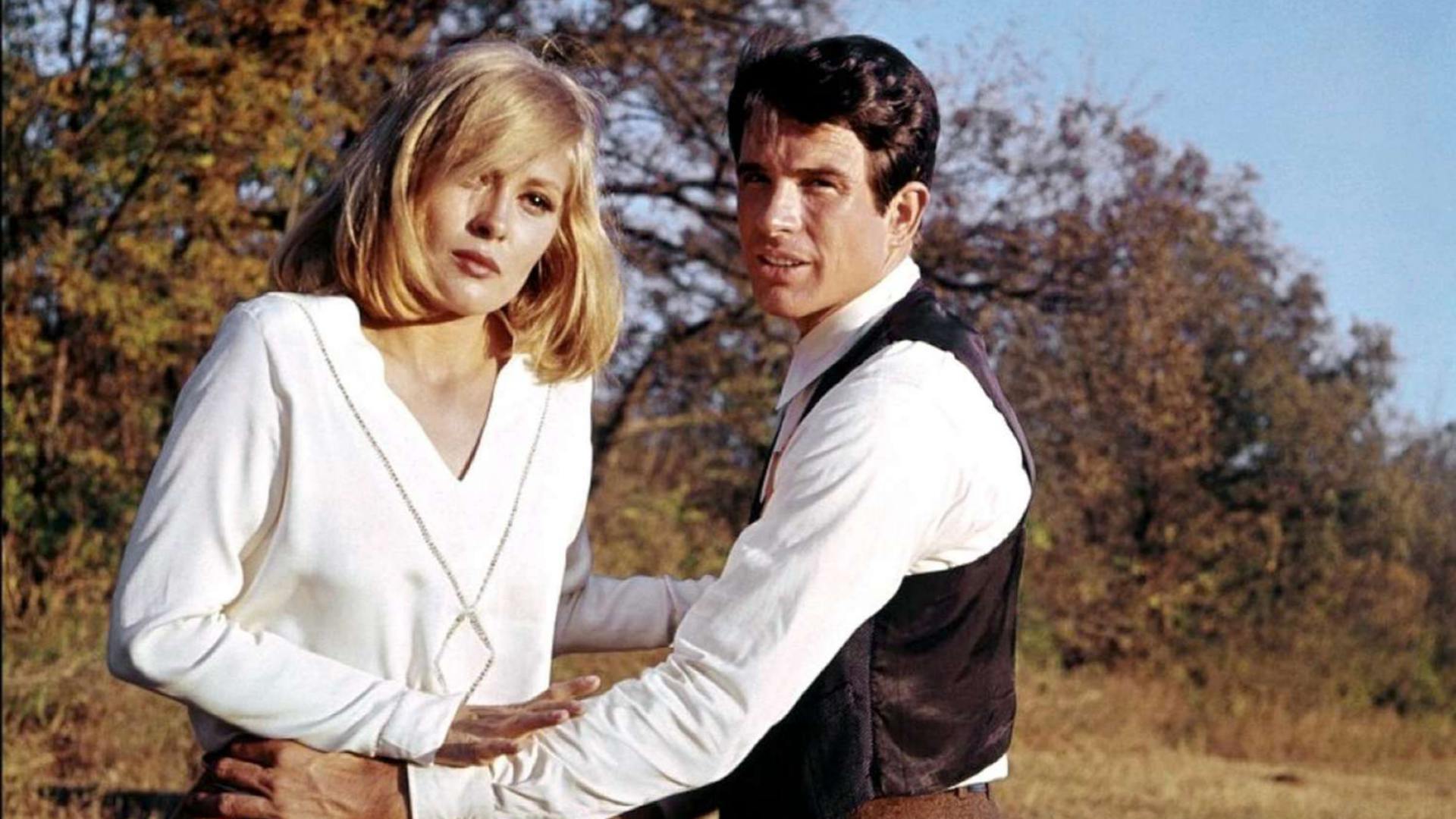
Bonnie and Clyde (1967)
Before Bonnie and Clyde, Hollywood hadn’t quite blended love, rebellion, and violence like this. Warren Beatty and Faye Dunaway’s fiery chemistry turned real-life criminals into pop-culture icons. But when it first hit theaters, critics were totally aghast. Variety’s Dave Kaufman scolded its tone, saying, “Killings and the Depression are scarcely material for a bundle of laughs.” Ironically, the film became a defining moment of the New Hollywood era. After all, audiences saw it as stylish, daring, and impossible to ignore.
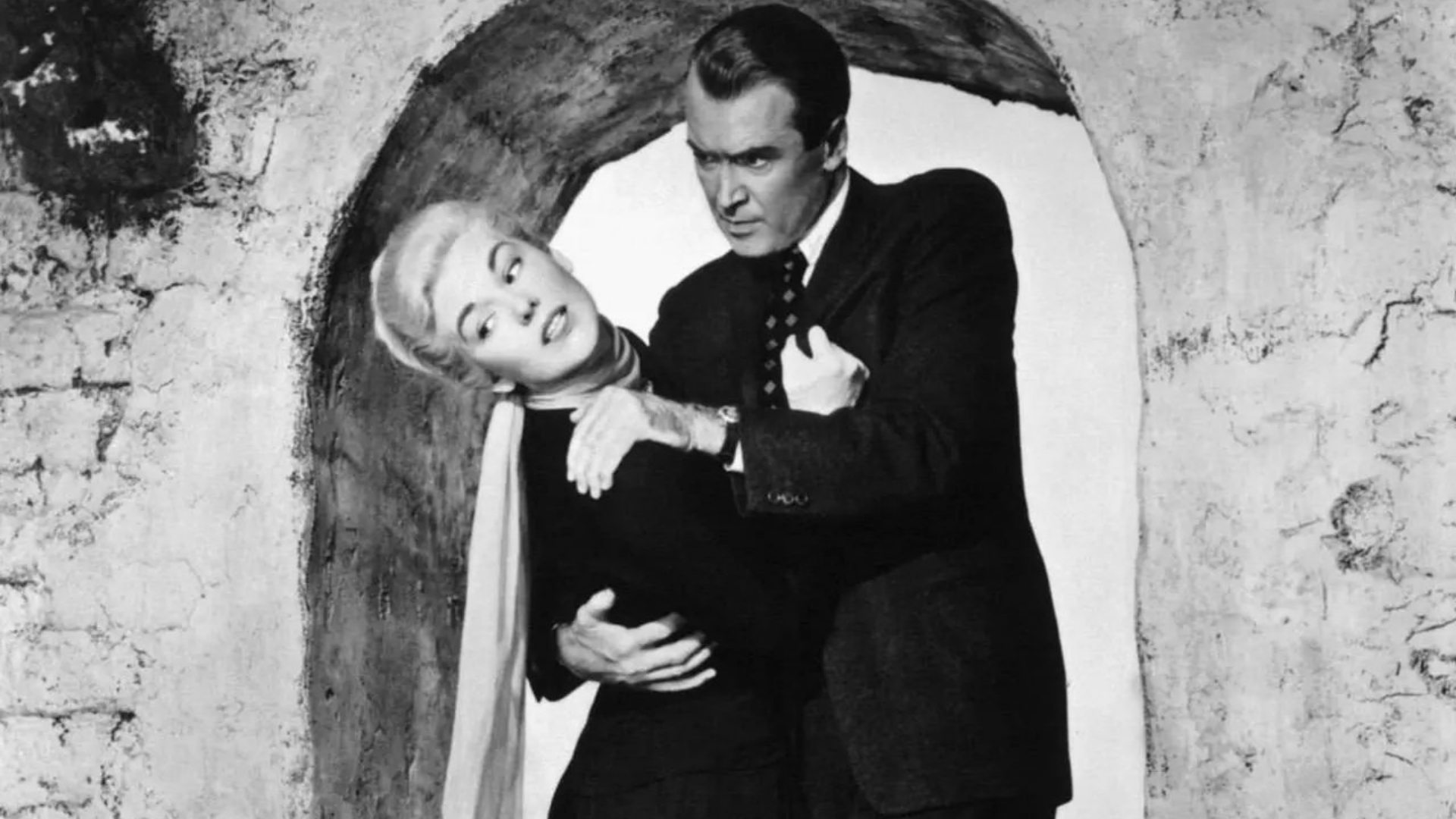
Vertigo (1958)
Alfred Hitchcock’s haunting tale of obsession and illusion might be seen as a cinematic triumph now, but it didn’t exactly mesmerize critics at first. Time magazine dismissed it as “another Hitchcock-and-bull story.” But decades later, Vertigo rose from the ashes of rejection to be hailed as one of the greatest films ever made. Of course, James Stewart’s portrayal of a detective spiraling into madness and Kim Novak’s dual identity still captivate modern audiences. Its dreamlike cinematography and psychological complexity make Vertigo a slow-burning masterpiece that critics eventually learned to revere.
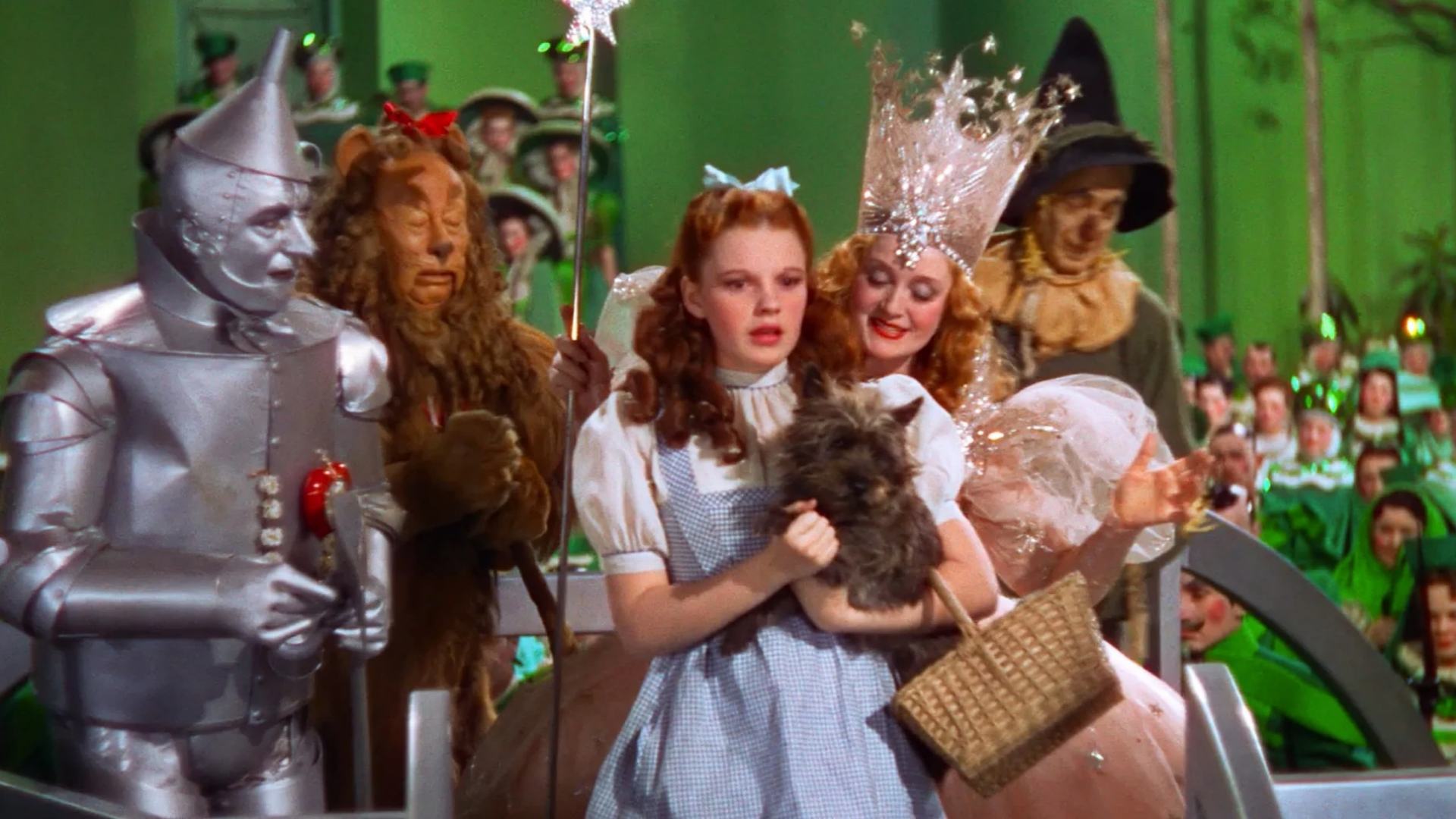
The Wizard of Oz (1939)
Dorothy’s technicolor journey from Kansas to Oz feels like pure movie magic now, but sadly, early reviewers couldn’t spot the sparkle. The New Republic’s Otis Ferguson slammed the film, calling it “a pound of fruitcake soaking wet.” Definitely, they were harsh words for a movie that gave us ruby slippers, flying monkeys, and “Somewhere Over the Rainbow.” Despite the initial scorn, The Wizard of Oz went on to enchant generations. Well, sometimes critics simply can’t follow the yellow brick road to greatness.
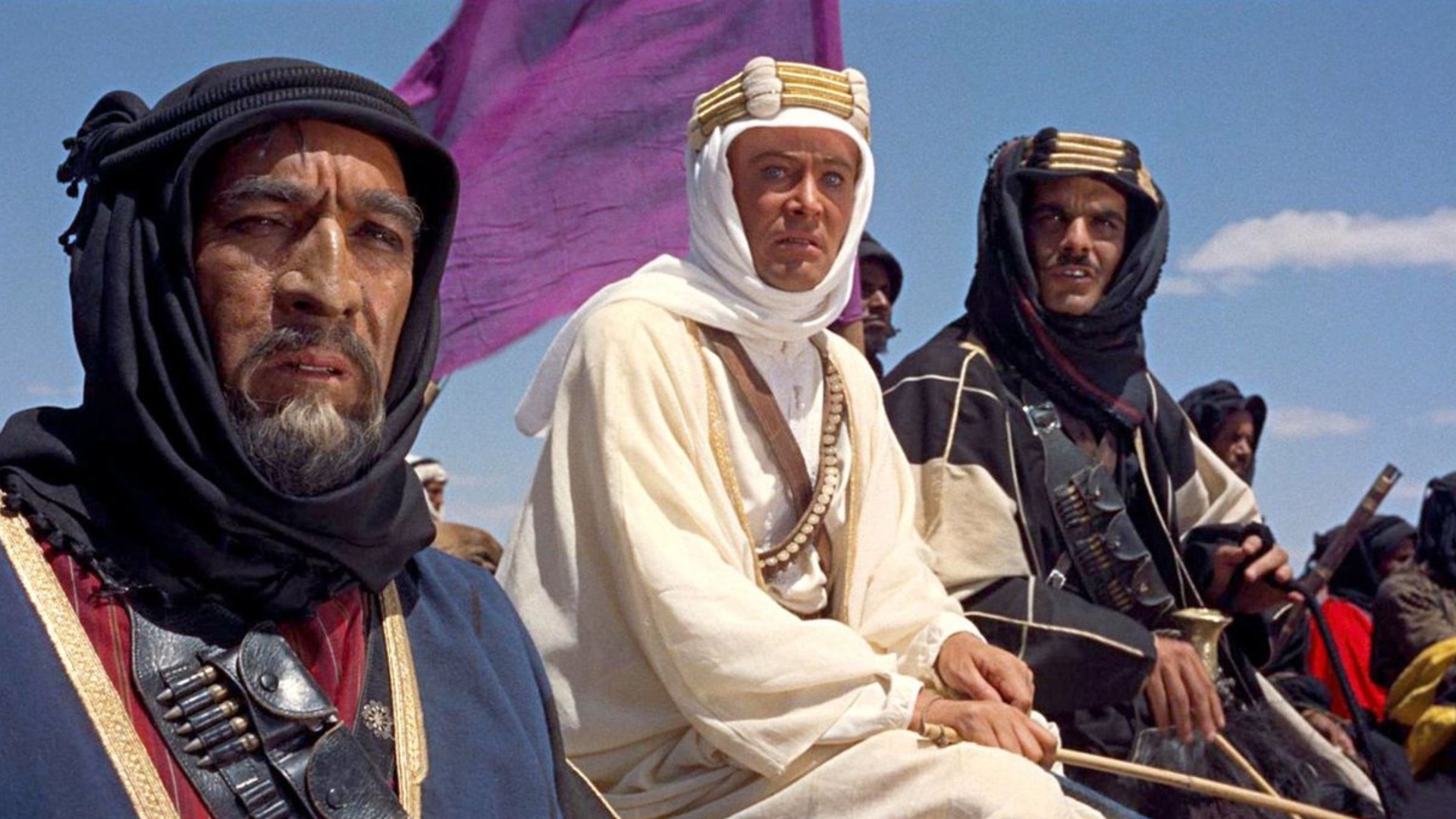
Lawrence of Arabia (1962)
Epic doesn’t even begin to describe Lawrence of Arabia. With vast desert vistas, stirring music, and Peter O’Toole’s legendary performance, the film serves as the definition of grandeur. Yet, The New York Times’ Bosley Crowther found it “lengthy but surprisingly lusterless.” Time proved otherwise: the film swept seven Oscars and cemented its place as one of cinema’s most breathtaking achievements. Maybe critics just needed a few more mirages before seeing its brilliance.
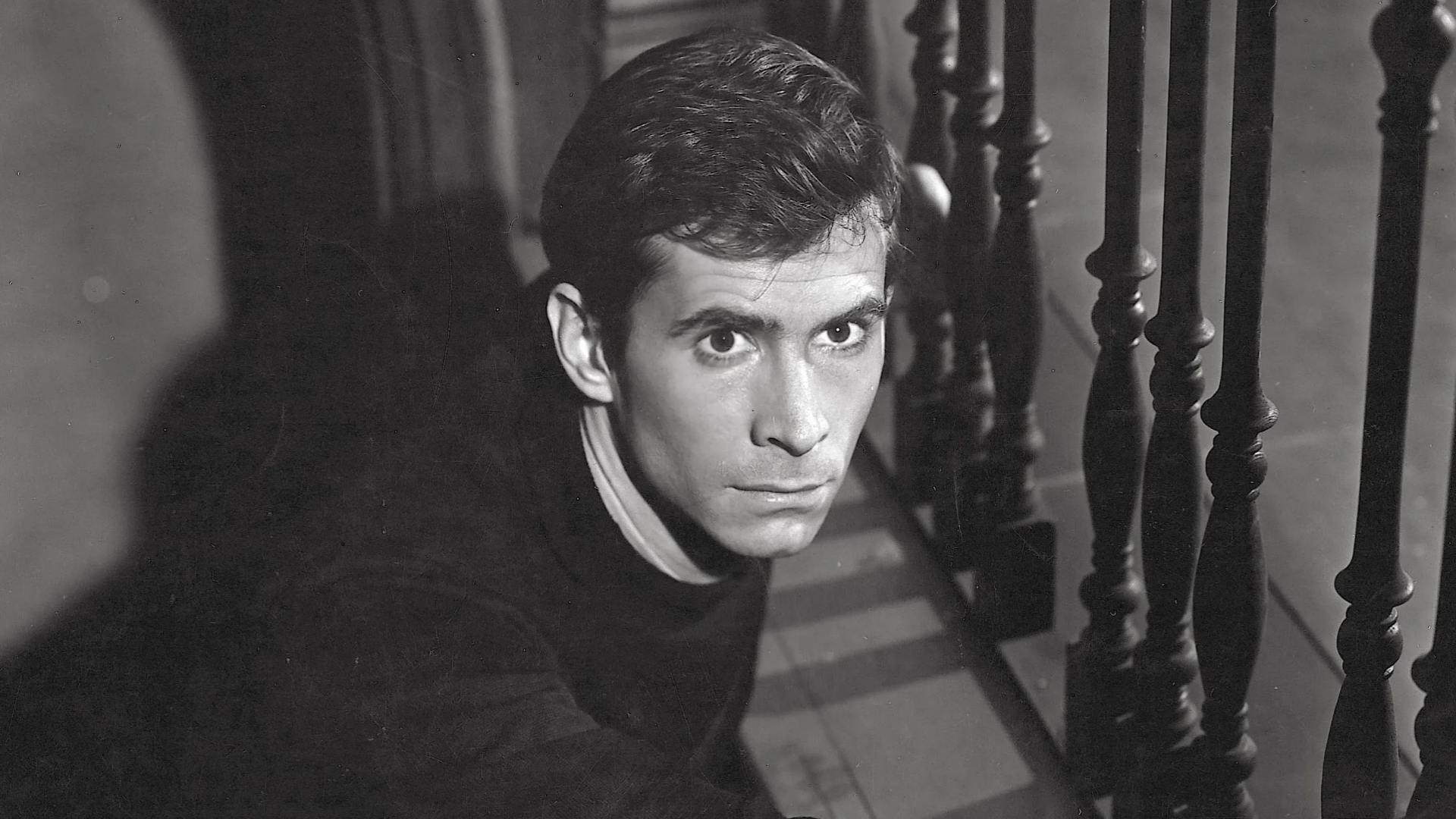
Psycho (1960)
When Alfred Hitchcock’s Psycho first shocked audiences, many critics couldn’t stomach it, and we are talking literally. Time magazine called it “nauseating” and fixated on its infamous shower scene. But that visceral reaction is exactly what makes Psycho inescapable. Janet Leigh’s terrified screams, Bernard Herrmann’s shrieking violins, and Anthony Perkins’ chilling portrayal of Norman Bates revolutionized horror. Today, it’s praised for pioneering psychological terror, and for showing that fear can be as artful as it is horrifying. Master of suspense at his best!
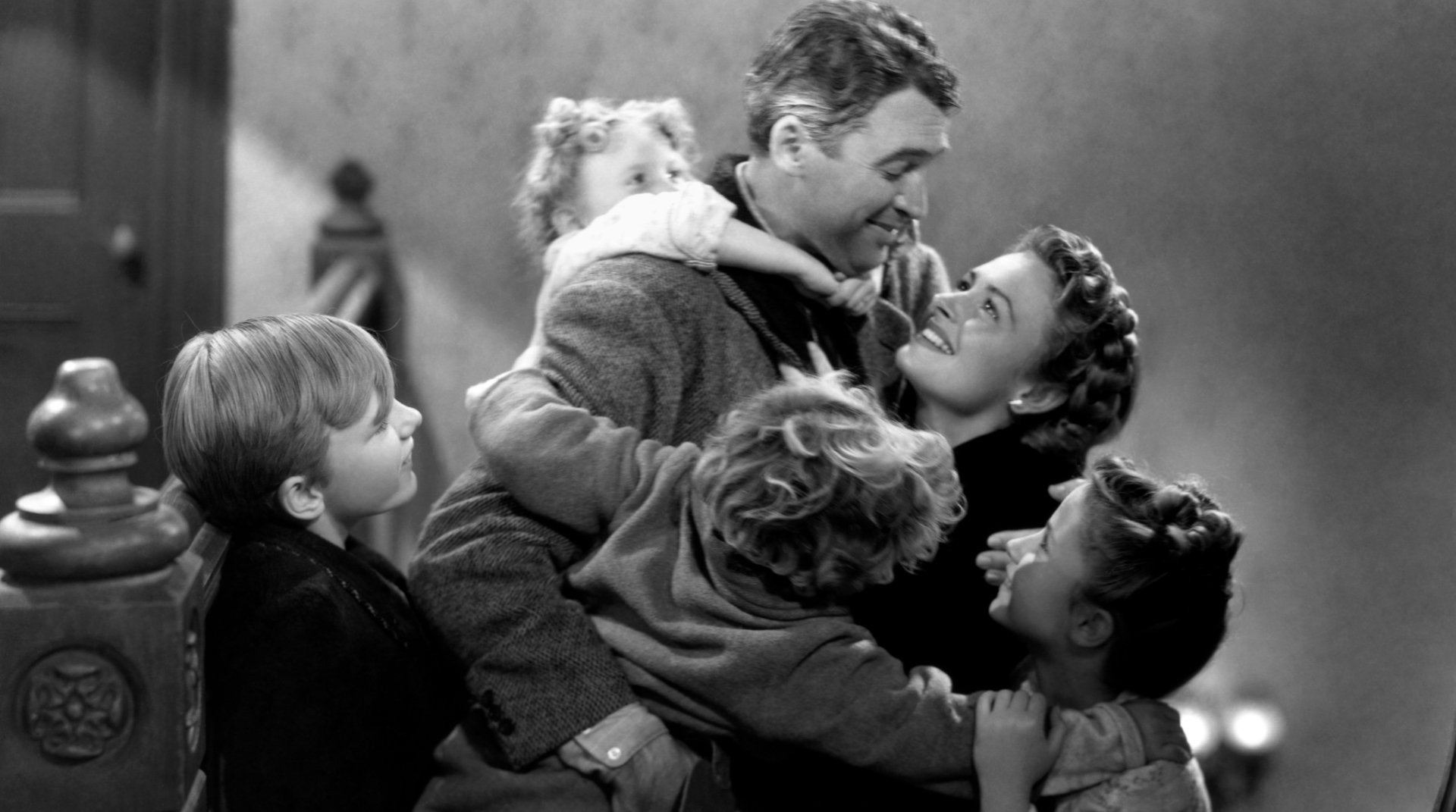
It’s a Wonderful Life (1946)
Now a cherished holiday staple, Frank Capra’s It’s a Wonderful Life wasn’t such a wonderful success upon release. Critics complained it was too sentimental and overly moralistic. The New York Times called its concept “illusory,” while Daily News reviewer Kate Cameron said it was “too noisy” and “too obvious.” But George Bailey’s emotional journey, from despair to redemption, eventually found its audience. Decades later, it stands as a Christmas tradition and a heartwarming reminder that every life truly matters.