
Top 25 Best Alien Movies, Ranked
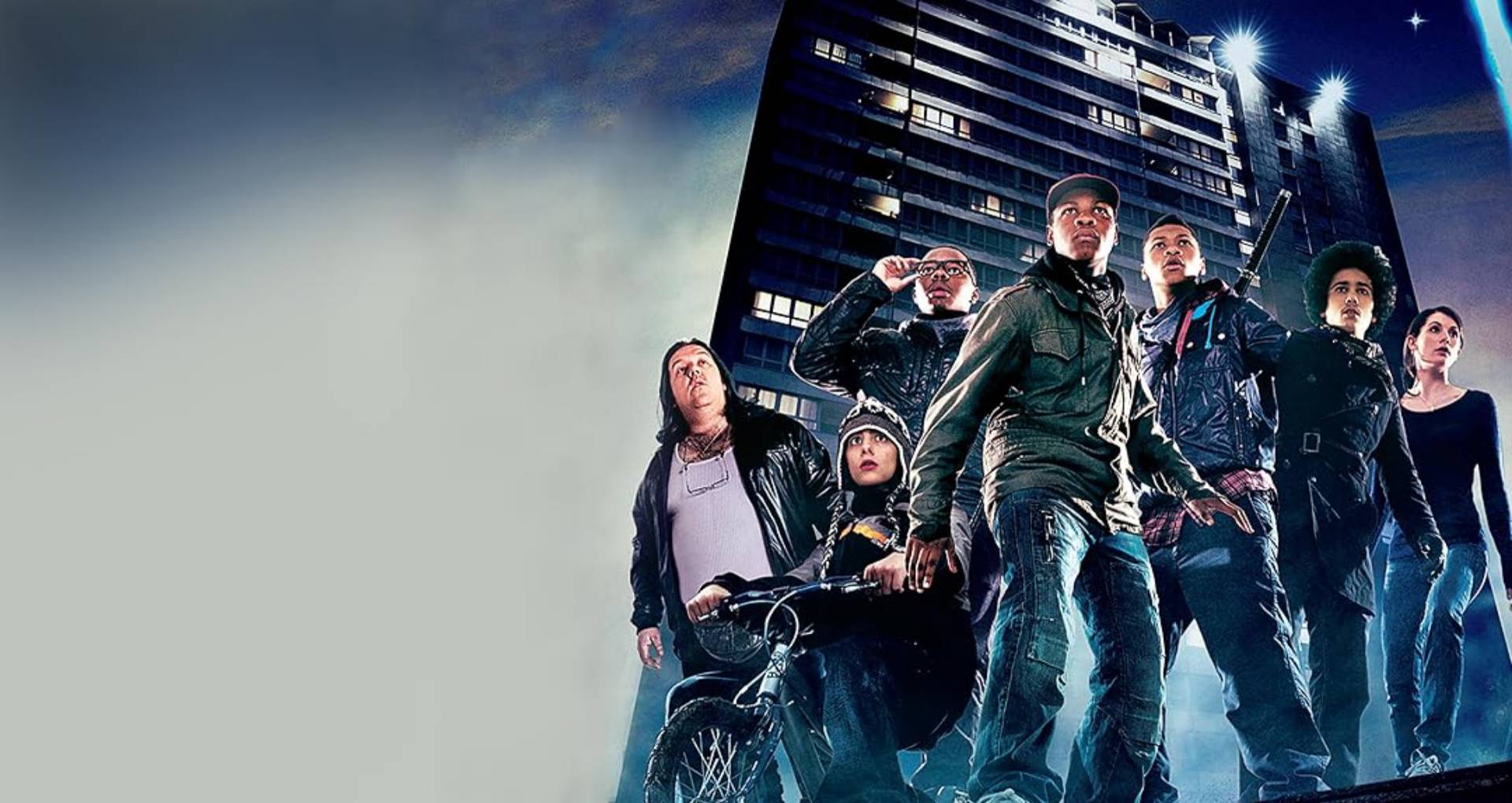
25. Attack the Block (2011)
This cult favorite from Joe Cornish features a group of South London teenagers defending their council estate from an invasion of "wolf-like" aliens with glowing teeth. It’s a stylish, fast-moving film that manages to be both a great creature feature and a sharp social commentary. It’s notable for launching the career of John Boyega and for its highly original, low-budget approach to practical alien design.
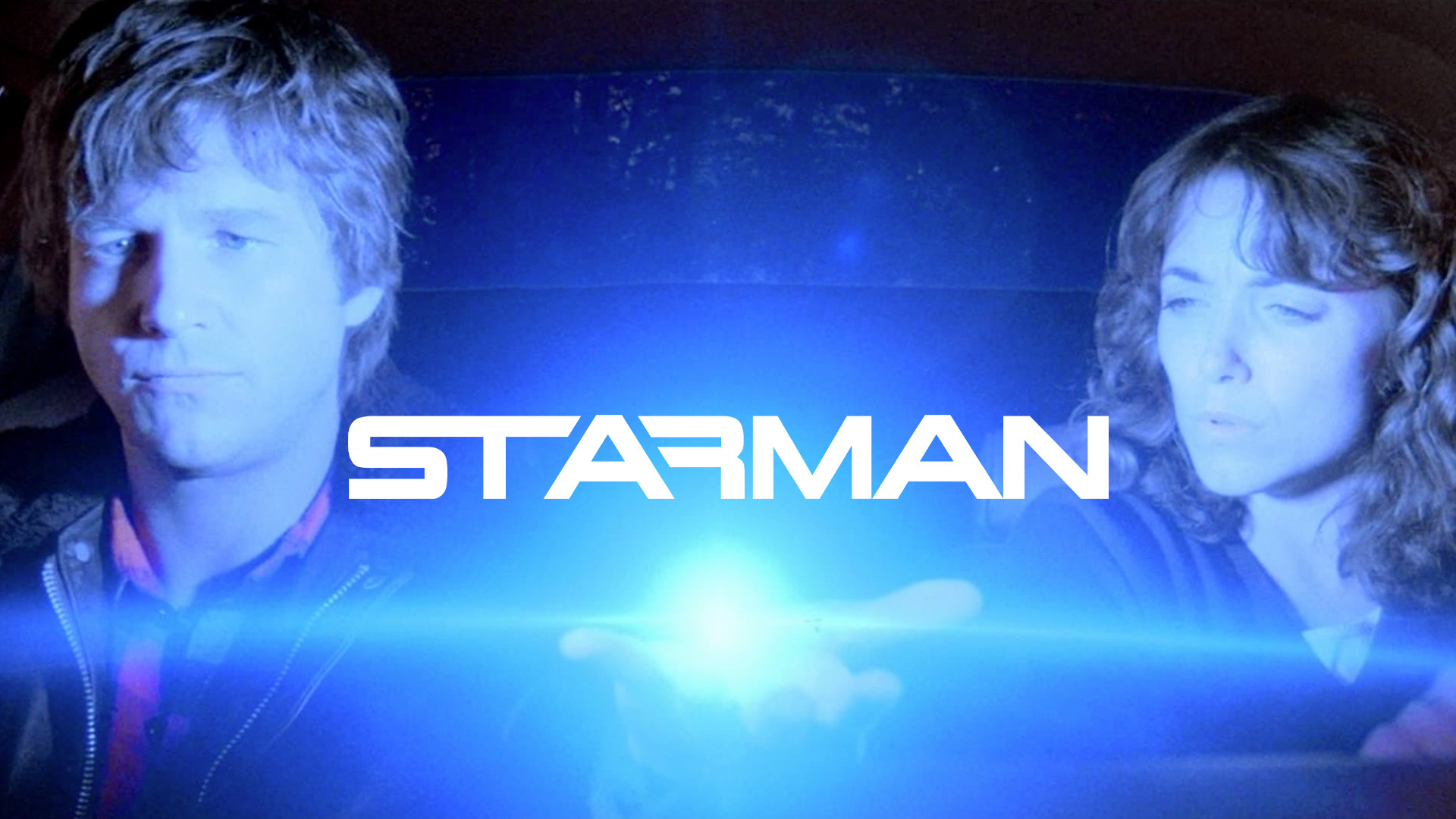
24. Starman (1984)
John Carpenter took a break from horror to direct this touching sci-fi romance. Jeff Bridges plays an alien who takes the form of a widow’s late husband after his craft is shot down. As they travel across the country, the film becomes a beautiful meditation on human grief, kindness, and the capacity for love. It’s a rare, empathetic look at an outsider trying to understand the complexities of human nature.
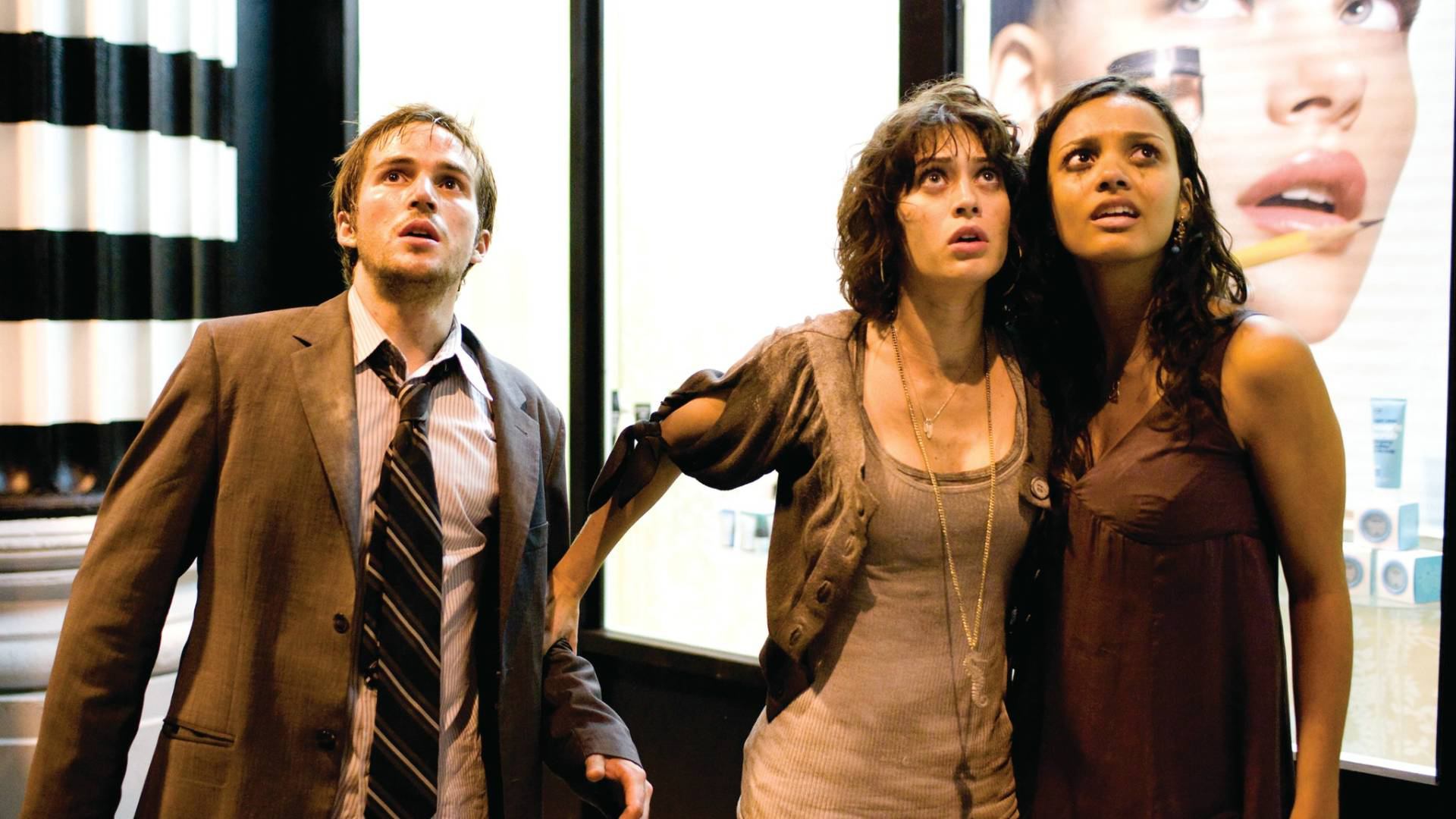
23. Cloverfield (2008)
Produced by J.J. Abrams, this film revolutionized the "giant monster" genre by using a "found-footage" perspective. By following a group of friends trying to escape Manhattan during a massive alien attack, it creates a sense of scale and chaos that feels incredibly real. The decision to keep the creature mostly obscured for much of the film allowed the audience's imagination to heighten the terror and confusion of the event.
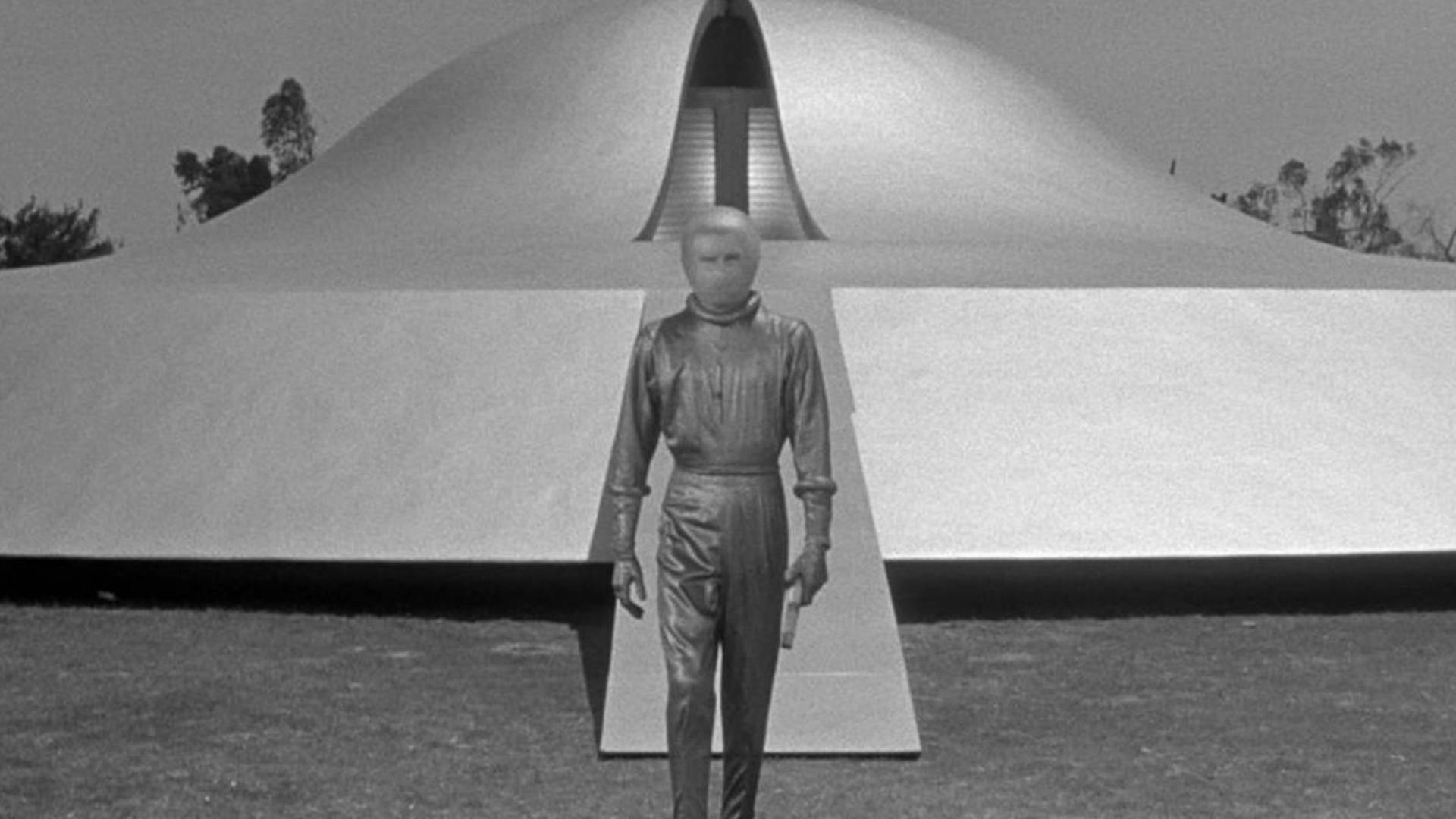
22. The Day the Earth Stood Still (1951)
A foundational piece of science fiction, this film arrived at the height of the Cold War. An alien named Klaatu and his powerful robot, Gort, land in Washington D.C. to deliver an ultimatum: humanity must stop its nuclear aggression or be destroyed as a threat to other civilizations. It remains a poignant, pacifist plea for global unity that set the stage for decades of "message" driven sci-fi.
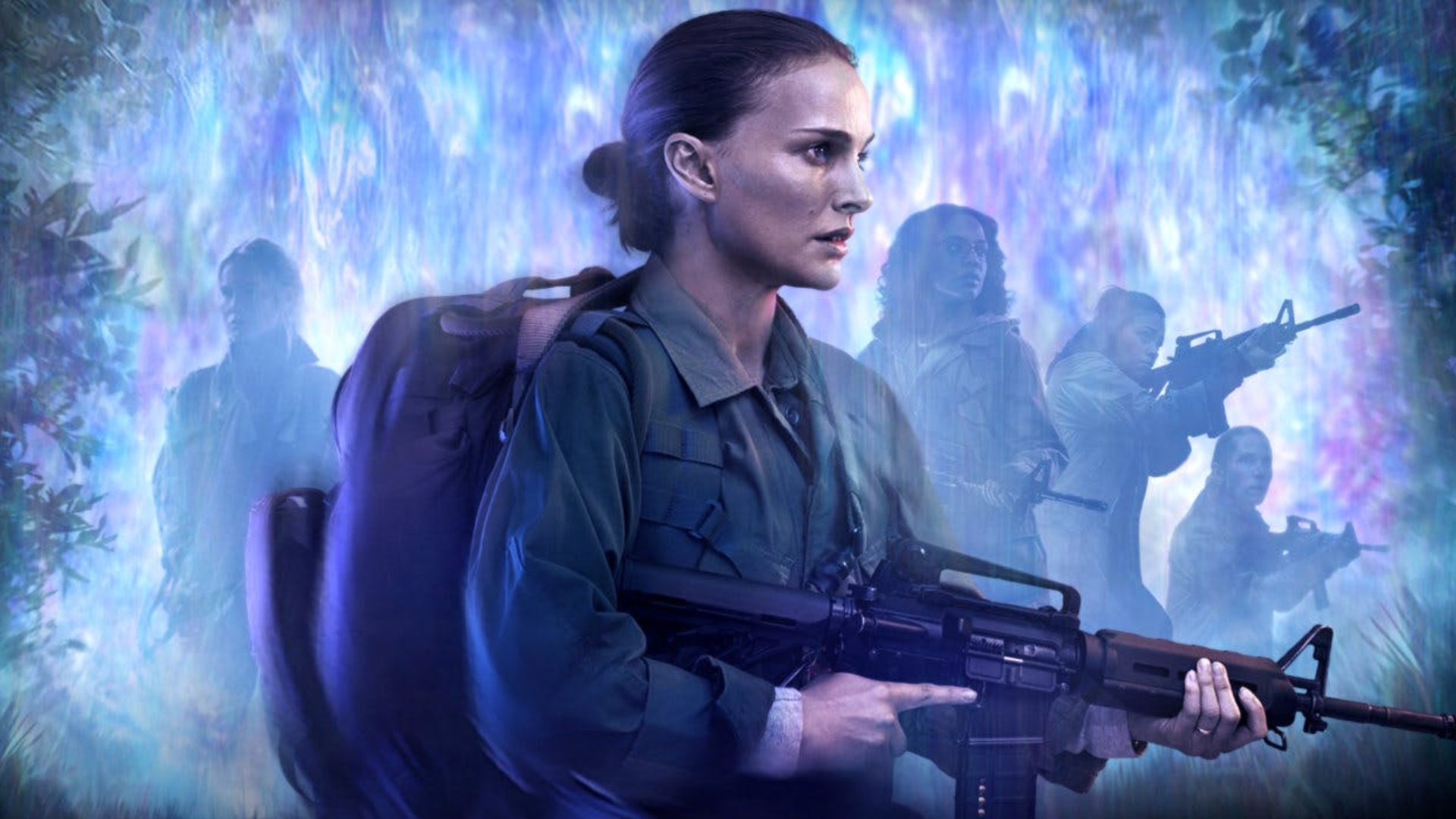
21. Annihilation (2018)
Alex Garland’s film follows a group of scientists into "The Shimmer," an expanding alien zone where the DNA of all living things is refracted and merged. It is a psychedelic, disturbing exploration of biological mutation and the human drive toward self-destruction. The "screaming bear" sequence is one of the most terrifying moments in modern sci-fi, and the film’s abstract ending invites deep discussion about identity and change.

20. Starship Troopers (1997)
Paul Verhoeven’s film is a brilliant satire disguised as a big-budget action movie. It follows young citizens joining a military crusade against "Arachnid" bugs on a distant planet. By using over-the-top violence and propaganda-style newsreels, the film critiques fascism and the glorification of war. While many misunderstood its tone upon release, it is now celebrated as one of the smartest and most subversive alien films ever made.

19. Edge of Tomorrow (2014)
This film cleverly combines a "Groundhog Day" time-loop mechanic with an intense alien war. Tom Cruise plays a PR officer forced into combat against the "Mimics," a terrifyingly fast and coordinated alien hive mind. As he dies and restarts the same day thousands of times, he becomes a lethal soldier. It is a smart, fast-paced action movie that uses its sci-fi premise to create a uniquely engaging narrative rhythm.
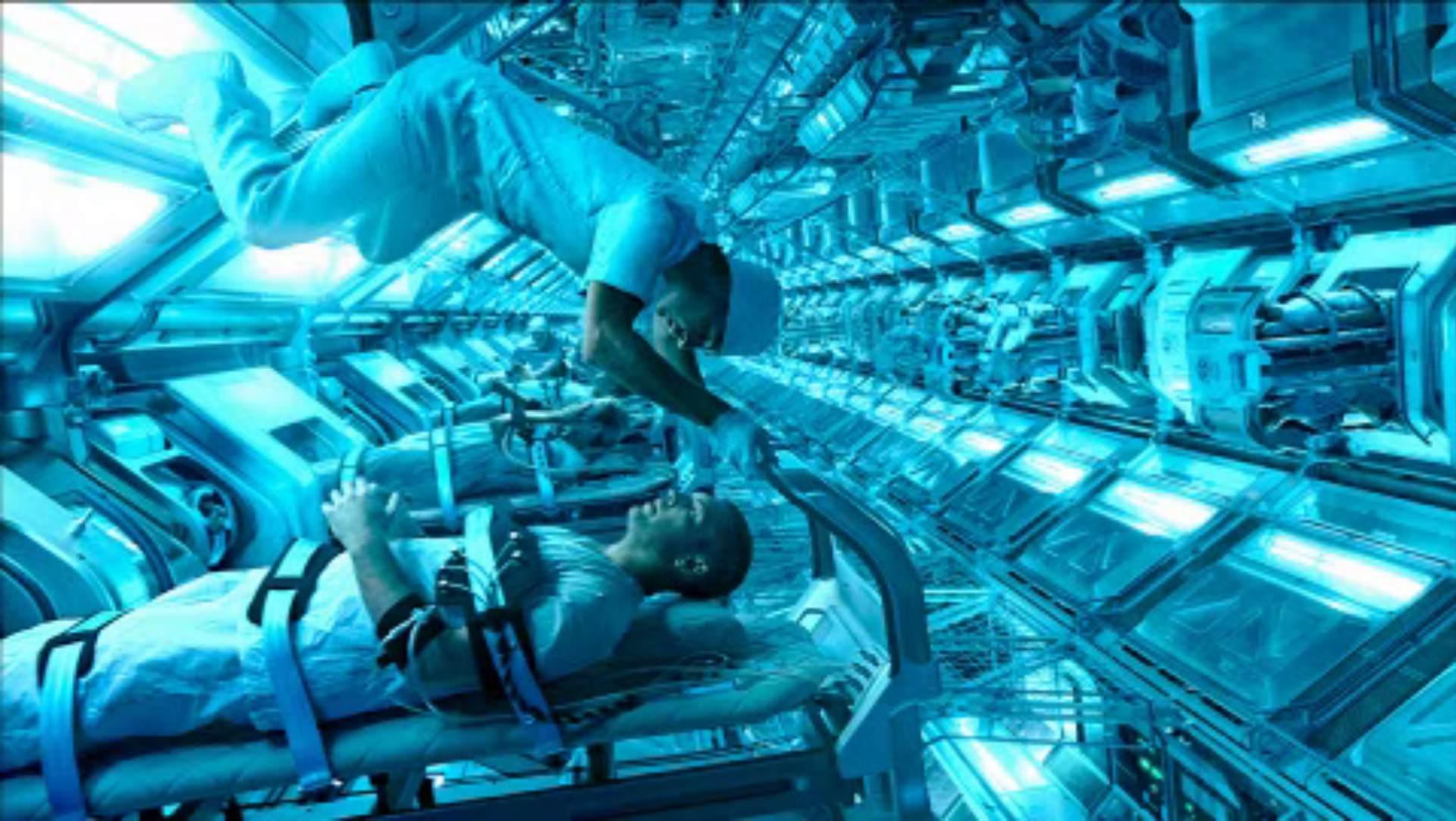
18. Avatar (2009)
James Cameron’s return to the genre was a technical marvel that pushed the boundaries of performance capture and 3D. Set on the lush moon of Pandora, it tells a story of indigenous resistance against corporate colonialism. While the plot is familiar, the level of detail in the alien ecosystem—from the bioluminescent plants to the Na'vi culture—created an immersive experience that made it the highest-grossing film of all time for years.
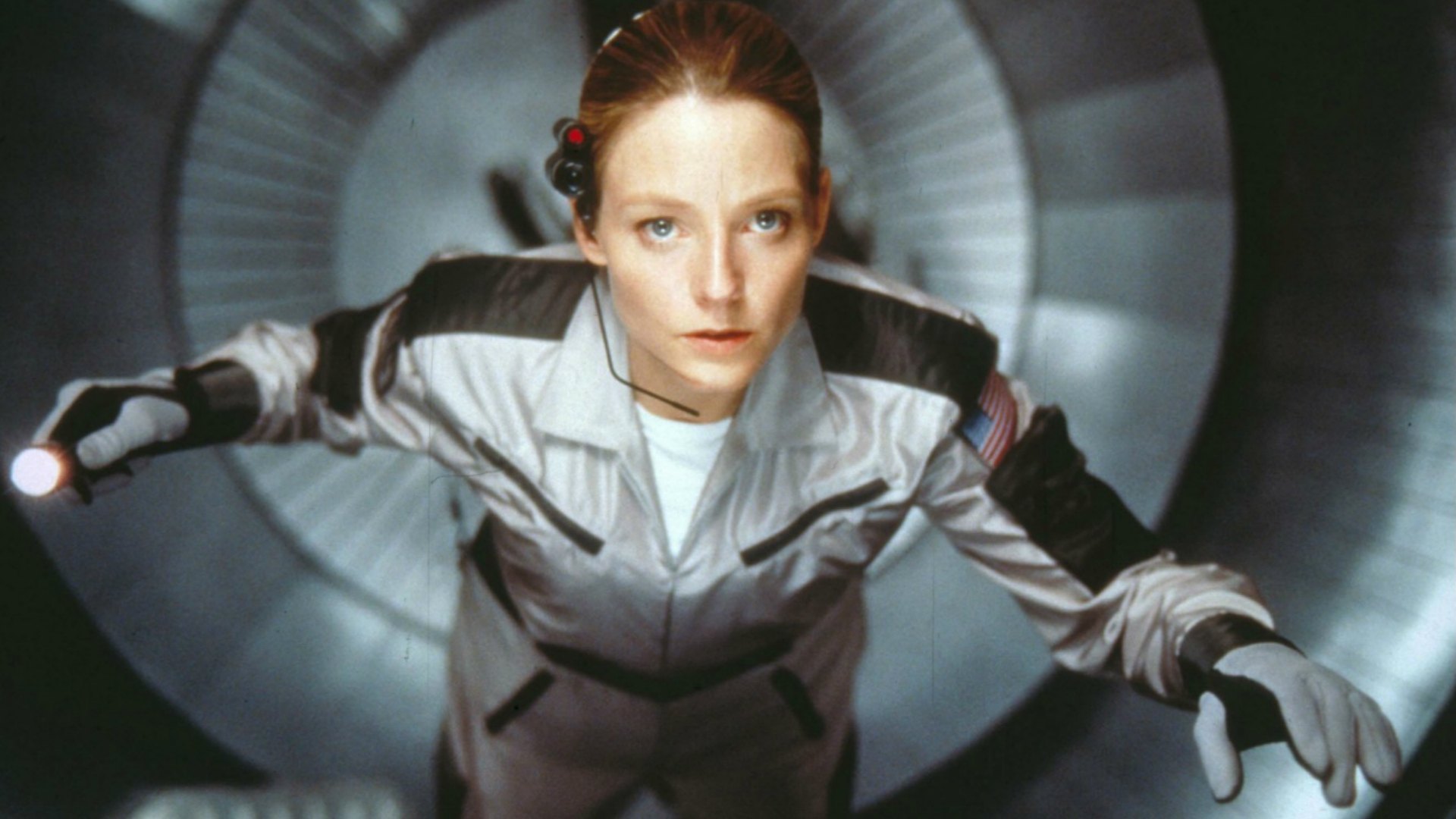
17. Contact (1997)
Based on the novel by Carl Sagan, this film is a grounded, scientifically accurate look at how humanity might react to a radio signal from space. Jodie Foster plays Ellie Arroway, a scientist whose life’s work is vindicated when she discovers a message from Vega. The film is unique for its focus on the intersection of science and religion, asking if we are ready to meet our "makers" or just our neighbors.

16. War of the Worlds (2005)
Steven Spielberg’s take on the H.G. Wells classic is a dark, post-9/11 vision of societal collapse. Unlike the 1953 version, this film emphasizes the sheer terror and helplessness of a family trying to survive an overwhelming force. The sound design of the tripods’ tripod "horns" and the imagery of people disappearing into ash created a harrowing, visceral experience that remains one of the most frightening depictions of an invasion.
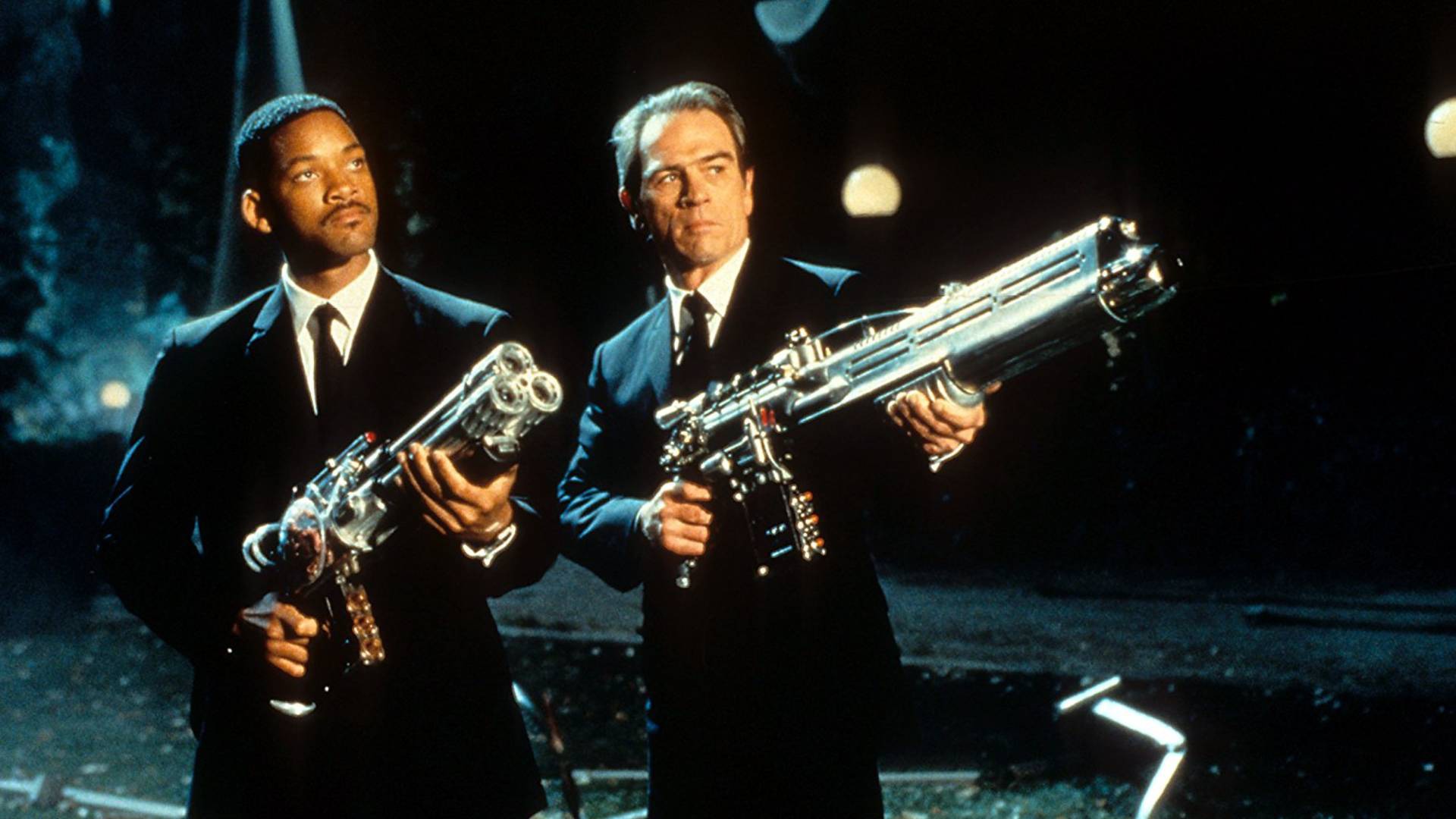
15. Men in Black (1997)
This film managed to make aliens "cool" by suggesting they’ve been living among us as refugees for decades. Will Smith and Tommy Lee Jones have legendary chemistry as agents of a secret organization that polices the extraterrestrial population. With brilliant creature designs by Rick Baker and a witty script, it successfully blended comedy, sci-fi, and conspiracy culture into a franchise that remains a staple of 1990s pop culture.
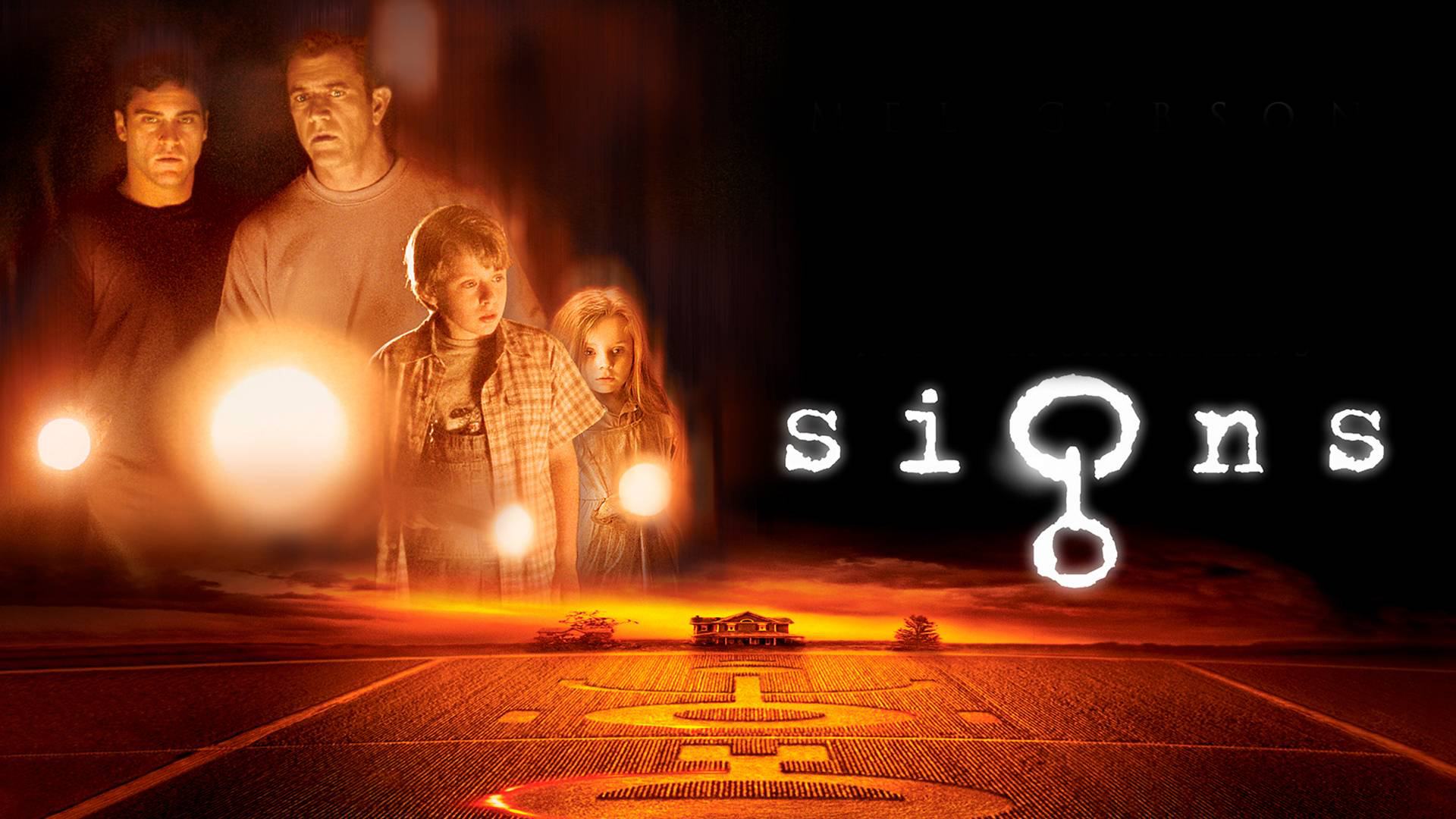
14. Signs (2002)
M. Night Shyamalan brought the alien invasion home by focusing entirely on a grieving family on a remote Pennsylvania farm. By keeping the threat mostly off-screen and relying on ambient noise—like the clicking of legs on a roof or a baby monitor's static—the film creates a stifling sense of dread. It’s less about the creatures and more about the restoration of faith during a time of global catastrophe.

13. Under the Skin (2013)
Jonathan Glazer’s avant-garde film features Scarlett Johansson as an alien entity assuming the form of a woman to lure men into a dark, liquid void. Using hidden cameras to capture real interactions in Scotland, the film feels voyeuristic and eerie. It is an abstract, sensory exploration of what it means to be human—the beauty of the physical world, the complexity of emotion, and the vulnerability of the flesh.
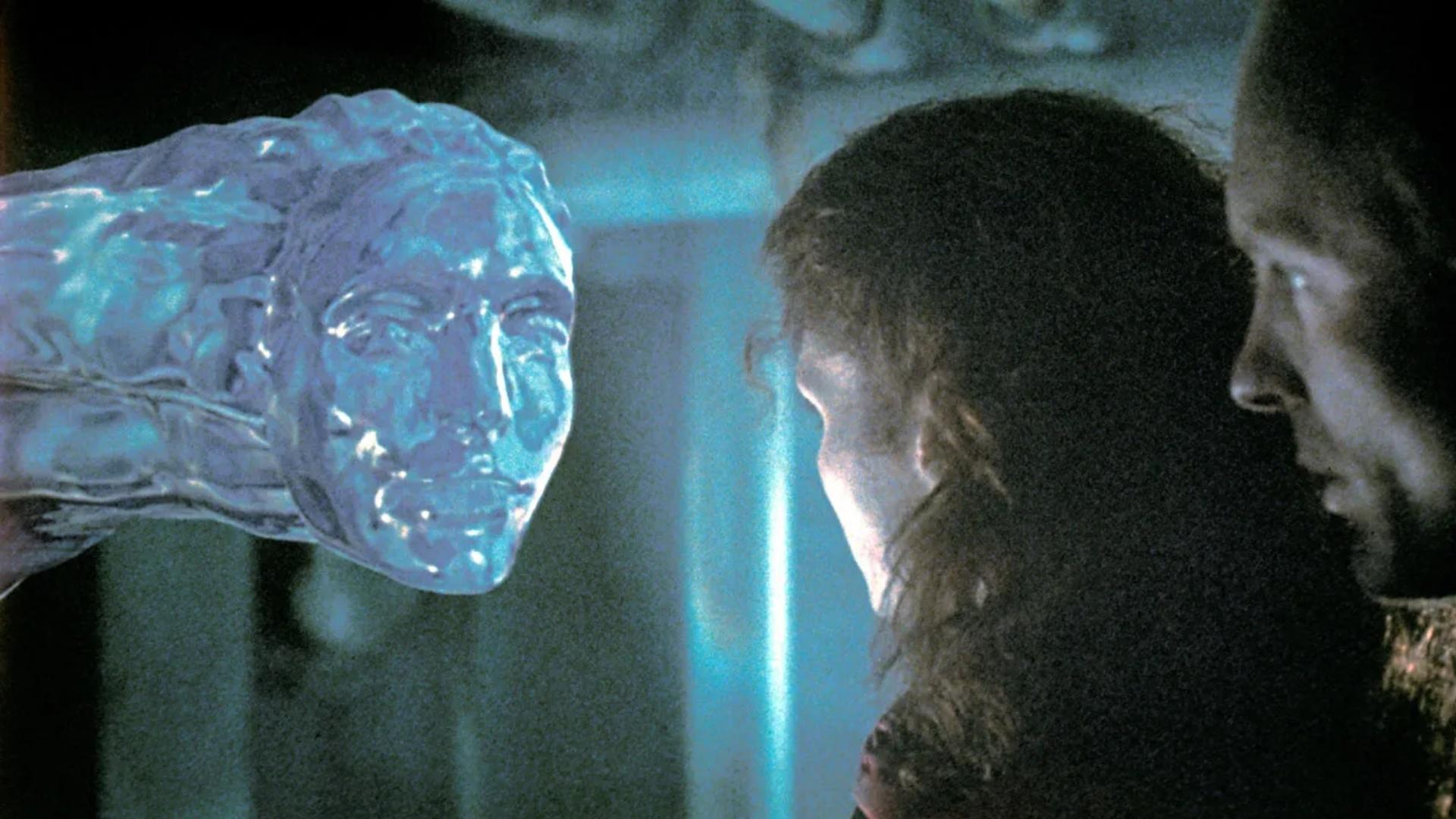
12. The Abyss (1989)
James Cameron took his obsession with the deep sea to the big screen in this ambitious thriller. When a nuclear sub sinks, a civilian diving team discovers a bioluminescent alien intelligence living in the ocean's depths. The film is famous for its grueling production and for featuring the first-ever "pseudopod" created with CGI. It explores themes of nuclear brinkmanship and suggests that humanity's salvation may lie in the wonders hidden below us.

11. Independence Day (1996)
Roland Emmerich’s disaster epic defined the modern summer blockbuster. With city-sized spaceships casting shadows over global landmarks, it delivered a sense of scale that was unprecedented at the time. Despite its cheesy dialogue, the film’s blend of practical models and early CGI—along with Bill Pullman’s stirring "Presidential" speech—made it a massive cultural touchstone that successfully revitalized the "global invasion" subgenre for a new generation.

10. Invasion of the Body Snatchers (1978)
This remake is often cited as superior to the original for its sheer sense of nihilistic dread. Set in San Francisco, it depicts a quiet invasion where gelatinous pods replace humans with emotionless duplicates. The film captures the post-Waterloo era's deep-seated distrust of authority and neighbors. The final, haunting scream from Donald Sutherland remains one of the most famous and unsettling "downer" endings in the history of cinema.

9. Predator (1987)
What begins as a standard 1980s action movie starring Arnold Schwarzenegger quickly pivots into a sci-fi slasher film. A technologically advanced trophy hunter from another world picks off elite soldiers one by one in the Central American jungle. The film introduced a classic creature capable of active camouflage and thermal vision, creating a tense "hunter vs. hunted" dynamic that pushed the limits of the action genre.
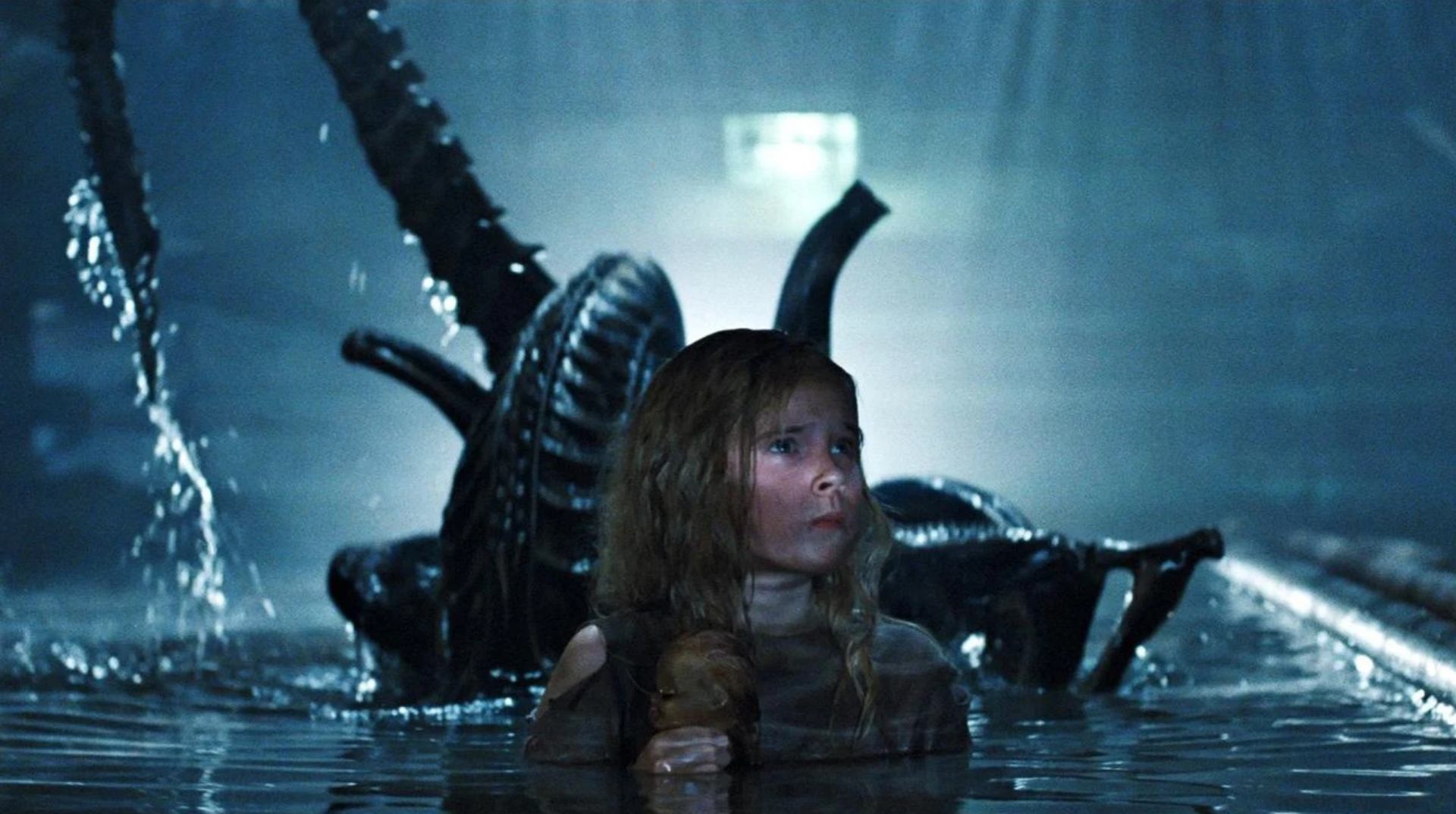
8. Aliens (1986)
James Cameron took the claustrophobic horror of the first film and successfully evolved it into a high-octane military action epic. By introducing the Alien Queen and a squad of Colonial Marines, Cameron expanded the lore significantly. At its core, the film is a story about motherhood, pitting Ripley’s maternal instinct to protect young Newt against the Queen’s instinct to protect her brood, leading to a legendary final confrontation.
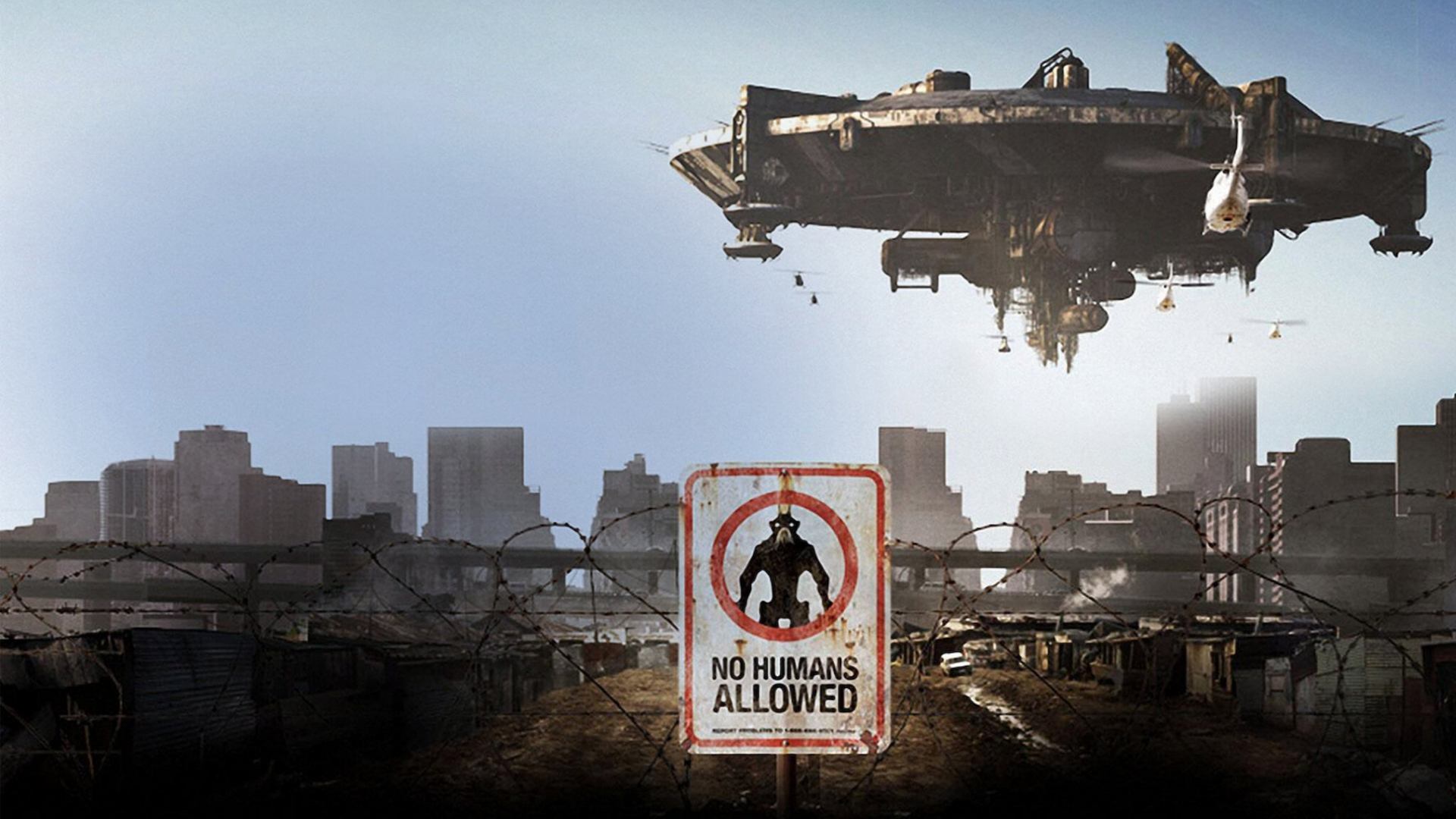
7. District 9 (2009)
Neill Blomkamp used a gritty, "found-footage" aesthetic to tell a story about alien refugees (derogatorily called "Prawns") living in slums in South Africa. The film serves as a powerful allegory for apartheid and social segregation. By following a government agent who begins to physically transform into one of the creatures, the movie forces the audience to confront the dehumanization of "the other" through visceral body horror and intense action.

6. Close Encounters of the Third Kind (1977)
Spielberg’s other alien masterpiece focuses on the obsessive pull felt by ordinary people toward a secret meeting site at Devils Tower. Unlike many invasion films, this one views the unknown with awe rather than fear. The climax, featuring a massive mothership communicating through a five-note musical sequence and light, is one of the most hopeful and visually spectacular sequences in the history of science fiction.
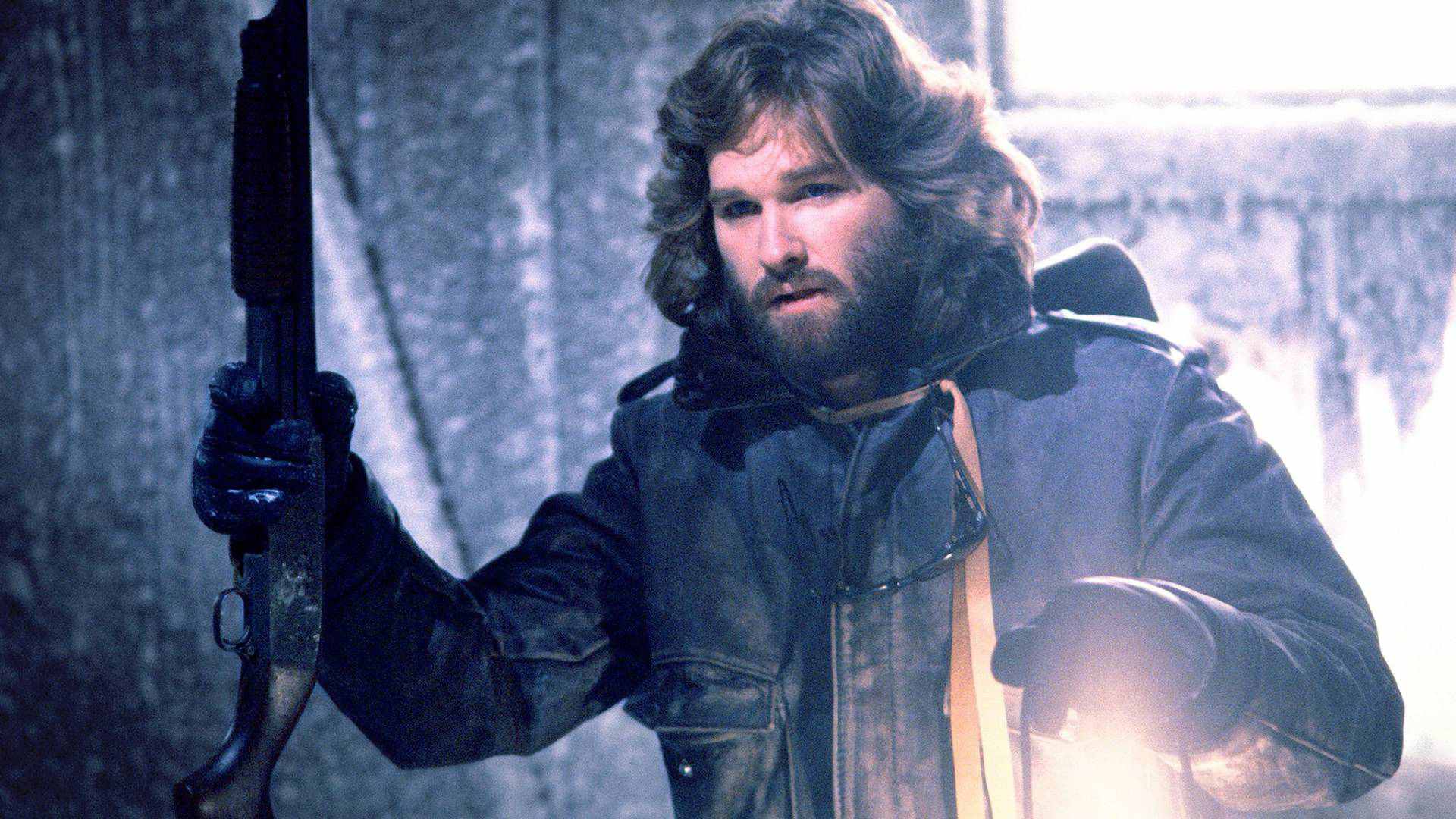
5. The Thing (1982)
John Carpenter’s Antarctic thriller is the ultimate exercise in cinematic paranoia. A shapeshifting alien infiltrates a research base, capable of imitating any living organism perfectly. Rob Bottin’s grotesque, practical special effects remain unparalleled, but the true horror lies in the breakdown of trust among the men. The ambiguous, chilling ending continues to be a subject of intense debate among horror fans decades after its release.

4. Arrival (2016)
Denis Villeneuve’s film is a sophisticated "first contact" story that prioritizes linguistics over lasers. When twelve massive "shells" appear globally, linguist Louise Banks must decode the heptapods' complex, non-linear language. The film suggests that language doesn't just communicate thoughts but shapes how we perceive time itself. It is a deeply moving, intellectual puzzle that rewards viewers with a heartbreaking and beautiful twist regarding memory and choice.

3. E.T. the Extra-Terrestrial (1982)
This Steven Spielberg classic captured the hearts of millions by focusing on the emotional bond between a lonely boy and a stranded botanical alien. Beyond the iconic shots of flying bicycles against a full moon, the movie is a profound exploration of empathy, childhood wonder, and the pain of saying goodbye. Its puppetry and John Williams’ soaring score create a timeless atmosphere of pure cinematic magic.
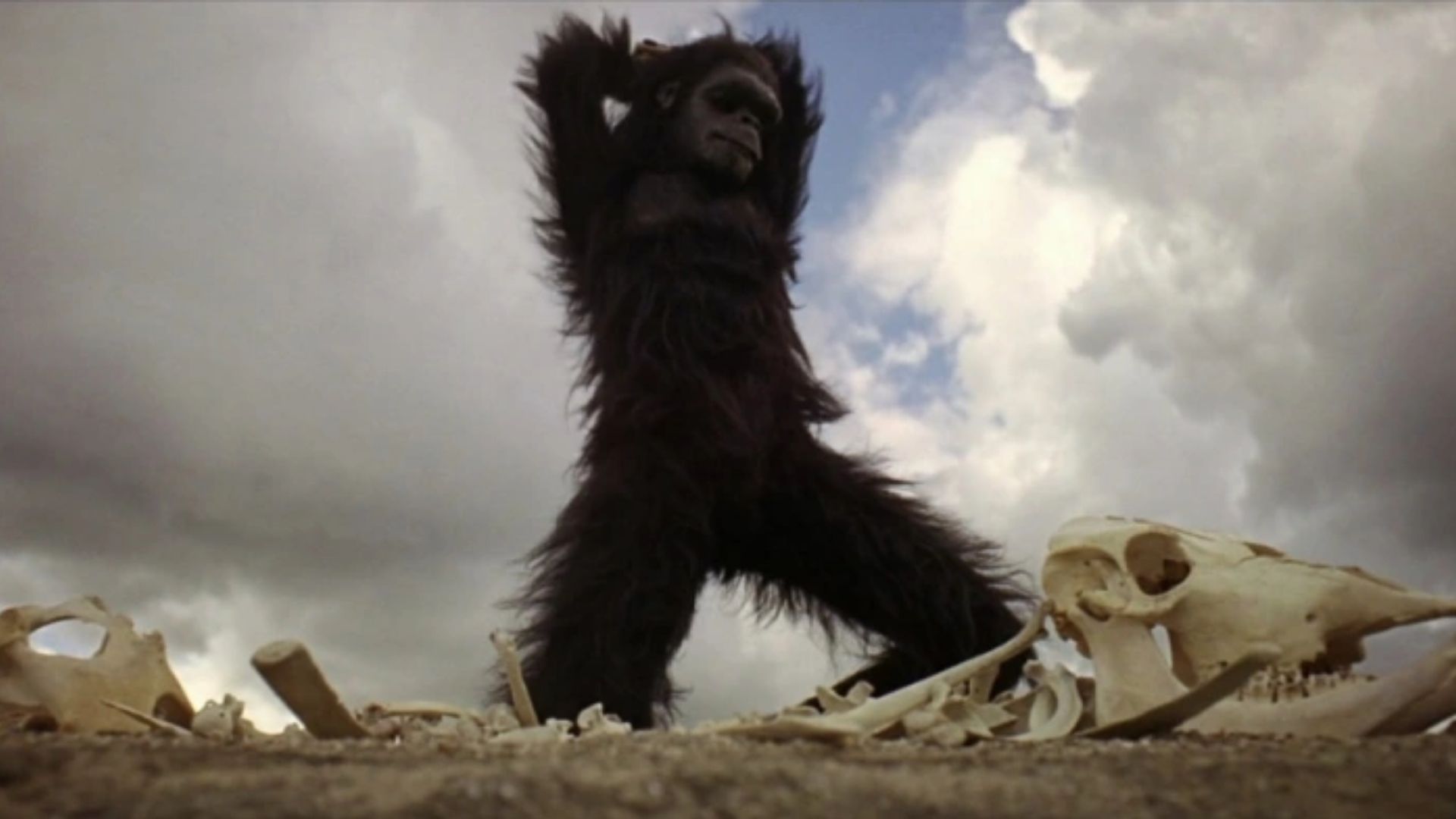
2. 2001: A Space Odyssey (1968)
Stanley Kubrick’s epic remains the gold standard for philosophical science fiction. While the extraterrestrials are never seen, their presence is felt through the enigmatic black monoliths that spark major leaps in human evolution. From the "dawn of man" to the psychedelic "Stargate" sequence, the film is a visual and sonic symphony that questions humanity's destiny and our small place within a vast, intelligent universe.
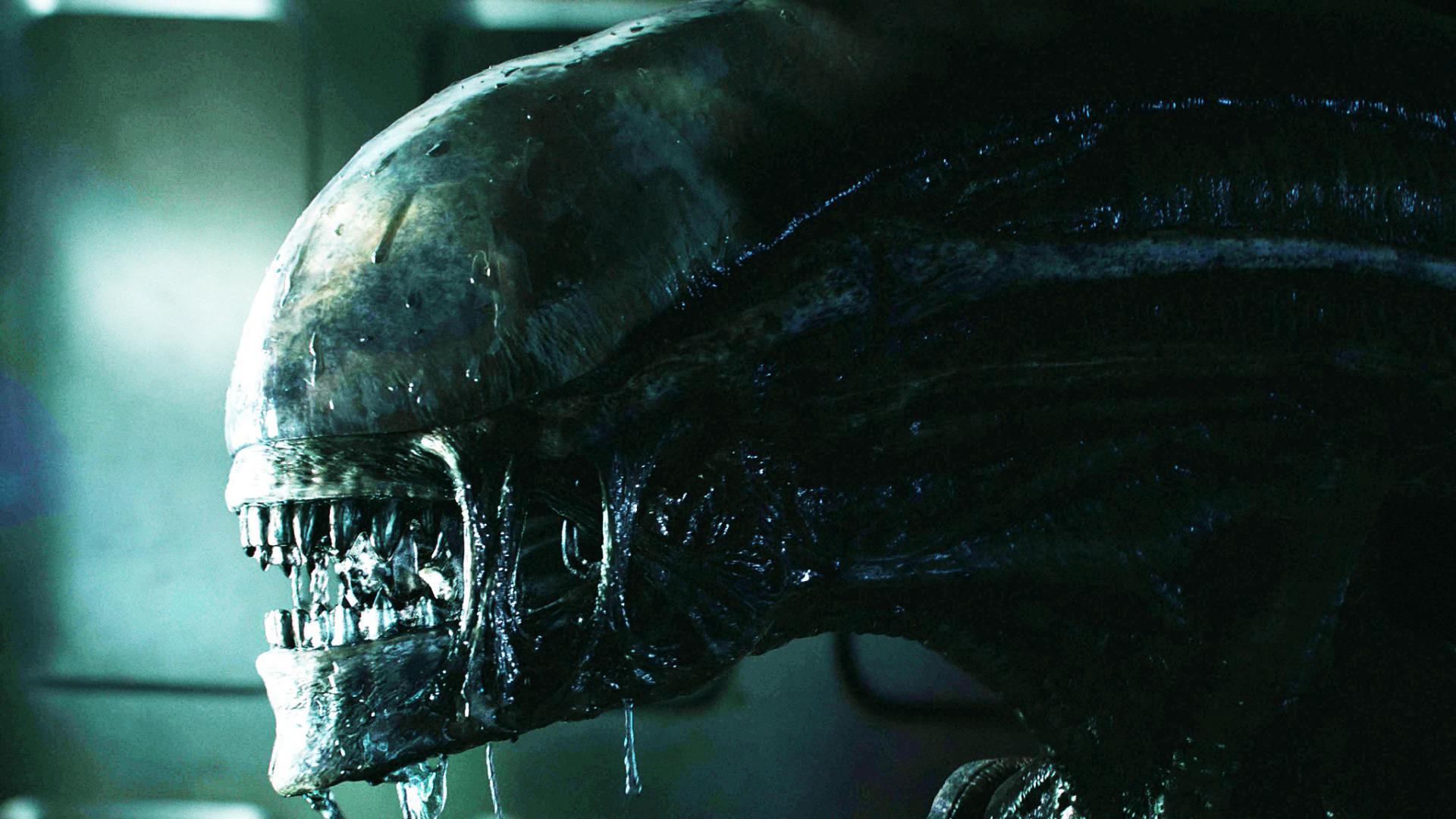
1. Alien (1979)
Ridley Scott’s masterpiece redefined sci-fi horror by merging high-concept design with a gritty, "truckers in space" atmosphere. The film is famous for the chestburster scene and the biomechanical nightmare of H.R. Giger's Xenomorph. It excels by using silence and shadows to build unbearable tension, eventually transforming Sigourney Weaver’s Ellen Ripley into one of the most iconic and resilient survivalists in film history.