
10 Best Films Of Francis Ford Coppola
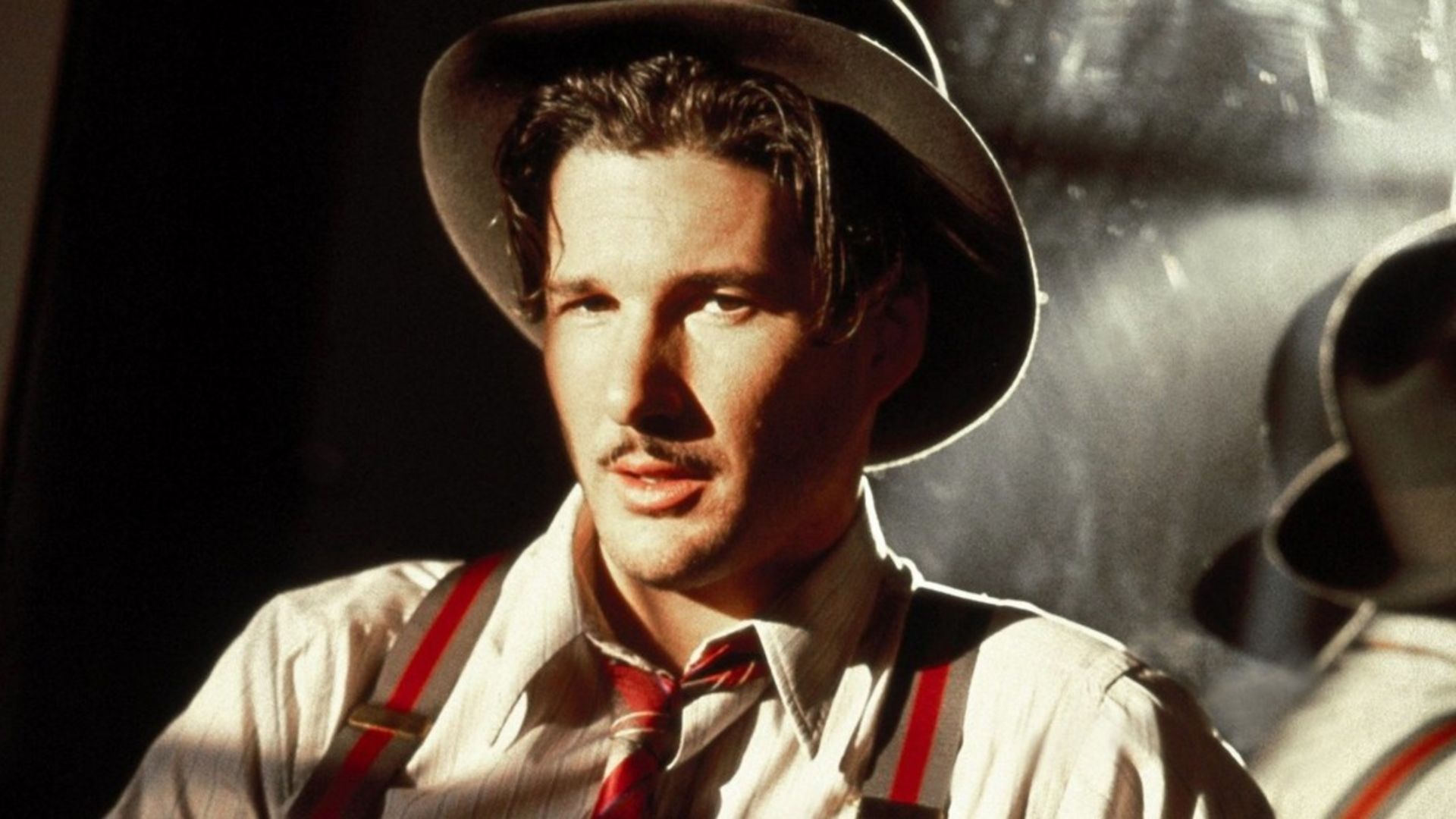
10. The Cotton Club (1984)
Coppola poured chaos into a 1930s Harlem jazz sandbox and somehow came out with a rhythmic mob movie. The tap-dancing sequences and musical numbers carry a massive amount of energy, completely distracting you from any behind-the-scenes production drama. Richard Gere leads a stacked ensemble that perfectly captures the sharp style, racial tensions, and dangerous nightlife of the era.
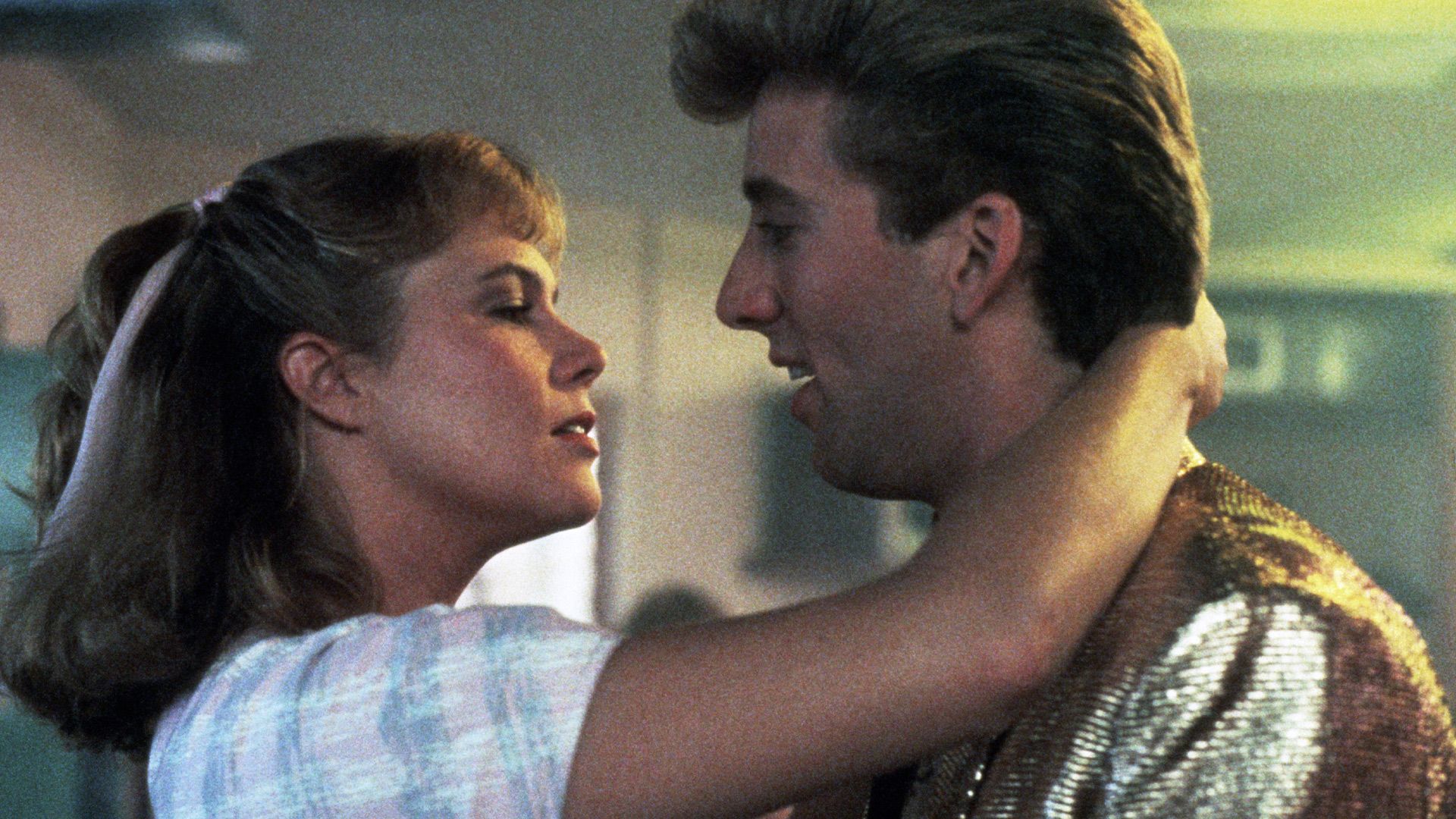
9. Peggy Sue Got Married (1986)
This time-travel comedy avoids cheesy tropes by focusing on pure, bittersweet human regret. Kathleen Turner plays a woman who passes out at a high school reunion and wakes up as her teenage self, carrying the full weight and memories of adulthood. It nails the exact feeling of mid-life nostalgia, making you look at your own past choices with less judgement.
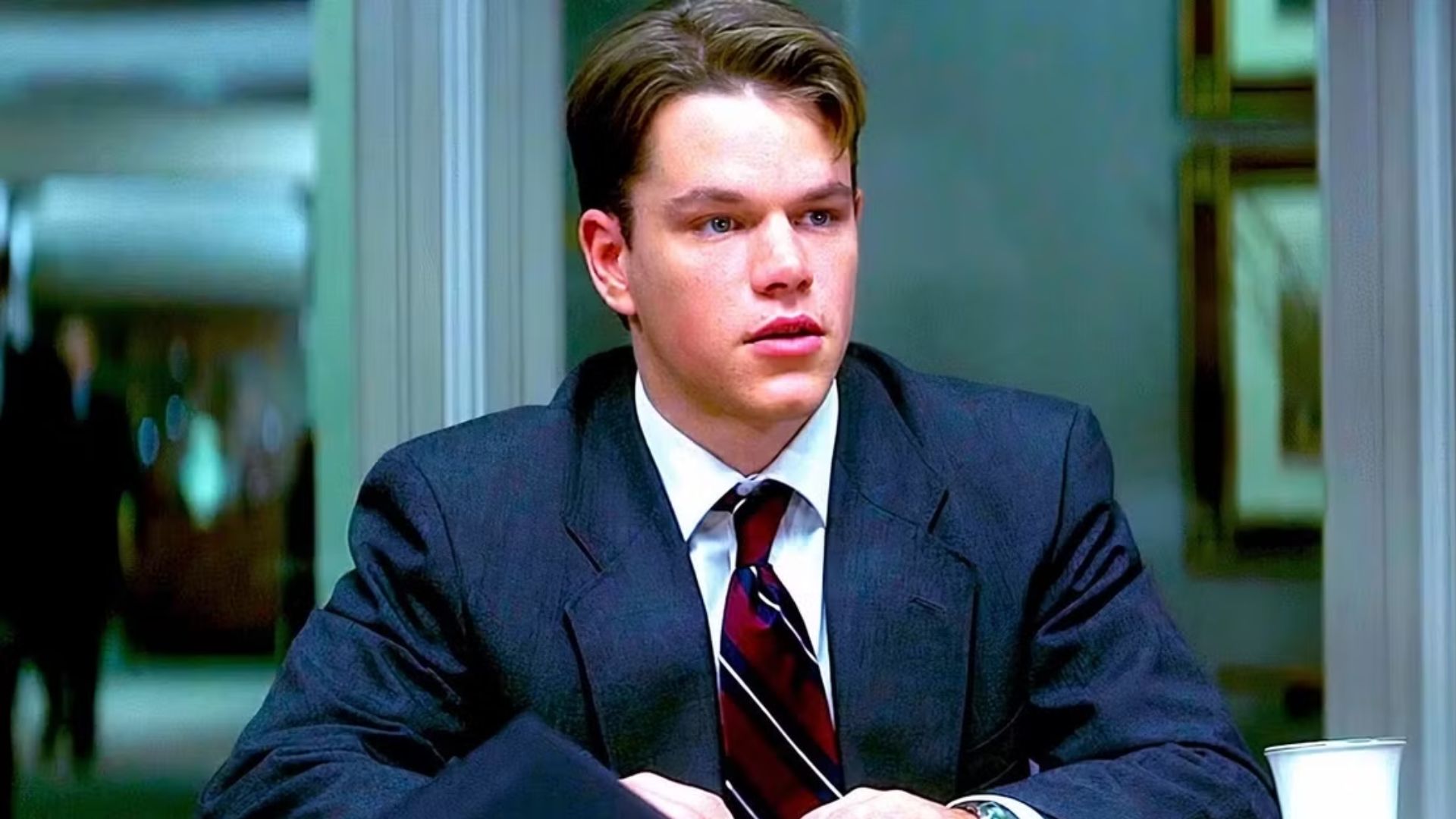
8. The Rainmaker (1997)
A John Grisham adaptation sounds standard, but Coppola treats this underdog courtroom drama with real warmth and patience. Matt Damon plays an idealistic, green lawyer taking on a massive insurance fraud scheme, bringing a rare decency to a genre usually filled with cynical characters. The script gives the small moments room to breathe, so you actually care about the victims rather than just waiting for the next legal twist.
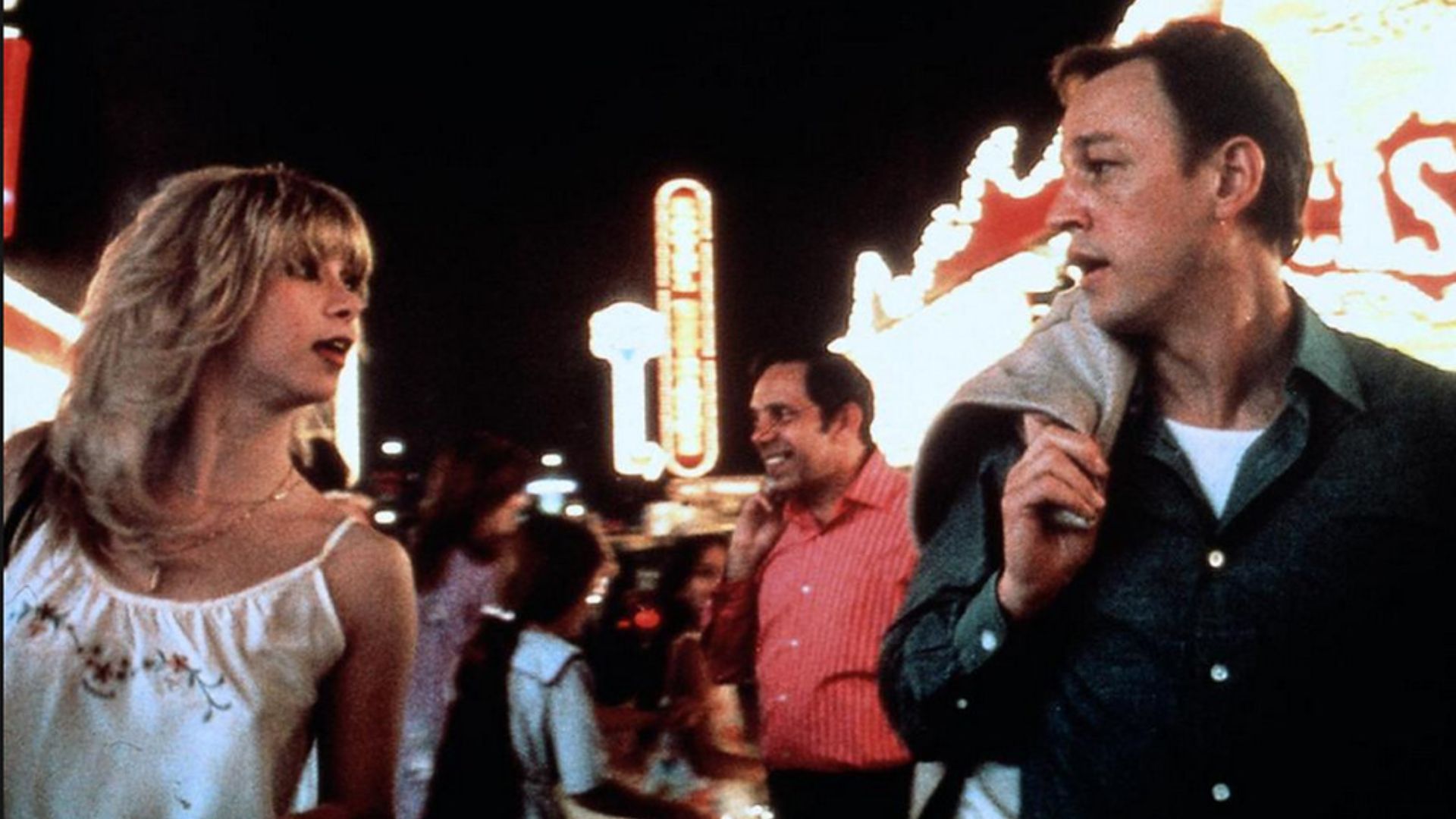
7. One From the Heart (1981)
This romance bankrupted Coppola's studio, but looking back, the artistic gamble makes total sense. He built a fantasy version of Las Vegas completely on indoor soundstages to follow a fracturing couple during a single, colorful night. The Tom Waits soundtrack sets a beautiful, moody atmosphere that makes the whole film feel like a moving painting rather than a standard Hollywood story.
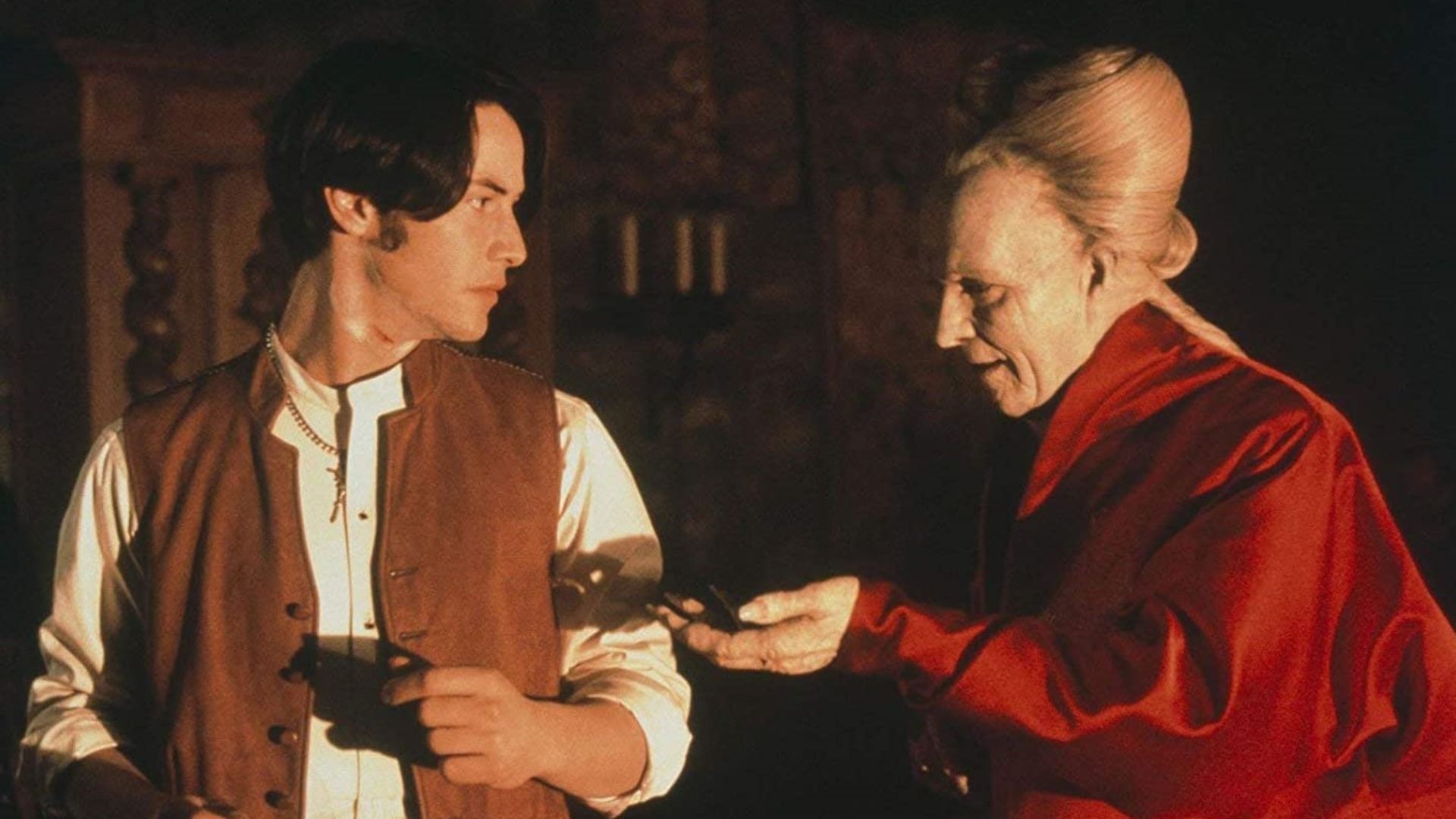
6. Bram Stoker’s Dracula (1992)
Instead of relying on modern digital tricks, Coppola went old-school and used stage-magic practical effects to bring this gothic nightmare to life. Gary Oldman is terrifying and tragic all at once as the Count, wrapped in some of the most surreal costume designs ever put on screen. The film completely embraces a theatrical tone that values raw passion and dreamlike visuals over subtle acting.
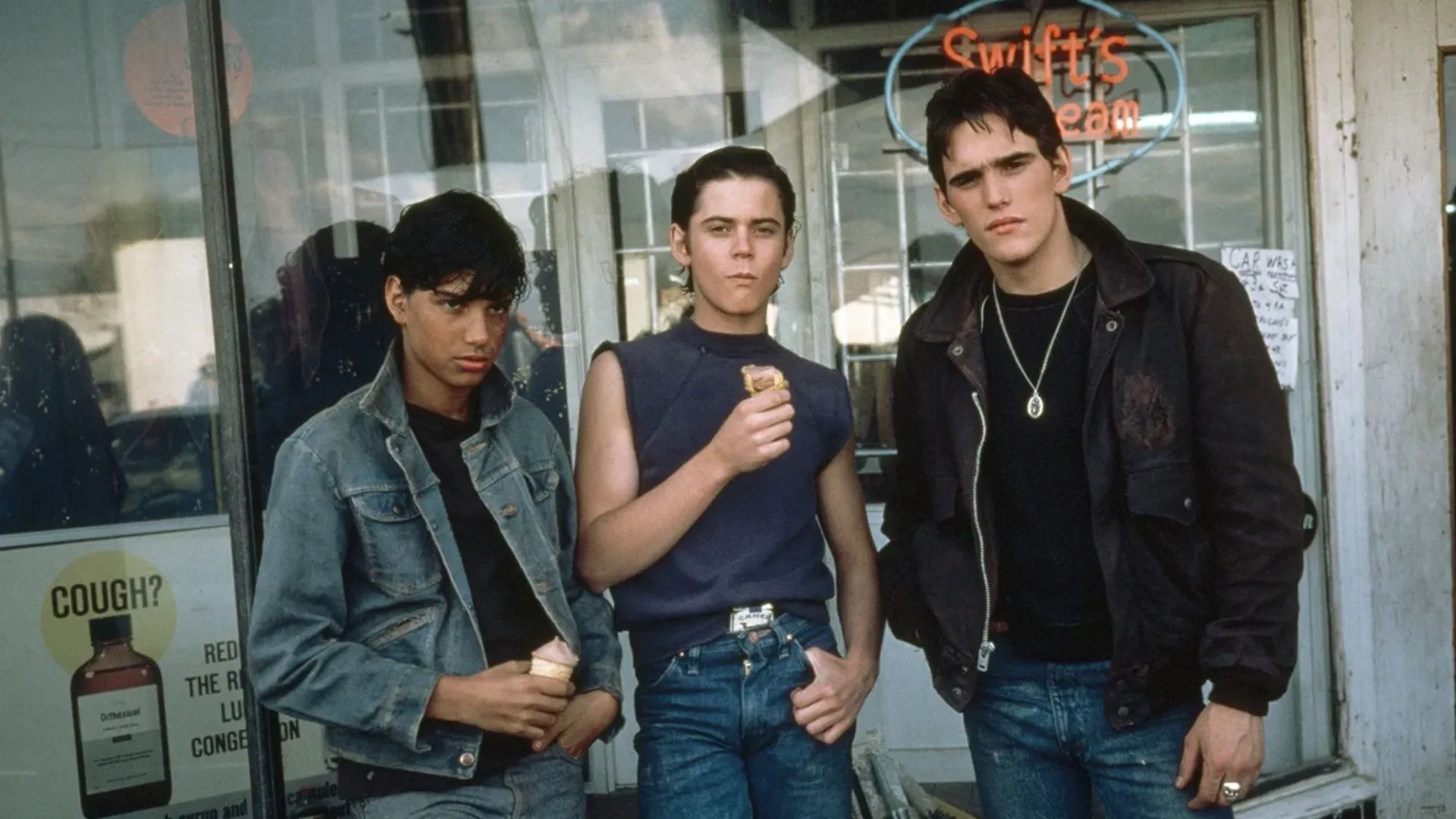
5. The Outsiders (1983)
Adapting the classic S.E. Hinton novel of the same name, Coppola launched the careers of half of 1980s young Hollywood in one shot. He frames the rough lives and violent turf wars of poor Oklahoma teenagers with the widescreen beauty of an old-school studio epic. There is an, unfiltered emotion to how the kids interact, capturing the fragile nature of youth before adulthood ruins it.
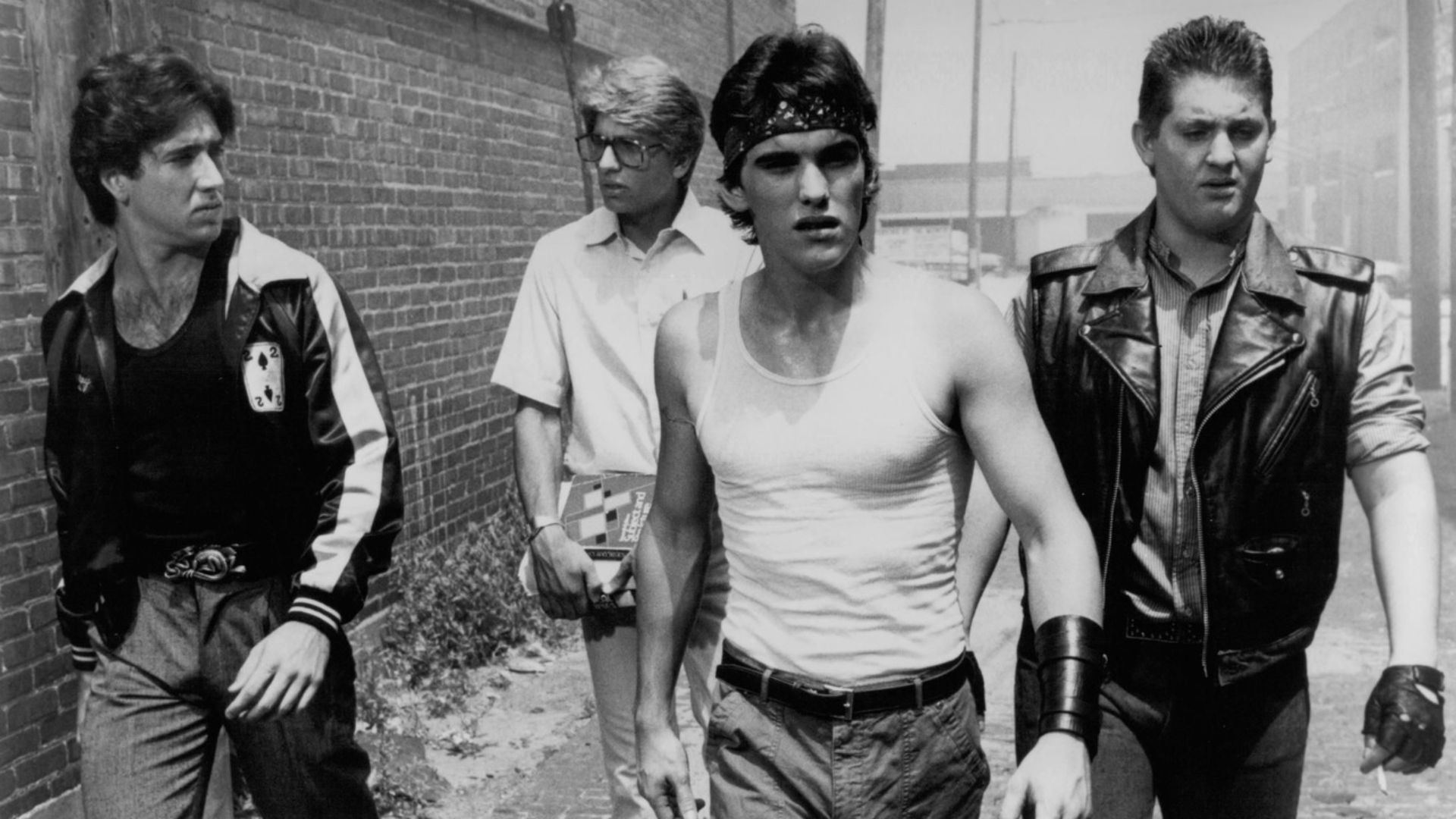
4. Rumble Fish (1983)
Shot immediately after 'The Outsiders' with a lot of the same cast, this black-and-white companion piece feels like its rebellious version. Mickey Rourke plays a legendary, washed-up street myth while Matt Dillon plays his younger brother trying desperately to live up to that impossible shadow. The experimental drum soundtrack and time-lapse background clouds turn a simple gang story into a poetic art-house piece.
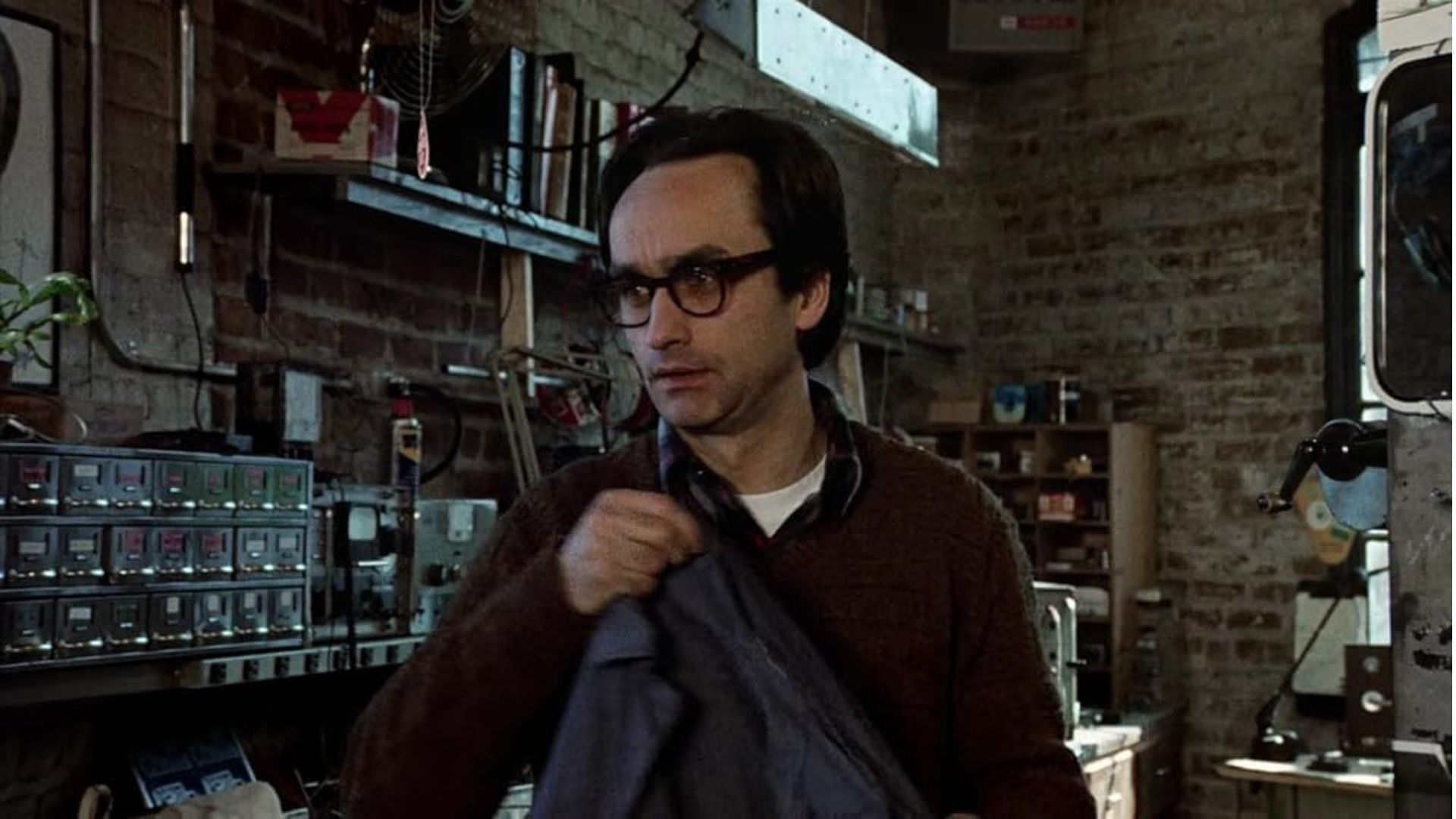
3. The Conversation (1974)
Gene Hackman gives the performance of his life as a paranoid surveillance expert who realizes a mundane audio tape he recorded might actually be a murder plot. The film thrives on tension, using claustrophobic sound design to trap the audience inside the main character's growing isolation and guilt. Released right alongside the real-world Watergate scandal, it tapped perfectly into a massive cultural wave of societal distrust.
2. Apocalypse Now (1979)
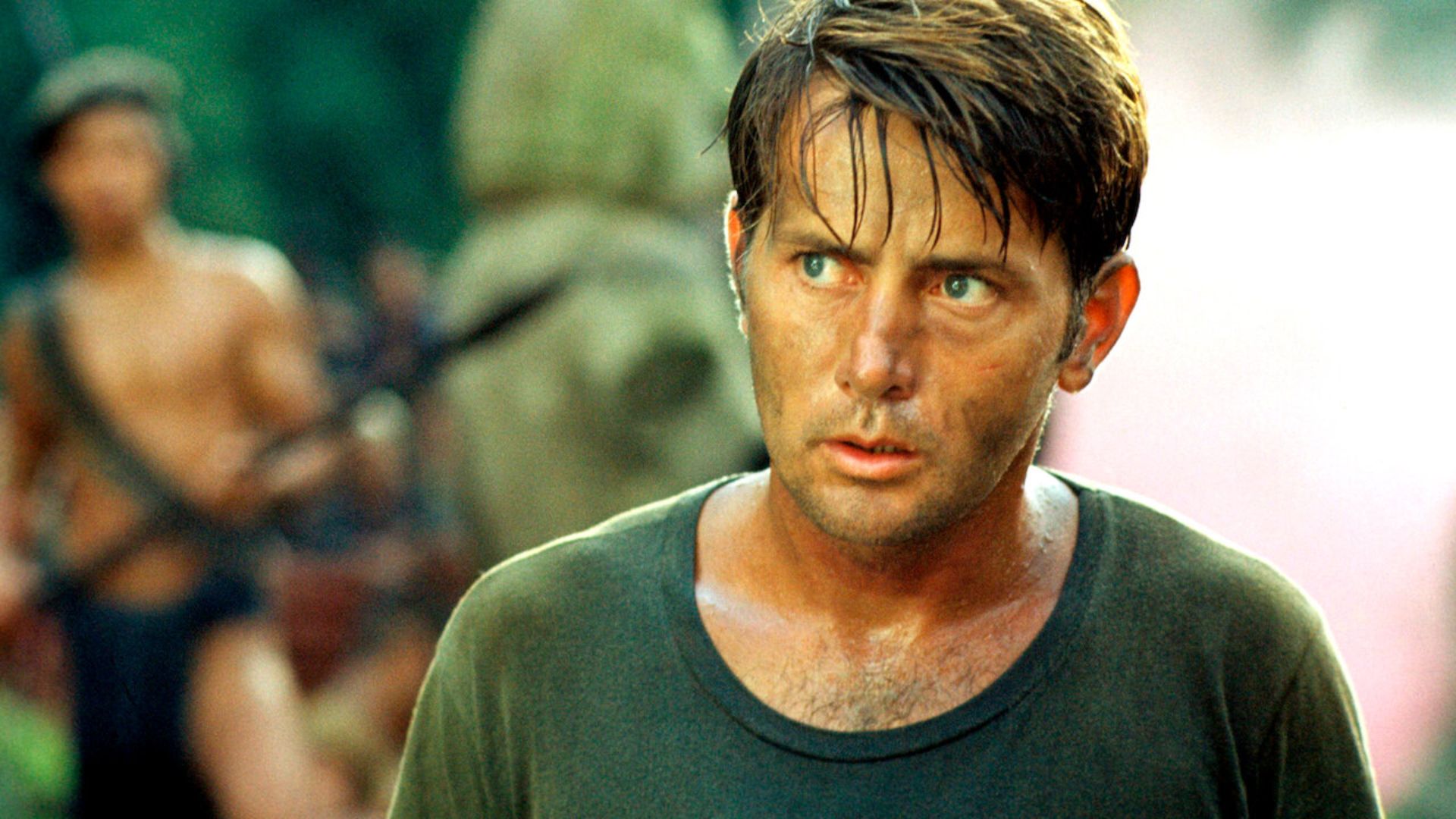
A monumental epic that slowly morphs from a standard military operation into a surreal descent into pure human madness. Coppola almost lost his life and mind filming in the Philippines jungle, and that chaotic energy is baked into every single frame of the final cut. From the terrifying helicopter strike set to classical music to Marlon Brando's haunting monologues, the film feels entirely uncompromised.
1. The Godfather Trilogy (1972, 1974, 1990)
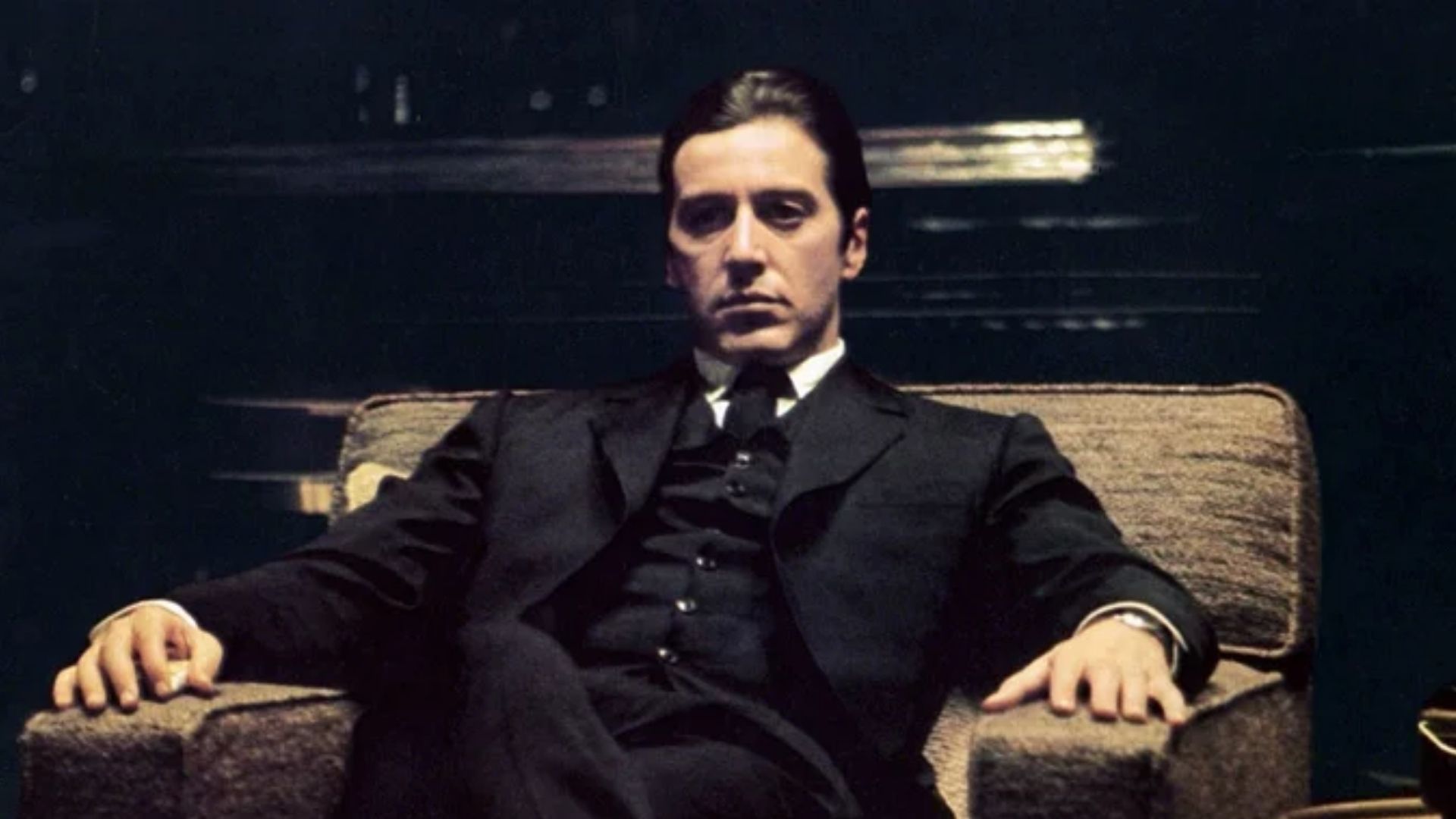
Placing these three movies together captures the peak of American narrative filmmaking, tracking the moral rot of the Corleone family across multiple generations. Al Pacino’s evolution from an innocent outsider to a cold, isolated tyrant is one of the greatest arcs in story history, backed by a flawless shadow-heavy visual style. Even with the uneven nature of the final chapter, the collective weight of this franchise has an unmatched cultural footprint.