
10 Best Ingmar Bergman Movies
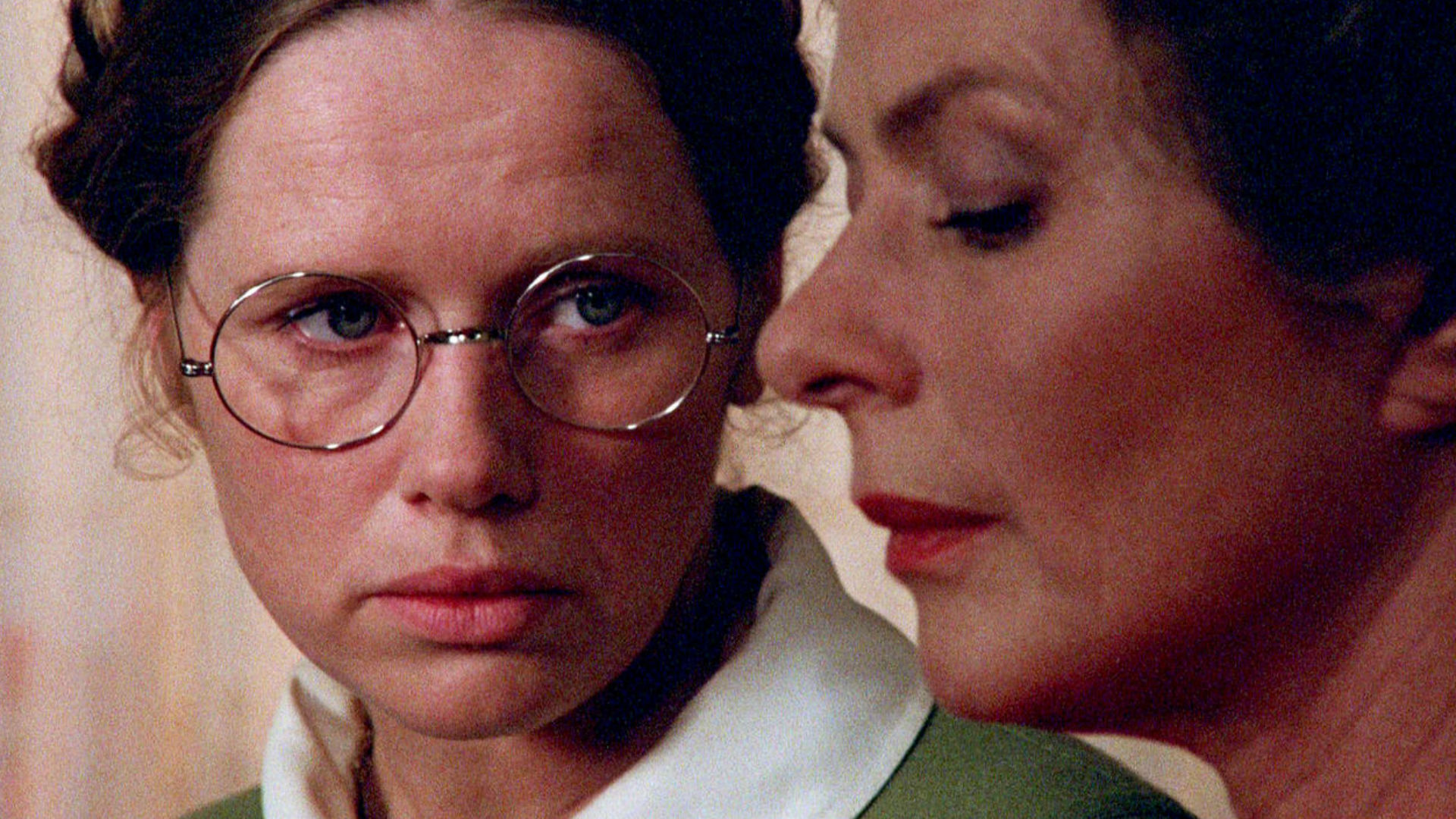
Autumn Sonata (1978)
In Autumn Sonata, a concert pianist mother visits her estranged daughter and brings up years of hurt and neglect. Their meeting turns into an intense emotional clash as long buried feelings come out. The story focuses on family pain and the struggle to communicate. It stands as one of Ingmar Bergman’s most powerful and heartbreaking looks at motherhood and inherited trauma.

Summer with Monika (1953)
A young couple runs away from society and spends a carefree summer together on the islands. For a while life feels free and perfect, but reality slowly catches up when responsibility and parenthood step in. Harriet Andersson’s lively and rebellious Monika became unforgettable. The film shows young love, the joy of freedom, and the difficult shift into adulthood with honest emotion.
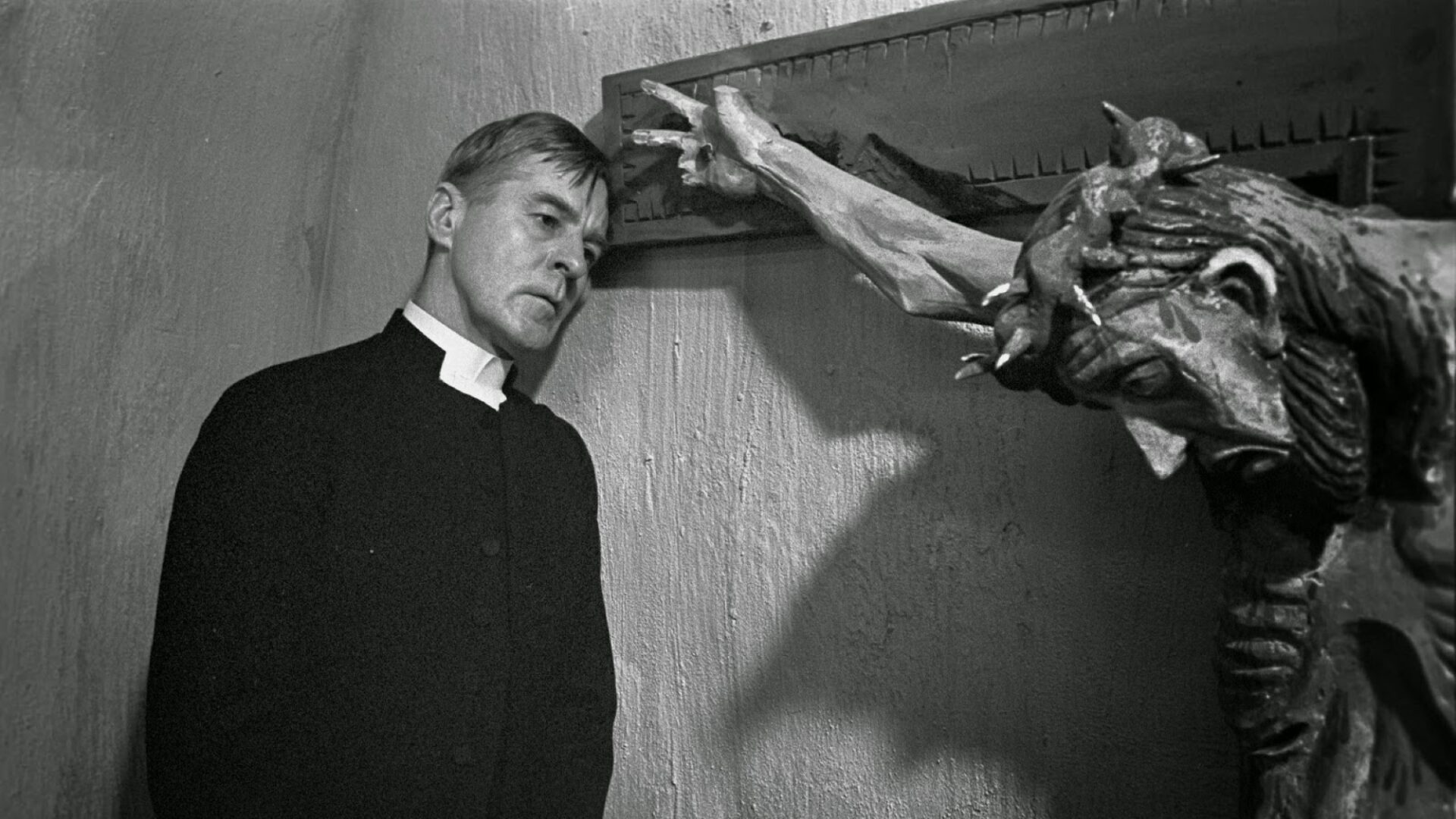
Winter Light (1963)
A troubled pastor struggles with his faith in a cold and empty church. As he faces doubt and despair he feels more alone than ever. The film keeps things simple and focuses on silence faces and a sense of emptiness. It is part of Bergman’s Faith Trilogy and stands as one of his most intense and deeply moving works about belief and loss.
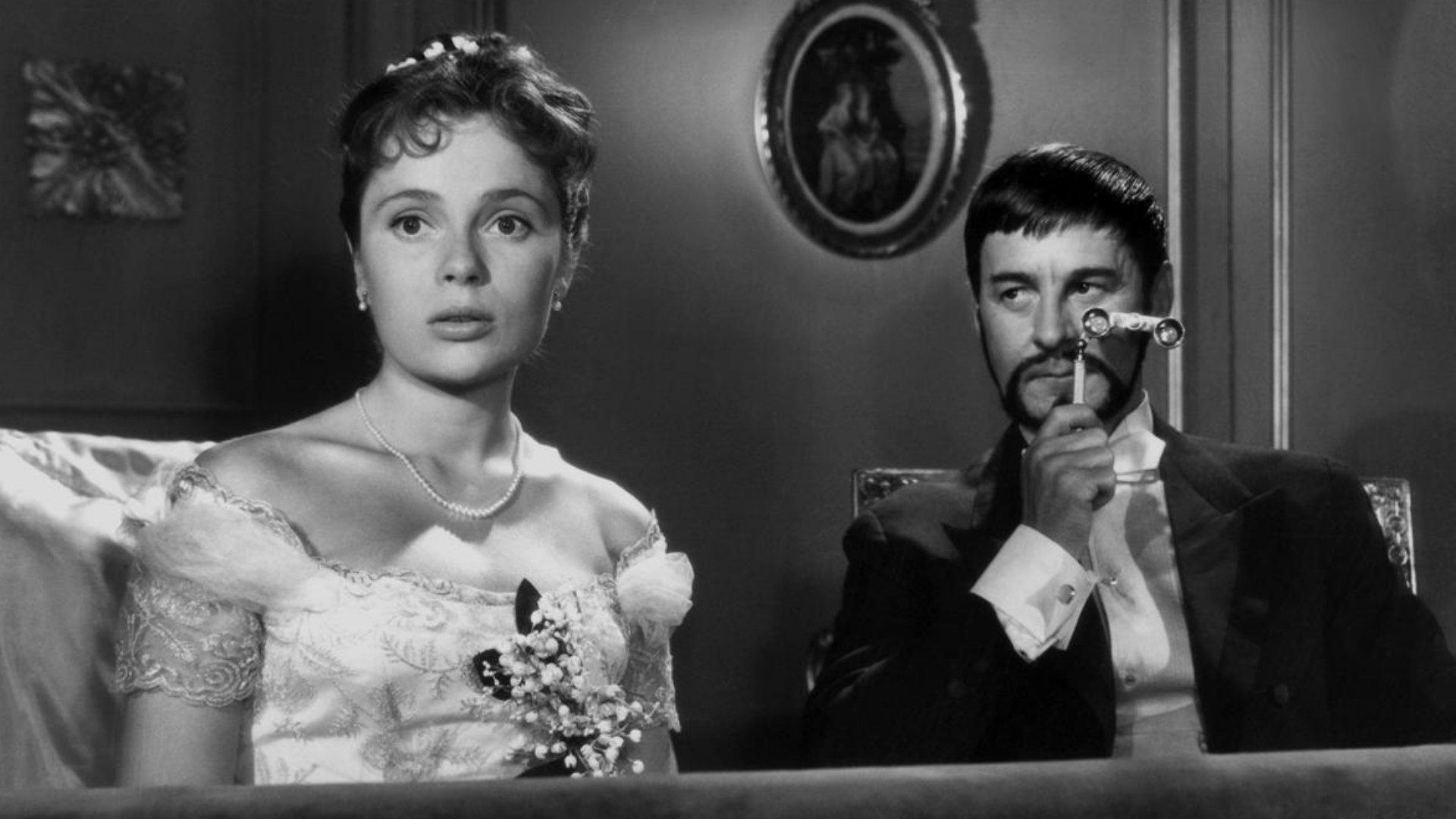
Smiles of a Summer Night (1955)
A witty and elegant story about mismatched lovers, affairs, and a magical summer night. The film follows different couples as their relationships twist and change in unexpected ways. Lighter than much of Ingmar Bergman’s work, it is full of humor, charm, and quiet sensuality while still exploring desire and social masks. It shows his range and works as a great place to start with his films.
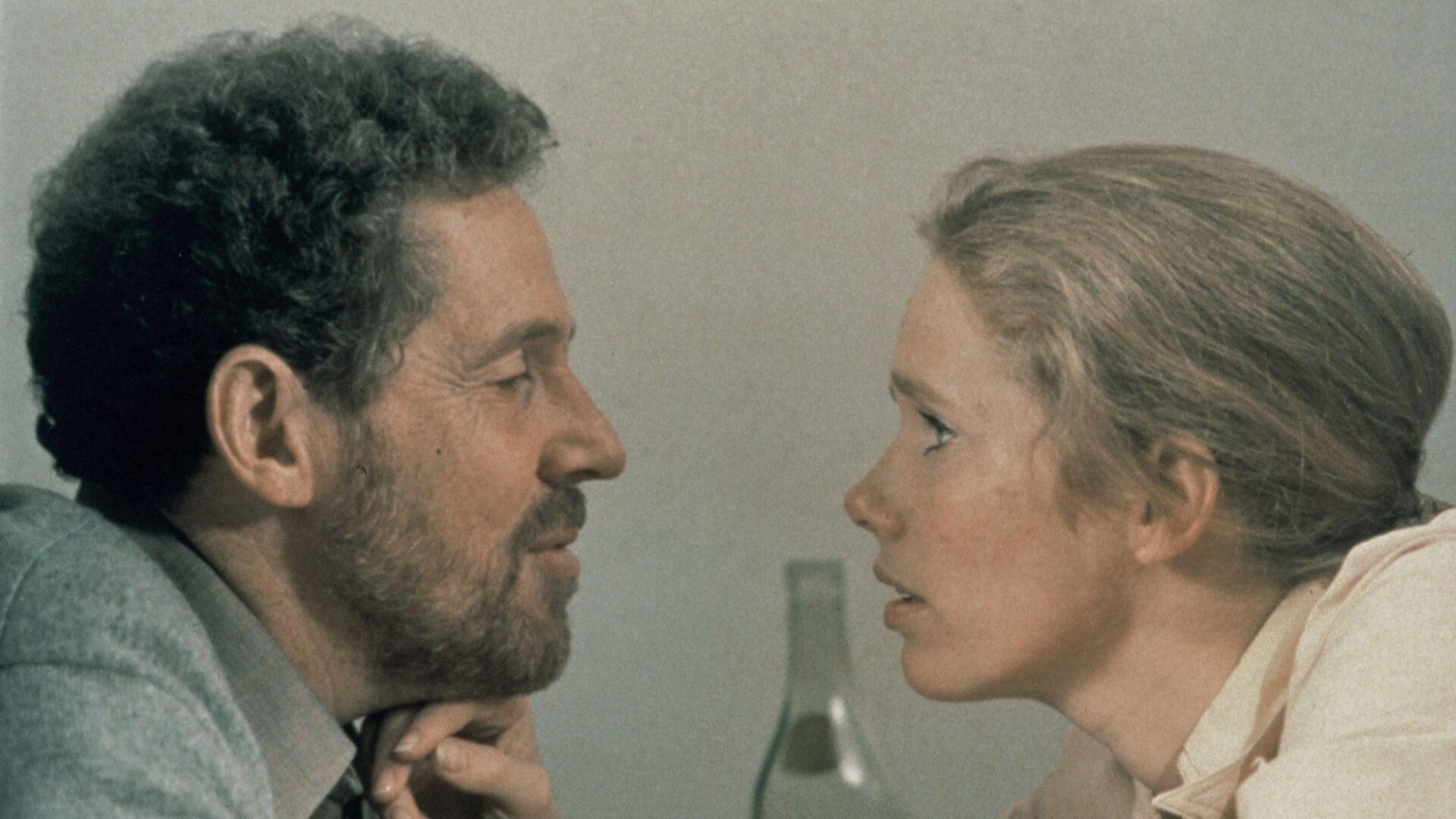
Scenes from a Marriage (1973)
Originally made as a TV miniseries, Scenes from a Marriage follows a couple played by Liv Ullmann and Erland Josephson over several years. It shows their love, betrayal, and deep emotional dependence on each other. The focus on long honest conversations makes it feel almost real. It presents marriage as both painful and necessary with striking honesty.
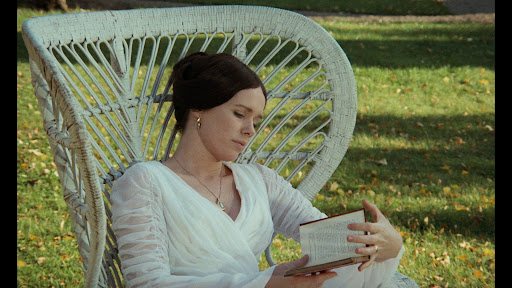
Cries and Whispers (1972)
In a deep red mansion, three sisters come together as one slowly dies of cancer. As they wait, old emotions, guilt, and moments of kindness rise to the surface. The film is visually striking, with beautiful cinematography by Sven Nykvist. It explores pain, death, and the small chances for love and comfort. It stands as one of Ingmar Bergman’s most haunting and beautiful films about mortality.
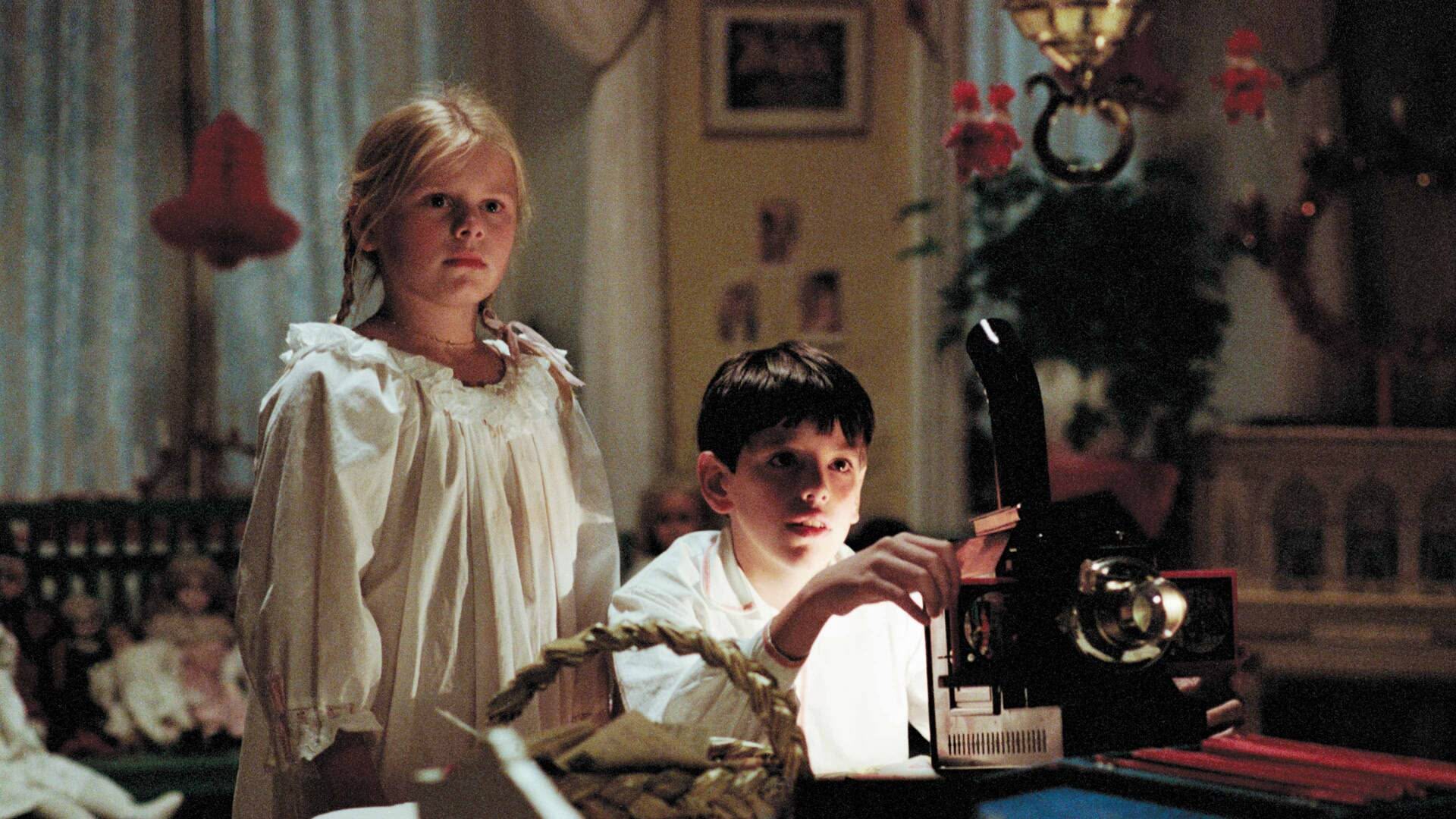
Fanny and Alexander (1982)
Fanny and Alexander is a semi autobiographical story by Ingmar Bergman. It follows two children as they grow up around family life, theater, and a strict and cruel stepfather in early 20th century Sweden. The film feels rich and full of life, mixing magic with harsh reality. It celebrates imagination while also dealing with pain and faith. It stands as a fitting final statement to his career.
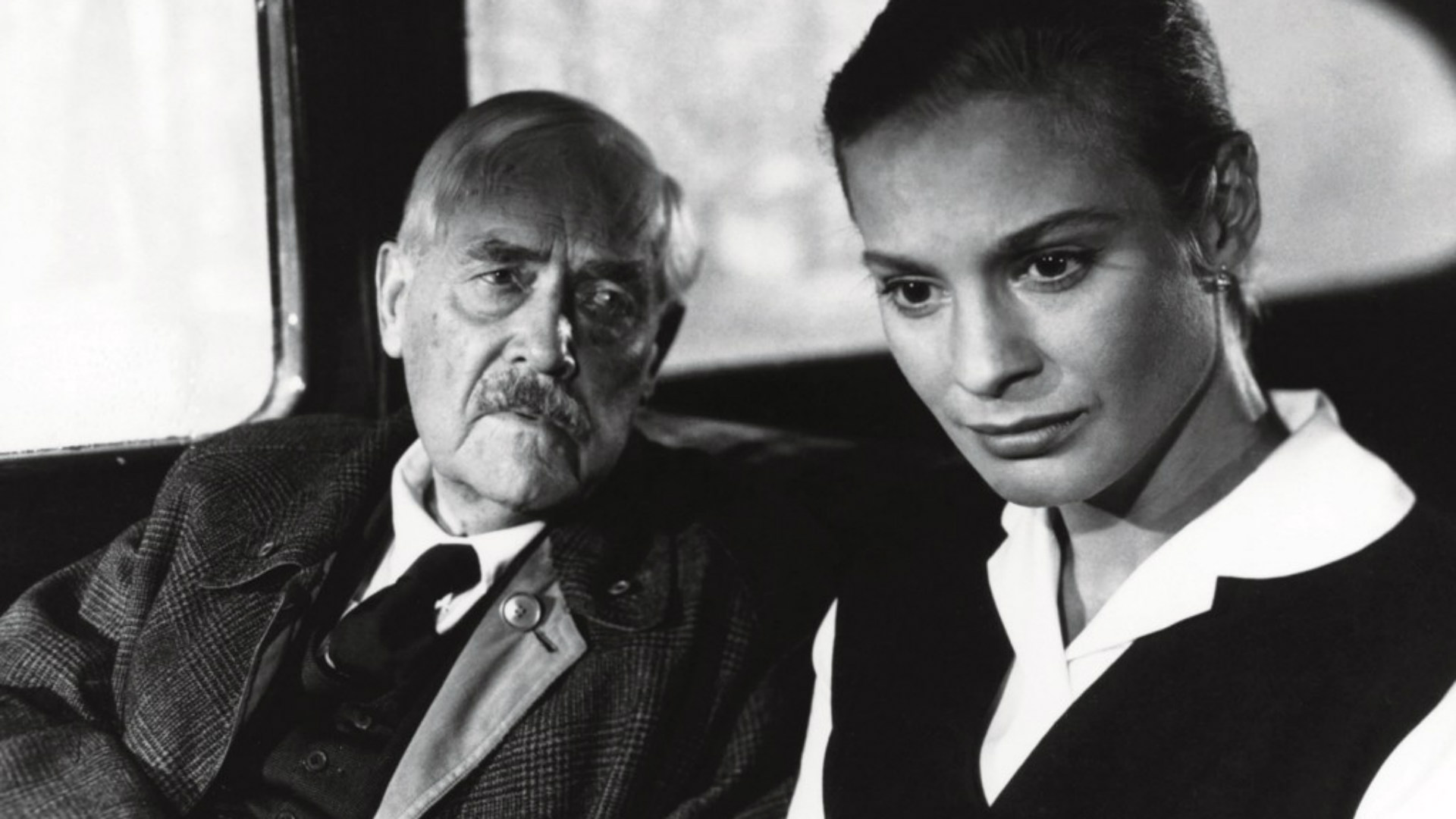
Wild Strawberries (1957)
Wild Strawberries follows an elderly professor played by Victor Sjöström as he travels to receive an honorary degree. Along the way he is drawn into dreams and memories that force him to face his regrets and past choices. The film mixes gentle warmth with deep reflection as it looks at aging, loneliness, and the chance for change. Sjöström’s performance is powerful and moving, making it one of Ingmar Bergman’s most thoughtful and accessible works.
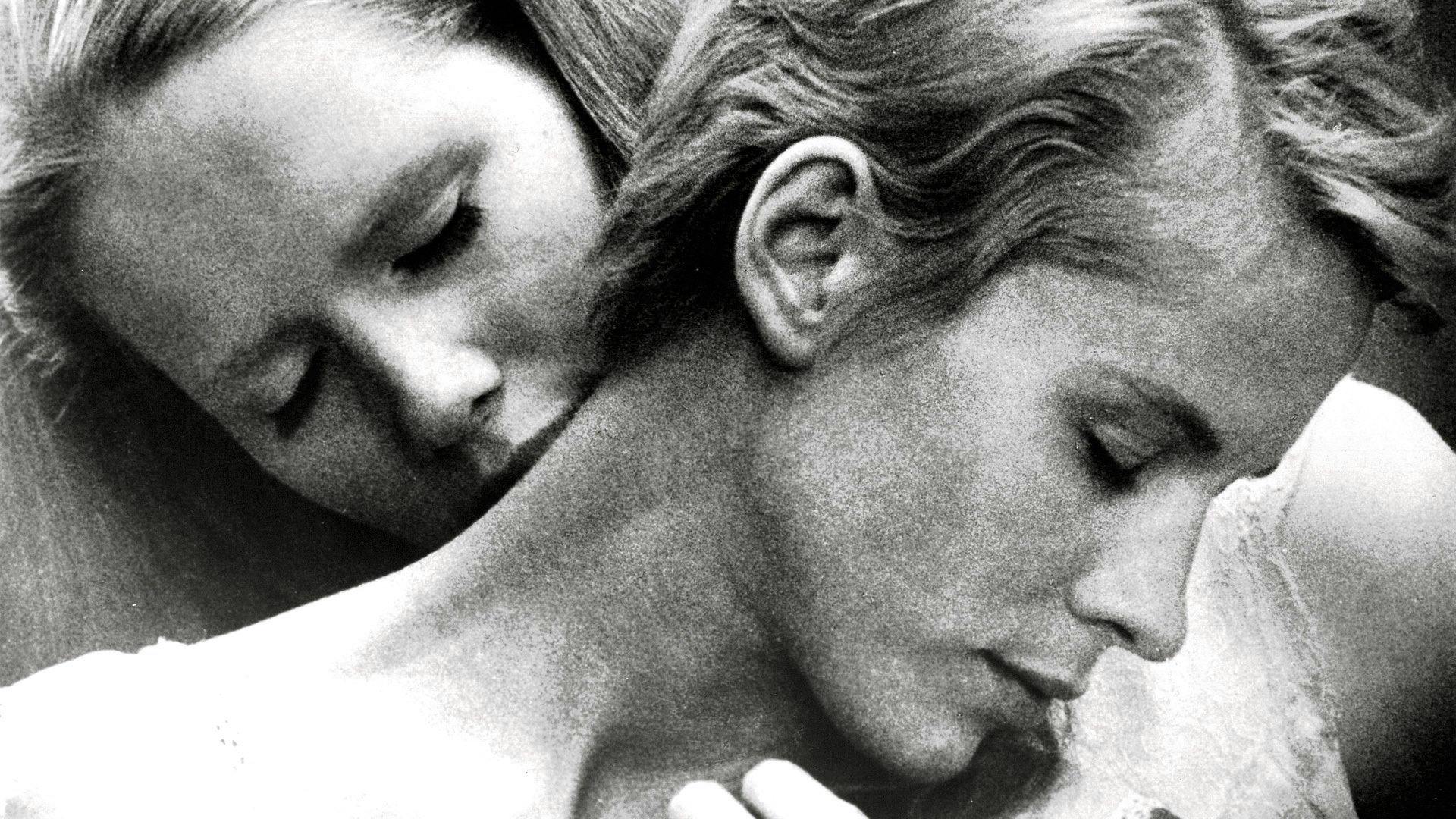
Persona (1966)
Persona is a psychological story about a nurse played by Bibi Andersson who cares for a silent actress played by Liv Ullmann. As they spend time together their identities begin to blur and overlap. The film uses bold images mirrors and close faces to explore the idea of self and performance. It stands as Ingmar Bergman’s most daring work and had a strong influence on later filmmakers like David Lynch.
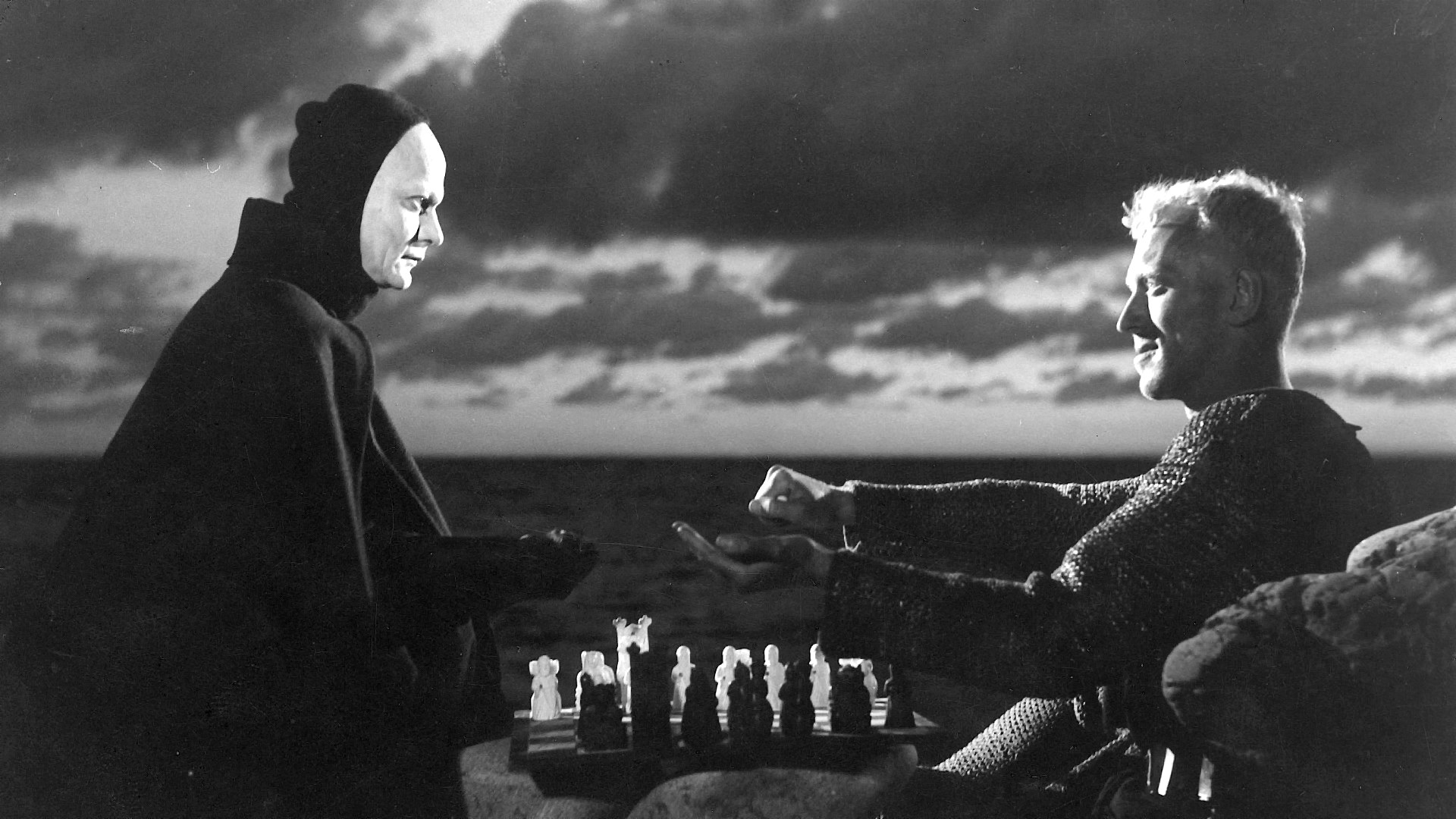
The Seventh Seal (1957)
The Seventh Seal is Ingmar Bergman’s most iconic film. It follows a knight played by Max von Sydow who returns from the Crusades and meets Death during the time of the Black Plague. He challenges Death to a game of chess as he searches for answers about life and faith.