
10 Blockbuster Films That Actually Started With A Dream
Great Ideas Can Begin While You’re Asleep!
It might be hard to believe, but some of the biggest Hollywood movies didn’t quite begin with a script, or a studio pitch, or even a writers’ room. Well, they started in someone’s dreams. From fever-fueled nightmares to surreal midnight visions, these dream-born ideas reshaped genres, launched massive franchises, and created some of the most iconic characters ever seen on screen. Here are 10 films that prove sometimes the greatest stories come when you’re not even awake.
The Terminator (1984)
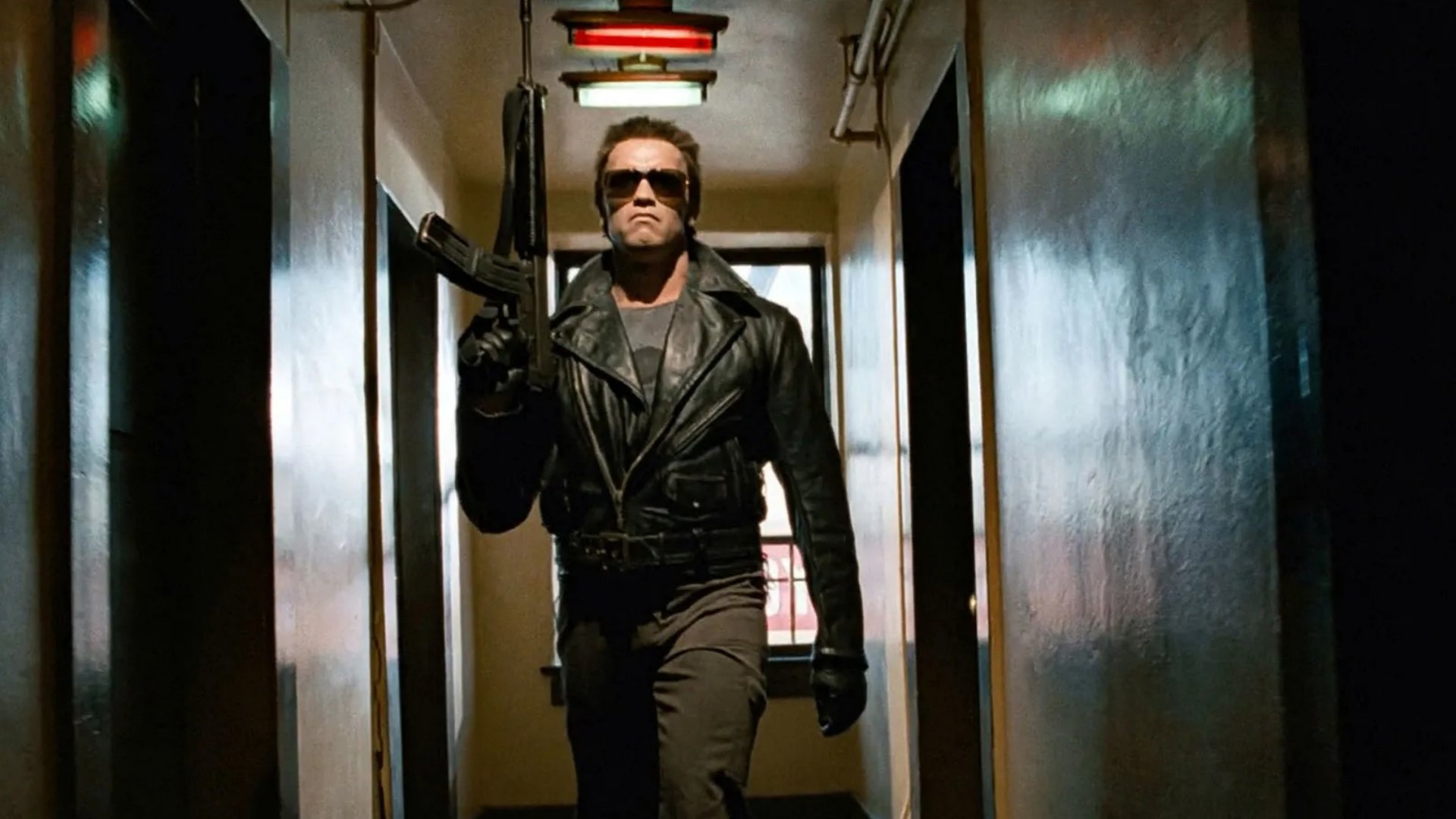
James Cameron literally dreamt of a chrome skeleton crawling out of an explosion, dragging itself across the floor with kitchen knives. Even though Cameron had a fever at the time, he managed to turn this bizarre dream into a full-blown sci-fi apocalypse franchise, where robots are sent back in time to stop a human from ending their rule. The “chrome skeleton” became the T-800 endoskeleton, and the story of the unstoppable machine from the future was born, launching a billion-dollar franchise.
Misery (1990)
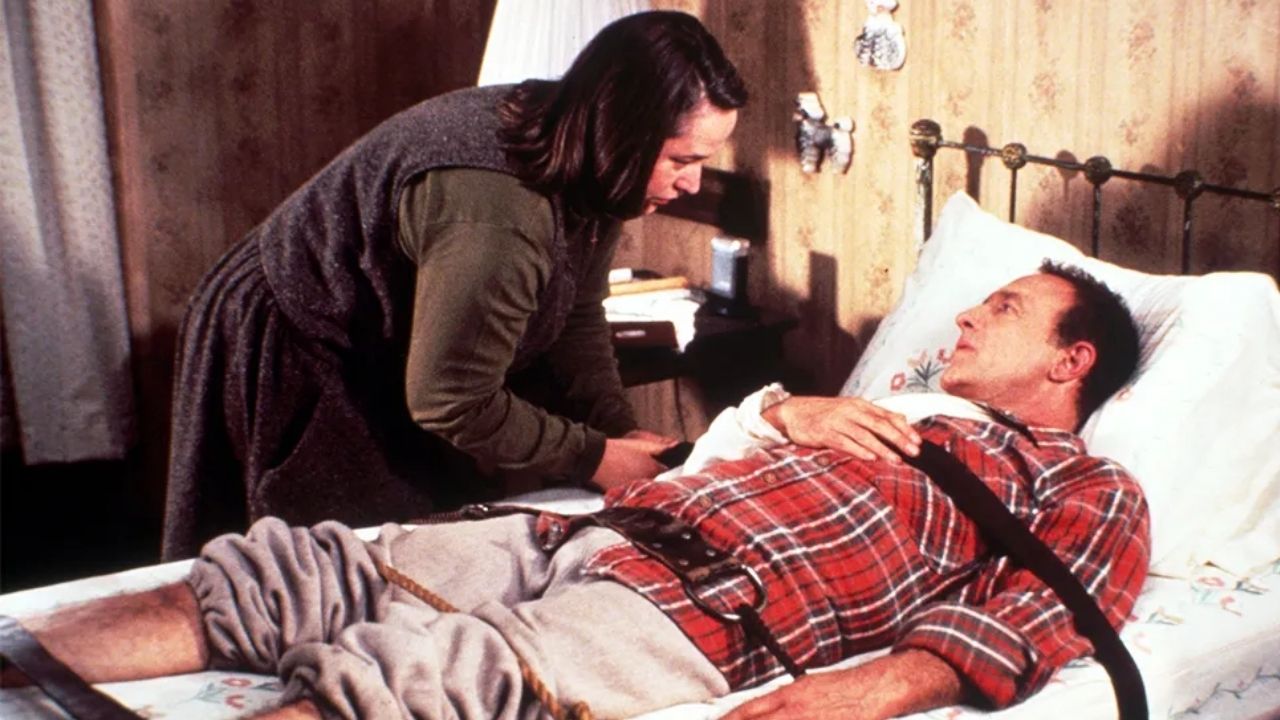
Stephen King fell asleep on a plane and had a nightmare about a deranged fan who kidnapped him, held him hostage, and forced him to write a new book. He woke up and scribbled the idea on a cocktail napkin: “She was his number one fan.” That nightmare became Misery, later adapted into the classic 1990 film that earned Kathy Bates an Academy Award for her chilling portrayal of Annie Wilkes.
Avatar (2009)
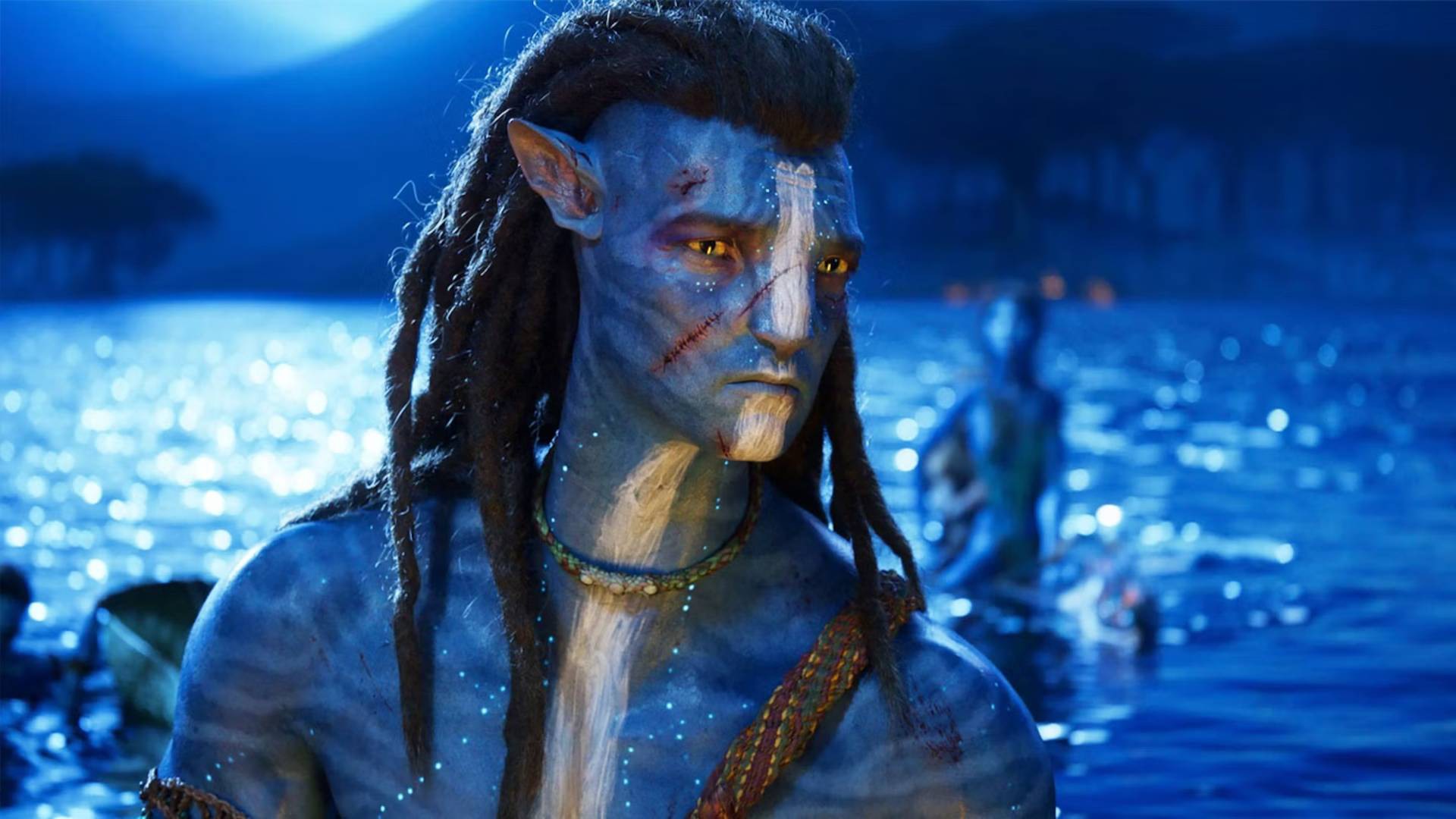
James Cameron’s mother once told him about a dream in which she saw a 12-foot-tall blue woman. Here’s what he did. He turned that image into one of the most successful and visually stunning films of the 2010s. When Cameron finally had the technology to build his Pandora passion project, that “12-foot-tall blue woman” from his mother’s dream became the direct inspiration for the Na’vi, the central characters of the highest-grossing film of all time. Her dream became the seed for his most ambitious movie.
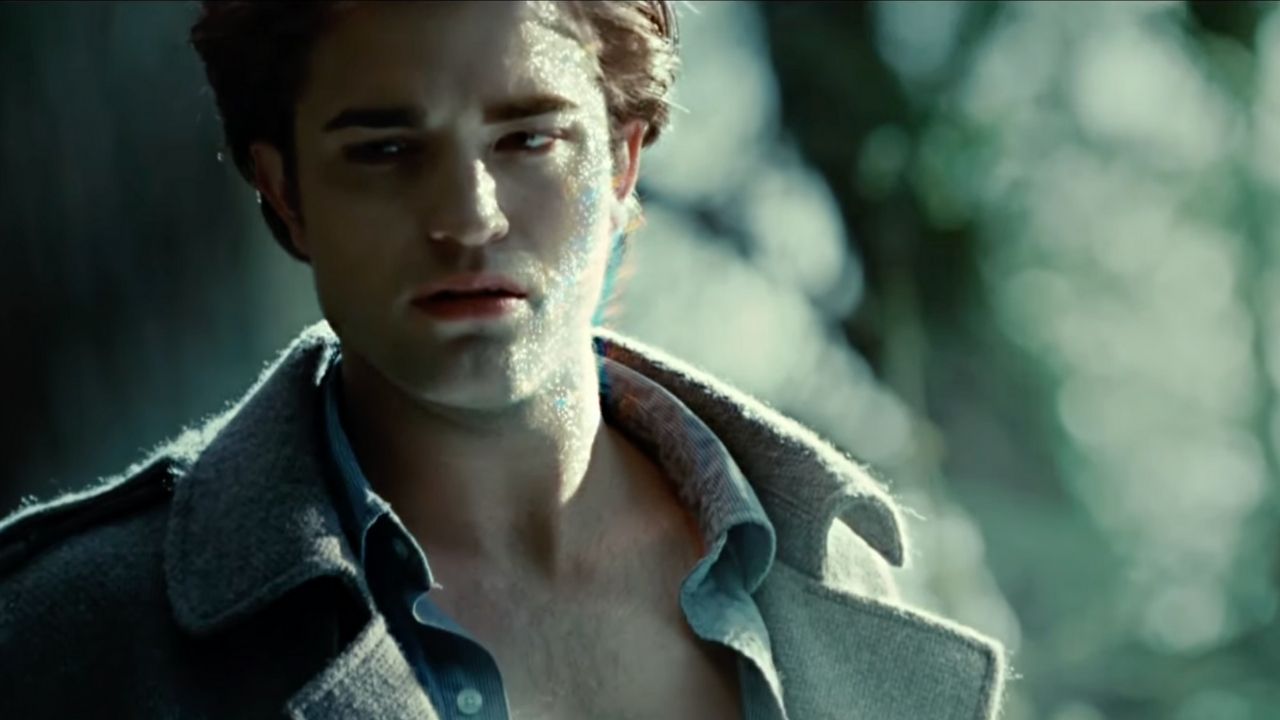
Twilight (2008)
Author Stephenie Meyer had a very specific dream that she wrote down immediately. In it, a vampire boy and a human girl sat in a sunny meadow discussing the dangers of love. That dream became Chapter 13 of Twilight. Meyer wrote the entire novel around that single scene, launching a global literary and film phenomenon that turned “sparkling vampires” into both a pop-culture punchline and a box-office powerhouse.
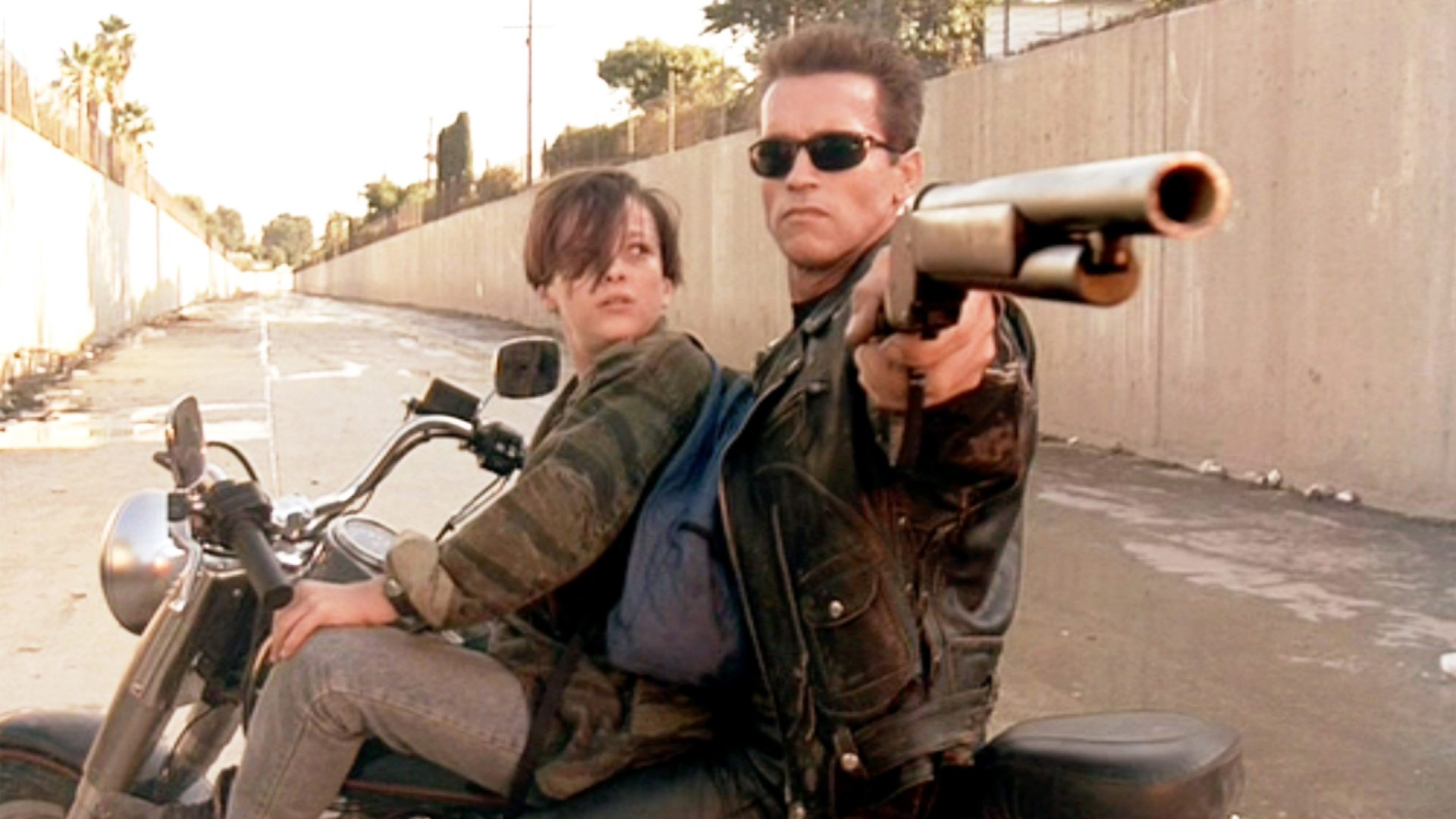
Terminator 2: Judgment Day (1991)
Director James Cameron’s dreams could practically fund their own studio. Once again, he dreamt of an amorphous, mercury-like “liquid-metal” man while struggling to find a new villain. Although the technology didn’t exist in 1984, the idea eventually became the T-1000. The concept was so compelling it shaped the entire sequel and revolutionized CGI forever.
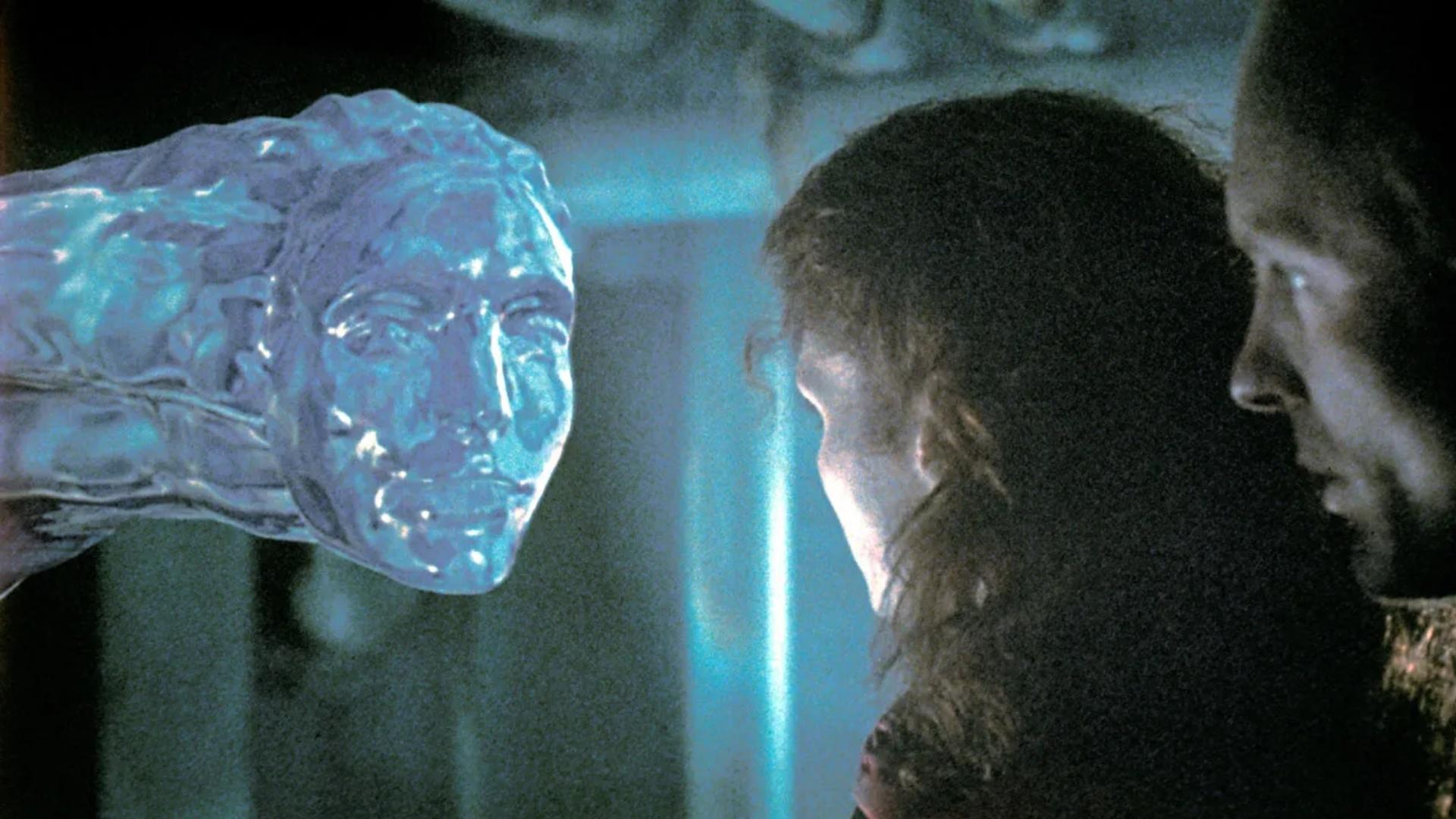
The Abyss (1989)
At this point, James Cameron almost needs to be scientifically studied while he sleeps. When he was 17, he had a recurring dream—a “waking vision”—of a massive but harmless tidal wave controlled by an alien intelligence. This peaceful, non-destructive “water-tentacle” became the central image and climax of The Abyss. Cameron built the entire film around that one awe-inspiring vision from his teenage years.
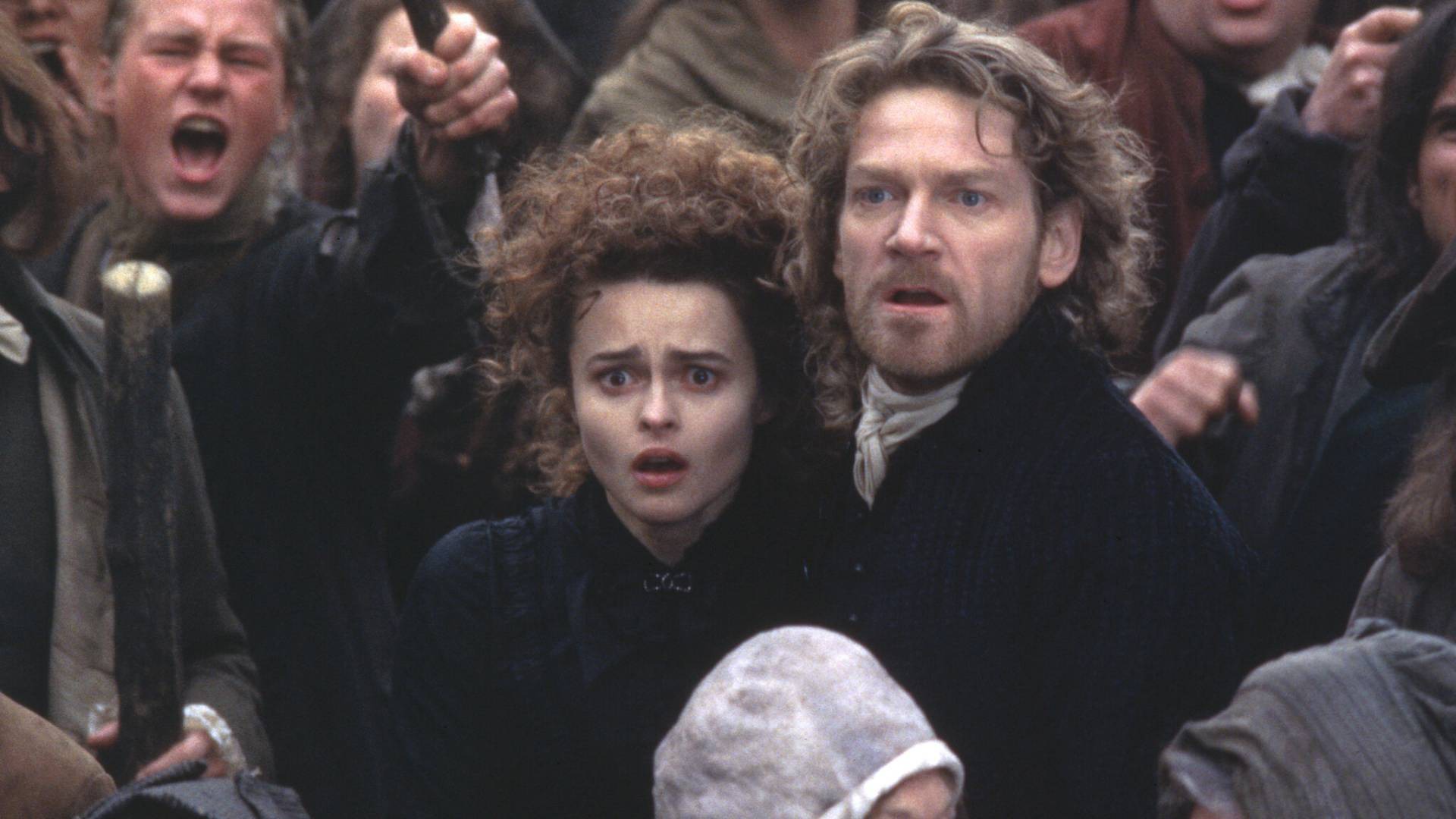
Mary Shelley's Frankenstein (1994)
The source material comes from one of the most famous dream-born stories ever. In 1816, Mary Shelley experienced a “waking dream” after a night of ghost stories. She envisioned “the pale student of unhallowed arts kneeling beside the thing he had put together.” That haunting dream became Frankenstein, a gothic masterpiece adapted countless times, including the major 1994 blockbuster directed by Kenneth Branagh. It's proof that a 200-year-old nightmare can still draw massive audiences.
Inception (2010)
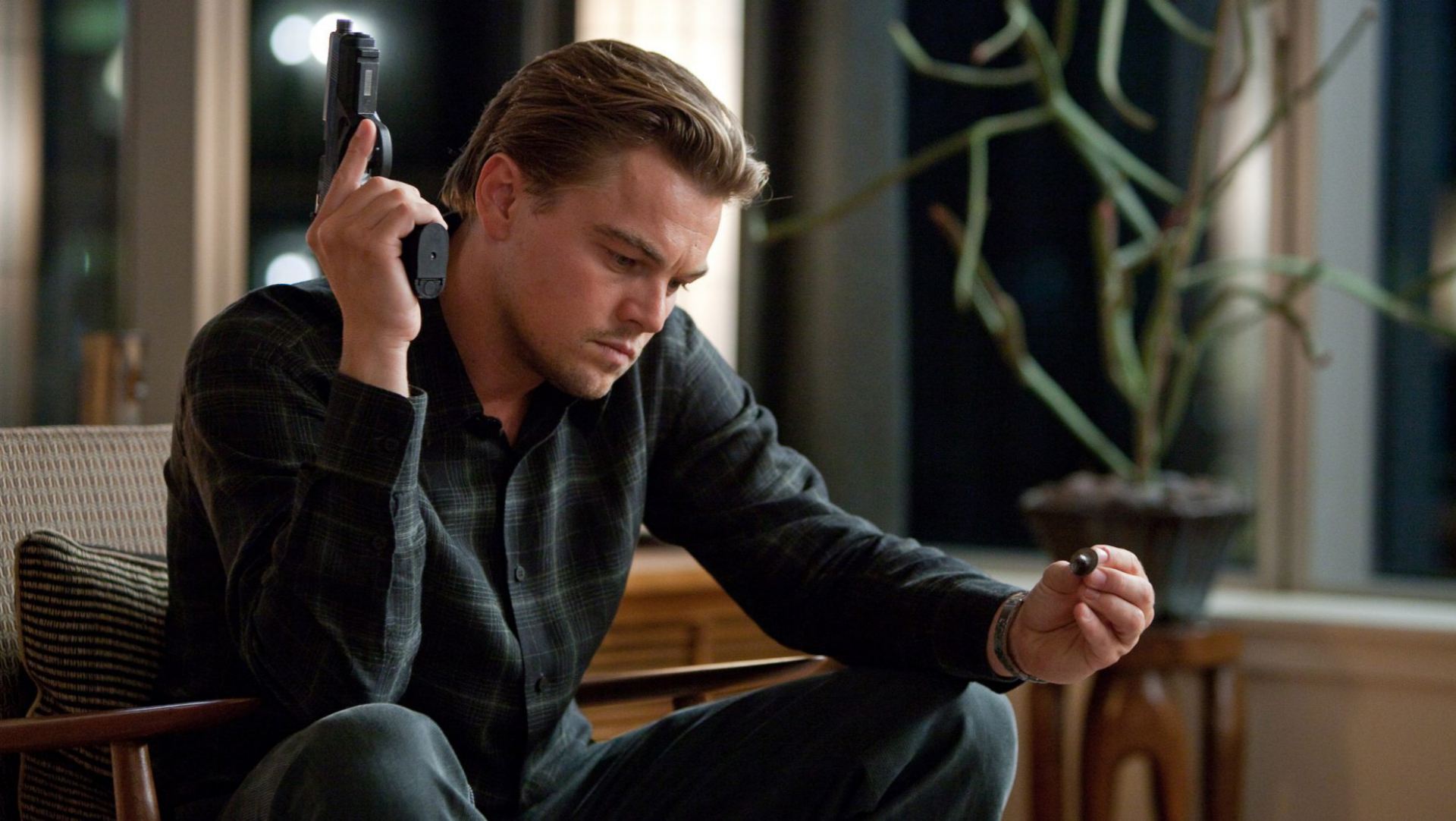
A movie about a dream thief entering people’s minds to plant an idea—a concept so intricate that many viewers were baffled by the ending. Director Christopher Nolan had long been fascinated by his own lucid dreams. He says the initial idea came from a “waking dream” about “dream-heisting.” Nolan spent nearly a decade shaping that simple “what if?” scenario. He originally pitched it as a horror film, but it eventually evolved into the mind-bending sci-fi heist thriller we know today. You know...a movie that fittingly feels like a complex dream itself.

Yesterday (2019)
Screenwriter Richard Curtis had a dream about a struggling musician who wakes up as the only person who remembers The Beatles. Curtis pitched the concept to director Danny Boyle, and the result was a global, feel-good hit—a romantic comedy built entirely on a single, clever, dream-inspired “what if?” premise.
A Nightmare on Elm Street (1984)
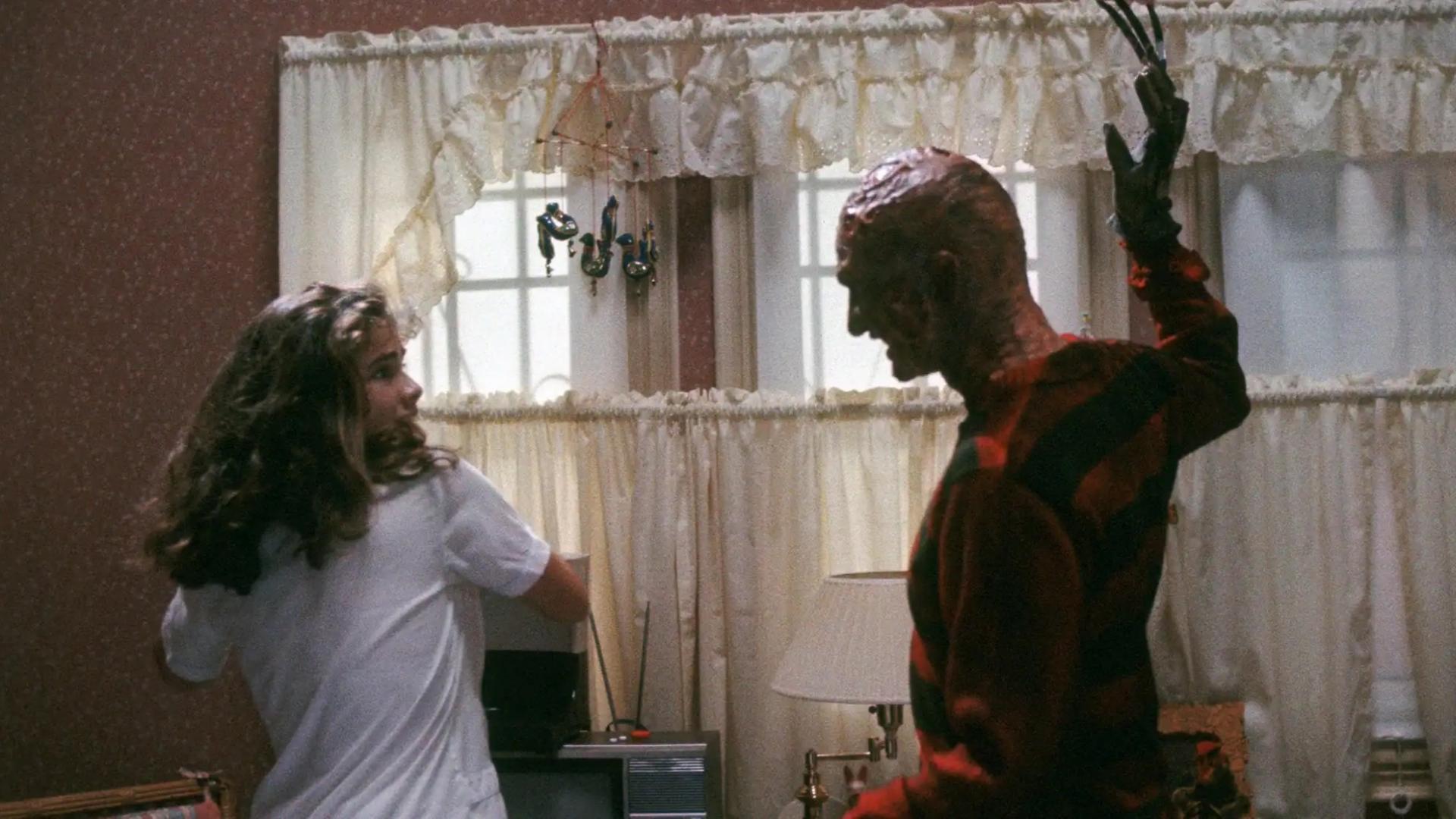
Director Wes Craven wasn’t inspired by his own dream, but by chilling newspaper reports about Cambodian refugees in the U.S. who were dying in their sleep, seemingly from their nightmares. Craven transformed this real medical mystery into a supernatural slasher. The idea of a killer who can murder you in your dreams—the one place you’re supposed to feel safe—created one of horror’s most iconic villains, Freddy Krueger, and one of the most enduring franchises in the genre.