
10 Bold New Wave Films That Exposed Society’s Darkest Realities
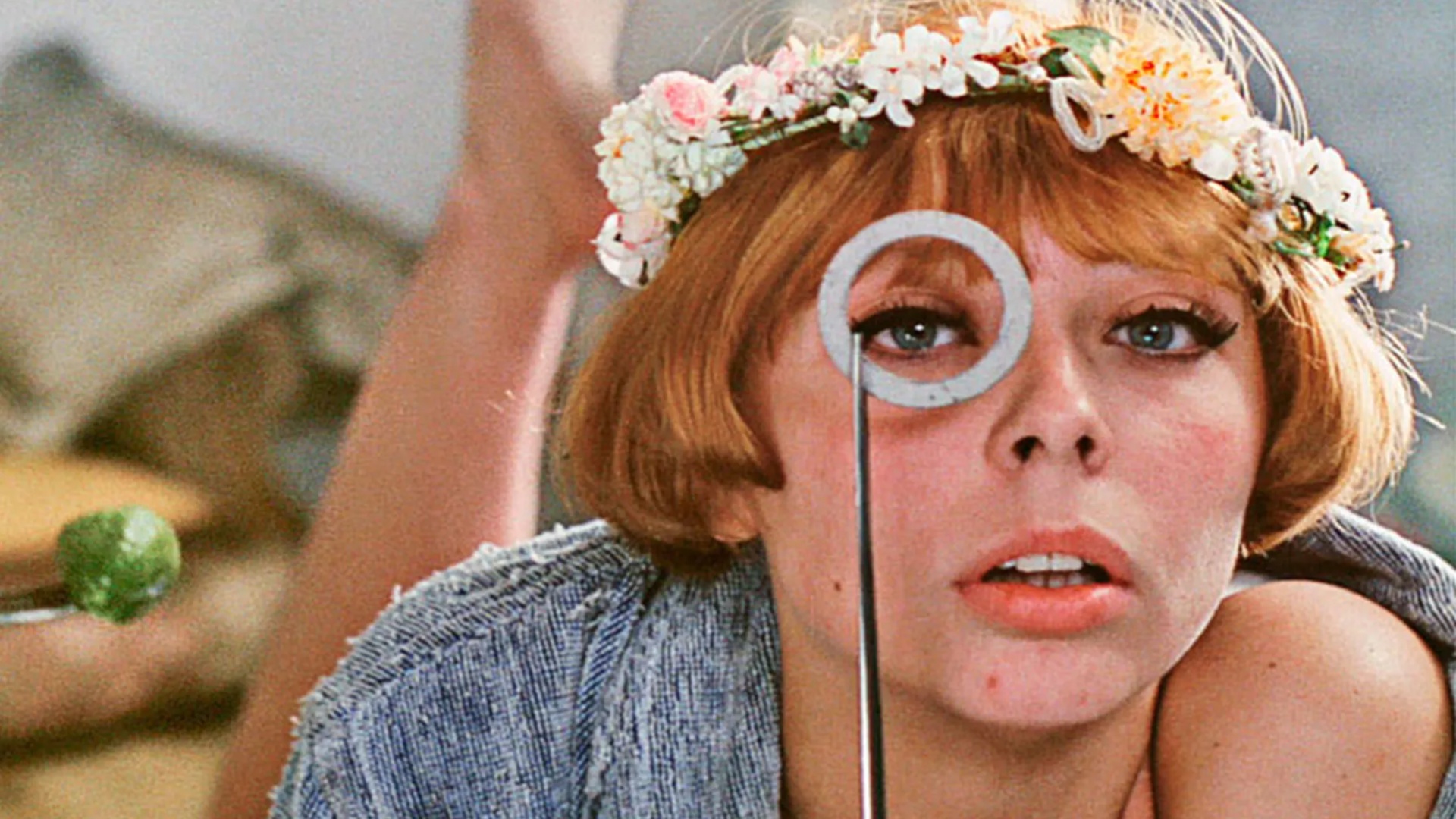
Daisies (1966, Czech New Wave)
Two young women tear through everyday life with wild, playful defiance. They lie, waste, and provoke just for the thrill of it. The film feels chaotic and dreamlike, using strange images to attack control, excess, and empty social rules, while showing rebellion as both fun and destructive.
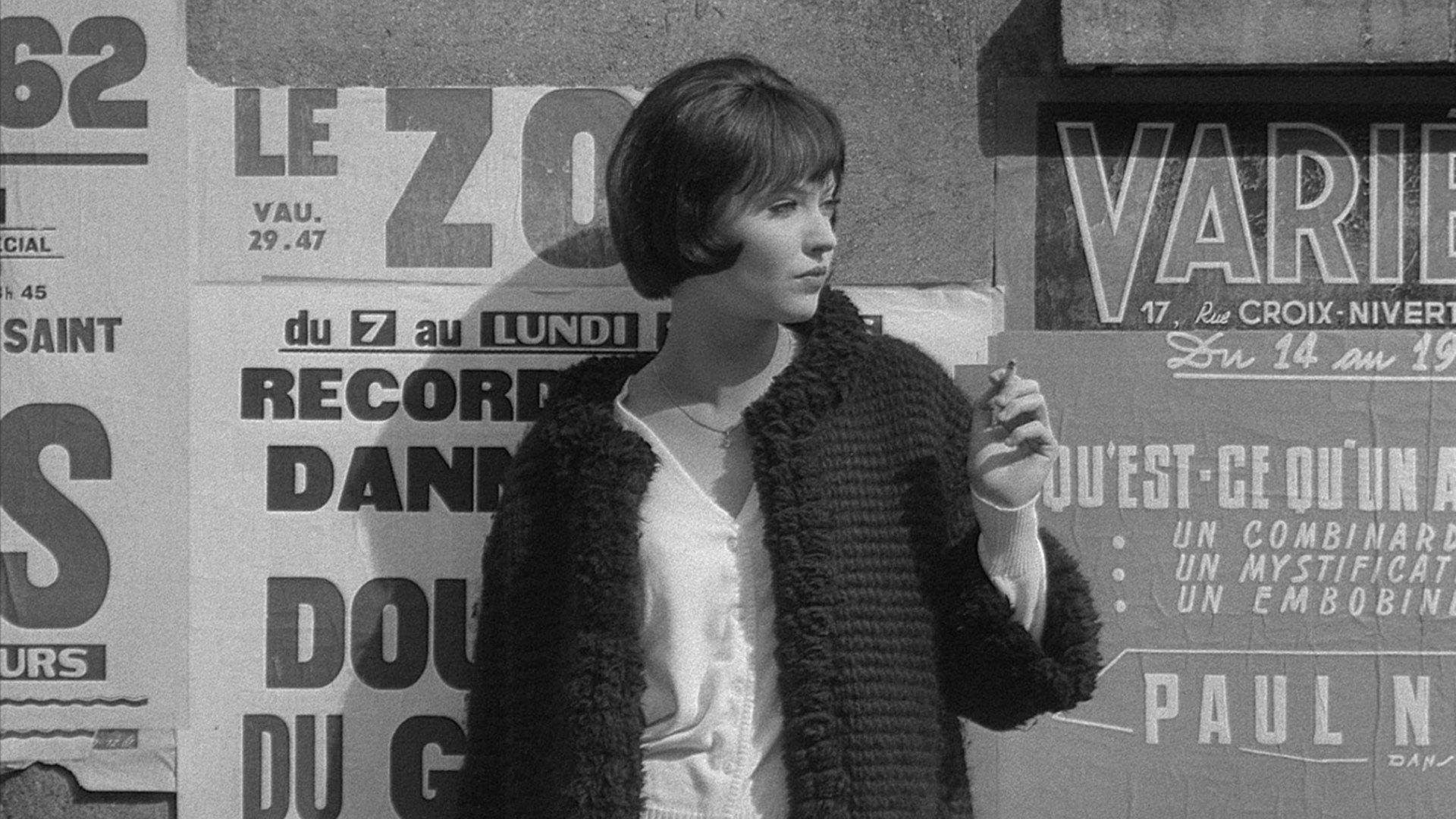
Vivre Sa Vie (1962, French New Wave)
Anna Karina plays a young woman who drifts into prostitution while struggling with deep loneliness and despair. The film shows how modern city life and money turn people, especially women, into objects and transactions. It blends big philosophical ideas with a raw, tragic human story that feels painfully real throughout.

Cruel Story of Youth (1960, Japanese New Wave)
Teenagers drift through crime, sex, and harsh realities in post occupation Japan. The film has a rough, angry tone that reflects their frustration. It shows a younger generation pushing back against old traditions, foreign influence, and a society that uses them up, leaving them with little hope and few choices.

La Noire de...(Black Girl, 1966, tied to New Wave influences)
In 'La Noire de...' a young woman from Senegal moves to France hoping for a better life, but ends up trapped in a life of service and loneliness. The film shows racism, isolation, and how she is treated as less than human. It highlights the lasting impact of colonialism and the gap between promise and reality.
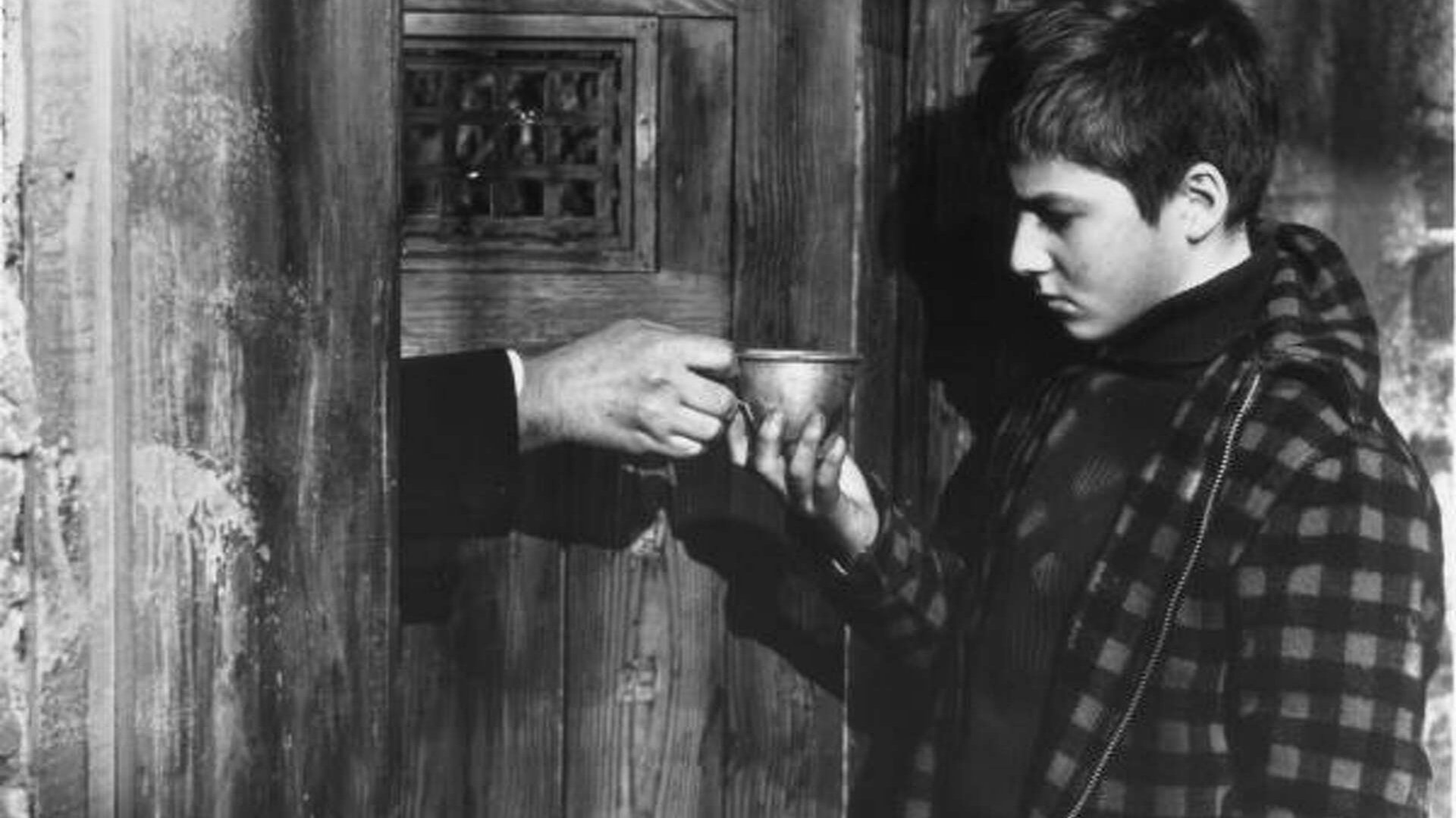
The 400 Blows (1959, French New Wave)
This film by Francois Truffaut tells the story of a young boy who feels ignored at home and trapped in a strict school system in post war France. As he struggles, he begins to act out and push back against the rules around him. The film feels very real and close to life, almost like a documentary. Its famous final shot stays with you and shows the boy’s loneliness in a powerful way. The story reveals how both family and society fail to understand and care for young people, breaking away from the usual polished style of films and showing something more honest and raw.
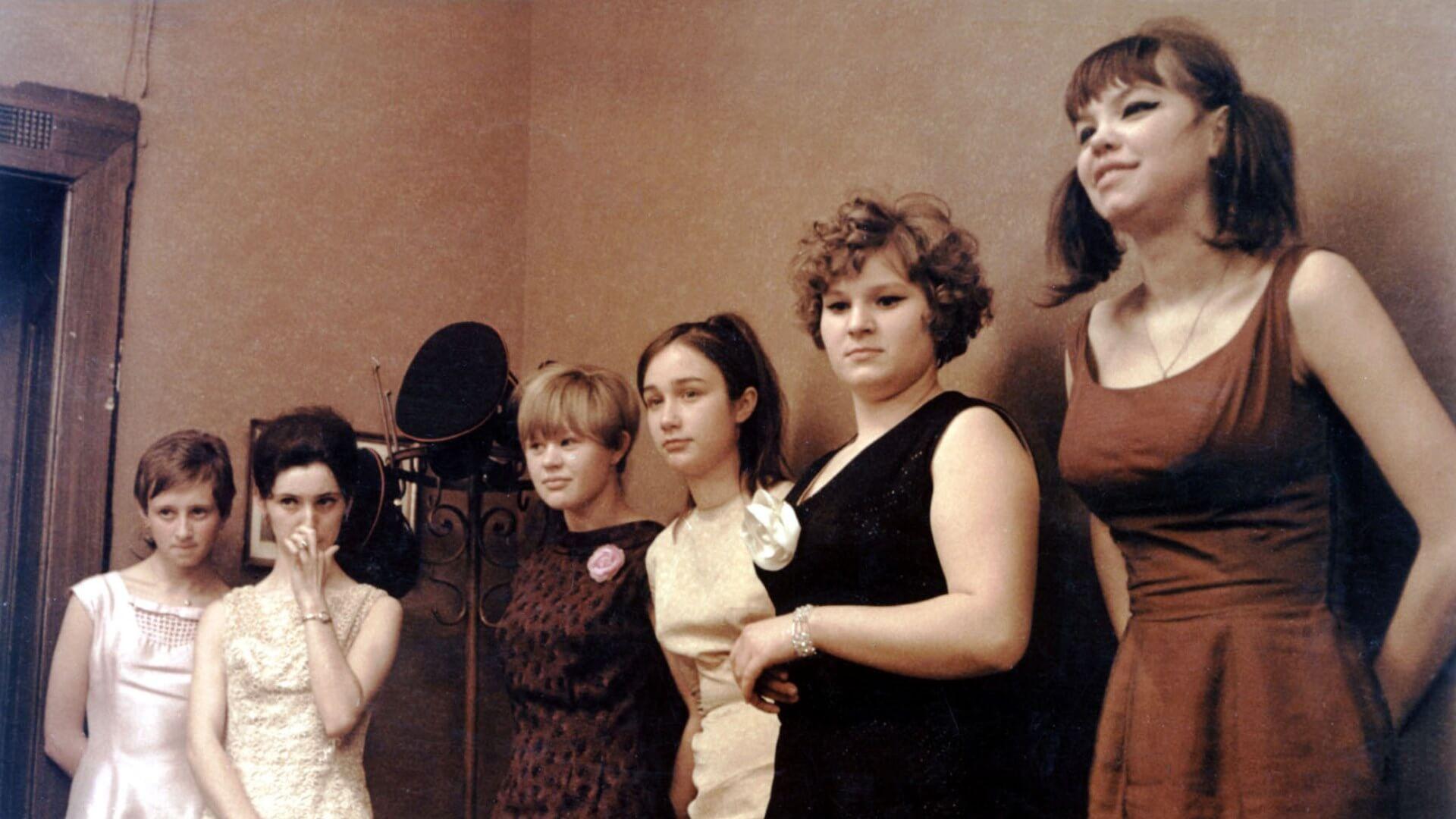
The Firemen’s Ball (1967, Czech New Wave)
In 'The Firemen’s Ball' a small town firemen’s event slowly falls apart. The film uses quiet humor to show incompetence, selfish behavior, and corruption. It makes fun of those in charge and the system they represent, showing how power can lead to dishonesty, absurd situations, and a steady decline in basic morals.
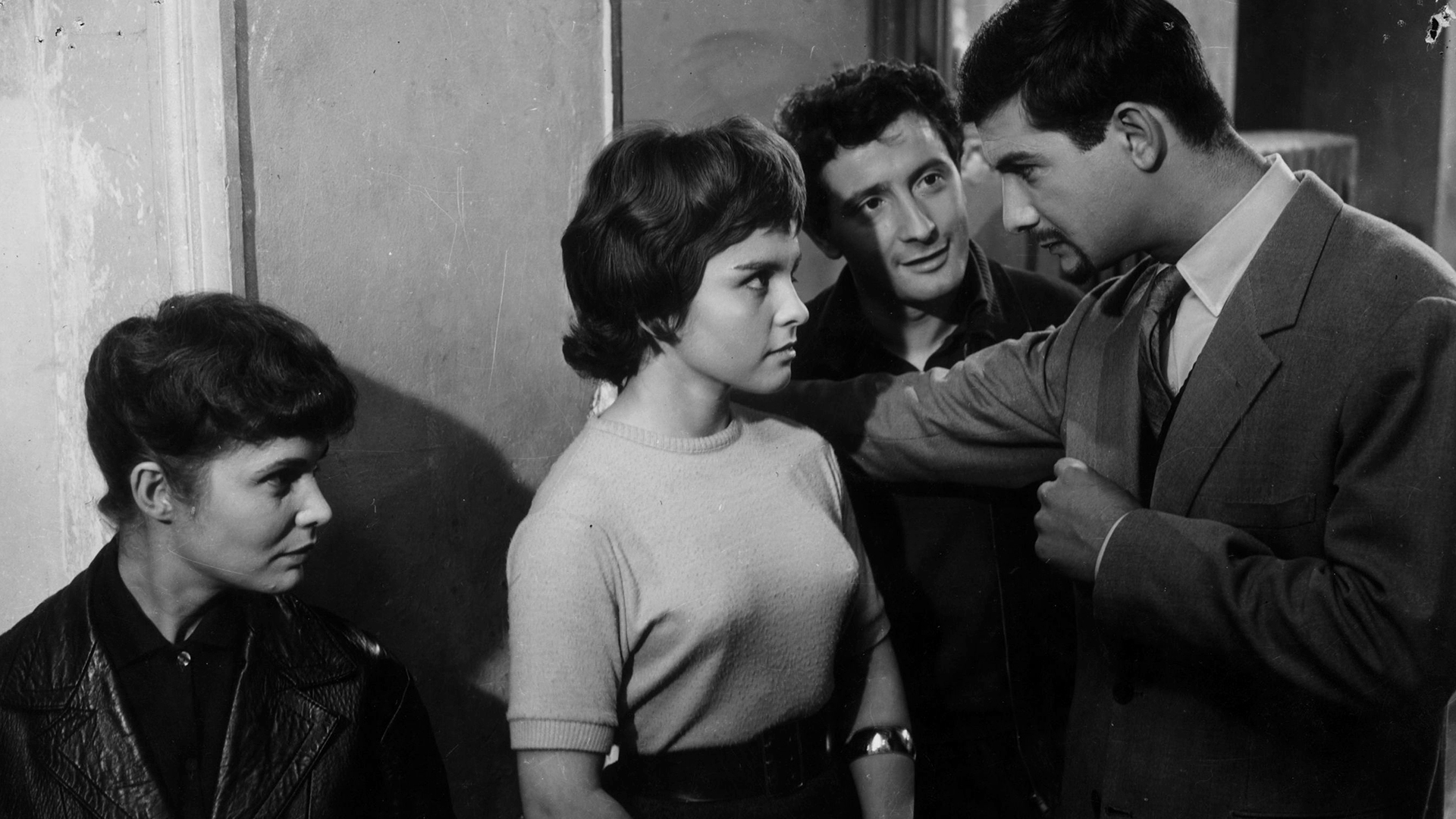
Les Cousins (1959, French New Wave)
A naive student arrives in Paris and falls under the influence of his smooth and cynical cousin. Drawn into a world of comfort and careless living, he slowly loses his values. 'Les Cousins' quietly exposes class pretence, empty ambition, and the moral decay hiding beneath polite society.
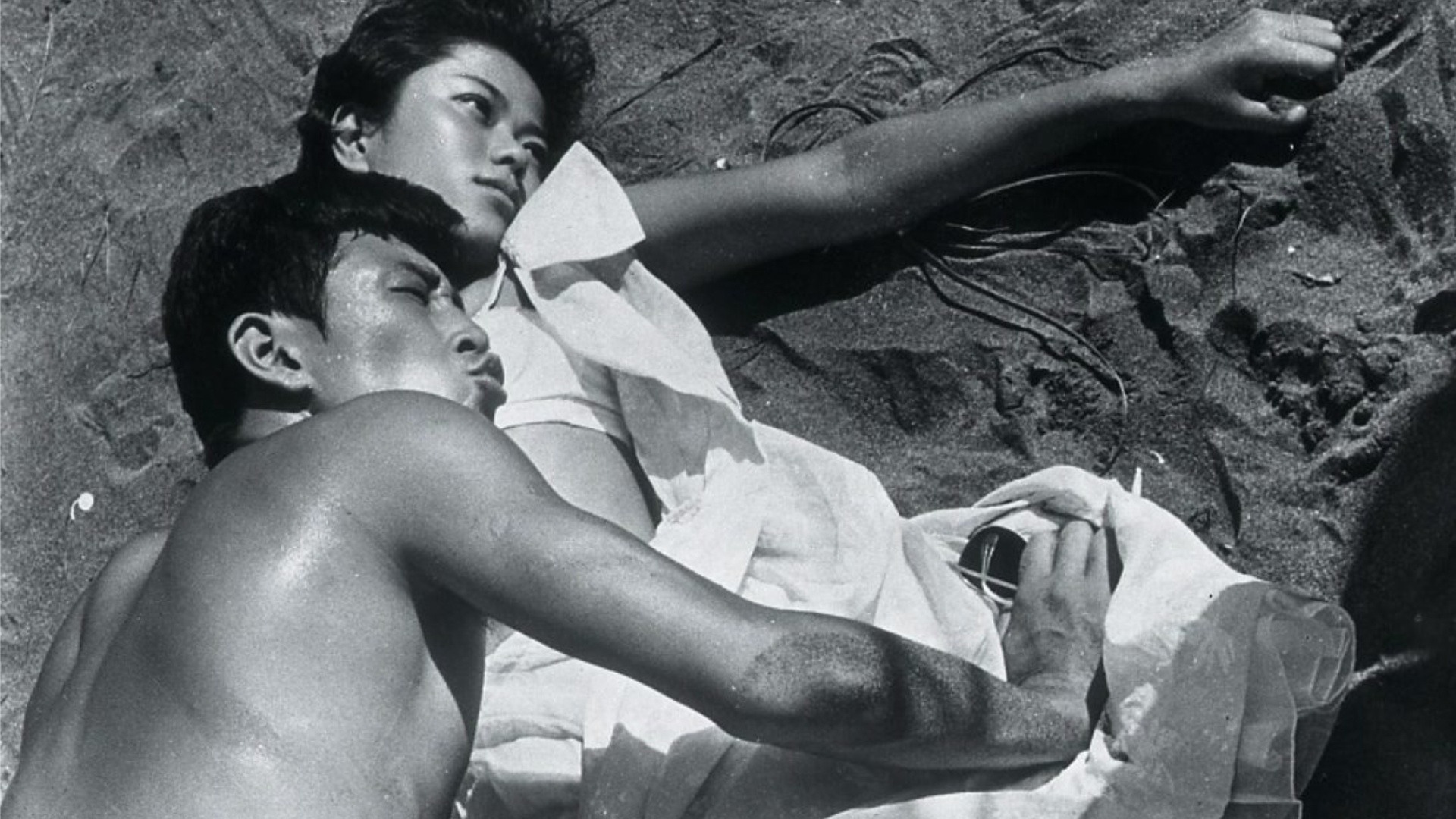
The Warped Ones (1960, Japanese New Wave)
A group of jazz loving youths drift into crime, cruelty, and revenge in a restless Tokyo. The camera moves fast and feels rough, matching their unstable lives. The film shows a society losing its sense of right and wrong, where young people feel lost in a world driven by money and shallow desires.
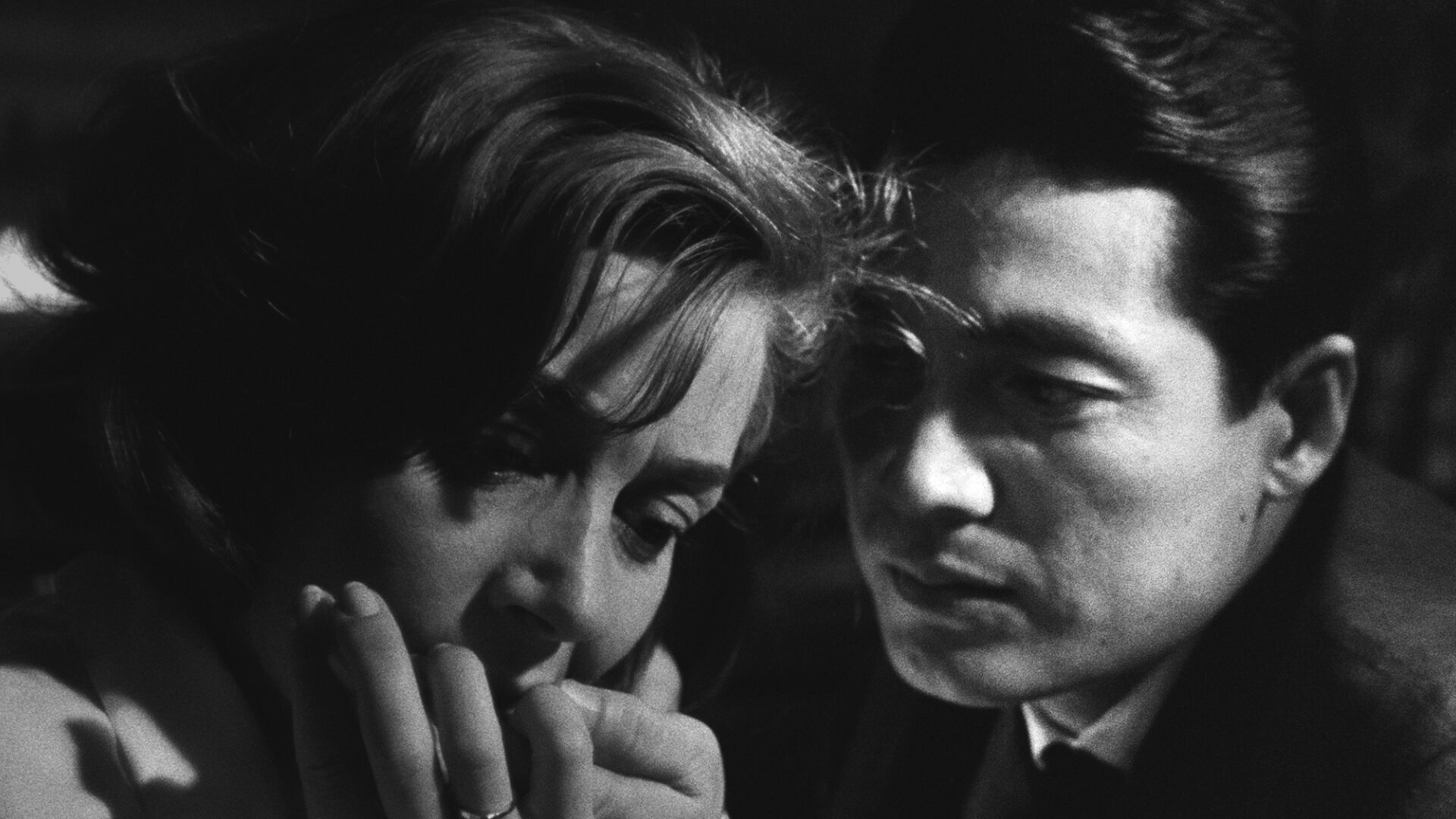
Hiroshima Mon Amour (1959, French New Wave/Left Bank)
A French actress and a Japanese man share a brief romance shaped by memories of war. The film blends past and present to show personal pain and the shadow of Hiroshima. It explores guilt, loss, and how difficult it is to truly understand another person’s suffering in a broken world.
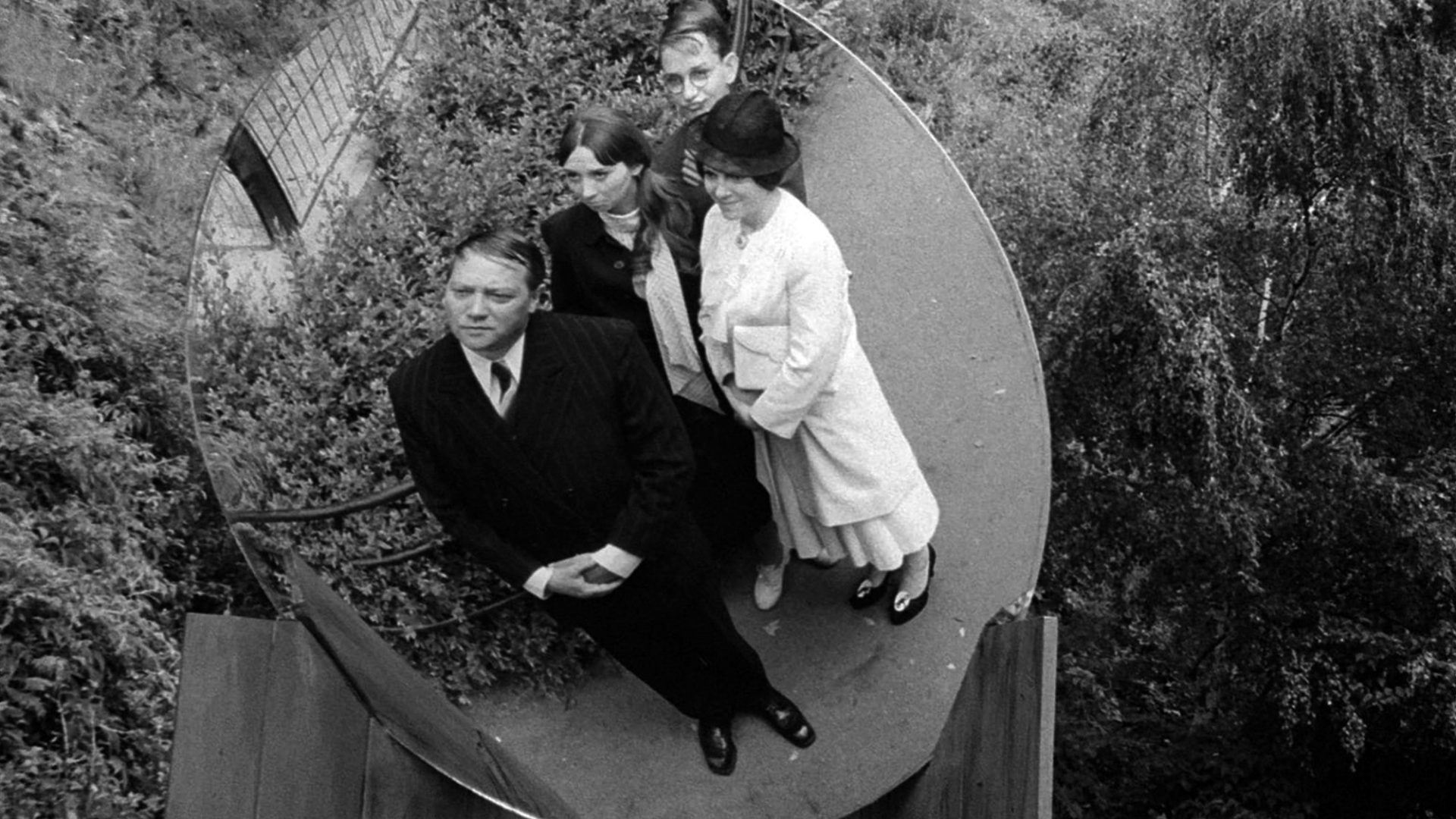
The Cremator (1969, Czech New Wave)
A funeral director becomes obsessed with “purifying” souls and slowly turns into a Nazi collaborator. The film uses strange, dark humor to show how people give in to strict systems and cruel ideas. It reveals how ordinary people can accept and justify terrible actions under pressure and fear.