
10 Fictional Characters With Dangerous Alter Egos
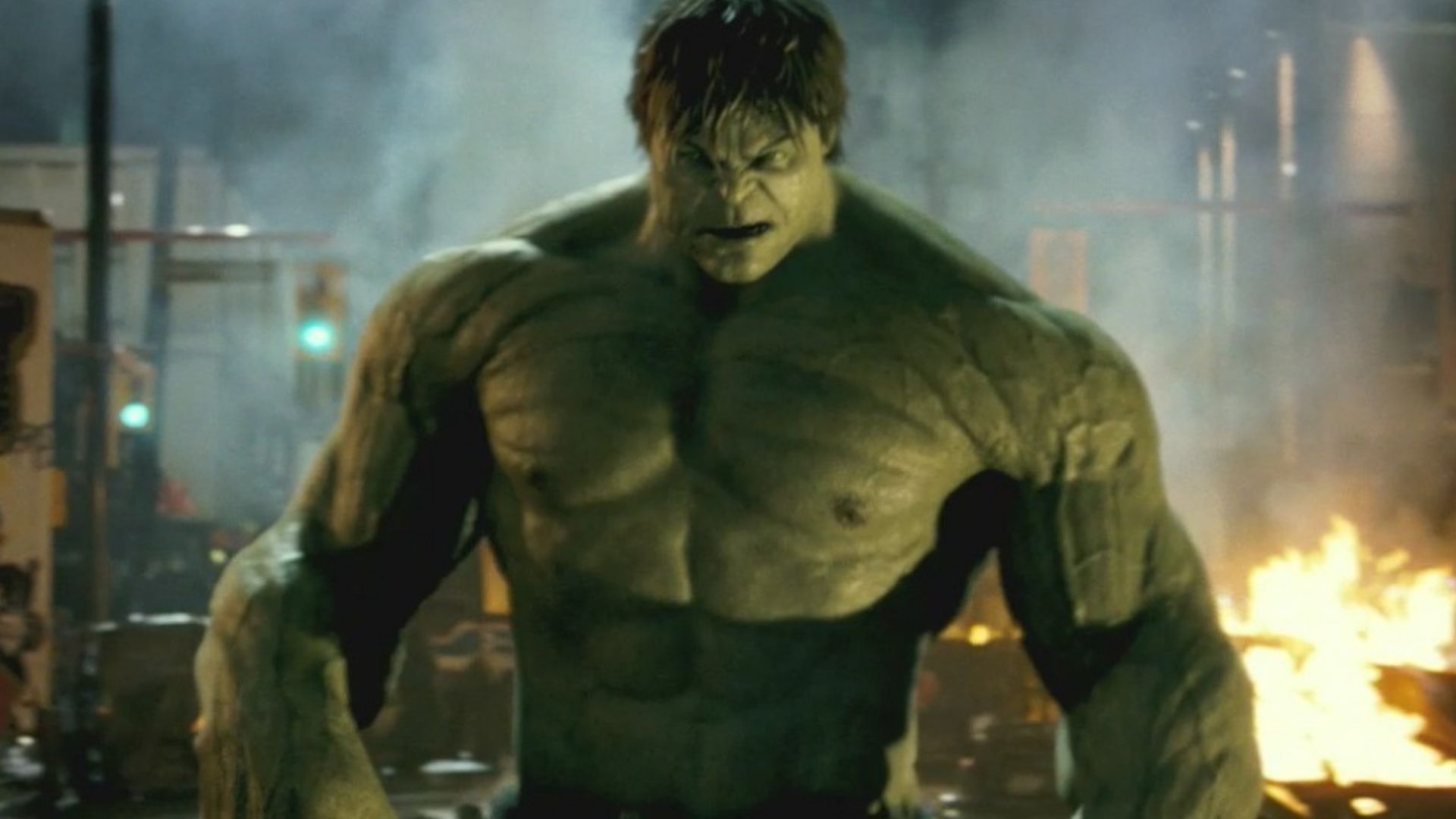
Bruce Banner - 'The Incredible Hulk'
Bruce Banner’s struggle with the Hulk is a constant fight between intellect and raw emotion. Triggered by anger and stress, the Hulk emerges as a nearly unstoppable force, capable of both heroism and destruction. While the Hulk sometimes saves lives, his lack of control often puts innocent people at risk. Banner spends much of his life trying to suppress or cure this side of himself, fearing what might happen if he loses control completely.
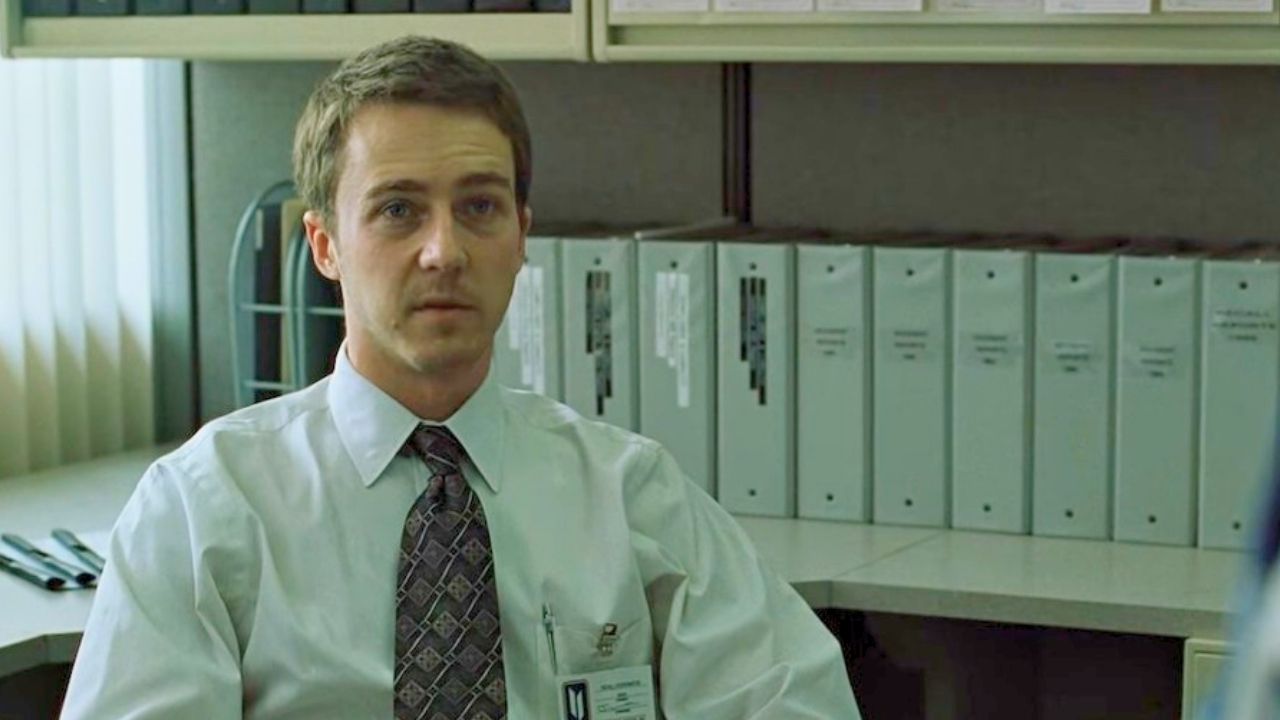
The Narrator - 'Fight Club'
The Narrator creates Tyler Durden as a way to escape his frustration and unhappiness. Tyler represents everything he wishes he could be: confident, fearless, rebellious, and free from society’s rules. As Tyler becomes stronger, he slowly takes control and pushes things toward violence and chaos. In the end, the Narrator must fight to take back control of his own identity.
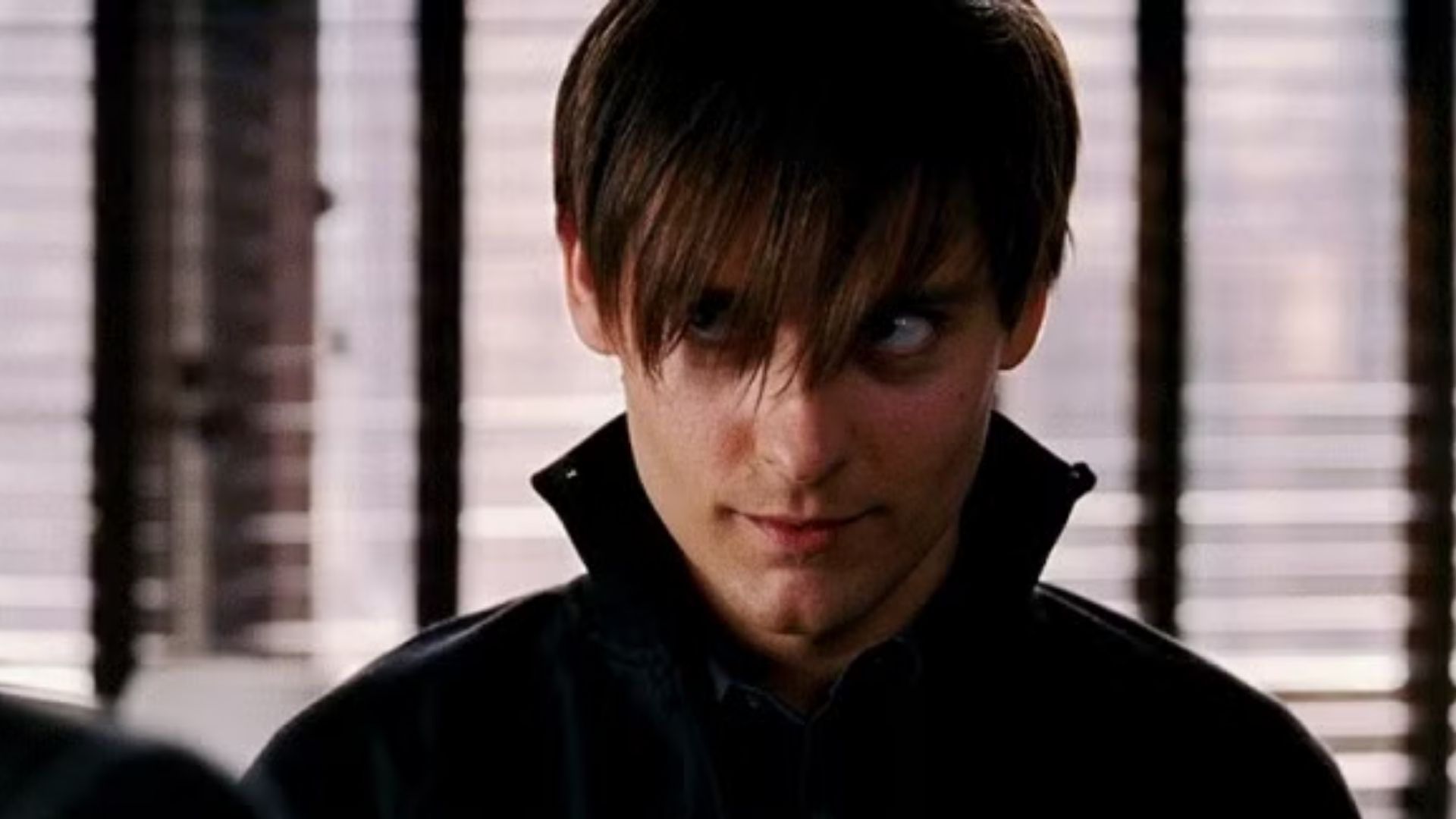
Peter Parker - 'Spider-Man 3'
Peter Parker’s encounter with the symbiote introduces a darker, more aggressive version of himself. While it initially enhances his abilities and confidence, it also amplifies his negative emotions, which makes him arrogant and reckless. His relationships suffer, particularly with those closest to him, as he becomes consumed by ego and anger.
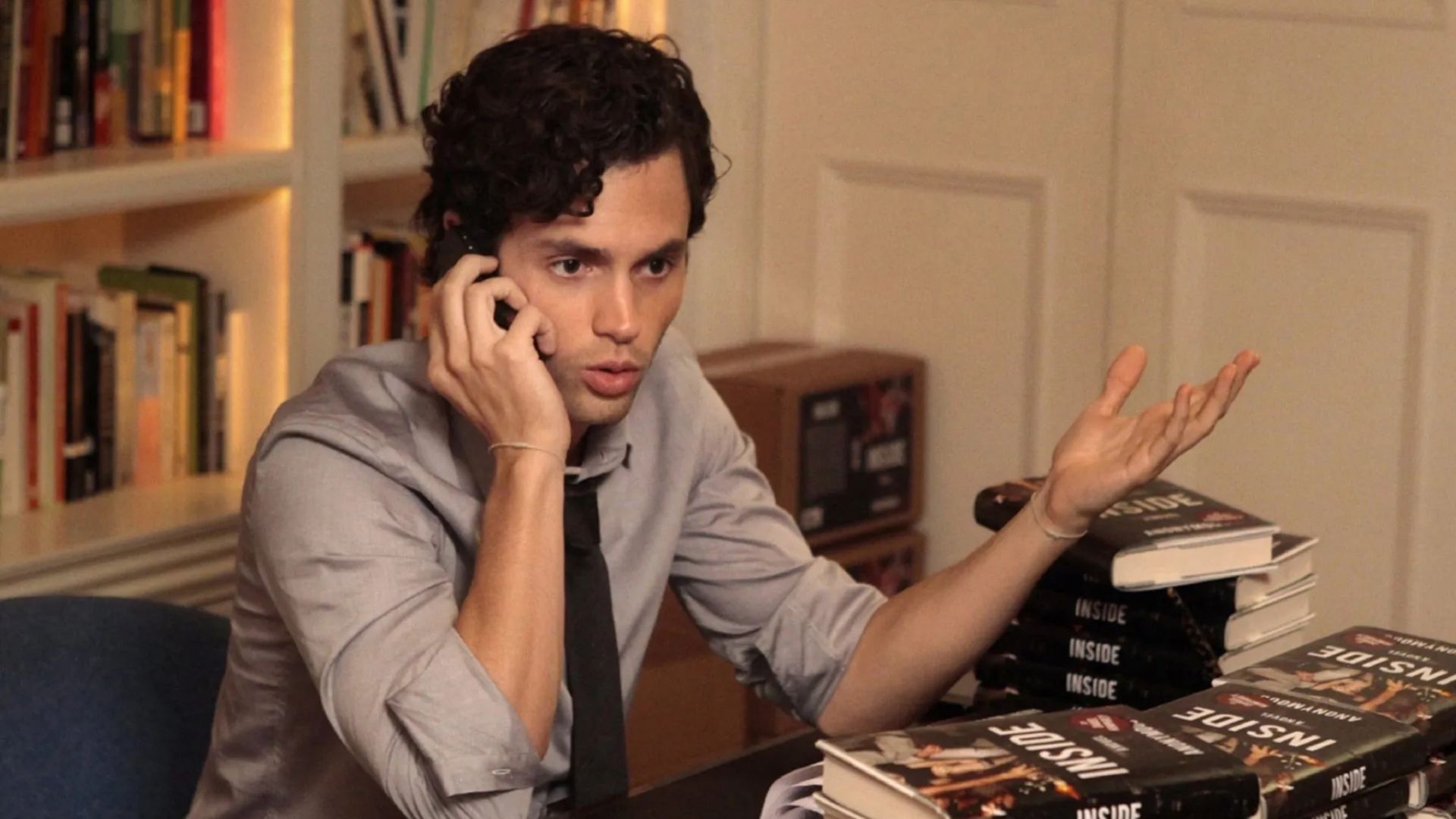
Dan Humphrey - 'Gossip Girl'
Dan Humphrey appears to be the grounded, moral center of his social circle, often criticizing the toxic behavior around him. However, the revelation that he is actually Gossip Girl reframes everything. His anonymous alter ego exposes secrets, manipulates relationships, and fuels the very chaos he claims to oppose. Dan’s battle is deeply psychological.
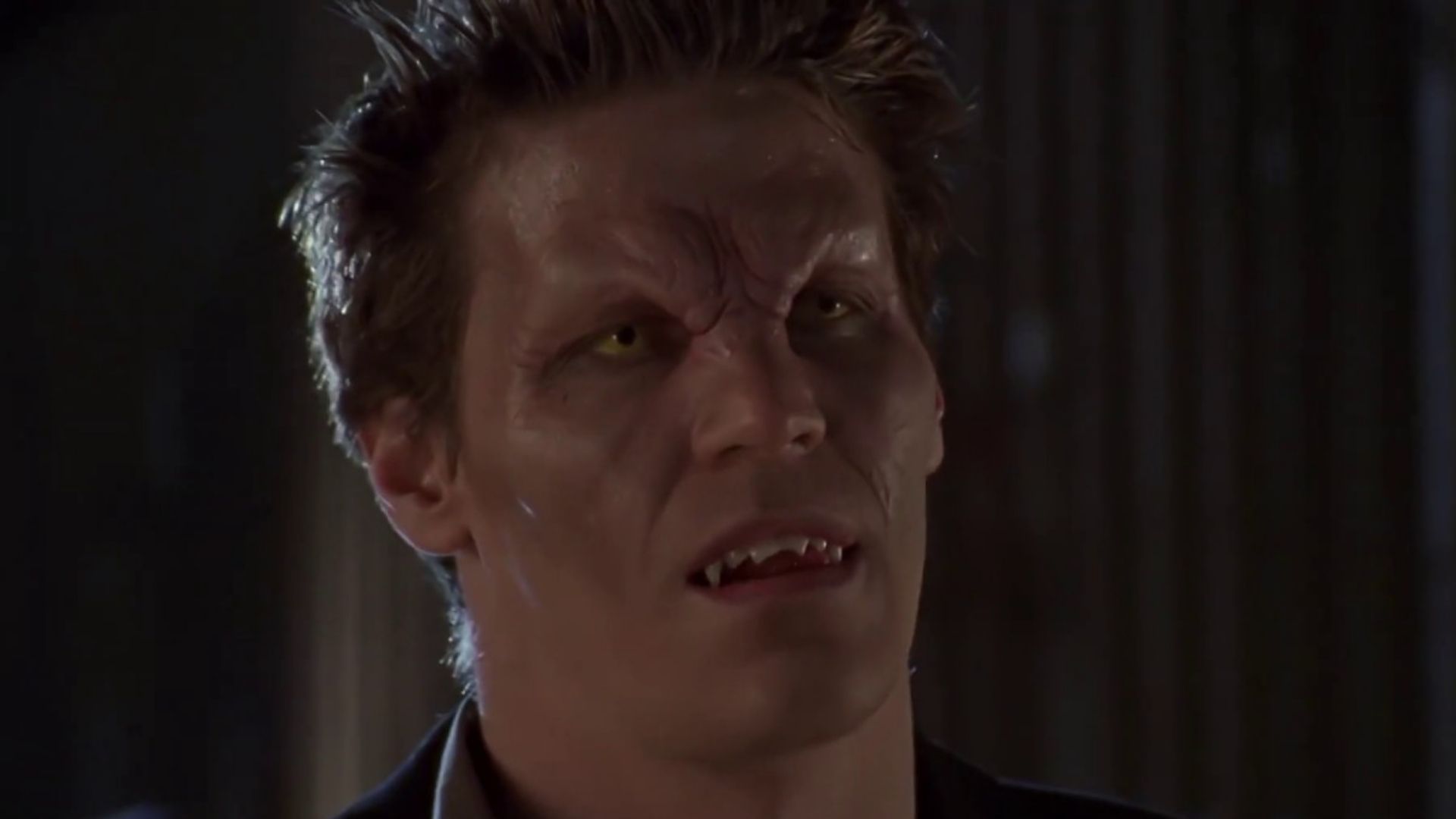
Angel - 'Buffy the Vampire Slayer'
Angel’s story is all about the terrifying duality between his redeemed self and his darker alter ego, Angelus. Once a human named Liam, he was cursed with a soul by Romani gypsies as punishment for his brutal past as a vampire. This soul forces him to feel guilt and seek redemption. However, the curse comes with a catch, if he experiences a moment of true happiness, he loses his soul and reverts to Angelus.
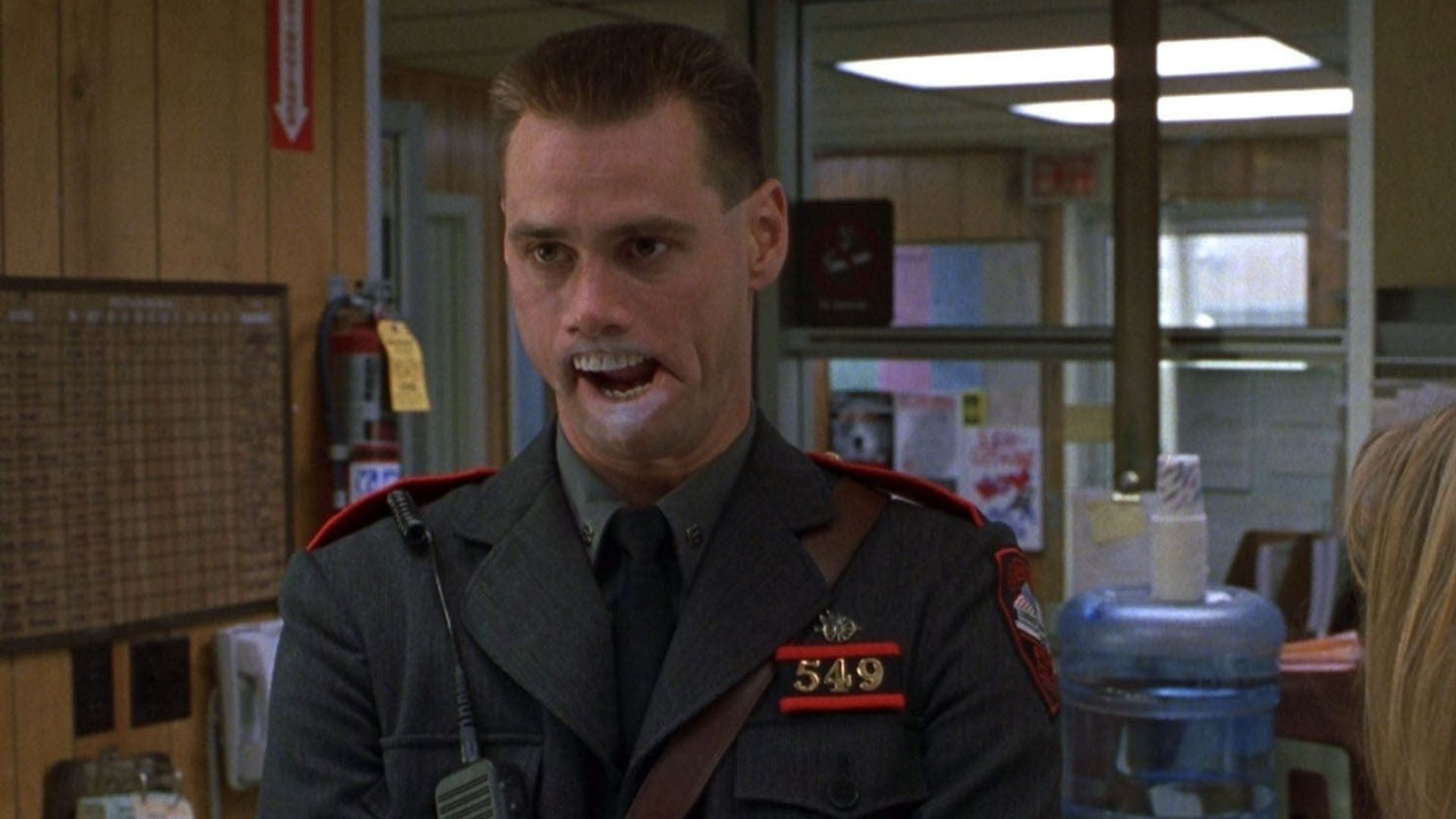
Charlie Baileygates - 'Me, Myself & Irene'
Charlie Baileygates develops an alter ego, Hank, as a response to years of suppressed frustration and emotional repression. While Charlie is gentle and accommodating, Hank is aggressive, outspoken, and unapologetic. This split personality creates constant conflict, as Hank disrupts Charlie’s life with impulsive and often destructive actions. The struggle lies in finding a balance between passivity and assertiveness.
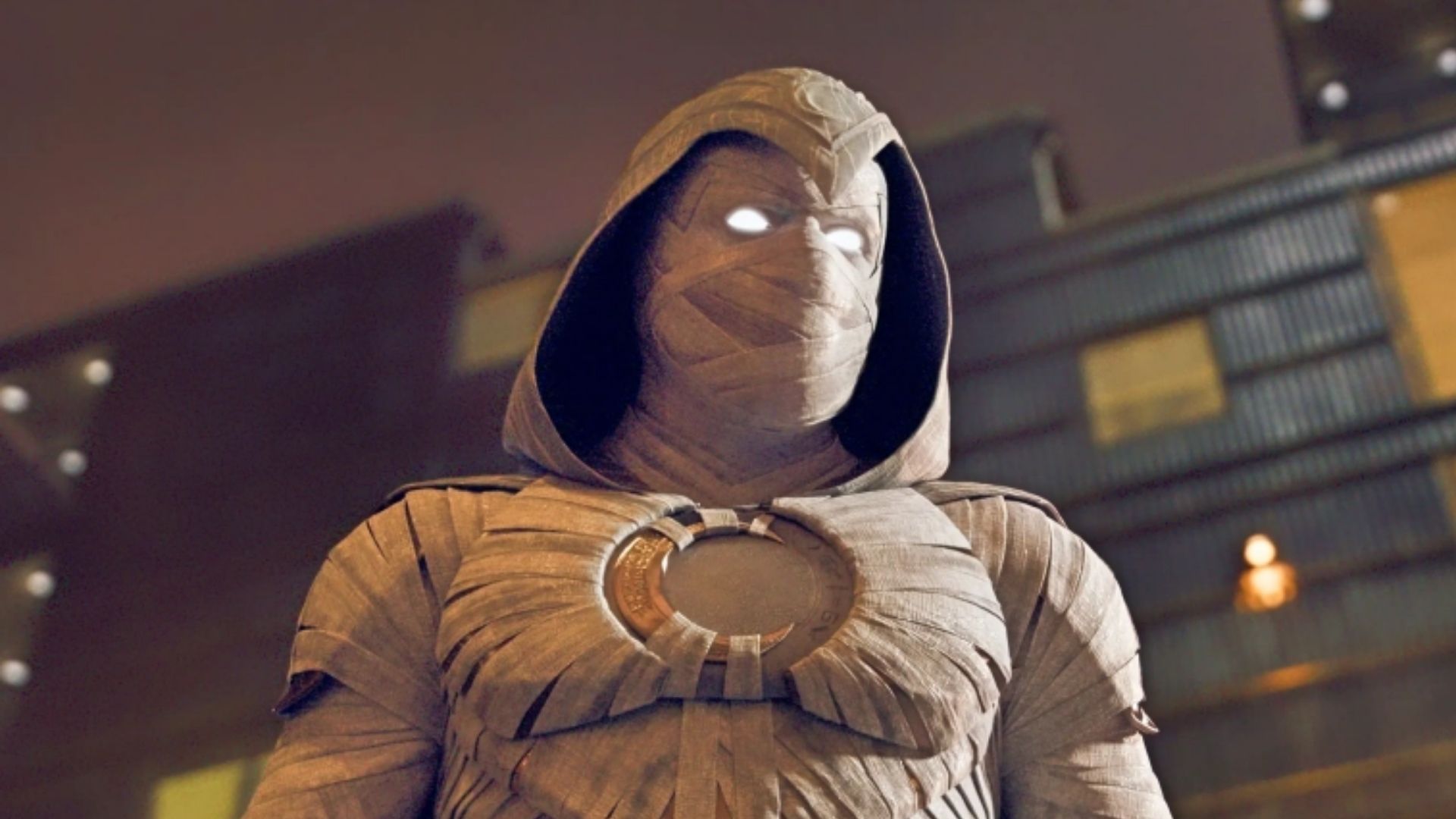
Moon Knight - 'Moon Knight'
Marc Spector, a former mercenary brought back to life by the Egyptian god Khonshu, doesn’t live with just one hidden side, but several fully formed identities. Steven Grant offers a softer, more anxious contrast, while Jake Lockley represents a far more dangerous, ruthless edge. Then there’s Mr. Knight. The real conflict isn’t choosing between good and evil; it’s surviving a mind where multiple versions of you are constantly fighting for control.
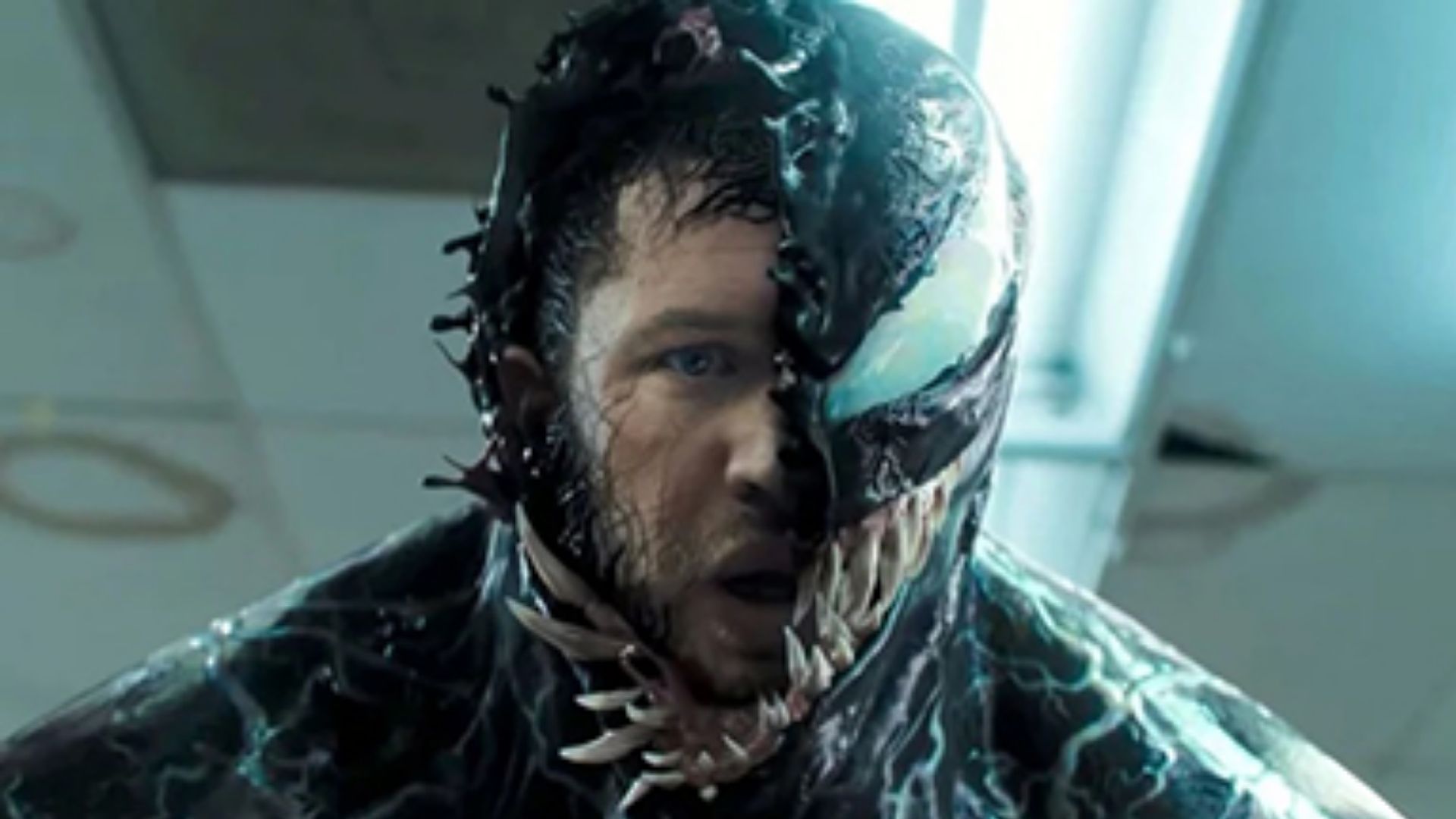
Eddie Brock - 'Venom'
Eddie Brock’s relationship with the Venom symbiote is less about suppression and more about negotiation. The symbiote amplifies Eddie’s aggression and impulses, and often pushes him toward violent solutions. At the same time, it provides him with power and a sense of purpose. Their dynamic creates an ongoing internal stress, where both personalities must coexist despite conflicting instincts. The darker side is not entirely separate but intertwined with Eddie’s own emotions and motivations.
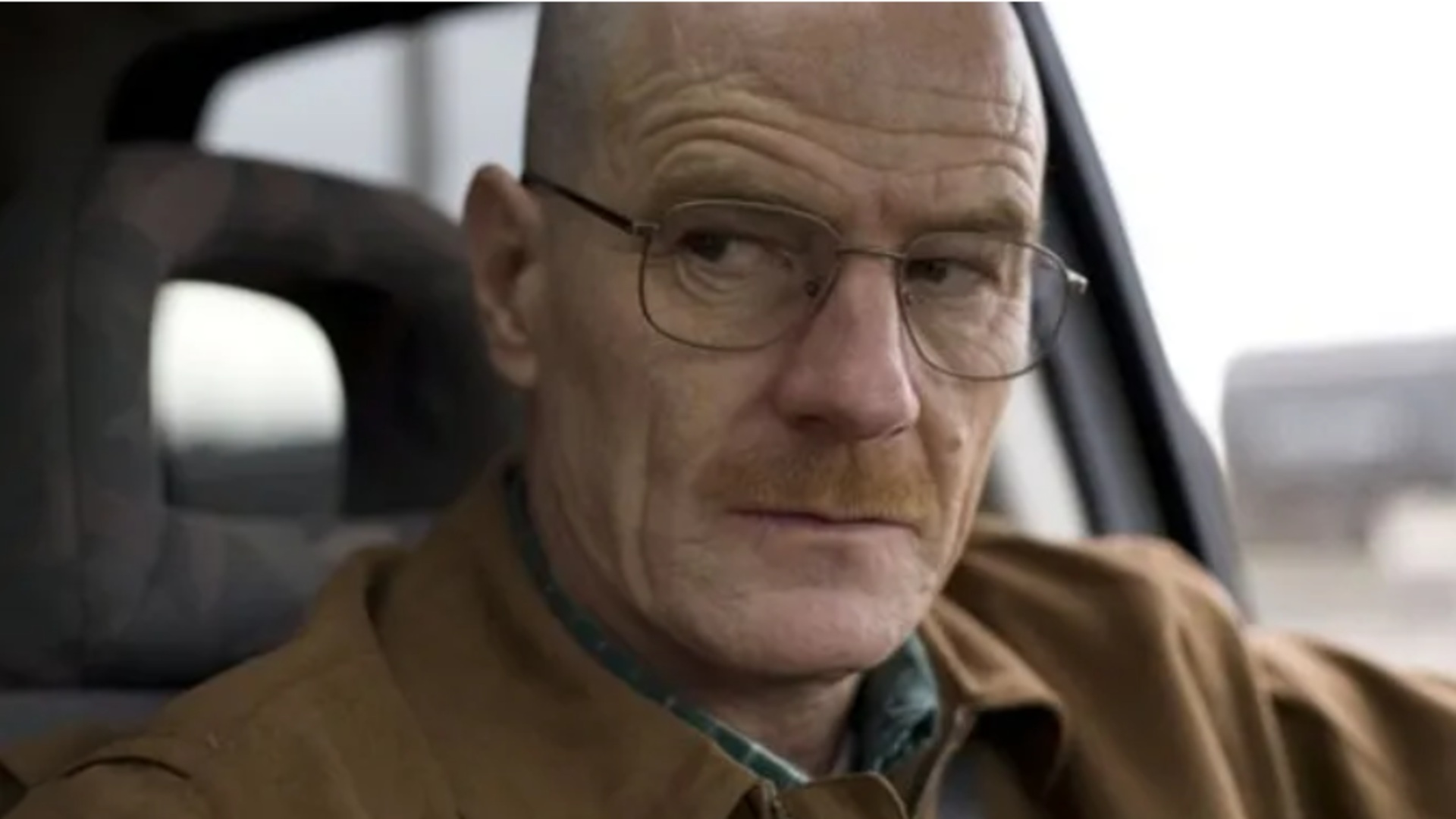
Walter White - 'Breaking Bad'
Walter White’s transformation into Heisenberg is a gradual evolution rather than an immediate split. Initially driven by necessity, his actions become increasingly calculated and ruthless as he embraces his darker instincts. Heisenberg represents Walter’s suppressed ambition, pride, and desire for control. As this persona grows stronger, it begins to dominate his decisions, affecting his relationships and moral judgment. The internal conflict is subtle but powerful, as Walter convinces himself he remains in control even when he clearly is not.
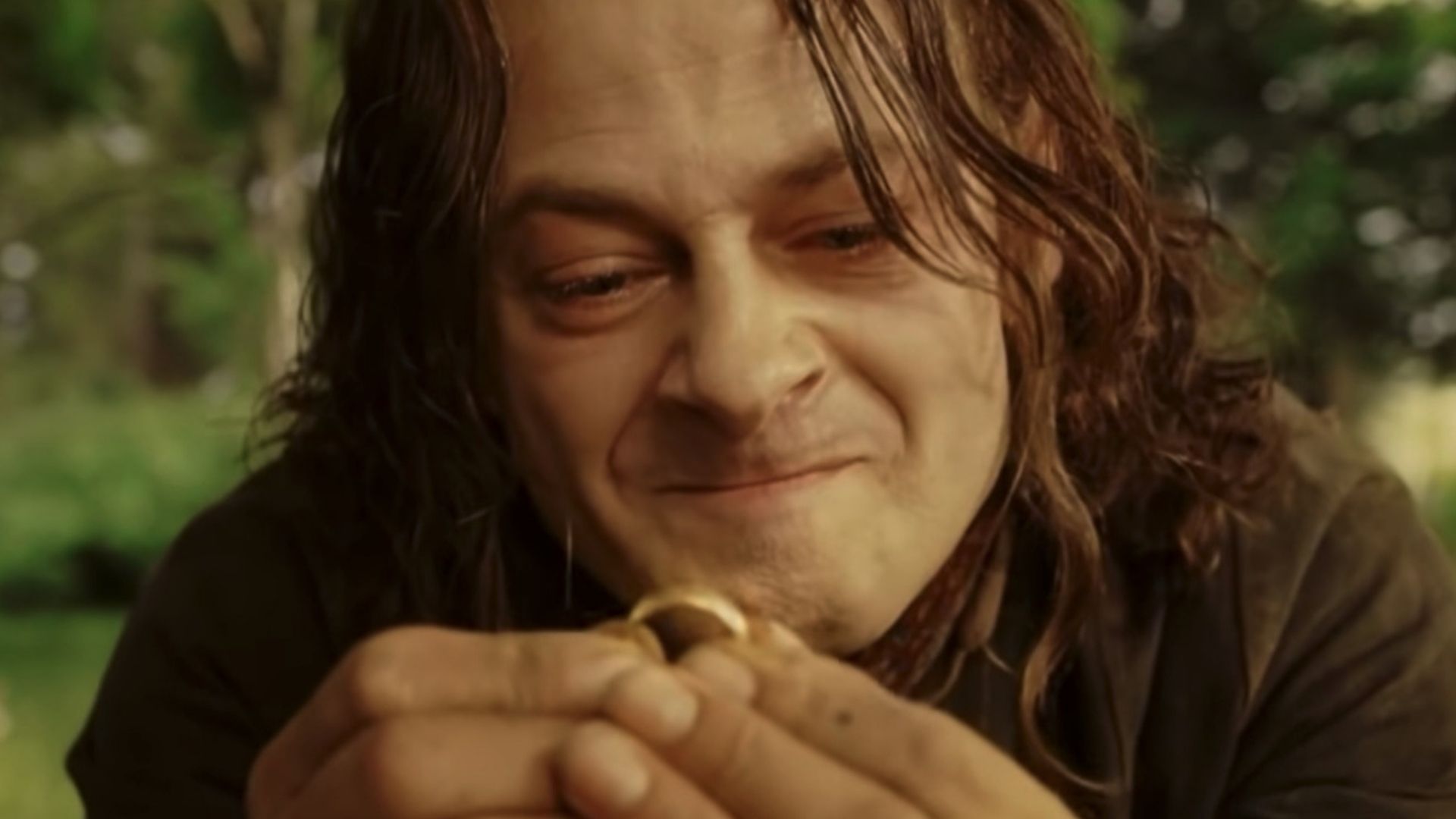
Sméagol - 'The Lord of the Rings'
Sméagol’s change into Gollum happens because of his deep obsession with the One Ring. This creates a constant battle inside him. One side of him still wants friendship, kindness, and a normal life. The other side, Gollum, is full of fear, anger, and a strong need to keep the Ring at any cost. He often talks to himself, which shows this inner struggle clearly. The story is quite tragic because even when his good side appears, it is quickly taken over by the Ring’s power.