
Every Major ‘Wuthering Heights’ Book-to-Movie Change in Margot Robbie and Jacob Elordi’s Adaptation
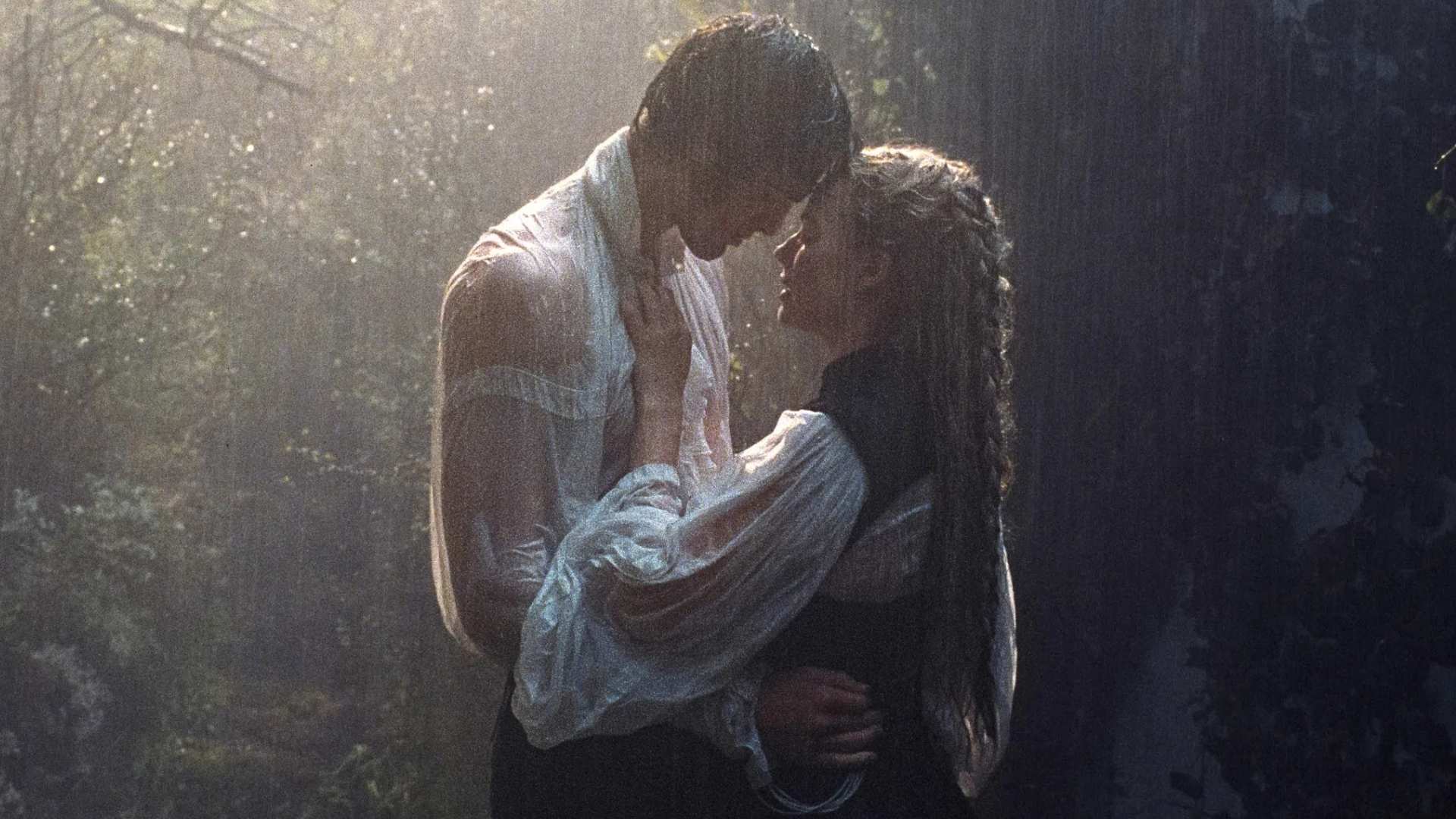
'Wuthering Heights' Movie Lets Go Of The Narrator
In the novel, Mr. Lockwood functions as the primary frame narrator and audience surrogate. His arrival at Thrushcross Grange introduces readers to the eerie world of Wuthering Heights, and his curiosity prompts Nelly Dean to recount the history spanning decades. Through Lockwood, Brontë filters the tale with distance and ambiguity, allowing interpretation rather than emotional certainty. Fennell removes him entirely, eliminating the layered storytelling structure.
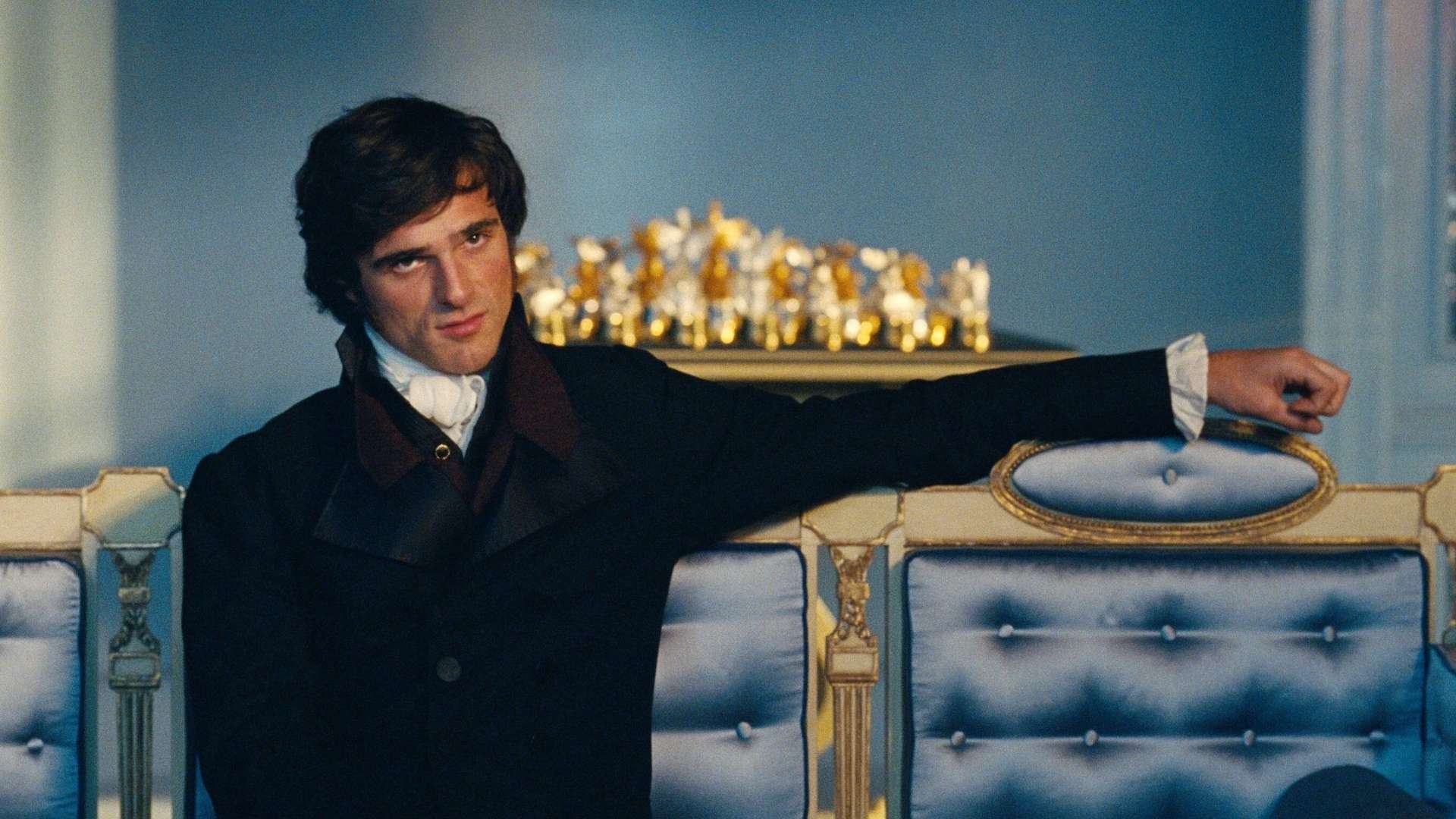
Hindley Earnshaw Is Completely Cut From the Film
Hindley Earnshaw plays a crucial role in Brontë’s novel as the catalyst of Heathcliff’s suffering and later vengeance. Jealous of his father’s affection toward Heathcliff, he degrades him into servitude after Mr. Earnshaw’s death, denying him education and shaping his resentment and class insecurity. His abuse explains much of Heathcliff’s bitterness and desire for revenge. Fennell removes Hindley, simplifying the conflict and stripping away the social hierarchy element central to the novel.
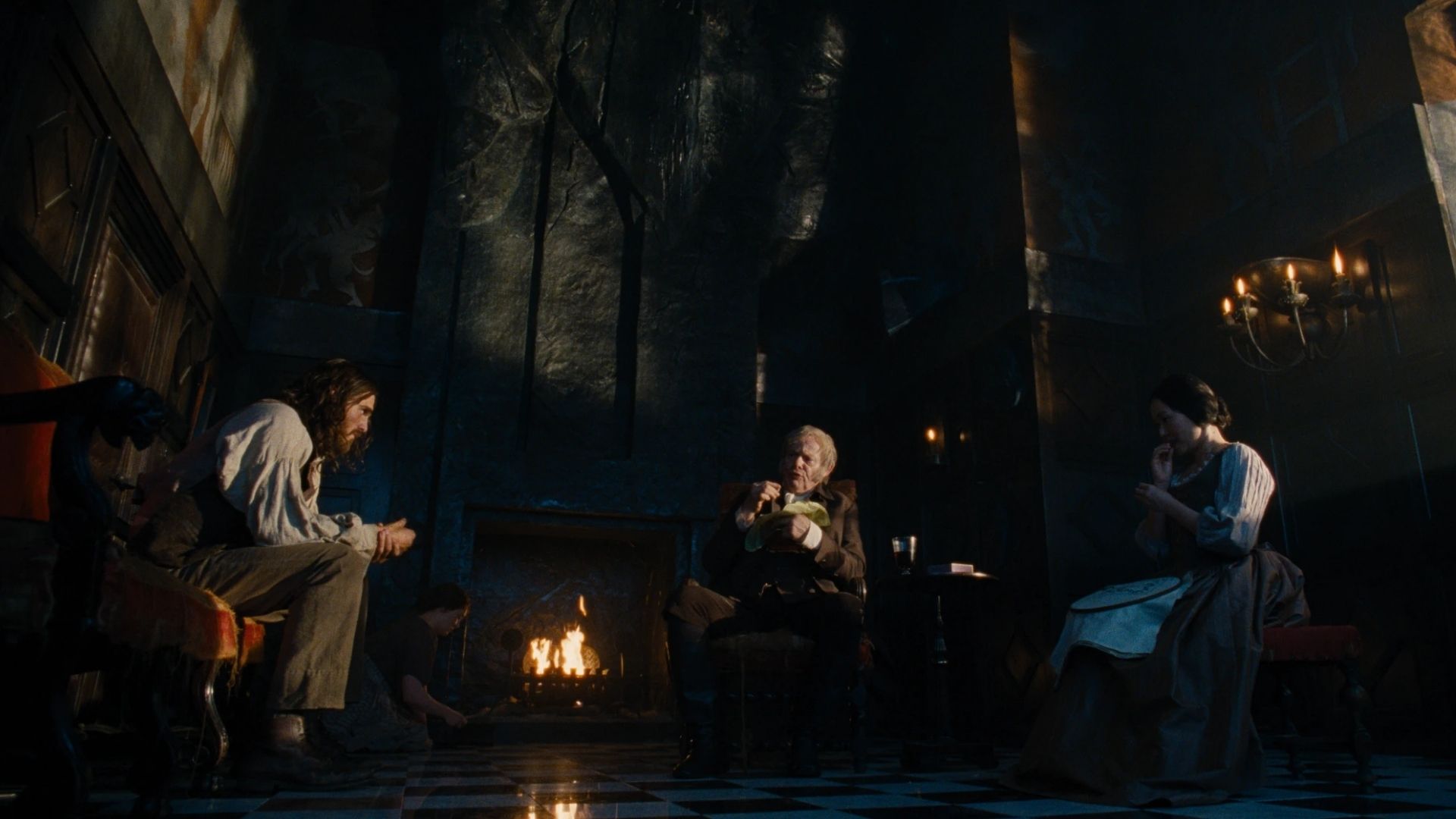
Mr. Earnshaw's Transformation On Screen
In Brontë’s text, Mr. Earnshaw is largely remembered as the benevolent patriarch whose decision to adopt Heathcliff sparks familial jealousy but whose death quickly transfers power to Hindley. Fennell dramatically expands and alters his role, depicting him as increasingly abusive and unstable due to alcoholism. This change relocates the origin of trauma from sibling rivalry to parental violence, intensifying the domestic atmosphere and giving Cathy and Heathcliff a shared victimhood.
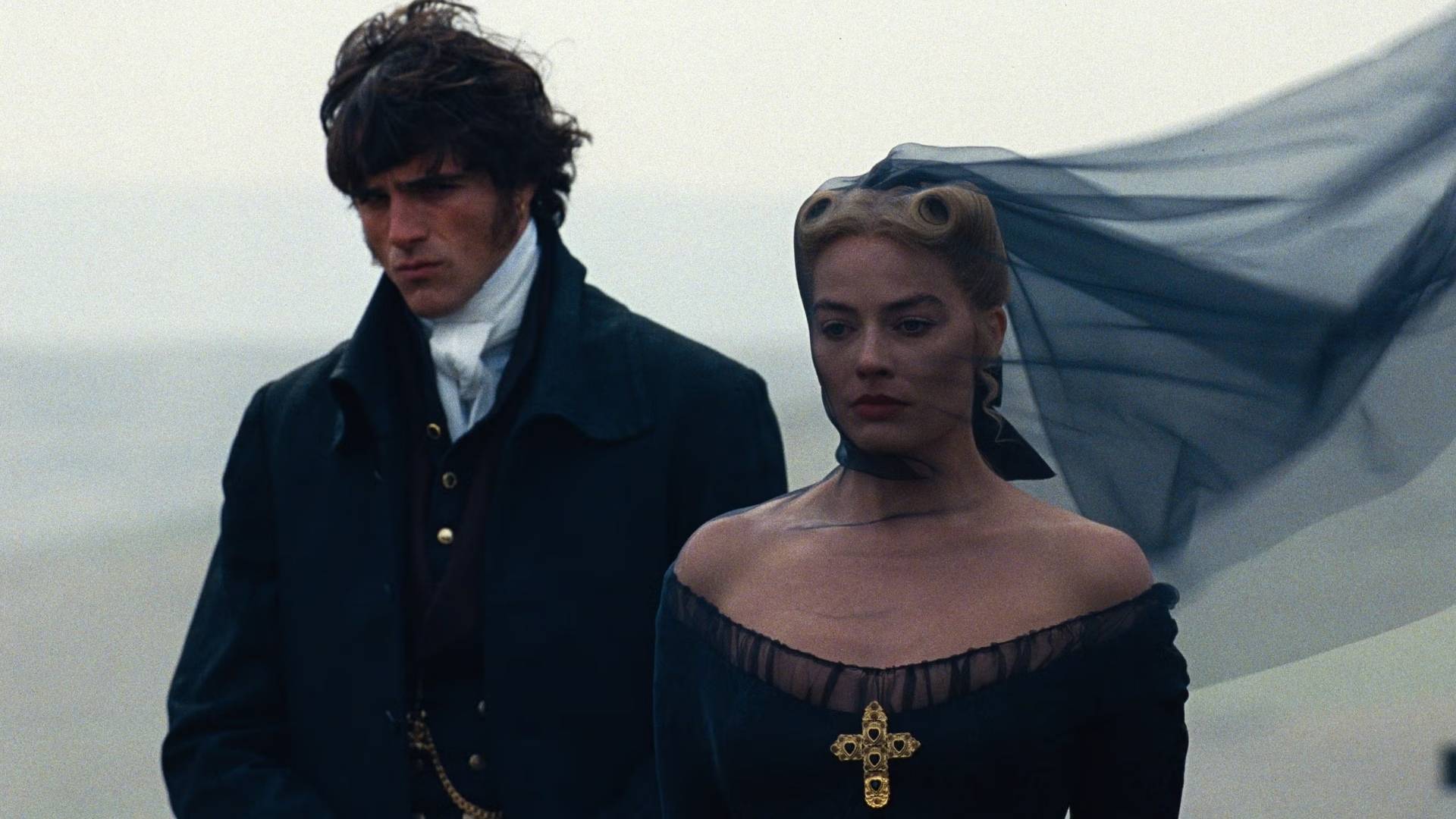
Cathy Dies of Infection Instead of Childbirth Complications
In the novel, Cathy dies shortly after giving birth, her fragile mental state and physical exhaustion contributing to her decline. The cause reflects Brontë’s blend of emotional turmoil and bodily frailty. Fennell instead attributes her death to sepsis, grounding the tragedy in medical realism rather than symbolic collapse. This shift removes the thematic link between motherhood and legacy, reinforcing the film’s decision to cut the next generation entirely.
Cathy and Heathcliff Never Meet Before Her Passing
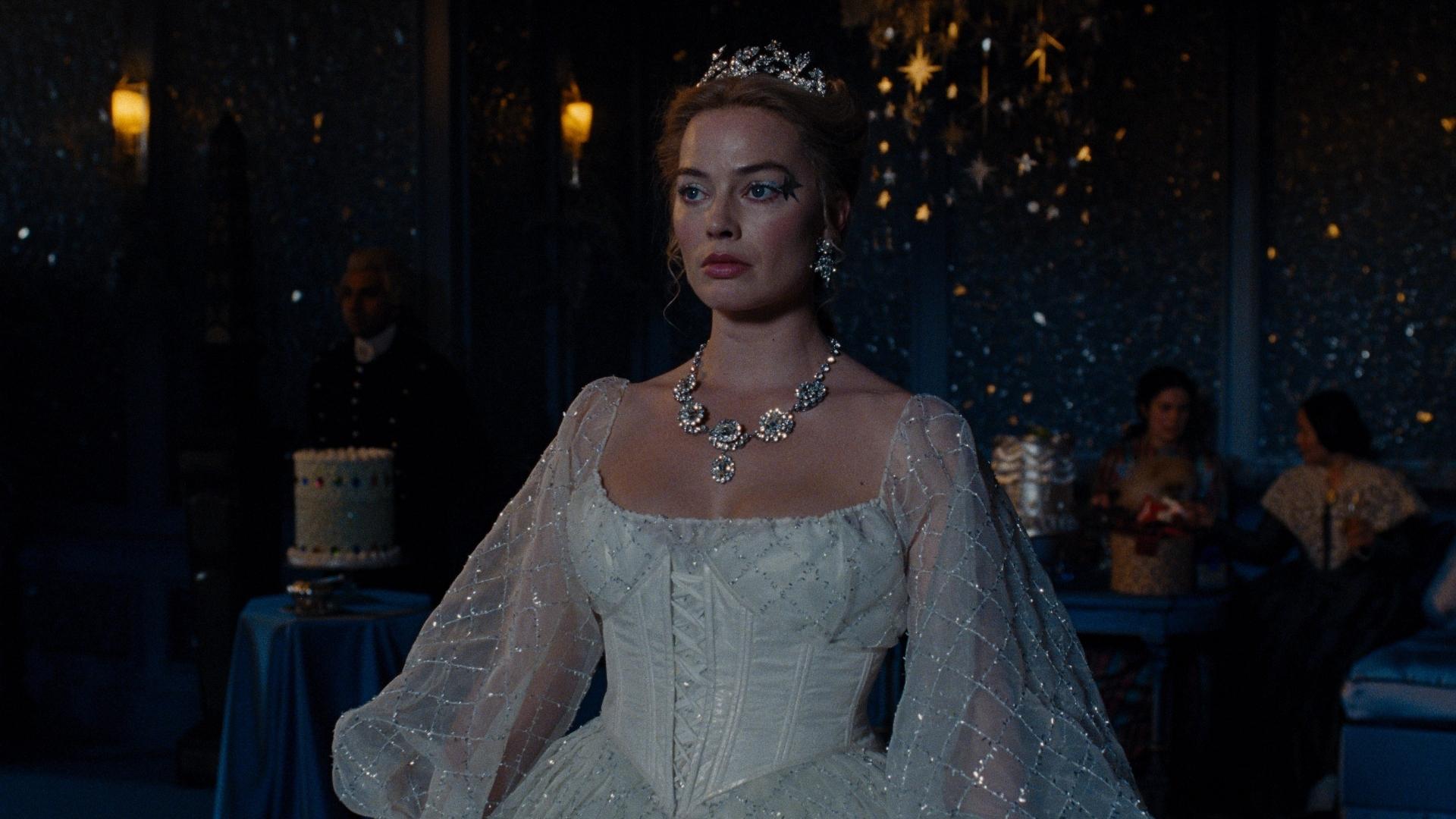
In the novel, the lovers’ final reunion is intimate and devastating: Heathcliff secretly visits Cathy with Nelly’s help, and they share a frantic embrace before her death. The scene underscores unresolved passion and emotional closure, fueling Heathcliff’s later obsession. Fennell removes this meeting entirely. Instead, Cathy hallucinates speaking to Heathcliff while he is absent, creating distance rather than contact.
'Wuthering Heights' Film Ends With Cathy’s Death, Not Heathcliff’s Revenge
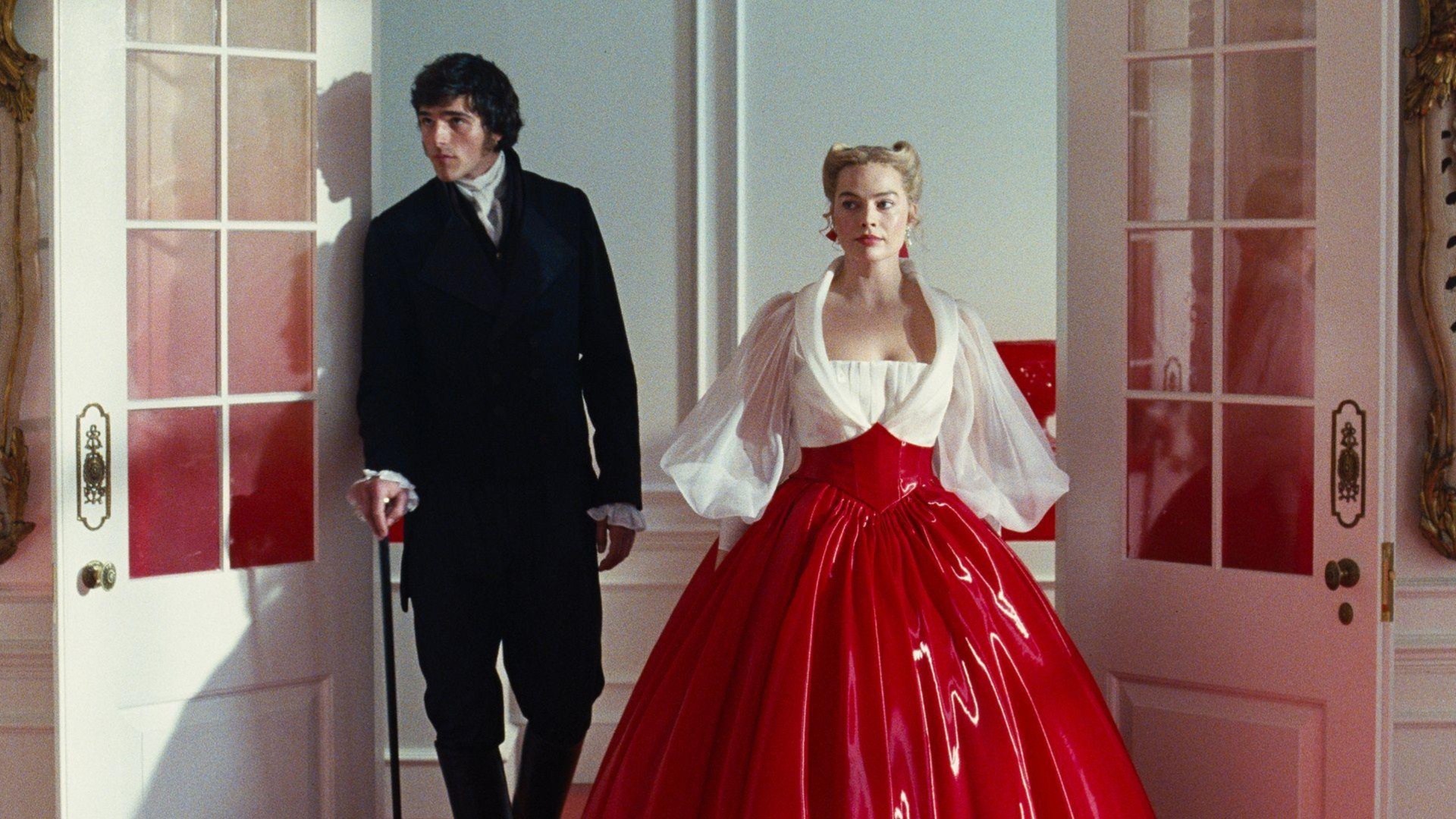
Emerald Fennell’s adaptation deliberately narrows Wuthering Heights into a tragic romance, ending with Cathy’s death and framing the narrative as a doomed love story rather than a generational saga. Emily Brontë’s novel, however, treats that moment as the midpoint. The second half follows Heathcliff’s calculated revenge against both families, especially their children, and chronicles his psychological deterioration and obsession with death and reunion.
Cathy’s Baby Does Not Survive in the Movie
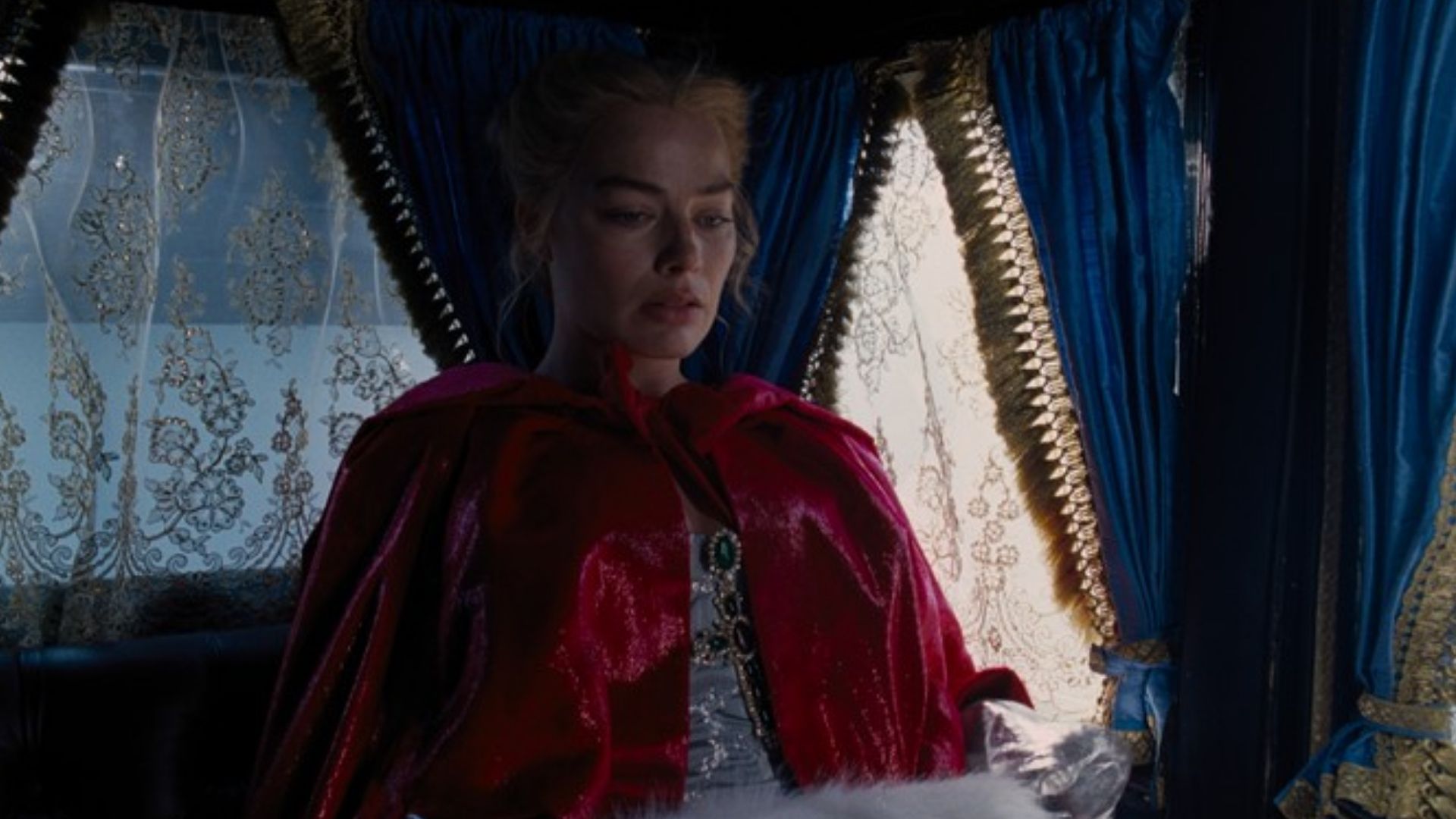
Brontë’s narrative depends heavily on Cathy’s daughter, Catherine Linton, whose later relationship with Hareton resolves the generational conflict and softens Heathcliff’s vengeance. Fennell eliminates this continuation by having Cathy lose the child during illness. Without the next generation, the story no longer explores inherited trauma, redemption, or healing.
The Adaptation Removes All the Ghost Elements
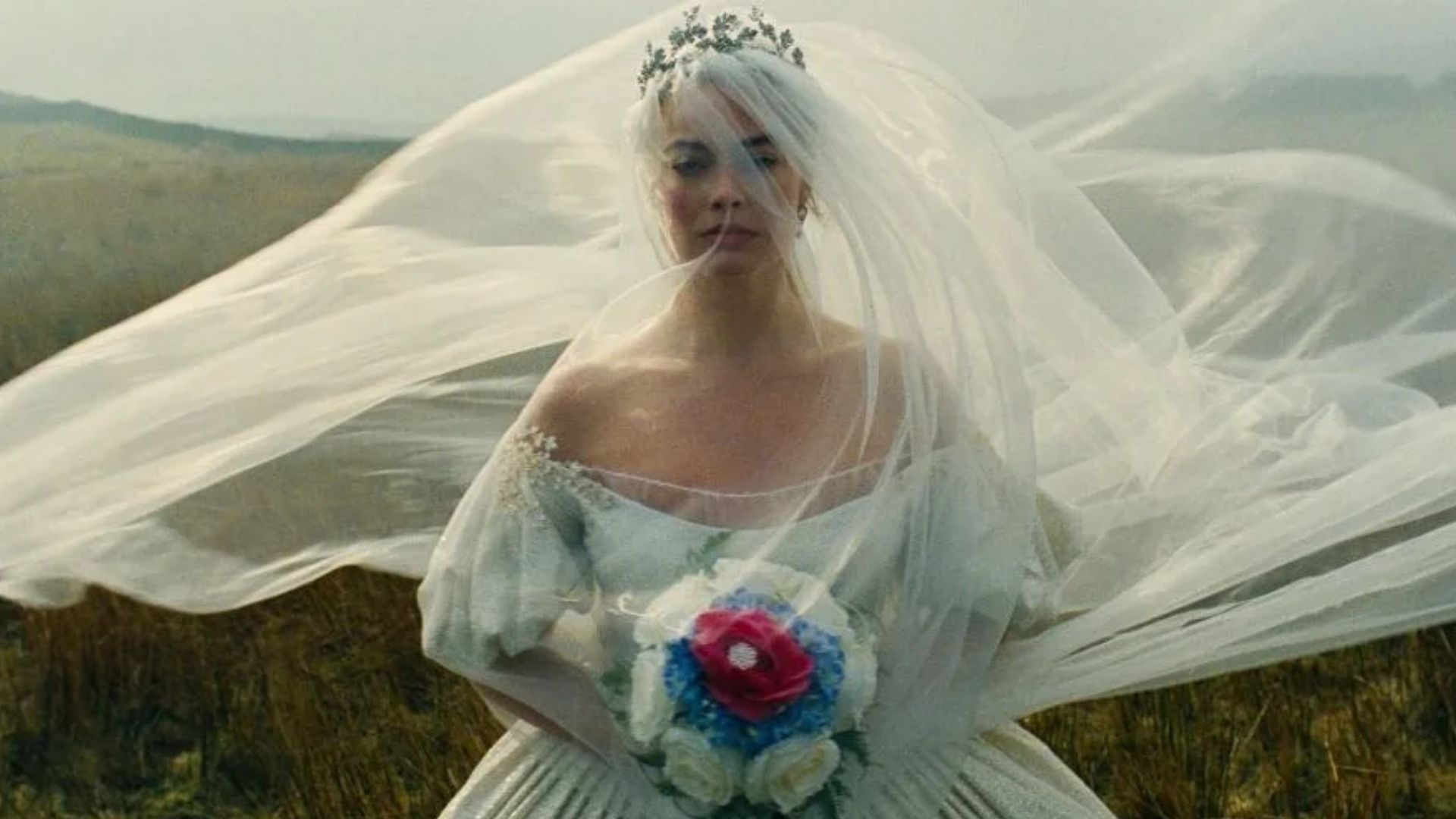
Emily Brontë’s novel contains unmistakable supernatural undertones. Lockwood encounters Cathy’s ghost at the window, Heathcliff believes she haunts him, and villagers claim to see them wandering the moors after death. These elements blur love, obsession, and the afterlife, suggesting their bond transcends mortality. Fennell omits all supernatural material, ending the narrative at Cathy’s death.