
10 Most Popular Good Girl-Bad Boy Movie Couples
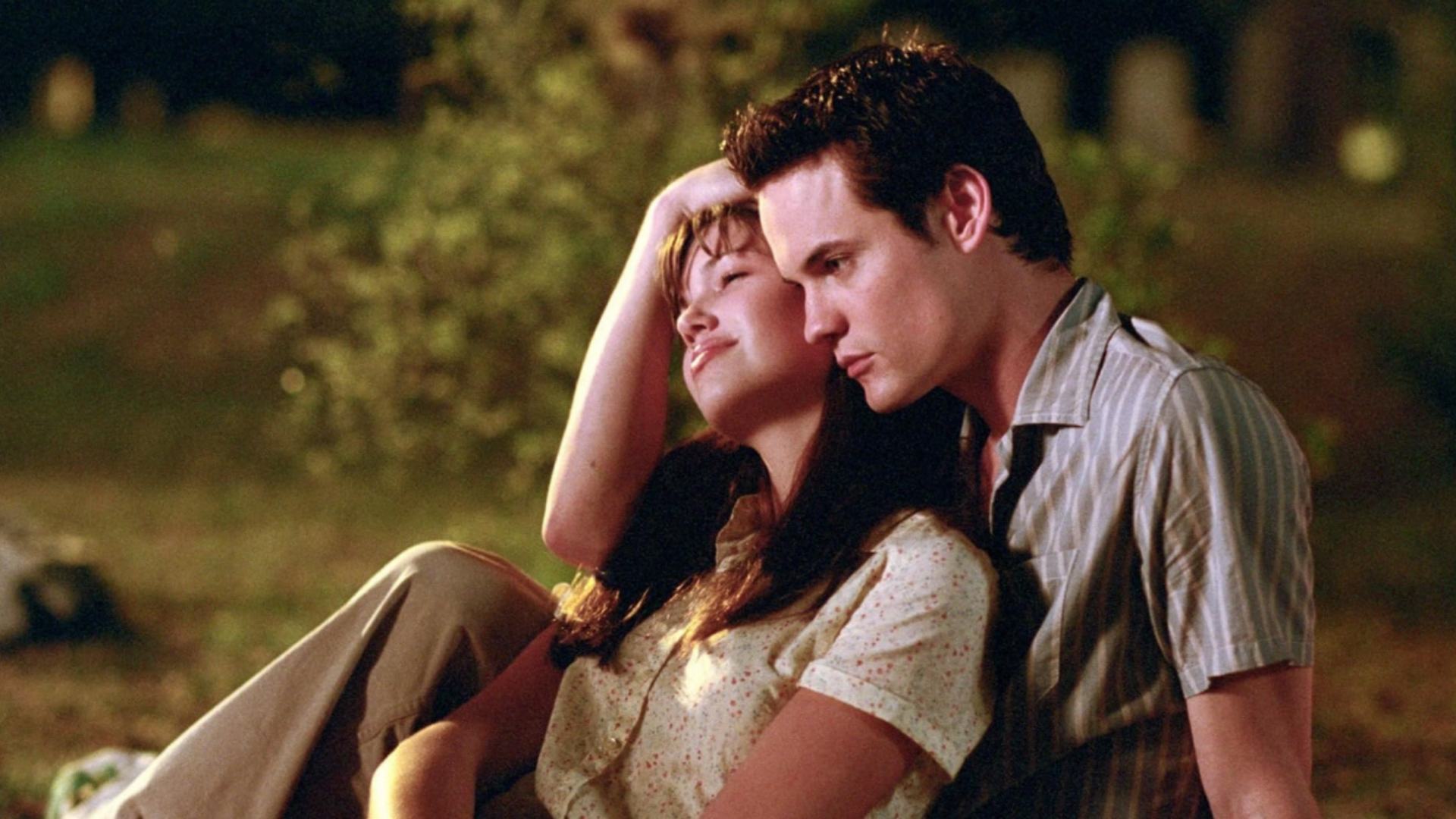
Landon Carter & Jamie Sullivan in 'A Walk to Remember' (2002)
Few movie couples represent the good girl-bad boy dynamic as clearly as Landon and Jamie in 'A Walk to Remember'. Landon is initially portrayed as arrogant, popular, and irresponsible, with a careless attitude toward life. Jamie, on the other hand, is introverted, spiritual, and kind-hearted. Despite their initial reluctance, their relationship gradually evolves and changes both characters.

Kat Stratford & Patrick Verona in '10 Things I Hate About You' (1999)
What makes Patrick and Kat special is that both characters have emotional barriers, even though Patrick’s rebel identity is more clearly established. Kat is intelligent and guarded, keeping others at a distance and refusing to let love into her life easily. Patrick, meanwhile, leans into his reputation for misbehavior and troublemaking. As the manipulation behind their relationship unfolds, it slowly develops into genuine affection, with Patrick becoming more emotionally open. Their chemistry works so well because the movie allows Kat to be difficult without turning her into a romantic ideal.

Sutter Keely & Aimee Finecky in 'The Spectacular Now' (2013)
Aimee and Sutter offer one of the most authentic representations of this trope. While Sutter is charming, attractive, and witty, he is also deeply irresponsible, using excessive drinking and avoidance to cover up his fear of growing up. Aimee, on the other hand, is loving, hopeful, and emotionally vulnerable. She quickly sees the good in him despite his many flaws. Unlike more idealized versions of this trope, 'The Spectacular Now' does not sugarcoat the relationship by suggesting that love alone can fix anyone.
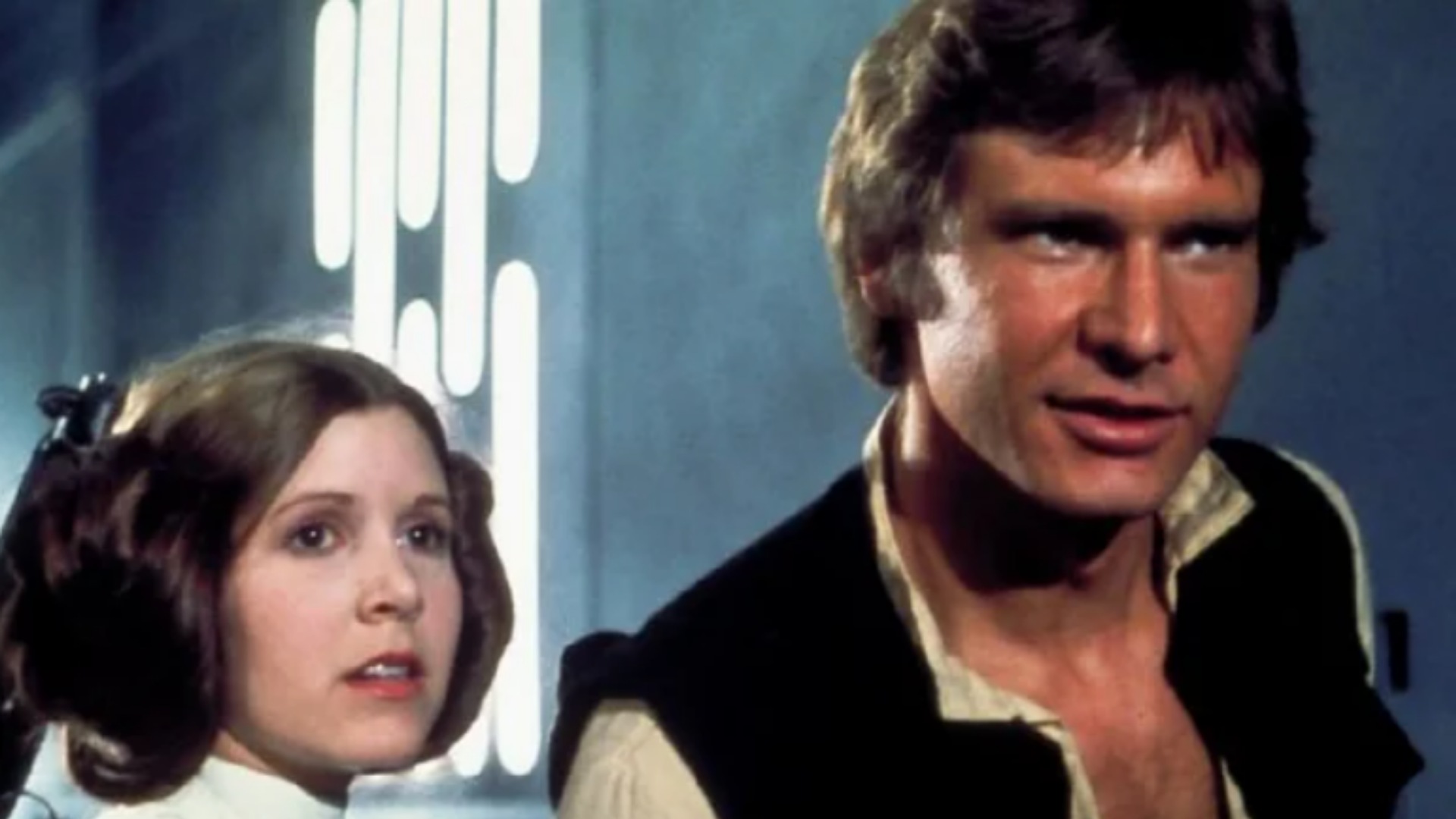
Han Solo & Princess Leia in 'Star Wars: Episode V – The Empire Strikes Back' (1980)
Han and Leia took the good girl-bad boy trope to a whole new level by placing it against the backdrop of an epic space opera. Leia is organized, intelligent, and deeply committed to the Rebel Alliance. Han, on the other hand, is cynical, sarcastic, and a scoundrel who has learned to survive through necessity and profit. Their constant arguments create great romantic tension, but beneath Han’s sarcasm, there is genuine love. Leia sees through his guarded exterior from the beginning, making their dynamic even more compelling.
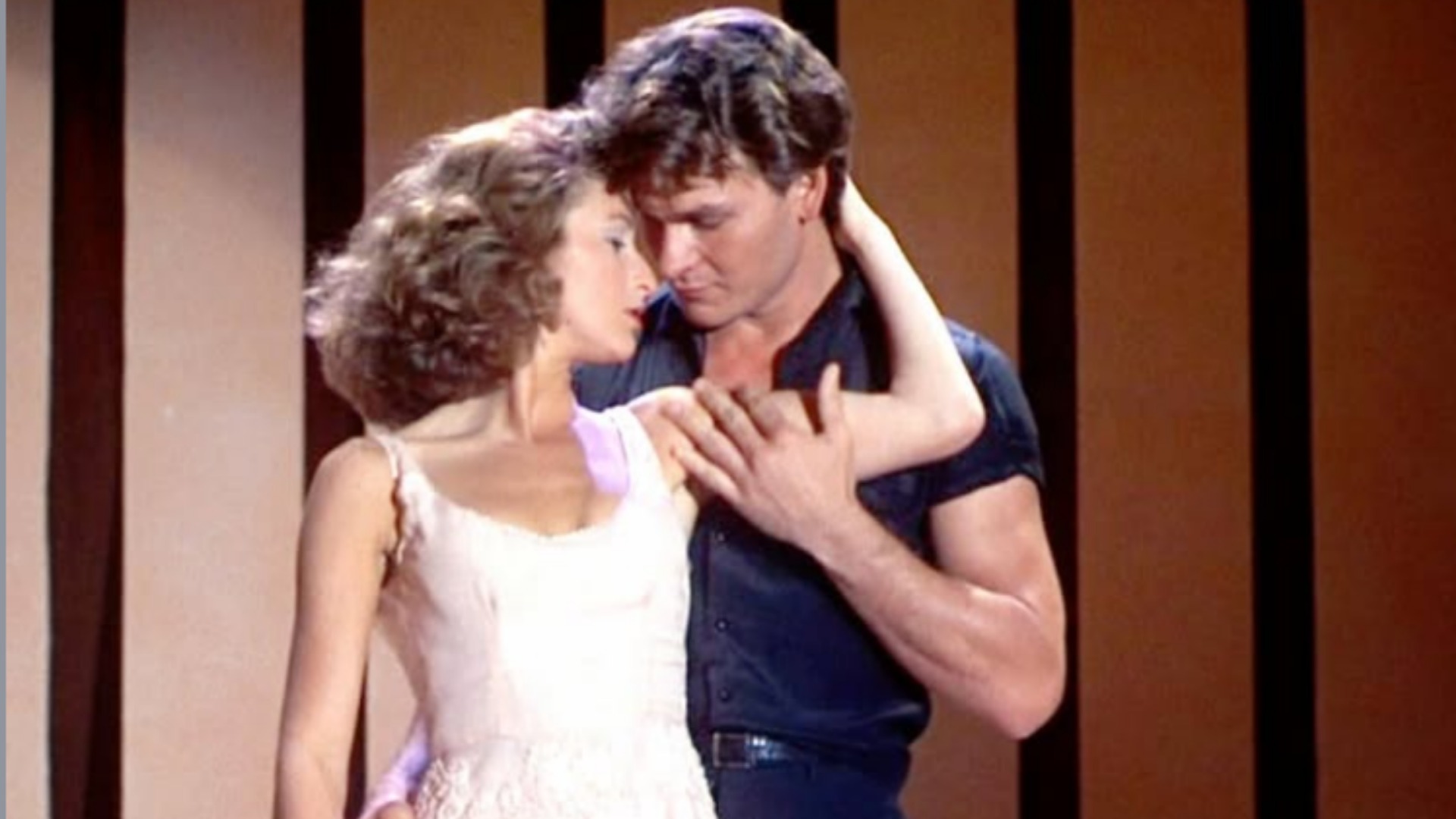
Baby Houseman & Johnny Castle in 'Dirty Dancing' (1987)
Baby and Johnny perfectly capture the charm of a romance built on rebellion and innocence. Baby is raised in a sheltered environment and is used to following the rules. Johnny, on the other hand, is a working-class dancer with a rougher reputation. Their bond develops through dancing, secrecy, and mutual respect. Unlike many stories in this genre, Johnny never ridicules Baby’s idealism. Instead, he encourages her to become stronger, more confident, and more independent.

Christian Grey & Anastasia Steele in 'Fifty Shades of Grey' (2015)
This romance became one of the most discussed movie relationships of the decade because of its unusual mix of vulnerability, control, and emotional imbalance. Anastasia is inexperienced, intelligent, and cautious, while Christian is domineering, closed-off, and emotionally distant. Their relationship constantly moves between attraction and unease as Anastasia tries to understand the trauma shaping Christian’s behavior. Although the romance remains controversial, the films do show Christian gradually learning to reveal his emotions through his connection with Anastasia.
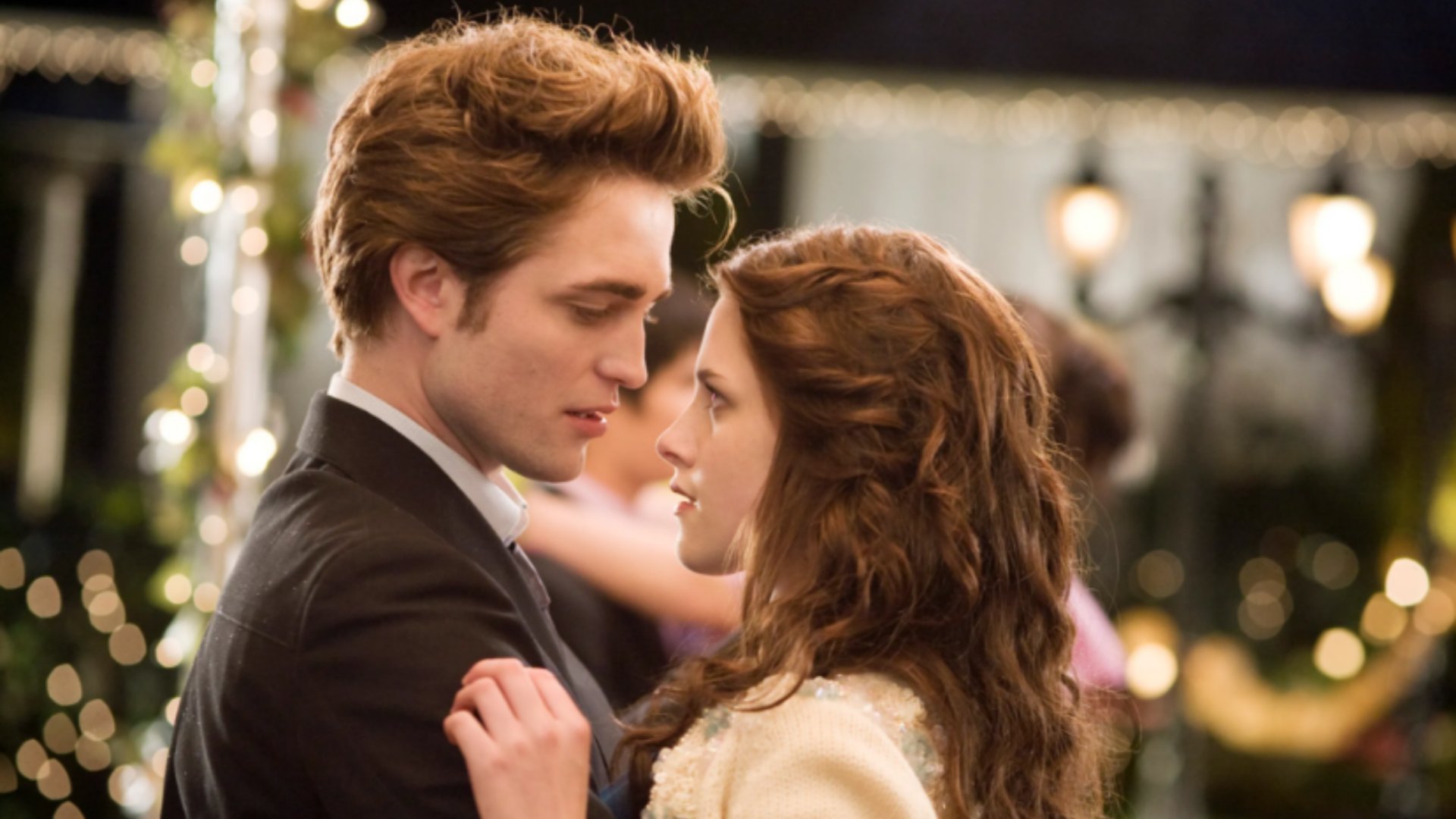
Edward Cullen & Bella Swan in 'Twilight' (2008)
Bella and Edward became one of the most iconic young adult romance couples of the decade. Bella is shy, introverted, and grounded, while Edward represents the archetypal bad boy with a dark and troubled inner life. Despite his chivalry and self-control, Edward always carries an aura of danger because of his vampire nature. Their romance thrives on desire, mystery, and forbidden temptation. Bella’s devotion helps humanize Edward, while Edward’s passion and magnetism make Bella feel deeply loved and understood.
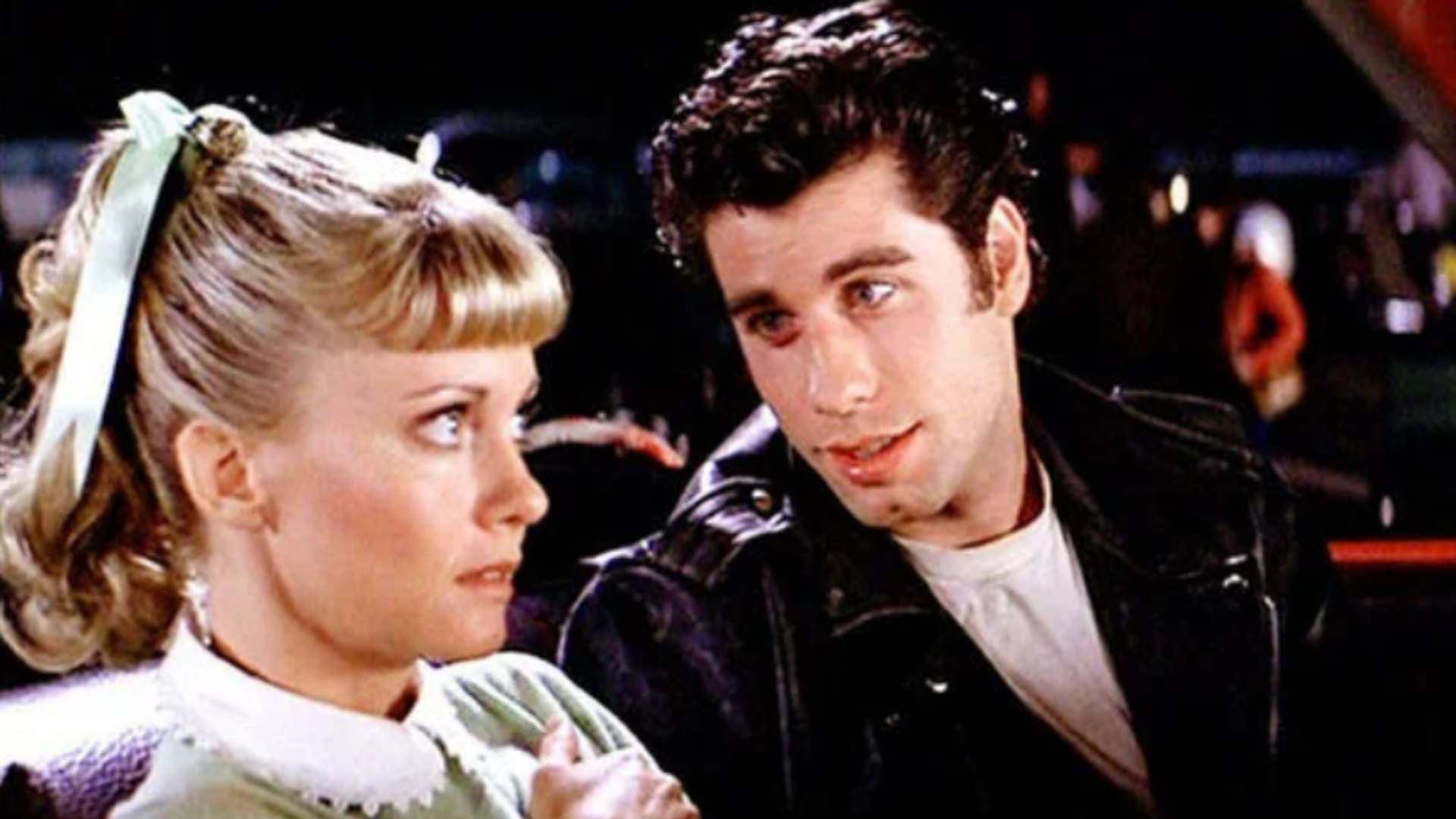
Danny Zuko & Sandy Olsson in 'Grease' (1978)
Danny and Sandy remain one of Hollywood’s most iconic opposites-attract couples. Sandy is kind, innocent, and polite, while Danny presents himself as a leather-jacket-wearing greaser who tries hard to maintain his cool image. Much of Grease focuses on the conflict between Danny’s real feelings for Sandy and the persona he performs for others. What makes their love story work is that both characters choose to compromise without completely transforming each other.

Hardin Scott & Tessa Young in 'After' (2019)
Hardin and Tessa represent a contemporary version of the classic good girl-bad boy trope. Tessa begins as disciplined, studious, and emotionally guarded, while Hardin is mysterious, angry, and self-destructive. Their chemistry is undeniable, even though their relationship is often marked by toxicity and broken trust. Still, their connection brings out emotions in Hardin that he rarely allows himself to show.

Noah Calhoun & Allie Hamilton in 'The Notebook' (2004)
'The Notebook' is driven by the stark contrast between Noah, a rebellious mill worker, and Allie, an upper-class young woman with a carefully planned future. Noah is passionate and hotheaded, while Allie comes from an affluent family that expects her to follow a certain path. Their relationship is full of passion and chaos, largely because of their class differences and stubborn personalities. Their refusal to let go of each other, despite everything standing in their way, is what makes them such an enduring couple.