
10 Great Films That Celebrate The Art Of Cinema
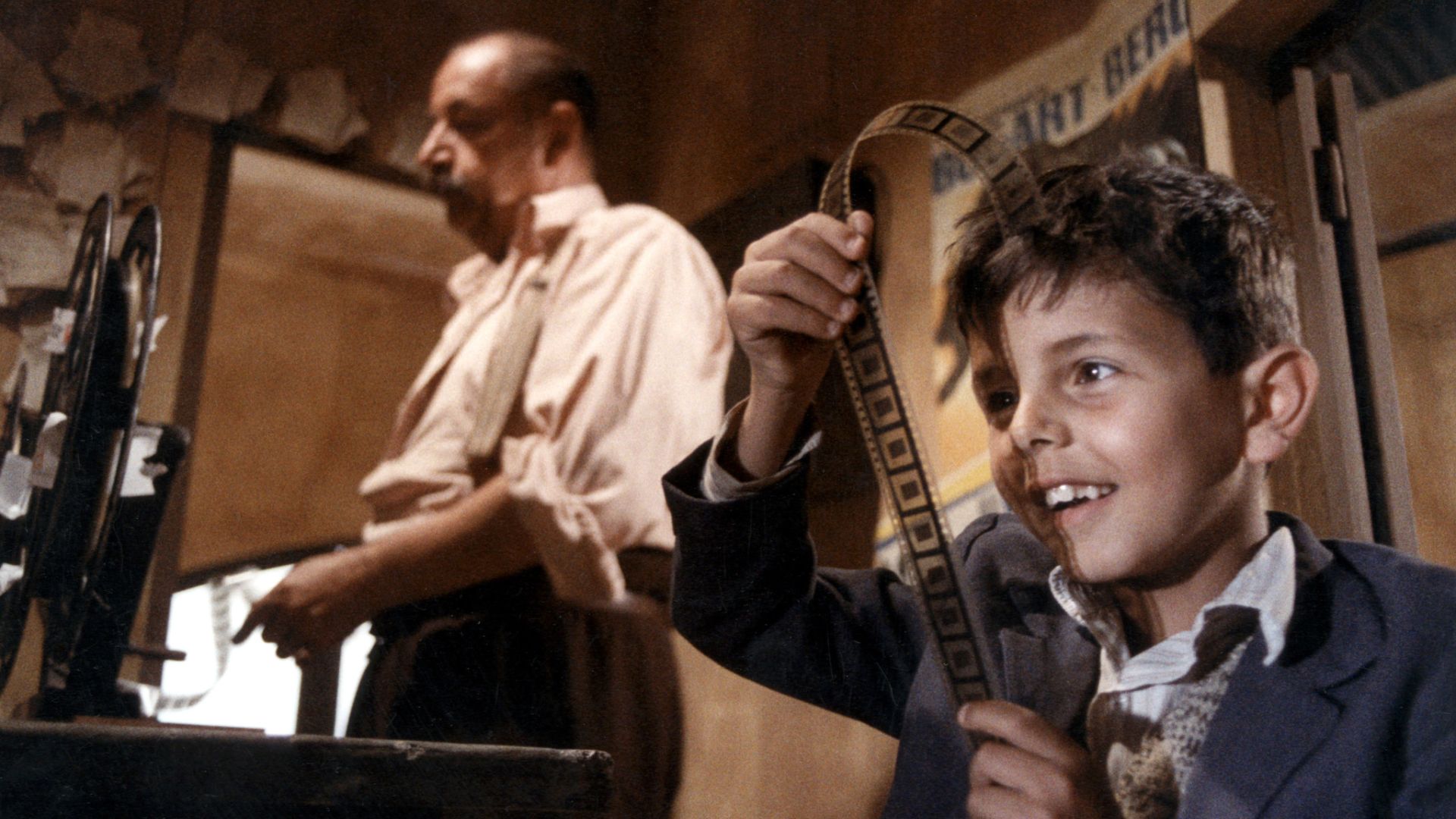
10. Cinema Paradiso (1988)
This beautiful Italian masterpiece tracks a young boy’s lifelong romance with the movies through his touching friendship with a wise village projectionist. The local theater operates as the literal beating heart of a small town, offering a blissful escape from the harsh realities of post-war life. It perfectly captures how a glowing screen can shape a child’s entire destiny and foster unbreakable community bonds.
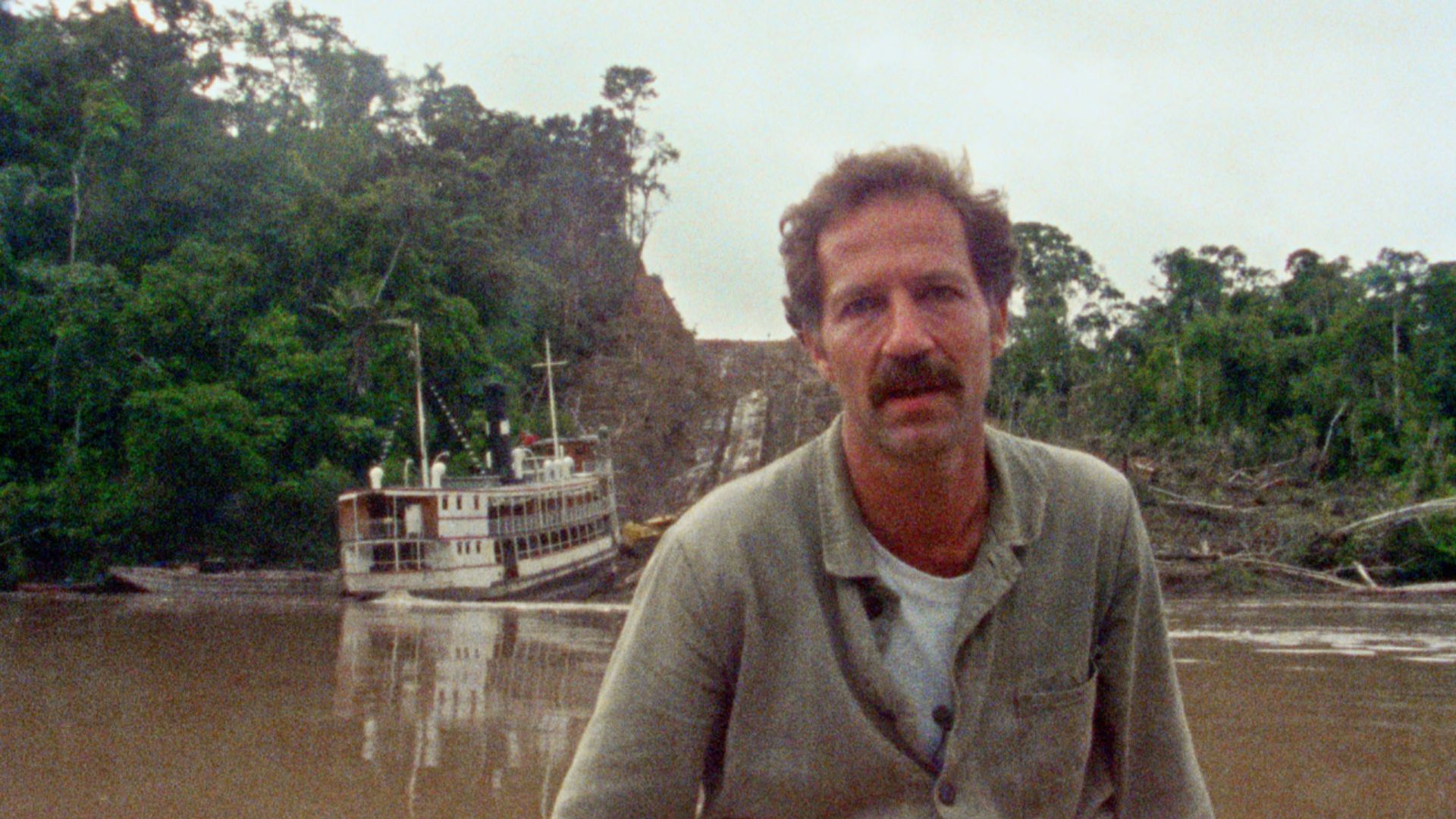
9. Burden of Dreams (1982)
This gripping documentary chronicles director Werner Herzog’s chaotic, borderline insane quest to shoot his epic feature film deep inside the Amazon jungle. It strips away all Hollywood glamour to expose the grueling, raw reality of filmmaking as a literal battle against nature, logic, and human exhaustion. Watching a crew attempt to haul a massive steamship over a mountain without special effects feels like watching a madman chase a beautiful curse.
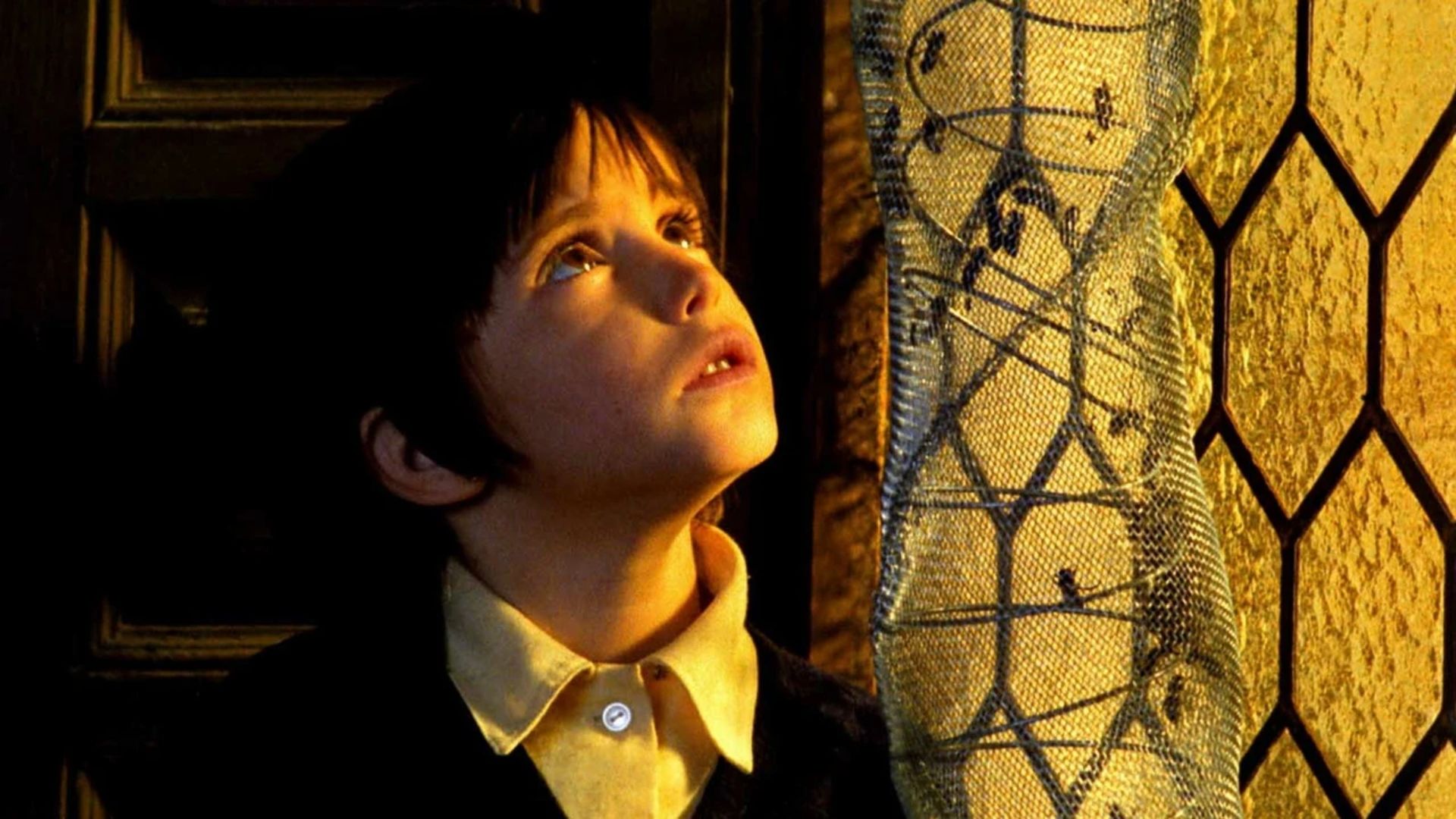
8. The Spirit of the Beehive (1973)
Set in the quiet aftermath of the Spanish Civil War, this striking drama follows a quiet six-year-old girl who becomes utterly transfixed by a traveling cinema screening of Frankenstein. The movie masterfully demonstrates how a single cinematic image can pierce a child’s imagination, altering how she views the real world around her. Cinema operates here as a haunting language of mystery and comfort in a household dominated by political silence and trauma.
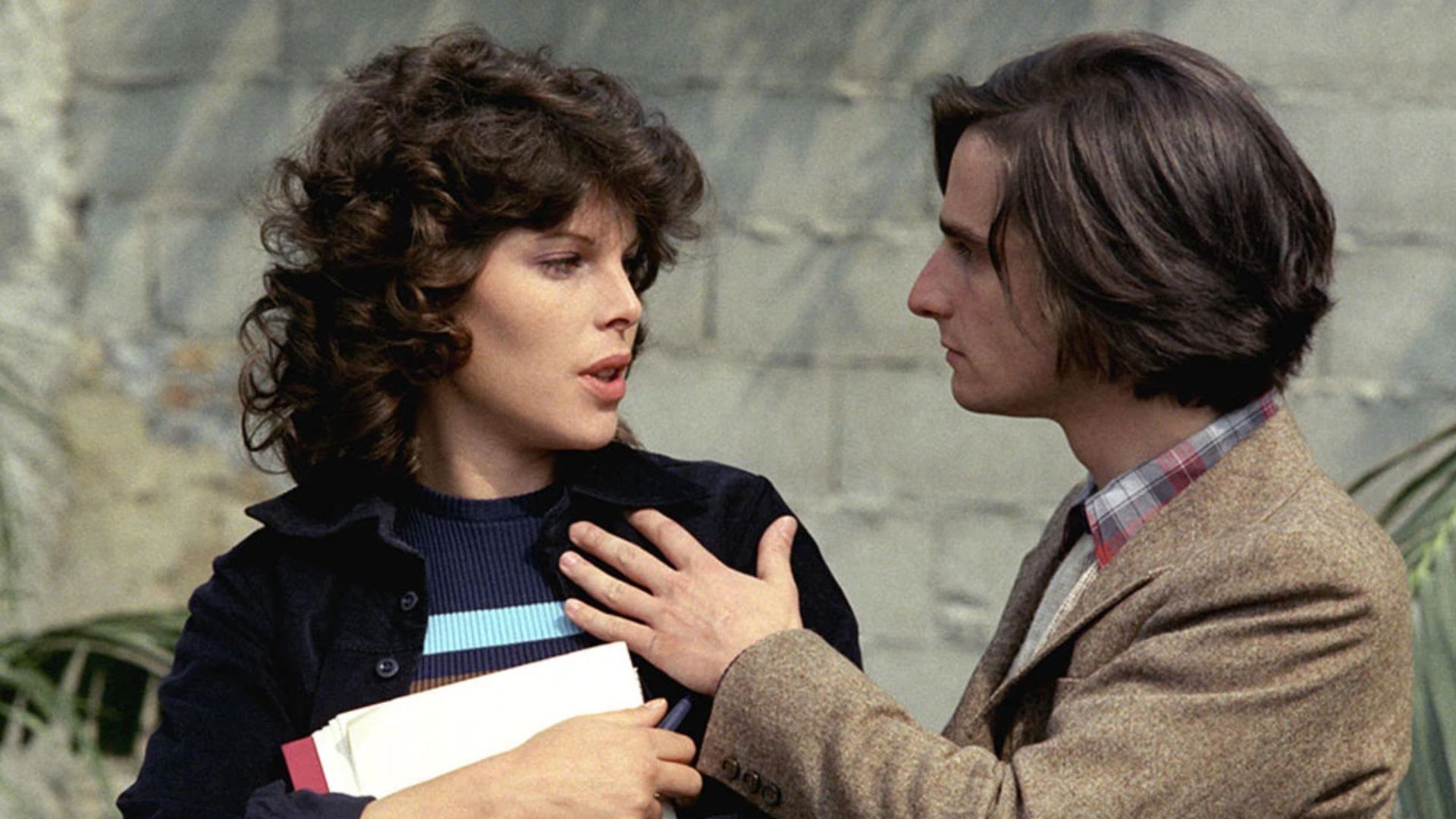
7. Day for Night (1973)
François Truffaut directs and stars in this joyful, fast-paced look at the beautiful catastrophe of a standard movie production. The narrative follows a chaotic film set plagued by fading star temperaments, sudden financial crises, secret romances, and uncooperative animal actors. It beautifully frames the film crew as a temporary, dysfunctional family that pulls together to create something beautiful out of pure logistics and chaos.
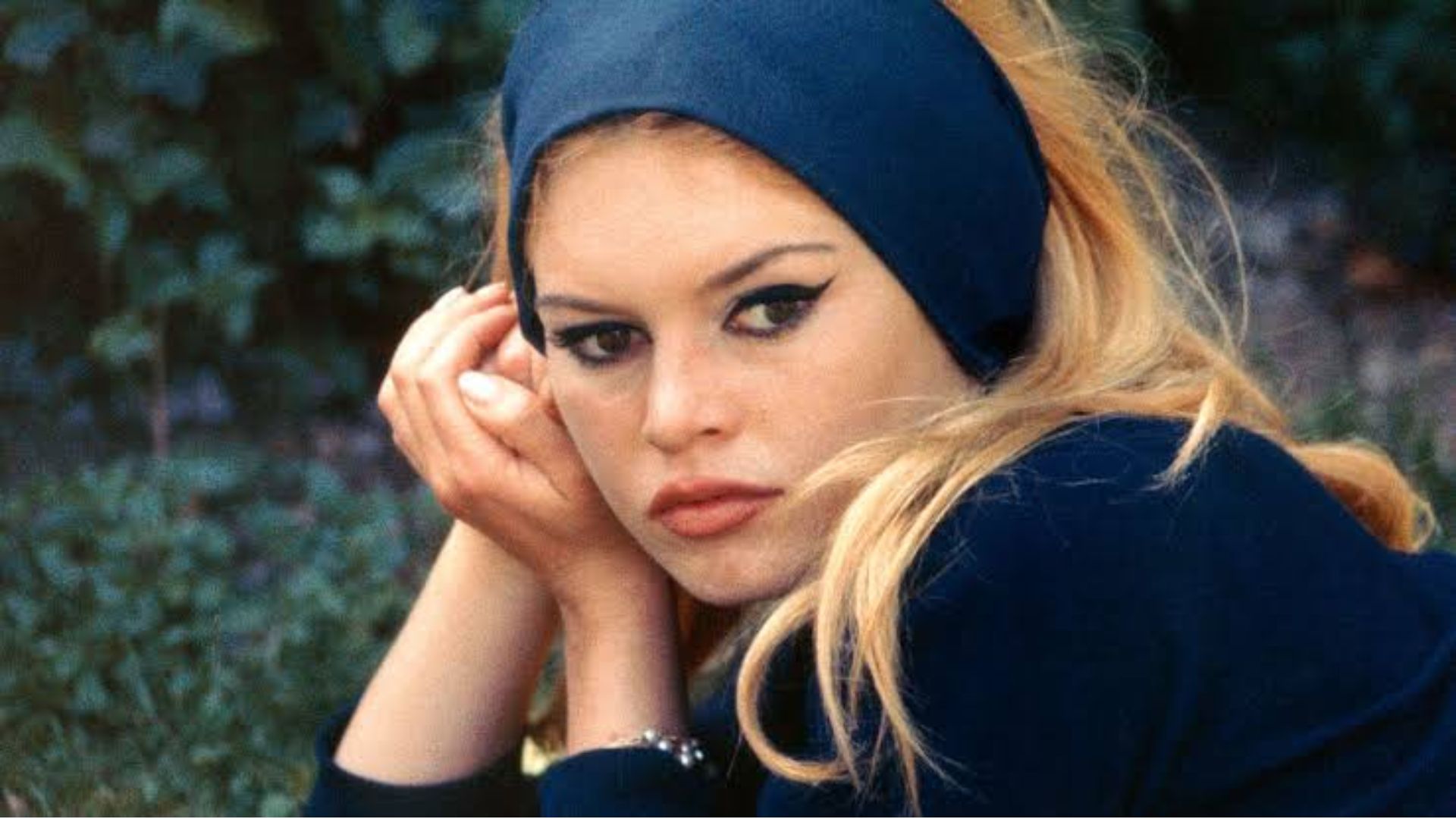
6. Contempt (1963)
Jean-Luc Godard delivers a sharp, visually gorgeous look at the messy intersection of art, commercial commerce, and personal tragedy. The plot tracks a French playwright hired to rewrite a Hollywood director's art-house adaptation of Homer's Odyssey, sparking a massive marital breakdown in the process. It uses stunning widescreen compositions to mourn the steady death of classic cinema under the weight of greedy studio executives and compromised artistic integrity.
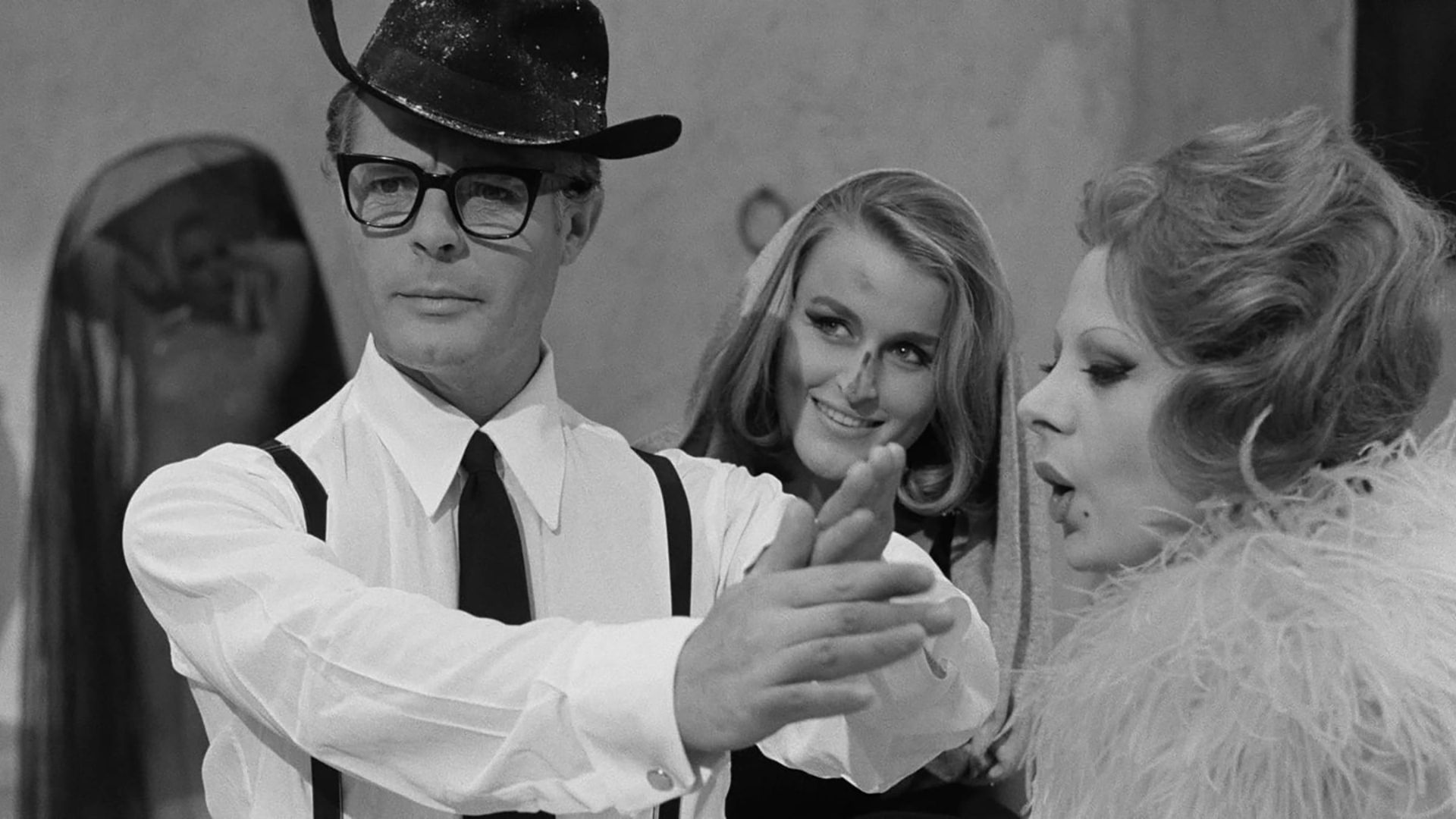
5. 8½ (1963)
A blocked Italian director retreats into a world of childhood memories, surreal fantasies, and frantic anxieties while struggling to launch a massive sci-fi movie. Federico Fellini uses a dazzling, stream-of-consciousness style to turn a creative breakdown into a massive, triumphant celebration of artistic freedom. The film perfectly captures the dizzying pressure of a director hounded by producers, actors, and critics who all demand immediate answers he simply doesn't have.
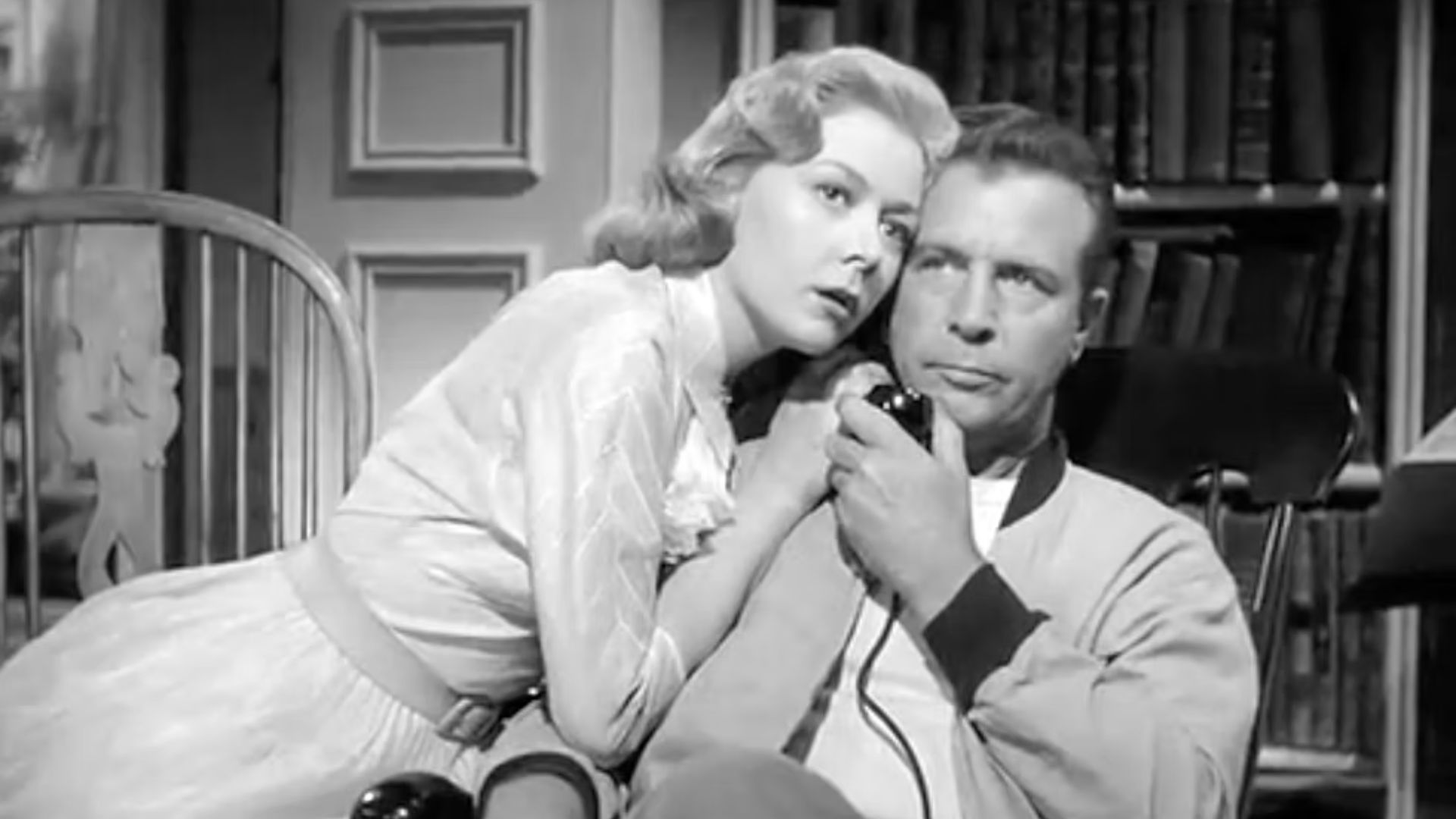
4. The Bad and the Beautiful (1952)
This cynical Hollywood melodrama tracks the rise and fall of a ruthless, charismatic studio producer through the eyes of three people he stepped on to achieve success. It paints the studio system as a fascinating, predatory ecosystem where raw ambition and emotional manipulation drive the creation of great art. Despite the betrayal and broken relationships left in his wake, the characters remain completely hooked on the thrill of making movies.
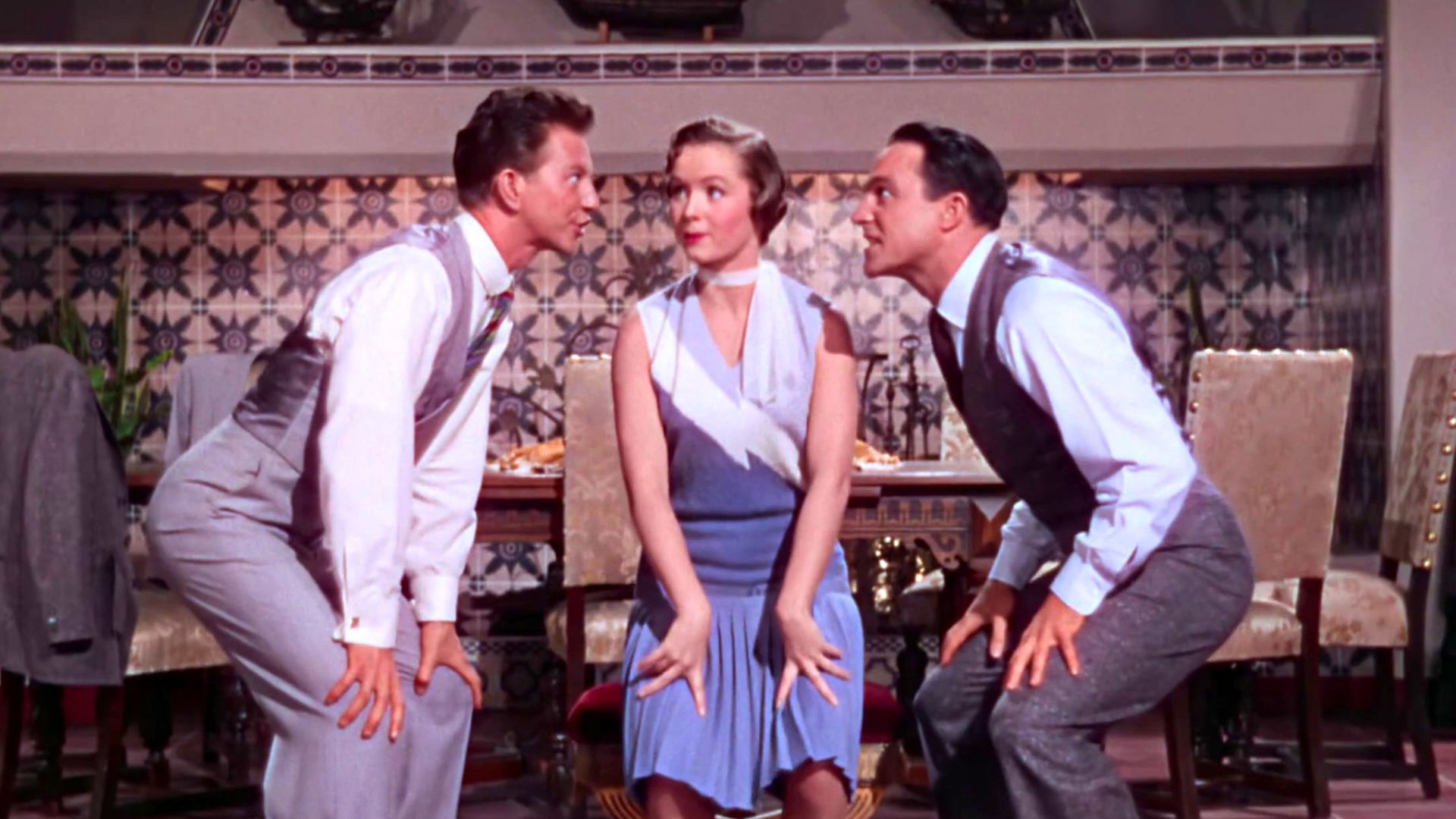
3. Singin’ in the Rain (1952)
This joyful musical captures Hollywood’s chaotic, historic transition from silent films to the terrifying new world of "talkies" during the late 1920s. The narrative spins technical disasters, screeching microphones, and ruined previews into a series of brilliant, perfectly synchronized song-and-dance numbers. It celebrates the sheer resilience of performers who use pure ingenuity and showmanship to save a failing production from total disaster.
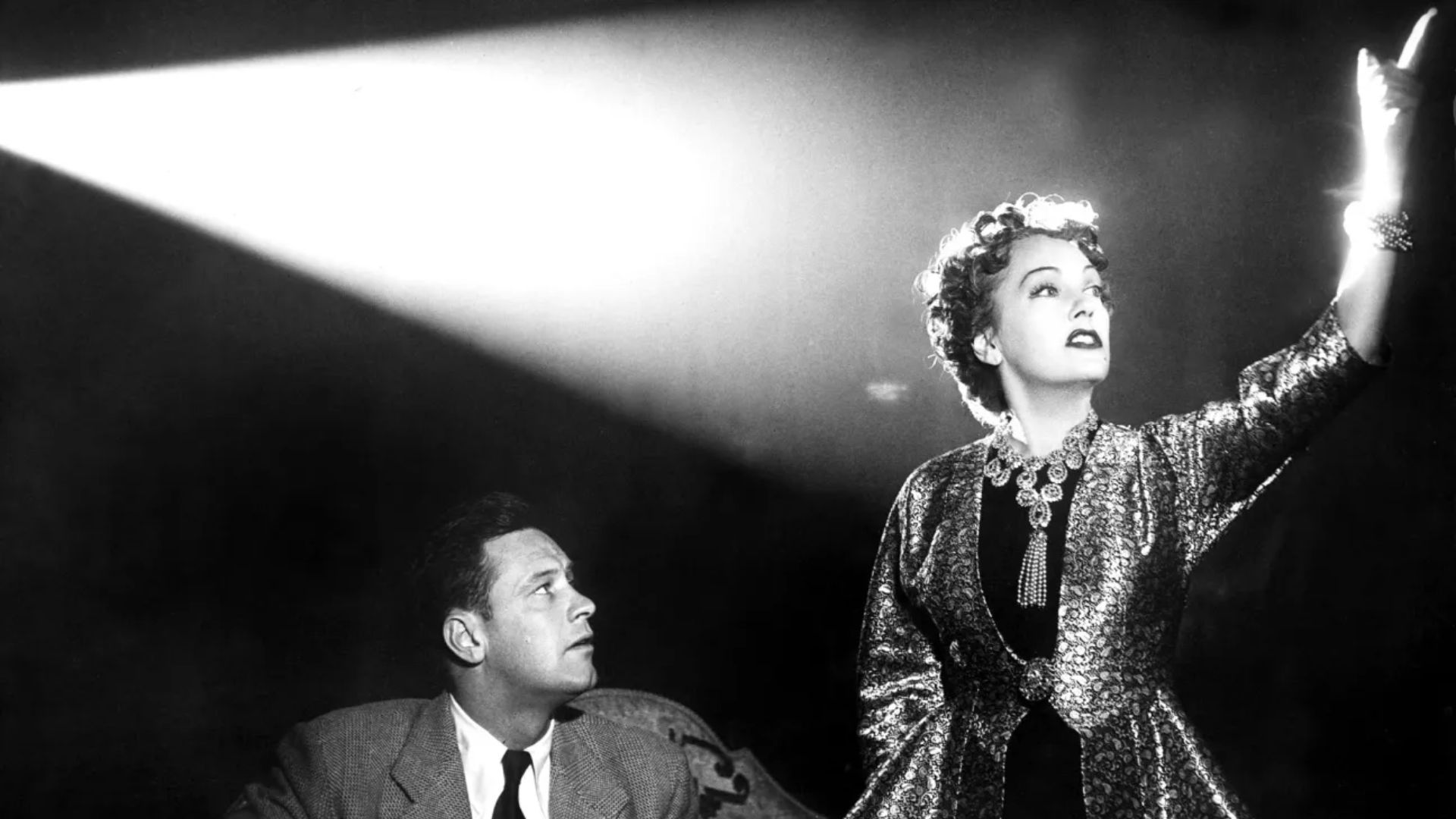
2. Sunset Boulevard (1950)
A down-on-his-luck screenwriter falls into the macabre, delusion-filled world of an aging silent film queen who is plotting a tragic return to the spotlight. This biting, gothic noir exposes the cruel, disposable nature of the studio machine, showing how quickly Hollywood discards its legendary icons when tastes change. Gloria Swanson’s theatrical, towering performance captures the immense heartbreak of a star trapped in the celluloid ghosts of her glorious past.
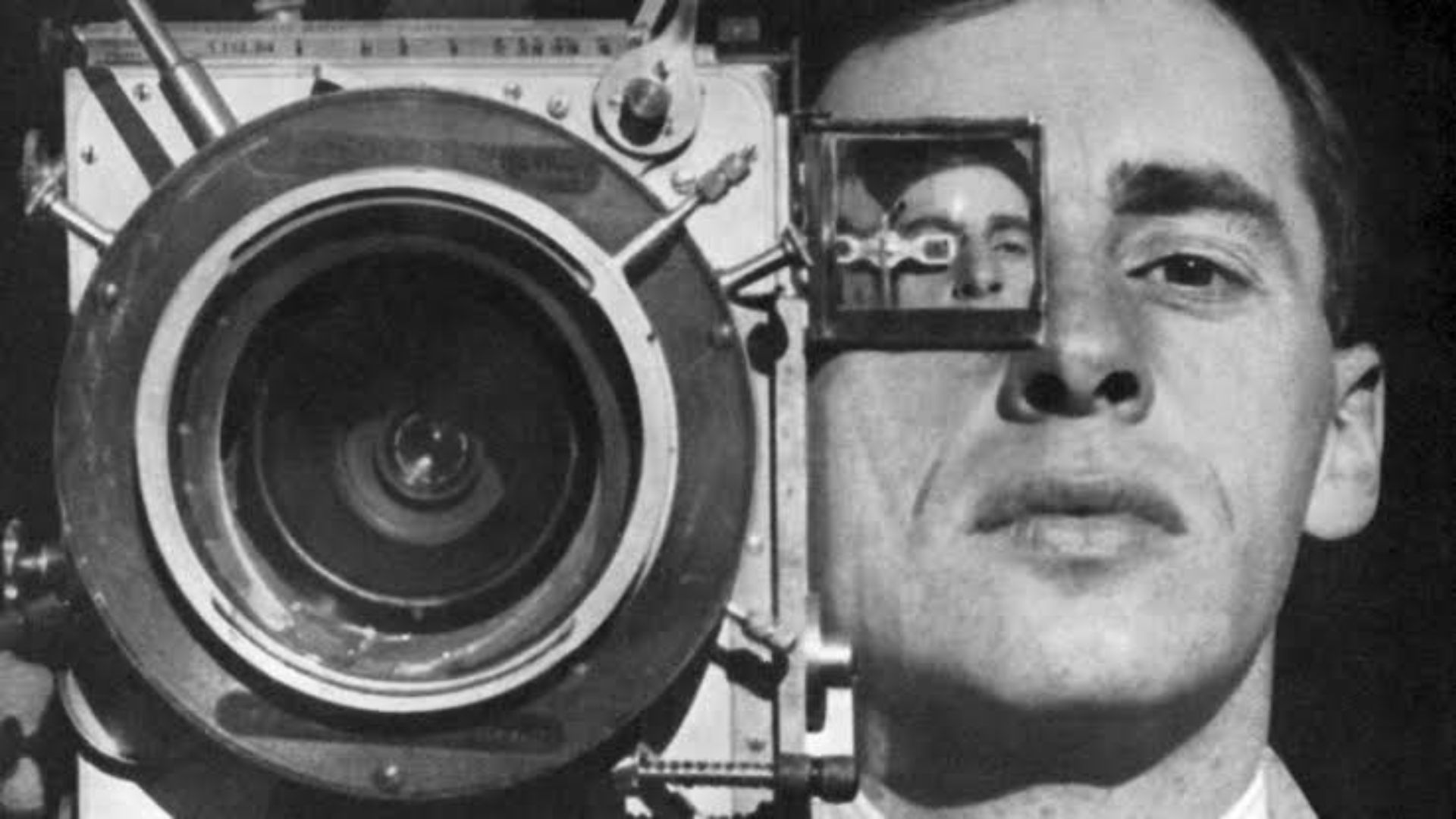
1. Man with a Movie Camera (1929)
This radical, breathtaking silent documentary uses zero actors or narrative plot to capture twenty-four hours of bustling city life in Soviet Russia. Director Dziga Vertov showcases the camera as a literal mechanical eye, pioneering essential techniques like split screens, slow motion, and double exposures. It acts as an energetic explosion of pure visual rhythm, celebrating the camera's unique power to manipulate time, space, and human perception.