
10 Greatest Jack Nicholson Performances, Ranked
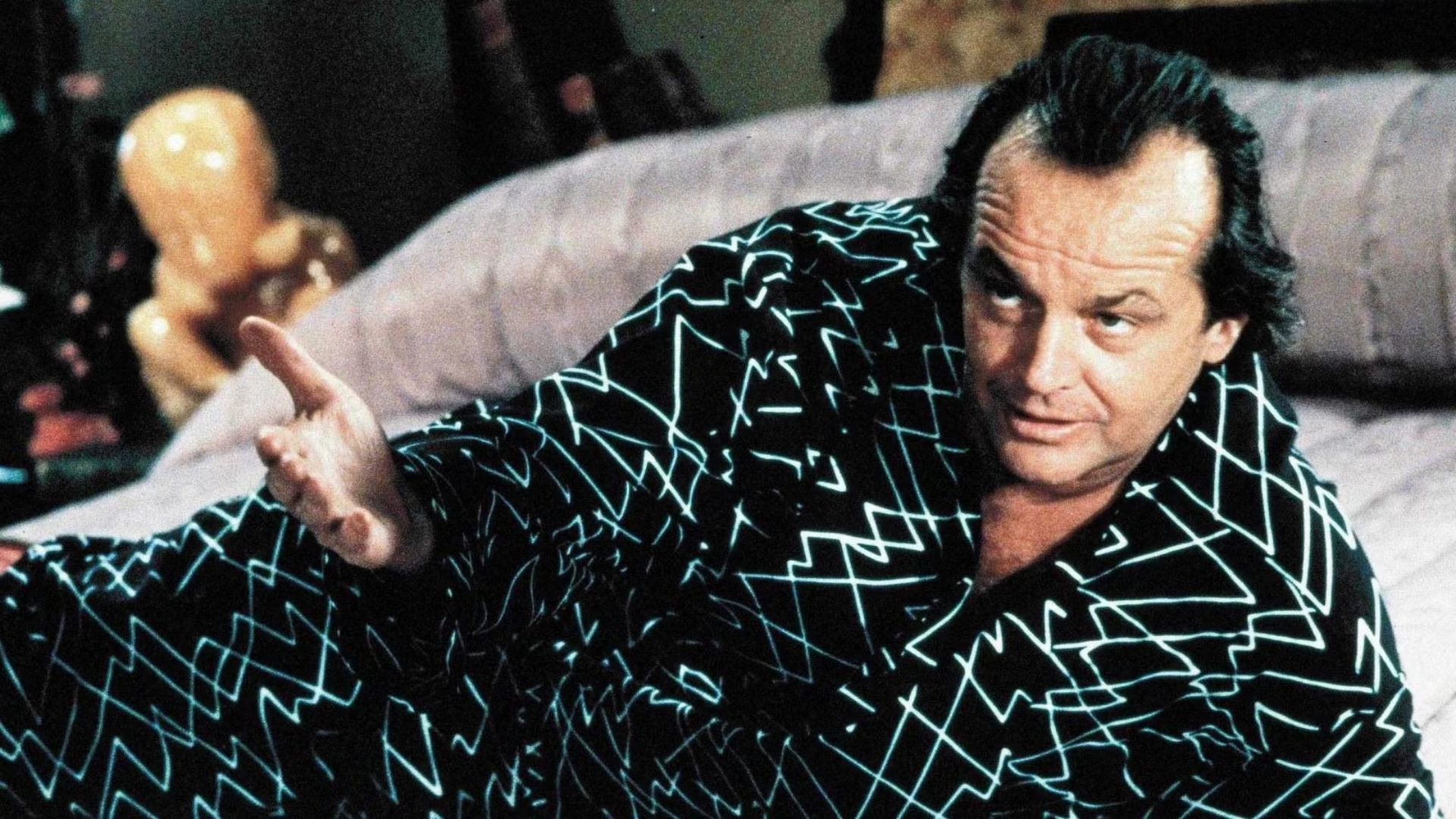
10. The Witches of Eastwick (1987)
He delivers a wonderfully grotesque, flamboyant performance as Daryl Van Horne, a charismatic stranger who storms into a quiet New England town while secretly being the Devil. The role allows him to chew the scenery completely, blending slick comedy with an aggressive, chaotic energy as he seduces three lonely women at the same time. His facial expressions alone carry the film, perfectly shifting from a smooth gentleman to a roaring monster.
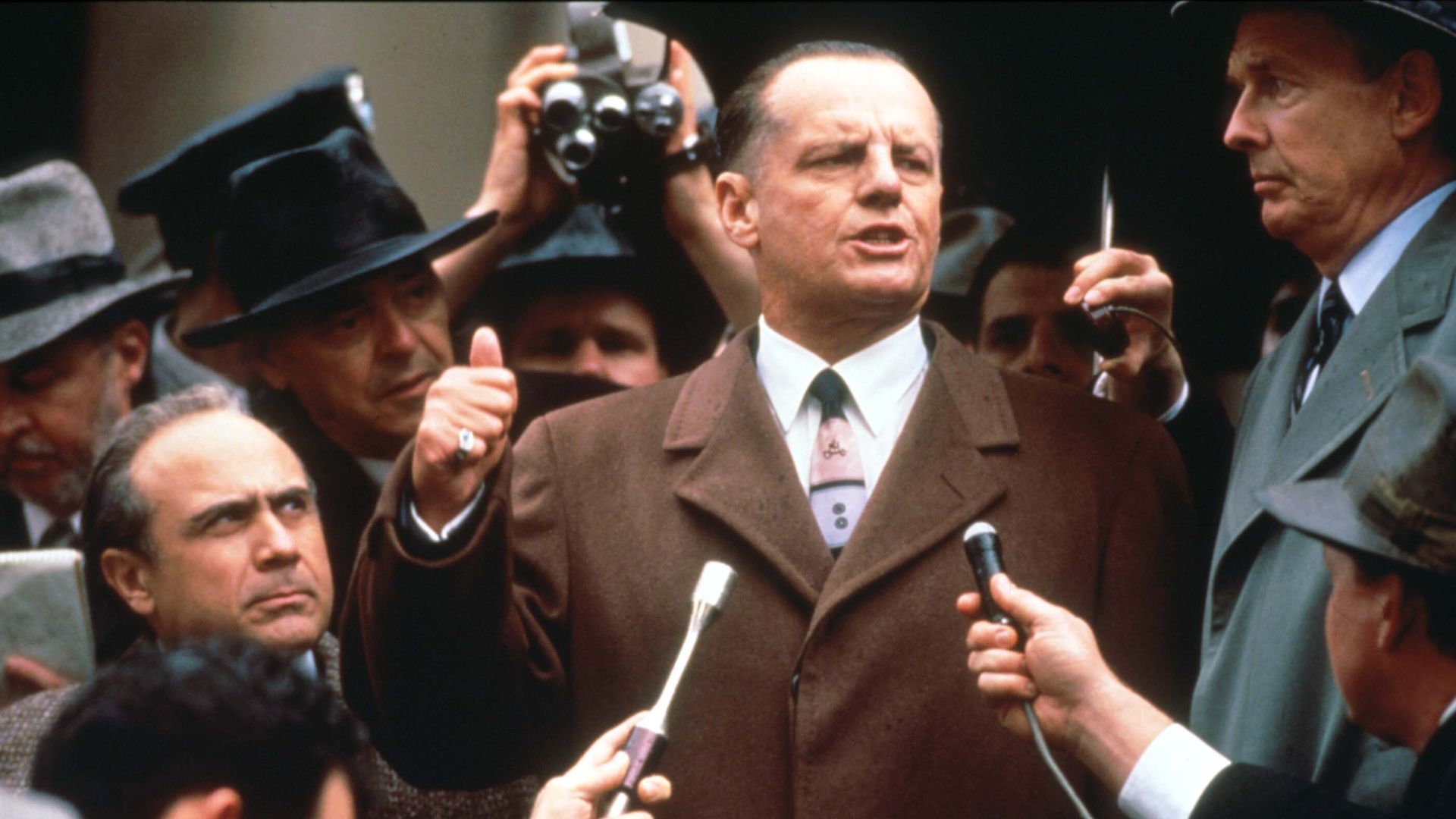
9. Hoffa (1992)
He completely disappears into the role of Jimmy Hoffa, the ferocious, power-hungry leader of the Teamsters labor union. Ditching his usual smooth charm, he plays a blunt, tough-talking man who fights dirty for the working class, bringing a strong, grounded emotional core that balances the heavy political plotting. The performance spans decades, beautifully tracking the character's rise from a passionate street organizer to a desperate, aging target.
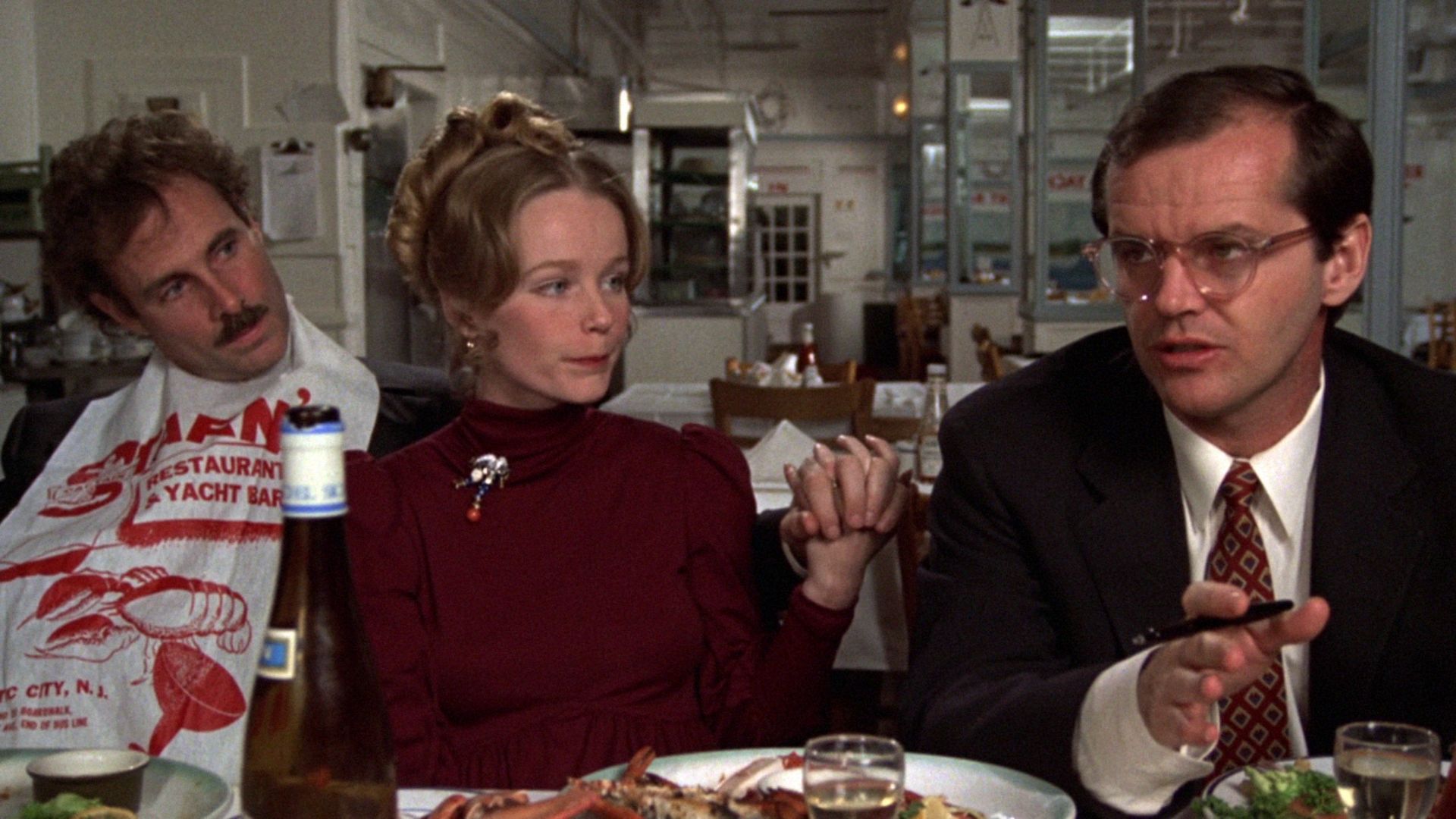
8. The King of Marvin Gardens (1972)
He completely plays against type here, abandoning his signature wild energy to portray a quiet, depressed late-night radio host who travels to a bleak, off-season Atlantic City to bail out his smooth-talking brother. The performance relies heavily on quiet restraint, showing a broken man who keeps his heavy grief entirely bottled up inside. Watching him absorb the chaotic schemes of the people around him creates a suffocating sense of tension.
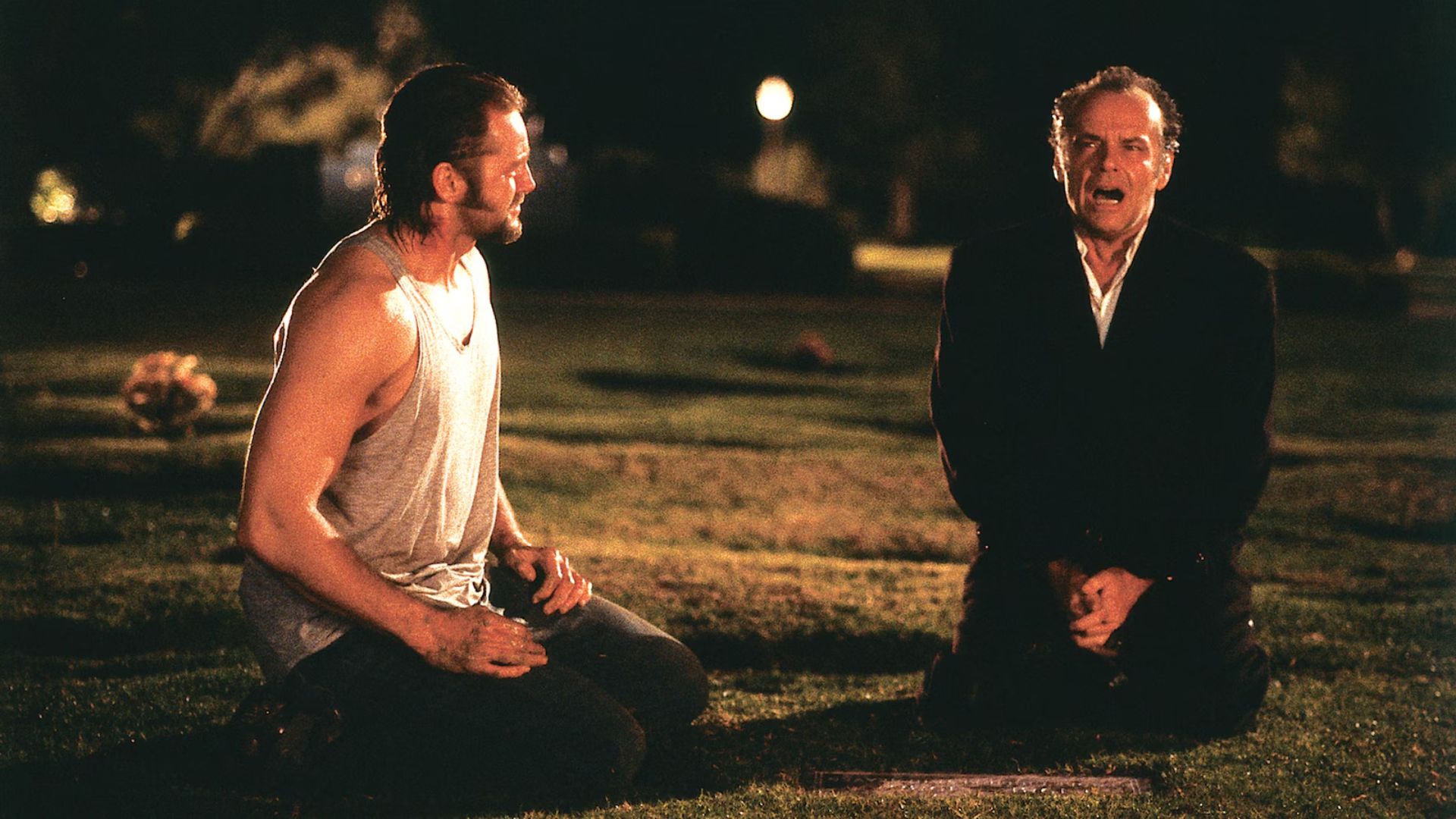
7. The Crossing Guard (1995)
Directed by Sean Penn, this film strips away any standard Hollywood polish to showcase an alcoholic jewelry store owner who has spent six agonizing years obsessing over his daughter's death. When the drunk driver responsible for the tragedy gets released from prison, his character plots a desperate path of revenge. The performance tracks a painful downward spiral, balancing explosive bursts of anger with heartbreaking vulnerability.
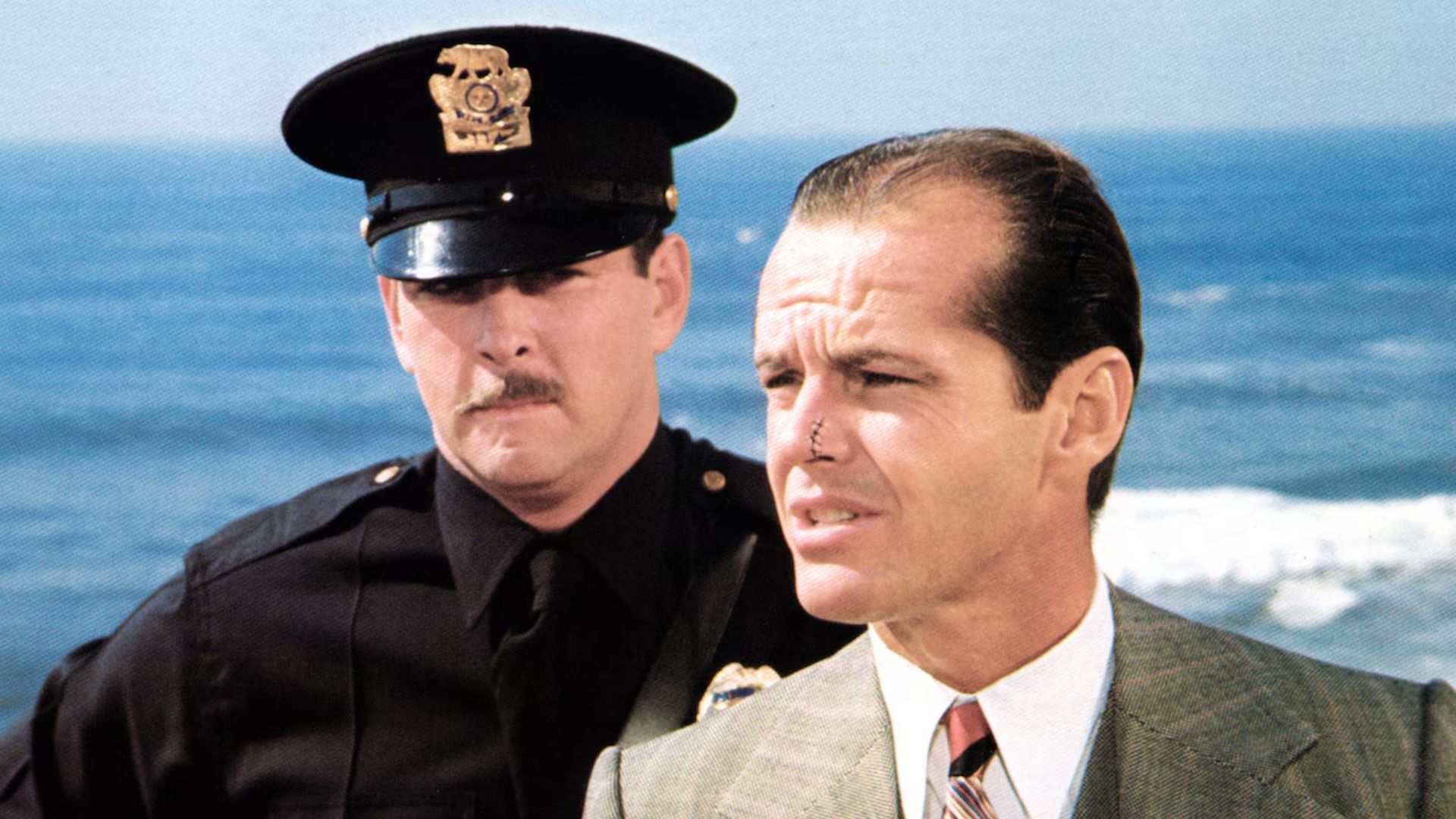
6. Chinatown (1974)
He defines the modern noir anti-hero as Jake Gittes, a slick, cynical private investigator whose simple adultery case slowly drags him into a massive, horrifying web of political corruption and dark family secrets. He brings a sharp, quick-witted swagger to the role, making the character engaging even when he gets in over his head. The infamous nose-bandage look underscores how vulnerable and human his character is against a ruthless elite class.
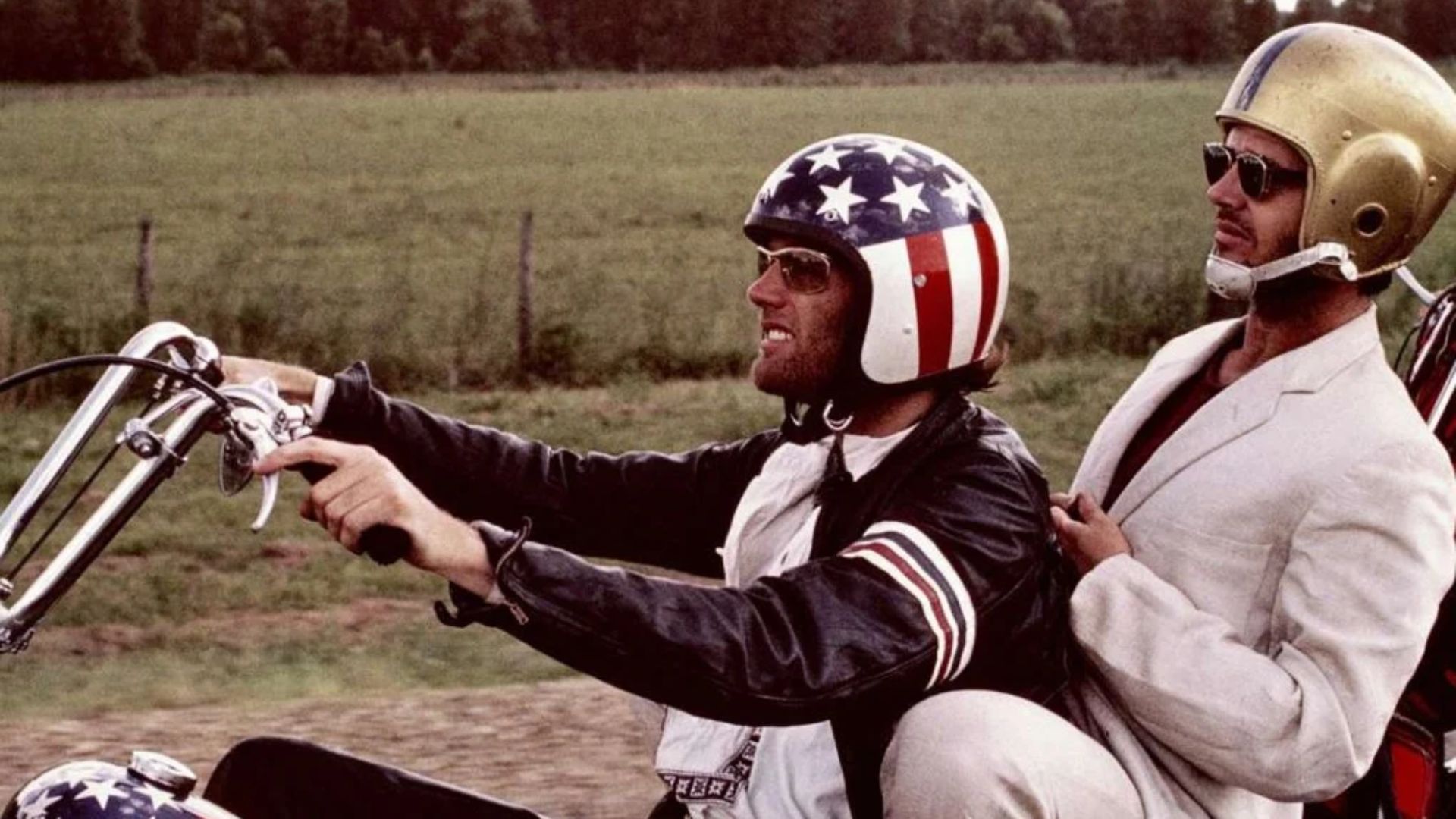
5. Easy Rider (1969)
He exploded into mainstream stardom with just a few minutes of screen time as George Hanson, an alcoholic southern lawyer who hitches a ride with two counterculture bikers. He brings a wonderful, lighthearted humor to their heavy cross-country road trip, and his campy campfire monologue about aliens and American freedom became an instant, generation-defining cultural moment. The character serves as the crucial bridge between traditional conservative society and the rebellious, changing world of the late sixties.
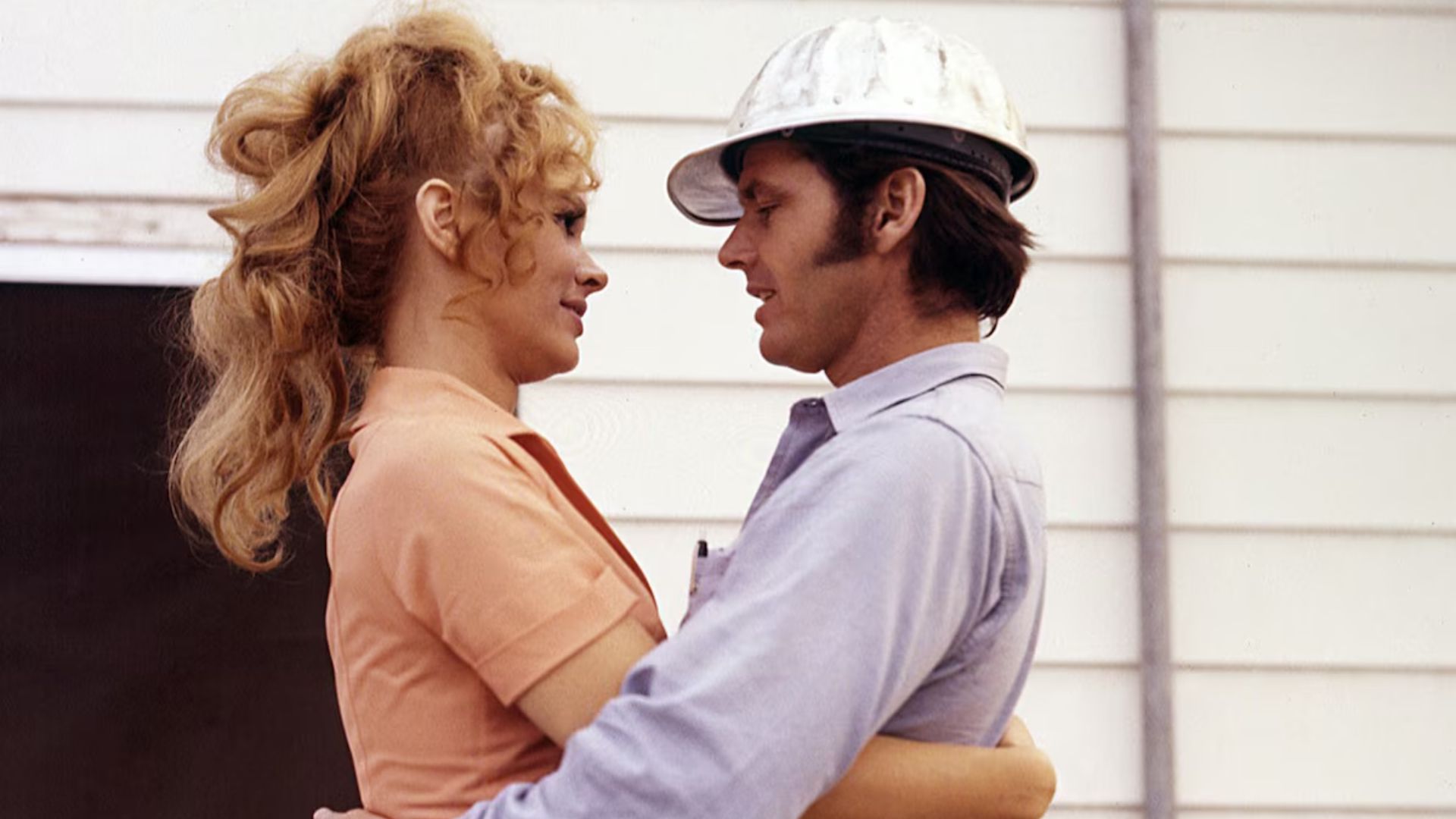
4. Five Easy Pieces (1970)
He plays a frustrated oil rigger named Bobby Dupea, a former piano prodigy who ran away from his wealthy, sophisticated family and now feels completely out of place in both blue-collar and high-society worlds. The famous diner scene where he argues over a side order of wheat toast showcases his unmatched ability to play righteous fury. Beneath the angry outbursts, he injects the character with a devastating loneliness that anchors the entire narrative.

3. About Schmidt (2002)
He delivers a beautiful portrayal of a retired insurance actuary coping with the sudden death of his wife. Turning off his signature movie-star charisma, he plays a lonely midwestern senior driving a massive Winnebago across the country. The story uses his funny, brutally honest letters to an adopted Tanzanian orphan to reveal his regrets and fears of irrelevance, balancing a dry humor with moments of profound sorrow. The final scene where he breaks into tears over a simple child's drawing is one of the most moving moments of his career.
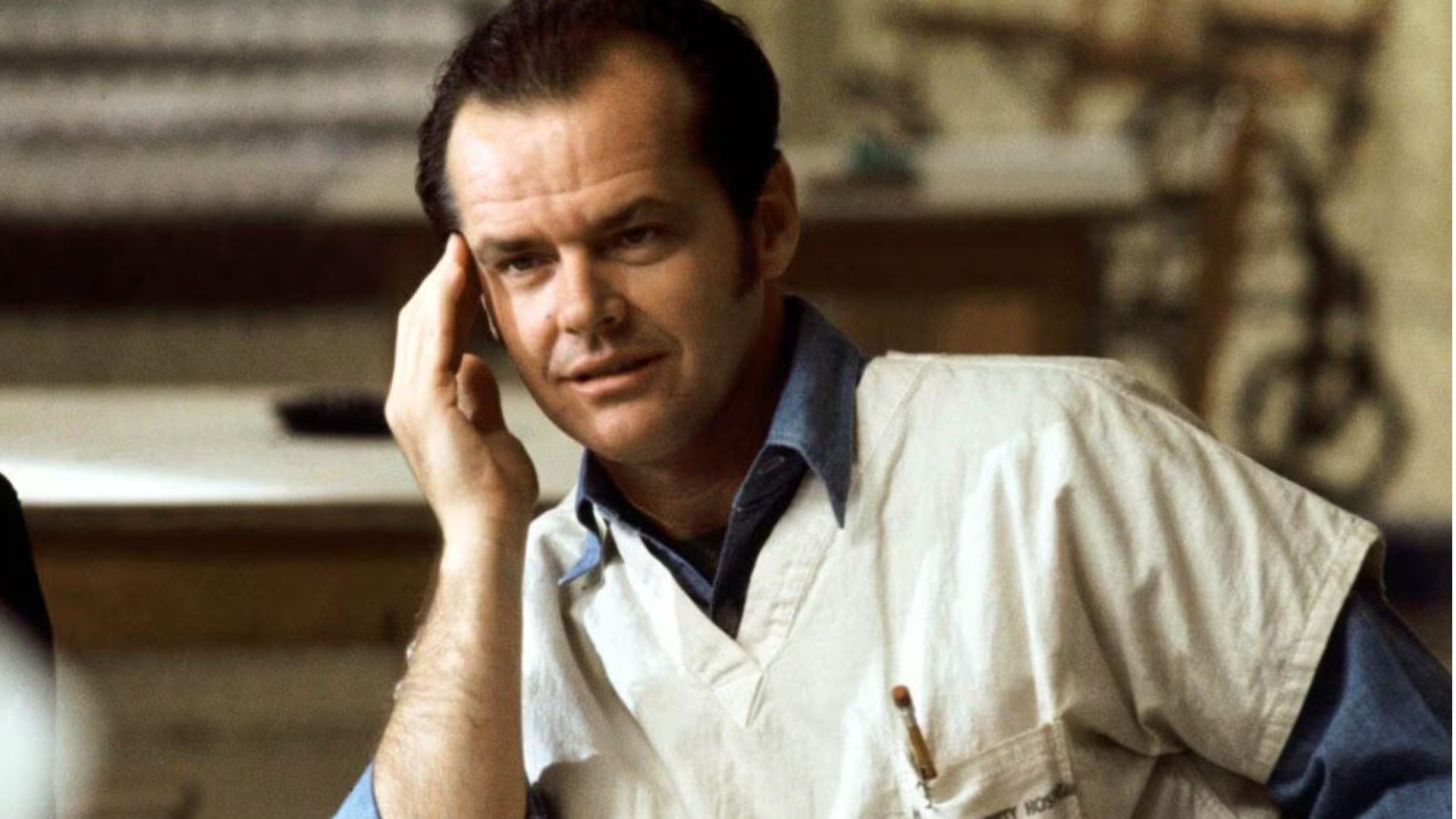
2. One Flew Over the Cuckoo’s Nest (1975)
He earned an Oscar as Randle McMurphy, a charming, rebellious criminal who fakes insanity to serve his time in a mental institution, injecting a massive burst of life and humor into the sterile ward. The performance functions as a beautiful celebration of free will, showing a man who uses simple games to restore his fellow patients' dignity while constantly clashing with the cold Nurse Ratched. Watching his vibrant, anti-authoritarian spirit slowly get crushed by a rigid, institutional machine is completely devastating.
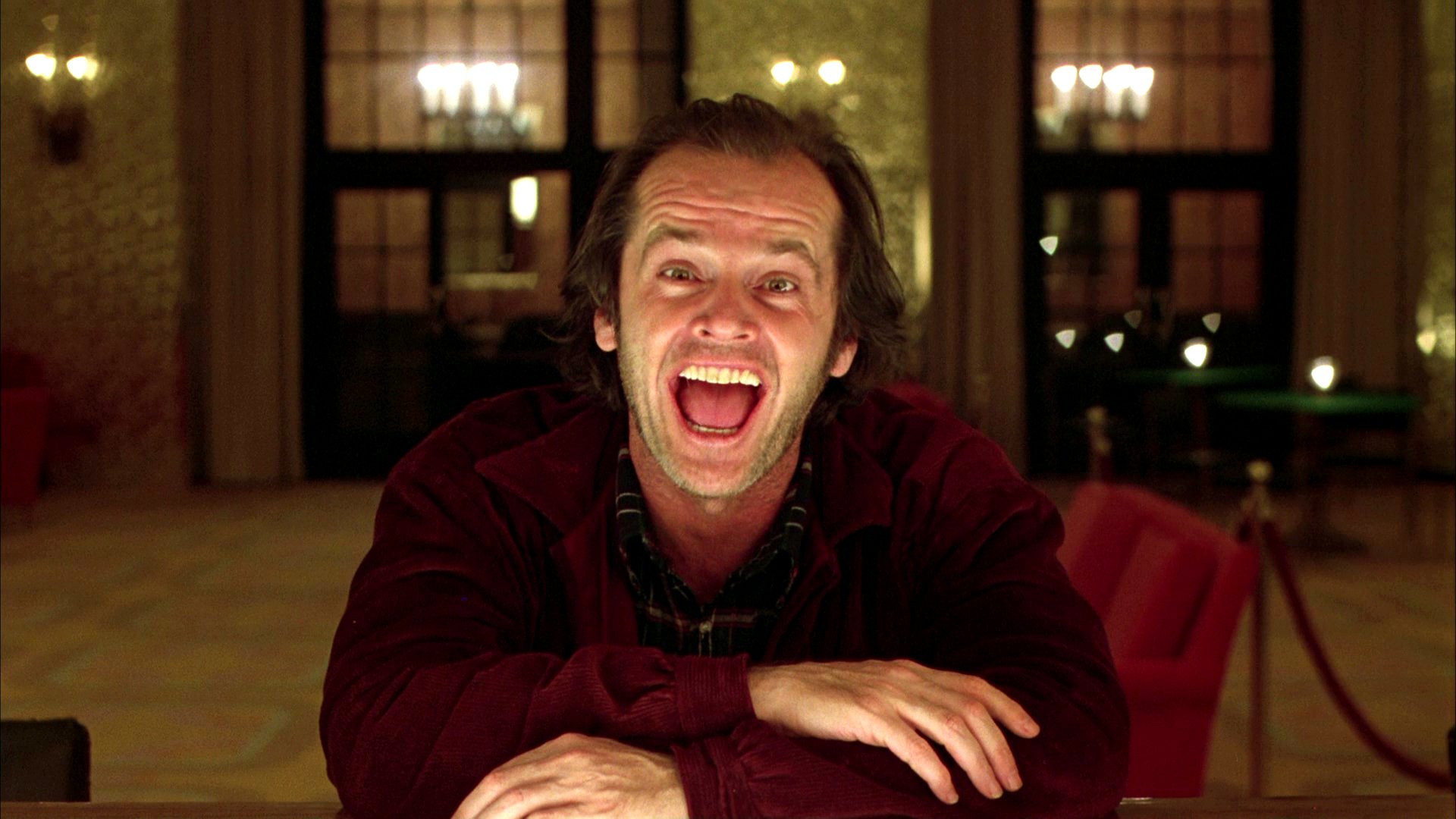
1. The Shining (1980)
Directed by Stanley Kubrick, this performance delivers the ultimate masterclass in slow-burning psychological horror as Jack Torrance, a recovering alcoholic writer trapped in an isolated hotel. His performance tracks the gradual transition from a stressed family man to a manic, axe-wielding monster. The unhinged grin, the intense eye contact, and his iconic ad-libbed lines turned the character into a permanent pop culture nightmare.