
Greatest NFL Teams Ever Assembled (Ranked 30 -> 1)
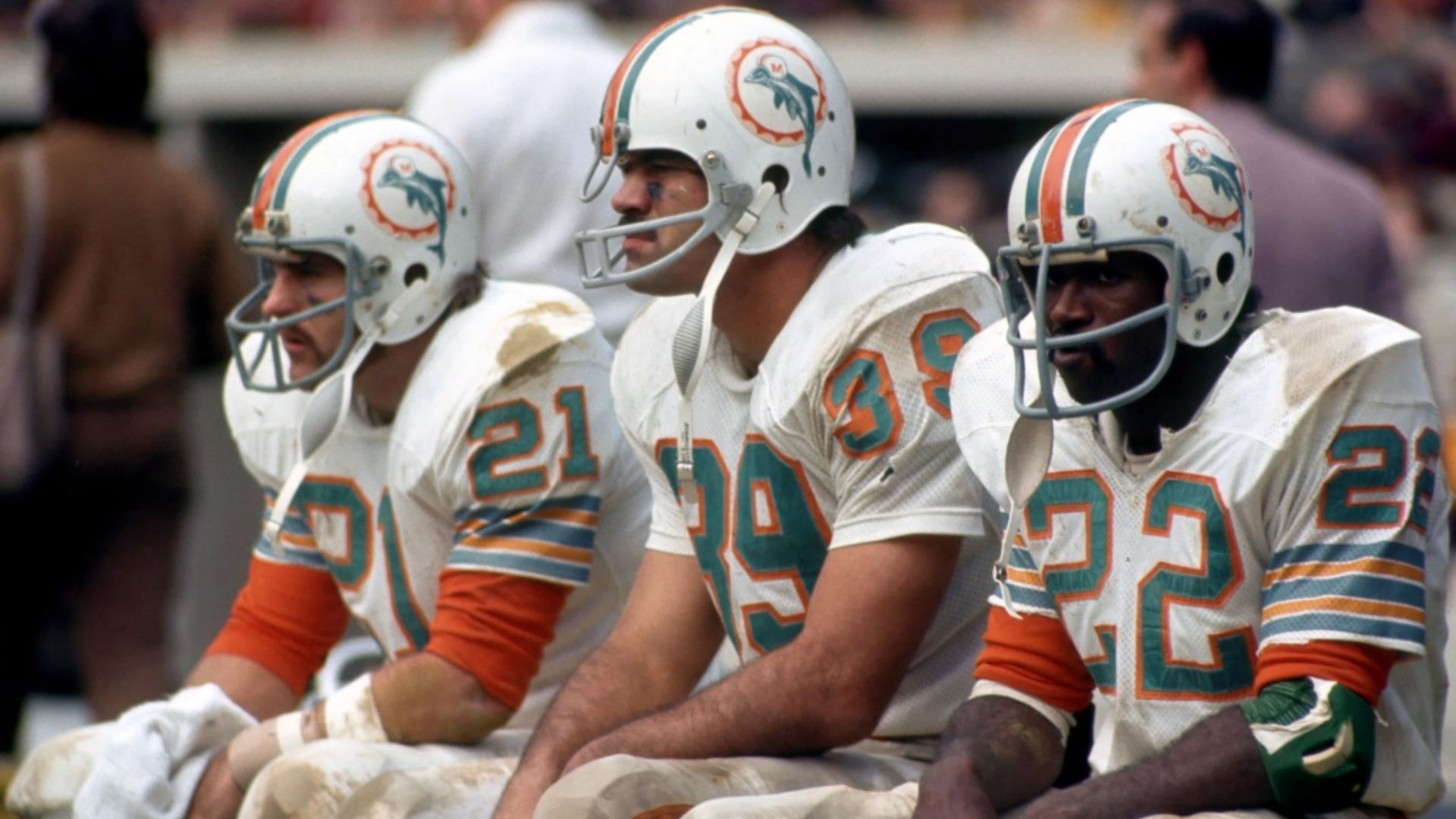
30) 1973 Miami Dolphins (12–2, SB VIII champs)
Many purists say this roster was even stronger than the perfect ’72 group - nastier schedule, more convincing finish. Same DNA: run game efficiency, line cohesion, and a defense that never gave away cheap yards. Back-to-back titles sealed Shula’s early-’70s supremacy.
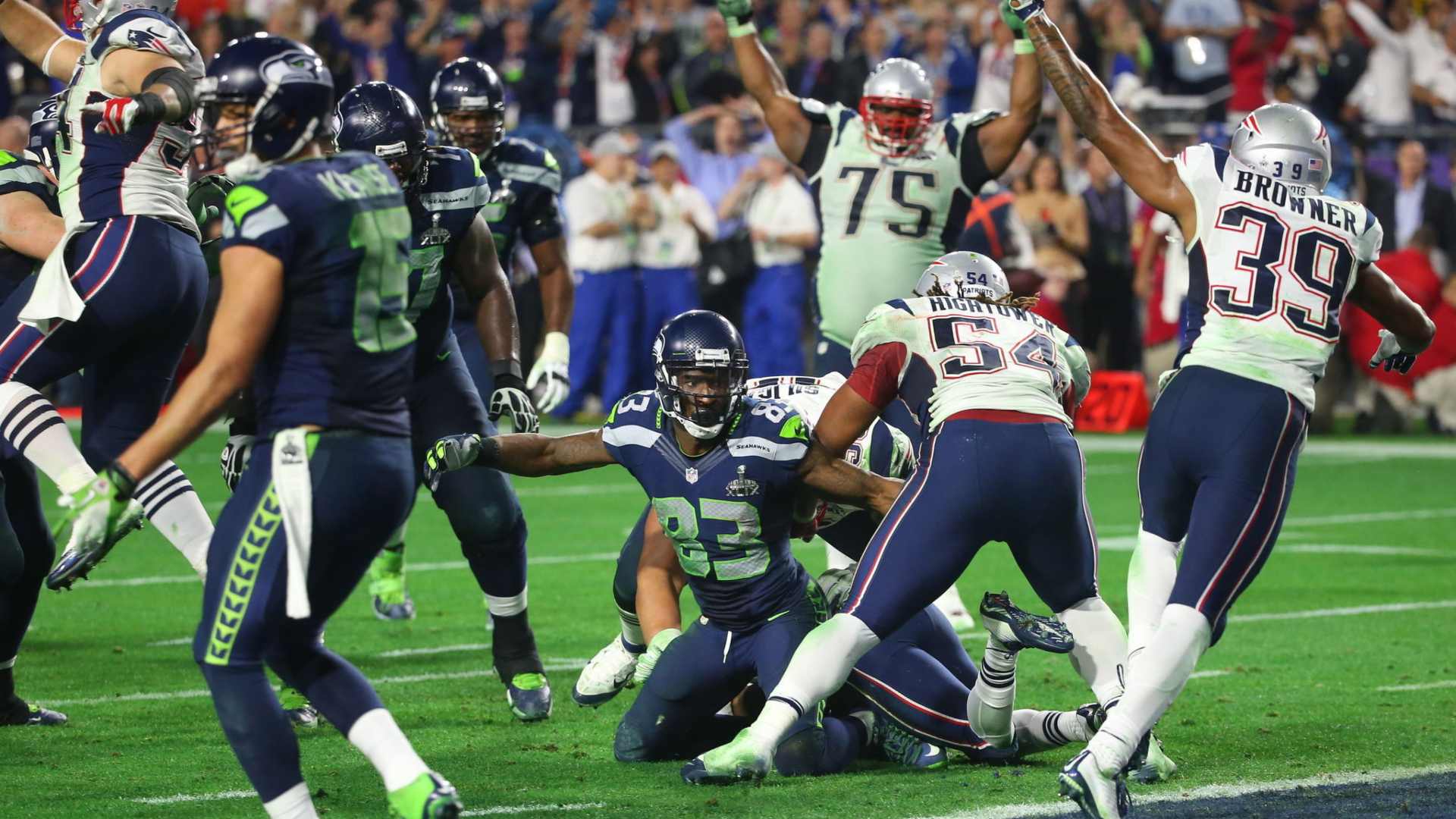
29) 2014 New England Patriots (12–4, SB XLIX champs)
The Malcolm Butler play is iconic, but the team’s adaptability all year is what stands out. Gronk at full force, a smart run game, and a defense that could play man and live. They beat the defending champs in the tensest Super Bowl of the era.
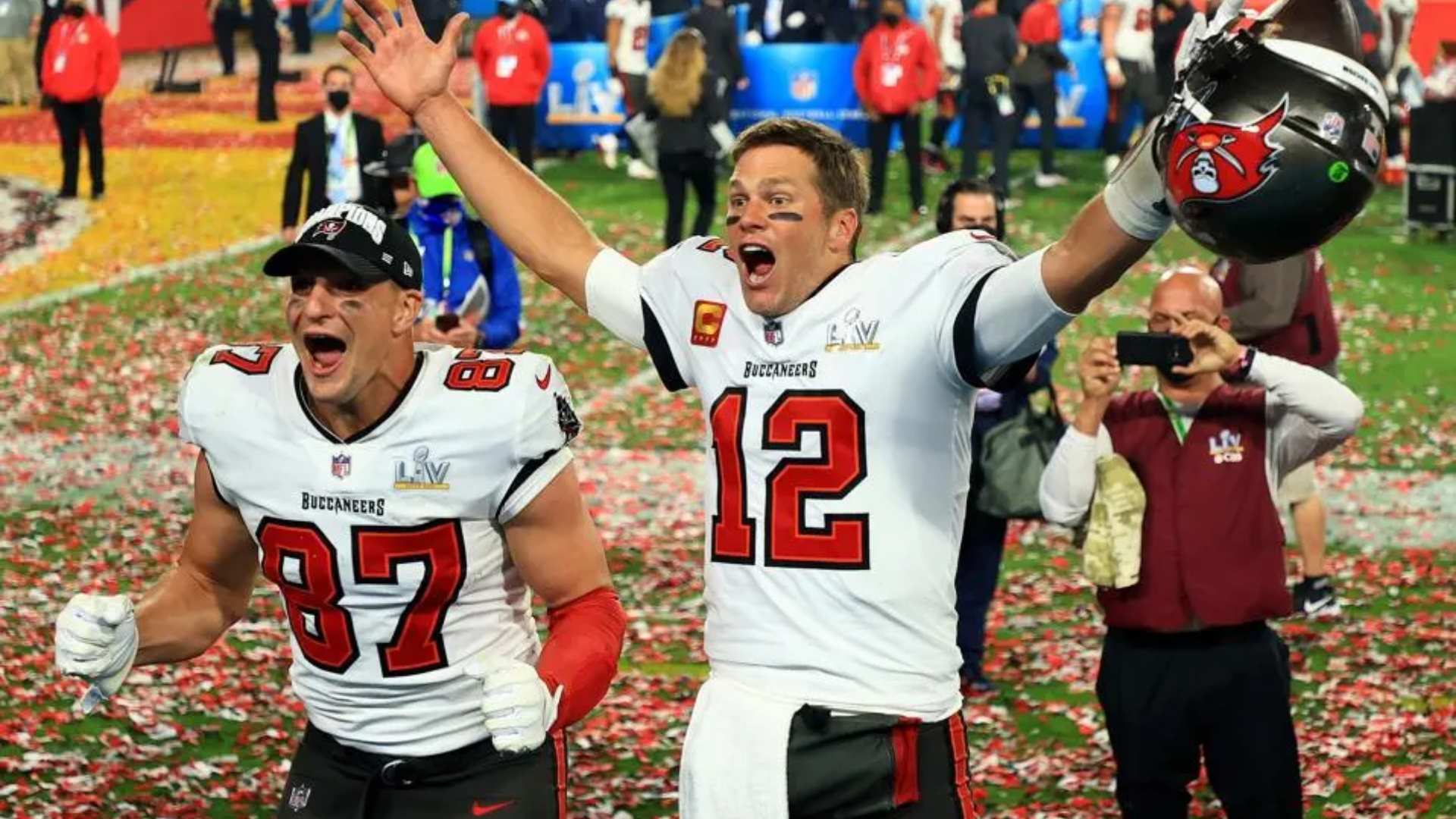
28) 2020 Tampa Bay Buccaneers (11–5, SB LV champs)
A late-season surge turned into a historic road playoff run through Brees, Rodgers, and Mahomes. Todd Bowles’ pressure menu and deep secondary tightened at the right time, while Tom Brady maximized matchups. By February, they were the most complete team in football.
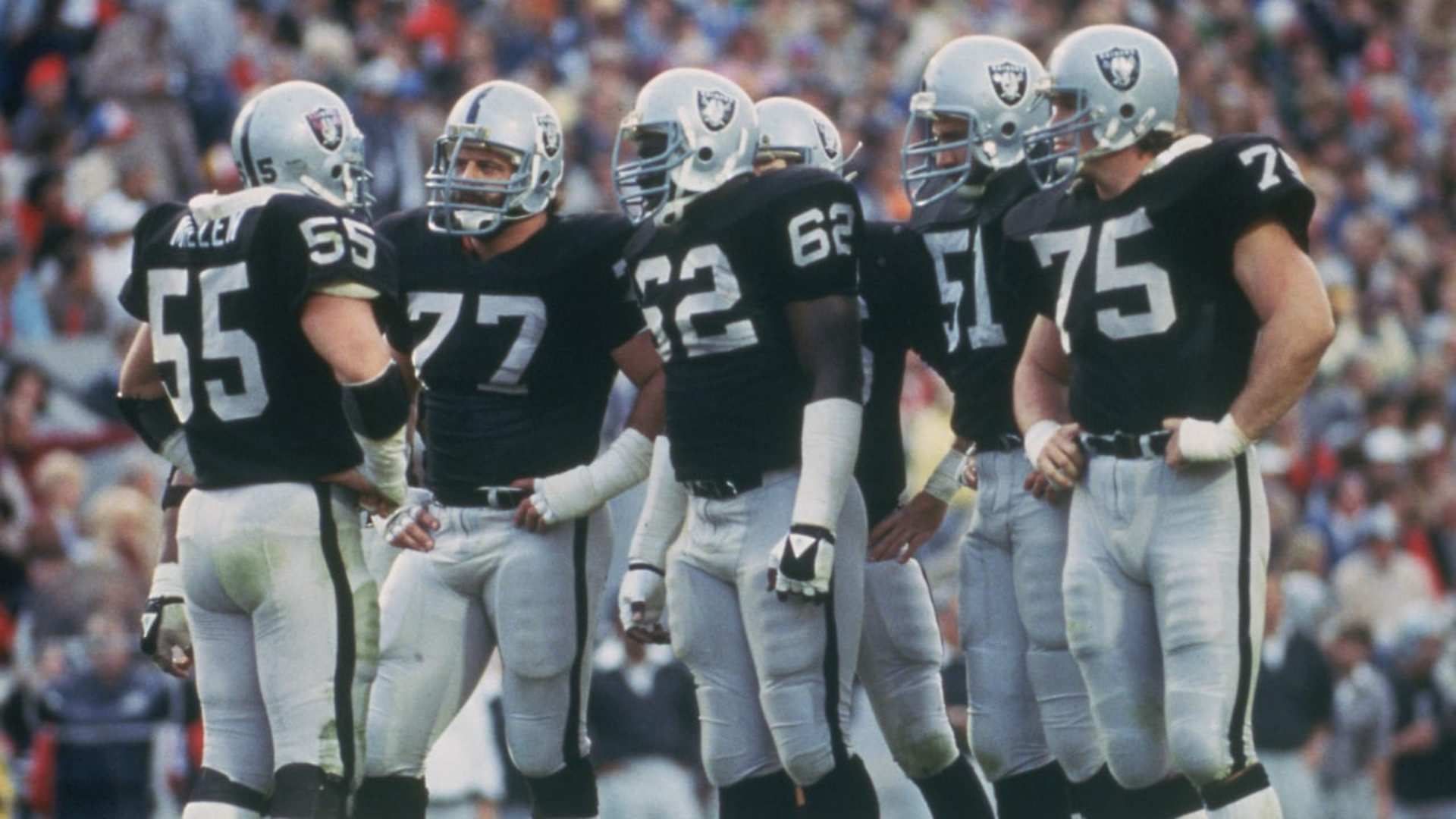
27) 1983 Los Angeles Raiders (12–4, SB XVIII champs)
Marcus Allen’s Super Bowl run became legend, but this team was mean in every phase. A vertical passing game, a punishing front, and special teams edges gave them multiple paths to wins. They didn’t just beat Washington - they dismantled them.
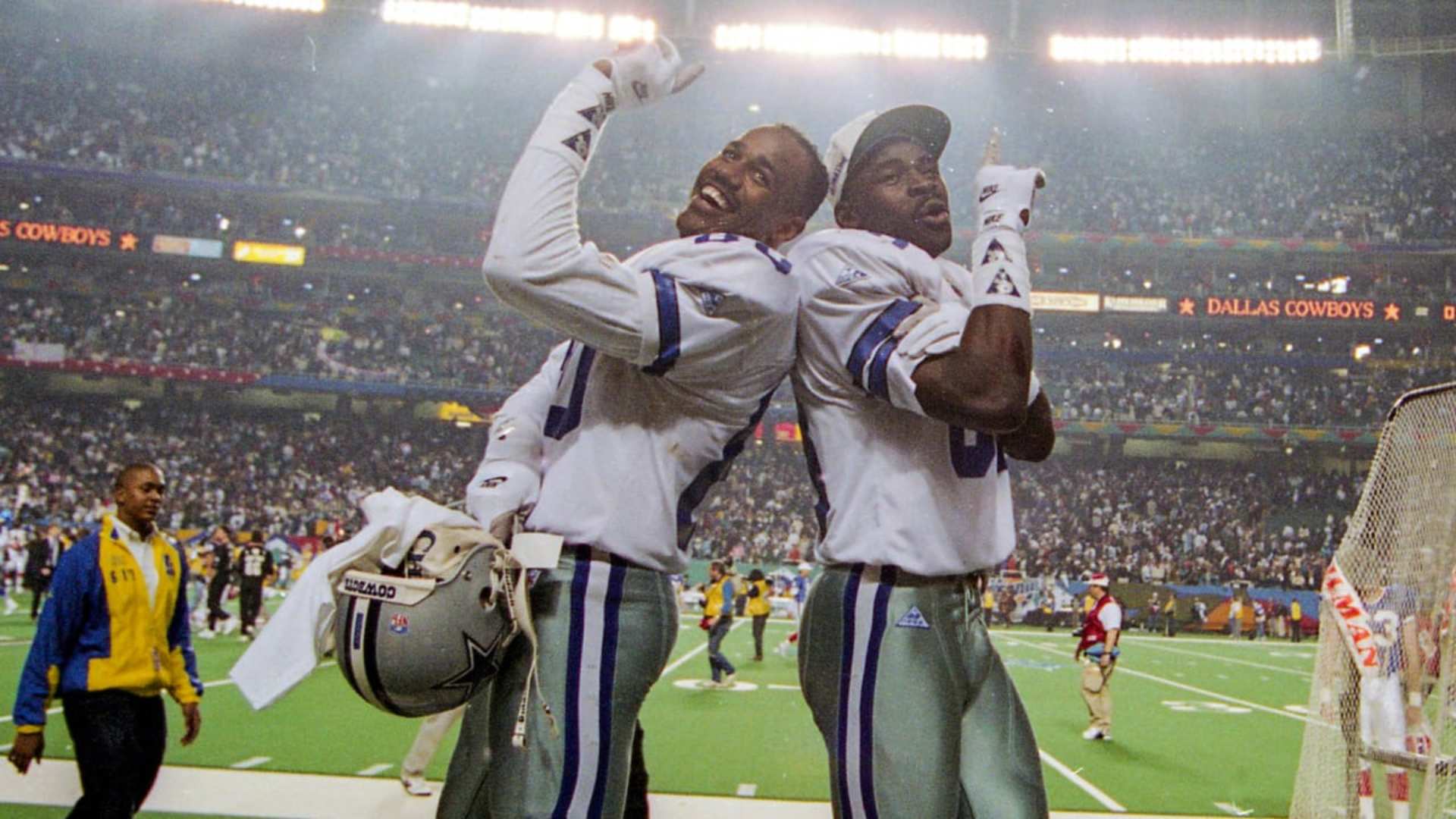
26) 1993 Dallas Cowboys (12–4, SB XXVIII champs)
Emmitt Smith’s heroic season (post-holdout shoulder saga and all) embodied their toughness. The line owned January, the defense took the ball away, and the stars played their biggest in the biggest games. This was the dynasty at full maturity.
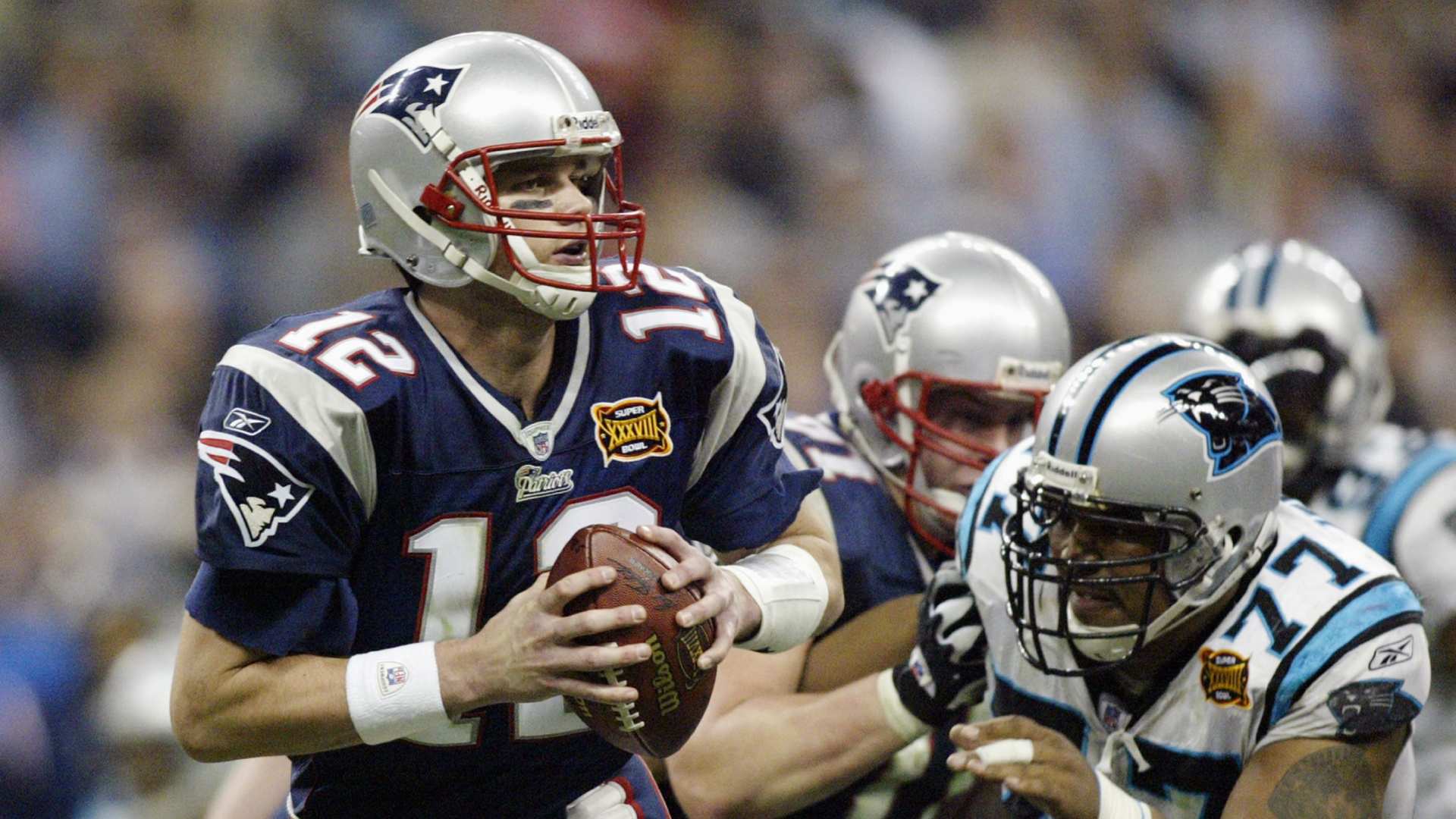
25) 2003 New England Patriots (14–2, SB XXXVIII champs)
Winners of 21 straight across seasons, they were the league’s best “shape-shifter.” They morphed by opponent - power run one week, spread precision the next - while the defense disguised everything. In clutch time, Brady and Vinatieri broke hearts on schedule.
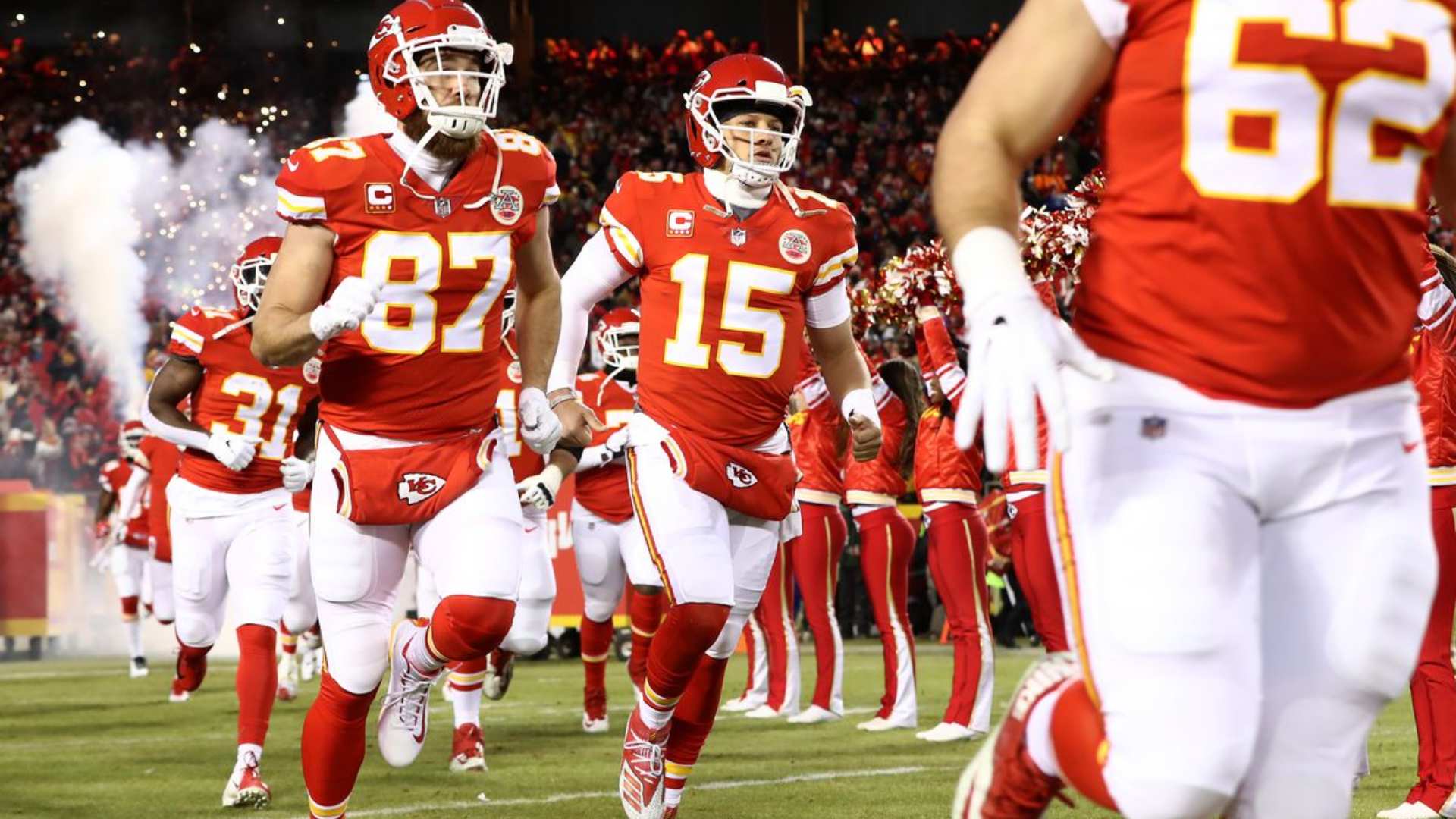
24) 2019 Kansas City Chiefs (12–4, SB LIV champs)
Andy Reid finally had the defense stable enough for Patrick Mahomes’ late-game avalanches. Down two scores? No problem - speed everywhere, from Tyreek Hill to Mecole Hardman, and Travis Kelce winning the middle. They kicked off a modern dynasty with big-moment poise.
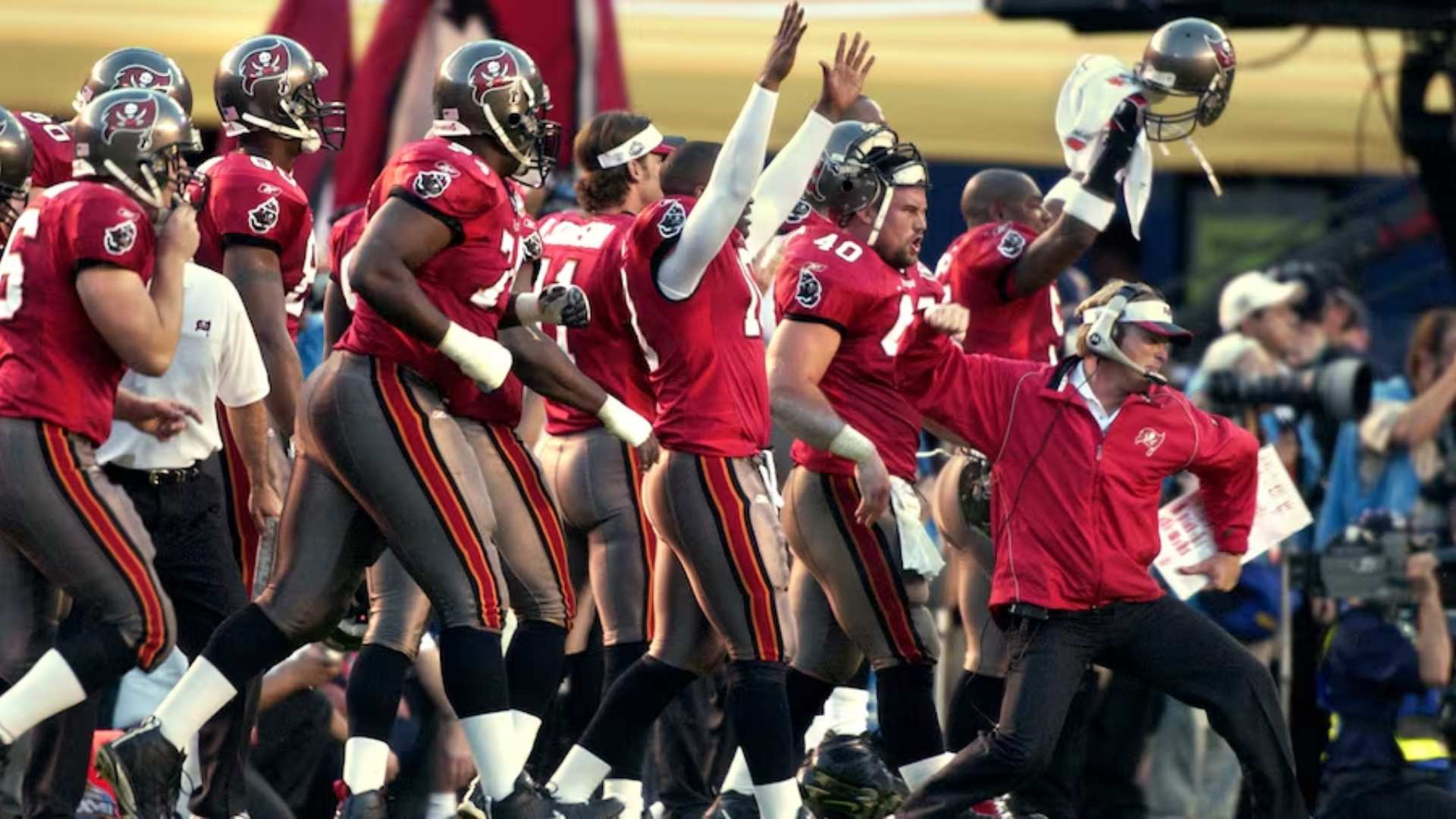
23) 2002 Tampa Bay Buccaneers (12–4, SB XXXVII champs)
Monte Kiffin’s Cover-2 unit with Warren Sapp, Derrick Brooks, John Lynch, and Ronde Barber erased your first read and your Plan B. Jon Gruden added just enough offensive structure to cash those turnovers. The Super Bowl felt like a defensive clinic with a trophy at the end.
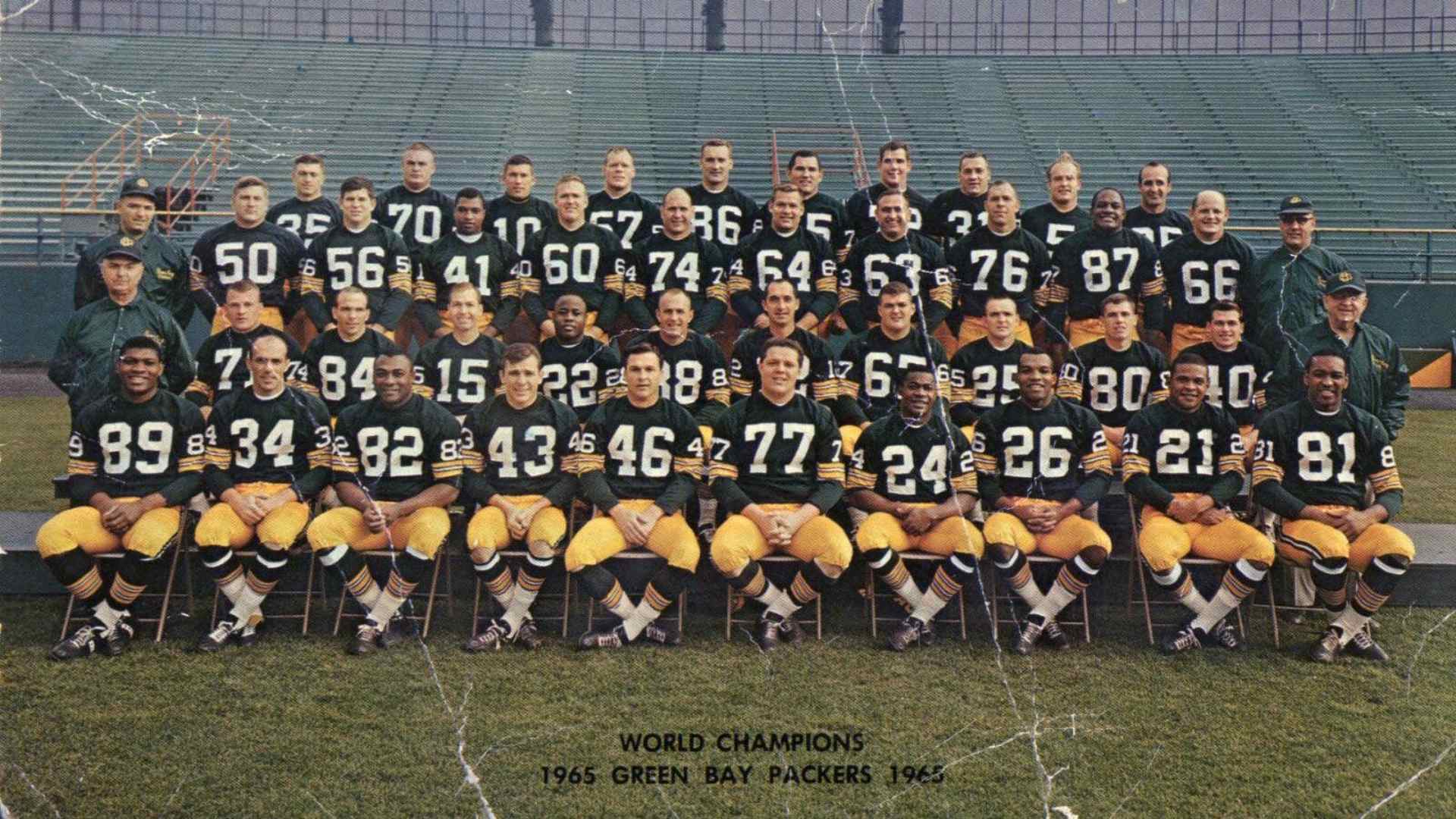
22) 1966 Green Bay Packers (12–2, SB I champs)
The bridge team - the last, great Lombardi group as the Super Bowl era opened. Bart Starr’s calm, a punishing ground game, and a sophisticated defense traveled every week. They won the first AFL-NFL championship and made it look methodical.
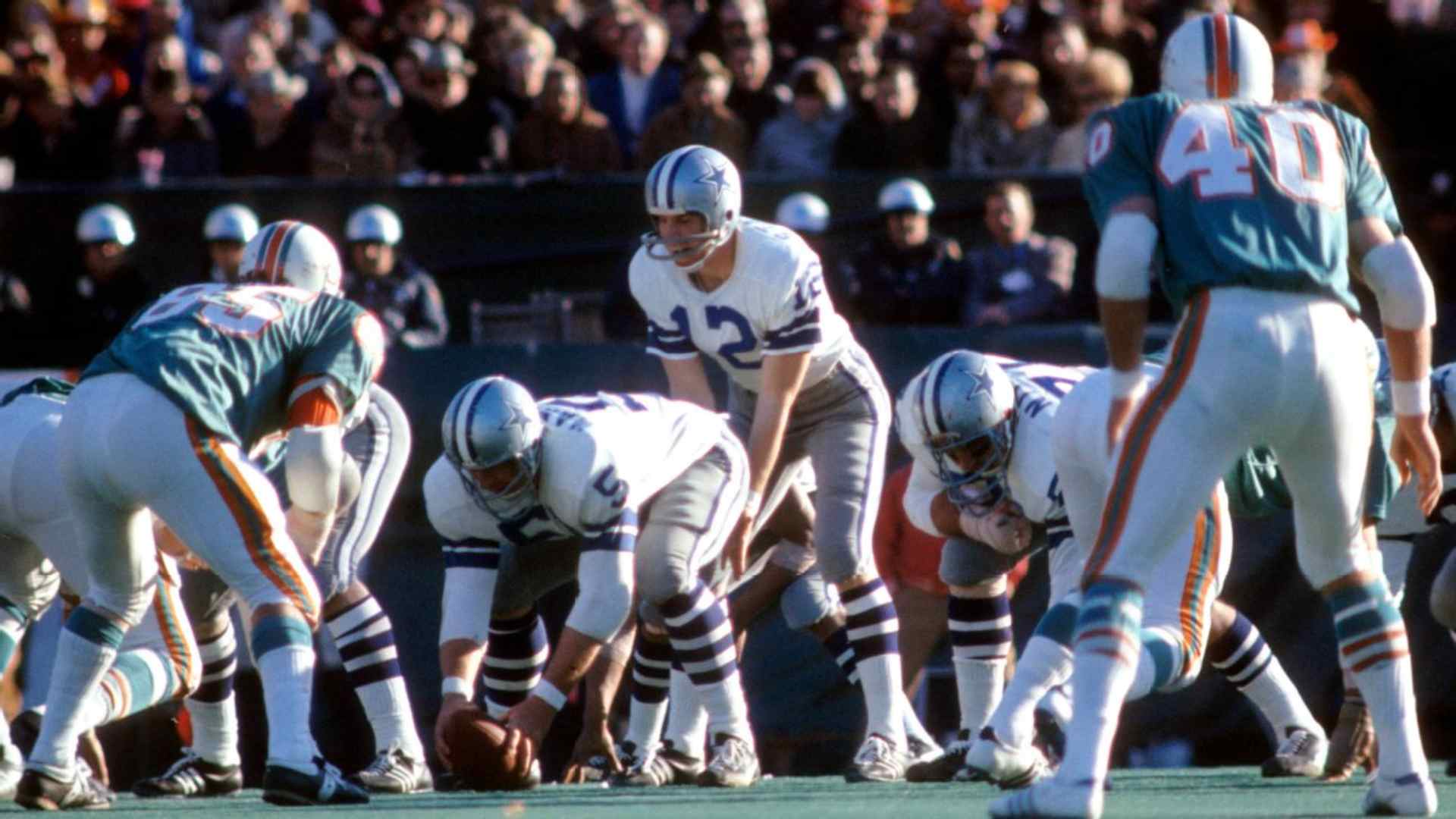
21) 1971 Dallas Cowboys (11–3, SB VI champs)
After years of “next time,” Tom Landry’s group finally sealed it with the Doomsday Defense and a hammering offense. Roger Staubach’s mobility added an element you couldn’t coach against. They outclassed Miami and launched the franchise into a true contender’s era.
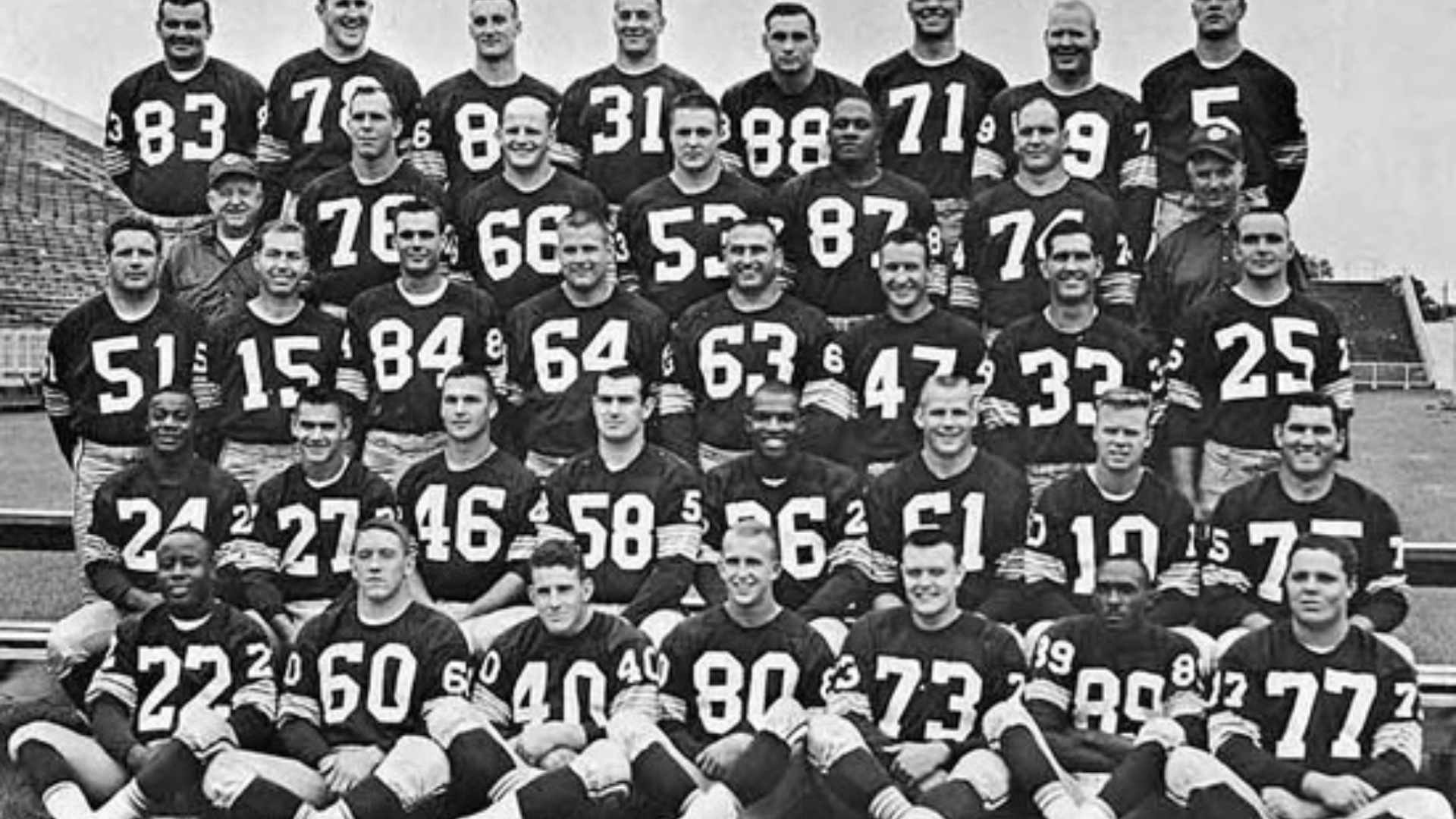
20) 1962 Green Bay Packers (13–1, NFL champs)
Vince Lombardi’s toughest team: devastating run game, airtight execution, and a defense that punished mistakes. This is the pre-Super Bowl Packers at their apex. They set the standard for discipline and detail the league still chases.
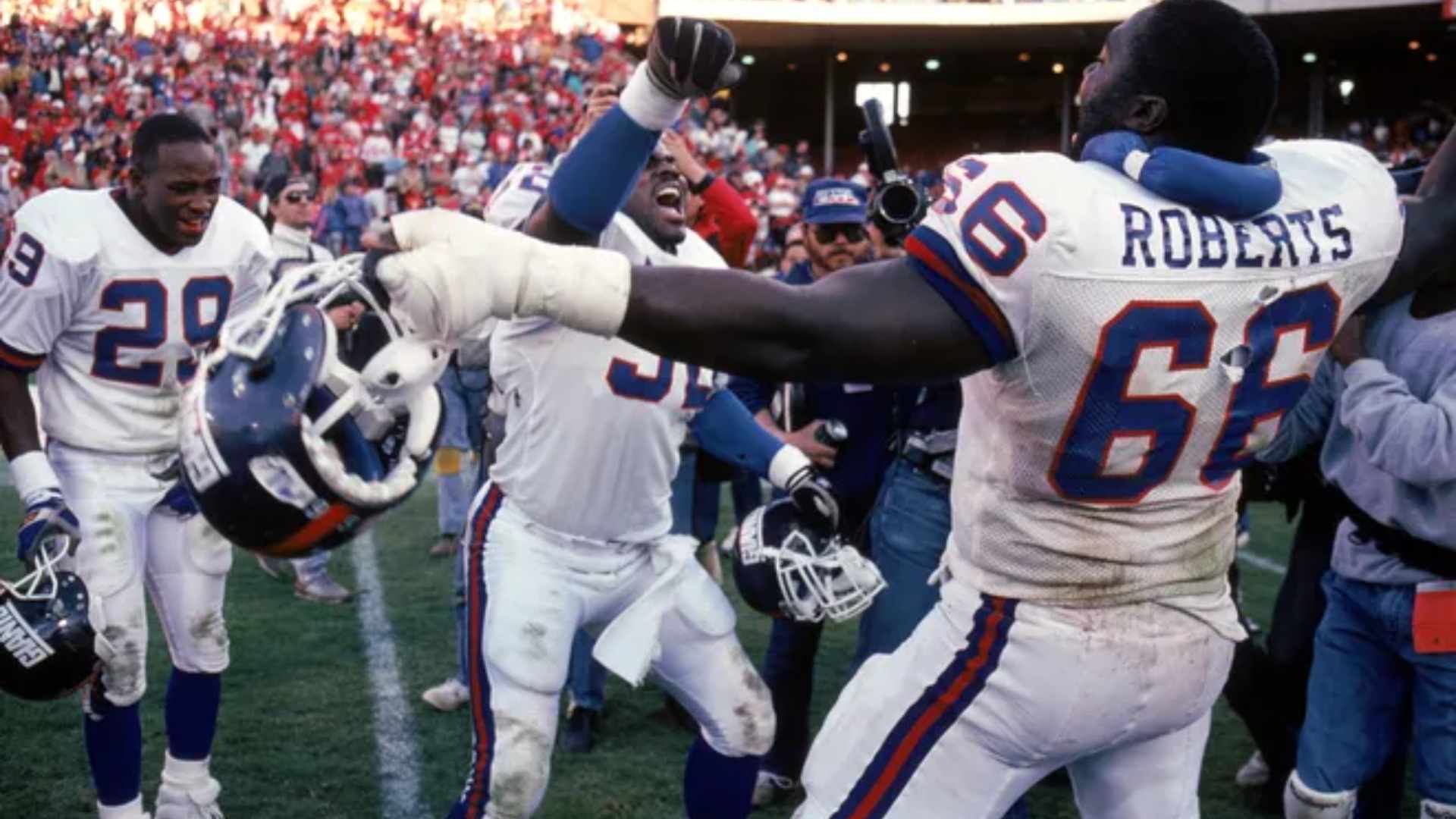
19) 1990 New York Giants (13–3, SB XXV champs)
No team managed games better: clock strangulation on offense and a red-zone-stingy defense. They outlasted the dynasty 49ers in the NFC title game and held the K-Gun Bills to 19 in the Super Bowl. It was a masterclass in complementary football.
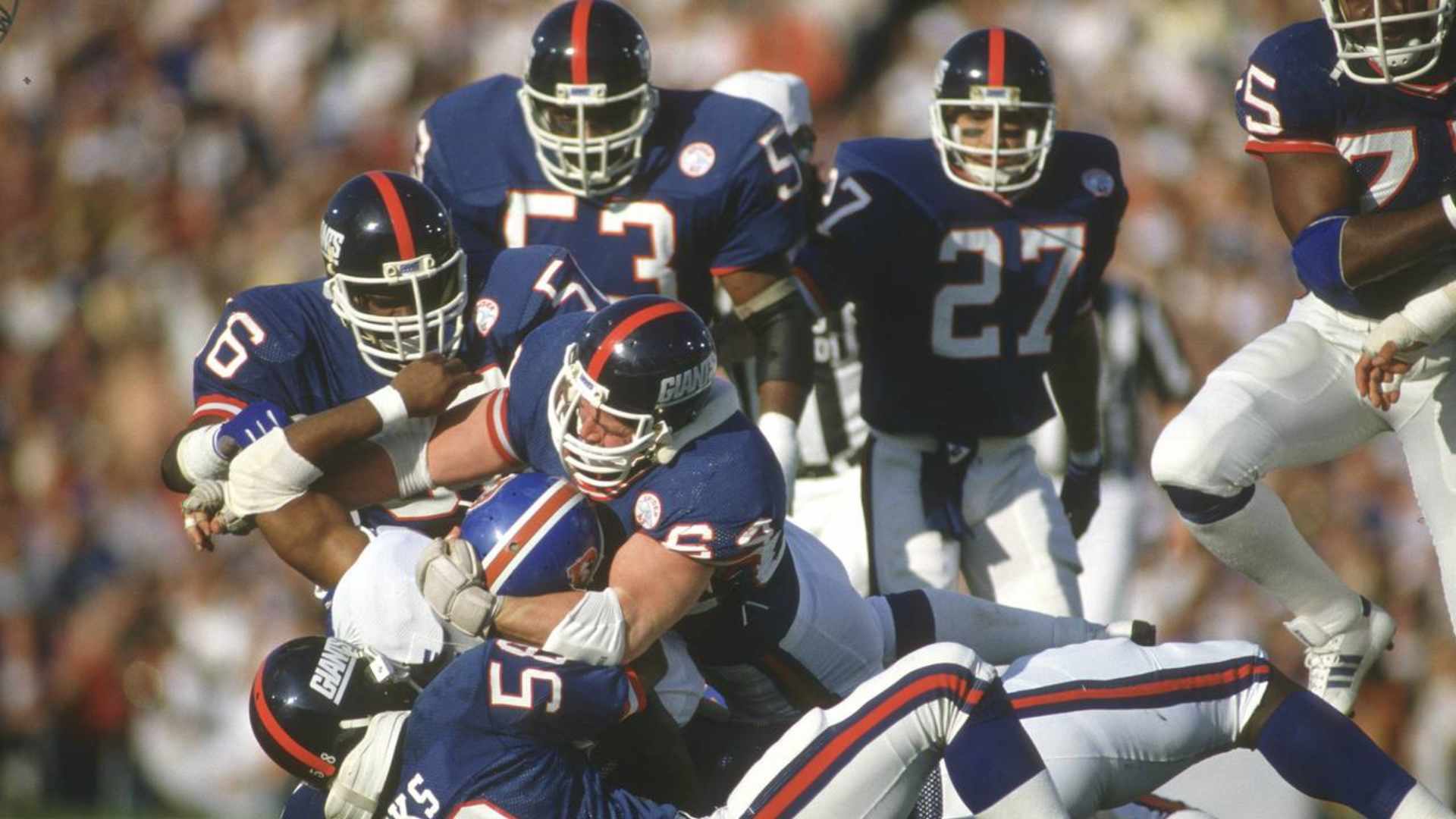
18) 1986 New York Giants (14–2, SB XXI champs)
Bill Parcells, Bill Belichick, and the best version of Lawrence Taylor is a pretty good formula. They dismantled the 49ers and shut out Washington in the playoffs before cruising in the Super Bowl. Power run, play-action bite, and a smothering front seven.
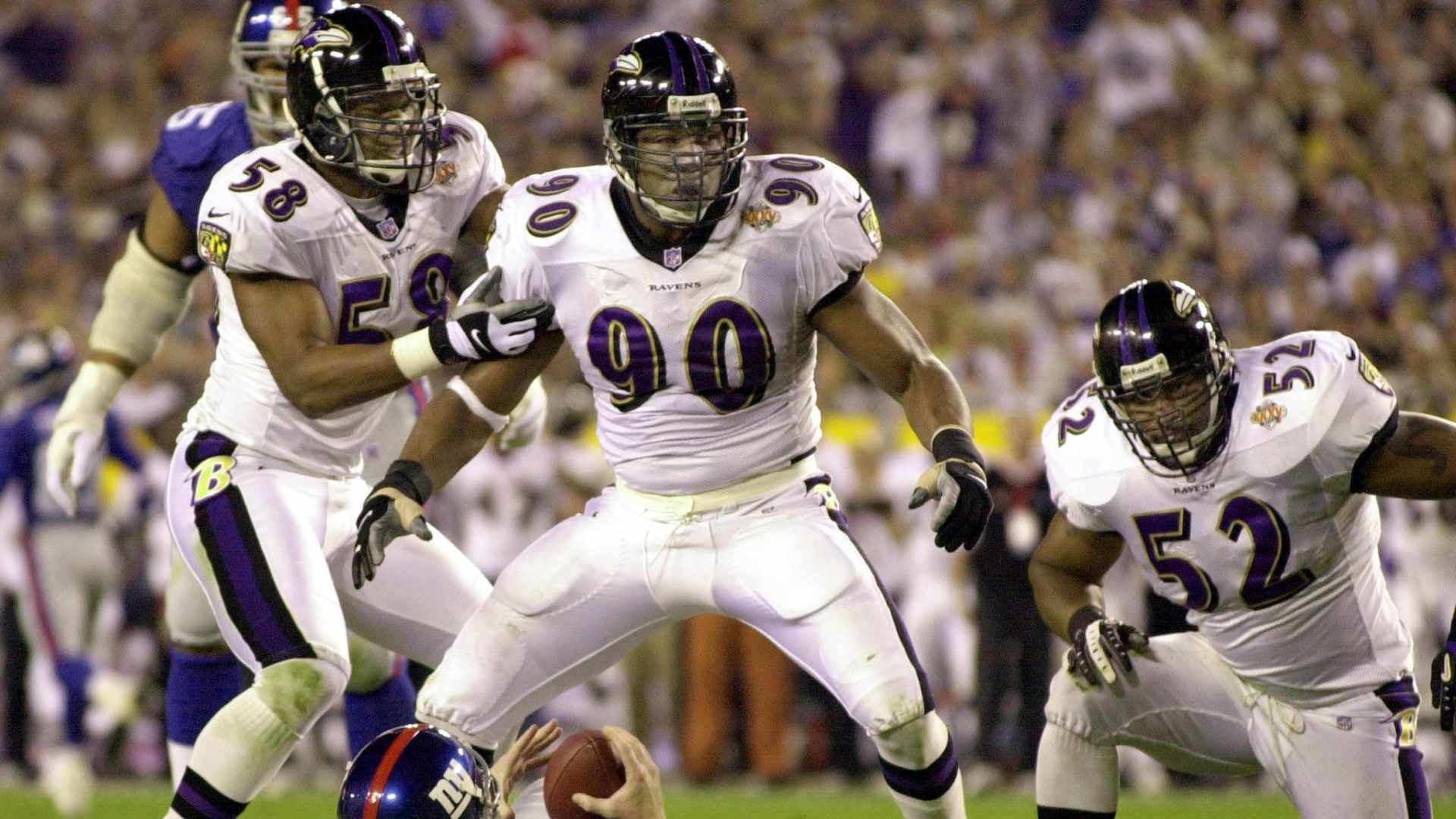
17) 2000 Baltimore Ravens (12–4, SB XXXV champs)
An all-time defense - Ray Lewis, Rod Woodson, Peter Boulware, Tony Siragusa - made scoring feel optional. They won a game in which their offense failed to score a touchdown…and still never looked rattled. Ugly or pretty, they always had the last punch.
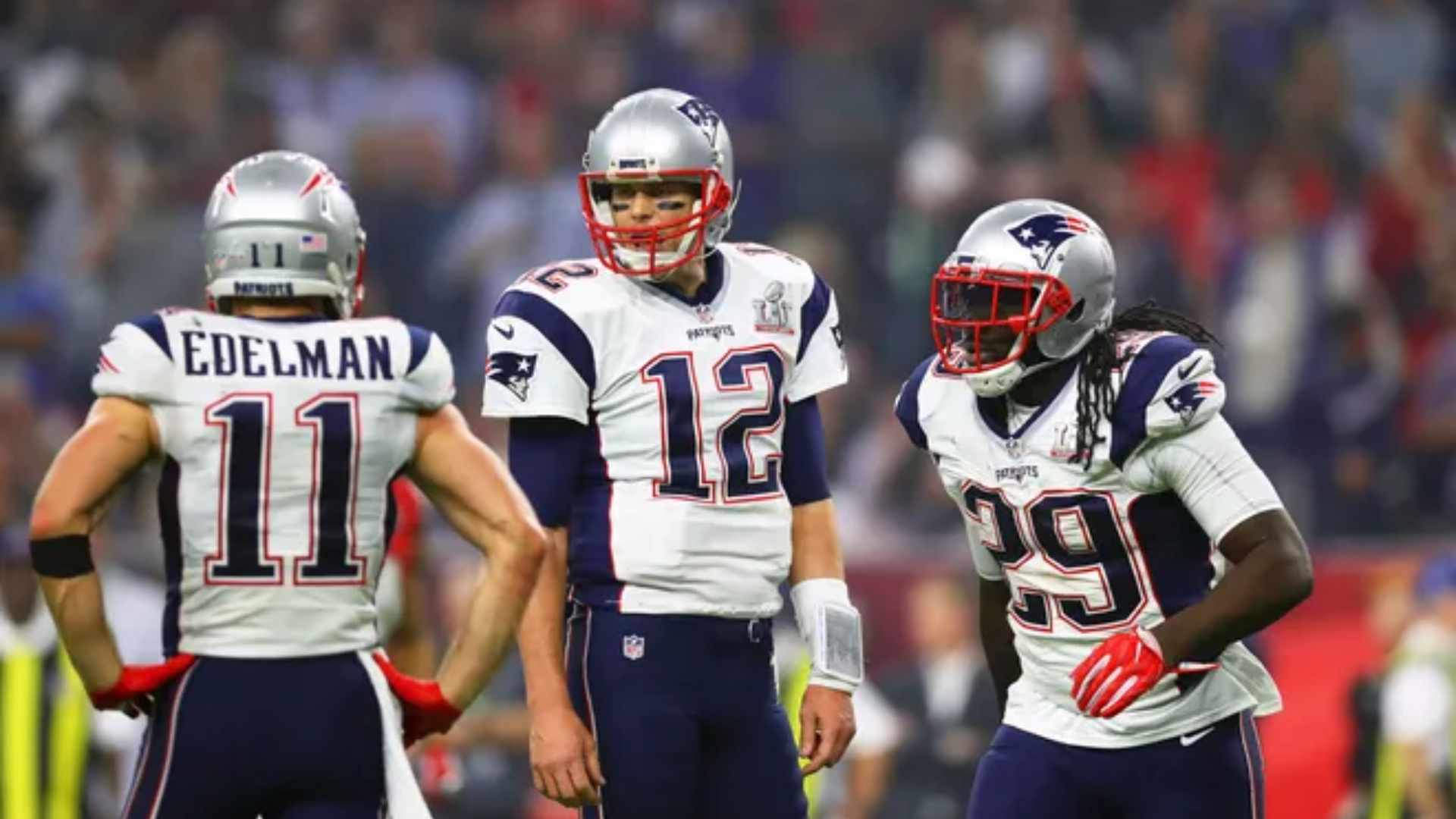
16) 2016 New England Patriots (14–2, SB LI champs)
The 28–3 comeback is the headline, but the season was built on a #1 scoring defense and ruthless situational mastery. Brady returned from suspension playing surgical football, and the roster handled injuries without blinking. The trophy cemented the dynasty’s second act.
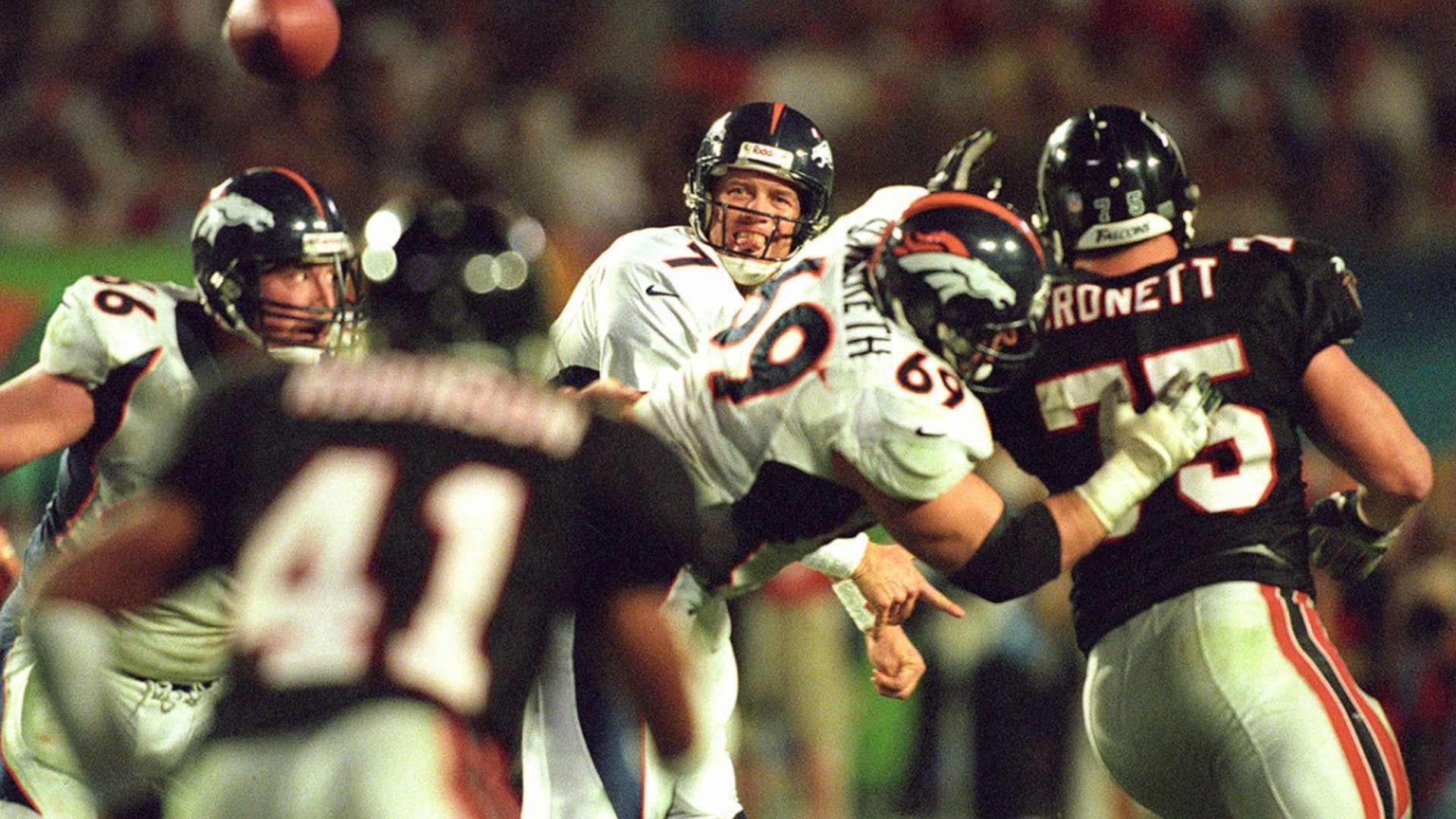
15) 1998 Denver Broncos (14–2, SB XXXIII champs)
The John Elway farewell tour rode Terrell Davis’s 2,000-yard juice and Mike Shanahan’s zone attack. They weren’t just explosive; they were adaptable in any script. A confident, veteran defense closed doors in January.
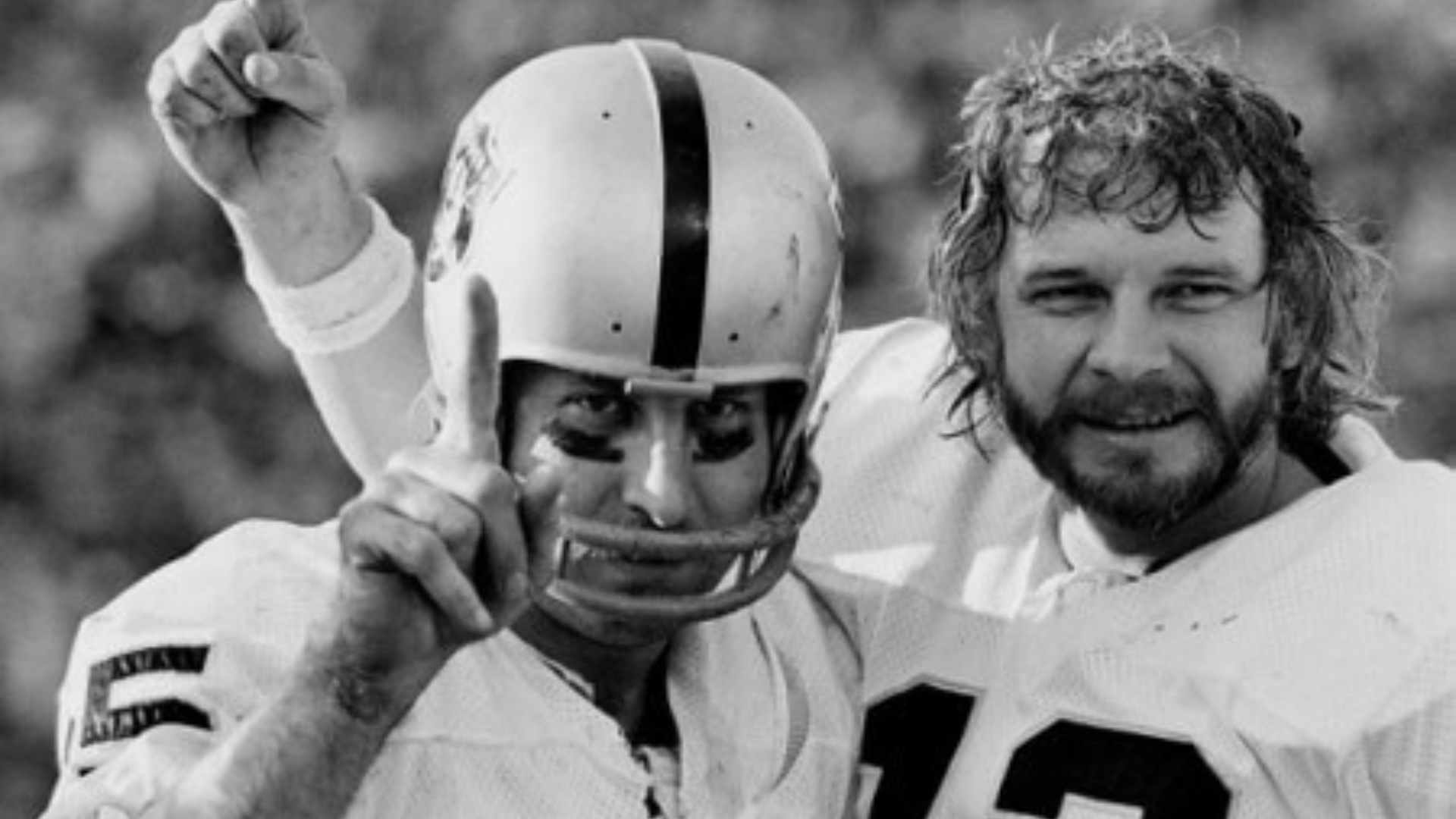
14) 1976 Oakland Raiders (13–1, SB XI champs)
After years of heartbreak, the most physical, attitude-laden Raider team finally broke through. Ken Stabler’s fearless quarterbacking, a punishing run game, and a veteran defense made them bullyproof. They beat the rivals who had haunted them and never looked back.
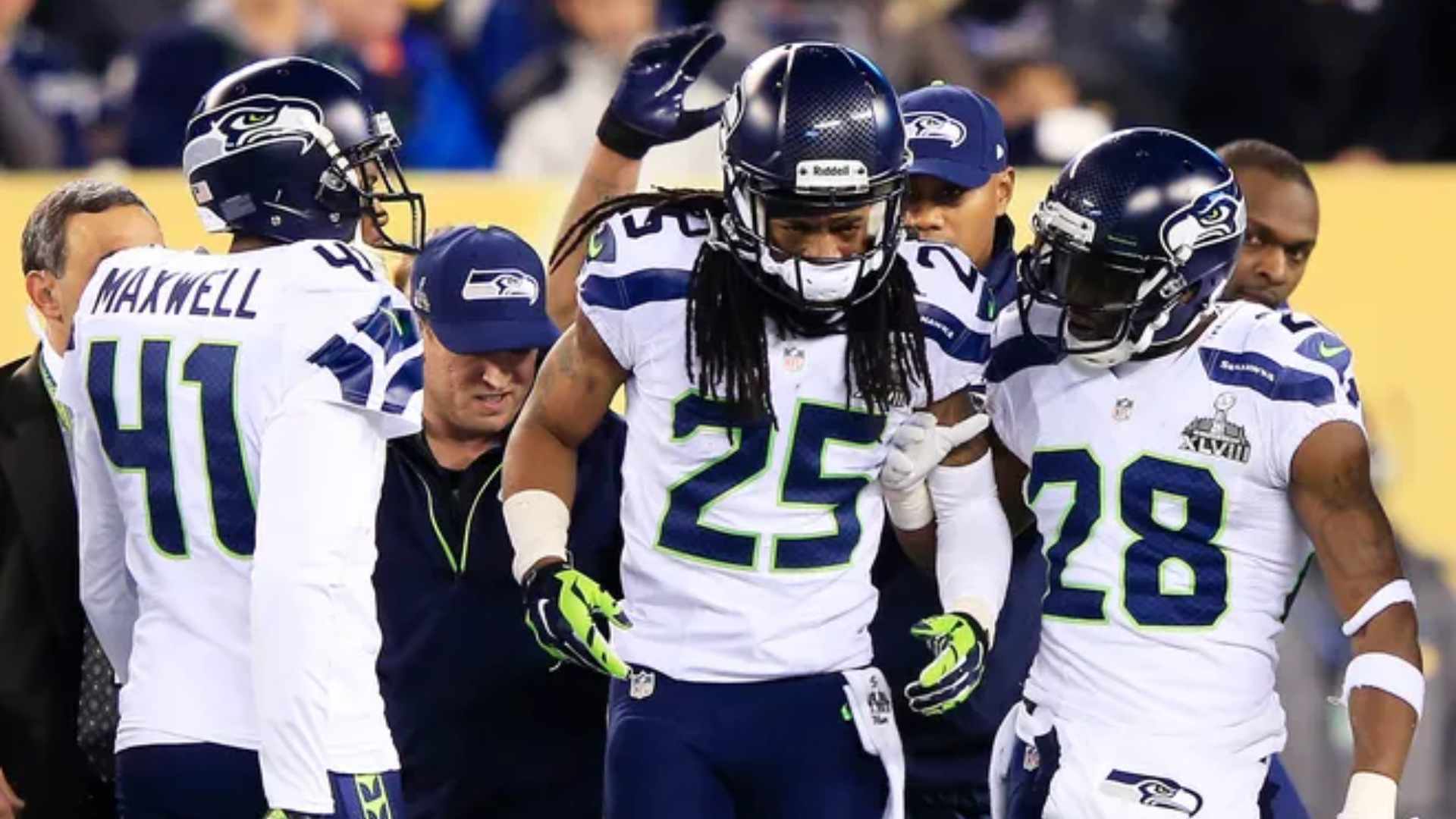
13) 2013 Seattle Seahawks (13–3, SB XLVIII champs)
Pete Carroll’s Legion of Boom defense crushed spacing offenses at their peak. Marshawn Lynch and Russell Wilson gave just enough explosive balance, and special teams tilted fields. The 43–8 Super Bowl over Denver was a statement: speed and violence win in February.
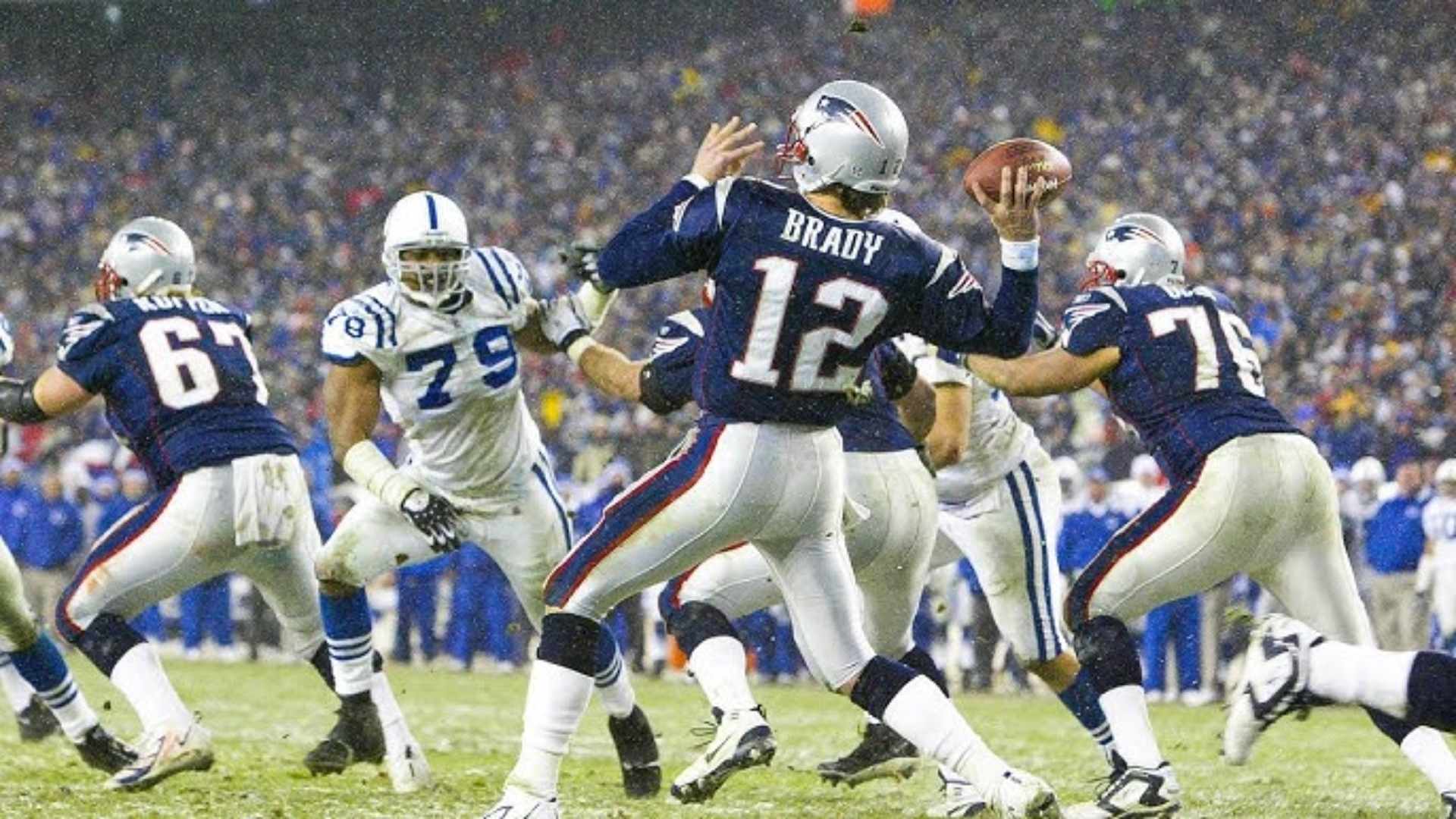
12) 2004 New England Patriots (14–2, SB XXXIX champs)
Back-to-back champs with the league’s best culture and answers in every phase. Brady’s situational brilliance, Corey Dillon’s toughness, and a chameleon defense under Belichick won tight, high-leverage games. Not flashy - just relentlessly superior.
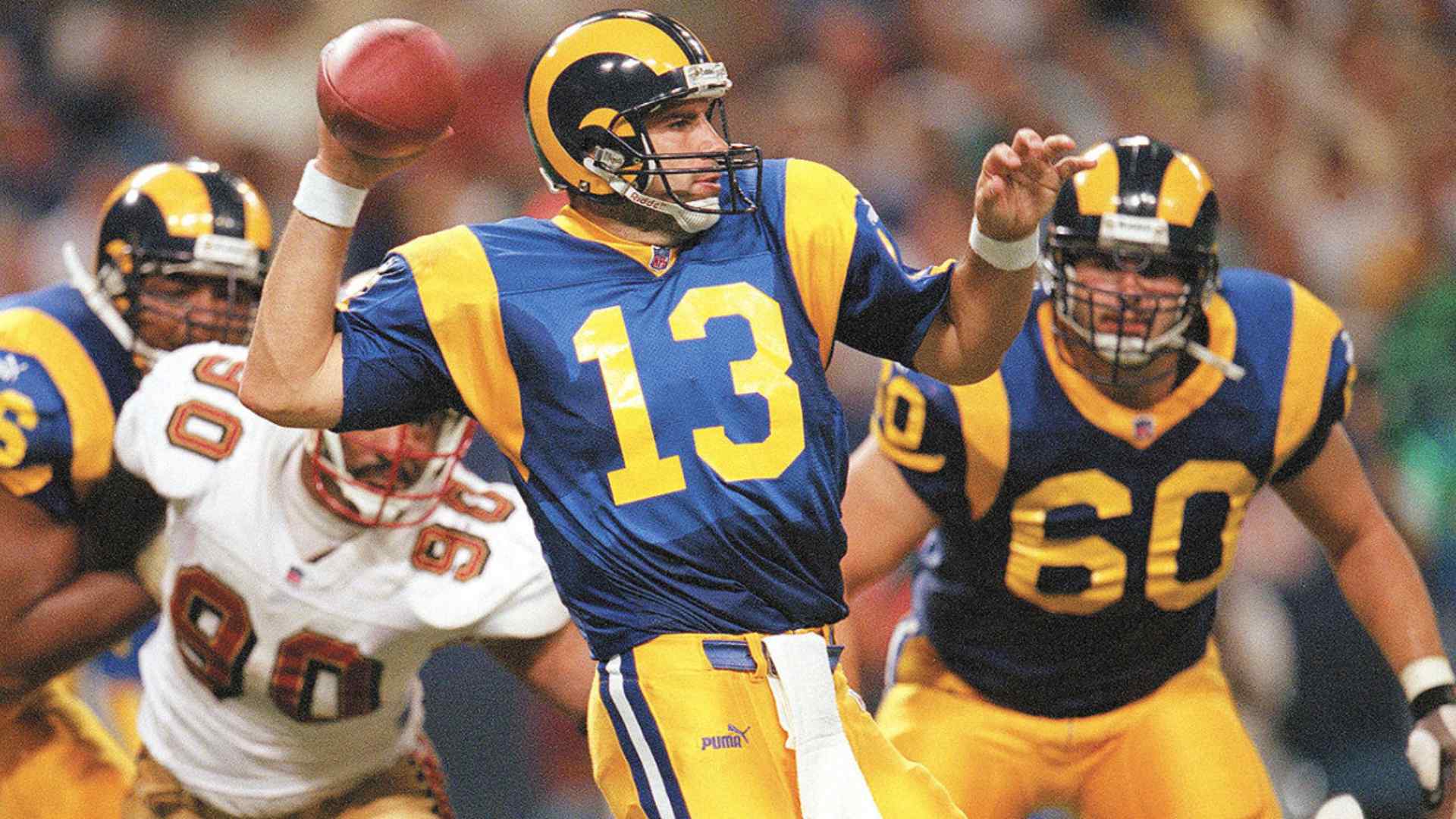
11) 1999 St. Louis Rams (13–3, SB XXXIV champs)
“The Greatest Show on Turf” reimagined offense: Kurt Warner’s vertical timing, Marshall Faulk’s matchup nightmare versatility, and Isaac Bruce/Torry Holt exploding space. Add a disruptive defense led by Kevin Carter and London Fletcher. They changed how the league thought about points.
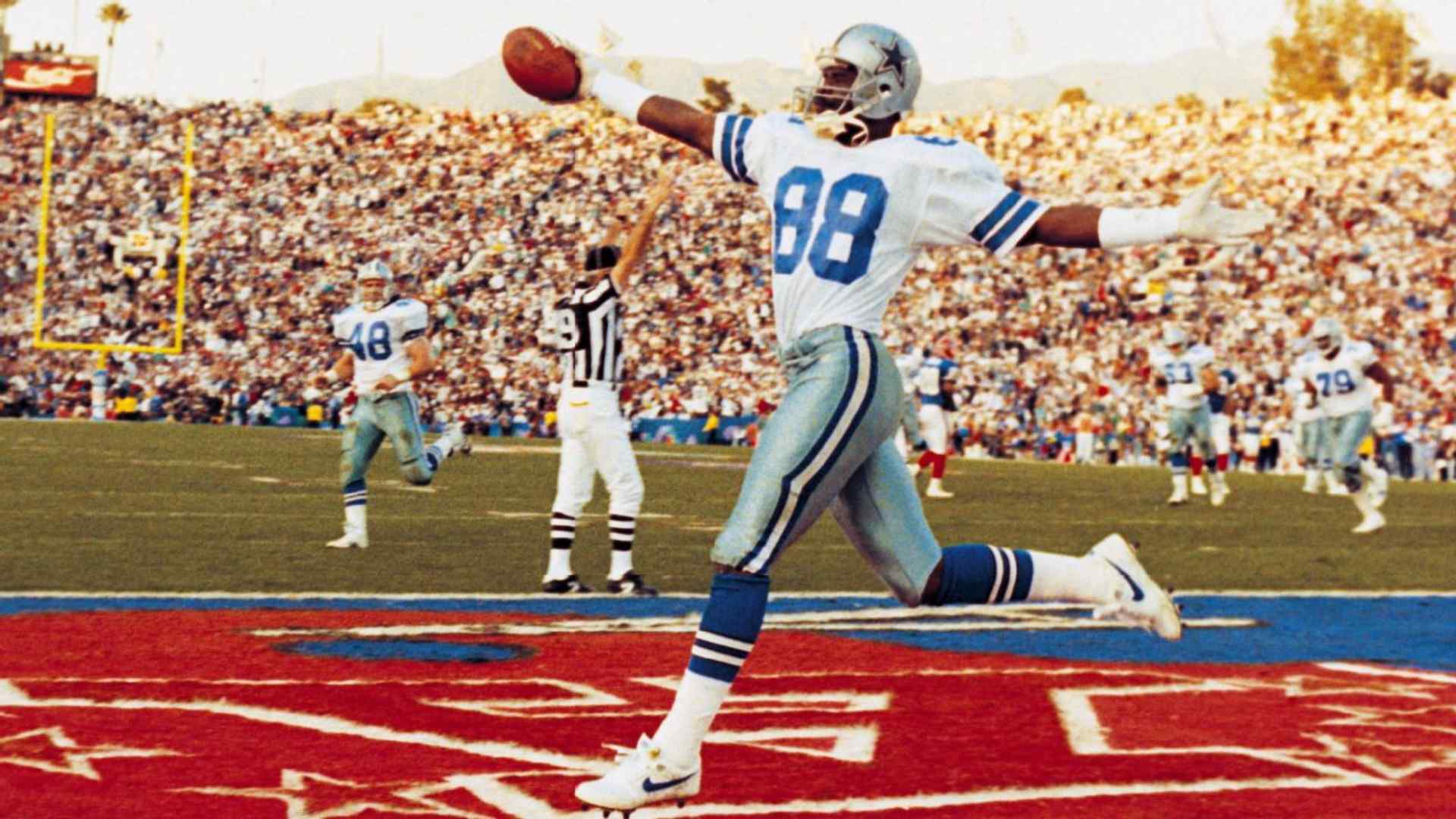
10) 1992 Dallas Cowboys (13–3, SB XXVII champs)
The Triplets - Troy Aikman, Emmitt Smith, Michael Irvin - behind an all-time great offensive line made efficiency look easy. Jimmy Johnson’s defense flew, hit, and took the ball away. This is the launch version of a dynasty that would own the mid-’90s.
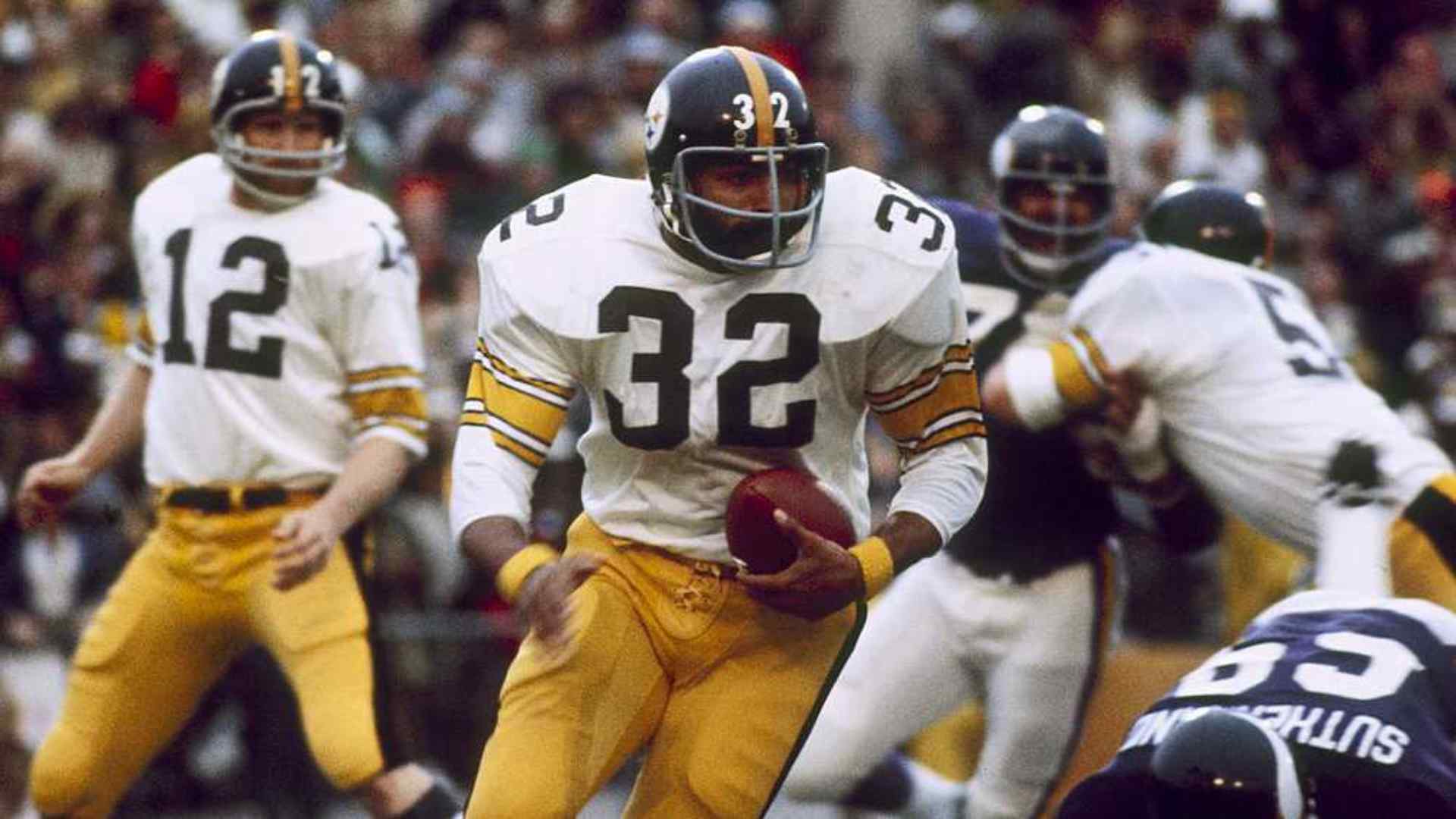
9) 1975 Pittsburgh Steelers (12–2, SB X champs)
This edition was nastier than the record shows: defense that erased your identity, and a big-play offense when it mattered. Swann’s Super Bowl artistry became the signature, but the real story was week-to-week physical superiority. Back-to-back titles started here.
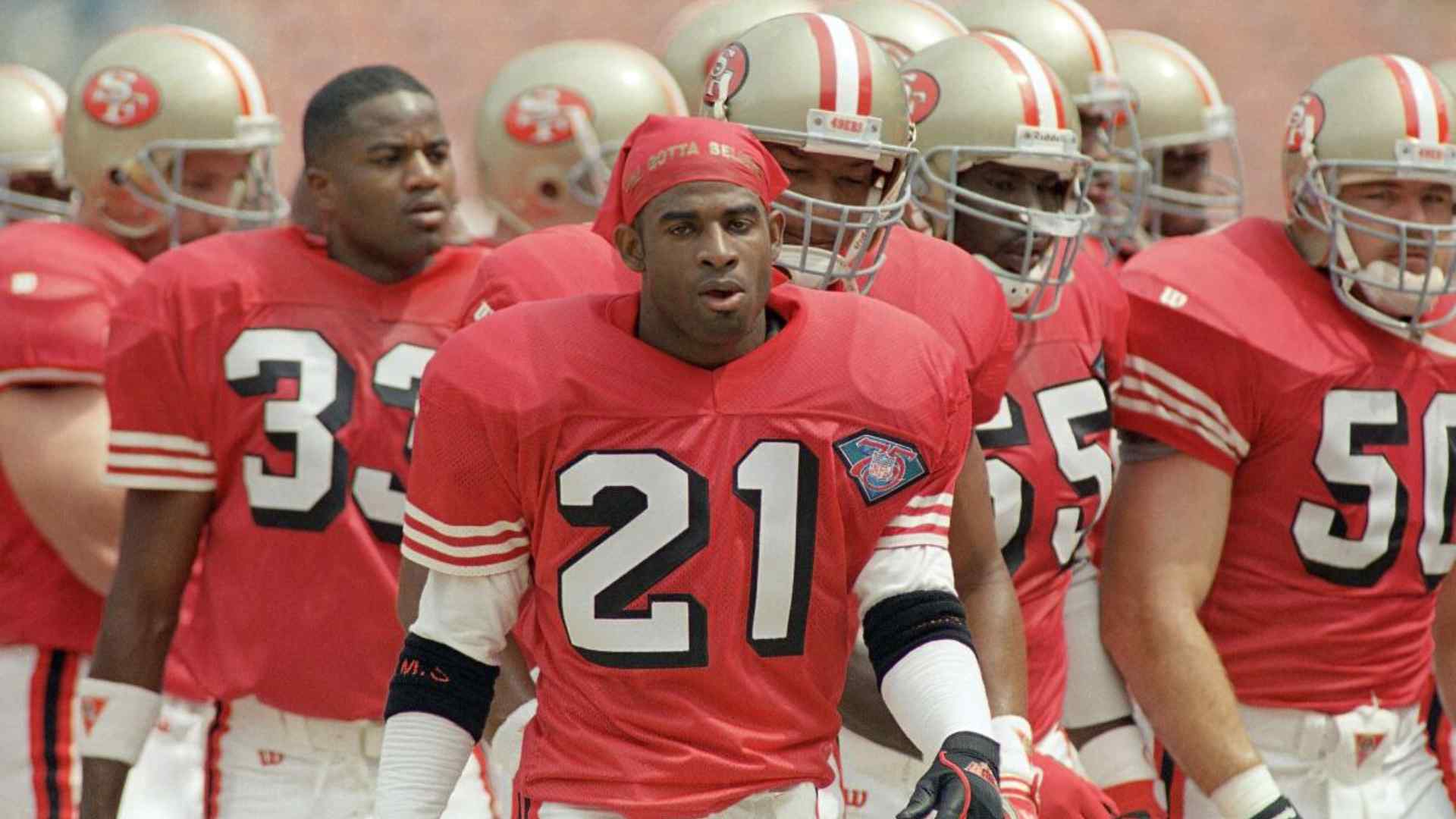
8) 1994 San Francisco 49ers (13–3, SB XXIX champs)
Steve Young’s MVP year, Deion Sanders locking one side, and a playbook with answers to everything. They throttled elite opponents and blasted through the playoffs with speed, spacing, and swagger. It’s the most star-studded, free-agency-era superteam feel the 49ers ever had.
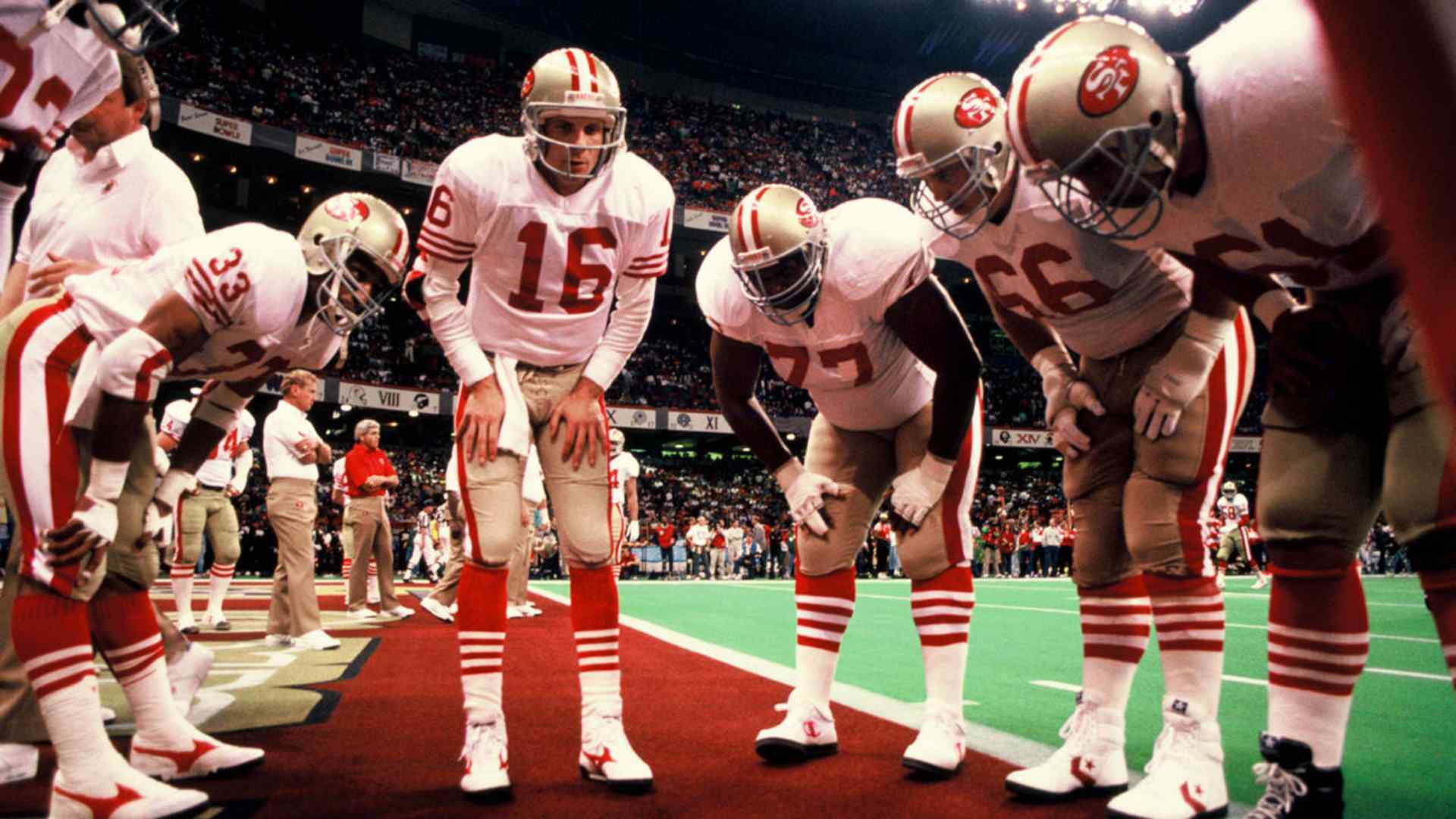
7) 1989 San Francisco 49ers (14–2, SB XXIV champs)
Transitioning from Walsh to George Seifert didn’t slow them; they annihilated good teams and capped it with a 55–10 Super Bowl masterpiece. Joe Montana and Jerry Rice were pure inevitability, and the defense closed doors early. If you want “peak 49ers,” this is it.
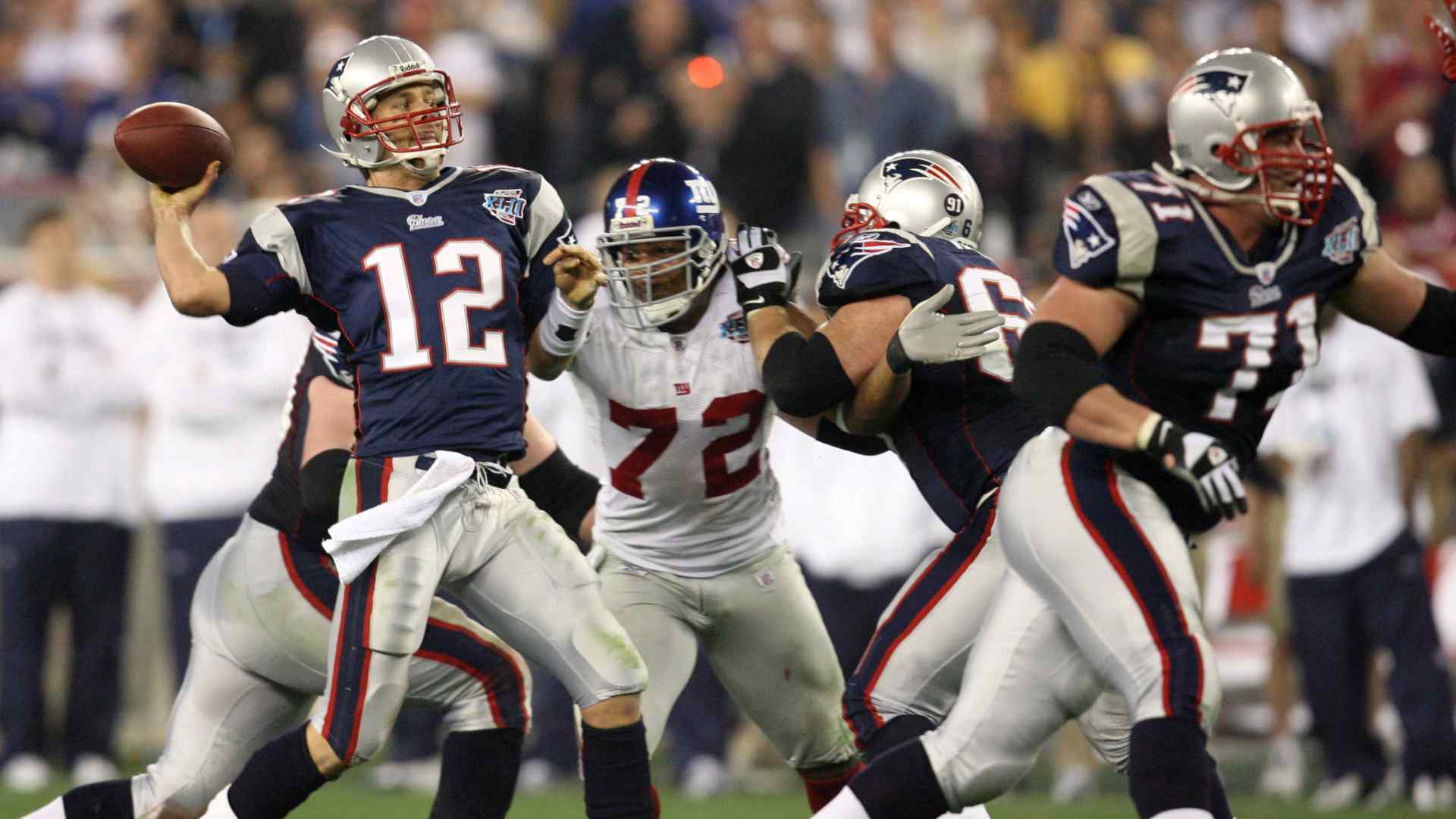
6) 2007 New England Patriots (16–0, lost SB XLII)
They didn’t finish, but for 18 games no team ever scorched earth like Brady to Moss/Welker. The margin of victory, the weekly certainty—this was offensive modernity arriving like a freight train. One game short of immortality, still one of the greatest rosters ever assembled.
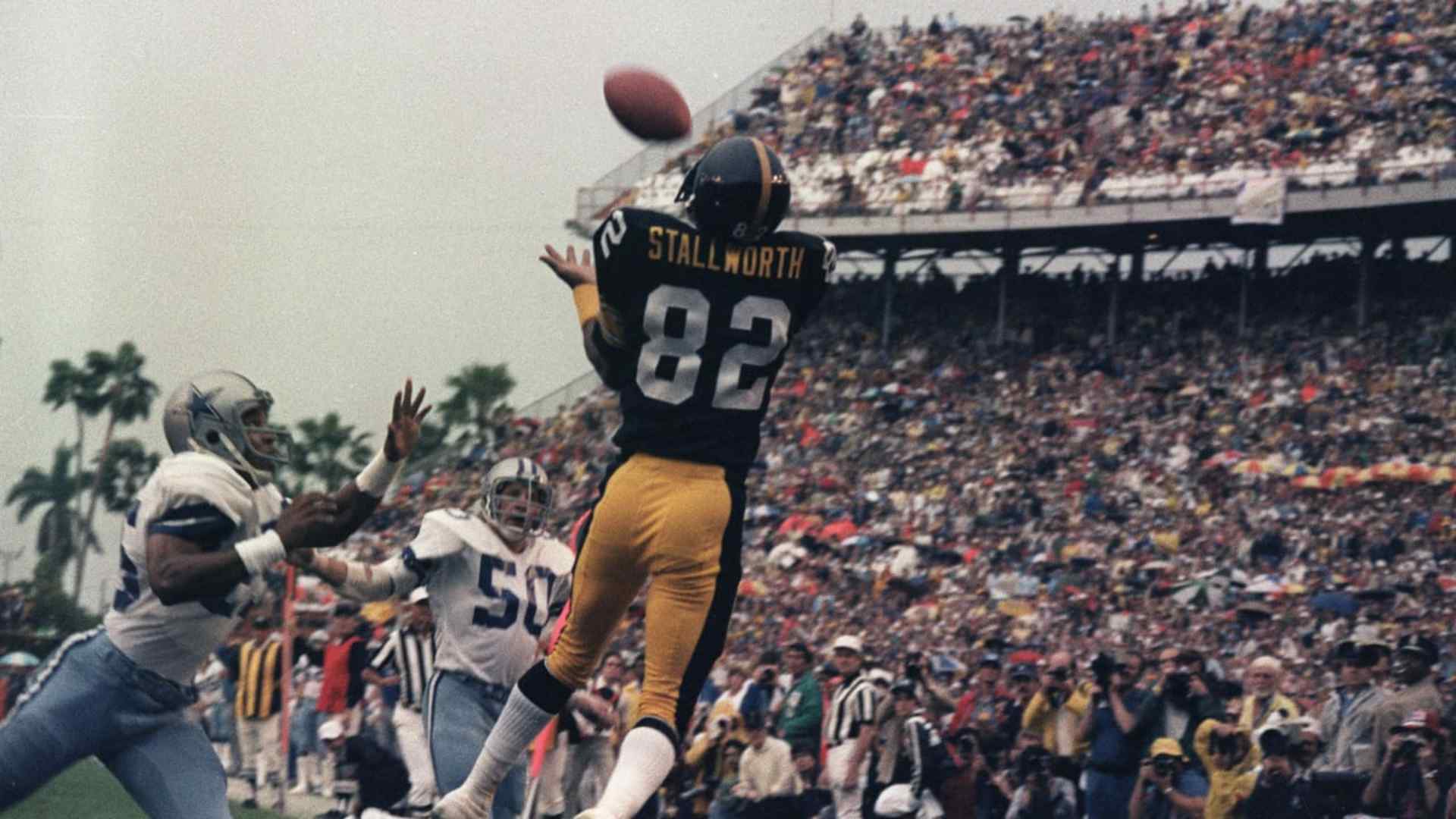
5) 1978 Pittsburgh Steelers (14–2, SB XIII champs)
The Steel Curtain met a fully realized offense—Bradshaw to Swann/Stallworth - once the passing rules changed. Jack Lambert and Mean Joe Greene headlined a defense that still broke games. At their peak, they defined late-’70s power football and beat a loaded Cowboys team to prove it.
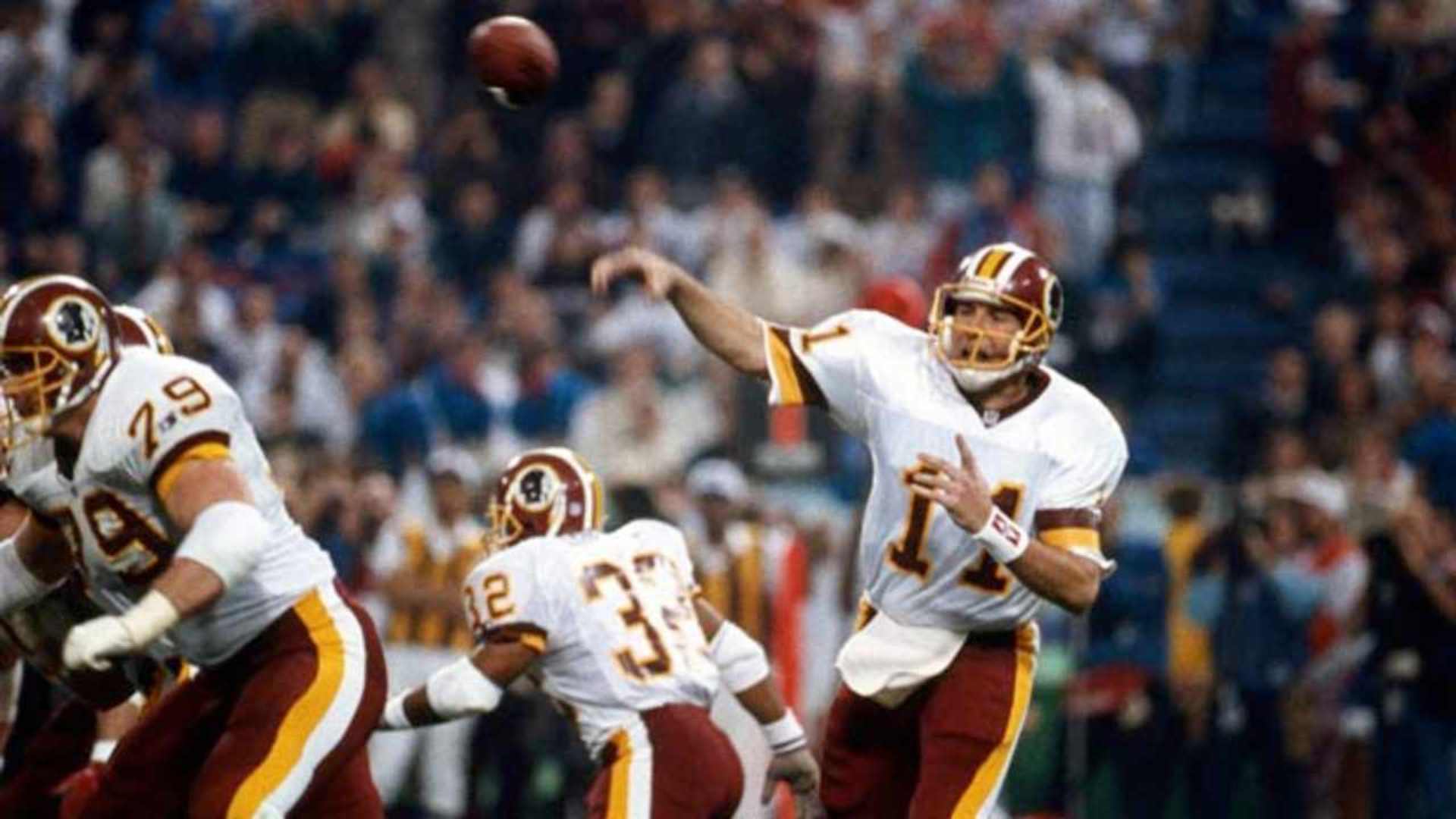
4) 1991 Washington (14–2, SB XXVI champs)
Joe Gibbs’ third title team steamrolled opponents with an elite line (the Hogs), precision from Mark Rypien, and a defense that smothered big plays. Their point dominance and playoff ease make them one of the least-debated juggernauts. “Sound everywhere” is the best way to describe them.
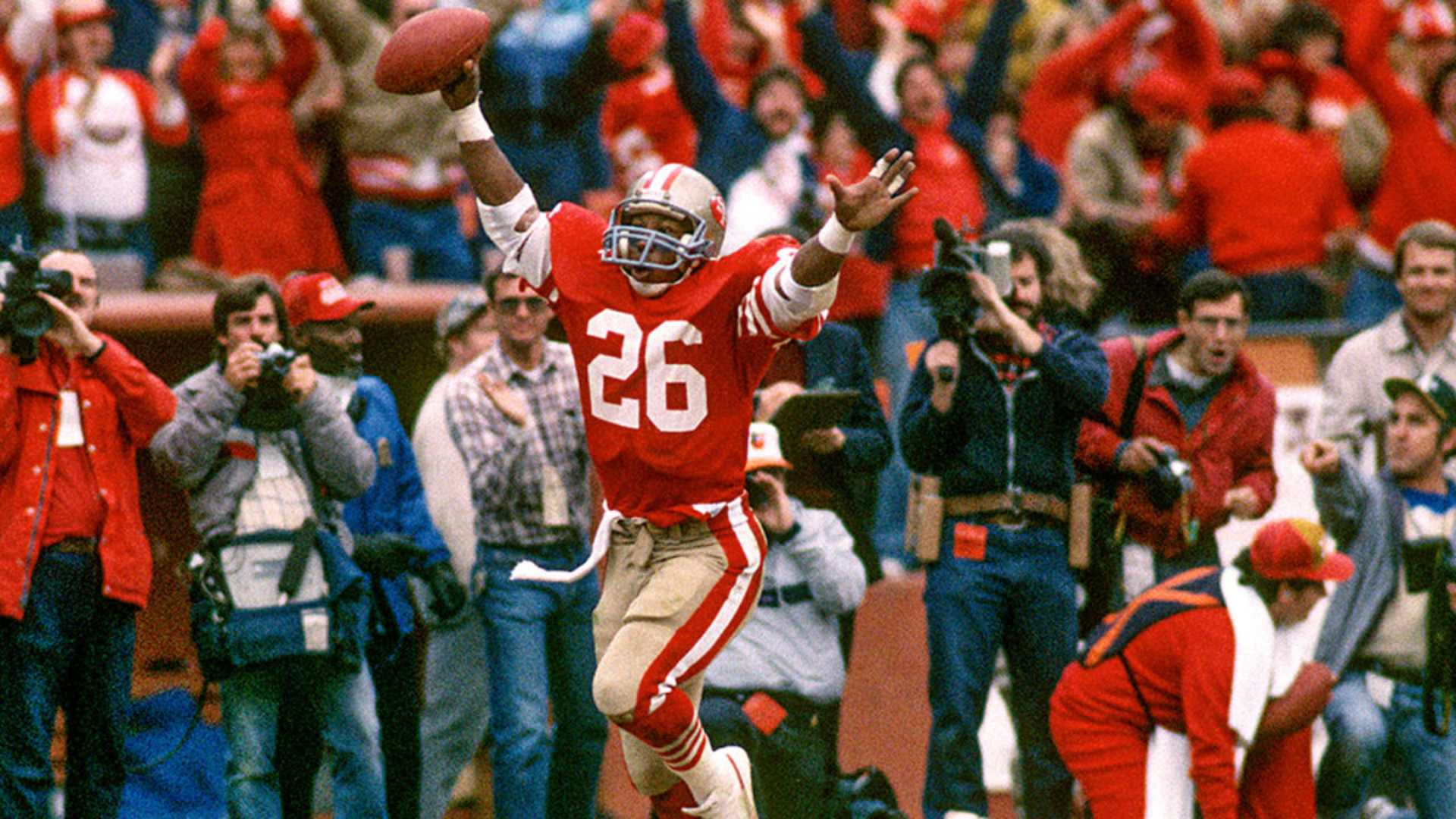
3) 1984 San Francisco 49ers (15–1, SB XIX champs)
Bill Walsh’s West Coast clinic at its purest, with Joe Montana in total control and a top-tier defense behind Ronnie Lott. They were balanced, deep, and brutally efficient from September through a wire-to-wire Super Bowl run. It’s the most complete iteration of the early 49ers dynasty.
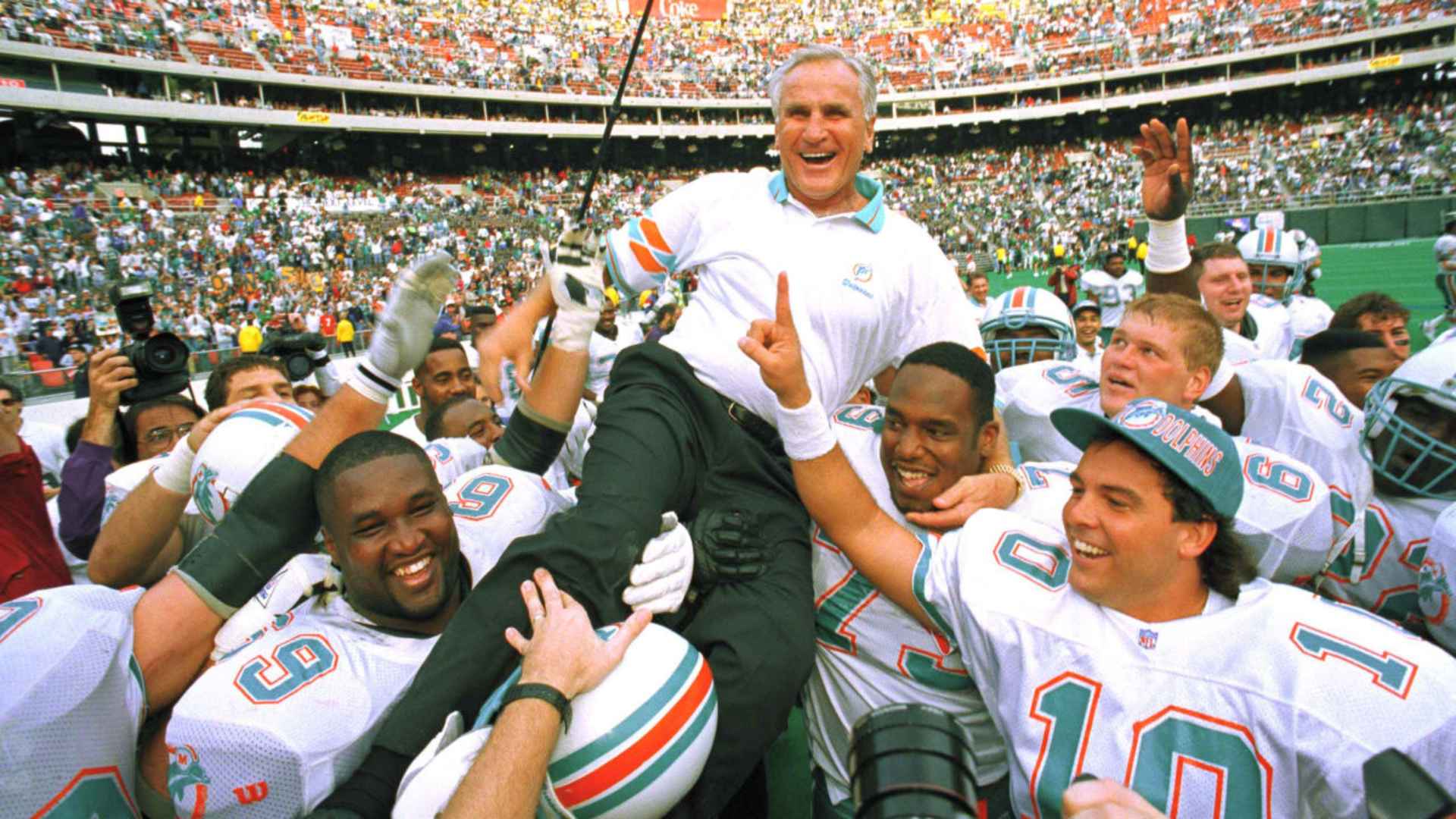
2) 1972 Miami Dolphins (17–0, SB VII champs)
The only perfect season, powered by a historic ground game (Csonka, Morris), a ruthless line, and the “No-Name” defense. Don Shula’s team could bludgeon you for four quarters and never blink in situational football. Critics knock the schedule, but 17-0 is 17-0 - untouched half a century later.
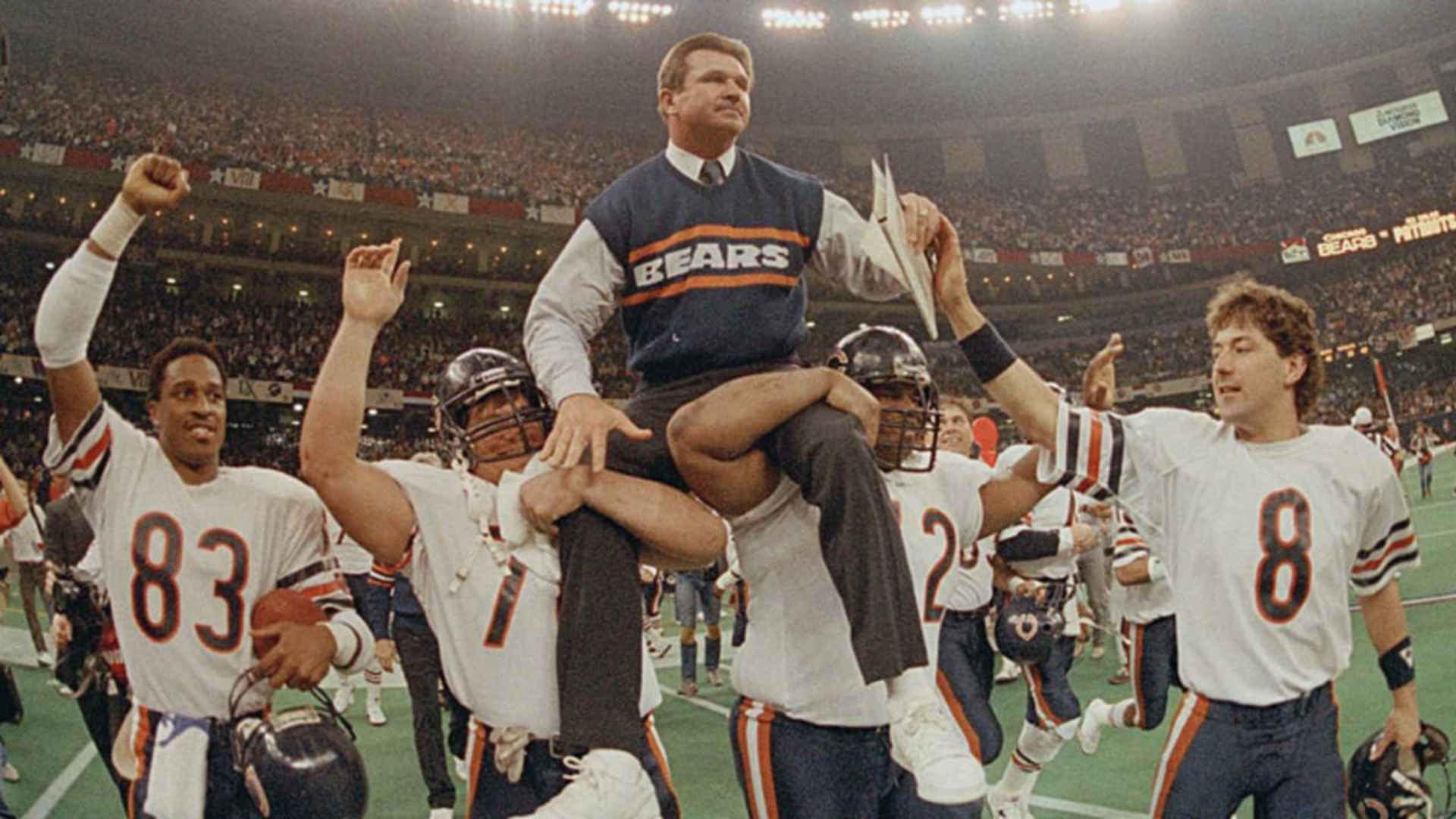
1) 1985 Chicago Bears (15–1, SB XX champs)
Maybe the single most suffocating defense ever: Buddy Ryan’s 46 front, Mike Singletary’s command, and edge terror from Richard Dent and Wilber Marshall. They pitched back-to-back playoff shutouts and then demolished the Patriots 46–10. Walter Payton, Jim McMahon, and a mauling line gave them just enough swagger on offense to make the whole thing mythical.