
10 Popular Movies Fans Didn’t Realize Are Historically Inaccurate
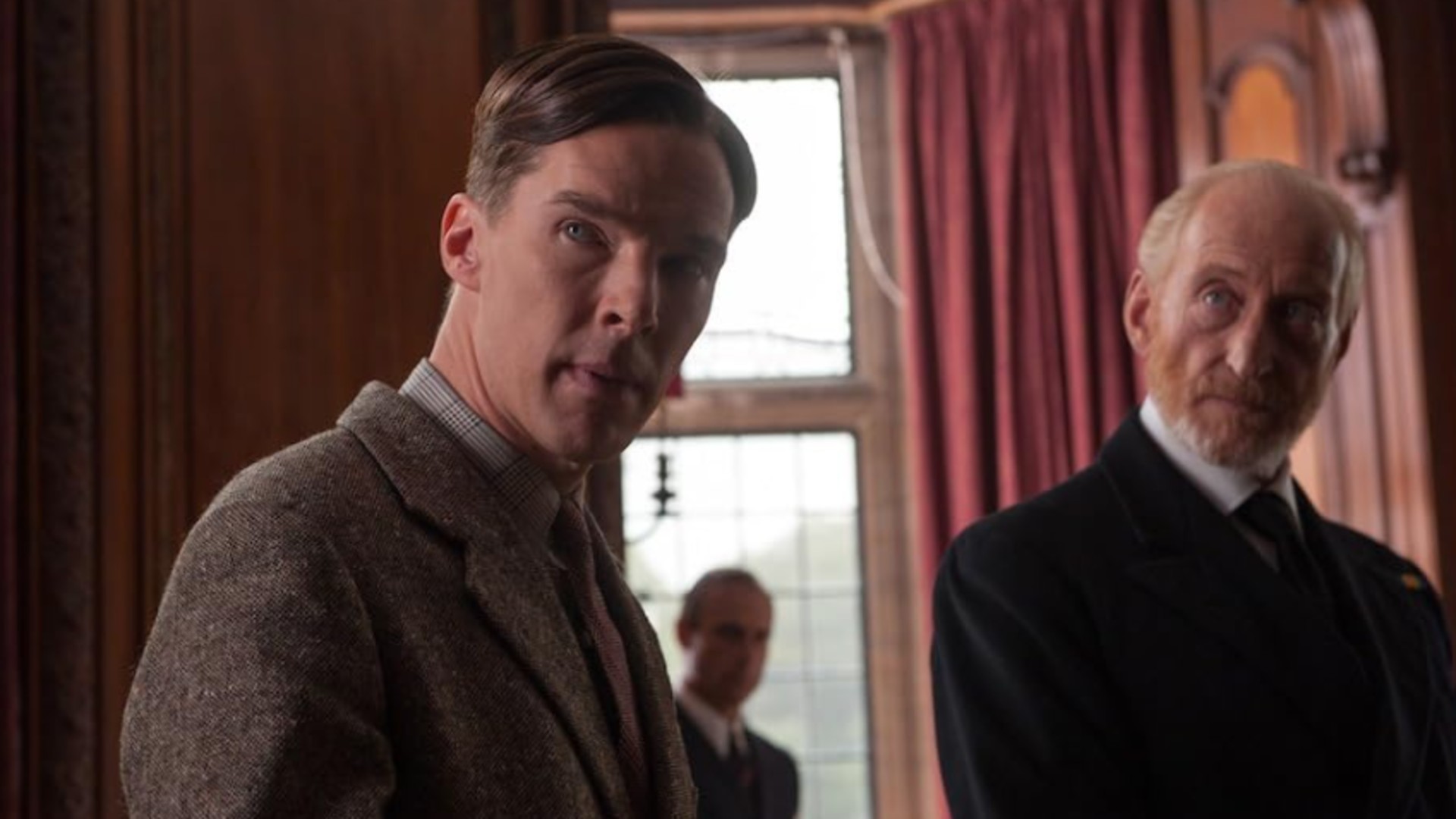
‘The Imitation Game’ (2014)
‘The Imitation Game’ portrays the story of Alan Turing, but there are a number of misconceptions involved. The film depicts Turing as an isolated person who did not get along well with others; however, historical accounts suggest that he worked efficiently with his team. Another major inaccuracy is the presence of a Soviet spy among Turing’s colleagues, which has been heavily dramatized for the film.
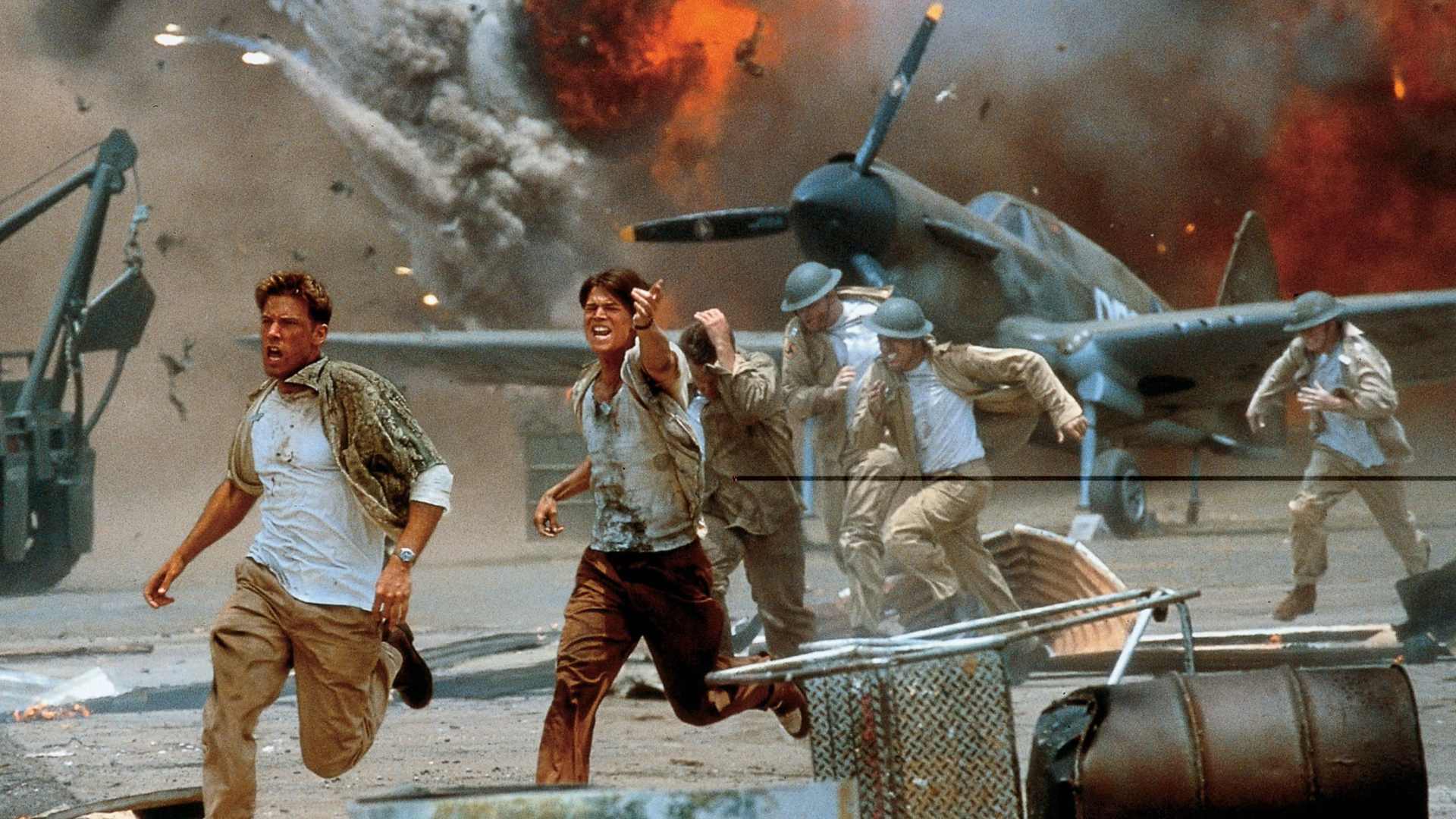
‘Pearl Harbor’ (2001)
‘Pearl Harbor’ combines romance and war but takes major liberties with history. One of the biggest criticisms is the depiction of Japanese forces deliberately targeting civilians in hospitals, despite there being no historical evidence for such attacks. The film also distorts timelines and relies heavily on fictional characters.
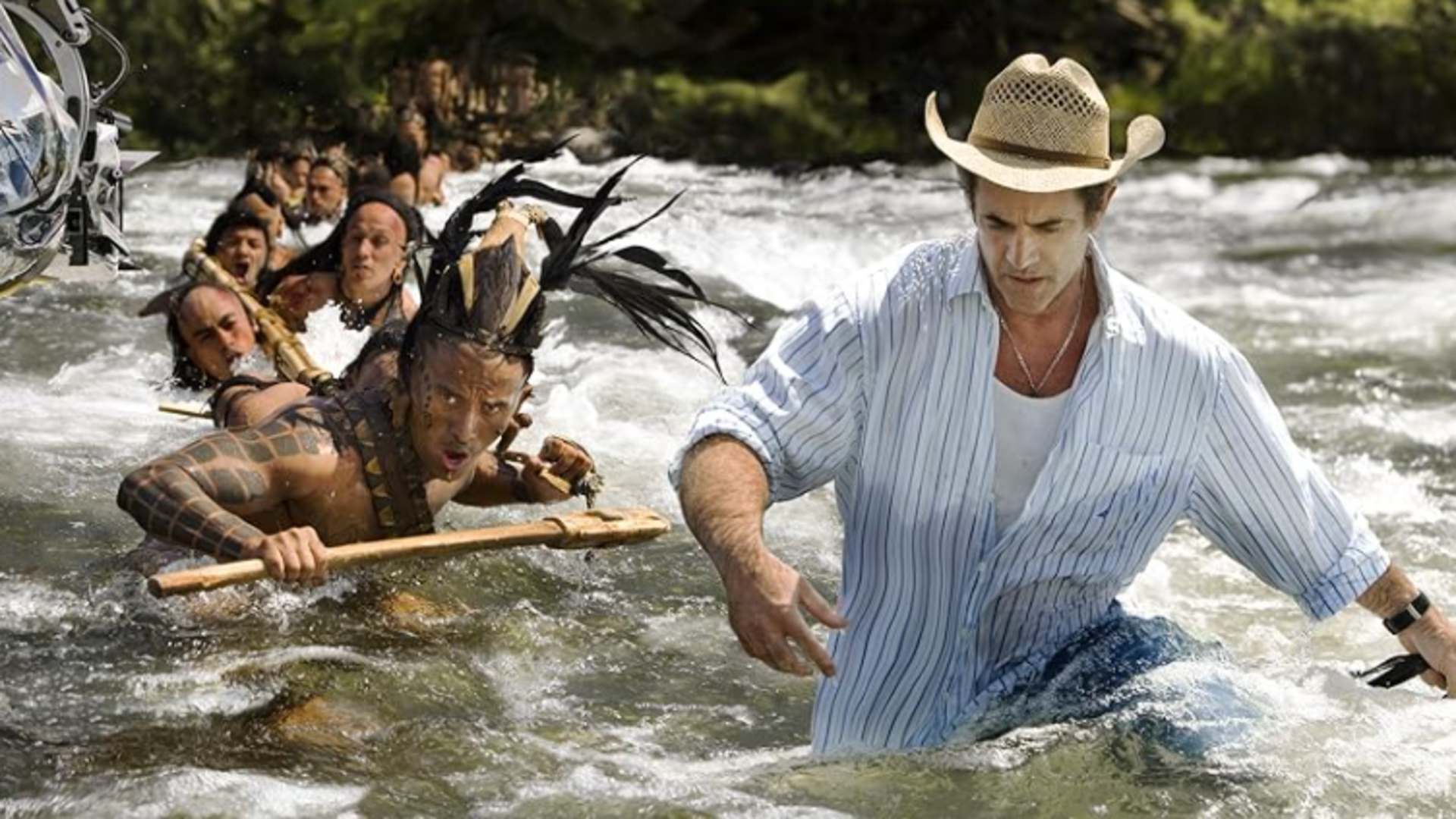
'Apocalypto’ (2006)
The movie ‘Apocalypto’ makes the Maya civilization appear excessively violent and primitive, something many historians strongly disagree with. The film creates a composite version of Maya culture by blending features from different historical periods. Its depiction of architecture, rituals, and behavior is highly exaggerated and far from historically accurate.
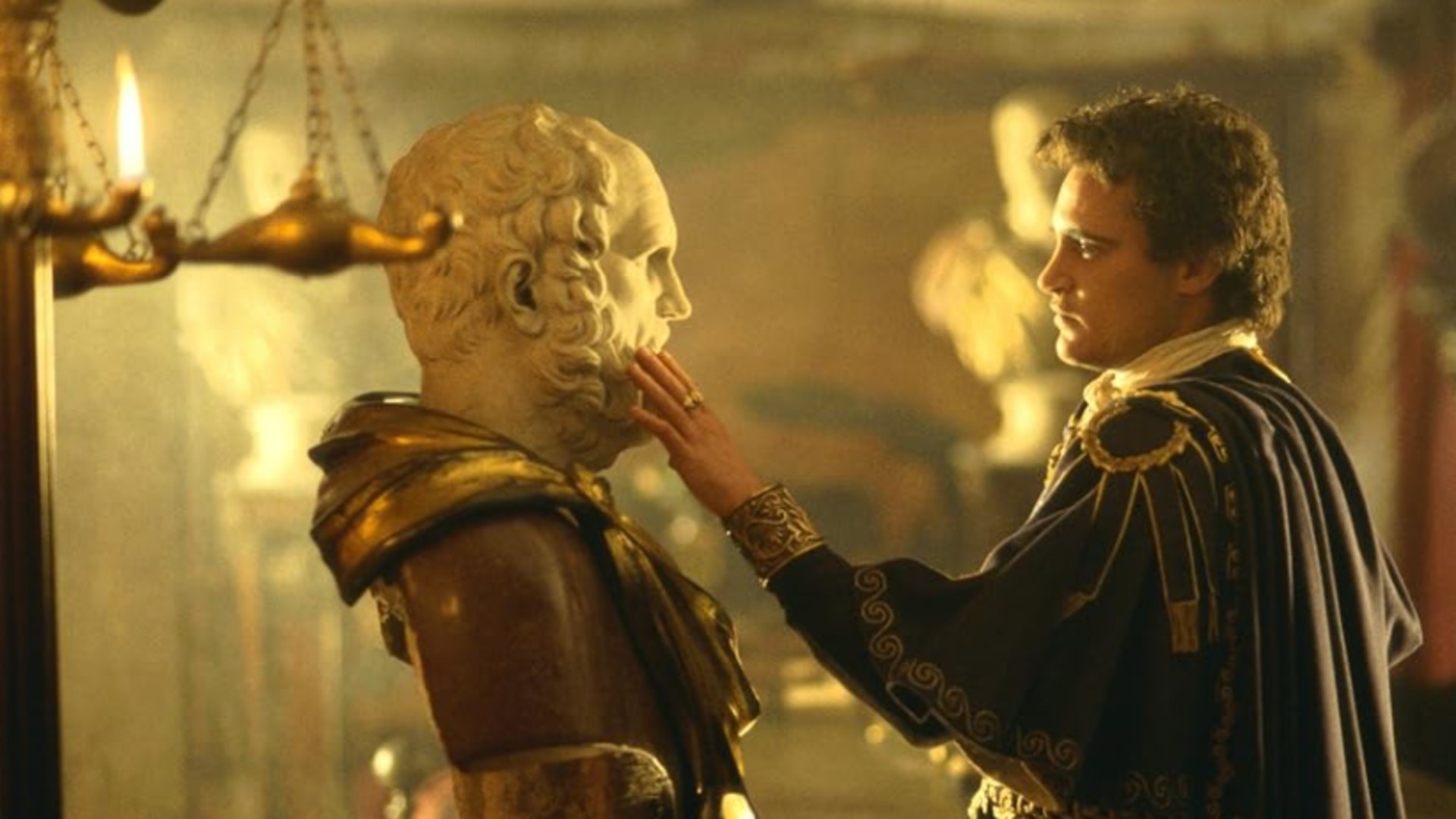
‘Gladiator’ (2000)
While ‘Gladiator’ is celebrated for its spectacle, its portrayal of Ancient Rome is highly distorted. Commodus did participate in arena combat, but not in the way shown in the film. Gladiators were expensive investments, meaning most fights did not end in death. The character Maximus was entirely fictional as well, and Commodus did not murder his father, Marcus Aurelius.
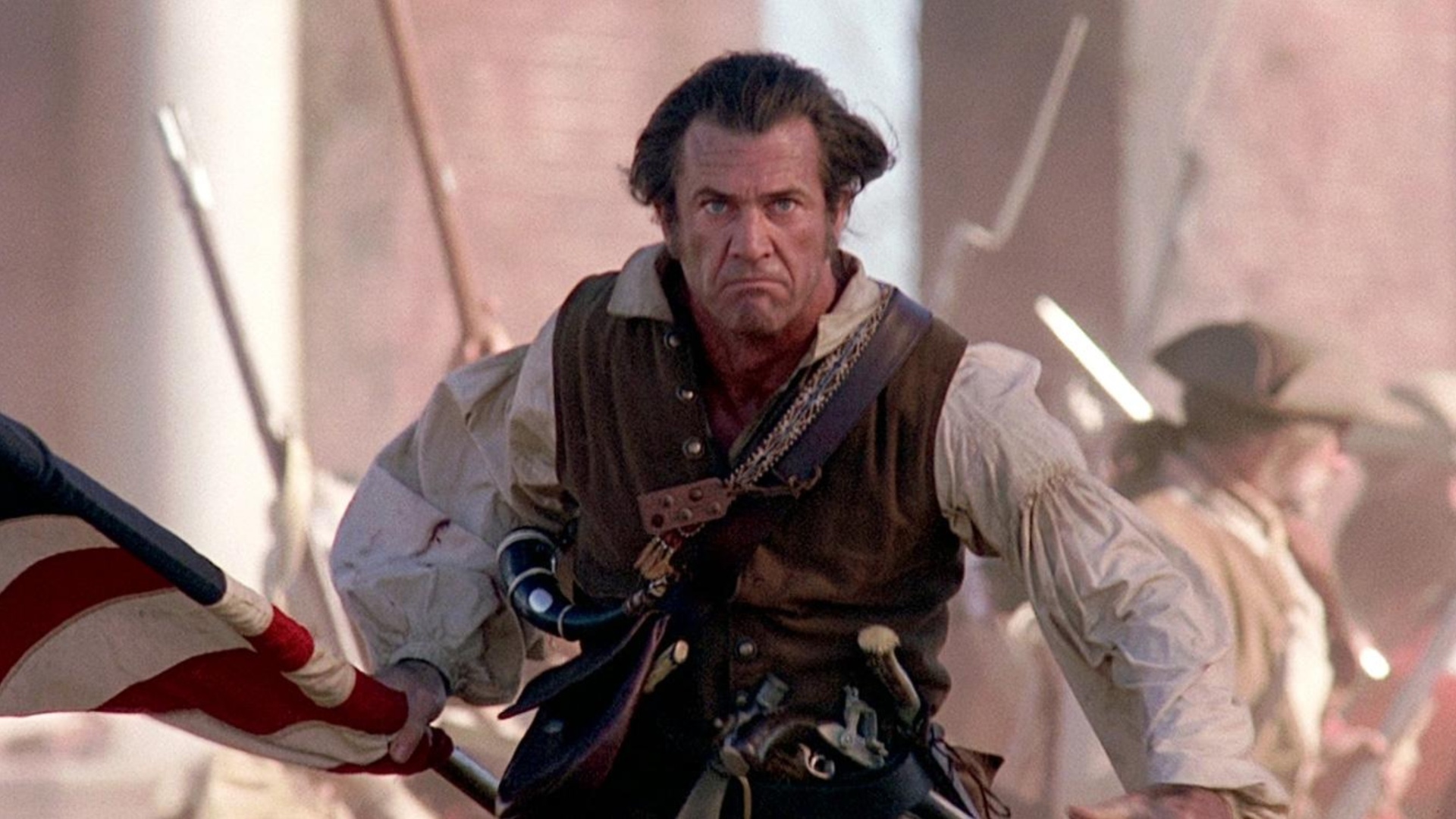
‘The Patriot’ (2000)
‘The Patriot’ provides an exaggerated depiction of the American Revolution. The hero of the story was inspired by Francis Marion, although some of Marion’s questionable actions, including brutal acts against Native Americans, were excluded from the plot. Meanwhile, the British are portrayed as outright villains, often in ways that resemble modern-day war criminals.
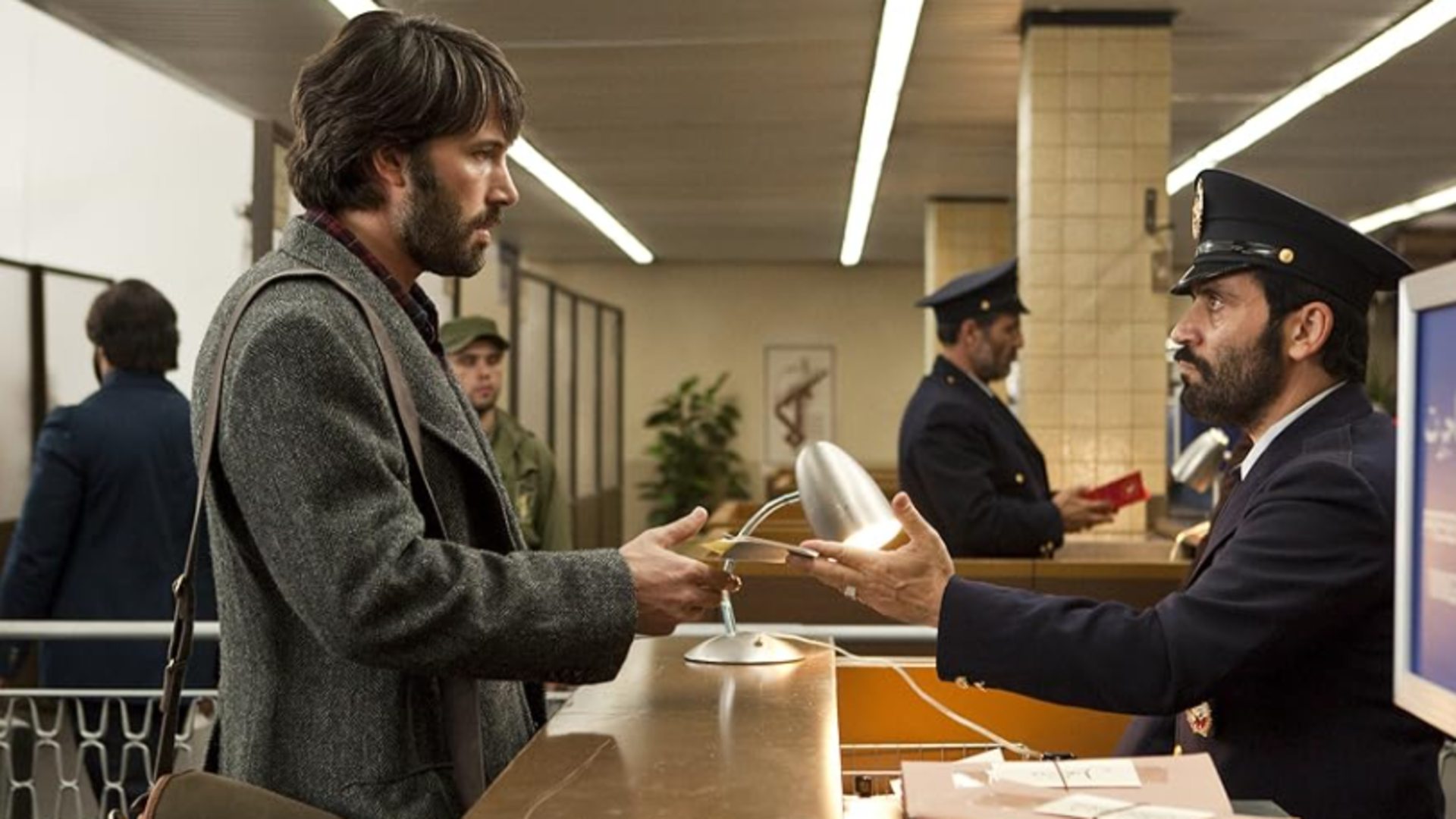
‘Argo’ (2012)
In ‘Argo,’ the story centers on a CIA rescue mission during the Iran hostage crisis. However, the film downplays the crucial assistance provided by Canadians during the operation. Ken Taylor, the Canadian ambassador, played a major role in helping the Americans, but the film largely shifts the spotlight to the CIA. The airport climax is also widely regarded as exaggerated.
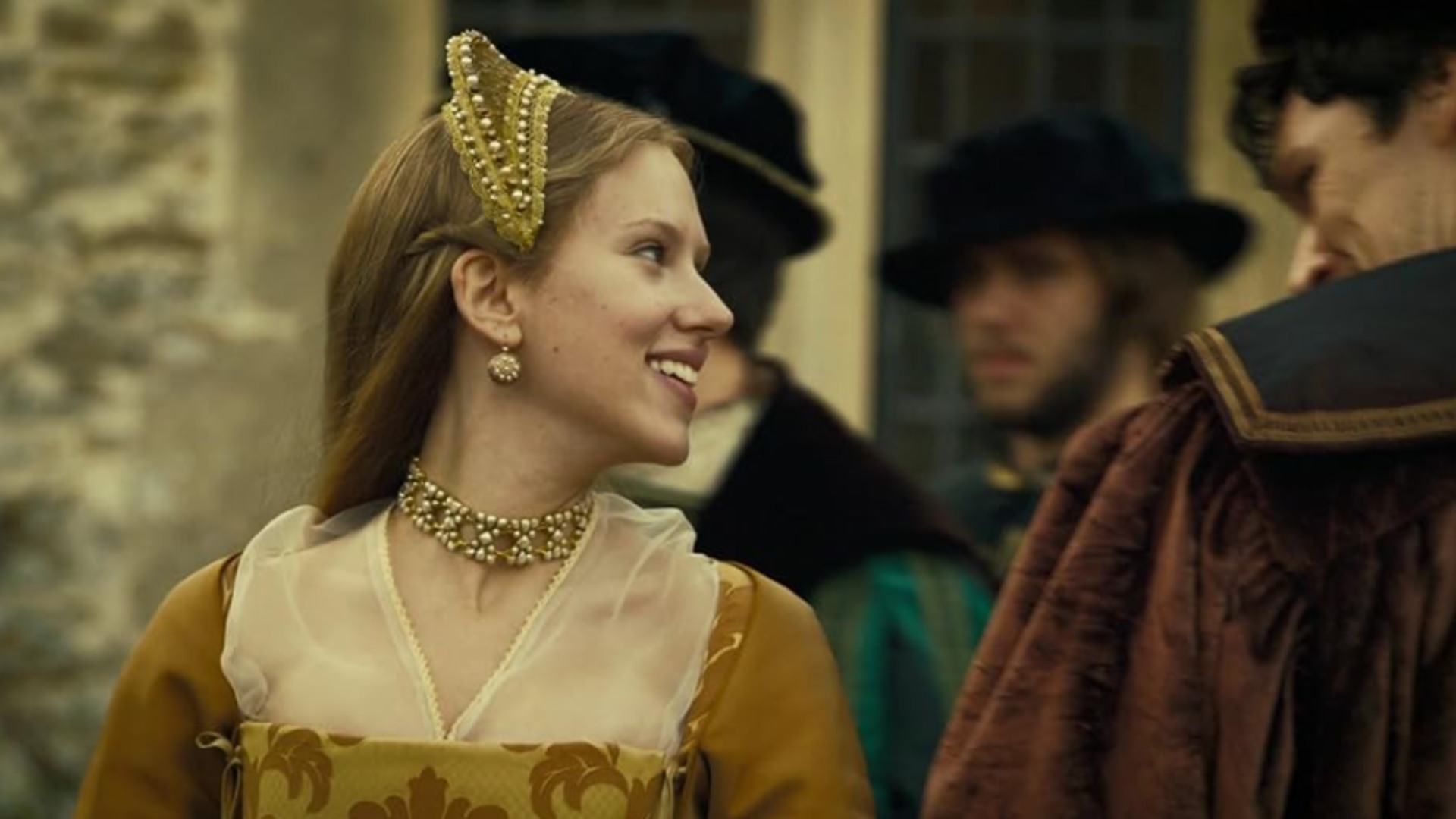
‘The Other Boleyn Girl’ (2008)
In ‘The Other Boleyn Girl,’ the Tudor court is reimagined through a series of creative liberties, especially regarding Anne Boleyn and Mary Boleyn. The rivalry between the sisters is heavily dramatized, while many personal relationships in the story are fictionalized. Anne’s rise and downfall are also reduced largely to a romantic narrative, overlooking the major political and religious factors involved.
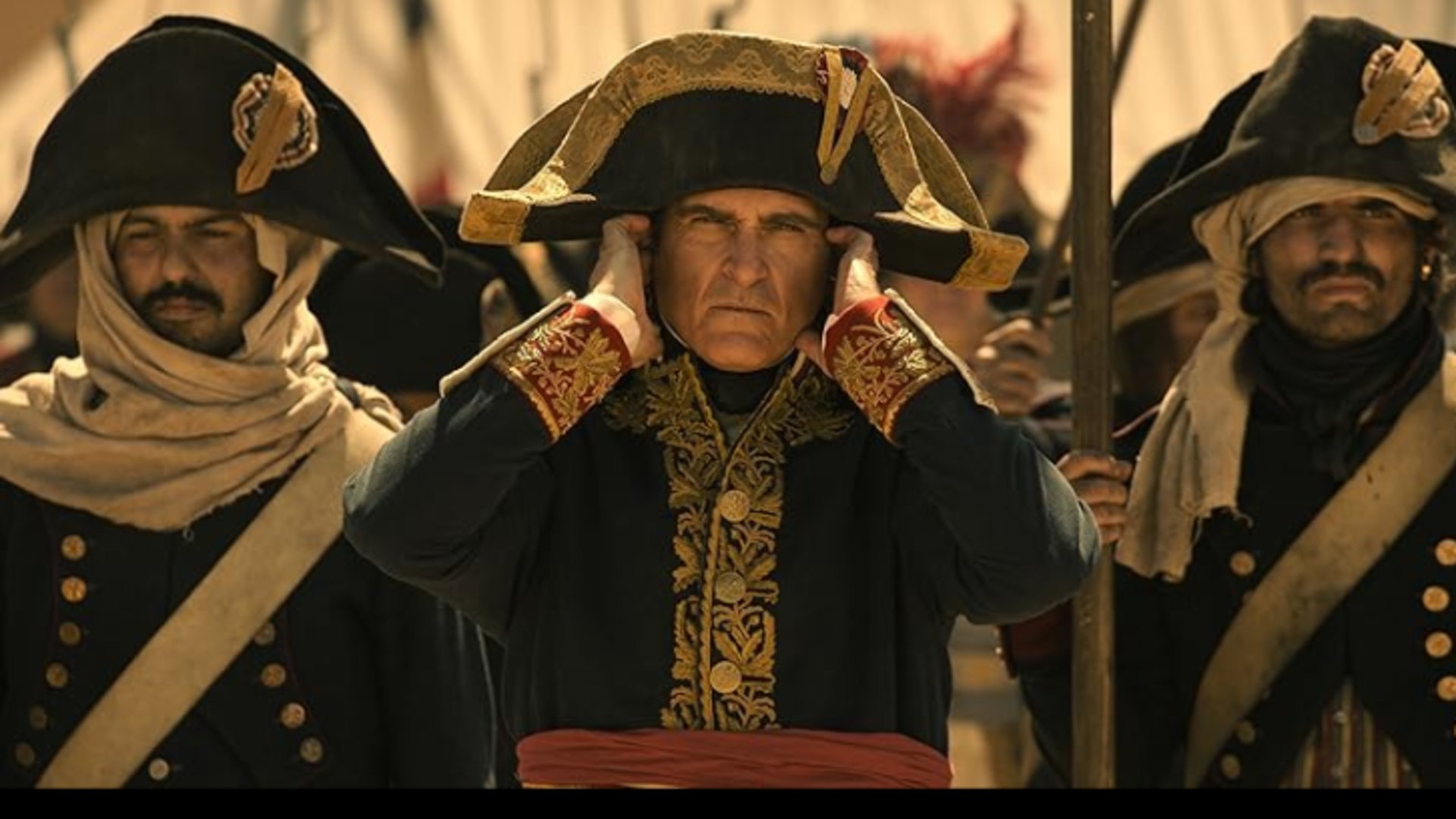
‘Napoleon’ (2023)
‘Napoleon’ offers a vivid yet contentious portrayal of Napoleon Bonaparte. Historians have criticized the film’s depiction of major battles and personal relationships. While Napoleon’s military brilliance is often downplayed in favor of exaggerated personal flaws, several historical events and wartime details are inaccurately presented.
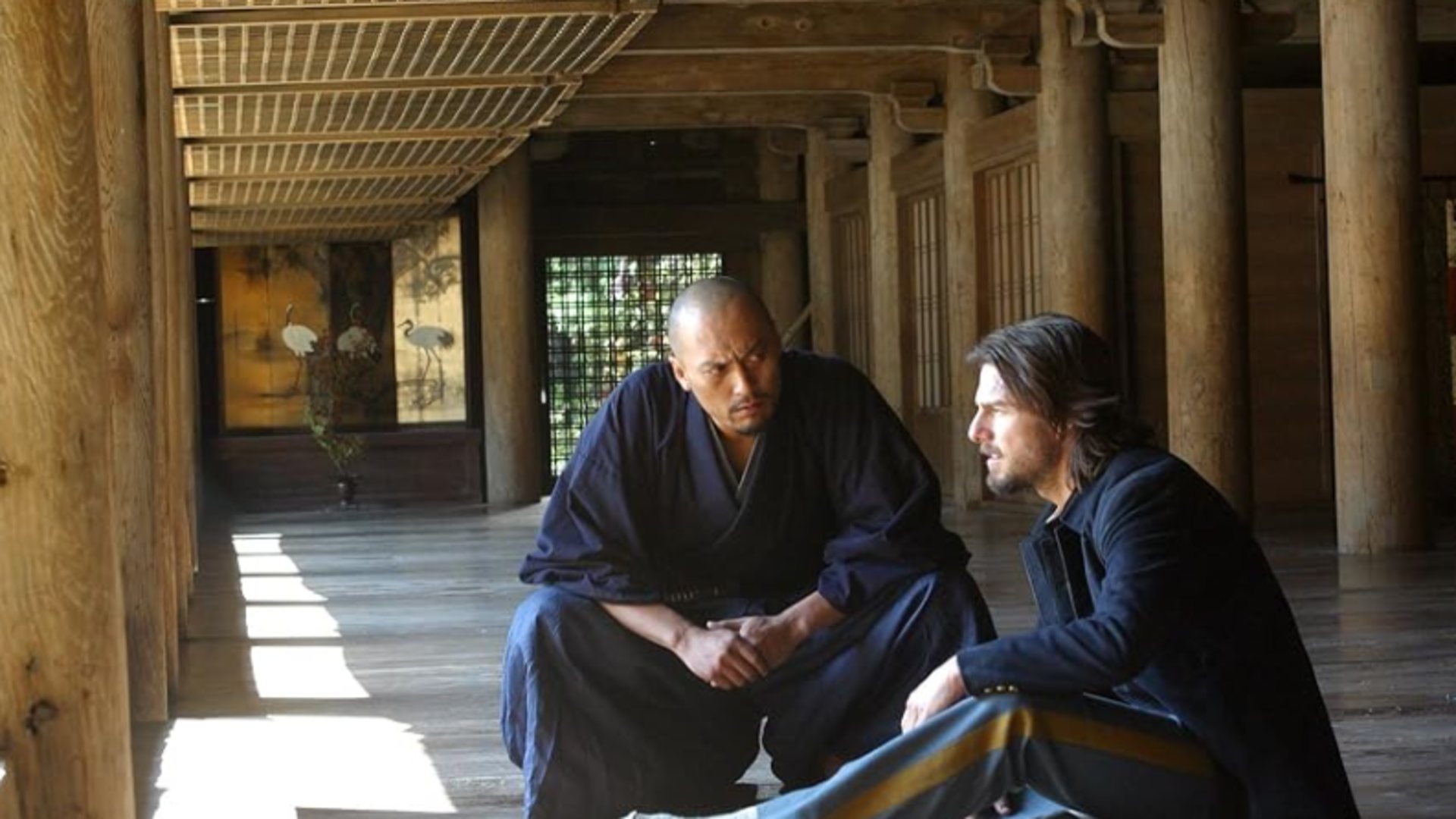
‘The Last Samurai’ (2003)
‘The Last Samurai’ depicts Japan during the Meiji Restoration, but many aspects of the story are historically inaccurate. Although the Satsuma Rebellion really took place, the film centers the narrative around an American protagonist. Many historians argue that this perspective oversimplifies the conflict and overlooks the deeper political and economic reasons behind the rebellion. The samurai were not fighting solely to protect their honor, as the movie suggests.
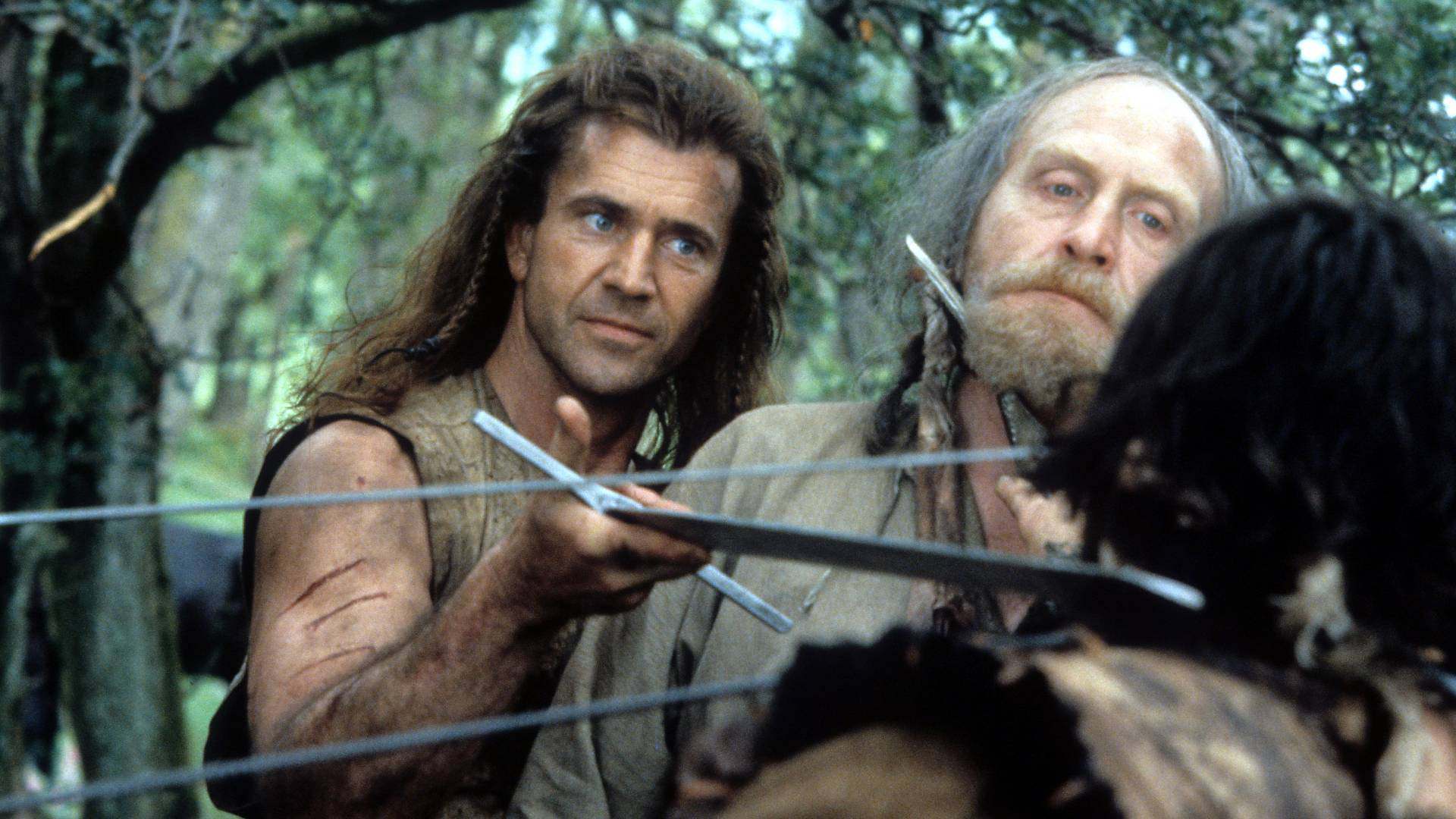
‘Braveheart’ (1995)
One of the most historically inaccurate films ever made, ‘Braveheart’ takes huge liberties with the life of William Wallace. Wallace is portrayed as a commoner, even though he actually came from a minor noble family. The romance between Wallace and Isabella of France never happened either, since she was still a child during that period. Even the Battle of Stirling Bridge is inaccurate. The film removes the bridge entirely, despite it being a crucial tactical advantage in the real battle.