
10 Moments In History that Inspired ‘The Handmaid’s Tale’
Romania’s Anti-Abortion Law and the Politics of Reproduction
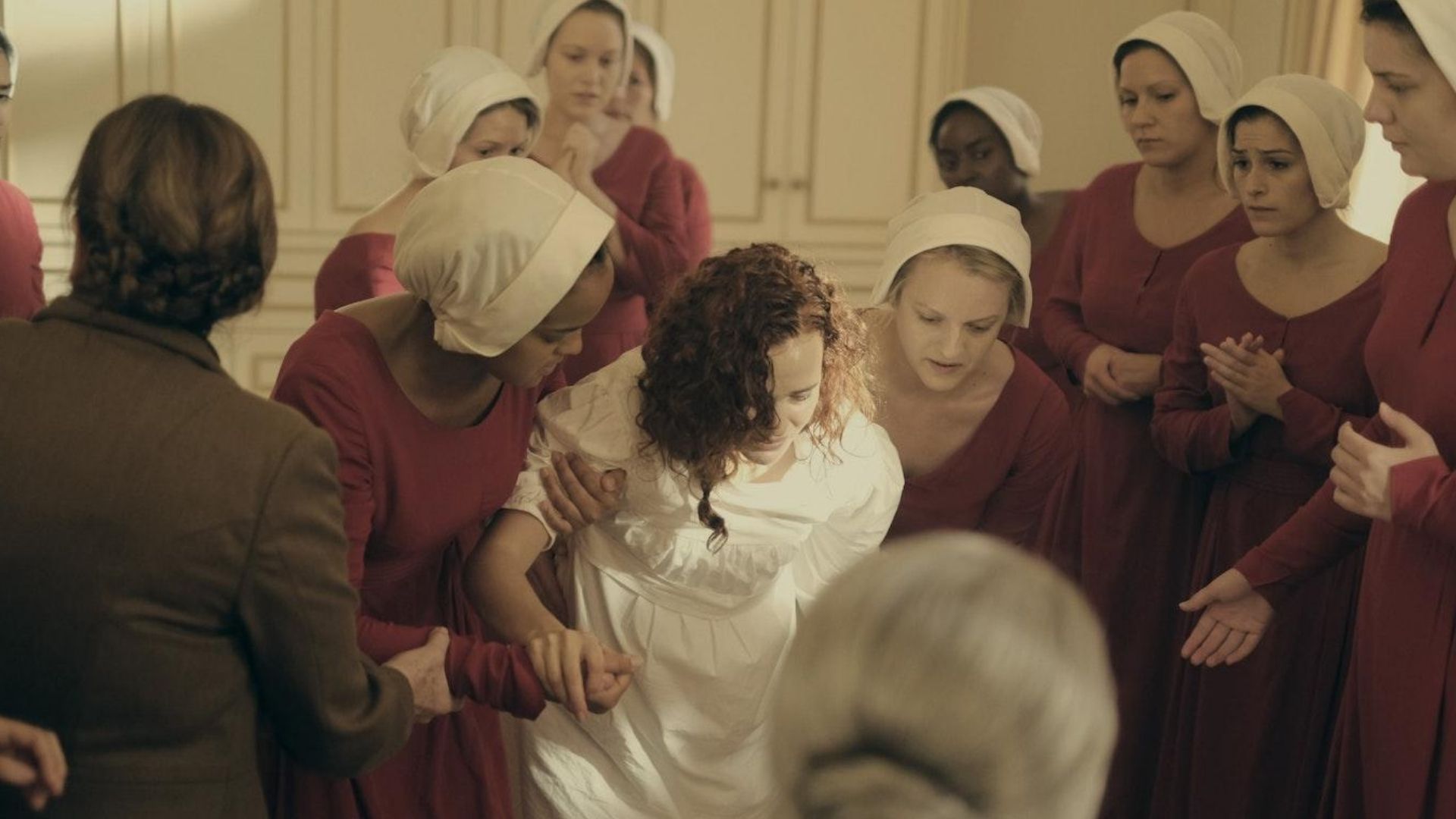
In 1967, Romania passed a law called Decree 770. It banned abortion and birth control to increase the population. Women had to go for regular checkups to make sure they were pregnant. Many women suffered because they could not control their own bodies. Poor families struggled to raise children, and orphanages became overcrowded. Some women even died trying unsafe abortions. This strict control over reproduction is very similar to what happens in Gilead, where women are forced to have children.
The Deadly Forced Labor Behind Gilead’s Colonies
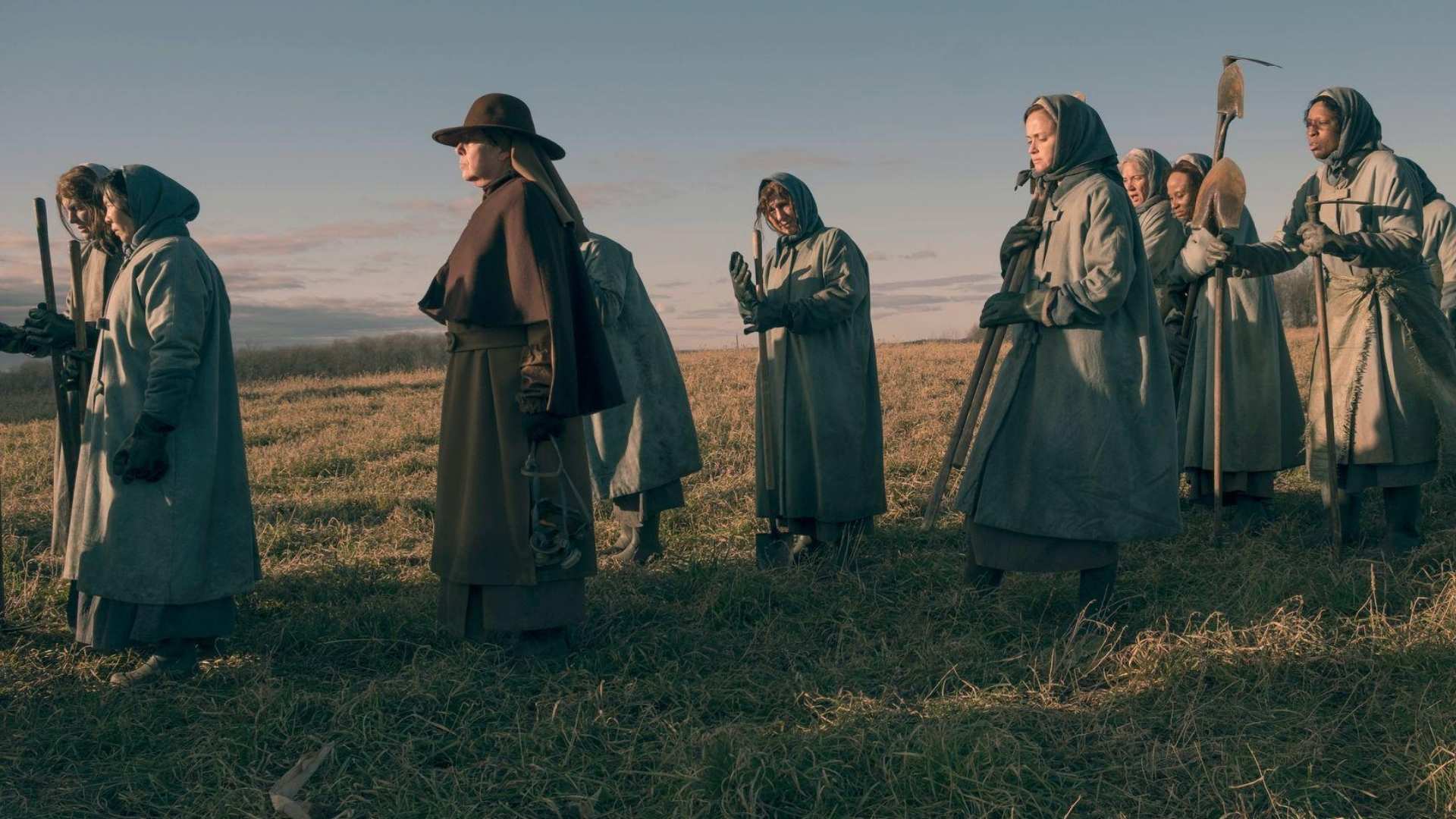
In the Soviet Union, prisoners were forced to work in uranium mines where radiation levels were very high. Many of them died within a few years because of exposure. They were treated as disposable workers. This is similar to the Colonies in The Handmaid’s Tale. In the show, women who break rules are sent there to clean toxic waste. They slowly get sick and die. This shows how dangerous labor has been used in real life to punish and control people.
The Wall and Public Fear
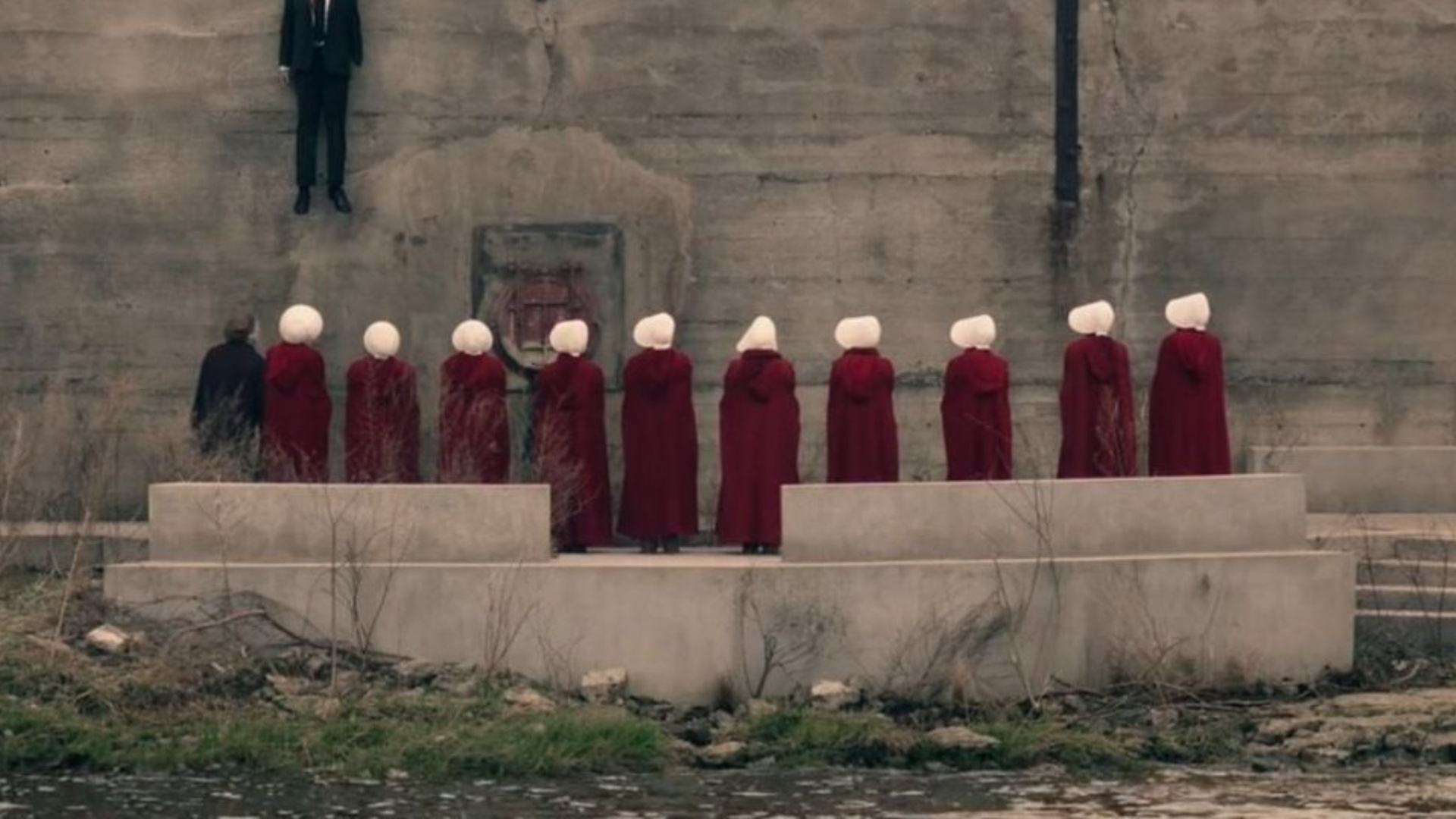
Public executions were once common and were meant to scare people into obeying the law. Crowds would gather to watch punishments. In The Handmaid’s Tale, the Wall is used in the same way. Bodies are displayed in public to remind everyone of the consequences of breaking rules. It creates constant fear. This shows how power can be maintained by making examples out of people.

The Harsh Reality of Female Mutilation in Gilead
Female genital mutilation is a real practice that still exists in some parts of the world. It is painful and can cause lifelong damage. In The Handmaid’s Tale, similar procedures are used to punish women. It shows how extreme control over women’s bodies can become. The show brings attention to real issues that still affect women today.
The Religious Sect That Helped Name the Handmaids
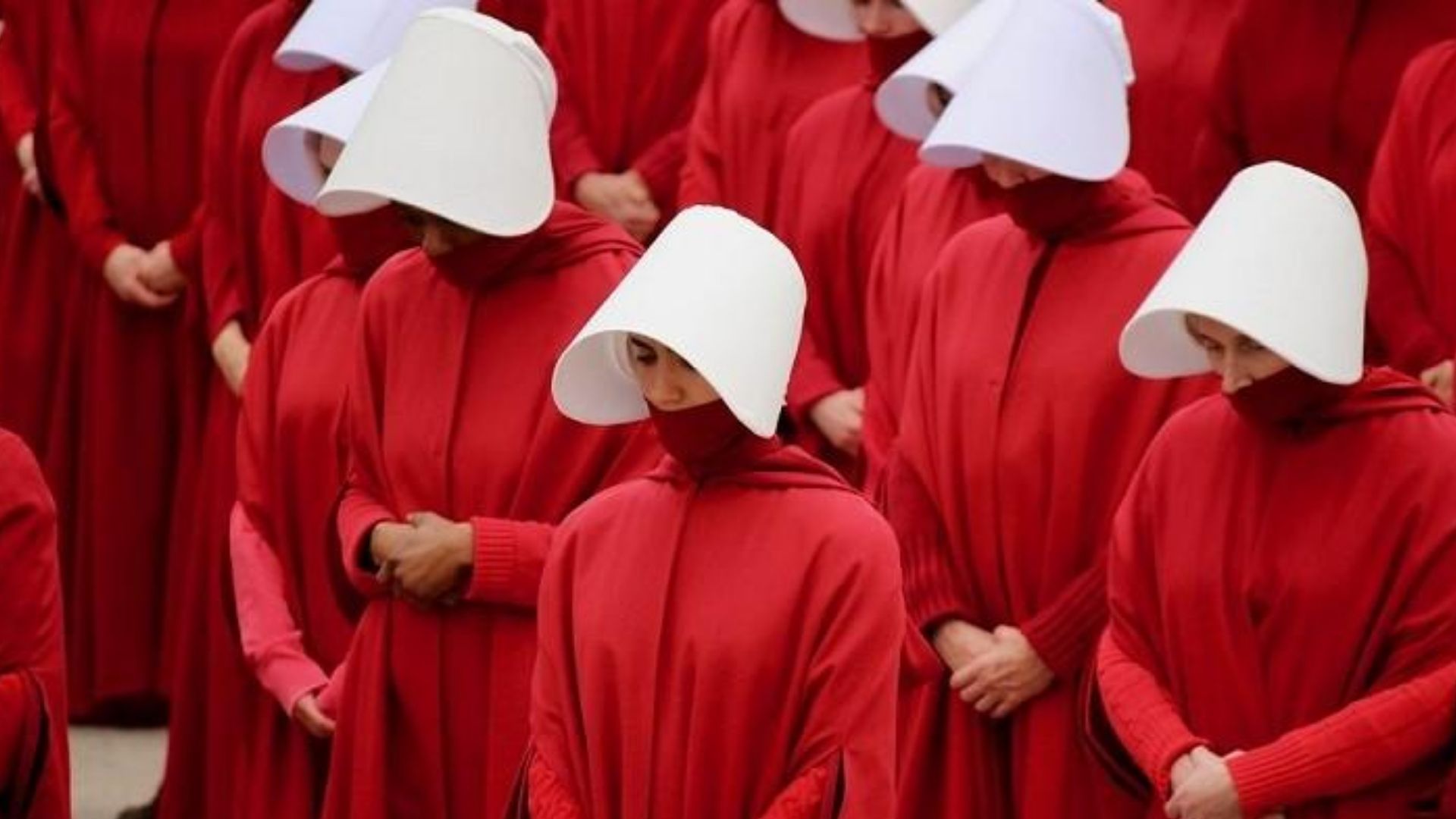
This idea came from a real religious group in New Jersey called The People of Hope. Women in this group were expected to obey their husbands and follow strict rules based on religion. They were even called “Handmaidens of God.” Margaret Atwood found this term during her research and used it in her story. In the group, women also monitored each other and discouraged outside help.
The Concept Of Mayday and the Call for Help
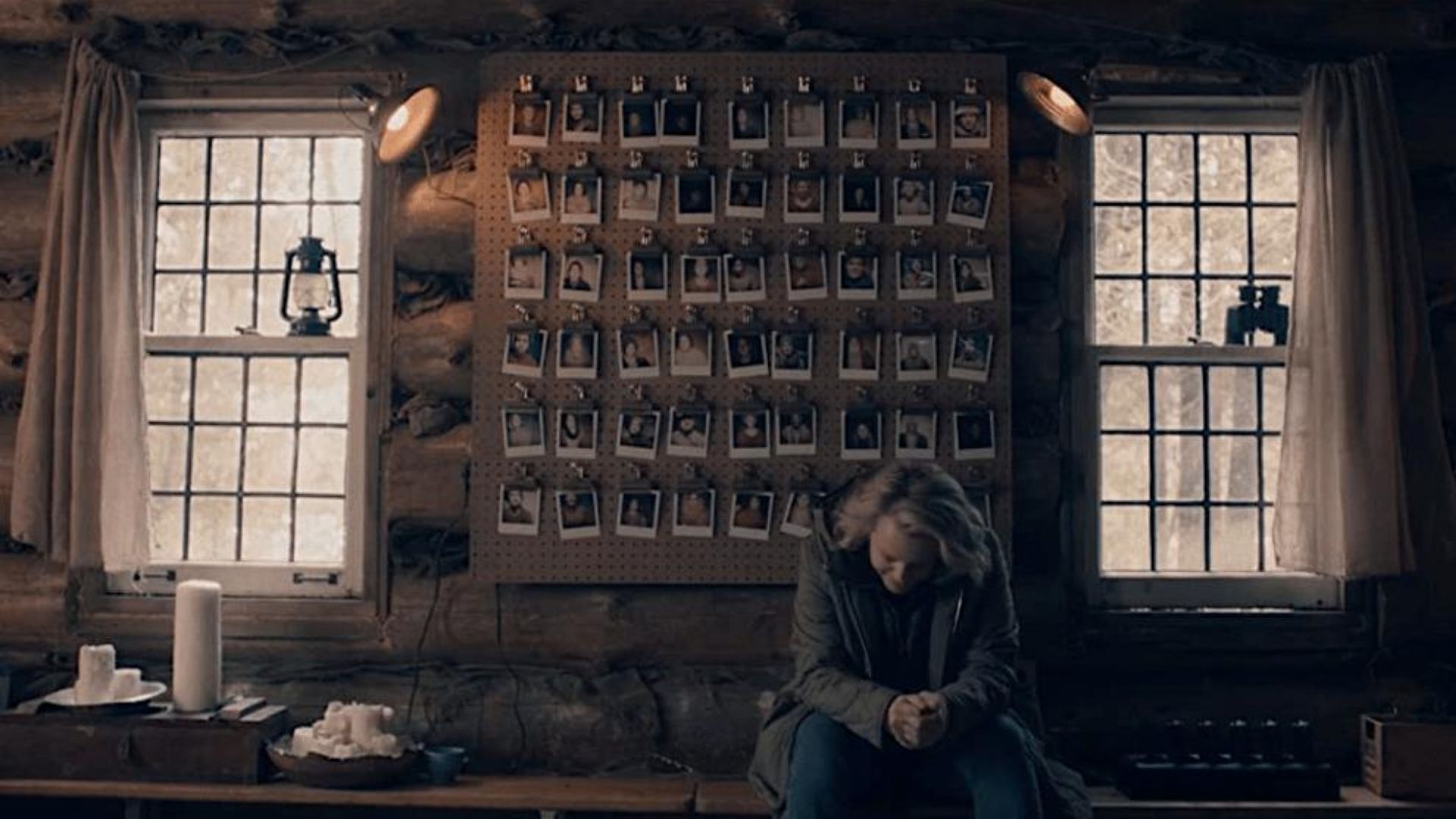
The word Mayday is used as a distress call that means “help me.” It started in the early days of radio communication. In The Handmaid’s Tale, Mayday is the name of a secret resistance group. It represents hope and the desire to escape. The use of this word connects the story to real life and shows that people will always look for ways to fight back against control.
Real History Behind Gilead’s Stolen Children
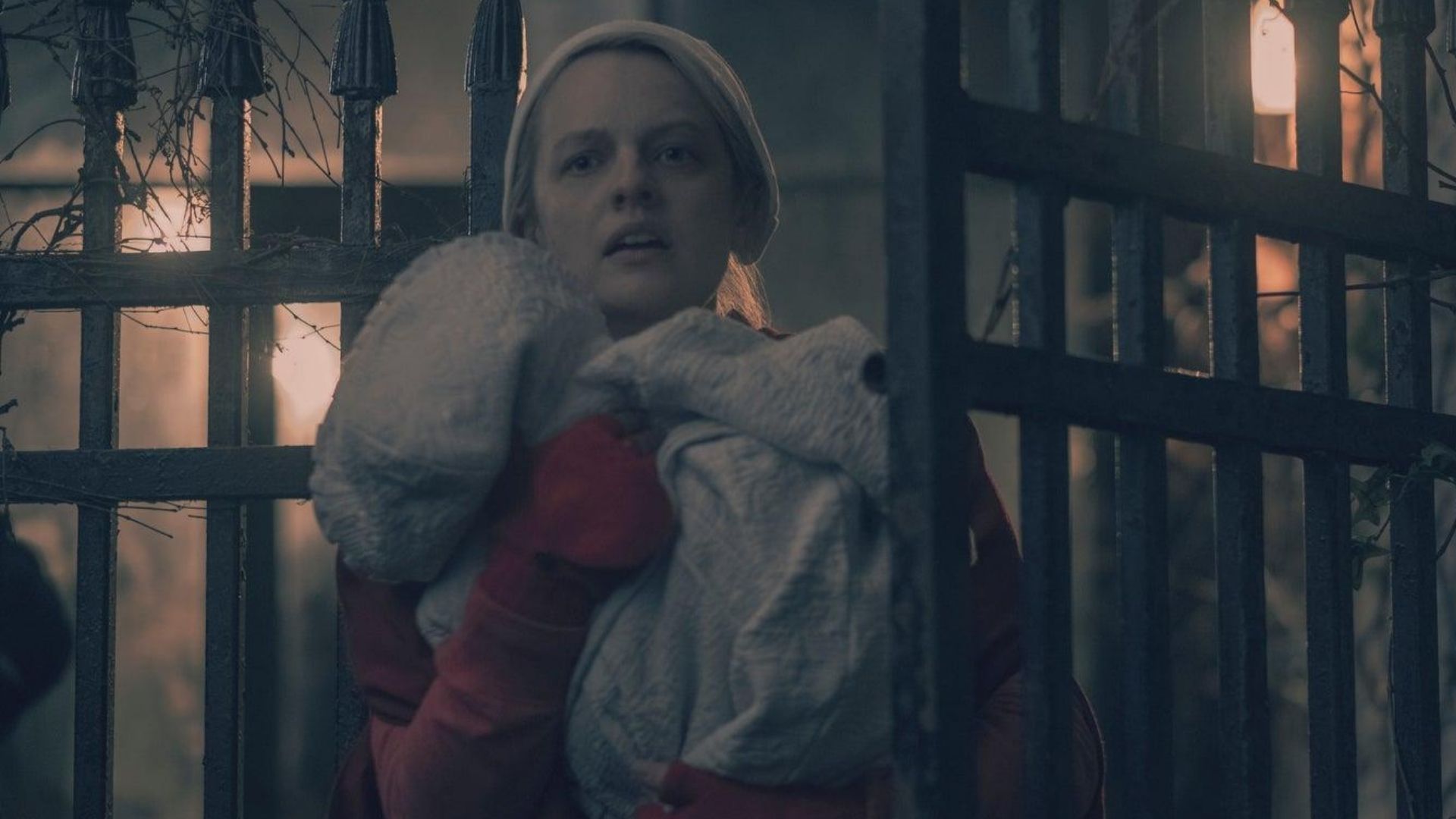
There have been times in history when children were taken from their families by the government. One example is when Native American children were removed from their homes and given to other families. In The Handmaid’s Tale, children born to Handmaids are taken and raised by powerful families. Mothers are not allowed to keep them.

The Exploitation of Jezebels
In the show, powerful men secretly visit a place called Jezebel’s. It is a hidden club where women are forced into prostitution. This reflects real events in history where such systems existed behind closed doors. For example, in Nazi Germany, women were forced into brothels for soldiers. It's the perfect example of how people in power can hide their actions while pretending to follow strict rules.
Clothing Became a Symbol of Control
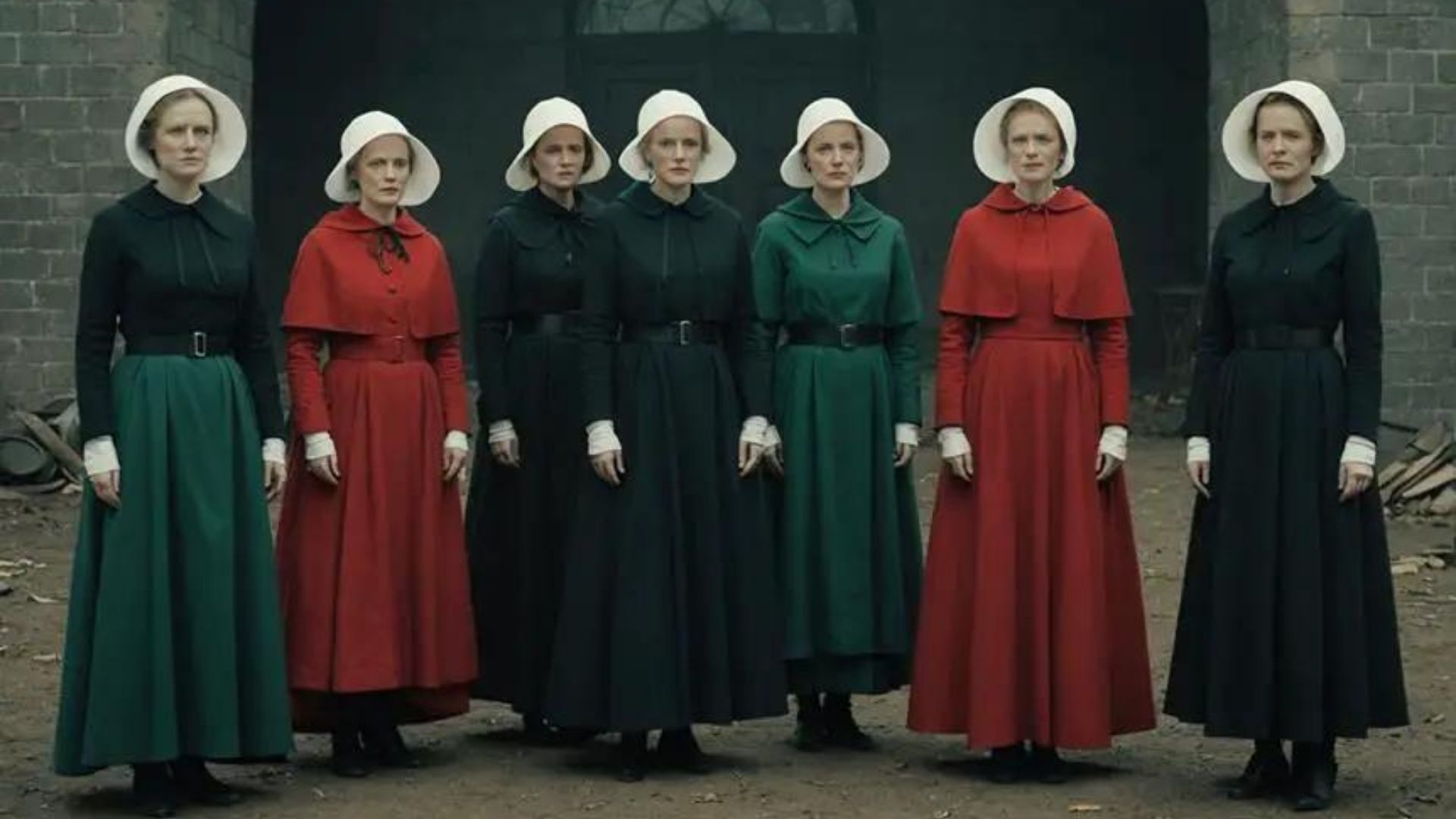
Many societies have used dress codes to control people, especially women. In the past, women were told to wear modest clothing to show obedience. In The Handmaid’s Tale, each group wears a specific color. Handmaids wear red, Wives wear blue, and Marthas wear green. These clothes show their role and status. It removes individuality and makes it easy to control them. Clothing becomes a way to limit freedom.

Canada Became the Natural Refuge in Atwood’s Story
At the time Margaret Atwood was writing the book, Canada had a falling birth rate. Many women were working and choosing smaller families. Instead of forcing women to have children, Canada allowed more immigrants to grow its population. This made it a safe and welcoming place. In The Handmaid’s Tale, Canada becomes a place where people escape from Gilead.