
Most Legendary Movie Opening Scenes
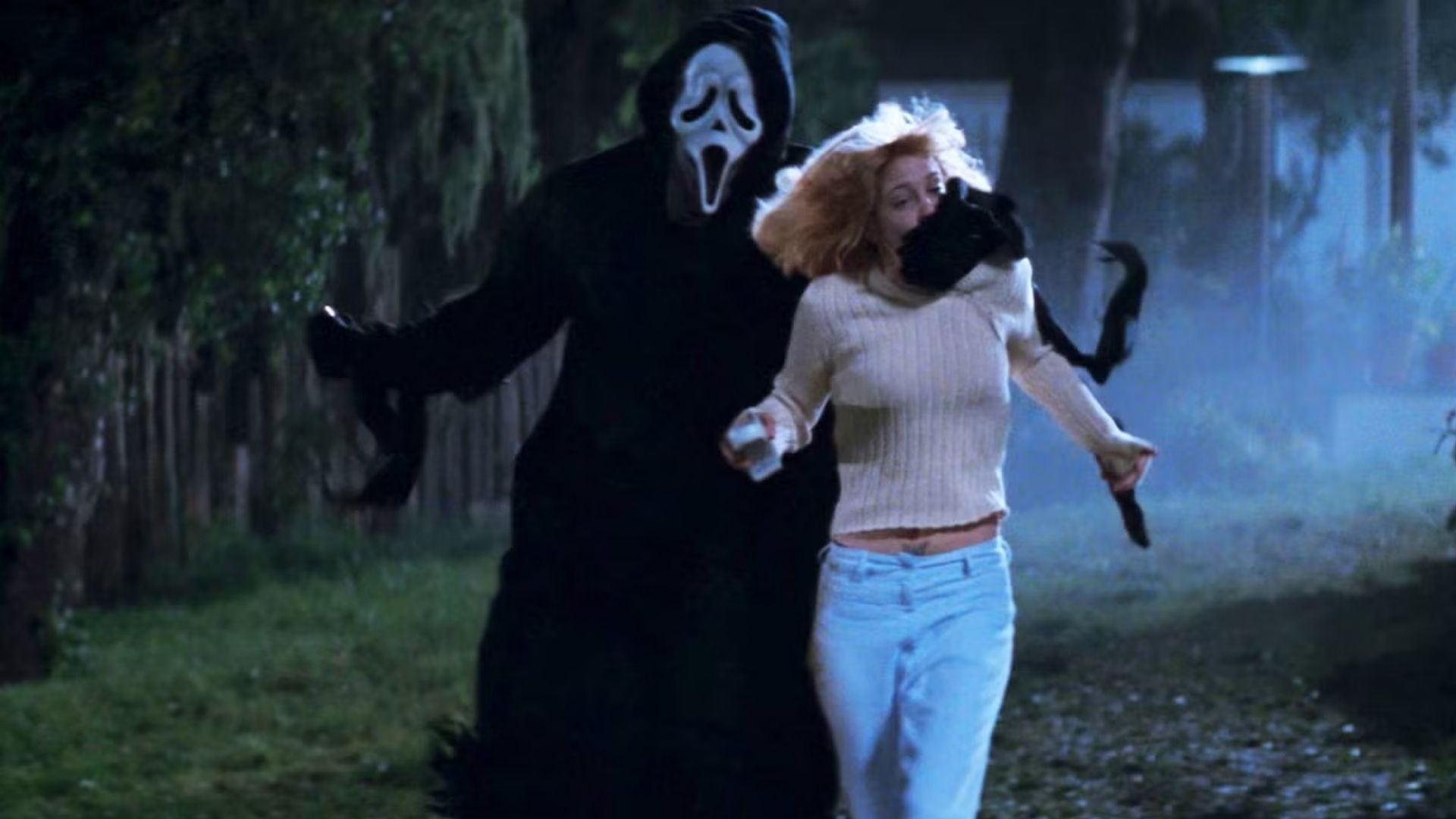
Scream
What starts as a playful phone call turns into one of horror’s most terrifying openers. Drew Barrymore’s Casey flirts with a mystery caller, chatting about scary movies, until the conversation grows sinister. Suddenly, the rules flip: she’s not safe, the killer isn’t waiting for the “final girl,” and no one is untouchable.

There Will Be Blood
Paul Thomas Anderson strips away dialogue and gives us something primal. Daniel Plainview, filthy and desperate, hacks away in a mine before dragging his injured body out of the pit with sheer willpower. It’s quiet, brutal, and oddly hypnotic. The opening sets the tone for everything to come: a story about greed, ambition, and a man so relentless that even silence can’t soften him.
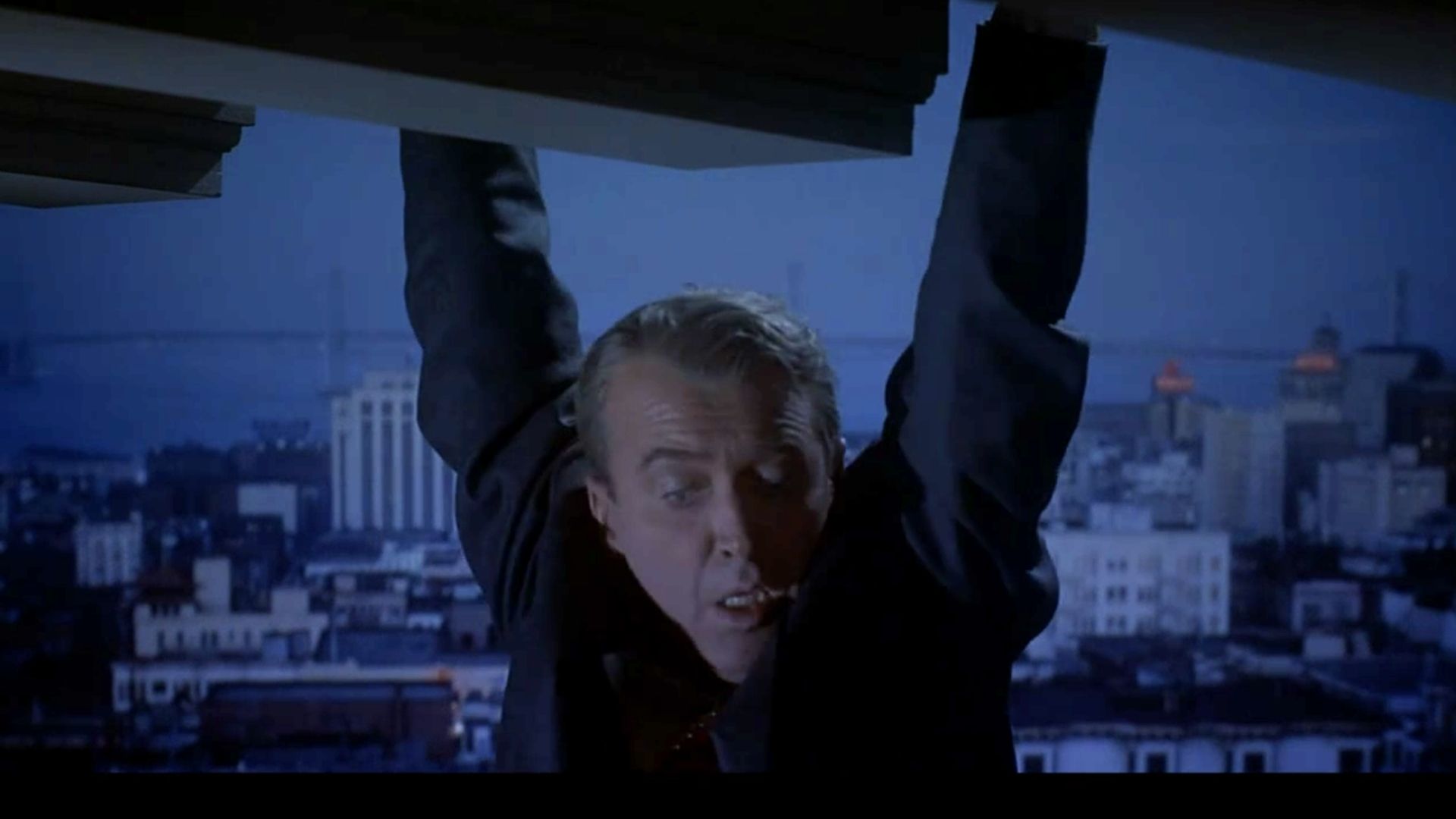
Vertigo
Hitchcock wastes no time dropping us into danger. A rooftop chase unfolds, with Jimmy Stewart’s Scottie dangling for his life while a fellow cop plunges to his death. It’s already suspenseful, but then Hitchcock deploys a camera trick that would become iconic: the dolly zoom. That warped, stretching visual effect conveys Scottie’s acrophobia and practically engraves the film’s title.
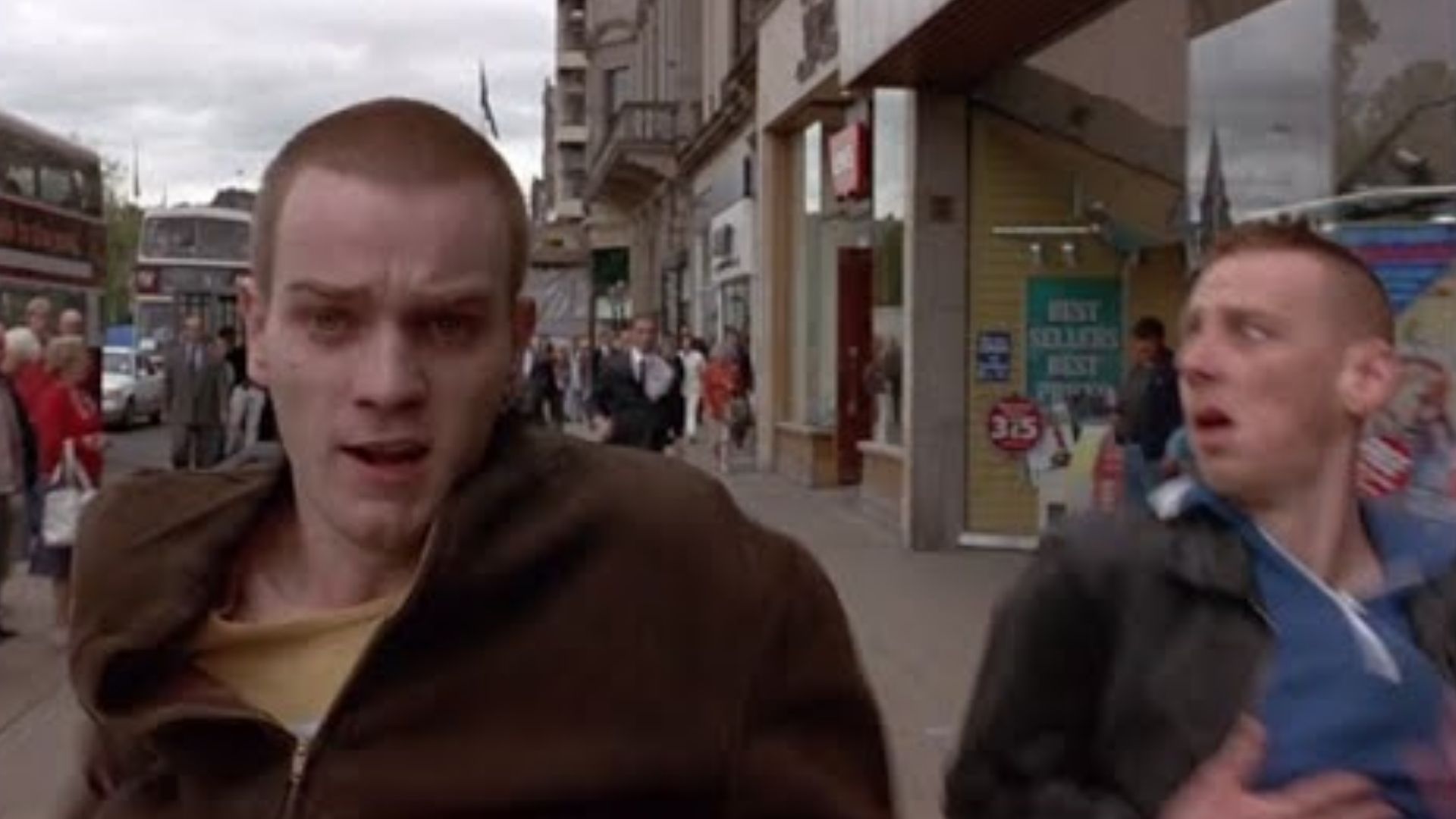
Trainspotting
“Choose life. Choose a job. Choose a career.” With those words, paired with Iggy Pop’s pounding “Lust for Life,” Danny Boyle announced Trainspotting as a cultural event. Ewan McGregor’s Renton sprints down the streets of Edinburgh while his sardonic voiceover mocks consumerism, society, and himself. The energy is and the dark humour sharp as a needle.

Zoolander
Few comedies dare to open with cameos from A-list celebrities debating the cultural significance of a fictional male model, but Zoolander does it without blinking. Suddenly, you’ve got Donald Trump, Natalie Portman, and Victoria Beckham talking about Derek Zoolander like he’s a real-life fashion icon. The faux-documentary style blurs satire and reality so convincingly that you can’t help but laugh and question your own pop-culture compass.
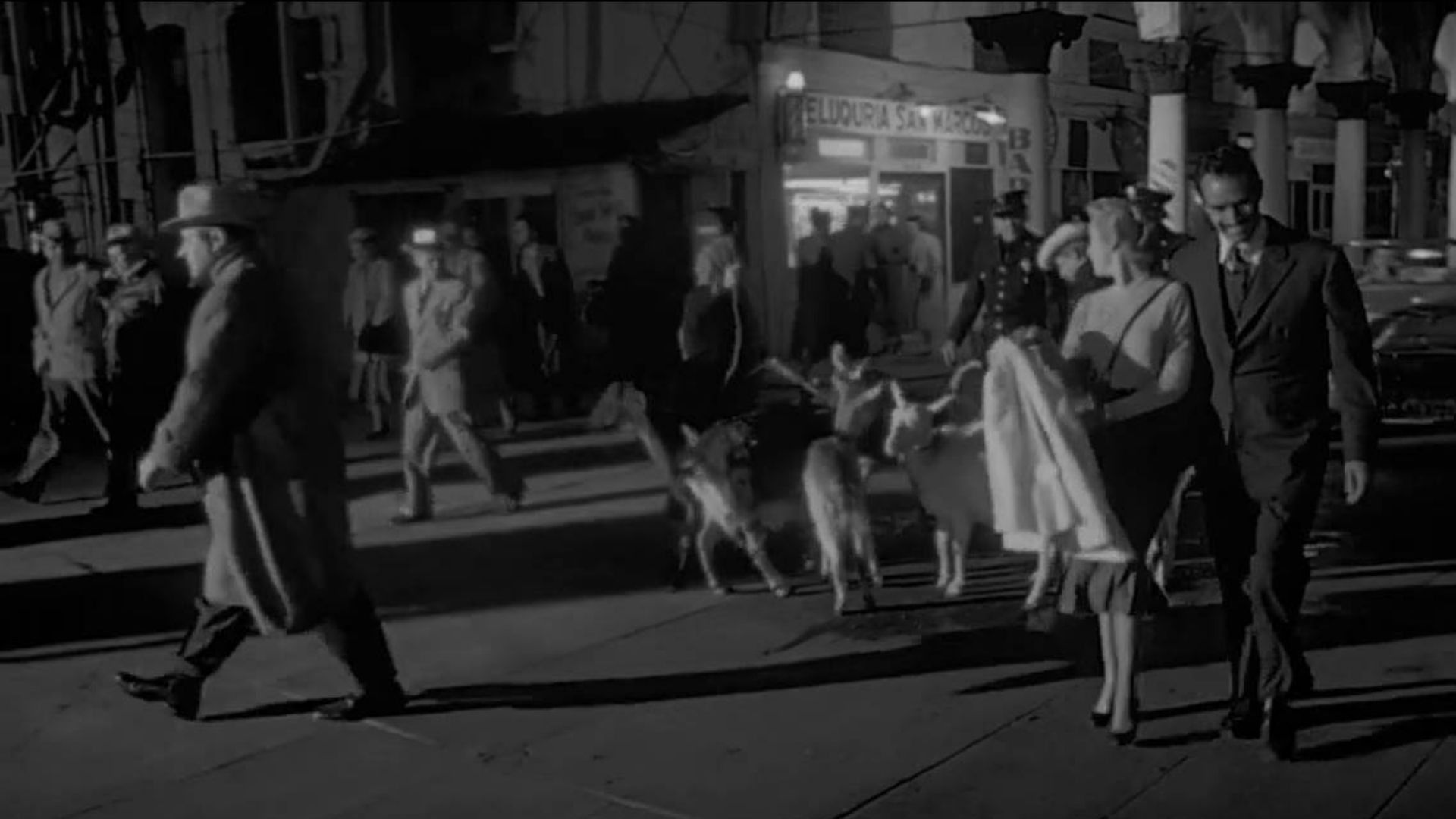
Touch of Evil
Orson Welles proved in just one shot that he could out-direct everyone. The opening is a famous long take that follows a car carrying a ticking time bomb through the buzzing streets of a Mexican border town. Pedestrians chatter, music blares, and life goes on while the camera glides effortlessly, shadowing Charlton Heston and Janet Leigh as they unknowingly walk parallel to danger.
The Spy Who Loved Me
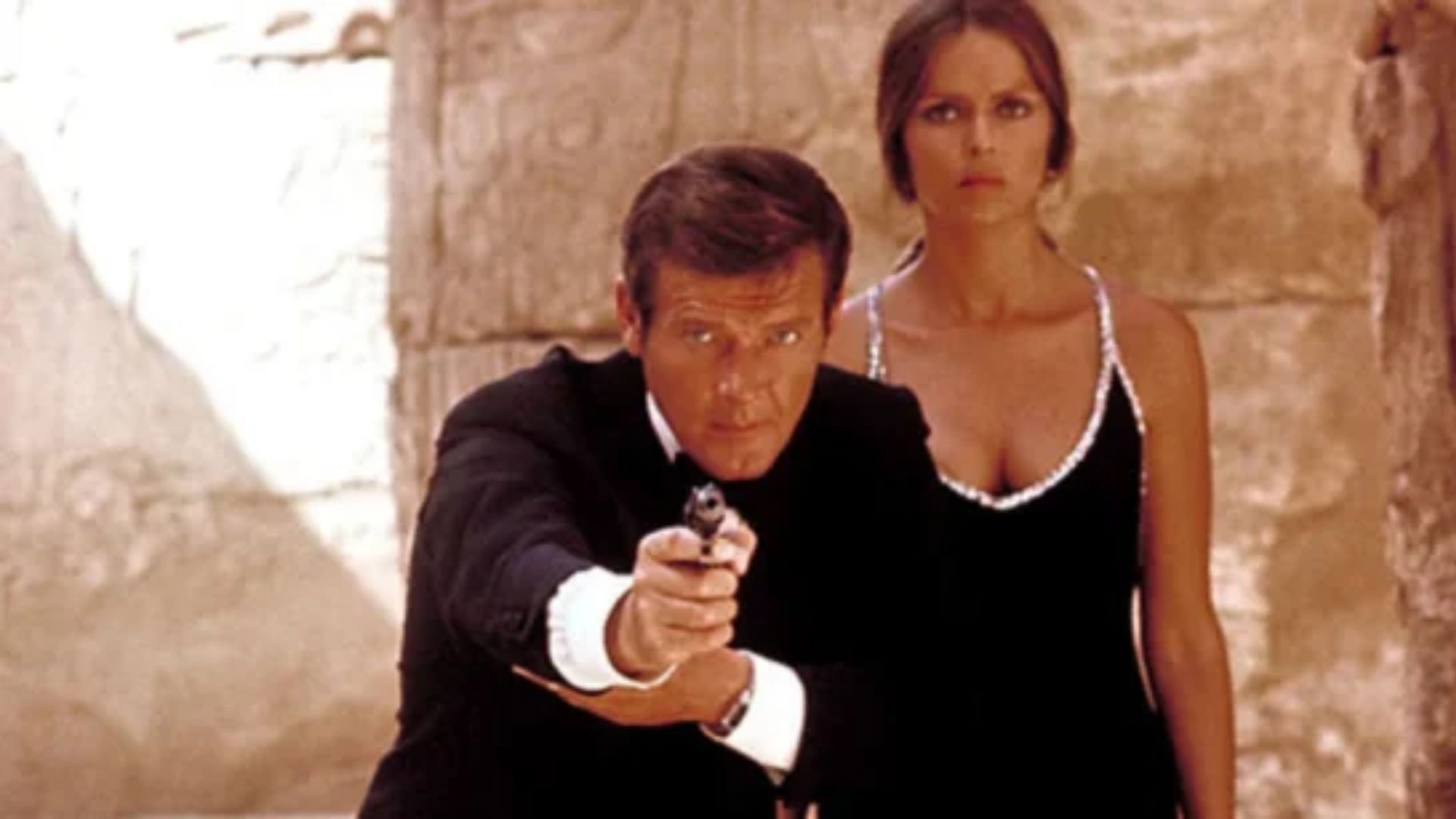
If you’re talking Bond openers, this one might just be peak 007 excess. Within minutes, a nuclear submarine vanishes, Roger Moore is seducing his way through a ski chalet, and suddenly he’s tearing down icy mountains with assassins at his heels. Just when it feels like he’s cornered, Bond hurls himself off a cliff, only to unveil a massive Union Jack parachute.
The Matrix
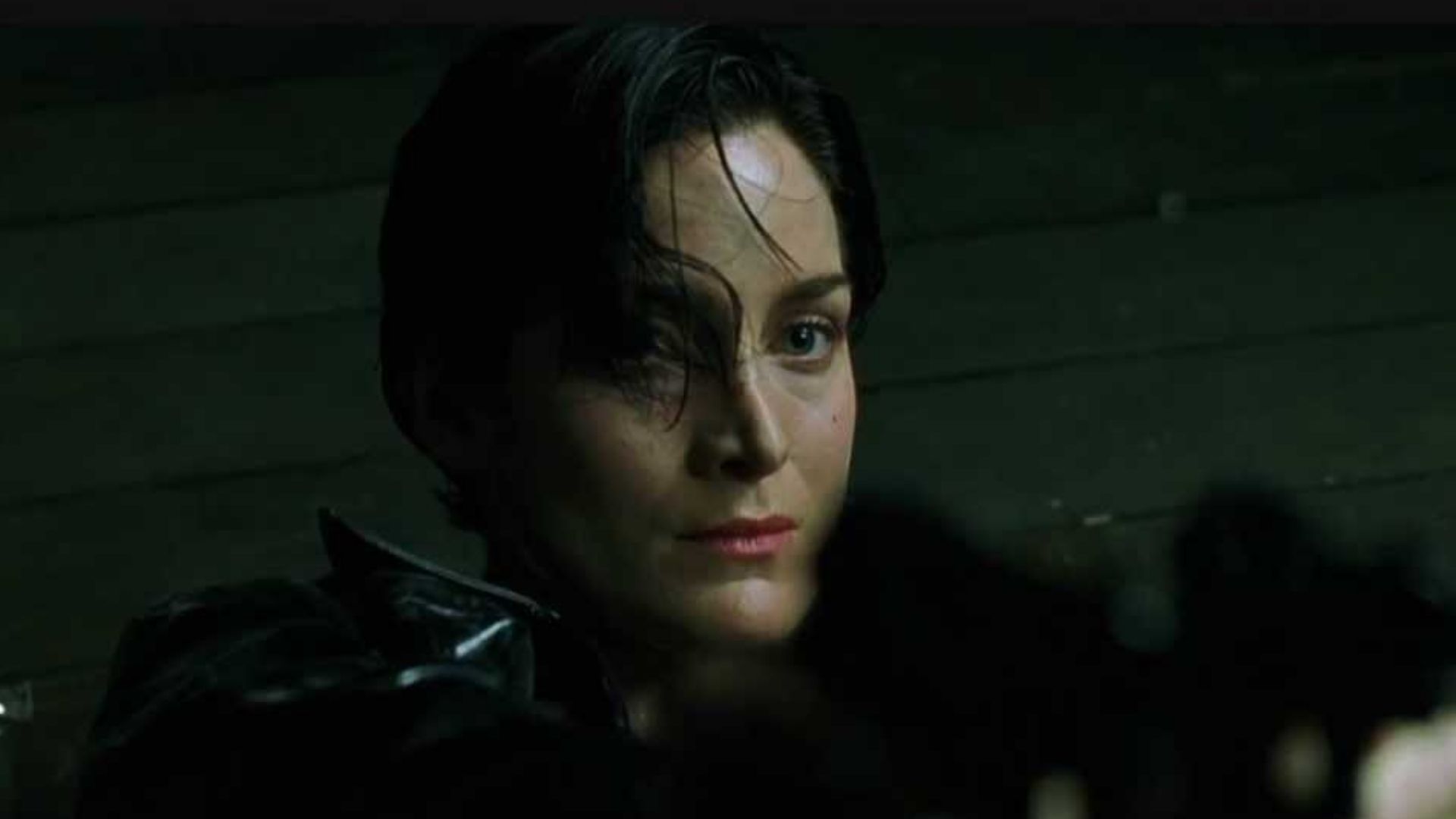
Before Neo even shows up, The Matrix announces it’s here to bend your brain. Carrie-Anne Moss’s Trinity flips gravity-defying kicks, dodges bullets, and then leaps across rooftops in a way that had audiences whispering, “How did they do that?” The answer, of course, was bullet time, a visual effect so groundbreaking it instantly changed the look of action cinema.

The Incredibles
Pixar’s superheroes didn’t burst onto the scene with explosions; they gave us retro-styled TV interviews that felt almost like reality-show confessionals. Mr. Incredible, Elastigirl, and Frozone talk candidly about crime-fighting glory days, before the film zips into Bob and Helen Parr’s chaotic wedding-turned-action scene. In a few short minutes, the movie sketches out an entire world: bright, stylish, and just slightly nostalgic.

The Godfather
Few films ease you into their world with such patience. Coppola opens with a long, intimate wedding sequence; not shootouts or gang wars, but family, traditions, and quiet conversations in the shadows. Don Corleone, sitting in his office as petitioners beg for favours, establishes himself as both feared and respected.

The Dark Knight
Bank robberies aren’t new to movies, but Christopher Nolan staged one that redefined the superhero genre. Clown-masked criminals storm a Gotham bank with brutal efficiency, betraying one another one by one as the plan unfolds. The tension ratchets higher until the last mask comes off, revealing Heath Ledger’s Joker in his first, unforgettable appearance.
Sunset Boulevard
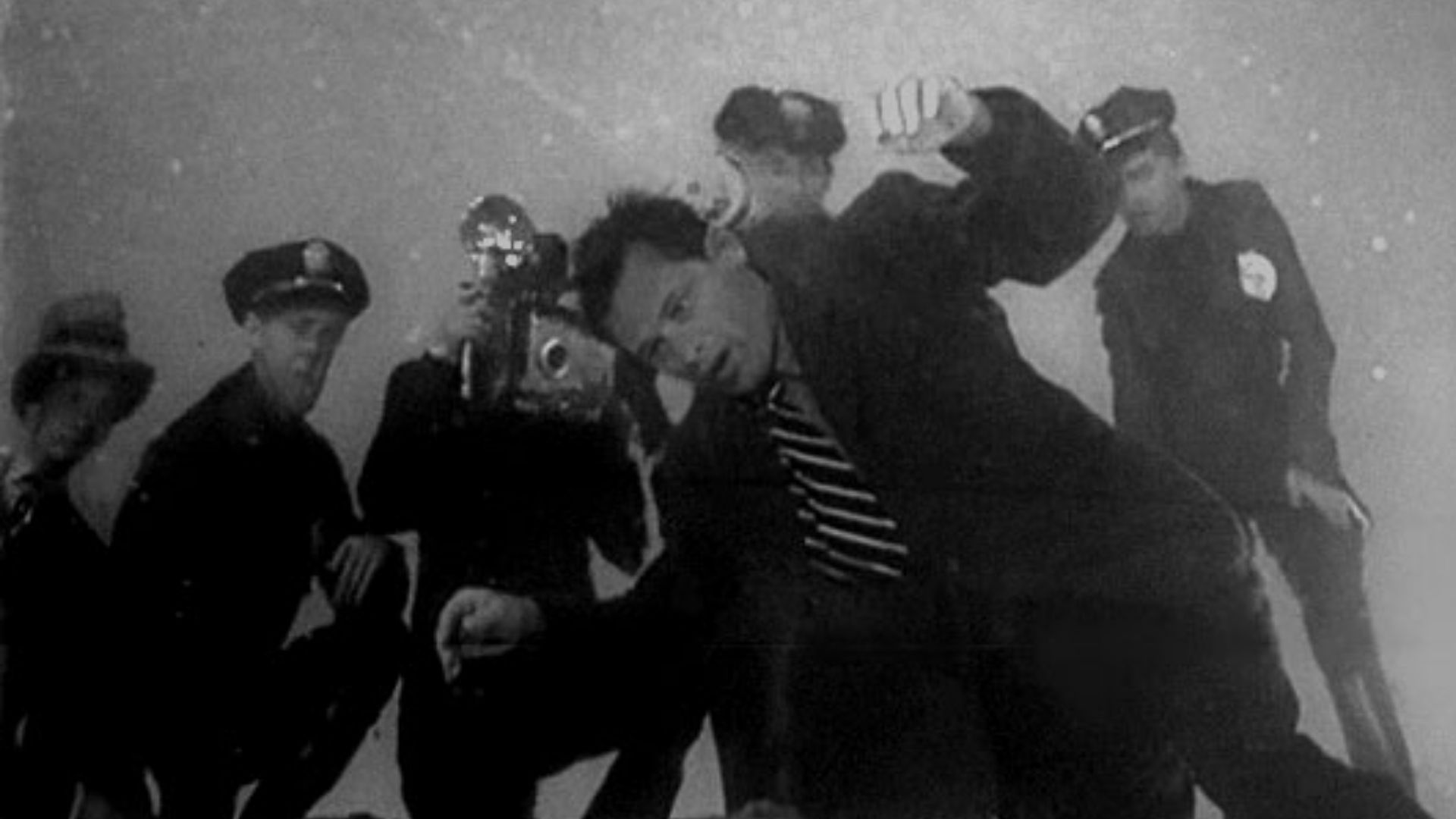
Talk about an unforgettable hook. Billy Wilder’s noir classic literally begins with its narrator floating dead in a swimming pool. Joe Gillis (William Holden) then proceeds to tell us his own story in flashback, dripping with bitterness and Hollywood cynicism. It’s the ultimate “you’re probably wondering how I ended up here” moment, decades before that became a cliché.
Star Wars
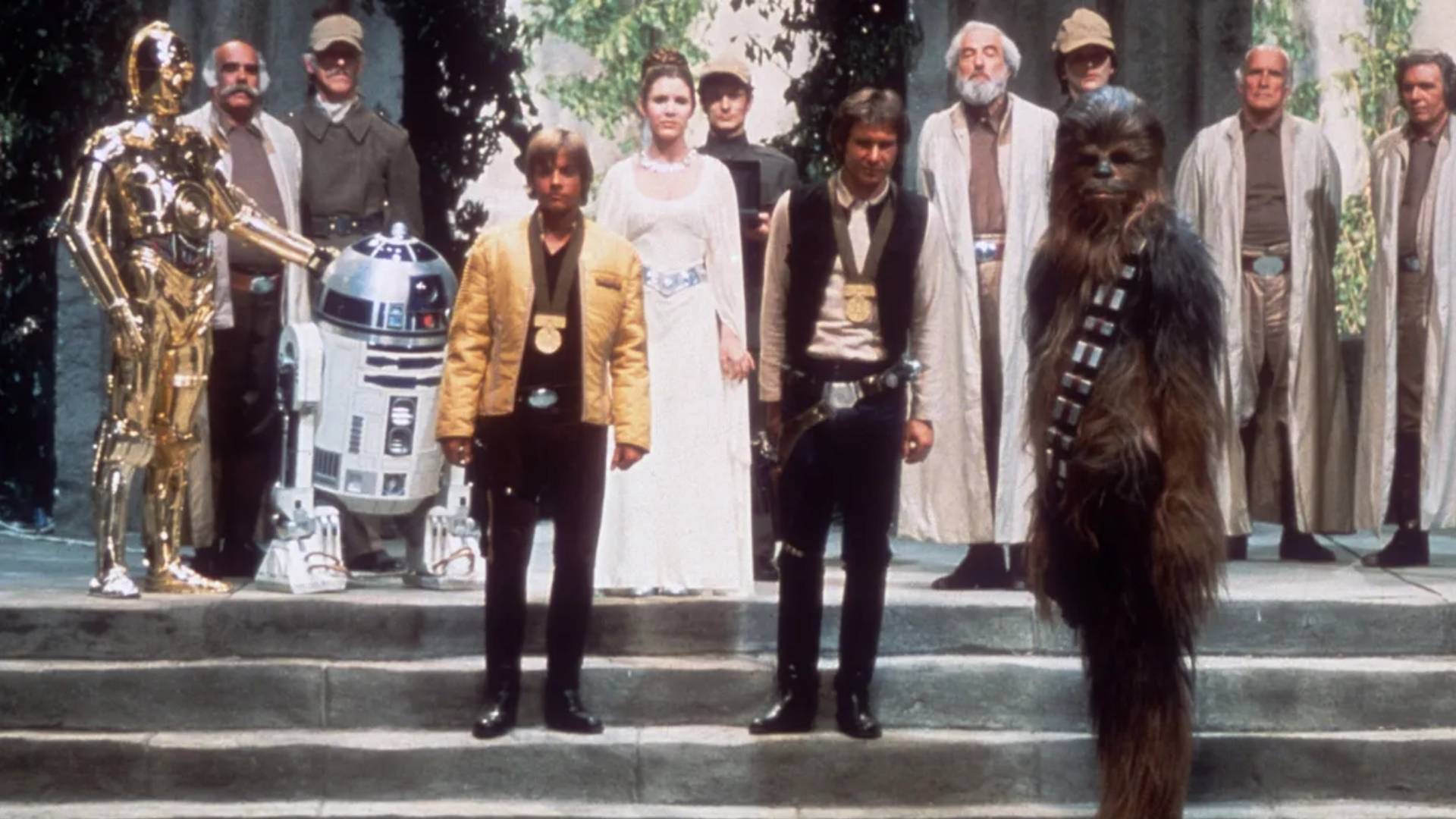
A long time ago in a galaxy far, far away… cinema changed forever. That iconic crawl of yellow text, the blaring John Williams score, and then, boom, a rebel ship pursued by a Star Destroyer that seems to go on forever. The sheer scale was jaw-dropping in 1977, and it still works today. Then Darth Vader enters, all black cape and heavy breathing, instantly making him as one of the most intimidating villains in movie history.
Raiders of the Lost Ark
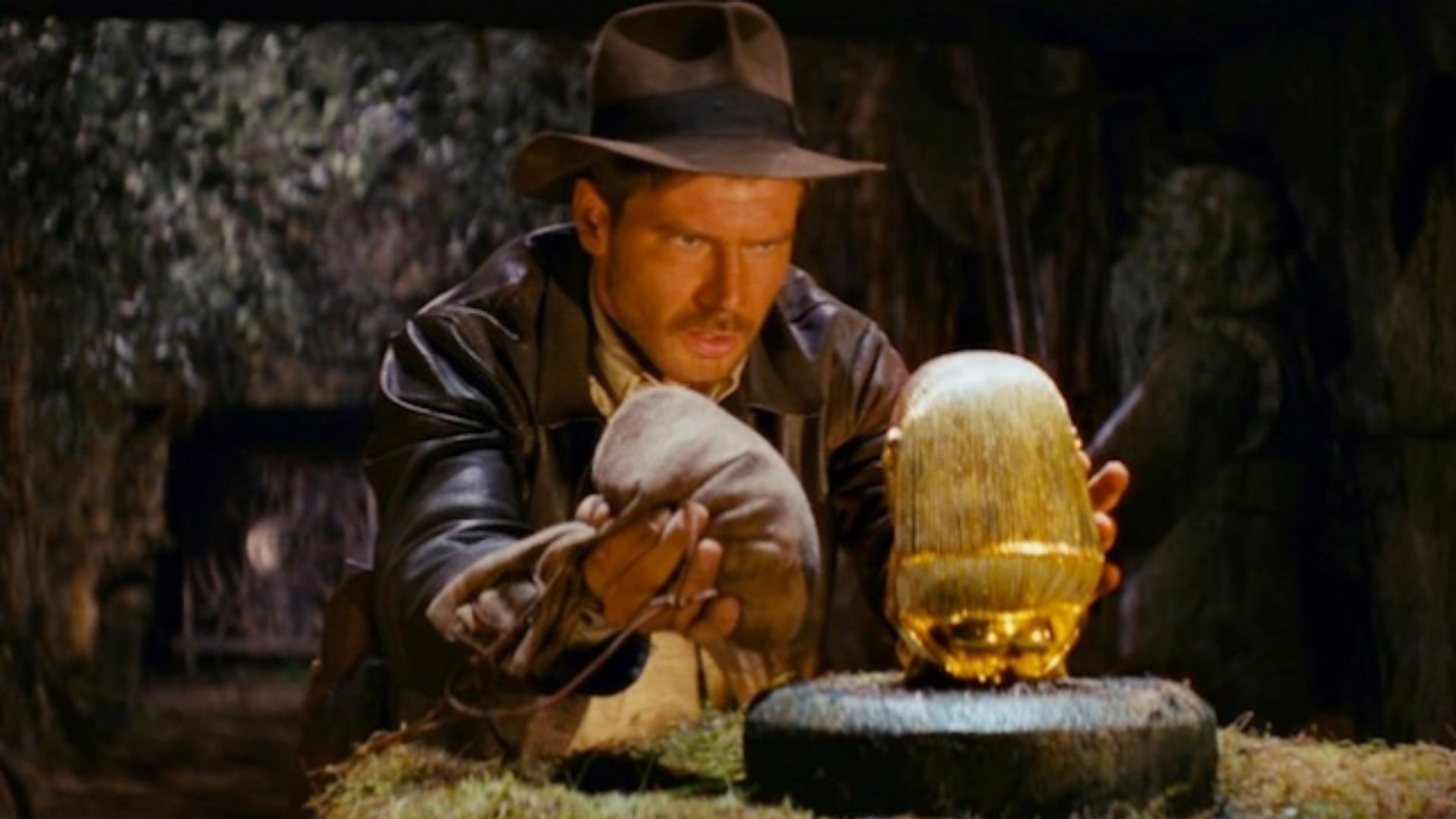
Steven Spielberg introduced Indiana Jones like he was already a legend. From the booby-trapped temple to the golden idol switch to the giant rolling boulder, the sequence plays like a self-contained adventure. Harrison Ford’s Indy is clever, resourceful, and unlucky all at once, a hero who survives danger by wit as much as brawn.

Princess Mononoke
Few animated films open with a scene as pulse-pounding as this. Hayao Miyazaki throws us right into chaos: a cursed demon boar rampages through Ashitaka’s village, oozing with dark tendrils as it attacks everything in sight. Ashitaka slays the creature but is left with a curse that will haunt him for the rest of the film.

Once Upon a Time in the West
Forget quick-draw duels, Sergio Leone gave us an opening where nothing happens for ten whole minutes, and somehow it’s riveting. At a dusty train station, three gunmen sit in silence, battling boredom while the camera lingers on buzzing flies, dripping water, and creaking boards. When Charles Bronson’s “Harmonica” finally strolls in, playing his eerie tune, the mood changes instantly.
No Country for Old Men
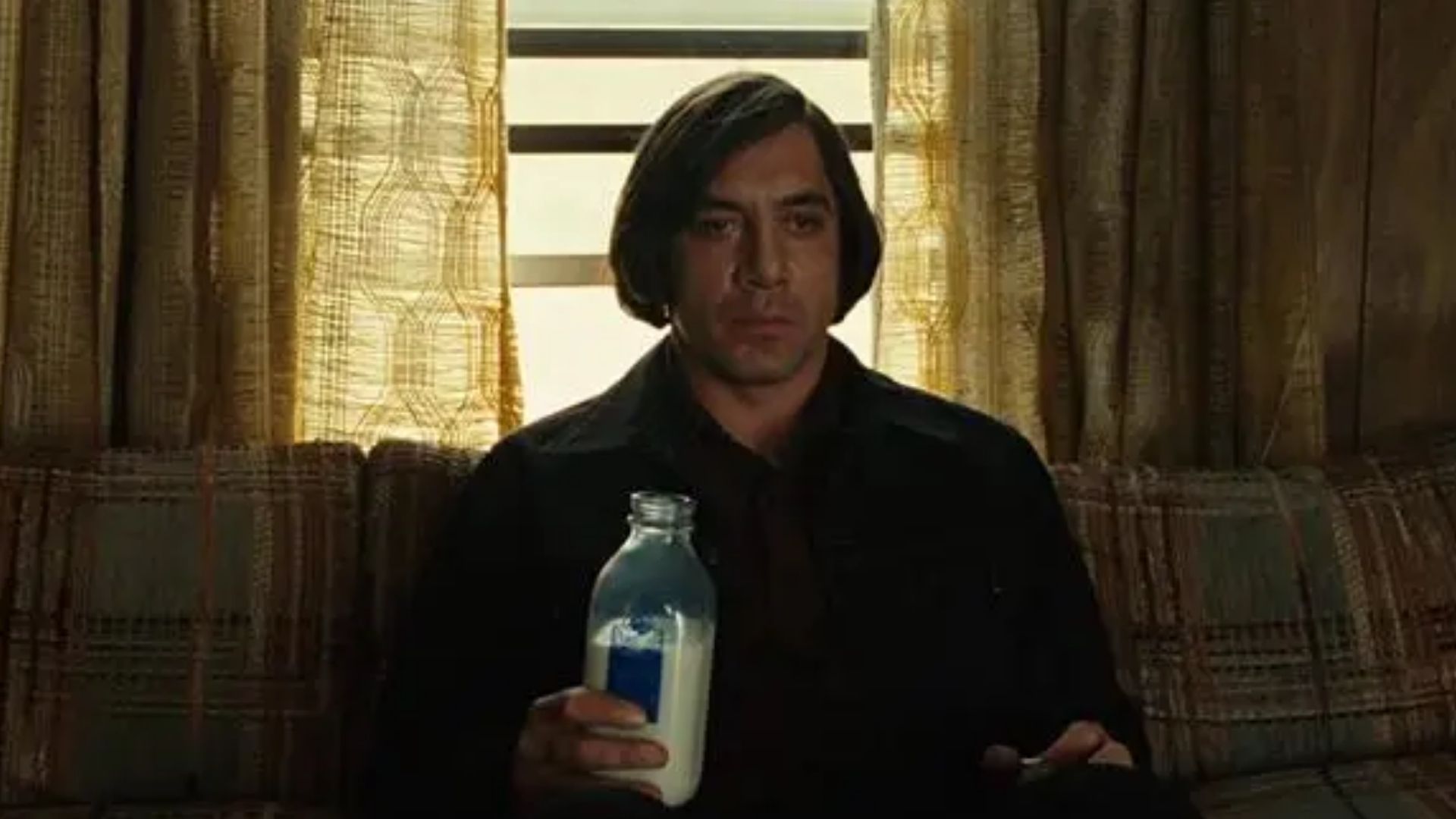
The Coen brothers didn’t kick things off with a bang but with a voice. Tommy Lee Jones’s weathered drawl floats over gorgeous Texas landscapes, musing about morality, fate, and violence. It feels almost comforting, until Anton Chigurh arrives on screen. The calm voiceover contrasts chillingly with Javier Bardem’s first appearance, strangling a man with terrifying calm.
Inglourious Basterds
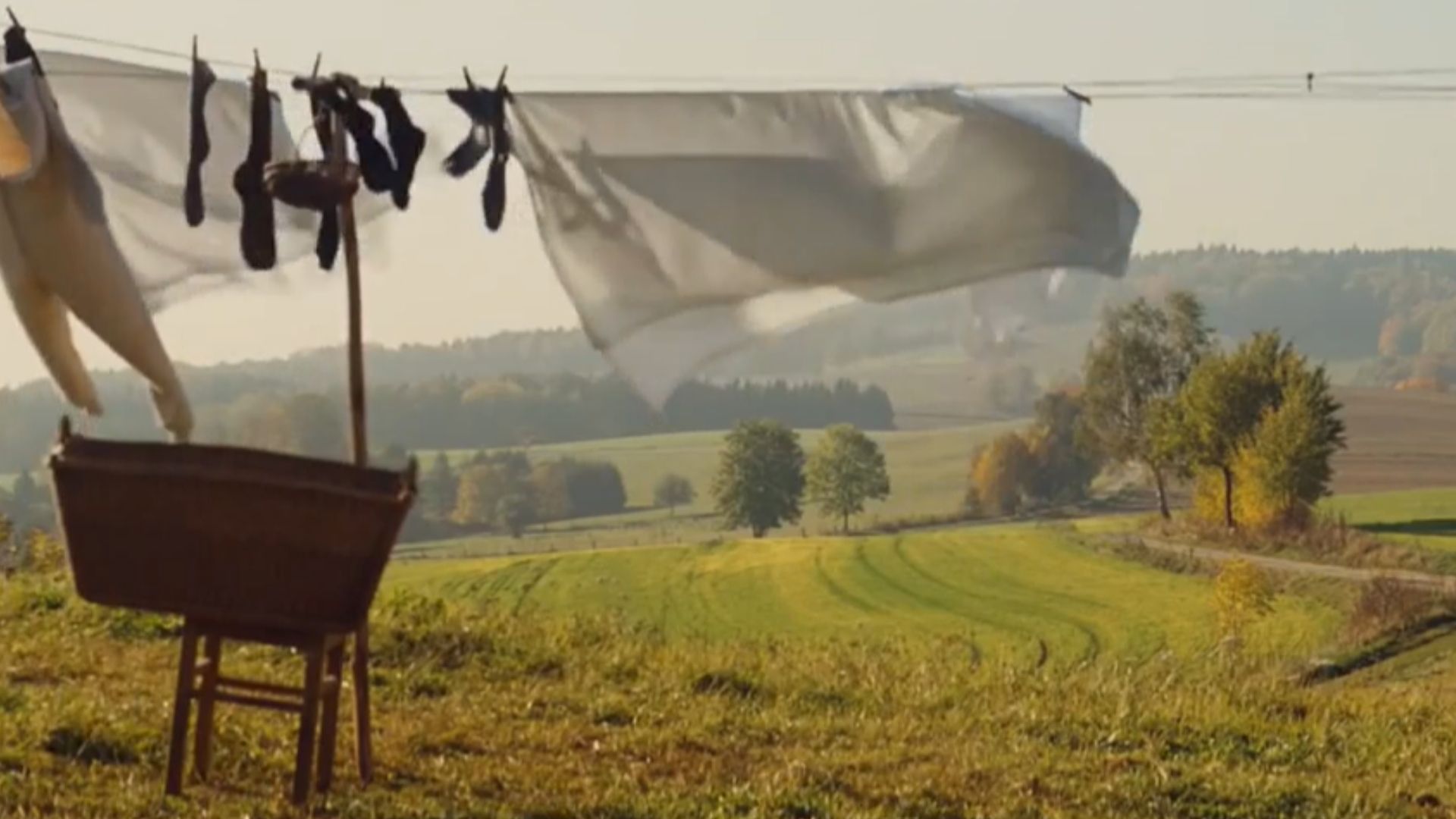
Quentin Tarantino spins pure suspense out of politeness in one of his most masterful scenes. On a quiet French farm, Nazi officer Hans Landa sips milk and charms his way through a conversation with a nervous farmer. Every pause and smile conceals menace, as we slowly realise Jews are hidden beneath the floorboards.

Goodfellas
The sound of a thumping trunk pulls us straight into mob life. When Henry Hill, Jimmy Conway, and Tommy DeVito open the car, a bloodied man is still clinging to life inside. What follows is a savage, no-nonsense execution, a burst of violence so sudden it shocks even seasoned gangster-film fans. Then, just as the brutality settles, Ray Liotta delivers that legendary line: “As far back as I can remember, I always wanted to be a gangster.”
Blade Runner
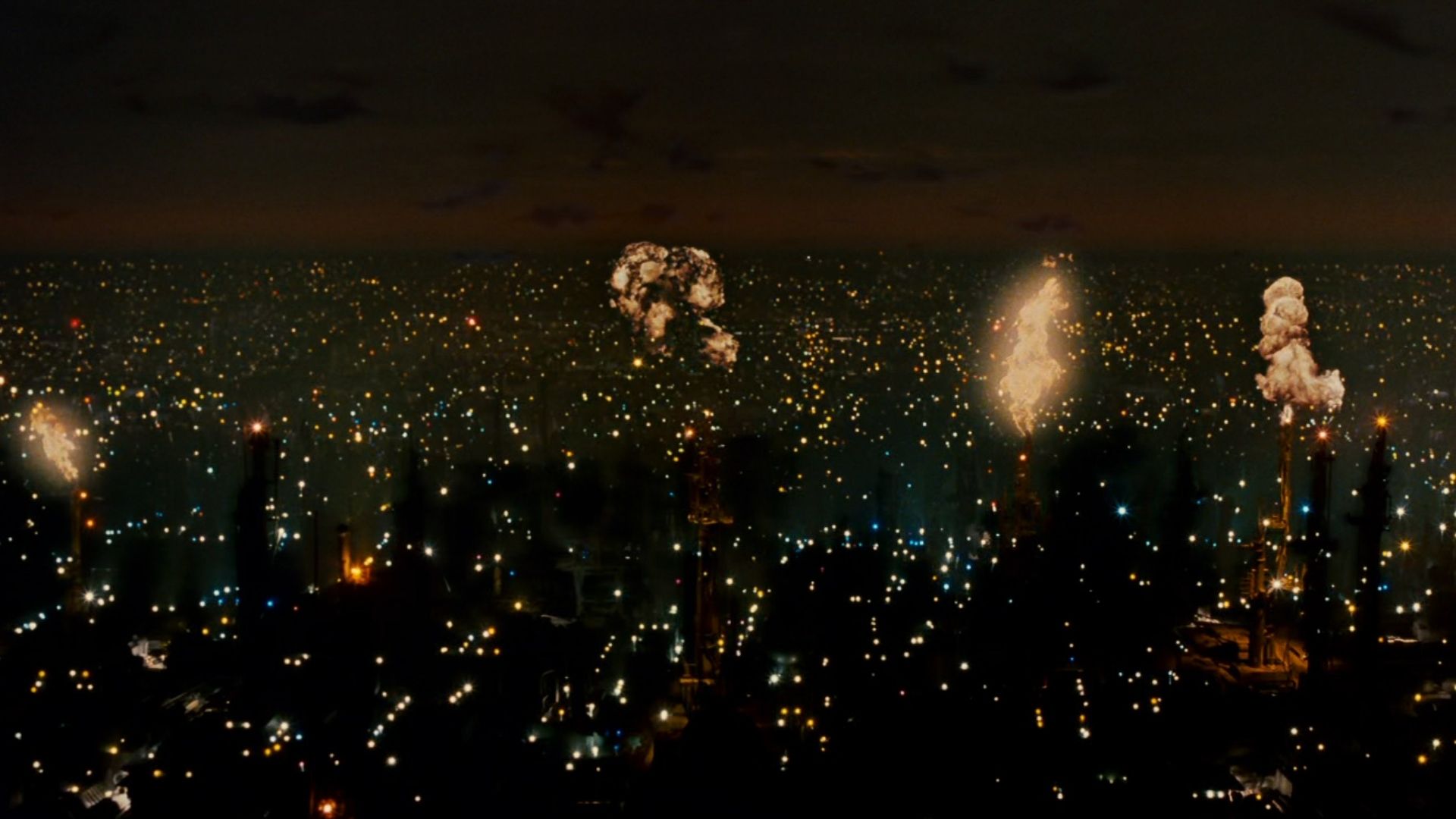
Few openings have painted the future so hauntingly. Flames roar from industrial towers across a smog-choked Los Angeles, while flying cars glide beneath a sky that looks alien and apocalyptic. Vangelis’s synth score swells, equal parts beautiful and terrifying, as the camera zeroes in on the looming Tyrell Corporation pyramid. It’s less about plot and more about atmosphere.
Birth
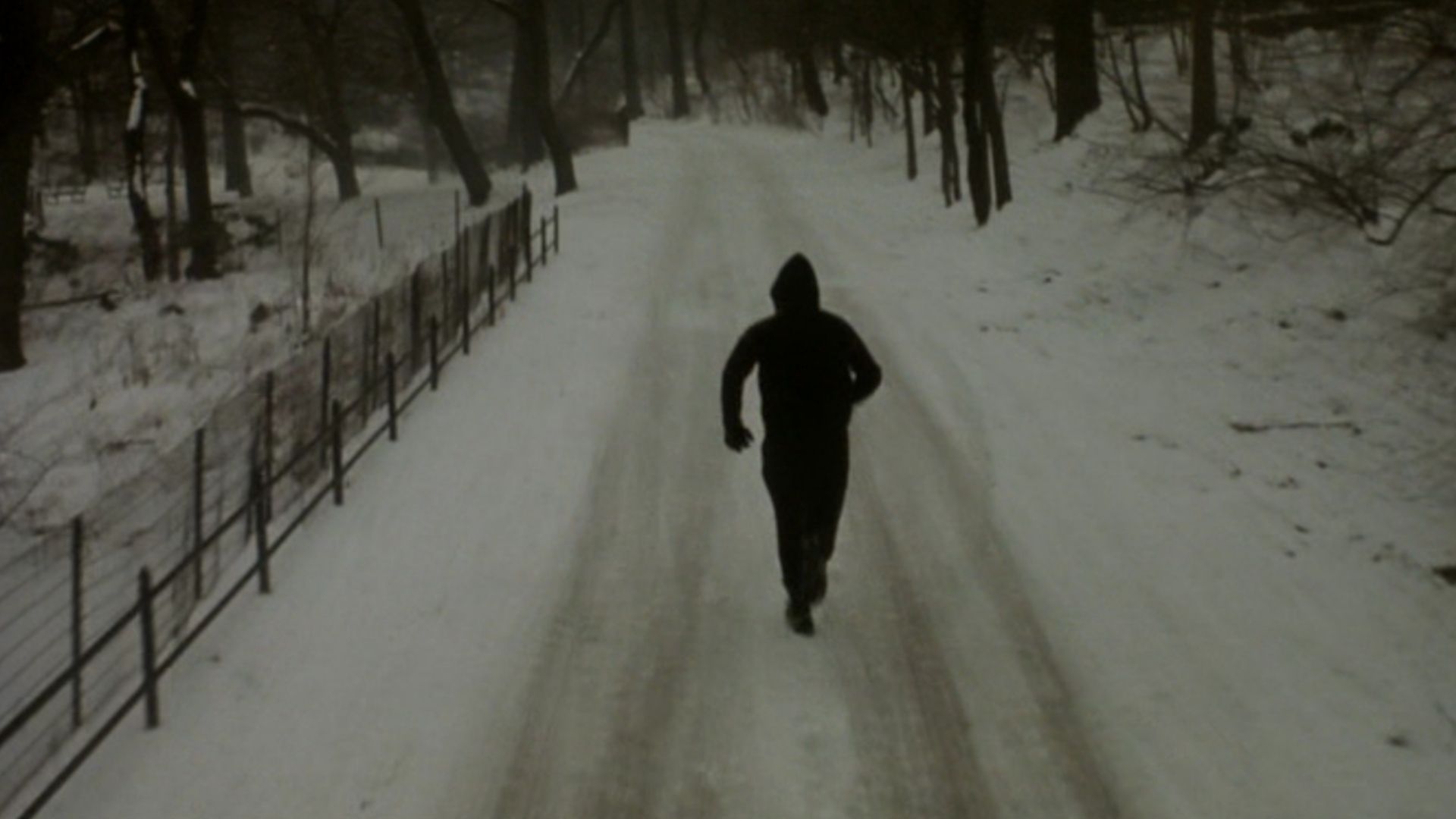
Jonathan Glazer wastes no time in unsettling you. The film begins with a man jogging through Central Park, a serene winter landscape surrounding him, before he suddenly collapses from a heart attack. It’s stark, wordless, and devastating. That single moment spirals into a story about grief, reincarnation, and Nicole Kidman’s character clinging to the impossible idea that her husband has returned as a child.
All That Jazz
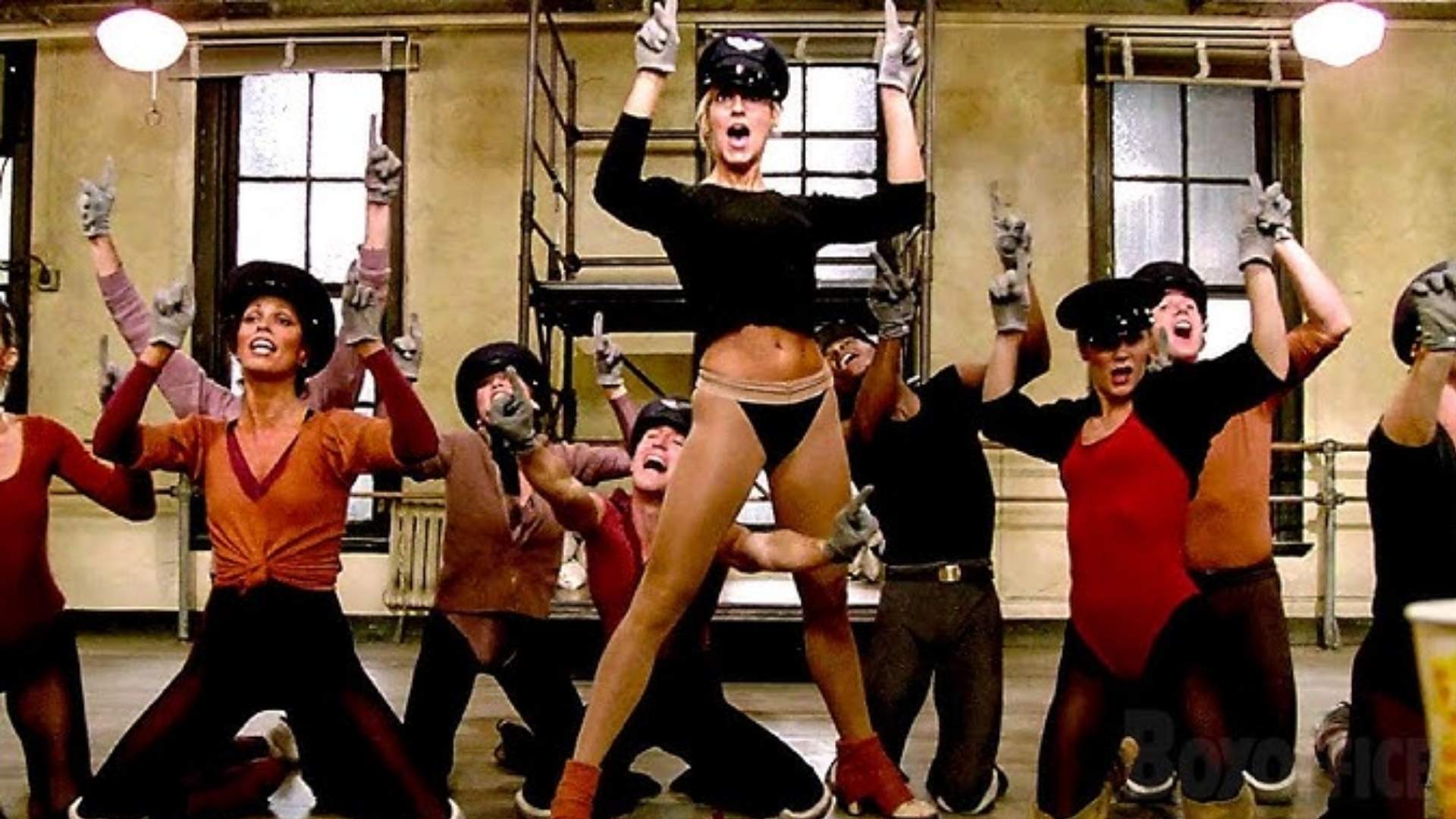
Bob Fosse opened his semi-autobiographical musical not with glitz and glamour, but with sweat, chaos, and raw ambition. A packed audition unfolds to the tune of “On Broadway,” as dancers strut, spin, and collapse under the pressure of impressing Joe Gideon. The camera cuts feverishly, mirroring Gideon’s own manic energy, and gives us a window into both the theatre world and the psyche of a man consumed by it.
2001: A Space Odyssey
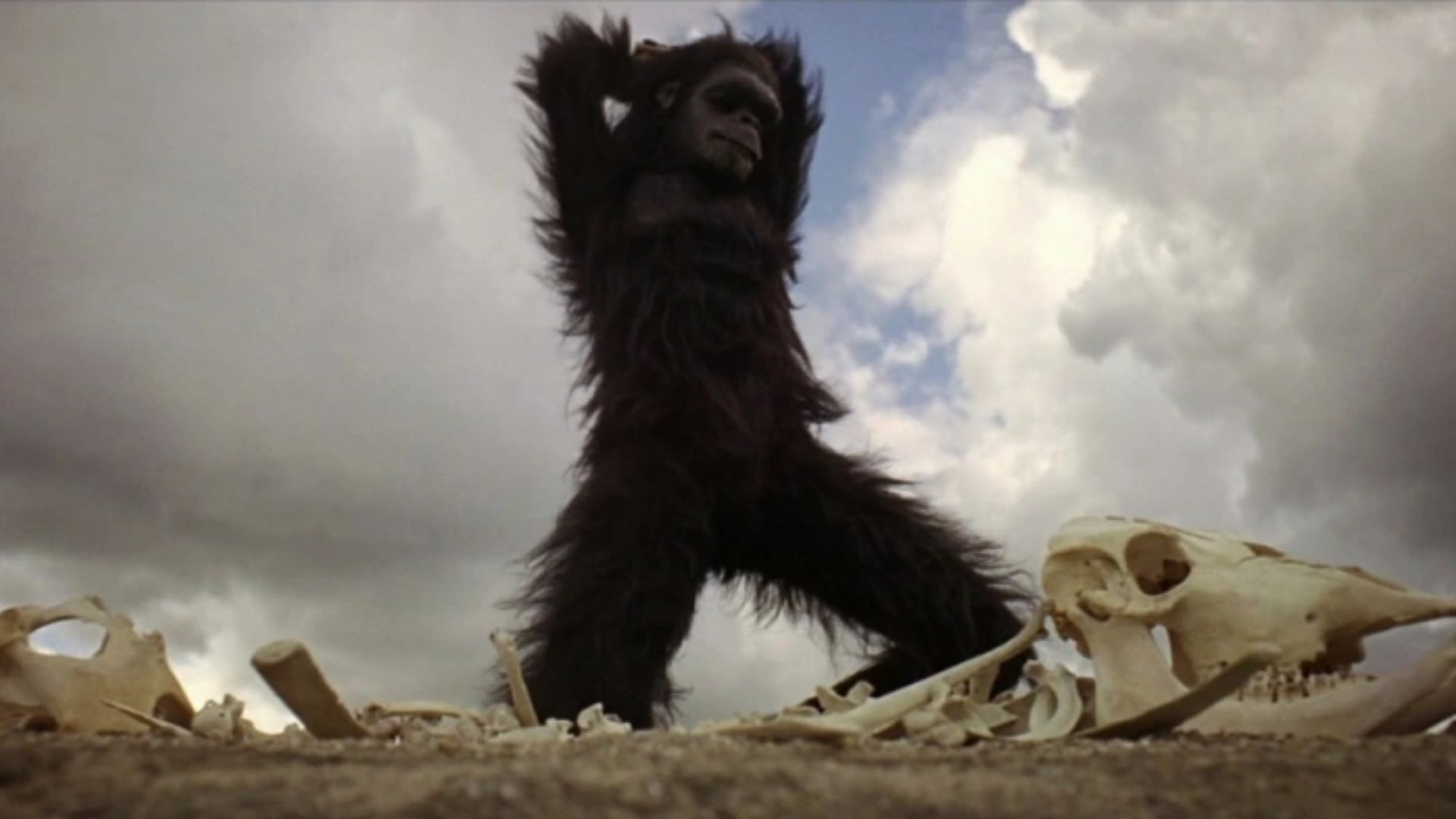
Kubrick dared to start a blockbuster with slow cosmic ballet. Planets align against the booming notes of Strauss’s “Also sprach Zarathustra,” before the film plunges into prehistoric Earth where apes discover tools, violence, and a mysterious black monolith.
Saving Private Ryan
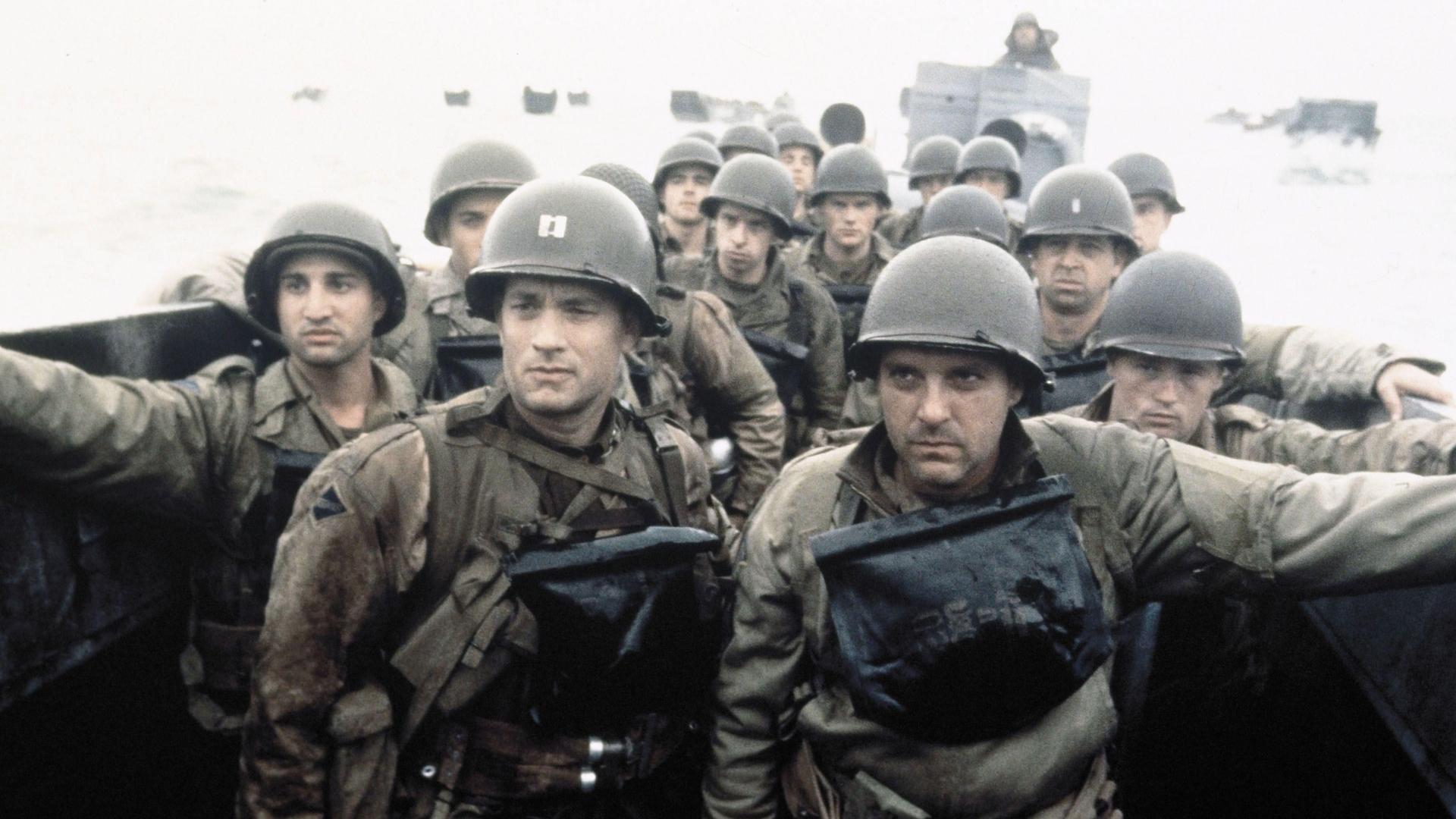
War movies were never the same after Steven Spielberg’s recreation of D-Day. The film opens on Omaha Beach, throwing viewers directly into the chaos of the Normandy landings. Bullets whizz past, explosions erupt, soldiers scream in agony, and the camera rarely looks away. Spielberg’s handheld, shaky cinematography makes it feel brutally real, as if you’re right there among the soldiers fighting to survive.
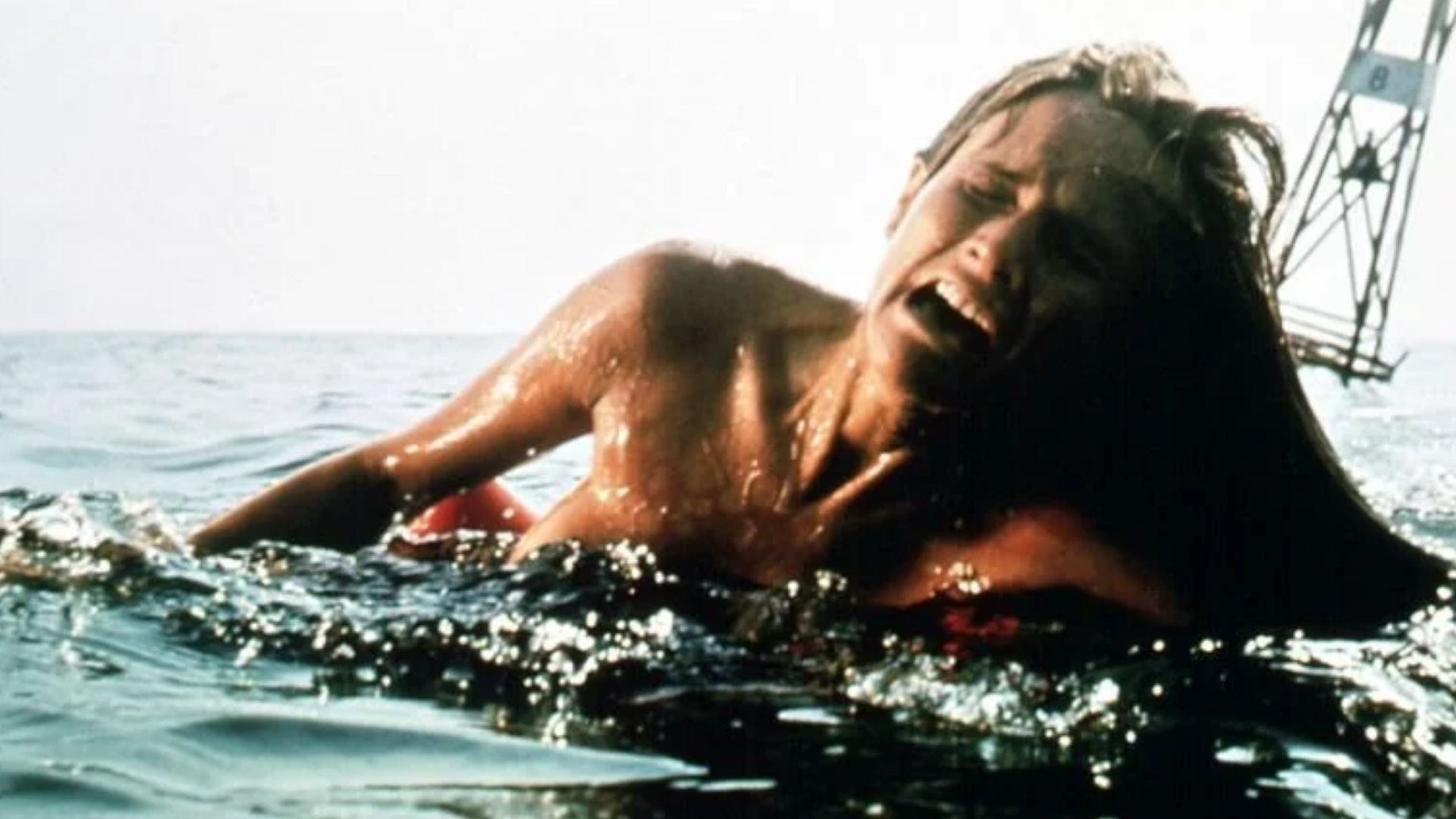
Jaws
Few scenes have ever made audiences so terrified of something as ordinary as swimming. Spielberg’s Jaws begins with a young woman slipping into the ocean for a midnight swim. What starts off playful and free-spirited quickly turns horrifying as she’s dragged under by an unseen force. The shark itself isn’t shown, but the water thrashes violently as John Williams’s iconic, dread-inducing score pulses louder and faster.