
10 Movie Adaptations That Are Better Than the Books
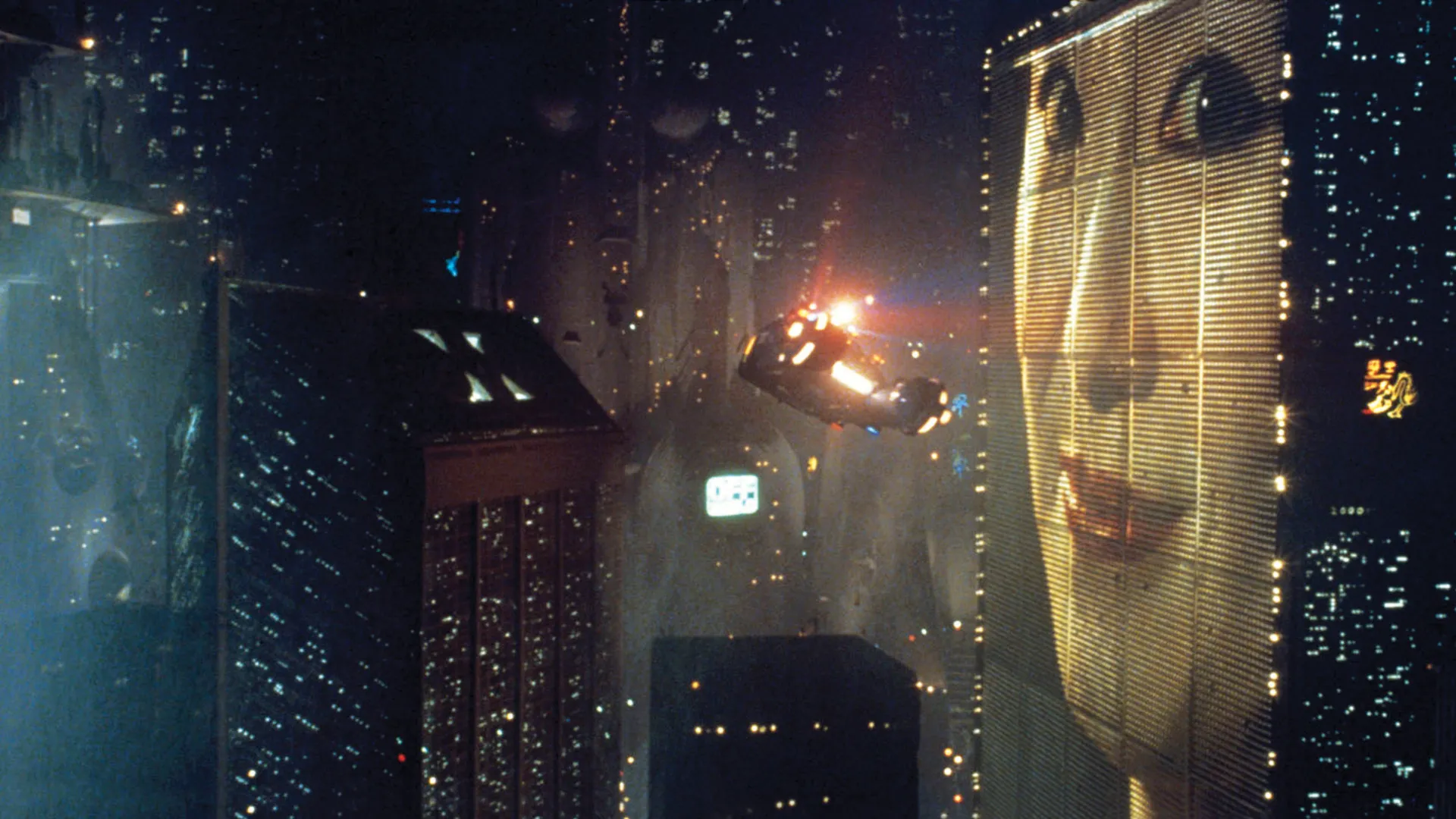
Blade Runner (1982)
Some stories don’t just translate to the screen, they transform. And we believe these films surpassed their source material. Well, Philip K. Dick’s 'Do Androids Dream of Electric Sheep?' is philosophical but often dense and heavy with exposition. Ridley Scott’s Blade Runner transforms that material into a haunting visual experience. With its neon-drenched world, Harrison Ford’s understated performance, and Vangelis’ unforgettable score, the film explores identity and humanity in a way that feels more immersive and emotionally resonant.
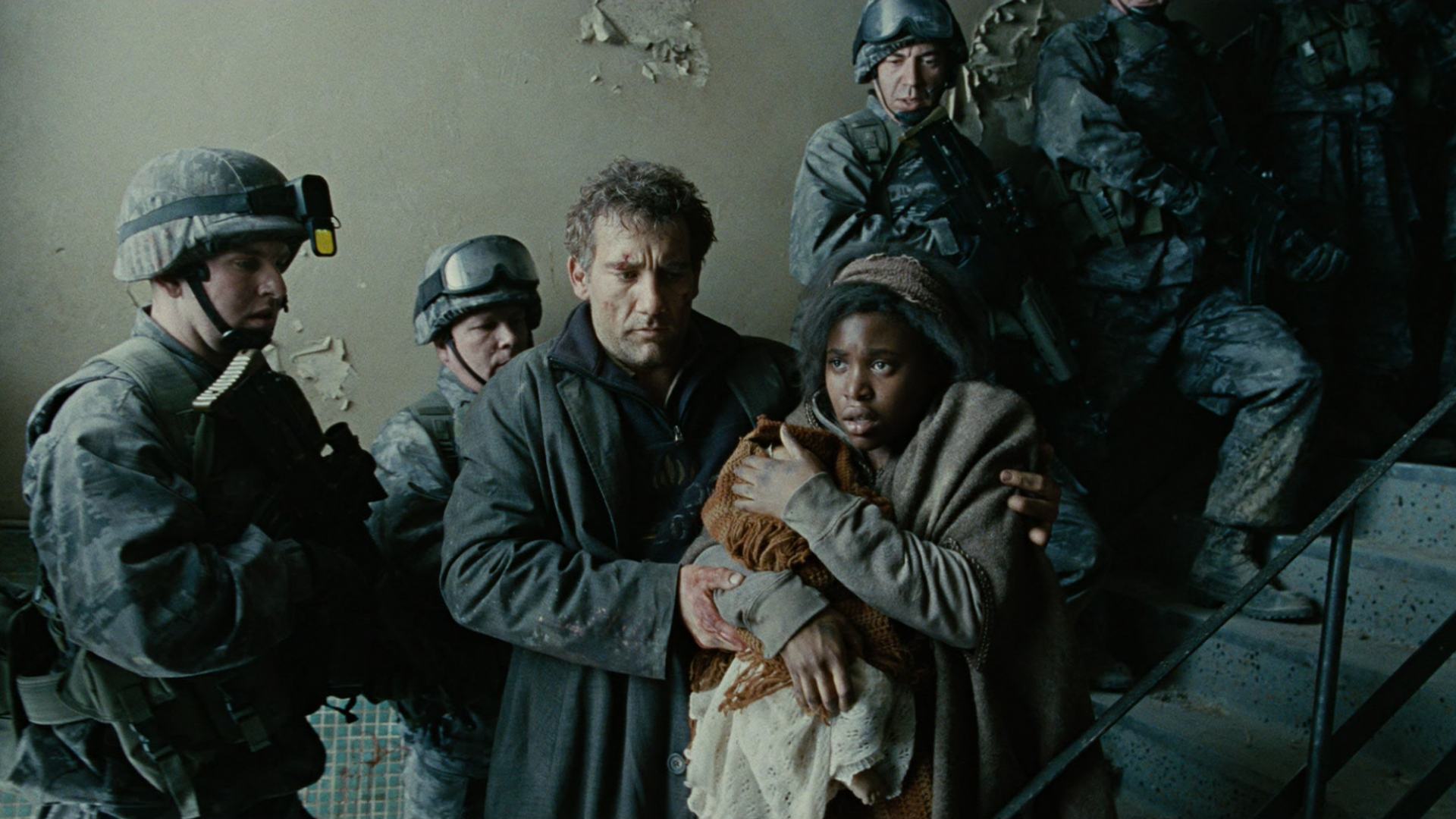
Children of Men (2006)
P. D. James’s novel is thoughtful but slow and dialogue-heavy. Alfonso Cuarón injects urgency with breathtaking long takes and immersive, realistic action. Clive Owen anchors the film with a grounded performance, making the story feel immediate, human, and unforgettable.
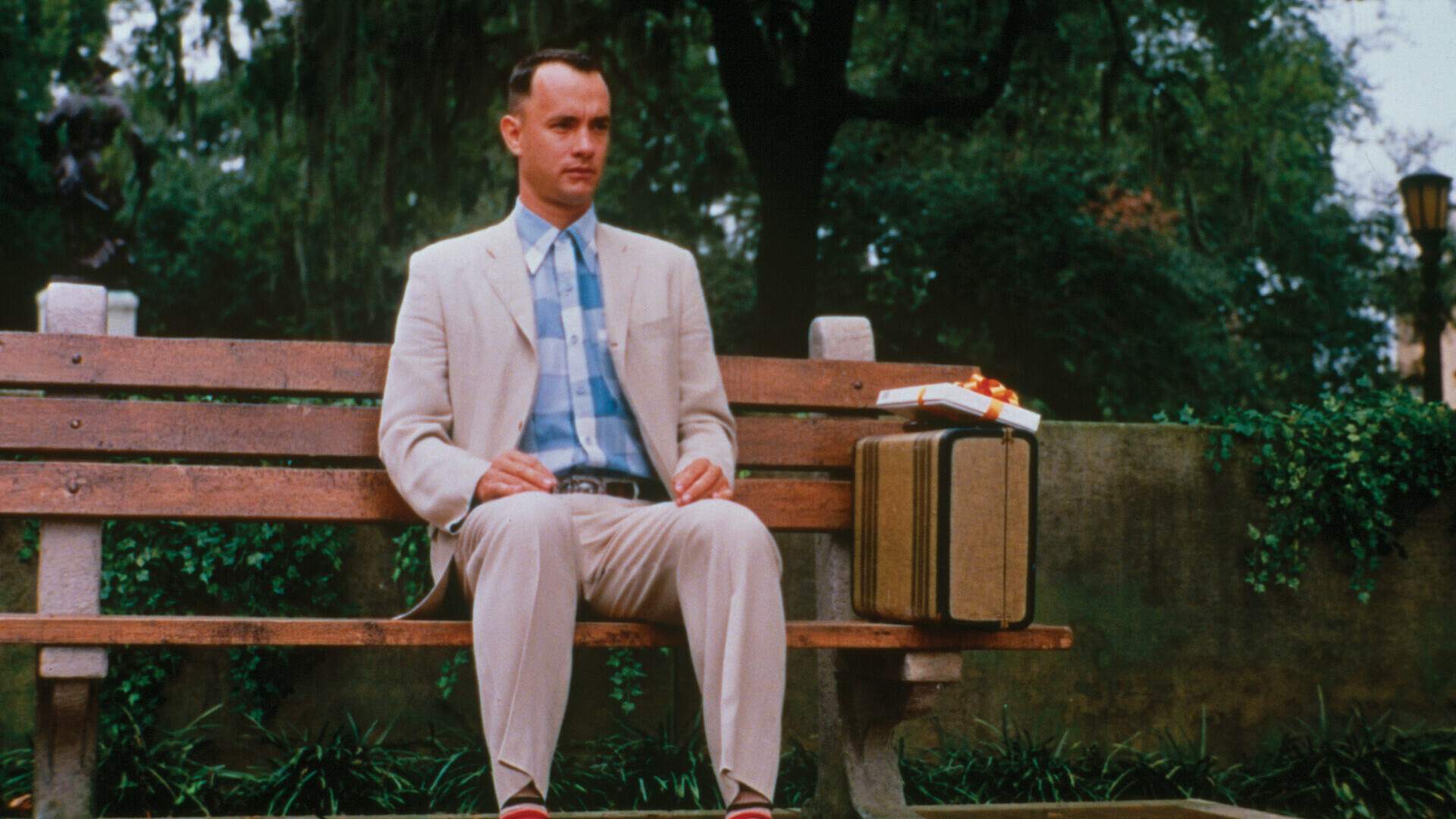
Forrest Gump (1994)
Winston Groom’s novel presents Forrest as rougher and more cynical. Robert Zemeckis’s adaptation reshapes him into a symbol of innocence and sincerity, elevated by Tom Hanks’ Oscar-winning performance. By seamlessly blending Forrest’s journey with real historical events, the film becomes far more emotional, cohesive, and uplifting.
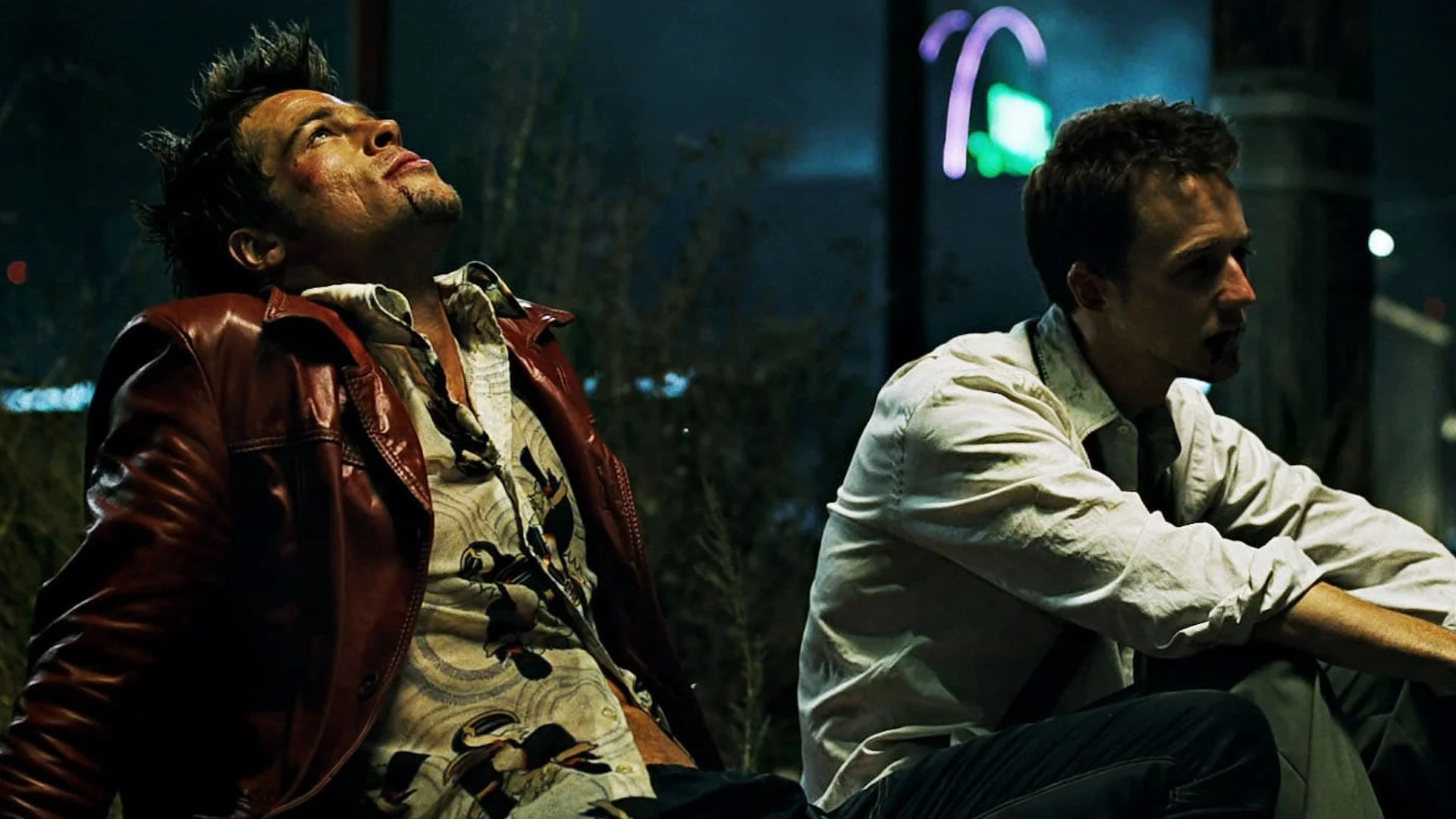
Fight Club (1999)
Chuck Palahniuk’s titular book is raw, chaotic, and deeply satirical, but its structure can feel uneven. David Fincher sharpens the story with slick editing, striking visuals, and powerhouse performances from Edward Norton and Brad Pitt. The result is a more focused, stylish, and culturally impactful take on consumerism and masculinity.
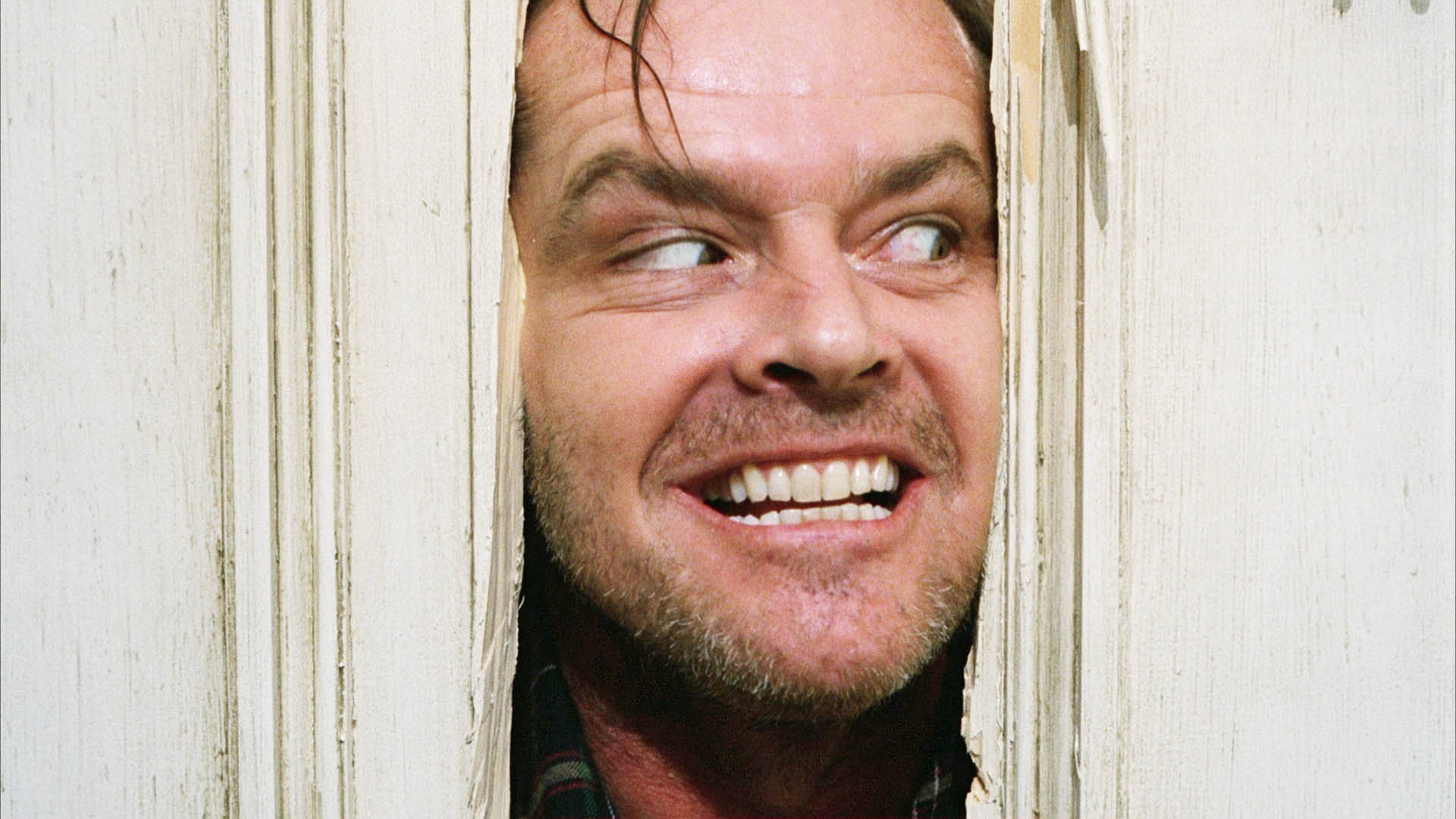
The Shining (1980)
Stephen King famously hated Stanley Kubrick’s The Shining. Kubrick felt the novel’s deep dive into Jack Torrance’s past and the hotel’s supernatural elements slowed the pacing, so he stripped the story down to pure psychological horror. Through eerie visuals, suffocating isolation, and Shelley Duvall’s harrowing performance, the film delivers a colder, more unsettling descent into madness.

Gone Girl (2014)
Gillian Flynn’s novel is already a masterclass in psychological suspense. But David Fincher refines it even further with razor-sharp pacing and a chilling, controlled performance by Rosamund Pike. The film heightens the tension and sharpens its commentary on media, marriage, and manipulation.

The Devil Wears Prada (2006)
Lauren Weisberger’s novel leans into harsh satire with thinner character work. The film adaptation, directed by David Frankel, elevates the material with wit, style, and standout performances. Meryl Streep brings nuance and authority, while Anne Hathaway adds charm, turning the story into something more layered and engaging.
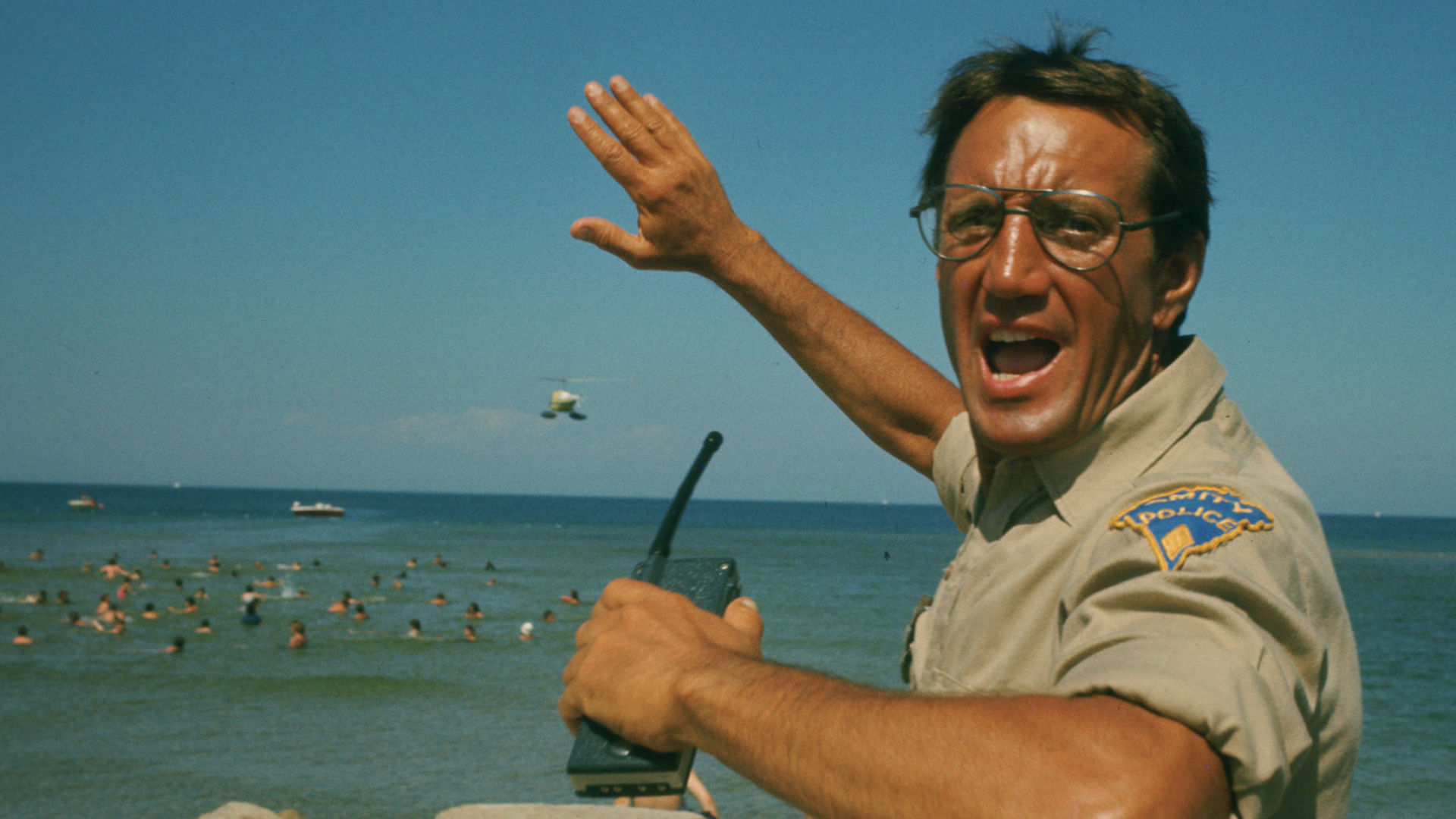
Jaws (1975)
Peter Benchley’s novel includes dated elements and distracting subplots that dilute the tension. Steven Spielberg’s adaptation removes the excess, focusing on relentless suspense. Combined with John Williams’ iconic score, the film turns a simple premise into a masterclass in tension and blockbuster storytelling.
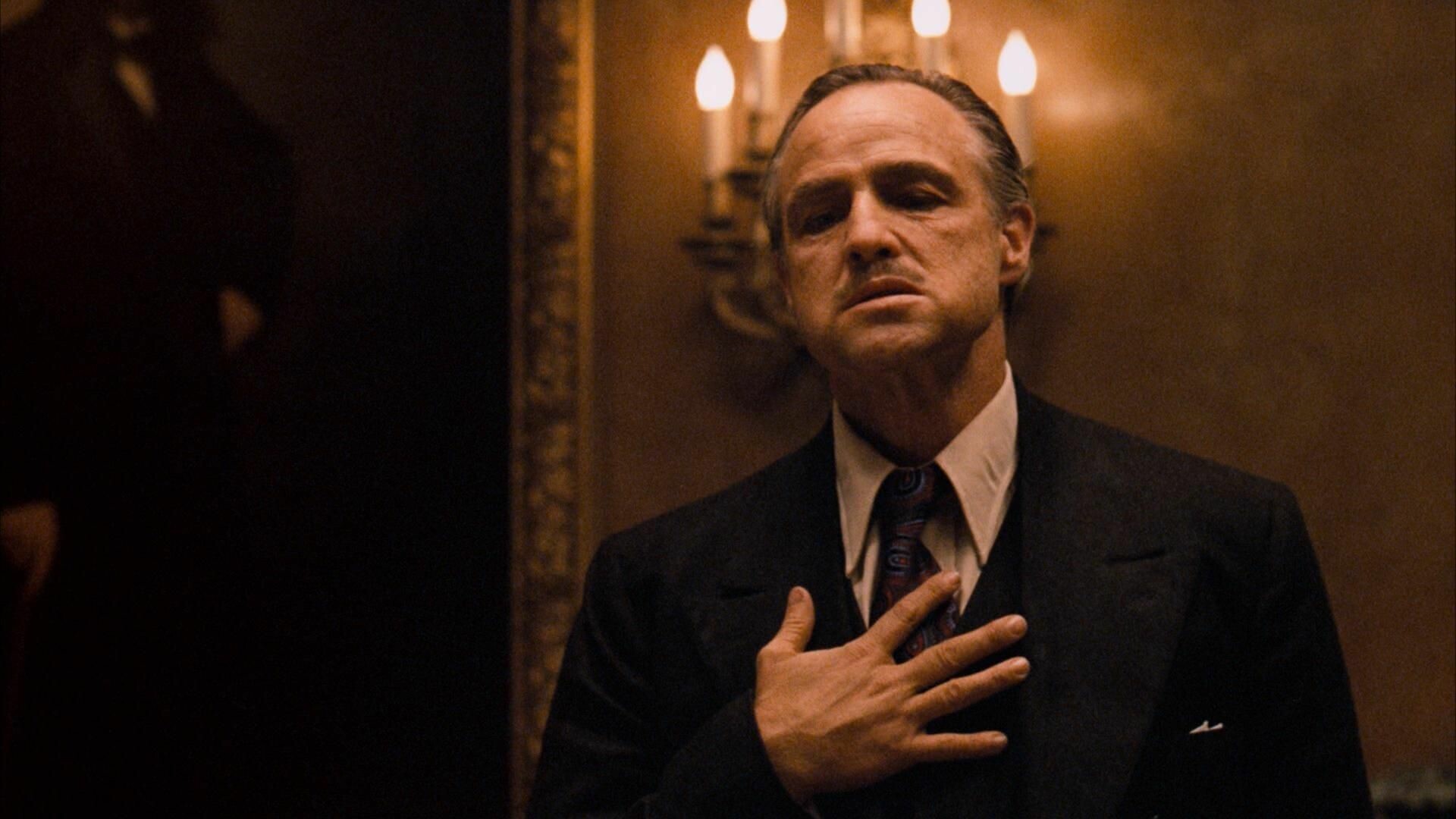
The Godfather (1972)
Mario Puzo’s family saga is expansive but weighed down by multiple subplots. Francis Ford Coppola distills it into a tightly focused, character-driven epic. With legendary performances from Marlon Brando and Al Pacino, the film becomes a powerful exploration of family, loyalty, and corruption.
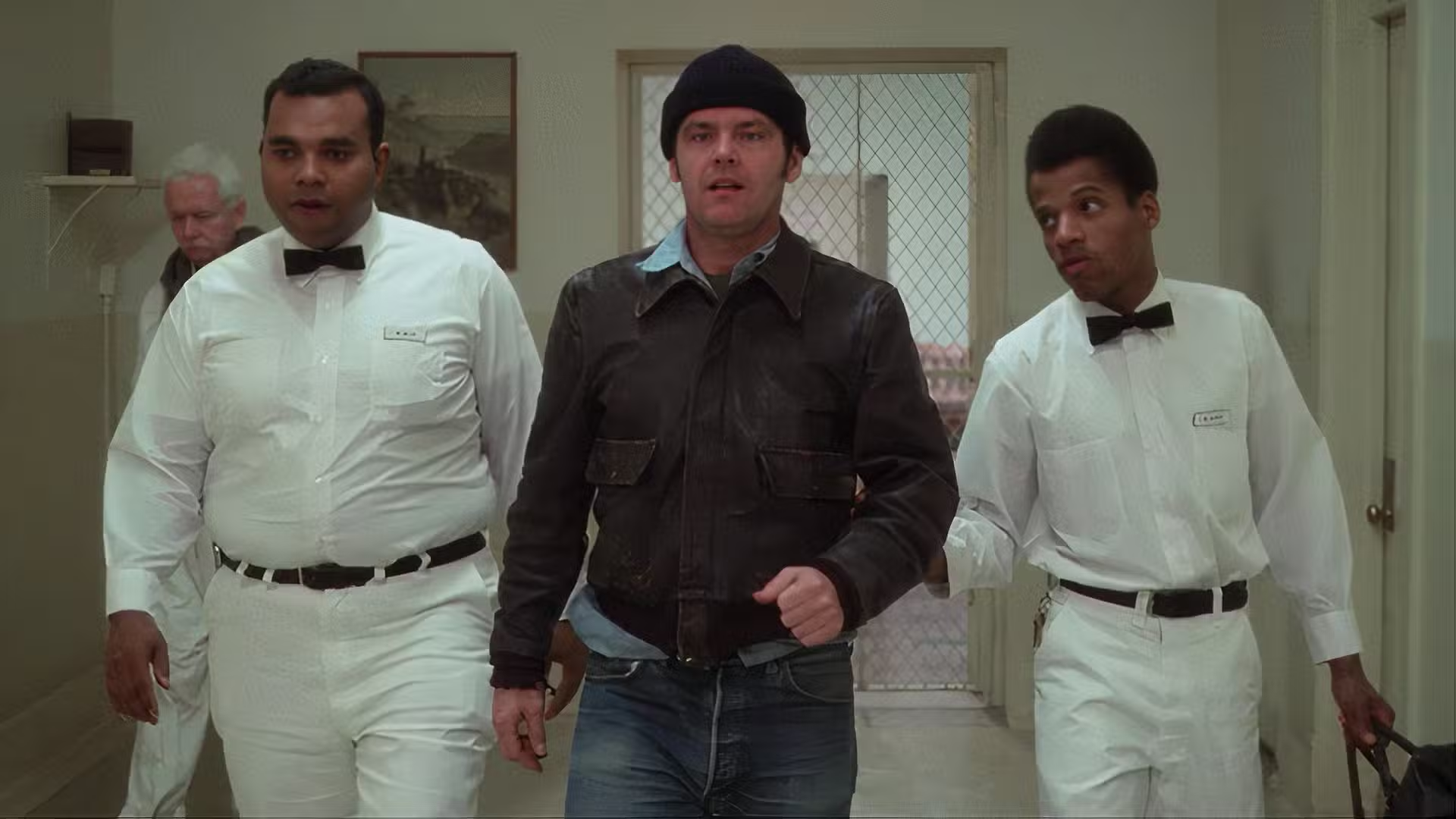
One Flew Over the Cuckoo's Nest (1975)
Ken Kesey’s novel uses a surreal, unreliable perspective that can feel disorienting. Miloš Forman grounds the story through Jack Nicholson’s magnetic performance as McMurphy. The result is a clearer, more emotionally direct and ultimately devastating story.