
10 Movie Characters Who Mistook Love for Control and Obsession
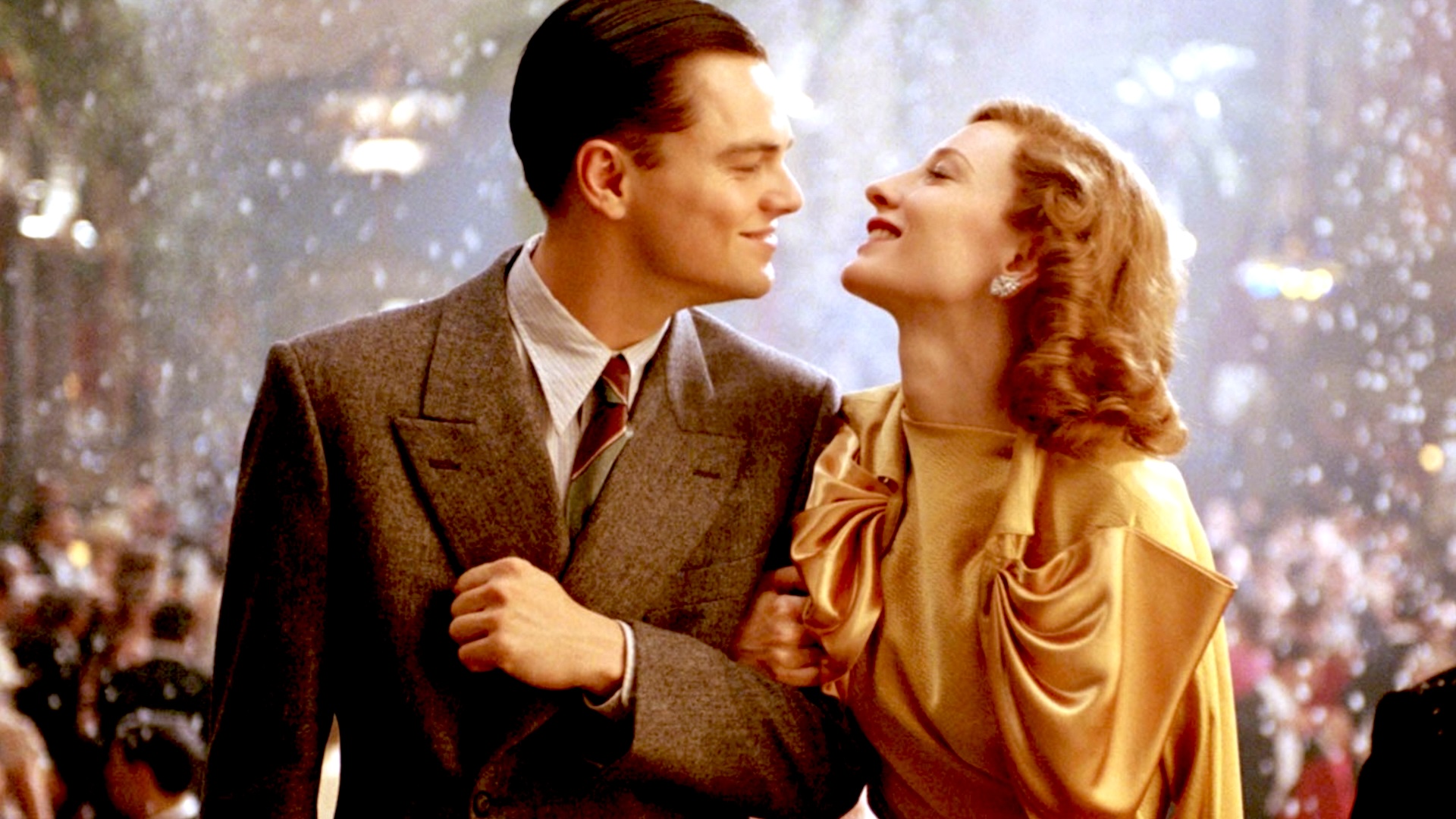
Howard Hughes in 'The Aviator'
In 'The Aviator,' Howard Hughes’ obsessive need for control extends beyond his work and into his relationships. His compulsive rituals and fear of contamination begin to suffocate those around him, particularly Katharine Hepburn. As his mental health deteriorates, his need to control every detail makes genuine intimacy impossible, ultimately pushing people away rather than protecting them.
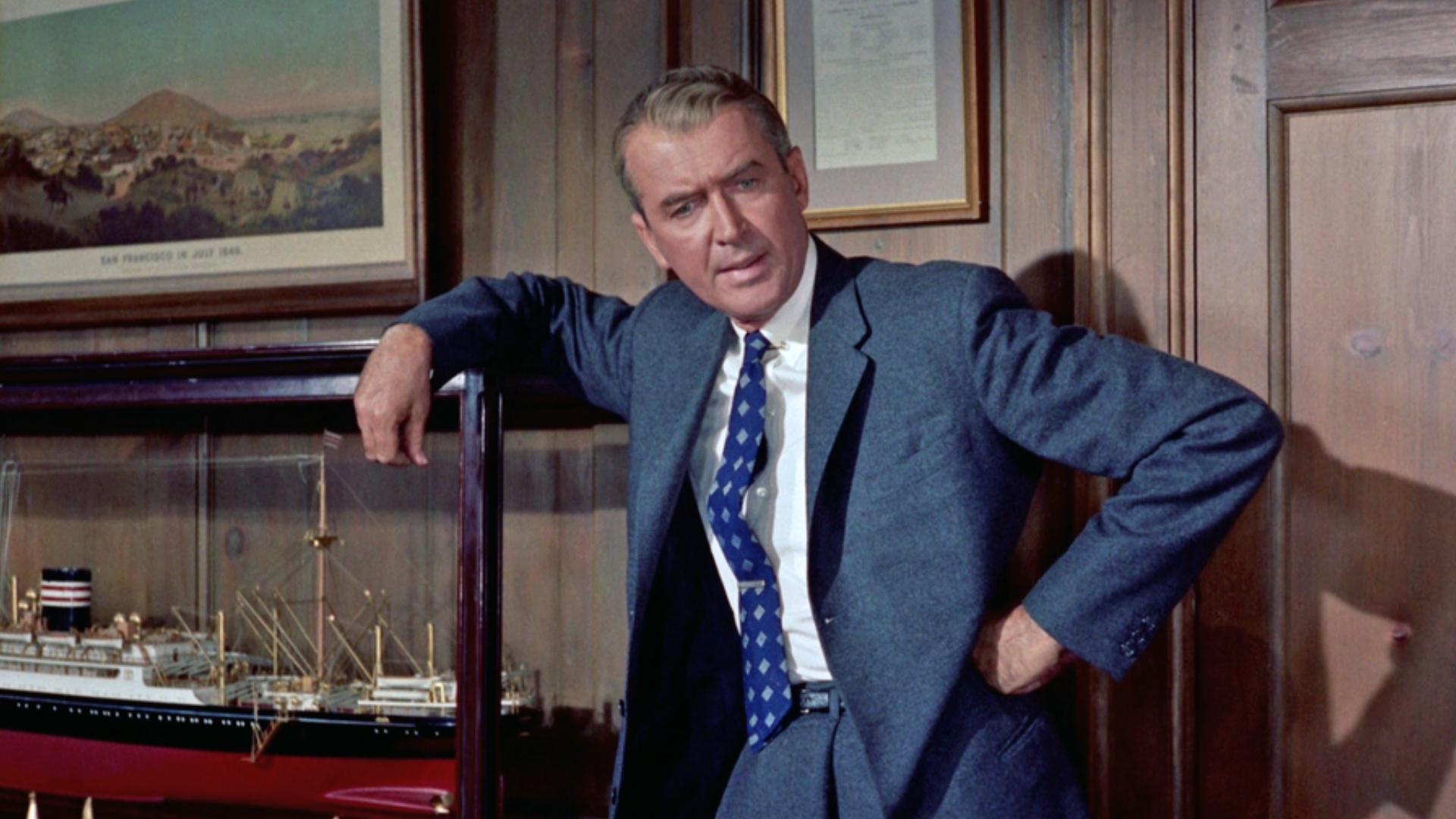
Scottie Ferguson in 'Vertigo'
'Vertigo' presents one of cinema’s most unsettling portraits of obsession. Scottie doesn’t fall in love with Judy—he falls in love with an illusion. He reshapes her appearance, voice, and identity to match his fantasy, effectively erasing who she is. His “love” becomes an act of control, turning a person into a projection.

Amy Dunne in 'Gone Girl'
Amy Dunne takes control to a chilling extreme, treating her relationship like a carefully scripted performance. She casts herself as both director and star, manipulating every situation to maintain absolute power. When Nick fails to meet her expectations, she ensnares him in an elaborate web of psychological control, leaving him with no real escape.
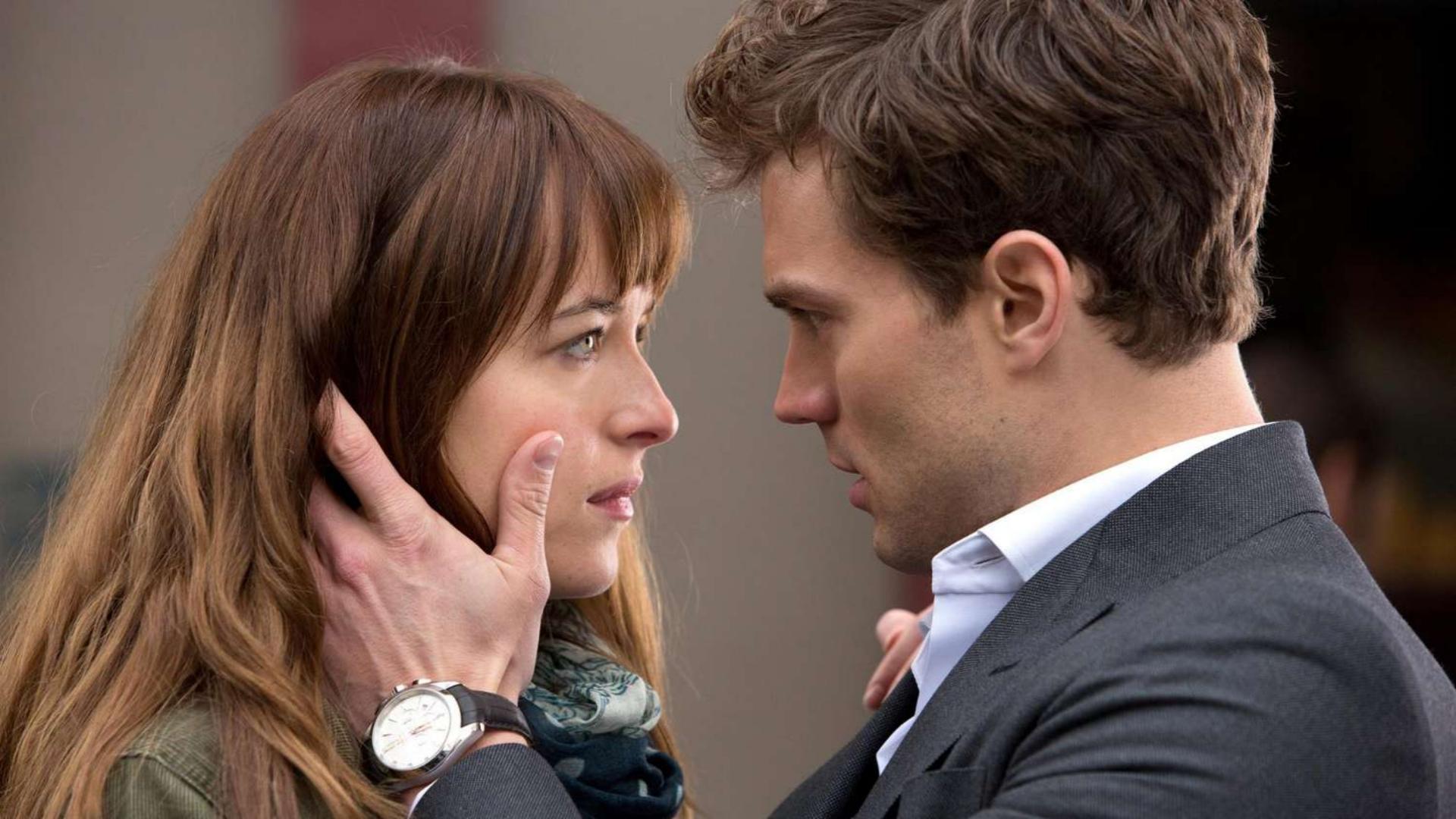
Christian Grey in 'Fifty Shades of Grey'
Christian Grey equates control and surveillance with love. Tracking Anastasia’s location and dictating her choices reveal his deep need for dominance rather than genuine care. His behavior stems from a lack of trust and an overwhelming desire to control every aspect of her life. Driven by ego, he often ignores Anastasia’s discomfort and treated her boundaries as negotiable.
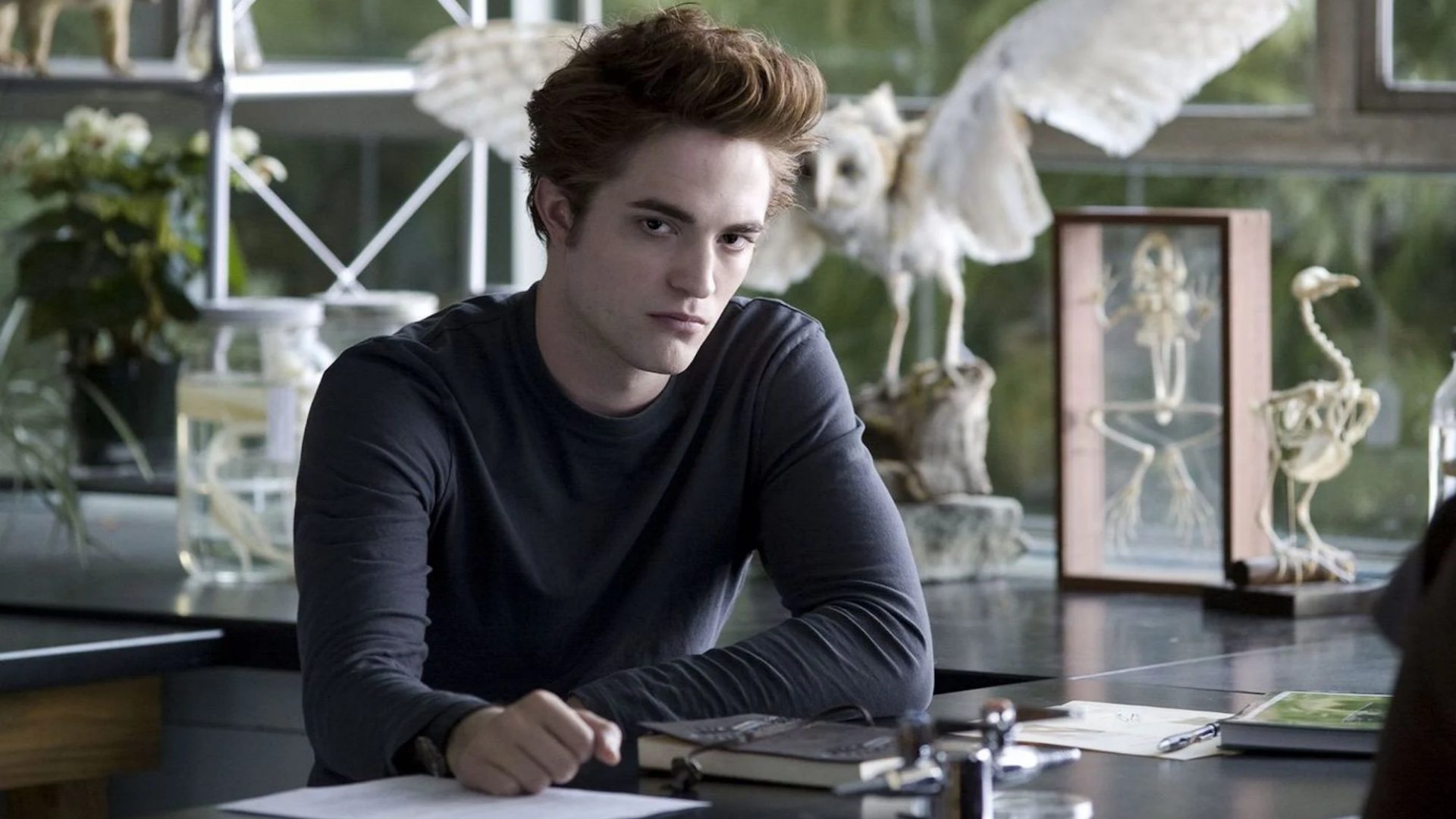
Edward Cullen in 'Twilight'
Edward Cullen blurs the line between devotion and surveillance. His fixation on Bella leads him to watch her sleep without consent and interfere with her autonomy, like sabotaging her car to stop her from leaving. The film frames this as protective love, but his behavior reflects control rooted in fear and obsession rather than trust.
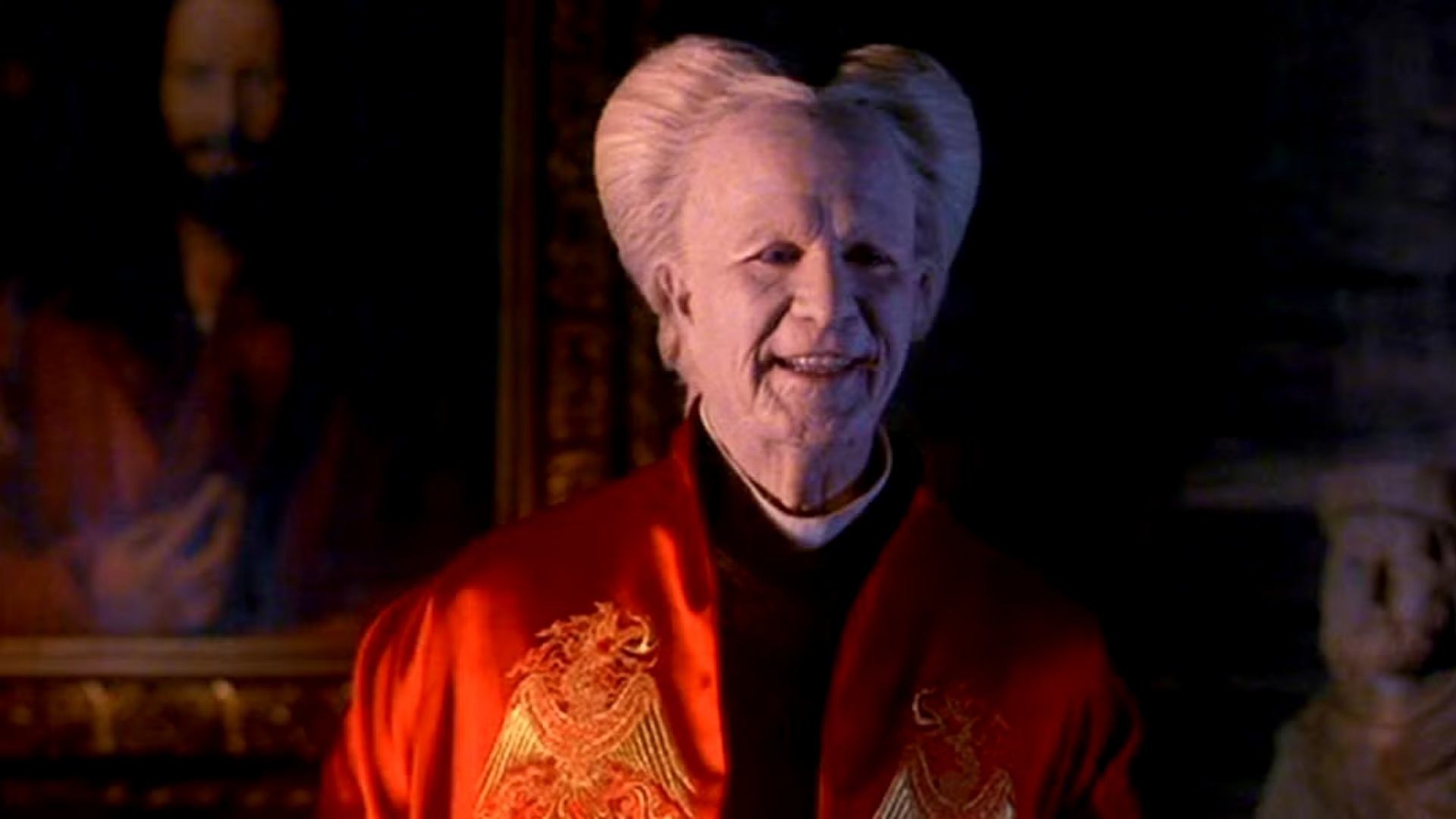
Dracula in 'Bram Stoker's Dracula'
Dracula’s devotion to Mina is framed as eternal love, but it is rooted in possession. He crosses centuries to find her, yet what he demands in return is transformation. He is essentially asking her to abandon her humanity for him. His love is not nurturing; it is consuming. Devotion may be romantic, but when it erases the other person entirely, it ceases to be love and becomes control.
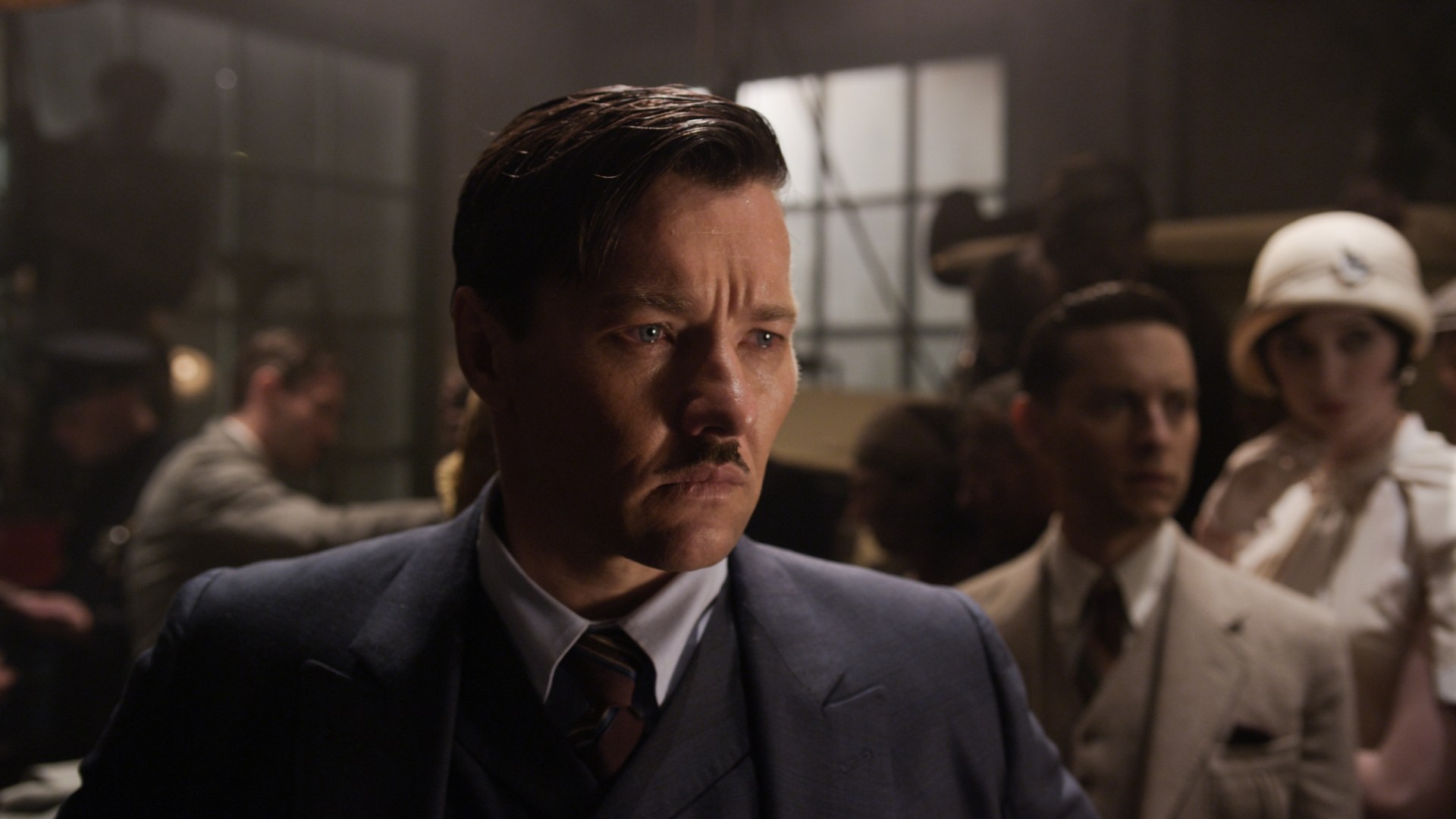
Tom Buchanan in 'The Great Gatsby'
Tom Buchanan is a classic example of someone who confuses control with love. His possessiveness, thinly disguised as affection, is deeply unsettling. He treats Daisy like a trophy, something to display rather than respect as an individual. Backed by his wealth and imposing presence, he dominates and intimidates her at every turn. To make matters worse, he is openly unfaithful, showing no guilt or accountability for his actions.

Noah Calhoun in 'The Notebook'
Noah Calhoun is celebrated as the ultimate romantic hero, but his actions invite a more critical reading. What’s framed as unwavering love can just as easily be seen as control and obsession. From coercing Allie into a date by risking his life to sending hundreds of unanswered letters, his persistence frequently crosses the line into disregard for her boundaries.
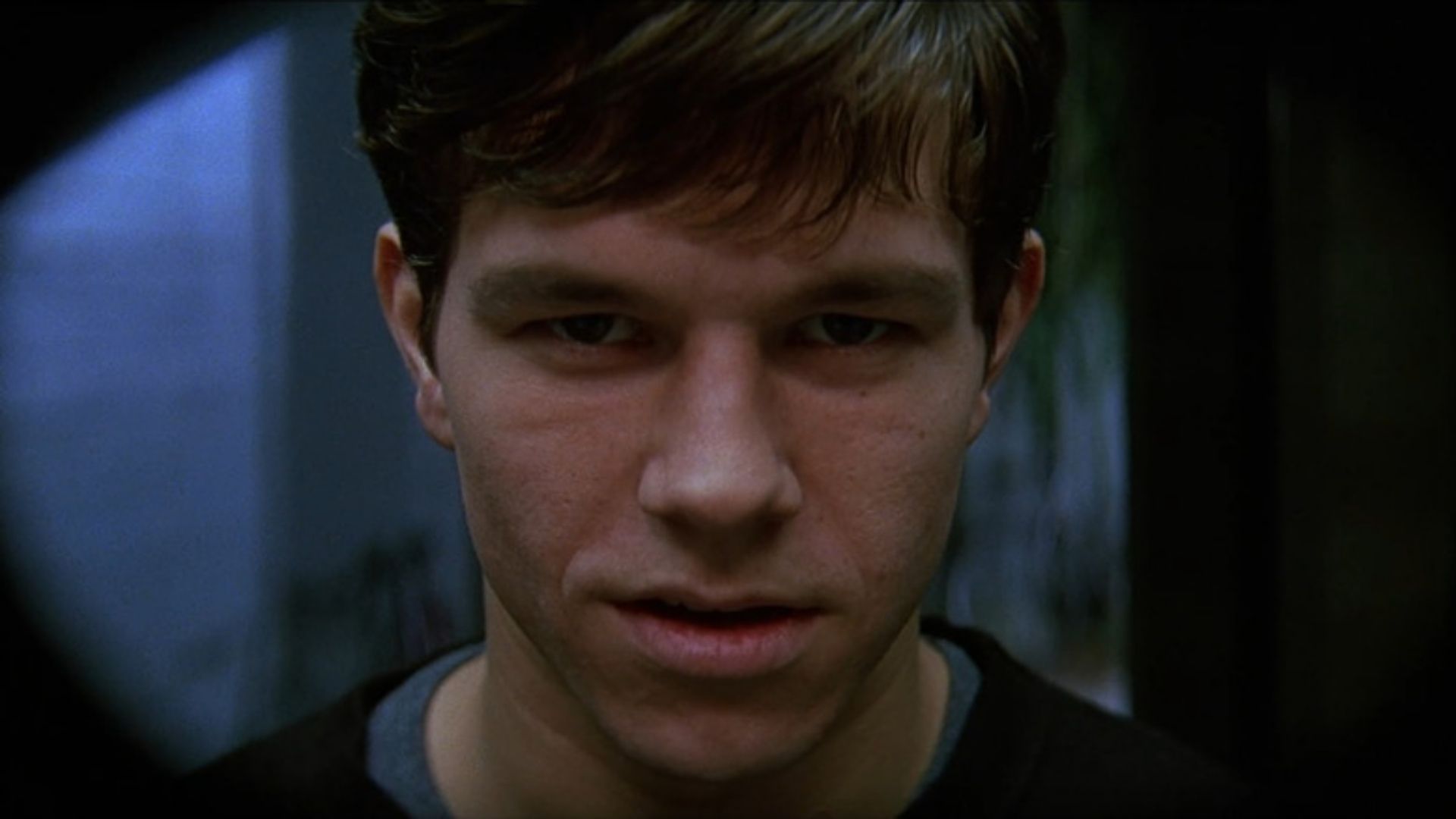
David McCall in 'Fear'
In 'Fear,' David McCall’s charm quickly gives way to volatility. What begins as intense affection escalates into stalking, isolation, and violence when Nicole resists him. His version of love is rooted in dominance, where control replaces consent and obsession overrides empathy.

Anakin Skywalker in 'Star Wars: Episode III – Revenge of the Sith'
Anakin Skywalker’s fear of losing Padmé drives him down a destructive path. What begins as deep attachment slowly turns into desperation and control. In trying to prevent loss, he isolates himself and pushes away those who care about him. Ultimately, his inability to separate love from possession leads him to destroy everything he once swore to protect.