
10 Movies About Escaping Poverty
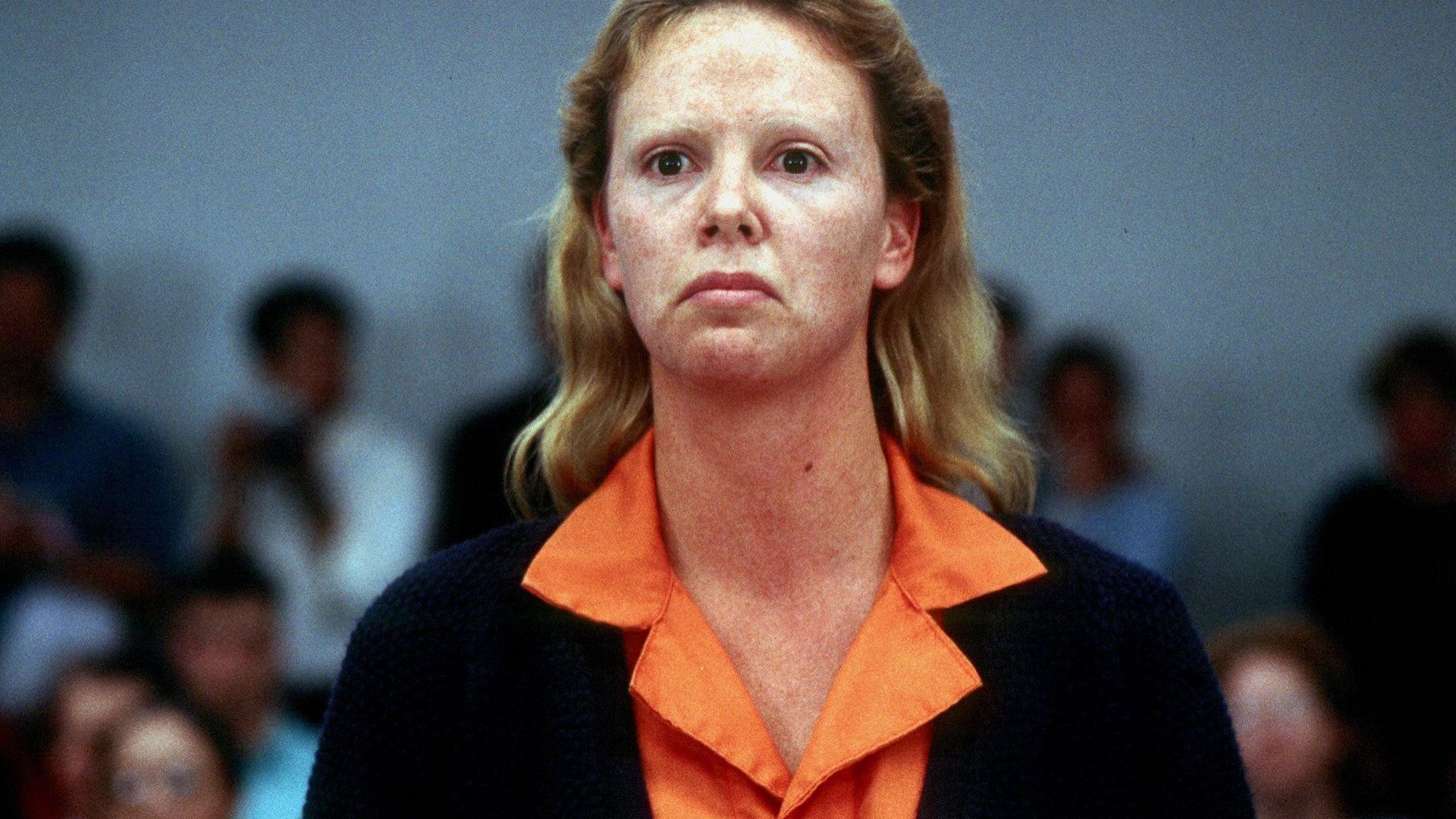
10. Monster (2003)
Charlize Theron completely disappears into the role of Aileen Wuornos, a desperate street prostitute working the highways of Florida whose extreme poverty and a lifetime of severe abuse push her into a dark cycle of survival-driven violence. She tries repeatedly to secure a normal, legitimate job to build a stable life, but the mainstream world completely shuts her out, offering no safety net. The film focuses on the tragic loneliness of a person discarded by society.

9. Homeless to Harvard (2003)
This inspiring film dramatizes the real life of Liz Murray, a teenager raised by broke, drug-addicted parents who ends up completely unsheltered by age fifteen, forcing her to look for food and a place to sleep every single night. Despite the crushing weight of her circumstances, she uses an absolute refusal to fail as her ultimate ticket out of poverty, dedicating herself entirely to her education.

8. Lilya 4-Ever (2002)
A sixteen-year-old girl gets completely abandoned by her mother in a decaying, post-Soviet apartment block, left without electricity, heating, or a single dollar to her name. Her daily routine quickly morphs into a frantic struggle to eat, and extreme desperation eventually forces her into prostitution, making her easy prey for a man who promises a new life in Sweden. Instead of a financial escape, she gets trapped in a horrific trafficking ring that exposes the cruelty of global exploitation and systemic vulnerability.

7. City of God (2002)
This fast-paced epic tracks the explosive growth of a violent slum neighborhood in Rio de Janeiro across decades, contrasting two friends choosing opposite paths to navigate their dead-end surroundings. Rocket works endlessly to escape the cycle of poverty through photography and a legitimate career, while Li'l Zé builds a lethal, highly profitable drug empire as his way to command power. The vibrant cinematography and soundtrack give the heavy street warfare and harsh living conditions a striking energy.

6. Amores Perros (2000)
A horrific car crash in Mexico City collides three distinct lives, including Octavio, a young man from the slums who enters his dog into an illegal fighting ring to scrape together enough cash to run away with his sister-in-law. The film uses a raw, handheld camera style to capture a gritty world where money represents the only real path to freedom from overcrowding and financial stagnation. Every choice made by the characters is driven by a profound lack of stability, turning their relationships into chaotic power struggles.
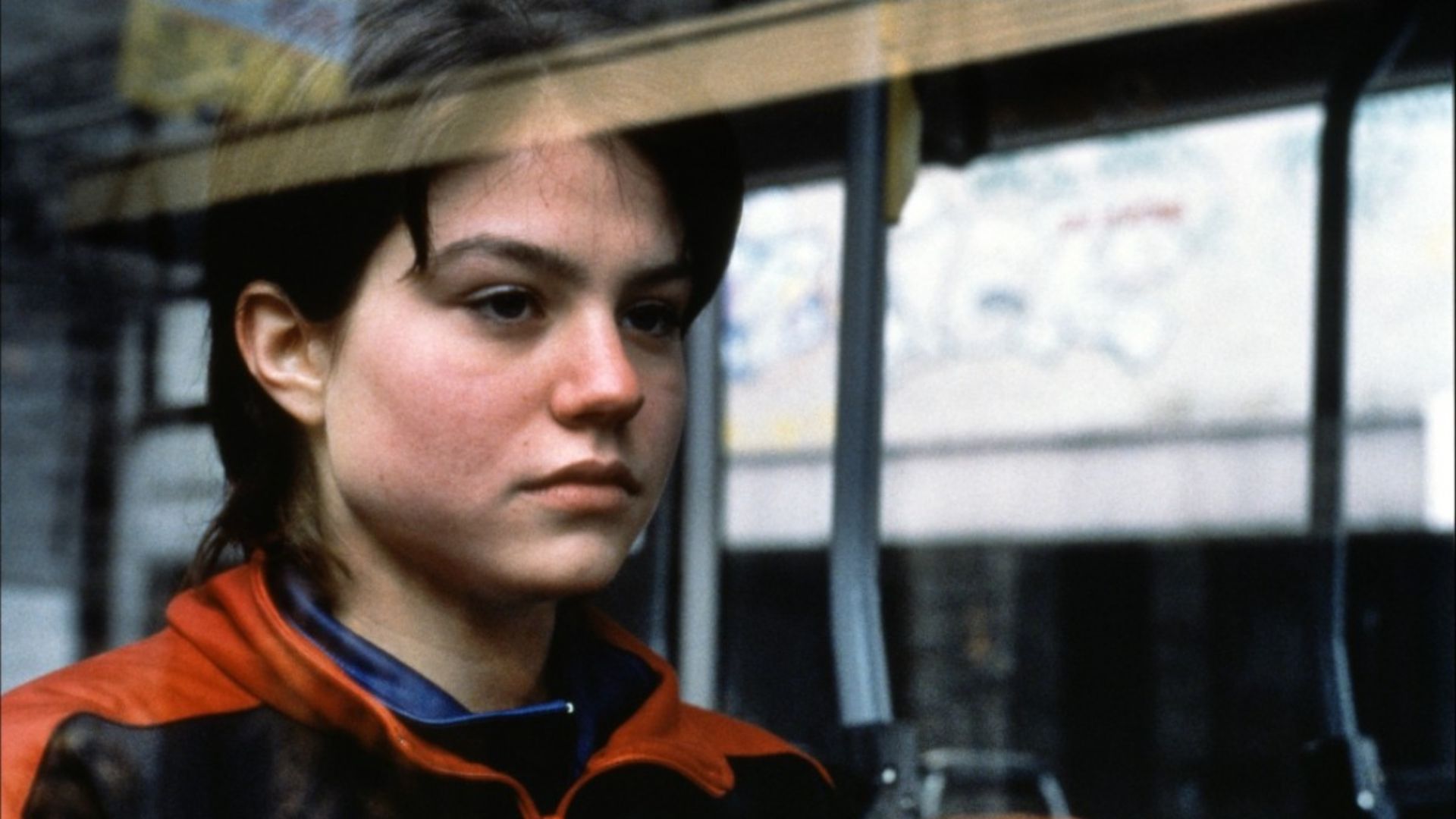
5. Rosetta (1999)
An unyielding teenage girl lives in a bleak trailer park with her alcoholic mother, fighting endlessly to secure a normal life and a regular paycheck, which she views as a basic human right. The directors use a shaky, close-up camera that follows her movements like an aggressive documentary, making her physical exhaustion and economic panic feel completely real. She refuses any pity, charity, or handouts, treating the pursuit of a regular factory or food-stand job like a war for her own dignity.

4. Made in Hong Kong (1997)
A high-school dropout named Autumn Moon tries to find his way through the suffocating, cramped public housing projects of a changing city by working as a low-level debt collector for a local triad mob. He views a life of petty crime as his only realistic financial exit from a broken educational system and a fractured home life that offers him zero future. The movie captures a distinct mood of teenage angst and hopelessness, framing the youth as forgotten castaways trapped behind a wall of permanent economic stagnation.

3. The Color Purple (1985)
Celie navigates decades of horrific abuse, racism, and severe financial dependency in the rural American South during the early 1900s, where her path to freedom is slow, painful, and deeply reliant on the quiet solidarity shared with other Black women. Director Steven Spielberg balances the heavy trauma of her life with moments of beautiful cinematic warmth and emotional triumph. Her ultimate escape from her abuser coincides with her achieving absolute financial independence through a self-made sewing business.
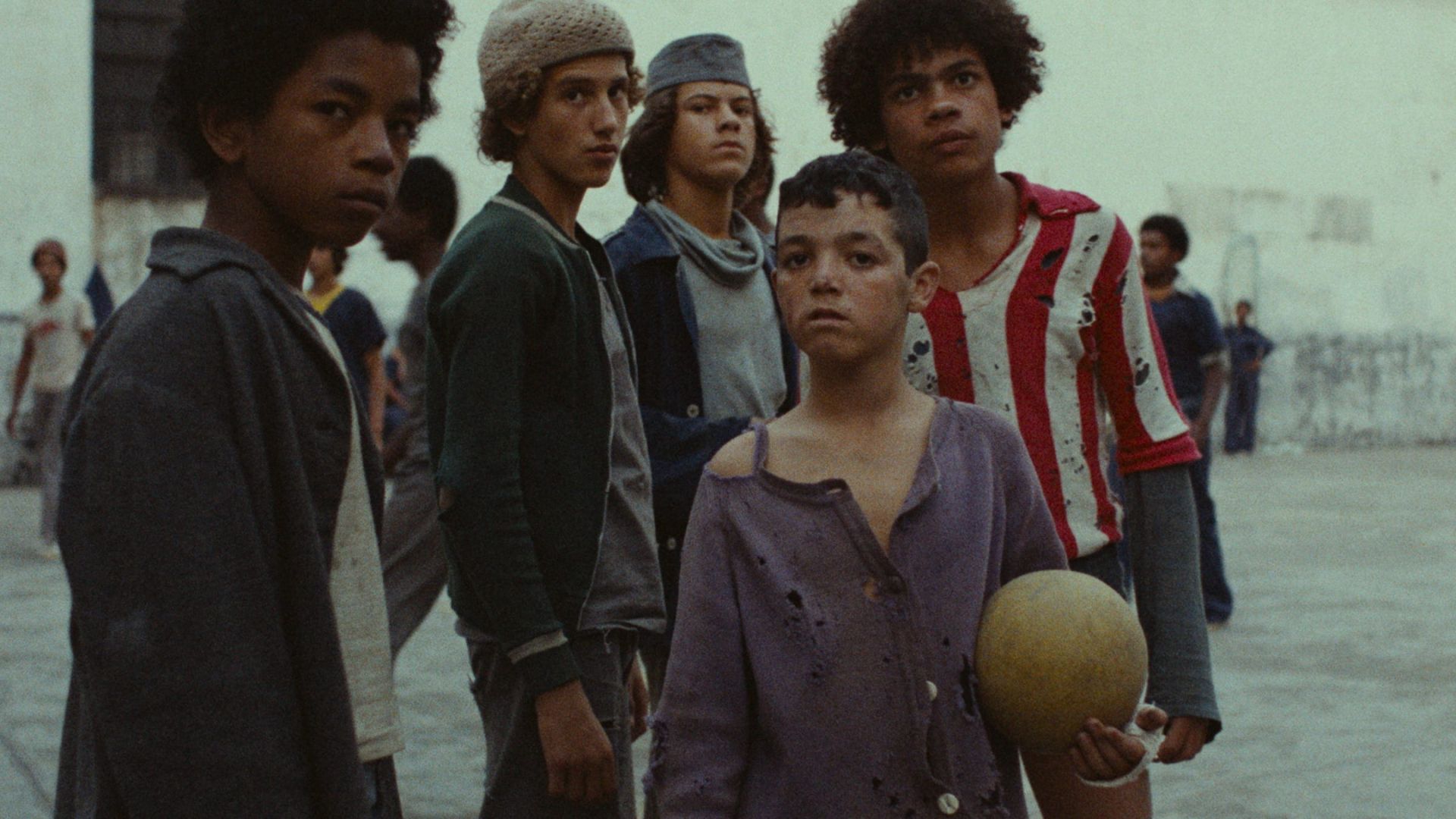
2. Pixote (1980)
A ten-year-old runaway gets rounded up and thrown into an abusive juvenile reformatory in São Paulo before escaping back onto the streets, where he enters a brutal underworld of drug running and theft just to secure his next meal. The film relies on non-professional street children to deliver a documentary-like naturalism that feels raw, capturing a world where kids are hardened into survival machines by a corrupt system. The camera simply observes the devastating choices forced upon youth by extreme neglect.
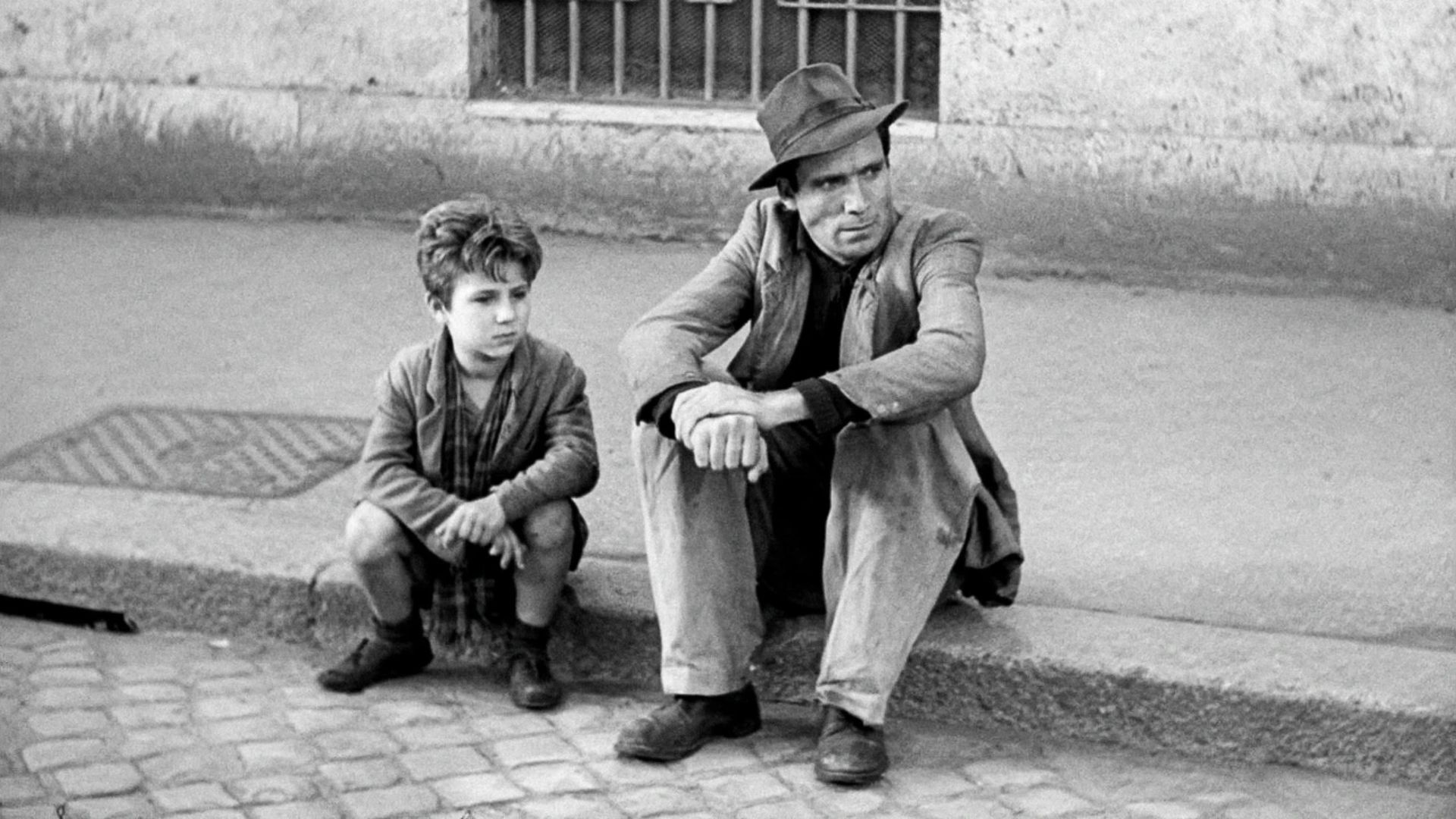
1. Bicycle Thieves (1948)
Sidney Lumet’s legendary inspiration, this definitive neorealist masterpiece follows a broke father in post-war Rome who finally scores a crucial job that requires a bicycle to keep his family from starving. When his bike gets stolen on his very first day, he wanders the hot, uncaring streets with his young son in a search to find it before his employment is terminated. The narrative turns a simple household object into a literal matter of life and death, building a wall of suspense out of pure economic desperation.