
The Best Movies and TV Shows With Final Girl Tropes
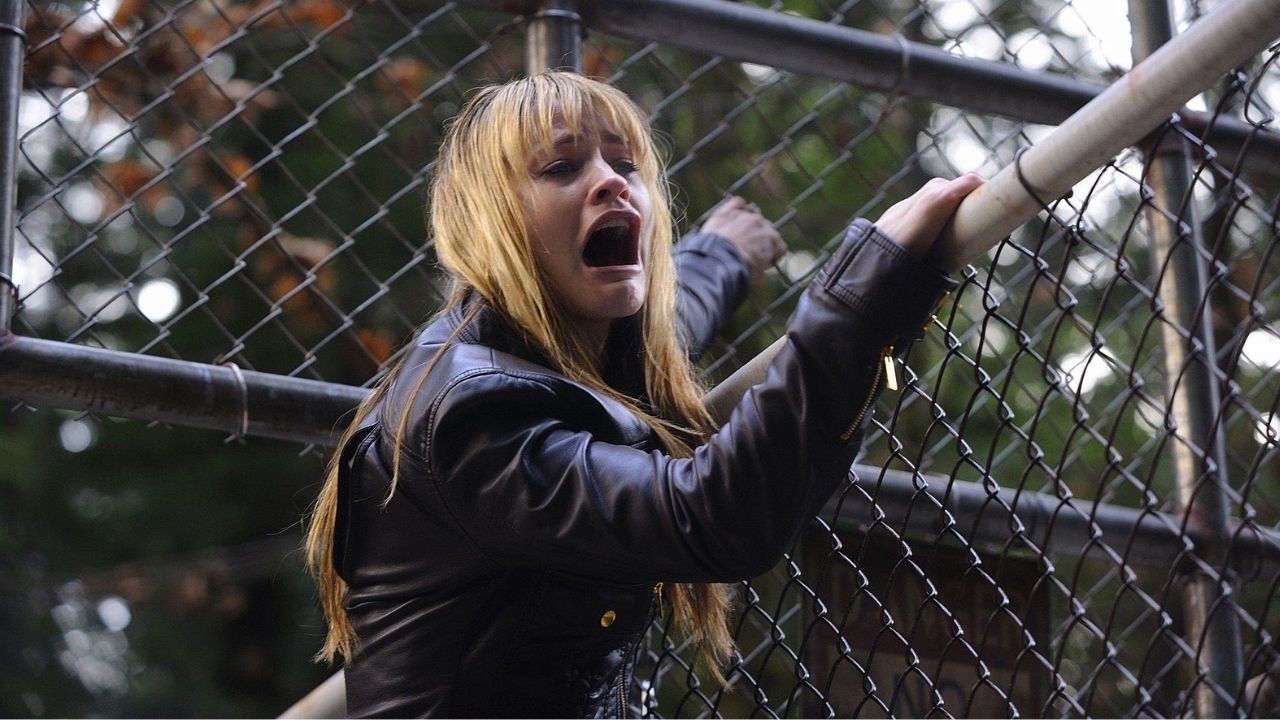
Harper’s Island (2009)
The series Harper’s Island uses the “final girl” trope in a very classic way through Abby Mills. Abby is the main survivor who makes it through the killings and finally faces the killer herself. She fits the typical final girl image; kind, smart, and easy to relate to, often shown as more careful and grounded than others. She also has a painful past connected to the killer, which adds emotional depth to her story. Most importantly, she does not just survive by luck.
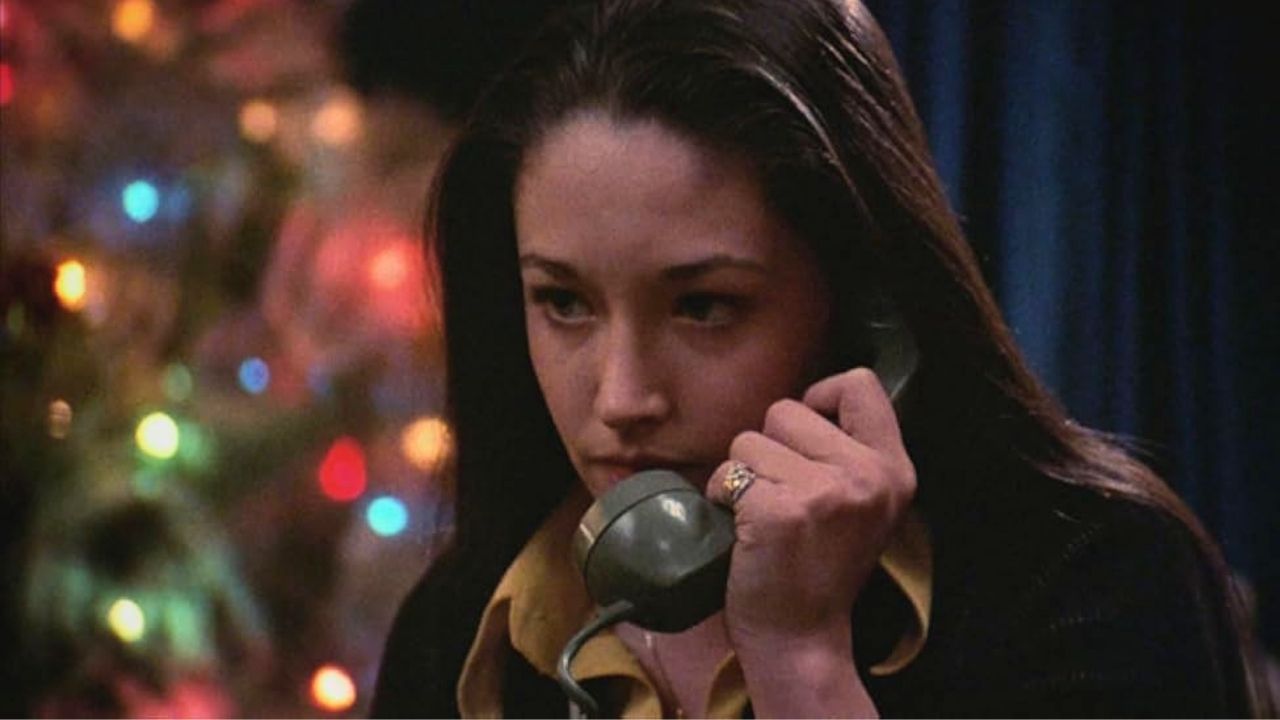
Black Christmas (1974)
'Black Christmas' is one of the earliest examples of the “final girl” trope, with Jess Bradford standing out as a very different kind of survivor. Unlike later final girls who are often shown as “morally pure,” Jess is independent, outspoken, and living her own life on her terms, yet she is still the one who faces the killer in the end. This makes her an early version of the trope that doesn’t rely on traditional rules about who survives.
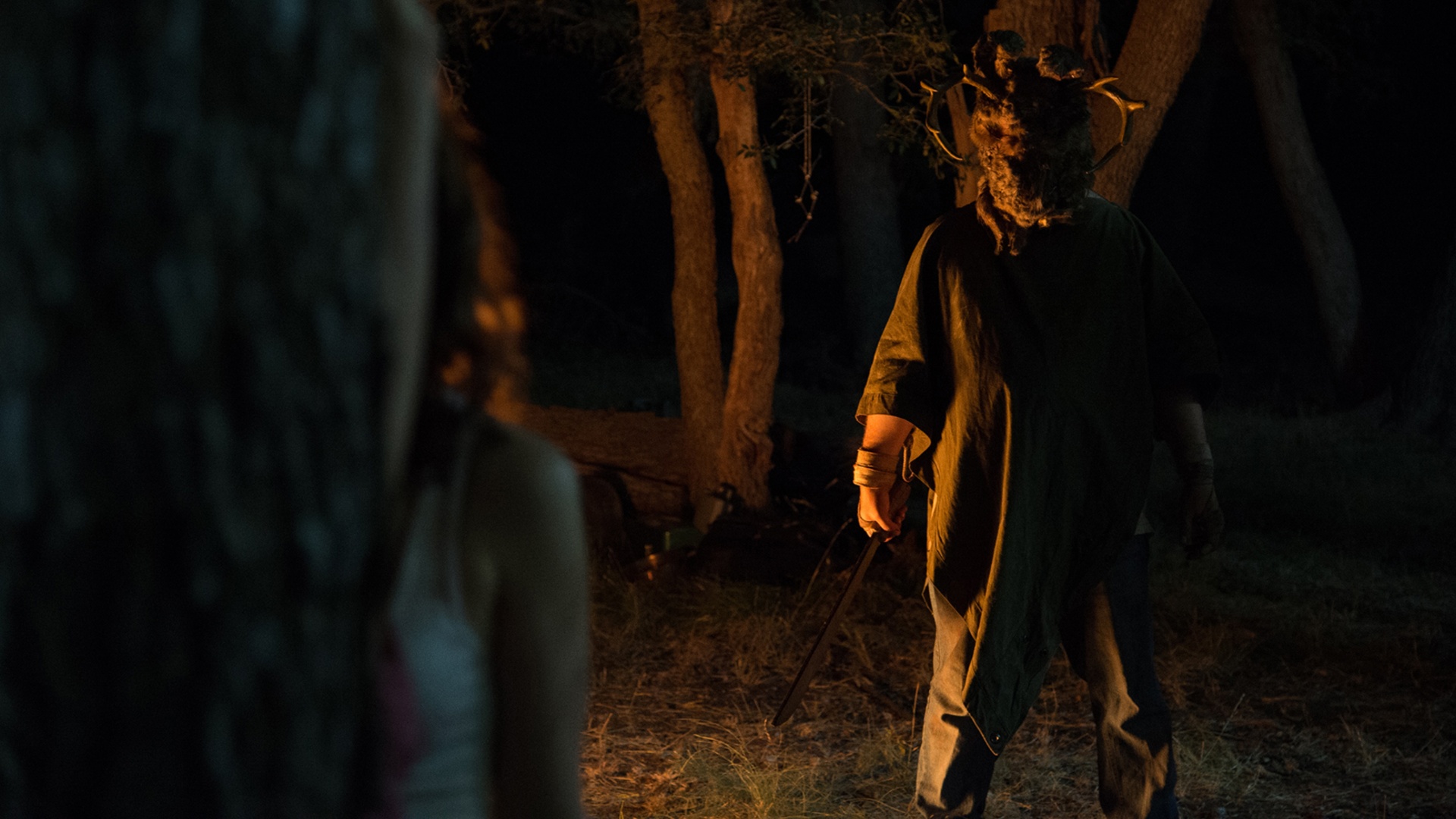
Last Girl Standing (2015)
The indie horror film flips the “final girl” trope by focusing on what comes after survival. Instead of ending with the usual last-woman-standing moment, the story follows Camryn, five years after she escapes a massacre, and shows how being the final girl doesn’t mean everything is over. The film highlights her ongoing fear, isolation, and trauma, making it clear that surviving the killer is only part of the story, and that the emotional aftermath is just as defining.
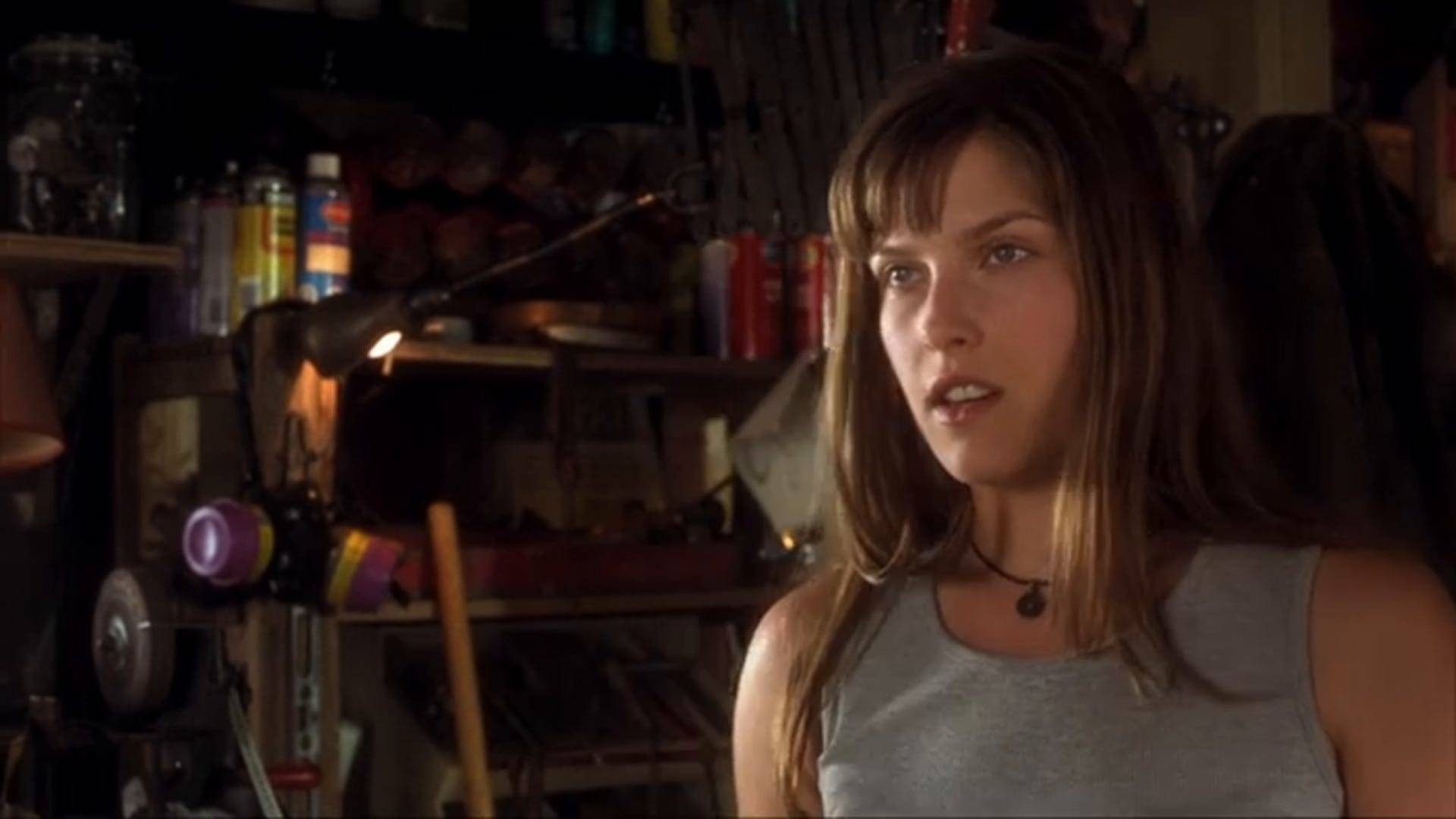
Final Destination (2000)
In the Final Destination film, the “final girl” trope is used in a different way because there is no actual killer to fight. Clear Rivers becomes the final girl not by understanding how Death works and trying to escape it. This changes the trope from a physical fight to a mental one, where survival depends on awareness and quick thinking rather than just strength or luck.
Carrie (1976)
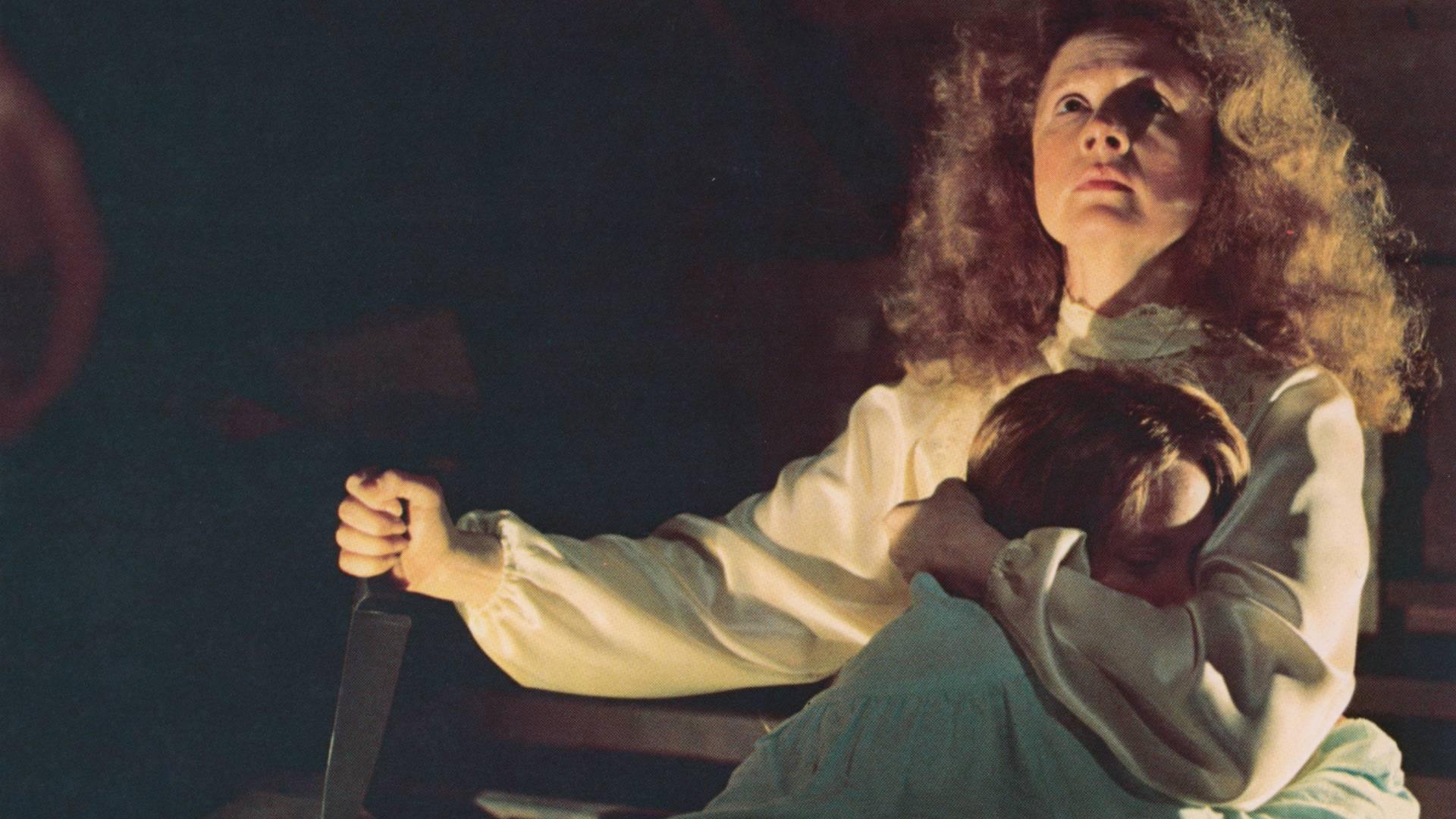
Carrie presents a layered take on the “final girl” trope by both using and subverting it at the same time. While Carrie White stands at the center of the story as both victim and destructive force, she doesn’t fit the traditional survivor role; instead, that position falls to Sue Snell. Sue becomes the true “final girl” not by surviving the prom massacre and living with the emotional weight of what happened, especially her own guilt and regret.
American Horror Story: 1984 (2019)
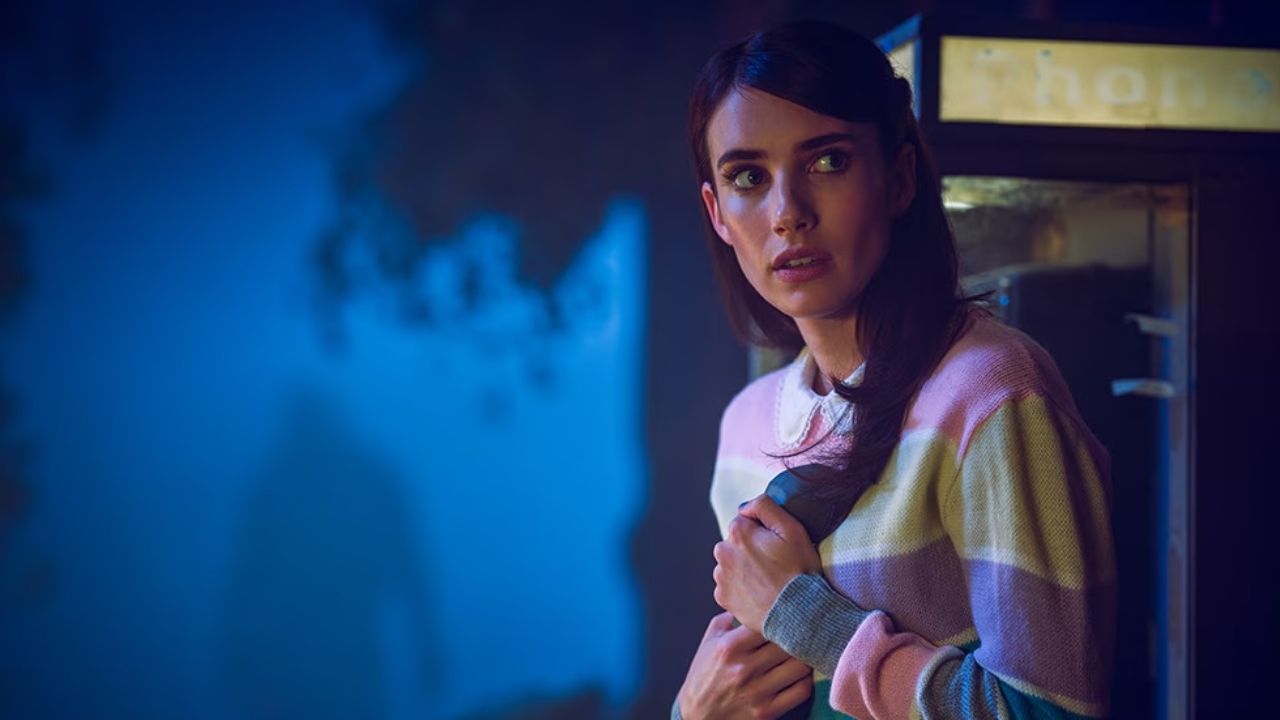
The TV show American Horror Story often uses and twists the “final girl” trope, especially in the season American Horror Story: 1984. In this season, characters like Brooke Thompson follow the classic idea of a final girl; she survives the killings and faces the killer in the end. But the show plays around with the trope, sometimes changing the rules and showing different kinds of survivors instead of just one typical final girl.
The Binding (2020)
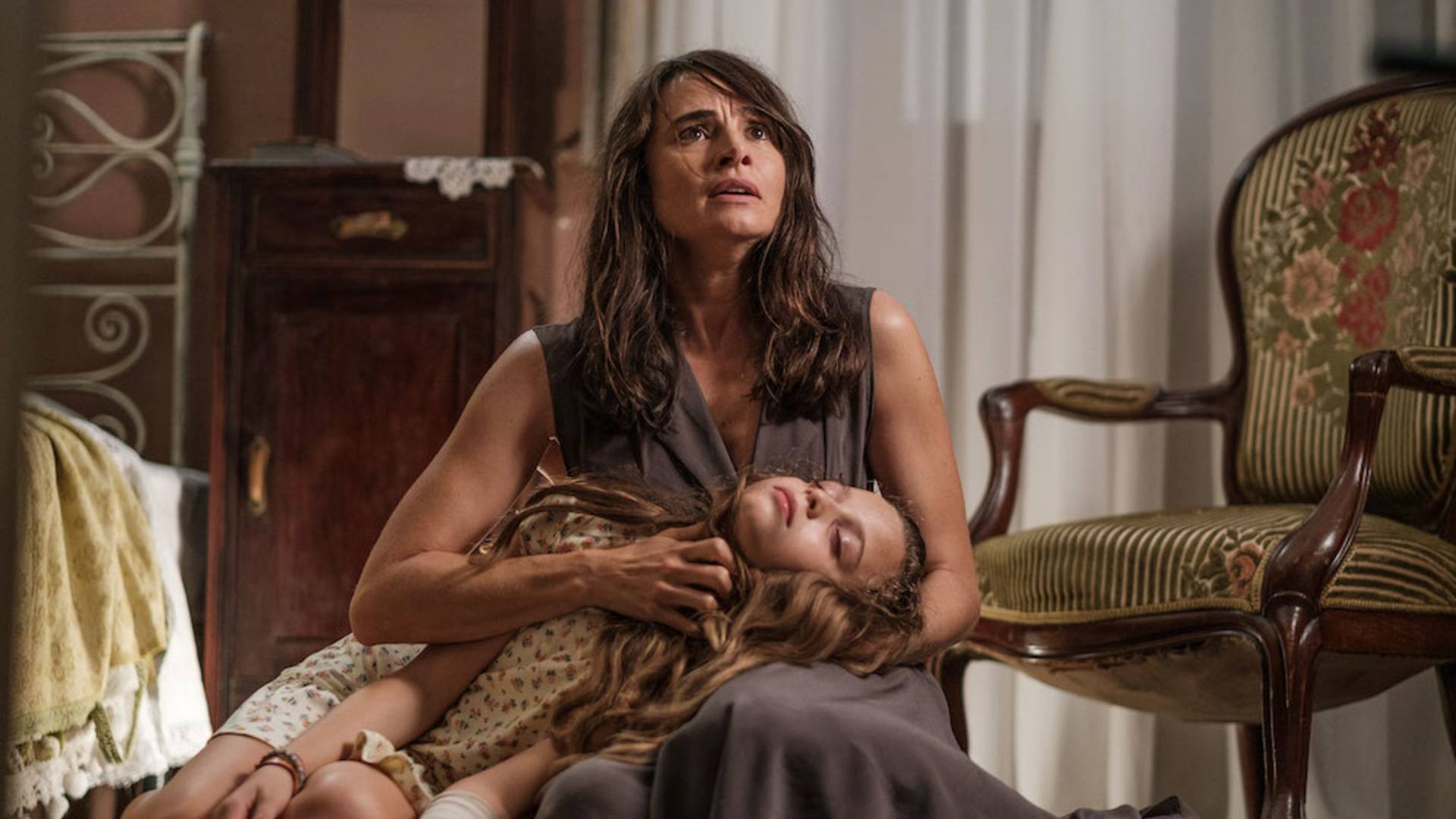
The Italian horror film 'The Binding' offers a different take on the “final girl” trope through its protagonist Emma, a mother who fights to save her daughter from a dark supernatural curse. Instead of the typical lone young survivor seen in slasher films, Emma fits the role of the final girl as the last, determined woman standing against evil, but her strength comes from maternal instinct rather than survival of a killing spree.
Severance (2006)
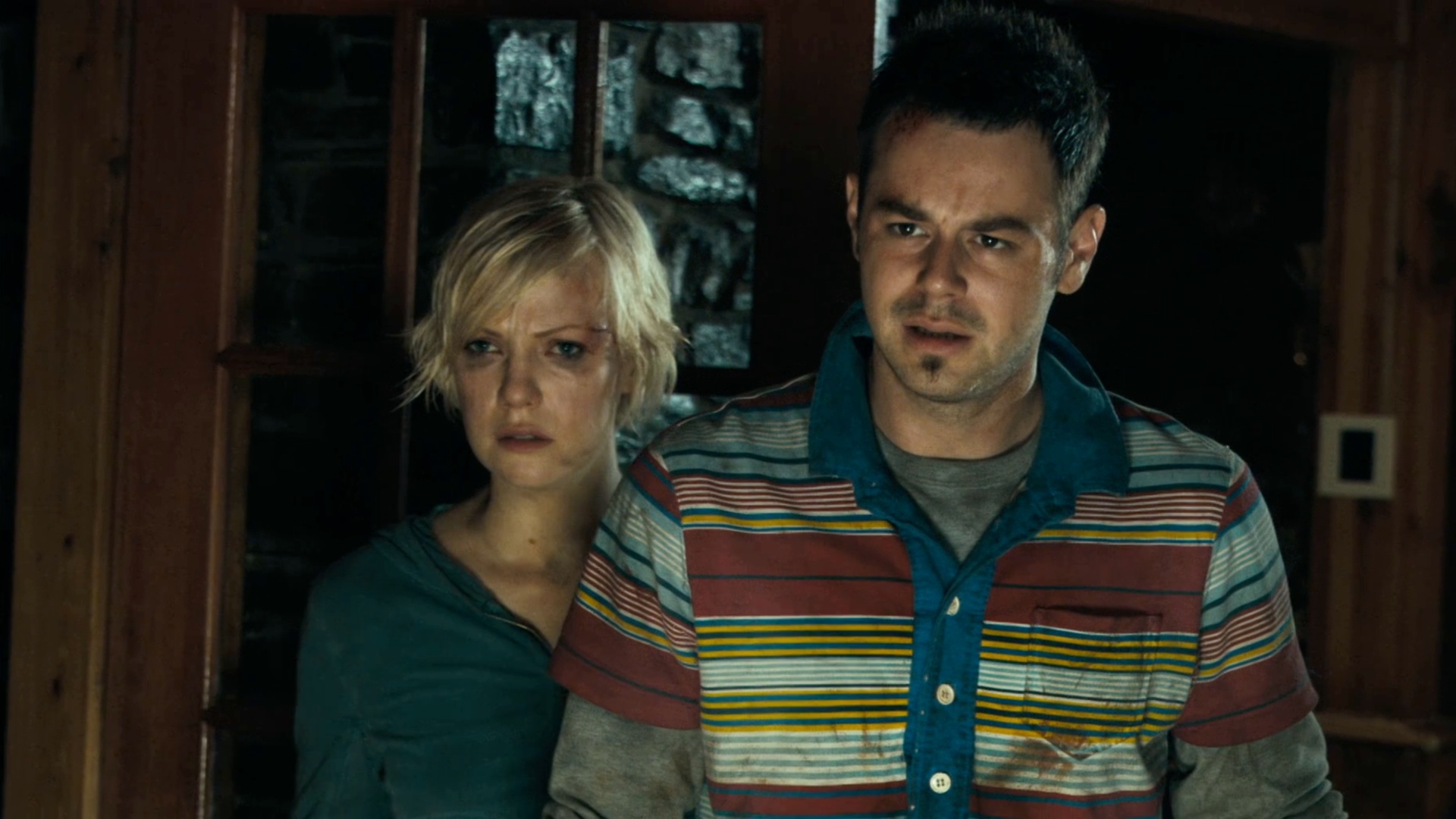
Horror-comedy, Severance, uses the “final girl” trope but gives it a fun and bold twist. Maggie is the final girl because she is the last one alive and faces the killers in the end. However, she is not a weak or scared victim; she fights back, thinks smart, and takes action to survive. At the same time, the film makes fun of typical horror rules.
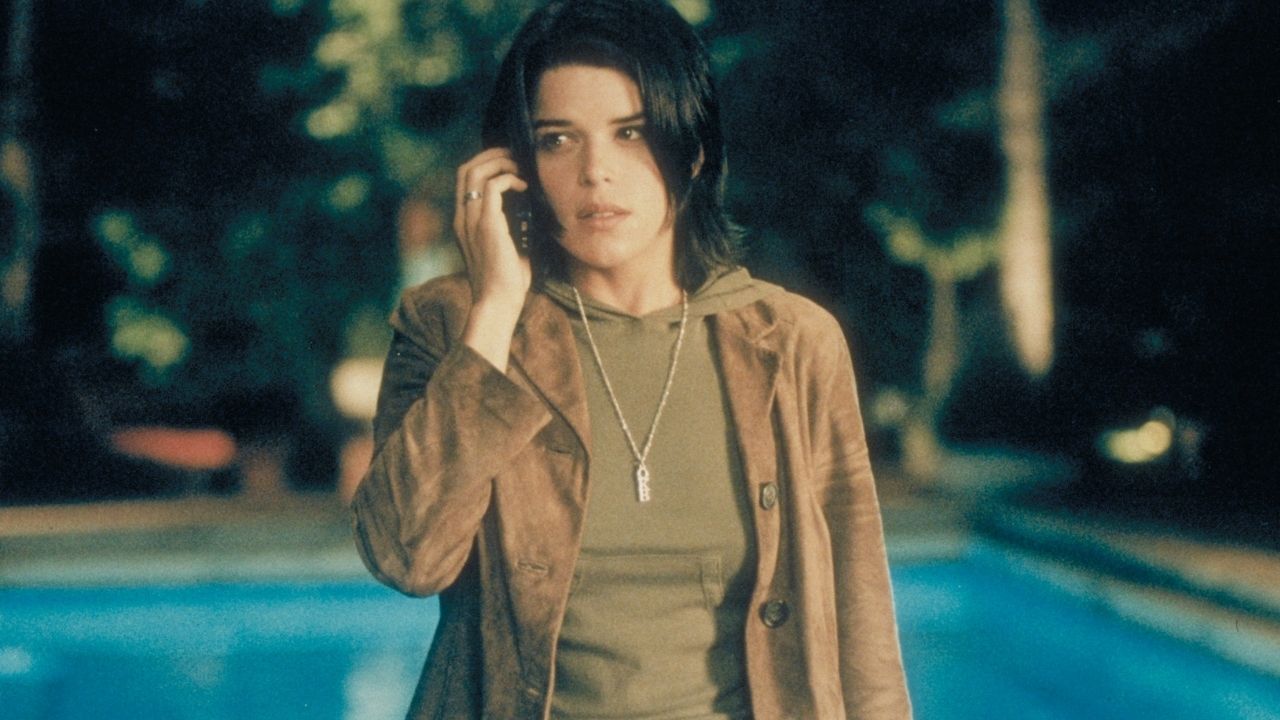
Scream 3 (2000)
In Scream 3, the “final girl” trope is shown through Sidney Prescott but in a more realistic and emotional way. Instead of being a simple survivor, Sidney is shown dealing with deep fear and trauma from her past, even living in isolation because she is still scared. She is not a passive or innocent victim; instead, she is strong, aware, and actively faces the killer again.
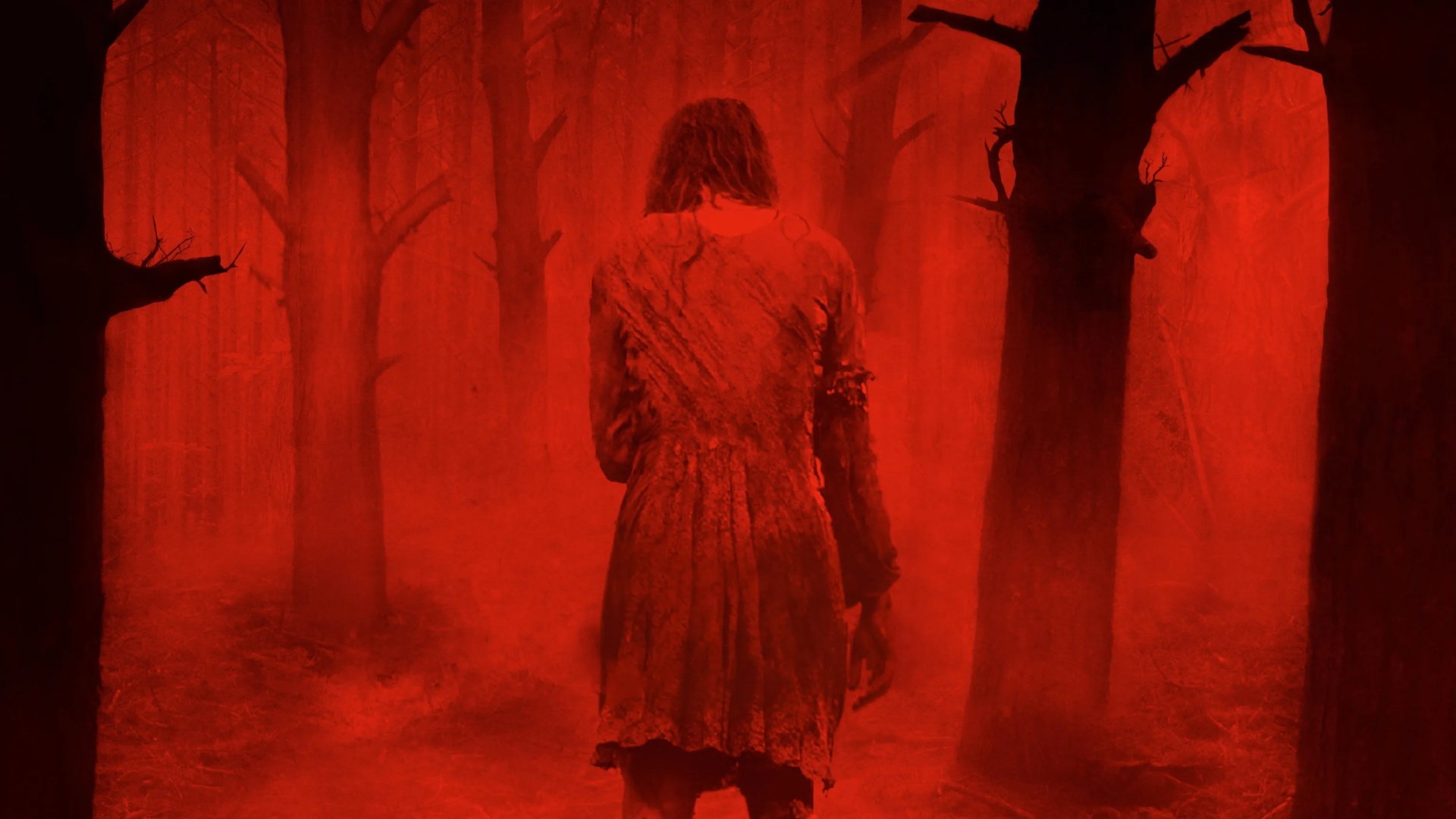
Evil Dead (2013)
Evil Dead shows different versions of the “final girl” trope across its films. The original The Evil Dead is known for having a “final boy” instead, but later movies shift the focus to strong female survivors. In Evil Dead, Mia Allen becomes a powerful final girl who fights through fear and possession, while in Evil Dead Rise, Beth Bixler takes on the role as a brave and resourceful survivor.

Something Very Bad Is Going to Happen (2026)
This chilling horror series follows Rachel Harkin, a bride-to-be who travels with her fiancé, Nicky, to his family’s remote cabin for their wedding. As the big day approaches, Rachel becomes convinced that something terrible is about to happen. Strange encounters, unsettling family secrets, and the discovery of a deadly generational curse push her to question whether Nicky is truly her soulmate. As the tension builds, Rachel emerges as the story’s Final Girl, fighting to survive a nightmare where love, fate, and death become terrifyingly intertwined.
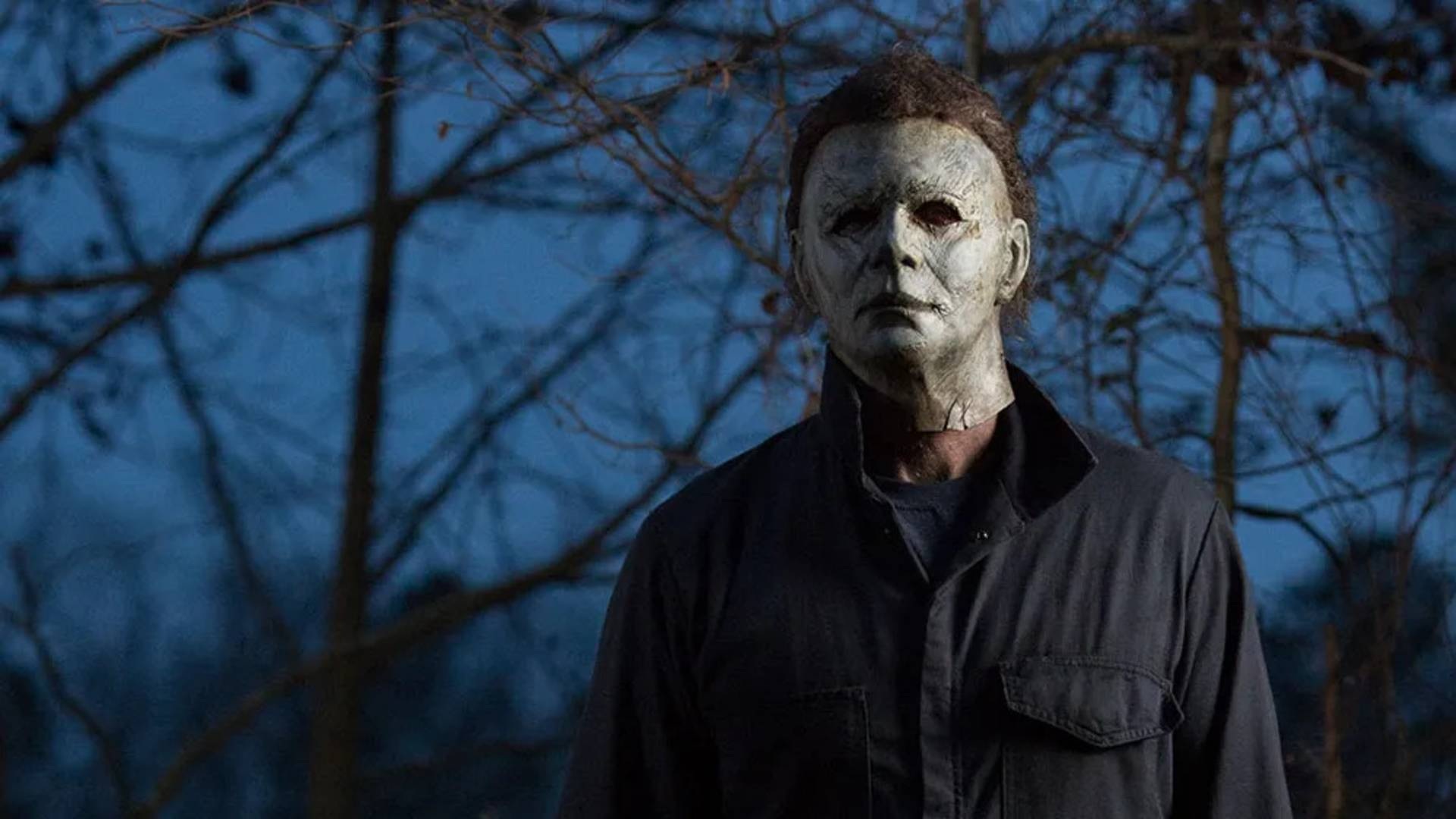
Halloween (1978)
The Halloween is one of the most important films for the “final girl” trope, with Laurie Strode becoming its most famous example. Laurie fits the classic final girl idea; she is quiet, careful, and observant, and unlike her friends, she avoids risky behavior. She is the last one left alive and ends up facing the killer, Michael Myers, on her own. What makes her stand out is that she fights back using whatever she can.
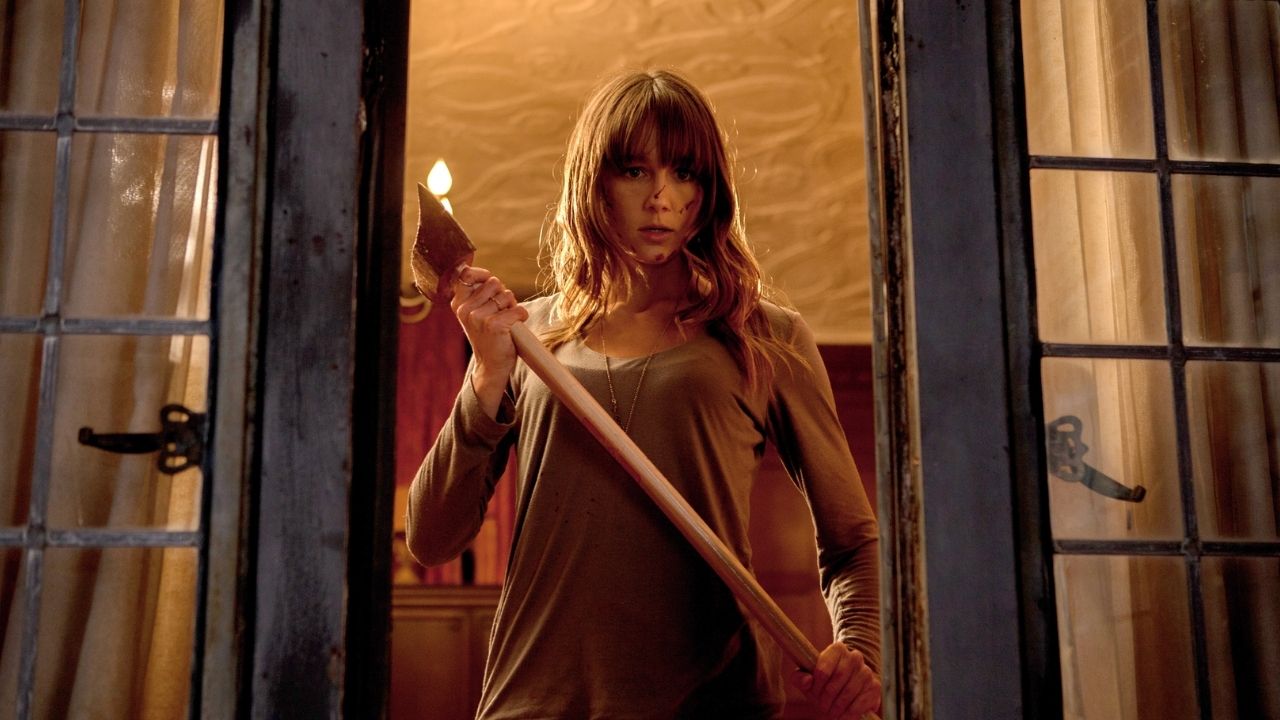
You're Next (2011)
The film You're Next shows the “final girl” trope in a very different way through Erin. She is still the last one standing, but she is not scared or helpless like many traditional final girls. Instead, she is strong, smart, and already prepared to fight back. Rather than just surviving, Erin takes control and goes after the killers, using traps and quick thinking to defeat them.
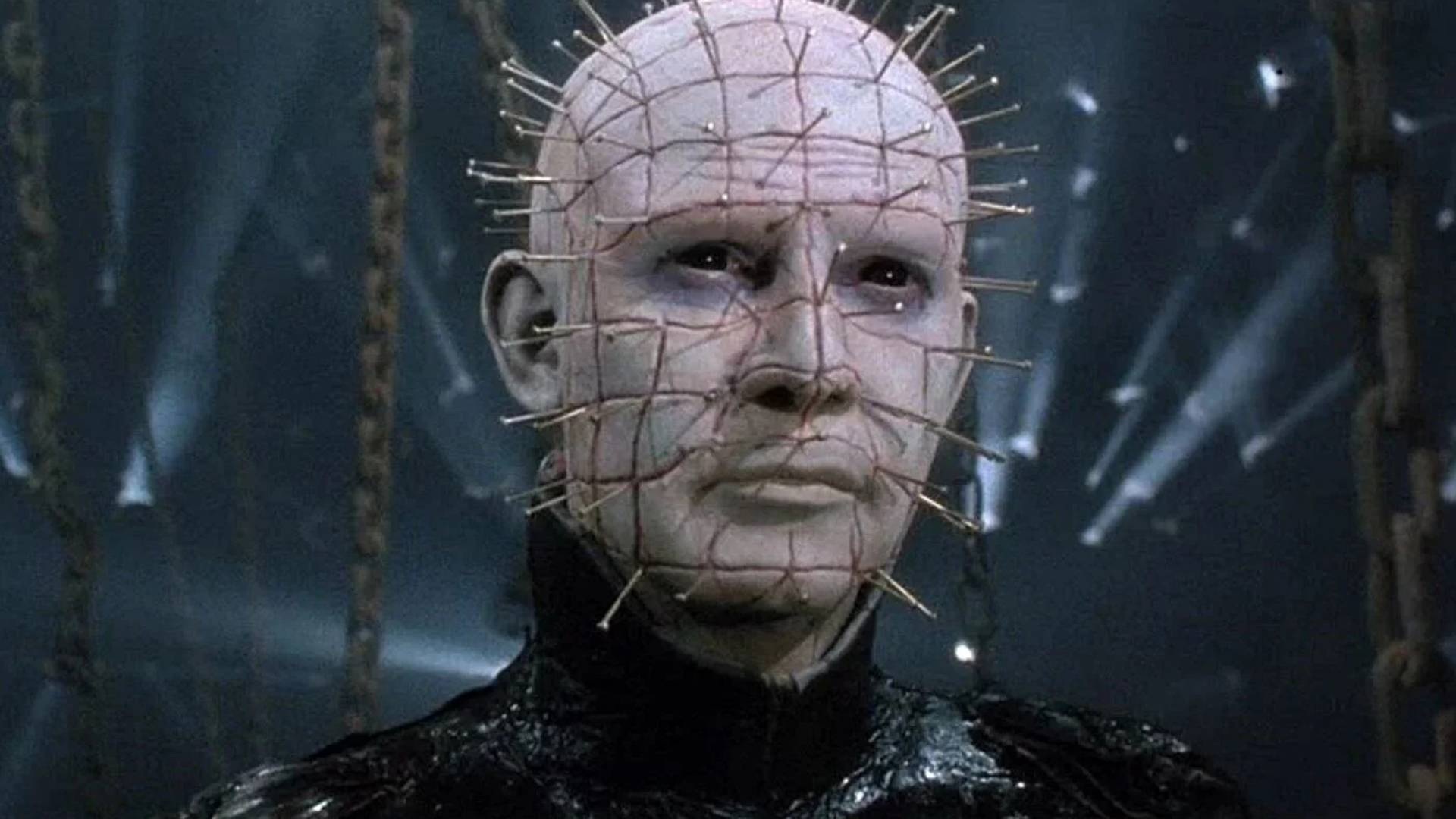
Hellraiser (1987)
In Hellraiser, the “final girl” trope is clearly shown through Kirsty Cotton who becomes the final girl because she survives all the horror and chaos around her, but more importantly, she stays alert and uses her mind to outsmart both the supernatural beings and the human villains. The story follows her closely, so the audience experiences everything through her.
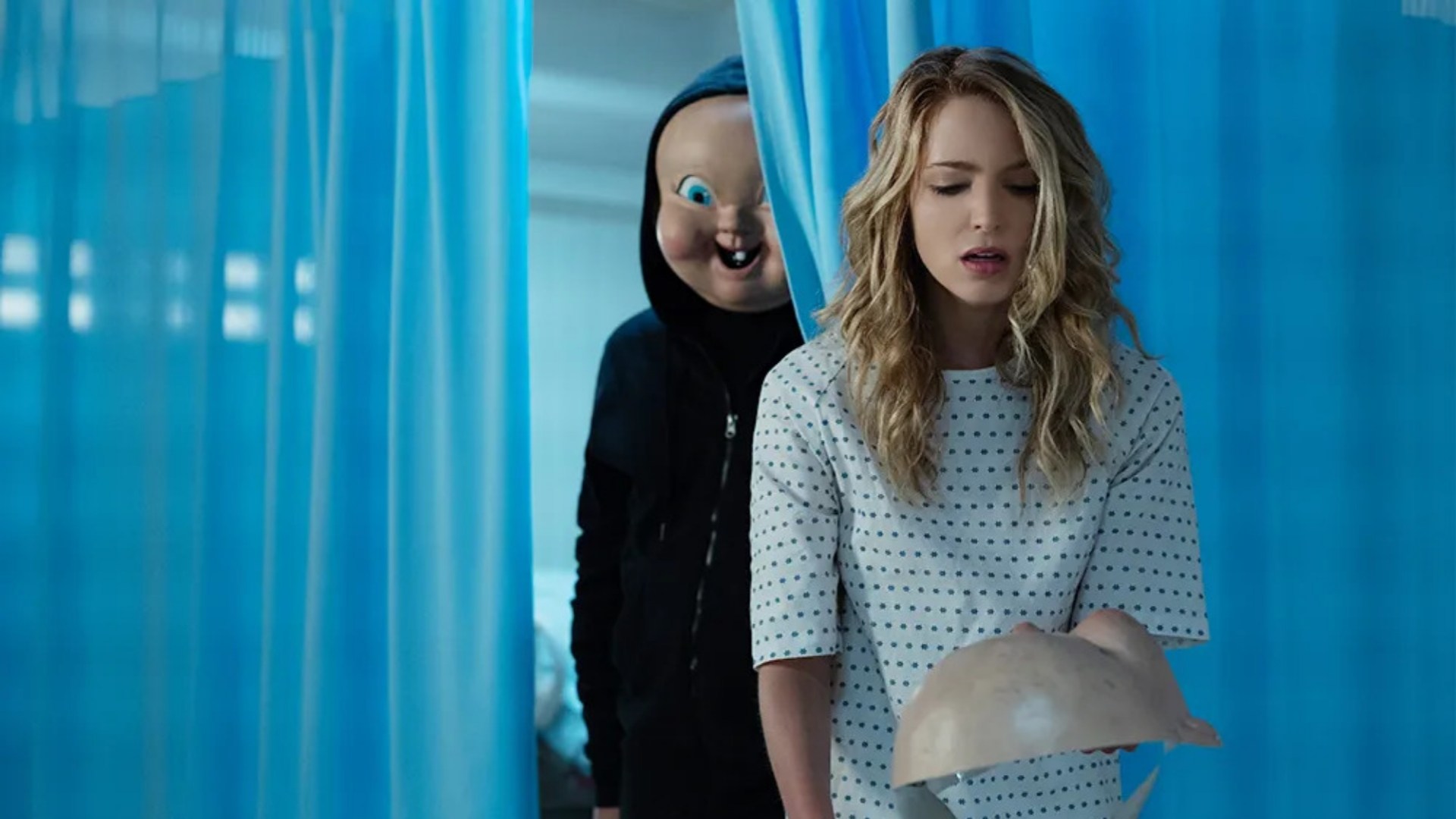
Happy Death Day (2019)
The film Happy Death Day gives a modern twist to the “final girl” trope through Tree Gelbman. At the start, Tree is selfish and careless, not like a typical final girl, but as she keeps reliving the same day and dying again and again, she begins to change. Instead of just running from the killer, she learns from each death, becomes smarter, and starts taking control of the situation.

Ready or Not (2019)
The film Ready or Not shows the “final girl” trope in a modern and different way through Grace Le Domas. She is the final girl because she survives and faces danger alone, but she does not look calm or untouched by the end. Instead, she is covered in blood, tired, and pushed to her limits. This changes the usual idea of a “perfect” final girl and shows that survival can be messy, painful, and raw.
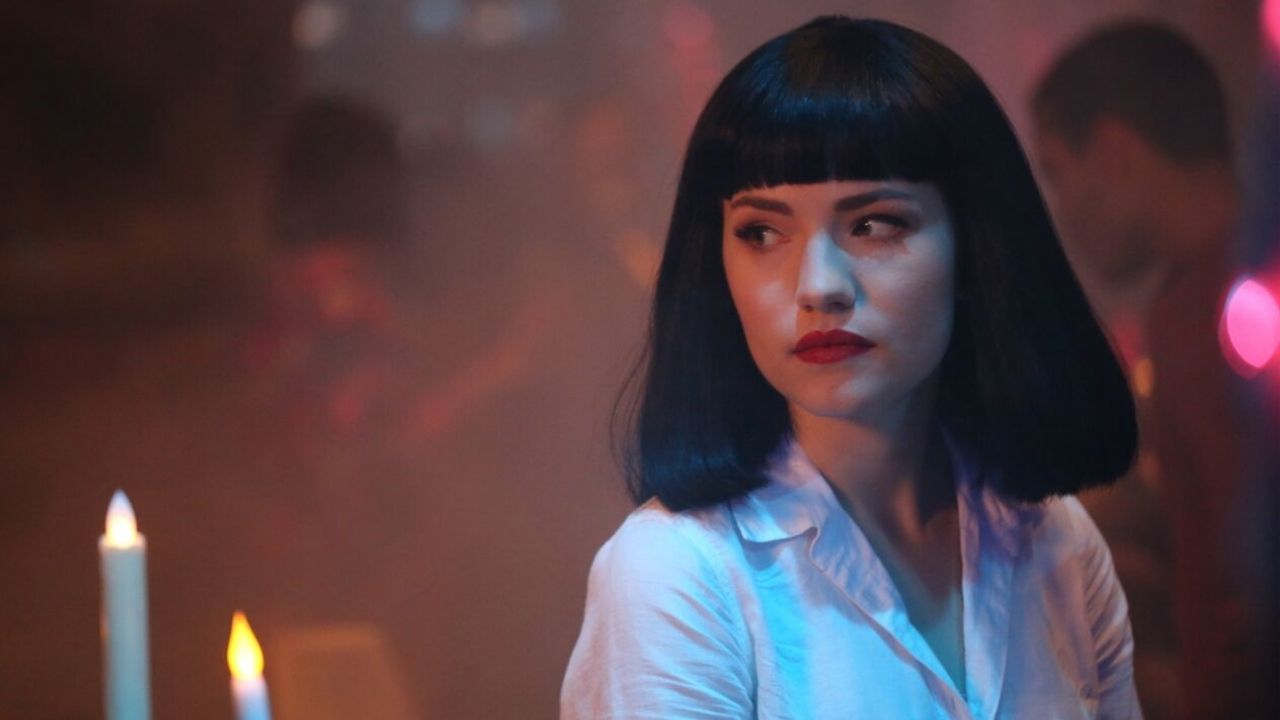
Scream: The TV Series, Season 1 and Season 2 (2015-2016)
The show uses the “final girl” trope through Emma Duval. She is the main target of the killer and the one who keeps surviving each attack. Like a classic final girl, she is smart, alert, and strong, and she eventually faces the Lakewood Slasher instead of just running away. The show also adds depth by showing her connection to past murders, which her survival even more relevant.
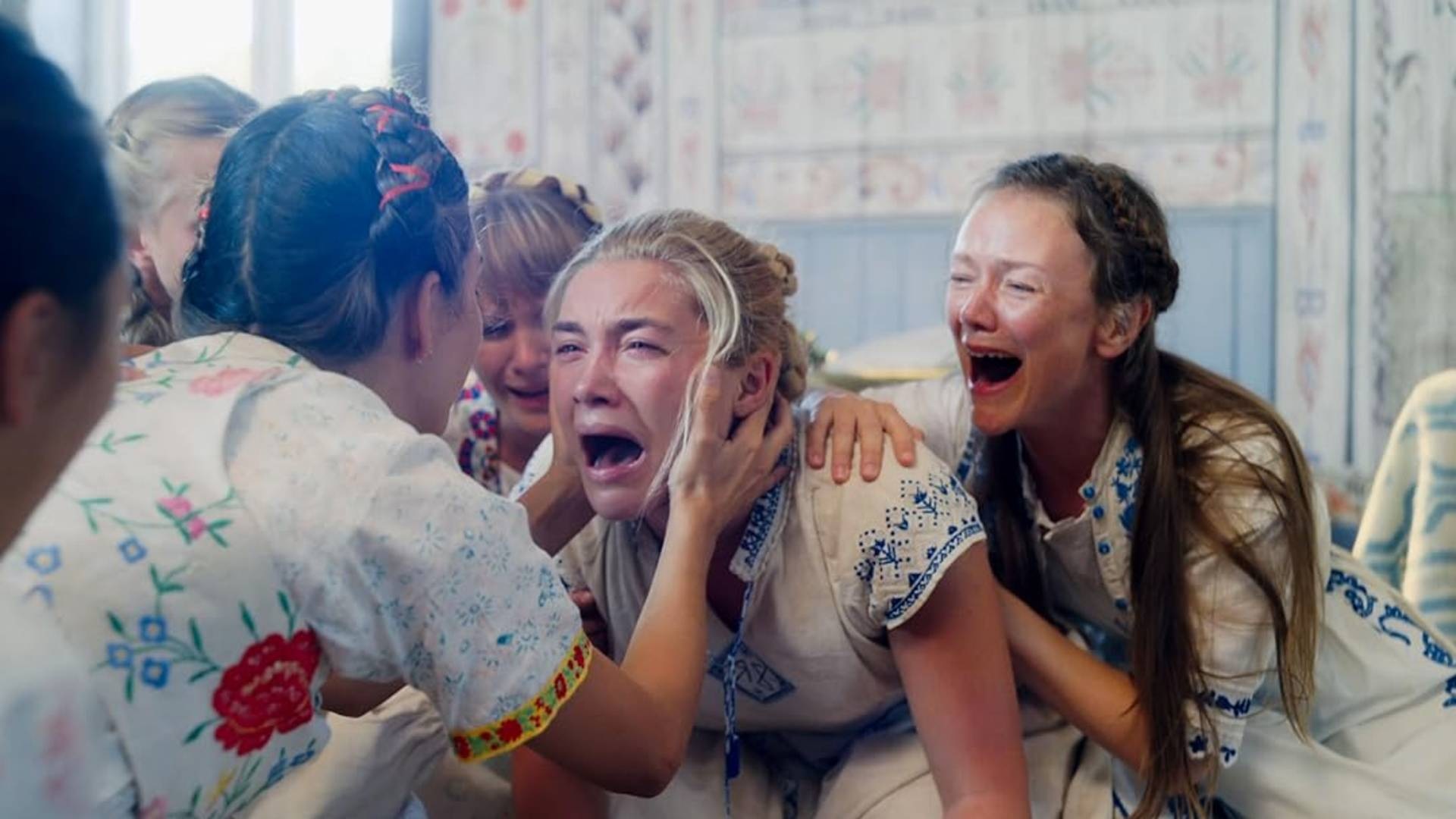
Midsommar (2019)
A very different version of the “final girl” trope appears in Midsommar through Dani. She is the last one left alive, but her story does not end with escaping danger like most final girls. Instead, she slowly becomes part of the cult around her, which changes the meaning of survival completely. Rather than defeating evil, she accepts it.
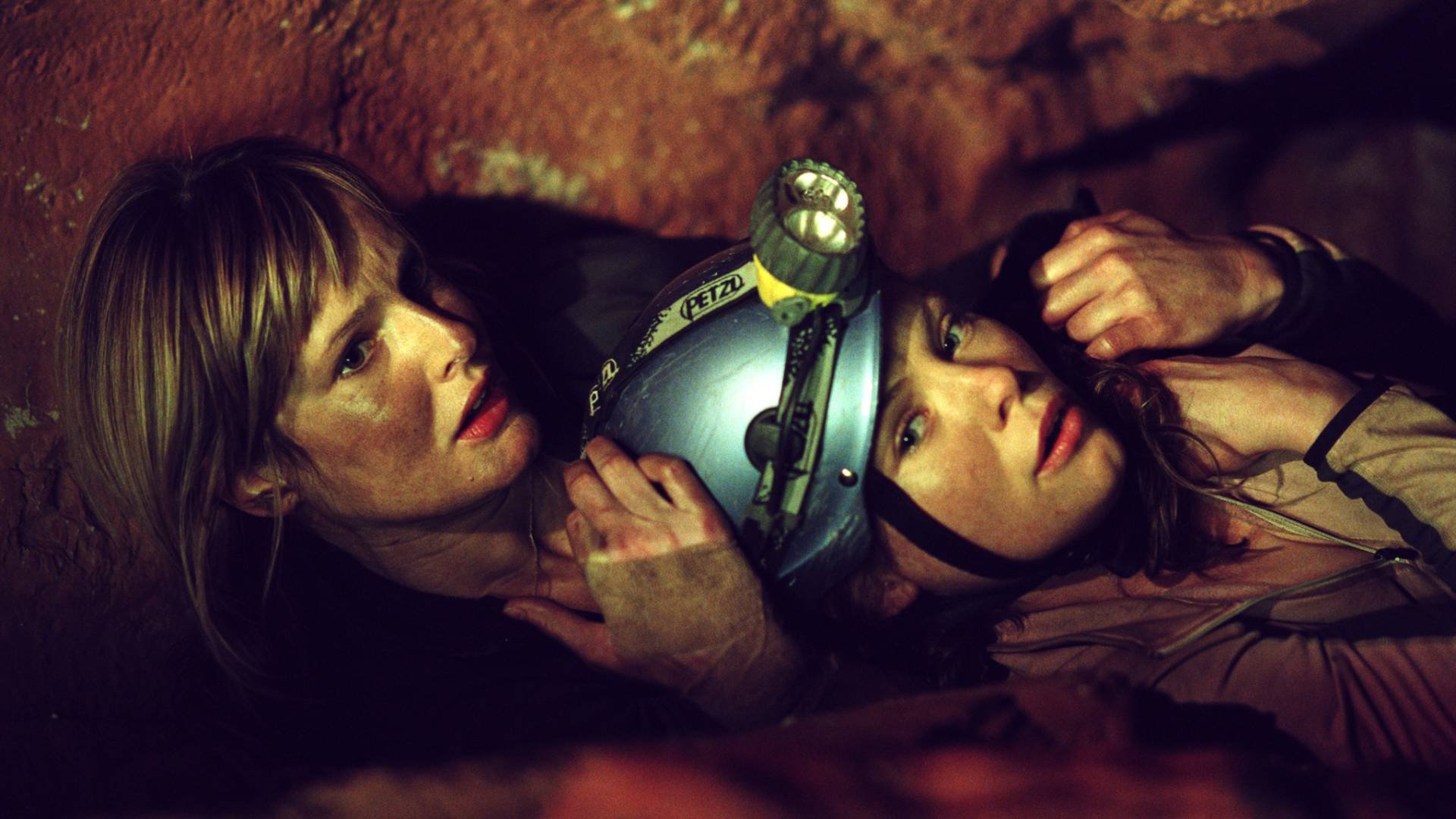
The Descent (2005)
In The Descent, the “final girl” trope is shown in a darker and more intense way through Sarah. She is the last one alive, but instead of just escaping, she changes a lot while trying to survive. She becomes more aggressive and starts fighting back in a brutal way. This shows that being the final girl is not always about a clean escape; sometimes it comes with fear, pain, and a big change in who the person becomes.
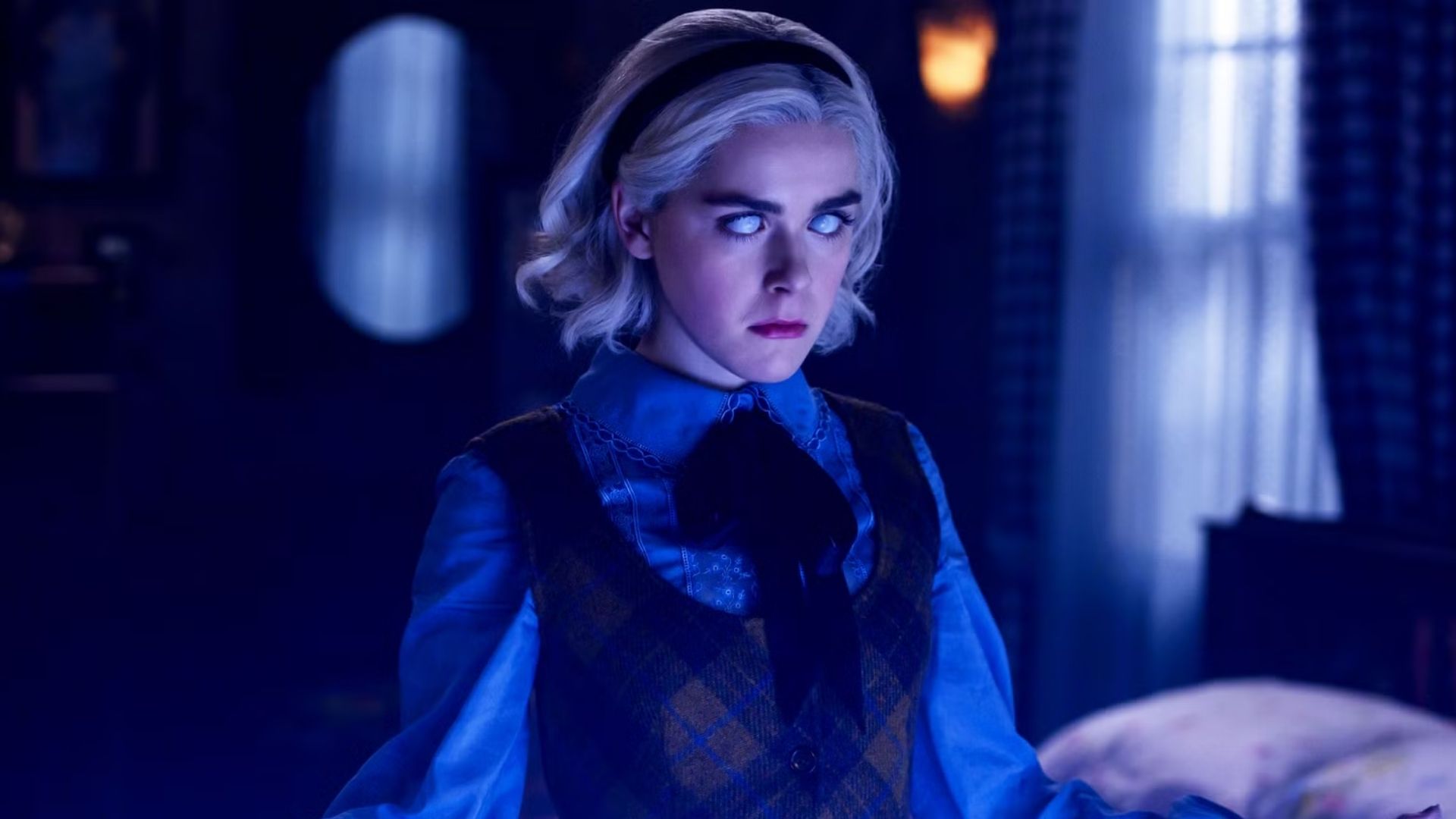
Chilling Adventures of Sabrina (2018–2020)
While not a traditional slasher, Chilling Adventures of Sabrina embraces many Final Girl qualities through Sabrina Spellman’s journey. Half-witch and half-mortal, Sabrina constantly finds herself standing between humanity and supernatural evil. As dark forces, demons, and ancient threats close in on her loved ones, she repeatedly becomes the last line of defense. What makes Sabrina a compelling Final Girl is her determination, courage, and willingness to sacrifice everything to protect others, even when the odds seem impossible.
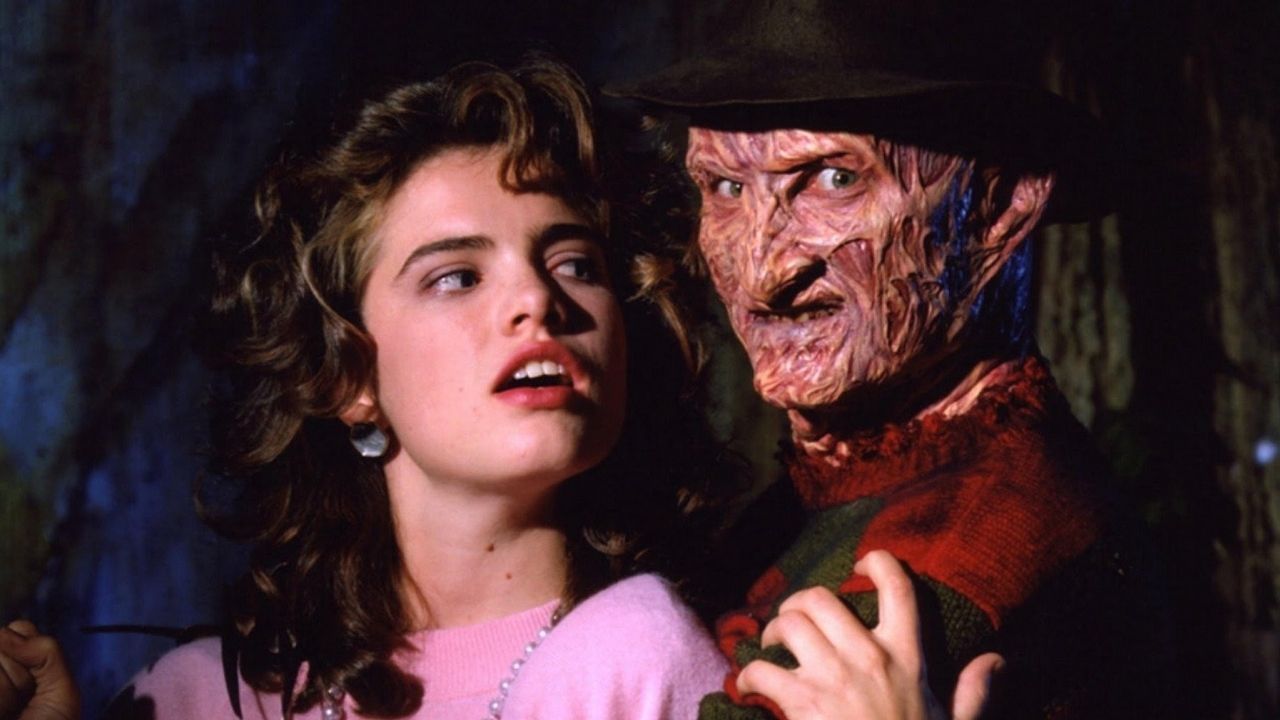
A Nightmare on Elm Street (1984)
A clear and classic example of the “final girl” trope can be seen in A Nightmare on Elm Street through Nancy Thompson. Nancy is smart, alert, and strong, and she is the one who survives when others do not. Instead of just running away, she thinks carefully and finds ways to fight back against the killer. This makes her a perfect example of a traditional final girl.

The Texas Chainsaw Massacre (1974)
One of the earliest and most important examples of the “final girl” trope is in The Texas Chainsaw Massacre through Sally Hardesty. She is the only one who survives after watching her friends get killed, and she goes through extreme fear and pain before finally escaping the killer, Leatherface. Sally does not defeat the killer, but she manages to stay alive through pure will and endurance.