
10 Movies To Watch If You Loved ‘Arrival’

10. Contact (1997)
If what you loved about 'Arrival' was its focus on communication over conflict, 'Contact' is the obvious starting point. Jodie Foster plays an astronomer who intercepts a signal from deep space, setting off a global scramble over what the message means and who gets to respond to it. Like 'Arrival,' the film treats first contact less as an action premise than a collision between science, politics, and faith. It’s a big studio sci-fi film with a surprisingly intimate core, built around curiosity rather than destruction.

9. Solaris (1972)
Andrei Tarkovsky’s 'Solaris' is one of the great meditations on grief in science fiction. Set aboard a space station orbiting a mysterious planet, it follows a psychologist confronted by physical manifestations of his own memories and regrets. There are no conventional thrills here, and that’s the point. Like 'Arrival,' the film uses the unknown not as a monster but as a mirror, forcing its characters to face emotions they’d rather leave buried. It’s slow, haunting, and deeply sad.

8. Under the Skin (2013)
Jonathan Glazer’s 'Under the Skin' flips the usual perspective by dropping the viewer into the mind of an alien predator moving through Scotland in human form. Scarlett Johansson’s performance is almost entirely built from observation and silence, which gives the film its eerie power. It’s not narratively similar to 'Arrival,' but it shares the same fascination with perspective: what it means to look at humanity from the outside, and how strange ordinary human behavior can seem when stripped of context.

7. Ex Machina (2014)
Alex Garland’s chamber piece is smaller in scale than 'Arrival,' but it taps into a similar unease about intelligence, communication, and the limits of human understanding. A young programmer is brought to a secluded research facility to test an advanced AI, only to realize the experiment is much more dangerous than it first appears. Like 'Arrival,' the tension comes from conversation, interpretation, and trying to understand a mind that doesn’t operate on familiar terms.

6. Close Encounters of the Third Kind (1977)
Steven Spielberg’s classic is one of the clearest predecessors to Arrival’s sense of wonder. Instead of treating extraterrestrials as a threat, 'Close Encounters of the Third Kind' presents contact as something mysterious, transformative, and almost spiritual. Its famous final sequence turns communication into music and light rather than violence, which is part of what makes it feel so close in spirit to Villeneuve’s film. Both movies are fascinated by the same question: what would it actually feel like to encounter something far beyond us?
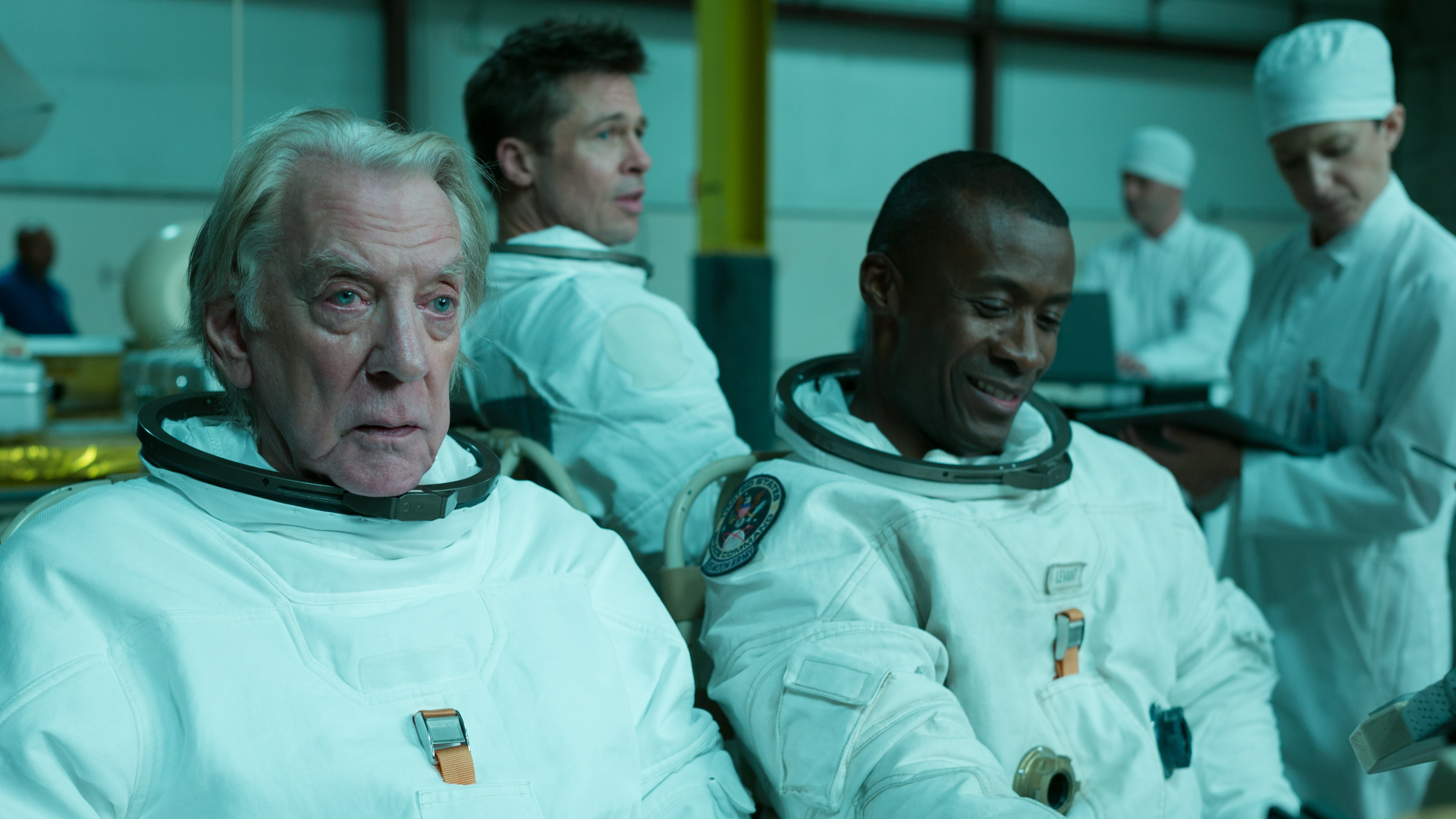
5. Ad Astra (2019)
On the surface, 'Ad Astra' looks more like a space survival film than a first-contact drama, but its emotional frequency is closer to 'Arrival' than its plot suggests. Brad Pitt plays an astronaut sent to the edge of the solar system to investigate a mission tied to his father, and the deeper he travels, the more the film turns inward. Like 'Arrival,' it’s ultimately about isolation, loss, and the stories people tell themselves to survive unbearable emotional distance.
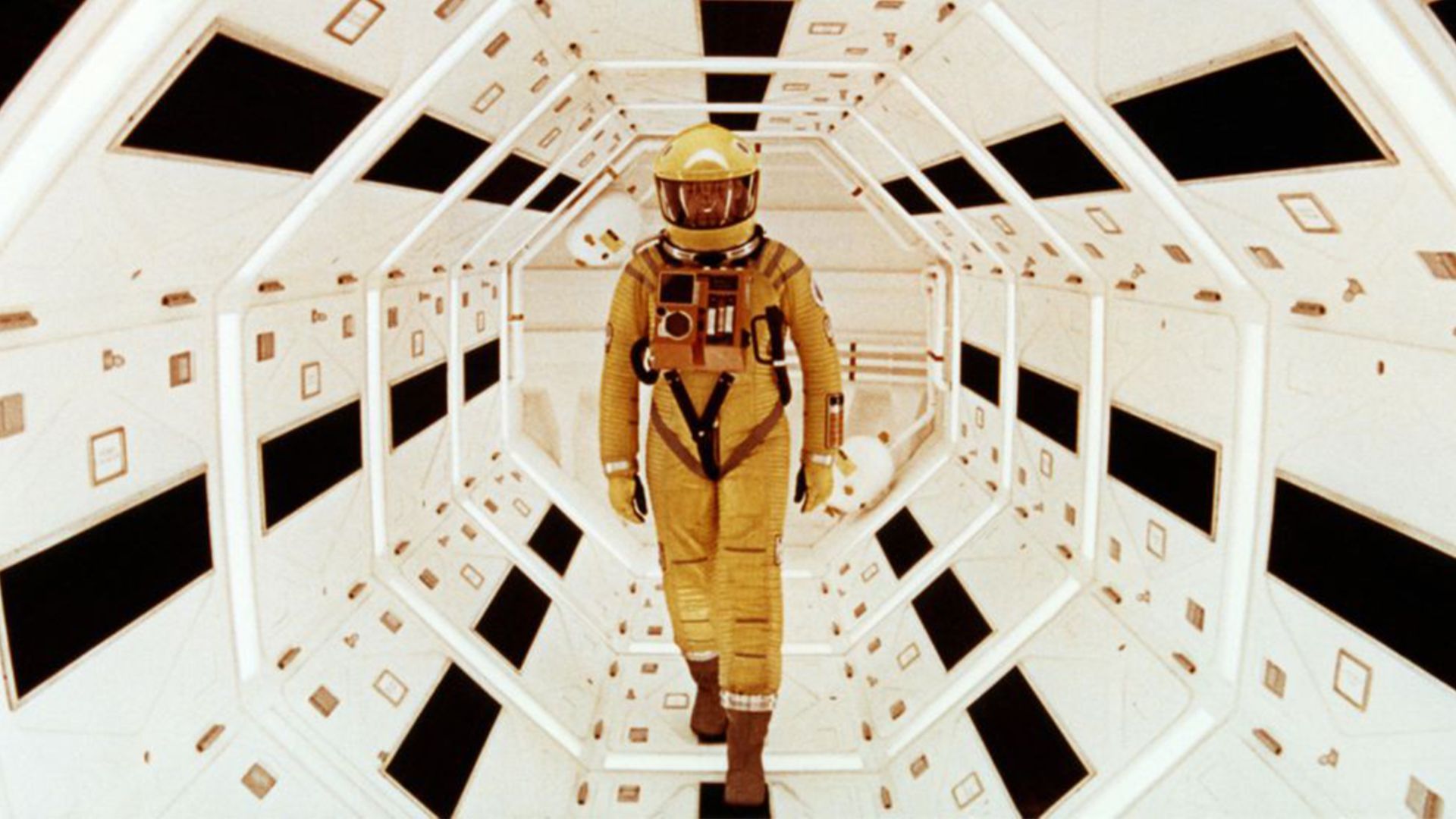
4. 2001: A Space Odyssey (1968)
Stanley Kubrick’s landmark sci-fi epic still feels like the blueprint for films that treat space as something mysterious, transcendent, and fundamentally beyond human control. '2001: A Space Odyssey' is less emotionally direct than 'Arrival,' but the connection is clear in the way both films approach the unknown with awe rather than fear. They’re interested in transformation, not invasion, in how contact with something incomprehensible can alter the course of human thought.

3. Annihilation (2018)
Alex Garland’s 'Annihilation' may be the darkest film on this list, but it scratches a similar itch. A group of scientists enters the Shimmer, a quarantined zone where nature has been warped by an alien presence, and what they find there is as psychologically destabilizing as it is visually beautiful. Like 'Arrival,' the film is less concerned with explaining every mystery than with exploring what the unknown does to the people trying to understand it. Its final act, especially, lands in that same unnerving space between revelation and emotion.
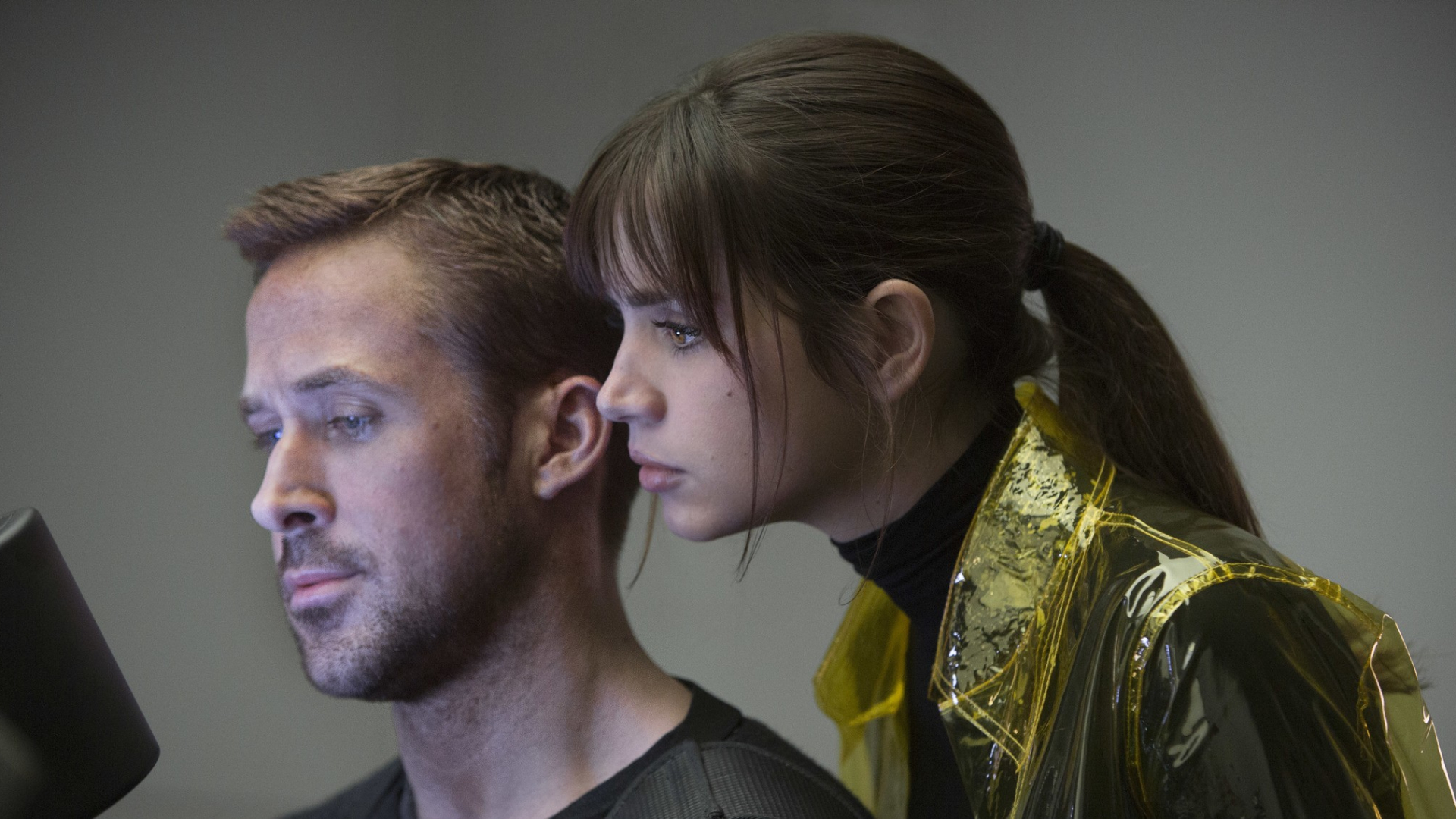
2. Blade Runner 2049 (2017)
Villeneuve’s other great sci-fi film is the most obvious companion piece to 'Arrival.' On paper, it’s a noir detective story set in a dystopian future, but at its core it’s another film about memory, identity, and the emotional weight of things that may not even be real. Ryan Gosling’s replicant detective moves through a world of artificial lives and implanted pasts, searching for meaning in a system designed to erase it. If 'Arrival' worked for you because of its melancholy and philosophical depth, 'Blade Runner 2049' hits many of the same notes.

1. Interstellar (2014)
If there’s one film that comes closest to Arrival in emotional ambition, it’s 'Interstellar.' Christopher Nolan’s space epic is built on cosmic scale, but its real subject is time and what it does to human relationships. Like 'Arrival,' it turns scientific ideas into emotional ones, using nonlinear time not just as a plot device but as a way to talk about love, loss, and the unbearable pain of separation. For all its black holes and wormholes, the film ultimately lands on something intimate: the idea that connection can outlast distance, logic, and even time itself.