
12 Overhyped Netflix Series We Think Lost Their Edge Over Time
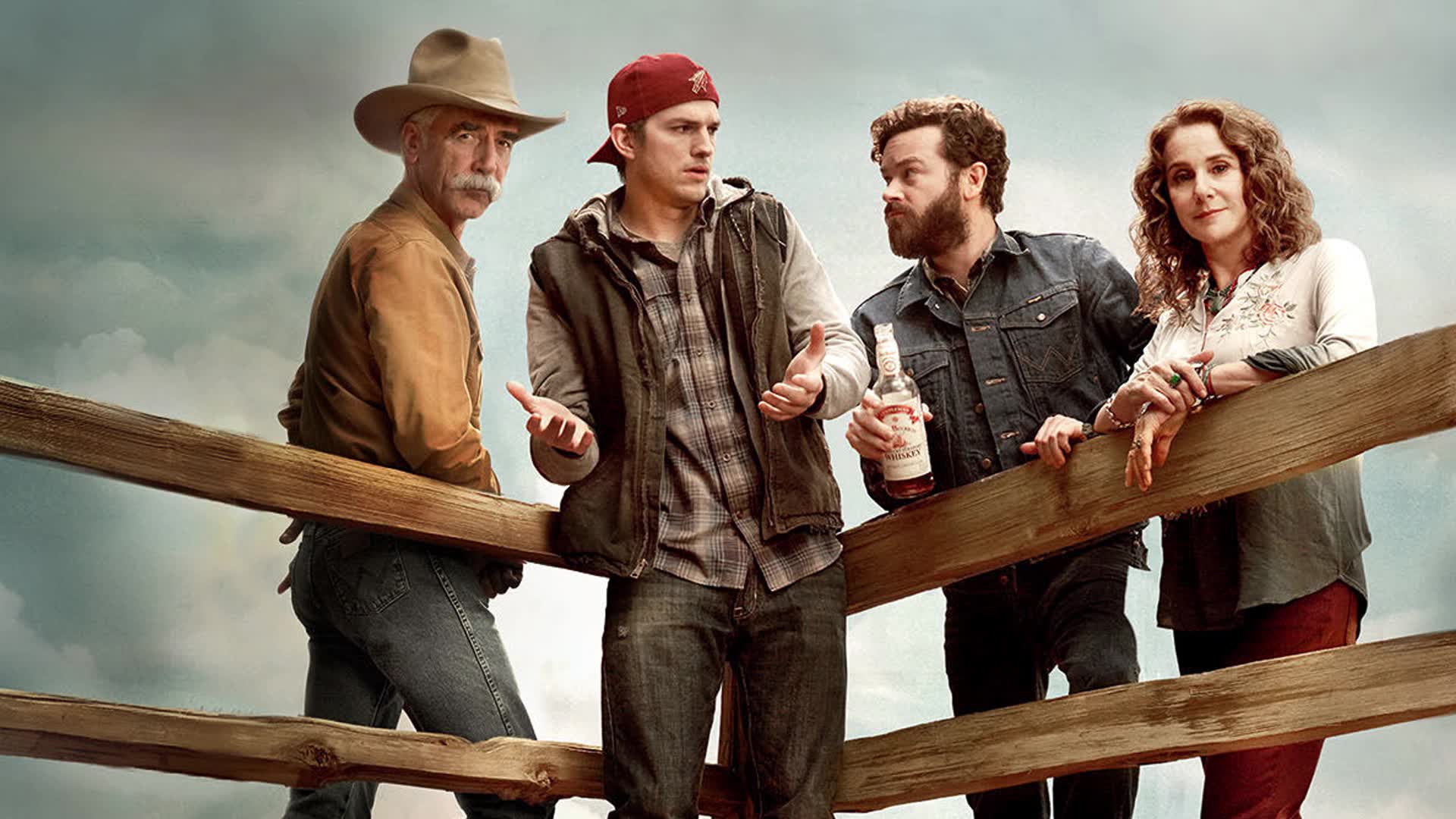
12. The Ranch (4 Seasons)
A mediocre multi-cam sitcom set on a family ranch, it often felt closer to network television than a distinctive Netflix original. The humor remained safe and repetitive, rarely evolving beyond predictable setups. After controversy involving Danny Masterson, the show lost further momentum. Despite this, it continued longer than many fresher comedies, ultimately leaving behind little cultural impact or memorable storytelling compared to other originals on the platform.

11. Insatiable (2 Seasons)
A messy and tone-deaf dark comedy about revenge and beauty standards, it drew backlash almost immediately for its handling of weight and uneven execution. Even one season felt questionable, and getting a second only made it seem like the show was doubling down on an idea that never really worked.
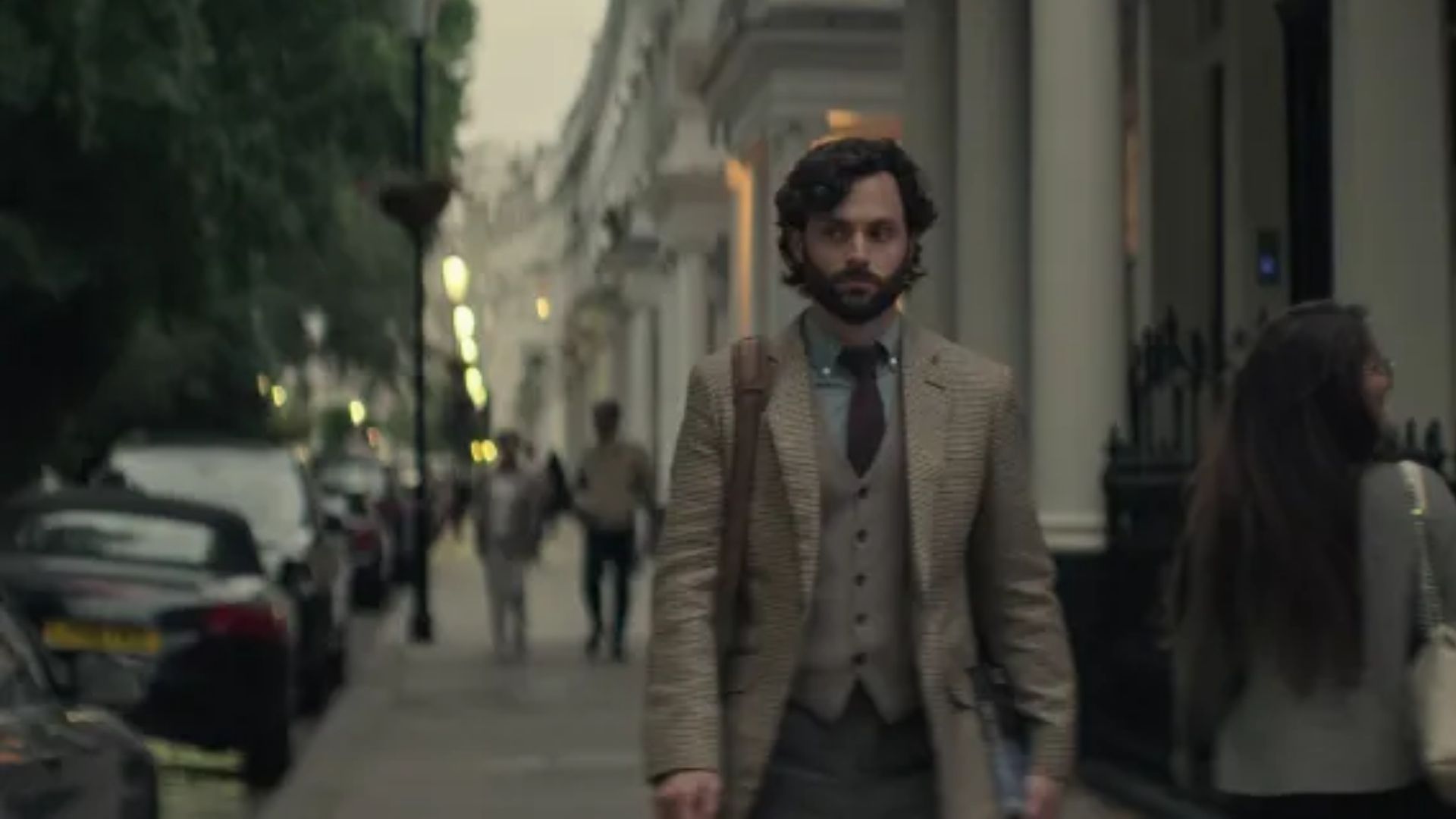
10. You (5 Seasons)
Joe Goldberg’s unsettling narration and obsessive tendencies made the early seasons gripping and unpredictable. Each new setting brought a sense of danger and reinvention that kept viewers hooked. However, later seasons leaned too heavily on repetition—new identity, new obsession, same outcome. The internal monologues began to feel recycled, and the shock factor diminished. What once felt sharp and thrilling gradually turned into a formula that struggled to maintain suspense.
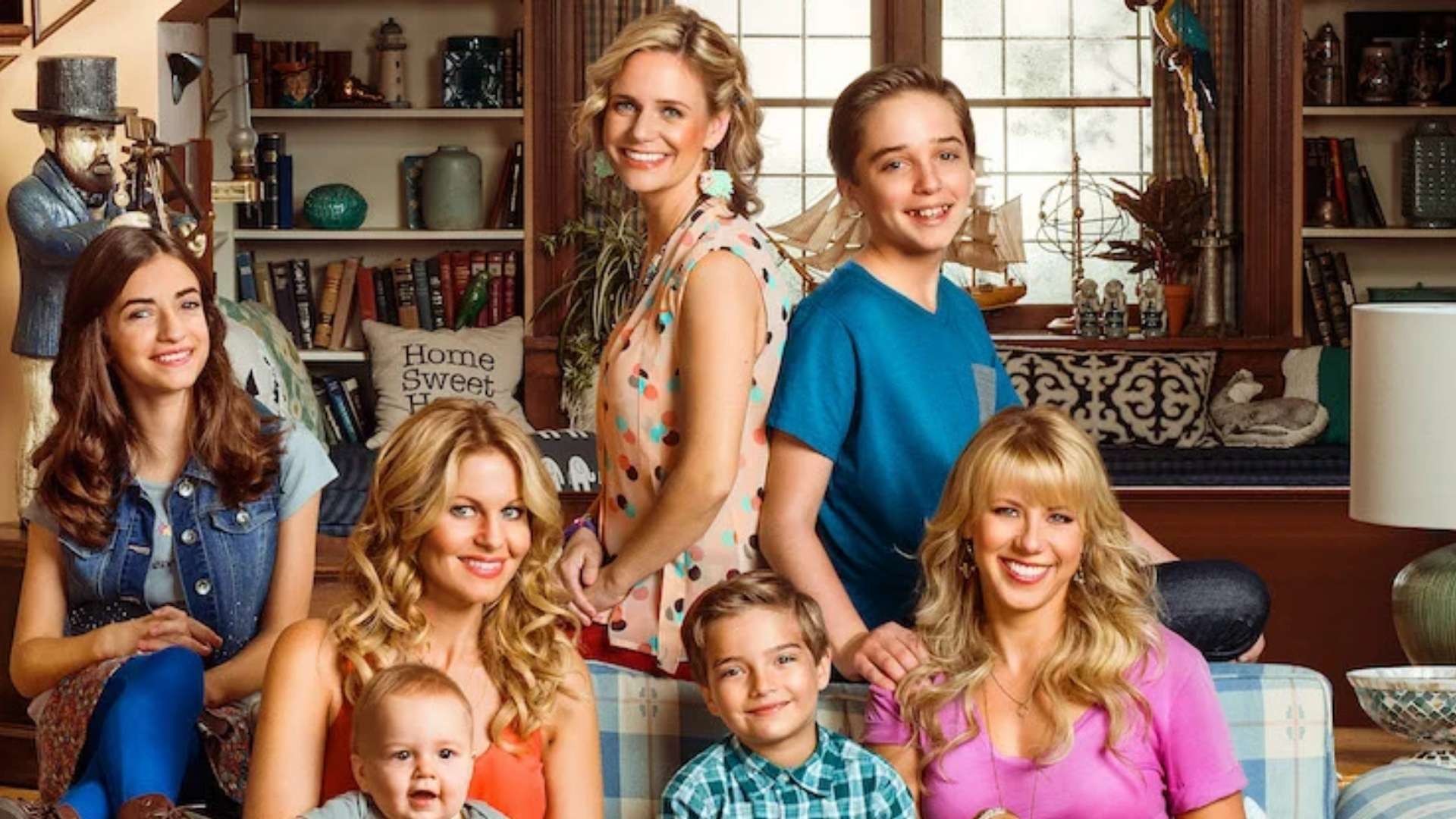
9. Fuller House (5 seasons)
Initially appealing as a nostalgic return to the world of Full House, the series quickly settled into predictable sitcom rhythms. It relied heavily on callbacks and familiar beats rather than developing a fresh voice for a new generation. While comforting for longtime fans, it lacked the originality needed to stay engaging. Its extended run made it feel more like a prolonged nostalgia play than a meaningful continuation.
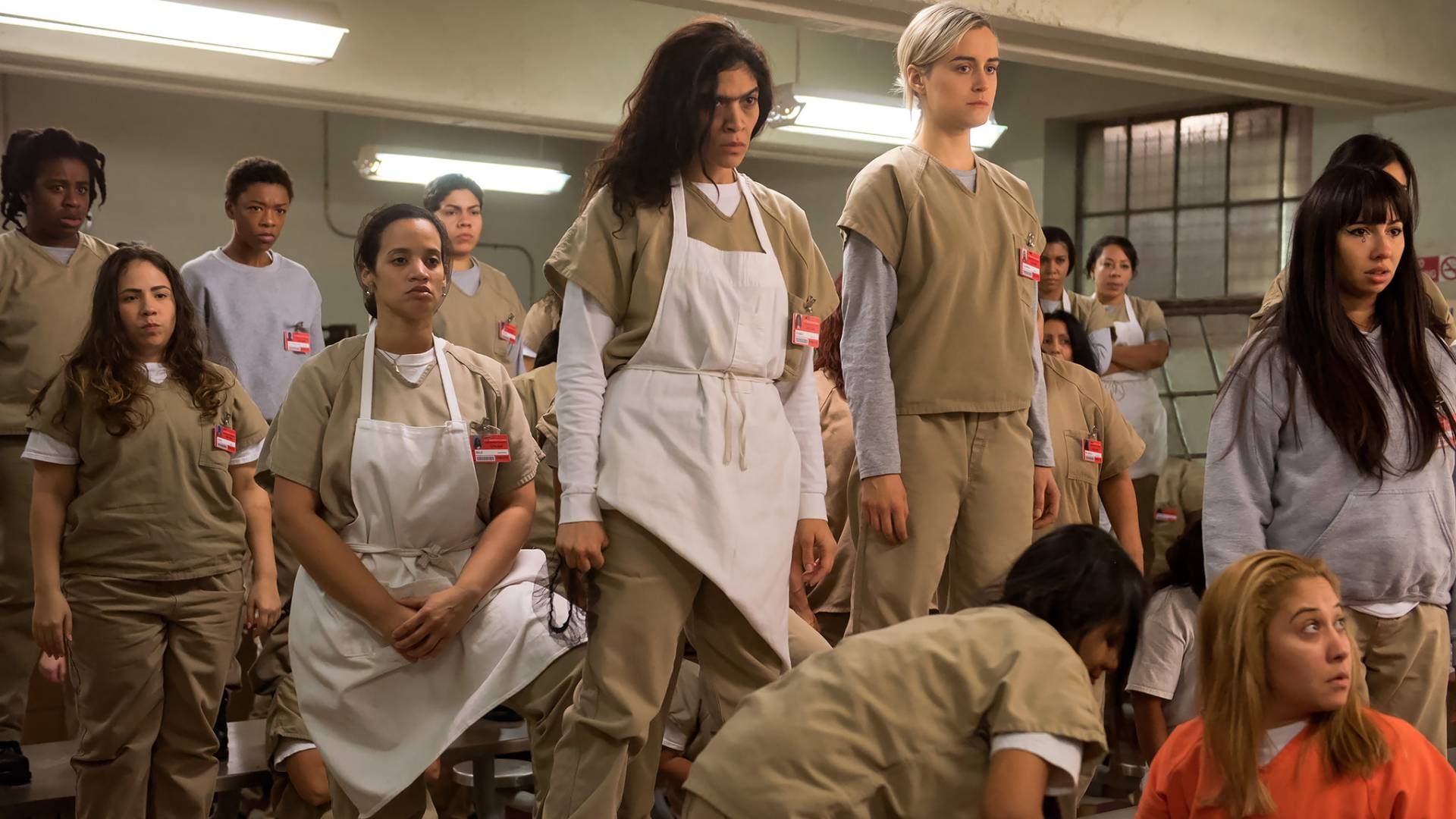
8. Orange Is the New Black (7 seasons)
Once a defining Netflix original, the show stood out for its diverse cast and layered storytelling. Early seasons balanced humor and drama with real emotional weight. But after pivotal moments like Poussey’s death, the narrative became increasingly scattered. An influx of new characters and subplots diluted the focus, and the emotional core weakened over time. What began as a sharp, character-driven drama slowly lost its cohesion and urgency.

7. Emily in Paris (5 seasons)
What started as a light, escapist mix of fashion and romance worked well as a guilty pleasure in its first season. However, subsequent seasons repeated the same love triangles, cultural clichés, and exaggerated “fish-out-of-water” humor. Emily’s lack of growth, especially her continued disconnect from French culture, made the storytelling feel stagnant. Even with new locations and expanded settings, the show began to feel formulaic and creatively thin.
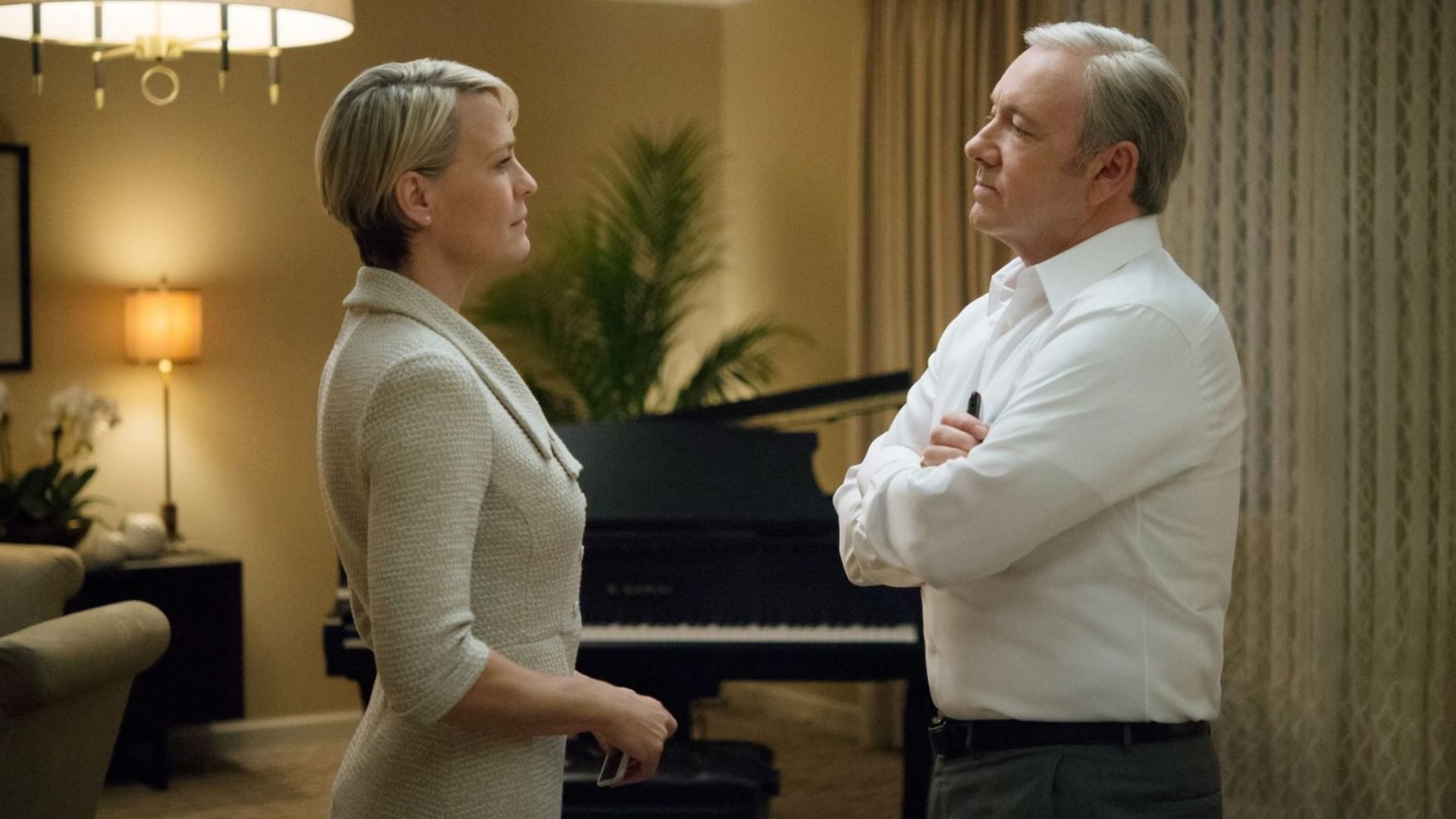
6. House of Cards (6 seasons)
The early seasons were gripping, fueled by ruthless political maneuvering and Kevin Spacey’s commanding performance. Over time, the storytelling became repetitive, recycling the same schemes without raising the stakes meaningfully. Following Spacey’s exit, the show shifted focus to Robin Wright, but struggled to regain its footing. The final seasons leaned into melodrama, losing the sharp, calculating edge that once defined it.
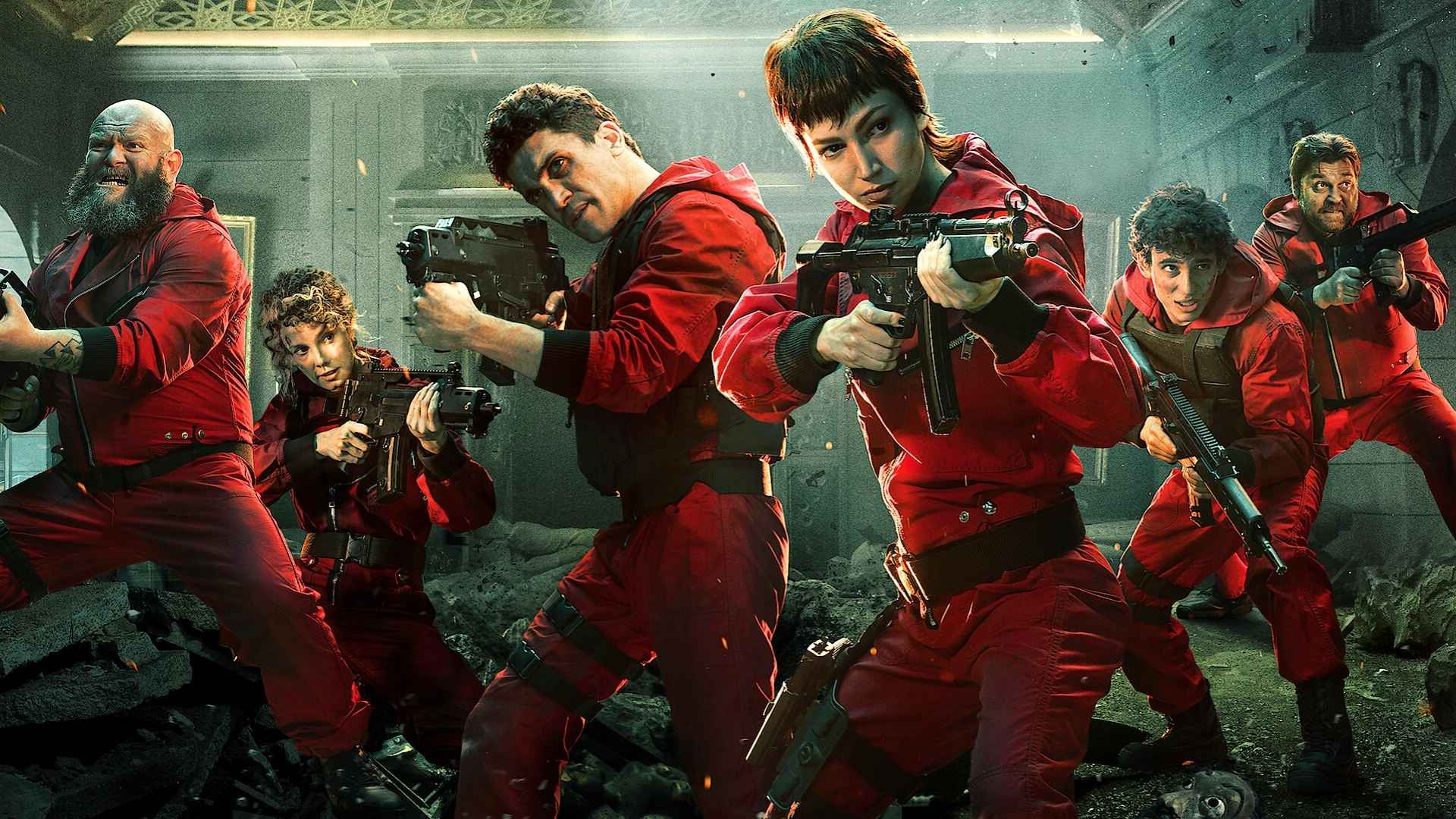
5. Money Heist (5 seasons)
The original heist was tightly structured and globally captivating, driven by clever twists and high-stakes tension. As the show expanded, it introduced extended flashbacks, new characters, and increasingly dramatic set pieces. While still entertaining, the narrative became stretched and repetitive. Emotional beats were revisited too often, and the tight pacing that once defined the series gave way to a more indulgent and prolonged storytelling style.
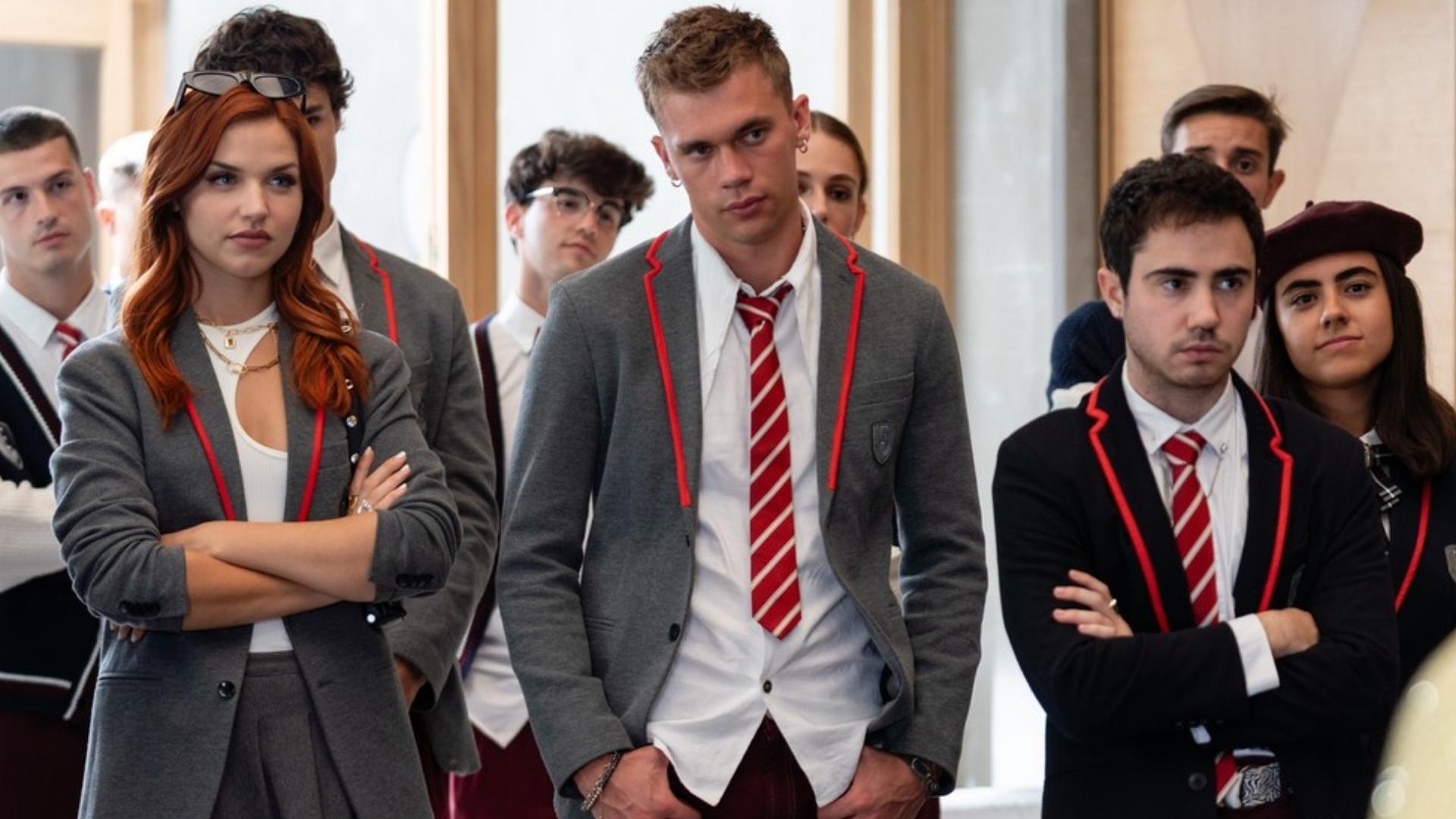
4. Elite (8 Seasons)
The first few seasons delivered a gripping mix of mystery, drama, and sharp social commentary set within an elite high school. However, constant cast changes and recycled storylines gradually weakened its impact. The show leaned more into shock value and stylized drama than meaningful character development. As seasons progressed, it began to feel like a loop of the same conflicts and twists, losing the grounded tension that made it compelling early on.

3. The Witcher (4 Seasons)
The first season drew strong attention with its dark fantasy tone and Henry Cavill’s portrayal of Geralt. While Season 2 built on that momentum, cracks began to show in the writing and pacing. By Season 3, criticism around inconsistent storytelling and deviation from source material had grown louder. Cavill’s exit further damaged fan confidence, and what once felt like Netflix’s next big fantasy franchise began losing its edge.
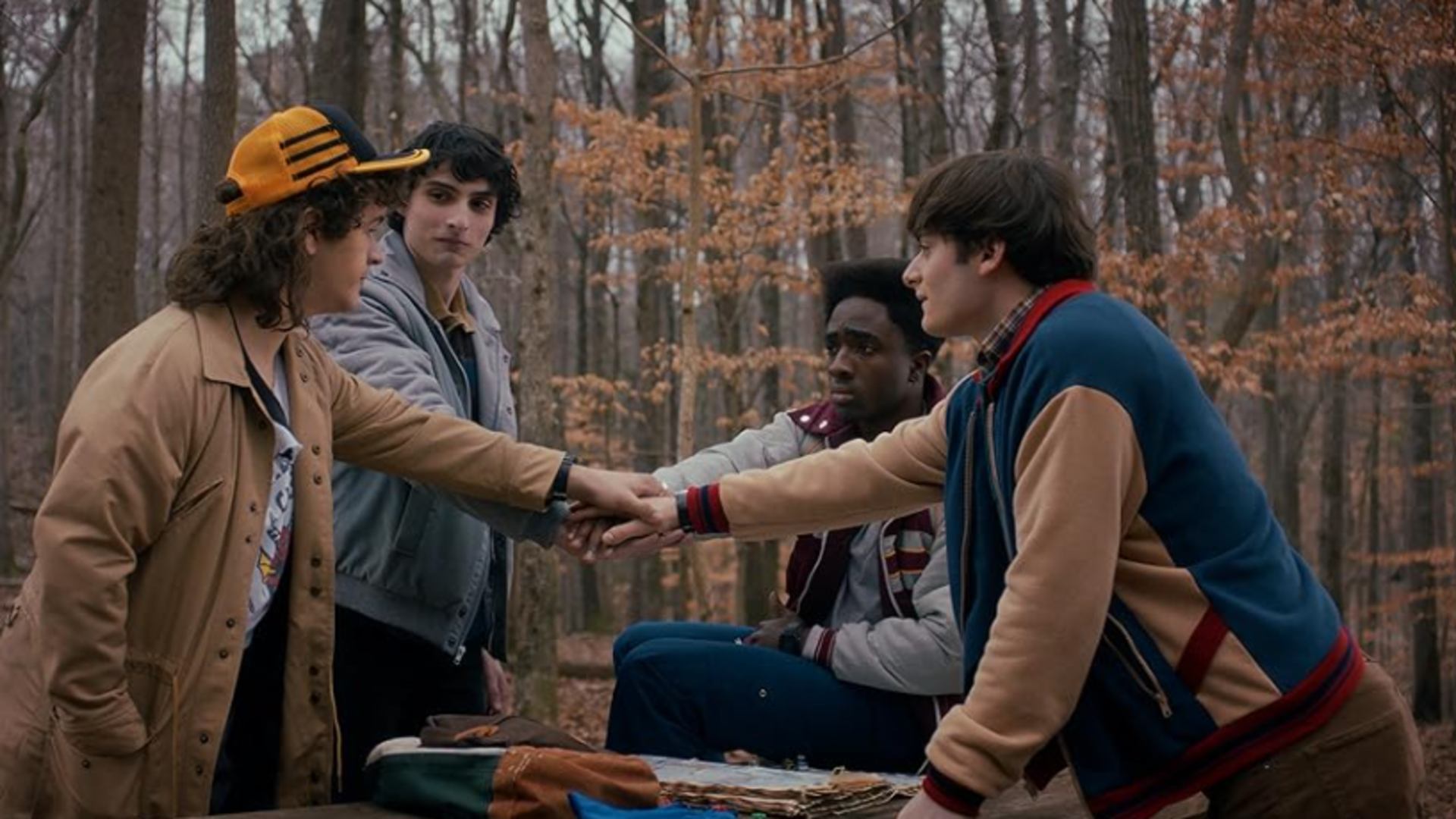
2. Stranger Things (5 seasons)
The early seasons had a great mix of 1980s nostalgia and a fun supernatural mystery that felt fresh and exciting. But taking nearly a decade to complete five seasons made things feel off, especially as the kids visibly grew older on screen. The story kept raising the stakes in increasingly over-the-top ways, while familiar ideas started to repeat. What once felt new and engaging gradually turned into stretched-out fan service that lost much of its original charm.

1. 13 Reasons Why (4 seasons)
Hannah Baker’s story ended in Season 1, and it worked as a strong, emotional adaptation of the book. After that, Netflix stretched the show into three more seasons filled with heavy trauma, graphic scenes, and forced drama that felt unnecessary. It began to feel more exploitative than meaningful. The impact of the original story faded, as criticism grew around its handling of serious issues, and what could have remained a powerful limited series turned into something far more drawn out and exhausting.